 The Greatest Music
1000 Albums to Hear Before you Die
Weight: 67%
How much this list influences our overall rankings. Higher weight means more reliable data.
Penalties Applied:
The Guardian – 1000 Albums to Hear Before You Die (2007) is a large, cross-genre listening guide compiled by the Guardian’s music writers. It’s not a ranked “best of all time” list: entries are presented alphabetically by artist and each album gets a short capsule explaining why it’s worth hearing. The team set a few rules—one album per main artist, often choosing a less-obvious pick over the canonical choice, and allowing Various Artists compilations to represent scenes built on singles. The project also invited readers to suggest omissions, later publishing a “we forgot…” follow-up selection.
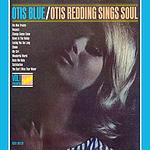
Otis Blue / Otis Redding Sings Soul (1965) captures Otis Redding at the height of his Stax period, blending deep soul, blues, and R&B with a raw Southern soul intensity. Backed by the Stax house musicians, including Booker T. & the M.G.'s and a tight horn section, the album pairs impassioned originals and contemporary covers, from heartfelt slow balladry to gritty up-tempo performances. Redding's rough-hewn, urgent vocals and dynamic arrangements give the record a live, immediate feel that helped define his sound and influenced soul music in the 1960s.
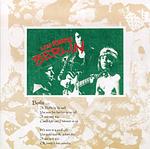
Berlin, Lou Reed's 1973 album produced by Bob Ezrin, is a dark, theatrical concept record that chronicles a troubled couple's descent into addiction, abuse, and despair. Musically it blends rock and art rock with glam and harder-edged moments, using orchestral arrangements, layered vocals, and dramatic dynamics to create a cinematic, unsettling atmosphere that contrasts with the more straightforward rock of his earlier solo work. The album's narrative focus, intense moods, and raw emotional delivery make it a distinctive and provocative work in Reed's catalogue.
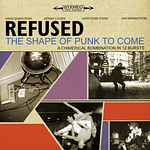
The Shape of Punk to Come: A Chimerical Bombination in 12 Bursts is a 1998 album by Swedish band Refused that fuses hardcore punk and post-hardcore with experimental elements, combining abrasive, shouted vocals and tight hardcore rhythms with abrupt tempo changes, dissonant guitars, electronic samples, and occasional jazz and ambient textures. The songs layer aggressive passages with melodic sections and dense production, and the lyrics engage with political themes and critique. The record is widely regarded as a landmark that pushed the boundaries of punk and influenced later post-hardcore and related scenes.
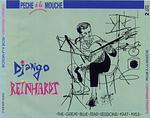
#704 — Pêche à la mouche by Django Reinhardt
#705 — Fables of the Reconstruction by R.E.M.
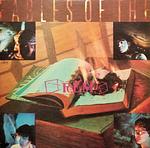
Fables of the Reconstruction (1985) is R.E.M.'s third studio album, notable for a darker, Southern Gothic-tinged sound that blends the band's alternative rock and jangle pop roots with folk and blues textures. The record favors murky, atmospheric arrangements, slower tempos and more acoustic instrumentation than their earlier, brighter releases, and features Michael Stipe's elliptical lyrics that emphasize place and storytelling. It represents a deliberate stylistic shift that expanded the band's musical palette while retaining melodic sensibilities.
#706 — Let It Be by The Replacements
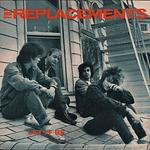
Let It Be, released in 1984 by The Replacements, blends raw garage rock and post-punk energy with melodic power pop and indie sensibilities. The album alternates raucous, loose performances and more reflective, melodic songs, showcasing Paul Westerberg's confessional songwriting on tracks such as I Will Dare, Bastards of Young and Androgynous. Its mix of rough-edged guitars, direct vocals and hooky melodies helped define a rough-hewn alternative rock sound that influenced many bands in the indie and college-rock scenes.
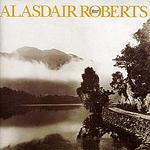
#707 — Farewell Sorrow by Alasdair Roberts
#708 — Going to a Go‐Go by The Miracles
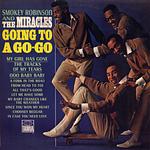
Going to a Go-Go is a 1965 album by The Miracles that exemplifies mid 1960s Motown soul, blending doo-wop harmony with pop soul polish. Led by Smokey Robinson's smooth vocals and songwriting, the record balances upbeat, danceable grooves with tender ballads and tight background harmonies, with production that emphasizes crisp rhythms, horns, and memorable melodic hooks. The album is representative of the group's role in shaping the Motown sound and its crossover approach to rhythm and blues and pop.
#711 — Nós by Virgínia Rodrigues
Singles Collection: The London Years (1989) is a compilation of The Rolling Stones' UK single A-sides and B-sides from the 1960s into the early 1970s, documenting their shift from American blues and British rhythm and blues toward rock, blues rock and occasional psychedelic pop. The collection juxtaposes raw, R&B-rooted covers and early rockers with increasingly original, studio-crafted songs that showcase the developing songwriting partnership of Mick Jagger and Keith Richards and the band's expanding sonic palette. It highlights both well known singles and lesser-known B-sides that mark the group's formative musical evolution.
#713 — Saxophone Colossus by Sonny Rollins
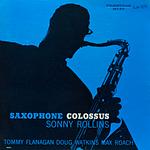
Saxophone Colossus (1957) is a hard bop album by tenor saxophonist Sonny Rollins that showcases his robust tone, melodic invention and extended improvisations. Backed by Tommy Flanagan on piano, Doug Watkins on bass and Max Roach on drums, Rollins blends bebop language, blues feeling and calypso-tinged melodies, most famously on "St. Thomas." The extended tune "Blue 7" is notable for its thematic development and conversational group interplay, and the record is widely regarded as a landmark in Rollins' career and in postwar jazz.
#714 — War Ina Babylon by Max Romeo, The Upsetters
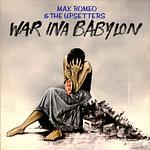
War Ina Babylon (1976) is a roots reggae album by Max Romeo backed by The Upsetters and produced by Lee "Scratch" Perry at his Black Ark studio. The record pairs socially conscious, Rastafari-inflected lyrics with deep bass and drums and dub-influenced studio effects, producing a dense, echo-laden sound that balances melodic singing and rhythmic heaviness. Tracks such as "War Ina Babylon" and "Chase the Devil" highlight the album's mix of political urgency and Perry's experimental production, and the record is regarded as an influential work within roots reggae and dub.
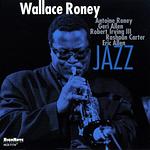
#715 — Jazz by Wallace Roney
#716 — Slaughter on 10th Avenue by Mick Ronson
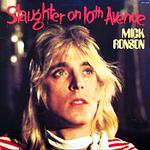
Slaughter on 10th Avenue is Mick Ronson's 1974 solo debut that spotlights his work as a guitarist and arranger within the glam rock era. The album mixes riff-driven rock with melodic, sometimes cinematic arrangements, emphasizing Ronson's expressive lead guitar, layered production, and a theatrical sense of dynamics that echoes his contributions alongside David Bowie. It marks his transition from sideman to frontman while retaining a dramatic, guitar-centered sound rooted in 1970s glam and rock.
#717 — Run Come Save Me by Roots Manuva
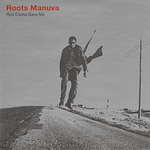
Run Come Save Me is Roots Manuva's 2001 album that blends hip hop, ragga, trip hop and conscious lyricism, pairing heavy dub-influenced bass and sparse electronic beats with reggae and dancehall rhythms. Roots Manuva uses a deep, conversational vocal delivery to mix streetwise wit and introspection over inventive production that features echoing effects, off-kilter grooves and layered samples. Tracks such as "Witness (1 Hope)" illustrate the record's crossover of UK urban styles and its role in expanding the sonic palette of British hip hop.
#718 — Things Fall Apart by The Roots
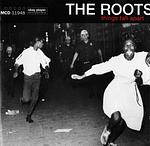
Things Fall Apart, released in 1999 by The Roots, blends live-band hip hop with jazz, soul, and alternative influences. The album foregrounds live instrumentation, layered percussion, and horn and keyboard textures to support socially conscious and introspective lyrics from Black Thought and Malik B. Songs move between gritty, groove-driven tracks and more neo-soul-tinged moments featuring prominent guest vocalists, marking a decisive shift toward a fuller, band-oriented sound within late 1990s hip hop.
#719 — Diana by Diana Ross

Diana is Diana Ross's 1980 album produced by Nile Rodgers and Bernard Edwards of Chic, blending disco, funk, contemporary R&B and pop into a sleek, dance-oriented sound. Chic's production foregrounds rhythmic guitar, tight bass grooves and polished horn and string touches, framing Ross's smooth, expressive vocals across uptempo club tracks and midtempo soul songs. The record's mix of dancefloor energy and pop sophistication yielded several enduring tracks, including material that has been widely embraced as anthemic in dance and LGBTQ communities.
#720 — For Your Pleasure by Roxy Music
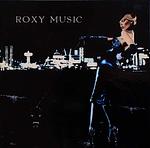
For Your Pleasure, Roxy Music's second studio album released in 1973, refines the band's art rock and glam approach with theatrical arrangements, sleek pop songwriting and abrasive experimental textures. Bryan Ferry's elegant, ironic vocals ride over Andy Mackay's saxophone, Phil Manzanera's guitar work and Brian Eno's synthesizer treatments, producing songs that range from seductive to unsettling, notably "Do the Strand" and "In Every Dream Home a Heartache". The album is the last to feature Eno and is often cited for combining glamour and avant garde production with a raw edge that points toward proto-punk and post-punk sounds.
#721 — Melody A.M. by Röyksopp
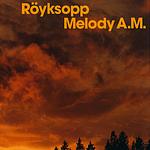
Melody A.M. is the 2001 debut album by Norwegian duo Röyksopp that pairs warm, melodic synth lines with downbeat rhythms and polished electronic production. The record blends downtempo and electronica textures with occasional trance-tinged rhythms and understated vocal moments, favoring cinematic atmospheres, crisp beats, and memorable melodic hooks that steered it toward a more accessible chillout sound without abandoning club influences.
#722 — Raising Hell by Run‐D.M.C.
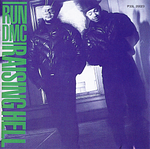
Raising Hell, released in 1986 by Run-D.M.C., is a defining East Coast hip hop record that helped popularize a tougher, stripped-down sound centered on hard drum-machine beats, sparse sampling, and incisive vocal delivery with prominent turntable work. The album blends hardcore hip hop and electro influences with rock textures, most famously on the collaboration with Aerosmith on "Walk This Way," which pairs a live rock riff with rap verses. Production favors raw energy and minimal ornamentation, and the record is often noted for broadening hip hop's audience and stylistic possibilities.
#723 — Something/Anything? by Todd Rundgren
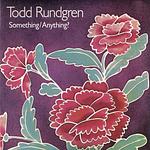
Something/Anything? is Todd Rundgren's 1972 double album that mixes concise pop songwriting with studio experimentation. Rundgren produced the record and performed most of the instrumentation, yielding a range from guitar-driven power pop and pop rock to art pop and more progressive, experimental passages. The album includes songs such as "I Saw the Light", "Couldn't I Just Tell You", and a reworked version of "Hello It's Me", and is often regarded as a key early solo statement showcasing his abilities as a songwriter, arranger, and producer.
#724 — 10 by Kate Rusby
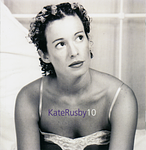
10 (2002) by Kate Rusby showcases her clear, lyrical soprano carried by intimate, acoustic folk arrangements that blend traditional ballads with contemporary songwriting. The production is warm and understated, with fiddle, acoustic guitar and subtle instrumental color supporting a focus on melody and narrative, making the album representative of Rusby’s gentle, pastoral approach to English folk.
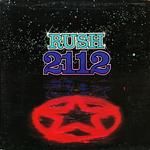
2112, released in 1976, is a landmark Rush album that pairs extended progressive composition with hard rock drive. The centerpiece is the roughly 20 minute title suite, a science fiction rock opera with multiple movements that combine shifting time signatures, thematic motifs, and both aggressive and melodic passages; the lyrics were written by drummer Neil Peart. The shorter tracks on the album offer concise hard rock and instrumental moments that highlight Geddy Lee's high-register vocals and bass work and Alex Lifeson’s textural guitar playing. The record represents a clear move toward more complex arrangements and lyrical ambition within the band's sound.
#726 — New York Big Band by George Russell
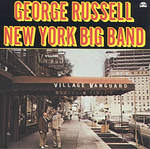
New York Big Band (1982) by George Russell is a large-ensemble jazz record that showcases Russell's modernist compositional approach in a big-band format. The music pairs dense, contrapuntal and modal harmonies with rhythmic drive, alternating tightly scored ensemble passages and sections that allow improvisation, producing a sound that bridges post-bop and progressive jazz orchestration. The album is an example of Russell applying his theoretical ideas to expanded ensemble writing and exploring textural and harmonic contrasts within structured compositions.
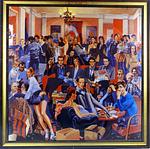
The Crack, the Ruts' 1979 debut album, channels raw punk rock energy through a strong reggae and dub influence, pairing sharp guitars and driving bass with urgent, socially aware lyrics. Its sound balances aggression and groove, and it is often cited as a distinctive example of the late 1970s British punk-reggae crossover.
#728 — Haunted Dancehall by The Sabres of Paradise
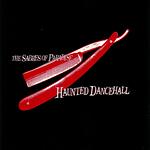
Haunted Dancehall, released in 1994 by The Sabres of Paradise, is a leftfield electronic album that blends downtempo grooves, dub production techniques and fractured techno rhythms. Led by Andrew Weatherall with collaborators Jagz Kooner and Gary Burns, the record emphasizes deep bass, sparse percussion, eerie atmospheres and found-sound samples, shifting between tense, cinematic instrumental pieces and beat-driven tracks. Its production favors layered textures, echo and reverb, creating a smoky, otherworldly club-to-composition feel that sits between ambient and dancefloor sensibilities.
#729 — Foxbase Alpha by Saint Etienne
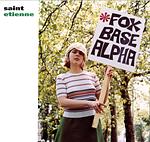
Foxbase Alpha is Saint Etienne's 1991 debut, blending acid house and house rhythms with indie pop songwriting and electronic textures. The album pairs danceable, sample-driven production and shimmering synths with nostalgic references to 1960s pop and cinematic sound collage, anchored by Sarah Cracknell's vocal presence and the single "Only Love Can Break Your Heart". Its fusion of club beats and retro pop helped establish an early indietronica and alternative dance approach in the UK scene.
#730 — Moussolou by Oumou Sangaré
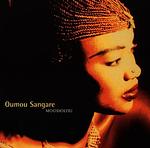
Moussolou (1991) is an early album by Malian singer Oumou Sangaré that showcases the Wassoulou musical tradition. It blends traditional rhythms and pentatonic vocal lines with electric guitar, layered percussion and contemporary arrangements, placing Sangaré's powerful, expressive voice at the center. The songs address themes of women's lives, marriage and social independence in direct, socially aware lyrics, and the album is often cited for introducing the sound and concerns of Wassoulou music to audiences beyond Mali.
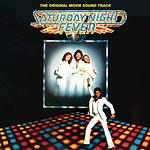
A landmark 1977 film soundtrack that captures the polished, groove-driven sound of late 1970s disco and dance music. It centers on contributions from the Bee Gees alongside songs from other contemporary disco, funk, and pop artists, mixing driving four-on-the-floor rhythms, prominent basslines, lush string and orchestral touches, and falsetto vocal harmonies with a few slower ballad moments. The album is notable for presenting a cohesive dance-oriented sound that helped define popular perceptions of disco and nightclub culture in that era.
#732 — Silk Degrees by Boz Scaggs
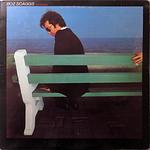
Silk Degrees is a 1976 album by Boz Scaggs that blends rock, pop, soul, and disco influences into a smooth, tightly produced sound. Scaggs's warm, relaxed vocals sit over polished arrangements featuring prominent rhythm grooves, keyboards, and tasteful horn and string accents, moving between upbeat, groove-driven tracks and mellow, soulful ballads. The record is often cited as a clear example of mid 1970s blue-eyed soul and adult-oriented pop rock, notable for its focus on groove and melodic songwriting.
#733 — A Strangely Isolated Place by Ulrich Schnauss
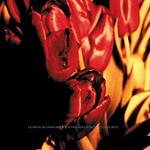
A Strangely Isolated Place, released in 2003 by Ulrich Schnauss, is an electronic album that blends ambient, leftfield and downtempo styles into lush, shoegaze-influenced soundscapes. Schnauss layers reverb-drenched synth pads, shimmering arpeggios and subtle, restrained beats to produce a cinematic, melancholic atmosphere that emphasizes texture and melody over dancefloor rhythms. The record is notable for merging ambient atmospherics with melodic electronic production, and for helping define a mood-driven approach within early 2000s indietronica and ambient electronica.
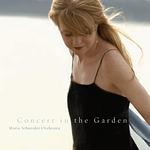
Concert in the Garden is a 2004 album by the Maria Schneider Orchestra that showcases Schneider's modern large-ensemble jazz writing, marked by lush, impressionistic orchestration, lyrical long-form compositions, and a strong focus on tone color and dynamic range. The music blends jazz improvisation with elements of classical and folk harmony to create spacious, cinematic and chamber-like textures, often emphasizing subtle rhythmic shifts and warm, expressive solos. The release is also noted for being issued through the ArtistShare direct-to-fan platform, an early example of an alternative distribution model for jazz recordings.
#735 — Afrociberdelia by Chico Science, Nação Zumbi
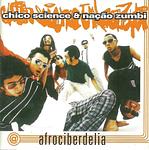
Afrociberdelia, released in 1996 by Chico Science & Nação Zumbi, pushes the manguebeat fusion of Recife maracatu rhythms with rock, funk, hip hop and electronic textures into a more experimental and electronic space. The record pairs dense, driving percussion and call-and-response vocals with distorted guitars, samplers and dub-influenced studio effects, creating a raw, urban sound that expands on the band’s earlier, more roots-oriented work. It is widely cited for blending Northeastern Brazilian rhythms with global urban styles and for its role in the manguebeat movement.
#736 — Scissor Sisters by Scissor Sisters
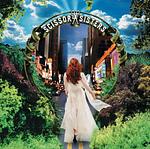
Scissor Sisters is the self-titled 2004 debut by Scissor Sisters that blends disco, pop, electro and downtempo elements into a theatrical, nightclub-influenced sound. The record pairs falsetto-led, campy vocals with dancefloor-friendly arrangements and occasional moodier electronic textures, and features a distinctive cover of Pink Floyd's "Comfortably Numb" alongside original songs such as "Take Your Mama." The album introduced the band's flamboyant aesthetic and helped define their early musical identity.
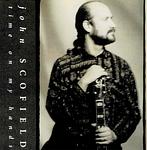
#737 — Time on My Hands by John Scofield
#738 — Luggumt by Scorch Trio
#739 — Manhattan Research, Inc. by Raymond Scott
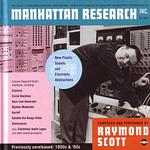
Manhattan Research, Inc. is a 2000 compilation of Raymond Scott's pioneering electronic and electroacoustic experiments recorded for his Manhattan Research, Inc. project. The material consists of short, often playful pieces that use early electronic circuitry, tape manipulation, and inventive studio techniques to create percussive, mechanical rhythms, quirky melodies, and a futuristic lounge ambience. The collection highlights Scott's dual role as composer and inventor, bridging midcentury popular orchestration and proto-electronic soundscapes that anticipated later developments in electronic and soundtrack music.
#740 — Songs to Remember by Scritti Politti
Songs to Remember, released in 1982 by Scritti Politti, finds frontman Green Gartside moving from post-punk roots toward a cleaner, more melodic pop sound that incorporates synth textures, funk and soul influences and relatively polished production. The album pairs intricate, often intellectual lyrics with arrangements that blend keyboards, guitars and rhythmic grooves, and it points toward the group's later shift into sophisticated synth-pop and pop songwriting.
#741 — Sounds Like Searchers by The Searchers
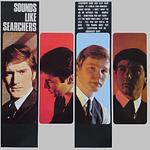
Sounds Like Searchers (1965) captures the group's mid 1960s pop rock take on the British Invasion sound, featuring chiming jangle guitar, close vocal harmonies and a balance of upbeat beat numbers and melodic ballads. The album reflects the Searchers' move toward more polished, radio-friendly arrangements while retaining the concise, hook-driven songwriting that marked their earlier work.
#742 — Dutty Rock by Sean Paul

Sean Paul's 2002 album Dutty Rock mixes core dancehall rhythms and rapid patois delivery with catchy pop hooks and modern electronic-leaning production, producing upbeat, club-ready grooves and singalong choruses. The record emphasizes syncopated riddims, energetic toasting and simple melodic refrains, showcased on tracks like Gimme the Light, Get Busy and Like Glue. Dutty Rock helped broaden Sean Paul's audience beyond Jamaica and contributed to the early 2000s visibility of contemporary dancehall in international pop and club settings.
#743 — From the Hip by Section 25
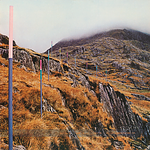
From the Hip (1984) finds Section 25 moving further from their post-punk roots into an electro and synth-pop direction, marked by sequenced basslines, spare drum machine patterns and icy synthesizer textures. The album blends danceable, rhythm-focused arrangements with detached, understated vocals, capturing a colder, more electronic sound associated with Factory-era experimentation. Its concise, rhythm-driven songs emphasize atmosphere and groove over rock instrumentation.
#744 — Spunk by Sex Pistols
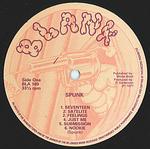
Spunk is a collection of early demo recordings by the Sex Pistols that circulated as a bootleg in 1977. It captures a raw, immediate punk rock sound with rough mixes, urgent guitars, and snarling vocals, presenting alternate takes of songs the band later released officially and offering a direct snapshot of their formative studio work.
#745 — SFJAZZ Collective by SFJAZZ Collective
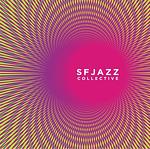
The 2005 self-titled album by the SFJAZZ Collective presents the ensemble's contemporary jazz approach, featuring tightly arranged pieces that balance detailed written charts with open improvisation. The music blends post-bop harmonic language with modern compositional forms and occasional world-music or avant-garde textures, arranged for the group's extended small-big-band lineup to emphasize ensemble interplay and individual solo voices.
#746 — 20 Golden Greats by The Shadows
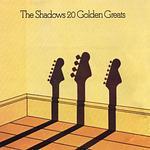
20 Golden Greats (1977) is a compilation that showcases The Shadows' signature instrumental rock and pop sound, centered on Hank Marvin's clean, echo-laden Fender Stratocaster lead and tight, melodic arrangements. The selections reflect the group's mix of rock and roll energy, surf-influenced guitar lines, and softer melodic pieces, illustrating their role in popularizing guitar-led instrumental pop in Britain and influencing later guitarists and bands.
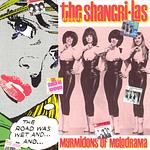
#747 — Myrmidons of Melodrama by The Shangri‐Las
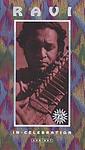
#748 — In Celebration by Ravi Shankar
#749 — Runaway With Del Shannon by Del Shannon
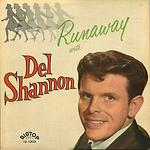
Runaway With Del Shannon, released in 1961, collects Del Shannon's early singles and showcases his plaintive high-tenor delivery and melody-driven pop rock. The title track is notable for an electronic keyboard solo by Max Crook, and the album blends rock and roll energy, pop songwriting, and teen pop themes of heartache in concise, radio-friendly arrangements. Its sound is marked by chiming guitars, driving rhythms, and reverb-forward production typical of early 1960s American rock-pop.
#750 — King of the World by Sheila & B. Devotion
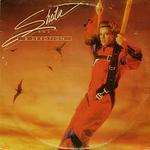
King of the World is a disco-pop album by Sheila & B. Devotion that showcases Chic-influenced production from Nile Rodgers and Bernard Edwards and includes the single "Spacer". The record pairs Sheila's English-language vocals with tight funk guitar, syncopated bass lines, lush strings and disco-era synth textures, producing polished, dancefloor-focused tracks that mark her transition into an international disco pop sound.
#751 — Dancing Man & Woman by Andy Sheppard
#752 — Alegría by Wayne Shorter
#753 — Ágætis byrjun by Sigur Rós
Ágætis byrjun, released in 1999, is Sigur Rós's second studio album and is built around long, slow-building compositions that mix post-rock atmospherics with ambient textures, chamber pop arrangements, and experimental touches. The record features Jónsi Birgisson's high, reverb-soaked falsetto, bowed and heavily processed guitars, subtle percussion and string parts, and a cinematic sense of space that moves between sparse quiet and sweeping crescendos. It is widely regarded as the work that established the band's distinctive, ethereal sound and brought that more orchestral strand of post-rock to a broader audience.
#754 — Abracadabra: The Asylum Years by Judee Sill
Abracadabra: The Asylum Years is a compilation of Judee Sill's recordings from her Asylum label period that highlights her blend of folk rock and baroque pop. The material emphasizes fingerpicked acoustic guitar, intricate melodic structures, layered vocal harmonies and understated chamber-style arrangements, while lyrics often weave spiritual imagery with personal reflection, offering a concentrated overview of her early 1970s songwriting and production.
#755 — American Water by Silver Jews
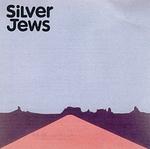
American Water, released in 1998 by Silver Jews, blends indie rock and Americana with spare, country-tinged arrangements and literate, wry, and melancholic songwriting by David Berman. The record pairs gentle acoustic and electric guitars with understated rhythms and an intimate vocal delivery to create a contemplative, road-weary atmosphere, featuring vivid, image-driven lyrics and a dry sense of humor. It is often cited as a defining Silver Jews album that highlights Berman's sharp lyricism and melodic sense within a low-key, lo-fi-influenced indie rock sound.
#756 — Graceland by Paul Simon
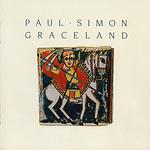
Graceland (1986) is a Paul Simon album that combines his singer-songwriter pop and folk sensibilities with South African musical styles, producing a worldbeat-influenced pop rock sound. Recorded with South African musicians and featuring vocal contributions from Ladysmith Black Mambazo, the record is marked by syncopated mbaqanga guitar lines, rich vocal harmonies, and a mix of acoustic songwriting and studio textures. Lyrically it blends personal storytelling with themes of travel, exile, and everyday observation, and its cross-cultural production is a notable example of Western popular music engaging directly with African musical traditions.
#757 — Sons and Fascination by Simple Minds
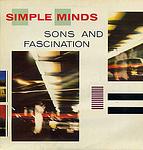
Sons and Fascination (1981) finds Simple Minds expanding their post-punk roots into a more synth-forward new wave sound, blending propulsive rhythms, chiming guitars, and layered keyboards. The record balances atmospheric, experimental textures with concise, pop-minded songcraft, pointing toward the band’s later move into bigger, anthemic arrangements. Its taut grooves and textural production mark it as a transitional release that bridges the group's early angular work and their subsequent stadium-oriented style.
#758 — September of My Years by Frank Sinatra
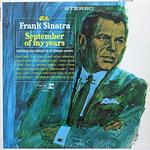
September of My Years (1965) presents Frank Sinatra in a reflective, late-career mode, delivering a sequence of ballads and standards arranged and conducted by Gordon Jenkins. The album emphasizes lush string charts, restrained brass touches, and measured tempos that foreground Sinatra's warm, seasoned baritone, with recurring themes of aging, memory, and nostalgia woven through the song choices. Stylistically it sits between traditional pop, jazz-inflected phrasing, and easy listening orchestration, offering a coherent, intimate mood throughout.
#759 — Juju by Siouxsie and the Banshees
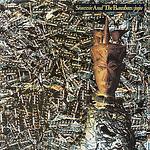
Juju, released in 1981 by Siouxsie and the Banshees, is a tense, atmospheric post-punk album with strong ties to early gothic rock. It pairs Siouxsie Sioux's commanding, stylized vocals with John McGeoch's inventive, angular guitar work and Budgie's propulsive, tom-driven rhythms to create a spare, textured sound; songs such as "Spellbound" capture the record's moody, claustrophobic energy. The album is often regarded as a defining statement in the band's catalog and an influential touchstone for post-punk and gothic guitar-based music.
#760 — We Are Family by Sister Sledge
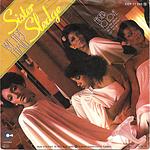
We Are Family is a 1979 album by Sister Sledge produced with Nile Rodgers and Bernard Edwards. It blends disco and pop with funk-rooted rhythms, featuring Chic-style guitar and bass patterns, danceable grooves, lush string arrangements, and close sibling vocal harmonies. The material ranges from upbeat dance anthems to mid-tempo pop grooves and foregrounds themes of togetherness and celebration, making it a notable example of late 1970s disco-pop crossover.
#761 — Floodland by The Sisters of Mercy
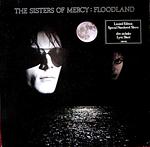
Floodland (1987) finds The Sisters of Mercy shifting toward a more synth-driven, atmospheric take on gothic rock, blending dark wave and dance-rock elements with prominent sequencers and the drum machine Doktor Avalanche. Andrew Eldritch's deep baritone is set against dense keyboards, echoing guitars and choir-like vocal overdubs on songs such as "This Corrosion", "Dominion/Mother Russia" and "Lucretia My Reflection". The album emphasizes spacious, cinematic arrangements and a brooding, nocturnal mood that helped define a strand of late 1980s dark alternative music.
#762 — Black Woman & Child by Sizzla
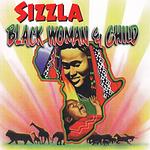
Black Woman & Child presents Sizzla's blend of roots reggae and dancehall, pairing melodic singjay delivery with rhythmic toasting over bass-driven, drum-and-guitar arrangements. The songs emphasize spiritual themes, social commentary, and respect for black women and family, reflecting Rastafari-influenced worldview and conscious lyricism. As an early full-length that showcases his voice and style, the record helped define Sizzla's approach to contemporary reggae and dancehall fusion.
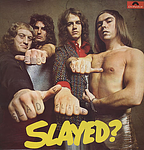
Slayed? (1972) is an album by British band Slade that crystallizes their raw, riff-driven take on glam rock. The record emphasizes punchy, anthemic songs built around chunky guitar riffs, stomping backbeats and Noddy Holder's raspy, shout-along vocal delivery, with Jim Lea's melodic bass and occasional violin adding texture. Recorded with a direct, live energy, it showcases the band's focus on high-energy hooks and crowd-ready choruses and stands as a clear example of early 1970s British glam and hard rock.
#764 — Party Lights: More of the Best by Slave
#765 — Reign in Blood by Slayer
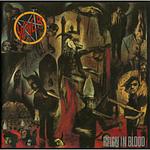
Reign in Blood is Slayer's 1986 studio album that helped define thrash metal's extreme edge. It features relentless tempos, razor-sharp guitar riffs from Kerry King and Jeff Hanneman, Tom Araya's snarled vocals, and Dave Lombardo's explosive drumming, delivered in a compact, intense runtime. The record is notable for its concise song structures, abrasive production, and tracks such as "Angel of Death" and "Raining Blood" that emphasize speed and brutality within a tight, focused framework.
Jerusalem, recorded by Sleep in 1996, centers on a single long, riff-driven composition that exemplifies doom and stoner metal with massive, detuned guitars, slow, monolithic tempos, and hypnotic repetition. Vocals are delivered in a raw, chant-like style over expansive, heavy textures that draw on psychedelic and blues-based riffing, and the work is often cited for its uncompromising emphasis on atmosphere and sustained heaviness within the genre.
#767 — Behind Bars by Slick Rick
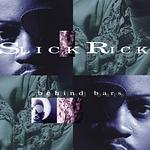
Behind Bars, Slick Rick's third studio album released in 1994, finds the British-born New York MC applying his trademark storytelling and sing-song flow to the harder-edged, sample-driven production of early 1990s East Coast hip hop. The record blends vivid narrative vignettes, clever wordplay, and melodic hooks with a grittier sonic backdrop, and several tracks carry the tone of confinement and legal trouble that inform the album's title. Overall it extends Slick Rick's emphasis on character-driven tales and rhythmic phrasing while reflecting the tougher production aesthetics of its era.
#768 — Spiderland by Slint
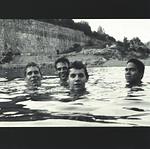
Spiderland, released in 1991 by Slint, is a spare, tension-driven rock album that helped shape key aspects of post-rock and math rock. Its songs blend subdued, often spoken vocals with angular, interlocking guitar work, shifting tempos, and stark dynamics that move between quiet, intimate passages and intense, release-driven climaxes. The album's atmospheric production and emphasis on space and rhythmic precision give it a cinematic, unsettling mood that has influenced many bands in post-rock, math rock, and post-hardcore circles.
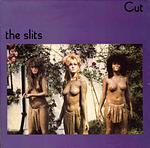
Cut, the 1979 debut by The Slits, blends post-punk immediacy with reggae and dub-influenced rhythms, pairing jagged, angular guitars and spare, propulsive bass with loose, improvisatory song structures. Ari Up's raw, expressive vocals and the band's off-kilter arrangements give the album a confrontational yet playful quality, while producer Dennis Bovell's use of echo and space brings a dub-informed production that foregrounds rhythm and texture. The result is an experimental, genre-melding record that helped expand the sonic possibilities of post-punk and art punk.
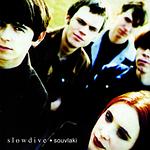
Souvlaki is Slowdive's 1993 album that blends shoegaze and dream pop with ambient and psychedelic touches, built around layered, reverb-soaked guitars, hushed, ethereal vocals, and an emphasis on texture and mood rather than conventional pop immediacy. Its songs move between dense, shimmering walls of sound and quieter, introspective passages, incorporating subtle electronic and atmospheric elements alongside melodic songwriting. The record is frequently regarded within the shoegaze and dream pop canon for its immersive production and melancholic, contemplative tone.
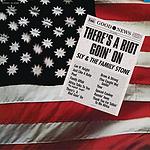
There’s a Riot Goin’ On, released in 1971 by Sly & the Family Stone, marks a turn from the band’s earlier upbeat crossover soul toward a darker, more inward form of funk and psychedelic soul. The record emphasizes slow, groove-centered rhythms, prominent bass, muted horns and layered, often murky production that creates an intimate, raw atmosphere. Its lyrics and tone convey disillusionment and reflection rather than the communal optimism of the 1960s, and the album’s emphasis on texture and mood helped shape later directions in deep funk and progressive soul.
#772 — The Autumn Stone by Small Faces
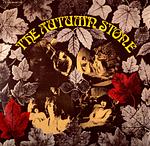
The Autumn Stone is a 1969 compilation by Small Faces that collects singles, album tracks and previously unreleased material from the band's late 1960s period. Musically it spans their mod R&B and soul roots through the more psychedelic, studio-oriented work they explored later, featuring prominent organ and guitar interplay, tight vocal harmonies and Steve Marriott's distinctive lead singing. Issued after the group's breakup, the set functions as a retrospective that highlights both their punchy mod numbers and more ornate, experimental arrangements.
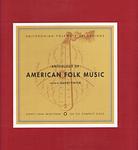
Anthology of American Folk Music is a landmark compilation assembled by collector Harry Smith in the early 1950s that gathers pre-World War II recordings across blues, country, folk, Cajun, gospel and country blues traditions. The tracks, drawn from 78 rpm-era commercial and regional sources, emphasize raw acoustic performances, solo blues singers, string bands and regional dance tunes, and the set's sequencing and notes helped shape later folk and roots revivals. The sound ranges from sparse country blues and narrative ballads to lively fiddle and Cajun numbers, offering a broad introduction to American vernacular music of the 1920s and 1930s.
#774 — Horses by Patti Smith
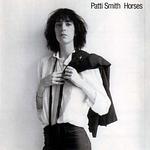
Horses, Patti Smith's 1975 debut, blends raw garage rock energy with art rock experimentation and proto-punk urgency. Produced by John Cale, the album pairs a spoken-word influenced vocal delivery and poetically charged lyrics with spare, driving arrangements built around guitar, piano, and drums. Its rough-edged production, confrontational performance style, and fusion of literary sensibility with rock idioms are often cited as influential on early punk and art punk movements, and the stark cover photograph by Robert Mapplethorpe complements the record's austere aesthetic.
#775 — Hatful of Hollow by The Smiths
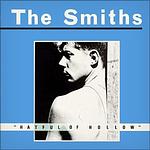
Hatful of Hollow is a 1984 compilation that gathers early singles and BBC session recordings by The Smiths, presenting a snapshot of the group’s formative period. Musically it pairs Johnny Marr’s chiming, arpeggiated guitar textures with Morrissey’s literate, melancholic vocal delivery, mixing jangle pop and indie rock influences with traces of post-punk moodiness. The record highlights the band’s knack for concise, melody-driven arrangements and mordant, observational lyrics, and is often cited as a key document of their early sound within the 1980s British indie scene.
#776 — Knock Knock by Smog
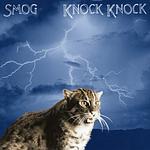
Knock Knock (1999) is a Smog album by Bill Callahan that shifts from the thinner home-recorded lo-fi textures of earlier records toward more expansive, band-oriented arrangements while keeping Callahan's low, deadpan vocal delivery and elliptical, wry lyrics. The songs balance stark, intimate moments with electric, driving tracks colored by twangy guitars and subtle keyboard tones, sitting at the intersection of indie rock, lo-fi intimacy, and alt-country-tinged rock. Its notable characteristics are restrained arrangements, a focus on lyric-driven storytelling, and a clearer, fuller studio sound compared with his prior work.
#777 — Non‐Stop Erotic Cabaret by Soft Cell
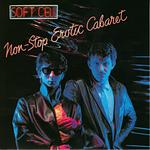
Non-Stop Erotic Cabaret is Soft Cell's 1981 debut album that blends new wave, synthpop and electro-disco with stark electronic arrangements and drum machine rhythms. Marc Almond's theatrical, noir-tinged vocals sit over Dave Ball's sparse analog synth textures to create a club-oriented yet intimate sound, alternating between sleazy, cabaret-inspired storytelling and melancholic pop melodies. The record includes their cover of "Tainted Love" and emphasizes themes of nightlife, desire and urban alienation delivered with a mixture of camp and melancholy.
#778 — BBC Radio 1 Live in Concert by Soft Machine
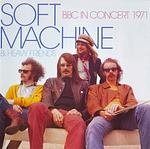
#779 — Bazerk Bazerk Bazerk by Son of Bazerk, No Self Control
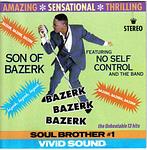
Bazerk Bazerk Bazerk is the 1991 debut by Son of Bazerk, a Bronx-based hip hop act. The album pairs Son of Bazerk's wild, theatrical vocal delivery and group-shout dynamics with dense, sample-driven, abrasive production that blends funk, soul and doo-wop fragments into chaotic, collage-like tracks. Its confrontational, tongue-in-cheek energy and unconventional song structures make it a distinctive, idiosyncratic entry in early 1990s East Coast hip hop.
#780 — Daydream Nation by Sonic Youth
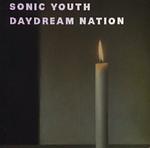
Daydream Nation (1988) by Sonic Youth blends noisy, experimental textures with melodic songcraft, moving between abrasive, dissonant guitar attack and extended, atmospheric passages. The band uses alternate tunings, feedback and layered guitars to create dense, shifting soundscapes while maintaining memorable hooks on tracks like Teen Age Riot and Silver Rocket. The album is frequently cited as an important bridge between no wave noise experiments and the emergence of alternative and indie rock in the late 1980s.
#781 — Superunknown by Soundgarden
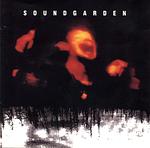
Superunknown (1994) is Soundgarden's fourth studio album that blends heavy alternative metal and grunge with melodic and psychedelic elements. The record is built around down-tuned, dense guitar riffs, varied time signatures and arrangements, and Chris Cornell's wide vocal range, shifting between raw intensity and melodic delivery. Its songs move from hard, riff-driven rock to more atmospheric and introspective pieces, reflecting a broadening of the band's sonic palette and experimentation.
#782 — The Perfect Prescription by Spacemen 3
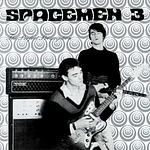
The Perfect Prescription (1987) is Spacemen 3's concise statement of a minimalist, drone-tinged approach to neo-psychedelia and psychedelic pop. Presented as a loose concept album tracing stages of a drug experience, it pairs simple, hymn-like melodies and pop songcraft with sustained tones, feedback textures, spare rhythms and a raw, immersive production aesthetic. The record foregrounds repetition and atmosphere over virtuosity and is often cited as an important touchstone for later indie and neo-psychedelic acts.
#783 — Journeys to Glory by Spandau Ballet
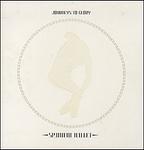
Journeys to Glory is Spandau Ballet's 1981 debut album, associated with the New Romantic and New Wave movements. It features lean, synth-driven arrangements, rhythmic bass and drums, and pop rock guitar accents that give the songs a dance-oriented pop sound. The album includes the single "To Cut a Long Story Short" and reflects the band's origins in the early 1980s London club scene.
#784 — Kimono My House by Sparks
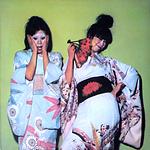
Kimono My House (1974) pairs glam rock energy with art pop and progressive pop ambitions, featuring Ron Mael's angular, piano-led arrangements and Russell Mael's theatrical, vibrato-rich vocals. The songs blend concise pop hooks with eccentric, literate lyrics and dramatic orchestral touches, creating abrupt shifts in mood and a distinctive, witty sound exemplified by "This Town Ain't Big Enough for Both of Us" and "Amateur Hour". The album is widely regarded as the record that established Sparks' idiosyncratic fusion of glam and art rock and brought them broader attention in the 1970s.
#785 — Deliverance by Bubba Sparxxx
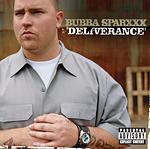
Deliverance, released in 2003 by Bubba Sparxxx, blends Southern hip hop and country influences, pairing twangy guitars and rural textures with programmed beats and rap delivery. The record emphasizes autobiographical and rural themes, using organic instrumentation and sparse production to create a distinct country rap sound within the Dirty South context, and it stands out for bringing nontraditional sonic elements into mainstream hip hop of its time.
#786 — …Baby One More Time by Britney Spears
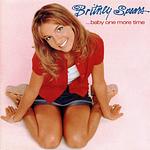
…Baby One More Time is Britney Spears's 1999 debut studio album that centers on polished dance-pop and teen pop with notable Europop and contemporary R&B production touches. The record mixes hook-driven, synth-forward uptempo tracks with slower ballads, featuring glossy, radio-ready arrangements and Spears's breathy, youth-focused vocal delivery. Produced and written by pop-era songwriters and producers, the album helped launch her career and is often referenced as a defining example of late 1990s mainstream pop.
#787 — The Singles Collection by The Specials
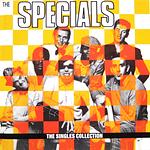
The Singles Collection (1991) by The Specials is a compilation that showcases the band's blend of Two Tone ska, reggae and dub influences with rock and new wave energy. The tracks emphasize offbeat guitar rhythms, punchy horn lines, deep bass and socially observant lyrics, capturing the gritty urban mood and political edge of late 1970s and early 1980s Britain. As a singles compilation it highlights the concise, direct side of the band's catalogue while retaining the raw production and rhythmic drive that marked their sound.
#788 — Back to Mono (1958–1969) by Phil Spector
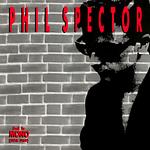
Back to Mono (1958–1969) is a 1991 box set compiling Phil Spector's mono singles and productions from 1958 through 1969, largely drawn from his Philles Records period. The collection showcases Spector's signature Wall of Sound production, with dense, reverberant arrangements that combine orchestral touches, layered vocal harmonies and propulsive rhythm to reshape pop, doo-wop, blue-eyed soul and baroque pop into dramatic ballads and vivid singles. It assembles recordings by artists closely associated with Spector, including the Ronettes, the Crystals, the Righteous Brothers and Darlene Love, and emphasizes the original mono mixes that foreground his production techniques.
#789 — Spice by Spice Girls
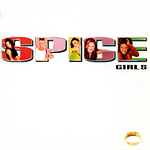
Spice is the 1996 debut album by the Spice Girls, built around glossy pop and dance-pop arrangements with synth textures and touches of electronic and hip hop production. The songs favor catchy hooks, strong choruses and prominent melody lines, with the five members taking turns on lead vocals and delivering characterful, personality-driven performances. Lyrical themes center on friendship, confidence and relationships, and the album's upbeat, radio-friendly sound helped shape the mainstream girl-group pop style of the late 1990s.
#790 — Pick of the Litter by The Spinners
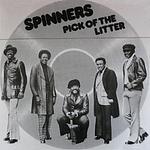
Pick of the Litter (1975) by The Spinners is a Philadelphia soul R&B album produced by Thom Bell that highlights the group's smooth, layered vocal harmonies and polished, orchestrated arrangements. The music blends steady rhythms, warm strings and horns, and refined studio production to create the lush, melodic soul sound associated with mid-1970s Philly soul.
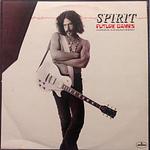
#791 — Future Games by Spirit
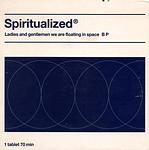
Ladies and Gentlemen We Are Floating in Space is Spiritualized's 1997 album largely shaped by frontman Jason Pierce. It blends space rock and neo-psychedelia with lush orchestral arrangements, gospel-tinged backing vocals, and passages of guitar feedback and sustained drones, creating a contrast between warm pop melodies and noise-inflected textures. The production favors reverberant, cinematic soundscapes and recurring motifs of longing and dissolution, yielding a densely arranged, atmospheric exploration of love, loss, and transcendence.
#793 — Brand New Me by Dusty Springfield
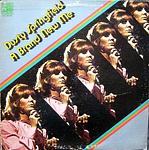
A Brand New Me (1970) finds Dusty Springfield working in a pop and soul idiom, pairing her warm, expressive voice with lush arrangements and restrained rhythm work. The album leans on soulful ballads and midtempo grooves, highlighting her ability to interpret material with emotional nuance and a slightly more American soul feel than some of her earlier British pop records. It is often noted for its intimate vocal performances and polished, orchestral-tinged backing that bridges pop accessibility with classic soul sensibilities.
#794 — Born to Run by Bruce Springsteen
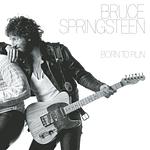
Born to Run (1975) blends rock, heartland rock, folk rock, piano-driven rock, and singer-songwriter storytelling into a sweeping, cinematic sound. Built around dense, Wall of Sound inspired arrangements with prominent saxophone and piano, the album pairs anthemic, propulsive tracks with intimate, narrative songs about escape, youthful restlessness, and working-class longing. It represented a major artistic leap for Springsteen and helped define the musical themes and larger-than-life production style he explored in later work.
#795 — Feed Me Weird Things by Squarepusher
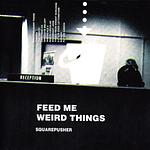
Feed Me Weird Things is an early Squarepusher album that blends IDM, drum and bass, jungle, and experimental electronic approaches. The record is built around rapid, intricately programmed breakbeats, dense digital textures, and bursts of virtuosic electric-bass playing, juxtaposing jazz-inflected bass lines with chaotic, high-speed drum programming to create a challenging and exploratory sound characteristic of 1990s underground electronic music.
#796 — Suspended Night by Tomasz Stańko Quartet
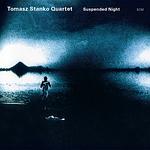
Suspended Night (2004) features Tomasz Stańko in quartet setting with Marcin Wasilewski on piano, Slawomir Kurkiewicz on bass and Michal Miskiewicz on drums, presenting a modern European jazz sound that emphasizes lyrical melodies, spacious textures and close group interplay. The music leans toward introspective, melancholic themes and slow to medium tempos, with Stańko's muted, expressive trumpet often framed by the trio's restrained, responsive accompaniment. The record helped solidify the chamber-like, atmospheric approach that characterized Stańko's work with this group.
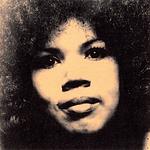
#797 — Candi Staton by Candi Staton
#798 — 12 Gold Bars by Status Quo
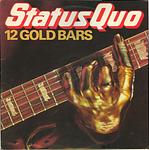
12 Gold Bars is a 1980 compilation album by Status Quo that collects many of the band's singles from the 1970s, presenting their signature riff-driven boogie rock with straightforward arrangements, chugging rhythms, and catchy, singalong choruses. The selection highlights the group's blend of classic rock and pop hooks, emphasizing electric guitars, steady grooves, and concise songcraft that typified their mainstream sound in that era.
#799 — Handsworth Revolution by Steel Pulse
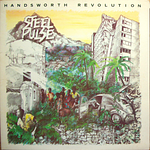
Handsworth Revolution, released in 1978, is a roots reggae album by Steel Pulse characterized by deep bass, skanking guitar, tight vocal harmonies, and politically charged lyrics rooted in the band's Handsworth, Birmingham experience. The record blends traditional Jamaican roots rhythms and Rastafarian themes with sharp social commentary on racial inequality and urban life in Britain, giving the songs an urgent but melodic feel. It is widely regarded as an important work in the development of British reggae, bringing street-level politics and roots aesthetics into a UK context.
#800 — Please to See the King by Steeleye Span
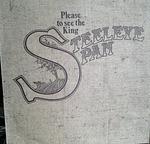
Please to See the King (1971) presents Steeleye Span's early folk rock approach, offering electrified arrangements of traditional British folk songs that blend acoustic instruments, electric guitar and bass, and fiddle-led melodies with prominent lead and ensemble vocals. The record emphasizes rhythmic drive and close harmonies while favoring lean, sometimes raw interpretations of ballads and dance tunes, illustrating the band's role in shaping the British folk rock sound of the early 1970s.