 The Greatest Music
1000 Albums to Hear Before you Die
Weight: 67%
How much this list influences our overall rankings. Higher weight means more reliable data.
Penalties Applied:
The Guardian – 1000 Albums to Hear Before You Die (2007) is a large, cross-genre listening guide compiled by the Guardian’s music writers. It’s not a ranked “best of all time” list: entries are presented alphabetically by artist and each album gets a short capsule explaining why it’s worth hearing. The team set a few rules—one album per main artist, often choosing a less-obvious pick over the canonical choice, and allowing Various Artists compilations to represent scenes built on singles. The project also invited readers to suggest omissions, later publishing a “we forgot…” follow-up selection.
#503 — Julie Is Her Name by Julie London
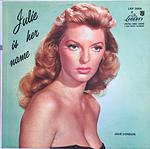
Julie Is Her Name (1955) is Julie London’s debut album, built around her smoky, intimate vocal style and spare guitar and bass accompaniment. The record emphasizes torchlike interpretations at relaxed tempos and introduced her signature reading of "Cry Me a River." Its minimalist arrangements and close-miked delivery helped define her cool, seductive persona within midcentury vocal jazz.
#504 — Cachaito by Orlando "Cachaíto" López
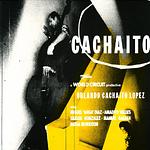
Cachaito, released in 2001 by Cuban bassist Orlando "Cachaíto" López, is a largely instrumental album that foregrounds his deep, melodic bass lines across a blend of descarga-style jams, jazz-informed improvisation and Latin song forms. The arrangements move between rooted Cuban rhythms and looser, studio-driven textures, highlighting Cachaíto's role in bridging traditional Afro-Cuban music with contemporary instrumental approaches.
#505 — Cybertropic Chilango Power by Los de Abajo

#506 — Streams of Expression by Joe Lovano
#507 — Forever Changes by Love
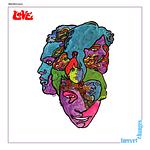
Forever Changes (1967) by Love blends folk rock, baroque pop, and subtle psychedelia into concise, orchestral-tinged songs. Arthur Lee's introspective and often unsettling lyrics sit against intricate acoustic guitar work and horn and string arrangements, creating a warm but melancholic chamber-pop sound that stands out in late 1960s American rock.
#508 — Greatest Hits by The Lovin' Spoonful
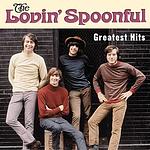
Greatest Hits is a compilation showcasing The Lovin' Spoonful's mid-1960s blend of folk-rock and pop, featuring John Sebastian's warm lead vocals, jangly acoustic guitar, harmonica touches, and light organ textures. The material combines upbeat, catchy melodies with rootsy folk and subtle country influences, capturing the band's melodic, often whimsical songwriting and polished studio sound. As a concise overview of their best-known work, it highlights the group's role in the American folk-pop and sunshine pop currents of the era.
#509 — Logical Progression by LTJ Bukem
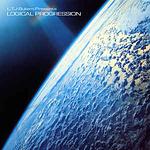
Logical Progression (1996) by LTJ Bukem collects the smooth, atmospheric side of 1990s drum and bass, pairing rolling breakbeats and warm bass with lush pads, jazzy melodic touches and ambient electronic textures. The album emphasizes mood and space over aggression, illustrating the jazz-tinged, downtempo-influenced approach that became closely associated with Bukem's output and the calmer strand of jungle and drum and bass in that era.
#510 — In Search of Manny by Luscious Jackson
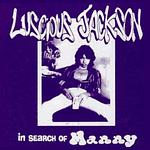
In Search of Manny is Luscious Jackson's 1992 debut EP that blends hip hop beats and sample-based grooves with alternative rock and pop melodies. The music pairs relaxed, conversational vocals and harmonies with funk-tinged basslines, electronic textures, and straightforward, somewhat lo-fi production, reflecting the downtown New York alternative scene of the early 1990s. The release is an early example of a female-fronted group merging rap influences and indie sensibilities into accessible, groove-oriented songs.
#511 — The Definitive Collection by Loretta Lynn
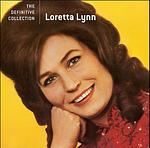
The Definitive Collection (2005) is a compilation of Loretta Lynn's classic country recordings that emphasizes her honky tonk and traditional country sound. The album showcases her plainspoken storytelling and conversational vocal delivery on songs about family life, resilience, and relationships, backed by traditional arrangements with steel guitar, fiddle, piano, and twangy electric guitar. As a retrospective, it highlights the direct, autobiographical voice and working class perspective that became central to her contributions to country music.
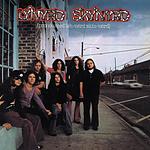
The 1973 debut album (pronounced ’lĕh-’nérd ’skin-’nérd) introduces Lynyrd Skynyrd's raw Southern rock sound, blending blues-based guitar work, country inflections, and hard rock drive. The record highlights the band's three-guitar interplay and Ronnie Van Zant's rough-edged vocals across tight, riff-driven songs and longer, soulful numbers, notably the extended, improvisational guitar climax of 'Free Bird'. Tracks such as 'Simple Man' and 'Gimme Three Steps' pair plaintive melodies with boogie rhythms, helping establish the musical template the band would continue to explore.
#514 — Djam Leelii by Baaba Maal, Mansour Seck
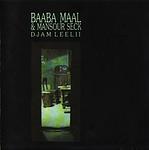
Djam Leelii (1989) is a spare, acoustic album by Senegalese singer Baaba Maal and guitarist Mansour Seck that blends Pulaar vocal traditions with folk and blues-inflected guitar work. The record centers on intimate vocal duets and acoustic string textures, with understated rhythms and melodic lines drawn from West African song forms while touching on country blues and folk influences. Its quiet arrangements put Maal's expressive tenor voice and Seck's fingerpicked guitar at the forefront, making the album an accessible, roots-oriented entry point to Maal's work and a notable recording in cross-cultural folk and world music contexts.
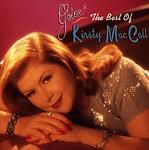
Galore: The Best of Kirsty MacColl (1995) is a compilation that gathers singles and selected album tracks from Kirsty MacColl's work to that point. It highlights her concise, literate pop songwriting and melodic delivery, blending pop rock and alternative rock sensibilities with touches of folk and traditional arrangement. The set balances upbeat, hook-driven numbers with quieter, more reflective songs and reflects her collaborative work and varied approaches to production and arrangement.
#516 — Play by Joanna MacGregor
#517 — I Know Electrikboy by Thee Maddkatt Courtship
#518 — Divine Madness by Madness
#519 — Like a Prayer by Madonna
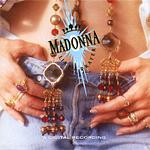
Like a Prayer, released in 1989, finds Madonna moving toward more personal songwriting and a broader sonic palette, blending pop and dance-pop with synth-pop, electronic production and pop rock elements. The title track uses a gospel choir and organ to inject spiritual textures, while other songs combine synthesizers and drum machines with live guitars, horns and soulful backing vocals. The album is characterized by its juxtaposition of secular and religious imagery and a more mature, varied sound than her earlier work.
#520 — Madvillainy by Madvillain
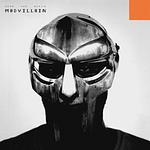
Madvillainy pairs Madlib's collage-like, sample-rich, jazz-inflected production with MF DOOM's dense, off-kilter delivery and cryptic, stream-of-consciousness lyrics. The album's short, tightly arranged tracks and brief connective skits create a compact, unpredictable flow that balances instrumental experimentation with classic hip hop rhythms. Its lo-fi textures, unconventional song structures, and focus on mood and sonic detail helped shape an approach to abstract and experimental hip hop.
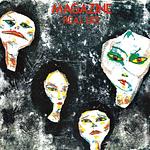
Real Life is Magazine's 1978 debut album that helped define early post-punk, pairing angular guitar and a tight, propulsive rhythm section with prominent, melodic keyboards and Howard Devoto's detached, literate vocal delivery. The record blends punk energy with art rock and new wave textures, favoring concise but sophisticated song structures, jagged rhythms, and a cool, studio-polished sound that marked a clear stylistic departure from straightforward punk approaches.
#522 — 69 Love Songs by The Magnetic Fields
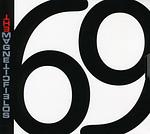
69 Love Songs is a 1999 three-volume album by The Magnetic Fields, written and chiefly performed by Stephin Merritt. Spanning 69 concise tracks, it mixes indie pop, chamber pop, electronic and folk-tinged arrangements to examine love in many guises, from playful and ironic to tender and rueful. The album is notable for its eclectic instrumentation, minimal and lush arrangements, and literate, often wry lyrics delivered in a variety of vocal styles. Its breadth of styles and ambitious conceit are central to how the record is discussed in indie music circles.
#523 — The Natch'l Blues by Taj Mahal
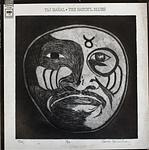
The Natch'l Blues, released in 1968 by Taj Mahal, is an early roots-oriented blues record that blends acoustic country blues with electric arrangements and touches of Caribbean and folk influence. Taj Mahal's warm, resonant vocals and gritty guitar work are paired with harmonica, bass, and drums to create an earthy, relaxed sound that foregrounds traditional blues forms while expanding their textures. The album is notable for its straightforward, roots-driven approach and for bringing older blues idioms into a late 1960s musical context.
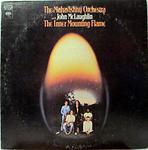
The Inner Mounting Flame, recorded in 1971 by John McLaughlin's Mahavishnu Orchestra, is an intense jazz fusion album that blends rock energy with jazz improvisation. McLaughlin's searing electric guitar meets Jerry Goodman on electric violin, Jan Hammer's keyboards, Rick Laird's bass and Billy Cobham's driving drums to deliver complex time signatures, tightly arranged themes and extended soloing. The sound emphasizes high volume, rapid tempos and virtuosic interplay between composed passages and free improvisation, and it is widely regarded as an early, influential statement in the fusion movement.
#525 — The Definitive Collection by Miriam Makeba
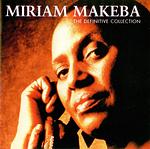
This compilation presents Miriam Makeba's warm, expressive voice and her blend of South African vocal traditions with jazz, blues, and jazz-funk influences. It emphasizes her rhythmic phrasing, use of call-and-response and multilingual singing, and ranges from spare, intimate arrangements to fuller jazz-inflected backings, reflecting her role in bringing African song forms and socially engaged material to international listeners.
#526 — Thokozile by Mahlathini and the Mahotella Queens
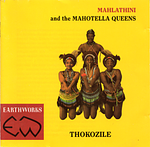
Thokozile (1988) by Mahlathini and the Mahotella Queens presents the group's signature mbaqanga mix, pairing Mahlathini's deep groaning lead voice with the Queens' tight, high harmonies over propulsive, danceable rhythms. Arrangements foreground choppy electric guitars, buoyant bass lines and lively percussion, giving a vibrant blend of rural Zulu vocal styles and urban jive instrumentation. The album is representative of the ensemble's energetic performance approach and their continuation of classic mbaqanga textures in the late 1980s.
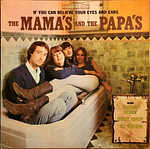
If You Can Believe Your Eyes and Ears, the 1966 debut by the Mamas & the Papas, blends folk roots with pop sensibilities and baroque pop touches. John Phillips' songwriting and the group's four-part vocal harmonies are central, pairing acoustic guitar and breezy folk textures with pop arrangements that include orchestral flourishes and piano accents. The album features the songs "California Dreamin'" and "Monday, Monday" and exemplifies the West Coast folk pop sound of the mid 1960s.
Kiss and Say Goodbye: The Best of the Manhattans (2006) is a compilation that highlights the group's smooth soul and R&B balladry, anchored by the title track "Kiss and Say Goodbye." The album emphasizes The Manhattans' polished vocal harmonies and sophisticated arrangements, with orchestral strings, warm horns, and understated rhythms framing romantic midtempo and slow-tempo songs from their core period, providing a concise overview of their classic sound.
#529 — The Holy Bible by Manic Street Preachers
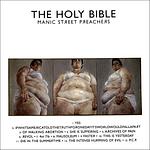
The Holy Bible, released in 1994, is a stark, confrontational album that blends alternative rock, post-punk and punk energy with hard rock intensity. The sound is angular and claustrophobic, featuring abrasive guitars, tense rhythms and a clinical production that foregrounds Richey Edwards and Nicky Wire's bleak, literate lyrics about politics, consumer culture, mental illness and historical violence. It is notable for its uncompromising tone and for being the last Manic Street Preachers album to include lyricist and rhythm guitarist Richey Edwards before his disappearance in 1995.
#530 — Memphis Underground by Herbie Mann
Memphis Underground (1969) finds Herbie Mann placing his jazz flute in a Memphis soul and funk context. Recorded in Memphis with musicians drawn from the local R&B and soul scene, the album blends improvisatory jazz phrasing with electric guitar, organ, horns, and groove-focused rhythm sections. Its sound emphasizes steady, soulful grooves and atmospheric arrangements as much as individual solos, illustrating a crossover of jazz with soul, funk, and R&B textures that became a hallmark of Mann's late 1960s work.
#531 — Fado em mim by Mariza
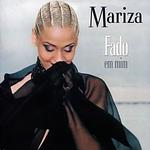
Fado em mim is Mariza's 2001 debut album, presenting her interpretation of traditional Portuguese fado through a contemporary sensibility. The record centers on her warm, expressive voice supported by traditional accompaniment such as Portuguese guitar and classical guitar, and it emphasizes themes of longing and saudade. Its arrangements blend classic fado motifs with subtle modern touches, marking an early statement of Mariza's approach to renewing and popularizing the genre.
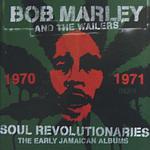
This 2005 compilation gathers early Jamaican-era recordings by Bob Marley & The Wailers in a roots reggae and dub idiom. The material emphasizes bass-driven rhythms, spare dub-style production and close vocal harmonies, presenting rawer, formative versions of the group's sound and songs with lyrical focus on spirituality and social concerns.
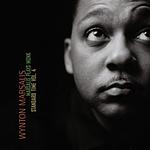
Standard Time, Volume 4: Marsalis Plays Monk (1999) finds Wynton Marsalis interpreting Thelonious Monk compositions within a post-bop, straight ahead jazz idiom. Marsalis's trumpet emphasizes melodic clarity and crisp articulation against Monk's angular harmonies, with arrangements that balance fidelity to the originals and a modern rhythmic drive. The album highlights playful rhythmic twists and close ensemble interplay, reflecting Marsalis's engagement with modern jazz repertoire as part of his Standard Time series.
#534 — Release Record. Send Tape. by Warne Marsh
#535 — Bless the Weather by John Martyn
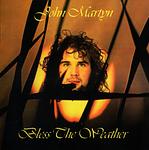
Bless the Weather (1971) is an acoustic-rooted album that blends folk, pop, and rock with touches of jazz-inflected harmony and relaxed rhythmic feel. Martyn's warm, intimate vocals and intricate acoustic guitar work give the record a pastoral, reflective atmosphere, while restrained electric textures and subtle studio touches point toward the more experimental directions he explored later. The album sits between singer-songwriter intimacy and broader musical ambition in his early catalog.
#536 — Stimela by Hugh Masekela
#537 — Deb by Souad Massi

Deb is a 2003 album by Algerian singer-songwriter Souad Massi that blends balladry, contemporary folk, flamenco-tinged guitar, pop melodies and raï influences. The record features intimate, acoustic-led arrangements and warm, expressive vocals across a mix of gentle ballads and midtempo songs, with multilingual lyrics and themes of love, longing and personal reflection. It highlights Massi's fusion of North African musical elements with modern folk songwriting.
#538 — Blue Lines by Massive Attack
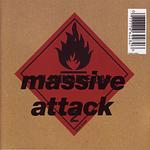
Blue Lines, Massive Attack's 1991 debut, blends hip hop rhythms, dub production, soul-influenced vocals and atmospheric electronic textures to help define the trip hop sound. The record pairs slow, heavy grooves and deep bass with lush string arrangements and distinctive guest vocals from Shara Nelson and Horace Andy, producing moody, cinematic tracks such as Unfinished Sympathy and Safe From Harm. Its fusion of sampled and live instrumentation, downtempo pacing, and a shadowy, club-informed aesthetic made it a touchstone for the Bristol scene and later alternative electronic music.
#539 — Blood Mountain by Mastodon
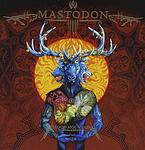
Blood Mountain is Mastodon's third studio album, released in 2006, that blends progressive metal, sludge, and heavy metal within a loose concept about a perilous ascent to a mysterious summit. The songs pair intricate, riff-driven arrangements and shifting time signatures with a mix of harsh and melodic vocals, layered guitar harmonies, and dense production, balancing technical musicianship with raw heaviness. The record helped crystallize the band's mid 2000s sound by emphasizing compositional complexity alongside a heavy, visceral tone.
#540 — Innovator by Derrick May
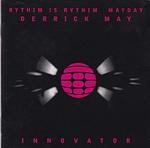
#541 — Fabric 13: Michael Mayer by Michael Mayer
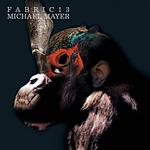
Fabric 13: Michael Mayer is a 2003 mix compilation in the Fabric series curated and mixed by Michael Mayer. The set blends electronic, house, and tech house with a focus on minimal, melodic grooves and polished, continuous transitions, reflecting the subtle, emotive microhouse and techno aesthetics Mayer became associated with. The mix emphasizes warm basslines, crisp percussion, and understated melodic motifs, moving between driving club tracks and more introspective moments while maintaining a steady, immersive flow.
#542 — Superfly by Curtis Mayfield
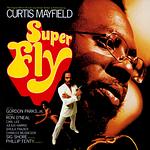
Curtis Mayfield's 1972 Superfly is a soundtrack album that blends soul, funk, Chicago soul, and R&B into a cinematic, groove-driven sound. Mayfield's distinctive falsetto and understated guitar work ride on deep funk rhythms, prominent bass, wah-wah guitar textures, and lush string arrangements, while lyrics offer a socially conscious perspective on urban life and the drug trade. The record balances warm melodic hooks with atmospheric production to create a laid-back but urgent mood tied closely to the film's themes.
#543 — So Tonight That I Might See by Mazzy Star

So Tonight That I Might See, Mazzy Star's 1993 album, centers on Hope Sandoval's hushed, smoky vocals and David Roback's rich reverb and languid guitar textures. The music blends dream pop, psychedelic folk, and shoegaze elements into slow, atmospheric arrangements with sparse percussion, warm organ, and melancholic melodies, creating a hazy and intimate mood. The album helped define the band's signature sound and is often cited as a touchstone of 1990s dream pop and alternative atmospheres.
#544 — Prose Combat by MC Solaar
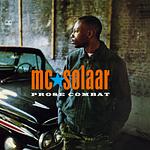
Prose Combat, released in 1994 by MC Solaar, pairs jazz-inflected production and warm, sample-based grooves with Solaar’s smooth, literate French rap. The album emphasizes melodic horn and piano textures, relaxed tempos, and intricate, often playful wordplay, making it a signature example of jazz rap within early 1990s French hip hop and a notable statement in Solaar’s catalog.
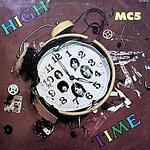
High Time (1971) finds MC5 blending their hard-driving garage rock and proto-punk aggression with more melodic and psychedelic textures, exploring varied tempos, tighter songcraft, and occasional lyrical introspection. The album keeps the band’s raw energy and political edge while expanding arrangements and production compared with their earlier work, making it a transitional record often referenced in discussions of proto-punk and the move toward punk.
#546 — Band on the Run by Wings
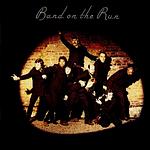
Band on the Run is a 1973 album by Wings, led by Paul McCartney, that blends rock, pop rock and soft rock with accessible pop songwriting. It moves between driving rockers such as "Jet" and the multi-part title suite, and quieter melodic ballads, featuring layered harmonies, concise hooks and varied arrangements that include acoustic textures and orchestral touches. The record is often cited as a defining statement of McCartney's post-Beatles work, showcasing his gift for melody and compact, studio-focused production.
#547 — Kate & Anna McGarrigle by Kate & Anna McGarrigle
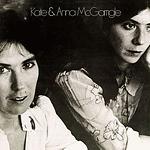
Kate and Anna McGarrigle is a warm, intimate folk album that showcases the sisters' close vocal harmonies, plainspoken songwriting, and a mix of English and French material. Arrangements favor acoustic guitar, piano, and light folk rock touches, blending traditional folk sensibilities with contemporary songcraft. The record introduced their conversational storytelling, bittersweet melodies, and bilingual repertoire that became a defining feature of their work.
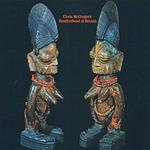
Chris McGregor's Brotherhood of Breath (1971) is a large-ensemble jazz album that blends South African township rhythms and melodic material with the energy and collective improvisation of European free jazz. The music alternates between tightly arranged, high-energy brass and reed passages and open, raucous group improvisations, driven by strong rhythmic pulses and call-and-response phrasing. It is notable for merging African-rooted melodies and danceable grooves with avant-garde textures and ensemble swing.
#549 — My Goal's Beyond by John McLaughlin
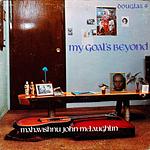
My Goal's Beyond (1971) is an intimate, largely acoustic album by guitarist John McLaughlin that blends elements of jazz fusion, Indian classical music, and spiritual jazz. The music emphasizes meditative melodies, modal improvisation, and sparse rhythmic textures informed by Indian rhythmic approaches, producing a contemplative, devotional mood that contrasts with McLaughlin's later electric, high-energy fusion work. The album marks a clear turn toward Eastern influences and spiritual themes in his music.
#550 — One Step Beyond by Jackie McLean
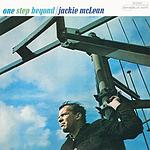
One Step Beyond (1963) captures Jackie McLean moving beyond straight hard bop into a more exploratory post-bop and avant-garde sound. The music pairs McLean's angular, penetrating alto lines with tense harmonies and extended ensemble interplay that leans on modal frameworks and freer improvisation. The album stands out in his catalog for its more probing, modern approach to composition and group dynamics while retaining strong melodic and rhythmic drive.
#551 — Bat Out of Hell by Meat Loaf
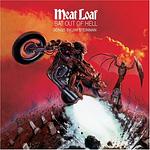
Bat Out of Hell, released in 1977 by Meat Loaf with songs written by Jim Steinman, is a theatrical, high-energy rock album that blends hard rock, pop rock and classic rock with a rock opera sensibility. Its sound features grand, cinematic arrangements, extended song forms and dramatic, wide-ranging vocals paired with narrative lyrics that emphasize melodrama, romance and teenage fantasy.
#552 — I Hear a New World by Joe Meek, The Blue Men
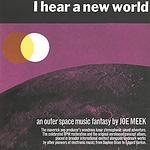
I Hear a New World, recorded by Joe Meek with The Blue Men around 1960, is an early concept record that blends lounge and pop songwriting with experimental electronic and ambient sound design. Meek employed homemade electronic devices, tape manipulation, reverb and other studio effects to create space-age atmospheres, with treated voices and unconventional instrumentation producing a whimsical, otherworldly mood. The album stands as an early example of using the studio as an instrument in British pop, combining accessible melodies with forward-looking electronic experimentation.
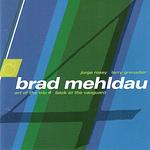
A live trio recording made at the Village Vanguard in 1999 featuring Brad Mehldau with Larry Grenadier on bass and Jorge Rossy on drums, the album captures longform, conversational trio performances that blend standards and originals. The music is marked by Mehldau's lyrical, harmonically adventurous piano lines, close interactive interplay with bass and drums, and a reflective, modern approach to rhythm and reharmonization that crystallized his emerging trio voice. It is a document of the trio in an intimate club setting, emphasizing extended improvisation and nuanced dynamics.
#554 — Swaddling Songs by Mellow Candle
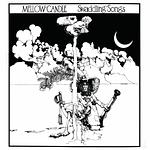
Swaddling Songs, recorded in 1972 by Irish band Mellow Candle, is a quietly ambitious album that blends folk rock with progressive and baroque folk influences. Featuring Clodagh Simonds' high, plaintive vocals and intricate, pastoral arrangements, the record pairs acoustic guitar and piano-based songwriting with ornate instrumental flourishes and layered harmonies, creating a melancholic, otherworldly atmosphere. Over time it has gained a reputation among listeners of folk and progressive music for its delicate songwriting and distinctive mood.
#555 — The Best Of by Harold Melvin & The Blue Notes
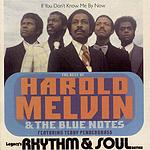
The Best Of (1990) is a compilation that highlights Harold Melvin & The Blue Notes' Philadelphia soul sound, featuring lush string and horn arrangements, tight vocal harmonies, and the strong lead singing of Teddy Pendergrass on many tracks. The selection emphasizes the group's mix of romantic ballads, uptempo soul, and socially minded material from their 1970s period, reflecting the polished production style associated with Philadelphia International Records.
#556 — Deserter's Songs by Mercury Rev
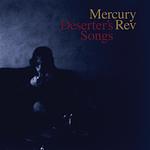
Deserter's Songs is Mercury Rev's 1998 album that moves away from the band's earlier noisy, experimental roots toward a more orchestral, dreamlike sound. It combines lush string and horn arrangements with elements of dream pop, indie rock, and baroque pop, supported by Dave Fridmann's spacious production and Jonathan Donahue's fragile, emotive vocals. The record is marked by pastoral, melancholic melodies and a theatrical, cinematic atmosphere that reshaped the band's aesthetic and introduced a more melodic, song-oriented approach.
#557 — Master of Puppets by Metallica
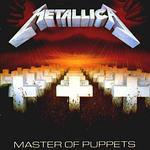
Master of Puppets (1986) is Metallica's third studio album and a landmark of thrash metal, blending aggressive, fast-paced riffs and palm-muted gallops with extended song structures and melodic guitar solos. The record pairs relentless speed and tight rhythmic precision with moments of dynamic contrast and instrumental complexity, showing progressive tendencies in longer arrangements. Lyrically it touches on themes of control and manipulation, and the production delivers a clearer, heavier sound compared with the band's earlier releases.
#558 — 80/81 by Pat Metheny
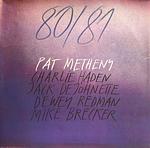
80/81 is a 1980 album by Pat Metheny that pairs his lyrical electric guitar voice with a frontline of two tenor saxophones and a responsive rhythm section. The music blends post-bop and modal textures with Metheny's melodic sensibility, featuring spacious arrangements and extended group improvisations that emphasize interplay among Metheny, tenor saxophones, bassist Charlie Haden, and drummer Jack DeJohnette. The record is notable for its collective energy and a more exploratory, acoustic-informed sound than some of Metheny's earlier, more fusion-oriented work.
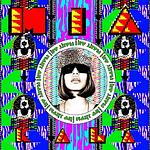
Kala is M.I.A.'s 2007 album that fuses hip hop, dancehall, electronic, electropop, and grime into a dense, global pop sound. It pairs propulsive rhythms, clipped samples, and unconventional percussion with M.I.A.'s distinctive vocal delivery that shifts between chant, rap, and melody, and often favors a lo-fi, collage-like production. Lyrically the record touches on migration, identity, and global commerce, and it includes the track "Paper Planes".
#560 — Faith by George Michael
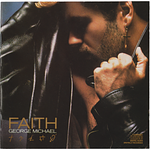
Faith is George Michael's 1987 solo debut, blending pop, dance-pop, dance-rock and pop rock with soul and R&B influences. The album pairs tight, groove-oriented production and layered synths with prominent guitar work and polished vocal arrangements, moving between upbeat dance tracks and more intimate ballads. Lyrically it covers love, desire, identity and the pressures of fame, and it represents a stylistic shift from his work with Wham! toward a more mature singer-songwriter and producer persona.
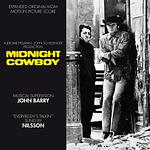
Midnight Cowboy: Original Motion Picture Score (1969) features John Barry's spare, melancholic orchestral writing alongside contemporary late 1960s popular styles. The music blends jazz-tinged trumpet, muted strings and understated arrangements with touches of folk-influenced pop, creating a cinematic atmosphere of urban loneliness and wistfulness that complements the film's introspective tone.
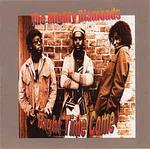
#562 — Right Time Come by The Mighty Diamonds
#563 — Begin by The Millennium
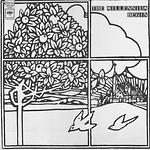
Begin, released in 1968 by The Millennium, is a densely arranged example of late 1960s baroque pop that blends rich, multi-part vocal harmonies with folk-rock songwriting, pop-rock hooks, orchestral flourishes and occasional psychedelic studio touches. The album is characterized by intricate studio arrangements, close-knit vocal ensembles and a polished, layered production that bridges pastoral melodies and experimental sonic detail, making it a frequently cited entry for listeners interested in baroque and sunshine pop from that era.
#564 — Fly Like an Eagle by Steve Miller Band
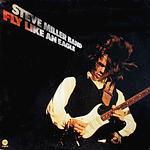
Fly Like an Eagle (1976) finds the Steve Miller Band blending blues rock roots with concise pop rock songwriting and polished studio production. The title track pairs a spacey synthesizer motif and laid-back groove with contemplative lyrics, while songs like Rock'n Me spotlight short, hook-driven guitar rock; overall the album emphasizes smooth vocals, clean arrangements, and radio-friendly textures. It is notable for bringing together psychedelic and blues influences into a streamlined, accessible sound that defined the band's mid 1970s output.
#565 — Mix‐Up, Volume 2 by Jeff Mills
#566 — Tijuana Moods by Charles Mingus
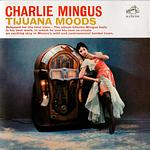
Tijuana Moods is a Charles Mingus album that channels his compositional imagination into a suite of pieces inspired by the sounds and atmosphere of the U.S.-Mexico border. Rooted in jazz, the music mixes hard bop energy with orchestral textures and Latin-inflected rhythms, emphasizing dramatic arrangements, colorful percussion, and Mingus's forceful bass-led direction. The record is notable for its mood-driven, cinematic approach and for demonstrating Mingus's interest in blending vernacular influences with complex, large-scale jazz composition.
#567 — Ultimate Kylie by Kylie Minogue
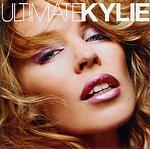
Ultimate Kylie is a 2004 career-spanning greatest hits compilation that gathers Kylie Minogue's pop, Europop, synth-pop and ballad material from the late 1980s through her early 2000s dance-pop period. The collection underscores her stylistic evolution from late 80s Stock Aitken Waterman-produced pop to more electronic and mature production, combining uptempo dance tracks with slower ballads to reflect the range of her mainstream pop work up to that point.
#568 — Complete Discography by Minor Threat
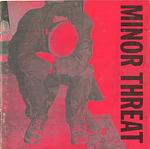
Complete Discography is a 1989 compilation that assembles Minor Threat's recorded output into one release, presenting their terse, high-energy hardcore punk songs driven by Ian MacKaye's urgent vocals and punchy, fast guitar work. The tracks are notable for their short runtimes, direct lyrical approach including early expressions of the straight edge ethos, raw production and a DIY attitude that became influential within the American hardcore punk scene.
#569 — Double Nickels on the Dime by Minutemen
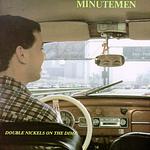
Double Nickels on the Dime is a sprawling 1984 double album by Minutemen that condenses their punk and hardcore roots into brief, tightly written songs while incorporating funk, jazz, and experimental rock touches. The trio's clipped, conversational vocals, angular guitar and prominent, melodic bass drive rapid shifts in tempo and texture across a dense tracklist, with lyrics that alternate between political observation and personal reflection. Its DIY production and eclectic approach broadened the palette of American underground rock and influenced many artists in alternative and post-punk circles.
#571 — The Hissing of Summer Lawns by Joni Mitchell
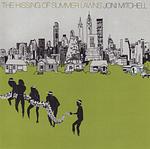
The Hissing of Summer Lawns (1975) finds Joni Mitchell expanding from her folk roots into a sound that blends jazz pop, folk pop and avant garde pop with elements of contemporary jazz. Arrangements emphasize electric keyboards, layered vocals and rhythmic complexity, while the harmonic language and song forms draw on jazz sensibilities. Lyrically the album uses observational narratives and ambiguous characters to examine suburban life, relationships and modernity. Overall it represents a deliberate, experimental turn toward denser production and sophisticated songwriting.
#572 — The Infamous by Mobb Deep
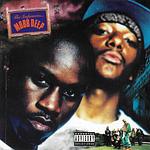
The Infamous, released in 1995 by Mobb Deep, is a gritty East Coast hip hop album rooted in gangsta rap and boom bap. Havoc's sparse, sample-driven production uses dusty jazz and soul loops, minor-key piano motifs, and hard-hitting drums to create a cold, cinematic atmosphere, while Prodigy and Havoc deliver stark, street-level narratives about survival and violence. The album's dark, minimalist sound and tightly focused lyricism helped crystallize a raw New York City aesthetic in mid 1990s hip hop and includes the well known track "Shook Ones Part II."
#573 — Play: The Complete Recordings by Moby
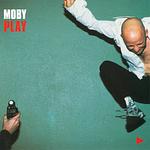
Play: The Complete Recordings, commonly known as Play, is a 1999 Moby album that fuses electronic, breakbeat and downtempo production with ambient textures and extensive use of sampled blues, gospel and field-recording vocal fragments. It pairs warm acoustic touches like piano and strings with programmed beats and looped vocal motifs to create melancholic, cinematic tracks that balance introspective mood with rhythmic immediacy. The album’s sample-driven, accessible arrangements helped bring ambient and electronic sounds into broader popular contexts, and several tracks have been used in film and advertising.
#575 — The Modern Lovers by The Modern Lovers
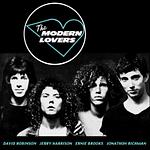
The Modern Lovers (1976) collects early recordings by Jonathan Richman and his band that favor a raw, direct approach rooted in garage rock and proto-punk while drawing on art rock and indie sensibilities. The music pairs spare, chiming guitars and steady, propulsive rhythms with Richman's candid, often childlike vocal delivery and conversational lyrics, blending deadpan wit and everyday observation. Its simplicity and immediacy highlight a balance of rough-edged energy and clear melodic focus that has been widely noted in discussions of early punk and indie precursors.
#576 — Khmer by Nils Petter Molvær
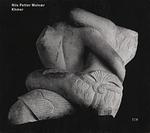
Khmer is a 1997 album by Nils Petter Molvær that blends atmospheric, electronically treated trumpet lines with programmed beats and ambient textures, drawing on drum and bass, dub, and contemporary jazz. The music emphasizes space and texture, pairing sparse melodic motifs and improvisation with electronic rhythms and studio processing to create a moody, cinematic fusion that is often cited in discussions of nu jazz and jazz-electronica styles.
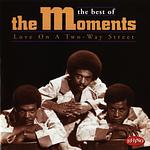
Love on a Two-Way Street: The Best of The Moments is a 1996 compilation that collects the group's blend of pop and soul, focusing on smooth vocal harmonies, romantic balladry, and lush arrangements. Centered on the title track, the set highlights the polished, emotive R&B sound the group was known for in the 1970s and how their recordings fit into the era's quiet storm and contemporary soul ballad traditions.
#578 — The Boy Is Mine by Monica
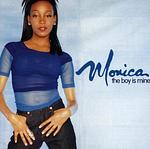
Monica's 1998 album The Boy Is Mine blends contemporary R&B and pop with hip hop influences, pairing intimate ballads with midtempo grooves. The record showcases her mature, emotive vocal delivery and includes the title duet with Brandy that centers on romantic rivalry. Overall the album reflects late 1990s R&B production, with polished arrangements, layered harmonies, and a mix of slow songs and uptempo tracks.
#579 — Brilliant Corners by Thelonious Monk
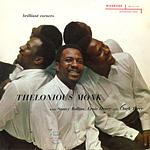
Brilliant Corners (1957) captures Thelonious Monk's idiosyncratic compositional voice within a hard bop context, juxtaposing angular, dissonant melodies and compressed, percussive piano with tightly arranged horn passages. The title track is particularly notable for its complex form and demanding ensemble writing, and the album as a whole balances intricate group interplay with moments of spare, introspective soloing, resulting in music that is distinctive, challenging, and important in Monk's recorded output.
#580 — Head by The Monkees
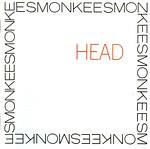
Head is the Monkees' 1968 soundtrack and concept album that shifts from their earlier pop rock toward a more experimental, psychedelic sound, blending melodic pop songwriting with rockers, fuzzed guitars, orchestral flourishes, and short sound collages. The record mirrors the film's surreal, self-referential satire of fame, alternating between moody, baroque-pop pieces like "Porpoise Song" and harder-edged numbers such as "Circle Sky," and showcases a willingness to experiment with studio techniques and song structure uncommon in their earlier work.
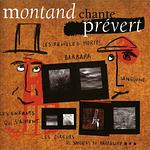
#581 — Montand chante Prévert by Yves Montand
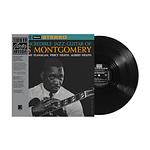
The Incredible Jazz Guitar of Wes Montgomery showcases Montgomery's warm, thumb-picked tone, fluid single-note lines, and signature use of octaves in a compact small-group jazz setting. The music blends bop-influenced improvisation with lyrical ballad playing and a strong sense of rhythm, with arrangements that keep the guitar front and center and allow close interplay with piano, bass, and drums. The album is often cited as a key recording for modern jazz guitar because of its combination of technical originality and melodic clarity.
#583 — Live at the Point by Christy Moore
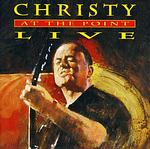
Live at the Point, recorded at Dublin's Point Theatre in 1994, captures Christy Moore's live presence with a mix of folk, Irish folk and folk rock arrangements. The album emphasizes his storytelling and direct vocal delivery, with largely acoustic arrangements and occasional fuller accompaniment that balance intimate balladry with energetic singalong moments. It highlights Moore's role as an interpreter of contemporary and traditional material and the communal atmosphere of his concerts.
#584 — La colección cubana by Beny Moré
#585 — The Sidewinder by Lee Morgan
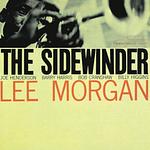
The Sidewinder, recorded in late 1963 and released in 1964, is a hard bop album with a strong soul jazz sensibility. Its title track is built around a propulsive, riff-driven boogaloo groove that foregrounds Lee Morgan's bright, blues-inflected trumpet and has a relaxed, danceable feel. The album pairs that soulful funkiness with straight-ahead hard bop improvisation across the band, featuring Joe Henderson on tenor sax, Barry Harris on piano, Bob Cranshaw on bass, and Billy Higgins on drums, and is often noted for its tight ensemble playing and accessible, groove-oriented sound.
#586 — E=MC² by Giorgio Moroder
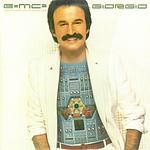
E=MC² is a 1979 album by Giorgio Moroder that combines disco, electronic, Italo-disco, and synth-pop influences, featuring synthesizer-driven arrangements and dance-oriented production typical of those styles.
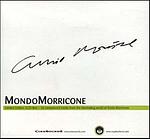
#587 — MondoMorricone by Ennio Morricone
#588 — It's Too Late to Stop Now by Van Morrison
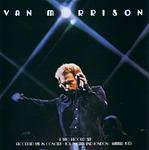
It’s Too Late to Stop Now is a 1974 live album by Van Morrison, recorded during his 1973 tour with the Caledonia Soul Orchestra. The performances blend blues rock and singer-songwriter material with soul and jazz inflections, featuring horn and string arrangements, extended improvisations, and a passionate, spontaneous vocal approach. The record is notable for its energetic live arrangements and shifts between full-band power and quieter, intimate moments that highlight Morrison’s improvisational style.
This compilation gathers Jelly Roll Morton’s Red Hot Peppers studio recordings from 1926 to 1930, presenting early jazz arranged around Morton's piano and composed frameworks. The music blends ragtime-inflected piano, blues elements, and carefully scored small-group arrangements that alternate composed passages with collective improvisation and notable rhythmic syncopation. The set documents Morton's role in shaping early jazz ensemble technique and arranging approaches in the late 1920s.
#590 — Complex Simplicity by Teedra Moses
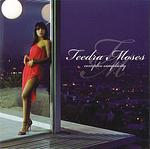
Complex Simplicity, Teedra Moses's 2004 debut studio album, presents a contemporary R&B sound with strong soul and quiet storm influences. The record pairs intimate, confessional songwriting about love and relationships with warm, understated production that blends smooth grooves, subtle hip hop rhythms, and atmospheric keyboards, allowing Moses's expressive, emotive vocal delivery to remain central. The album is notable for establishing her as a distinct voice in modern R&B with a focus on sophisticated, vulnerable songwriting.
#591 — No Sleep 'Til Hammersmith by Motörhead
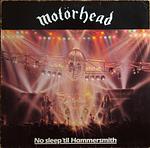
No Sleep 'Til Hammersmith is Motörhead's 1981 live album that captures the trio's aggressive, high-energy fusion of hard rock, heavy metal, and punk-influenced tempos. The record highlights Lemmy's gravelly vocals and prominent bass, fast and gritty guitar work from Eddie Clarke, and driving drums, presenting raw, no-frills performances of staples like 'Ace of Spades' and 'Overkill'. Its live, unpolished sound emphasizes speed and concert intensity over studio refinement, offering a direct document of the band's onstage power in that period.
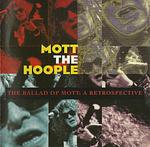
The Ballad of Mott: A Retrospective is a 1993 compilation that surveys Mott the Hoople's output, showcasing the band's mix of guitar-driven rock and glam-influenced songwriting alongside quieter, melodic ballads. The collection reflects their muscular arrangements and theatrical lead vocals, balancing raucous rockers with more reflective numbers and capturing the distinctive sound they helped define in early 1970s British rock.
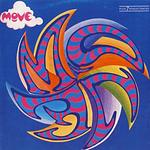
Move, the 1968 debut by The Move, blends concise British pop songwriting with punchy rock energy and psychedelic studio touches. The album features hook-driven arrangements, chiming guitars, tight vocal harmonies and occasional orchestral or baroque flourishes that reflect Roy Wood's arranging ambitions. It captures the band shifting from beat-pop roots toward a more adventurous, theatrical sound that points toward members' later projects.
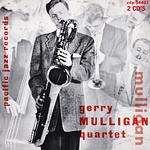
This release collects material from Gerry Mulligan's early quartet featuring Chet Baker and showcases the cool jazz sound that made their partnership notable: light, melodic trumpet lines against Mulligan's agile baritone sax, with a pianoless ensemble that creates an open, airy texture and emphasizes contrapuntal interplay and lyrical improvisation. The music is relaxed yet rhythmically buoyant, highlighting conversational solos and concise arrangements that were influential in small group west coast jazz of the 1950s.
#595 — Police & Thieves by Junior Murvin
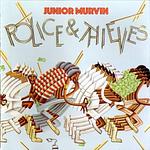
Police & Thieves is a 1977 roots reggae album by Junior Murvin, anchored by the title track produced by Lee 'Scratch' Perry. The record pairs Murvin's high, plaintive falsetto with spare, steady reggae rhythms and echo-heavy production touches, delivering socially conscious lyrics about street violence and policing. Its sound blends traditional reggae grooves with dub-influenced studio effects that highlight Perry's production style.
#596 — Black Holes and Revelations by Muse
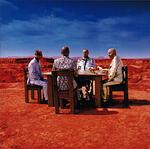
Black Holes and Revelations (2006) blends alternative and progressive rock with pop hooks and space rock textures, expanding Muse's sound through prominent synths, electronic rhythms, and layered production. The album moves between funk-tinged grooves, piano-led balladry, and cinematic, guitar-driven epics, showcasing Matt Bellamy's wide vocal range and theatrical arrangements. Lyrically it engages with political, conspiratorial, and cosmic themes, and it represents a move toward a more expansive, arena-oriented sound for the band.
#597 — Isn't Anything by My Bloody Valentine
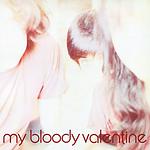
Isn’t Anything, My Bloody Valentine’s 1988 album, is an early landmark of shoegaze that blends noise pop and indie rock textures. The record emphasizes densely layered, tremolo-heavy guitars, fuzzy distortion and restrained, often buried vocals, creating a wash of sound where melody and feedback coexist. Its mix of shimmering atmospherics and abrasive noise points toward the band’s later work while helping define the shoegaze aesthetic.
#598 — Fear of Flying by Mýa
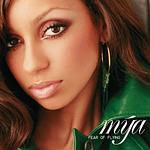
Fear of Flying is Mýa's second studio album from 2000 that builds on contemporary R&B foundations with a mix of uptempo, rhythmic tracks and more intimate slow jams. The record blends R&B and pop sensibilities with hip-hop influenced beats, offering dance-friendly arrangements alongside soulful balladry, and explores themes of relationships, independence, and personal growth. Production is polished and vocal-focused, with layered harmonies and performances that highlight Mýa's agile, controlled delivery across both sensual slow songs and kinetic club-leaning tracks.
#599 — Destroy Rock & Roll by Mylo
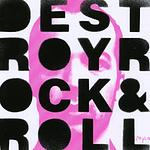
Destroy Rock & Roll is the 2004 debut album by Scottish producer Mylo. It blends house, electronica and downtempo elements into a sample-driven, pop-minded approach to dance music, pairing upbeat, disco-tinged rhythms and melodic synth hooks with quieter, moodier interludes. The production emphasizes bright, accessible arrangements and prominent use of vocal and musical samples, making the record a recognizable example of mid-2000s electronic music that straddled club styles and mainstream pop sensibilities.
#600 — In Search Of… by N*E*R*D
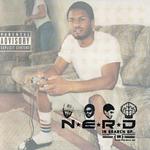
In Search Of... is N*E*R*D's 2001 debut from Pharrell Williams, Chad Hugo and Shay Haley, produced by The Neptunes. The record blends rock, hip hop, funk, contemporary R&B and electronic textures into guitar-driven, beat-forward songs that combine raw live energy with polished, angular production. Pharrell moves between rapping and melodic singing over tight, syncopated rhythms and distorted guitars, giving the album a genre-blurring, alternative R&B and rap rock sound that marked the group's early identity.