 The Greatest Music
1000 Albums to Hear Before you Die
Weight: 67%
How much this list influences our overall rankings. Higher weight means more reliable data.
Penalties Applied:
The Guardian – 1000 Albums to Hear Before You Die (2007) is a large, cross-genre listening guide compiled by the Guardian’s music writers. It’s not a ranked “best of all time” list: entries are presented alphabetically by artist and each album gets a short capsule explaining why it’s worth hearing. The team set a few rules—one album per main artist, often choosing a less-obvious pick over the canonical choice, and allowing Various Artists compilations to represent scenes built on singles. The project also invited readers to suggest omissions, later publishing a “we forgot…” follow-up selection.
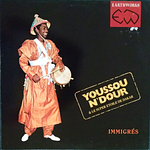
Immigrés / Bitim Rew (1984) by Youssou N’Dour & Le Super Étoile is a Mbalax record that blends traditional Senegalese sabar percussion and Wolof vocal phrases with electric guitars, keyboards, and layered percussion. The album features N’Dour's incisive lead vocals and call-and-response backing parts over driving, dance-oriented arrangements, illustrating the energetic, modernizing approach his band pursued in the early 1980s.
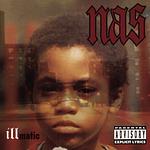
Illmatic, Nas's 1994 debut, is a compact, lyrically dense hip hop record rooted in East Coast boom bap. Nas's intricate internal rhymes and vivid street narratives ride sparse, sample-driven production from producers such as DJ Premier, Pete Rock, Large Professor, Q-Tip, and L.E.S., with hard drums, jazz and soul samples, and clear, focused arrangements. Its concentrated running time and emphasis on storytelling and craft helped define a blueprint for later East Coast and conscious hip hop artists.
Drive By, released in 2003 by The Necks, applies the trio's long-form, largely improvised approach to a steadily unfolding set of motifs. The music emphasizes an insistent, motoric pulse and recurring piano figures supported by sparse bass and drums, blending avant-garde jazz improvisation with krautrock rhythmic drive and post-minimalist emphasis on gradual change. The album is notable for its patient development, subtle textural shifts, and hypnotic momentum rather than conventional song structures.
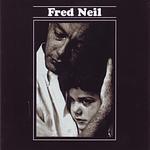
Fred Neil (1967) is a spare, mood-driven folk album that mixes acoustic folk and folk rock with touches of blues and rock and roll. Neil's deep, resonant baritone and relaxed, roomy arrangements put focus on introspective, often melancholic songwriting, with mostly acoustic instrumentation and subtle electric accents. The record reflects the intimate, contemplative strand of 1960s folk and helped shape a more soulful, low-key approach to singer songwriter performance.
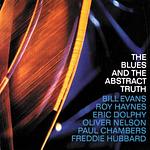
The Blues and the Abstract Truth is a 1961 jazz album by Oliver Nelson that blends hard bop rhythmic drive with post-bop harmonic sophistication and a strong blues feeling. Nelson's arrangements emphasize clear, contrapuntal horn voicings and modal-tinged harmonies, creating spacious, melodic settings in which themes like "Stolen Moments" unfold with memorable, singable lines and room for improvisation. The record is notable for its elegant, compositionally driven approach that connects blues-based forms with a more modern jazz vocabulary.
#607 — Red Headed Stranger by Willie Nelson
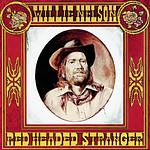
Red Headed Stranger, released in 1975, is a loose concept album by Willie Nelson that follows a wandering, guilt-ridden protagonist through themes of love, loss, and remorse. Musically it uses sparse, acoustic-centered arrangements and understated production that foreground Nelson's conversational vocal delivery and storytelling, blending country, folk, and Western influences. The album's stripped-down sound and cohesive narrative mark a deliberate move away from polished Nashville production toward a more personal, roots-oriented approach and includes the well-known rendition of "Blue Eyes Crying in the Rain."
#608 — The Moth Confesses by The Neon Philharmonic
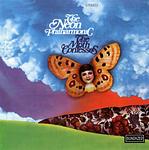
The Moth Confesses, released in 1969 by The Neon Philharmonic, is a baroque pop record that blends orchestral arrangements and pop songwriting with psychedelic and operatic touches. Composer-arranger Tupper Saussy frames Don Gant's vocals with lush strings, woodwinds and choral flourishes, producing dramatic, theatrical songs that shift between melodic pop and surreal, sometimes grandiose passages. The album is notable for its elaborate arrangements and for merging classical textures with late 1960s studio pop and psychedelic sensibilities.
#609 — The Neptunes Present… Clones by The Neptunes
The Neptunes Present... Clones is a 2003 compilation assembled by producers Pharrell Williams and Chad Hugo that collects songs they produced for a variety of guest artists. The album highlights their signature production style of sparse, syncopated drum programming, bright synth motifs and uncluttered grooves, blending elements of hip hop, contemporary R and B, pop rap and rock. Presented as a showcase of collaborations, it emphasizes the duo's minimalist, forward-facing arrangements and their role in shaping early 2000s mainstream production aesthetics.
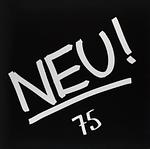
Neu! '75, the third album by German krautrock group Neu!, released in 1975, is notable for its split between the band’s trademark motorik, rhythm-driven grooves and a set of rawer, more electronic and abrasive tracks. The record contrasts metronomic, repetitive rhythms, textured guitars and synth treatments with looser, more aggressive songs that emphasize noise, studio experimentation and a proto-punk attitude. That juxtaposition expanded the group’s sonic range and helped point the path from krautrock toward later electronic, post-punk and experimental scenes.
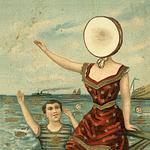
In the Aeroplane Over the Sea is Neutral Milk Hotel's 1998 album that blends indie rock and folk with lo-fi production and brass-band textures. Jeff Mangum's raw, emotive vocals and surreal, often personal lyrics are set against acoustic guitar, distorted electric textures, trumpet and other brass, and unconventional touches like the singing saw, producing a dense, collage-like sound that moves between intimate folk and cathartic intensity. The record is closely associated with the Elephant 6 circle and is frequently discussed for its distinctive mix of simple songcraft and experimental arrangements.
#612 — Attacking a Straw Man by The New Colony Six
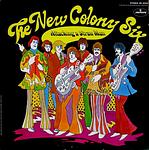
#613 — Substance 1987 by New Order
Substance 1987 is a 1987 compilation album by New Order that collects the band's singles and extended mixes from the early to mid 1980s. It documents their move from post-punk toward a synth-driven, dance-oriented sound, combining melodic synth hooks, propulsive drum machine grooves and prominent basslines with Bernard Sumner's cool vocal delivery. The release pairs single edits with longer 12 inch versions, offering both a concise singles overview and a set of club-focused mixes that illustrate the band's crossover between alternative and dance music.
#614 — New York Dolls by New York Dolls
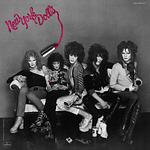
New York Dolls, the band's 1973 debut, delivers a raw, raucous fusion of glam theatrics and hard rock grit with clear proto-punk urgency. The record mixes distorted, riff-driven guitars and driving rhythms with sleazy, R&B-tinged rock and roll and theatrical, sneering vocals, producing a loose, streetwise sound that stood apart from more polished mainstream rock. Its rough-edged aesthetic and brash attitude is widely regarded as an important precursor to the punk movement and a touchstone for later punk and alternative artists.
#615 — Ys by Joanna Newsom
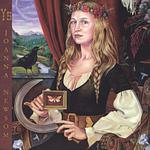
Ys (2006) is Joanna Newsom's second album, built around her harp playing and idiosyncratic high-register voice, with long, multi-part songs that blend folk roots, chamber pop textures, and orchestral arrangements by Van Dyke Parks. The record contrasts sparse acoustic passages with elaborate strings and brass, and features dense, literary lyricism and unconventional song structures that expanded Newsom's sound beyond her earlier, more minimal recordings.
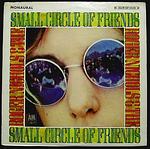
Roger Nichols & The Small Circle of Friends (1968) is a studio album that blends sunshine pop and soft rock with sophisticated pop arrangements. The recordings emphasize warm, layered vocal harmonies, gentle acoustic and electric guitar textures, and tasteful string and horn touches, showcasing Nichols's melodic songwriting and harmonic craft. The production reflects late 1960s studio pop aesthetics, balancing intimate, pastoral moments with lush orchestration, and will appeal to listeners of baroque pop, West Coast soft rock, and melodic singer-songwriter material from that era.
#617 — The Marble Index by Nico
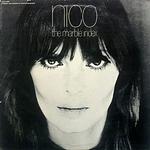
The Marble Index, recorded with producer and arranger John Cale and released in 1968, is a stark, uncompromising departure from Nico's earlier folk-pop work. Her deep, detached voice sits atop sparse, often dissonant arrangements that emphasize harmonium, strings, and minimal accompaniment, producing a cold, somber, and sometimes unsettling atmosphere. The songs are spare and poetic, leaning toward avant-garde and experimental approaches to folk and rock, and the album is frequently cited as an early touchstone for later experimental and gothic-leaning artists.
#618 — Aerial Ballet by Harry Nilsson
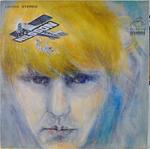
Aerial Ballet (1968) finds Harry Nilsson folding baroque pop touches into his melodic pop songwriting and distinctive, often high-register voice. The arrangements favor strings, woodwind colors, and piano, creating a chamber-pop sheen around intimate ballads and quirky, literate material; the record mixes Nilsson originals with covers and includes his well-known rendition of "Everybody's Talkin'", which became closely associated with him. The album highlights Nilsson's knack for blending sophisticated orchestral textures with accessible pop melodies.
#619 — Pretty Hate Machine by Nine Inch Nails
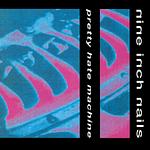
Pretty Hate Machine, Nine Inch Nails' 1989 debut, mixes industrial and EBM textures with alternative rock songcraft, pairing glossy and jagged synths, programmed rhythms, samples, and distorted guitars. Trent Reznor's often confessional and anguished lyrics about alienation and relationships sit within concise, hook-oriented arrangements. The record helped define a more accessible, electronic-tinged strand of industrial music that bridged underground electronics and alternative rock.
#620 — MTV Unplugged in New York by Nirvana
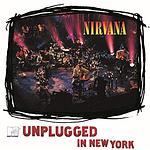
MTV Unplugged in New York is a live acoustic album by Nirvana recorded for the MTV Unplugged series that reframes the band's grunge sound with sparse, intimate arrangements rooted in folk rock and acoustic rock. The performances emphasize hushed dynamics and raw vocal delivery, with the core trio supported by an additional guitarist and a cellist, creating a darker, more melancholic texture than their electric studio work. The set mixes reworked band originals with covers, underscoring Nirvana's ties to alternative and folk influences while highlighting a quieter, more vulnerable side of their music.
#621 — The Story of Simon Simopath by Nirvana
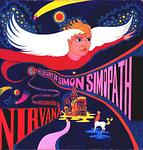
The Story of Simon Simopath is a 1967 concept album by the British band Nirvana that blends pop and psychedelic rock into a whimsical, narrative-driven record. It pairs catchy, Beatles-influenced melodies and close vocal harmonies with orchestral touches and studio effects typical of late 1960s psychedelia, giving the music a baroque pop character. The album unfolds a dreamlike story centered on the character Simon Simopath and stands as an early British example of a pop-oriented rock opera.
#622 — Dynamite by Stina Nordenstam
Stina Nordenstam's 1996 album Dynamite blends fragile, breathy vocals with sparse, atmospheric arrangements that draw on folk, jazz and chamber pop influences. Songs often use acoustic guitar, strings and understated electronic details to create a hushed, intimate mood that shifts between melancholic balladry and subtle rhythmic passages. The record continues Nordenstam's focus on sparse, carefully arranged production and introspective songwriting, yielding a cinematic and emotionally restrained sound.
#623 — Norma Jean by Norma Jean Wright
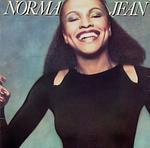
Norma Jean is the 1978 solo debut by singer Norma Jean Wright, produced and shaped by Bernard Edwards and Nile Rodgers. The record delivers polished, rhythm-driven disco with tight bass and guitar interplay, lush string arrangements, and soulful lead vocals, reflecting the Chic production aesthetic of the era. It serves as an example of late 1970s disco that emphasizes groove and studio sheen while showcasing Wright's voice outside the group context.
#624 — Ready to Die by The Notorious B.I.G.

Ready to Die, the 1994 debut studio album by The Notorious B.I.G., pairs hard-edged boom bap production and sample-based beats with Biggie's deep, conversational flow and vivid storytelling about street life, ambition, and mortality. The record alternates gritty, hardcore narratives and gangsta rap themes with moments of melodic hooks and personal reflection, showcasing dense internal rhymes, dark humor, and cinematic details. It is widely regarded as a defining release in 1990s East Coast hip hop for its lyricism and narrative scope.
#625 — Straight Outta Compton by N.W.A
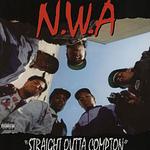
Straight Outta Compton, released in 1988 by N.W.A, is a landmark gangsta rap album that helped define West Coast hip hop. The record pairs hard, drum-machine driven beats and funk-derived sampling with blunt, confrontational lyrics about street life, policing, and urban tension. Production from Dr. Dre and DJ Yella emphasizes heavy bass, tight drum programming, and stark arrangements, while vocal performances from Ice Cube, Eazy-E, MC Ren, and others combine narrative storytelling and abrasive delivery. The album is notable for its raw sonic aesthetic and its role in bringing gangsta rap into wider public attention.
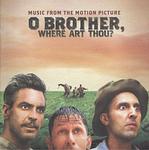
O Brother, Where Art Thou? Music From a Film by Joel Coen & Ethan Coen is a roots-oriented soundtrack produced by T-Bone Burnett that assembles traditional American styles including bluegrass, country blues, gospel, folk and early country. The collection favors acoustic arrangements, close harmony singing, fiddle and banjo textures, and a deliberately rustic production that evokes the film's 1930s setting. Featuring contemporary and traditional performers such as Ralph Stanley, Alison Krauss, Gillian Welch, Norman Blake and the studio group credited as the Soggy Bottom Boys, the album is notable for its focus on Appalachian and early country repertoire and for bringing those sounds to a wider audience.
#627 — Miss America by Mary Margaret O'Hara
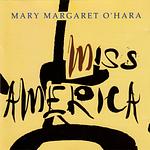
Miss America, released in 1988, is the debut studio album by Canadian singer Mary Margaret O'Hara. It blends rock, alternative and folk textures with touches of jazz and orchestral color to create an intimate, often unpredictable sonic palette. O'Hara's vocals move between fragile whispers and dramatic, theatrical bursts, and the songs favor unconventional arrangements and a moody, emotionally intense atmosphere. The album has attracted a devoted following and is frequently noted for its singular vocal performances and distinctive place in late 1980s alternative music.
#628 — Back Stabbers by The O'Jays
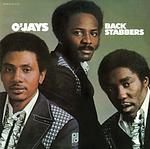
Back Stabbers (1972) by The O'Jays is a landmark Philadelphia soul album that blends smooth vocal harmonies, lush string and horn arrangements, and rhythmic grooves that bridge classic R&B and early disco influences. The record features the title track "Back Stabbers" and "Love Train", pairing themes of betrayal and social unity with polished production and danceable rhythms, and it exemplifies the Philly soul sound of the early 1970s.
#629 — Definitely Maybe by Oasis
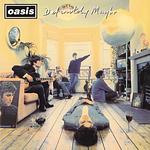
Definitely Maybe is the 1994 debut studio album by Oasis. It presents a loud, guitar-driven take on Britpop and alternative rock, pairing catchy, melodic hooks with dense, fuzzed guitar textures and touches of neo-psychedelia and shoegaze. Noel Gallagher's songwriting emphasizes direct, anthemic choruses and everyday themes while Liam Gallagher's distinctive vocal delivery and a raw, immediate production give the record a swaggering, live feel. The result is a concise collection of bold, high-energy rock songs that established the band's characteristic sound.
#630 — Rehearsals for Retirement by Phil Ochs
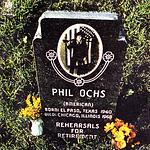
Rehearsals for Retirement is a 1969 album by Phil Ochs that moves away from his earlier acoustic protest folk toward a darker, more rock-tinged sound. The songs pair Ochs' direct, topical songwriting with fuller, sometimes electric arrangements and a somber, often bitter tone. The record is widely seen as a response to the political turmoil of 1968 and represents a stylistic and emotional shift in his work.
#631 — Skin Tight by Ohio Players
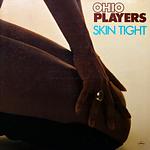
Skin Tight (1974) showcases the Ohio Players' lean, groove-forward approach to funk with strong ties to soul and R&B. The album features tight horn arrangements, prominent bass and rhythmic guitar, and confident, often sultry vocals, blending danceable grooves with smoother melodic passages. It helped crystallize the band's signature sound of polished studio production married to raw funk energy and stands as a notable example of mid 1970s funk and soul crossover work.
#632 — The Deepest Cut by Omni Trio
The Deepest Cut by Omni Trio is a 1995 collection that blends drum and bass and jungle rhythms with downtempo, atmospheric production. It pairs precise, rolling breakbeats and warm low-end with melodic piano lines, lush pads, and cinematic arrangements, balancing club-oriented energy and more reflective instrumental moments. The overall sound is polished and melodic, often cited for its atmospheric, late-night mood within 1990s electronic and drum and bass landscapes.
#633 — One Blood In Love by One Blood
#634 — The Only Ones by The Only Ones
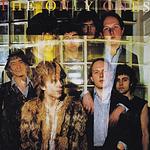
The Only Ones is the band's 1978 debut that blends late 1970s punk urgency with power pop melodies and new wave sensibilities. Peter Perrett's weary, literate vocals and observational lyrics are paired with John Perry's chiming, melodic guitars and a rhythm section that moves between driving rock and restrained grooves, creating songs that balance rawness and craft. The album includes the well known track Another Girl, Another Planet and is often referenced for its influence on subsequent indie and alternative rock artists.
#635 — You Can't Hide Your Love Forever by Orange Juice
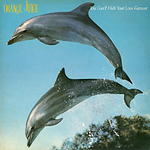
You Can’t Hide Your Love Forever captures Orange Juice’s blend of jangly, melodic pop and post-punk angularity, marked by Edwyn Collins’ idiosyncratic vocal delivery and clever, literate lyrics. The arrangements pair bright, clean guitars and concise songcraft with touchstones of funk and R&B rhythm, producing a lean, slightly offbeat pop sound that helped articulate an early strain of Scottish indie pop.
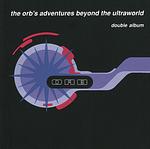
The Orb’s Adventures Beyond the Ultraworld, released in 1991, is a sprawling ambient house album that blends long-form, collage-like soundscapes with dub-influenced rhythms and downtempo grooves. It uses layered samples, field recordings, echo-heavy bass and drifting synth textures to create a spacey, cinematic atmosphere, alternating between relaxed beats and immersive ambient passages. The record is considered a key early example of ambient house and ambient dub, notable for its emphasis on mood, texture and extended, continuous mixes rather than conventional song structures.
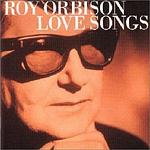
#637 — Love Songs by Roy Orbison
#638 — Specialist in All Styles by Orchestra Baobab
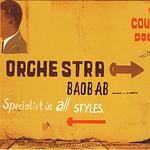
Specialist in All Styles (2002) documents Orchestra Baobab's return with a warm, refined blend of Afro-Cuban son, Latin and jazz influences layered with Senegalese mbalax rhythms. The album emphasizes smooth horn lines, interlocking guitars, congas and local percussion beneath melodic, often multilingual vocals, balancing the retro club sound of the group's 1970s heyday with cleaner modern production. It served to reintroduce the band to wider international audiences and showcases their cross-cultural rhythmic and melodic synthesis.
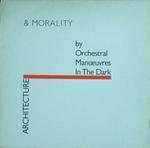
Architecture & Morality (1981) by Orchestral Manoeuvres in the Dark is a synth-driven album that blends electronic and new wave energy with art pop sensibilities. It pairs concise, melodic songwriting with layered synthesiser textures and atmospheric arrangements, balancing accessible hooks and emotional restraint with occasional experimental sonic touches and thematic nods to history and spirituality. The record represents a move toward more polished, melodic material for the band while retaining traces of their earlier exploratory approach.
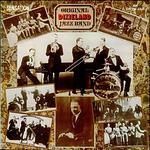
#640 — Sensation! by Original Dixieland Jazz Band
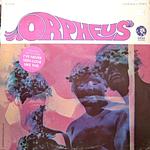
Orpheus is a 1968 self-titled album by the American group Orpheus that blends folk rock and late 1960s pop with mild psychedelic touches. The record is characterized by tight vocal harmonies, melodic songwriting, and arrangements that incorporate piano, acoustic guitar and occasional orchestral color, giving it a polished, radio-friendly sound. Overall it reflects the era's mix of pastoral folk sensibility and pop-oriented studio craftsmanship rather than heavy psychedelic experimentation.
#642 — Central Reservation by Beth Orton
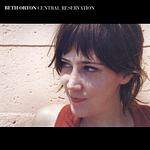
Central Reservation, released in 1999, pairs Beth Orton's intimate, folky songwriting and worn acoustic guitar with subtle electronic and downtempo textures, creating a warm, introspective sound that sits between folk and electronica. Orton's husky, emotive vocals and spare arrangements emphasize mood and melody, with production that balances organic instruments and programmed beats. The album is often noted for its role in the late 1990s crossover between folk traditions and electronic music.
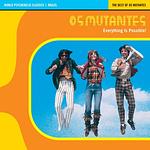
Everything Is Possible! The Best of Os Mutantes (1999) is a compilation that showcases the band's blend of pop, psychedelic rock and Tropicália, pairing catchy melodies with experimental studio effects and offbeat arrangements. The selection highlights playful vocal harmonies, inventive guitar work and a mix of Brazilian rhythms with international rock influences, reflecting the group's adventurous approach to songwriting and production. As a best-of collection, it offers an accessible overview of the era that defined Os Mutantes and underscores their role in the Tropicália movement and their influence on later psychedelic and alternative music.
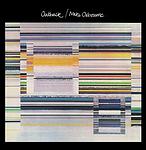
#644 — Outback by Mike Osborne
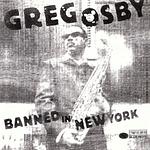
#645 — Banned in New York by Greg Osby
#646 — Inspiration Information by Shuggie Otis
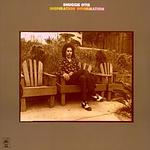
Inspiration Information, released in 1974 by Shuggie Otis, is a psychedelic soul record that blends funk, rock and leftfield electronic textures with mellow R&B grooves. The album emphasizes warm, multi-tracked guitars, analogue synthesizer color and sparse, atmospheric arrangements around Otis's laid-back vocals, producing a nocturnal, intimate mood. Its hybrid production and exploratory touches have made it notable to later listeners for sounding ahead of its time within soul and funk contexts.
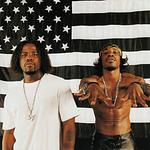
OutKast's 2000 album Stankonia finds Andre 3000 and Big Boi pushing Dirty South hip hop into a more experimental, wide-ranging sound that incorporates electronic textures, techno and drum and bass rhythms alongside funk, soul and psychedelic elements. The production is dense and eclectic, mixing rapid breakbeats, distorted synths, horns and live instrumentation while the duo alternates playful bravado, melodic hooks and pointed social commentary. Songs move from high-energy, drum and bass influenced tracks like "B.O.B." to more melodic, reflective moments such as "Ms. Jackson," and the record is notable for expanding hip hop's sonic palette at the time.
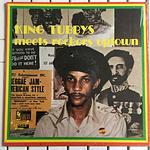
King Tubbys Meets Rockers Uptown is a 1976 dub album by Augustus Pablo, mixed by King Tubby. It pairs Pablo’s signature melodica and keyboard lines with Tubby’s deep, echo-heavy studio techniques, foregrounding bass, space, and reverb. The album is a seminal example of roots reggae dub, notable for its atmospheric, instrumental approach that treats the mixing desk as an active creative element.
#650 — Wátina by Andy Palacio, The Garifuna Collective
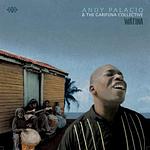
Wátina (2007) by Andy Palacio and the Garifuna Collective is rooted in Garifuna musical traditions from Central America, blending acoustic guitars, layered vocal harmonies, and percussion-driven rhythms such as punta and paranda. The album pairs traditional songs and contemporary compositions to emphasize language, community, and cultural memory, presenting a warm, organic sound with call-and-response singing, steady drum patterns, and studio arrangements that support rather than obscure the traditional textures. It is regarded as an important recording that helped bring wider attention to Garifuna music.
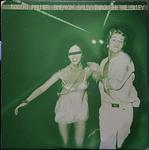
Sneakin' Sally Through the Alley (1974) finds Robert Palmer working in a compact, groove-centered mode that blends blue-eyed soul, R&B, pop rock and soul. The album emphasizes tight, rhythm-driven arrangements with touches of New Orleans-influenced funk, pairing Palmer's sly, flexible vocals with a mix of covers and originals. Its restrained production and focus on groove and phrasing highlight Palmer's taste for rhythm and eclectic song choices, and it serves as an early statement of the stylistic direction he would later refine.
#652 — Person Pitch by Panda Bear
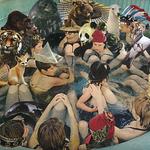
Person Pitch, released in 2007 by Panda Bear (Noah Lennox), is a solo album that blends electronic, experimental, and rock elements into densely layered, sample-based pop. The record features extensive use of loops, reverb-soaked, multi-tracked vocal harmonies, and sprawling song structures that favor atmosphere and melody over conventional verse-chorus forms. Its warm, psychedelic textures and collage-style production helped bring sample-driven, lo-fi electronic aesthetics into indie pop contexts.
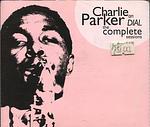
Charlie Parker on Dial: The Complete Sessions (1993) compiles Parker's mid 1940s recordings for Dial Records, presenting masters and alternate takes from his bebop period. The set emphasizes Parker's alto sax improvisations, rapid melodic lines, and advanced harmonic language, and documents small-group studio interplay that shaped modern jazz phrasing. These recordings range from fiery up-tempo workouts to more lyrical passages, offering a concentrated view of Parker's musical development during a pivotal era in jazz.
#654 — 50th Birthday Concert by Evan Parker
A live recording from around Evan Parker's fiftieth birthday, this album documents his approach to free improvisation, emphasizing extended saxophone techniques such as circular breathing and multiphonics, dense linear cascades, and exploratory textural interplay with other improvisers. The performances focus on spontaneous collective interaction and sustained sonic intensity, illustrating Parker's mature improvisational language within the European free jazz context.
#655 — Grievous Angel by Gram Parsons
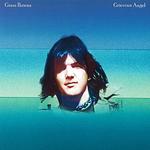
Grievous Angel is Gram Parsons's second solo album, released posthumously in 1974. It melds country, rock, and folk with spare acoustic arrangements, pedal steel and tasteful electric guitar, pairing Parsons's plaintive lead vocals with Emmylou Harris's close harmonies. The songs move between mournful ballads and more upbeat country rock numbers and dwell on themes of love, loss, travel and mortality. The record's blending of traditional country instrumentation with rock songwriting helped define the country rock sound and anticipated later Americana artists.
#656 — Word of Mouth by Jaco Pastorius
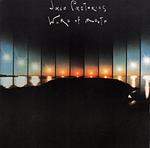
Released in 1981, Word of Mouth finds Jaco Pastorius leading large-ensemble arrangements that blend jazz, jazz fusion, and funk. The album emphasizes his electric bass as a melodic and harmonic voice, featuring complex horn charts, dense ensemble textures, and passages that highlight his harmonics and chordal techniques. It documents Pastorius's interest in orchestration and composition in a bandleader role and is notable for its ambitious, arrangement-driven approach to fusion-era jazz.
#657 — 360 Degrees of Billy Paul by Billy Paul
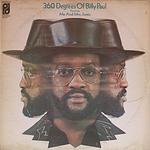
360 Degrees of Billy Paul is a 1972 album that showcases Billy Paul's blend of soul, Philly soul, and jazz-tinged R&B under the production of Kenny Gamble and Leon Huff. The record is marked by lush string and horn arrangements, smooth, improvisational vocal phrasing, and a mix of intimate ballads and groove-oriented tracks; it includes the signature ballad "Me and Mrs. Jones," a dramatic, extended performance that became widely associated with Paul. The album exemplifies the sophisticated, orchestrated Philadelphia soul sound of the early 1970s.
#658 — Slanted and Enchanted by Pavement
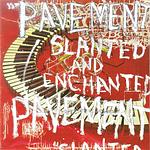
Slanted and Enchanted is Pavement's 1992 debut studio album. The record blends indie rock, alternative rock, lo-fi production and noise pop, characterized by Stephen Malkmus's laconic, often cryptic lyrics, a slack, conversational vocal delivery, jagged but melodic guitar interplay, loose rhythmic feel and a rough, home-recorded aesthetic that mixes tunefulness with distortion and off-kilter song structures. Its raw, DIY sound helped shape the early 1990s indie rock landscape and remains a touchstone for lo-fi guitar music.
#659 — The Teaches of Peaches by Peaches
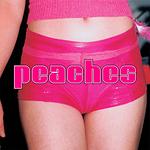
The Teaches of Peaches (2000) is a raw, provocative electronic album that mixes minimalist electro and synth-pop melodies with breaks-influenced rhythms and lo-fi, gritty production. Peaches uses deadpan, sexually explicit vocals and sparse, distorted synths to create a confrontational, DIY aesthetic, and the record is often associated with the early electroclash moment for its direct engagement with gender and sexuality in an electronic music context.
#660 — Moving Targets by Penetration
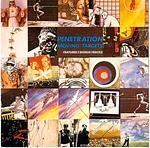
Moving Targets, released in 1978 by Penetration, blends punk urgency with emerging new wave and post punk sensibilities. Pauline Murray's clear, emotive vocals ride over taut, angular guitar lines and a propulsive rhythm section, giving the songs a direct, melodic thrust while retaining a raw edge. The album is frequently noted for capturing the shift from first wave punk toward more varied, song-focused approaches in the UK scene.
#661 — Basket of Light by The Pentangle
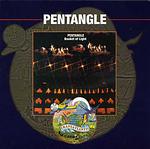
Basket of Light (1969) captures Pentangle's blend of British folk and jazz-tinged rock, featuring intricate acoustic guitar interplay, Jacqui McShee's clear, modal vocals, and a rhythm section that favors subtle jazz and folk grooves. The album mixes reworked traditional material and original songs with spare, detailed arrangements that foreground fingerpicked guitars, close vocal harmonies, and occasional blues and jazz inflections. It is often viewed as a defining and accessible statement of the group's folk rock approach.
#663 — Arkology by Lee "Scratch" Perry

Arkology is a multi-disc anthology gathering Lee 'Scratch' Perry's Black Ark-era productions, presenting roots reggae songs alongside dub versions and instrumental remixes. The recordings emphasize Perry's inventive studio techniques, with heavy echo and reverb, spare yet layered rhythms, abrupt sonic edits and effects that give the tracks a psychedelic, otherworldly character. As a collection it illustrates Perry's experimental approach to dub production and his influence on the textural possibilities of reggae.
#664 — PopArt: The Hits by Pet Shop Boys
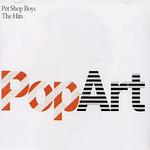
PopArt: The Hits is a 2003 compilation by Pet Shop Boys that collects singles from the duo's career from the mid 1980s through the early 2000s. The album illustrates their core synth-pop and dance-pop sound, often drawing on house and disco influences, pairing polished electronic production with literate, sometimes theatrical lyrical themes. It highlights the contrast between the atmospheric synth textures of their earlier work and the more club-oriented rhythms they explored later.
#665 — Night Train by The Oscar Peterson Trio
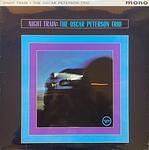
A 1963 album by the Oscar Peterson Trio, Night Train showcases piano-trio jazz rooted in the blues, with strong elements of swing, bebop phrasing, and cool-jazz restraint. Peterson's nimble, lyrical piano leads tightly arranged, groove-focused performances supported by Ray Brown's earthy walking bass and Ed Thigpen's crisp, tastefully restrained drumming. The record favors clear melodies, streamlined soloing, and rhythmic drive, offering accessible, blues-inflected takes on standards and originals that highlight the trio's interplay and Peterson's technical command.
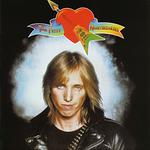
Tom Petty and the Heartbreakers is the band's 1976 debut and a concise introduction to their blend of jangly, guitar-driven rock and straight-ahead pop songwriting. Produced by Denny Cordell, the album pairs chiming guitar textures and economical arrangements with Petty's direct vocal delivery; songs such as "Breakdown" and "American Girl" exemplify its mix of rock, heartland sensibility, and classic pop-rock hooks. Its lean band sound and emphasis on melody helped define the group's early identity.
#667 — Tango by Astor Piazzolla
#668 — Devotion by Courtney Pine
#669 — The Dark Side of the Moon by Pink Floyd
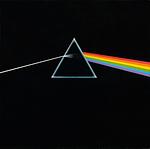
The Dark Side of the Moon is Pink Floyd's 1973 progressive rock album that blends rock, psychedelic and art rock elements into a continuous, concept-driven suite exploring themes such as time, money, mental strain and mortality. It is distinguished by its studio production and sound design, including layered synthesizers, tape effects and looping, prominent saxophone parts and an emotive wordless vocal performance on one track, with seamless transitions that emphasize atmosphere and textural detail across the record.
#670 — Surfer Rosa by Pixies
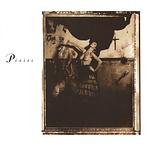
Surfer Rosa, released in 1988 by the Pixies, is a raw, abrasive alternative rock album produced by Steve Albini. It juxtaposes quiet, melodic verses with sudden, explosive choruses, showcasing Black Francis's urgent vocals, jagged guitar textures, and Kim Deal's propulsive bass and backing vocals, with her lead on "Gigantic". The songwriting pairs surreal, sometimes unsettling lyrical imagery with tight, punchy arrangements, and the stark, live-feeling production helped shape the loud-quiet-loud dynamics that became prominent in 1990s alternative and indie rock.
#671 — Rest Proof Clockwork by Plaid
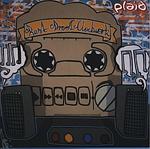
Rest Proof Clockwork, released in 1999 by Plaid, is an IDM and electronic record that pairs detailed, interlocking rhythms with warm, melodic synth lines. The album emphasizes intricate programming and textured sound design, often combining crisp, techno-influenced beats with more lyrical, cinematic passages. Overall it showcases Plaid's move toward songlike structures while retaining experimental rhythmic complexity and an emphasis on atmospheric timbres.
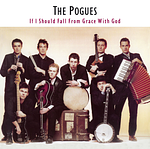
If I Should Fall From Grace With God is a 1988 album that crystallizes The Pogues' blend of Irish folk instrumentation and punk rawness, mixing lively reels and raucous punk-tinged numbers with mournful ballads and narrative songs. Shane MacGowan's rough-edged, sing-speaking delivery drives lyrics about love, exile, drinking, and street life while accordion, fiddle, tin whistle, and banjo anchor the arrangements. The record also features the well known duet "Fairytale of New York" with Kirsty MacColl and is noted for its vivid storytelling and a balance between rowdy energy and melancholic tenderness.
#673 — Held on the Tips of Fingers by Polar Bear
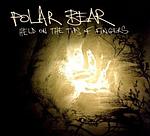
Held on the Tips of Fingers (2005) by Polar Bear blends post-bop jazz foundations with electronic and experimental textures, pairing agile saxophone-led lines with elastic rhythms and textural processing. The music moves between intimate, sparse passages and intense, rhythmically driven sections, emphasizing improvisation and unconventional arrangements. The record stands out in the mid-2000s British jazz scene for its integration of electronic and experimental sonorities within a small-group jazz context.
#674 — Ghost in the Machine by The Police
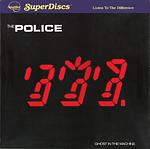
Ghost in the Machine (1981) finds The Police expanding their earlier reggae-rooted rock into a denser, more synth- and horn-driven sound. Sting's songwriting moves toward darker, more philosophical themes of alienation and technology, while Andy Summers layers shimmering guitar textures and Stewart Copeland provides tight, propulsive percussion. The album blends rock, new wave and pop elements with prominent keyboards and brass arrangements, producing a more produced and atmospheric record that represents a clear stylistic development from their earlier, sparser work.
#675 — Y by The Pop Group
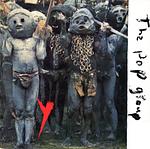
Y is The Pop Group's 1979 debut that fuses jagged post-punk attack with dub-influenced bass and studio effects, free-jazz saxophone touches, funk-derived rhythms, and abrasive, confrontational vocals and lyrics. The production foregrounds heavy low end and echoing space, creating an unsettling, dense sound that pushes rock toward experimental and avant-garde territory. Its tense interplay of danceable grooves, dissonant textures, and political urgency marks it as a distinctive statement within post-punk and art punk contexts.
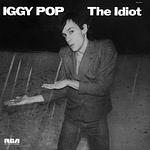
The Idiot, Iggy Pop's 1977 solo album produced and co-written in part by David Bowie, marks a shift from raw garage rock toward a darker, more measured sound that blends rock, art rock, punk energy, and early new wave elements. The record emphasizes sparse, mechanical rhythms, atmospheric synth and guitar textures, and subdued, brooding vocals, with songs like "Nightclubbing" and "China Girl" highlighting its minimalist arrangements and European electronic influences. The album is often seen as a stylistic pivot in Pop's career that contributed to the development of post-punk and new wave aesthetics.
#677 — Dummy by Portishead
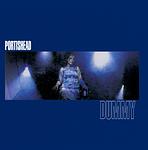
Dummy, released in 1994, is Portishead's debut album that helped define the trip hop aesthetic by combining slow, hip hop influenced beats with jazz-tinged arrangements and moody electronic textures. Beth Gibbons' intimate, theatrical vocals sit against dusty samples, turntable scratches, reverb-heavy production and slippery guitar lines, creating a cinematic, noir atmosphere. The record mixes downtempo electronic approaches with elements of acid jazz and dark jazz to produce a sparse, emotionally intense sound.
#678 — Steve McQueen by Prefab Sprout
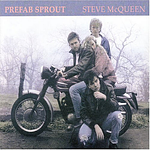
Steve McQueen is Prefab Sprout's 1985 album, produced by Thomas Dolby, that refines the band's blend of synth-pop, pop rock and sophisti-pop into a polished, literate form of chamber pop. Paddy McAloon's songwriting pairs wry, introspective lyrics with sophisticated chordal movement, warm melodies and smooth synth textures, while the production favors crisp, economical arrangements. The album is a clear example of mid 1980s sophisti-pop, notable for combining accessible hooks with musically intricate structures.
#679 — From Elvis in Memphis by Elvis Presley
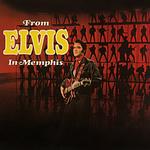
From Elvis in Memphis (1969) was recorded at American Sound Studio in Memphis with producer Chips Moman and moves away from Presley’s recent movie soundtrack work toward a tighter blend of country, pop and soul often labeled blue-eyed soul or country soul. The arrangements favor a muscular rhythm section, horns and gospel-tinged backing vocals, and the album includes the socially minded song "In the Ghetto" while showcasing a more mature, emotionally direct vocal approach that helped revitalize his studio output.
#680 — Pretenders by Pretenders
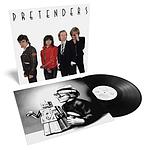
Pretenders is the 1979 debut album by Pretenders that blends new wave urgency with rock and pop sensibilities, pairing chiming, economical guitar work and a propulsive rhythm section with Chrissie Hynde's cool, emotionally direct vocals. The songs range from concise, hook-driven pop to taut post-punk rock, and the production keeps the band sound immediate and uncluttered. The record established the group's distinctive mix of melody and attitude and helped define a transitional sound between punk, post-punk, and mainstream rock.
#681 — S.F. Sorrow by The Pretty Things
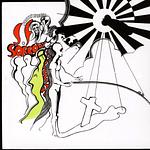
S.F. Sorrow, released in 1968 by The Pretty Things, is a psychedelic rock concept album that follows the life and trials of its titular protagonist. Musically it blends acid-tinged guitar work, melodic baroque-pop arrangements, Mellotron and orchestral touches, and studio experimentation to create a cinematic, often melancholic atmosphere. The album is frequently cited as an early example of a rock record built around a continuous narrative and is notable for its ambitious songwriting and atmospheric production.
#682 — Screamadelica by Primal Scream
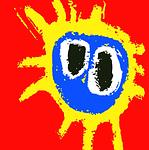
Screamadelica is Primal Scream's 1991 album that fused indie rock songwriting with acid house and dance production, blending distorted guitars and anthemic vocals with rhythmic grooves, samples, warm keyboards and extended club-friendly arrangements. The record helped bridge rock and electronic club culture by incorporating house rhythms, dub-like production, gospel-tinged backing vocals and psychedelic textures, producing an expansive, dance-oriented sound that emphasizes atmosphere and groove over conventional rock arrangements.
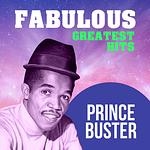
#683 — Fabulous Greatest Hits by Prince Buster
#684 — Parade by Prince, The Revolution
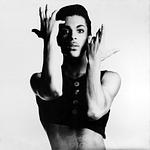
Parade, the 1986 soundtrack to Prince's film Under the Cherry Moon, blends funk, contemporary R&B, pop and the Minneapolis sound with neo-psychedelic and cinematic touches. The album pairs minimalist, rhythm-driven tracks such as "Kiss" with lush orchestration, horn and string arrangements and atmospheric production, producing a more restrained, chamber pop and lounge-inflected mood compared with Prince's earlier rock-leaning work. As a soundtrack it emphasizes texture and mood and represents an experimental, eclectic moment in Prince's mid-1980s output.
#686 — Music for the Jilted Generation by The Prodigy
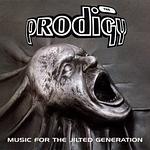
Music for the Jilted Generation, released in 1994, is The Prodigy’s second studio album, produced chiefly by Liam Howlett. It expands their breakbeat hardcore roots into a harder, more structured fusion of breakbeat, techno and early big beat, featuring propulsive breakbeats, distorted synth leads, heavy sampling and punk-inflected aggression. The record channels UK rave culture and a confrontational mood toward restrictions on dance events, alternating high-energy club tracks with darker instrumental passages and marking a more aggressive, album-focused approach to electronic music.
#687 — A Secret Wish by Propaganda
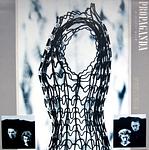
A Secret Wish, released in 1985 by German band Propaganda, is a dense, cinematic synth-pop record that blends electronic textures, New Wave sensibilities, and art-pop arrangements. The sound features layered synthesizers, prominent sampling and studio effects, and dramatic, often restrained vocals that create a moody, atmospheric tone contrasting pop melodies with experimental production techniques. The album is often regarded as a distinctive example of 1980s synth-based art pop and exemplifies a darker, more theatrical strand of new wave electronic music.
#688 — Talk Talk Talk by The Psychedelic Furs
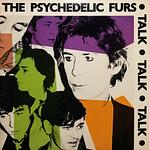
Talk Talk Talk is the Psychedelic Furs' second studio album, released in 1981. It refines their post-punk edge with stronger new wave and pop sensibilities, pairing Richard Butler's emotive baritone with jagged guitars, melodic basslines, propulsive rhythms and occasional saxophone. Songs such as "Pretty in Pink" and "Dumb Waiters" highlight the album's mix of moody atmosphere and hook-driven songwriting, marking an early shift toward a more anthemic side of the band's sound.
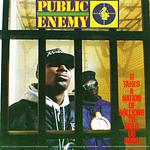
It Takes a Nation of Millions to Hold Us Back is Public Enemy's 1988 album that pairs confrontational, politically driven lyricism with dense, abrasive production. The Bomb Squad's layered, collage-like use of samples, sirens and jagged beats creates a thick, chaotic soundscape that underpins Chuck D's authoritative social commentary and Flavor Flav's rhythmic interjections. The album emphasizes themes of racial injustice, institutional power and media critique while expanding hip hop's sonic and rhetorical possibilities, influencing the development of East Coast, political and hardcore hip hop styles.
#690 — Metal Box by Public Image Ltd
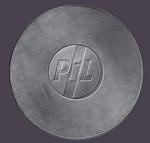
Metal Box, released in 1979 by Public Image Ltd, is a stark, experimental post-punk album that fuses deep dub-derived bass and studio effects with jagged guitar fragments and spare, often hypnotic song structures. Centered on Jah Wobble's low-end grooves, Keith Levene's metallic textures and John Lydon's idiosyncratic vocals, the record emphasizes space, repetition and abrasive ambient touches rather than conventional rock arrangements. Originally issued in a metal film canister, the album is notable for its unconventional production and packaging and for expanding the sonic possibilities of late 1970s post-punk.
#692 — Different Class by Pulp
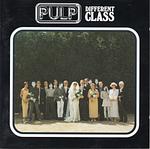
Different Class is Pulp's mid 1990s album that blends Britpop immediacy with art rock and glam influences, pairing catchy, theatrical arrangements with literate, observational lyrics about class, relationships, and everyday absurdities. Jarvis Cocker's conversational vocal delivery and character-driven storytelling sit alongside driving rock rhythms, occasional orchestral touches, and pop hooks; songs such as "Common People" and "Disco 2000" exemplify its mix of social satire and singable melodies. The record is often noted for its sharp songwriting and dramatic presentation within the broader Britpop and indie rock context.
#693 — Greatest Hits by Queen
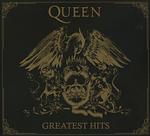
Greatest Hits (2008) is a compilation that assembles Queen's best-known singles into a single package, showcasing the band's range from stadium rock and hard rock to theatrical, operatic pop and melodic ballads. The sequencing highlights Queen's signature vocal harmonies, dramatic arrangements, and anthemic songwriting, offering a concise overview of the material that defined their public profile. The collection functions as an accessible introduction to the group's most familiar songs.
#694 — Rated R by Queens of the Stone Age

Rated R is Queens of the Stone Age's 2000 album that refines their desert and stoner rock roots into tighter, more varied songs. It blends heavy, repetitive riffing and propulsive grooves with concise, hook-driven arrangements and often sardonic lyrics, set in a spare, punchy production that highlights rhythm and atmosphere. The record represented a stylistic shift toward more accessible songcraft while keeping a gritty, hard rock edge within alternative and metal-influenced contexts.
#695 — Jazz in Silhouette by The Sun Ra Arkestra
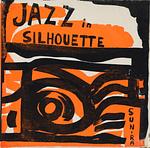
Jazz in Silhouette, recorded in 1958 by the Sun Ra Arkestra, is a large-ensemble set that balances hard bop and big band swing with early signs of Ra's experimental approach. The arrangements emphasize tight horn voicings, prominent piano and occasional unconventional textures, moving between lyrical, groove-driven numbers and more angular, atmospheric pieces that hint at his later cosmic explorations. The album is often regarded as one of Ra's more accessible and compositionally focused records, showcasing the Arkestra's discipline and a transitional sound between traditional jazz forms and later avant-garde directions.
#696 — Rumba argelina by Radio Tarifa
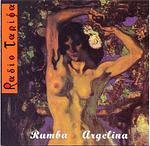
Rumba Argelina, released in 1993 by Radio Tarifa, is a folk-rooted album that blends Andalusian, North African and Iberian traditions with Latin and flamenco-inflected rhythms. The group favors acoustic textures, modal melodies and layered vocal lines to evoke medieval and Mediterranean sound worlds, moving between lively percussion-driven pieces and more spare, atmospheric tracks. The record foregrounds cross-cultural fusion and reworks historical folk sources into contemporary arrangements.
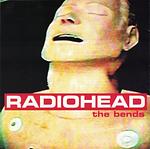
The Bends finds Radiohead expanding from their debut into more expansive, guitar-driven alternative rock that mixes melodic Britpop touches with darker, introspective lyrics and atmospheric, occasionally psychedelic textures. Thom Yorke's emotive voice and falsetto sit atop layered guitar arrangements and dynamic contrasts between loud, anthemic tracks and quieter, intimate moments. Songs such as "Fake Plastic Trees", "High and Dry", "Just", and "Street Spirit (Fade Out)" illustrate the album's blend of strong melodies and emerging experimental tendencies that the band would develop further on later records.
#698 — Bombay by A. R. Rahman
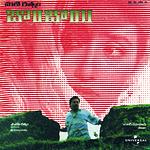
Bombay (1995) is A. R. Rahman’s soundtrack for Mani Ratnam’s film Bombay. The album combines Indian melodic and vocal traditions with lush orchestration, sampled electronics, and ambient textures, moving between energetic film songs and more atmospheric instrumental passages. The haunting instrumental known as the Bombay Theme and the overall cinematic arrangements helped define Rahman’s signature approach to blending classical and contemporary sounds for film.
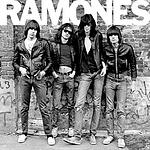
Ramones is the 1976 debut album by the Ramones. It delivers short, fast, stripped-down songs built on simple three-chord guitar figures, driving downbeat drumming, and a raw production that foregrounds catchy hooks and shouted vocals. Noted for its succinct songcraft and aggressive minimalism, the record is widely regarded as a foundational release in punk rock and helped establish the genre's aesthetic.