 The Greatest Music
1000 Albums to Hear Before you Die
Weight: 67%
How much this list influences our overall rankings. Higher weight means more reliable data.
Penalties Applied:
The Guardian – 1000 Albums to Hear Before You Die (2007) is a large, cross-genre listening guide compiled by the Guardian’s music writers. It’s not a ranked “best of all time” list: entries are presented alphabetically by artist and each album gets a short capsule explaining why it’s worth hearing. The team set a few rules—one album per main artist, often choosing a less-obvious pick over the canonical choice, and allowing Various Artists compilations to represent scenes built on singles. The project also invited readers to suggest omissions, later publishing a “we forgot…” follow-up selection.
#902 — New Orleans, New Orleans by Various Artists
#906 — Heavy Soul by Various Artists
#907 — Run the Road by Various Artists
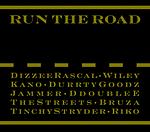
Run the Road (2005) is a Various Artists compilation rooted in grime and electronic styles, presenting MC-driven vocal performances over sparse, syncopated electronic production. The material emphasizes rapid tempos, clipped rhythmic patterns, and gritty, street-minded lyrical delivery typical of mid-2000s grime, offering a snapshot of the genre's raw, dancefloor-oriented sound.

#912 — Sub Pop 200 by Various Artists
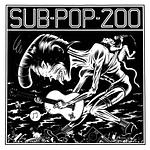
Sub Pop 200 is a 1988 compilation assembled by the Seattle-based label Sub Pop that documents the late 1980s Pacific Northwest underground rock scene. The collection mixes alternative and garage rock with folk-tinged songwriting and heavier, raw grunge textures, often presented in lo-fi, rough-hewn recordings. As a snapshot of emerging local acts it highlights the label's early aesthetic and the crosscurrents between punk, garage, folk and heavier guitar-driven sounds.
#913 — Tamla Motown Gold by Various Artists
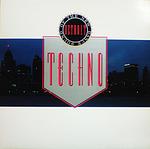
Techno! The New Dance Sound of Detroit (1988) is a Various Artists compilation that presents early Detroit techno alongside related electronic and house styles. The music emphasizes machine-driven rhythms, repetitive grooves, sparse synth melodies and dancefloor-focused production, combining the mechanical precision of techno with the rhythmic sensibilities of house and broader electronic experimentation.
#915 — Tighten Up Volume 2 by Various Artists
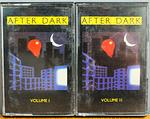
#916 — After Dark by Various Artists
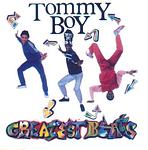
#917 — Tommy Boy Greatest Beats by Various Artists
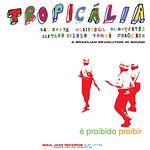
Tropicália: A Brazilian Revolution in Sound is a 2005 compilation that surveys the late 1960s Tropicália movement, showing how Brazilian popular forms such as bossa nova and samba were fused with psychedelic rock, experimental production and pop songwriting. The collection captures the movement's eclectic textures, from acoustic rhythms and brass arrangements to electric guitars and studio effects, and reflects the period's cultural and artistic upheaval in Brazil.
#920 — Mutant Disco by Various Artists
#921 — Velvet Tinmine by Various Artists
#922 — Dino Valente by Dino Valenti
Dino Valente (1968) is a self-titled solo record that emphasizes folk rock songwriting with acoustic foundations augmented by electric instrumentation and light psychedelic touches typical of the late 1960s West Coast scene. The album foregrounds Valente's warm, reedy vocal delivery and melodic, introspective songs, making it a representative solo statement from a songwriter active in San Francisco's folk-rock circles.
#923 — Pawn Hearts by Van der Graaf Generator
Pawn Hearts (1971) by Van der Graaf Generator is a dark, intense progressive rock album that blends art rock experimentation with theatrical songwriting. The band mixes lengthy, multi-part suites and shorter pieces featuring complex rhythms, abrupt dynamic shifts, and prominent organ and saxophone textures, anchored by Peter Hammill's distinctive, anguished vocals and literate, introspective lyrics. Notable for its ambitious multi-section centerpiece "A Plague of Lighthouse Keepers," the record emphasizes tension, mood, and orchestral rock arrangements over conventional pop songcraft.
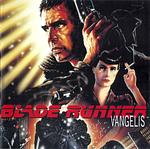
#924 — Blade Runner by Vangelis
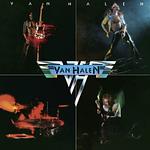
Van Halen's 1978 self-titled debut introduced the band's high-energy hard rock and arena-ready sound, anchored by Eddie Van Halen's inventive guitar work and David Lee Roth's flamboyant vocals. The record blends punchy riffs, pop-influenced hooks and a tight rhythm section, and includes the instrumental "Eruption" that showcased two-handed tapping alongside a cover of the Kinks' "You Really Got Me." Its raw production and emphasis on guitar virtuosity made it a touchstone for late 1970s hard rock and many guitar-centric rock acts that followed.
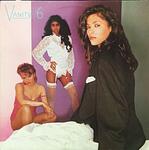
Vanity 6 is the sole studio album from the female trio Vanity 6, released in 1982. The record is synth-driven and funk-oriented, combining drum machines, analog synthesizers, and tight funk guitar with sexually playful, dance-focused lyrics and arrangements. The project was assembled and largely written and produced by Prince, and it exemplifies the Minneapolis sound through its fusion of electronic production and classic R&B while drawing on early electro textures.
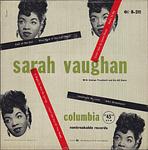
#928 — Sarah Vaughan by Sarah Vaughan
#929 — Solitude Standing by Suzanne Vega
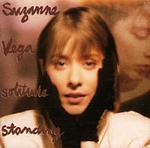
Solitude Standing is Suzanne Vega's 1987 second studio album. It blends her spare, literate folk songwriting with fuller pop and rock arrangements, incorporating elements of dream pop and folk pop through atmospheric production and subtle electric textures. The record includes the narrative-driven "Luka," which addresses domestic abuse, and the minimalist a cappella "Tom's Diner," both of which showcase Vega's clear, intimate vocal delivery and economy of language. Overall the album marks a move toward more varied instrumentation while retaining a focus on storytelling.
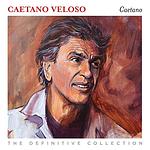
#930 — The Definitive Collection by Caetano Veloso
#931 — White Light/White Heat by The Velvet Underground
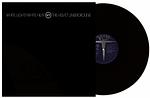
White Light/White Heat, The Velvet Underground's 1968 album, is a deliberately abrasive and experimental record that pushes the band's art rock and proto-punk tendencies into raw noise and improvisation. The production is rough and immediate, with John Cale's electric viola, distorted guitars, and Lou Reed's deadpan vocals combining on short, jagged songs and the sprawling, feedback-heavy centerpiece "Sister Ray". Lyrically the album confronts drug use, sexuality, and urban alienation with stark directness. Its abrasive sound and willingness to embrace distortion and free-form jams have made it an influential touchstone for later punk and noise rock developments.
#932 — A Northern Soul by The Verve
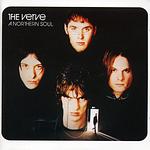
A Northern Soul is The Verve's second album, released in 1995. It blends Britpop songwriting with neo-psychedelic and shoegaze textures and expansive, spacey guitar work. The record is darker and more introspective than their debut, with layered guitar atmospheres and Richard Ashcroft's emotive vocals creating long, immersive arrangements. It is often regarded as a transitional release that tightened the band's songwriting while retaining their atmospheric ambition.
#933 — Ode to the Death of Jazz by Edward Vesala
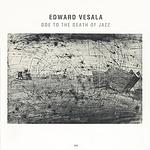
Ode to the Death of Jazz is a 1990 album by Finnish drummer and composer Edward Vesala that continues his exploration of contemporary, avant-garde jazz. The music balances composed, orchestral-like passages with open improvisation, emphasizing textural shifts, dynamic contrasts, and collective ensemble interaction. It reflects Vesala's tendency to blend jazz vocabulary with European art-music and folk-tinged sensibilities, producing atmospheric and often unpredictable soundscapes rather than conventional song forms.
#934 — Alcachofa by Ricardo Villalobos

Alcachofa, released in 2003 by Ricardo Villalobos, is a landmark minimal techno and tech house album built from long, slowly unfolding tracks, intricate percussion, and spare, dub-tinged textures. The record emphasizes subtle rhythmic variation and micro-detail over conventional song structure, producing hypnotic, immersive grooves that helped define early 2000s minimal and microhouse approaches. Its focus on texture, timing, and extended DJ-friendly arrangements made it influential among producers and DJs working in minimal electronic styles.
#935 — The Essential Collection by Gene Vincent
The Essential Collection gathers Gene Vincent's core rockabilly and early rock and roll recordings, showcasing his gritty, reverb-soaked vocals, twangy guitar work, and driving backbeat. The material blends country, blues, and rhythm and blues influences typical of 1950s rockabilly and highlights the raw vocal and instrumental style that marked Vincent's recordings. As a compilation, it provides a concise overview of his sound and role in early rock history.
#936 — Violent Femmes by Violent Femmes
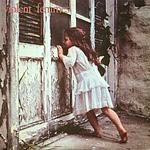
Violent Femmes is the 1983 self-titled debut by the Milwaukee trio Violent Femmes. The record pairs jangly acoustic guitar, minimal percussion and raw, often shouted vocals to fuse folk songcraft with punk attitude, producing terse, direct arrangements and confessional, sometimes abrasive lyrics. Songs such as "Blister in the Sun" and "Add It Up" showcase hooky melodies and urgent dynamics, and the album is frequently noted for its role in shaping early alternative, indie rock and folk punk sensibilities.
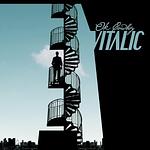
OK Cowboy is Vitalic's 2005 debut studio album that blends electro, electroclash, and electro house into a high-energy set built on distorted analog synth lines, punchy drum programming, and propulsive techno rhythms. It pairs aggressive, club-focused tracks such as "La Rock 01" with more melodic and vocal-led songs like "My Friend Dario" and "No More Sleep", presenting a raw, punk-tinged approach to French electronic production. The record is notable for its emphasis on vintage synth textures, repetitive hooks, and a muscular sound that became associated with mid-2000s French electro.
#939 — Reggae Ina Firehouse by Wailing Souls
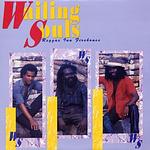
Reggae Ina Firehouse (1992) by the Wailing Souls presents the group's characteristic roots reggae sound, built around tight three-part vocal harmonies, steady bass and drum grooves, and skanking guitar and keyboard rhythms. The album continues their focus on socially conscious and spiritual themes while keeping arrangements that balance classic reggae textures with production sensibilities of the early 1990s. It fits within the Wailing Souls' long-running output as an example of their consistent approach to vocal-driven reggae.
#940 — Swordfishtrombones by Tom Waits
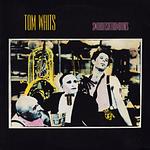
Swordfishtrombones (1983) is a Tom Waits album that marks a pronounced shift from his earlier piano-based, jazz and blues-tinged work toward a more experimental, percussive, and theatrical approach. The arrangements foreground unconventional percussion and found sounds alongside brass and woodwind textures, while Waits adopts a rougher, more expressive vocal style and surreal, character-driven storytelling. The record blends elements of blues, rock, and avant-garde experimentation and is regarded as a pivotal move into more adventurous, alternative rock and experimental territory for the artist.
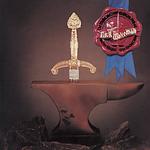
The Myths and Legends of King Arthur and the Knights of the Round Table is Rick Wakeman's 1975 solo concept album that sets Arthurian stories to expansive progressive rock arrangements. The music blends virtuosic keyboard work on piano, organ and early synthesizers with orchestral and choral textures, producing a cinematic, theatrical sound that alternates between grand instrumental passages and shorter programmatic pieces portraying characters and episodes from the legend. It is a representative example of 1970s symphonic prog and remains one of Wakeman's best-known solo projects.
#942 — Scott Walker Sings Jacques Brel by Scott Walker
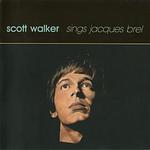
Scott Walker Sings Jacques Brel (1981) collects Scott Walker's English-language interpretations of songs by Belgian songwriter Jacques Brel, presented with Walker's deep baritone and highly theatrical delivery. The arrangements emphasize orchestral textures and dramatic dynamics that sit between baroque pop and soft rock, highlighting melancholic melodies, vivid storytelling, and a somber, chamber-pop sensibility characteristic of Walker's early solo work.
#943 — Are You Okay? by Was (Not Was)
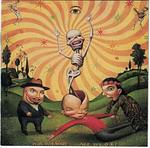
Are You Okay? captures Was (Not Was) blending contemporary R&B sensibilities with downtempo grooves, electronic production and rock-tinged synth-pop textures. The album features layered, studio-polished arrangements that mix programmed beats and synths with organic instrumentation, and it continues the group's penchant for ironic, narrative lyrical touches delivered by a variety of vocalists. Overall it presents an eclectic, groove-oriented set that highlights the band's blend of pop, funk and electronic influences.
#944 — This Is the Sea by The Waterboys
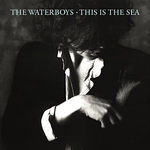
This Is the Sea, the Waterboys' third studio album from 1985, expands the band's post-punk and rock roots into a sweeping, anthemic style that blends folk rock and pop rock elements. Mike Scott's songwriting pairs vivid, often spiritual imagery with driving rhythms and large-scale arrangements, featuring layered guitars, brass and orchestral touches to create dramatic dynamics. The album is often seen as a high point of the band's early "big music" sound and a stylistic bridge toward their later exploration of traditional folk textures.
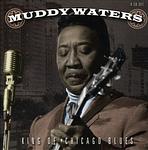
#945 — King of Chicago Blues by Muddy Waters
#946 — Norma Waterson by Norma Waterson
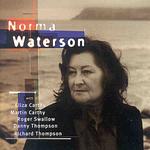
Norma Waterson is a self-titled 1996 folk album that foregrounds Norma Waterson's distinctive, emotive singing in interpretations of English traditional material and songcraft. The record is marked by spare, acoustic arrangements that put vocal storytelling at the center, reflecting her long involvement in the English folk tradition and her reputation as a powerful interpreter of old and contemporary songs.
#947 — Weather Report by Chris Watson
Weather Report (2003) by Chris Watson is a collection of detailed field recordings that frames weather and environmental processes as immersive sound art. The material emphasizes texture, spatial detail, and dynamic change over time, with an observational approach that minimizes traditional musical intervention and highlights non-musical sources. Its austere presentation and close listening invite comparisons with avant-garde and documentary practices while reflecting a folk-rooted attention to place and natural soundscapes.
#948 — Black Market by Weather Report
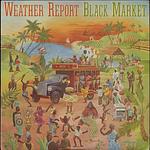
Black Market (1976) by Weather Report is a jazz fusion album that highlights Joe Zawinul's layered electric keyboards and Wayne Shorter's distinctive saxophone, combining dense synthesizer textures with groove-oriented rhythms and elements of world music. The record favors concise, songlike structures and melodic themes alongside improvisational passages, reflecting a shift toward more structured, rhythmically driven material that helped shape the band's late 1970s sound.
#949 — Seamonsters by The Wedding Present
Seamonsters is a 1991 album by The Wedding Present distinguished by a raw, guitar-driven indie rock sound produced by Steve Albini. It moves away from the band’s earlier jangle toward heavier, jagged guitars, sparse but punchy arrangements, and David Gedge’s intense, relationship-focused vocals. The abrasive production and tight songcraft create a tense, direct atmosphere that marked a notable shift in the band’s sonic approach.
#950 — Time (The Revelator) by Gillian Welch
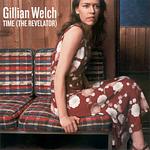
Time (The Revelator) is Gillian Welch’s 2001 album, produced and performed with longtime collaborator David Rawlings. The record uses spare, acoustic arrangements centered on Welch’s songwriting and Rawlings’s guitar and harmony vocals, blending folk, Appalachian and country-rooted elements with a contemporary alternative country sensibility. The songs are often stark and narrative-driven, exploring themes of loss and memory, and the intimate, uncluttered production keeps focus on voice, guitar, and traditional instrumentation.
#951 — Wild Wood by Paul Weller
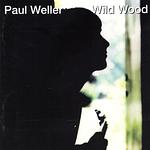
Wild Wood, released in 1993, is Paul Weller's second solo album and a consolidation of his post-Jam musical direction. It blends acoustic folk, soul-inflected vocals and warm electric guitar textures with reflective, pastoral songwriting, producing a relaxed but focused sound. The arrangements mix organic instruments with subtle studio touches, and the record is often noted for its melodic, roots-oriented approach that helped define Weller's early solo identity.
#952 — Genesis by Wendy & Bonnie
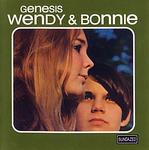
Genesis is a late 1960s album by sisters Wendy and Bonnie that blends folk rock and pop songwriting with psychedelic textures. The record emphasizes close sibling harmonies and mostly acoustic arrangements, punctuated by occasional electric or orchestral colorings, producing a dreamy, intimate atmosphere that sits between pastoral folk and studio experimentation. Listeners often note its distinctive vocal interplay and offbeat, atmospheric production.
#953 — The College Dropout by Ye
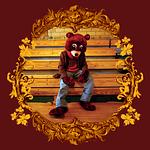
The College Dropout is the 2004 debut studio album by Ye, released under the name Kanye West. Musically it blends hip hop and pop rap with chipmunk soul production built from sped-up soul samples, touches of neo soul and gospel textures, and layered vocal harmonies. Lyrically it pairs personal introspection with social commentary, mixing confessional passages and humor while exploring themes of family, faith, ambition, and the music industry. The record is marked by warm, sample-driven instrumentation and a production-forward approach that foregrounds melodic beats alongside conversational, emotionally direct rapping.
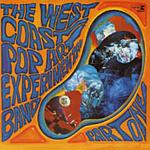
Part One (1967) by The West Coast Pop Art Experimental Band is a psychedelic rock record that mixes jangly folk-rock elements with loose, reverb-heavy vocal harmonies and home-studio experimentation. The songs pair accessible pop melodies with surreal, sometimes sardonic lyrical touches, and the arrangements use organ, jangly guitar, and tape/production effects to create a slightly off-kilter, underground psychedelic sound. The album reflects the group's DIY, experimental approach within the late 1960s Los Angeles psychedelic scene and is commonly regarded as a cult-era example of that style.
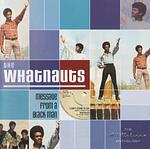
#955 — The Definitive Collection by The Whatnauts
#956 — Gnu High by Kenny Wheeler
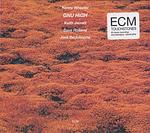
Gnu High, recorded in the mid 1970s and released on ECM, is an early leader date by trumpeter and flugelhornist Kenny Wheeler featuring Jan Garbarek on saxophone, Dave Holland on bass, and Jack DeJohnette on drums. The music pairs Wheeler's long, lyrical melodies and distinctive harmonic sense with spacious, open arrangements and intuitive collective improvisation, blending post-bop phrasing with freer, ambient textures. The album is often heard as a clear statement of Wheeler's compositional voice within the ECM aesthetic, emphasizing mood, space, and subtle interplay.
#957 — Stone Gon' by Barry White
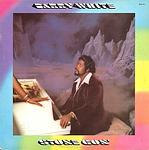
Stone Gon' showcases Barry White's signature deep baritone over lush, string-heavy arrangements and warm, groove-oriented rhythms that blend soul, early disco, pop soul, and smooth R&B. The album emphasizes romantic, sensual themes delivered with orchestral production and mellow yet driving grooves, refining the orchestral soul style that helped bridge traditional R&B and the emerging disco sound of the mid 1970s.
#958 — For Women Only by Bergen White
#959 — Off White by James White and the Blacks
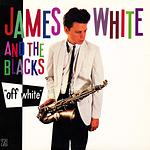
Off White (1979) by James White and the Blacks fuses the abrasive, free-jazz–inflected sax and confrontational vocals of the No Wave scene with stripped-down funk rhythms and a dance-punk pulse. The album features jagged saxophone lines, clanging guitars, propulsive bass and loose, sometimes chaotic arrangements that favor performance-driven intensity over conventional pop songcraft. Its raw production and uneasy blend of funk, rock and free improvisation document a provocative strand of the late 1970s downtown New York scene and helped shape later dance-punk approaches.
#960 — White Blood Cells by The White Stripes
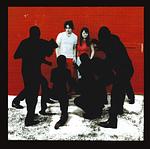
White Blood Cells, released in 2001, is the third album by The White Stripes and emphasizes a raw, lo-fi sound centered on Jack White's guitar and vocals and Meg White's spare, elemental drumming. The record blends blues rock, garage rock revival, punk blues and alternative rock, alternating between terse, high-energy rockers and slower, blues-tinged songs; tracks commonly cited from the album include "Fell in Love with a Girl," "Dead Leaves and the Dirty Ground," and "Hotel Yorba." Its stripped-down production and stark arrangements were influential in bringing wider attention to the duo and to the garage rock revival of the early 2000s.
#961 — Meaty Beaty Big and Bouncy by The Who
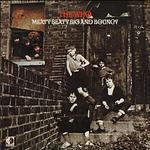
Meaty Beaty Big and Bouncy (1971) is a compilation album by The Who that collects many of the band's singles and notable tracks from the 1960s through 1970. The material ranges from their Mod and British rhythm and blues beginnings to more polished pop rock and hard-driving rock, highlighting punchy guitar work, a propulsive rhythm section, Pete Townshend's direct songwriting and power-chord approach, and Roger Daltrey's commanding vocals. As a single-disc overview, it presents a compact portrait of the band's stylistic development and stage-ready energy across their early career.
#962 — Yankee Hotel Foxtrot by Wilco
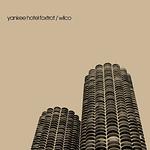
Yankee Hotel Foxtrot (2002) finds Wilco moving beyond their alt-country foundations toward a more experimental, studio-focused sound, pairing Jeff Tweedy's introspective, often ambiguous lyrics with layered guitar textures, tape manipulation, and subtle electronic touches. The record balances songcraft and sonic adventurousness, alternating intimate ballads with noisy, atmospheric passages and marking a notable shift in the band's approach to production and arrangement.
#963 — 40 Greatest Hits by Hank Williams
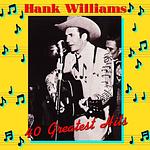
40 Greatest Hits is a 1978 compilation that presents a broad selection of Hank Williams's country and honky tonk recordings, highlighting his spare, direct songwriting and plaintive vocal delivery. The arrangements are typically simple and centered on acoustic guitar, steel guitar, and fiddle, with concise performances that emphasize melodies and themes of heartache, longing, and faith. As a posthumous collection, it functions as an accessible overview of Williams's foundational role in traditional country and honky tonk music.
#964 — Car Wheels on a Gravel Road by Lucinda Williams
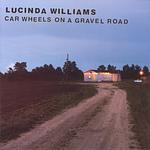
Car Wheels on a Gravel Road (1998) finds Lucinda Williams blending country, folk, blues and rock into a rootsy singer-songwriter statement. The record pairs spare, gritty arrangements—twangy electric guitar, slide, organ and tight percussion—with Williams's weathered, conversational vocals and plainspoken, often confessional lyrics. Tracks shift between slow-burning ballads and up-tempo roots rock, evoking southern landscapes and intimate relationship themes, and the album is commonly cited as a defining work in contemporary Americana.
#965 — Someday Man by Paul Williams
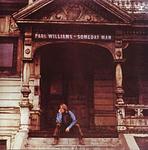
Someday Man, Paul Williams' 1970 album, showcases his singer-songwriter sensibility within a pop and soft rock framework. The songs emphasize strong melodies, clear vocals, and concise arrangements that mix acoustic textures with light orchestral touches. Lyrically the album leans toward intimate, reflective observations about relationships and longing, highlighting Williams' craft as a melodic songwriter often working with collaborator Roger Nichols.
#966 — Greatest Hits by Robbie Williams
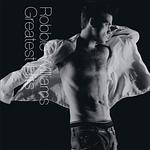
Greatest Hits (2004) is a compilation that gathers Robbie Williams's best-known solo singles from the late 1990s and early 2000s, showcasing his range across pop, pop rock, dance and occasional swing. The album juxtaposes upbeat, hook driven pop and rock anthems, dancefloor-oriented productions and softer ballads such as "Angels", while also including selections from his swing project, reflecting his work with songwriter and producer Guy Chambers and a move toward a broader, more eclectic mainstream sound.
#967 — Traveling Miles by Cassandra Wilson
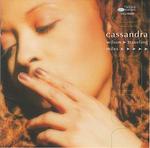
Traveling Miles is Cassandra Wilson's 1999 tribute that reinterprets music associated with Miles Davis through her blues-tinged, contemporary jazz approach. Wilson uses a smoky, low-register vocal style and spare, atmospheric arrangements that blend jazz, blues, and folk or Americana textures, favoring mood and reinterpretation over faithful replication. The album highlights her ability to bridge jazz tradition and modern singer-songwriter sensibilities in a personal, intimate way.
#968 — Back to Black by Amy Winehouse
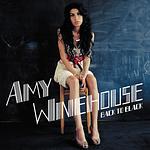
Back to Black, Amy Winehouse's 2006 album, blends 1960s soul and Motown-inspired arrangements with contemporary R&B, jazz pop and hip hop-influenced production. Produced mainly by Mark Ronson and Salaam Remi, the record pairs retro horns and string touches with sparse beats to foreground Winehouse's rich contralto and candid, confessional lyrics about love and heartbreak. Its sound combines vintage instrumentation and modern studio aesthetics, giving the songs a nostalgic yet immediate quality.
#969 — Chairs Missing by Wire
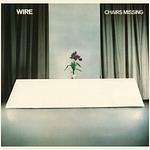
Chairs Missing, Wire's 1978 second album, moves away from the terse punk of their debut toward a more spacious, art punk and post-punk sound that incorporates early synth textures, angular guitar lines, and succinct but unconventional song structures. The record balances melodic moments, as on the delicate single "Outdoor Miner", with more experimental and dissonant passages, and is often noted for expanding the band's sonic palette into territory that intersected with new wave and experimental rock.
#970 — Still Bill by Bill Withers
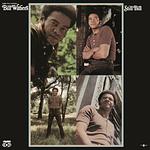
Still Bill, released in 1972, is Bill Withers' second studio album and showcases his warm baritone and plainspoken songwriting across a mix of soul, R&B, funk, pop, and smooth soul. The record pairs spare, groove-driven arrangements with acoustic guitar, electric piano, and a tight rhythm section, producing a relaxed but rhythmic sound on tracks such as "Lean on Me" and "Use Me." Lyrically it balances personal intimacy and everyday observation, and its accessible production emphasizes Withers' direct vocal delivery and storytelling.
#971 — Wizzard Brew by Wizzard
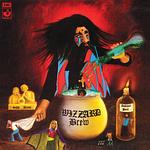
Wizzard Brew is the 1973 debut album from Roy Wood's Wizzard that blends glam rock flamboyance with art rock and classic rock touches. The sound is brass-heavy and theatrical, often mixing 1950s rock and roll pastiche, pop hooks, and more expansive, quirky arrangements, reflecting Wood's multi-instrumental production and eclectic songwriting. The album is marked by its carnival-like, energetic style and a willingness to move between concise glam-pop moments and broader, experimental passages.
#972 — Innervisions by Stevie Wonder
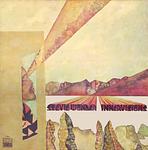
Innervisions, released in 1973, blends soul, funk, smooth soul and psychedelic soul into a studio-focused record built from warm electric pianos, layered synthesizers and tight funk rhythms. The album is notable for Stevie Wonder's multi-instrumental performances and production control, pairing intimate ballads with uptempo grooves and songs that explore social and personal themes through concise, melodic songwriting and rich, textured arrangements.
#973 — Bang! by World Party
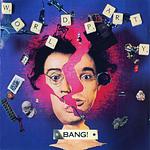
Bang! is the 1993 album by World Party, the project led by Karl Wallinger. It blends classic rock and British pop influences with alternative rock sensibilities, featuring melodic songwriting, layered arrangements frequently recalling 1960s and 1970s pop, and Wallinger's multi-instrumental production. The record mixes upbeat, hook-driven tracks with more reflective and occasionally political lyrics, presenting a polished, song-oriented sound that builds on the melodic, retro-informed approach of World Party's earlier work.
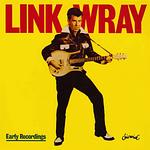
#974 — Early Recordings by Link Wray
#975 — Enter the Wu‐Tang (36 Chambers) by Wu‐Tang Clan
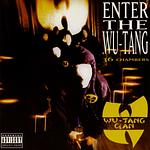
Enter the Wu-Tang (36 Chambers) is the 1993 debut album by Wu-Tang Clan, built on raw, lo-fi boom bap production and heavy use of martial arts film samples. Largely produced by RZA, it features sparse, gritty beats and layered vocal interplay that highlight the collective's nine distinct MCs and stark, street-centered lyricism. Its aggressive East Coast sound and unconventional group structure became a touchstone for hardcore hip hop and had a lasting influence on production trends and crew-centered projects.
#976 — Rock Bottom by Robert Wyatt
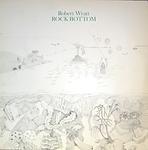
Rock Bottom is Robert Wyatt's 1974 solo album that crystallizes his move toward a spare, intimate form of art rock rooted in the Canterbury scene and avant-garde jazz. Recorded after the accident that left him unable to continue as a drummer, the record centers on Wyatt's distinctive, fragile vocals and melodic keyboard work framed by brass, saxophone colors and subtle studio textures. Songs unfold in loose, free flowing structures with surreal, elliptical lyrics and shifts between melancholy, whimsy and quiet intensity, blending jazz inflections, pastoral folk elements and experimental arrangement choices. The album established Wyatt's singular voice as a solo artist and remains a touchstone of 1970s British art rock.
#977 — Los Angeles by X
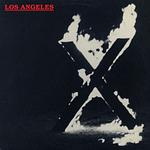
Los Angeles, released in 1980 by Los Angeles punk band X, is a concise, hard-edged punk rock album that blends rock and roll and rockabilly influences with literate, often darkly observational lyrics about urban life. The record features the interplay of Exene Cervenka and John Doe's distinctive dual vocals, Billy Zoom's rockabilly-tinged guitar and tight rhythm work from D. J. Bonebrake, and was produced by Ray Manzarek, which contributes to a raw but controlled sound that helped define the early Los Angeles punk scene.
#978 — Presents His X-Factor, Volume 1 by Richard X
#979 — Germ-Free Adolescents by X‐Ray Spex
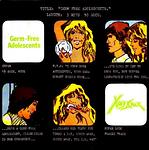
Germ-Free Adolescents, released in 1978 by British band X-Ray Spex, pairs raw, high-energy punk rock with pop-minded hooks and a prominent saxophone presence. Frontwoman Poly Styrene's urgent, idiosyncratic vocals and terse, satirical lyrics tackle consumerism, identity, and youthful alienation, while jagged guitars and brisk rhythms keep the music propulsive and edgy. The album is often noted for its unusual instrumentation and outspoken voice within the late 1970s punk scene.
#980 — The Compact XTC: The Singles 1978–85 by XTC
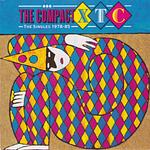
The Compact XTC: The Singles 1978–85 is a 1986 compilation that gathers XTC's singles from their late 1970s new wave beginnings through their more melodic mid 1980s work. The tracks trace a shift from punchy, angular guitar songs to more studio-polished pop with literate lyrics, bright hooks, chiming guitars, and increasingly complex arrangements. The set showcases the band's blend of alternative rock, new wave, and pop rock and serves as a concise overview of their stylistic development during that period.
#981 — The Yardbirds by The Yardbirds
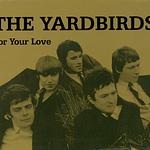
#982 — Upstairs at Eric's by Yazoo
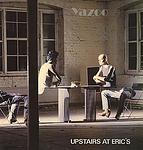
Upstairs at Eric's (1982) by Yazoo is a synth-pop album that pairs Vince Clarke's economical analog synthesizer arrangements with Alison Moyet's rich, blues-inflected voice. Rooted in new wave, dance-pop and alternative dance rhythms, the record mixes spare electronic textures, catchy melodies and club-friendly beats, with highlights including "Only You" and "Don't Go." Named for the studio where it was recorded and produced by Clarke with Eric Radcliffe, the album is notable for how it blends soulful vocals with early 1980s electronic production.
#983 — Solid State Survivor by Yellow Magic Orchestra
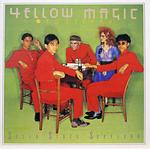
Solid State Survivor, released in 1979 by Yellow Magic Orchestra, is an electropop and synth-pop record that blends disco and electro-disco rhythms with experimental electronic textures. The album features sharp synthesizer melodies, sequenced grooves, and electronic percussion and sampling techniques, with notable tracks such as "Behind the Mask" and "Rydeen" exemplifying its mix of pop songwriting and machine-driven sound. Its polished production and approach to combining melody with electronic instrumentation influenced later synth-based and dance-oriented music.
#984 — The Complete Aladdin Recordings by Lester Young
#985 — Tonight's the Night by Neil Young
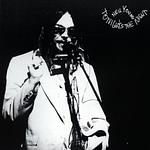
Tonight's the Night (1975) is a raw, emotionally charged album by Neil Young, recorded in informal sessions following the deaths of close friends. It blends country rock, blues rock, and hard-edged rock with ragged, loose performances, spare piano and guitar textures, and weary, intimate vocals. The album's rough production and persistent themes of grief and disillusionment mark a deliberate move away from polished studio work and give it a dark, candid character within Young's 1970s output.
#986 — Colossal Youth by Young Marble Giants
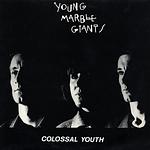
Colossal Youth is a spare, minimalist post-punk record centered on Alison Statton's cool, breathy vocals and uncluttered instrumental lines. The songs favor simple melodies, understated bass and keyboards, and restrained rhythms, creating an intimate, melancholic atmosphere that foregrounds space and silence rather than dense arrangements. Its pared-back aesthetic and quiet immediacy became touchstones for later indie pop and lo-fi approaches.
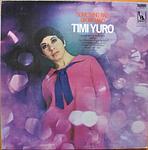
#987 — Something Bad on My Mind by Timi Yuro
#988 — The Yellow Shark by Frank Zappa
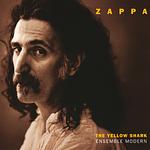
The Yellow Shark is a 1993 album by Frank Zappa in collaboration with the Ensemble Modern that presents his contemporary classical and avant-garde compositions in a chamber-orchestral setting. The recordings document live performances of Zappa's written pieces, emphasizing precise ensemble playing, complex rhythms, dissonant harmonies, abrupt shifts in texture, and occasional hints of rock-derived timbres and energy. The album highlights Zappa's sustained interest in modern classical forms and his work arranging and composing for a modern chamber ensemble.
#989 — Faces & Places by Joe Zawinul
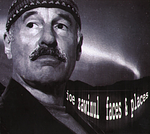
Faces & Places (2002) finds Joe Zawinul working in the electric, groove-centered mode he helped define with Weather Report, blending jazz improvisation with global rhythmic and textural influences. The album emphasizes layered synthesizer harmonies and melodic motifs over driving, percussion-heavy backdrops, with vocal and horn-like elements and rhythms drawn from African, Latin and Middle Eastern traditions. It is characteristic of Zawinul's late-career focus on cross-cultural collaboration and dense, atmospheric production.
#990 — Odessey and Oracle by The Zombies
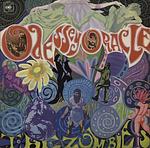
Odessey and Oracle, released in 1968 by The Zombies, is a compact album that blends baroque pop, rock, and psychedelic pop. It is characterized by ornate keyboard textures, close vocal harmonies, and melodically rich, reflective songwriting, combining chamber-pop arrangements with concise pop-rock hooks; notable tracks include "Time of the Season." The record is widely regarded for its sophisticated arrangements and bittersweet mood and has become a touchstone for listeners interested in 1960s baroque-influenced pop.
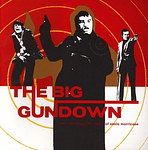
John Zorn's 1986 album The Big Gundown: John Zorn Plays the Music of Ennio Morricone is a reimagining of Morricone themes filtered through Zorn's abrasive, eclectic aesthetic. The record blends jazz improvisation, rock energy, modern classical arrangements and electronic textures, often alternating between tightly arranged passages and freewheeling, noisy improvisation. Its sharp edits, unexpected timbral shifts and literal quotations from Morricone create a collagelike, cinematic feel that emphasizes reinterpretation over faithful pastiche, and it stands as an early example of Zorn's genre blending approach.
#992 — Tres hombres by ZZ Top
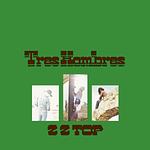
Tres Hombres is ZZ Top's 1973 album that crystallized the band's stripped-down Texas blues rock approach. It blends raw blues-rock riffing, boogie grooves, and Southern rock swagger, driven by Billy Gibbons's guitar tone, Dusty Hill's bass and vocals, and Frank Beard's tight drumming, with production by Bill Ham that keeps the sound direct and spare. Tracks such as 'La Grange' exemplify the album's terse, groove-centered approach while songs like 'Waitin' for the Bus' and 'Jesus Just Left Chicago' underscore its blues roots and storytelling.
#993 — The Complete Decca Recordings by Count Basie
This compilation presents Count Basie and his orchestra in their Decca-era big band swing mode, emphasizing tight, riff-based horn charts, a strong sense of groove, and blues-rooted phrasing. The music highlights Basie’s economical, rhythmic piano and a buoyant rhythm section that underpins concise, expressive solos, capturing the ensemble focus and understated swing that defined his classic band. As a document of Basie’s swing-era sound, the recordings illustrate the orchestra’s emphasis on ensemble cohesion, timing, and a relaxed yet propulsive pulse.
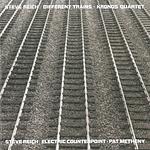
This 1989 release pairs Steve Reich compositions performed by the Kronos Quartet and Pat Metheny, bringing together minimalism, modern classical and electronic textures. Different Trains juxtaposes recorded speech fragments and train sounds with tightly woven string patterns to create a documentary like meditation on travel and wartime memory, while Electric Counterpoint features multi tracked guitars supporting a live solo line to build interlocking repetitive figures and shimmering timbral layers. The album highlights Reich's focus on rhythmic clarity, phased patterns, and the blending of acoustic performance with recorded material.
#995 — The Lilac Time by The Lilac Time
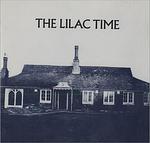
The Lilac Time's 1988 self-titled album blends jangly, guitar-based indie pop with a rooted folk rock sensibility, pairing bright acoustic textures with melodic, often pastoral songwriting. Stephen Duffy's intimate vocal delivery and literate lyrics give the record a nostalgic English countryside feel, while subtle arrangements and occasional electric accents keep it within alternative and jangle pop idioms. As an early statement of the band's approach, it emphasizes melody, acoustic-driven production, and a quietly reflective mood.
#996 — Mestre Ambrósio by Mestre Ambrósio
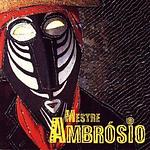
Mestre Ambrósio's 1996 self-titled album mixes northeastern Brazilian rhythms such as forró, maracatu, coco and ciranda with acoustic and electric textures, layered percussion and folk-inflected vocals. The band frames traditional dance forms in arrangements that balance rustic timbres and contemporary touches, emphasizing rhythmic drive and close ensemble interplay. The record presents the group's approach to bringing Pernambuco regional styles into a modern group setting.