The Greatest Music
1000 Albums to Hear Before you Die
Weight: 67%
How much this list influences our overall rankings. Higher weight means more reliable data.
Penalties Applied:
The Guardian – 1000 Albums to Hear Before You Die (2007) is a large, cross-genre listening guide compiled by the Guardian’s music writers. It’s not a ranked “best of all time” list: entries are presented alphabetically by artist and each album gets a short capsule explaining why it’s worth hearing. The team set a few rules—one album per main artist, often choosing a less-obvious pick over the canonical choice, and allowing Various Artists compilations to represent scenes built on singles. The project also invited readers to suggest omissions, later publishing a “we forgot…” follow-up selection.
#801 — Pretzel Logic by Steely Dan

Pretzel Logic, Steely Dan's 1974 album, blends pop rock songcraft with jazz-influenced harmony and studio-polished arrangements. Donald Fagen's distinctive vocals and Walter Becker's elliptical, often sardonic lyrics sit atop tight rhythm parts, horn and keyboard textures, and concise, well-arranged tracks that mix radio-friendly tunes with jazz-tinged complexity. The album includes the well-known song "Rikki Don't Lose That Number" and is often cited as a clear example of the band's move toward meticulous studio production and jazz-pop fusion.
#802 — Love. Angel. Music. Baby. by Gwen Stefani
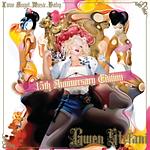
Love. Angel. Music. Baby. is Gwen Stefani's 2004 debut solo album that moves away from her No Doubt roots toward a pop-oriented sound, blending electronic and dance-pop production with contemporary R&B and hip hop influences. The record includes the singles "What You Waiting For?", "Rich Girl", "Hollaback Girl", and "Cool", and is characterized by 1980s pop and synth textures, club-ready rhythms, and a fashion-forward, personality-driven presentation.
#803 — Connected by Stereo MC's
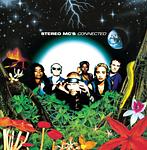
Connected, released in 1992 by Stereo MCs, blends acid jazz, downtempo grooves, hip hop rhythms, breakbeats, and dance-oriented production into a polished, sample-driven sound. Rob Birch's vocals and Nick Hallam's production pair tight programmed beats, funk-leaning basslines, and catchy hooks; songs like "Connected" and "Step It Up" balance club-ready rhythms with accessible songcraft. The album served as the band's commercial breakthrough and is notable for bridging underground rhythmic textures with pop sensibilities.
#804 — Emperor Tomato Ketchup by Stereolab
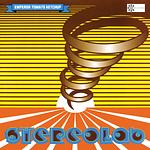
Emperor Tomato Ketchup, released in 1996, refines Stereolab's blend of indie rock, art pop, electronic and experimental textures into a cleaner, more synth-forward sound. The album pairs motorik rhythms and layered vintage synths with warm, understated vocals and pop-minded melodies, folding repetitive, minimalist grooves into richly arranged songs that nod to Krautrock and lounge influences. It is often seen as a pivotal entry in the band's catalog for bringing catchy songcraft and electronic experimentation into close balance.
#805 — Come and Get It by Rachel Stevens
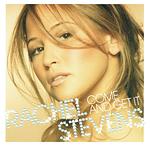
Come and Get It is Rachel Stevens' 2005 second solo album that leans into electronic pop and synth-pop, featuring glossy, 1980s-tinged synth textures, programmed beats, and hook-driven melodies. The record favors polished, danceable production alongside midtempo electro-pop songs, presenting a more streamlined and synth-forward sound compared with her earlier solo work.
#806 — Seven Swans by Sufjan Stevens
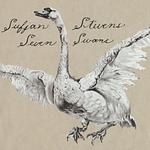
Seven Swans is a largely acoustic, intimate album by Sufjan Stevens that blends indie folk and chamber pop sensibilities with spare arrangements centered on acoustic guitar, banjo, and soft, close-miked vocals. The songs often draw on Christian imagery and personal storytelling, with subtle string and brass touches and occasional understated electronic textures adding depth without disrupting the pastoral feel. The record emphasizes quiet dynamics, delicate harmonies, and narrative lyricism, qualities that help define its restrained, devotional mood.
#807 — Every Picture Tells a Story by Rod Stewart
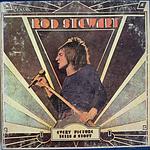
Every Picture Tells a Story, released in 1971, is Rod Stewart's third solo album. It blends rock, blues rock, folk rock and pop into a rootsy, acoustic-tinged sound anchored by Stewart's gritty, conversational vocals, loose band arrangements, and a mix of upbeat rockers and reflective ballads. The record features the well-known tracks "Maggie May" and "Mandolin Wind" and is often noted for capturing Stewart's move from folk-influenced singer-songwriter material toward a more rock-oriented solo identity.
#808 — Inflammable Material by Stiff Little Fingers
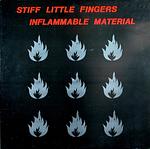
Inflammable Material is the 1979 debut album by Stiff Little Fingers, a Northern Irish punk band. The record pairs urgent, stripped-down punk rock with melodic hooks and direct, politically charged lyrics that respond to the Troubles, featuring abrasive guitar work, driving rhythms, and singalong choruses. Notable tracks include 'Suspect Device' and 'Alternative Ulster'. The album is regarded as an influential early UK punk statement for its combination of raw energy and topical songwriting.
#809 — The Stone Roses by The Stone Roses
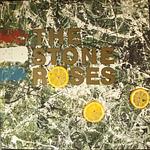
The Stone Roses' 1989 self-titled debut blends jangly, chiming guitar work with propulsive, danceable rhythms and a touch of psychedelia, pairing John Squire's melodic guitar lines with Ian Brown's laconic vocal delivery. Tracks shift between concise pop hooks and sprawling, groove-driven pieces, with production that emphasizes shimmering guitars and elastic bass. The album is closely associated with the Madchester scene and is often cited as an influential touchstone for later Britpop and indie bands.
#810 — The Stooges by The Stooges
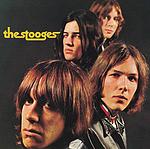
The Stooges, released in 1969, is the band’s raw debut marked by noisy, stripped-down garage rock and proto-punk aggression. It pairs repetitive, distorted guitar riffs and simple, driving rhythms with Iggy Pop’s snarling, theatrical vocals and a sparse production that emphasizes immediacy. Songs such as "I Wanna Be Your Dog", "No Fun", and "1969" capture the record’s confrontational, primal sound and its early influence on punk and harder-edged rock styles.
#811 — The Raven by The Stranglers
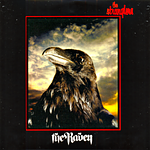
The Raven, released in 1979, finds The Stranglers moving beyond their early punk sound into more varied new wave and pop rock territory. The record blends punchy rock with prominent keyboards and piano, more elaborate arrangements and an extended, atmospheric title piece that emphasizes a darker, theatrical mood. It highlights Dave Greenfield's organ work and Jean-Jacques Burnel's melodic bass while expanding the band's palette toward art rock and progressive touches.
#812 — Original Pirate Material by The Streets
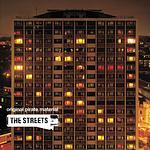
Original Pirate Material, the 2002 debut album by The Streets (Mike Skinner), blends UK garage rhythms, house and electronic textures with hip hop sensibilities. The record pairs sparse, syncopated beats and basslines with Skinner's conversational, often spoken-word vocal delivery, delivering observational narratives about everyday life in Britain. Production favors lo-fi immediacy and stripped arrangements that foreground lyrics and atmosphere, drawing on garage and house grooves and electronic touches to create a distinctive urban sound.
#813 — Is This It by The Strokes
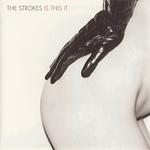
Is This It is the 2001 debut album by The Strokes, characterized by concise, guitar-driven songs that helped define the early 2000s garage rock revival. The record pairs jangly, riff-focused arrangements and tight rhythmic interplay with Julian Casablancas's detached, deadpan vocal delivery, and a lo-fi, immediate production that favors atmosphere over polish. Songwriting on the album emphasizes melodic hooks and sparse textures across compact tracks, and its aesthetic had a noticeable influence on subsequent indie and alternative rock acts.
#814 — The Best of The Stylistics by The Stylistics
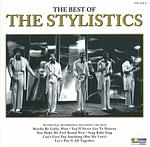
This compilation showcases the Stylistics' signature blend of smooth, romantic soul and soft disco-influenced rhythms, anchored by Russell Thompkins Jr.'s distinctive high tenor and falsetto and characterized by lush string arrangements, gentle horns, and polished Philadelphia soul production. The album emphasizes slow ballads and midtempo grooves that foreground melodic songwriting and tight vocal harmonies, reflecting the sound that defined the group's classic recordings.
#816 — Dog Man Star by Suede
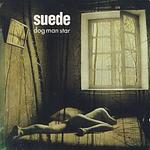
Dog Man Star is Suede's 1994 second album that pushes the band's Britpop roots toward a darker, more theatrical mix of glam rock and art rock. The record emphasizes sweeping orchestral arrangements, dramatic, literate songwriting from Brett Anderson, and Bernard Butler's ornate, expressive guitar work, producing a cinematic, melancholic atmosphere across longer, more expansive songs. Its ambitious production and brooding tone mark a deliberate departure from the more immediate sound of their debut and helped define the band's early artistic identity.
#817 — Overloaded: The Singles Collection by Sugababes

Overloaded: The Singles Collection (2006) gathers the Sugababes' singles from their early and mid-2000s era, showcasing a blend of pop and electronic textures with teen pop, Euro house and Europop influences. The compilation highlights the group's layered vocal harmonies and melodic hooks across songs that move between moody, R&B-tinged pop and more uptempo, dance-oriented production, reflecting shifts in sound and personnel during that period.
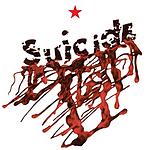
Suicide, the 1977 debut by the duo Suicide, pairs Martin Rev's sparse, repetitive synths and drum-machine patterns with Alan Vega's confrontational, often spoken or shouted vocals to create a stark, urban sound. The album's abrasive minimalism and unsettling narratives are exemplified by tracks such as "Ghost Rider" and the harrowing "Frankie Teardrop." Widely regarded as an influential work in No Wave, electropunk, minimal synth, and art punk, it helped shape later strands of industrial and electronic music.
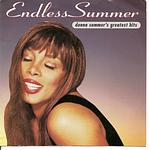
Endless Summer: Donna Summer's Greatest Hits is a 1994 compilation that brings together Donna Summer's signature recordings, highlighting her mix of disco-era electronic production, pop and R&B sensibilities, and dance-pop energy. The material emphasizes propulsive synth-driven grooves, steady four-on-the-floor rhythms, and her expressive, commanding vocals, illustrating her central role in the development of late 1970s and early 1980s dance music.
Black One, released in 2005 by Sunn O))), merges the band's trademark slow, monolithic guitar drones with the harsh textures and vocal approaches associated with black metal and dark ambient. The album emphasizes extreme low frequencies, sustained feedback, dense layers of distortion and reverb, and abrasive vocalizations, creating a ritualistic, claustrophobic atmosphere that often resembles black ambient or black noise as much as traditional metal. It is notable in the band's catalog for its overt engagement with black metal tones and a confrontational, texturally varied approach compared with some earlier, more purely drone-oriented work.
#821 — Fuzzy Logic by Super Furry Animals
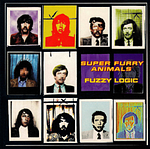
Fuzzy Logic is the 1996 debut album by Super Furry Animals that blends indie rock and pop with psychedelic textures and playful, often surreal songwriting. The record pairs bright, melodic hooks and vocal harmonies with layered production and occasional electronic touches, reflecting a willingness to mix classic pop songcraft with experimental sounds. Emerging during the Britpop era, it established the band’s eclectic approach and taste for richly arranged, genre-blurring material.
#822 — I Should Coco by Supergrass
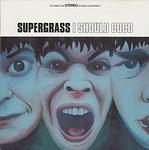
I Should Coco, Supergrass's 1995 debut, is a brisk, exuberant album that blends Britpop melody with power pop immediacy and garage punk energy. The songs are short and hook-driven, with chiming guitars, driving drums and a raw, live feel that emphasizes youthful exuberance and cheeky lyrics. Its high-energy, guitar-forward sound and singalong choruses helped define the band's identity within the 1990s British alternative scene.
#823 — Selected Recordings by John Surman
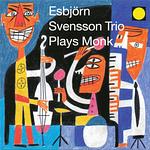
Esbjörn Svensson Trio Plays Monk (1996) is a collection of interpretations of Thelonious Monk compositions by the Swedish piano trio Esbjörn Svensson Trio. The trio frames Monk's angular melodies and rhythmic quirks through a contemporary European jazz lens, combining lyrical, impressionistic piano with responsive double bass and dynamic drumming. Performances balance clear nods to Monk's originals with modern harmonic and textural touches, emphasizing tight group interplay, subtle shifts in tempo and feel, and the trio's early exploration of blending tradition with newer sonic approaches.
#825 — Bettye Swann by Bettye Swann
#826 — Greatest Hits by Sweet
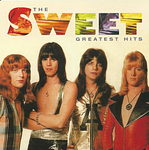
This 2000 Greatest Hits compilation presents Sweet's signature 1970s glam rock material, highlighting their combination of propulsive guitar riffs, glossy pop hooks, and layered vocal harmonies. The tracks range from upbeat, radio-friendly pop-rock to tougher, riff-driven numbers, illustrating the band's blend of theatrical glam and harder rock that influenced later power pop and glam-influenced rock acts.
#827 — A Trip to Marineville by Swell Maps
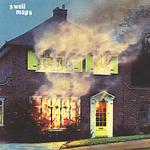
A Trip to Marineville is the 1979 debut album by English band Swell Maps that mixes punk immediacy with experimental studio techniques and pop-minded melodies. The record features short, jagged songs that combine distorted guitars and driving rhythms with tape collages, odd textures and tuneful hooks, reflecting a DIY approach that sits between punk, new wave and post-punk. Its compact, often fractured arrangements and willingness to embrace noise and melody make the album a distinctive example of late 1970s underground British rock.
#828 — Toxicity by System of a Down

Toxicity is an alternative metal album that mixes heavy, riff-driven rock with melodic hooks, abrupt tempo changes, and traces of Armenian folk influence. The band contrasts Serj Tankian's wide-ranging, theatrical vocals with Daron Malakian's grittier delivery, pairing aggressive guitars and tight rhythms with unexpected melodic passages. Lyrically it addresses political and social themes through surreal and direct imagery, and songs like "Chop Suey!" and "Aerials" highlight the album's blend of intensity and accessibility.
#829 — Electric Warrior by T. Rex
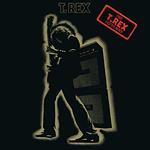
Electric Warrior, released in 1971 by T. Rex, marks Marc Bolan's shift from acoustic folk to a punchy, electric glam rock sound. The album pairs concise rock and roll rhythms and chiming, distorted guitar riffs with Bolan's distinctive vocal delivery and often surreal romantic lyrics. Arrangements emphasize tight grooves and memorable hooks, mixing elements of hard rock and classic rock and roll within a stylized glam aesthetic, and the record is widely regarded as a key statement of early 1970s British glam.
#830 — At the Wood's Heart by June Tabor
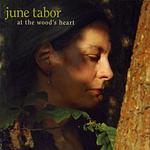
At the Wood's Heart (2005) is an album by June Tabor that blends traditional English folk balladry with contemporary material, presented in a spare, chamber-folk setting. Tabor's clear, expressive voice foregrounds narrative and emotional nuance, with arrangements that emphasize space and restraint to create an intimate, contemplative atmosphere. The record continues her work as a distinctive interpreter of songs within the folk tradition.
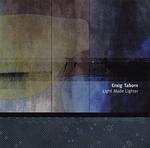
#831 — Light Made Lighter by Craig Taborn
#832 — Tékitoi by Rachid Taha
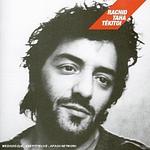
Tékitoi, released in 2004 by Rachid Taha, blends raï foundations with pop and rock arrangements, using electric guitars, programmed beats and vocals in Arabic and French. The album continues Taha's approach of fusing North African melodic and rhythmic elements with Western production, creating songs that range from danceable to confrontational while engaging themes of identity and migration. Overall the record balances traditional textures with modern rock and electronic touches.
#833 — The Colour of Spring by Talk Talk
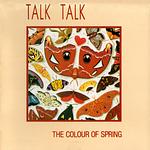
The Colour of Spring, released in 1986, finds Talk Talk moving from their earlier synth-pop toward a warmer, more organic form of art pop. Produced with Tim Friese-Greene, the album pairs Mark Hollis's intimate, restrained vocals with richer arrangements that include acoustic instruments, horns, and freer rhythmic interplay; tracks such as "Life's What You Make It" and "Living in Another World" exemplify this shift. The record is regarded as a transitional work that foreshadows the band's later, more experimental albums Spirit of Eden and Laughing Stock.
#834 — Fear of Music by Talking Heads
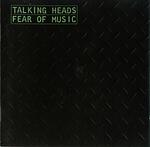
Fear of Music, released in 1979 and produced by Brian Eno, is a rhythmically driven album that blends New Wave and post-punk immediacy with art rock experimentation. The record foregrounds spare, propulsive grooves, angular guitars and David Byrne's tense, observational vocals, augmented by electronic textures and studio layering that nudged the band toward wider polyrhythmic and funk influences on subsequent recordings. Thematically the songs probe urban anxiety and fractured narrative perspectives, marking a pivotal step in the band's evolution.
#835 — Phaedra by Tangerine Dream
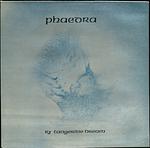
Phaedra (1974) by Tangerine Dream is a landmark of the Berlin School of electronic music, recorded by the trio of Edgar Froese, Christopher Franke, and Peter Baumann. The album centers on pulsed sequencer patterns and slowly unfolding, layered synthesizer textures, presenting long-form, atmospheric pieces that blend ambient minimalism with experimental art rock sensibilities. Its shift to sequencer-led arrangements helped crystallize the group's signature sound and influenced later developments in ambient and electronic music.
#836 — Otra Sanata by Tango Crash
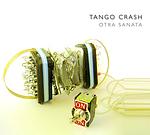
#837 — Band of Gypsies by Taraf de Haïdouks
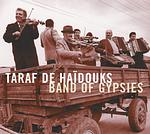
Band of Gypsies, recorded by Taraf de Haïdouks in 2001, showcases the Romanian Romani ensemble's energetic blend of lăutărească and Balkan folk, built around virtuosic fiddles, accordion and cimbalom with rhythmic accompaniment and expressive vocals. The album moves between plaintive ballads and fast dance tunes, highlighting close ensemble interplay, improvisatory solos and a raw acoustic sound that emphasizes traditional instrumental textures and communal performance energy.
#838 — The Tatum Group Masterpieces by Art Tatum
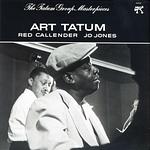
The Tatum Group Masterpieces collects Art Tatum's small-group recordings and highlights his prodigious piano technique, inventive harmonies, and rhythmic subtlety in an ensemble setting. Featuring interpretations of standards and popular tunes, the performances balance dazzling solo passages with interactive accompaniment from horns and a rhythm section, offering a view of Tatum's virtuosity outside solo piano repertoire and his influence on swing-era jazz practice.
#839 — Jazz Advance by Cecil Taylor Quartet
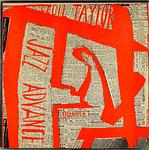
Jazz Advance is pianist Cecil Taylor's 1957 debut album with his quartet, presenting an early stage of his radical pianism. The music blends percussive, densely clustered chords and angular lines with moments that recall conventional harmony, and includes both original pieces and reinterpretations of standards. Its unpredictable rhythms, dissonant textures, and emphasis on collective improvisation point toward free jazz while retaining links to bebop-era vocabulary, making it an important early document of Taylor's evolving avant-garde approach.
#840 — Kilimanjaro by The Teardrop Explodes
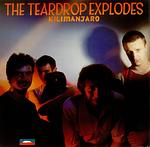
Kilimanjaro, the 1980 debut album by The Teardrop Explodes, blends new wave and post-punk energy with a clear 1960s psychedelic sensibility filtered through concise pop songwriting. The record pairs bright, hook-driven melodies and Julian Cope's dramatic vocals with ornate keyboards, occasional brass touches, and propulsive rhythms, producing tracks that move between urgent pop-rock and dreamier, psychedelic passages. Its mix of catchy singles like "Reward" and more ambitious arrangements helped define the band's distinctive voice in the early 1980s British indie and new wave circles.
#841 — Grand Prix by Teenage Fanclub

Grand Prix, released in 1995 by Teenage Fanclub, is a melodic guitar-pop album that blends indie rock and power-pop sensibilities. It features chiming guitars, close three-part vocal harmonies, and a warmer, more textured production than some earlier recordings, moving between upbeat, hook-driven songs and more reflective, melancholic numbers while keeping a strong emphasis on melody and songwriting.
#842 — Marquee Moon by Television
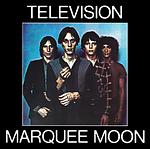
Marquee Moon is Television's 1977 debut album that blends art punk, new wave, post-punk, and art rock into a spare, guitar-driven sound. It features interlocking, melodic guitar lines from Tom Verlaine and Richard Lloyd, a taut rhythm section, and literate, elliptical lyrics, with the extended title track showcasing the band's improvisational interplay. The album's emphasis on texture and guitar interplay influenced later post-punk and indie rock approaches.
#843 — All Directions by The Temptations
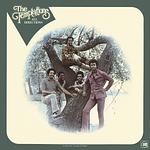
All Directions (1972) captures The Temptations in their Norman Whitfield-produced psychedelic soul period, combining dense, cinematic funk grooves with smoother soul and melodic balladry. The record includes the extended, atmosphere-driven track "Papa Was a Rollin' Stone", notable for its long instrumental passages, layered vocals, orchestral touches, wah-wah guitar, and narrative lyrical approach. Across the album the group moves between socially tinged, groove-oriented pieces and polished, emotive soul performances, illustrating the textured production and stylistic blend that defined their early 1970s sound.
#844 — Jake in a Box by Jake Thackray
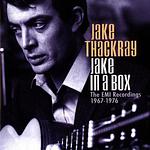
Jake in a Box (2006) by Jake Thackray is rooted in folk songwriting, showcasing his literate, often humorous narrative songs delivered with a dry, conversational vocal style and understated acoustic-guitar arrangements. The material emphasizes storytelling, wit, and vivid character sketches, reflecting Thackray's blend of traditional folk sensibilities and a theatrical, tongue-in-cheek lyrical approach.
#845 — Soul Mining by The The
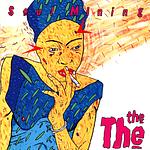
Soul Mining, released in 1983 by The The and driven by Matt Johnson's songwriting, blends post-punk edge with new wave and synth pop textures and an art pop sensibility. The record pairs literate, often brooding lyrics about personal and social unease with sparse, atmospheric arrangements that mix drum machines, jagged guitars, warm synth lines and piano. Tracks like "Uncertain Smile" and "This Is the Day" illustrate the album's tension between catchy melodies and introspective, sometimes dark themes, producing a moody, stylistically varied debut that established Johnson's distinctive voice.
#846 — Live and Dangerous by Thin Lizzy
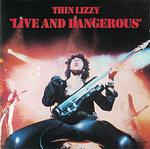
Live and Dangerous (1978) is Thin Lizzy's live album that captures the band's hard rock and blues-rooted sound in a concert setting. It highlights Phil Lynott's vocal presence and songwriting alongside tight, harmonized twin-guitar lines, punchy rhythm work, and a mix of concise songs and extended live arrangements that emphasize improvisation and crowd interaction. The record serves as a document of the band's late 1970s onstage sound, blending blues rock and classic rock textures with energetic, guitar-driven performances.
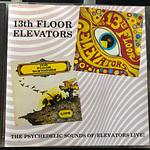
This release pairs the band's 1966 debut The Psychedelic Sounds Of with live recordings, presenting their raw, early psychedelic rock. The material mixes garage-band energy, reverb-heavy and fuzzed guitars, and the distinctive electric jug played by Tommy Hall, alongside Roky Erickson's high, impassioned vocals and often surreal lyrics. Short, direct songs sit alongside loose, improvisational live performances, highlighting the group's experimental approach and their role in early American psychedelia.
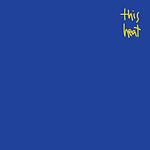
This Heat is the 1979 self-titled debut by the English trio, blending experimental rock, avant-garde techniques, electronic textures and drone elements. The record pairs jagged, groove-based fragments and dissonant guitars with tape loops, cut-up editing and studio-based manipulation to produce dense, often tense soundscapes that move between concise songs and extended sonic collages. Its mix of improvisation, found sound and layered processing marked a distinctive approach in the post-punk era and remains a touchstone for artists working at the edges of rock and experimental music.
#849 — It'll End in Tears by This Mortal Coil
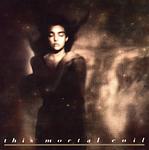
It'll End in Tears, released in 1984, is the first album by This Mortal Coil, a studio project assembled and produced by 4AD founder Ivo Watts-Russell. The record reinterprets songs with shimmering, reverb-rich arrangements and sparse, orchestral textures that helped define ethereal wave and dream pop, combining ghostly vocals, layered guitars and electronic atmospheres with a melancholic, cinematic mood. It features guest performances from artists on the 4AD roster and includes a prominent cover of Tim Buckley’s "Song to the Siren" sung by Elizabeth Fraser.
#850 — Hopelessly in Love by Carroll Thompson
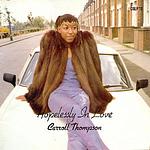
Hopelessly in Love, Carroll Thompson's 1981 album, is a seminal lovers rock record that pairs her smooth, emotive vocals with mellow reggae rhythms and soul-influenced arrangements. The songs focus on romantic themes delivered with a gentle, intimate tone, supported by warm keyboards, soft guitar skanks, and steady bass and drums to create a tender, late-night atmosphere. The album is often cited as a key example of the UK lovers rock sound and helped establish Thompson as one of the genre's most distinctive voices.
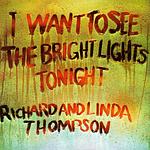
I Want to See the Bright Lights Tonight (1974) by Richard and Linda Thompson blends British folk and rock, featuring Richard Thompson's intricate acoustic and electric guitar work alongside Linda Thompson's expressive, often plaintive vocals. The songs pair traditional folk storytelling and melancholic themes with sharp lyrical detail, and arrangements move between spare, intimate settings and fuller band textures. The result is a moody, atmospheric album that helped define the duo's distinctive folk-rock sound.
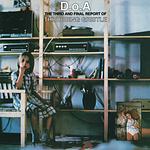
D.o.A. The Third and Final Report (1978) by Throbbing Gristle is a raw, uncompromising record that mixes abrasive electronic textures, tape manipulation and jagged, often minimal rhythms with confrontational vocal delivery. The music emphasizes unsettling atmospheres, noise-based sound design and unconventional song forms rather than traditional melodies, reflecting the band's performance-art sensibility and interest in pushing rock and electronic practices into darker, more challenging territory. The album is frequently cited as an early, formative work in the development of industrial and experimental rock approaches.
#853 — Justified by Justin Timberlake
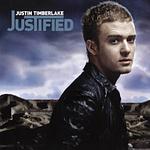
Justified, Justin Timberlake's 2002 solo debut, blends pop, contemporary R&B, dance-pop and hip hop influences as he moved away from his boy band past. The album features rhythm-forward production from The Neptunes and Timbaland, marked by syncopated beats, prominent falsetto vocals and a mix of uptempo grooves and midtempo ballads. Its sound emphasizes R&B textures and electronic flourishes while introducing a more mature, sensual persona for the artist.
#854 — Aman Iman: Water Is Life by Tinariwen
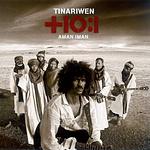
Aman Iman: Water Is Life (2006) showcases Tinariwen's electric desert blues, built around interlocking, repetitive guitar lines, steady percussion, and call-and-response vocals in Tamasheq. The music blends blues and rock influences with modal melodies and a trance-like rhythmic drive, producing a sparse but powerful sound that evokes life in the Sahara. Lyrically the band frequently reflects on Tuareg identity, movement, and resilience, and the album helped bring their distinctive desert blues style to wider international attention.
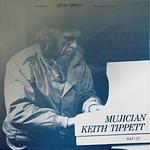
#855 — Mujician & Mujician II by Keith Tippett
#856 — CrazySexyCool by TLC
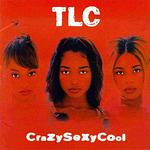
CrazySexyCool is TLC's 1994 album that blends contemporary R&B, hip hop, new jack swing and pop into a smooth, groove-driven sound marked by layered vocal harmonies and alternating sung and spoken parts. The record balances sultry slow jams and midtempo tracks, pairing intimate, vulnerable lyrics about relationships and desire with confident, assertive moments, and features warm basslines, crisp beats and atmospheric keyboard and sample-based textures that became influential in 1990s R&B production.
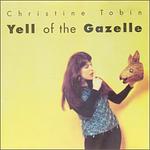
#857 — Yell of the Gazelle by Christine Tobin
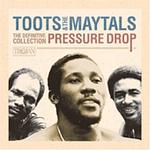
Pressure Drop: The Definitive Collection is a 2005 compilation that presents Toots & The Maytals' work across ska, rocksteady, and reggae. It emphasizes Toots Hibbert's gritty, gospel-tinged lead vocals and the band's horn-led, rhythm-driven arrangements, with offbeat guitar skanks, prominent basslines and organ flourishes. The selection offers a concise overview of the group's blend of raw soul and Jamaican rhythmic styles and serves as an accessible summary of their importance to those genres.
#859 — Legalize It by Peter Tosh
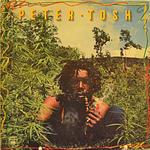
Legalize It is Peter Tosh's 1976 debut solo album after leaving the Wailers. Rooted in roots reggae, it features groove-driven rhythms, prominent bass and drums, offbeat guitar skanks, organ and horn touches, and Tosh's assertive baritone. Lyrically it mixes personal and political themes, most notably open advocacy for cannabis legalization on the title track. The record helped define Tosh's solo identity with a direct, uncompromising sound and socially conscious songwriting.
#860 — Another Think Coming by Colin Towns
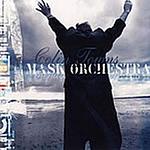
#861 — Under Milk Wood by Stan Tracey, Donald Houston

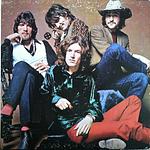
Traffic (1968) captures the early sound of Steve Winwood, Jim Capaldi, Chris Wood and Dave Mason as they blend rock, blues, folk and psychedelic textures with nascent progressive tendencies. The album features organ- and flute-driven arrangements, warm vocal harmonies and a mix of compact songs and more exploratory instrumental passages that point toward the band’s later jazz- and groove-influenced work. It stands as a document of Traffic’s transitional phase, balancing pop songwriting with adventurous instrumentation and mood-driven experimentation.
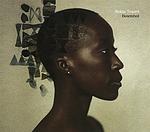
#863 — Bowmboï by Rokia Traoré
#864 — Midnight Marauders by A Tribe Called Quest
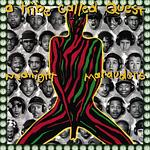
Midnight Marauders, A Tribe Called Quest's 1993 album, refines the group's jazz rap and boom bap approach with warm, sample-driven production and conversational verses from Q-Tip and Phife Dawg. The music blends mellow jazz and funk samples with crisp drum programming, layered horns, and subtle keyboard motifs to create a relaxed yet rhythmic East Coast hip hop sound. Its cohesive sequencing and vocal interplay are often cited as influential in the development of jazz rap and conscious hip hop in the early 1990s.
#865 — Maxinquaye by Tricky
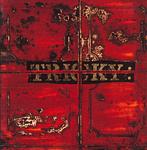
Maxinquaye is Tricky's 1995 solo debut, rooted in the Bristol trip hop sound and blending downtempo hip hop beats, dub textures, and dark, cinematic electronic production. Martina Topley-Bird's breathy, soulful vocals and Tricky's layered, sample-based arrangements create an intimate, unsettled mood that mixes blues, soul and experimental studio techniques. The album is often cited as a key record in trip hop and leftfield electronic music for its unconventional song structures and mood-driven approach.
#866 — Lennie Tristano by Lennie Tristano
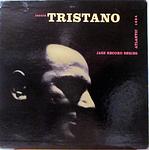
Lennie Tristano (1956) is a spare, cerebral jazz piano album that blends bebop language with a cool jazz aesthetic. Tristano emphasizes long, contrapuntal lines, intricate harmonic detail, and rhythmic subtlety, favoring a calm, introspective tone over overt display. The record highlights collective, linear improvisation and restrained group interplay, qualities often cited as influential in the development of modern jazz improvisational approaches.
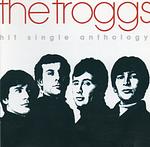
#867 — Hit Single Anthology by The Troggs
#868 — Replicas by Tubeway Army
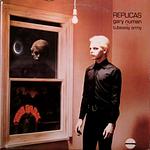
Replicas, released in 1979 by Tubeway Army, is a synth-driven album that blends new wave, synth-pop, electro, and post-punk elements. Built around analog synthesizers and sparse guitar, it features cold, mechanical textures, repetitive rhythms, and detached, theatrical vocals that create a dystopian, science fiction atmosphere. The arrangements emphasize minimalist synth leads and pulsing basslines, marking a move from punk rawness toward a darker electronic sound and standing as an early influential example of British synth-pop.
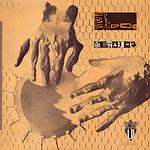
#869 — Seven Songs by 23 Skidoo
#870 — Enlightenment by McCoy Tyner
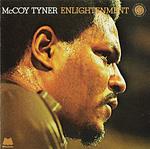
Enlightenment (1973) showcases McCoy Tyner's exploration of intense, modal post-bop and spiritual jazz textures through extended, high-energy performances. The music emphasizes his percussive touch and quartal voicings, combining dense ensemble moments with open modal spaces and expansive improvisation. The album captures Tyner pushing the harmonic and rhythmic language he helped develop in the 1960s into a more elemental, freer context and is representative of his early 1970s output.
#871 — Achtung Baby by U2
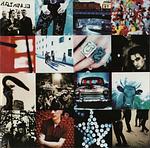
Achtung Baby is a 1991 U2 album that marked a deliberate reinvention of the band's sound, incorporating alternative rock, dance-rock and electronic textures into their songwriting. The record features dense, layered production, distorted and processed guitar tones, punchy rhythms and studio-driven effects that give it a darker, more angular and club-ready feel, while the lyrics explore themes of love, identity and personal and political tension. Its sonic experimentation and emphasis on rhythm and atmosphere set it apart from the band's earlier, more anthemic work.
#872 — Critical Beatdown by Ultramagnetic MC's
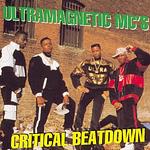
Critical Beatdown, the 1988 debut by Ultramagnetic MC's, pairs rugged hip hop beats with stripped-down electronic textures and dense, sample-driven production largely handled by Ced-Gee. The album is marked by Kool Keith and Ced-Gee's angular, often cryptic flows and inventive internal rhymes, and by production that foregrounds heavy drum programming, deep bass, and metallic synth accents. Songs such as "Ego Trippin'" illustrate the group's abstract lyricism and a forward-leaning sound that helped the record stand out within late 1980s hip hop.
#873 — March 16–20, 1992 by Uncle Tupelo
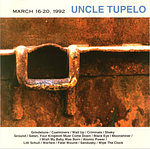
#874 — The Undertones by The Undertones
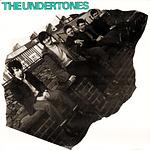
The Undertones' 1979 debut is a concise, guitar-driven record that pairs punk urgency with catchy pop melodies. Tracks are short and immediate, built from choppy power-chord rhythms, jangly lead lines, and Feargal Sharkey's distinctive youthful vocals, with lyrics focused on adolescent life and direct, unadorned hooks. The album emphasizes bright, energetic arrangements that bridge punk, new wave, and early pop punk sensibilities.
#875 — Dubnobasswithmyheadman by Underworld
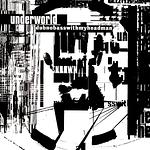
Dubnobasswithmyheadman is a pivotal electronic album by Underworld that fuses progressive house, techno, acid house and dub aesthetics into extended, groove-driven compositions. The record pairs hypnotic, layered rhythms and deep bass with atmospheric synth textures and Karl Hyde's often stream-of-consciousness vocal delivery, producing long, evolving tracks that emphasize build and repetition over conventional song structure. Its production balances club energy with experimental sound design, marking a shift toward the immersive, cinematic approach that became characteristic of the band's work.
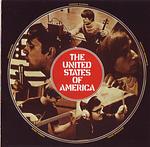
The United States of America (1968) is an experimental psychedelic rock album led by Joe Byrd with vocalist Dorothy Moskowitz. It fuses concise rock songcraft with early electronic techniques such as ring modulation, primitive synthesizers and amplified electric violin, creating a metallic, otherworldly sound palette. Tracks shift between compact pop forms and collage-like, avant garde arrangements, featuring layered vocals, spare rhythm parts and politically tinged lyricism. The record stands out for its adventurous production and for blending electronics with late 1960s psychedelia.
#877 — War Stories by UNKLE
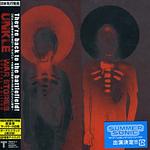
War Stories, released in 2007 by UNKLE, moves the project toward a more rock‑infused take on its electronic and trip hop foundations. The album pairs atmospheric, cinematic instrumentals with guitar-driven arrangements and propulsive rhythms, blending live instrumentation and electronic production for a darker, more anthemic sound. Collaborative guest contributions and dense, moody textures make it one of UNKLE's more overtly rock-oriented records while retaining a cinematic electronic sensibility.
#878 — Super Ape by The Upsetters
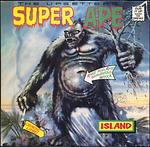
Super Ape is a 1976 dub album by The Upsetters produced by Lee 'Scratch' Perry. It embodies Perry's Black Ark studio approach, with heavy use of echo, reverb and inventive studio manipulation layered over deep bass and drum rhythms. The album is known for its dense, psychedelic textures, instrumental mixes and playful use of effects and found sounds that expanded the sonic possibilities of dub.
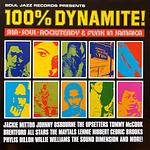
100% Dynamite! Ska, Soul, Rocksteady & Funk in Jamaica is a 1998 compilation that collects Jamaican recordings across ska, rocksteady, soul-influenced tracks and funk grooves, tracing the island's shift from upbeat, horn-driven ska to the slower, bass-centered rocksteady style and the funkier rhythms that followed. The music emphasizes punchy horns, prominent basslines, organ and percussion, and close vocal harmonies, reflecting the strong exchange between Jamaican musicians and American R&B and soul. The compilation functions as a compact survey of dance-oriented Jamaican styles from the 1960s and 1970s.
#880 — As Heard on Radio Soulwax, Part 2 by 2manydjs
As Heard on Radio Soulwax, Part 2 is a 2002 mix album by 2manydjs that collages indie rock, pop and hip-hop sources into a high-energy DJ set rooted in electronic dance styles such as breakbeat, electro and house, with touches of new beat. The mix is defined by rapid edits, creative mashups and dense layering that turn familiar songs into continuous, dancefloor-oriented sequences. The album is often cited as a notable example of early 2000s mashup and DJ-edit culture.
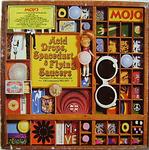
Acid Drops, Spacedust & Flying Saucers is a various artists compilation that brings together raw, guitar-driven tracks across folk rock, freakbeat, garage rock, hard rock and mod-influenced pop. The music shifts from jangly acoustic harmonies and psychedelic studio effects to fuzzy, aggressive riffs and organ-led grooves, capturing a lo-fi, DIY energy typical of mid 1960s underground scenes. The set highlights contrasts between delicate folk songwriting and more raucous, distorted performances, illustrating transitional moments between folk, psychedelia and early hard rock.
#882 — Amarcord Nino Rota by Various Artists
#883 — Artificial Intelligence by Various Artists

#884 — The Best of Sugarhill Records by Various Artists
#885 — cd86 by Various Artists
#887 — Mastercuts Summer House by Various Artists
Street Sounds Crucial Electro 2 is a 1984 compilation from the StreetSounds label assembling electro and early hip hop tracks. The album features drum-machine driven rhythms, punchy synth bass lines, robotic vocal effects and breakbeat-friendly arrangements characteristic of early 1980s electro, with a focus on dancefloor-ready tracks. As part of the Crucial Electro series, it functioned as a snapshot of the era and a way for UK and European listeners and DJs to access contemporary electro sounds from the scene.
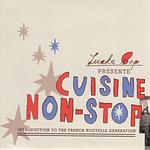
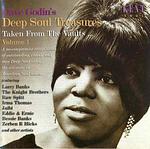
Compiled by British soul enthusiast Dave Godin and released in 1997, Deep Soul Treasures: Taken From the Vaults Volume 1 is a compilation of obscure, emotionally direct deep soul recordings. The tracks emphasize gospel-rooted vocal delivery, aching ballads and raw mid-tempo performances with relatively spare production, showcasing the intimate, impassioned side of soul that collectors prize. The album is aimed at listeners who appreciate hard-to-find, heartfelt soul recordings rather than mainstream hits.
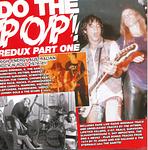
#892 — Do the Pop! Redux Part One by Various Artists
#893 — Futurism by Various Artists
#895 — Guilty Pleasures by Various Artists
#896 — Headz by Various Artists
#900 — Let the Good Times Roll by Various Artists