 The Greatest Music
Pitchfork’s The 200 Best Albums of the 1980s
Weight: 39%
How much this list influences our overall rankings. Higher weight means more reliable data.
Penalties Applied:
Pitchfork’s The 200 Best Albums of the 1980s (Sept. 10, 2018) is a staff-curated, ranked retrospective that revisits the decade’s canon—from Prince and Michael Jackson to N.W.A., Kate Bush, Sade, Sonic Youth, and beyond—aiming to broaden genres and perspectives beyond the site’s 2002 “Top 100” list. It’s not a poll; Pitchfork didn’t release a voter count or ballots. Instead, Pitchfork Staff assembled the ranking and wrote album blurbs (with bylines), presenting an updated, more diverse view of ’80s pop, hip-hop, post-punk, indie, metal, jazz, ambient, and global styles.
#101 — Turiya Sings by Alice Coltrane
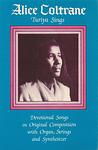
Turiya Sings is an intimate, devotional album in which Alice Coltrane sings meditative, chant-like pieces over sparse keyboard and electronic textures. Recorded during her turn toward spiritual practice, the music moves away from conventional jazz ensembles toward modal, hymn-like structures and sustained drones that sit between jazz, electronic and New Age sensibilities. Its spare, reverent sound highlights her vocal lines and a contemplative sense of improvisation, presenting a personal, inward-facing chapter of her work.
#102 — Youth of America by Wipers
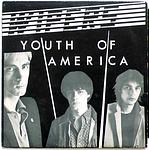
Youth of America, released in 1981 by the Wipers, marks a move from terse punk songs to longer, more atmospheric post-punk compositions. Greg Sage's production and guitar work favor stretched-out arrangements, reverb-heavy and droning electric guitars, and a brooding, introspective mood that blends punk immediacy with more expansive rock textures. The album's hypnotic, raw sound and unconventional song structures helped shape the aesthetic of underground and alternative rock that followed.
#103 — Licensed to Ill by Beastie Boys
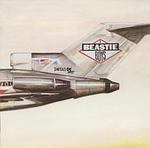
Licensed to Ill is the 1986 debut studio album by the Beastie Boys that fuses East Coast hip hop and rap rock. Produced by Rick Rubin, it pairs hard-hitting sampled beats and prominent rock guitar hooks with brash, party-oriented rhymes delivered by the trio. The record emphasizes dense sample collages, stripped-down drum patterns, and a punk-inflected, irreverent attitude, and is often noted for expanding the sonic possibilities of late 1980s hip hop by bringing rock textures into a rap framework.
#104 — Metal Box by Public Image Ltd

Metal Box, released in 1979 by Public Image Ltd, is a stark, experimental post-punk album that fuses deep dub-derived bass and studio effects with jagged guitar fragments and spare, often hypnotic song structures. Centered on Jah Wobble's low-end grooves, Keith Levene's metallic textures and John Lydon's idiosyncratic vocals, the record emphasizes space, repetition and abrasive ambient touches rather than conventional rock arrangements. Originally issued in a metal film canister, the album is notable for its unconventional production and packaging and for expanding the sonic possibilities of late 1970s post-punk.
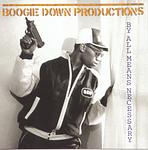
By All Means Necessary (1988) is Boogie Down Productions' second album, featuring KRS-One's direct, clipped vocal delivery over hard, stripped-down beats that draw on hip hop, reggae, and sparse sample textures. Recorded after the death of DJ Scott La Rock, the record shifts toward overtly political and socially conscious themes, addressing violence, community responsibility, and the role of hip hop while retaining a raw, streetwise sound. It is regarded as an early and influential example of politically conscious hip hop from the late 1980s.
#106 — The Expanding Universe by Laurie Spiegel
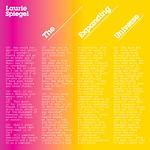
The Expanding Universe (1980) by Laurie Spiegel is an ambient and experimental electronic album that combines shimmering timbres, repeating patterns, and gradual transformations to create a spacious, contemplative atmosphere. Spiegel applies early computer-assisted synthesis and sequencing techniques to construct pieces that unfold through evolving motifs and delicate harmonic motion, balancing algorithmic process with lyrical gesture. The record is often cited as a representative example of late 20th century experimental electronic composition and showcases Spiegel's interest in generative approaches to sound and structure.
#107 — Crazy Rhythms by The Feelies

Crazy Rhythms, the Feelies' 1980 debut, blends jangle pop chiming guitars with a post-punk austerity that emphasizes interlocking rhythms and propulsive, metronomic drumming. The songs feature bright, repetitive guitar patterns, understated vocals, and lean arrangements that foreground texture and groove over conventional rock theatrics. Its rhythmic focus and off-kilter tempos have been noted as influential on later indie and alternative approaches to guitar interplay and pulse.
#108 — Colossal Youth by Young Marble Giants
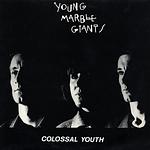
Colossal Youth is a spare, minimalist post-punk record centered on Alison Statton's cool, breathy vocals and uncluttered instrumental lines. The songs favor simple melodies, understated bass and keyboards, and restrained rhythms, creating an intimate, melancholic atmosphere that foregrounds space and silence rather than dense arrangements. Its pared-back aesthetic and quiet immediacy became touchstones for later indie pop and lo-fi approaches.
#109 — The Head on the Door by The Cure
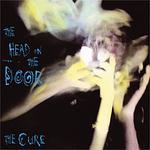
The Head on the Door (1985) showcases The Cure blending their gothic roots with pop and new wave influences to produce concise, melody-driven songs that range from upbeat, synth-tinged singles to darker, atmospheric tracks. Robert Smith's vocal melodies sit over layered guitars, keyboards and varied rhythms, and the record is notable for its stylistic variety, cleaner production and an expanded sonic palette that brought more accessible hooks into the band's moody sound.
#110 — Los Angeles by X
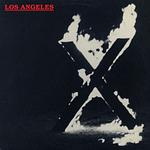
Los Angeles, released in 1980 by Los Angeles punk band X, is a concise, hard-edged punk rock album that blends rock and roll and rockabilly influences with literate, often darkly observational lyrics about urban life. The record features the interplay of Exene Cervenka and John Doe's distinctive dual vocals, Billy Zoom's rockabilly-tinged guitar and tight rhythm work from D. J. Bonebrake, and was produced by Ray Manzarek, which contributes to a raw but controlled sound that helped define the early Los Angeles punk scene.
#111 — Avalon by Roxy Music
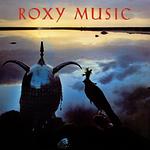
Avalon, released in 1982 by Roxy Music, pares the band’s art rock roots into a polished, atmospheric blend of sophisti-pop, soft rock, and pop rock. Bryan Ferry’s languid vocals float over shimmering synth textures, subtle guitar work, and tasteful saxophone, producing a romantic, late-night mood that emphasizes mood and production as much as songcraft. The record is notable for its sleek, restrained arrangements and for steering the group toward a smoother, more elegiac sound.
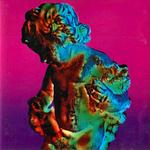
Technique, released in 1989 by New Order, blends the band's post-punk origins with contemporary club music, drawing on Ibiza's Balearic and early house sounds to create a bright, dance-oriented record. It pairs propulsive electronic rhythms and shimmering synth textures with guitar elements and Bernard Sumner's cool, melancholic vocals, moving between club-ready grooves and concise pop songwriting. The album is notable for deepening New Order's engagement with dance production while maintaining melodic hooks and a restrained emotional tone.
#113 — Playing With Fire by Spacemen 3
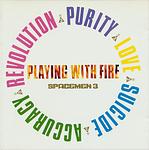
Playing With Fire presents Spacemen 3's distilled neo-psychedelic approach, built from repetitive, fuzzed guitars, droning organ, spare rhythms and hypnotic vocal harmonies. Tracks shift between raw garage-rock riffs, slow blues and church-tinged soul, with extended grooves and a minimalist production that emphasizes texture and atmosphere over virtuosity. The album consolidates the band's late 1980s aesthetic and is frequently cited for its trance-inducing arrangements and influence on later indie and shoegaze sounds.
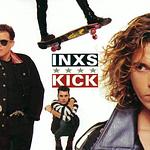
Kick, released in 1987 by INXS and produced by Chris Thomas, is a polished blend of rock, pop rock, alternative rock, pop and funk rock that foregrounds tight, danceable rhythms and Michael Hutchence's charismatic vocals. The record mixes groove-driven, funk-inflected tracks with melodic rock and atmospheric balladry, emphasizing strong hooks and a slick studio sheen that broadened the band's international profile.
#115 — Like a Virgin by Madonna
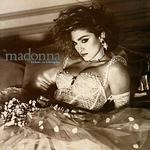
Like a Virgin, released in 1984, is Madonna's second studio album that refines her pop and dance-pop sound with strong synth-pop and club-oriented production. The record pairs catchy, upbeat melodies and electronic synthesizer textures with rhythmic, dancefloor-focused arrangements, and its lyrics and imagery foreground themes of sexuality, confidence, and personal reinvention. Musically it blends accessible pop hooks with electronic drum machines and glossy production, helping to cement Madonna's public persona and influence on mainstream dance-pop.
#116 — Walk Among Us by Misfits
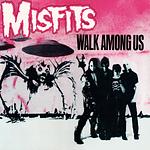
Walk Among Us, released in 1982 by the Misfits, is a landmark horror punk album that mixes the velocity and rawness of early hardcore punk with concise rock songcraft and macabre, B movie inspired lyrics. The sound is characterized by aggressive, fuzzy guitars, steady, driving drums and Glenn Danzig's distinctive vocal delivery, with short, hook-driven tracks that balance melody and intensity. The record helped solidify the Misfits' horror-themed aesthetic and influenced later punk and heavy music scenes.
#117 — Whitney Houston by Whitney Houston
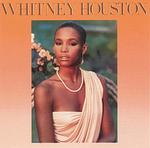
Whitney Houston is the 1985 self-titled debut album by Whitney Houston. Rooted in pop and contemporary R&B with dance-pop and electronic 1980s production, it pairs bright, synth-driven uptempo tracks with lush ballads and showcases Houston's wide range, precise phrasing, and vocal control. Produced by a team of pop and R&B producers, the record helped define her crossover appeal and contains songs that became central to her repertoire.
#118 — Solo Piano by Philip Glass
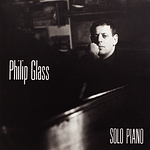
Solo Piano (1989) by Philip Glass presents a set of his compositions arranged for solo piano, emphasizing the minimalist language of repeating arpeggios, gradual harmonic shifts, and steady rhythmic pulse. The performances foreground meditative, slowly evolving melodic cells and transparent textures, offering an intimate translation of Glass's signature patterns from larger ensembles to a single instrument. The album is frequently regarded as a clear example of late 20th century minimalism and a concise way to hear Glass's approach to repetition and subtle variation.
#119 — Gaucho by Steely Dan
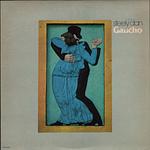
Gaucho, released in 1980, is Steely Dan's polished, studio-crafted blend of pop rock and jazz rock with strong yacht rock sensibilities. The album features meticulous production, sophisticated jazz-influenced harmonies and arrangements, and cryptic, often noirish lyrics delivered in Donald Fagen's cool vocal style. It relies on top session musicians and layered studio touches to create a smooth, richly textured sound exemplified by tracks such as "Hey Nineteen." Gaucho is also notable as the group's final studio album for roughly two decades and as a concentrated example of their studio-focused approach.
#120 — Run‐D.M.C. by Run‐D.M.C.
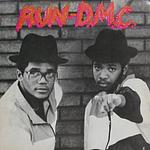
Run-D.M.C., released in 1984, is the group's raw, minimalist debut that helped define East Coast hardcore hip hop. The album pairs hard-hitting drum-machine patterns and sparse production with commanding vocal delivery and DJ scratches, and it incorporates rock-influenced guitar textures that pointed toward a rap rock crossover. Its punchy, street-focused sound is often cited as an influential early template for later hip hop acts.
#121 — Pretenders by Pretenders
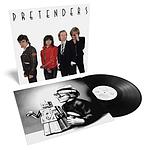
Pretenders is the 1979 debut album by Pretenders that blends new wave urgency with rock and pop sensibilities, pairing chiming, economical guitar work and a propulsive rhythm section with Chrissie Hynde's cool, emotionally direct vocals. The songs range from concise, hook-driven pop to taut post-punk rock, and the production keeps the band sound immediate and uncluttered. The record established the group's distinctive mix of melody and attitude and helped define a transitional sound between punk, post-punk, and mainstream rock.
#122 — Beat Happening by Beat Happening
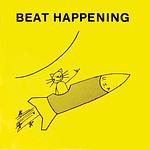
Beat Happening's 1985 self-titled album presents the band's minimalist, lo-fi take on indie pop and rock, with simple, jangly guitar lines, sparse percussion, and unpolished, often childlike vocals. The songs are short and direct, favoring a DIY sensibility and playful, occasionally oblique lyrics over technical polish. Its stripped-down aesthetic and embrace of amateurish charm helped define a strand of indie pop and lo-fi that influenced later underground bands.
#123 — Beauty and the Beat by Go‐Go's
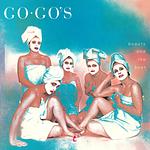
Beauty and the Beat is the Go-Go's 1981 debut album that blends new wave and pop rock with power pop and surf-rock influences. The record features bright, jangly guitars, punchy rhythms, tight vocal harmonies, and concise, hook-driven songs such as "We Got the Beat" and "Our Lips Are Sealed." Its energetic, upbeat sound and emphasis on band-written material marked a notable mainstream presence for an all-female rock group in the early 1980s.
#124 — Tunnel of Love by Bruce Springsteen
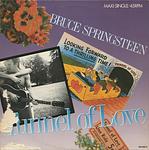
Tunnel of Love, released in 1987, finds Bruce Springsteen moving toward a more intimate, introspective sound that foregrounds adult themes of love, doubt, and marital strain. Musically it combines pop rock and rock with synth textures, drum machine elements, and restrained arrangements that create a moodier, more personal atmosphere than some of his earlier arena-oriented records. The songwriting is confessional and narrative, often centered on small moments and conflicted characters, with standout tracks like "Brilliant Disguise", "Tunnel of Love", and "One Step Up" illustrating the album's focus on relationship dynamics and emotional realism.
#125 — Peter Gabriel by Peter Gabriel
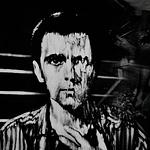
Peter Gabriel (1980), his third solo album often referred to as Melt, marks a move toward more concise, studio-oriented art rock that blends progressive roots with pop sensibilities. The record emphasizes layered production, treated vocals, and electronic textures to create a darker, more atmospheric sound than his earlier solo work, and it represents a turning point toward tighter song structures and adventurous studio experimentation that influenced rock and pop production in the early 1980s.
#126 — Let's Dance by David Bowie
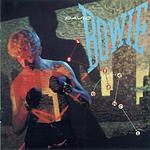
Let’s Dance (1983) finds David Bowie embracing a glossy, dance-oriented sound produced by Nile Rodgers, blending New Wave and pop rock with art rock sensibilities and dance-pop rhythms. The record emphasizes tight, percussive grooves, bright synth textures and punchy guitar work from Stevie Ray Vaughan, pairing streamlined, radio-friendly arrangements with Bowie’s distinctive vocals and lyrical quirks. It represents a deliberate move toward mainstream pop and dance styles in his catalogue and includes reworked material from earlier collaborations.
#127 — Actually by Pet Shop Boys
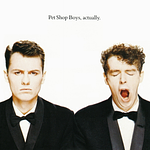
Actually, released in 1987 by Pet Shop Boys, is a polished synth-pop album that blends electronic dance-pop rhythms with literate, often wry songwriting. The production features bright synthesizer lines, programmed beats and occasional orchestral touches, creating a tension between upbeat arrangements and Neil Tennant's detached, melancholic vocal delivery; notable tracks include the dramatic "It's a Sin" and the duet with Dusty Springfield, "What Have I Done to Deserve This?", and the record highlights the duo's knack for marrying pop melodies with ironic, introspective themes.
#128 — Back in Black by AC/DC
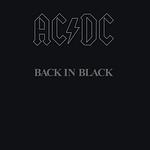
Back in Black is AC/DC's 1980 album and the first to feature singer Brian Johnson after Bon Scott's death. Produced by Robert John Lange, it channels the band's hard rock and blues-rock roots into concise, riff-driven songs built on Angus Young lead work and Malcolm Young rhythm parts, with punchy drums and clear guitar tones. Tracks such as Hells Bells, Back in Black, Shoot to Thrill, and You Shook Me All Night Long illustrate the arena-ready, no-frills sound that helped define the band's signature style.
#129 — No One Can Do It Better by The D.O.C.
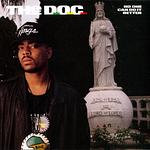
No One Can Do It Better is the 1989 debut by The D.O.C., situated in West Coast hip hop with strong gangsta rap and boom bap influences and occasional conscious-rap touches. Produced largely by Dr. Dre, the album pairs funk-tinged sampling and precise drum programming with a clean, punchy sonic palette. The D.O.C.'s rapid-fire delivery and dense internal rhyme patterns are a central feature, and the record is frequently cited for its role in the late 1980s Los Angeles sound and the collaborative chemistry between The D.O.C. and Dre.
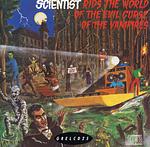
Scientist Rids the World of the Evil Curse of the Vampires (1981) is an instrumental dub record that applies studio mixing as a creative force to stripped-back reggae rhythms, emphasizing deep bass, sparse drums, and generous use of reverb, delay, and other effects to create a spooky, cinematic atmosphere that fits its horror-themed title. The album showcases Scientist's signature approach to dub production, where echo and filtering turn rhythm tracks into swirling, otherworldly textures that link reggae roots with early electronic experimentation.
#131 — Ocean Rain by Echo & the Bunnymen
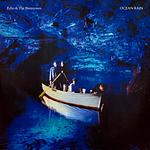
Ocean Rain is Echo & the Bunnymen's 1984 album that moves their post-punk foundation toward a more orchestral, cinematic sound, combining jangly guitars and indie rock rhythms with lush string arrangements and neo-psychedelic atmospheres. Ian McCulloch's resonant, melancholic vocals sit against reverb-heavy production and maritime imagery, creating a sweeping, nocturnal mood. The record is notable within their catalogue for its ambitious arrangements and strong melodic focus.
#132 — Steve McQueen by Prefab Sprout
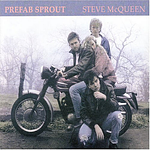
Steve McQueen is Prefab Sprout's 1985 album, produced by Thomas Dolby, that refines the band's blend of synth-pop, pop rock and sophisti-pop into a polished, literate form of chamber pop. Paddy McAloon's songwriting pairs wry, introspective lyrics with sophisticated chordal movement, warm melodies and smooth synth textures, while the production favors crisp, economical arrangements. The album is a clear example of mid 1980s sophisti-pop, notable for combining accessible hooks with musically intricate structures.
#133 — Skylarking by XTC
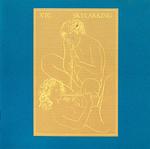
Skylarking is XTC's 1986 album produced by Todd Rundgren that blends pop rock, neo-psychedelia, new wave, psychedelic pop, and art pop into a cohesive, pastoral-sounding record. It features lush, layered arrangements, prominent keyboard and Mellotron textures, close vocal harmonies from Andy Partridge and Colin Moulding, and songwriting that shifts between playful, pastoral vignettes and darker, introspective themes. Many listeners and critics regard the album as a distinctive and influential entry in XTC's catalog for its unified sequencing and atmospheric production.
#134 — Nothing's Shocking by Jane's Addiction
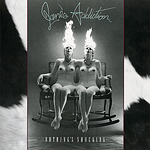
Nothing's Shocking (1988) captures Jane's Addiction's blend of alternative rock, hard rock, alternative metal and pop sensibilities, pairing heavy, riff-driven arrangements with melodic, often psychedelic songwriting. Perry Farrell's expressive, theatrical vocals sit atop Dave Navarro's layered, angular guitar work and a propulsive rhythm section from Eric Avery and Stephen Perkins, creating a dynamic contrast between abrasive, high-energy tracks and quieter, acoustic moments. The album is often cited as an influential touchstone in late 1980s alternative rock for its genre-crossing approach and uncompromising live-oriented sound.
#135 — Songs About Fucking by Big Black
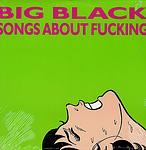
Songs About Fucking is Big Black's 1987 album led by Steve Albini that crystallizes the band's abrasive, confrontational sound. It pairs jagged, heavily distorted guitars and metallic, machine-like percussion with terse, often caustic lyrics, blending noise rock, industrial textures and post-hardcore intensity into short, tightly arranged songs. The record is known for its cold, uncompromising sonic attack and minimalist arrangements that emphasize rhythm and texture over polish.
#136 — Raw Like Sushi by Neneh Cherry
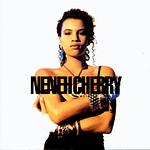
Raw Like Sushi is Neneh Cherry's 1989 debut solo album that blends pop, dance, electronic and pop-rap elements. The record pairs club-ready beats and electronic textures with an assertive vocal style that moves between sung hooks and rap-inflected verses, and includes well-known tracks such as "Buffalo Stance" and "Manchild". Its production mixes polished dance-pop arrangements with urban and international influences, and the lyrics often address identity, relationships, and personal confidence, giving the album a genre-crossing, contemporary pop sound.
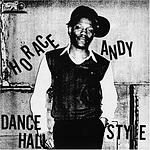
#137 — Dance Hall Style by Horace Andy
#138 — Long Live the Kane by Big Daddy Kane
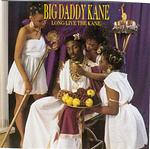
Long Live the Kane, Big Daddy Kane's 1988 debut, is a foundational East Coast hip hop album that showcases his agile, rapid-fire flow, intricate internal and multisyllabic rhymes, and commanding stage presence. Marley Marl's sample-based, funk and soul influenced production is relatively spare, creating space for Kane's vocal dexterity and battle-rap bravado. Songs such as "Ain't No Half-Steppin'" emphasize the record's focus on technical skill and charismatic delivery, and the album is widely regarded as influential for later late 1980s and early 1990s rap lyricism.
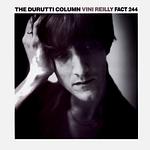
#139 — Vini Reilly by The Durutti Column
#140 — The Cactus Album by 3rd Bass
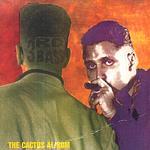
The Cactus Album is the 1989 debut by 3rd Bass, an East Coast hip hop group. It pairs sample-driven, boom-bap production with sharp, literate rhyme work, blending braggadocio and humor with occasional socially aware lines. The record reflects late 1980s New York hip hop aesthetics through dense sampling, punchy beats, and pop culture references, and it established the group's distinctive interplay and streetwise persona within the scene.
#141 — To Mega Therion by Celtic Frost
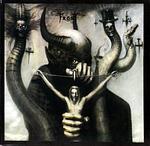
To Mega Therion, released in 1985 by Swiss band Celtic Frost, blends thrash metal aggression and heavy metal riffing with darker, more experimental textures that helped shape elements of extreme metal. The album mixes midtempo, doom-leaning weight and sharper thrash passages with theatrical, abrasive vocal delivery and sparse production that emphasizes a heavy, ominous atmosphere. Its combination of crushing riffs, haunting melodies, and unconventional song structures marked a departure from straightforward speed metal toward a more varied, avant-garde sound influential on later black and extreme metal bands.
#142 — Through the Looking Glass by 高田みどり
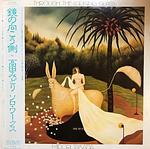
Through the Looking Glass (1983) by 高田みどり is a contemplative, minimalist album that blends tuned percussion, piano, subtle synthesizer textures and sparse percussion to create slow, immersive soundscapes. Drawing on elements of modern classical composition, ambient and electronic music, it emphasizes repetitive patterns, delicate timbral detail and a meditative, ritual-like atmosphere rather than overt melodic development. The record is notable for its restrained production and focus on texture, making it a distinctive example of early 1980s Japanese modern classical and ambient experimentation.
#143 — Milo Goes to College by Descendents
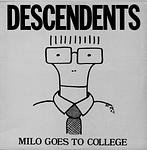
Milo Goes to College, released in 1982, is the Descendents' debut full-length and a concise statement of melodic hardcore: short, fast songs driven by tight drumming, angular guitar and Milo Aukerman's earnest, talk-singing vocals. The record pairs aggressive tempos and blunt production with catchy, hook-focused songwriting and personal, often wry lyrics about suburban life, relationships and teenage awkwardness, a blend that helped point punk toward the more melodic pop punk sound that followed.
#144 — Sandinista! by The Clash
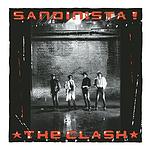
Sandinista! is The Clash's sprawling 1980 project that pushes the band beyond straight punk into a wide mix of dub, reggae, funk, early hip hop, pop rock, and experimental studio work. The record pairs political and social lyrics with extended dub mixes, instrumental passages and genre-hopping arrangements, reflecting a deliberate move toward sonic variety and studio experimentation. Its loose, sometimes rough production and eclectic song styles mark it as an ambitious, genre-blurring statement from a band stretching the boundaries of punk.
#145 — Hi, How Are You by Daniel Johnston
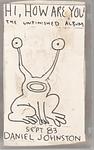
Hi, How Are You is a 1983 lo-fi, home-recorded album by Daniel Johnston characterized by sparse acoustic arrangements, childlike vocal delivery, and direct, confessional songwriting. The recordings pair simple guitar and piano with minimal overdubs to produce a rough, intimate sound that mixes naïve pop melodies and folk sensibilities with frank lyrics about love, vulnerability, and mental health. The hand-drawn cover image of Johnston's character Jeremiah the Innocent reflects his outsider-art aesthetic, and the record has become a touchstone for DIY and indie singer-songwriter communities.
#146 — Grip It! On That Other Level by Geto Boys
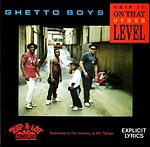
Grip It! On That Other Level, released in 1989, features the Geto Boys' core trio of Scarface, Willie D, and Bushwick Bill delivering raw, confrontational gangsta rap rooted in Houston's emerging Southern hip hop scene. The album is marked by gritty, sparse production, heavy low-end, and lyrics that mix violent imagery, dark psychological themes, and social commentary, establishing the group's provocative reputation. Its sound and tone helped highlight Southern perspectives within gangsta rap and influenced later Southern hip hop artists.
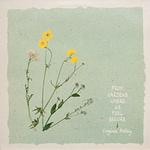
From Gardens Where We Feel Secure, released in 1983 by Virginia Astley, blends ambient textures with modern classical and neoclassical new age elements. The album centers on sparse piano-led pieces with delicate strings, subtle vocal lines and restrained use of field recordings, creating a hushed, pastoral atmosphere that evokes small domestic and countryside scenes. Its small-scale, contemplative arrangements favor mood and timbre over conventional song structures, placing it firmly within early 1980s ambient and neoclassical experimentation.
#148 — Rites of Spring by Rites of Spring
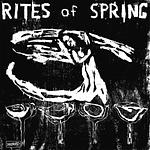
Rites of Spring is the 1985 self-titled album by Washington, D.C. band Rites of Spring, released on Dischord Records. The music channels hardcore punk intensity into more melodic, dynamic song structures with direct, confessional lyrics, urgent guitar work, and driving rhythms. The album is often cited as a key early influence on the emo movement and on later post-hardcore bands.
#149 — Rapture by Anita Baker
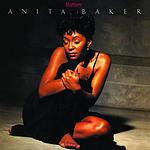
Rapture is Anita Baker's 1986 album that blends R&B and soul with strong jazz and smooth jazz influences, presented in a polished adult contemporary style. The record is built around Baker's warm, husky contralto and intimate phrasing, with lush arrangements, soft grooves, understated jazz harmonies and romantic lyrical themes. Several standout ballads and midtempo tracks exemplify the album's quiet storm sensibility and helped define Anita Baker's signature sound in the mid 1980s.
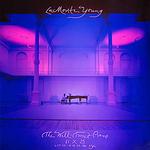
The Well-Tuned Piano 81 X 25 6:17:50–11:18:59 PM NYC (1987) documents La Monte Young's extended, live realization of his long-form piano work. Performed on a piano specially retuned in just intonation, the music unfolds as sustained drones and finely graded intervallic relationships that emphasize microtonal detail and slow harmonic drift. The recording exemplifies Young's approach to duration, timbre, and tuning and is often cited as a key work linking minimalism and drone-oriented strands of modern classical practice.
#151 — Compilation by The Clean
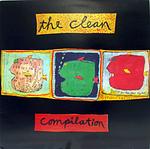
Compilation collects The Clean's early singles and EP tracks into a concise overview of their jangly, guitar-driven indie rock, featuring chiming, treble-forward guitar lines, spare melodic vocals, and a lo-fi, homespun production aesthetic. The songs combine catchy hooks with loose, rhythmic playfulness and off-kilter arrangements, showcasing qualities associated with the Dunedin sound and early jangle pop.
#152 — Meat Puppets II by Meat Puppets
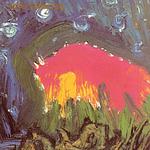
Meat Puppets II, released in 1984, marks a shift from the band's hardcore roots toward an idiosyncratic blend of country, folk, psychedelic and punk influences. The album pairs acoustic textures and melodic songwriting by Curt Kirkwood with loose, ramshackle production, mixing quieter, reflective songs with more raucous electric rockers. Its wide stylistic range and offbeat arrangements helped broaden the sound of underground rock and contributed to the development of alternative rock.
#153 — Dolmen Music by Meredith Monk
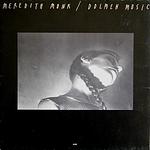
Meredith Monk's 1981 album Dolmen Music presents her work for solo and ensemble voice, emphasizing extended vocal techniques, layered non-lexical vocal lines, and spare instrumental accompaniment. The pieces unfold slowly with minimalist repetition and ritualistic, meditative textures, foregrounding timbre, breath, and vocal interplay rather than conventional melodic development. The album is widely regarded as a key example of late 20th century vocal avant-garde practice and of Monk's exploration of the voice as a primary instrument.
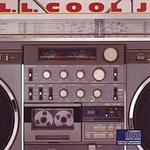
Radio is LL Cool J's 1985 debut album, produced by Rick Rubin and released on Def Jam, built around sparse, hard-hitting beats, drum machine patterns, and aggressive, braggadocious rapping. Its stripped-down production, prominent scratches, and vocal-forward approach reflect early East Coast hardcore hip hop aesthetics and helped define the raw Def Jam sound of the era. The record emphasizes rhythm and lyrical flow in concise, punchy tracks rather than melodic complexity.
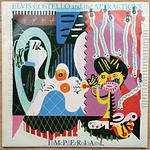
Imperial Bedroom, released in 1982 by Elvis Costello & The Attractions, is a studio album that shifts from the band’s earlier new wave edge toward richly arranged, baroque-influenced pop and rock. Produced by Geoff Emerick, the record features ornate chamber-pop arrangements, inventive studio touches, and complex songcraft, pairing intricate melodies with literate lyrics that examine personal and social themes. The album stands out in Costello’s catalog for its ambitious, texturally dense approach to pop songwriting.
#156 — Hotter Than July by Stevie Wonder
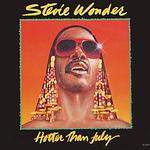
Hotter Than July, released in 1980, finds Stevie Wonder blending soul, funk, disco, pop and R&B with touches of reggae and electronic production. The album pairs upbeat, groove-driven songs like "Master Blaster (Jammin')" with intimate balladry such as "Lately", showcases Wonder's multi-instrumental arrangements and lush synthesizer textures, and includes "Happy Birthday", a song written in support of the campaign to establish Martin Luther King Jr. Day. Overall it continues Wonder's use of layered vocals and dense studio production, balancing danceable grooves with personal and social themes.
#157 — Lyte as a Rock by MC Lyte
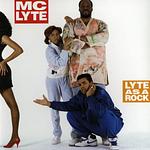
Lyte as a Rock, MC Lyte's 1988 debut, showcases her sharp, direct delivery and confident lyrical perspective at a time when female voices in hip hop were gaining prominence. The album pairs stripped-down, sample-based late 1980s hip hop production with touches of pop rap accessibility, balancing battle-ready braggadocio, storytelling, and social observation. Its clear, authoritative vocals and concise verses helped establish MC Lyte as an influential early female MC and set a template for vocal presence and lyrical focus in subsequent hip hop by women.
#158 — British Steel by Judas Priest
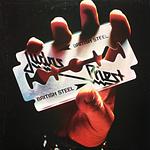
British Steel, released in 1980 by Judas Priest, is a lean, hard-driving heavy metal album that emphasizes concise songwriting, punchy guitar riffs, and high-register vocals from Rob Halford. The record foregrounds twin-guitar harmonies and a cleaner, more direct production, moving toward shorter, anthem-oriented tracks such as "Breaking the Law" and "Living After Midnight". Its combination of melodic hooks and metal aggression helped crystallize a more accessible strain of heavy metal within the band's catalog and influenced later acts in the genre.
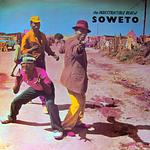
The Indestructible Beat of Soweto is a 1985 compilation of South African township music and mbaqanga by various artists. It collects upbeat, danceable tracks built around chiming electric guitars, driving bass and percussion, and layered vocal harmonies with prominent call-and-response arrangements. Released for international listeners, the compilation emphasizes the rhythmic energy and melodic hooks of mbaqanga and related urban pop styles from Soweto and other townships.
#160 — Ammnesia by Mr. Fingers
Ammnesia, credited to Mr. Fingers (Larry Heard) and released in 1988, collects his early Chicago house productions into a cohesive set defined by warm, rounded basslines, mellow electric piano and synth pads, spacious mixes, and occasional 303-driven acid touches. The material leans toward atmosphere and melody rather than bombastic club percussion, helping to articulate the softer, more introspective side of house that later became associated with deep house, while retaining roots in Chicago acid and electronic studio experimentation.
#161 — Shoot Out the Lights by Richard & Linda Thompson
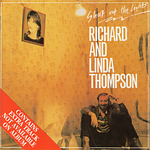
Shoot Out the Lights (1982) blends folk-rooted songwriting with stark rock arrangements, built around Richard Thompson's incisive electric guitar and Linda Thompson's expressive lead vocals and close harmonies. The album moves between intimate acoustic moments and propulsive, tension-filled rock, with lyrics that often explore domestic strain and emotional intensity. Its direct, immediate production and emotional clarity have made it a defining statement for the duo and their last studio album together before they stopped recording as a couple.
#163 — Merry Christmas, Mr. Lawrence/Furyo by 坂本龍一
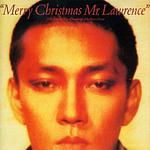
Merry Christmas, Mr. Lawrence (1983) is the soundtrack by Ryuichi Sakamoto for the film Furyo. The album blends piano-led themes and sparse melodic lines with synth textures, restrained percussion, and occasional orchestral touches, producing an ambient, downtempo mood that crosses into new age and synth-pop territory. The plaintive title theme and the vocal version "Forbidden Colours" are among the more recognisable moments, and the score helped establish Sakamoto's international profile as a composer who could merge electronic production with melodic minimalism and Japanese inflections.
#164 — Deep Listening by Pauline Oliveros, Stuart Dempster, Panaiotis
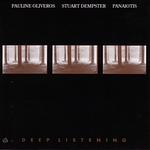
Deep Listening (1989) by Pauline Oliveros, Stuart Dempster, and Panaiotis is a recording of slow, spacious improvisations made in an underground cistern at Fort Worden, where prolonged reverberation becomes a prominent element of the music. The trio combines sustained tones, vocal harmonics, trombone and accordion with subtle electronics and breath-based sounds to produce long, meditative drones and shifting microtonal textures that sit between ambient and modern classical practice. The album documents Oliveros's deep listening approach to sound and space, foregrounding attentive listening and the acoustic properties of performance environments.
#165 — ... In "Jane From Occupied Europe" by Swell Maps
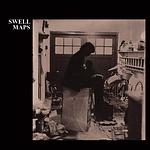
... In "Jane From Occupied Europe" (1980) by Swell Maps is a compact, experimental post-punk record that juxtaposes short, art punk songs with tape loops, found sounds, and rudimentary electronics. The lo-fi production and abrupt song structures mix pop-minded hooks with noise, dissonant guitars, and sonic collage, reflecting the band's DIY approach and taste for unconventional arrangements. The album sits at the intersection of post-punk, art rock, and experimental music, emphasizing exploration over polish.
#166 — Rhyme Pays by Ice‐T
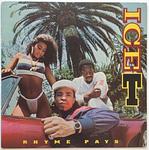
Rhyme Pays is Ice-T's 1987 debut album that presents a raw, street-oriented take on hip hop, aligning with early gangsta rap and West Coast styles. The production favors sparse, funk-derived beats, drum machines, and sample-based grooves that underpin Ice-T's deadpan, narrative delivery and confrontational lyrics about crime, nightlife, and encounters with law enforcement. The record helped establish Ice-T's persona and signaled a move toward harder-edged, story-driven rap emerging from the West Coast.
#167 — Playing With a Different Sex by Au Pairs
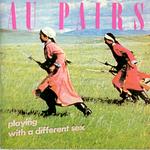
Playing With a Different Sex, released in 1981 by the British post-punk band Au Pairs, pairs angular, funk-tinged guitar work and tight, propulsive rhythms with blunt, politically charged lyrics about gender and power. The sound blends New Wave accessibility and danceable beats with the austerity and jagged textures of post-punk, and the vocal delivery is direct and confrontational. The album is notable for its explicit focus on sexual politics and its combination of club-friendly grooves with pointed social commentary.
#168 — Soliloquy for Lilith by Nurse With Wound
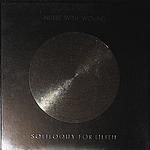
Soliloquy for Lilith (1988) by Nurse With Wound is a long-form, collage-like record that blends musique concrète, industrial noise and ambient electronics into surreal, hallucinatory soundscapes. Steve Stapleton assembles loops, found sounds, processed instruments and distorted or whispered vocals into slowly unfolding textures that move between drones, mechanical clatter and fragile melodic fragments, producing an unsettling, dreamlike atmosphere. The album exemplifies Nurse With Wound's sample-based montage approach and experimental use of tape manipulation within the industrial and avant-garde electronic realm.
#169 — The Faith / Void by The Faith, Void
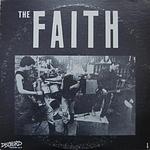
The Faith/Void split from 1982 pairs two Washington hardcore outfits with contrasting approaches: The Faith offers concise, melodic and tightly arranged hardcore with controlled vocals and a focus on songcraft, while Void delivers abrasive, chaotic bursts of aggression, dissonant guitar work and shouted delivery. Together the release captures the raw energy and experimental edges of early American hardcore punk, showing the scene's range between melody and extremity.
#170 — Mister Yellowman by Yellowman
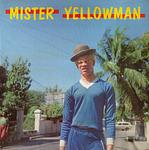
Mister Yellowman (1982) is an early dancehall reggae album by Jamaican deejay Yellowman that foregrounds his quick, chatty toasting over sparse, danceable riddims. The record showcases his irreverent, often sexually charged lyrics alongside occasional social commentary, reflecting the shift in the early 1980s from roots-oriented production to deejay-led dancehall grooves. As an example of Yellowman’s style, it helped define his flamboyant stage persona and the vocal-driven sound of that era of Jamaican popular music.
#171 — Cupid & Psyche 85 by Scritti Politti

Cupid & Psyche 85 is Scritti Politti's 1985 album that marks the band's move from post-punk toward a polished, studio-oriented pop sound. Led by Green Gartside's smooth, soulful vocals and literate lyricism, the record blends synth-pop and electronic production with dance-rock rhythms and blue-eyed soul influences, using meticulous arrangements and layered synthesizers to create a glossy, groove-oriented aesthetic often associated with sophisti-pop. The album is notable for its emphasis on high production values and the fusion of R&B-inflected songwriting with contemporary electronic textures.
#172 — Rio by Duran Duran
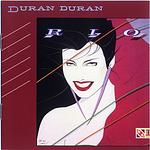
Rio (1982) by Duran Duran blends New Wave, synth-pop and New Romantic stylings into a glossy, dance-oriented pop record. It pairs shimmering synthesizers and rhythmic, funk-influenced bass and percussion with bright, melodic guitar lines and hook-driven choruses, creating songs that favor atmosphere and rhythm as much as melody. The production emphasizes a glamorous, cinematic sheen associated with early 1980s pop, and several tracks showcase the band's knack for concise, danceable songwriting and dramatic vocal delivery.
#173 — Private Dancer by Tina Turner
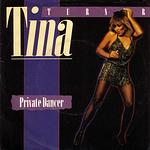
Private Dancer, released in 1984, is a solo album that blends pop rock, pop soul and ballad-driven material with the polished production typical of the 1980s. It highlights Tina Turner’s gritty, expressive voice across uptempo, rock-inflected tracks and slower, dramatic ballads, pairing electric guitar and synth textures with accessible pop arrangements. The record marked a major reemergence of Turner as a solo artist and is noted for its strong vocal performances and crossover pop and rock sensibility.
#174 — In All Languages by Ornette Coleman
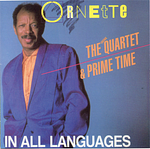
In All Languages (1987) pairs Ornette Coleman’s acoustic quartet material with performances by his electric Prime Time ensemble, juxtaposing spare, free melodic improvisation and open rhythmic interplay with denser, groove-oriented harmolodic electric textures. The album presents familiar themes and compositions in different instrumental contexts, highlighting Coleman’s interest in collective improvisation, flexible harmonic logic, and the contrast between acoustic warmth and amplified, interlocking rhythms. It serves as a compact statement of his harmolodic approach and the breadth of his late 20th century work.
#175 — Streetcleaner by Godflesh
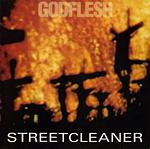
Streetcleaner, released in 1989 by Godflesh, is a bleak, heavy album that played a key role in shaping industrial metal. It pairs monolithic, downtuned guitar riffs with mechanical drum machine beats, murky bass and abrasive, often shouted vocals to produce a slow, repetitive, crushing sound. The production foregrounds cold, metallic textures and sparse arrangements, blending industrial and electronic elements with extreme metal to create an oppressive, minimalist atmosphere that influenced later bands in both industrial and metal circles.
#176 — Dreams Less Sweet by Psychic TV
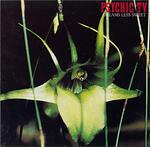
Dreams Less Sweet (1983) by Psychic TV blends the group's experimental and industrial roots with touches of folk rock and electronic textures. The record alternates song-based pieces and brief collage tracks, pairing acoustic and electric instrumentation with tape manipulations, ambient noise and ritualistic spoken-word passages. It reflects Genesis P-Orridge's interest in cut-up techniques and occult-tinged performance, bringing more pastoral and melodic elements into a deliberately unsettling, ritualistic sonic palette rather than conventional pop or rock songwriting.
#177 — All Hail the Queen by Queen Latifah
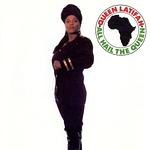
All Hail the Queen is Queen Latifah's 1989 debut album. Musically rooted in late 1980s hip hop, it blends hard-hitting beats and sampling with electronic and house-tinged production while showcasing Latifah's confident, rhythmic delivery. Lyrically the album emphasizes female empowerment, Afrocentric themes and social commentary, and it includes the notable collaboration "Ladies First" with British rapper Monie Love. The record established Latifah as a prominent female voice in hip hop and helped broaden representations of women in the genre.
#178 — Night and Day by Joe Jackson
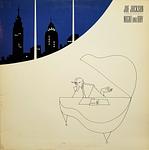
Night and Day (1982) by Joe Jackson is a piano-led album that shifts from his earlier new wave edge toward a more urbane pop sound infused with jazz and Latin rhythms. The arrangements highlight piano, brass, and subtle synths over tight grooves, while the lyrics often evoke New York City scenes and interpersonal tensions. The record is noted for its melodic songwriting and for blending sophisticated musical textures with accessible pop and rock elements.
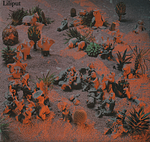
LiLiPUT (1982) is the self-titled album by the Swiss post-punk band LiLiPUT, presenting short, energetic songs that mix punk urgency with catchy pop hooks and artful post-punk edges. The record is marked by jagged guitar lines, tight, propulsive rhythms, and distinctive vocal delivery that ranges from playful to abrasive, producing a sound that is both immediate and idiosyncratic. It stands as a clear example of early 1980s underground European post-punk that balances melodic accessibility with rough-edged intensity.
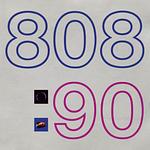
Ninety is 808 State's 1989 album from their early period, blending techno, acid house, and house with melodic and ambient textures. The record mixes squelchy 303-style basslines and machine-driven rhythms with lush synth pads and occasional saxophone-led melodies, balancing club-oriented energy and more atmospheric moments. It reflects the late 1980s UK rave and electronic scene and showcases the group's interest in marrying dancefloor drive with experimental production.
#181 — Plux Quba by Nuno Canavarro
Plux Quba by Nuno Canavarro is a compact set of electroacoustic miniatures that blend ambient atmospheres, lo-fi digital processing, and fragmented melodic motifs. Its short, vignette-like pieces favor sparse textures, subtle noise, and glitch-like edits, creating an intimate but sometimes disorienting sound world that sits between ambient, experimental, and avant-garde electronic music. The album is notable for its focus on micro-detail and unconventional structures, emphasizing atmosphere and timbral exploration over traditional melody and rhythm.
#182 — The Visitors by ABBA
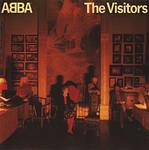
The Visitors, ABBA's 1981 studio album, moves toward a more electronic and synth-driven sound while retaining the group's melodic pop and Europop sensibilities. The record emphasizes colder, more introspective arrangements and lyrical themes such as relationship breakdown and political unease, delivered with layered vocal harmonies and polished production. As the group's last studio album before their long hiatus, it is notable for a shift from upbeat dance-pop toward atmospheric, synth-based pop rock and electronic textures.
#183 — Wild Planet by The B‐52s
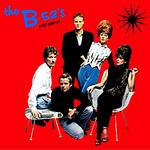
Wild Planet is the B-52s second studio album, released in 1980, and builds on the group's eccentric take on New Wave with tighter arrangements and punchier production than their debut. The record blends danceable rhythms, surf-inflected guitars, and bright synthesizer textures with the band's signature call-and-response vocals and spoken shouts, resulting in a party-oriented, slightly off-kilter pop sound. It is notable for consolidating the band’s distinctive voice within the late 1970s and early 1980s New Wave and alternative dance scenes.
#184 — The Glow of Love by Change
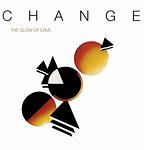
The Glow of Love is the 1980 debut album by Change, a studio project led by producers Mauro Malavasi and Jacques Fred Petrus. Rooted in disco and early post-disco, the record combines danceable grooves, lush string arrangements, warm R&B vocals and prominent synth and guitar textures to create a polished pop and boogie sound. The title track features early lead vocals by Luther Vandross and illustrates the album's blend of soulful singing and club-oriented production. The overall aesthetic helped shape a sleek, cosmopolitan strand of dance-soul in the early 1980s.
#185 — Life Is… Too $hort by Too $hort
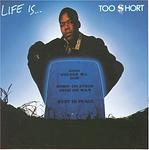
Life Is... Too $hort (1988) finds Too Short delivering a blunt, conversational flow over sparse, funk-influenced West Coast production. The album mixes club-ready grooves and drum machine-driven beats with explicit, street-level narratives about pimping, sex, and hustling, anchored by Too Short's deadpan drawl and repetitive, hooky refrains. Its sound emphasizes deep bass, simple looped arrangements, and synth textures typical of late 1980s Bay Area hip hop. The record helped cement Too Short's persona and contributed to the development of an independently minded West Coast rap aesthetic.
#186 — McCartney II by Paul McCartney
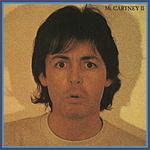
McCartney II (1980) finds Paul McCartney working largely alone in a home studio to produce a compact set of songs that blend pop songwriting with synth-based experimentation. The album mixes melodic, accessible tracks like "Coming Up" with more eccentric, electronically altered pieces such as "Temporary Secretary," employing sparse arrangements, lo-fi textures, and playful studio techniques. Its emphasis on synthesizers, tape manipulation, and solo production marks a clear departure from his recent band work and situates the record within early 1980s synth-pop, art pop, and new wave currents.
#187 — Tom Tom Club by Tom Tom Club
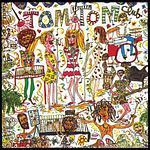
Tom Tom Club's 1981 self-titled debut, led by Talking Heads rhythm section Tina Weymouth and Chris Frantz with collaborators, mixes New Wave and pop with funk, dub and dance-rock to create bright, groove-driven songs. The album emphasizes rhythm, prominent bass and percussion, playful vocal hooks and studio collage techniques, giving several tracks a quirky, danceable feel. Its pop-art sensibility and rhythmic focus helped define the group's identity apart from their work in Talking Heads.
#188 — Season of Glass by Yoko Ono
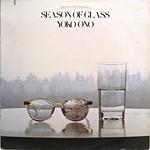
Season of Glass, released in 1981, was Yoko Ono's first album issued after the murder of John Lennon. It blends new wave, art rock, pop, and rock elements, pairing concise song forms and synth and guitar textures with Ono's raw, expressive vocal delivery. The music moves between spare, atmospheric arrangements and direct melodic passages while lyrics confront loss, mourning, and resilience. The record is also noted for its stark, confrontational visual presentation and for bringing Ono's experimental sensibilities into an early 1980s production context.
#189 — Locust Abortion Technician by Butthole Surfers
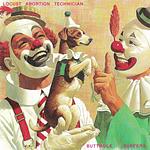
Locust Abortion Technician, released in 1987 by Butthole Surfers, pushes the band's sound into densely abrasive and hallucinatory territory, blending psychedelic punk, noise rock and experimental electronic textures. The album juxtaposes heavy, distorted guitar riffs and driving rhythms with tape manipulation, samples, and spoken-word fragments to produce a disorienting, collage-like listening experience. Tracks move between extended brooding grooves and short chaotic bursts, showcasing the group's interest in subverting rock conventions and integrating avant-garde production techniques into a raw, visceral context.
#190 — Ini Kamoze by Ini Kamoze
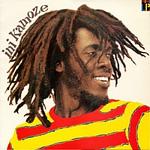
Ini Kamoze (1984) is the artist's self-titled debut that blends roots reggae songwriting with dub production techniques and early 1980s electronic textures. The album emphasizes rhythm and bass-driven arrangements, often using echo and reverb effects alongside keyboards or synth accents to create space around Ini Kamoze's relaxed, melodic vocal delivery. Its sound occupies the intersection of traditional roots reggae and contemporary dub and electronic influences, and it serves as an early statement of Kamoze's distinctive vocal approach.
#191 — The Age of Consent by Bronski Beat
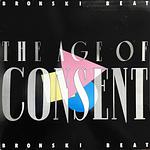
The Age of Consent is Bronski Beat's debut album characterized by bright, synth-driven arrangements, pulsing drum-machine beats and Jimmy Somerville's distinct high tenor. Musically it blends synth-pop, dance-pop and Hi-NRG energy with touches of sophisticated electronic pop, pairing club-ready rhythms with introspective, candid lyrics about alienation and gay identity; the song "Smalltown Boy" is a prominent example of that contrast between dancefloor immediacy and emotional weight. The production emphasizes shimmering synth lines and clear, danceable grooves while keeping the vocal melodies front and center.
#192 — Hot, Cool & Vicious by Salt‐N‐Pepa
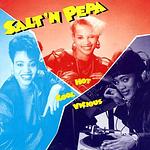
Hot, Cool & Vicious is Salt-N-Pepa's 1986 debut that blends East Coast hip hop beats with pop rap hooks and electronic, electro-funk textures. The album uses drum machine rhythms, pulsing synths, and call-and-response vocals to showcase the duo's playful and assertive delivery, with lyrical focus on relationships, sexuality, and female confidence. Several tracks favor dance-oriented grooves and sample-based production, making the record an early notable example of women-led hip hop.
#193 — Album: Generic Flipper by Flipper
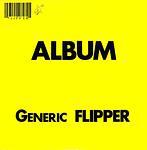
Album: Generic Flipper is Flipper's 1982 full-length that turns punk into a slow, noisy, and deliberately abrasive statement. The music relies on heavy, distorted bass, loose pounding drums, repetitive guitar noise and snarled, often spoken vocals to create a sludgy, feedback-rich atmosphere rather than fast hardcore attack. With raw, unpolished production and a confrontational, anti‑convention sensibility, the record stands apart from early 80s punk and anticipates textures later heard in noise rock and grunge.
#194 — Straight From the Heart by Patrice Rushen
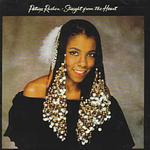
Straight From the Heart (1982) finds Patrice Rushen blending boogie, contemporary R&B, smooth soul and crossover jazz into a polished early 1980s sound. The album balances uptempo, synth-driven grooves and tight funk basslines with softer, soulful balladry, and showcases Rushen's keyboard work and warm lead vocals. It includes the well-known single "Forget Me Nots", built around a propulsive bass hook that has been widely sampled, and demonstrates her knack for sophisticated chord voicings and accessible arrangements while retaining jazz-informed musicianship.
#195 — For Olim by Cecil Taylor
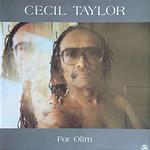
For Olim (1987) by Cecil Taylor is a solo piano free jazz album that presents extended, large-scale improvisations showcasing Taylor's percussive attack, dense cluster textures, rapid figurations, and wide dynamic range. The music unfolds as continual, high-energy explorations of rhythm, timbre, and form rather than conventional melodies, making the recording a clear example of Taylor's intense, uncompromising solo approach.
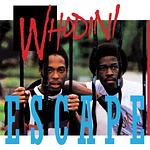
Escape, released in 1984 by Whodini, is an early hip hop album that blends electro and electronic textures with funk-influenced grooves and synth-driven production by Larry Smith. Vocalists Jalil Hutchins and John "Ecstasy" Fletcher combine rhythmic, narrative raps with melodic, R&B-tinged choruses on songs like "Friends" and "Freaks Come Out at Night," featuring prominent drum machine patterns, layered synthesizers, and concise song structures. The record is notable for its polished, song-oriented approach within old school hip hop and for integrating pop-friendly hooks into rap arrangements.
#198 — Don't Break the Oath by Mercyful Fate

Don't Break the Oath, Mercyful Fate's 1984 second studio album, pairs King Diamond's theatrical falsetto and occult-themed lyrics with tight twin-guitar harmonies and intricate, often progressive song structures. The sound blends traditional heavy metal riffing with darker, eerie atmospherics and a raw 1980s production that emphasizes clarity and menace. Its emphasis on macabre storytelling, complex arrangements, and high-register vocals has been widely cited as an influence on later black metal and extreme metal bands.
#200 — Duck Rock by Malcolm McLaren
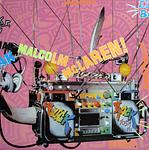
Duck Rock is Malcolm McLaren's 1983 album that blends early hip hop elements and DJ turntablism with downtempo, new wave and pop production, while drawing on African and Caribbean rhythms and sample-based sound collage. The record features cut-up production, scratching and chant-like hooks on tracks such as "Buffalo Gals" and "Double Dutch", and is often cited for bringing international rhythmic textures into a pop/new wave context.