 The Greatest Music
The 200 Best Albums of the 1960s
Weight: 39%
How much this list influences our overall rankings. Higher weight means more reliable data.
Penalties Applied:
Pitchfork’s The 200 Best Albums of the 1960s (Aug. 22, 2017) is a staff-built ranking designed to capture the decade’s full musical upheaval—rock’s reinvention, the sophistication of Motown and soul, jazz’s rapid evolution, and the era’s expanding global and experimental frontiers (including early electronic and Tropicália). The list was compiled from votes by more than 50 Pitchfork staffers and contributors, and it favors albums that didn’t just define the ’60s, but rewired what popular music could be. At the top: The Velvet Underground & Nico, Pet Sounds, and A Love Supreme.
#101 — Freak Out! by The Mothers of Invention
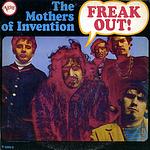
Freak Out! is the 1966 debut studio album by the Mothers of Invention, led by Frank Zappa, that blends psychedelic and experimental rock with doo-wop and avant garde touches. Presented as an early rock double album, it pairs satirical, often surreal lyrics about American culture with unconventional arrangements, sound collage techniques, and extended studio experiments that push beyond standard pop song forms. The record is widely noted for its ambitious scope and for bringing elements of experimental composition and studio manipulation into a rock context.
#102 — From Elvis in Memphis by Elvis Presley
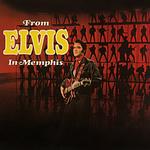
From Elvis in Memphis (1969) was recorded at American Sound Studio in Memphis with producer Chips Moman and moves away from Presley’s recent movie soundtrack work toward a tighter blend of country, pop and soul often labeled blue-eyed soul or country soul. The arrangements favor a muscular rhythm section, horns and gospel-tinged backing vocals, and the album includes the socially minded song "In the Ghetto" while showcasing a more mature, emotionally direct vocal approach that helped revitalize his studio output.
#103 — Getz/Gilberto by Stan Getz, João Gilberto, Antônio Carlos Jobim
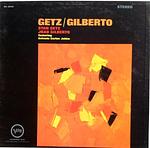
Getz/Gilberto is a 1964 collaboration that blends Brazilian bossa nova with American cool jazz, pairing Stan Getz's warm, lyrical tenor sax with João Gilberto's understated nylon-string guitar and intimate vocal style, and featuring Antônio Carlos Jobim's piano and compositions. The arrangements favor relaxed tempos, subtle samba-derived rhythms, and refined harmonic sophistication, producing an airy, mellow sound with memorable melodic lines. The album is known for helping bring bossa nova's aesthetic to a wider international audience and for influencing subsequent jazz and popular music approaches to Brazilian repertoire.
#104 — Sentimentally Yours by Patsy Cline
Sentimentally Yours (1962) is an album by Patsy Cline that leans toward the polished Nashville Sound, blending country and pop balladry. Produced by Owen Bradley, it features lush string and background vocal arrangements that support Cline's warm, emotive contralto and a focus on slow to midtempo sentimental material. The record underscores her crossover appeal and represents the later phase of her recording career, made shortly before her death in 1963.
#105 — Sounds of Silence by Simon & Garfunkel
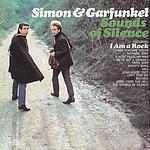
Sounds of Silence (1966) is Simon & Garfunkel's second studio album, blending acoustic folk arrangements with emerging folk rock and pop rock elements. The record showcases Paul Simon's introspective songwriting and the duo's close vocal harmonies, with tracks that range from spare acoustic pieces to fuller studio arrangements featuring electric guitar and rhythm instruments. It includes enduring songs such as "The Sound of Silence", "I Am a Rock", and "Homeward Bound", and marks the pair's shift from pure folk toward a more polished, radio-friendly folk pop sound.
#106 — Free Jazz by Ornette Coleman
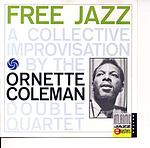
Free Jazz, originally released in 1961 and often titled Free Jazz: A Collective Improvisation, is Ornette Coleman’s extended group improvisation that helped define the free jazz movement. The recording assembles two simultaneous jazz quartets laid out in stereo and presents a single continuous performance, producing dense, contrapuntal textures, open harmonic frameworks, and intense, spontaneous interplay rather than conventional song structures. Its sound emphasizes collective improvisation and an exploratory approach to melody and rhythm that marked a major shift in avant garde jazz.
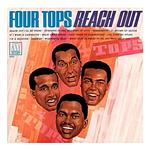
Reach Out (1967) by the Four Tops is a Motown soul and R&B album built around Levi Stubbs's impassioned lead vocals and the group's tight harmonies. The record features dramatic, orchestral-tinged arrangements, punchy rhythms, and polished studio production commonly associated with the Holland-Dozier-Holland team, with material that emphasizes urgent emotional delivery and danceable grooves. It exemplifies the mid-1960s Motown sound and showcases the Four Tops' intensity and vocal unity.
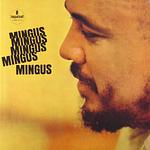
Mingus Mingus Mingus Mingus Mingus (1964) finds Charles Mingus revisiting and reworking earlier compositions into tightly arranged, high-energy ensemble settings. The music balances Mingus's forceful bass and bandleading with dense horn voicings, gospel and blues inflections, and moments of collective improvisation, yielding a sound that is both orchestral and raw. The repeated-title presentation underscores the album as a bold statement of Mingus's musical identity in the mid 1960s.
#109 — A Rainbow in Curved Air by Terry Riley
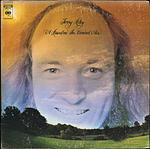
A Rainbow in Curved Air (1969) by Terry Riley is an extended minimalist-electronic work built from repeating keyboard patterns and layered overdubs that produce shimmering, hypnotic textures. Riley stacks cyclical motifs and tape-delay-like effects to create continuous, slowly evolving soundscapes that blur the line between melody and rhythm, situating the music between experimental minimalism and early ambient electronic practice. The album is often cited for its timbral exploration and long-form, meditative approach, which helped shape subsequent developments in ambient and progressive electronic music.
#110 — Philosophy of the World by The Shaggs
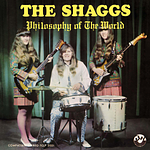
Philosophy of the World, the 1969 debut by The Shaggs, is a lo-fi collection of raw, unconventional songs marked by naive melodies, off-kilter rhythms, rudimentary guitar and percussion, and an unpolished, childlike vocal delivery. Its singular, outsider-art quality and departure from conventional songcraft have made it a notable reference point for discussions of experimental and outsider rock and for listeners drawn to idiosyncratic, unvarnished recordings.
#112 — On the Beach by The Paragons
#113 — The World of Harry Partch by Harry Partch
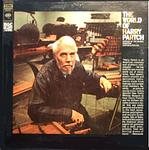
Recorded selections presenting Harry Partch's microtonal compositions and custom instrumentarium, The World of Harry Partch showcases his use of just intonation and a 43-tone scale performed on handmade instruments such as the Chromelodeon and Cloud Chamber Bowls. The music mixes elements of classical composition, folk and non-Western influences, speech-inflected vocal parts, and percussive, bell-like timbres to create ritualistic, exploratory sound worlds that exemplify Partch's experimental approach.
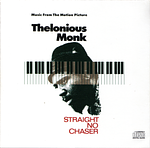
#114 — Straight No Chaser by Thelonious Monk
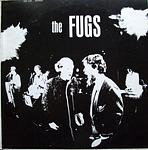
The Fugs (1966) is a raw, lo-fi debut that blends folk-based songwriting with raucous rock, psychedelic touches, and a proto-punk attitude, often delivered with satirical or explicit lyrics and spoken-word interludes. The record captures the band’s confrontational, communal performance style and countercultural humor, reflecting the East Village underground and an experimental approach that mixed political provocation, comedic elements, and noisy, garage-influenced instrumentation.
#116 — Nefertiti by Miles Davis
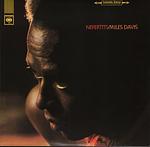
Nefertiti is a 1968 studio album by Miles Davis featuring his second quintet with Wayne Shorter, Herbie Hancock, Ron Carter and Tony Williams. The music works within modal and post-bop frameworks, emphasizing close ensemble interplay, graceful melodies and rhythmic subtlety; a notable feature is the inversion of roles in which the rhythm section often repeats figures while Davis and Shorter take extended improvisations. The record has a spacious, refined sound and is commonly cited as part of the band’s late acoustic phase that led into Davis’s subsequent experiments with electric textures.
#117 — Initials B.B. by Serge Gainsbourg
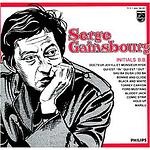
Initials B.B. (1968) finds Serge Gainsbourg moving from traditional chanson toward pop rock and baroque pop, pairing his sly, provocative lyrics with lush, cinematic arrangements of strings and brass. The title track is an homage to Brigitte Bardot and the album includes the duet "Bonnie and Clyde" with her, illustrating the record's mix of smoky vocal delivery, orchestral flourishes, and rock-influenced rhythms. It captures a late 1960s phase in Gainsbourg's work that foregrounds theatrical production and a deliberately provocative persona.
#118 — Smiley Smile by The Beach Boys
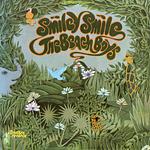
Smiley Smile (1967) finds The Beach Boys paring back their sound after the aborted Smile project, presenting a sparse, intimate take on psychedelic pop and baroque pop with experimental touches. It includes reworked Smile-era material such as "Heroes and Villains" and "Vegetables", and emphasizes close vocal harmonies, minimalist organ and piano textures, and short, fragmentary arrangements. The album's understated, home-studio atmosphere and unconventional song structures mark it as a distinctive, polarizing entry in the band's catalog and an early example of lo-fi experimental pop.
#119 — The Meters by The Meters
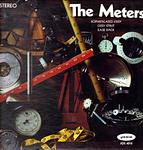
The Meters' 1969 debut is a lean, groove-centered collection of instrumental funk rooted in New Orleans rhythm and soul. The quartet's tight interplay pairs spare organ and choppy guitar with a deep, syncopated bass and inventive drumming to create concise, danceable grooves that prioritize feel and pocket over showy solos. The record established the band's template of economy and rhythm-first playing and influenced many later funk and R&B artists.
#120 — The Piper at the Gates of Dawn by Pink Floyd
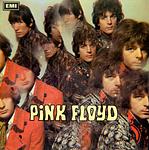
The Piper at the Gates of Dawn, Pink Floyd's 1967 debut, is a formative psychedelic rock record driven by Syd Barrett's idiosyncratic songwriting, playful lyrics, and inventive guitar work. Its sound combines whimsical melodies with experimental studio techniques, tape effects, prominent organ, and spacey guitar textures that point toward space rock and experimental rock. The album captures the band's early London psychedelia and Barrett's shaping influence on their initial musical direction before his departure.
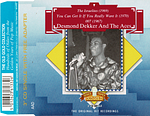
#121 — Israelites by Desmond Dekker & the Aces
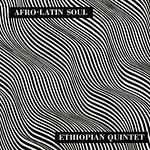
Afro-Latin Soul by Mulatu Astatqé and His Ethiopian Quintet blends Afro-Cuban and Latin rhythms with jazz harmonies and Ethiopian melodic modes, creating a distinctive Ethio-jazz sound. The recordings emphasize Latin percussion, vibraphone and brass textures over funky, syncopated grooves, while melodies often reflect pentatonic and modal contours from Ethiopian tradition. The album is notable for bringing Latin jazz and jazz-funk elements into an Ethiopian musical context and for showcasing Mulatu Astatqé's arranging and instrumental voice.
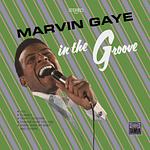
#123 — In the Groove by Marvin Gaye
#124 — Something Else by The Kinks by The Kinks
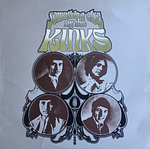
Something Else by The Kinks (1967) showcases Ray Davies' move toward more reflective, character focused songwriting, blending pop rock with baroque pop, folk rock and mod influences. The album pairs concise, melodic songs with chamber pop touches such as harpsichord and string arrangements and features wry, observational lyrics about English life and youth culture. Its pastoral textures and careful arrangements point toward the band’s subsequent, more nostalgic work.
#125 — Black Woman by Sonny Sharrock
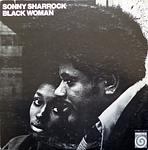
Black Woman is an uncompromising free jazz album led by guitarist Sonny Sharrock that foregrounds abrasive, extended electric guitar textures and collective improvisation. The music moves between jagged single note lines, dense ensemble passages, and moments of spacious interplay, treating the guitar as a forceful, often orchestral voice rather than a conventional solo instrument. The long title piece features prominent, wordless and impassioned vocals that heighten the record's intensity, making the album an early and distinctive example of electric guitar centered avant-garde jazz.
#126 — D-I-V-O-R-C-E by Tammy Wynette
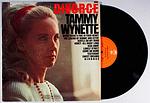
D-I-V-O-R-C-E (1968) is an album built around the title track, a stark country breakup ballad delivered in Tammy Wynette's emotive, slightly fragile vocal style. The record mixes traditional country elements with late 1960s countrypolitan production, including string arrangements and background vocals, and emphasizes themes of marriage, heartbreak, and domestic struggle that recur across Wynette's work. It is representative of her sound from that period and of a broader move in country music toward smoother, pop-influenced arrangements.
#127 — Black Monk Time by The Monks
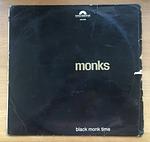
Black Monk Time, recorded in 1966 by The Monks, is a stripped-down, confrontational album that blends garage rock energy with spare, repetitive rhythms, abrasive organ and guitar textures, and shouted vocals. Its tight, staccato arrangements and minimalist production create an unsettling, almost ritualistic sound that anticipated punk directness while touching on experimental approaches later associated with krautrock and underground electronic-leaning acts. The record stands out as a provocative, unconventional statement from mid 1960s rock.
#128 — Live at Birdland by John Coltrane
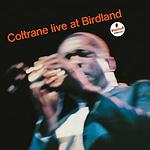
Live at Birdland, recorded at the Birdland club and issued in 1964, captures John Coltrane leading his working group of the period in extended, exploratory performances that bridge post-bop and avant-garde jazz. The album emphasizes sweeping tenor and soprano saxophone statements, long-form improvisation, and close interaction with the rhythm section, with modal harmonies and heightened intensity that point toward Coltrane's later, more experimental directions.
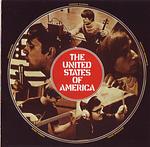
The United States of America (1968) is an experimental psychedelic rock album led by Joe Byrd with vocalist Dorothy Moskowitz. It fuses concise rock songcraft with early electronic techniques such as ring modulation, primitive synthesizers and amplified electric violin, creating a metallic, otherworldly sound palette. Tracks shift between compact pop forms and collage-like, avant garde arrangements, featuring layered vocals, spare rhythm parts and politically tinged lyricism. The record stands out for its adventurous production and for blending electronics with late 1960s psychedelia.
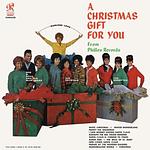
A Christmas Gift for You from Phil Spector is a 1963 holiday album produced by Phil Spector that applies his dense, reverberant Wall of Sound pop production to Christmas standards and original seasonal songs. Performed by artists from Spector's stable, including Darlene Love, the Ronettes, the Crystals and the Righteous Brothers, the record blends exuberant brass, layered vocals and orchestral flourishes with rock and Brill Building pop sensibilities. Its big, echo-heavy arrangements and upbeat takes on carols and pop ballads are a notable example of 1960s pop production applied to holiday material.
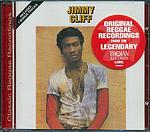
#131 — Jimmy Cliff by Jimmy Cliff
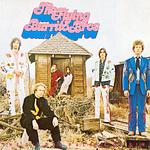
The Gilded Palace of Sin, released in 1969 by the Flying Burrito Brothers, is an early example of country rock that blends traditional country instrumentation like pedal steel with rock songwriting and rhythms. Led by Gram Parsons with Chris Hillman and featuring Sneaky Pete Kleinow on pedal steel, the album combines originals and reinterpretations influenced by country, soul, and gospel, pairing close vocal harmonies with plaintive steel guitar and rootsy production. Its fusion of country and rock textures is widely cited as influential on later Americana and alternative country developments.
#133 — Aretha Now by Aretha Franklin
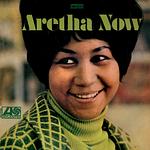
Aretha Now (1968) is a compact album that continues Aretha Franklin's late 1960s soul work with a blend of uptempo R&B, pop-leaning songs, southern soul grit, and touches of jazz and blues. Her gospel-rooted voice leads both energetic grooves and more intimate performances, supported by punchy horns, piano and organ textures and tight rhythm playing. The record highlights her expressive phrasing and interpretive range and sits within the run of Atlantic-era records that established the core of her classic sound.
#134 — Money Jungle by Duke Ellington, Charles Mingus, Max Roach
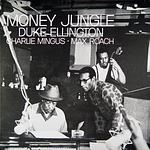
Money Jungle (1962) is a piano-bass-drums trio record pairing Duke Ellington with Charles Mingus and Max Roach. The music blends Ellington's harmonic and melodic sensibility with Mingus's muscular, sometimes confrontational bass and Roach's precise, propulsive drumming, yielding a lean, often intense approach to post-bop and modern jazz. The session favors sparse trio textures, strong rhythmic interplay, and a range of moods from blues-tinged introspection to angular, percussive drive, illustrating a meeting of a veteran composer-pianist with younger modernist players.
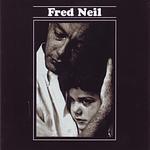
Fred Neil (1967) is a spare, mood-driven folk album that mixes acoustic folk and folk rock with touches of blues and rock and roll. Neil's deep, resonant baritone and relaxed, roomy arrangements put focus on introspective, often melancholic songwriting, with mostly acoustic instrumentation and subtle electric accents. The record reflects the intimate, contemplative strand of 1960s folk and helped shape a more soulful, low-key approach to singer songwriter performance.
#136 — Crying by Roy Orbison
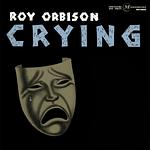
Crying is a 1962 Roy Orbison album centered on the moody title ballad, pairing his wide, operatic voice with lush string arrangements and a mix of country pop and rock-pop instrumentation. The record showcases Orbison's dramatic, emotionally intense approach to songwriting and performance, blending pop melodies with orchestral touches often associated with Baroque pop while retaining country pop and rock elements.
#137 — It's Our Thing by The Isley Brothers
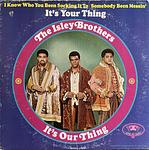
It's Our Thing (1969) finds The Isley Brothers embracing a rawer, funk-forward sound built on tight grooves, punchy horns, and Ronald Isley's assertive lead vocals. Released on their T-Neck label and featuring the single "It's Your Thing", the record blends soul and deep soul with an emerging funk sensibility and marks a renewed creative direction for the group.
#138 — The Magic City by The Sun Ra Arkestra
The Magic City is a 1966 Sun Ra Arkestra album built around a long, suite like title track that blends big band horn writing with free jazz collective improvisation and unusual keyboard and electronic textures. The music moves between composed motifs and dense, chaotic passages, emphasizing timbre, dynamics, and ensemble layering over conventional melody or standard song forms. It exemplifies Sun Ra's exploratory approach in the mid 1960s, combining cosmic themes with bold orchestration and sonic experimentation.
#139 — For Once in My Life by Stevie Wonder
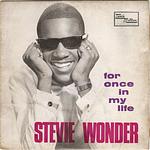
For Once in My Life (1968) is a studio album by Stevie Wonder on the Motown/Tamla label that captures his transition from child prodigy to a more mature soul vocalist. Rooted in late 1960s Motown pop-soul, the record balances upbeat, rhythmic numbers and tender ballads, with arrangements that make use of horns, strings, and groove-oriented backing to showcase Wonder's growing versatility as a singer and interpreter of both originals and covers.
#140 — Mary Lou Williams by Mary Lou Williams
#141 — Anthems in Eden by Shirley Collins, Dolly Collins
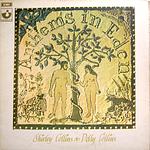
Anthems in Eden (1969) is an English folk album by Shirley Collins with arrangements and accompaniment by her sister Dolly Collins. The record combines traditional rural songs with a multi-part centerpiece suite that uses chamberlike, early music textures and acoustic instruments to create a pastoral and sometimes haunting atmosphere. Shirley Collins's plain, direct vocals are set against Dolly Collins's modal harmonizations and inventive instrumental coloring, producing a distinctive fusion of traditional song and historical-sounding arrangements that marked a notable strand of late 1960s British folk experimentation.
#142 — September of My Years by Frank Sinatra
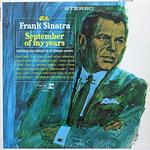
September of My Years (1965) presents Frank Sinatra in a reflective, late-career mode, delivering a sequence of ballads and standards arranged and conducted by Gordon Jenkins. The album emphasizes lush string charts, restrained brass touches, and measured tempos that foreground Sinatra's warm, seasoned baritone, with recurring themes of aging, memory, and nostalgia woven through the song choices. Stylistically it sits between traditional pop, jazz-inflected phrasing, and easy listening orchestration, offering a coherent, intimate mood throughout.
#143 — Oar by Alexander "Skip" Spence
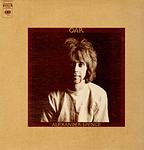
Oar, released in 1969, is the lone solo album by Alexander "Skip" Spence. It combines folk rock and psychedelic folk with a sparse, often lo-fi rock backdrop, largely recorded by Spence alone during a turbulent period. The sound is intimate and raw, centered on acoustic guitar with occasional electric guitar, organ and harmonica, and features surreal, stream-of-consciousness lyrics and loose song structures that move between lullaby, blues and free-form psychedelia. Its stark production and emotional directness have made it a distinctive record for listeners and musicians drawn to outsider and lo-fi approaches.
#144 — Song of Innocence by David Axelrod
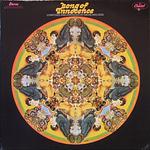
Song of Innocence (1968) by David Axelrod is an instrumental, Blake-inspired record that fuses jazz, jazz-funk, psychedelic rock, and baroque pop. Axelrod layers orchestral strings and brass over rock and funk rhythm sections to create cinematic, dramatic arrangements with psychedelic textures and prominent melodic motifs. The album is notable for its dense, orchestral production and for blending classical orchestration with jazz and rock elements.
#145 — Blasé by Archie Shepp
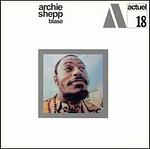
Blasé, recorded by Archie Shepp in 1969, blends free and avant-garde jazz with strong soul jazz and vocal elements. Shepp's raw, expressive saxophone lines sit alongside spacious, sometimes minimal arrangements and vocal passages that draw on blues and gospel inflection, creating a mix of open improvisation and songlike motifs. The album exemplifies his late 1960s interest in bringing blues-rooted and vocal traditions into an avant-garde jazz context.
#146 — Samba esquema novo by Jorge Ben Jor
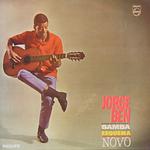
Samba Esquema Novo, Jorge Ben Jor's 1963 album, blends samba rhythms with bossa nova phrasing and jazz-influenced harmonies. The record centers on Ben's percussive acoustic guitar and playful, conversational vocals laid over syncopated percussion and light horn and piano touches, producing an upbeat, danceable sound exemplified by the original recording of "Mas, que Nada." Its fusion of traditional samba with pop and jazz elements marked an early, notable moment in modern Brazilian popular music.
#147 — Eternal Rhythm by Don Cherry
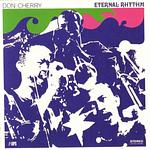
Eternal Rhythm is a 1969 album by Don Cherry that blends avant-garde jazz with strong world music influences, presenting extended, suitelike pieces that move between composed themes and open improvisation. The music emphasizes rhythmic cycles, modal motifs, and varied textures driven by Cherry's multi-instrumental approach, producing a spacious, often trance‑like atmosphere that foreshadows later world fusion directions in jazz.
#148 — First Take by Roberta Flack
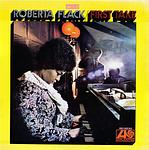
First Take is Roberta Flack's 1969 debut album that blends soul and vocal jazz with folk and pop inflections. The record features spare, piano-centered arrangements and a restrained, expressive vocal approach that foregrounds lyrical nuance and phrasing. Its intimate, slow-tempo interpretations, including an early version of "The First Time Ever I Saw Your Face", helped define Flack's signature sound as an interpreter of songs.
#149 — Father of Folk Blues by Son House
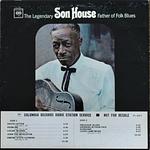
Father of Folk Blues (1965) presents Son House's raw Delta blues performed with intense, often cathartic vocals and powerful bottleneck slide guitar. The album emphasizes rhythmic drive, sparse acoustic accompaniment, and themes drawn from both secular and spiritual traditions, capturing the direct, austere approach that characterizes early Delta blues. It illustrates the kind of sound and repertoire that informed later folk and blues revivalists.
#150 — Olé Coltrane by John Coltrane
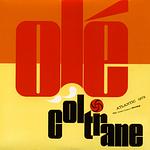
Olé Coltrane (1961) finds Coltrane working in extended modal forms that blend hard bop foundations with freer, avant-garde gestures and non-Western influences. The title track unfolds as a long, Spanish-tinged modal exploration that provides space for extended improvisation, while the remainder of the album alternates lyrical statements with more exploratory ensemble interplay. The record is notable as part of Coltrane's early 1960s move toward larger-scale, more adventurous approaches to harmony and collective improvisation.
This release assembles two timestamped live-recording fragments from La Monte Young with Marian Zazeela that exemplify Young's early drone practice: long, sustained tones, close attention to tuning and harmonic interactions, and an austere, immersive sound world. The pieces foreground sustained voice, sustained strings or electronic tones, and microtonal or just intonation relationships, creating a meditative, ritual-like atmosphere that links minimalism with traditions of prolonged vocal drone such as Dhrupad and anticipates dark ambient and ritual ambient approaches. As an archival snapshot of Young and Zazeela's collaborative work, it highlights their focus on duration, slow sonic change, and the psychoacoustic effects of concentrated pitch material.
#152 — Ces gens-là by Jacques Brel
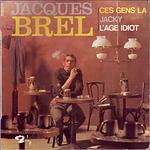
Ces gens-là showcases Jacques Brel's theatrical chanson style, with narrative-driven songs delivered in intense, dramatic vocal performances. The album emphasizes character portraits and dark, often fatalistic themes, supported by lush orchestral arrangements associated with his long-time collaborators, which frame Brel's expressive phrasing and storytelling within a pop and chanson context.
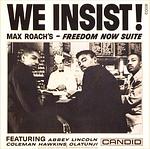
Max Roach's We Insist! Freedom Now Suite is a politically charged jazz suite that blends hard bop foundations with experimental and African-influenced percussion. Featuring vocalist Abbey Lincoln and a compact ensemble, the album presents extended compositions and vocal passages that confront themes of civil rights and African heritage. Musically it moves between driving, rhythmically intense sections rooted in modern jazz and more spare, expressive moments, and is notable for its direct engagement with social and political concerns.
#154 — La-La Means I Love You by The Delfonics
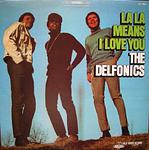
La-La Means I Love You (1968) by The Delfonics is an early example of Philadelphia soul, built around smooth falsetto leads, close vocal harmonies and lush, string-oriented arrangements. The album mixes tender ballads and midtempo R&B with orchestral touches and elegant rhythms, showcasing the group's warm, romantic sound and refined pop-soul production. The title track is a central highlight and the record is often cited as a key document of the group's late 1960s style.
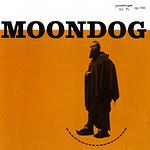
Moondog (1956) is a self-titled record by Louis "Moondog" Hardin that blends avant-garde composition with jazz-inflected rhythms and stripped-down classical counterpoint. The music is characterized by spare, rituallike textures, modal melodies and unconventional instrumentation, reflecting Moondog's interest in percussion, brass and chantlike lines. It occupies a space between composed formality and improvisatory looseness, and is often associated with early experimental and minimalist currents while retaining a distinct, streetwise folkloric character tied to Moondog's life in New York City.
At the "Golden Circle" Stockholm, Volume One is a 1965 live recording by the Ornette Coleman Trio, captured at the Gyllene Cirkeln club in Stockholm. The album presents Coleman's harmolodic approach in a stripped-down trio setting without a chordal instrument, emphasizing melodic invention, collective improvisation, and rhythmic freedom. The performances are immediate and raw, with extended, conversational solos and an elastic time feel that foregrounds spontaneity and close interplay. It serves as a vivid document of Coleman's mid-1960s explorations in free and avant-garde jazz.
#157 — Mama Tried by Merle Haggard, The Strangers
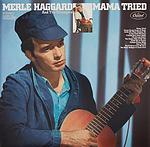
Mama Tried is a 1968 album by Merle Haggard and The Strangers that exemplifies the Bakersfield sound with a lean, telecaster-driven sheen and traditional honky tonk instrumentation. Haggard's direct, conversational vocals and concise songwriting foreground themes of regret, incarceration, and working-class life, giving the record a plainspoken emotional weight. The arrangements are spare and rhythm-forward, emphasizing twangy leads, steel guitar, and fiddle in a style that contrasts Nashville's more polished production of the era.
#158 — A Monastic Trio by Alice Coltrane
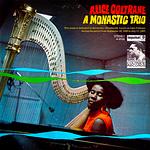
A Monastic Trio, Alice Coltrane's 1968 debut as a leader, presents a piano trio that bridges post-bop and free jazz while introducing the meditative, spiritual approach she would expand on later. The music moves between reflective, hymnlike motifs and freer, intense improvisation, employing modal harmonies, dense chordal textures, and a searching rhythmic feel; it documents her transition from accompanist to a leader developing a distinctly devotional sound.
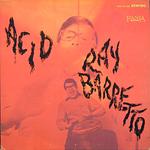
#159 — Acid by Ray Barretto
#160 — I Ain't Marching Anymore by Phil Ochs
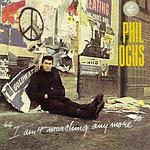
I Ain't Marching Anymore, released in 1965 by Phil Ochs, is a contemporary folk album of topical protest songs centered on acoustic guitar and direct, conversational vocals. The material pairs sharp political commentary and sardonic humor with historical and current-event references to address war, civil rights, and social issues, and the title track exemplifies the album's plainspoken singer-songwriter approach to protest music. The record is widely regarded as a key statement of Ochs' role in 1960s folk activism.
#161 — An Electric Storm by White Noise
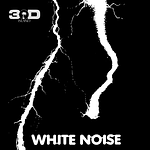
An Electric Storm is an early electronic album that blends experimental studio techniques with rock, psychedelic and space rock textures. It pairs melodic song forms and vocal passages with tape manipulation, found sounds, oscillators and layered electronic timbres to create a haunting, otherworldly soundscape that helped bridge pop sensibilities and avant-garde studio practice.
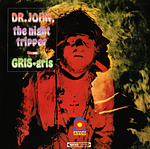
Gris-Gris is the debut album that introduced Mac Rebennack's Dr. John persona, blending New Orleans R&B, blues, jazz and psychedelic soul into a swampy, ritualistic soundscape. The record combines piano and organ, second-line rhythms, brass and layered percussion with chantlike vocals and studio effects to evoke voodoo imagery and nocturnal atmospheres. Its unusual arrangements and local musical references marked a creative bridge between traditional New Orleans music and late 1960s psychedelia.
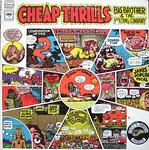
Cheap Thrills (1968) captures Big Brother & the Holding Company's raw, high-energy blend of blues-rooted rock and psychedelic experimentation, anchored by Janis Joplin's powerful, emotive vocals. The album emphasizes gritty guitar work, loose but driving rhythms, and an immediate, live-in-the-studio feel, with extended vocal phrasing and a rough-edged sonic intensity that reflects the late 1960s San Francisco psychedelic and blues-rock environment.
#164 — A Hard Day's Night by The Beatles
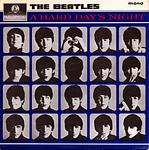
A Hard Day’s Night, the Beatles' 1964 soundtrack to their film of the same name, is built almost entirely from Lennon-McCartney compositions and crystallizes the group's early pop rock and beat sound. The record mixes concise, hook-driven songs and close vocal harmonies with jangly electric guitar textures, most famously the 12-string lead and the instantly recognizable opening chord of the title track. Songs range from driving rockers to melodic ballads and highlight punchy rhythmic interplay and melodic bass lines, marking a clear statement of the band’s songwriting focus during the early Beatles era.
#165 — The Bridge by Sonny Rollins
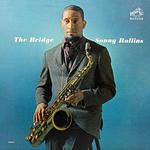
The Bridge (1962) documents Sonny Rollins's return to recording after a self-imposed hiatus and is notable for the presence of guitarist Jim Hall; the sessions present a lean, intimate quartet setting that foregrounds Rollins's long, thematic tenor improvisations and conversational interplay. The music blends modern jazz rooted in bop with lyrical, rhythmically adventurous solos and an uncluttered ensemble sound, making the album a focused example of Rollins's exploratory approach to melody and time.
#166 — The Notorious Byrd Brothers by The Byrds
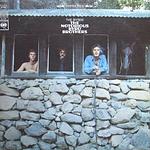
The Notorious Byrd Brothers (1968) finds The Byrds moving from jangly folk rock toward a more studio‑oriented blend of folk rock, pop rock and psychedelic textures. The album pairs chiming guitars and layered vocal harmonies with orchestral touches, tape and electronic effects, and occasional country inflections, producing a hazy, atmospheric sound that balances concise pop songwriting with adventurous studio arrangements. It represents a transitional, experimental moment in the band's late 1960s output.
#167 — Keep On Pushing by The Impressions
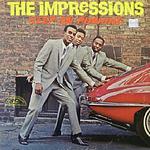
Keep On Pushing, released in 1964 by The Impressions, is a Chicago soul album led by Curtis Mayfield that blends gospel-rooted vocal harmonies with bright horn and string arrangements. The record pairs Mayfield's high, plaintive lead with tight group harmonies and message-driven lyrics that emphasize uplift and social consciousness. Arrangements by Johnny Pate give the songs a polished, orchestral soul sound that helped shape The Impressions' distinctive style during the civil rights era.
#168 — Machine Gun by The Peter Brötzmann Octet
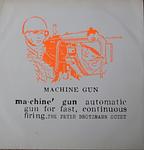
Machine Gun is a 1968 album by Peter Brötzmann's octet that captures a raw, high-energy strain of free jazz. The music emphasizes collective improvisation, dense and often abrasive textures, forceful horn interplay and extended techniques supported by a driving rhythm presence. Its unrelenting intensity and focus on group dynamics mark it as an important early statement in European free improvisation.
#169 — Here Are The Sonics!!! by The Sonics
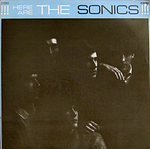
Here Are the Sonics!!! (1965) is the debut album by The Sonics, delivering a raw, aggressive take on garage rock that foreshadowed punk. The record is built around snarling lead vocals, heavily distorted guitars, raucous saxophone and propulsive drumming captured in a lo-fi, live-in-studio sound. Its visceral energy and abrasive production helped shape the aesthetic of later garage and punk bands.
#170 — The Inflated Tear by Rahsaan Roland Kirk
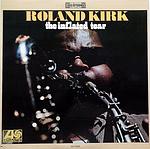
The Inflated Tear (1968) captures Rahsaan Roland Kirk's adventurous blend of bluesy soul-jazz, modal exploration, and free-spirited improvisation. The album showcases his signature multi-reed technique, including simultaneous use of manzello, stritch, and tenor saxophones and extended circular-breathing phrases, producing dense, visceral textures. Backed by a small rhythm section and percussion, the tracks move between plaintive, vocal-like balladry and driving, rhythmic excursions, with the title piece exemplifying his expressive, confrontational sound.
#171 — Golden Rain by David Lewiston
#172 — Justicia by Eddie Palmieri
#173 — The Far East Suite by Duke Ellington
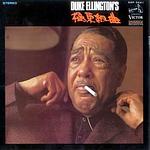
The Far East Suite, released in 1967 by Duke Ellington with Billy Strayhorn, is a studio big band jazz suite inspired by the orchestra's travels in Asia and the Middle East. It combines Ellington's rich orchestral arranging and Strayhorn's compositional voice with modal colors, exotic melodic touches, and varied tempos, moving between lyrical balladry and lively ensemble passages. The record is notable as a late-period Ellington project that expands the big band palette by evoking places and moods rather than literal musical quotations.
#174 — Patty Waters Sings by Patty Waters
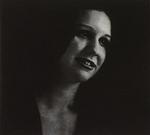
Patty Waters Sings (1966) is an avant garde vocal jazz album that foregrounds Waters' extended vocal techniques and free improvisatory approach, moving between intimate, folk‑inflected phrasing and stark, high‑register outbursts. Accompanied by spare, often experimental instrumentation, the performances blur song forms and spontaneous sound to emphasize timbre, emotion, and risk-taking. The record is regarded as an important early example of free jazz vocal experimentation from the 1960s.
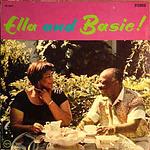
Ella and Basie! (1963) pairs vocalist Ella Fitzgerald with the Count Basie Orchestra in a set of swinging, big band arrangements that emphasize rhythmic drive and blues-inflected phrasing. Fitzgerald's clear tone, rhythmic precision, and tasteful scatting sit atop Basie's lean, propulsive rhythm section and crisp horn voicings, producing a blend of vocal jazz and big band swing that balances solo moments with tight ensemble charts. The record is notable as a meeting of two major jazz figures and for its relaxed, energetic interplay between singer and orchestra.
#176 — Townes Van Zandt by Townes Van Zandt
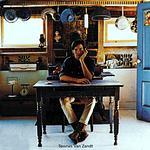
Townes Van Zandt (1969) is a spare, intimate set of songs that foregrounds acoustic guitar and Van Zandt's plainspoken, fragile vocals, blending country, folk and blues textures with touches of country rock. The arrangements are minimal, placing emphasis on his stark, often melancholic storytelling and densely poetic lyrics. As an early document of his songwriting voice, the record showcases the mood and narrative focus that defined much of his subsequent work.
#177 — Empyrean Isles by Herbie Hancock
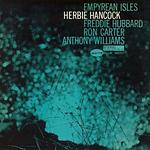
Empyrean Isles (1964) features Herbie Hancock leading a quartet with Freddie Hubbard on trumpet, Ron Carter on bass, and Tony Williams on drums, blending hard bop energy, modal explorations, and early post-bop sensibilities. The record pairs angular modal improvisation with earthy, groove-oriented pieces, highlighted by the bluesy, widely covered composition "Cantaloupe Island", and showcases Hancock's growing emphasis on rhythmic interplay and concise, distinctive compositions.
#178 — Switched-On Bach 2000 by Wendy Carlos
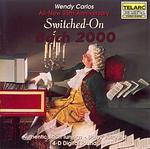
Switched-On Bach 2000 (1992) is Wendy Carlos's electronic reinterpretation of J.S. Bach's music, presenting Baroque compositions rendered with contemporary synthesizer technology and digital production. The album emphasizes clear contrapuntal lines and precise timbral layering, bringing a modern sonic palette to familiar Baroque forms while retaining the structural clarity of the originals. It occupies a space between classical and electronic music, showing how synthesized sounds can highlight baroque textures within a modern production aesthetic.
#179 — Message to Our Folks by Art Ensemble of Chicago
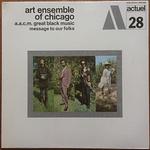
Message to Our Folks (1969) documents the Art Ensemble of Chicago in their Paris period, presenting extended, exploratory works that combine free improvisation with composed elements and a broad palette of timbres from brass and reeds to bass, drums, and small percussion. The music moves between intense collective blowing and quieter, textural passages, with moments that recall blues and theatrical soundmaking, reflecting the group's emphasis on ensemble interplay and expanded instrumental color. The album is an early, distinctive example of their avant-garde approach within modern creative jazz.
#180 — The Exciting Wilson Pickett by Wilson Pickett
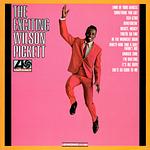
The Exciting Wilson Pickett captures Pickett's raw, muscular soul sound from the mid 1960s, driven by urgent, gospel-rooted vocals and punchy horn arrangements. The album emphasizes gritty R and B grooves and rock-tinged rhythms that foreground Pickett's aggressive delivery and sense of momentum. Its notable characteristics are the bold, up-front singing, tight rhythmic drive, and a focus on energetic, danceable performances.
#181 — I'll Cry If I Want To by Lesley Gore
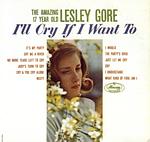
I'll Cry If I Want To is Lesley Gore's 1963 debut album centered on the single "It's My Party." The record exemplifies early 1960s teen pop with bright, orchestrated arrangements, close-harmony backing vocals, and concise songs about adolescent heartache and assertiveness. Gore's clear, emotive vocal delivery and the album's polished production capture the commercial pop sound of its time.
#182 — The Soft Machine by Soft Machine
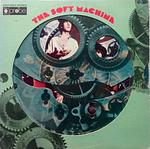
The Soft Machine is the band's 1968 debut, blending psychedelic rock with experimental jazz tendencies. It moves between brief vocal songs and more open instrumental passages that foreground Mike Ratledge's organ textures, Robert Wyatt's distinctive drumming and vocals, and Kevin Ayers' bass and songwriting. The album is often cited as an early example of the Canterbury scene, showing the group shifting from psychedelic song forms toward a more jazz-oriented, improvisational approach in later work.
#183 — Looks Like Rain by Mickey Newbury
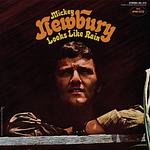
Looks Like Rain (1969) by Mickey Newbury is a moody, introspective record that blends folk, country, and rock through a strong singer-songwriter approach. Newbury's songwriting emphasizes narrative and melancholic themes, delivered with intimate vocals and arrangements that shift between spare acoustic moments and fuller, atmospheric textures. The album helped define his reputation for poetic lyricism and distinctive production, and it is frequently cited as an influential touchstone for later country and Americana artists.
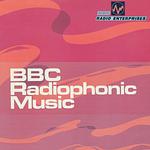
BBC Radiophonic Music (1968) is a compilation of the BBC Radiophonic Workshop's early electronic and experimental studio work for radio and television. The album assembles short pieces and sound effects made with tape manipulation, found sounds, oscillators, and early synthesis, favoring abstract textures, rhythmic electronic pulses, and musique concrète techniques rather than conventional songs. It captures the Workshop's hands-on approach to sound design and the exploratory production methods associated with figures like Delia Derbyshire and Daphne Oram.
#185 — Mingus Plays Piano by Charles Mingus
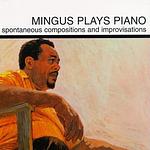
Mingus Plays Piano (1964) presents Charles Mingus primarily at the piano, translating his forceful compositional voice into a solo instrumental setting. The performances blend jazz improvisation with elements associated with Third Stream, including classical-influenced counterpoint and blues-rooted phrasing, and foreground Mingus’s rhythmic drive, unconventional voicings and melodic invention. The album offers an intimate view of Mingus’s approach to harmony and form, highlighting how his background as a bassist and bandleader informs a percussive, textural piano style.
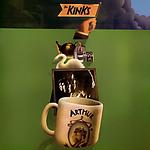
Arthur (or The Decline and Fall of the British Empire) is a 1969 concept album by the Kinks that frames character-driven songs about British life, memory and social change through Ray Davies' observational songwriting. Musically it mixes pop rock and baroque pop with music hall touches, melodic acoustic arrangements, orchestral color and occasional psychedelic pop accents, creating a cohesive, narrative-driven record notable for its storytelling and cinematic production approach.
#187 — Surrealistic Pillow by Jefferson Airplane
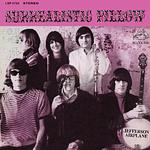
Surrealistic Pillow, released in 1967 by Jefferson Airplane, blends folk rock songwriting with electric psychedelia, pairing acoustic textures and jangling guitars with distorted guitars, organ, and studio effects. Grace Slick's powerful, theatrical vocals contrast with Marty Balin's softer delivery to create distinctive harmonies, while the songs mix concise pop structures with hallucinatory lyrical images and moments of freer instrumental exploration. The album captures the sound of the late 1960s San Francisco psychedelic scene and helped define Jefferson Airplane's role in that era.
#188 — Folksinger by Dave Van Ronk
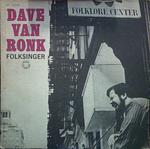
Folksinger is a 1962 album by Dave Van Ronk that presents solo interpretations of traditional folk, blues, and ragtime material. The recordings pair his rough-edged, conversational vocal delivery with intricate fingerstyle guitar, favoring sparse arrangements that highlight storytelling and instrumental nuance. The record is characteristic of Van Ronk's repertoire and approach and reflects his place in the early 1960s Greenwich Village folk revival.
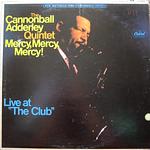
Mercy, Mercy, Mercy! Live at "The Club" (1966) by the Cannonball Adderley Quintet presents a relaxed, soulful blend of hard bop and soul-jazz, emphasizing melodic, groove-oriented performances. Cannonball Adderley’s warm alto and Nat Adderley’s cornet trade lyrical solos over Joe Zawinul’s bluesy piano and a supportive rhythm section, producing accessible, riff-driven arrangements and spirited group interplay. The title tune, written by Zawinul, captures the album’s church-tinged, R and B inflected feel while keeping space for improvisation and conversational ensemble playing.
#190 — Wildflowers by Judy Collins
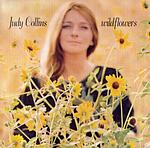
Wildflowers (1967) finds Judy Collins moving beyond straight folk into a softer folk rock and soft rock palette, pairing her clear soprano with both intimate acoustic settings and fuller, string-accented arrangements. The album includes Collins' interpretations of contemporary songwriters, notably an early cover of Joni Mitchell's "Both Sides, Now", and emphasizes lyrical storytelling and warm, vocal-centered production.
#191 — Phallus Dei by Amon Düül II
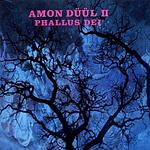
Phallus Dei is the 1969 debut album by Amon Düül II that blends psychedelic rock and freeform experimentalism with early electronic textures. The record features extended, improvisatory pieces built from distorted guitars, organ, tribal percussion, chant-like vocals and droning, trance-like rhythms, creating a dark, ritualistic atmosphere. It is often cited as an early example of krautrock for its willingness to mix rock instrumentation with avant-garde and psychedelic approaches.
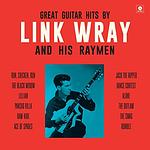
Link Wray & the Wraymen (1960) showcases Link Wray's stripped-down instrumental rock rooted in rockabilly and early rock and roll, with raw, twangy and distorted guitar at the forefront and a compact rhythm section from his Wraymen. The record emphasizes short, punchy instrumentals that highlight early uses of distortion and power chords and a no-frills, garage-ready sound that helped influence later surf, garage rock, and punk guitar styles.
#193 — Surfer Girl by The Beach Boys
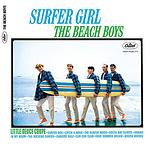
Surfer Girl is a 1963 album by The Beach Boys that blends surf-oriented rock and pop with close, layered vocal harmonies. The record pairs upbeat surf tunes with softer ballads, highlighted by the title track, and reflects Brian Wilson's emerging focus on melody and studio arrangement. Its clean guitar lines, warm vocal blends, and California-themed lyrics helped define the group’s early sound.
#194 — A New Perspective by Donald Byrd
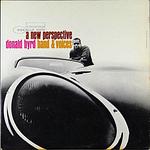
A New Perspective is a 1963 album by trumpeter Donald Byrd that blends hard bop foundations with soul jazz and gospel influences, featuring arrangements by Duke Pearson and the use of a gospel choir to introduce vocal textures. Byrd's lyrical trumpet lines sit over warm, blues-tinged grooves and choir-backed harmonies, producing a more spiritual, soulful sound than his earlier straight-ahead dates and expanding the tonal palette of his mid 1960s recordings.
#195 — Aerial Ballet by Harry Nilsson
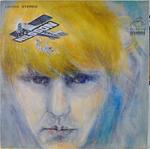
Aerial Ballet (1968) finds Harry Nilsson folding baroque pop touches into his melodic pop songwriting and distinctive, often high-register voice. The arrangements favor strings, woodwind colors, and piano, creating a chamber-pop sheen around intimate ballads and quirky, literate material; the record mixes Nilsson originals with covers and includes his well-known rendition of "Everybody's Talkin'", which became closely associated with him. The album highlights Nilsson's knack for blending sophisticated orchestral textures with accessible pop melodies.
#196 — Rockin' With Wanda by Wanda Jackson
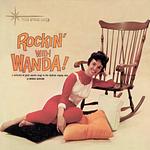
Rockin' With Wanda (1960) collects Wanda Jackson's bracing blend of country, rockabilly, and pop in a set of uptempo, guitar-forward songs that showcase her raw, expressive voice. The album emphasizes twangy instrumentation, punchy rhythms, and a feel that sits between honky tonk country and early rock and roll, and it is often cited as an early example of a woman bringing a rockabilly edge to country and pop styles.
#197 — Unit Structures by Cecil Taylor
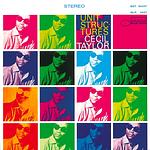
Unit Structures, recorded in 1966 by pianist Cecil Taylor, is a landmark free jazz album characterized by dense, percussive piano attack, complex rhythmic layering, and tightly constructed frameworks that guide intense collective improvisation. The music emphasizes dissonant clusters, rapid gestural runs, and sudden shifts in texture, favoring momentum and structural interplay over conventional melody or swing, and represents a decisive example of Taylor's expansion of compositional approaches within the avant-garde jazz idiom.
#198 — Point of Departure by Andrew Hill
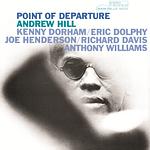
Point of Departure, recorded in 1964 and released in 1965, is a quintet album by pianist Andrew Hill featuring Freddie Hubbard, Joe Henderson, Richard Davis, and Tony Williams. The music blends post-bop frameworks with avant-garde harmonies and contrapuntal arrangements, balancing composed, often angular themes with inventive soloing and collective interplay. It stands as a key statement in Hill's catalog and a notable example of adventurous Blue Note sessions from the mid 1960s.
#199 — Sunshine Superman by Donovan
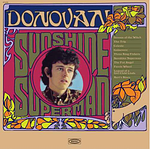
Sunshine Superman (1966) documents Donovan's shift from acoustic folk toward a more electric, psychedelic pop and folk rock sound, blending fingerpicked acoustic numbers with electric guitar, organ and subtle Eastern and jazz-inflected textures. The title track features bright, jangly electric instrumentation and exotic tonal colors, while songs like "Season of the Witch" lean into darker, atmospheric blues-tinged psychedelia. Overall the album pairs accessible melodies and concise songcraft with layered studio arrangements that helped define mid 1960s folk-psychedelic crossover work.
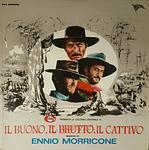
Il buono, il brutto, il cattivo is Ennio Morricone's 1966 soundtrack for Sergio Leone's film The Good, the Bad and the Ugly. The score combines orchestral writing with unconventional timbres and popular music elements, featuring the iconic whistled theme alongside electric guitar, trumpet, choral voices and reverb-heavy percussion. Morricone blends classical techniques with touches of folk and flamenco rhythms and hints of jazz and rock, moving between sparse, plaintive motifs and more rhythm-driven, dramatic pieces. The result is a distinctive, cinematic soundtrack closely associated with the Spaghetti Western sound.