 The Greatest Music
1001 Albums You Must Hear Before You Die (2005)
Weight: 60%
How much this list influences our overall rankings. Higher weight means more reliable data.
Penalties Applied:
1001 Albums You Must Hear Before You Die is a long-running reference book series (first published 2005; revised in 2010, 2013, 2016, 2018, and 2021) edited by Robert Dimery. It’s an editorial anthology, not a ranked poll: each entry is a short critic-written essay, sequenced roughly chronologically from the 1950s onward, with compilations/most film soundtracks excluded. Later editions swap in newer releases (e.g., the 2021 edition closes with Jazmine Sullivan’s Heaux Tales), so the title “1001” is a rolling canon rather than a fixed list across editions.
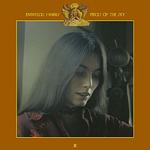
Pieces of the Sky, released in 1975, is Emmylou Harris's major-label album that builds on her work with Gram Parsons and helped establish her signature blend of country and rock. Harris's clear, luminous vocals are set against arrangements that combine acoustic guitar, pedal steel, and tasteful electric accents, creating a roots-oriented yet contemporary sound. The record mixes sympathetic covers with original material and highlights Harris's gift for interpretation and harmony, marking an early milestone in the country-rock and Americana traditions.
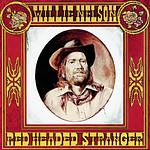
Red Headed Stranger, released in 1975, is a loose concept album by Willie Nelson that follows a wandering, guilt-ridden protagonist through themes of love, loss, and remorse. Musically it uses sparse, acoustic-centered arrangements and understated production that foreground Nelson's conversational vocal delivery and storytelling, blending country, folk, and Western influences. The album's stripped-down sound and cohesive narrative mark a deliberate move away from polished Nashville production toward a more personal, roots-oriented approach and includes the well-known rendition of "Blue Eyes Crying in the Rain."
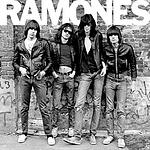
Ramones is the 1976 debut album by the Ramones. It delivers short, fast, stripped-down songs built on simple three-chord guitar figures, driving downbeat drumming, and a raw production that foregrounds catchy hooks and shouted vocals. Noted for its succinct songcraft and aggressive minimalism, the record is widely regarded as a foundational release in punk rock and helped establish the genre's aesthetic.
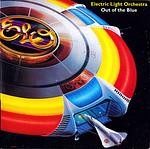
Out of the Blue is a 1977 double album by Electric Light Orchestra that blends rock and pop songwriting with orchestral arrangements and dense studio production. The record pairs concise, radio-friendly songs with longer, suite-like compositions such as the multi-part "Concerto for a Rainy Day," and features layered strings, prominent synthesizer textures and vocal harmonies. It highlights the band's approach of fusing classical instrumentation and studio experimentation with melodic pop hooks to create a big, cinematic sound.
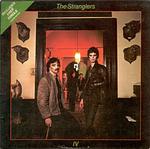
Rattus Norvegicus, the Stranglers' 1977 debut, pairs punk's raw immediacy with elements of pub rock and art punk, anchored by Jean-Jacques Burnel's prominent, melodic bass and Dave Greenfield's organ and keyboard flourishes. The record features tight, driven rhythms and Hugh Cornwell's snarling baritone vocals, giving it a darker, more aggressive timbre than many contemporaries while hinting at new wave melodic sensibilities and occasional artful arrangements.
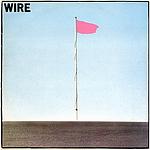
Pink Flag, Wire's 1977 debut, pares punk down to terse, guitar-driven songs and a spare, angular sound that blends punk urgency with art-punk experimentation and early post-punk restraint. Many tracks are extremely concise, featuring staccato guitar lines, clipped rhythms and detached vocals, giving the album a minimalist, precise feel that helped point punk toward more experimental and cerebral directions.
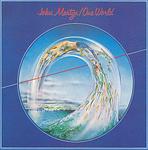
One World (1977) finds John Martyn stretching his folk rock roots into spacious, atmospheric territory, combining warm acoustic guitar with electric textures, prominent bass and percussion, and liberal use of echo and reverb to create a dub-like ambience. The arrangements blend folk, jazz and reggae-inflected rhythms into slow, groove-oriented songs delivered with a hushed, intimate vocal style. The record is notable for its experimental production and mood-driven soundscapes that emphasize texture and atmosphere over conventional singer-songwriter arrangements.
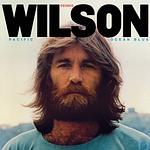
Pacific Ocean Blue, released in 1977, is Dennis Wilson's solo studio album and the only solo album issued during his lifetime. Musically it blends pop rock and soul with moody, melancholic arrangements, a raw, reedy vocal delivery, and layered production that often evokes oceanic imagery. The songs move between piano-led ballads and more driving rock numbers, with personal and introspective lyrics that reveal a grittier, more vulnerable side of Wilson distinct from his work with the Beach Boys.
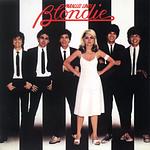
Parallel Lines, released in 1978 by Blondie, blends new wave, pop rock, and pop with polished production by Mike Chapman. The album mixes punk-derived energy with pop hooks and danceable rhythms, pairing crisp guitar lines and rhythmic bass with Deborah Harry's cool, charismatic vocal delivery. Standout tracks such as "Heart of Glass", "One Way or Another", and "Hanging on the Telephone" illustrate the band's crossover of rock and dance influences and their role in bringing new wave sounds into a mainstream pop context.
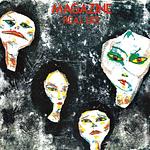
Real Life is Magazine's 1978 debut album that helped define early post-punk, pairing angular guitar and a tight, propulsive rhythm section with prominent, melodic keyboards and Howard Devoto's detached, literate vocal delivery. The record blends punk energy with art rock and new wave textures, favoring concise but sophisticated song structures, jagged rhythms, and a cool, studio-polished sound that marked a clear stylistic departure from straightforward punk approaches.
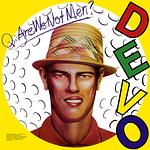
Q: Are We Not Men? A: We Are Devo! is Devo's 1978 debut album that fuses punk aggression with precise, mechanical rhythms, angular guitars, and synthesizer textures to produce a cold, ironic take on pop and rock. Tracks such as "Jocko Homo" and "Mongoloid" and their fractured cover of "(I Can't Get No) Satisfaction" feature staccato arrangements, off-kilter hooks, and satirical lyrics tied to the band's de-evolution concept. Produced by Brian Eno, the record crystallizes Devo's art punk and new wave approach and emphasizes performance art aesthetics and dark humor.
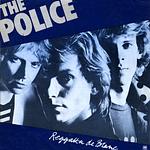
Reggatta de Blanc, released in 1979, is The Police's second studio album and consolidates their fusion of rock, reggae and new wave into concise, hook-driven songs. The record features bright, chiming guitar textures from Andy Summers, melodic bass and vocals from Sting, and propulsive, inventive drumming from Stewart Copeland, producing a tight, rhythmic sound that blends pop sensibility with offbeat reggae rhythms. It includes memorable tracks such as "Message in a Bottle" and "Walking on the Moon" and helped define the band’s signature approach to sparse arrangements and rhythmic complexity.
Quiet Life by Japan
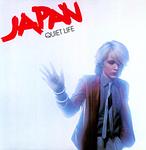
Quiet Life, released in 1979, marks Japan's shift from glam-tinged art rock toward a leaner, synth-driven sound blending New Wave, ambient textures, art pop stylings and early New Romantic aesthetics. The album emphasizes David Sylvian's cool, expressive vocals, Mick Karn's melodic fretless bass, Richard Barbieri's atmospheric synth layers and restrained arrangements that favor mood and space over rock bombast. Its polished, cinematic production and focus on texture and atmosphere set the template for the band's later work and helped situate them within the emerging electronic and New Romantic currents of the early 1980s.
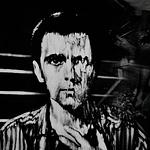
Peter Gabriel (1980), his third solo album often referred to as Melt, marks a move toward more concise, studio-oriented art rock that blends progressive roots with pop sensibilities. The record emphasizes layered production, treated vocals, and electronic textures to create a darker, more atmospheric sound than his earlier solo work, and it represents a turning point toward tighter song structures and adventurous studio experimentation that influenced rock and pop production in the early 1980s.
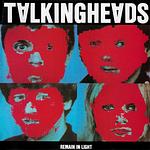
Remain in Light (1980) finds Talking Heads blending New Wave, post-punk, funk, and electronic textures through an experimental production approach with Brian Eno. The album foregrounds layered, polyrhythmic grooves influenced by West African rhythms, interlocking guitar and synth patterns, and funk-tinged bass to create dense, propulsive arrangements. David Byrne's vocal delivery moves between urgent and detached across fragmented, mantra-like lyrics, while studio techniques favor repetition, loops, and ambient sonics. The record is often noted for shifting the band's sound toward a more rhythmic, textural, and collaborative form of art rock.
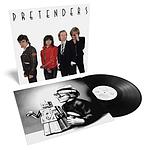
Pretenders is the 1979 debut album by Pretenders that blends new wave urgency with rock and pop sensibilities, pairing chiming, economical guitar work and a propulsive rhythm section with Chrissie Hynde's cool, emotionally direct vocals. The songs range from concise, hook-driven pop to taut post-punk rock, and the production keeps the band sound immediate and uncluttered. The record established the group's distinctive mix of melody and attitude and helped define a transitional sound between punk, post-punk, and mainstream rock.
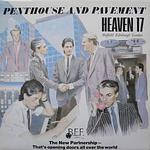
Penthouse and Pavement, released in 1981 by Heaven 17, is a new wave and synth-pop debut that pairs polished analog synthesizer arrangements and drum machine rhythms with funk-tinged grooves and Glenn Gregory's soulful vocals. The album blends danceable electronic production with socially aware lyrics addressing class and consumerism, establishing the band’s early sound within the British synth-pop movement and showcasing layered synth textures over programmed beats rather than guitar-led rock arrangements.
Pornography, released in 1982 by The Cure, is a dark, intense album that pushed the band into brooding, atmospheric territory tied to gothic rock and post-punk. It is marked by dense textures, guitars drenched in reverb, prominent bass and propulsive drums, and bleak, introspective lyrics that create an oppressive, claustrophobic mood across extended, immersive tracks. The record represented a shift to a more monochromatic, intense aesthetic and has been influential on subsequent gothic and alternative music.
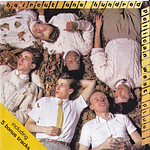
Pelican West, the 1982 debut album by Haircut One Hundred, is a bright, melodic example of early 80s new wave and pop that mixes jangly guitars, buoyant basslines and polished horn and sax arrangements with Nick Heyward's clear, youthful vocals. Its breezy, uptempo songs blend jazz-influenced rhythms and catchy pop hooks, with tracks such as "Favourite Shirts (Boy Meets Girl)" and "Love Plus One" illustrating the band's distinctive, summery sound.
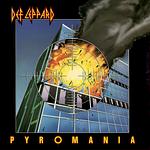
Pyromania, released in 1983 as Def Leppard's third studio album, presents a polished blend of hard rock, heavy metal and AOR under producer Robert John "Mutt" Lange. The record is built around tight guitar riffs, multilayered vocal harmonies and highly produced arrangements that emphasize melodic, radio-friendly choruses on songs such as "Photograph", "Rock of Ages" and "Foolin'". Its crisp, punchy production and stacked guitars are notable characteristics that helped define the band's commercial sound in the 1980s.
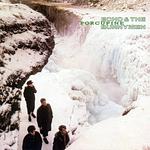
Porcupine is Echo & the Bunnymen's 1983 album that pushes their post-punk and new wave palette toward a darker, more atmospheric sound. The record emphasizes reverb-laden, high-register guitar textures, taut bass and driving drums beneath Ian McCulloch's resonant vocals, with production that foregrounds mood and dense arrangements. It is often cited as a more urgent, brooding step in the band's development leading into their subsequent, more orchestral work.
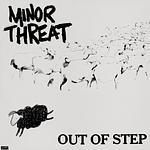
Out of Step (1983) is Minor Threat's only full-length studio album, a concise and intense hardcore punk record that crystallizes the band's fast, economical songcraft, jagged guitar work, tight rhythm section, and Ian MacKaye's urgent vocals. Songs are short, direct, and raw in production, with lyrics centered on personal conviction and the emerging straight edge ethos, and the album is widely regarded as a seminal document of early American hardcore punk.
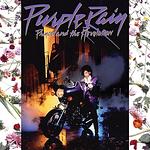
Purple Rain is a genre-blending album that mixes funk, pop, rock and contemporary R&B, combining driving dance tracks and intimate ballads with lush synthesizer textures and distinctive electric guitar work. Produced and largely written by Prince with his band The Revolution, the record balances concise pop hooks, extended guitar solos, and dramatic, cinematic arrangements that reflect its connection to the film of the same name. The album highlights Prince's range as a songwriter, producer, vocalist and guitarist, and it helped define his sound in the mid 1980s.
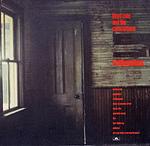
Rattlesnakes, the 1984 debut album by Lloyd Cole and the Commotions, pairs jangly, guitar-driven indie pop with polished soft rock touches and melodic keyboard and occasional string flourishes. The record is characterized by Cole's literate, conversational lyrics and sharp observational songwriting, framed by concise, hook-oriented arrangements that draw on 1960s pop sensibilities filtered through 1980s production. It established the band and its frontman as distinctive voices within the British indie pop and rock scene.
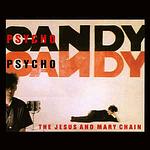
Psychocandy, the 1985 debut by The Jesus and Mary Chain, pairs 1960s pop melodies with heavy feedback, distortion, and reverb to create an early noise pop sound that helped shape later shoegaze and alternative rock. The songs often juxtapose simple, catchy hooks and a detached vocal style with dense, abrasive guitar textures and spare rhythmic backing, emphasizing atmosphere and texture over polish. Its raw production and striking contrasts between sweetness and noise made the record a distinctive influence within indie and alternative scenes.
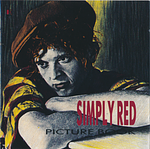
Picture Book is the 1985 debut album by British band Simply Red that introduced Mick Hucknall's soulful tenor over a mix of blue-eyed soul, pop and sophisti-pop arrangements. The record pairs introspective ballads with groove-oriented uptempo tracks, featuring warm horn lines, smooth keyboards and production that blends soul, jazz and pop influences. Its sound established the group's early identity and situated them within the mid-1980s sophisti-pop movement.
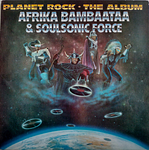
Planet Rock: The Album (1986) by Afrika Bambaataa & Soulsonic Force presents the group's pioneering blend of electro, electronic, funk, go-go and early hip hop, built around programmed 808-style percussion, pulsing synth lines, and chant-like vocals. The music emphasizes sparse, rhythmic arrangements and futuristic textures that bridged club-oriented electronic sounds and street-level rap, helping to shape the electro aesthetic in the early 1980s. Production choices foreground beats and synth timbres over dense instrumentation, creating a machine-driven, dance-focused sound that influenced later electronic and hip hop producers.
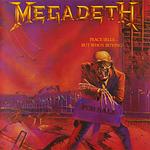
Peace Sells... but Who’s Buying? is Megadeth's 1986 album that helped define 1980s thrash metal, combining rapid, precise riffing and aggressive tempos with sharp, politically minded lyrics. The sound mixes speed metal intensity and heavy metal melody with technically detailed guitar work and a prominent, driving bass presence; the title track's plainspoken bass intro and direct social commentary are representative. The record features Dave Mustaine's pointed vocal delivery and riff-centric songwriting alongside David Ellefson's bass, Chris Poland's lead guitar with jazz-flavored touches, and Gar Samuelson's swing-influenced drumming, giving the album both ferocity and musical complexity that influenced later metal acts.
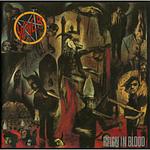
Reign in Blood is Slayer's 1986 studio album that helped define thrash metal's extreme edge. It features relentless tempos, razor-sharp guitar riffs from Kerry King and Jeff Hanneman, Tom Araya's snarled vocals, and Dave Lombardo's explosive drumming, delivered in a compact, intense runtime. The record is notable for its concise song structures, abrasive production, and tracks such as "Angel of Death" and "Raining Blood" that emphasize speed and brutality within a tight, focused framework.
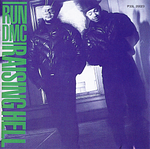
Raising Hell, released in 1986 by Run-D.M.C., is a defining East Coast hip hop record that helped popularize a tougher, stripped-down sound centered on hard drum-machine beats, sparse sampling, and incisive vocal delivery with prominent turntable work. The album blends hardcore hip hop and electro influences with rock textures, most famously on the collaboration with Aerosmith on "Walk This Way," which pairs a live rock riff with rap verses. Production favors raw energy and minimal ornamentation, and the record is often noted for broadening hip hop's audience and stylistic possibilities.
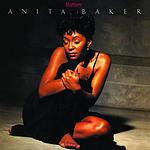
Rapture is Anita Baker's 1986 album that blends R&B and soul with strong jazz and smooth jazz influences, presented in a polished adult contemporary style. The record is built around Baker's warm, husky contralto and intimate phrasing, with lush arrangements, soft grooves, understated jazz harmonies and romantic lyrical themes. Several standout ballads and midtempo tracks exemplify the album's quiet storm sensibility and helped define Anita Baker's signature sound in the mid 1980s.
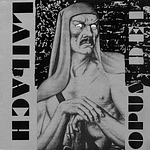
Opus Dei, released in 1987 by Slovenian collective Laibach, exemplifies their blend of industrial, electronic and martial industrial approaches. The album pairs pounding, mechanized rhythms and dark synth textures with orchestral and choral touches, reworking familiar musical motifs into a confrontational, authoritarian aesthetic. Its stark arrangements and use of irony illustrate Laibach's practice of cultural reinterpretation and helped establish the band as a distinctive force in European industrial music.
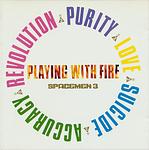
Playing With Fire presents Spacemen 3's distilled neo-psychedelic approach, built from repetitive, fuzzed guitars, droning organ, spare rhythms and hypnotic vocal harmonies. Tracks shift between raw garage-rock riffs, slow blues and church-tinged soul, with extended grooves and a minimalist production that emphasizes texture and atmosphere over virtuosity. The album consolidates the band's late 1980s aesthetic and is frequently cited for its trance-inducing arrangements and influence on later indie and shoegaze sounds.
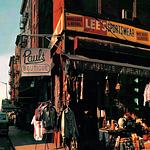
Paul's Boutique, released in 1989 by the Beastie Boys, pairs dense, sample-driven production with the group's rapid-fire, often tongue-in-cheek rapping. Produced mainly by the Dust Brothers, the album constructs collage-like tracks from layered loops and abrupt sample juxtapositions drawn from funk, soul, rock and other sources, creating a plunderphonics aesthetic and an experimental approach to East Coast hip hop. The lyrics alternate between playful braggadocio and offbeat cultural references, while the production emphasizes texture, unexpected rhythms and studio experimentation that marked a clear departure from the group's earlier party-rap sound.
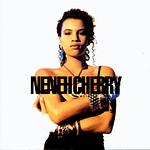
Raw Like Sushi is Neneh Cherry's 1989 debut solo album that blends pop, dance, electronic and pop-rap elements. The record pairs club-ready beats and electronic textures with an assertive vocal style that moves between sung hooks and rap-inflected verses, and includes well-known tracks such as "Buffalo Stance" and "Manchild". Its production mixes polished dance-pop arrangements with urban and international influences, and the lyrics often address identity, relationships, and personal confidence, giving the album a genre-crossing, contemporary pop sound.
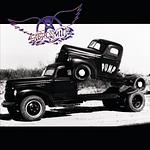
Pump, released in 1989, captures Aerosmith’s late 1980s resurgence with a mix of hard rock rooted in blues and shaped by pop rock hooks and slick production. Produced by Bruce Fairbairn, the album pairs punchy, riff-driven tracks and arena-ready arrangements with occasional horn and string accents, and balances raw bluesy moments against radio-friendly songwriting; notable songs include "Love in an Elevator," "Janie's Got a Gun," and "The Other Side." Steven Tyler’s raspy vocals and Joe Perry’s guitar work remain central, giving the record a blend of classic rock grit and contemporary late 80s sheen.
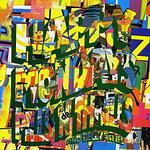
Pills ’n’ Thrills and Bellyaches (1990) captures Happy Mondays blending indie rock guitar and raw, conversational vocals with dancefloor elements drawn from house, funk and psychedelia. The album is groove-driven, featuring looping rhythms, prominent bass and percussion, samples and organ-like keyboards that create a hazy, party-oriented atmosphere. Its sound exemplifies the late Manchester crossover between alternative rock and club culture, emphasizing rhythm and texture over conventional songcraft.
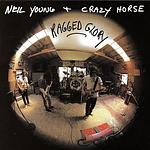
Ragged Glory, released in 1990, reunites Neil Young with Crazy Horse for a raw, loud album built around extended, feedback-laced guitar jams and distorted, live studio energy. The record emphasizes thick, droning riffs, loose rhythmic interplay, and long, improvised-feeling performances that foreground electric guitar texture over polished production. Its rough-edged sound and heavy approach aligned Young with the early 1990s rock and grunge moment while revisiting the gritty Crazy Horse aesthetic from earlier collaborations.
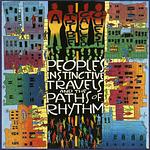
People's Instinctive Travels and the Paths of Rhythm, A Tribe Called Quest's 1990 debut, blends hip hop with jazz-inflected samples and boom bap rhythms. The group's conversational, understated flows from Q-Tip, Phife Dawg and Jarobi ride warm, melodic loops and offbeat percussion, balancing playful, personal storytelling with socially aware lyrics. The production foregrounds crate-digging jazz and funk loops, loose drum programming, and an eclectic, relaxed vibe that helped shape jazz rap and alternative East Coast hip hop styles.
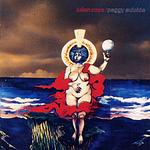
Peggy Suicide (1991) finds Julian Cope shifting toward more reflective, politically and ecologically engaged songwriting while retaining accessible songcraft. Musically it mixes indie rock and post-punk foundations with psychedelic and folk textures, featuring acoustic guitar, organ and layered production that alternates direct, hook-driven songs with more meditative, experimental passages.
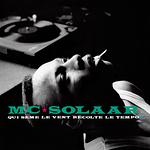
Qui sème le vent récolte le tempo (1991) is MC Solaar's debut album that helped shape early French hip hop. It pairs smooth, literate rap delivery with jazz-tinged and acid jazz-influenced production, incorporating funk and sampled jazz grooves alongside touches of ragga and reggae rhythm. The overall sound is relaxed and melodic, with an emphasis on wordplay, storytelling, and atmospheric arrangements rather than aggressive beats, marking a more polished and poetic approach to French rap at the time.
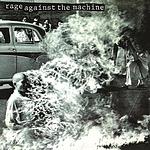
Rage Against the Machine is the band's 1992 self-titled debut that fuses heavy rock and metal riffs with funk-influenced rhythms and rap-style vocals. The album is marked by Tom Morello's inventive guitar textures and effects, tight rhythm work, and Zack de la Rocha's confrontational, politically charged lyrics, producing a raw and urgent sound. Its aggressive genre blend and outspoken themes became a defining touchstone for alternative and rap metal in the 1990s.
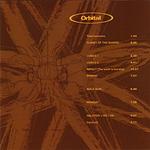
Orbital's 1993 self-titled album is a blend of driving techno rhythms and expansive electronic atmospheres that sits between club-oriented energy and ambient introspection. Tracks unfold in extended forms with evolving motifs, layered synth textures, and intricate rhythmic detail, emphasizing melodic development and cinematic production. The record is often noted for balancing dancefloor momentum with more reflective, atmospheric passages and dense, sample-driven arrangements.
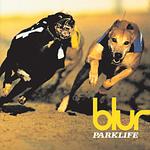
Parklife is Blur's third studio album, rooted in Britpop and indie rock while drawing on pop, punk and dance influences. It pairs catchy, melodic songwriting with Damon Albarn's observational, character-driven lyrics, supported by Graham Coxon's angular guitar and Alex James's melodic bass, producing a mix of bright hooks, varied textures and occasional orchestral touches. The record is widely regarded as a defining snapshot of mid 1990s British guitar pop with a distinctly English sense of place.
Protection (1994) is Massive Attack's second album, extending their trip hop approach with slow, dub-influenced grooves, lush electronic textures, and an emphasis on mood and atmosphere over upfront beats. Guest vocalists including Tracey Thorn and longtime collaborator Horace Andy add warm, melancholic tones, while layered production blends elements of dub, downtempo, and electronic music to produce cinematic, immersive arrangements associated with 1990s trip hop.

Ready to Die, the 1994 debut studio album by The Notorious B.I.G., pairs hard-edged boom bap production and sample-based beats with Biggie's deep, conversational flow and vivid storytelling about street life, ambition, and mortality. The record alternates gritty, hardcore narratives and gangsta rap themes with moments of melodic hooks and personal reflection, showcasing dense internal rhymes, dark humor, and cinematic details. It is widely regarded as a defining release in 1990s East Coast hip hop for its lyricism and narrative scope.
Only Built 4 Cuban Linx... is Raekwon's 1995 solo album characterized by dense, cinematic production largely from RZA and a mafioso-themed narrative. The music blends gritty East Coast hardcore hip hop with chopped soul samples, stark drum patterns, and film-like interludes, creating a dark, atmospheric sound that supports Raekwon's detailed, character-driven storytelling and extended vocal interplay with Ghostface Killah and other Wu-Tang affiliates. Its sequencing, crime-story motifs, and focused production style made it a distinctive artistic statement within 1990s hip hop.
Ray of Light, released in 1998, finds Madonna moving into electronic and dance-pop territory with production heavily shaped by William Orbit. The album blends club-ready beats and synth-driven hooks with ambient and downtempo textures, pairing pulsing rhythms and layered electronic arrangements with more reflective, spiritual lyrical themes. Madonna's vocal delivery ranges from breathy to urgent, and the record balances uptempo dance tracks and slower, atmospheric songs to create a cohesive pop-electronic sound.
Post Orgasmic Chill, Skunk Anansie’s 1999 third studio album, blends alternative rock, alternative metal and hard rock with Skin’s powerful vocals front and center. The record pairs heavy, guitar-driven arrangements with quieter, moodier passages and a more polished, expansive production than earlier releases, while lyrics move between personal and politically charged themes, showcasing the band’s mix of raw intensity and melodic nuance.
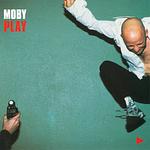
Play: The Complete Recordings, commonly known as Play, is a 1999 Moby album that fuses electronic, breakbeat and downtempo production with ambient textures and extensive use of sampled blues, gospel and field-recording vocal fragments. It pairs warm acoustic touches like piano and strings with programmed beats and looped vocal motifs to create melancholic, cinematic tracks that balance introspective mood with rhythmic immediacy. The album’s sample-driven, accessible arrangements helped bring ambient and electronic sounds into broader popular contexts, and several tracks have been used in film and advertising.
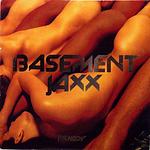
Remedy is the debut studio album by British electronic duo Basement Jaxx, released in 1999. It blends house, big beat, breakbeat, and electronica with funk, disco, and Latin rhythmic touches, featuring energetic, sample-rich production, prominent basslines, layered percussion, and guest vocalists. The record established Basement Jaxx's maximal, playful approach to dance music and contains club-oriented tracks that pair catchy hooks with eclectic, genre-mixing production.
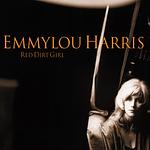
Red Dirt Girl, released in 2000, finds Emmylou Harris moving into a more inward, songwriter-centered mode with mostly original material rooted in contemporary folk and country. The sound is intimate and often atmospheric, pairing acoustic guitar and piano with subtle electric textures and touches of country rock, while the lyrics dwell on memory, identity, and rural life. The album marks a distinctive late-career artistic reinvention for Harris, emphasizing personal songwriting over the interpretive role she had long been known for.
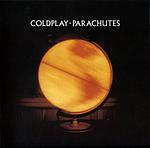
Parachutes is Coldplay's 2000 debut studio album, built around restrained, melodic songwriting and atmospheric, guitar-based arrangements. The record blends alternative and pop rock with dream pop textures and post-Britpop sensibilities, favoring gentle acoustic strumming, chiming electric guitar, and luminous production that foregrounds Chris Martin's plaintive vocals and simple piano motifs. Its overall mood is introspective and mellow, with clear, hook-driven songs that established the band's early sonic identity.
Red Snapper’s 2000 album Our Aim Is to Satisfy blends electronic production with live instrumentation, leaning toward leftfield and IDM textures while drawing on jazz and dub influences. It favors groove-driven compositions built around elastic drums and prominent bass, layered with atmospheric synths and occasional melodic lines to create an instrumental, club-friendly yet exploratory sound. The record exemplifies the band’s approach to marrying organic musicianship with electronic rhythm and texture.
Punishing Kiss (2000) finds German chanteuse Ute Lemper bringing her theatrical cabaret vocal approach into an art pop context. The arrangements mix chamber and baroque pop textures with avant-garde pop touches, balancing intimate, dramatic performances and lush, often orchestral instrumentation. The album functions as a crossover project that frames contemporary songwriting and reinterpretation through Lemper's expressive, theatrical delivery.
Power in Numbers (2002) by Jurassic 5 blends classic boom-bap and funk-soul sampling with polished, contemporary production, highlighting tight group vocals, call-and-response rapping between multiple MCs, and prominent turntable work. The album emphasizes live-sounding grooves and rhythmic interplay, offering upbeat, danceable arrangements that sit between underground hip hop and alternative hip hop while showcasing the group's focus on MC chemistry and DJ technique.
Phrenology, released in 2002 by The Roots, is an exploratory hip hop record that expands the group's jazz-rap and alternative hip hop foundations into rock- and electronic-tinged textures. Built around live instrumentation, the album mixes complex rhythms, dense sampling and distorted guitars with socially conscious and introspective lyrics, examining identity, culture and the music business. It is notable for its adventurous production and genre-blurring approach while maintaining the band's emphasis on musicianship within an East Coast and conscious hip hop context.
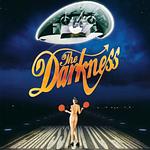
Released in 2003, Permission to Land is the debut album by The Darkness, rooted in hard rock and glam rock and characterized by high-register and falsetto vocals, big, riff-driven guitar work, and theatrical, tongue-in-cheek lyricism. The album blends vintage 1970s and 1980s arena rock sensibilities with modern production, emphasizing prominent guitar solos, layered vocal harmonies, and a deliberately camp, over-the-top presentation that brought retro glam aesthetics to early 2000s rock.
Penance Soirée, released in 2004 by The Icarus Line, channels abrasive punk energy into a fuller, more layered alternative rock sound. The album pairs jagged, feedback-laden guitars and driving rhythms with Joe Cardamone's raw, strained vocals, shifting between furious rock assaults and darker, more melodic passages. Notable for its dense production and confrontational tone, the record expanded the band's sonic range while keeping a volatile, intense edge.
Rejoicing in the Hands (2004) finds Devendra Banhart working in a lo-fi, acoustic-based idiom that blends folk, indie rock, and subtle psychedelic touches. The record features fragile, often high-register vocals, sparse guitar work and occasional bursts of unconventional instrumentation, creating a whimsical and intimate atmosphere with songs that move between quiet ballads and more upbeat folk-rock numbers. Its home-recorded aesthetic and surreal, stream-of-consciousness lyrics are often associated with the early 2000s indie folk or freak folk scene and helped bring attention to Banhart's songwriting.
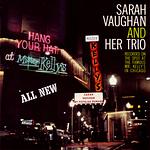
Recorded live at Mister Kelly's in 1958, this album presents Sarah Vaughan in an intimate club setting backed by a small trio. The performances move between lush ballads and swinging up-tempo numbers, showcasing her wide range, refined phrasing, and improvisational instincts, including scatting and rhythmic play. The record highlights vocal control, dynamic nuance, and close interplay with the trio, offering a vivid example of classic vocal jazz and traditional pop interpretation.
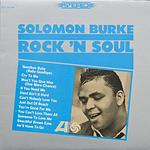
Rock ’n Soul (1964) features Solomon Burke's gospel-rooted, powerful vocal delivery applied to rhythm and blues material. The album moves between impassioned ballads and livelier R&B numbers, with full-band arrangements that frame Burke's dramatic, emotionally driven singing. It stands as a representative example of Burke bringing church-influenced phrasing and intensity into mid-1960s soul music.
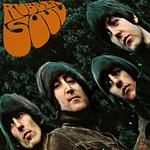
Rubber Soul (1965) finds The Beatles blending rock and pop with folk rock and British rhythm and blues influences, moving toward more acoustic textures, layered vocal harmonies, and varied instrumentation. The album emphasizes more introspective songwriting and features notable touches such as the sitar on Norwegian Wood, alongside tighter ensemble playing and increased studio experimentation. Its cohesive sound and stylistic breadth mark a shift toward album-focused artistry while retaining strong melodic hooks.
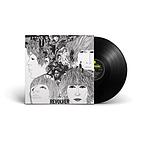
Revolver (1966) finds The Beatles shifting from straightforward pop toward more studio-focused, experimental songwriting and arrangements. Musically it blends rock and pop with psychedelic textures and elements drawn from classical and Indian music, featuring tight vocal harmonies, sharp electric guitar work, string arrangements on songs such as "Eleanor Rigby", George Harrison's sitar on "Love You To", and the tape-loop, drone-driven production of "Tomorrow Never Knows". The album is notable for its inventive studio techniques, varied song forms, and concise production that broadened the sonic palette of popular music recording.
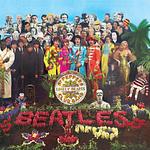
Sgt. Pepper's Lonely Hearts Club Band is a 1967 Beatles album that blends rock, psychedelic rock, baroque pop and pop with extensive studio experimentation. It features layered production, orchestral arrangements, unusual instrumentation and song sequencing that create a loose concept-album feel, and includes tracks such as "Lucy in the Sky with Diamonds", "Eleanor Rigby", "With a Little Help from My Friends" and "A Day in the Life". The album is often described as a milestone in popular music for its ambitious production and its expansion of pop and rock sounds.
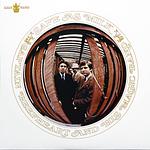
Safe as Milk is the 1967 debut album by Captain Beefheart and His Magic Band, combining blues-rooted songwriting with psychedelic textures and off-kilter, idiosyncratic vocals. The record pairs raw electric guitar and harmonica with unconventional arrangements and lyrical oddities, signaling a move away from straightforward blues rock toward more experimental, proto-alternative approaches that the group would develop further in later releases.
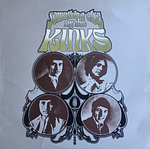
Something Else by The Kinks (1967) showcases Ray Davies' move toward more reflective, character focused songwriting, blending pop rock with baroque pop, folk rock and mod influences. The album pairs concise, melodic songs with chamber pop touches such as harpsichord and string arrangements and features wry, observational lyrics about English life and youth culture. Its pastoral textures and careful arrangements point toward the band’s subsequent, more nostalgic work.
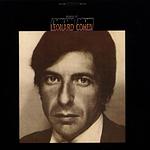
Songs of Leonard Cohen, released in 1967 as Cohen's debut album, introduces his deep, husky voice and literate songwriting within a folk-rooted framework. The record pairs spare acoustic arrangements with occasional chamber folk touches such as strings and restrained orchestration, supporting songs like "Suzanne", "So Long, Marianne", and "Sisters of Mercy". Its focus on poetic lyrics and themes of love, faith, and solitude, delivered in an intimate, understated sonic palette, established Cohen as a distinctive contemporary folk songwriter.
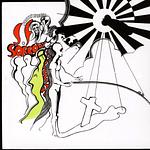
S.F. Sorrow, released in 1968 by The Pretty Things, is a psychedelic rock concept album that follows the life and trials of its titular protagonist. Musically it blends acid-tinged guitar work, melodic baroque-pop arrangements, Mellotron and orchestral touches, and studio experimentation to create a cinematic, often melancholic atmosphere. The album is frequently cited as an early example of a rock record built around a continuous narrative and is notable for its ambitious songwriting and atmospheric production.
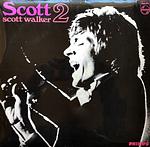
Scott 2 is Scott Walker's second solo album from 1968, presenting his baritone voice against ornate, chamber-pop arrangements that blend pop and rock with baroque touches. The record deepens the introspective, literary and often somber mood of his solo work through a mix of original songs and reinterpretations of continental chanson, emphasizing dramatic orchestration and carefully crafted melodies. It is notable for steering Walker's music toward a more artful, theatrical direction that contrasted with mainstream pop of the period.
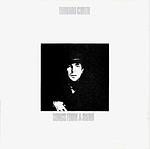
Songs From a Room, Leonard Cohen's 1969 second album, is a spare, intimate record that pares back production to foreground his low, conversational baritone and acoustic guitar. The arrangements mix folk and blues with occasional touches of orchestral color that suggest baroque pop while keeping a restrained, often stark sound. Lyrically it continues Cohen's literate, melancholic meditations on love, loss and faith, and the album features enduring performances of songs such as "Bird on the Wire" and a stark rendition of "The Partisan." The overall effect is reflective and atmospheric, emphasizing voice and phrasing over ornamentation.
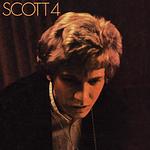
Scott 4, released in 1969, finds Scott Walker moving deeper into baroque pop and orchestral art pop with somber, literate songwriting and lush chamber-pop arrangements. The record foregrounds Walker's deep, expressive baritone against dense strings and brass while exploring introspective and enigmatic themes, representing a deliberate shift away from mainstream pop toward a darker, more idiosyncratic solo direction that anticipated his later experimental work.
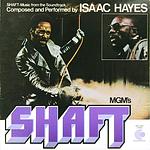
Isaac Hayes' 1971 soundtrack for Shaft blends deep soul and gritty funk with jazz and orchestral textures, pairing a tight rhythm section and wah-wah guitar with lush string and horn arrangements. The title track features Hayes' resonant baritone and a memorable riff that helped define the sound of early 1970s film soul and influenced later funk, soul jazz, and hip-hop sampling; the album mixes instrumental cues and vocal performances to create a cinematic, groove-driven atmosphere.
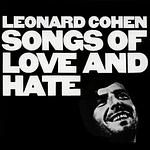
Songs of Love and Hate (1971) finds Leonard Cohen deepening his spare singer-songwriter approach into darker, more dramatic territory, pairing his low, conversational voice and meticulous lyrics with stark guitar lines and occasional orchestral touches that recall baroque pop. The album blends folk, rock and chamber-like instrumentation to explore themes of love, betrayal, death and spiritual yearning, producing a tense, intimate atmosphere that foregrounds Cohen's poetic storytelling. It is regarded as one of his important early records for its uncompromising tone and focus on lyric-driven songs.
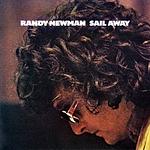
Sail Away is a 1972 Randy Newman album that pairs his piano-centered pop and rock with baroque pop and cabaret inflections. The songs use lush arrangements and piano-led motifs to frame Newman's character-driven, often ironic lyrics about American life, delivered with theatrical vocals and a blend of melancholy and dark humor. The record showcases his songwriting craft through melodic accessibility coupled with sharply observed storytelling.
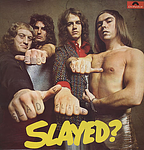
Slayed? (1972) is an album by British band Slade that crystallizes their raw, riff-driven take on glam rock. The record emphasizes punchy, anthemic songs built around chunky guitar riffs, stomping backbeats and Noddy Holder's raspy, shout-along vocal delivery, with Jim Lea's melodic bass and occasional violin adding texture. Recorded with a direct, live energy, it showcases the band's focus on high-energy hooks and crowd-ready choruses and stands as a clear example of early 1970s British glam and hard rock.
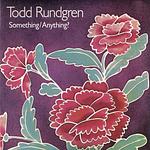
Something/Anything? is Todd Rundgren's 1972 double album that mixes concise pop songwriting with studio experimentation. Rundgren produced the record and performed most of the instrumentation, yielding a range from guitar-driven power pop and pop rock to art pop and more progressive, experimental passages. The album includes songs such as "I Saw the Light", "Couldn't I Just Tell You", and a reworked version of "Hello It's Me", and is often regarded as a key early solo statement showcasing his abilities as a songwriter, arranger, and producer.
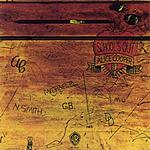
School's Out is Alice Cooper's 1972 album that blends hard rock and glam with art rock and garage rock touches, showcasing the band's theatrical, shock-rock persona. The music pairs crunchy guitar riffs and piano-driven arrangements with melodic hooks and occasional choral or orchestral accents, notably the children's chorus on the title track, creating a mix of raw energy and showmanship. The record is significant for consolidating Alice Cooper's stage-theatre approach to rock and for featuring a lead song that became central to the group's public image.
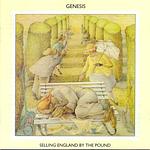
Selling England by the Pound, released in 1973, is a hallmark of Genesis's progressive rock period that blends symphonic textures, folk-tinged English songwriting, and art rock sensibilities. The album pairs Peter Gabriel's theatrical vocals and narrative lyrics with Tony Banks's layered keyboards, Steve Hackett's melodic guitar work, and Phil Collins and Mike Rutherford providing a tight rhythmic and harmonic backbone. Tracks move between extended, classically influenced pieces with shifting meters and instrumental passages and more concise, melodic songs, creating a balance of complexity and accessibility that helped define the band's early sound.
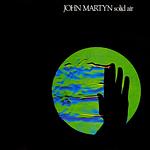
Solid Air is John Martyn's 1973 album that blends folk songwriting with jazz, blues and experimental textures, pairing intimate acoustic pieces with echo-drenched electric guitar and elastic, jazz-inflected rhythms. The title track, written about his friend Nick Drake, is a slow, atmospheric centerpiece, while songs such as "May You Never" highlight Martyn's warm vocals, distinctive fingerpicking and soulful phrasing. Backed by spare, jazz-tinged arrangements including Danny Thompson's double bass, the record is frequently cited as a landmark in British folk rock for its fusion of acoustic intimacy and ambient, improvisatory guitar work.
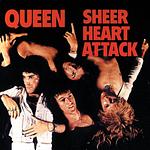
Sheer Heart Attack, Queen's third studio album released in 1974, consolidates the band's blend of hard rock, glam and progressive influences while incorporating heavier, metal-tinged guitar work and complex vocal harmonies. The record moves between punchy rockers, theatrical and vaudeville-tinged pop moments, and layered, harmony-rich arrangements that showcase Brian May's guitar textures and Freddie Mercury's wide-ranging voice; it contains the track "Killer Queen" and features songwriting contributions from all band members. Its energetic production and stylistic variety marked a clear step toward the more concise, anthemic songwriting the group would explore on later records.
Sheet Music by 10cc
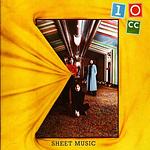
Sheet Music is a 1974 album by 10cc that blends rock, art rock, and pop rock into tightly arranged, studio-savvy songs. The record emphasizes melodic hooks, intricate vocal harmonies, and witty, often satirical lyrics, with layered production and instrumental variety that balance pop accessibility and experimental flair. It showcases the band's collaborative songwriting and meticulous studio approach.
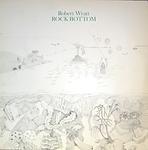
Rock Bottom is Robert Wyatt's 1974 solo album that crystallizes his move toward a spare, intimate form of art rock rooted in the Canterbury scene and avant-garde jazz. Recorded after the accident that left him unable to continue as a drummer, the record centers on Wyatt's distinctive, fragile vocals and melodic keyboard work framed by brass, saxophone colors and subtle studio textures. Songs unfold in loose, free flowing structures with surreal, elliptical lyrics and shifts between melancholy, whimsy and quiet intensity, blending jazz inflections, pastoral folk elements and experimental arrangement choices. The album established Wyatt's singular voice as a solo artist and remains a touchstone of 1970s British art rock.
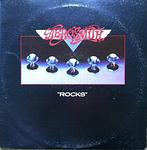
Rocks is a raw, hard-hitting Aerosmith album that leans into blues-rooted hard rock with arena-ready hooks and gritty, aggressive riffs. Steven Tyler's vocal theatrics and Joe Perry's muscular guitar work drive tight, riff-driven songs with a live, unvarnished production that emphasizes power and attitude. The record helped define the band's harder edge and includes standout tracks such as "Back in the Saddle" and "Last Child", which highlight its blend of blues influence and heavier rock textures.
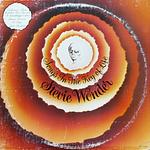
Songs in the Key of Life is a sprawling 1976 double album by Stevie Wonder that blends soul, contemporary R&B, pop soul, funk and pop with elements of jazz, gospel and reggae. The record pairs intimate ballads and social and spiritual meditations with uptempo funk grooves and instrumental interludes, featuring layered arrangements, prominent synthesizer and harmonica work, and varied musical textures. Its breadth and ambition are widely regarded as a high point in Wonder's creative output and a lasting influence on later R&B and pop artists.
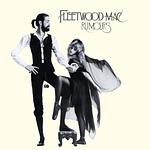
Rumours is a 1977 album by Fleetwood Mac that blends rock, pop rock, soft rock, blues and folk pop into a polished, radio-friendly sound. The record features layered vocal harmonies, melodic songwriting and a mix of acoustic and electric textures that foreground strong hooks and intimate arrangements. Many songs reflect interpersonal relationships and band tensions, giving the lyrics a candid, confessional feel, while the production emphasizes clarity and warmth. The album is widely cited as a defining example of late 1970s pop rock and a central release in Fleetwood Mac's catalog.

Siembra is a 1978 salsa album by bandleader Willie Colón and singer-songwriter Rubén Blades that pairs New York salsa orchestration with narrative, socially aware songwriting. The music features punchy brass arrangements, driving percussion, piano montunos and layered vocal call-and-response, and includes the signature story song "Pedro Navaja". Its combination of danceable Afro-Caribbean rhythms with cinematic, street-level lyrics helped broaden the lyrical and thematic scope of salsa.
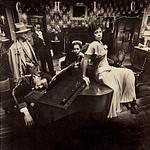
Risqué, released by Chic in 1979, is a polished disco album that blends funk and soul with tight, syncopated bass lines, Nile Rodgers' rhythmic guitar, and layered strings and horns. The record emphasizes danceable grooves and sophisticated arrangements, with songs built around rhythmic interplay and memorable melodic hooks. It is widely regarded as one of the group's definitive late 1970s recordings and includes the well known groove-centered track "Good Times."
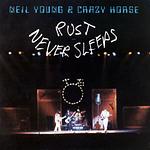
Rust Never Sleeps, credited to Neil Young with Crazy Horse and released in 1979, mixes acoustic folk rock songs with searing electric rock performed with Crazy Horse. The album contrasts quiet, introspective solo pieces and loud, distorted guitar workouts, exploring themes of aging, rock and roll, and cultural change, and it highlights Young's movement between delicate melodies and raw, feedback-heavy textures. The combination of folk, country-tinged numbers and hard rock passages creates a dramatic dynamic between intimacy and explosive live energy.
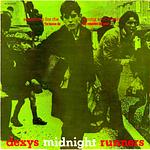
Searching for the Young Soul Rebels, Dexys Midnight Runners' 1980 debut, channels blue-eyed soul and northern soul through raw, horn-driven arrangements and Kevin Rowland's impassioned vocals. The record blends soul and pop with new wave and rock energy, pairing punchy brass and tight rhythms with frank, often confrontational lyrics about authenticity and working-class identity. Its immediate, unpolished sound emphasizes emotional delivery over studio gloss and helped establish the band's distinctive presence in the British music landscape of the time.
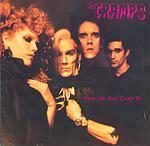
Songs the Lord Taught Us, the Cramps' 1980 debut, fuses 1950s rockabilly and rock and roll with punk attitude and garage rawness to help define the psychobilly aesthetic. Lux Interior's theatrical, snarling vocals sit atop Poison Ivy's reverb-heavy, twangy guitar lines and a terse, driving rhythm section, producing a loose, energetic sound that leans into B-movie horror and campy sexuality. The album's sparse, echo-laden production emphasizes a live, primitive feel and established the band's distinctive blend of retro roots and punk menace that influenced underground rock scenes.
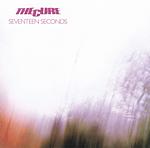
Seventeen Seconds, released in 1980 by The Cure, is an early, austere record that moved the band toward a darker, more minimalist sound. Sparse arrangements, shimmering guitars, steady basslines and subtle keyboards create a cold, atmospheric mood; songs such as "A Forest" use repetition and space to build tension. The album's pared-back textures and emphasis on mood and restraint helped steer the group into the gothic and post-punk directions that marked their early period.
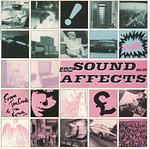
Sound Affects, released in 1980 by The Jam, blends the band's mod revival roots with new wave immediacy, post-punk angularity, rock drive, and power pop melody. Paul Weller's concise, observant songwriting pairs social and personal lyrics with strong melodic hooks, while the trio of Weller, Bruce Foxton, and Rick Buckler delivers tight, rhythm-forward arrangements that move from spare acoustic moments to punchy, guitar-led tracks. Notable for its clear production and Beatles-influenced touches, the album shows the band expanding their sound beyond punk urgency into more varied and melodic songcraft.
Signing Off by UB40

Signing Off is UB40's 1980 debut album, rooted in reggae and dub with pop sensibilities. The record features bass-driven grooves, rhythmic guitar skank, mellow harmonized vocals and prominent horn lines, with studio echo and dub touches layered into the arrangements. Many songs address social and political themes such as unemployment and urban life from a British perspective, and the album helped establish UB40's sound and bring a British reggae voice to wider attention.
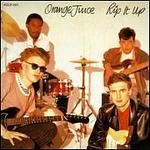
Rip It Up (1982) by Orange Juice blends post-punk angularity with bright jangle pop melodies and new wave sensibilities, anchored by Edwyn Collins's distinctive vocal delivery and melodic, guitar-led arrangements. The record pairs literate, often playful songwriting with propulsive bass and rhythmic touches that nod toward psychedelic and soul influences, creating a clearer, more pop-oriented sound compared with the band’s rougher early recordings. Its combination of angular rhythms and accessible hooks is frequently cited in discussions of early indie pop and jangle pop development.
Rio by Duran Duran
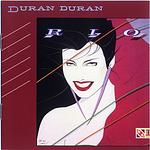
Rio (1982) by Duran Duran blends New Wave, synth-pop and New Romantic stylings into a glossy, dance-oriented pop record. It pairs shimmering synthesizers and rhythmic, funk-influenced bass and percussion with bright, melodic guitar lines and hook-driven choruses, creating songs that favor atmosphere and rhythm as much as melody. The production emphasizes a glamorous, cinematic sheen associated with early 1980s pop, and several tracks showcase the band's knack for concise, danceable songwriting and dramatic vocal delivery.
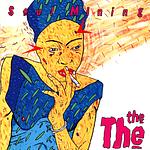
Soul Mining, released in 1983 by The The and driven by Matt Johnson's songwriting, blends post-punk edge with new wave and synth pop textures and an art pop sensibility. The record pairs literate, often brooding lyrics about personal and social unease with sparse, atmospheric arrangements that mix drum machines, jagged guitars, warm synth lines and piano. Tracks like "Uncertain Smile" and "This Is the Day" illustrate the album's tension between catchy melodies and introspective, sometimes dark themes, producing a moody, stylistically varied debut that established Johnson's distinctive voice.
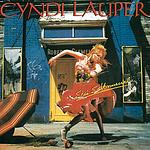
She's So Unusual is Cyndi Lauper's 1983 solo debut that blends new wave, synth-pop and pop rock into a vibrant, theatrical pop record. It pairs playful, idiosyncratic vocals with bright synthesizer textures and jangly guitar, balancing upbeat, singalong songs with more intimate ballads. The album is notable for establishing Lauper's distinctive pop persona and for bringing a quirky, expressive sensibility to mainstream 1980s pop music.
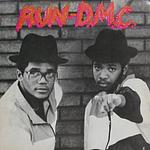
Run-D.M.C., released in 1984, is the group's raw, minimalist debut that helped define East Coast hardcore hip hop. The album pairs hard-hitting drum-machine patterns and sparse production with commanding vocal delivery and DJ scratches, and it incorporates rock-influenced guitar textures that pointed toward a rap rock crossover. Its punchy, street-focused sound is often cited as an influential early template for later hip hop acts.