 The Greatest Music
1001 Albums You Must Hear Before You Die (2005)
Weight: 60%
How much this list influences our overall rankings. Higher weight means more reliable data.
Penalties Applied:
1001 Albums You Must Hear Before You Die is a long-running reference book series (first published 2005; revised in 2010, 2013, 2016, 2018, and 2021) edited by Robert Dimery. It’s an editorial anthology, not a ranked poll: each entry is a short critic-written essay, sequenced roughly chronologically from the 1950s onward, with compilations/most film soundtracks excluded. Later editions swap in newer releases (e.g., the 2021 edition closes with Jazmine Sullivan’s Heaux Tales), so the title “1001” is a rolling canon rather than a fixed list across editions.
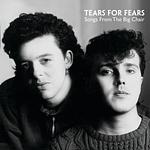
Songs from the Big Chair, Tears for Fears' 1985 second album, broadens their New Wave and synth-pop roots into a fuller pop rock and progressive pop sound. The record features polished, layered production with prominent synthesizer textures alongside guitars and other organic elements, and includes the well known songs "Shout" and "Everybody Wants to Rule the World." It balances strong pop songwriting and memorable hooks with introspective and sometimes darker lyrical themes, marking a stylistic expansion from their debut.
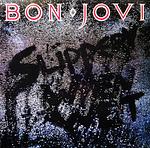
Slippery When Wet, Bon Jovi's 1986 album, blends hard rock guitar and glam metal sheen with pop-accessible songwriting and arena-ready choruses. The record features polished production, punchy riffs, soaring vocal melodies and singalong hooks, with Richie Sambora's guitar work and talk box textures complementing Jon Bon Jovi's anthemic delivery. Its mix of uptempo rockers and melodic ballads helped define a commercial pop metal sound aimed at stadium audiences.
Skylarking by XTC
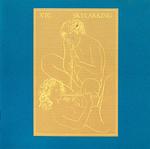
Skylarking is XTC's 1986 album produced by Todd Rundgren that blends pop rock, neo-psychedelia, new wave, psychedelic pop, and art pop into a cohesive, pastoral-sounding record. It features lush, layered arrangements, prominent keyboard and Mellotron textures, close vocal harmonies from Andy Partridge and Colin Moulding, and songwriting that shifts between playful, pastoral vignettes and darker, introspective themes. Many listeners and critics regard the album as a distinctive and influential entry in XTC's catalog for its unified sequencing and atmospheric production.
So by Peter Gabriel
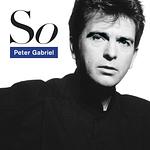
Peter Gabriel's 1986 album So blends art rock and pop rock with electronic and world music influences, combining concise, radio-friendly songcraft with layered, atmospheric production. Notable tracks include the horn-driven, funk-tinged "Sledgehammer" and the duet "Don't Give Up" with Kate Bush; the album emphasizes rhythmic textures, synthesizer atmospheres, and studio polish while retaining Gabriel's experimental sensibility.
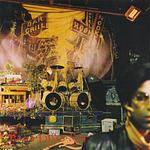
Sign o' the Times, released in 1987, is a sprawling double album by Prince that blends funk, contemporary R&B, pop rock, rock, and soul. The record moves between sparse electronic textures and drum machines and fuller guitar and horn arrangements, pairing intimate ballads with upbeat funk-pop tracks; it includes the title track "Sign o' the Times", "U Got the Look", "I Could Never Take the Place of Your Man", and "If I Was Your Girlfriend". Lyrically and sonically diverse, the album mixes personal themes about relationships with broader social commentary and represents a particularly experimental and wide-ranging phase in Prince's work.
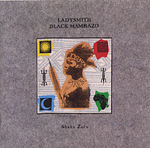
Shaka Zulu is a 1987 album by Ladysmith Black Mambazo that showcases traditional Zulu vocal forms, particularly isicathamiya and mbube, through tightly woven a cappella harmonies and deep bass lines. The arrangements emphasize call-and-response patterns, close harmony, and precise rhythmic phrasing led by Joseph Shabalala, presented with polished studio production that helped introduce the group’s sound to wider international listeners. The record is notable for translating communal South African vocal traditions into a clear, studio-focused presentation while retaining the subtle dynamics and interpersonal interplay of live performance.
Scum by Napalm Death
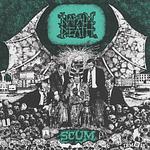
Scum, released in 1987 by Napalm Death, is a foundational grindcore album marked by extremely short, abrasive songs, relentless blast-beat drumming, and guttural and shouted vocals. The album's raw, lo-fi production and punk-influenced aggression prioritize speed and intensity over conventional song structures, and its brief, concentrated tracks deliver a compact, confrontational sound. Scum was recorded in two separate sessions with different lineups, which contributes to the record's contrasting textures, and it is widely regarded as an early touchstone for grindcore and extreme metal.
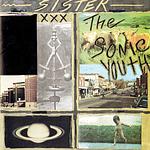
Sister is a 1987 Sonic Youth album that blends the band's No Wave and experimental roots with tighter song structures and clearer melodic threads. It emphasizes detuned, interlocking guitars, feedback and textural noise alongside more concise songwriting and shared vocal duties, producing a sound that sits between abrasive noise-rock and emerging alternative rock sensibilities. The record is notable as a transitional work that refines their experimental approach and points toward the more expansive arrangements they explored on subsequent releases.
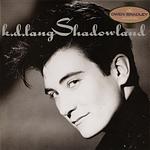
Shadowland, released in 1988, finds k.d. lang moving toward a more traditional country sound with lush Nashville-style arrangements and an emphasis on torchlike balladry. The record highlights her clear, expressive voice and a reverent approach to classic country phrasing, blending elements of country, country rock, and pop-oriented production to present a smoother, more polished side of her work compared with earlier rock-tinged recordings.
Repeater, Fugazi's 1990 full-length, refines the band's post-hardcore approach by combining angular, punk-derived guitar work with taut, groove-driven rhythms and stark, conversational vocals from Ian MacKaye and Guy Picciotto. Songs move between terse, urgent bursts and more spacious, rhythm-focused passages, showcasing tight instrumental interplay, off-kilter accents, and a dry, immediate production that emphasizes dynamics and texture. The album is frequently mentioned as an influential touchstone in post-hardcore for its balance of intensity, restraint, and rhythmic experimentation.
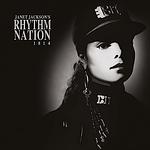
Rhythm Nation 1814, Janet Jackson's 1989 album produced with Jimmy Jam and Terry Lewis, blends contemporary R&B, new jack swing, hip hop and pop with downtempo ballads, combining tight, percussion-driven grooves and layered electronic production with melodic songwriting. The record pairs socially conscious themes about unity and social issues with dance-oriented tracks and slow jams, and is notable for its precise rhythmic arrangements, syncopated beats and strong emphasis on choreography and visual presentation.
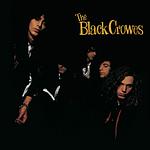
Shake Your Money Maker is The Black Crowes' 1990 debut album, rooted in blues rock, Southern rock and hard rock. It pairs gritty, vintage-tinged guitar work and soulful vocals with a mix of originals and covers, notably the band's take on Otis Redding's "Hard to Handle", and features the acoustic ballad "She Talks to Angels". The record emphasizes raw, roots-oriented arrangements and draws on 1960s and 1970s rock and soul traditions.
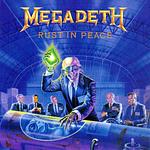
Rust in Peace (1990) is a technical, high-energy thrash metal album by Megadeth that foregrounds intricate twin-guitar work, precise rhythmic interplay, and complex song structures with progressive touches. Featuring Dave Mustaine and new lead guitarist Marty Friedman alongside Nick Menza on drums, the record combines rapid riffing and melodic soloing with lyrical themes ranging from politics and war to science fiction, marking a sharpening of the band's musicianship and compositional ambition.

Sex Packets is Digital Underground's 1990 debut studio album, blending West Coast hip hop with strong P-Funk and funk influences alongside acid jazz and electronic touches. Built around Shock G's playful production and alter egos such as Humpty Hump, the record combines funky grooves, talkbox and keyboard textures, humorous skits, and sexually charged party-minded lyrics into a loose concept-driven set that helped establish the group's theatrical, funk-infused approach to early 1990s hip hop.
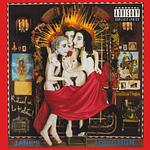
Ritual de lo habitual is Jane's Addiction's 1990 album that blends alternative rock and alternative metal guitar intensity with funk-inflected rhythms and dance-rock grooves, anchored by Perry Farrell's expressive vocals and Dave Navarro's angular guitar work. Tracks move from punchy, riff-driven songs like Ain't No Right and Been Caught Stealing to more atmospheric, melodic pieces such as Classic Girl, showing a mix of aggression, groove, and psychedelic textures. The album helped define the band's sound and influenced the early 1990s alternative scene through its adventurous arrangements and production.
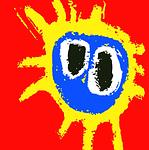
Screamadelica is Primal Scream's 1991 album that fused indie rock songwriting with acid house and dance production, blending distorted guitars and anthemic vocals with rhythmic grooves, samples, warm keyboards and extended club-friendly arrangements. The record helped bridge rock and electronic club culture by incorporating house rhythms, dub-like production, gospel-tinged backing vocals and psychedelic textures, producing an expansive, dance-oriented sound that emphasizes atmosphere and groove over conventional rock arrangements.
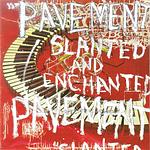
Slanted and Enchanted is Pavement's 1992 debut studio album. The record blends indie rock, alternative rock, lo-fi production and noise pop, characterized by Stephen Malkmus's laconic, often cryptic lyrics, a slack, conversational vocal delivery, jagged but melodic guitar interplay, loose rhythmic feel and a rough, home-recorded aesthetic that mixes tunefulness with distortion and off-kilter song structures. Its raw, DIY sound helped shape the early 1990s indie rock landscape and remains a touchstone for lo-fi guitar music.
Selected Ambient Works 85–92, compiled and released by Richard D. James as Aphex Twin in 1992, gathers tracks recorded between 1985 and 1992 and blends ambient atmospheres with understated techno rhythms. The album pairs warm, lo-fi synth pads and textured atmospheres with skittering drum patterns, acid-tinged melodic fragments and mellow ambient pieces, creating a mood that bridges home-recorded experimentalism and club-oriented electronic music. Its spare, hypnotic approach is often linked to the development of ambient techno and early IDM and is notable for its focus on texture and melody over overt dancefloor drives.
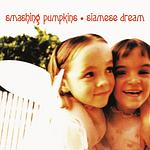
Siamese Dream, released in 1993 by The Smashing Pumpkins, blends alternative rock and grunge intensity with shoegaze and dream pop textures. The record is notable for dense, multi layered guitar overdubs, stark dynamic shifts between heavy, distorted passages and melodic, hook driven sections, and Billy Corgan's emotive, introspective vocals and lyrics. Songs such as "Cherub Rock," "Today," and "Disarm" illustrate its mix of aggressive guitar work and shimmering atmospherics, and the album is frequently regarded as a key release in early 1990s alternative rock.
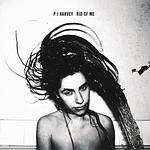
Rid of Me is PJ Harvey's 1993 album, produced by Steve Albini, noted for its raw, visceral sound and stark, live-feeling production. The music blends abrasive guitar work, driving rhythms, and intense, often confrontational vocals, with lyrics that explore power, desire, and emotional volatility. The record is commonly seen as a darker, more aggressive follow-up to her earlier work and a defining statement in 1990s alternative and indie rock.
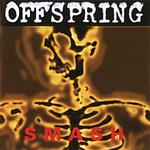
Smash, released in 1994 by The Offspring, blends fast, melodic punk rock with heavier guitar tones and concise song structures, drawing on punk and hardcore energy while incorporating alternative rock and hard rock elements. The record features punchy, palm-muted riffs, driving drumming and catchy, singalong choruses paired with a raw, direct vocal delivery, giving it a grittier production compared with many mainstream rock records of the time. Its combination of accessible melodies and punk attitude made it an influential touchstone for 1990s punk-influenced rock bands.
Snivilisation, released in 1994 by Orbital, is a darker, more expansive record that blends techno rhythms, leftfield electronica and ambient techno textures. The Hartnoll brothers layer complex breakbeats, melodic arpeggios and extended arrangements to create dense, evolving tracks that move between club-oriented grooves and atmospheric passages. Marked by heavier production, textural experimentation and occasional vocal sampling or political references, the album represents a more introspective and experimental turn in Orbital's early catalog.
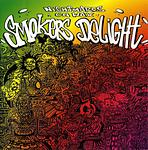
Smokers Delight, released in 1995 by Nightmares on Wax, is a downtempo electronic album that blends trip hop, chillout, dub and hip hop elements. Its tracks emphasize warm, recessed beats, deep bass grooves, languid melodies and sample-based textures, creating a smoky, late-night atmosphere suited to relaxed listening and chillout settings. The album's dub-inflected production and focus on groove and atmosphere helped shape the 1990s downtempo chillout aesthetic.
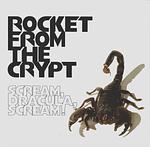
Scream, Dracula, Scream! (1995) captures Rocket From the Crypt's blend of punk energy and classic rock and roll, pairing short, propulsive songs with a prominent horn section and raucous, melodic vocals. The record emphasizes tight rhythms, crunchy guitars, and singalong choruses, mixing garage rock rawness with indie and punk sensibilities to create a theatrical, high-energy sound that stands out in the band's catalog.
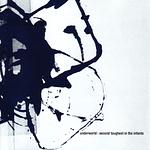
Second Toughest in the Infants (1996) is an Underworld album that blends techno, house and ambient into long, evolving compositions built from propulsive beats, layered synth textures and Karl Hyde's stream-of-consciousness vocals. The production emphasizes slow-building arrangements that shift between club-ready grooves and panoramic, leftfield soundscapes, balancing dancefloor energy with atmospheric passages. The record is regarded as a key 1990s electronic release that showcases Underworld's approach to marrying songwriting with extended electronic grooves.
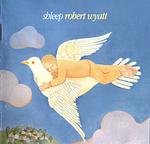
Shleep is a late-1990s Robert Wyatt album that pairs his fragile, expressive voice with warm, intimate arrangements drawing on jazz, Canterbury scene sensibilities, and subtle electronic textures. The songs move between hushed ballads and more rhythmically involved pieces, with piano, brass touches, and understated production that foregrounds melody and lyrical detail. The record reads as a mature, quietly inventive work that reconnects Wyatt's progressive and avant-garde roots with concise, song-based writing.
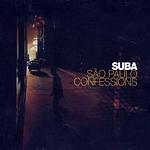
São Paulo Confessions (1999) by Suba is an electronic album that blends lush, ambient production and downtempo beats with Brazilian rhythmic and melodic elements such as bossa nova and samba. Suba layers processed samples, subtle live instrumentation and intimate vocal performances to create a nocturnal, cinematic soundscape that evokes urban São Paulo. The record is often cited as a striking example of fusing modern electronic textures with Brazilian songcraft and mood-driven arrangements.
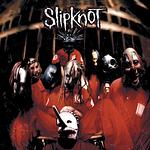
Slipknot's 1999 self-titled debut is a dense, aggressive blend of nu metal and alternative metal that emphasizes layered percussion, downtuned guitar riffs, abrasive turntable and sample textures, and a mix of screamed and melodic vocals. The record introduced the band's nine-member, masked lineup and a raw, claustrophobic production style that foregrounds rhythm and intensity. Its sound is notable for rapid tempo shifts, heavy rhythmic focus, and a confrontational tone that marked a heavier strand of late 1990s metal.
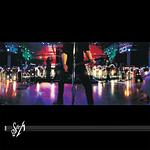
Live album pairing Metallica with the San Francisco Symphony under conductor Michael Kamen, S&M presents orchestral arrangements layered onto the band's heavy metal and hard rock repertoire. The recordings blend aggressive guitars and driving rhythms with strings, brass, and orchestral percussion, expanding dynamics and adding cinematic textures that emphasize both melody and power. The collaboration reimagines several of the band's well known songs in a symphonic context and highlights the compatibility between metal songwriting and classical arrangements.
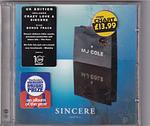
Sincere, MJ Cole's 2000 debut album, is rooted in UK garage and electronic production, combining 2-step rhythms with polished, orchestral-tinged arrangements, prominent piano motifs, and soulful vocal lines. The record blends classically informed melodic touches and string textures with crisp drum programming and warm bass, creating a balance between club-ready beats and song-oriented structures. It is frequently cited within the UK garage scene for its refined production and melodic focus.
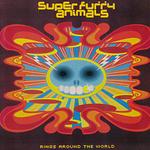
Rings Around the World, released in 2001 by Super Furry Animals, mixes electronic textures and neo-psychedelic melodies with alternative and art rock sensibilities. The record pairs concise, hook-forward songs with layered studio production, using synths, samples, brass and strings alongside distorted guitars and vocal harmonies. Tracks shift between bright pop structures, spacey atmospherics and brief experimental interludes, resulting in an eclectic but cohesive sound that emphasizes ambitious arrangements and a willingness to blend rock songwriting with electronic and orchestral elements.
Sea Change by Beck
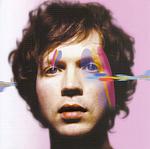
Sea Change, released in 2002 and produced by Nigel Godrich, is an introspective, largely acoustic album that emphasizes somber songwriting and understated arrangements. It blends elements of folk rock, alternative country, and chamber pop, using acoustic guitar, piano, string arrangements and restrained production to support Beck's subdued vocal delivery. The record marks a clear stylistic shift from his earlier sample-based, genre-mixing work and is noted for its intimate, melancholic atmosphere.
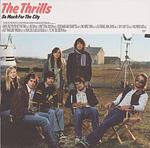
So Much for the City, the 2003 debut album by Irish band The Thrills, blends jangly indie rock and pop with sunlit, West Coast-inspired arrangements. The songs pair breezy, melodic guitar lines and close vocal harmonies with subtle touches of country and 1960s pop, creating a nostalgic, summery atmosphere that contrasts with lyrical themes about longing and change. The record introduced the band's knack for bright, hook-driven songwriting and an Americanized sonic palette coming from a European group.
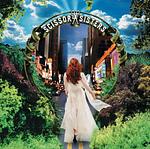
Scissor Sisters is the self-titled 2004 debut by Scissor Sisters that blends disco, pop, electro and downtempo elements into a theatrical, nightclub-influenced sound. The record pairs falsetto-led, campy vocals with dancefloor-friendly arrangements and occasional moodier electronic textures, and features a distinctive cover of Pink Floyd's "Comfortably Numb" alongside original songs such as "Take Your Mama." The album introduced the band's flamboyant aesthetic and helped define their early musical identity.
Brian Wilson Presents Smile (2004) is a solo reworking and completion of the famously unfinished 1966-67 Smile sessions originally conceived for the Beach Boys. The album uses modular song fragments, dense vocal harmonies and orchestral color to blend pop and chamber pop textures with psychedelic and classic rock touches, often referencing California and pastoral themes. Its sound emphasizes intricate arrangements, shifting song sections, and a theatrical, collage-like approach to melody and instrumentation.
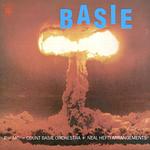
The Atomic Mr. Basie, arranged by Neal Hefti and recorded by Count Basie and his orchestra in 1957–58, presents a crisp, modern big band sound rooted in swing. Hefti's concise, riff-driven charts combine punchy brass writing and tight ensemble passages with Basie's economical, light-touch piano and a relaxed rhythm section, alternating high-energy swingers and more laid-back ballad settings. The arrangements emphasize dynamics, space, and call-and-response textures that showcase the sections and occasional soloists, giving the album a clear, orchestral big band character representative of Basie's late 1950s style.
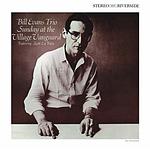
Sunday at the Village Vanguard is a live 1961 recording by the Bill Evans Trio, featuring Bill Evans on piano, Scott LaFaro on bass and Paul Motian on drums. The music blends cool jazz lyricism with post-bop harmonic depth and is distinguished by unusually conversational group interplay, close listening, and LaFaro's melodic, agile bass lines that often function as a counterpoint to Evans's piano. Captured in an intimate club setting and recorded shortly before LaFaro's death, the session is regarded as a landmark in the evolution of the modern jazz piano trio.
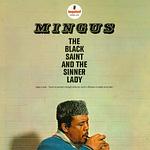
The Black Saint and the Sinner Lady (1963) is an extended suite by bassist-composer Charles Mingus that blends hard bop intensity, Third Stream orchestration and avant-garde jazz impulses. Mingus combines tightly arranged ensemble passages and chamber-like colors with improvisational solos, shifting between muscular brass statements, lyrical string-inflected textures and rhythms that recall Latin and flamenco influences. The album is notable for its ambitious compositional scope, dramatic contrasts and the way it foregrounds narrative and emotional development within a large-jazz-ensemble setting.
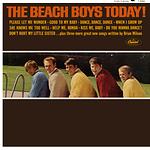
The Beach Boys Today! (1965) captures Brian Wilson expanding the group’s sound from surf pop into richer, more sophisticated territory. The album pairs upbeat, harmony-driven pop and surf-inflected songs with a quieter second half of introspective ballads that feature tighter vocal arrangements, orchestral touches, and inventive studio production. Its blend of baroque pop textures, pop rock energy, and sunshine pop harmonies marks a key transitional record in the band’s musical development.
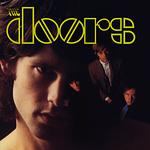
The Doors is the band's 1967 debut album that introduced their distinctive mix of psychedelic rock, blues rock, and acid-tinged atmospherics. Ray Manzarek's prominent electric organ and Jim Morrison's deep, poetic vocals shape a moody, nocturnal sound, while Robby Krieger's guitar and the rhythm section move between driving grooves and sparse blues. The record balances concise rock singles such as 'Break On Through' and 'Light My Fire' with extended, cinematic pieces like 'The End', blending improvisation, literary lyrics, and a darker, theater-influenced sensibility that helped define the band's early identity.
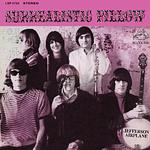
Surrealistic Pillow, released in 1967 by Jefferson Airplane, blends folk rock songwriting with electric psychedelia, pairing acoustic textures and jangling guitars with distorted guitars, organ, and studio effects. Grace Slick's powerful, theatrical vocals contrast with Marty Balin's softer delivery to create distinctive harmonies, while the songs mix concise pop structures with hallucinatory lyrical images and moments of freer instrumental exploration. The album captures the sound of the late 1960s San Francisco psychedelic scene and helped define Jefferson Airplane's role in that era.
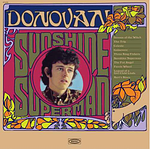
Sunshine Superman (1966) documents Donovan's shift from acoustic folk toward a more electric, psychedelic pop and folk rock sound, blending fingerpicked acoustic numbers with electric guitar, organ and subtle Eastern and jazz-inflected textures. The title track features bright, jangly electric instrumentation and exotic tonal colors, while songs like "Season of the Witch" lean into darker, atmospheric blues-tinged psychedelia. Overall the album pairs accessible melodies and concise songcraft with layered studio arrangements that helped define mid 1960s folk-psychedelic crossover work.
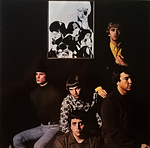
The Electric Prunes (1967) blends raw garage rock drive with late 1960s psychedelic studio experimentation. The album emphasizes fuzzed and reverb-heavy guitars, distinctive vocal harmonies, and production effects alongside melodic touches and occasional baroque-influenced arrangements, producing a compact mix of pop sensibility and psychedelic atmosphere representative of the era.
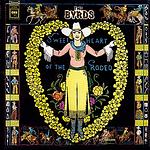
Sweetheart of the Rodeo is The Byrds' 1968 album that shifts the group's sound toward country rock, blending folk rock songwriting and rock rhythms with country instrumentation such as pedal steel and acoustic arrangements. Gram Parsons' involvement steered the record toward traditional country material and roots-flavored originals, delivered with close harmonies and a simpler, more direct production than the band's earlier psychedelic work, with songs like "Hickory Wind" exemplifying the album's tone. The record is widely regarded as an early and influential example of the country rock and Americana crossover.
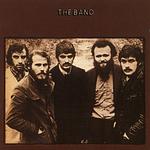
The Band (1969) is a roots-oriented album that blends rock, country, folk, and R&B into close ensemble performances and earthy, acoustic-leaning arrangements. Its character-driven storytelling, distinctive lead vocals from Levon Helm and Richard Manuel, concise songwriting from Robbie Robertson, and textured organ and sax work create a warm, timeless sound that helped shape roots rock and Americana.
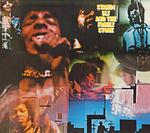
Stand! is a 1969 album by Sly & the Family Stone that fuses funk, soul and psychedelic rock into propulsive, rhythm-driven grooves and vibrant horn and keyboard textures. The band’s layered vocal harmonies, syncopated rhythms and pointed, inclusive lyrics balance danceable arrangements with experimental studio touches, reflecting a cross-genre approach that helped define their sound in the late 1960s.
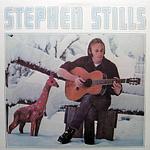
Stephen Stills is the 1970 self titled debut solo album by Stephen Stills, blending blues rock, folk rock, country rock, and straight rock influences. The record pairs electric and acoustic arrangements, layered vocal harmonies, and Stills multi instrumental performances, and includes the well known song 'Love the One You're With', offering a focused showcase of his songwriting and roots oriented guitar work.
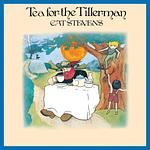
Tea for the Tillerman, released in 1970, is Cat Stevens's fourth studio album and a key example of early 1970s singer-songwriter folk rock. The album features spare, acoustic-based arrangements, gentle piano touches and understated production that put Stevens's warm voice and introspective, often socially conscious lyrics at the forefront. Songs such as "Wild World", "Father and Son" and "Where Do the Children Play?" blend folk, pop and rock elements with simple, memorable melodies, helping to define Stevens's intimate, reflective style.
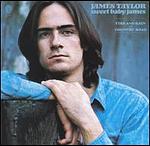
Sweet Baby James, released in 1970 by James Taylor, is a quietly influential singer-songwriter album that blends folk, soft rock, and folk pop. Taylor's warm, intimate vocal delivery and fingerpicked acoustic guitar anchor pared-back arrangements and introspective, narrative lyrics, exemplified by the lullaby title track and the confessional ballad "Fire and Rain". The record helped establish Taylor's mellow, melodic sound and became a touchstone of the early 1970s singer-songwriter movement.
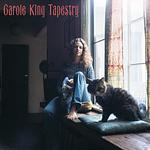
Tapestry is Carole King’s 1971 album characterized by an intimate, piano-centered singer-songwriter sound that blends folk rock, soft rock, and pop. The record features warm, conversational vocals and direct, personal songwriting supported by spare arrangements built around piano, acoustic guitar, and a restrained rhythm section. Its accessible melodies and confessional tone helped define the early 1970s singer-songwriter style and made several songs closely associated with King. Production is uncluttered, keeping the focus on her piano, voice, and songcraft.
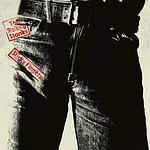
Sticky Fingers (1971) by the Rolling Stones blends rock, blues rock, hard rock, country rock, and rock and roll, alternating gritty electric numbers with quieter, country-influenced ballads. The record highlights the Jagger-Richards songwriting partnership and Keith Richards' guitar textures, and features tracks such as "Brown Sugar" and "Wild Horses." The album is also known for its Andy Warhol sleeve design and its turn toward a rawer, roots-oriented sound.
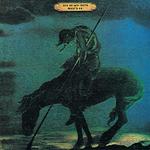
Surf's Up is a 1971 Beach Boys album that mixes pop and psychedelic elements with progressive pop touches, notable for rich vocal harmonies, orchestral textures and a more introspective tone. The title track, written with Van Dyke Parks, and songs such as "Til I Die" and "A Day in the Life of a Tree" reflect lingering experimentalism from earlier eras alongside contributions from Carl Wilson and Bruce Johnston, producing a record that balances social commentary, melancholy and studio-crafted arrangements.
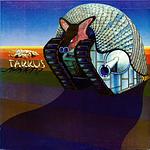
Tarkus, released in 1971 by Emerson, Lake & Palmer, is a classic progressive rock album built around a side-long title suite that blends classically influenced motifs, jazz harmonies, and heavy rock passages. The record showcases Keith Emerson's virtuosic keyboards, including prominent Hammond organ and early Moog synthesizer textures, Greg Lake's melodic vocals and guitar and bass work, and Carl Palmer's dynamic, precise drumming. Its mix of extended instrumental movements and shorter song-based tracks such as Lucky Man creates a dramatic, theatrical sound that exemplifies early 1970s art rock and progressive approaches to composition. The cover features a distinctive mechanical armadillo-like creature that became closely associated with the album's concept.
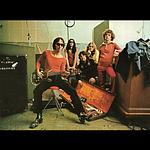
Teenage Head, released in 1971 by the Flamin' Groovies, pairs raw, 1950s‑tinged rock and roll with British Invasion melodicism and garage rock grit. The record shifts between raucous, guitar-driven numbers and more melodic, pop-oriented songs, with a rough-hewn production that gives it an immediate, live feel. Its combination of classic rock and roll roots, bluesy touches and concise hooks helped point toward the emerging power pop and punk sensibilities that would follow, making it influential among underground rock listeners.
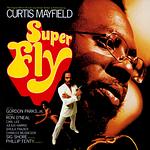
Curtis Mayfield's 1972 Superfly is a soundtrack album that blends soul, funk, Chicago soul, and R&B into a cinematic, groove-driven sound. Mayfield's distinctive falsetto and understated guitar work ride on deep funk rhythms, prominent bass, wah-wah guitar textures, and lush string arrangements, while lyrics offer a socially conscious perspective on urban life and the drug trade. The record balances warm melodic hooks with atmospheric production to create a laid-back but urgent mood tied closely to the film's themes.
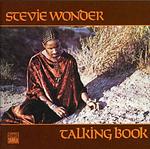
Talking Book, released in 1972, is a key album by Stevie Wonder that blends soul, funk, R&B and pop with a warm, studio-crafted sound. The record features prominent use of keyboards and synthesizers, including clavinet and Moog textures, and showcases Wonder's multi-instrumental performance and self-production. It balances intimate ballads and tight, groove-driven tracks, including well-known songs such as "Superstition" and "You Are the Sunshine of My Life", and represents a shift toward more personal, innovative arrangements in his early 1970s work.
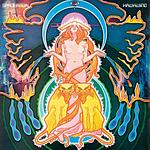
Space Ritual is a 1973 double live album that captures Hawkwind's expansive, theatrical take on space rock. The set blends hard, riff-driven rock and acid-era psychedelia with swirling synth drones, sax and flute textures, propulsive rhythms and spoken-word passages to create long, continuous pieces and extended improvisations. It stands as a definitive live document of the band's cosmic sound and the space rock aesthetic.
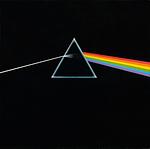
The Dark Side of the Moon is Pink Floyd's 1973 progressive rock album that blends rock, psychedelic and art rock elements into a continuous, concept-driven suite exploring themes such as time, money, mental strain and mortality. It is distinguished by its studio production and sound design, including layered synthesizers, tape effects and looping, prominent saxophone parts and an emotive wordless vocal performance on one track, with seamless transitions that emphasize atmosphere and textural detail across the record.
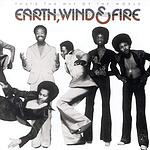
That’s the Way of the World, released in 1975, showcases Earth, Wind & Fire’s blend of funk, soul, disco and R&B with strong jazz and orchestral influences. The album is built on tight horn arrangements, layered vocal harmonies highlighted by Philip Bailey’s falsetto, and Maurice White’s polished production, combining groove-driven rhythm tracks with lush string and horn textures. Songs move between upbeat, danceable funk and smoother, reflective ballads, with lyrical themes that touch on love and spiritual reflection. The record helped consolidate the band’s signature sound in the mid 1970s and remains a key entry in their catalogue.
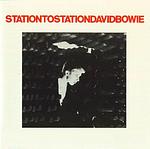
Station to Station, released by David Bowie in 1976, blends art rock, pop rock, alternative rock and blue-eyed soul into a lean, often chilly sound that connects his mid 1970s soul-funk experiments with the more electronic, experimental direction he pursued afterward. The record is anchored by the expansive, hypnotic title track with a motorik-like pulse, alongside tighter, soul-inflected songs featuring sharp guitar, driving bass and spare keyboards. It also introduces the Thin White Duke persona and explores themes of identity, travel and spiritual searching.
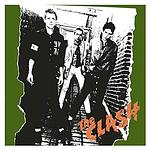
The Clash is the band's 1977 debut, a lean, hard-edged punk record that captures urgent, guitar-driven songs with politically charged lyrics. The album pairs fast, aggressive punk rock energy with traces of reggae and rockabilly influence, featuring punchy riffs, propulsive rhythms, and a raw, confrontational vocal style, and it helped define the sound of early UK punk.
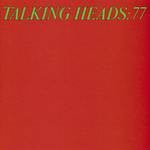
Talking Heads: 77 is the band's 1977 debut album that captures their early mix of art-school sensibility and punk energy. The record features angular, staccato guitar work, tight rhythmic interplay from the rhythm section, and David Byrne's literate, slightly nervous vocal delivery, blending spare rock arrangements with catchy, quirky melodies. With tracks such as "Psycho Killer," the album stands as an early example of New Wave and art punk and helped establish the distinctive sound the group developed on later records.
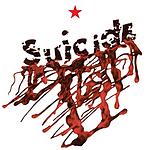
Suicide, the 1977 debut by the duo Suicide, pairs Martin Rev's sparse, repetitive synths and drum-machine patterns with Alan Vega's confrontational, often spoken or shouted vocals to create a stark, urban sound. The album's abrasive minimalism and unsettling narratives are exemplified by tracks such as "Ghost Rider" and the harrowing "Frankie Teardrop." Widely regarded as an influential work in No Wave, electropunk, minimal synth, and art punk, it helped shape later strands of industrial and electronic music.
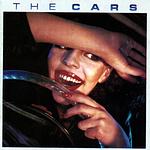
The Cars is the band's 1978 debut that blends rock and power pop with new wave sensibilities, pairing hook-driven guitar riffs with bright synthesizer textures and concise, melodic songcraft. Ric Ocasek's idiosyncratic songwriting and detached vocal delivery, often balanced by Benjamin Orr's more melodic leads, sits atop tight, layered production by Roy Thomas Baker that emphasizes punchy rhythms and polished arrangements. The record helped define a sleek, modern pop-rock sound that bridged late 1970s rock and emerging new wave styles.
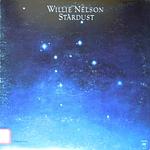
Stardust, released in 1978 by Willie Nelson, is a collection of interpretations of pop standards and American Songbook classics. Produced by Booker T. Jones, the record pairs Nelson's relaxed, behind-the-beat vocal delivery and spare acoustic guitar with understated arrangements that draw from country, jazz, and pop, occasionally using soft horns and strings. The album emphasizes melodic, intimate renditions of familiar tunes such as the title track, Moon River, and Georgia on My Mind, showcasing Nelson's ability to reframe well known songs in his own style.
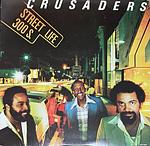
Street Life, released in 1979 by The Crusaders, showcases the group's turn toward a polished jazz-pop and jazz-funk sound, blending groove-oriented disco rhythms with jazz improvisation. The title track features Randy Crawford on vocals and acts as a soulful, radio-friendly centerpiece, while the rest of the album pairs electric piano, warm saxophone lines, tight rhythm work and lush arrangements to bridge jazz, R&B and pop sensibilities.
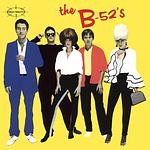
The B-52's is the band's 1979 debut, a loose and exuberant collection that helped define late 1970s New Wave with a blend of surf-influenced guitar, propulsive dance rhythms, and buoyant call-and-response vocals. The album's quirky lyrics, party-ready arrangements, and prominent organ and angular guitar give it a playful, kitschy feel that bridged art-pop and dance-rock while establishing the group's distinctive image in alternative music. Its energetic, danceable songs and offbeat humor made it a touchstone for bands exploring pop hooks with an avant-garde sensibility.
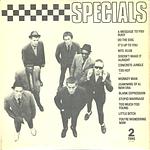
The Specials is the 1979 debut album by The Specials that melds Jamaican ska and reggae rhythms with the energy of punk and new wave within the 2 Tone aesthetic. Musically it pairs propulsive offbeat guitar and punchy horn lines with spare, direct production, and lyrics that address social concerns such as racial tension and youth culture while retaining a strong danceable feel. The album is considered a defining release of the British 2 Tone ska revival and helped bring that sound to a broader audience.
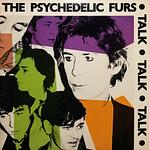
Talk Talk Talk is the Psychedelic Furs' second studio album, released in 1981. It refines their post-punk edge with stronger new wave and pop sensibilities, pairing Richard Butler's emotive baritone with jagged guitars, melodic basslines, propulsive rhythms and occasional saxophone. Songs such as "Pretty in Pink" and "Dumb Waiters" highlight the album's mix of moody atmosphere and hook-driven songwriting, marking an early shift toward a more anthemic side of the band's sound.
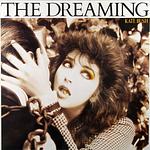
The Dreaming is a 1982 album by Kate Bush that sees her moving into a denser, more experimental blend of art rock and art pop while retaining pop and rock elements. Bush took on production duties and used extensive studio experimentation and sampling to build complex rhythms, layered textures, and theatrical, highly expressive vocals. The songs shift between jagged, percussive arrangements and more atmospheric, melodic moments, with vivid, often uncanny storytelling and lyrical detail that broadened her sonic palette and marked a deliberate move away from straightforward pop conventions.
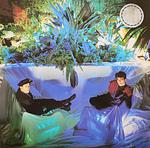
Sulk, released in 1982 by Scottish duo The Associates, blends synth-pop and new wave with art rock and post-punk sensibilities, often in a downtempo register. Billy Mackenzie’s wide-ranging, theatrical vocals sit over Alan Rankine’s elaborate arrangements that combine synthesizers, brass and orchestral touches, producing dramatic, atmospheric songs such as the single "Party Fears Two". The album is noted for its ambitious production and a songwriting approach that mixes catchy pop phrasing with experimental textures.
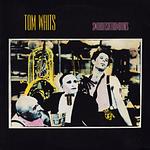
Swordfishtrombones (1983) is a Tom Waits album that marks a pronounced shift from his earlier piano-based, jazz and blues-tinged work toward a more experimental, percussive, and theatrical approach. The arrangements foreground unconventional percussion and found sounds alongside brass and woodwind textures, while Waits adopts a rougher, more expressive vocal style and surreal, character-driven storytelling. The record blends elements of blues, rock, and avant-garde experimentation and is regarded as a pivotal move into more adventurous, alternative rock and experimental territory for the artist.
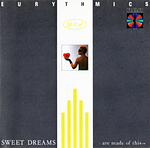
Sweet Dreams (Are Made of This) is a 1983 Eurythmics album that fuses synth-pop, new wave and electronic production into stark, synth-driven pop songs. It pairs Annie Lennox's expressive, androgynous vocals with Dave Stewart's layered synthesizer textures, sequenced basslines and drum machine grooves, producing a cool, moody New Romantic atmosphere. Tracks such as the title song and Love Is a Stranger showcase the album's minimalist arrangements and melodic immediacy, which helped establish the duo's early sound.
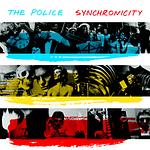
Synchronicity, released in 1983, is the Police's fifth studio album and represents a culmination of their move from lean new wave and reggae-inflected rock toward a more polished pop rock sound with layered production and increased use of synthesizers. Sting's songwriting on the record leans toward introspective and sometimes dark themes, and the band balances spare rhythmic foundations with richer melodic and textural elements. The album includes prominent tracks such as "Every Breath You Take", "King of Pain", "Wrapped Around Your Finger", and "Synchronicity II", and is frequently viewed as the high point of the group's studio work.
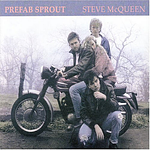
Steve McQueen is Prefab Sprout's 1985 album, produced by Thomas Dolby, that refines the band's blend of synth-pop, pop rock and sophisti-pop into a polished, literate form of chamber pop. Paddy McAloon's songwriting pairs wry, introspective lyrics with sophisticated chordal movement, warm melodies and smooth synth textures, while the production favors crisp, economical arrangements. The album is a clear example of mid 1980s sophisti-pop, notable for combining accessible hooks with musically intricate structures.
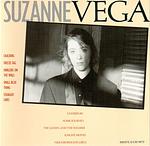
Suzanne Vega's 1985 self-titled debut presents her spare, literate singer-songwriter style with acoustic guitar-centered arrangements and subtle touches of electric instrumentation and light percussion. The album introduced Vega's observational, narrative lyrics on songs such as "Marlene on the Wall," pairing folk traditions with pop-minded melodies and an understated production that helped define a quiet strand of 1980s indie folk and folk-pop.
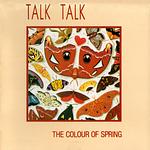
The Colour of Spring, released in 1986, finds Talk Talk moving from their earlier synth-pop toward a warmer, more organic form of art pop. Produced with Tim Friese-Greene, the album pairs Mark Hollis's intimate, restrained vocals with richer arrangements that include acoustic instruments, horns, and freer rhythmic interplay; tracks such as "Life's What You Make It" and "Living in Another World" exemplify this shift. The record is regarded as a transitional work that foreshadows the band's later, more experimental albums Spirit of Eden and Laughing Stock.
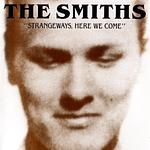
Strangeways, Here We Come is The Smiths' fourth and final studio album, released in 1987. Musically it retains the band's jangle pop and indie rock roots while moving toward more polished and textured arrangements, with Johnny Marr's chiming guitar work set against fuller orchestration and studio layering. Lyrically Morrissey's dry wit and melancholy are prominent, and the record closes the band's studio output with songs such as "Girlfriend in a Coma" and "Last Night I Dreamt That Somebody Loved Me" that blend pop hooks with darker themes.
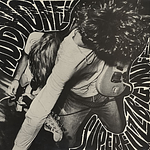
Superfuzz Bigmuff, released by Mudhoney in 1988, is a raw, fuzz-drenched collection that helped define the early Seattle grunge sound. Built around thick, distorted guitar tones evoking the Big Muff and Super-Fuzz pedals, the record pairs sludgy riffs and noisy feedback with sneering, garage-punk vocals and darkly playful lyrics. Its lo-fi production and abrasive energy contrast with more polished alternative rock of the time and made it a touchstone for the emerging grunge movement.
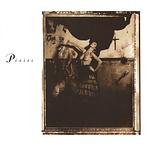
Surfer Rosa, released in 1988 by the Pixies, is a raw, abrasive alternative rock album produced by Steve Albini. It juxtaposes quiet, melodic verses with sudden, explosive choruses, showcasing Black Francis's urgent vocals, jagged guitar textures, and Kim Deal's propulsive bass and backing vocals, with her lead on "Gigantic". The songwriting pairs surreal, sometimes unsettling lyrical imagery with tight, punchy arrangements, and the stark, live-feeling production helped shape the loud-quiet-loud dynamics that became prominent in 1990s alternative and indie rock.
Tank Battles: The Songs of Hanns Eisler / Panzerschlacht: Die Lieder von Hanns Eisler by Dagmar Krause
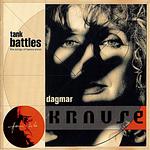
Dagmar Krause's 1988 Tank Battles: The Songs of Hanns Eisler collects her interpretations of Hanns Eisler's politically charged songs, blending cabaret and art-song sensibilities with pop-inflected balladry. Krause's intense, precise vocal delivery and generally spare arrangements emphasize the texts' dramatic and social themes, giving the material a concentrated, theatrical quality. The album continues Krause's long engagement with Brecht-Eisler repertoire and showcases her skill at bringing 20th-century political songs into a contemporary interpretive frame.
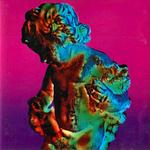
Technique, released in 1989 by New Order, blends the band's post-punk origins with contemporary club music, drawing on Ibiza's Balearic and early house sounds to create a bright, dance-oriented record. It pairs propulsive electronic rhythms and shimmering synth textures with guitar elements and Bernard Sumner's cool, melancholic vocals, moving between club-ready grooves and concise pop songwriting. The album is notable for deepening New Order's engagement with dance production while maintaining melodic hooks and a restrained emotional tone.
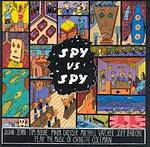
John Zorn's 1989 album Spy vs. Spy: The Music of Ornette Coleman is a focused tribute that reinterprets Ornette Coleman compositions through Zorn's avant-garde lens. The performances compress Coleman's themes into short, often abrupt vignettes that mix free jazz improvisation with collage-like arrangements and sudden stylistic shifts, emphasizing deconstruction and energetic contrast rather than straightforward replication. The album stands as an experimental, condensed exploration of Coleman’s melodic and harmonic ideas filtered through Zorn’s eclectic approach.
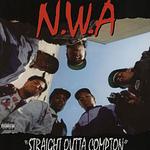
Straight Outta Compton, released in 1988 by N.W.A, is a landmark gangsta rap album that helped define West Coast hip hop. The record pairs hard, drum-machine driven beats and funk-derived sampling with blunt, confrontational lyrics about street life, policing, and urban tension. Production from Dr. Dre and DJ Yella emphasizes heavy bass, tight drum programming, and stark arrangements, while vocal performances from Ice Cube, Eazy-E, MC Ren, and others combine narrative storytelling and abrasive delivery. The album is notable for its raw sonic aesthetic and its role in bringing gangsta rap into wider public attention.
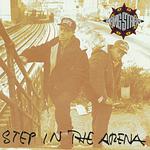
Step in the Arena is Gang Starr's second full-length album, centered on DJ Premier's lean, sample-driven boom bap production and Guru's calm, conversational delivery. The music mixes East Coast hip hop grit with jazz-tinged samples, crisp drum programming, and tight scratching, with lyrics focused on MC technique, street observation, and lyrical confidence. The record's spare, head-nodding sound helped establish the duo's signature aesthetic within early 1990s boom bap and jazz rap.
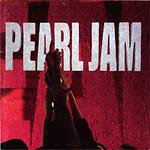
Ten is Pearl Jam's 1991 debut, rooted in grunge and alternative rock with hard rock dynamics. The album pairs Eddie Vedder's emotive, resonant vocals with layered, guitar-driven arrangements that alternate between heavy riffs and melodic hooks. Songs often combine anthemic choruses with introspective and sometimes angsty lyrics, and the production balances raw energy with a degree of studio polish. Ten is widely seen as a defining record of the early 1990s Seattle sound and established Pearl Jam's presence in alternative rock.
Spiderland by Slint
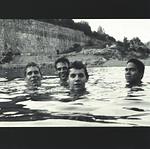
Spiderland, released in 1991 by Slint, is a spare, tension-driven rock album that helped shape key aspects of post-rock and math rock. Its songs blend subdued, often spoken vocals with angular, interlocking guitar work, shifting tempos, and stark dynamics that move between quiet, intimate passages and intense, release-driven climaxes. The album's atmospheric production and emphasis on space and rhythmic precision give it a cinematic, unsettling mood that has influenced many bands in post-rock, math rock, and post-hardcore circles.
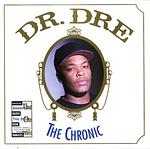
The Chronic is Dr. Dre's 1992 album that crystallized the G-Funk strand of West Coast gangsta rap, built around low, rolling basslines, melodic synth leads, crisp drum programming, and funk-derived grooves and samples. Dre's production favors smooth, layered textures and cinematic pacing, with memorable vocal performances and guest appearances that underscore its street-focused narratives. The album is commonly cited as a defining statement of early 1990s West Coast hip hop and helped popularize the G-Funk sound.
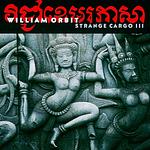
Strange Cargo III, the third entry in William Orbit's Strange Cargo series, continues his blend of ambient and electronic textures with leftfield and house influences. The album pairs cinematic, atmospheric soundscapes with understated beats and melodic motifs, favoring instrumental arrangements that shift between downtempo ambience and groove-oriented electronic pieces. It is representative of Orbit's interest in production detail and mood-led composition rather than conventional pop song structures.
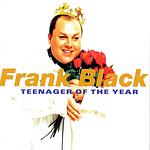
Teenager of the Year is Frank Black's 1994 second solo album that shifts from the terse dynamics of his Pixies work toward a more expansive, introspective indie rock sound. The songs combine guitar-driven rock with fuller arrangements and occasional piano or string textures, featuring his distinct vocal delivery and vivid, often personal lyrics that explore darker and reflective themes.
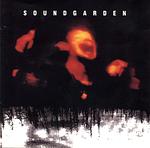
Superunknown (1994) is Soundgarden's fourth studio album that blends heavy alternative metal and grunge with melodic and psychedelic elements. The record is built around down-tuned, dense guitar riffs, varied time signatures and arrangements, and Chris Cornell's wide vocal range, shifting between raw intensity and melodic delivery. Its songs move from hard, riff-driven rock to more atmospheric and introspective pieces, reflecting a broadening of the band's sonic palette and experimentation.
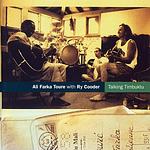
Talking Timbuktu (1994) is a collaborative album by Malian singer-guitarist Ali Farka Touré and American roots guitarist Ry Cooder that blends traditional West African music with Delta blues and elements of folk and jazz. The record features spare, interlocking guitar work, restrained percussion, and Touré's earthy vocals sung in his native languages, highlighting melodic and rhythmic links between Malian song forms and American blues. Cooder's tasteful accompaniment and production emphasize clarity and space, giving the album an intimate, acoustic sound that helped foreground cross-cultural connections between African and American roots traditions.
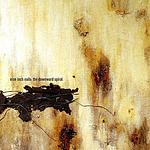
The Downward Spiral is Nine Inch Nails' 1994 album that fuses industrial, rock, and metal textures into a dark, largely conceptual sequence about personal collapse and alienation. Built from abrasive electronics, samples, programmed beats, and heavily processed guitars, the record moves between aggressive, rhythmic assaults and quieter, atmospheric passages, with layered production by Trent Reznor and Flood. Its arrangements emphasize texture, tension, and dynamic contrast, and it closes with a sparse, intimate track that contrasts the album's earlier intensity.
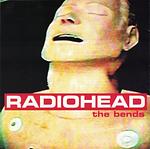
The Bends finds Radiohead expanding from their debut into more expansive, guitar-driven alternative rock that mixes melodic Britpop touches with darker, introspective lyrics and atmospheric, occasionally psychedelic textures. Thom Yorke's emotive voice and falsetto sit atop layered guitar arrangements and dynamic contrasts between loud, anthemic tracks and quieter, intimate moments. Songs such as "Fake Plastic Trees", "High and Dry", "Just", and "Street Spirit (Fade Out)" illustrate the album's blend of strong melodies and emerging experimental tendencies that the band would develop further on later records.

Tellin’ Stories captures The Charlatans' late 1990s blend of indie and alternative rock with Britpop and pop-leaning sensibilities, anchored by warm Hammond organ lines, jangly and sometimes fuzzed guitars, steady rhythmic grooves, and Tim Burgess's conversational vocal style. The album emphasizes melodic hooks and a laid-back, soulful feel that balances upbeat, radio-friendly moments with more reflective tracks, and it is often seen as a defining record in the band’s catalog from that era.
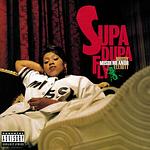
Missy Elliott's 1997 debut album Supa Dupa Fly pairs her playful, inventive rapping and melodic R&B sensibility with Timbaland's sparse, syncopated, futuristic production. The record blends hip hop, contemporary R&B, and pop rap through unconventional rhythms, layered vocal textures, and off-kilter sound design, establishing a distinct sonic identity that helped define late 1990s urban music and showcased Missy and Timbaland's collaborative chemistry.
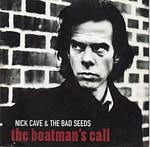
The Boatman's Call, released in 1997 by Nick Cave & the Bad Seeds, is a spare, piano-led album that foregrounds intimate, confessional songwriting. Arrangements are minimal, built around piano, organ, acoustic guitar and subtle textures, placing Cave's baritone voice and lyrical narratives at the forefront. The record represents a shift toward balladry and introspection, exploring themes of love, loss, faith and regret with poetic, often stark language, and is frequently noted for its quiet mood and emotional directness.
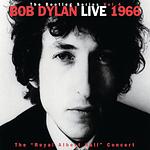
A live document of Bob Dylan's controversial 1966 electric tour, this release pairs a solo acoustic opening with an energized electric set backed by the Hawks, the group that would become the Band. Long circulated under the name "Royal Albert Hall" but actually recorded in Manchester, the concert captures Dylan shifting from folk toward a fuller country rock and rock sound, with raw, punchy arrangements and intense audience reaction, including a famous heckle that highlighted the split in his fanbase. The recording is prized for its immediacy and for illustrating a pivotal moment in Dylan's musical evolution.
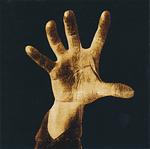
System of a Down's 1998 self-titled debut showcases the band's jagged blend of alternative metal and avant garde metal, pairing heavy, riff-driven passages with abrupt tempo shifts and unconventional song structures. Serj Tankian's dramatic vocal delivery and Daron Malakian's angular guitar work draw on metal, punk, and Armenian musical influences, producing compact songs that move quickly between aggression and quieter, eerie moments. The album introduced the group's experimental approach to songwriting and politically tinged lyrical themes.