 The Greatest Music
1001 Albums You Must Hear Before You Die (2005)
Weight: 60%
How much this list influences our overall rankings. Higher weight means more reliable data.
Penalties Applied:
1001 Albums You Must Hear Before You Die is a long-running reference book series (first published 2005; revised in 2010, 2013, 2016, 2018, and 2021) edited by Robert Dimery. It’s an editorial anthology, not a ranked poll: each entry is a short critic-written essay, sequenced roughly chronologically from the 1950s onward, with compilations/most film soundtracks excluded. Later editions swap in newer releases (e.g., the 2021 edition closes with Jazmine Sullivan’s Heaux Tales), so the title “1001” is a rolling canon rather than a fixed list across editions.
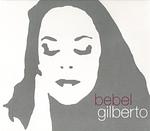
Tanto Tempo, released in 2000 by Bebel Gilberto, blends classic bossa nova and samba songwriting with downtempo electronic and lounge production to create a warm, intimate sound characterized by soft, breathy vocals, gentle acoustic guitar, subtle percussion, and ambient electronic textures. The album presents a modern, chilled-out take on Brazilian music that broadened exposure for bossa nova among lounge and downtempo audiences and helped establish Gilberto as a prominent voice in contemporary Latin-influenced pop.
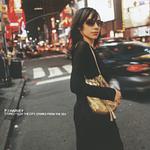
Stories From the City, Stories From the Sea is PJ Harvey's 2000 album that emphasizes brighter, more melodic arrangements while keeping her intense, concise songwriting. The record blends indie and alternative rock with art rock and folk influences, using chiming guitars, piano and atmospheric production to frame lyrics that often evoke urban life and intimate relationships. Compared with her earlier, rawer records, this album is notable for its clearer melodic focus and varied instrumental textures.
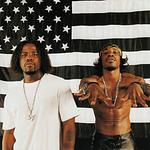
OutKast's 2000 album Stankonia finds Andre 3000 and Big Boi pushing Dirty South hip hop into a more experimental, wide-ranging sound that incorporates electronic textures, techno and drum and bass rhythms alongside funk, soul and psychedelic elements. The production is dense and eclectic, mixing rapid breakbeats, distorted synths, horns and live instrumentation while the duo alternates playful bravado, melodic hooks and pointed social commentary. Songs move from high-energy, drum and bass influenced tracks like "B.O.B." to more melodic, reflective moments such as "Ms. Jackson," and the record is notable for expanding hip hop's sonic palette at the time.
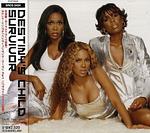
Survivor (2001) by Destiny's Child is a contemporary R&B album with strong pop and dance-pop elements and occasional gospel inflections. The record pairs tight vocal harmonies and layered production with a mix of assertive uptempo tracks and midtempo ballads that emphasize themes of resilience, independence, and relationships. Its glossy, early 2000s production blends R&B grooves, programmed beats, and pop hooks, highlighting the group's vocal interplay and increasing creative role of the members. The album also represents the group’s consolidation as a trio and is a defining entry in their catalog.
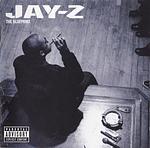
The Blueprint, released in 2001, is an East Coast hip hop album that blends hardcore rap with chipmunk soul and pop rap elements. Its sound emphasizes warm, pitched soul samples and relatively spare, hard-hitting drums, with production that foregrounds Jay-Z's lyricism as he moves between introspective storytelling and confident braggadocio. The record is often cited as a defining early 2000s hip hop album that helped popularize sample-driven, soulful production and raised the profile of several young producers.
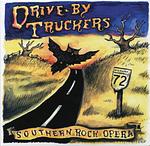
Southern Rock Opera (2001) is a sprawling double album by Drive-By Truckers that blends Southern rock traditions with indie rock sensibilities. Built around a loose concept about Southern identity, politics, and the legacy of Lynyrd Skynyrd, the record pairs gritty, guitar-driven arrangements, twang-inflected vocals, and roots instrumentation with narrative songwriting from Patterson Hood and Mike Cooley. Its sound mixes slide and electric guitar, piano and country touches with raw production and an emphasis on storytelling, marking a major stylistic statement in the band's catalog.
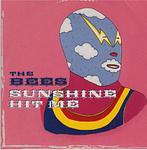
Sunshine Hit Me, the Bees' 2002 debut, blends indie pop and neo-psychedelia with downtempo and electronic touches, pairing warm, retro-tinged arrangements with lo-fi studio production. The album combines sunlit melodies, relaxed grooves, soulful vocals and eclectic instrumentation such as horns and organs, using subtle studio effects to create a laid-back, summery atmosphere. As an opening statement it introduced the band's habit of mixing vintage influences with contemporary indie sensibilities and established the eclectic sonic identity they would develop further.
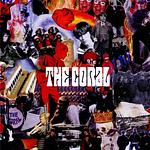
The Coral is the self-titled 2002 debut album by the English band The Coral. It blends indie rock, folk rock and jangle pop with 1960s psychedelic and vintage pop influences, featuring chiming guitars, prominent organ textures and close vocal harmonies. Songs move between upbeat, jangly numbers and more atmospheric, folk-tinged pieces, highlighting the group's melodic focus and retro-inspired arrangements while introducing the sound that would define their early work.

Stripped, released in 2002, finds Christina Aguilera moving from teen pop toward a rawer, more varied sound that blends pop, contemporary R&B, hip hop, pop rock, and pop rap. The record pairs aggressive, club-oriented tracks such as "Dirrty" with intimate, vocal-driven ballads like "Beautiful", highlighting a wide vocal range and more personal lyrical themes of identity, empowerment, and sexuality. Production mixes polished pop hooks, R&B grooves, rock guitars, and hip hop beats to create a diverse sonic palette that marked a stylistic shift in her career.
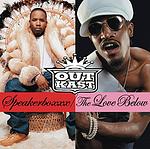
Speakerboxxx / The Love Below is OutKast's 2003 double album presented as two solo discs: Speakerboxxx showcases Big Boi's take on Southern hip hop, funk and pop rap with punchy beats and braggadocio, while The Love Below features André 3000's more melodic, genre-bending explorations in contemporary R&B, funk, jazz and pop with sung vocals and experimental arrangements. The paired records highlight the duo's contrasting artistic voices and a willingness to expand hip hop's sonic palette.
Street Signs (2004) by Ozomatli blends funk, hip hop, and Latin styles into an energetic, multilingual set that pairs salsa and Afro-Cuban percussion with tight horn lines, electric guitar and bass grooves, and rap-influenced vocals. The album mixes sung choruses and rapped verses in English and Spanish, channeling an urban Los Angeles perspective with danceable rhythms and socially minded lyrics while drawing on rock and reggae influences.
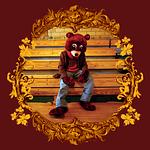
The College Dropout is the 2004 debut studio album by Ye, released under the name Kanye West. Musically it blends hip hop and pop rap with chipmunk soul production built from sped-up soul samples, touches of neo soul and gospel textures, and layered vocal harmonies. Lyrically it pairs personal introspection with social commentary, mixing confessional passages and humor while exploring themes of family, faith, ambition, and the music industry. The record is marked by warm, sample-driven instrumentation and a production-forward approach that foregrounds melodic beats alongside conversational, emotionally direct rapping.
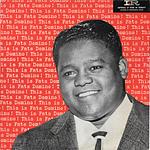
This Is Fats Domino! (1956) showcases Fats Domino's piano-driven New Orleans R&B and early rock and roll style, combining relaxed baritone vocals, rolling triplet piano patterns, a steady backbeat and light horn accents. The material blends R&B, pop phrasing and touches of swamp pop, presenting accessible, melody-forward arrangements that illustrate Domino's contribution to bringing New Orleans rhythmic and melodic sensibilities into mid 1950s popular music.
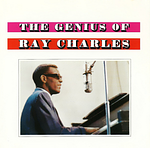
The Genius of Ray Charles (1959) showcases Ray Charles applying his gospel-rooted vocal phrasing and piano to arrangements that sit at the intersection of jazz, blues and big band. The album pairs soulful, emotive singing and blues-inflected piano with prominent horn charts and orchestral textures, placing it between small-combo jazz and larger ensemble sounds. It illustrates Charles's ability to blend gospel, jazz and blues influences into an early model of soul and soul-jazz expression.
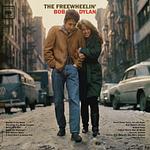
The Freewheelin' Bob Dylan, released in 1963 as Bob Dylan's second studio album, helped define his early voice in the 1960s folk revival. The record is built around sparse acoustic guitar and harmonica accompaniment and mixes traditional material with originals such as "Blowin' in the Wind", "A Hard Rain's a-Gonna Fall", "Masters of War", and "Don't Think Twice, It's All Right". Its songwriting foregrounds topical, poetic lyrics and draws on folk and blues influences within a contemporary folk framework.
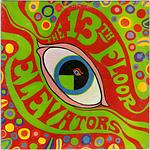
The Psychedelic Sounds of the 13th Floor Elevators is the 1966 debut by the Texas band 13th Floor Elevators. It mixes garage rock grit and fuzzy guitars with extended, acid-tinged arrangements, notable for Roky Erickson's raw vocals and the band's unusual electric jug that adds a distinctive, oscillating texture. The album is often cited as an early and influential example of American psychedelic rock, combining stripped-down energy with experimental studio touches.
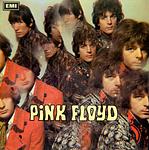
The Piper at the Gates of Dawn, Pink Floyd's 1967 debut, is a formative psychedelic rock record driven by Syd Barrett's idiosyncratic songwriting, playful lyrics, and inventive guitar work. Its sound combines whimsical melodies with experimental studio techniques, tape effects, prominent organ, and spacey guitar textures that point toward space rock and experimental rock. The album captures the band's early London psychedelia and Barrett's shaping influence on their initial musical direction before his departure.
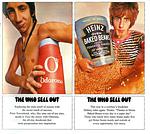
The Who Sell Out is a 1967 concept album by The Who that mimics a pirate radio broadcast, weaving short faux commercials and jingles into a sequence of songs that blend mod energy, pop rock hooks, psychedelic pop color, and art pop experimentation. Pete Townshend's songwriting and production provide a through line, with bold arrangements and studio touches supporting melodic tunes and moments of raw rock intensity, while Roger Daltrey's vocals and Keith Moon's dynamic drumming help anchor the performances. The record is often noted for its playful satire of consumer culture and its inventive use of pop forms within a unified, tongue in cheek concept.
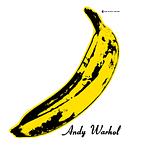
The Velvet Underground & Nico (1967) blends art rock, experimental and garage influences, pairing Lou Reed's stark songwriting and vocals with John Cale's abrasive viola and drone textures, Sterling Morrison's guitar and Maureen Tucker's spare percussion. Nico supplies detached lead vocals on a few tracks. The record mixes concise pop melodies with feedback, distortion and candid lyrics about urban life, sex and drug use, creating a raw, intimate sound that helped shape later art rock, punk and alternative music. Produced with Andy Warhol's involvement and notable for its banana cover, the album is distinguished by its experimental production and unconventional subject matter.
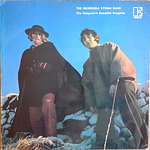
The Hangman’s Beautiful Daughter (1968) by The Incredible String Band mixes folk, psychedelic folk and rock into richly acoustic, often whimsical songs that draw on traditional British folk and non‑Western instruments. Robin Williamson and Mike Heron share lead vocals and play a wide range of unusual timbres, creating layered vocal harmonies and eclectic arrangements that move from short pastoral pieces to longer, improvisatory works such as "A Very Cellular Song." The album is notable for its experimental, mystical atmosphere, use of exotic instrumentation and a looseness that helped shape the late 1960s British psychedelic folk sound.
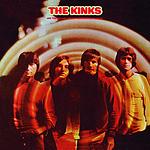
The Kinks Are the Village Green Preservation Society (1968) is a Ray Davies-led album that blends pop rock and baroque pop with touches of psychedelic pop, built around concise, character-driven songs about English small-town life and memory. Musically it favors acoustic guitar, piano, tight vocal harmonies, and occasional string or woodwind colors, creating a pastoral, intimate sound and a focus on vignettes rather than rock excess. Its emphasis on nostalgia, everyday characters, and chamber-pop arrangements marks a distinct turn in the Kinks' songwriting and has informed later British artists exploring similar themes.
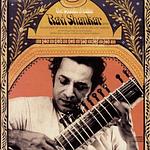
The Sounds of India (1958) is a Hindustani classical album by sitarist Ravi Shankar that foregrounds long-form, improvisatory raga performances. The recordings emphasize the sitar's melodic exploration, moving between slow, meditative introductions and more rhythmic, tabla-accompanied sections, and blend classical technique with touches that can read as folk-inflected or relaxed lounge textures. The overall sound is spacious and detailed, showcasing Shankar's phrasing and the structural interplay of melody and rhythm in North Indian classical music.
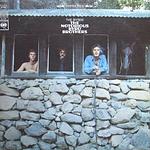
The Notorious Byrd Brothers (1968) finds The Byrds moving from jangly folk rock toward a more studio‑oriented blend of folk rock, pop rock and psychedelic textures. The album pairs chiming guitars and layered vocal harmonies with orchestral touches, tape and electronic effects, and occasional country inflections, producing a hazy, atmospheric sound that balances concise pop songwriting with adventurous studio arrangements. It represents a transitional, experimental moment in the band's late 1960s output.
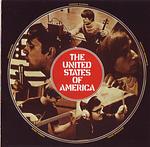
The United States of America (1968) is an experimental psychedelic rock album led by Joe Byrd with vocalist Dorothy Moskowitz. It fuses concise rock songcraft with early electronic techniques such as ring modulation, primitive synthesizers and amplified electric violin, creating a metallic, otherworldly sound palette. Tracks shift between compact pop forms and collage-like, avant garde arrangements, featuring layered vocals, spare rhythm parts and politically tinged lyricism. The record stands out for its adventurous production and for blending electronics with late 1960s psychedelia.
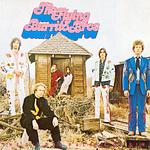
The Gilded Palace of Sin, released in 1969 by the Flying Burrito Brothers, is an early example of country rock that blends traditional country instrumentation like pedal steel with rock songwriting and rhythms. Led by Gram Parsons with Chris Hillman and featuring Sneaky Pete Kleinow on pedal steel, the album combines originals and reinterpretations influenced by country, soul, and gospel, pairing close vocal harmonies with plaintive steel guitar and rootsy production. Its fusion of country and rock textures is widely cited as influential on later Americana and alternative country developments.
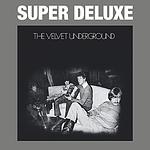
The Velvet Underground (1969) marks a turn toward quieter, more melodic arrangements that foreground Lou Reed's songwriting and introspective lyrics. Blending art rock and folk rock textures with restrained rock instrumentation, the album pares back the harsher experimental noise of earlier work in favor of cleaner production, intimate vocals, and lingering minor key melodies that still retain a proto-punk directness. Its sound is characterized by spare arrangements, close instrumental interplay, and a contemplative mood that expanded the band's sonic range.
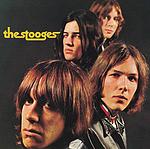
The Stooges, released in 1969, is the band’s raw debut marked by noisy, stripped-down garage rock and proto-punk aggression. It pairs repetitive, distorted guitar riffs and simple, driving rhythms with Iggy Pop’s snarling, theatrical vocals and a sparse production that emphasizes immediacy. Songs such as "I Wanna Be Your Dog", "No Fun", and "1969" capture the record’s confrontational, primal sound and its early influence on punk and harder-edged rock styles.
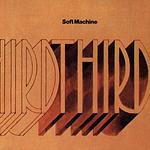
Third is a 1970 double LP by Soft Machine characterized by four extended, side-length pieces that move away from conventional song structures toward extended instrumental exploration. The music blends jazz improvisation and harmonic complexity with progressive and psychedelic textures, featuring organ, saxophone, bass and drums and occasional vocals within loosely composed suites. The album is often cited as a key moment in the band's shift into jazz-rock and experimental progressive territory and reflects the exploratory spirit of the Canterbury scene.
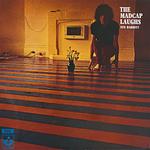
Syd Barrett's 1970 debut solo album, The Madcap Laughs, captures his intimate, unpolished songwriting after leaving Pink Floyd. The record blends folk rock and psychedelic elements with sparse, often fragile arrangements and experimental studio moments, emphasizing acoustic guitar, loose rhythms and eccentric melodic turns. Barrett's lyricism moves between whimsical and melancholic, and the album is notable for its raw, improvisational feel and personal immediacy.
The Yes Album by Yes
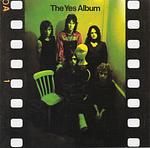
The Yes Album (1971) is Yes's third studio album and the first to feature guitarist Steve Howe. It marks a clear move toward longer, more ambitious progressive rock arrangements that blend intricate guitar work, layered vocal harmonies, organ and Mellotron textures, and shifts between acoustic and electric passages. Tracks such as "Yours Is No Disgrace", "Starship Trooper", and "Ive Seen All Good People" illustrate the interplay of Jon Anderson's vocals, Chris Squire's melodic bass, Bill Bruford's precise drumming, Steve Howe's versatile guitar tones, and Tony Kaye's keyboards, all presented with production that emphasizes dynamic contrasts. The record is widely regarded as an important early example of the classic progressive rock sound and set the band on a more expansive musical course in the 1970s.
The Slider by T. Rex
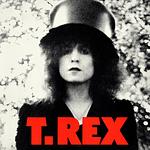
The Slider (1972) is a glam rock album by T. Rex that consolidates Marc Bolan's move from folk-psychedelia to concise electric rock. It pairs short, hook-driven songs with more textured arrangements, featuring Bolan's distinctive vocals, catchy guitar riffs, and layered production that blends acoustic and electric elements. The record is often viewed as a defining example of early 1970s British glam rock with a raw, proto-punk undercurrent in its direct rhythms and lyrical delivery.
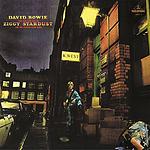
The Rise and Fall of Ziggy Stardust and the Spiders From Mars (1972) is a loose concept album in which David Bowie adopts the persona of Ziggy Stardust, an androgynous alien rock star. Musically it blends glam rock theatricality with straightforward rock and pop songwriting and elements of art rock, driven by Mick Ronson's guitar work and arrangements and a rhythm section that supports both crunchy rock numbers and quieter, melodic passages. The album is notable for its narrative focus, dramatic vocals, and cinematic arrangements that helped define Bowie's early 1970s sound and stage persona.
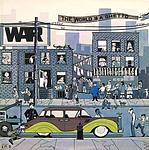
The World Is a Ghetto, released in 1972 by War, blends funk and soul with jazz and Latin-tinged rhythms, featuring long, groove-centered arrangements, prominent percussion, wah-wah guitar, saxophone and organ textures, and lyrics that reflect urban and social themes. The album favors mood and ensemble interplay over concise pop forms, creating relaxed, atmospheric tracks that highlight the band’s fusion of R&B, funk and world music elements.
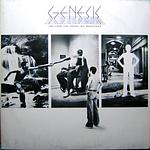
The Lamb Lies Down on Broadway (1974) is Genesis's sprawling double concept album and rock opera that follows the surreal urban odyssey of a young protagonist named Rael. Musically it blends progressive and symphonic prog with art rock theatricality, featuring extended compositions, shifting time signatures, rich keyboard textures, layered guitars and narrative vocals by Peter Gabriel. The record is notable for its ambitious storytelling, cinematic arrangements, and for being the band's last studio album with Gabriel as lead singer.
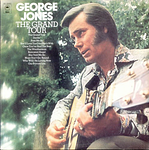
The Grand Tour (1974) is a country album from George Jones's 1970s Epic Records period, marked by lush, countrypolitan arrangements and Jones's deeply emotive, world-weary vocal delivery. The title track is a slow, narrative ballad that uses the tour of an empty home as a metaphor for the end of a marriage, and the record pairs that dramatic storytelling with polished studio production, string accents, and traditional country instrumentation. The album showcases Jones's strength as a balladeer and his ability to convey heartbreak through phrasing and dynamics.
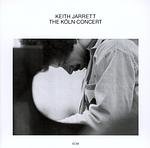
The Köln Concert is a 1975 live solo piano recording by Keith Jarrett consisting of extended, spontaneously improvised performances presented in multi-part sequences. The music blends lyrical melody, repeated rhythmic motifs and open harmonies drawn from jazz, blues and gospel idioms while remaining firmly within free improvisation and contemporary jazz contexts. Jarrett’s expressive touch, on-the-spot development of themes and responsiveness to the instrument and room create a meditative yet propulsive sound; the concert is widely regarded as a key document of solo piano improvisation in modern jazz.
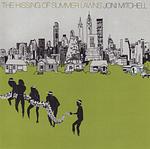
The Hissing of Summer Lawns (1975) finds Joni Mitchell expanding from her folk roots into a sound that blends jazz pop, folk pop and avant garde pop with elements of contemporary jazz. Arrangements emphasize electric keyboards, layered vocals and rhythmic complexity, while the harmonic language and song forms draw on jazz sensibilities. Lyrically the album uses observational narratives and ambiguous characters to examine suburban life, relationships and modernity. Overall it represents a deliberate, experimental turn toward denser production and sophisticated songwriting.
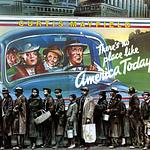
There’s No Place Like America Today (1975) is a Curtis Mayfield album that blends soulful falsetto vocals, restrained funk grooves, and lush orchestral touches to deliver socially observant songs about American life and inequality. Mayfield’s songwriting and production foreground warm guitar lines, steady bass and percussion, and tasteful horn and string arrangements that create a contemplative, sometimes melancholic atmosphere while retaining rhythmic drive. The record continues his solo work in socially conscious soul and funk, balancing melodic accessibility with pointed lyrical themes.
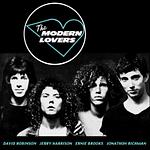
The Modern Lovers (1976) collects early recordings by Jonathan Richman and his band that favor a raw, direct approach rooted in garage rock and proto-punk while drawing on art rock and indie sensibilities. The music pairs spare, chiming guitars and steady, propulsive rhythms with Richman's candid, often childlike vocal delivery and conversational lyrics, blending deadpan wit and everyday observation. Its simplicity and immediacy highlight a balance of rough-edged energy and clear melodic focus that has been widely noted in discussions of early punk and indie precursors.
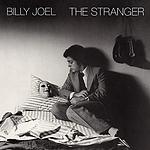
The Stranger (1977) is Billy Joel's fifth studio album, produced by Phil Ramone, that helped define his piano-led pop rock identity by blending soft rock balladry, pop hooks and occasional funk-tinged rhythms. It pairs intimate songs such as "Just the Way You Are" and "She's Always a Woman" with livelier tracks like "Movin' Out (Anthony's Song)" and "Only the Good Die Young," and includes the contemplative "Vienna" and the title track. The arrangements emphasize melodic piano, warm horns and clear studio production, giving the record a cohesive sound that broadened Joel's stylistic range in the late 1970s.
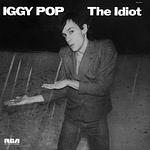
The Idiot, Iggy Pop's 1977 solo album produced and co-written in part by David Bowie, marks a shift from raw garage rock toward a darker, more measured sound that blends rock, art rock, punk energy, and early new wave elements. The record emphasizes sparse, mechanical rhythms, atmospheric synth and guitar textures, and subdued, brooding vocals, with songs like "Nightclubbing" and "China Girl" highlighting its minimalist arrangements and European electronic influences. The album is often seen as a stylistic pivot in Pop's career that contributed to the development of post-punk and new wave aesthetics.
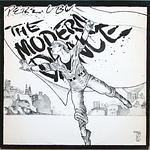
Pere Ubu's 1978 debut album The Modern Dance blends art punk and post-punk energy with experimental studio textures, pairing David Thomas's idiosyncratic vocal delivery with angular guitar, jagged saxophone, and off-kilter organ and synth lines. Tracks move between concise song forms and noisy, atmospheric passages, combining propulsive rock rhythms with found-sound and industrial-tinged production. The record is regarded as an early, influential example of a band pushing rock toward more abrasive and avant-garde territory within the post-punk and experimental rock spheres.
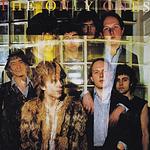
The Only Ones is the band's 1978 debut that blends late 1970s punk urgency with power pop melodies and new wave sensibilities. Peter Perrett's weary, literate vocals and observational lyrics are paired with John Perry's chiming, melodic guitars and a rhythm section that moves between driving rock and restrained grooves, creating songs that balance rawness and craft. The album includes the well known track Another Girl, Another Planet and is often referenced for its influence on subsequent indie and alternative rock artists.
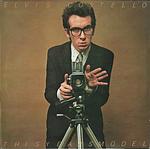
This Year’s Model is Elvis Costello’s 1978 album recorded with the Attractions that marks a move to a harder edged new wave sound. The record pairs jagged, punchy guitar and a muscular rhythm section with prominent organ and Costello’s acerbic, literate lyrics and urgent vocals. Produced by Nick Lowe, it contains concise, immediate songs such as 'Pump It Up' and 'Radio Radio' and is often cited as a key work in the late 1970s new wave movement.
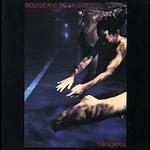
The Scream is the 1978 debut album by Siouxsie and the Banshees that presents a tense, spare post-punk sound marrying angular guitar textures, propulsive basslines and stark, tribal drumming with Siouxsie Sioux's dramatic, enigmatic vocals. Its songs favor jagged rhythms, eerie atmospheres and bold lyrical imagery, making the record an early touchstone for gothic rock and the darker edge of new wave.
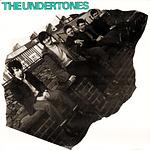
The Undertones' 1979 debut is a concise, guitar-driven record that pairs punk urgency with catchy pop melodies. Tracks are short and immediate, built from choppy power-chord rhythms, jangly lead lines, and Feargal Sharkey's distinctive youthful vocals, with lyrics focused on adolescent life and direct, unadorned hooks. The album emphasizes bright, energetic arrangements that bridge punk, new wave, and early pop punk sensibilities.
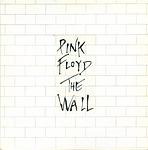
The Wall is a 1979 concept album and rock opera that follows the psychological collapse of a fictional character named Pink, exploring themes of isolation, alienation, and the impact of trauma. Musically it blends progressive rock and art rock structures with elements of classic and psychedelic rock, moving between intimate acoustic passages, dense studio production, orchestral interludes, and powerful, anthemic songs such as "Comfortably Numb" and "Another Brick in the Wall Part 2". The album is notable for its theatrical narrative approach, layered soundscapes, prominent guitar solos, and use of sound effects and spoken segments to advance the story.
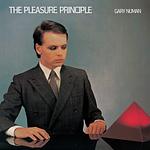
The Pleasure Principle, Gary Numan's 1979 solo album following his work with Tubeway Army, is a stark, synth-driven record that strips rock instrumentation back in favor of sparse, largely synthesizer-based arrangements and cool, detached vocals. The music emphasizes minimalist electronic textures, programmed rhythms, and futuristic themes of alienation and technology, and it is often cited as an early touchstone for synth-pop, New Wave, and later electronic and New Romantic artists.
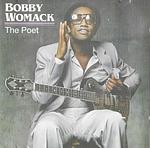
The Poet (1981) finds Bobby Womack blending his gospel-rooted vocal intensity with polished early 1980s soul and R&B production. The record pairs intimate, romantic ballads and midtempo grooves with lush arrangements, warm electric keyboards and subtle synthesizer textures, and includes the slow-burning standout 'If You Think You're Lonely Now.' It is often regarded as a strong late-career statement that reaffirmed Womack's songwriting and interpretive strengths in a contemporary R&B context.
The Visitors by ABBA
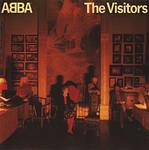
The Visitors, ABBA's 1981 studio album, moves toward a more electronic and synth-driven sound while retaining the group's melodic pop and Europop sensibilities. The record emphasizes colder, more introspective arrangements and lyrical themes such as relationship breakdown and political unease, delivered with layered vocal harmonies and polished production. As the group's last studio album before their long hiatus, it is notable for a shift from upbeat dance-pop toward atmospheric, synth-based pop rock and electronic textures.
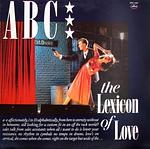
The Lexicon of Love, ABC's 1982 debut album, fuses pop, new wave and dance-pop with lush orchestral touches and sleek electronic production. The record pairs Martin Fry's theatrical, emotive vocals and romantic, sometimes sardonic lyrics with glossy synths, tight rhythm tracks and sweeping string arrangements, producing a cinematic, danceable sound that emphasizes studio polish and stylistic glamour. Its blend of orchestration and synth-based pop exemplifies a stylish strand of early 1980s British pop.
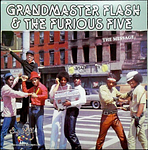
The Message, issued by Grandmaster Flash and the Furious Five in 1982, blends electro-tinged funk, early hip hop beats, and pop-leaning songcraft with stark, street-level storytelling. The title track pairs a minimalist, drum machine driven groove and spare synth textures with Melle Mel's urgent vocal delivery and DJ embellishments, shifting emphasis from party rhymes to social realism and narrative detail. As a record it collects danceable, rhythm-forward tracks that foreground mood and lyrical content, and it is often cited for steering parts of hip hop toward more explicitly observational and political subject matter.
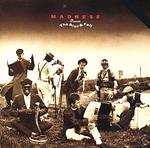
The Rise & Fall (1982) by Madness blends the band's ska and new wave roots with pop rock and more expansive, often pastoral arrangements. Songs range from upbeat, brass-driven numbers to quieter, piano and string-accented tracks, reflecting a move toward more reflective songwriting and varied instrumentation. The album includes the well-known single "Our House" and highlights the band's interest in English social observation and melodic pop craftsmanship.
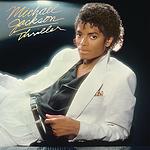
Thriller, released in 1982 and produced by Quincy Jones, is a pop and contemporary R&B album that blends dance-pop, disco, funk and rock elements. It is characterized by polished, cinematic production, tight rhythms, layered vocal harmonies and strong melodic hooks on tracks such as "Billie Jean", "Beat It" and "Thriller". Notable moments include Eddie Van Halen's guitar solo on "Beat It" and Vincent Price's spoken-word cameo on the title track. The record helped broaden Jackson's crossover appeal and played a significant role in shaping the era of high-concept music videos.
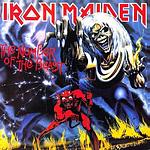
The Number of the Beast (1982) is Iron Maiden's third studio album and the first to feature vocalist Bruce Dickinson. Musically it blends the twin-guitar harmonies and riff-driven energy of the New Wave of British Heavy Metal with more expansive song structures, theatrical melodies, prominent galloping rhythms, and Dickinson's wide vocal range. The record includes well-known tracks such as "Run to the Hills" and "The Number of the Beast" and marked a move toward more epic, narrative songwriting that helped shape the band's sound within heavy metal.
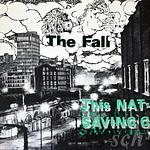
This Nation's Saving Grace, released in 1985 by The Fall, captures the band's post-punk approach with terse, driving rhythms, jagged guitar work and Mark E. Smith's caustic spoken-sung vocals. The addition of guitarist Brix Smith brought sharper melodic hooks that sit alongside repetitive, angular basslines and propulsive drum patterns, producing a leaner, more direct sound than some of their earlier records. The album stands as a key statement in the band's mid 1980s output, balancing abrasive textures with tighter songcraft.
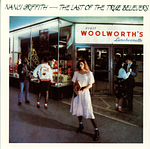
The Last of the True Believers (1986) by Nanci Griffith blends country, folk, and pop through literate, narrative songwriting and warm, conversational vocals. The album is built around acoustic guitar-centered arrangements with subtle country instrumentation and pop-minded melodies, highlighting Griffith's storytelling voice and a gentle, accessible production that helped define her early sound.
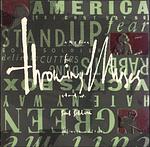
Throwing Muses (1986) is the band's debut album, pairing jagged, angular guitar work and shifting rhythms with Kristin Hersh's intense, often cryptic vocals and lyrics. The songs move between post-punk dissonance and unexpectedly melodic, sometimes folk-tinged passages, creating abrupt dynamic shifts and unconventional song structures. The record is frequently cited as an early example of American indie rock that blends raw edge with personal, inward-focused songwriting.
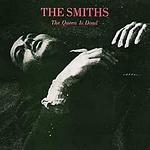
The Queen Is Dead (1986) by The Smiths pairs Johnny Marr's chiming, layered guitars and inventive arrangements with Morrissey's literate, sardonic vocals and lyrics, folding jangle pop and neo-acoustic textures into more muscular indie rock moments. The songs move between upbeat, melodic tracks and quieter, introspective pieces, highlighting tight songcraft, melodic basslines, and occasional fuller production that broadens the band's earlier, sparer sound. The album is frequently cited as a defining statement of the band's style and an important record in 1980s British indie music.
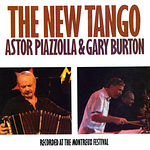
The New Tango (1987) pairs Argentine composer and bandoneonist Astor Piazzolla with American vibraphonist Gary Burton in a set that blends Piazzolla's nuevo tango language with jazz improvisation and harmonic textures. The arrangements emphasize close ensemble interplay, rhythmic drive, and lyrical melodic lines, with Burton's vibraphone adding a bright, jazz-inflected color to Piazzolla's bandoneon-led themes. The result is an acoustic, chamber-jazz take on tango that highlights cross-genre conversation rather than conventional dance forms.
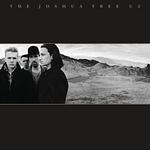
The Joshua Tree, released in 1987 by U2, refines the band’s post-punk roots into a widescreen rock sound that blends atmospheric, delay-heavy guitar work with blues, gospel and American roots influences. Produced by Brian Eno and Daniel Lanois, the album favors sparse, spacious arrangements that highlight The Edge’s chiming textures and Bono’s expressive vocals while exploring themes of faith, politics and the American landscape. Tracks move between spare balladry and driving, anthemic rock, and the record is noted for its cinematic production and lyrical focus on searching and spirituality.
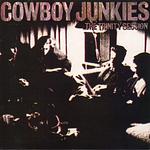
The Trinity Session (1988) by Cowboy Junkies is a spare, atmospheric album that blends blues, country, and rock into a hushed, folk-inflected alternative country sound. Recorded live in a church using a deliberately minimalist setup, the music emphasizes Margo Timmins's intimate vocals, slow, drifting tempos, and subtle instrumental textures, creating a cinematic, melancholic mood. Its quiet arrangements and reverent production helped establish the band’s reputation within alternative rock and alt country circles.
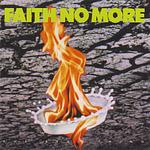
The Real Thing, Faith No More's 1989 album and the band's first with vocalist Mike Patton, blends alternative metal, funk metal, hard rock, alternative rock and rap metal into a diverse, genre-mixing record. It pairs heavy guitar riffs and dynamic production with funky basslines, punchy rhythms, eclectic keyboards and samples, while Patton's wide-ranging vocals shift from melodic singing to aggressive shouts and rap-influenced delivery. Tracks such as "Epic" exemplify the album's contrast of groove-driven verses and anthemic choruses, and the record helped define Faith No More's experimental, genre-blurring approach going forward.
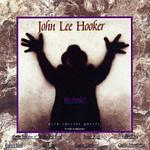
The Healer (1989) finds John Lee Hooker revisiting his signature raw, electric blues voice with fuller, rock-tinged arrangements that bridge Chicago-style amplified blues and contemporary blues rock. The record pairs Hooker’s hypnotic, rhythmic guitar and spoken-sung delivery with expanded production and guest instrumental textures, creating a blend of stripped-down blues grit and more polished rock-soul touches. As a late-career album, it helped reintroduce Hooker’s sound to newer listeners while retaining the primal, groove-driven feel central to his work.
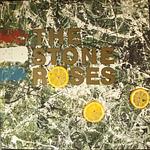
The Stone Roses' 1989 self-titled debut blends jangly, chiming guitar work with propulsive, danceable rhythms and a touch of psychedelia, pairing John Squire's melodic guitar lines with Ian Brown's laconic vocal delivery. Tracks shift between concise pop hooks and sprawling, groove-driven pieces, with production that emphasizes shimmering guitars and elastic bass. The album is closely associated with the Madchester scene and is often cited as an influential touchstone for later Britpop and indie bands.
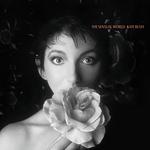
The Sensual World is Kate Bush's sixth studio album from 1989. It blends art pop, progressive pop and rock, moving toward warmer, more organic arrangements compared with some earlier synth-heavy work, with layered vocals, piano-led balladry and rhythmic, folk-tinged textures. The title track draws on Molly Bloom's soliloquy from James Joyce's Ulysses, and the record includes intimate songs such as "This Woman's Work" alongside more propulsive pieces like "Love and Anger", reflecting Bush's focus on narrative, emotional detail and textural experimentation. The result is a cohesive, introspective album that balances theatrical songwriting with direct melodic emphasis.
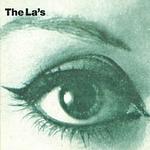
The La's, released in 1990, is the band's lone studio album centered on Lee Mavers' concise, melody-driven songwriting. Musically it blends jangly, 1960s-influenced guitar pop and Merseybeat touches with indie and alternative rock textures, featuring chiming guitars, tight arrangements, and short, hook-focused songs such as "There She Goes". The record is noted for its spare, timeless sound and for Mavers' exacting approach in the studio, and it is frequently mentioned as a touchstone for later Britpop and jangle-pop acts.
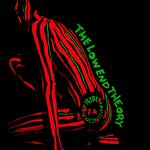
The Low End Theory is A Tribe Called Quest's 1991 album that crystallizes jazz rap by pairing bass-forward, jazz-sample-based production with classic boom bap rhythms and conversational, socially aware lyrics. Q-Tip's understated, melodic production and the dynamic interplay between Q-Tip and Phife Dawg create a warm, groove-oriented sound that emphasizes low frequencies, sparse beats, and lyrical chemistry.
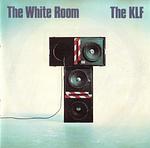
The White Room, issued by The KLF in 1991, blends acid house, house, breakbeat and broader electronic dance production into a cinematic, sample-heavy album. Its sound shifts between propulsive club tracks driven by squelching acid lines and steady house grooves and more atmospheric, orchestral moments that reflect the record's origins as a planned soundtrack. The KLF's use of cut-up samples, dramatic builds and concise song forms creates a crossover feel that connects early 90s rave textures with pop songwriting without losing an experimental, tongue-in-cheek edge.
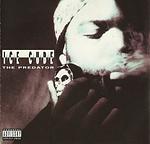
The Predator, Ice Cube's third solo album released in 1992, pairs his blunt, confrontational delivery with beats rooted in West Coast funk and sample-based production. Recorded amid the social unrest of the era, the record mixes gangsta rap aggression with explicit social and political commentary, moving between hard-hitting street narratives and more reflective tracks. Musically it favors dense, rhythmic arrangements with prominent basslines and stark percussion that foreground Ice Cube's lyrics. The album is a notable entry in his early solo work for its blend of hardcore and conscious themes and for consolidating his voice as a solo artist.
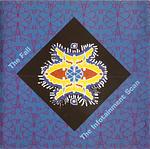
The Infotainment Scan, released in 1993 by The Fall, blends the band's jagged post-punk foundations with sharper electronic and new wave textures. The album pairs angular, repetitive guitar and bass motifs with keyboards, samples, and programmed elements, while Mark E. Smith's clipped, conversational vocals and elliptical lyrics ride terse, groove-driven arrangements. Overall it presents a relatively streamlined Fall sound that mixes abrasive and melodic moments and shows the group incorporating leftfield electronic touches into their indie rock template.
Tical by Method Man
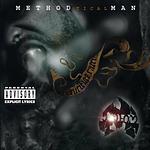
Tical is Method Man's 1994 solo debut that embodies gritty East Coast and hardcore hip hop aesthetics, with production largely handled by RZA and a sample-driven, cinematic feel tied to the Wu-Tang sound. The album pairs Method Man's gravelly, conversational delivery and brash street narratives with moody, hard-hitting beats and occasional melodic moments, such as the duet with Mary J. Blige on "All I Need," and the hard-hitting single "Bring the Pain."
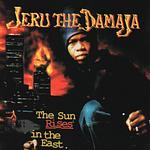
The Sun Rises in the East, Jeru the Damaja's 1994 debut, pairs his clipped, authoritative delivery with DJ Premier's stripped, hard-hitting production. The album emphasizes boom bap rhythms, gritty sampled textures, and tight scratching, supporting lyrics that critique commercialized hip hop and address urban life and street ethics. Standout tracks such as 'Come Clean' and 'D. Original' showcase the minimalist beats and dense, direct rhymes associated with mid 1990s East Coast hip hop.
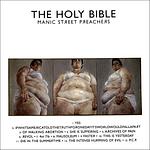
The Holy Bible, released in 1994, is a stark, confrontational album that blends alternative rock, post-punk and punk energy with hard rock intensity. The sound is angular and claustrophobic, featuring abrasive guitars, tense rhythms and a clinical production that foregrounds Richey Edwards and Nicky Wire's bleak, literate lyrics about politics, consumer culture, mental illness and historical violence. It is notable for its uncompromising tone and for being the last Manic Street Preachers album to include lyricist and rhythm guitarist Richey Edwards before his disappearance in 1995.
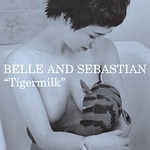
Tigermilk, the band's 1996 debut, introduced Belle and Sebastian's delicate blend of indie pop and chamber pop. The album pairs hushed, conversational vocals and acoustic guitar with subtle string and brass touches, favoring intimate, narrative lyrics and restrained arrangements that emphasize mood and character. Its twee-influenced charm and literate storytelling helped define the melodic, observational sensibility of the group's early work.
Tidal by Fiona Apple

Fiona Apple's 1996 debut album Tidal is a piano-centered collection that blends alternative pop and rock with jazz and soul inflections. The songs feature intimate, confessional lyrics and dramatic, dynamic arrangements that often contrast sparse piano and percussion with fuller band and orchestral textures. Apple's distinctive, emotive voice and mature songwriting are central, with tracks built around moody grooves, complex harmonic choices, and expressive phrasing that introduced her as a singular singer-songwriter.
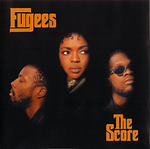
The Score, released in 1996 by the Fugees, blends hip hop, contemporary R&B, boom bap rhythms and alternative hip hop sensibilities with Caribbean influences. Lauryn Hill's soulful singing and lyrical delivery, Wyclef Jean's eclectic production and Pras's steady rapping create a mix of live instrumentation, cinematic samples and reggae-tinged grooves. The album pairs reinterpretations of familiar songs, such as a cover of "Killing Me Softly" and a version of "No Woman, No Cry," with original, socially conscious lyrics that explore identity, diaspora and street life.
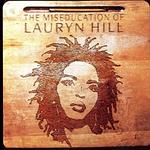
The Miseducation of Lauryn Hill blends R and B, neo soul and hip hop, combining sung vocals and expressive rapping over warm, organic production that mixes live instrumentation, soulful samples and hip hop rhythms. Lauryn Hill’s songwriting is direct and personal, exploring themes of love, motherhood, spirituality and selfhood, and the album features standout songs that showcase its mix of melodic hooks and lyrical intensity. Its fusion of contemporary R and B sensibility with alternative hip hop textures helped shape the sound of early 2000s neo soul and influenced many artists who followed.
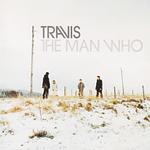
The Man Who, released by Scottish band Travis in 1999, is a melodic, quietly introspective album that moved the group from Britpop toward a softer post-Britpop sound. It emphasizes gentle acoustic guitar, piano textures and restrained, melancholic vocals, with a focus on concise, hooky songwriting exemplified by singles such as "Writing to Reach You" and "Why Does It Always Rain on Me?" The record is often noted for its warm production and its role in popularizing a more reflective, pop rock–tinged strain of indie rock at the turn of the century.
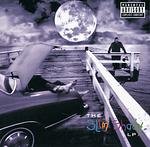
The Slim Shady LP (1999) is Eminem's major label breakthrough that introduces his Slim Shady persona, mixing dark, shock-driven humor and violent satirical storytelling with tightly wound rhyme schemes. Musically it blends hardcore hip hop and horrorcore themes with boom bap influenced, sample-forward production and polished, cinematic touches, using skits and sudden mood shifts to amplify its black comedy. The record is notable for its provocative lyricism, agile delivery, and theatrical approach that helped define Eminem's public voice.
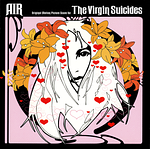
Air's 2000 soundtrack for Sofia Coppola's film The Virgin Suicides is a largely instrumental, mood-driven record that blends warm analogue synths, restrained beats, piano and string motifs to create a melancholic, cinematic atmosphere. Moving between ambient, downtempo and ambient pop textures, the album favors sparse arrangements and reverb-soaked melodies and includes the vocal track "Playground Love," reinforcing Air's reputation for quiet, filmic electronica.
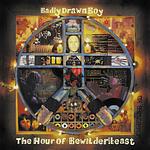
The Hour of Bewilderbeast is Badly Drawn Boy's 2000 debut album. It blends indie pop and indie rock with chamber pop and leftfield touches, pairing intimate acoustic songwriting and conversational vocals with piano, string arrangements and occasional quirky production flourishes. The record moves between sparse, reflective ballads and fuller, orchestral moments, giving it a cinematic, pastoral quality that helped establish Damon Gough as a distinctive voice in the British indie scene.
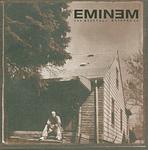
The Marshall Mathers LP (2000) is Eminem's raw, confrontational album that blends hardcore hip hop, horrorcore intensity, and pop-rap hooks. Production frequently uses sparse, eerie beats and layered samples to support tightly wound, rapid-fire delivery, allowing Eminem to shift between darkly comic Slim Shady sketches, confessional storytelling such as "Stan", and violently personal material about fame, family, and identity. The album helped define his public persona and intensified debates about lyrical boundaries by foregrounding provocative, autobiographical songwriting and abrasive satire.
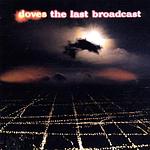
The Last Broadcast, Doves' second studio album released in 2002, expands their atmospheric indie rock into spacious arrangements that blend chiming guitars, layered percussion, and subtle electronic and downtempo touches. The record favors melancholic melodies and dynamic contrasts between restrained, introspective songs and more propulsive, dance-inflected tracks, helping to define the band's signature sound in the early 2000s.
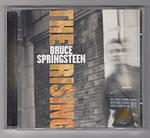
The Rising (2002) is Bruce Springsteen's album written and recorded in the aftermath of the September 11, 2001 attacks. It blends heartland rock and folk rock with gospel and pop rock touches, using piano, organ, saxophone and layered backing vocals to create anthemic, communal-sounding arrangements alongside quieter acoustic moments. Lyrically the album moves through themes of grief, faith and resilience, and it also marked Springsteen's reunion with the E Street Band.
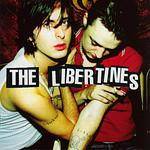
The Libertines is the band's 2004 self-titled album, presenting a ragged, communal take on indie rock with strong garage rock revival and punk rock energy. Musically it mixes jangly, urgent guitars and propulsive rhythms with raw, singalong choruses, anchored by the frayed, intertwining vocals and lyrics of Pete Doherty and Carl Barat that often address friendship, excess, and personal turmoil. The performances and arrangements emphasize immediacy and a loose, live-in-the-studio feel that became a defining element of the group's sound in the early 2000s UK indie scene.
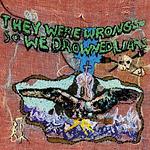
They Were Wrong, So We Drowned (2004) is a deliberately abrasive, ritualistic record in which Liars shifted from their earlier angular rock toward a collage of electronic noise, pounding tribal percussion, and fragmented folk motifs. The album foregrounds repetitive, trance-inducing rhythms, distorted textures and strained, often shouted vocals, with lo-fi production and found-sound elements that create an unsettling, ceremonial atmosphere. Its uncompromising focus on texture and repetition marked a pronounced redefinition of the band's sound within experimental rock and noise.
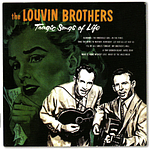
Tragic Songs of Life (1956) by the Louvin Brothers is a somber country and bluegrass collection built around the duo's close sibling harmonies and spare acoustic backing. The album emphasizes plaintive, high-lonesome vocals over guitar, mandolin and fiddle textures, focusing on themes of heartbreak, sin and death. Its austere arrangements and intense vocal interplay make it a distinctive example of midcentury country rooted in traditional and gospel-influenced sounds.
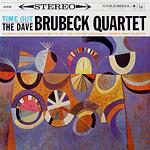
Time Out, recorded by the Dave Brubeck Quartet and released in 1959, is a landmark jazz album that experiments with unusual time signatures while maintaining a cool jazz sensibility. The music features Paul Desmond's lyrical alto saxophone, Brubeck's percussive piano harmonies, and the tight rhythmic interplay of Joe Morello and Eugene Wright. Standout pieces such as Desmond's "Take Five" in 5/4 and Brubeck's "Blue Rondo à la Turk," which moves between 9/8 and 4/4, highlight the album's rhythmic invention alongside memorable melodies. The record blends cool jazz tone with rhythmic exploration and helped broaden the rhythmic vocabulary of small group jazz.
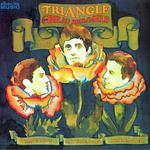
Triangle, released in 1967, finds The Beau Brummels moving beyond their earlier pop and rock singles into a subtler blend of folk rock and pop with baroque pop and country-tinged touches. Ron Elliott's songwriting and Sal Valentino's vocals emphasize introspective, melodic songs supported by close harmonies, acoustic textures, and occasional orchestral or psychedelic studio colors, presenting a more atmospheric and exploratory sound than their mid 1960s work.
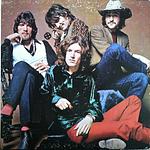
Traffic (1968) captures the early sound of Steve Winwood, Jim Capaldi, Chris Wood and Dave Mason as they blend rock, blues, folk and psychedelic textures with nascent progressive tendencies. The album features organ- and flute-driven arrangements, warm vocal harmonies and a mix of compact songs and more exploratory instrumental passages that point toward the band’s later jazz- and groove-influenced work. It stands as a document of Traffic’s transitional phase, balancing pop songwriting with adventurous instrumentation and mood-driven experimentation.
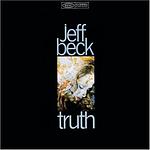
Truth, the 1968 debut by the Jeff Beck Group, pairs Jeff Beck's electric, improvisational guitar work with Rod Stewart's raw, blues-inflected vocals and a driving British blues rhythm section. The album mixes leaned-down blues covers and originals into a heavier, riff-driven sound that helped move blues rock toward early hard rock, and it includes the instrumental "Beck's Bolero", recorded with guest musicians including Jimmy Page. Overall Truth is distinguished by its dense guitar tones, searing solos, and a gritty approach to blues that marked a decisive shift from the more pop-oriented rock of the era.
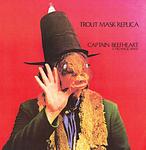
Trout Mask Replica (1969) by Captain Beefheart and His Magic Band is a dense, challenging record that fuses Delta blues foundations with avant-garde and free jazz approaches. Its arrangements feature jagged rhythms, abrupt tempo changes, dissonant horns, and raw, shouted vocals paired with surreal, collage-like lyrics, producing an abrasive and unpredictable sound. The album is often cited as a key work of experimental rock and proto-punk for its uncompromising structures and lasting influence on underground and alternative music.
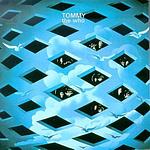
Tommy is a 1969 rock opera album by The Who that presents a largely continuous narrative about a boy described as deaf, dumb, and blind who later becomes a pinball champion and a messianic figure. Musically it blends hard rock guitar, driving rhythms, and melodic pop hooks with theatrical arrangements and recurring motifs, highlighting Pete Townshend's ambitious songwriting and the band's energetic performances. Its extended song cycles and focus on long-form storytelling helped popularize the concept album format in rock.
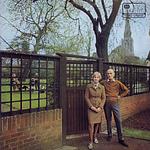
Unhalfbricking, released in 1969 by Fairport Convention, captures the band moving from Anglo-American folk rock toward a distinct British folk sensibility. The album pairs electric rock instrumentation with acoustic and traditional inflections and features prominent contributions from Sandy Denny's vocals and Richard Thompson's songwriting and guitar work. It includes an early studio recording of Denny's Who Knows Where the Time Goes? and helped point the group toward the more traditional material they explored on subsequent recordings.
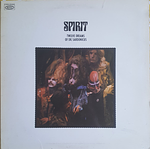
Twelve Dreams of Dr. Sardonicus, released in 1970 by Spirit, blends psychedelic rock, art rock, blues and folk influences into a moody, atmospheric album. It pairs layered vocal harmonies, organ and horn colors, and acoustic and electric guitar interplay with introspective lyrics and ambitious arrangements, and includes the track 'Nature's Way'. The result is one of the band's most distinctive recordings, notable for its textural variety and compositional focus.
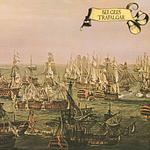
Trafalgar (1971) finds the Bee Gees working in melancholic, orchestral pop, with an emphasis on balladry and close three part harmonies framed by string arrangements and gentle rock rhythm sections. Barry Gibb's plaintive lead vocals and the group's layered vocal writing are foregrounded on tracks such as "How Can You Mend a Broken Heart," and the production leans toward baroque pop and soft rock textures rather than their earlier beat oriented material or later disco work. The album is characterized by a somber mood, polished arrangements and a focus on adult oriented songwriting.
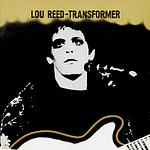
Transformer, released by Lou Reed in 1972, blends glam rock, art rock, and pop rock with a more polished production than his Velvet Underground work. Produced by David Bowie and Mick Ronson, the album pairs Reed's cool, narrative vocal style with melodic arrangements, strings, and distinctive guitar work. Songs such as "Walk on the Wild Side", "Perfect Day", and "Satellite of Love" present concise character-driven vignettes about New York life while adopting a more accessible, glam-influenced sound, making the record a key moment in Reed's solo career.
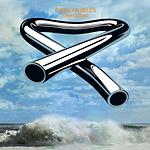
Tubular Bells (1973) is Mike Oldfield's debut album, presented as two extended instrumental suites that blend progressive rock, folk rock and early electronic textures. Oldfield overdubbed many instruments to create interweaving melodic motifs anchored by the distinctive tubular bells theme, moving between delicate acoustic guitar passages, electric guitar, keyboards, synthesizers and varied percussion. Its side-long structures, shifting moods and emphasis on atmosphere and studio layering helped establish an instrumental approach associated with early New Age and art rock while highlighting Oldfield's multi-instrumental arranging techniques.
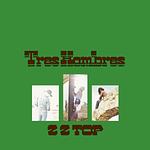
Tres Hombres is ZZ Top's 1973 album that crystallized the band's stripped-down Texas blues rock approach. It blends raw blues-rock riffing, boogie grooves, and Southern rock swagger, driven by Billy Gibbons's guitar tone, Dusty Hill's bass and vocals, and Frank Beard's tight drumming, with production by Bill Ham that keeps the sound direct and spare. Tracks such as 'La Grange' exemplify the album's terse, groove-centered approach while songs like 'Waitin' for the Bus' and 'Jesus Just Left Chicago' underscore its blues roots and storytelling.