 The Greatest Music
1001 Albums You Must Hear Before You Die (2005)
Weight: 60%
How much this list influences our overall rankings. Higher weight means more reliable data.
Penalties Applied:
1001 Albums You Must Hear Before You Die is a long-running reference book series (first published 2005; revised in 2010, 2013, 2016, 2018, and 2021) edited by Robert Dimery. It’s an editorial anthology, not a ranked poll: each entry is a short critic-written essay, sequenced roughly chronologically from the 1950s onward, with compilations/most film soundtracks excluded. Later editions swap in newer releases (e.g., the 2021 edition closes with Jazmine Sullivan’s Heaux Tales), so the title “1001” is a rolling canon rather than a fixed list across editions.
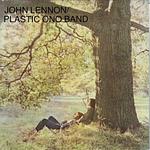
John Lennon/Plastic Ono Band (1970) is a stark, confessional solo album that pares arrangements down to bare acoustic and electric guitars, piano, bass and drums, putting Lennon's voice and direct lyrics at the forefront. The songs are raw and intimate, shaped by his engagement with primal therapy, and confront themes of identity, loss, faith and personal liberation with blunt, often painful imagery. Blending rock and folk with a singer-songwriter sensibility, the record is notable for its spare production and emotionally unguarded performances.
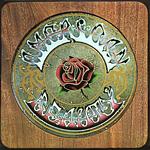
American Beauty, released in 1970, finds the Grateful Dead moving toward a roots-oriented sound that blends folk, country, and rock with lingering psychedelic textures. The record emphasizes acoustic guitars, close vocal harmonies, and concise songwriting, featuring enduring tunes such as 'Truckin'', 'Sugar Magnolia', 'Friend of the Devil', 'Ripple', and 'Brokedown Palace'. Robert Hunter's lyrics and Jerry Garcia's melodies favor narrative, Americana-leaning songs, and the album's restrained, pastoral arrangements contrast with the band's extended live improvisations.
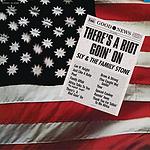
There’s a Riot Goin’ On, released in 1971 by Sly & the Family Stone, marks a turn from the band’s earlier upbeat crossover soul toward a darker, more inward form of funk and psychedelic soul. The record emphasizes slow, groove-centered rhythms, prominent bass, muted horns and layered, often murky production that creates an intimate, raw atmosphere. Its lyrics and tone convey disillusionment and reflection rather than the communal optimism of the 1960s, and the album’s emphasis on texture and mood helped shape later directions in deep funk and progressive soul.
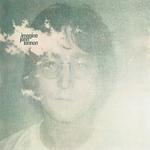
Imagine, released in 1971, is a John Lennon album that blends piano-led pop and rock with folk and rock and roll influences. The record moves between spare, introspective ballads and more direct rockers, often pairing simple arrangements with occasional orchestral touches and a focus on plainspoken, personal lyrics. The title track is a restrained, piano-centered piece that captures the album's themes of idealism and reflection, while other songs shift from confessional to satirical tones, showcasing Lennon's melodic songwriting and post-Beatles musical approach.
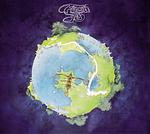
Fragile, released by Yes in 1971, is a progressive rock album that blends expansive group compositions with short solo showcases for individual band members. The music balances symphonic keyboard textures, intricate acoustic and electric guitar work, prominent melodic bass lines, and complex rhythmic shifts, moving between lush, melodic passages and more energetic rock segments. It includes enduring tracks such as "Roundabout" and "Heart of the Sunrise" and marked the arrival of Rick Wakeman's elaborate keyboard contributions to the band's evolving sound.
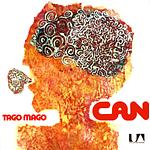
Tago Mago (1971) by Can is a key album in the krautrock and experimental rock canon that blends long-form improvisation, tape editing and early electronic textures into dense, hypnotic soundscapes. The record emphasizes repetitive, propulsive rhythms, spare organ and guitar motifs, and Damo Suzuki's improvisatory vocal contributions, producing a collage-like flow that moves between sprawling jams and shorter, fragmentary pieces. Its focus on studio experimentation, groove and atmosphere helped open rock toward more abstract and electronic approaches and has been widely cited as influential on later experimental and electronic artists.
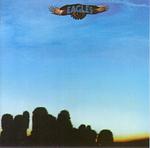
Eagles is the band's 1972 debut that establishes their country rock and soft rock signature through close vocal harmonies, jangling acoustic guitars and country-tinged instrumentation such as pedal steel. Produced by Glyn Johns, the album balances rock and pop sensibilities on songs like "Take It Easy", "Witchy Woman" and "Peaceful Easy Feeling", and highlights the songwriting and vocal blend of Glenn Frey, Don Henley, Bernie Leadon and Randy Meisner. Its sound is rooted in California country rock with polished arrangements and an easygoing, melodic tone often associated with early 1970s soft rock and yacht rock.
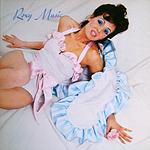
Roxy Music's 1972 self-titled debut blends glam rock's stylish theatricality with art rock experimentation, pairing Brian Ferry's suave vocals and pop songcraft with Brian Eno's electronic treatments and angular instrumental textures. The record juxtaposes concise, melodic tracks and cinematic arrangements with studio experimentation and art-school sensibilities, helping define the band's sleek aesthetic and an art-glam approach to rock.
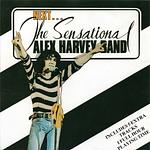
Next... (1973) by The Sensational Alex Harvey Band continues the group's blend of hard rock and glam theatricality, pairing Alex Harvey's narrative, theatrical vocal delivery with punchy guitar work, driving rhythms, and prominent keyboards. The record draws on rock and roll and blues-rock roots while embracing glam stylings and a cabaret-like sense of drama, emphasizing concise arrangements that showcase the band's tight ensemble playing and Harvey's commanding stage persona.
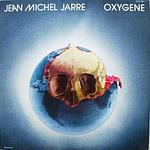
Jean-Michel Jarre's Oxygène (1976) is a largely instrumental suite of six interconnected pieces that helped introduce ambient and progressive electronic sounds to a wider audience. It uses layered analog synthesizer textures, repeating melodic sequences, gently pulsing rhythms and airy, cinematic atmospheres that shift between introspective ambient passages and more rhythmic, melodic sections. Known for its clear production and memorable motifs, the album is often regarded as an influential work in 1970s experimental electronica.
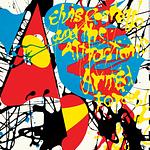
Armed Forces channels new wave energy into concise, hook-driven pop rock, pairing upbeat melodies with sharp, literate lyrics. The Attractions provide tight, punchy arrangements and prominent keyboards that give the songs a bright but restless sound, while Costello's songwriting balances personal and political themes with wry, pointed observations. The production is relatively polished and layered compared with his earliest work, producing songs that are immediate yet musically detailed.
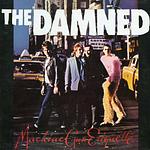
Machine Gun Etiquette (1979) finds The Damned stretching beyond their early, raw punk sound into fuller rock and pop territory while keeping a confrontational edge. The record mixes driving, punk-rooted rhythms with melodic hooks, touches of 1960s-style psychedelia and occasional keyboard color, anchored by Dave Vanian’s theatrical vocals and Captain Sensible’s tuneful guitar and bass work. Tracks range from propulsive, aggressive numbers to more openly melodic songs, reflecting a band experimenting with broader arrangements and textures without abandoning punk energy.
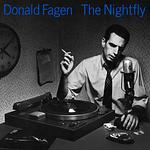
The Nightfly, Donald Fagen's 1982 solo debut, blends jazz-inflected pop, pop rock and soft rock with the polished, meticulous studio production associated with his work in Steely Dan. The album features tight horn and keyboard arrangements, sophisticated jazz chords and solos, and literate, nostalgic lyrics that evoke postwar late-night radio and small-town optimism. Produced by Gary Katz and built around a smooth, urbane sound, the record is often singled out for its attention to arrangement and sonic detail.
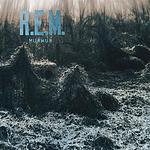
Murmur, R.E.M.'s 1983 debut, foregrounds the band's chiming, jangly guitars and Michael Stipe's distinctive, often obscured vocals. Produced by Mitch Easter and Don Dixon, the record mixes jangle pop, post-punk, and folk-rock elements into concise, atmospheric arrangements with cryptic lyrics, creating a moody alternative rock sound that became influential in early college rock scenes.
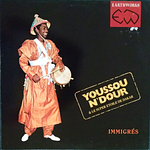
Immigrés / Bitim Rew (1984) by Youssou N’Dour & Le Super Étoile is a Mbalax record that blends traditional Senegalese sabar percussion and Wolof vocal phrases with electric guitars, keyboards, and layered percussion. The album features N’Dour's incisive lead vocals and call-and-response backing parts over driving, dance-oriented arrangements, illustrating the energetic, modernizing approach his band pursued in the early 1980s.
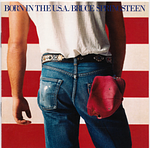
Born in the U.S.A. is Bruce Springsteen's 1984 album that blends heartland rock, pop rock, folk rock and AOR into a big, radio-ready sound. It pairs driving rock arrangements, bright synthesizer textures and prominent saxophone with anthemic, singalong choruses, while the lyrics continue Springsteen's focus on working-class life and the struggles of veterans, often juxtaposing upbeat music with stark storytelling. The overall effect is a muscular, accessible record that reinforced Springsteen's reputation for combining melodic rock with socially minded narratives.
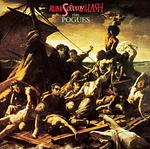
Rum Sodomy & the Lash is a 1985 album by The Pogues that fuses traditional Irish folk instrumentation with punk rock immediacy. The record pairs raw, idiosyncratic vocals and literate, often darkly humorous songwriting with arrangements built around fiddle, tin whistle, accordion and folk-derived rhythms, creating a loose, tavern-like atmosphere. Its blend of raucous energy and melancholy helped define the sound commonly called Celtic punk and influenced later folk punk and folk rock acts.
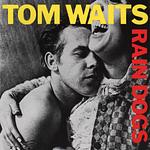
Rain Dogs, released in 1985, finds Tom Waits moving further from his earlier piano-based singer-songwriter style into a grittier, more experimental sound. The album mixes blues, rock, and Americana with off-kilter rhythms, found percussion, accordion and jagged guitar, providing a cinematic, streetwise backdrop for Waits's gravelly vocals and vivid narratives about urban outsiders. It follows Swordfishtrombones and further solidifies his turn toward theatrical, collage-like arrangements and genre-bending songwriting.
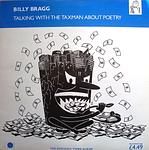
Talking With the Taxman About Poetry, released in 1986, finds Billy Bragg expanding his spare folk-punk framework with fuller arrangements and more melodic songwriting. The record balances direct political commentary with personal, narrative songs, retaining Bragg's raw vocal delivery and acoustic-based attack while introducing additional instrumentation and a slightly richer sound. It is notable for mixing pointed social observation with intimate storytelling, exemplified by tracks that move beyond protest polemics into more emotional territory.
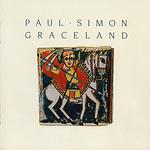
Graceland (1986) is a Paul Simon album that combines his singer-songwriter pop and folk sensibilities with South African musical styles, producing a worldbeat-influenced pop rock sound. Recorded with South African musicians and featuring vocal contributions from Ladysmith Black Mambazo, the record is marked by syncopated mbaqanga guitar lines, rich vocal harmonies, and a mix of acoustic songwriting and studio textures. Lyrically it blends personal storytelling with themes of travel, exile, and everyday observation, and its cross-cultural production is a notable example of Western popular music engaging directly with African musical traditions.
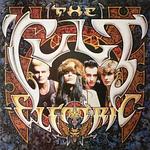
Electric (1987) by The Cult marks the band's shift from their earlier gothic tinged post punk into a harder, riff oriented rock sound under producer Rick Rubin. The record emphasizes stripped down, guitar driven arrangements, punchy rhythms and a more forceful vocal delivery, drawing on classic hard rock and heavy metal textures with touches associated with glam metal. The production is direct and raw compared with the band’s prior records, and the album represents a clear turning point in The Cult’s musical direction.
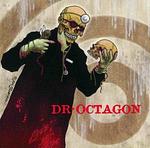
Dr. Octagonecologyst is a 1996 album released under the Dr. Octagon persona. The record pairs Kool Keith's surreal, science fiction and horror-tinged lyrics delivered in a detached style with Dan the Automator's spare, cinematic, and sample-driven production and DJ Qbert's turntable work, blending underground hip hop with trip hop and electronic textures. Its unusual song structures, bizarre imagery, and atmospheric beats make it a notable example of experimental 1990s hip hop.
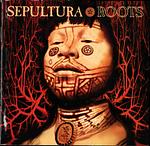
Roots, Sepultura's 1996 album produced by Ross Robinson, moves away from the band's earlier thrash and death metal approach toward a heavier, groove-oriented sound that integrates tribal Brazilian rhythms, raw downtuned guitars and prominent percussion. The record features indigenous chants and guest contributions alongside slower, rhythmic grooves and moments of atmospheric experimentation, marking a clear stylistic shift in the band's sonic palette.
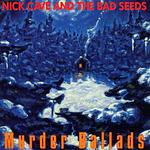
Murder Ballads is a 1996 concept album by Nick Cave and the Bad Seeds built around dark narrative songs about murder and its aftermath. Musically it blends folk and blues traditions with gothic rock and post-punk textures, moving between sparse, acoustic arrangements and fuller, string-tinged and piano-driven settings; Cave's deep, theatrical vocal delivery foregrounds prose-like storytelling. The record includes duets with Kylie Minogue and PJ Harvey and is notable for its bleak, atmospheric approach to traditional balladry.
Logical Progression (1996) by LTJ Bukem collects the smooth, atmospheric side of 1990s drum and bass, pairing rolling breakbeats and warm bass with lush pads, jazzy melodic touches and ambient electronic textures. The album emphasizes mood and space over aggression, illustrating the jazz-tinged, downtempo-influenced approach that became closely associated with Bukem's output and the calmer strand of jungle and drum and bass in that era.
If You're Feeling Sinister, released in 1996 by Belle and Sebastian, presents a quiet, literate take on indie pop that mixes chamber folk textures with twee pop melodies and occasional rock rhythms. Stuart Murdoch's observational, character-driven lyrics sit alongside delicate arrangements of strings, piano, guitar, and subtle brass, producing an intimate, low-key sound that balances wistfulness and wry humor. The album crystallized the band's early aesthetic of gentle dynamics and orchestral touches and played a notable role in shaping the sound of British indie pop in the 1990s.
The Fat of the Land is The Prodigy's third studio album, released in 1997. It combines big beat and breakbeat rhythms with aggressive electronic production, heavy bass, distorted synths and a confrontational vocal style that draws on punk and MC traditions. The album is notable for its hard-hitting, club-oriented sound and for bringing a rock-inflected edge to late 1990s electronica.
A Short Album About Love (1997) by The Divine Comedy is a compact, intimate collection that emphasizes chamber pop and baroque pop textures, framing Neil Hannon's literate, wry songwriting with lush string arrangements and restrained rock instrumentation. The record leans into romantic themes and orchestral detail, offering a quieter, more polished counterpoint to Britpop guitar records of the era while retaining melodic pop accessibility. Its notable characteristics are a strong focus on orchestration, conversational vocals, and a blend of pop songcraft with chamber music sensibilities.
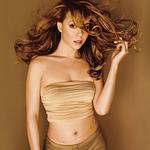
Butterfly, released in 1997, finds Mariah Carey moving from glossy pop toward a warmer contemporary R&B sound, incorporating hip hop influenced rhythms and electronic textures. The album blends intimate ballads and sensual uptempo tracks, with Carey often adopting a more restrained, breathier vocal approach and exploring lower registers alongside her signature runs. The overall mood and production emphasize personal themes and a groove-oriented, urban-influenced direction that marked a stylistic shift in her work.
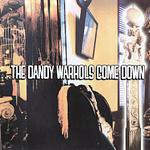
…The Dandy Warhols Come Down is the band’s second album, moving from a raw indie sound toward a more polished, pop-inflected form of alternative rock. It blends jangly guitars and layered synths with psychedelic textures and catchy hooks, emphasizing glossy production and melodic songwriting while helping to define the group’s neo-psychedelic, power pop identity.
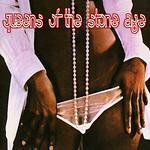
Queens of the Stone Age is the band's 1998 self-titled debut, led by Josh Homme after his time in Kyuss. The record mixes desert rock and stoner rock with alternative rock and metal touches, emphasizing tight, riff-driven songs, cyclical grooves and a raw, stripped production. It introduced the groove-oriented, repetitive guitar approach and dark, heavy atmospheres that would become central to the band's sound.
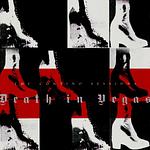
The Contino Sessions, Death in Vegas's 1999 second studio album, blends electronic production with rock instrumentation to create a dense, cinematic sound that draws on trip hop, psychedelia, dub, and alternative rock. The record emphasizes reverb-soaked guitars and driving beats layered with synth textures and atmospheric sampling, producing a dark, hypnotic mood that marked a move toward more rock-influenced arrangements compared with the band's earlier work.
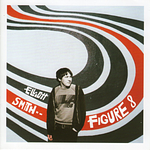
Figure 8, released in 2000, finds Elliott Smith expanding his sound beyond the sparse acoustic settings of earlier work into richer, more orchestrated arrangements. The album blends indie pop and rock with chamber pop touches and folk-rooted songwriting, featuring layered harmonies, strings and horns alongside acoustic and electric guitars. Throughout, Smith's intimate, melancholic lyricism and melodic focus remain central even as the production grows more textured and cinematic.
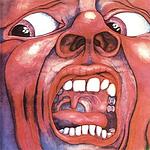
In the Court of the Crimson King is an early progressive rock album that blends heavy rock, jazz inflections, and classical textures into extended, dramatic compositions. The sound features Robert Fripp's angular guitar, Ian McDonald's Mellotron and woodwinds, and Greg Lake's resonant vocals, with tracks like "21st Century Schizoid Man" and the multi-part title piece emphasizing shifting time signatures, dense arrangements, and a dark, theatrical mood. The record is widely regarded as a foundational work in the development of progressive rock and is notable for its emphasis on atmosphere and compositional ambition.
![[Led Zeppelin IV]](https://images.thegreatestmusic.org/yfyip7ss5dlcr6r39qje3hx89jrl)
Led Zeppelin IV, released in 1971, is a pivotal album in the band's catalogue that blends hard rock, blues, and folk elements. It alternates between acoustic, pastoral numbers and heavy electric songs, showcasing Jimmy Page's layered guitar work, Robert Plant's dynamic vocals, John Paul Jones's arranging and keyboard contributions, and John Bonham's powerful drumming. The album's mix of riff-driven rock, acoustic storytelling, and expansive production helped shape what became known as classic and arena rock sounds.
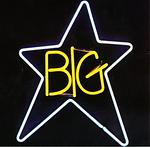
#1 Record, Big Star's 1972 debut, pairs ringing, jangly guitars and crisp three minute pop songs with rich vocal harmonies to help define early power pop. Alex Chilton and Chris Bell contributed concise, melody-first songwriting that often undercuts bright hooks with a quietly melancholic edge, while the arrangements emphasize clear guitar lines, tight rhythm work and layered vocals. The album's economical songcraft and guitar-driven sound have made it a lasting reference point for later power pop and alternative rock musicians.
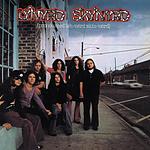
The 1973 debut album (pronounced ’lĕh-’nérd ’skin-’nérd) introduces Lynyrd Skynyrd's raw Southern rock sound, blending blues-based guitar work, country inflections, and hard rock drive. The record highlights the band's three-guitar interplay and Ronnie Van Zant's rough-edged vocals across tight, riff-driven songs and longer, soulful numbers, notably the extended, improvisational guitar climax of 'Free Bird'. Tracks such as 'Simple Man' and 'Gimme Three Steps' pair plaintive melodies with boogie rhythms, helping establish the musical template the band would continue to explore.
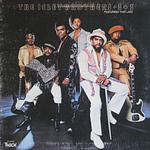
3+3, released in 1973, marks The Isley Brothers' expansion from a vocal trio into a six-member band with the addition of Ernie and Marvin Isley and keyboardist Chris Jasper. The album blends soul and early quiet storm balladry with funk grooves and rock-inflected guitar work, featuring Ernie Isley’s Hendrix-influenced solos and tighter band arrangements; it mixes original songs and reinterpretations to showcase a fuller, more instrumentally adventurous sound that helped define the group’s 1970s direction.
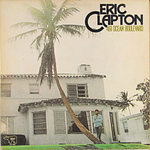
461 Ocean Boulevard is Eric Clapton's 1974 studio album that adopts a more relaxed, song-focused approach, blending blues rock, pop and occasional reggae touches. The record features warm, restrained guitar work and straightforward arrangements that favor melody and groove over flashy technique, with the reggae-tinged cover of Bob Marley’s "I Shot the Sheriff" standing out as a widely recognized example of its stylistic range. Overall the album emphasizes rootsy blues and accessible pop sensibilities and is associated with Clapton’s return to active recording during his recovery period.
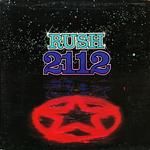
2112, released in 1976, is a landmark Rush album that pairs extended progressive composition with hard rock drive. The centerpiece is the roughly 20 minute title suite, a science fiction rock opera with multiple movements that combine shifting time signatures, thematic motifs, and both aggressive and melodic passages; the lyrics were written by drummer Neil Peart. The shorter tracks on the album offer concise hard rock and instrumental moments that highlight Geddy Lee's high-register vocals and bass work and Alex Lifeson’s textural guitar playing. The record represents a clear move toward more complex arrangements and lyrical ambition within the band's sound.
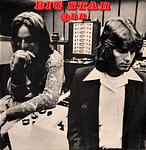
3rd, often issued as Third or Third/Sister Lovers, is Big Star's late 1970s album that departs from the bright power pop of their earlier records in favor of a darker, more experimental and melancholic sound. Alex Chilton's intimate, sometimes raw vocals sit against spare, fragmented arrangements and occasional orchestral touches, creating a haunted, introspective atmosphere that reflects the difficult circumstances of the sessions. Its unconventional textures and emotional directness have made it influential to later indie and alternative musicians.
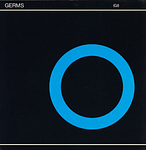
(GI) is the Germs' 1979 studio album, produced by Joan Jett, that captures the band's raw, chaotic take on late 1970s Los Angeles punk. The record features abrasive, fast guitar work, terse and often abrasive songs, and Darby Crash's confrontational vocal style, placing it at the intersection of punk and early hardcore and marking it as an influential document of the LA punk scene.
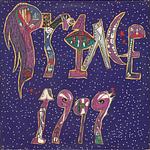
1999 is a synth-forward album that blends funk, pop, dance-pop, rock, and new wave into tightly arranged, danceable songs marked by punchy drum-machine grooves, layered synthesizers, rhythmic guitar work, and Prince's versatile vocals. The music pairs upbeat, club-ready production with darker lyrical themes about urgency and impending crisis, creating a tense party-at-the-end-of-the-world vibe. Its eclectic, genre-blurring approach helped expand Prince's sound and influenced the direction of early 1980s pop and dance music.
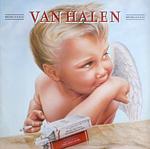
1984 is a Van Halen album that blends the band's hard rock and heavy guitar work with a stronger emphasis on synthesizers and pop-oriented hooks, pushing toward an arena rock and AOR sound. Eddie Van Halen's guitar virtuosity, including his tapping technique, remains a central element, while keyboard-driven tracks like "Jump" contrast with guitar-heavy songs such as "Panama" and "Hot for Teacher" to create a balance of aggressive riffs and melodic choruses. The production is polished and focused on tight, high-energy arrangements, and the record is the last studio album to feature David Lee Roth before his departure from the band.
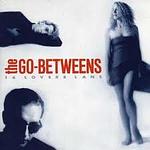
16 Lovers Lane (1988) by The Go-Betweens is a polished, melodic blend of indie pop, jangle pop and folk-tinged rock that foregrounds jangly guitars, warm production and literate, romantic songwriting from Robert Forster and Grant McLennan. Amanda Brown's violin and backing vocals add brighter, chamber-pop textures to the arrangements, while the album's accessible songcraft and memorable melodies, including the standout track Streets of Your Town, make it one of the band's most recognized records from the late 1980s.
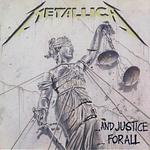
…And Justice for All is a 1988 Metallica album that pushes thrash metal toward longer, more progressive compositions, with intricate, angular riffs, frequent tempo shifts, and extended song lengths. The sound emphasizes precise, tight guitar work and complex arrangements alongside James Hetfield’s forceful vocals, and its production is notably dry and trebly with bass tones largely recessed. Lyrically and thematically the album often addresses systems of law and justice, reflecting a more ambitious, compositionally dense approach within the band’s heavy metal framework.
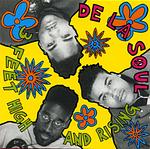
3 Feet High and Rising is De La Soul's 1989 debut album, produced largely by Prince Paul. Its sound blends playful, conversational rapping with sample-heavy, collage-like production that draws on funk, soul, and jazz influences, using short skits and inventive transitions to create a cohesive, offbeat flow. The album is an early touchstone of alternative hip hop and jazz rap, notable for its laid-back, eccentric approach to lyricism and production.
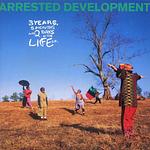
The debut album 3 Years, 5 Months and 2 Days in the Life Of... (1992) by Arrested Development blends boom bap rhythms with soulful R&B textures and acoustic instrumentation, favoring organic samples, horns, and layered vocal harmonies over harder-edged production. Musically it sits at the intersection of alternative and conscious hip hop, with melodic singing and live-sounding arrangements that contrast with the dominant gangsta rap of the era. Lyrically the group focuses on community, spirituality, and social observation, making the record a noted early 1990s example of Southern alternative hip hop and a mainstream outing for more uplifting, message-driven rap.
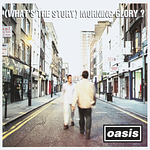
(What’s the Story) Morning Glory? is Oasis's 1995 album that crystallizes the band's take on Britpop and arena-sized alternative rock. Built around Noel Gallagher's melodic songwriting and Liam Gallagher's distinctive vocals, the record balances acoustic-driven ballads and loud, guitar-heavy anthems with layered production and singalong choruses. Its polished yet swaggering sound and emphasis on memorable hooks made it a defining release of the mid 1990s British rock scene.
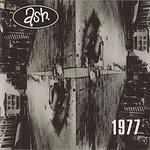
1977 is Ash's 1996 debut studio album that blends pop punk urgency with Britpop and indie rock melodies, often colored by noise pop textures. The songs are generally concise and guitar driven, pairing bright, hooky choruses with rawer, feedback-tinged guitar work and an overall youthful, high-energy feel. The record established the band's early sound by balancing punk immediacy and pop songwriting within the mid 1990s alternative landscape.
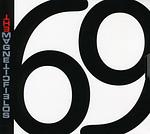
69 Love Songs is a 1999 three-volume album by The Magnetic Fields, written and chiefly performed by Stephin Merritt. Spanning 69 concise tracks, it mixes indie pop, chamber pop, electronic and folk-tinged arrangements to examine love in many guises, from playful and ironic to tender and rueful. The album is notable for its eclectic instrumentation, minimal and lush arrangements, and literate, often wry lyrics delivered in a variety of vocal styles. Its breadth of styles and ambitious conceit are central to how the record is discussed in indie music circles.
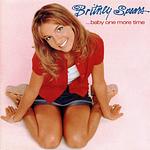
…Baby One More Time is Britney Spears's 1999 debut studio album that centers on polished dance-pop and teen pop with notable Europop and contemporary R&B production touches. The record mixes hook-driven, synth-forward uptempo tracks with slower ballads, featuring glossy, radio-ready arrangements and Spears's breathy, youth-focused vocal delivery. Produced and written by pop-era songwriters and producers, the album helped launch her career and is often referenced as a defining example of late 1990s mainstream pop.
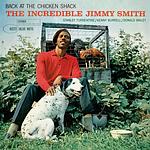
Back at the Chicken Shack is a quintessential Jimmy Smith album that showcases his Hammond B3-led approach to soul jazz and jazz blues. The record features blues-based grooves, relaxed swing, and groove-centered improvisation, with tenor saxophone and guitar lines complementing Smith's church-influenced, bluesy phrasing. Its extended, roomy performances emphasize feel and interlocking rhythms over dense harmonic complexity, and the album is often cited as a defining example of how hard bop and blues elements blended into the soul jazz sound of the early 1960s.

A Christmas Gift for You from Phil Spector is a 1963 holiday album produced by Phil Spector that applies his dense, reverberant Wall of Sound pop production to Christmas standards and original seasonal songs. Performed by artists from Spector's stable, including Darlene Love, the Ronettes, the Crystals and the Righteous Brothers, the record blends exuberant brass, layered vocals and orchestral flourishes with rock and Brill Building pop sensibilities. Its big, echo-heavy arrangements and upbeat takes on carols and pop ballads are a notable example of 1960s pop production applied to holiday material.
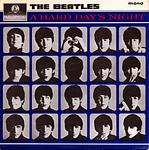
A Hard Day’s Night, the Beatles' 1964 soundtrack to their film of the same name, is built almost entirely from Lennon-McCartney compositions and crystallizes the group's early pop rock and beat sound. The record mixes concise, hook-driven songs and close vocal harmonies with jangly electric guitar textures, most famously the 12-string lead and the instantly recognizable opening chord of the title track. Songs range from driving rockers to melodic ballads and highlight punchy rhythmic interplay and melodic bass lines, marking a clear statement of the band’s songwriting focus during the early Beatles era.
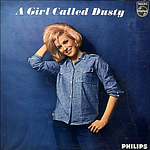
A Girl Called Dusty (1964) captures Dusty Springfield's early solo work, blending British pop with R&B and soul influences. Her expressive, intimate vocals are set against polished orchestral arrangements and pop-soul rhythms, highlighting her knack for interpreting American soul material through a UK pop sensibility. The record helped establish the vocal persona and stylistic mix that would define her later recordings in blue-eyed soul and sophisticated pop.
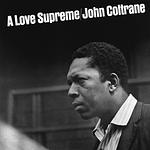
A Love Supreme is a four-part suite recorded by John Coltrane's classic quartet and released in 1965. The music combines modal and post-bop language with a devotional, intense approach, built around a persistent four-note motif and sustained improvisation that showcases Coltrane's tenor saxophone alongside McCoy Tyner's harmonically rich piano, Elvin Jones's propulsive drumming, and Jimmy Garrison's anchoring bass. The album is widely regarded as a defining statement of spiritual jazz and a turning point toward more exploratory, devotional directions in Coltrane's work.
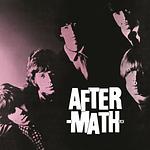
Aftermath (1966) marks the Rolling Stones' move from blues covers toward a fuller focus on original songwriting, notable as their first album comprised entirely of Jagger/Richards compositions. Musically it blends rock and blues roots with touches of folk, baroque and world-music colors, and it uses expanded instrumentation such as sitar and marimba to create distinctive textures. The record alternates riff-driven rock with quieter, more reflective moments and lyrics that probe domestic tensions and darker moods typical of the band's mid-1960s work.
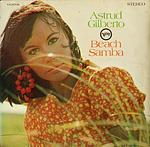
Beach Samba, released in 1967 by Astrud Gilberto, continues her signature soft, intimate vocal delivery over bossa nova and samba rhythms with jazz and light Latin jazz orchestration. The album favors breezy, summery arrangements that blend Brazilian rhythmic subtlety with accessible pop and lounge textures, often presenting English-language takes on Brazilian and American material. It is representative of Gilberto's work in bringing bossa nova into broader popular contexts and showcases relaxed vocals set against smooth, sometimes lush instrumental backdrops.
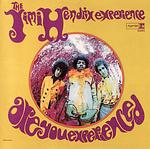
Are You Experienced is the debut album by the Jimi Hendrix Experience, released in 1967. It blends blues rock, psychedelic and acid rock with early hard rock, centered on Hendrix's inventive electric guitar playing and striking studio experimentation such as feedback, wah-wah textures, reversed tape effects, and layered overdubs. The record features concise originals and covers that range from fiery, riff-driven songs to atmospheric balladry, and is widely regarded as a landmark in guitar-led psychedelic rock.
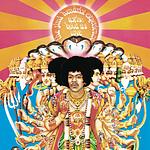
Axis: Bold as Love, released in 1967 by the Jimi Hendrix Experience, deepens the band's blend of blues rock and psychedelic experimentation with more studio-oriented textures and inventive guitar work. The album features layered and effect-driven electric guitar, melodic touches and quieter acoustic moments alongside driving rock passages, supported by the tight rhythm interplay of Mitch Mitchell and Noel Redding. It documents Hendrix moving beyond raw live energy into more varied songwriting and studio arrangements that explore mood, tone and sonic color.
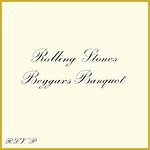
Beggars Banquet (1968) by The Rolling Stones is a roots-oriented rock album that moves away from late 1960s psychedelia toward a rawer blend of blues rock, hard-driving electric rock, and country-tinged acoustic numbers, featuring spare production, prominent guitar and slide work, and lyrical material rooted in everyday and street-level themes, marking a consolidation of the band’s classic rock identity.
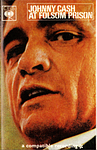
At Folsom Prison is a 1968 live album by Johnny Cash, recorded at Folsom State Prison. The performance features Cash's deep baritone and a spare backing band, blending traditional country, rockabilly and gritty country rock arrangements. The set presents hard-edged renditions of songs about crime, punishment and redemption, with direct audience interaction and ambient prison crowd sounds that give the recording an immediate, raw feel. The album helped reinforce Cash's outlaw persona and brought a tougher, more rock‑inflected sensibility into mainstream country.
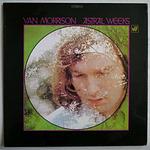
Astral Weeks, released in 1968, finds Van Morrison melding folk, jazz, blues and soul into a series of long, flowing songs built on loose, improvisational performances. The arrangements foreground acoustic guitar, upright bass and subtle percussion with occasional strings and woodwinds, producing a chamberfolk atmosphere that complements Morrison's stream-of-consciousness vocals and poetic lyrics. The album is often regarded as a distinctive, genre-blurring turning point in his work for its intimate, contemplative mood and unconventional song structures.
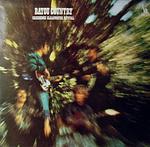
Bayou Country (1969) by Creedence Clearwater Revival presents the band’s signature swampy blend of rock, blues, and country, driven by John Fogerty’s raw, reedy vocals and concise, punchy arrangements. The album includes evocative staples such as "Born on the Bayou" and "Proud Mary" and pairs driving, groove-oriented rockers with blues-tinged and rootsy numbers, using twangy and slide guitar tones, steady rhythms, and vivid Southern imagery despite the group’s California origins. Its lean production and focused songwriting helped crystallize the band’s swamp rock sound and establish their presence in late 1960s roots rock.
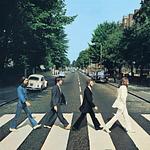
Abbey Road, recorded in 1969, finds the Beatles blending rock, pop, and traces of psychedelia into a polished, studio-focused sound marked by layered vocal harmonies, inventive arrangements, and early use of the Moog synthesizer. The album balances standalone tracks such as 'Come Together', 'Something', and 'Here Comes the Sun' with a continuous side two medley that stitches shorter pieces into a cohesive suite, reflecting the band's late-period emphasis on production and songcraft. Its warm production, melodic variety, and structural ambition make it a notable culminating statement in the Beatles' studio work.
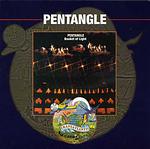
Basket of Light (1969) captures Pentangle's blend of British folk and jazz-tinged rock, featuring intricate acoustic guitar interplay, Jacqui McShee's clear, modal vocals, and a rhythm section that favors subtle jazz and folk grooves. The album mixes reworked traditional material and original songs with spare, detailed arrangements that foreground fingerpicked guitars, close vocal harmonies, and occasional blues and jazz inflections. It is often viewed as a defining and accessible statement of the group's folk rock approach.
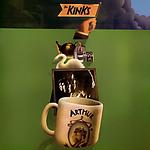
Arthur (or The Decline and Fall of the British Empire) is a 1969 concept album by the Kinks that frames character-driven songs about British life, memory and social change through Ray Davies' observational songwriting. Musically it mixes pop rock and baroque pop with music hall touches, melodic acoustic arrangements, orchestral color and occasional psychedelic pop accents, creating a cohesive, narrative-driven record notable for its storytelling and cinematic production approach.
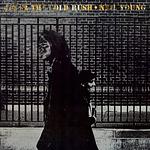
After the Gold Rush is a 1970 Neil Young album that blends folk, country, and rock into a mix of plaintive acoustic songs and raw electric passages. The record alternates spare piano and acoustic ballads with fuller guitar-driven tracks, and features Young's fragile, expressive vocals and direct songwriting about personal longing, social observation, and environmental unease. Its simple production and emotional clarity helped shape the sound of folk rock and country rock in the early 1970s.
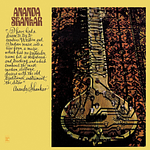
Ananda Shankar's 1970 self-titled debut fuses sitar-centered Indian classical techniques with rock, funk, and psychedelic production. The record layers electric bass, organ, and drum grooves with sitar and Indian percussion, offering extended, modal arrangements and distinctive reworkings of contemporary rock songs alongside original pieces. Its exploratory, cross-cultural sound is an early example of East-meets-West fusion in a rock and experimental context.
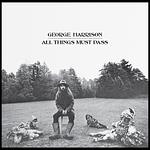
All Things Must Pass is George Harrison's 1970 solo triple album that presents a mix of folk rock, pop rock and gospel-tinged pop with a rock foundation. Recorded with producer Phil Spector's dense, layered production, it features expansive arrangements built from acoustic and electric guitars, prominent slide guitar, keyboards and vocal harmonies. The material ranges from personal, spiritual meditations to more upbeat pop-rock songs, and the record is notable for showcasing Harrison asserting a distinct songwriting voice and a more expansive sonic palette than his earlier work.
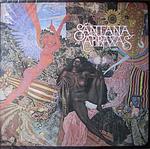
Abraxas, released in 1970 by Santana, blends rock with Afro-Latin rhythms and psychedelic textures. Carlos Santana's sustained, lyrical guitar lines ride over a rhythm section rich in congas, timbales and other Latin percussion, while organ and soulful vocals bring blues and jazz inflections. The album mixes reinterpretations and originals, from danceable Latin grooves to mellow instrumental passages like "Samba Pa Ti", and is notable for its fusion of improvisational rock energy with Latin musical forms.
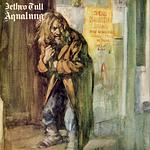
Released in 1971, Aqualung blends acoustic folk textures and pastoral flute with heavier guitar riffs and progressive arrangements, moving between intimate acoustic passages and loud, riff-driven rock. Lyrically the album mixes character sketches of outsiders with broader reflections on religion and social hypocrisy, and its sound showcases Ian Anderson's flute and vocal delivery alongside electric guitar and organ. Tracks such as the title song and Locomotive Breath exemplify the record's juxtaposition of folk-derived melodies and aggressive rock energy, and the album is widely regarded as a defining early example of Jethro Tull's fusion of folk, hard rock, and progressive elements.
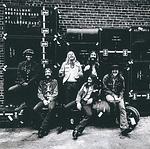
At Fillmore East is a 1971 live album by The Allman Brothers Band recorded at the Fillmore East. It captures the group's blend of blues, rock, and Southern rock through extended, improvisation-driven performances, featuring interplay between dual lead guitars and Gregg Allman’s vocals and Hammond organ over a tight, groove-oriented rhythm section. The record emphasizes live dynamics and long instrumental passages that highlight the band’s roots in blues and rock and is widely regarded as a key live document in their catalogue.
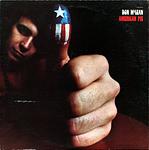
American Pie is a 1971 album by Don McLean that blends folk, folk rock and piano-driven singer-songwriter rock with storytelling lyrics and melodic arrangements. The record is anchored by the title track, a long narrative ballad built around piano and acoustic guitar that uses dense, symbolic imagery to reflect on shifts in American culture and references to early rock history. Other songs on the album range from spare acoustic folk to fuller, piano-based arrangements such as Vincent, showcasing McLean's focus on lyrical detail and melodic craft.
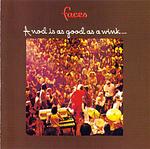
A Nod Is as Good as a Wink… to a Blind Horse (1971) captures Faces at a loose, swaggering peak, blending gritty blues rock, barroom boogie and folk-tinged balladry. Rod Stewart's raw, charismatic vocals sit atop Ronnie Wood's muscular guitar work and Ronnie Lane's melodic songwriting, yielding moments that range from the anthemic rocker "Stay With Me" to the quieter, reflective "Debris". The album's rough-hewn production and emphasis on groove and personality helped define the band's sound and enduring reputation within classic rock circles.
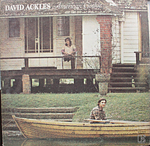
American Gothic, released in 1972, is a piano-centered album by David Ackles that blends folk rock, pop rock, and orchestral touches into a theatrical, melancholic singer-songwriter style. Ackles uses narrative, literate lyrics and cinematic arrangements to evoke American scenes and characters, creating songs that feel dramatic and reflective. The record is often regarded as one of his more ambitious, distinctive works and retains a devoted following among listeners drawn to its combination of theatricality and roots-influenced songwriting.
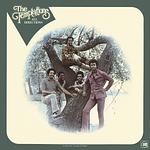
All Directions (1972) captures The Temptations in their Norman Whitfield-produced psychedelic soul period, combining dense, cinematic funk grooves with smoother soul and melodic balladry. The record includes the extended, atmosphere-driven track "Papa Was a Rollin' Stone", notable for its long instrumental passages, layered vocals, orchestral touches, wah-wah guitar, and narrative lyrical approach. Across the album the group moves between socially tinged, groove-oriented pieces and polished, emotive soul performances, illustrating the textured production and stylistic blend that defined their early 1970s sound.
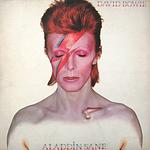
Aladdin Sane, released in 1973, finds David Bowie extending the theatrical glam of his Ziggy Stardust era into more experimental and American inflected territory. Musically it blends glam rock and art rock with hard rock and moments of cabaret and free jazz influenced piano, highlighted by Mick Ronson's guitar and Mike Garson's striking piano work. Tracks such as The Jean Genie, Panic in Detroit, the title track and a cover of Let's Spend the Night Together mix bluesy riffs, angular arrangements and lyrical reflections on fame, identity and American culture. The album is often heard as a more fractured, exploratory companion to its predecessor.
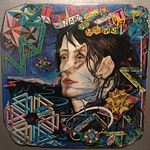
A Wizard, a True Star is Todd Rundgren's 1973 album that pushes pop songwriting into experimental and art rock territory. It mixes concise song fragments and extended pieces across rock, progressive and electronic textures, relying on dense multi tracked vocals, early synthesizer timbres and inventive studio production to create abrupt transitions and a collage like flow. The record represents a deliberate move away from straightforward pop toward more adventurous arrangements, blending elements of psychedelia, soul and electronic experimentation into a singular, exploratory sequence.
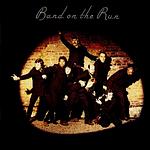
Band on the Run is a 1973 album by Wings, led by Paul McCartney, that blends rock, pop rock and soft rock with accessible pop songwriting. It moves between driving rockers such as "Jet" and the multi-part title suite, and quieter melodic ballads, featuring layered harmonies, concise hooks and varied arrangements that include acoustic textures and orchestral touches. The record is often cited as a defining statement of McCartney's post-Beatles work, showcasing his gift for melody and compact, studio-focused production.
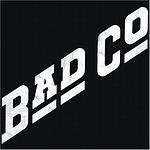
Bad Company is the 1974 self-titled debut by Bad Company. It blends blues-rooted hard rock and melodic AOR elements, anchored by Paul Rodgers' soulful lead vocals and Mick Ralphs' economical guitar work, with Simon Kirke's steady drumming and Boz Burrell's bass. Songs move between concise riff-driven rockers and more reflective ballads, presented with a lean, spacious production that emphasizes performance and songwriting. The album helped establish the band's signature sound and contains several tracks that became staples of classic rock playlists.
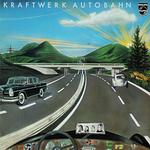
Autobahn (1974) by Kraftwerk marks a decisive shift toward largely electronic instrumentation, blending krautrock's steady motorik rhythms with analog synthesizers, repetitive melodic hooks, and processed vocals to evoke the sensation of highway travel, especially on the extended title track. Its minimalist arrangements, mechanical pulse and focus on texture and atmosphere helped define experimental electronic and electro aesthetics and influenced later synth-based music while retaining strands of rock and acoustic color.
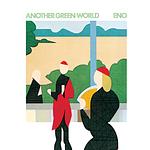
Another Green World, released in 1975, finds Brian Eno shifting from art rock toward ambient and experimental electronic composition. The album mixes a few vocal songs with mostly instrumental pieces, using treated keyboards, synthesizers, guitars and unconventional percussion to build sparse, textured soundscapes and melodic fragments. Its production emphasizes unusual timbres and layering, and the record marks a key step in Eno's development of ambient approaches to composition.
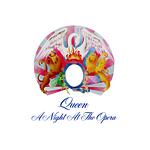
A Night at the Opera (1975) showcases Queen's theatrical, genre-blending approach, combining hard rock energy, glam flamboyance, art rock ambition, and baroque pop ornamentation. The record features dense multi-tracked vocal harmonies and layered studio production, with arrangements ranging from piano-led balladry to the operatic suite of Bohemian Rhapsody and the expansive The Prophet's Song, illustrating the band's appetite for dramatic shifts in form and texture. Brian May's distinctive guitar tone, Freddie Mercury's wide-ranging vocals, and John Deacon's melodic bass work underpin an album notable for its eclectic sequencing and studio craftsmanship, and it marked a creative high point in the band's early period.
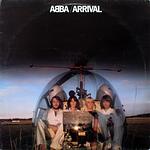
Arrival, released in 1976 by ABBA, blends polished pop and Europop with disco and dance elements, featuring rich vocal harmonies, layered studio production, and prominent string arrangements. The album is anchored by the well known single "Dancing Queen" and balances upbeat, danceable tracks with melodic ballads and occasional rock-tinged touches, reflecting the group's focus on strong hooks and meticulous pop craftsmanship.

África Brasil (1976) by Jorge Ben, who later adopted the stage name Jorge Ben Jor, blends samba and MPB with strong funk and jazz influences, featuring electric guitars, prominent bass grooves, punchy horn arrangements and Afro-Brazilian percussion. The record shifts toward a more electric, dance-oriented sound than his earlier work, with tracks such as "Ponta de Lança Africano (Umbabarauma)" and a reworking of "Taj Mahal" illustrating its mix of groove, call-and-response vocals and percussive textures. It represents a turning point in his exploration of a funk-inflected approach within Brazilian popular music.
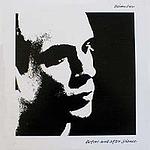
Before and After Science (1977) is a Brian Eno album that balances song-focused art rock with ambient and experimental textures. The opening material presents relatively structured, melodic songs marked by Eno's oblique lyrics and inventive studio production, while the latter half moves toward sparser, atmosphere-driven pieces that foreground instrumental color and subtle sound design. The record is notable for its layered arrangements and the way it bridges Eno's pop-oriented songwriting and his more abstract ambient work, making it a touchstone for experimental rock and ambient approaches to studio composition.
Aja by Steely Dan
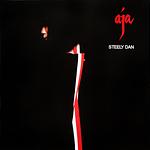
Steely Dan's 1977 album Aja blends jazz rock, jazz fusion and pop rock into a highly polished studio sound. Donald Fagen and Walter Becker pair complex chord progressions and literate, often sardonic lyrics with layered arrangements led by top session musicians; the record is characterized by crisp, meticulous production, jazz-influenced harmonies, prominent saxophone and electric piano textures, and careful rhythmic detail. Tracks move from tighter pop-rock songs like "Peg" and "Josie" to the extended, improvisation-friendly title track "Aja", showcasing the band's fusion leanings while retaining a smooth, accessible surface. The album exemplifies Steely Dan's studio-oriented approach and the late 1970s crossover between jazz and pop.
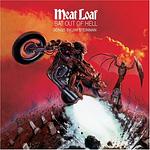
Bat Out of Hell, released in 1977 by Meat Loaf with songs written by Jim Steinman, is a theatrical, high-energy rock album that blends hard rock, pop rock and classic rock with a rock opera sensibility. Its sound features grand, cinematic arrangements, extended song forms and dramatic, wide-ranging vocals paired with narrative lyrics that emphasize melodrama, romance and teenage fantasy.
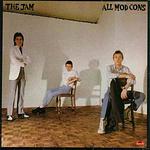
All Mod Cons is The Jam's 1978 album that crystallizes their blend of punchy rock, mod revival aesthetics, and melodic power pop. The record pairs Paul Weller's concise, socially aware songwriting with a tight three piece sound that balances punk-era urgency and 1960s mod influence, moving the band toward more developed melodies and arrangements. Notable for its economical production and tracks like "Down in the Tube Station at Midnight" and the wistful acoustic "English Rose", the album is often cited as a key moment in the Jam's transition from raw youth band to sharper, more focused songwriting voice.
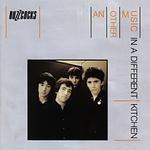
Another Music in a Different Kitchen is Buzzcocks' 1978 debut studio album. It channels punk urgency into short, tightly composed songs that pair abrasive guitar attack and driving rhythms with memorable pop melodies and direct, often relationship-focused lyrics. The production emphasizes immediacy and clarity, bringing forward Pete Shelley's vocal hooks and the band's concise arrangements. The record is notable for shaping a melodic strand of punk that would influence later pop punk and indie rock approaches.
Ambient 1: Music for Airports (1978) by Brian Eno is a landmark ambient electronic album that reframes music as environmental sound. It uses slowly unfolding piano motifs, gentle synthesized pads, tape loops and processed voices arranged into long, unobtrusive pieces that emphasize texture, space and the passage of time. Created with generative techniques and looping, the album aims to alter the atmosphere of a room without commanding attention and has been influential on ambient and experimental electronic practice.
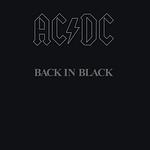
Back in Black is AC/DC's 1980 album and the first to feature singer Brian Johnson after Bon Scott's death. Produced by Robert John Lange, it channels the band's hard rock and blues-rock roots into concise, riff-driven songs built on Angus Young lead work and Malcolm Young rhythm parts, with punchy drums and clear guitar tones. Tracks such as Hells Bells, Back in Black, Shoot to Thrill, and You Shook Me All Night Long illustrate the arena-ready, no-frills sound that helped define the band's signature style.
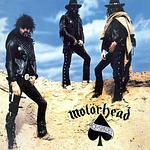
Ace of Spades, released by Motörhead in 1980, is a compact, high-energy rock album that crystallizes the band's blend of hard rock, punk attitude, and early speed metal. The record features short, aggressive songs driven by Lemmy Kilmister's gravelly vocals and heavily distorted, rhythmic bass, with fast tempos and raw production; the title track is its most enduring anthem. Its lean songwriting and relentless pace are often cited as influential on later speed and thrash metal bands.
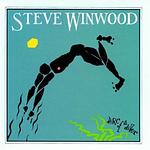
Arc of a Diver is a 1980 solo album by Steve Winwood that blends blue-eyed soul, pop rock, soft rock, and pop, built around Winwood's warm, expressive vocals and layered keyboard and synthesizer textures. Notable for Winwood performing most of the instruments himself through multitrack overdubbing, the record has a polished, introspective sound that emphasizes melodic hooks, soulful delivery, and a smooth contemporary production aesthetic.
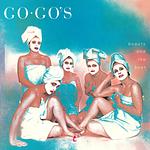
Beauty and the Beat is the Go-Go's 1981 debut album that blends new wave and pop rock with power pop and surf-rock influences. The record features bright, jangly guitars, punchy rhythms, tight vocal harmonies, and concise, hook-driven songs such as "We Got the Beat" and "Our Lips Are Sealed." Its energetic, upbeat sound and emphasis on band-written material marked a notable mainstream presence for an all-female rock group in the early 1980s.
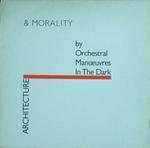
Architecture & Morality (1981) by Orchestral Manoeuvres in the Dark is a synth-driven album that blends electronic and new wave energy with art pop sensibilities. It pairs concise, melodic songwriting with layered synthesiser textures and atmospheric arrangements, balancing accessible hooks and emotional restraint with occasional experimental sonic touches and thematic nods to history and spirituality. The record represents a move toward more polished, melodic material for the band while retaining traces of their earlier exploratory approach.
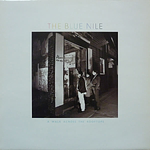
A Walk Across the Rooftops is the Blue Nile's debut album, built around spare, atmospheric arrangements that fuse sophisti-pop polish with art pop restraint. The record pairs hushed, intimate vocals with shimmering synth textures, restrained rhythms, and understated piano and guitar lines to create a cinematic, melancholic mood. Its slow-moving songs emphasize space and production detail over overt hooks, and the album helped define the band's signature of meticulous studio craft and emotionally restrained songwriting.
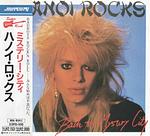
Back to Mystery City, released in 1983 by Finnish band Hanoi Rocks, captures their blend of hard rock, glam and punk-infused heavy rock with gritty, guitar-driven arrangements and Michael Monroe's high, raw vocals. The album emphasizes melodic hooks and jagged riffs from Andy McCoy and the guitar work, backed by a propulsive rhythm section, producing a sleazy rock and roll energy with punk urgency. Its compact, direct production and attitude helped crystallize the band's sound in the early 1980s and influenced later glam and hard rock bands.