The Greatest Music
1000 Albums to Hear Before you Die
Weight: 67%
How much this list influences our overall rankings. Higher weight means more reliable data.
Penalties Applied:
The Guardian – 1000 Albums to Hear Before You Die (2007) is a large, cross-genre listening guide compiled by the Guardian’s music writers. It’s not a ranked “best of all time” list: entries are presented alphabetically by artist and each album gets a short capsule explaining why it’s worth hearing. The team set a few rules—one album per main artist, often choosing a less-obvious pick over the canonical choice, and allowing Various Artists compilations to represent scenes built on singles. The project also invited readers to suggest omissions, later publishing a “we forgot…” follow-up selection.
#101 — Criminal Minded by Boogie Down Productions
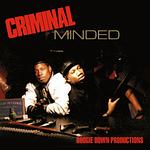
Criminal Minded, the 1987 debut by Boogie Down Productions led by KRS-One with DJ Scott La Rock, is a raw, street-level hardcore hip hop record that pairs spare, hard-hitting beats and crate-digging samples with reggae and dancehall inflections. The sound is minimalist and aggressive, featuring confrontational lyricism about street life and rap rivalries, notably on "South Bronx" and "The Bridge Is Over." Its production and delivery helped crystallize a tougher East Coast hip hop aesthetic and became a touchstone for later hardcore rap artists.
#102 — VISION△CREATION△NEWSUN△ by BOREDOMS
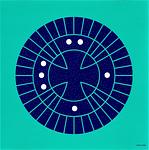
Vision Creation Newsun (1999) by Boredoms is an expansive, rhythm-driven record that blends noise rock, post-rock, electronic and leftfield approaches into long, trance-like pieces. The album emphasizes layered percussion, propulsive polyrhythms and repetitive guitar and synth textures, with vocals used more as chantlike timbres than conventional lyric delivery. Its production favors dense, looping arrangements and gradual build-ups that move between abrasive noise and melodic washes, creating a psychedelic, hypnotic atmosphere. The record represents a clear shift toward collective, groove-oriented compositions in the band's output.
#103 — Low by David Bowie
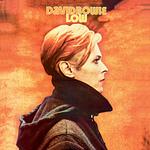
Low, released in 1977, finds David Bowie moving into a spare, electronic and ambient-influenced sound that began his Berlin-period work. Produced with Tony Visconti and featuring contributions from Brian Eno, the album splits between concise, experimental art pop and rock songs on the first side and largely instrumental, ambient and electronic pieces on the second side. Its textures combine synths, electronic treatments, fragmented vocal lines and minimalist arrangements, creating a cool, moody atmosphere that marked a notable stylistic shift in Bowie's career and influenced later blends of rock with ambient and electronic music.
#104 — Brewing Up With Billy Bragg by Billy Bragg
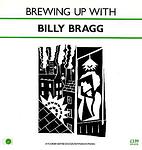
Released in 1984 as Billy Bragg's second studio album, Brewing Up With Billy Bragg expands on his spare singer-songwriter sound with fuller arrangements that bring rock and folk rock elements into his folk-punk approach. The record features direct, conversational vocals, economical songwriting, and a mix of acoustic ballads and more upbeat, guitar-driven tracks, with lyrical focus on personal themes and social commentary. It is often noted as an early statement that helped define Bragg's blend of political concern and accessible melody.
#105 — Afrodisiac by Brandy
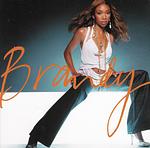
Afrodisiac is a 2004 Contemporary R&B album that pairs intimate, introspective songwriting with forward-looking, groove-driven production. The sound emphasizes moody electronic textures, syncopated rhythms, and sparse arrangements that put Brandy's layered, nuanced vocal harmonies and phrasing at the center. Lyrically the album focuses on themes of love, heartbreak, and personal growth, and it is marked by a darker, more mature tone compared with her earlier work.
#106 — For Alto by Anthony Braxton
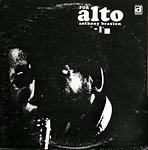
For Alto is a solo alto saxophone album by Anthony Braxton that presents extended free improvisations exploring the instrument's timbral range and unconventional techniques. The recordings consist of long unaccompanied pieces that use multiphonics, overblowing, altissimo registers, breath sounds, and varied articulation to generate dense textures and internal structure without conventional harmonic support. Its emphasis on solo exploration and formal rigor helped broaden notions of what a solo jazz performance could be and influenced later improvisers working with extended techniques.
#107 — Pilgrimage by Michael Brecker
Pilgrimage is Michael Brecker's 2007 album and his last studio release as a leader. The music blends modern jazz and post-bop with orchestral and contemporary textures, showcasing Brecker's intense, lyrical tenor saxophone across composed frameworks and extended improvisations. The album has a reflective, expansive tone, balancing technical virtuosity with emotional depth and rich harmonic and rhythmic variety.
#108 — Pod by The Breeders
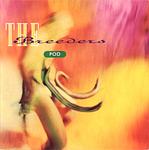
Pod is the Breeders' 1990 debut album, led by Kim Deal and produced by Steve Albini, that delivers a raw, stripped-down take on alternative and indie rock; its sparse arrangements, hushed-to-loud dynamics, idiosyncratic melodies, and lo-fi textures foreground Deal's songwriting and voice, and the record includes a distinctive reworking of the Beatles' "Happiness Is a Warm Gun".
#109 — A Collection by Anne Briggs
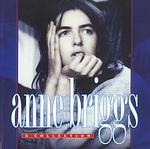
A Collection (1999) gathers Anne Briggs’s spare, intimate interpretations of traditional folk material, foregrounding her clear, unadorned voice and a minimalist approach often delivered without accompaniment or with light guitar. The album highlights her focus on melody and storytelling and provides a concise overview of the plain-singing style that has been associated with the British folk revival.
#110 — Haha Sound by Broadcast
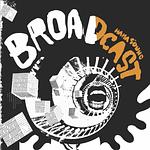
Broadcast's 2003 album Haha Sound blends warm analog synths, 1960s-inspired psychedelia, and precise electronic production to create a cinematic, slightly eerie take on indie electronic pop. Trish Keenan's cool, intimate vocals float over muffled beats, vintage organ textures, and compact song forms that mix catchy melodies with experimental arrangements. The record emphasizes mood and atmosphere, juxtaposing wistful tunes with disorienting production touches and a retro-futurist palette that helped define the band's signature sound within indietronica and avant-garde pop.
#111 — Welcome Home, Loser by The Broken Family Band
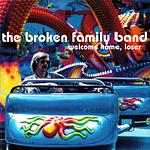
Welcome Home, Loser (2005) finds The Broken Family Band mixing country rock and indie pop with a distinctly British sensibility, pairing literate, often wry lyrics with warm arrangements that include acoustic and electric guitars, subtle pedal steel, and close harmonies. The songs balance melancholy and dry humor, favoring concise, melody-driven structures and narrative detail over bombast, and the record showcases the band’s knack for blending Americana touches with indie rock songwriting.
#112 — Machine Gun by The Peter Brötzmann Octet
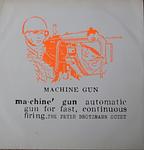
Machine Gun is a 1968 album by Peter Brötzmann's octet that captures a raw, high-energy strain of free jazz. The music emphasizes collective improvisation, dense and often abrasive textures, forceful horn interplay and extended techniques supported by a driving rhythm presence. Its unrelenting intensity and focus on group dynamics mark it as an important early statement in European free improvisation.
#113 — Live at the Apollo, 1962 by James Brown
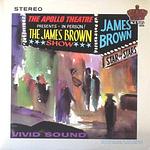
Live at the Apollo, 1962 captures James Brown's raw stage energy and tight band interplay, blending soul, deep soul, R&B and early funk elements. The recording emphasizes call-and-response vocals, punchy horn arrangements, driving rhythms and extended live passages that showcase Brown's showmanship and the band's rhythmic precision. The sound favors immediacy and dynamic range over studio polish, presenting immersive, intense performances typical of his concerts at the time.
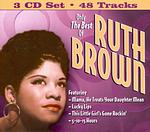
#114 — Only the Best of Ruth Brown by Ruth Brown
#115 — Time Out by The Dave Brubeck Quartet
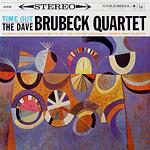
Time Out, recorded by the Dave Brubeck Quartet and released in 1959, is a landmark jazz album that experiments with unusual time signatures while maintaining a cool jazz sensibility. The music features Paul Desmond's lyrical alto saxophone, Brubeck's percussive piano harmonies, and the tight rhythmic interplay of Joe Morello and Eugene Wright. Standout pieces such as Desmond's "Take Five" in 5/4 and Brubeck's "Blue Rondo à la Turk," which moves between 9/8 and 4/4, highlight the album's rhythmic invention alongside memorable melodies. The record blends cool jazz tone with rhythmic exploration and helped broaden the rhythmic vocabulary of small group jazz.
#116 — Grace by Jeff Buckley
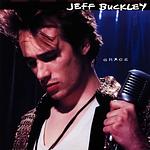
Jeff Buckley’s 1994 album Grace blends rock, alternative and folk influences into a singer-songwriter framework centered on his wide-ranging, expressive voice and intricate guitar work. The songs move between intimate acoustic passages and fuller, electric arrangements, combining delicate folk textures, soulful vocal runs, and dramatic dynamic shifts. The album is notable for its emotional intensity and for Buckley’s memorable reinterpretation of Leonard Cohen’s “Hallelujah,” and it remains influential for listeners and musicians drawn to expressive vocal performance and genre-blurring songwriting.
#117 — Dream Letter: Live in London 1968 by Tim Buckley
Dream Letter: Live in London 1968 is a live recording of Tim Buckley captured in London in 1968 and issued in 1990. The album presents Buckley in a largely acoustic, folk-rooted setting while pointing toward his later experimental and jazz-influenced work, with extended vocal phrasing, emotive delivery, and loose, exploratory arrangements. It offers a raw, intimate snapshot of his transition from singer-songwriter folk rock toward more adventurous sounds.
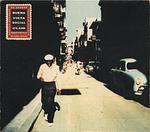
Buena Vista Social Club (1997) is a warm, acoustic collection rooted in son cubano, bolero, and Afro-Cuban jazz influences. Recorded with a group of veteran Cuban musicians and produced by Ry Cooder, it features tres and guitar, piano, soft horns, layered percussion, and intimate lead and ensemble vocals from singers such as Ibrahim Ferrer, Compay Segundo, Omara Portuondo, and others. The arrangements emphasize melody, conversational call-and-response phrasing, and nostalgic lyrical themes, and the album helped spark renewed international interest in traditional Cuban music.
#119 — Lookaftering by Vashti Bunyan
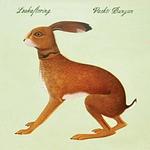
Lookaftering, released in 2005, is Vashti Bunyan's second studio album and a quiet, pastoral return to recording after a long absence. The music blends sparse acoustic folk with gentle chamber pop touches and understated arrangements that foreground Bunyan's intimate, breathy vocals and succinct storytelling. Songs favor simple melodies, pastoral imagery, and reflective moods, with subtle instrumental color that creates a warm, timeless atmosphere. The album played a key role in renewing interest in Bunyan's earlier work and presenting her music to a new generation of listeners.
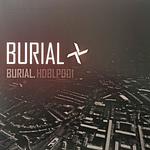
Burial is the self-titled 2006 debut on Hyperdub that pairs dubstep bass and shuffled garage rhythms with downtempo pacing and grime-adjacent textures. The album is notable for its hushed, nocturnal mood, crackling vinyl-like surfaces, and heavily processed, pitched vocal fragments that drift over sparse, spacious beats. Emphasizing atmosphere and texture over bombast, its intimate, cinematic sound helped shape what is often called future garage and influenced subsequent UK electronic producers.
#121 — Sholay by Rahul Dev Burman
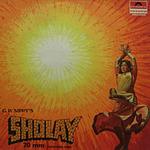
Sholay is the 1975 film soundtrack by Rahul Dev Burman that blends funk, pop, psychedelic rock, qawwali and rock influences into a cohesive score. The arrangements move between driving electric-guitar and bass grooves and more acoustic or Indian-textured passages, often pairing Western rock instrumentation with South Asian vocal and rhythmic idioms. The music shifts from energetic ensemble numbers to atmospheric instrumental cues, reflecting the film's changing moods and showcasing Burman's eclectic fusion approach.
#122 — Marcus Garvey by Burning Spear
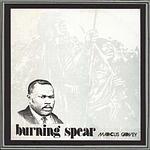
Marcus Garvey is a 1975 roots reggae album by Burning Spear that channels Rastafarian thought and Pan-African themes through direct, militant lyrics. Its sound favors deep, repetitive bass and drum patterns, spare organ and horn accents, and Burning Spear's commanding, chant-like vocals, producing a solemn, hypnotic atmosphere. The album is regarded as a landmark of 1970s roots reggae for its focused message and austere production.
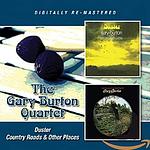
#124 — Hounds of Love by Kate Bush
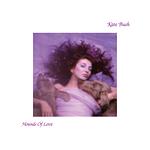
Hounds of Love, released in 1985, finds Kate Bush blending art pop, art rock and progressive pop with electronic production and theatrical songwriting. The album balances compact, synth-forward songs such as the title track and "Running Up That Hill" with a side-long narrative suite called "The Ninth Wave," which uses layered vocals, sound effects and shifting arrangements to depict a survivor adrift at sea. Production combines Fairlight sampling and electronic textures with traditional instruments, producing a mix of intimate balladry, dramatic climaxes and experimental touches. The record represents a consolidation of Bush's theatrical instincts into tightly crafted songs while maintaining ambitious, conceptual scope.
#125 — Singles Going Steady by Buzzcocks
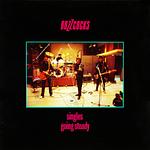
Singles Going Steady is a 1979 compilation album by Buzzcocks that assembles their early singles and non-album tracks from the late 1970s. Musically it pairs punk urgency with strong pop melodies and concise, hook-driven songwriting, delivered through bright, guitar-forward arrangements and direct vocals by Pete Shelley and Steve Diggle. The collection illustrates the band's blend of raw punk energy and melodic sensibility that helped shape later pop-punk and power pop approaches.
#126 — The Notorious Byrd Brothers by The Byrds
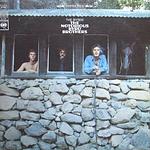
The Notorious Byrd Brothers (1968) finds The Byrds moving from jangly folk rock toward a more studio‑oriented blend of folk rock, pop rock and psychedelic textures. The album pairs chiming guitars and layered vocal harmonies with orchestral touches, tape and electronic effects, and occasional country inflections, producing a hazy, atmospheric sound that balances concise pop songwriting with adventurous studio arrangements. It represents a transitional, experimental moment in the band's late 1960s output.
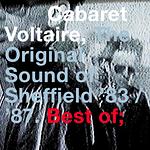
The Original Sound of Sheffield '83/'87 is a 2001 compilation that gathers Cabaret Voltaire’s mid-1980s material, documenting their shift from abrasive industrial experiments toward more dance-oriented electronic production. The recordings emphasize sequenced synths, drum machines, sampling and dub-like textures, blending industrial sonics with early house and acid house rhythms and experimental studio techniques. As a snapshot of the Sheffield period, it highlights the band’s move toward club-focused grooves while retaining a stark, exploratory edge.
#128 — Paris 1919 by John Cale
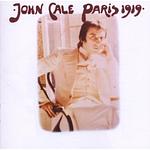
Paris 1919, released in 1973 by John Cale, blends concise, melodic songwriting with subtle chamber and orchestral touches drawn from art rock and art pop. The album pairs literate, often oblique lyrics with clear piano, restrained strings and pop structures, reflecting Cale's avant garde background while favoring accessible songcraft. Its sound balances pastoral and unsettling elements and exemplifies how experimental musicians incorporated singer-songwriter forms in the early 1970s.
Le Fil (2005) by Camille blends chanson française songwriting with electronic, downtempo and experimental production, using her voice as a primary instrument through close-miked delivery, percussive mouth sounds and layered harmonies. The album is built around a conceptual "thread" in the form of a sustained tonal drone that runs through many tracks, creating a unifying backdrop for shifts between intimate, speech-like vocals, playful rhythmic passages and sparse, minimalist textures.
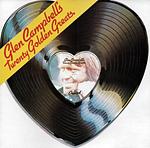
Glen Campbell's Twenty Golden Greats is a 1976 compilation that gathers a selection of Campbell's country-pop singles, showcasing his smooth vocal delivery and tasteful session guitar work. The sound mixes polished Nashville arrangements, accessible pop melodies, and occasional orchestral touches, reflecting the crossover appeal that defined much of his recorded output in the 1960s and 1970s. The album serves as a concise overview of the stylistic blend of country and mainstream pop that marked Campbell's commercial peak.
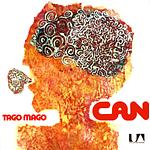
Tago Mago (1971) by Can is a key album in the krautrock and experimental rock canon that blends long-form improvisation, tape editing and early electronic textures into dense, hypnotic soundscapes. The record emphasizes repetitive, propulsive rhythms, spare organ and guitar motifs, and Damo Suzuki's improvisatory vocal contributions, producing a collage-like flow that moves between sprawling jams and shorter, fragmentary pieces. Its focus on studio experimentation, groove and atmosphere helped open rock toward more abstract and electronic approaches and has been widely cited as influential on later experimental and electronic artists.
#132 — Sol na Cara by Vinicius Cantuária

Sol na Cara (1996) finds Vinicius Cantuária melding his bossa nova roots with contemporary electronic and MPB elements, favoring understated, intimate vocal delivery and subtle rhythmic patterns. The record emphasizes atmosphere and texture, pairing acoustic timbres and light percussion with ambient electronic touches to produce a relaxed, modern Brazilian sound that balances tradition and quiet experimentation.
#133 — Clear Spot by Captain Beefheart & His Magic Band
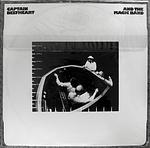
Clear Spot (1972) finds Captain Beefheart blending blues rock and experimental rock with a stronger emphasis on concise, groove-oriented songwriting and cleaner production than some of his earlier records. The album pairs raw blues and R&B rhythms with off-kilter arrangements, punchy horn and percussion textures, and Don Van Vliet's distinctive, idiosyncratic vocals and surreal lyrics, creating a work that balances avant-garde impulses with pop and rock accessibility.
#134 — Assault on Precinct 13 by John Carpenter
Assault on Precinct 13 (2003) is a sparse, synth-driven soundtrack by John Carpenter that blends minimalist electronic motifs with ambient drones and steady, pulsing rhythms. The music relies on economical themes and analog synth timbres to build a tense, cinematic atmosphere, emphasizing suspense through repetition, texture, and restrained melodic material. It exemplifies Carpenter's signature approach to scoring with electronic instruments and atmospheric production.
#135 — The Singles 1969–1973 by Carpenters
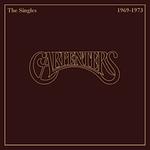
The Singles 1969–1973 is a 1973 compilation by Carpenters that gathers their early single releases into a single collection. It showcases the duo's blend of pop, soft rock, and easy listening, characterized by Karen Carpenter's warm contralto and Richard Carpenter's polished, orchestral-leaning arrangements, emphasizing melodic, radio-friendly songwriting and mellow, well-crafted production.
#136 — The Complete Goldwax Singles by James Carr
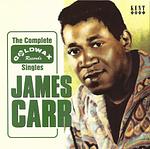
This compilation gathers James Carr's singles for the Memphis-based Goldwax label, presenting his signature deep soul performances. Carr's husky, emotionally raw tenor and gospel-rooted phrasing drive slow-burning ballads and midtempo numbers, often framed by sparse rhythm sections, warm horns, and occasional strings that underline themes of heartbreak and longing. The set highlights why Carr is regarded as a central voice in Southern deep soul, capturing both intimate vulnerability and impassioned intensity across his Goldwax singles.
#137 — Droppin' Things by Betty Carter
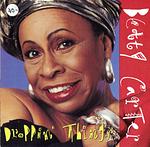
Droppin' Things (1990) finds Betty Carter in a small-group vocal jazz setting, emphasizing improvisation, rhythmic freedom, and her distinctive, elastic phrasing. The performances highlight her adventurous reworkings of material and close interplay with accompanists, with frequent scat passages, unexpected rhythmic shifts, and a focus on spontaneous, expressive delivery. The album is representative of her late-career artistry and her reputation for stretching standards and song forms in service of intense, personal interpretation.
#138 — Rough Music by Eliza Carthy
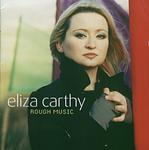
Rough Music (2005) by Eliza Carthy is a contemporary English folk record that blends traditional songs with newer material. Carthy's singing and fiddling are central, supported by band arrangements that move between intimate acoustic moments and fuller, more rhythmic textures. The album is notable for its adventurous, modernized treatments of folk repertoire and strong ensemble playing.
#139 — Byker Hill by Martin Carthy & Dave Swarbrick
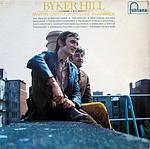
Byker Hill (1967) is a duo album by English folk musicians Martin Carthy and Dave Swarbrick that presents traditional English songs and dance tunes arranged for guitar and fiddle. The performances emphasize Carthy's rhythmic, ornamented singing and guitar work alongside Swarbrick's lively, expressive fiddle, with spare production that foregrounds the interplay between voice and instrument. The record stands as an early document of the 1960s British folk revival and of the productive musical partnership between the two players.
#140 — Johnny Cash at San Quentin by Johnny Cash
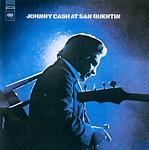
Johnny Cash at San Quentin is a 1969 live album recorded at San Quentin State Prison that captures Cash and his backing band, the Tennessee Three, in a raw, direct performance. The record features raucous audience interaction, spoken banter, and live versions of songs including "San Quentin" and the live debut of "A Boy Named Sue." Musically it blends country, country rock, and gospel influences with gritty electric guitar, driving rhythms, and Cash's deep baritone, and it helped define his public persona as a performer who connected strongly with incarcerated audiences.
#141 — The Greatest by Cat Power
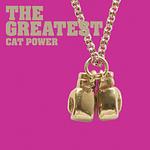
The Greatest, released in 2006 by Cat Power (Chan Marshall), shifts from her earlier spare arrangements to a warmer, full-band sound that blends indie rock with country rock, blues and soul influences. Recorded with experienced session players in a Memphis-centered style, the album pairs Marshall's smoky, intimate vocals with languid grooves, warm organ and restrained guitar to emphasize mood and concise songcraft. It is notable for its relaxed, soulful atmosphere and a more assured vocal presence compared with her earlier work.
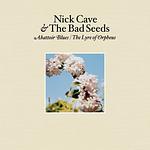
Abattoir Blues / The Lyre of Orpheus is a 2004 double album that divides into a louder, band-driven side and a quieter, more orchestral side. The Abattoir Blues half emphasizes gritty blues-rock and driving rhythms with piano, organ and guitars supporting Nick Cave's intense baritone, while The Lyre of Orpheus leans toward chamber textures and string arrangements that foreground storytelling and mythic, often dark lyrical themes. Across both discs the Bad Seeds and longtime collaborator Warren Ellis blend gothic atmosphere, narrative songwriting and shifts between urgency and restraint, making the record notable for its contrasts in mood and arrangement.
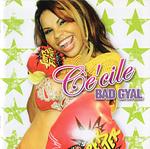
Bad Gyal (2007) by Ce'Cile is a dancehall and reggae album that highlights her confident, singjay vocal style over a mix of uptempo digital riddims and more laid-back reggae grooves. The record leans on dancefloor-ready beats and bold lyrical delivery, balancing club-oriented energy with melodic singing and patois-inflected toasting, demonstrating her voice within contemporary Jamaican dancehall trends.
#144 — Cee‐Lo Green… Is the Soul Machine by CeeLo Green
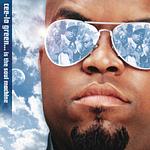
Cee-Lo Green... Is the Soul Machine (2004) is a solo album that blends downtempo grooves, electronic textures, hip hop rhythms, and neo soul vocalism. The record pairs vintage soul-influenced singing with contemporary beats and atmospheric production, moving between intimate balladry and more beat-driven tracks, and highlights CeeLo's flexibility as both a singer and rapper. It occupies a transitional place in his catalog, exploring eclectic arrangements and genre fusion that foreshadowed later creative directions.
#145 — Breaking Point by Central Line
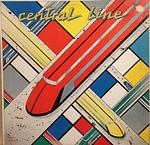
Breaking Point (1981) by Central Line blends disco-era dance rhythms with funk grooves and early electronic production. The album emphasizes syncopated basslines, rhythmic guitar patterns, layered synthesizers, and soulful lead vocals to create dance-oriented tracks with tight arrangements. It reflects the transition from late 1970s disco into a more electronic and funk-infused sound typical of the early 1980s British soul scene.
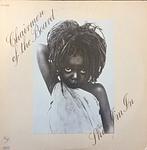
#146 — Skin I'm In by Chairmen of the Board
#147 — Script of the Bridge by The Chameleons
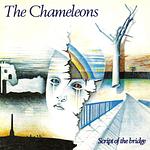
Script of the Bridge, the Chameleons' 1983 debut, is a moody, atmospheric post-punk record that blends chiming, reverb-heavy guitars with melodic bass and introspective vocals. The album emphasizes sweeping, textural guitar work, taut rhythms, and melancholic yet anthemic melodies that sit between post-punk and new wave approaches. Its expansive soundscapes and emotional lyricism helped define the band’s reputation for richly arranged, guitar-driven atmosphere.
#148 — Clandestino by Manu Chao
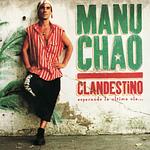
Clandestino is Manu Chao's 1998 solo album, a spare, lo-fi blend of folk, reggae, Latin rhythms and downtempo electronic touches. Songs use multilingual lyrics, repetitive loops, acoustic guitar and subtle dub-style production to create a road-worn, improvisatory sound that foregrounds themes of migration, border crossings and life on the margins. The record helped define Manu Chao's solo aesthetic after his work with Mano Negra and is often cited for its genre-blending, globalized pop sensibility.
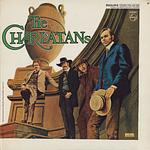
#149 — The Charlatans by The Charlatans
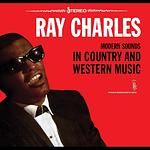
Modern Sounds in Country and Western Music (1962) finds Ray Charles reinterpreting country songs through a soul and big band lens, pairing gospel-inflected vocals with lush strings, brass, and rhythm arrangements. The record blends country songwriting with pop, jazz, and rhythm and blues elements to create a country soul sound that crosses traditional genre boundaries. Its notable characteristic is the fusion of straightforward country material with sophisticated orchestration and Charles's expressive delivery.
#151 — In Color by Cheap Trick
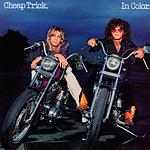
In Color is Cheap Trick's second studio album from 1977, pairing punchy hard-rock guitar and driving rhythms with tight vocal harmonies and catchy pop hooks. The core lineup of Robin Zander, Rick Nielsen, Tom Petersson and Bun E. Carlos delivers concise, hook-driven songs, including the studio version of "I Want You to Want Me" and the rousing opener "Hello There," that highlight the band's blend of power pop melody and rock energy. The production favors bright, polished tones and compact arrangements, and the album is noted for its vivid, colorful cover art.
#152 — Dig Your Own Hole by The Chemical Brothers
Dig Your Own Hole is the Chemical Brothers' 1997 second studio album and a defining example of the big beat sound of the late 1990s, blending heavy breakbeats, distorted basslines, and psychedelic sampling with rock-influenced rhythms. The record includes propulsive tracks like "Block Rockin' Beats" and "Setting Sun", the latter featuring Noel Gallagher, and is notable for its dense layering, dramatic buildups, and emphasis on groove and sonic impact over conventional pop song structures.
#153 — Raw Like Sushi by Neneh Cherry
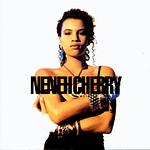
Raw Like Sushi is Neneh Cherry's 1989 debut solo album that blends pop, dance, electronic and pop-rap elements. The record pairs club-ready beats and electronic textures with an assertive vocal style that moves between sung hooks and rap-inflected verses, and includes well-known tracks such as "Buffalo Stance" and "Manchild". Its production mixes polished dance-pop arrangements with urban and international influences, and the lyrics often address identity, relationships, and personal confidence, giving the album a genre-crossing, contemporary pop sound.
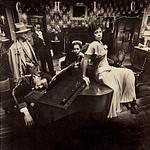
Risqué, released by Chic in 1979, is a polished disco album that blends funk and soul with tight, syncopated bass lines, Nile Rodgers' rhythmic guitar, and layered strings and horns. The record emphasizes danceable grooves and sophisticated arrangements, with songs built around rhythmic interplay and memorable melodic hooks. It is widely regarded as one of the group's definitive late 1970s recordings and includes the well known groove-centered track "Good Times."
#155 — A Lonely Man by The Chi‐Lites
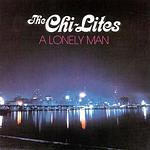
A Lonely Man, released in 1972 by The Chi-Lites, is a polished Chicago soul album anchored by Eugene Record's lead vocals and songwriting. The record blends smooth, doo-wop influenced harmonies, lush string arrangements, and romantic balladry, and includes the song "Oh Girl". Its warm, refined production and emphasis on melody and groove illustrate the group's signature sound and foreshadow production approaches that would appear in later 1970s soul and dance music.
#156 — Heavenly Pop Hit by The Chills
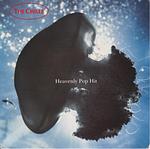
Heavenly Pop Hit is a 1990 compilation by New Zealand band The Chills that gathers key singles and tracks from their 1980s output. It showcases the band's jangly, melodic indie rock rooted in the Dunedin Sound, with chiming guitars, buoyant rhythms, and melancholic, hook-driven songwriting, and functions as a concise introduction to their distinctive blend of pop sensibility and indie texture.
#157 — Like Flies on Sherbert by Alex Chilton
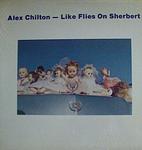
Like Flies on Sherbert is a loose, deliberately ragged solo album by Alex Chilton that blends garage rock grit with warped pop sensibilities. Recorded with a raw, lo-fi aesthetic and a mix of worn covers and fragmented originals, the record emphasizes abrasive textures, abrupt arrangements, and a mood of unsettling humor that marked Chilton's departure from polished pop into a more deconstructed, unpredictable sound.
#158 — Solo Flight by Charlie Christian, The Benny Goodman Sextet
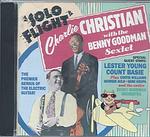
Solo Flight features recordings of Charlie Christian with the Benny Goodman Sextet and related small-group sessions, highlighting his pioneering amplified single-note guitar lines within a swing-era context. The album pairs driving, rhythmically propulsive ensemble work with Christian's blues-tinged, hornlike improvisations, illustrating the sound and approach that helped bridge big band swing and later modern jazz guitar styles. The emphasis is on tight group interplay, concise arrangements, and the electric guitar foregrounded as a solo voice.
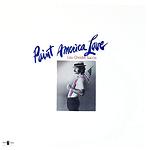
#159 — Paint America Love by Lou Christie
#160 — Heyday by The Church
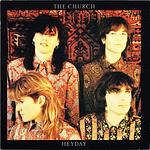
Heyday, released in 1985 by Australian band The Church, moves the group toward a more pastoral, acoustic-tinged take on their mix of alternative rock, new wave and psychedelic textures. The album emphasizes chiming, layered guitars, organ colors and Steve Kilbey's reflective vocals, creating a moodier, more spacious sound than some of their earlier jangle-oriented work. It functions as a transitional record that highlights atmosphere and texture alongside the band's melodic sensibility.
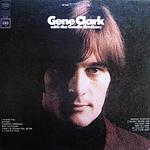
Gene Clark With the Gosdin Brothers (1967) pairs Gene Clark's plaintive, melody-focused songwriting with the Gosdin Brothers' close country-style harmonies, blending folk rock, country rock, pop and light rock arrangements. The record favors spare, tightly produced backing and acoustic textures alongside subtle electric touches, highlighting Clark's tenor and introspective lyrics and illustrating an early melding of country inflections with pop and folk-rock sensibilities.
#162 — Clash on Broadway by The Clash
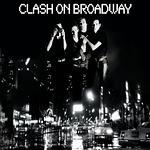
Clash on Broadway is a 1991 compilation by The Clash that collects material from their late 1970s and early 1980s period, illustrating the band's evolution from raw punk rock into a broader, genre-blending sound that incorporates reggae, dub, funk, and rock, alongside politically minded lyrics and experimental production.
#163 — Showcase by Patsy Cline
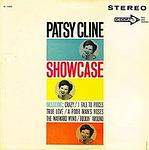
Showcase (1961) by Patsy Cline presents her blend of country and pop through the Nashville Sound, featuring polished arrangements and smoother rhythms that foreground Cline's rich, emotive contralto. Produced by Owen Bradley, the album pairs country instrumentation with string sections and background vocals to create a crossover-friendly sound that highlights Cline's phrasing and dramatic delivery, reflecting her early 1960s studio work and the era's move toward pop-oriented country production.
#164 — Hell Hath No Fury by Clipse
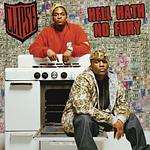
Hell Hath No Fury, Clipse's 2006 second album, pairs the duo's taut, street-focused lyrics with sparse, tense production largely handled by The Neptunes. The record favors a darker, more minimal sound than their debut, emphasizing grim narratives about the drug trade, precise wordplay, and a claustrophobic rhythmic feel that blends gangsta rap and Southern hip hop with experimental beat textures. It is often noted for its stark sonic palette and the tight interplay between Pusha T and No Malice.
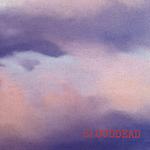
cLOUDDEAD is the 2001 debut album by the Anticon collective cLOUDDEAD, featuring Doseone, Why? and Odd Nosdam. It blends alternative and abstract hip hop with ambient and experimental production, using collage-like sampling, hazy synth textures, sparse beats, and stream-of-consciousness, surreal vocals. The album favors atmosphere and sonic experimentation over conventional song structures and is notable for pushing hip hop into more ambient and art-oriented territory.
#166 — Cluster & Eno by Cluster, Brian Eno
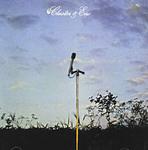
Cluster & Eno is a 1977 collaborative album by the German duo Cluster and British musician Brian Eno. It blends Cluster's abstract electronic textures and krautrock experimentalism with Eno's ambient sensibility, yielding sparse, textural pieces built from synth drones, treated keyboards, and tape processing. The record is an early example of the exchange between British ambient ideas and German electronic experimentation and helped shape subsequent ambient and experimental electronic music.
#167 — Legendary Masters Series by Eddie Cochran
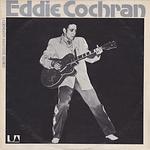
This release compiles key recordings by Eddie Cochran from his 1950s rock and roll and rockabilly output, showcasing his crisp, guitar-driven arrangements, punchy backbeat, and energetic vocal style. The tracks emphasize Cochran's role in shaping early rockabilly guitar phrasing and youthful lyrical themes, ranging from up-tempo rockers to more restrained balladry that capture the raw, immediate sound of the era.
#168 — Heaven or Las Vegas by Cocteau Twins
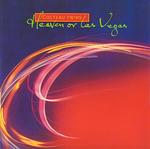
Heaven or Las Vegas (1990) finds Cocteau Twins applying their hallmark reverb-soaked guitars and Elizabeth Fraser's otherworldly vocals to more direct, melodic song structures. The album pairs shimmering guitar and warm synth layers with a restrained, slow-tempo pulse, producing lush, atmospheric tracks that sit between dream pop, ethereal wave, downtempo and shoegaze while emphasizing clearer vocal lines and accessible melodies.
#169 — I'm Your Man by Leonard Cohen
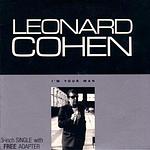
I’m Your Man is a 1988 Leonard Cohen album that updates his songwriting with synth-driven, drum machine and pop rock textures while retaining a strong folk and ballad sensibility. Cohen’s deep, conversational voice anchors songs that blend wry humor, romantic yearning and bleak, observational lyrics, presented in sparse, moody arrangements that emphasize atmosphere and narrative. The record marked a stylistic shift toward more modern production while keeping the lyrical focus that defines his work.
#170 — Journeys by DJ: 70 Minutes of Madness by Coldcut
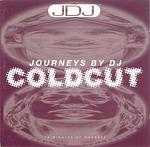
Journeys by DJ: 70 Minutes of Madness (1995) is a continuous mix by Coldcut that weaves together electronic styles such as downtempo, dub, electronica and jungle. The mix emphasizes sample-based editing and turntable-style techniques, moving between atmospheric dub textures, breakbeat-driven jungle passages and laid-back grooves to create a flowing, collage-like listening experience. It functions as a DJ set focused on mood and rhythmic contrast rather than a collection of discrete songs.
#171 — A Rush of Blood to the Head by Coldplay
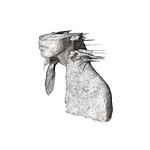
A Rush of Blood to the Head, Coldplay's 2002 second album, expands the band's sound from their debut with piano-driven ballads and more prominent guitar textures, balancing intimate, melancholic songwriting with larger, arena-scaled arrangements. Tracks such as "Clocks", "The Scientist", and "In My Place" emphasize spare piano motifs, ringing guitars, and melodic, emotive vocals that foreground atmosphere and directness. The record helped define the band's style within early 2000s post-Britpop and piano rock and marked a clear step toward more mature, anthemic songwriting.
#172 — Rattlesnakes by Lloyd Cole and the Commotions
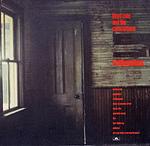
Rattlesnakes, the 1984 debut album by Lloyd Cole and the Commotions, pairs jangly, guitar-driven indie pop with polished soft rock touches and melodic keyboard and occasional string flourishes. The record is characterized by Cole's literate, conversational lyrics and sharp observational songwriting, framed by concise, hook-oriented arrangements that draw on 1960s pop sensibilities filtered through 1980s production. It established the band and its frontman as distinctive voices within the British indie pop and rock scene.
#173 — This Is Our Music by The Ornette Coleman Quartet
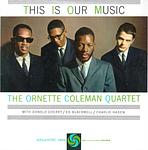
This Is Our Music (1961) captures Ornette Coleman's quartet developing the free jazz language through concise melodies and open, collective improvisation. The album juxtaposes singable themes with loose, harmolodic group interplay that foregrounds melodic freedom over conventional chord changes, and it balances lyricism and angular phrasing while the rhythm section supports shifting time feels rather than fixed harmonic progressions. Its sound is direct and immediate, emphasizing conversational exchanges between Coleman's alto and the ensemble and marking a significant moment in the early avant garde jazz movement.
#174 — Motherland Pulse by Steve Coleman Group
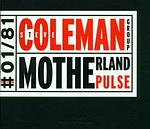
Motherland Pulse (1985) is an early Steve Coleman Group record that presents the developing M-Base aesthetic, blending post-bop improvisation with funk-derived grooves and intricate, shifting rhythms. The music emphasizes tightly woven compositions and rhythmic interplay, with Coleman's alto lines often angular and rhythmically driven rather than following conventional song forms. The album documents an exploratory, rhythm-focused approach that helped shape Coleman's subsequent work in contemporary jazz.
#175 — Wildflowers by Judy Collins
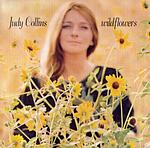
Wildflowers (1967) finds Judy Collins moving beyond straight folk into a softer folk rock and soft rock palette, pairing her clear soprano with both intimate acoustic settings and fuller, string-accented arrangements. The album includes Collins' interpretations of contemporary songwriters, notably an early cover of Joni Mitchell's "Both Sides, Now", and emphasizes lyrical storytelling and warm, vocal-centered production.
Mama Feelgood: The Best of Lyn Collins is a 2005 compilation that assembles Lyn Collins's hard-hitting funk and soul recordings, many drawn from her 1970s collaborations with James Brown. The selection highlights her powerful, gospel-tinged lead vocals over raw, percussion-driven grooves, tight horn charts, and punchy production. Tracks such as "Think (About It)" exemplify the record's breakbeat-heavy sound that later became a frequent source for sampling, and the compilation underscores Collins's distinct presence within classic funk and soul music.
#177 — Folk Roots, New Routes by Shirley Collins, Davey Graham
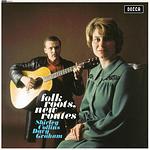
Folk Roots, New Routes (1964) pairs Shirley Collins' plain, unadorned English folk singing with Davy Graham's inventive acoustic guitar work. The arrangements blend traditional ballads and songs with modal, blues and world-music inflections, showcasing Graham's distinctive tunings and rhythmic detail and reframing how guitar could accompany folk vocals. The result is a spare, intimate sound that helped broaden the stylistic possibilities of the 1960s British folk revival.
#178 — A Love Supreme by John Coltrane
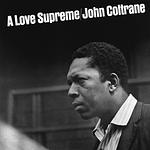
A Love Supreme is a four-part suite recorded by John Coltrane's classic quartet and released in 1965. The music combines modal and post-bop language with a devotional, intense approach, built around a persistent four-note motif and sustained improvisation that showcases Coltrane's tenor saxophone alongside McCoy Tyner's harmonically rich piano, Elvin Jones's propulsive drumming, and Jimmy Garrison's anchoring bass. The album is widely regarded as a defining statement of spiritual jazz and a turning point toward more exploratory, devotional directions in Coltrane's work.
#179 — Field Recordings From the Sun by Comets on Fire
Field Recordings From the Sun, by Comets on Fire (2002), is a raw, fuzz-drenched record that mixes garage rock immediacy with expanded psychedelic jams. The album foregrounds heavy, distorted guitars, sustained feedback and dense layers of sound, often unfolding in long, improvisational-feeling passages and a live, unpolished production aesthetic. Its sound emphasizes noisy, trance-like psychedelia and exploratory intensity rather than pop structure, and it is notable for capturing the band’s volatile, freewheeling approach to heavy rock in the early 2000s underground scene.
#180 — The Very Best Of by Commodores
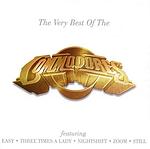
The Very Best Of by the Commodores is a compilation that showcases the group's blend of funk, soul and pop-oriented R&B from the 1970s and early 1980s. It highlights the contrast between tight, groove-driven uptempo tracks with prominent bass and horn arrangements and smoother, romantic ballads marked by polished production and emotive lead vocals, particularly from Lionel Richie during his time with the band. The album functions as an overview of the band’s stylistic range, from danceable funk to melodic, radio-friendly songs.
#181 — Electric Circus by Common
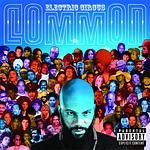
Electric Circus, released in 2002 by Common, is an experimental album that stretches his established conscious and jazz-tinged hip hop into a more eclectic, genre-blurring direction. The record pairs introspective, socially aware lyrics with adventurous production that incorporates electronic textures, live instrumentation, and elements of soul, rock, and psychedelia, creating a more expansive and cinematic sound that marked a clear stylistic shift in his catalog.
#183 — Heart of the Congos by The Congos
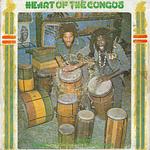
Heart of the Congos, recorded in 1977 and produced by Lee 'Scratch' Perry at his Black Ark studio, is a roots reggae album that blends dub-influenced studio techniques with rich, high-register vocal harmonies. The arrangements emphasize deep basslines, layered percussion, and atmospheric effects, while lyrics draw on Rastafarian and spiritual themes. The album is noted for its distinctive Black Ark production and the interplay between Cedric Myton's falsetto and the group's lower voices, giving it a characteristic sound within roots reggae and dub contexts.
#184 — Chicken Skin Music by Ry Cooder
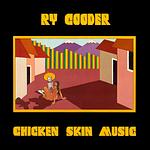
Chicken Skin Music (1976) finds Ry Cooder using his slide guitar and arranging skills to blend blues, roots rock, country and folk, often edged with Latin and border music influences. The album balances acoustic and electric textures and reworks traditional forms through Cooder's rhythmic, melodic sensibility. It is representative of his mid 1970s exploration of American vernacular music and cross-cultural connections.
#185 — Night Beat by Sam Cooke
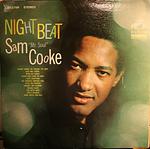
Night Beat, released in 1963, is an intimate, late-night album that spotlights Sam Cooke's voice with sparse, blues- and jazz-inflected arrangements. The record favors subdued, atmospheric backing over pop production, blending R&B and soul sensibilities with raw blues feeling and relaxed jazz touches, and serves as a poignant showcase for Cooke's interpretive phrasing and emotional range.
#186 — Snap, Crackle & Bop by John Cooper Clarke
Snap, Crackle & Bop, released in 1980, finds John Cooper Clarke delivering rapid-fire spoken-word poems over a backdrop that blends punk energy with new wave and electronic textures. The album uses rhythmic, often synth-tinged arrangements alongside straightforward rock instrumentation to support Clarke's sardonic, observational verse, reflecting a shift from late 1970s punk into post-punk and new wave sensibilities. Its characteristic sound is the close pairing of sharp, comedic poetry with concise musical settings that emphasize voice and rhythm.
#187 — Fried by Julian Cope
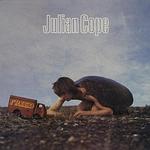
Fried (1984) is Julian Cope's debut solo album after the end of his work with The Teardrop Explodes. It presents a rawer, more intimate rock sound than his previous band material, favoring stripped-down production, a mix of acoustic and electric guitars, organ textures, and a loose, live feel. The songs draw on alternative and garage rock with touches of pastoral psychedelia and personal, often idiosyncratic lyrics, and the record signaled a shift toward more exploratory, individualistic work in Cope's career.
#188 — Self Portrait by Ruth Copeland
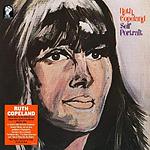
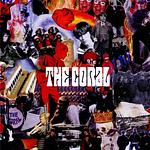
The Coral is the self-titled 2002 debut album by the English band The Coral. It blends indie rock, folk rock and jangle pop with 1960s psychedelic and vintage pop influences, featuring chiming guitars, prominent organ textures and close vocal harmonies. Songs move between upbeat, jangly numbers and more atmospheric, folk-tinged pieces, highlighting the group's melodic focus and retro-inspired arrangements while introducing the sound that would define their early work.
#190 — Light as a feather by Chick Corea & Friends
Light as a Feather, released in 1973, is a Chick Corea album that mixes jazz fusion with strong Latin jazz and melodic acoustic elements. It features early versions of the composition "Spain", which opens with a nod to a theme from Joaquín Rodrigo's Concierto de Aranjuez, and highlights Corea's lyrical keyboard lines alongside Stanley Clarke on bass, Joe Farrell on reeds, and the vocal and percussion contributions of Flora Purim and Airto Moreira. The record is noted for its lighter, songlike approach to fusion, emphasis on group interplay, and Latin rhythmic colors.
#191 — King of America by Elvis Costello, The Attractions, The Confederates
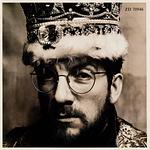
King of America is a 1986 Elvis Costello album that shifts from his earlier new wave sound toward a rootsy, Americana-informed approach, blending country rock, folk, pop rock, and classic rock and roll. Produced in collaboration with T Bone Burnett, the sessions used American session players and a loosely assembled backing group often called the Confederates, with some involvement from members of the Attractions, yielding stripped-back arrangements built around acoustic guitar, piano and organ and a more conversational vocal delivery. The record is notable for its emphasis on narrative, character-driven lyrics and for showing Costello exploring American musical traditions within his songwriting.
#192 — Kontiki by Cotton Mather
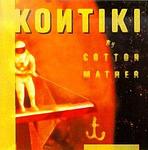
Kontiki, released in 1997 by Cotton Mather, is a home-recorded power pop album that blends 1960s-influenced psychedelic pop and Beatlesque melodic sensibilities with jangly rock. Robert Harrison's layered vocal harmonies and ornate arrangements sit atop lo-fi indie production, creating songs that balance bright, hook-driven melodies with occasional experimental textures. The record is often regarded as a cult favorite among power pop and indie listeners and helped establish Cotton Mather's reputation for ambitious, tuneful songwriting.
#193 — The Trinity Session by Cowboy Junkies
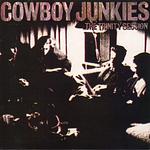
The Trinity Session (1988) by Cowboy Junkies is a spare, atmospheric album that blends blues, country, and rock into a hushed, folk-inflected alternative country sound. Recorded live in a church using a deliberately minimalist setup, the music emphasizes Margo Timmins's intimate vocals, slow, drifting tempos, and subtle instrumental textures, creating a cinematic, melancholic mood. Its quiet arrangements and reverent production helped establish the band’s reputation within alternative rock and alt country circles.
#194 — Marjory Razorblade by Kevin Coyne
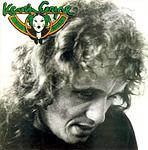
Marjory Razorblade, released in 1973, pairs Kevin Coyne's blunt, conversational vocals and character-driven songwriting with arrangements that move between spare folk-rock and rougher rock band textures. The record emphasizes intimate, often unsettling narratives delivered with an idiosyncratic, emotive voice, balancing quieter acoustic moments and more forceful electric tracks to create a moody, eclectic early solo statement in Coyne's catalog.
#195 — Off the Bone by The Cramps
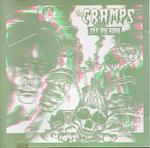
Off the Bone (1983) is a compilation of early Cramps recordings that highlights their raw fusion of rockabilly, garage rock, and psychobilly. The tracks emphasize twangy, reverb-drenched guitar, primal rhythms, and Lux Interior's theatrical vocal delivery, with a campy, horror-movie aesthetic and stripped-down production that helped define the band's influence on underground rock and the psychobilly style.
#196 — Stations of the Crass by Crass

Stations of the Crass, released in 1979 by Crass, is a raw, politically charged punk album that helped define the anarcho-punk sound. The record combines fast, aggressive punk and hardcore energy with abrasive, lo-fi production, shouted and spoken vocals, and moments of experimental noise and tape collage. Its confrontational lyrics and do it yourself approach made it an influential touchstone within the anarcho-punk movement and among bands blending punk urgency with explicit political messaging.
#197 — Crazy Horse by Crazy Horse
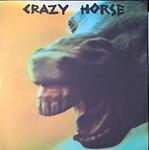
Crazy Horse's 1971 self-titled album is a raw, guitar-driven record that blends country rock and straight-ahead rock with a loose, jam-oriented feel. Featuring core members Danny Whitten, Billy Talbot, and Ralph Molina, the album emphasizes rough-hewn vocals, overdriven and chiming electric guitars, and a sturdy, lived-in rhythm section, showing the group's identity apart from their collaborations with Neil Young. The production favors a gritty, live-in-the-studio sound and rootsy songwriting over polish.
#198 — Disraeli Gears by Cream
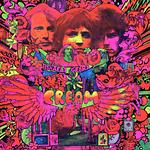
Disraeli Gears (1967) by Cream mixes blues rock and early hard rock with psychedelic touches, bringing more studio color and compact songcraft to the trio format. Eric Clapton's guitar tones and riff-driven playing sit alongside Jack Bruce's melodic bass and vocals and Ginger Baker's dynamic drumming, combining blues roots with psychedelic textures and tighter, radio-friendly arrangements that contrast with the band's longer live jams.
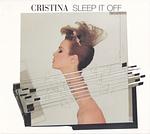
#200 — Sleep It Off by Cristina