 The Greatest Music
1000 Albums to Hear Before you Die
Weight: 67%
How much this list influences our overall rankings. Higher weight means more reliable data.
Penalties Applied:
The Guardian – 1000 Albums to Hear Before You Die (2007) is a large, cross-genre listening guide compiled by the Guardian’s music writers. It’s not a ranked “best of all time” list: entries are presented alphabetically by artist and each album gets a short capsule explaining why it’s worth hearing. The team set a few rules—one album per main artist, often choosing a less-obvious pick over the canonical choice, and allowing Various Artists compilations to represent scenes built on singles. The project also invited readers to suggest omissions, later publishing a “we forgot…” follow-up selection.
#301 — Zamazu by Roberto Fonseca

Zamazu, from 2007, finds Cuban pianist Roberto Fonseca blending contemporary jazz improvisation with Latin and Afro-Cuban rhythms. The album pairs expressive acoustic piano with dense percussive grooves and occasional electronic textures, shifting between intimate melodic moments and rhythmically driven, danceable pieces. It reflects Fonseca's interest in fusing traditional Cuban forms with modern jazz sensibilities and production approaches.
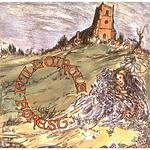
#302 — Full Circle by Forest
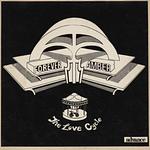
#303 — The Love Cycle by Forever Amber
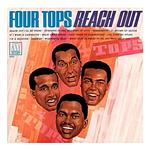
Reach Out (1967) by the Four Tops is a Motown soul and R&B album built around Levi Stubbs's impassioned lead vocals and the group's tight harmonies. The record features dramatic, orchestral-tinged arrangements, punchy rhythms, and polished studio production commonly associated with the Holland-Dozier-Holland team, with material that emphasizes urgent emotional delivery and danceable grooves. It exemplifies the mid-1960s Motown sound and showcases the Four Tops' intensity and vocal unity.
#305 — Frampton Comes Alive! by Peter Frampton
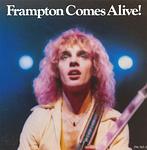
Frampton Comes Alive! is a 1976 double live album by English guitarist and singer Peter Frampton that mixes rock, pop rock and AOR with moments of harder-edged playing; it captures extended, audience-driven performances of songs like "Show Me the Way" and "Do You Feel Like We Do", showcases Frampton's melodic guitar work and distinctive talk box tones, and is widely regarded as the breakthrough release that brought him broad mainstream recognition.
#306 — Originalité by Franco, OK Jazz
#307 — Jackson C. Frank by Jackson C. Frank
Jackson C. Frank's 1965 self-titled album is a spare, intimate collection of contemporary folk rooted in fingerpicked acoustic guitar and Frank's fragile, world-weary voice. The songs mix folk and blues phrasing with confessional, often melancholic lyrics about loss and wandering, and the arrangements are restrained so the melodies and narratives remain central. Noted for its emotional clarity and understated power, the record includes enduring songs such as "Blues Run the Game" and "Milk and Honey."
Welcome to the Pleasuredome, the 1984 debut album by Frankie Goes to Hollywood, is a maximalist synth-pop and alternative dance record produced by Trevor Horn. It pairs glossy electronic production and dance-pop rhythms with theatrical arrangements, extended mixes and cinematic touches, and features the singles "Relax", "Two Tribes" and "The Power of Love". The album is notable for its bold, often provocative lyrics and camp-inflected presentation, representing a high-production, synth-driven strand of 1980s pop and electronic music.
I Never Loved a Man the Way I Love You is Aretha Franklin's 1967 Atlantic breakthrough that crystallized her gospel-rooted, deeply soulful sound. Produced by Jerry Wexler and shaped by sessions at Muscle Shoals and in New York, the album blends Southern soul grooves, church-influenced vocals, and punchy horn and piano arrangements to create a raw, emotionally direct record. It includes the title track and her interpretation of Otis Redding's "Respect", and helped establish the vocal style and repertoire she became known for.
#310 — Franz Ferdinand by Franz Ferdinand
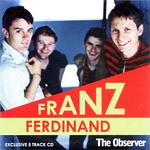
Franz Ferdinand's self-titled debut is a compact, danceable indie rock record built on angular guitar riffs, tight, propulsive rhythms and concise, hook-driven songwriting. It blends post-punk revival and art rock influences with a keen sense of groove and dynamics, pairing witty, observational lyrics with sharp arrangements that prioritize immediacy and rhythm. The album is often cited for bringing a kinetic, club-friendly edge to early 2000s indie rock.
#311 — Fire and Water by Free
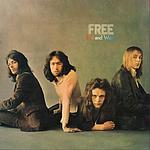
Fire and Water (1970) blends blues rock and hard rock with concise, soulful songwriting and a warm, live-feeling production. Paul Rodgers' gritty, expressive vocals sit atop Paul Kossoff's sustained, vibrato-rich lead guitar and Andy Fraser's melodic bass work, while the band moves between driving blues-based rockers and more relaxed, reflective tunes. The album includes the song "All Right Now", which became the band's signature track and helped define their early sound.
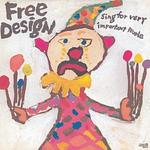
Sing for Very Important People is The Free Design's 1970 children's album that applies the group's signature close vocal harmonies and intricate arrangements to a family-friendly set of songs. Rooted in sunshine pop and baroque pop sensibilities, the record features light, melodic pop textures with orchestral touches and playful, accessible melodies that also reflect hints of bubblegum pop. It showcases Chris Dedrick's arranging skills and the band's knack for sophisticated, softly arranged pop tailored for young listeners without sacrificing musical detail.
#313 — Young and Foolish by Von Freeman
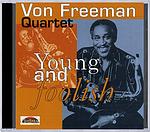
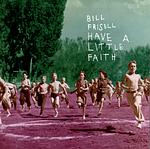
#314 — Have a Little Faith by Bill Frisell
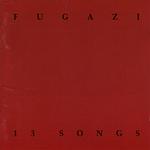
13 Songs (1989) compiles Fugazi's first two EPs and captures their early post-hardcore sound: angular, rhythmic guitar interplay, propulsive bass and drums, and Ian MacKaye's urgent, concise vocals paired with socially aware lyrics. Recorded at Inner Ear and released on Dischord, the short, tightly arranged tracks emphasize dynamics and a DIY ethic that helped define the band's influence within the post-hardcore scene.
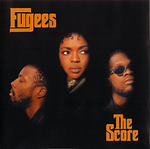
The Score, released in 1996 by the Fugees, blends hip hop, contemporary R&B, boom bap rhythms and alternative hip hop sensibilities with Caribbean influences. Lauryn Hill's soulful singing and lyrical delivery, Wyclef Jean's eclectic production and Pras's steady rapping create a mix of live instrumentation, cinematic samples and reggae-tinged grooves. The album pairs reinterpretations of familiar songs, such as a cover of "Killing Me Softly" and a version of "No Woman, No Cry," with original, socially conscious lyrics that explore identity, diaspora and street life.
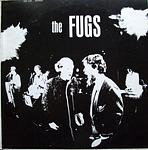
The Fugs (1966) is a raw, lo-fi debut that blends folk-based songwriting with raucous rock, psychedelic touches, and a proto-punk attitude, often delivered with satirical or explicit lyrics and spoken-word interludes. The record captures the band’s confrontational, communal performance style and countercultural humor, reflecting the East Village underground and an experimental approach that mixed political provocation, comedic elements, and noisy, garage-influenced instrumentation.
#318 — The Fun Boy Three by Fun Boy Three
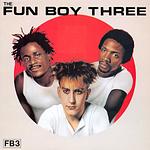
The Fun Boy Three is the 1982 self-titled debut by Fun Boy Three, the trio formed by former Specials members Terry Hall, Neville Staple, and Lynval Golding. The record moves away from the fuller ska sound of their previous band toward a leaner new wave and pop approach, emphasizing tight vocal harmonies, spare percussion and occasional electronic textures, with songs that mix playful pop melodies and socially aware lyrical themes.
#319 — Maggot Brain by Funkadelic
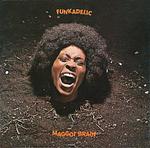
Maggot Brain (1971) by Funkadelic blends deep funk grooves with psychedelic and hard rock textures, anchored by George Clinton's production and Eddie Hazel's emotive guitar work. The album features the side-long title track, an extended, searing guitar improvisation over sparse backing that conveys a melancholy and cosmic intensity, while other songs shift between raw, guitar-driven rock and rhythmically dense funk with layered vocals, wah-wah guitar and distorted tones. It represents a key moment in the development of P-Funk's more experimental, rock-infused side and highlights the group's appetite for studio experimentation and improvisation.
#320 — Loose by Nelly Furtado
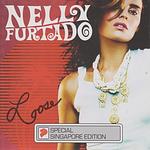
Loose, released in 2006, marked Nelly Furtado's move from her earlier folk and world-pop into a more urban, dance-pop and hip hop influenced sound. Largely produced in collaboration with Timbaland, the album mixes spare, beat-driven production and electronic textures with Latin percussion and occasional Spanish lyrics, shifting between club-ready pop rap and moodier midtempo songs. Notable tracks include "Promiscuous", "Maneater", and "Say It Right", and the record is often noted for its genre blending and rhythmic focus.
#321 — The Sound of Fury by Billy Fury
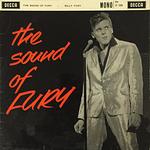
The Sound of Fury, recorded in 1960 by English singer Billy Fury, delivers a lean, energetic take on rock and roll with strong rockabilly and rhythm and blues influences. Fury's vocal style—emphatic and emotive—rides over driving guitar, rhythmic bass and tight drumming, alternating upbeat rockers with moodier, more reflective numbers. The album captures a rawer British interpretation of American rock and roll from the early 1960s and is regarded as a notable early example of the genre in the U.K.
#322 — Accelerator by The Future Sound of London
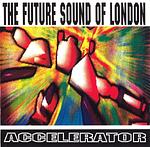
Accelerator (1991) by The Future Sound of London blends techno, acid house and ambient into a leftfield electronic set that pairs propulsive, sample-driven rhythms with densely layered synth pads and dubby textures. The music shifts between club-oriented beats and more spacious, psychedelic passages, emphasizing texture, atmosphere and experimental production techniques. As an early FSOL release, it illustrates the duo's interest in marrying dancefloor elements with ambient and experimental sound design.
#323 — Peter Gabriel by Peter Gabriel
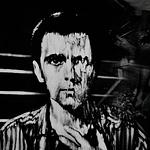
Peter Gabriel (1980), his third solo album often referred to as Melt, marks a move toward more concise, studio-oriented art rock that blends progressive roots with pop sensibilities. The record emphasizes layered production, treated vocals, and electronic textures to create a darker, more atmospheric sound than his earlier solo work, and it represents a turning point toward tighter song structures and adventurous studio experimentation that influenced rock and pop production in the early 1980s.
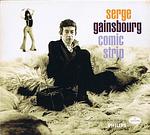
#324 — Comic Strip by Serge Gainsbourg
#325 — On Fire by Galaxie 500
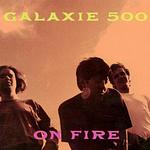
On Fire (1989) by Galaxie 500 refines the band's spare, reverb-soaked approach into a warm, atmospheric record that sits between dream pop and indie rock. Dean Wareham's laconic vocals glide over shimmering, delay-heavy guitars and restrained, tom-led drumming, creating slow, hypnotic grooves and a melancholic mood. The album is notable for its minimalist arrangements and hazy production, traits that have made it an important reference point for later dream pop and indie bands.
#326 — Entertainment! by Gang of Four
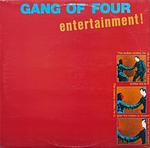
Entertainment!, the 1979 debut by Gang of Four, combines punk urgency with funk-influenced dance rhythms and art-punk angularity. The album is built on staccato, jagged guitar figures, propulsive, groove-driven bass and tight, rhythmic arrangements that favor economy and texture. Lyrically it offers direct, politically charged critiques of consumerism, interpersonal power and modern capitalism, delivered with a cool, detached vocal approach. The spare, abrasive sound and focus on rhythm and ideas helped define a strand of post-punk that fed into later dance-punk and alternative music.
#327 — Step in the Arena by Gang Starr
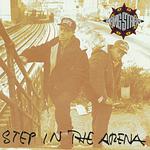
Step in the Arena is Gang Starr's second full-length album, centered on DJ Premier's lean, sample-driven boom bap production and Guru's calm, conversational delivery. The music mixes East Coast hip hop grit with jazz-tinged samples, crisp drum programming, and tight scratching, with lyrics focused on MC technique, street observation, and lyrical confidence. The record's spare, head-nodding sound helped establish the duo's signature aesthetic within early 1990s boom bap and jazz rap.
#328 — Twelve Moons by Jan Garbarek Group
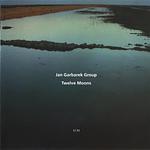
Twelve Moons, credited to the Jan Garbarek Group and released in 1993, is a contemplative contemporary jazz album centered on Garbarek's clear, lyrical saxophone lines set against spacious, ambient arrangements. The music emphasizes open harmonic textures, folk-tinged melodies, and subtle rhythmic frameworks, favoring mood and atmosphere over dense ensemble interplay. Production is restrained and transparent, highlighting a contrast between intimate melodic foregrounds and airy accompaniment.
#329 — The Serpentine Similar by Gastr del Sol
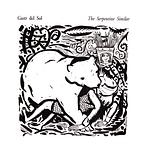
The Serpentine Similar by Gastr del Sol (1993) presents a quiet, exploratory take on post-rock and experimental rock, favoring sparse arrangements, acoustic and understated electric textures, and fragmented song forms. The album blends folk-inflected melodies with dissonant instrumental passages and subtle studio treatments, emphasizing space and unexpected transitions over conventional rock dynamics. It marks an early example of the band's shift toward compositional restraint and genre-blurring experimentation.
#330 — Filth & Fire by Mary Gauthier
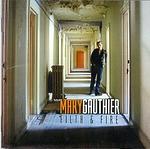
Filth & Fire (2002) finds Mary Gauthier delivering spare, character-driven songs that sit between country and folk rock; her weathered, direct vocal delivery and plainspoken lyrics emphasize intimate, often gritty storytelling, supported by roots-oriented acoustic and electric arrangements that favor mood and narrative over polish.
#331 — What's Going On by Marvin Gaye
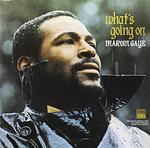
"What’s Going On" (1971) by Marvin Gaye is a cohesive, socially conscious soul album that blends Motown rhythm and smooth soul vocals with lush orchestral arrangements and jazz-influenced horns and strings. Gaye's intimate lead singing, layered background vocals, and subtle studio production create a reflective, spiritual atmosphere as the songs address themes such as war, urban poverty, policing, and environmental concerns. The result is a quieter, more contemplative direction for Motown sounds that broadened the expressive range of R&B.
#332 — Selling England by the Pound by Genesis
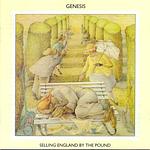
Selling England by the Pound, released in 1973, is a hallmark of Genesis's progressive rock period that blends symphonic textures, folk-tinged English songwriting, and art rock sensibilities. The album pairs Peter Gabriel's theatrical vocals and narrative lyrics with Tony Banks's layered keyboards, Steve Hackett's melodic guitar work, and Phil Collins and Mike Rutherford providing a tight rhythmic and harmonic backbone. Tracks move between extended, classically influenced pieces with shifting meters and instrumental passages and more concise, melodic songs, creating a balance of complexity and accessibility that helped define the band's early sound.
#333 — Liquid Swords by GZA/Genius

Liquid Swords, released in 1995 by GZA/Genius, is a focused East Coast hip hop record rooted in boom bap and hardcore styles. Produced largely by RZA, it pairs stark, cinematic beats built from dusty samples and eerie textures with GZA's dense, chess and martial arts-inflected lyricism and intricate internal rhymes. The album is notable for its tight production, sharp storytelling, and its place within the mid 1990s Wu-Tang era of New York hip hop.
#334 — The Delta Sweete by Bobbie Gentry
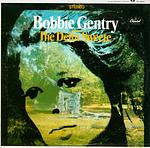
The Delta Sweete (1968) is a concept record in which Bobbie Gentry paints short narrative vignettes about life in the Mississippi Delta. Musically it blends country, country pop, folk and blues with pop orchestration, pairing sparse Southern instrumentation and slide touches with strings, horns and studio production to create a cinematic, often melancholic atmosphere. Gentry's intimate, conversational vocals and storytelling link the songs into a cohesive suite, and the album is often noted for its Southern Gothic mood and for expanding the scope of what a country-pop record could sound like.
#336 — Jazz Samba by Stan Getz, Charlie Byrd
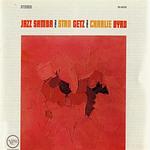
Jazz Samba (1962) pairs tenor saxophonist Stan Getz with guitarist Charlie Byrd in a set that blends bossa nova rhythms with jazz improvisation. The album features relaxed samba grooves, nylon-string guitar textures, light percussion, and Getz's warm, lyrical tone, presenting Brazilian song forms through a cool jazz sensibility. It is widely regarded as a landmark recording that helped introduce bossa nova to American jazz listeners.
#337 — Ironman by Ghostface Killah
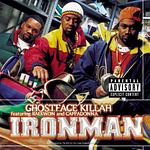
Ironman, Ghostface Killah's 1996 solo debut, blends East Coast boom bap with hardcore and abstract hip hop sensibilities. Built around RZA's sample-driven, cinematic production and warm soul loops, the album foregrounds Ghostface's dense, stream-of-consciousness delivery, vivid storytelling, and mafioso imagery. Guest appearances from Wu-Tang affiliates contribute to a conversational, character-driven atmosphere. Its mix of emotional intensity, lo-fi grit, and melodic hooks established the distinctive solo persona Ghostface carried through later work.
#338 — Robin's Reign by Robin Gibb
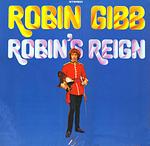
Robin's Reign is Robin Gibb's 1970 solo debut, blending baroque pop and orchestral pop with elements of rock. The record is marked by ornate string and chamber-pop arrangements, introspective and melancholic songwriting, and Robin's distinctive high, vibrato-rich lead vocals. Centered on melodic, mood-driven tracks such as the single "Saved by the Bell", the album presents a more theatrical and intimate counterpoint to the Bee Gees' group work of the period.
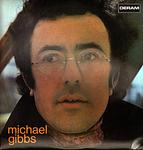
#339 — Michael Gibbs by Michael Gibbs
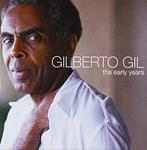
#340 — The Early Years by Gilberto Gil
#341 — Tanto tempo by Bebel Gilberto
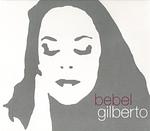
Tanto Tempo, released in 2000 by Bebel Gilberto, blends classic bossa nova and samba songwriting with downtempo electronic and lounge production to create a warm, intimate sound characterized by soft, breathy vocals, gentle acoustic guitar, subtle percussion, and ambient electronic textures. The album presents a modern, chilled-out take on Brazilian music that broadened exposure for bossa nova among lounge and downtempo audiences and helped establish Gilberto as a prominent voice in contemporary Latin-influenced pop.
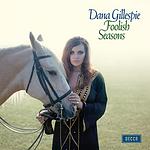
#342 — Foolish Seasons by Dana Gillespie
#343 — Cubana Be, Cubana Bop by Dizzy Gillespie
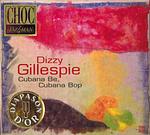
Cubana Be, Cubana Bop collects Dizzy Gillespie recordings that helped establish Afro-Cuban jazz by pairing his bebop trumpet lines with Cuban percussion, most notably the work of Chano Pozo. The music blends fast, angular bebop melodies and horn arrangements with driving congas, claves, and tumbao patterns, creating a rhythmic, danceable sound anchored in call-and-response textures and improvisation. Its focus on the interaction between jazz harmony and Afro-Cuban rhythm marks it as an important early example of Latin jazz fusion.
#344 — The Bachelor by Ginuwine
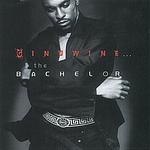
Ginuwine...The Bachelor is the 1996 debut album by Ginuwine that blends contemporary R&B, hip hop, and soul, anchored by Timbaland's distinctive, syncopated production. The record pairs punchy, percussive beats and atmospheric synths with Ginuwine's smooth tenor and falsetto across sensual slow jams and more uptempo tracks. The single "Pony" is one of the album's best-known songs, and the album is often cited for helping to shape a late 1990s R&B production aesthetic.
#345 — The Wicker Man by Paul Giovanni
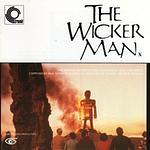
The Wicker Man, composed by Paul Giovanni, is a folk-oriented soundtrack that blends traditional British folk idioms with original pastoral and ritual songs. Sparse acoustic arrangements, close-harmony vocals, and period-tinged instrumentation create a rustic and uncanny atmosphere, with pieces that range from communal ballads to the intimate, suggestive tune known as Willow's Song. The music is notable for how it evokes rural pagan rites and for its strong role in shaping the film's unsettling, folkloric mood.
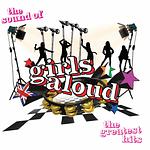
The Sound of Girls Aloud: The Greatest Hits is a 2006 compilation that collects the group's early singles and highlights the pop-electro sound that defined their first phase. Largely associated with the production team Xenomania, the album showcases hook-driven pop and synth-pop textures with occasional experimental song structures and electronic production flourishes, balancing glossy mainstream choruses with inventive arrangements that became a signature of their work.
#347 — Selected Recordings by Egberto Gismonti
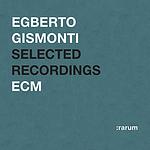
#348 — In My Element by Robert Glasper
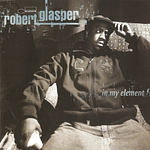
In My Element (2007) finds Robert Glasper working largely in a piano trio/post-bop context while drawing on contemporary R&B and hip-hop sensibilities. The album emphasizes lyrical, harmonically rich piano lines and close interplay with bass and drums, balancing exploratory improvisation with groove-oriented arrangements and showcasing Glasper's developing compositional voice and his interest in connecting jazz tradition with modern urban sounds.
#349 — 76:14 by Global Communication
76:14 is a 1994 album by Global Communication, the duo Mark Pritchard and Tom Middleton, built from long-form pieces that are titled by their running times and collectively total 76 minutes and 14 seconds. The music blends ambient, electronic and downtempo approaches into warm, spacious soundscapes, favoring slowly evolving synth pads, soft melodic fragments, understated beats and layered textures that create a meditative, immersive atmosphere. The record is known for its seamless flow and cinematic sense of space and is frequently referenced as a defining example of 1990s ambient electronica.
#350 — Thunder, Lightning, Strike by The Go! Team
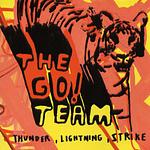
Thunder, Lightning, Strike is the 2004 debut album by The Go! Team that builds a high-energy, sample-driven collage mixing indie rock guitars, cut-up funk and soul snippets, breakbeat and hip-hop rhythms, lo-fi electronics and cheerleader-style chants. The result is exuberant, often chaotic songs that combine live instrumentation with heavily layered samples and guest vocals, producing a playful, retro-infused sound that sits between alternative dance, leftfield pop and indie hip-hop. The album established The Go! Team's signature approach of eclectic pastiche and propulsive rhythms.
#351 — Tallulah by The Go‐Betweens
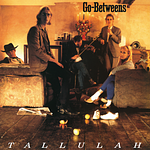
Tallulah is a 1987 album by The Go-Betweens that refines their jangly indie pop into concise, melodic songs. It pairs bright, guitar-driven arrangements and pop rock textures with literate, often introspective lyrics and the distinctive vocal interplay of the band's two principal songwriters, giving the record a polished yet still intimate sound that sits between jangle pop, new wave, and indie rock.
#352 — Black Cherry by Goldfrapp
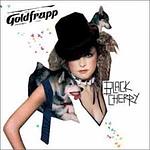
Black Cherry, Goldfrapp's 2003 album, moves the duo away from the nocturnal, cinematic electronica of their debut toward a sleeker, synth-driven sound that blends electro, glam and leftfield electronic textures. Alison Goldfrapp's breathy, sensual vocals sit atop pulsing analogue synths, motorik rhythms and icy basslines, balancing downtempo moodiness with dance-oriented arrangements and marking a clear stylistic pivot for the band.
#353 — O melhor de Luiz Gonzaga by Luiz Gonzaga
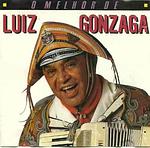
O melhor de Luiz Gonzaga (1996) is a compilation album that presents the singer and accordionist's signature baião and forró repertoire. The songs emphasize accordion-led arrangements with zabumba and triangle percussion, combining danceable rhythms and melodic vocal lines that reflect themes of life in Brazil's northeast, rural labor and regional culture. The release serves as an accessible overview of Gonzaga's influential sound and his role in popularizing northeastern Brazilian musical styles.
#354 — Introducing… Rubén González by Rubén González
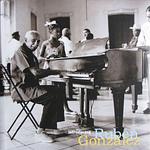
Introducing... Rubén González (1997) showcases the Cuban pianist's lyrical, harmonically rich style grounded in son, danzón, and bolero while drawing on jazz phrasing and improvisation. The recordings move between intimate piano-led pieces and fuller rhythmic ensemble tracks with percussion and horns, highlighting González's elegant touch and rhythmic subtlety. The album helped bring his playing to a wider international audience after decades as a central figure in Cuban music.
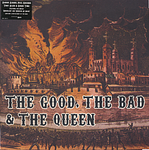
The Good, the Bad & the Queen is the 2007 debut album by the supergroup of the same name, led by Damon Albarn with Paul Simonon, Simon Tong and drummer Tony Allen, produced by Danger Mouse. Musically it blends art rock and indie rock with chamber pop arrangements and subtle Afrobeat-influenced rhythms, producing a measured, cinematic sound built from restrained percussion, brass and string textures. Lyrically the record is rooted in contemporary London, offering a melancholic and sometimes surreal meditation on urban life and English identity.
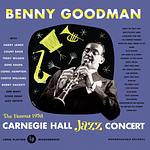
The Famous 1938 Carnegie Hall Jazz Concert is a live recording of Benny Goodman s landmark 1938 Carnegie Hall performance, issued as an album in 1950. The concert pairs Goodman s swinging big band with smaller group spots, balancing tightly arranged ensemble passages and extended improvisation, and features prominent soloists including Teddy Wilson on piano, Lionel Hampton on vibraphone, and Gene Krupa on drums. Musically it moves between high-energy swing and nods to earlier jazz and ragtime traditions, and the event is widely regarded as a key moment in bringing jazz into major concert halls.
#357 — Demon Days by Gorillaz
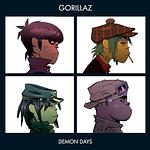
Demon Days is Gorillaz's 2005 album that expands the band's mix of electronic, trip hop, art pop, alternative rock, and alternative dance into a darker, more nocturnal set of songs. The record pairs moody, cinematic production and layered beats with Damon Albarn's songwriting and vocals, while a rotating cast of guest contributors adds stylistic variety. Its arrangements range from sparse, atmospheric tracks to punchier, groove-driven numbers, and the album is notable for a cohesive, reflective tone that addresses modern anxieties and urban isolation.
#358 — La revancha del tango by Gotan Project
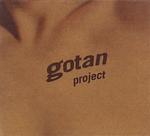
La revancha del tango is Gotan Project's 2001 debut, pairing traditional tango instruments such as bandoneon and piano with electronic production, downtempo grooves and house-influenced beats. The record blends melancholic tango melodies and occasional vintage samples with looped rhythms and club-ready textures, creating a cinematic, modern take on tango that helped introduce the style to broader electronic music audiences.
#359 — The Graduate: The Original Sound Track Recording by Paul Simon, Simon & Garfunkel, Dave Grusin
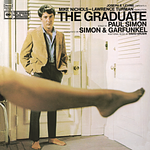
The Graduate: The Original Sound Track Recording (1968) pairs Simon & Garfunkel vocal folk-pop and Paul Simon contributions with Dave Grusin's instrumental score, blending acoustic folk-rock songs and pop melodies with lounge-tinged orchestral arrangements. The record alternates recognizable vocal tracks and pop instrumentation with atmospheric, jazz-influenced cues, creating a contrast between intimate folk harmonies and cinematic mood pieces. That juxtaposition of contemporary folk-pop songwriting and soundtrack orchestration gives the album a distinctive, era-specific sound.
#360 — The Sophtware Slump by Grandaddy
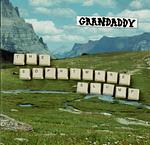
The Sophtware Slump is a 2000 Grandaddy album that mixes indie rock songwriting with electronic textures and lo-fi production. Jason Lytle's plaintive vocals sit over tremolo guitars, warm analog synths and machine-like beats as songs examine the tension between technology and rural life, producing a melancholic, cinematic atmosphere with moments of quiet humor and melodic clarity.
#361 — American Beauty by Grateful Dead
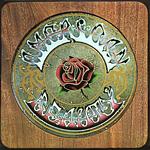
American Beauty, released in 1970, finds the Grateful Dead moving toward a roots-oriented sound that blends folk, country, and rock with lingering psychedelic textures. The record emphasizes acoustic guitars, close vocal harmonies, and concise songwriting, featuring enduring tunes such as 'Truckin'', 'Sugar Magnolia', 'Friend of the Devil', 'Ripple', and 'Brokedown Palace'. Robert Hunter's lyrics and Jerry Garcia's melodies favor narrative, Americana-leaning songs, and the album's restrained, pastoral arrangements contrast with the band's extended live improvisations.
#363 — Here Come the Snakes by Green on Red
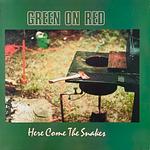
Here Come the Snakes, released in 1989, finds Green on Red applying their rootsy, desert-inflected take on alternative rock with a darker, more atmospheric edge. The album blends twangy guitars, organ textures and gritty, often sardonic vocals to create moody, story-driven songs that sit between rock, country-tinged Americana and garage-psych. It is representative of the band’s late 1980s sound, emphasizing mood, loose rock energy and a noirish lyrical bent.
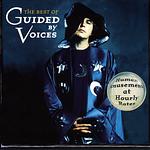
Human Amusements at Hourly Rates: The Best of Guided by Voices is a 2003 compilation that collects many of the band's concise, hook-driven indie rock songs from their lo-fi era and later work. It showcases Robert Pollard's prolific, melody-focused songwriting and the group's tendency toward short, immediate tracks with fuzzy guitars, abrupt arrangements, and occasional experimental touches, offering an accessible overview of their DIY aesthetic and tuneful approach to rock.
#365 — Appetite for Destruction by Guns N' Roses
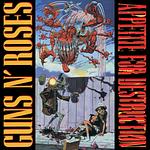
Appetite for Destruction, released in 1987 by Guns N' Roses, is a raw, guitar-driven hard rock album that blends hard rock, punk attitude and heavy metal energy. The sound pairs Axl Rose's high, gritty vocals with blues-influenced riffs and incisive lead work from Slash, supported by a tight, propulsive rhythm section, and the songs move between aggressive, fast-paced tracks and more melodic, emotionally direct material. The record includes standout tracks such as "Welcome to the Jungle", "Sweet Child o' Mine" and "Paradise City" and is noted for its unpolished, streetwise approach that contrasted with much of the era's glam metal production.
#366 — Twenty Years of Talking Tabla by Trilok Gurtu
#367 — Take a Picture by Margo Guryan
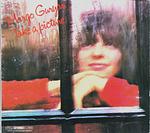
Take a Picture (1968) by Margo Guryan is a piano-centered collection that blends baroque pop and sunshine pop with touches of psychedelic pop. Guryan's intimate, breathy vocals sit against ornate arrangements that often use harpsichord-like textures, string colors, and jazz-influenced chord progressions, producing a wistful, sophisticated sound. The album emphasizes delicate production and songwriterly detail rather than rock-driven dynamics.
#368 — The Very Best of Woody Guthrie by Woody Guthrie
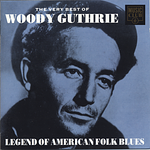
This 1992 compilation presents a selection of Woody Guthrie's folk recordings, showcasing his spare, direct singing, simple acoustic guitar accompaniment, and topical songwriting about social issues, travel, and working-class life. The tracks emphasize plainspoken storytelling and melodies drawn from traditional American forms, offering an accessible overview of Guthrie's role in shaping mid 20th century American folk and roots music.
#369 — Hag: The Best of Merle Haggard by Merle Haggard
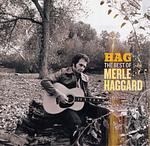
Hag: The Best of Merle Haggard is a greatest-hits compilation that showcases Haggard's lean Bakersfield country sound, marked by twangy Telecaster, steel guitar, and spare arrangements. The tracks emphasize his plainspoken storytelling and baritone delivery, mixing honky-tonk stompers, reflective ballads, and working-class narratives. As a compilation, it offers a straightforward overview of Haggard's songwriting focus and his influence on modern country music.
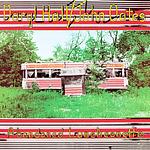
Abandoned Luncheonette (1973) finds Daryl Hall and John Oates blending soft rock, pop and blue-eyed soul with warm vocal harmonies, polished studio arrangements and a mix of melodic ballads and more rhythmic numbers. The album includes the original recording of "She's Gone" and showcases the duo's growing emphasis on soulful melodies and pop-oriented songwriting that helped shape their later work.
#371 — The Love Songs by Peter Hammill
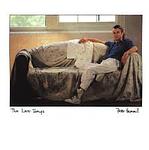
#372 — Takin' Off by Herbie Hancock
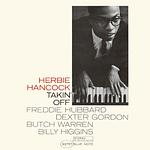
Herbie Hancock's 1962 debut Takin' Off is a Blue Note session that blends hard bop foundations with early modal and post-bop touches, introducing his compositional voice and pianistic style. Backed by Donald Byrd on trumpet, Hank Mobley on tenor, Butch Warren on bass, and Billy Higgins on drums, the album balances driving ensemble writing with more open, modal-leaning harmonies and introduced the groove-inflected composition "Watermelon Man," which became closely associated with Hancock. The performances and clear studio sound mark Hancock's emergence as an important new voice in modern jazz.
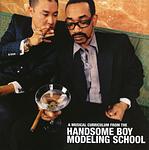
So... How's Your Girl? is the 1999 debut album by Handsome Boy Modeling School, the collaborative producers Dan the Automator and Prince Paul. It blends hip hop and trip hop influences with sample-based, cinematic production, playful skits and a tongue-in-cheek conceptual framing around a fictional modeling school, and features a wide range of guest vocalists and stylistic touches. The record established the project’s offbeat, collage-like approach to production and a taste for genre-blurring, humorous hip hop.
#374 — Bummed by Happy Mondays
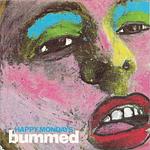
Released in 1988, Bummed is an early Happy Mondays album that blends indie rock guitar and punk tinged songwriting with acid house and funk derived rhythms, producing long, groove centered tracks anchored by rolling basslines and loose, freewheeling vocals from Shaun Ryder. The record emphasizes danceable beats, psychedelic and dub tinged textures, and a hazy party to club atmosphere that helped shape the Madchester sound and the fusion of rock and club culture.
#375 — The Harder They Come by Various Artists
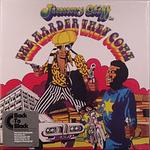
The Harder They Come (1972) is the soundtrack to the Jamaican film starring Jimmy Cliff, compiling roots reggae, rocksteady, and deejay recordings from the late 1960s and early 1970s. Anchored by Jimmy Cliff's title track and several of his performances, the album brings together raw bass-driven grooves, offbeat guitar skanks, and vocal approaches that range from melodic roots singing to toasting. Its selection of tracks captures the energy and social edge of Jamaican popular music of the period and has long been regarded as an influential entry point for international listeners into reggae and rocksteady.
#376 — Tim Hardin 2 by Tim Hardin
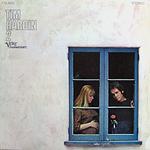
Tim Hardin 2 is a 1967 album that highlights Hardin's intimate, confessional songwriting delivered through fragile, emotive vocals and minimalist acoustic arrangements with occasional fuller instrumentation. The record blends folk and subtle rock textures and contains material that became widely covered by other artists, underscoring Hardin's influence on later singer-songwriters. Its mood mixes melancholy, tenderness, and melodic clarity rather than overt commercial production.
#377 — La Question by Françoise Hardy
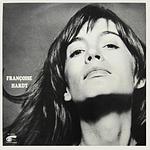
La Question, released in 1971 by Françoise Hardy, marks a move away from her earlier yé-yé pop toward a hushed, intimate sound that blends Bossa Nova and Latin rhythms with understated pop arrangements. Arranged by Jean-Claude Vannier, the album uses nylon-string guitar, subtle percussion, and warm strings to create a mellow, nocturnal atmosphere that foregrounds Hardy's detached, breathy vocals and introspective lyrics. The record is noted for its sophisticated, minimalist production and a mood of refined melancholy that influenced her subsequent work.
#378 — Musik von Harmonia by Harmonia
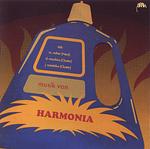
Musik von Harmonia, the 1974 debut by Harmonia, pairs Michael Rother of Neu! with Cluster's Hans-Joachim Roedelius and Dieter Moebius. The album blends motorik rhythms, shimmering guitar motifs, analog synths and tape textures into spacious, repetitive pieces that sit between electronic, Krautrock and rock, favoring hypnotic grooves and ambient washes over conventional song structures. It stands as an early example of the crossover between experimental rock and electronic ambient approaches.
#379 — Stormcock by Roy Harper
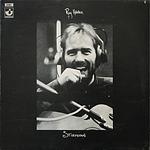
Stormcock (1971) is an album by English singer-songwriter Roy Harper that showcases extended, acoustic-based compositions blending progressive folk and British folk rock. The record features richly detailed, poetic lyrics and expansive arrangements that incorporate orchestral textures by composer David Bedford alongside Harper's fingerpicked guitar and occasional electric touches. Its long-form songs emphasize mood, lyrical narrative, and instrumental interplay, making it a clear example of Harper's ambitious, folk-rooted work from the early 1970s.
#380 — The Yard Went on Forever... by Richard Harris
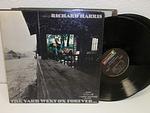
#381 — To Bring You My Love by PJ Harvey
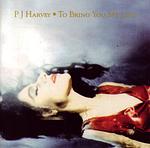
To Bring You My Love is PJ Harvey's 1995 record that shifts from her earlier raw trio sound toward a darker, more cinematic approach blending alternative rock with blues and folk influences. The songs pair intense, intimate vocals with organ, distorted guitar, sparse percussion and occasional string textures to create brooding, atmospheric arrangements. Lyrically it explores desire, religion and mortality, and the album marked a notable stylistic evolution in her work.
#382 — Everything Is Everything by Donny Hathaway
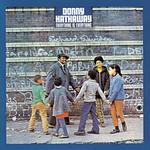
Everything Is Everything (1970) is Donny Hathaway's debut solo album that blends Chicago soul and deep soul with elements of gospel and jazz. The record pairs earthy, groove-driven tracks such as The Ghetto with more intimate balladry, highlighting Hathaway's warm, expressive baritone and piano playing, and features arrangements that move between raw urban funk and more polished, orchestral touches. It functions as an early showcase of his songwriting, arranging, and emotive vocal style that he developed further on later recordings.
#383 — Body and Soul by Coleman Hawkins
#384 — Space Ritual by Hawkwind
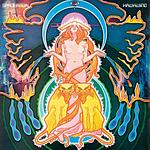
Space Ritual is a 1973 double live album that captures Hawkwind's expansive, theatrical take on space rock. The set blends hard, riff-driven rock and acid-era psychedelia with swirling synth drones, sax and flute textures, propulsive rhythms and spoken-word passages to create long, continuous pieces and extended improvisations. It stands as a definitive live document of the band's cosmic sound and the space rock aesthetic.
#385 — Hot Buttered Soul by Isaac Hayes
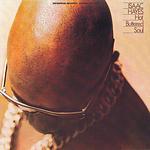
Hot Buttered Soul (1969) is Isaac Hayes's expansive soul album notable for its lengthy, slow-burning arrangements that blend orchestral strings, lush horn charts, deep funk rhythms and Hayes's baritone voice. It reworks pop and soul songs into extended, cinematic tracks with dramatic instrumental passages, warm electric piano and rhythmic grooves that emphasize mood and space over conventional single-length formats. The album broadened the palette and pacing of soul music, pointing toward elements of funk, jazz-funk and later orchestral dance styles while showcasing a more orchestral, album-oriented approach to R&B.
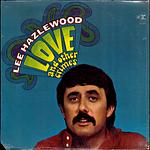
#386 — Love and Other Crimes by Lee Hazlewood
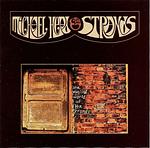
The Magical World of the Strands, released in 1997 by Michael Head & The Strands, marries folk rock and indie rock with a chamber-pop sensibility, featuring gentle acoustic guitars, piano, and prominent string arrangements. Head's intimate, melancholic vocals and carefully crafted melodies create a subdued, pastoral atmosphere, with arrangements that emphasize texture and mood over rock dynamics. The record is notable for its delicate orchestration and a focus on wistful songwriting and evocative, quietly arranged songs.
#388 — Penthouse and Pavement by Heaven 17
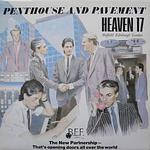
Penthouse and Pavement, released in 1981 by Heaven 17, is a new wave and synth-pop debut that pairs polished analog synthesizer arrangements and drum machine rhythms with funk-tinged grooves and Glenn Gregory's soulful vocals. The album blends danceable electronic production with socially aware lyrics addressing class and consumerism, establishing the band’s early sound within the British synth-pop movement and showcasing layered synth textures over programmed beats rather than guitar-led rock arrangements.
#389 — Blank Generation by Richard Hell & the Voidoids
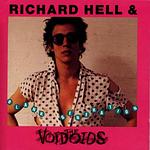
Blank Generation, released in 1977 by Richard Hell & the Voidoids, is a foundational New York punk record that blends raw, urgent energy with angular, often intricate guitar interplay and literate, defiant lyrics. The title track captures the album's stripped-down attitude and ambivalent individualism, while other songs layer taut rhythms and off-kilter melodies that point toward post-punk. The record emphasizes spare arrangements, jagged guitar textures, and a vocal delivery that shifts between sneering and vulnerable, offering a distinct alternative to more polished rock of the period.
#390 — Keeps Us Off the Streets by Hello
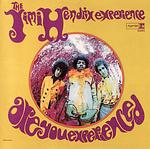
Are You Experienced is the debut album by the Jimi Hendrix Experience, released in 1967. It blends blues rock, psychedelic and acid rock with early hard rock, centered on Hendrix's inventive electric guitar playing and striking studio experimentation such as feedback, wah-wah textures, reversed tape effects, and layered overdubs. The record features concise originals and covers that range from fiery, riff-driven songs to atmospheric balladry, and is widely regarded as a landmark in guitar-led psychedelic rock.
#392 — Taxi Driver by Bernard Herrmann
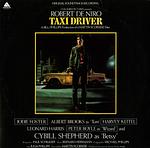
Bernard Herrmann's Taxi Driver (1976) is a tense, moody film score that blends dissonant orchestral writing with jazz-inflected textures to create a claustrophobic urban atmosphere. The music relies on repeating figures, stark string colors, and subdued jazz elements to mirror the protagonist's isolation and mounting unease, and it is often regarded as one of Herrmann's late-career scores for its concentrated psychological intensity and close relationship to the film's tone.
#393 — Point of Departure by Andrew Hill
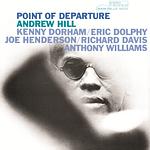
Point of Departure, recorded in 1964 and released in 1965, is a quintet album by pianist Andrew Hill featuring Freddie Hubbard, Joe Henderson, Richard Davis, and Tony Williams. The music blends post-bop frameworks with avant-garde harmonies and contrapuntal arrangements, balancing composed, often angular themes with inventive soloing and collective interplay. It stands as a key statement in Hill's catalog and a notable example of adventurous Blue Note sessions from the mid 1960s.
#394 — The Miseducation of Lauryn Hill by Lauryn Hill
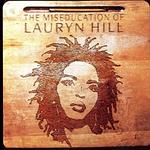
The Miseducation of Lauryn Hill blends R and B, neo soul and hip hop, combining sung vocals and expressive rapping over warm, organic production that mixes live instrumentation, soulful samples and hip hop rhythms. Lauryn Hill’s songwriting is direct and personal, exploring themes of love, motherhood, spirituality and selfhood, and the album features standout songs that showcase its mix of melodic hooks and lyrical intensity. Its fusion of contemporary R and B sensibility with alternative hip hop textures helped shape the sound of early 2000s neo soul and influenced many artists who followed.
#395 — Rainbow Dome Musick by Steve Hillage
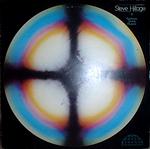
Rainbow Dome Musick is a 1979 album in which Steve Hillage shifts from guitar-focused progressive rock toward expansive ambient and electronic soundscapes. The work emphasizes long, slowly evolving synthesizer pads, shimmering textures and restrained guitar motifs, favoring atmosphere and meditative flow over conventional song structures. Its spare, immersive quality positions it alongside ambient and new age currents of the period and highlights Hillage's exploration of electronic timbres and mood-driven composition.
#396 — Separation Sunday by The Hold Steady
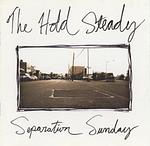
Separation Sunday (2005) is The Hold Steady's second studio album, built around literate, talk-sung storytelling and a loose cycle of recurring characters and scenes. Musically it blends bar-band rock and roll with indie rock energy, driven by organ and piano alongside jangly and chugging guitars, singalong choruses, and Craig Finn's dense, narrative lyrics about youth, excess, and attempts at redemption. The record is often cited as a defining statement of the group's signature mix of classic rock phrasing and streetwise storytelling.
#397 — Live Through This by Hole
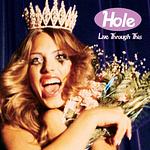
Live Through This, released in 1994 by Hole, blends grunge, punk, and alternative rock with raw, guitar-driven arrangements and strong melodic hooks. Courtney Love's vocals move between snarling aggression and vulnerable melody, anchored by lyrics that confront gender, identity, and personal trauma. The album pairs abrasive textures with pop-influenced songcraft, forming a defining statement for the band within 1990s alternative rock.
#398 — Lady Day Swings! by Billie Holiday
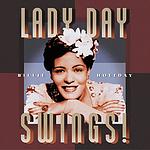
Lady Day Swings! is a collection that emphasizes Billie Holiday's more uptempo, swing-oriented performances. The tracks present buoyant tempos and rhythmic phrasing with band arrangements that frame Holiday's distinctive timbre and conversational delivery. The album highlights a livelier side of her artistry, showing how she adapts her phrasing and emotional nuance to swinging, danceable settings while retaining her intimate expressiveness.
#399 — Conference of the Birds by Dave Holland Quartet
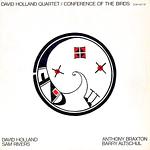
Conference of the Birds (1973) by the Dave Holland Quartet is an important example of 1970s avant-garde and free jazz, built around Holland's bass-led compositions and extended group improvisation. The record features saxophonists Anthony Braxton and Sam Rivers alongside drummer Barry Altschul, and is notable for its open, spacious interplay, contrapuntal textures between bass and reeds, and a balance of written motifs with loose, exploratory solos that emphasize collective dynamics over individual spotlighting.
#400 — For Certain Because… by The Hollies
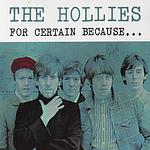
For Certain Because... is a 1966 album by the Hollies that captures the band moving beyond their early Merseybeat sound into broader pop rock territory. The record features the group's trademark close three-part vocal harmonies, chiming guitars and propulsive rhythms, alongside more varied songwriting and studio touches that add melodic and textural variety. It stands as a concise document of the Hollies' mid 1960s sound and their development toward more ambitious pop arrangements.