 The Greatest Music
1000 Albums to Hear Before you Die
Weight: 67%
How much this list influences our overall rankings. Higher weight means more reliable data.
Penalties Applied:
The Guardian – 1000 Albums to Hear Before You Die (2007) is a large, cross-genre listening guide compiled by the Guardian’s music writers. It’s not a ranked “best of all time” list: entries are presented alphabetically by artist and each album gets a short capsule explaining why it’s worth hearing. The team set a few rules—one album per main artist, often choosing a less-obvious pick over the canonical choice, and allowing Various Artists compilations to represent scenes built on singles. The project also invited readers to suggest omissions, later publishing a “we forgot…” follow-up selection.
#201 — If I Could Only Remember My Name by David Crosby
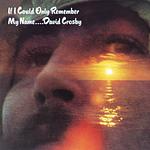
If I Could Only Remember My Name is David Crosby's 1971 solo debut that blends folk rock and country rock into a mellow, pastoral sound marked by intimate lead vocals, layered harmonies, and loose, improvisatory arrangements. The record favors warm acoustic textures and spacious production, often drifting into meditative, jam-like passages that mix singer-songwriter clarity with ambient and psychedelic touches. Its reflective lyrics and collaborative, free-form approach make it a distinctive, atmospheric entry in Crosby's catalog rather than a collection of conventional radio songs.
#202 — Floating Into the Night by Julee Cruise
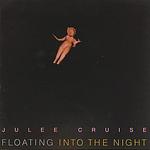
Floating Into the Night (1989) is Julee Cruise's debut studio album, produced and scored by Angelo Badalamenti with lyrical and atmospheric contributions from David Lynch. The record fuses dream pop and ethereal wave with ambient pop textures and touches of dark jazz and jazz pop, characterized by slow tempos, reverb-soaked vocals, and lush string and synth arrangements that create a cinematic, nocturnal atmosphere. Tracks from the album, most notably "Falling," were used in Lynch's Twin Peaks and the record helped define the moody, atmospheric sound of the Cruise-Badalamenti-Lynch collaborations.
#203 — Cansei de Ser Sexy by CSS
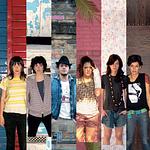
Cansei de Ser Sexy is the 2005 debut album by Brazilian band CSS. It blends electronic, indie rock, synth-pop and electro with a playful, lo-fi dance-punk energy, pairing jagged guitar riffs and propulsive drum-machine rhythms with bright synth lines and singalong choruses. Vocals are often delivered with an ironic, tongue-in-cheek attitude and the production emphasizes a DIY aesthetic, giving the songs a lively, immediate feel that mixes retro new wave influences with contemporary electro sensibilities.
#204 — Colour by Numbers by Culture Club
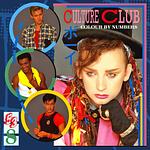
Colour by Numbers, released in 1983 by Culture Club, blends bright 1980s pop and new wave with New Romantic stylings, prominent synth textures and horn arrangements, and touches of reggae and Motown-influenced soul. Boy George's distinctive, soulful lead vocals and the band's concise, hook-driven songwriting produce melodic, radio-friendly tracks such as "Karma Chameleon" and "Church of the Poison Mind". The polished production and colorful arrangements helped establish Culture Club as a major pop presence in the early 1980s.
#205 — Two Sevens Clash by Culture
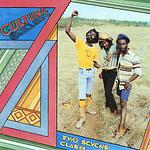
Two Sevens Clash (1977) by Culture is a roots reggae album led by vocalist Joseph Hill that pairs spare, bass-centered rhythms and tight vocal harmonies with lyrical themes of Rastafarian prophecy and social commentary. The title track centers on the apocalyptic idea of the 'two sevens' and is delivered with a stark, urgent vocal performance over hypnotic grooves. The record is often cited as a memorable example of late 1970s roots reggae for its mood, message-driven songs, and distinctive, stripped-back arrangements.
#206 — Pornography by The Cure
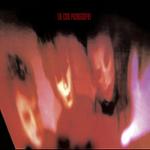
Pornography, released in 1982 by The Cure, is a dark, intense album that pushed the band into brooding, atmospheric territory tied to gothic rock and post-punk. It is marked by dense textures, guitars drenched in reverb, prominent bass and propulsive drums, and bleak, introspective lyrics that create an oppressive, claustrophobic mood across extended, immersive tracks. The record represented a shift to a more monochromatic, intense aesthetic and has been influential on subsequent gothic and alternative music.
#207 — Cypress Hill by Cypress Hill
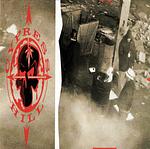
Released in 1991, Cypress Hill is the group's debut album rooted in West Coast hip hop and boom bap with dark, sample-driven production by DJ Muggs. The record contrasts B-Real's high, nasal delivery with Sen Dog's deeper, gruffer vocals over dusty drums, spare funk-tinged basslines, and psychedelic, marijuana-centered lyrics. Its mix of gangsta and alternative hip hop textures, along with Latin-inflected energy and moody, cinematic beats, established the group's distinctive sonic identity in early 1990s hip hop.
#208 — Movies by Holger Czukay
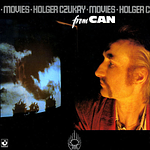
Movies, released in 1979, is Holger Czukay's solo record that blends electronic experimentation, art rock and krautrock into a series of short, collage-like pieces. The album emphasizes tape editing, found sounds and radio sampling alongside sparse rock rhythms, producing fragmented vignettes that move between ambient textures and rhythmic grooves. It illustrates Czukay's studio-as-instrument approach and his post-Can interest in sampling and sonic montage rather than conventional songcraft.
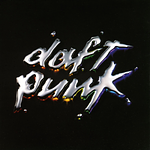
Discovery is Daft Punk's second studio album, released in 2001. It blends French house and electronic dance with disco, synthpop, and progressive house influences, emphasizing melodic songwriting, bright synth textures, and filter-heavy sampling. The duo made prominent use of vocoders and vocal manipulation on tracks like "One More Time" and "Harder, Better, Faster, Stronger", balancing dancefloor grooves with pop structures. The album was presented as a cohesive, concept-driven work and later served as the soundtrack for the animated film Interstella 5555.
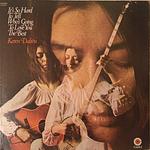
It's So Hard to Tell Who's Going to Love You the Best is Karen Dalton's 1969 debut, offering sparse, blues-inflected folk and country blues interpretations carried by her distinctive, haunting voice. The arrangements are intimate and acoustic, often centered on Dalton's guitar and banjo, and the performances emphasize plaintive phrasing and a raw emotional directness. The album reframes traditional and contemporary songs through a melancholy, bluesy lens and has long been appreciated for its unadorned, powerful mood.
#212 — Damned Damned Damned by The Damned
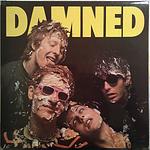
Damned Damned Damned (1977) by The Damned is a brisk, raucous punk rock album built from short, fast songs, snarling vocals, and jagged guitar work. The record captures the raw immediacy of early British punk while incorporating moments of melody and a darker vocal timbre that later fed into gothic rock and post-punk sensibilities. Its live-sounding, no-frills approach and high energy make it a frequently cited touchstone of the late 1970s punk scene.
#213 — Kind of Blue by Miles Davis
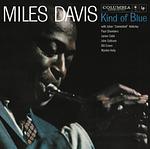
Kind of Blue is a 1959 album by Miles Davis that helped define modal jazz with a spare, lyrical approach that emphasizes modes and scales rather than dense chord progressions. Recorded with a sextet including John Coltrane, Cannonball Adderley, Bill Evans, Paul Chambers, and Jimmy Cobb, the music is spacious and understated, featuring extended improvisation on pieces such as "So What" and "All Blues" and blending elements of cool jazz, hard bop, and post-bop. Its subdued tone, focus on melody, and subtle group interplay make it widely regarded as a landmark in modern jazz.
#214 — 3 Feet High and Rising by De La Soul
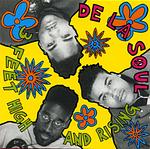
3 Feet High and Rising is De La Soul's 1989 debut album, produced largely by Prince Paul. Its sound blends playful, conversational rapping with sample-heavy, collage-like production that draws on funk, soul, and jazz influences, using short skits and inventive transitions to create a cohesive, offbeat flow. The album is an early touchstone of alternative hip hop and jazz rap, notable for its laid-back, eccentric approach to lyricism and production.
#215 — Her Majesty the Decemberists by The Decemberists

Her Majesty the Decemberists, released in 2003, is an early release by The Decemberists that highlights the band's fusion of indie folk and rock. The record emphasizes Colin Meloy's narrative, literate songwriting and blends acoustic and electric textures with prominent acoustic guitar, piano and accordion and occasional dramatic arrangements. It captures the theatrical, story-driven approach that became a hallmark of the band's sound on subsequent releases.
#216 — Machine Head by Deep Purple
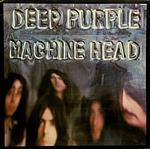
Machine Head, released in 1972 by Deep Purple, is a landmark hard rock album built around heavy, riff-driven songs, a prominent Hammond organ, and aggressive, blues-rooted guitar and vocals. It includes the riff-driven 'Smoke on the Water' and balances concise, hard-hitting tracks with extended jams that showcase Ritchie Blackmore's guitar, Jon Lord's organ textures, Ian Gillan's commanding voice, and a tight rhythm section. The album's raw sound and blend of blues, classical-tinged organ lines, and amplified guitar helped shape early heavy metal and arena rock styles.
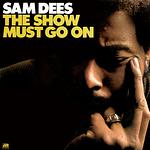
#217 — The Show Must Go On by Sam Dees
#218 — Hysteria by Def Leppard
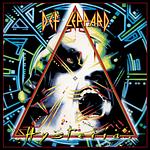
Hysteria, released in 1987 by Def Leppard, blends hard rock and glam metal with AOR and arena rock sensibilities, characterized by highly polished, multilayered production, dense vocal harmonies, and tightly arranged, hook-driven songs. Produced over an extended period with a meticulous focus on multitracked guitars, vocal overdubs, and processed drum sounds, the album emphasizes big choruses and radio-friendly arrangements that move between driving rockers and widescreen ballads. Its sound marked a shift toward a glossy, stadium-ready aesthetic while retaining the band's hard rock roots.
#219 — La-La Means I Love You by The Delfonics
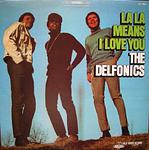
La-La Means I Love You (1968) by The Delfonics is an early example of Philadelphia soul, built around smooth falsetto leads, close vocal harmonies and lush, string-oriented arrangements. The album mixes tender ballads and midtempo R&B with orchestral touches and elegant rhythms, showcasing the group's warm, romantic sound and refined pop-soul production. The title track is a central highlight and the record is often cited as a key document of the group's late 1960s style.
#220 — Survivor by Destiny's Child
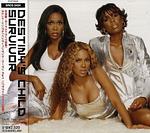
Survivor (2001) by Destiny's Child is a contemporary R&B album with strong pop and dance-pop elements and occasional gospel inflections. The record pairs tight vocal harmonies and layered production with a mix of assertive uptempo tracks and midtempo ballads that emphasize themes of resilience, independence, and relationships. Its glossy, early 2000s production blends R&B grooves, programmed beats, and pop hooks, highlighting the group's vocal interplay and increasing creative role of the members. The album also represents the group’s consolidation as a trio and is a defining entry in their catalog.
#221 — Seize the Day by Damien Dempsey

Seize the Day (2003) finds Damien Dempsey working at the intersection of Irish folk and folk rock with pop and rock touches, pairing his raw, soulful vocals with acoustic-led arrangements and occasional electric and traditional instrumentation. The songs mix personal reflection and social commentary rooted in Dublin life, giving the record an intimate, direct sound that foregrounds storytelling and melodic hooks.
#222 — Back in Denim by Denim
Back in Denim is Denim's 1992 debut album led by Lawrence, blending glam rock theatricality with synth-pop and electronic textures. The record pairs 1970s glam influences and rock guitar with keyboard-driven arrangements and retro production touches, while lyrics deliver wry, often nostalgic commentary on British culture, giving the songs a sardonic, lounge-tinged tone. It marked a clear stylistic shift from Lawrence's earlier work with Felt, favoring stylized pop structures and theatrical presentation.
#223 — Sandy by Sandy Denny
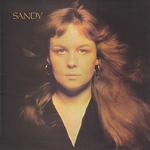
Sandy is Sandy Denny's 1972 solo album that blends folk and rock, built around her clear, expressive voice and intimate songwriting. The record moves between pared-back acoustic ballads and fuller band arrangements with occasional subtle orchestration, balancing traditional folk textures and rock instrumentation to create a warm, polished sound. Emerging after her work with prominent British folk-rock groups, the album serves as a focused solo statement that highlights Denny's melodic craft and vocal nuance.
#224 — Violator by Depeche Mode
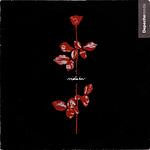
Violator is Depeche Mode's 1990 album that blends synth-pop and darker electronic textures with rock and alternative dance rhythms. Its sound pairs hook-driven melodies and brooding atmospheres with layered synthesizers, rhythmic guitar elements, and prominent beats, while Martin Gore's songwriting and Dave Gahan's vocals give the songs a more polished, song-focused character that broadened the band's musical palette and influence.
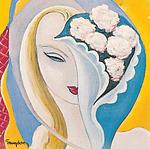
Layla and Other Assorted Love Songs is a 1970 album by Derek and the Dominos that blends blues rock and straight rock with moments of softer, acoustic balladry. Led by Eric Clapton and featuring notable slide guitar contributions from Duane Allman, the record is built around expressive, guitar-driven arrangements, mixing raw electric blues numbers with more intimate melodic songs. The title track contrasts a storming rock section with a quieter, piano-led coda, and the album is frequently cited for its emotional intensity and guitar interplay.
#226 — Q: Are We Not Men? A: We Are Devo! by DEVO
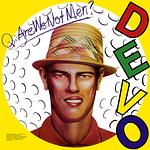
Q: Are We Not Men? A: We Are Devo! is Devo's 1978 debut album that fuses punk aggression with precise, mechanical rhythms, angular guitars, and synthesizer textures to produce a cold, ironic take on pop and rock. Tracks such as "Jocko Homo" and "Mongoloid" and their fractured cover of "(I Can't Get No) Satisfaction" feature staccato arrangements, off-kilter hooks, and satirical lyrics tied to the band's de-evolution concept. Produced by Brian Eno, the record crystallizes Devo's art punk and new wave approach and emphasizes performance art aesthetics and dark humor.
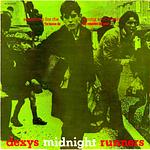
Searching for the Young Soul Rebels, Dexys Midnight Runners' 1980 debut, channels blue-eyed soul and northern soul through raw, horn-driven arrangements and Kevin Rowland's impassioned vocals. The record blends soul and pop with new wave and rock energy, pairing punchy brass and tight rhythms with frank, often confrontational lyrics about authenticity and working-class identity. Its immediate, unpolished sound emphasizes emotional delivery over studio gloss and helped establish the band's distinctive presence in the British music landscape of the time.
#228 — 12 Songs by Neil Diamond
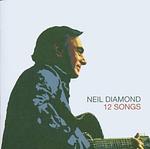
12 Songs is a 2005 studio album by Neil Diamond produced by Rick Rubin that pares back his sound to acoustic guitars, piano and spare arrangements to foreground his voice and songwriting. The record sits in soft rock and pop rock territory with intimate, folk-tinged textures and reflective, autobiographical lyrics, offering a restrained, mature take on Diamond's melodic strengths.
#229 — The Story of Bo Diddley by Bo Diddley
#231 — You're Living All Over Me by Dinosaur Jr.
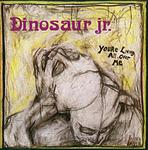
You're Living All Over Me, Dinosaur Jr.'s 1987 second album, pairs loud, distorted guitar work and extended solos with melodic hooks and J Mascis's laconic, high-register vocals. The record blends indie rock and hard rock textures, combining feedback and noise with concise songwriting and a rough, immediate production that retains a live feel. Its juxtaposition of tunefulness and guitar excess is frequently cited as an early touchstone for American alternative rock.
#232 — Born to Be With You by Dion
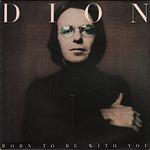
Born to Be With You is a 1975 album by Dion produced by Phil Spector that pairs Dion's mature, introspective vocals and songwriting with Spector's echo-heavy, orchestral production. The record mixes baroque pop and country pop elements with rock and subtle progressive textures, using strings, choirs, and spacious reverb to create a melancholic, atmospheric sound. It marks a distinct, late-career stylistic shift from Dion's earlier doo-wop and rock work and is notable for its restrained, emotionally direct arrangements.
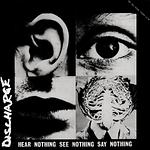
Hear Nothing See Nothing Say Nothing is Discharge's 1982 full-length that crystallizes the band's abrasive, stripped-down take on hardcore punk and D-beat. The album features short, urgent songs driven by a relentless drum pattern, heavily distorted guitars and shouted, confrontational vocals, with stark, politically charged and anti-war lyrical themes. Its raw production and uncompromising intensity helped define a harsher strand of punk and had a clear influence on later crust punk and extreme metal scenes.
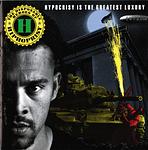
Hypocrisy Is the Greatest Luxury is the 1992 debut album by The Disposable Heroes of Hiphoprisy. It pairs Michael Franti's pointed spoken-word and vocal delivery with hard-hitting hip hop beats and electronic and industrial textures, built from samples, abrasive sounds, and dense programming. The album focuses on media critique and social commentary, exemplified by the single "Television, the Drug of the Nation", and is notable for merging punk and industrial sonics with alternative hip hop approaches to create a confrontational, documentary-like sound.
#235 — Boy in da Corner by Dizzee Rascal

Boy in da Corner, Dizzee Rascal's 2003 debut, crystallizes early grime with raw, spare electronic production, jittery garage- and jungle-influenced rhythms, and rapid, confrontational MCing. The record blends grime, hip hop, and electronic elements, featuring largely DIY production and stark, urban lyrical perspectives that emphasize street life and youthful frustration. Its lo-fi beats, jagged bass lines, and urgent vocal delivery made it a defining example of the emerging UK grime sound.
#236 — Endtroducing..... by DJ Shadow
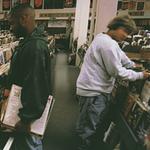
Endtroducing....., released in 1996 by DJ Shadow (Joshua Davis), is an instrumental hip hop album built almost entirely from sampled material. Its sound combines downtempo beats, cinematic textures, scratches and found sounds into moody, collage-like tracks that sit at the intersection of trip hop, electronic and hip hop production. The album is widely regarded as a landmark in sample-based and instrumental hip hop for its dense layering and immersive sequencing.
#237 — The Flat Earth by Thomas Dolby
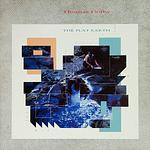
The Flat Earth is Thomas Dolby's 1984 album that blends new wave, art pop, electronic and rock elements. It pairs Dolby's layered synthesizer work and literate, often playful lyrics with more prominent guitar, bass and sax arrangements, producing songs that range from danceable, synth-driven numbers like "Hyperactive!" to moodier, atmospheric pieces. The record marks a move toward fuller, band-oriented production while retaining Dolby's quirky, technology-minded songwriting.
#238 — Out to Lunch! by Eric Dolphy
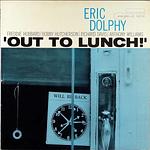
Out to Lunch! is Eric Dolphy's 1964 Blue Note album that pushes hard bop into avant-garde territory with tightly arranged yet adventurous compositions. Dolphy's alto saxophone, bass clarinet, and flute are heard against Freddie Hubbard's trumpet, Bobby Hutcherson's vibraphone, Richard Davis's bass, and Tony Williams's drums, and the music is notable for wide intervallic leaps, unconventional time feels, abrupt textural shifts, and a balance of written material and free improvisation. The record highlights Dolphy's distinctive timbres and exploratory approach to harmony and rhythm and is widely regarded as a defining example of 1960s exploratory jazz.
#239 — The Fats Domino Jukebox by Fats Domino

#240 — Sunshine Superman by Donovan
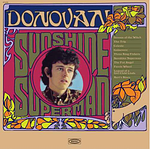
Sunshine Superman (1966) documents Donovan's shift from acoustic folk toward a more electric, psychedelic pop and folk rock sound, blending fingerpicked acoustic numbers with electric guitar, organ and subtle Eastern and jazz-inflected textures. The title track features bright, jangly electric instrumentation and exotic tonal colors, while songs like "Season of the Witch" lean into darker, atmospheric blues-tinged psychedelia. Overall the album pairs accessible melodies and concise songcraft with layered studio arrangements that helped define mid 1960s folk-psychedelic crossover work.
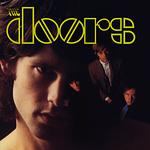
The Doors is the band's 1967 debut album that introduced their distinctive mix of psychedelic rock, blues rock, and acid-tinged atmospherics. Ray Manzarek's prominent electric organ and Jim Morrison's deep, poetic vocals shape a moody, nocturnal sound, while Robby Krieger's guitar and the rhythm section move between driving grooves and sparse blues. The record balances concise rock singles such as 'Break On Through' and 'Light My Fire' with extended, cinematic pieces like 'The End', blending improvisation, literary lyrics, and a darker, theater-influenced sensibility that helped define the band's early identity.
#242 — Charms of the Night Sky by Dave Douglas
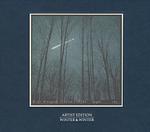
Charms of the Night Sky (1998) is a contemplative, chamber-jazz album by trumpeter Dave Douglas that emphasizes acoustic textures and close ensemble interplay. The music leans toward lyrical melodies and understated improvisation, blending jazz phrasing with folk and classical timbres to produce a quiet, atmospheric sound distinct from his more angular projects.
#243 — Best Dressed Chicken in Town by Dr. Alimantado
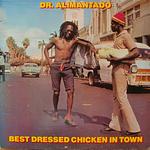
Best Dressed Chicken in Town is a 1978 collection by Jamaican deejay Dr. Alimantado that showcases roots reggae with a heavy dub influence. The album pairs his distinctive toasting and raspy vocal presence with deep basslines, spare drum and percussion patterns, and echo-drenched studio effects, blending social commentary and Rastafarian themes with moments of playful wordplay. Its rough-hewn production and streetwise delivery capture the mid 1970s deejay culture and the dub-minded sound of that era.
#244 — The Chronic by Dr. Dre
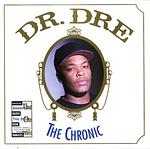
The Chronic is Dr. Dre's 1992 album that crystallized the G-Funk strand of West Coast gangsta rap, built around low, rolling basslines, melodic synth leads, crisp drum programming, and funk-derived grooves and samples. Dre's production favors smooth, layered textures and cinematic pacing, with memorable vocal performances and guest appearances that underscore its street-focused narratives. The album is commonly cited as a defining statement of early 1990s West Coast hip hop and helped popularize the G-Funk sound.
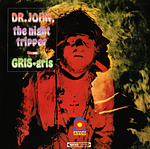
Gris-Gris is the debut album that introduced Mac Rebennack's Dr. John persona, blending New Orleans R&B, blues, jazz and psychedelic soul into a swampy, ritualistic soundscape. The record combines piano and organ, second-line rhythms, brass and layered percussion with chantlike vocals and studio effects to evoke voodoo imagery and nocturnal atmospheres. Its unusual arrangements and local musical references marked a creative bridge between traditional New Orleans music and late 1960s psychedelia.
#246 — Dr. Octagonecologyst by Dr. Octagon
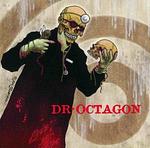
Dr. Octagonecologyst is a 1996 album released under the Dr. Octagon persona. The record pairs Kool Keith's surreal, science fiction and horror-tinged lyrics delivered in a detached style with Dan the Automator's spare, cinematic, and sample-driven production and DJ Qbert's turntable work, blending underground hip hop with trip hop and electronic textures. Its unusual song structures, bizarre imagery, and atmospheric beats make it a notable example of experimental 1990s hip hop.
#247 — Five Leaves Left by Nick Drake
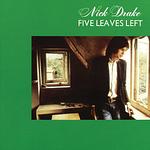
Five Leaves Left, Nick Drake's 1969 debut, pairs his intricate acoustic fingerpicking and hushed, melancholic vocals with restrained string and brass arrangements by Robert Kirby. The album blends English folk and chamber folk sensibilities with intimate singer-songwriter songwriting, emphasizing pastoral imagery, introspective lyrics, and subtle harmonic nuance. Its quiet, atmospheric production and focus on mood and texture helped establish it as an influential touchstone for later contemporary folk and British folk rock artists.
#248 — The Best of The Dramatics by The Dramatics
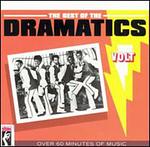
The Best of The Dramatics (1986) is a compilation that highlights the group's soulful, vocal-driven sound, featuring emotive lead singing supported by tight, gospel-influenced harmonies and lush horn and string arrangements. The collection reflects the dramatic, romantic ballads and midtempo grooves that defined The Dramatics' signature style in the 1970s, focusing on polished production and strong vocal interplay rather than 1980s soul trends.
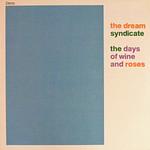
The Days of Wine and Roses, the 1982 debut EP by The Dream Syndicate, showcases a raw, guitar-driven approach to rock and alternative rock that mixes 1960s psychedelic and Velvet Underground influences with punk-era urgency. Steve Wynn's lead vocals ride over extended, feedback-rich guitar passages and a loose, propulsive rhythm section, creating a noisy, hypnotic sound that was influential within the early Paisley Underground scene and for later alternative rock bands.
#250 — The Definitive Drifters by The Drifters
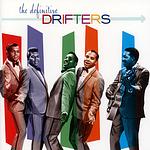
#251 — Rio by Duran Duran
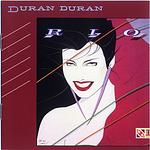
Rio (1982) by Duran Duran blends New Wave, synth-pop and New Romantic stylings into a glossy, dance-oriented pop record. It pairs shimmering synthesizers and rhythmic, funk-influenced bass and percussion with bright, melodic guitar lines and hook-driven choruses, creating songs that favor atmosphere and rhythm as much as melody. The production emphasizes a glamorous, cinematic sheen associated with early 1980s pop, and several tracks showcase the band's knack for concise, danceable songwriting and dramatic vocal delivery.
The Return of the Durutti Column, released in 1980, is the debut album by The Durutti Column led by guitarist Vini Reilly. It pairs sparse, delicate electric guitar lines with minimalist arrangements and atmospheric production, drawing on post-punk austerity while leaning toward ambient, art rock, and dream pop textures. The record showcases a restrained, melodic approach to instrumental songwriting that helped define the group's sound and influenced later ambient and post-rock guitar work.
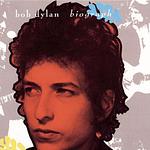
Biograph is a 1985 career-spanning compilation that presents Bob Dylan's work across folk, folk rock, rock, and blues-influenced styles, blending well-known tracks with alternate takes, rarities, and previously unreleased performances. The set highlights Dylan's shift from acoustic folk to electric rock and his incorporation of blues and roots elements, offering a broad overview of his musical evolution and the variety of arrangements and vocal approaches he employed over several decades.
#254 — Your Majesty... We Are Here by Earl Brutus
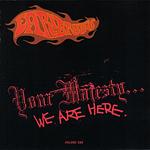
Your Majesty... We Are Here (1996) by Earl Brutus blends abrasive indie rock guitars with synth textures and electronic noise, mixing glam and punk influences with propulsive, sometimes mechanical rhythms. The production favors raw, lo-fi textures and confrontational, often sardonic vocals, producing a theatrical, abrasive sound that leans on darkly comic observations of British consumer and media culture. The record is notable for its jagged arrangements, discordant hooks, and a live-in-studio immediacy that contrasts more polished indie sounds of the period.
#255 — Just an American Boy by Steve Earle
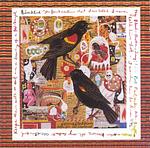
Just an American Boy is a 2003 live album by Steve Earle that captures his blend of country, country rock, and rock in a stage setting. The recordings emphasize both acoustic and electric arrangements and feature Earle's conversational stage banter alongside live renditions of his songs, highlighting his songwriting, roots-rock energy, and direct, narrative performance style.
#256 — All 'n All by Earth, Wind & Fire
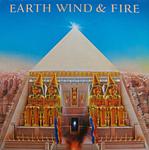
All 'n All, released in 1977 by Earth, Wind & Fire, blends funk, disco, soul, and rock elements into a polished, orchestral R&B sound. The album features tight horn arrangements, layered vocal harmonies, rhythmic grooves, and passages that draw on Latin and African-influenced textures, with prominent keyboards and melodic percussion. Produced under the band's direction, the record emphasizes lush production, strong rhythmic drive, and a mix of dance-oriented tracks and softer ballad-like moments, illustrating the group's blend of popular and eclectic influences.
#257 — Ocean Rain by Echo & the Bunnymen
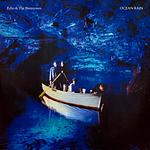
Ocean Rain is Echo & the Bunnymen's 1984 album that moves their post-punk foundation toward a more orchestral, cinematic sound, combining jangly guitars and indie rock rhythms with lush string arrangements and neo-psychedelic atmospheres. Ian McCulloch's resonant, melancholic vocals sit against reverb-heavy production and maritime imagery, creating a sweeping, nocturnal mood. The record is notable within their catalogue for its ambitious arrangements and strong melodic focus.
#258 — Beauty and the Beat by Edan
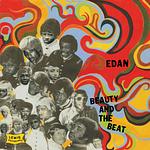
Edan's 2005 album Beauty and the Beat is a hip hop record built around psychedelic, sample-based production and classic boom-bap rhythms. Edan handles both production and vocals, combining dusty breakbeats, vinyl textures, and fragments of 1960s and 1970s rock and funk to create a retro-informed, experimental sound. The album is notable for its playful, intricate lyricism, prominent turntable work, and a production aesthetic that blends golden-age hip hop sensibilities with psych-rock and lo-fi flourishes.
#259 — Wa-Do-Dem by Eek‐A‐Mouse
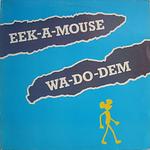
Wa-Do-Dem by Eek-A-Mouse (1981) showcases his idiosyncratic singjay vocal approach, mixing melodic singing with playful vocalizations and scatting over rhythm-driven reggae backings. The record sits in the transition from late roots reggae into early dancehall, favoring pronounced bass and drum patterns and relatively sparse accompaniment that foregrounds the vocal performance. Its sound captures the lighter, more rhythmic direction Jamaican popular music was taking at the time while keeping a strong melodic sensibility.
801 Live is a 1976 live album by the short-lived English ensemble 801, formed around Phil Manzanera and Brian Eno. The recording blends art rock and progressive rock with straightforward rock energy, pairing sharp guitar work with Eno's vocals and electronic treatments, plus inventive keyboard and rhythmic interplay. The performances present reworked studio material and improvisatory moments, with onstage use of effects and live mixing that foreground texture and atmosphere as much as melody and rhythm. The result documents a band bringing experimental and ambient ideas into a live rock setting.
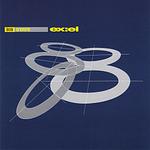
Ex:el is a 1991 release by 808 State that pushes their techno and electronic roots toward a more song-oriented, leftfield electronic sound. It pairs punchy drum-machine rhythms and acid-tinged synth lines with melodic hooks, sampled atmospheres and occasional vocal elements, moving between club-focused energy and more reflective, ambient passages. The album captures a moment when early 90s dance production embraced broader melodic and experimental influences while retaining a strong rhythmic drive.
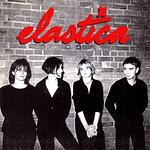
Elastica is the 1995 self-titled debut by the British band Elastica. It blends Britpop and indie rock with terse, hook-driven songs built around sharp, staccato guitar lines and a punk-influenced energy, while new wave and post-punk textures inform its spare arrangements. Fronted by Justine Frischmann's cool, direct vocals, the album is notable for its concise songcraft and immediate sound that became a touchstone of mid 1990s British alternative rock.
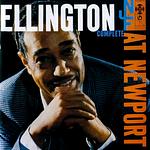
Ellington at Newport 1956 is a live big band jazz recording that captures Duke Ellington and His Orchestra in a high-energy, swinging performance. The set showcases Ellington's ensemble writing and blues-inflected arrangements and features an extended tenor saxophone solo by Paul Gonsalves that became a defining moment of the concert. The album is widely regarded as a landmark live document that helped renew public interest in Ellington's music.
#264 — Money Jungle by Duke Ellington, Charles Mingus, Max Roach
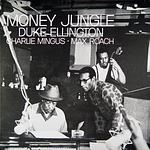
Money Jungle (1962) is a piano-bass-drums trio record pairing Duke Ellington with Charles Mingus and Max Roach. The music blends Ellington's harmonic and melodic sensibility with Mingus's muscular, sometimes confrontational bass and Roach's precise, propulsive drumming, yielding a lean, often intense approach to post-bop and modern jazz. The session favors sparse trio textures, strong rhythmic interplay, and a range of moods from blues-tinged introspection to angular, percussive drive, illustrating a meeting of a veteran composer-pianist with younger modernist players.
#265 — Supa Dupa Fly by Missy Elliott
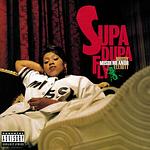
Missy Elliott's 1997 debut album Supa Dupa Fly pairs her playful, inventive rapping and melodic R&B sensibility with Timbaland's sparse, syncopated, futuristic production. The record blends hip hop, contemporary R&B, and pop rap through unconventional rhythms, layered vocal textures, and off-kilter sound design, establishing a distinct sonic identity that helped define late 1990s urban music and showcased Missy and Timbaland's collaborative chemistry.
#266 — Stay With Me by Lorraine Ellison
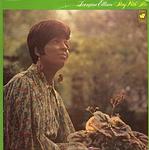
#267 — The Marshall Mathers LP by Eminem
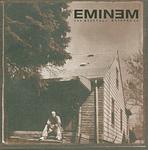
The Marshall Mathers LP (2000) is Eminem's raw, confrontational album that blends hardcore hip hop, horrorcore intensity, and pop-rap hooks. Production frequently uses sparse, eerie beats and layered samples to support tightly wound, rapid-fire delivery, allowing Eminem to shift between darkly comic Slim Shady sketches, confessional storytelling such as "Stan", and violently personal material about fame, family, and identity. The album helped define his public persona and intensified debates about lyrical boundaries by foregrounding provocative, autobiographical songwriting and abrasive satire.
#268 — Funky Divas by En Vogue
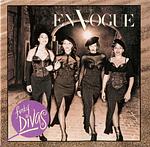
Funky Divas is En Vogue's second studio album, released in 1992. It blends contemporary R&B, new jack swing, hip hop and pop elements, anchored by the group's tight, sophisticated four-part vocal harmonies and polished production from Denzil Foster and Thomas McElroy. The album balances glossy, radio-ready arrangements with harder edged moments such as the guitar-driven "Free Your Mind", highlighting the group's vocal versatility and assertive themes of empowerment and relationships.
#269 — Another Green World by Brian Eno
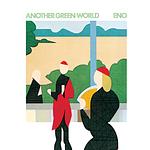
Another Green World, released in 1975, finds Brian Eno shifting from art rock toward ambient and experimental electronic composition. The album mixes a few vocal songs with mostly instrumental pieces, using treated keyboards, synthesizers, guitars and unconventional percussion to build sparse, textured soundscapes and melodic fragments. Its production emphasizes unusual timbres and layering, and the record marks a key step in Eno's development of ambient approaches to composition.
#270 — My Life in the Bush of Ghosts by Brian Eno, David Byrne
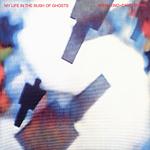
My Life in the Bush of Ghosts (1981) is a collaborative record by Brian Eno and David Byrne that melds art rock, ambient and experimental electronic approaches into a collage of found sounds, sampled voices and layered rhythms. The album pairs treated field recordings and looped vocal fragments with propulsive percussion and ambient studio processing to create oblique, cinematic soundscapes that reference global rhythmic sources without straightforward worldbeat imitation. It is notable for its early use of tape sampling and montage techniques to integrate spoken-word material and vocal improvisations into song-like structures, generating a persistent tension between pop forms and experimental collage.
#271 — Paid in Full by Eric B. & Rakim
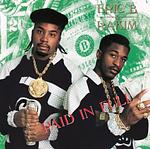
Paid in Full, released in 1987 by Eric B. & Rakim, is an East Coast hip hop album that pairs Rakim's measured, innovative MCing and internal rhyme patterns with Eric B.'s spare, sample-driven production and turntable work. The record blends hard-hitting drum loops, prominent scratching, and jazz and blues-inflected samples to create a moody, minimalist sound associated with hardcore and golden age hip hop. Its focus on lyrical complexity, rhythmic precision, and DJ technique helped shape the aesthetics of late 1980s hip hop.
#272 — A South Bronx Story by ESG
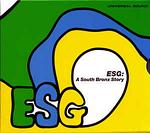
A South Bronx Story (2000) presents ESG's spare, rhythm-driven approach that sits at the intersection of post-punk, New Wave, experimental and dance music. The recordings emphasize tight, syncopated basslines, clipped guitar, hand percussion and sparse, rhythmic vocals, blending stripped-down funk and electronic textures into minimalist grooves. The collection highlights the group's ability to make austere, club-ready tracks that bridge rock, electronic and underground dance sensibilities associated with the South Bronx post-punk moment.
#273 — Touch by Eurythmics
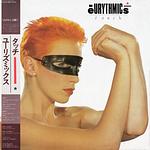
Touch, released in 1983 by Eurythmics, continues the duo's fusion of New Wave and electronic pop by pairing synthesizer-driven arrangements and drum machine grooves with Annie Lennox's blue-eyed soul vocal delivery. Dave Stewart's production moves between sparse, atmospheric synth textures and more bandlike dance-rock and funk rhythms, producing songs that range from moody, orchestral-tinged ballads to uptempo, groove-centered numbers. The album helped consolidate the group's sound and expanded their palette beyond pure synth-pop toward soul and rock influences.
At The Village Vanguard 1961 Revisited (2023) revisits the Bill Evans Trio's live recordings from the Village Vanguard in 1961, showcasing the trio's intimate, conversational interplay and lyrical approach to standards and originals. The performances foreground close listening between Evans, bassist Scott LaFaro, and drummer Paul Motian, with fluid, melodic bass lines, delicate rhythmic shading, and Evans's refined harmonic touch. The music balances introspective balladry with exploratory improvisation and a spare, highly responsive group sound.
#275 — The Individualism of Gil Evans by Gil Evans
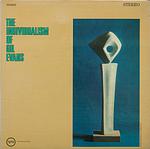
The Individualism of Gil Evans (1964) showcases Evans as an arranger and bandleader, emphasizing lush, orchestral jazz textures and inventive voicings rather than hard-driving small group swing. The album features his characteristic use of unusual instrumental colors, layered harmonies, and spacious arrangements that create a measured, atmospheric sound in which ensemble sonorities and subtle reharmonization play a central role. It is representative of Evans's midcareer work, highlighting his approach to blending modern jazz harmony with orchestral palette and giving space to both composed color and individual improvisation.
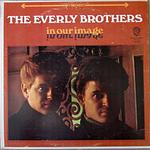
#276 — In Our Image by The Everly Brothers
#277 — Walking Wounded by Everything but the Girl
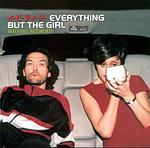
Walking Wounded, released in 1996 by Everything but the Girl, marks the duo's move toward electronic production, blending synth-pop textures with trip hop and drum and bass influenced rhythms. Tracey Thorn's intimate, understated vocals sit over Ben Watt's atmospheric programming and electronic arrangements, producing songs that balance personal lyricism with club-friendly beats. The record represents a clear shift from the pair's earlier acoustic and jazz-tinged work toward a more electronic, contemporary sound.
#278 — Café Atlantico by Cesária Évora
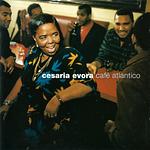
Café Atlantico, released in 1999 by Cesária Évora, showcases her warm, melancholic voice in a program of morna and coladeira that blends intimate balladry with lighter, rhythmic songs. Arrangements are typically spare and acoustic, driven by nylon string guitar, cavaquinho and gentle percussion, allowing the vocals and nautical, island-themed melodies to dominate. The album reflects Évora's late career focus on presenting traditional Cape Verdean sounds to international listeners.
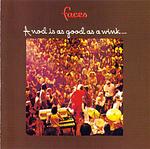
A Nod Is as Good as a Wink… to a Blind Horse (1971) captures Faces at a loose, swaggering peak, blending gritty blues rock, barroom boogie and folk-tinged balladry. Rod Stewart's raw, charismatic vocals sit atop Ronnie Wood's muscular guitar work and Ronnie Lane's melodic songwriting, yielding moments that range from the anthemic rocker "Stay With Me" to the quieter, reflective "Debris". The album's rough-hewn production and emphasis on groove and personality helped define the band's sound and enduring reputation within classic rock circles.
#280 — The Nightfly by Donald Fagen
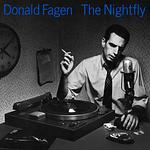
The Nightfly, Donald Fagen's 1982 solo debut, blends jazz-inflected pop, pop rock and soft rock with the polished, meticulous studio production associated with his work in Steely Dan. The album features tight horn and keyboard arrangements, sophisticated jazz chords and solos, and literate, nostalgic lyrics that evoke postwar late-night radio and small-town optimism. Produced by Gary Katz and built around a smooth, urbane sound, the record is often singled out for its attention to arrangement and sonic detail.
#281 — Volume 6: Days Have Gone By by John Fahey
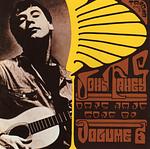
Volume 6: Days Have Gone By (1967) finds John Fahey in his signature solo acoustic guitar mode, blending traditional blues and country-folk sources with modal, raga-like passages and subtle dissonance. The music emphasizes intricate fingerpicking, open tunings, and extended instrumental explorations that shift between recognizable folk motifs and idiosyncratic rearrangements, producing a mood that is both reflective and exploratory. The album is representative of Fahey's contribution to the American primitive guitar approach, where blues roots and modernist sensibilities intersect.
#282 — Unhalfbricking by Fairport Convention
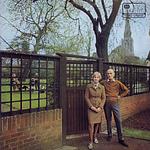
Unhalfbricking, released in 1969 by Fairport Convention, captures the band moving from Anglo-American folk rock toward a distinct British folk sensibility. The album pairs electric rock instrumentation with acoustic and traditional inflections and features prominent contributions from Sandy Denny's vocals and Richard Thompson's songwriting and guitar work. It includes an early studio recording of Denny's Who Knows Where the Time Goes? and helped point the group toward the more traditional material they explored on subsequent recordings.
#283 — Broken English by Marianne Faithfull
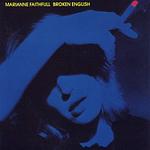
Broken English (1979) presents Marianne Faithfull with a markedly darker, world-weary vocal presence set against a mix of art pop, art rock, new wave and rock arrangements. The record favors synth textures, driving rhythms and spare, sometimes angular instrumentation that underscore lyrics ranging from personal reflection to sharper social observations. Its stark sound and direct delivery signaled a clear stylistic shift from her earlier work and is often regarded as a transformative moment in her career.
#284 — Perverted by Language by The Fall
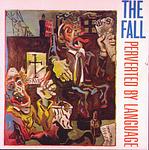
Perverted by Language, released in 1983 by The Fall, is a post-punk album that pairs angular, guitar-driven arrangements and propulsive rhythms with Mark E. Smith's clipped, spoken vocals and dense, oblique lyrics. The record emphasizes taut, repetitive grooves and jagged textures while incorporating occasional melodic hints and studio experimentation. Within The Fall's output it represents a consolidation of their literate, confrontational aesthetic and a move toward tighter rhythmic interplay.
#285 — Savane by Ali Farka Touré
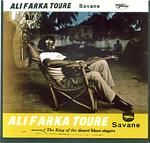
Savane, released in 2006 by Malian guitarist and singer Ali Farka Touré, presents his signature fusion of Sahelian traditional music and Delta-influenced blues in spare, meditative arrangements. The record emphasizes hypnotic, modal guitar lines and plaintive vocals supported by understated percussion and subtle ambient touches, with cyclical rhythms and call-and-response phrasing that reflect both rural Malian styles and blues phrasing. The album is often heard as a late-career summation of Touré's musical approach.
#286 — You've Come a Long Way, Baby by Fatboy Slim
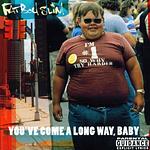
You’ve Come a Long Way, Baby is a 1998 Fatboy Slim album that epitomizes the big beat sound with punchy breakbeats, heavy use of samples, and playful, dancefloor-focused production. Songs mix acid-tinged synths, funky loops, and cut-up vocal hooks to create a lively, theatrical electronic record that moves between high-energy club tracks and more melodic, beat-driven moments. The album played a major role in bringing big beat and sample-based dance music into broader public awareness and helped define Fatboy Slim's signature DJ-producer approach.
#287 — Mustt Mustt by Nusrat Fateh Ali Khan
Mustt Mustt (1990) by Nusrat Fateh Ali Khan is a qawwali recording that pairs his powerful, devotional Sufi vocal improvisations and call-and-response choruses with rhythmic percussion, harmonium, and layered vocal textures. The album presents traditional qawwali forms and trance-like build while incorporating subtle contemporary production elements, and the title track later reached wider audiences through subsequent remixes, helping to extend Nusrat's music beyond its original regional context.
#288 — The Faust Tapes by Faust
The Faust Tapes, released in 1973 by the German group Faust, is a dense collage of short fragments, tape loops, and studio experiments that blends electronic textures, musique concrète techniques, and raw rock elements. The record stitches abrupt edits, ambient drones, distorted guitar passages, and found sounds into a disorienting but distinctive sound world that exemplifies Krautrock's interest in studio-based experimentation. Its fragmentary sequencing and radical editing point toward techniques later associated with sampling and cut-up practices.
#289 — Stains on a Decade by Felt
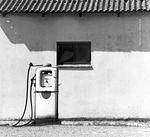
Stains on a Decade is a 2003 compilation that surveys Felt's output from the 1980s, presenting a concise overview of the band's shift from lean, jangly post-punk toward more ornate, atmospheric indie pop. The collection highlights Lawrence's restrained vocals, chiming, melodic guitars, and occasional lush arrangements and organ textures, capturing the group's idiosyncratic blend of 1960s pop influence and post-punk sensibility.
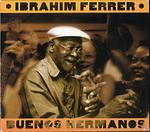
#290 — Buenos hermanos by Ibrahim Ferrer
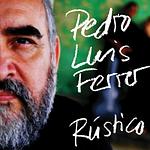
#291 — Rustico by Pedro Luis Ferrer
#292 — The Bride Stripped Bare by Bryan Ferry
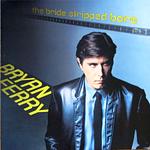
The Bride Stripped Bare, Bryan Ferry's 1978 solo album, presents his signature blend of rock and pop in polished, atmospheric arrangements. Ferry's smooth, crooning vocals sit over glossy production that blends rock rhythms with lush textures and subtle electronic touches, favoring mood and romance over raw grit. The album continues Ferry's development of a refined solo persona, emphasizing elegant melodies and a cultivated, stylish sound.
#293 — Lupe Fiasco's Food & Liquor by Lupe Fiasco
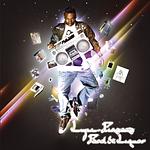
Lupe Fiasco's Food & Liquor is his 2006 debut album that pairs intricate, politically and socially conscious lyricism with accessible, melodically driven hip hop production. The record blends alternative and pop-leaning beats with jazz and soul textures, emphasizing storytelling, dense wordplay, and themes of faith, urban life, and social critique on standout tracks like Kick, Push and Daydreamin. Its sound balances thought-provoking content with singable hooks, introducing Lupe as a concept-oriented voice in 2000s hip hop.
#294 — Gallowsbird's Bark by The Fiery Furnaces
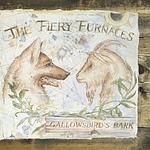
Gallowsbird's Bark, the 2003 debut by sibling duo The Fiery Furnaces, is an eccentric take on indie rock that mixes lo-fi garage energy with elaborate, often fragmented songcraft. Eleanor Friedberger's expressive vocals navigate Matthew Friedberger's intricate arrangements, marked by abrupt tempo and key shifts, dense keyboard and guitar textures, and touches of blues, folk, and psychedelia, producing a theatrical, unpredictable sound that established the band's reputation for adventurous songwriting.
#295 — Sings Cole Porter by Ella Fitzgerald

Ella Fitzgerald Sings Cole Porter is a vocal jazz collection of Cole Porter standards from Fitzgerald's Songbook project, featuring her clear, agile phrasing, rhythmic swing, and melodic improvisation over lush orchestral arrangements by Buddy Bregman. The performances emphasize concise, expressive interpretations of Porter's tunes, demonstrating Fitzgerald's skill as an interpreter of the Great American Songbook and her ability to balance sophistication with accessible swing.
#296 — The Soft Bulletin by The Flaming Lips
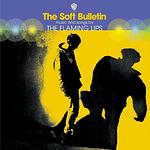
The Soft Bulletin is a 1999 album by The Flaming Lips that shifts the band toward richly arranged, orchestral-leaning experimental pop while retaining indie rock and noise textures. The sound emphasizes layered harmonies, sweeping strings and horns, warm analog synths and meticulous studio production, combining intimate balladry with expansive, psychedelic arrangements. Lyrically the album balances existential themes and tender moments, and it is considered a pivotal record in the band's move toward more ambitious, studio-focused compositions.
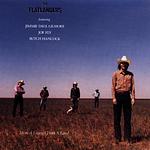
#297 — More a Legend Than a Band by The Flatlanders
#298 — Rumours by Fleetwood Mac
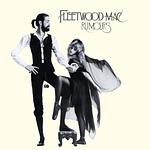
Rumours is a 1977 album by Fleetwood Mac that blends rock, pop rock, soft rock, blues and folk pop into a polished, radio-friendly sound. The record features layered vocal harmonies, melodic songwriting and a mix of acoustic and electric textures that foreground strong hooks and intimate arrangements. Many songs reflect interpersonal relationships and band tensions, giving the lyrics a candid, confessional feel, while the production emphasizes clarity and warmth. The album is widely cited as a defining example of late 1970s pop rock and a central release in Fleetwood Mac's catalog.
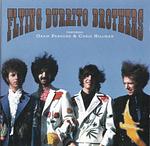
#299 — Out of the Blue by The Flying Burrito Brothers
#300 — Natural by Celso Fonseca
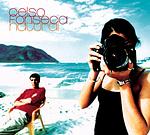
Natural is a 2003 album by Brazilian singer, guitarist and producer Celso Fonseca that blends classic bossa nova songwriting with downtempo and light electronic production. The record emphasizes warm acoustic guitar, gentle vocals, understated percussion and ambient production touches to create relaxed grooves and intimate melodies. It reflects Fonseca's approach of updating Brazilian songcraft with subtle electronic textures while maintaining an organic, mellow feel.