The Greatest Music
1000 Albums to Hear Before you Die
Weight: 67%
How much this list influences our overall rankings. Higher weight means more reliable data.
Penalties Applied:
The Guardian – 1000 Albums to Hear Before You Die (2007) is a large, cross-genre listening guide compiled by the Guardian’s music writers. It’s not a ranked “best of all time” list: entries are presented alphabetically by artist and each album gets a short capsule explaining why it’s worth hearing. The team set a few rules—one album per main artist, often choosing a less-obvious pick over the canonical choice, and allowing Various Artists compilations to represent scenes built on singles. The project also invited readers to suggest omissions, later publishing a “we forgot…” follow-up selection.
#1 — Early by A Certain Ratio
Released in 2001, Aaliyah's self-titled third studio album pairs her understated, breathy vocal style with sleek, futuristic production largely handled by Timbaland and Missy Elliott. The record blends contemporary R&B, pop soul, and atmospheric electronic textures into sparse, rhythm-focused arrangements that emphasize mood, groove, and subtle melodic hooks. Tracks move between minimalist, club-leaning beats and slow, sensual ballads, and the album is widely regarded as a cohesive, mature artistic statement released just weeks before Aaliyah's death.
#3 — The Visitors by ABBA
The Visitors, ABBA's 1981 studio album, moves toward a more electronic and synth-driven sound while retaining the group's melodic pop and Europop sensibilities. The record emphasizes colder, more introspective arrangements and lyrical themes such as relationship breakdown and political unease, delivered with layered vocal harmonies and polished production. As the group's last studio album before their long hiatus, it is notable for a shift from upbeat dance-pop toward atmospheric, synth-based pop rock and electronic textures.
#4 — The Lexicon of Love by ABC
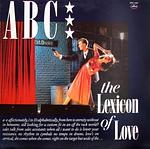
The Lexicon of Love, ABC's 1982 debut album, fuses pop, new wave and dance-pop with lush orchestral touches and sleek electronic production. The record pairs Martin Fry's theatrical, emotive vocals and romantic, sometimes sardonic lyrics with glossy synths, tight rhythm tracks and sweeping string arrangements, producing a cinematic, danceable sound that emphasizes studio polish and stylistic glamour. Its blend of orchestration and synth-based pop exemplifies a stylish strand of early 1980s British pop.
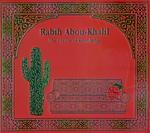
The Cactus of Knowledge (2001) finds Lebanese oud player Rabih Abou-Khalil blending Arabic melodic modes with jazz improvisation and global rhythms. The music pairs oud-led melodies and composed ensemble passages with exploratory solos, moving between reflective maqam-inflected themes and more propulsive, groove-driven sections; textural contrast and rhythmic interplay are a central feature, situating the album within Abou-Khalil's ongoing exploration of the intersection between Middle Eastern music and modern jazz.
#6 — Livin' Like Hustlers by Above the Law
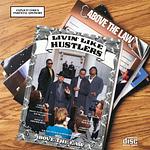
Livin' Like Hustlers is Above the Law's debut album rooted in gangsta rap and West Coast hip hop. Its production, led by group member Cold 187um, mixes heavy funk sampling with early G-funk elements such as languid synth melodies, deep bass and crisp drum programming to create a spacious, melodic backdrop for the group's measured, street-focused verses. Lyrically it centers on hustling and street life with moments of social observation, and the record is often cited for a sonic approach that helped anticipate the later mainstream G-funk sound.
#7 — Satta Massagana by The Abyssinians
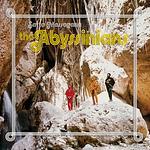
Satta Massagana by The Abyssinians is a roots reggae album built around the title track, a devotional Rastafarian hymn. The music pairs close three-part vocal harmonies with deep, meditative basslines, spare guitar and organ, and percussion elements that evoke nyabinghi rhythms, producing a solemn, spiritual sound. Lyrically the record centers on faith, repatriation, and Rastafari themes, and its slow to midtempo grooves and echo-heavy production are frequently cited as characteristic of classic roots reggae recordings.
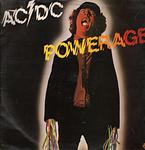
Powerage (1978) captures AC/DC in a raw, blues-tinged hard rock mode with production by Harry Vanda and George Young, emphasizing driving guitar riffs, tight rhythm work, and Bon Scott's gritty vocals. The songs lean toward groove and muscular, riff-driven arrangements rather than studio ornamentation, giving the album a direct, road-tested sound. It represents a consolidation of the band's blues rock roots and a move toward the more streamlined approach they would take on their next records.
#9 — Last Chance Disco by Acoustic Ladyland
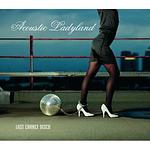
Last Chance Disco (2005) by Acoustic Ladyland blends abrasive, high-energy jazz improvisation with rock and punk rhythms, featuring driven saxophone lines, distorted organ and guitar textures, and tight, propulsive grooves. Tracks shift between frenetic, chaotic passages and concise, riff-based structures, favoring raw intensity and collective interplay over traditional jazz conventions. The record exemplifies the band’s early jazz rock approach, pushing acoustic jazz elements into a louder, more electric and aggressive territory.
#10 — Across 110th Street by Bobby Womack, J.J. Johnson
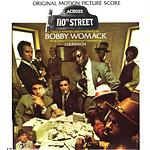
Across 110th Street is the 1972 soundtrack album for the film of the same name, featuring compositions and performances by Bobby Womack with arrangements by J.J. Johnson. The music mixes gritty soul and funk grooves with pop soul and R and B sensibilities, pairing Womack's rough-hewn vocals and guitar with cinematic string and horn arrangements. The title song is a dramatic, narrative piece that anchors the record, while the rest of the album shifts between mood-setting instrumental cues and more groove-driven tracks.
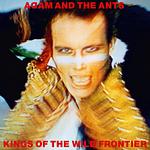
Kings of the Wild Frontier, released in 1980 by Adam and the Ants, blends punk energy with New Wave and New Romantic stylings and is marked by theatrical, ant-themed imagery and concise pop songwriting. The record is built around propulsive, Burundi-inspired drumming and a dual-drummer approach that gives the tracks a tribal, danceable pulse, while angular guitars, driving basslines, and theatrical vocals bridge post-punk edginess and accessible hooks. The album helped define the band’s signature sound by combining rhythmic intensity with melodic immediacy.
#12 — Somethin' Else by Cannonball Adderley
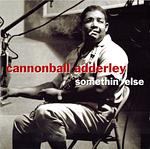
Somethin' Else is a compact hard bop session built around Cannonball Adderley's warm, blues-inflected alto and his interplay with Miles Davis on trumpet. The record features a tight quintet with tasteful piano comping, sturdy bass and driving drums, balancing relaxed, lyrical melodies with propulsive swing and succinct improvisations; its sound foregrounds melodic clarity and conversational soloing, with notable takes including the title track and a memorable rendition of "Autumn Leaves."
Juju Music, released in 1982 by King Sunny Adé and His African Beats, presents a polished, electric interpretation of Yoruba juju music, combining interlocking guitar lines, layered percussion, pedal steel and keyboard textures with call-and-response vocals to create long, hypnotic grooves. The album is notable for its smooth production and for introducing juju's polyrhythmic structures and melodic sensibilities to listeners outside Nigeria, helping to raise King Sunny Adé's international profile.
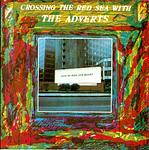
Crossing the Red Sea With The Adverts is the 1978 debut album from British punk band The Adverts, presenting short, urgent songs built on raw guitar, propulsive rhythms, and direct, literate vocals from T.V. Smith. The record blends punk's aggression with strong melodic hooks and concise songwriting, giving it a sharper pop sensibility than some contemporaries while retaining an abrasive edge. It is commonly noted for its clarity of purpose and for capturing the energy and attitude of the UK punk scene in a compact, focused set of songs.
#15 — Stripped by Christina Aguilera

Stripped, released in 2002, finds Christina Aguilera moving from teen pop toward a rawer, more varied sound that blends pop, contemporary R&B, hip hop, pop rock, and pop rap. The record pairs aggressive, club-oriented tracks such as "Dirrty" with intimate, vocal-driven ballads like "Beautiful", highlighting a wide vocal range and more personal lyrical themes of identity, empowerment, and sexuality. Production mixes polished pop hooks, R&B grooves, rock guitars, and hip hop beats to create a diverse sonic palette that marked a stylistic shift in her career.
#16 — Hunting High and Low by a‐ha
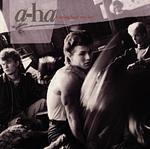
Hunting High and Low (1985) is the debut album by Norwegian band a-ha that fuses synth-pop and new wave production with pop rock and dance-rock elements. It pairs bright, layered synthesizers and rhythmic guitars with Morten Harket's wide-ranging, emotive voice, moving between upbeat, hook-driven tracks and more atmospheric, melancholic ballads. The album is notable for its strong melodic focus and for the single "Take On Me," which became widely recognized in part because of its innovative rotoscoped music video.
#17 — Erè mèla mèla by ማሕሙድ አሕመድ
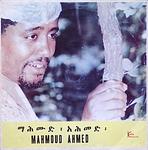
Erè mèla mèla (1975) by Mahmoud Ahmed presents his warm, expressive tenor voice set against arrangements that combine traditional Ethiopian modal melodies with electric jazz and funk textures. The songs feature driving, syncopated grooves, prominent horn and keyboard colors, and vocal lines rooted in Ethiopian scale patterns, offering music that is both danceable and deeply melodic, representative of 1970s Ethio-jazz.
#18 — Moon Safari by Air
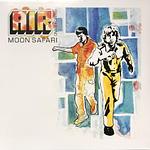
Moon Safari is a 1998 album by French duo Air that blends downtempo electronic production with ambient pop and chillout aesthetics. It foregrounds warm analog synths, soft drum programming, melodic basslines and airy vocals to create a relaxed, cinematic atmosphere. Tracks like Sexy Boy and All I Need pair minimalist arrangements with vintage keyboard textures and gentle female lead vocals, and the album is noted for its restrained, retro‑futuristic mood that influenced late 1990s downtempo and chillout styles.
#19 — Killer by Alice Cooper
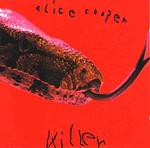
Killer is the fourth studio album by the Alice Cooper band, released in 1971. It features a raw hard rock sound that draws on glam and acid rock textures, propelled by gritty guitar riffs, driving drums, and Vincent Furnier's theatrical vocals and macabre lyrics. The album tightens the band's songwriting and production compared with earlier records and includes tracks such as "Under My Wheels", "Be My Lover", and "Dead Babies", illustrating the group's developing shock rock approach.
#20 — All Saints by All Saints
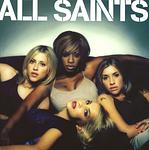
All Saints is the 1997 self-titled debut by the British pop group All Saints. The album blends mainstream pop with contemporary R&B, subtle electronic touches, and hip hop-influenced rhythms, built around layered vocal harmonies and cool, groove-oriented production. Its sound presented a more mature, urban-leaning alternative to much late-1990s pop, emphasizing sultry vocals and understated arrangements.
#21 — Alright, Still by Lily Allen
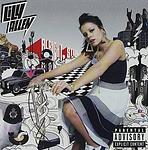
Alright, Still is Lily Allen's debut studio album, released in 2006. It blends pop with ska and reggae influences over electronic and sample-based production, pairing catchy melodies with conversational, wryly observational lyrics delivered in a distinctly British vocal style. The album is notable for its mix of retro touches and modern indie pop production, and for establishing Allen's outspoken, diaristic songwriting voice.
#22 — Thrills by Ellen Allien
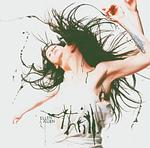
Thrills, released in 2005 by Ellen Allien, blends techno, electro and electronic pop elements into a compact, song-oriented set that foregrounds her vocal presence alongside textured synths. The record balances club-ready rhythms and driving beats with glitchy percussion and atmospheric production, reflecting Allien's approach of combining dancefloor energy with more introspective, experimental touches.
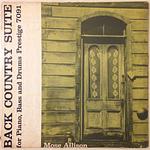
Back Country Suite for Piano, Bass and Drums (1957) is a piano-trio jazz album by Mose Allison that presents a connected set of original pieces blending jazz improvisation with blues and rural song influences. The performances are spare and economical, with Allison's cool-toned, slightly offbeat piano lines supported by understated bass and drums; the suite format gives the record a thematic, contemplative flow that anticipates his later work combining jazz and vocal blues.
#24 — Dimanche à Bamako by Amadou & Mariam
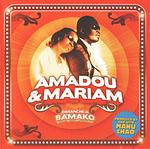
Dimanche à Bamako blends Malian traditional music and electric Afro-blues with elements of folk rock and jazz, shaped by spare, rhythmic production and notable contributions from Manu Chao. Amadou's chiming electric guitar and Mariam's warm, expressive vocals, often sung in Bambara and French, drive a set of upbeat, melodic songs and quieter ballads, with accordion, brass and layered percussion adding color. The album pairs accessible pop-inflected hooks with West African rhythms and helped broaden the duo's international profile.
#25 — Boys for Pele by Tori Amos
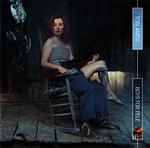
Boys for Pele is Tori Amos' third studio album, released in 1996. The record keeps her piano-driven songwriting at the center while expanding into denser, more percussive and experimental arrangements, with prominent harpsichord, organ, and layered vocals. Lyrically it moves into intimate and confrontational territory, exploring relationships, identity, and spirituality, and it represented a deliberate artistic shift toward darker, more challenging sounds.
#26 — Big Science by Laurie Anderson
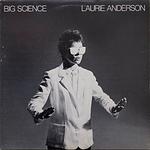
Big Science is Laurie Anderson's 1982 debut studio album, blending experimental electronic textures, art pop songcraft and performance art into spare, narrative pieces. Anderson pairs deadpan spoken-word delivery and processed vocals with minimal synths, loops and found sounds to explore themes of communication, technology and everyday oddities. The collection translates her stage work into intimate studio recordings, and is widely remembered for the eerie, insistent centerpiece "O Superman," which exemplifies the album's mix of humor, pathos and conceptual minimalism.
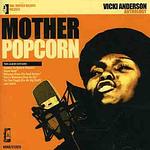
Mother Popcorn: The Vicki Anderson Anthology is a compilation that highlights Vicki Anderson's powerful, gritty soul vocals set against funk and R&B arrangements. Drawing on the hard-driving rhythms and punchy horn lines associated with late 1960s and early 1970s funk, the collection showcases her commanding delivery, call-and-response phrasing, and ties to the James Brown revue. The tracks emphasize raw energy and rhythmic interplay typical of funk and classic soul recordings.
#28 — Selected Ambient Works 85–92 by Aphex Twin
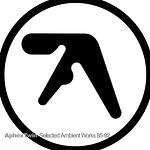
Selected Ambient Works 85–92, compiled and released by Richard D. James as Aphex Twin in 1992, gathers tracks recorded between 1985 and 1992 and blends ambient atmospheres with understated techno rhythms. The album pairs warm, lo-fi synth pads and textured atmospheres with skittering drum patterns, acid-tinged melodic fragments and mellow ambient pieces, creating a mood that bridges home-recorded experimentalism and club-oriented electronic music. Its spare, hypnotic approach is often linked to the development of ambient techno and early IDM and is notable for its focus on texture and melody over overt dancefloor drives.
#29 — 666 by Aphrodite's Child
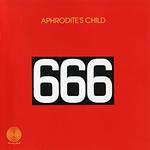
666 is a 1972 double concept album by Aphrodite's Child that sets a loose adaptation of the Book of Revelation to an expansive blend of progressive and psychedelic rock. The record pairs Demis Roussos' emotive lead vocals with Vangelis' expressive keyboards and electronics, and moves through rock, orchestral, choral and experimental textures across long, theatrical pieces. Its unconventional structure and dramatic atmosphere make it a striking example of early 1970s progressive experimentation.
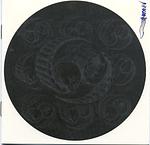
69 (1988) by A.R. Kane blends dream pop atmospherics with dub-informed electronic production and indie rock guitar textures, pairing reverb-heavy, shimmering guitars and breathy vocals with elastic rhythm tracks that use drum machines and percussion. The album moves between song-based pieces and ambient, experimental passages, using studio effects and deep low-end treatment to create dense, immersive soundscapes. Its hybrid approach to combining rock instrumentation with dub and electronic techniques broadened the sonic possibilities of late 1980s alternative music and helped shape subsequent dream pop and shoegaze tendencies.
#31 — Funeral by Arcade Fire
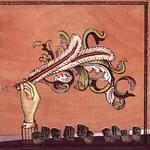
Funeral is Arcade Fire's 2004 debut studio album. It mixes indie rock, art pop and chamber pop with bursts of punk energy, combining strings and brass with driving guitars and collective vocals. The songs pair intimate, emotionally direct lyrics about loss and youth with expansive, cathartic arrangements and singalong choruses, and the warm, occasionally raw production emphasizes theatrical dynamics and layered acoustic and electric instrumentation.
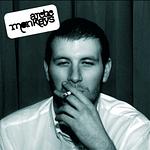
Whatever People Say I Am, That's What I'm Not is the 2006 debut album by Arctic Monkeys. It delivers energetic, guitar-driven indie rock with garage rock revival and post-punk revival influences, marked by brisk tempos, tight arrangements, and Alex Turner's observational, conversational lyrics about youth and nightlife. The production is immediate and raw, emphasizing punchy riffs and driving rhythms, and the record played a key role in defining mid-2000s British indie rock while emerging alongside early internet buzz around the band.
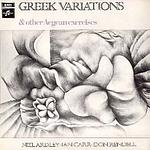
Greek Variations & Other Aegean Exercises (1970) is a jazz album led by composer-arranger Neil Ardley with prominent contributions from trumpeter Ian Carr and saxophonist Don Rendell. The music blends modern jazz improvisation with ensemble arranging, drawing on modal and folk-inflected melodies associated with Greek and Aegean sources. The record emphasizes interaction between soloists and layered arrangements, reflecting Ardley’s interest in combining jazz soloing with orchestral textures within the British jazz context of the period.
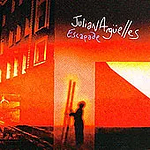
#34 — Escapade by Julian Argüelles
#35 — Hot Fives and Hot Sevens by Louis Armstrong
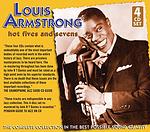
Hot Fives and Hot Sevens is a compilation of Louis Armstrong's influential Hot Five and Hot Seven studio recordings from the 1920s, presented in a 2002 package. The music blends New Orleans Dixieland ensemble playing with Armstrong's pioneering solo work, showcasing his clear, inventive trumpet phrasing, strong rhythmic drive, and early vocal improvisation. These small-group tracks emphasize direct, energetic interplay and contain landmark performances that helped shift jazz toward solo-centered phrasing and the rhythmic feel associated with later swing.
#36 — Full Force by Art Ensemble of Chicago
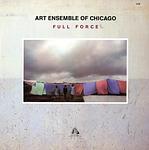
Full Force (1980) by the Art Ensemble of Chicago presents the group's signature avant-garde jazz approach, blending free improvisation, composed themes, and a wide array of acoustic instruments. The record emphasizes collective interplay and multi-instrumental color, moving between dense, energetic group passages and quieter, lyrical moments, and reflects the Ensemble's interest in texture, theatrical gestures, and African diasporic rhythmic and timbral elements.
#37 — Sulk by The Associates
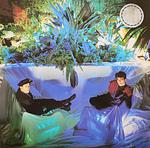
Sulk, released in 1982 by Scottish duo The Associates, blends synth-pop and new wave with art rock and post-punk sensibilities, often in a downtempo register. Billy Mackenzie’s wide-ranging, theatrical vocals sit over Alan Rankine’s elaborate arrangements that combine synthesizers, brass and orchestral touches, producing dramatic, atmospheric songs such as the single "Party Fears Two". The album is noted for its ambitious production and a songwriting approach that mixes catchy pop phrasing with experimental textures.
#38 — Birthday by The Association
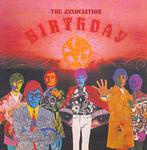
Birthday (1968) finds The Association applying their trademark vocal harmonies to a blend of pop rock and baroque pop with noticeable psychedelic pop touches. The record mixes lush string and horn arrangements, close-knit melodic hooks, and some studio experimentation, with songs such as "Everything That Touches You" showcasing the group's move toward richer, more textured production while retaining accessible pop songwriting.
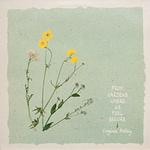
From Gardens Where We Feel Secure, released in 1983 by Virginia Astley, blends ambient textures with modern classical and neoclassical new age elements. The album centers on sparse piano-led pieces with delicate strings, subtle vocal lines and restrained use of field recordings, creating a hushed, pastoral atmosphere that evokes small domestic and countryside scenes. Its small-scale, contemplative arrangements favor mood and timbre over conventional song structures, placing it firmly within early 1980s ambient and neoclassical experimentation.
#41 — Since I Left You by The Avalanches
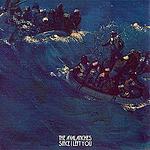
Since I Left You by The Avalanches is a debut album built from a dense collage of sampled sounds, creating a seamless, continuous flow of upbeat, nostalgic dance music. Its palette blends disco, funk, soul, electronic textures and found sounds into short vignettes and transitions that emphasize melody and atmosphere over conventional song forms. The result is a highly produced, sample-driven listening experience with intricate layering and a mixtape-like sequencing that foregrounds mood and texture.
#42 — Joy of a Toy by Kevin Ayers
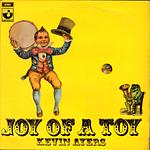
Joy of a Toy is Kevin Ayers' 1969 debut solo album after his time with Soft Machine, blending psychedelic rock and Canterbury scene sensibilities with a whimsical, Toytown Pop feel. Ayers' relaxed vocal delivery and eccentric songwriting sit alongside breezy, melodic arrangements that mix acoustic and electric textures and a touch of surreal humor. The record stands as an early solo statement from a central figure of the Canterbury scene, notable for its song-based, pastoral take on late 1960s psychedelia.
#43 — Spiritual Unity by Albert Ayler Trio
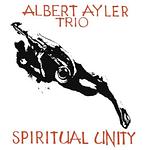
Spiritual Unity is a 1965 album by the Albert Ayler Trio that presents Ayler's raw, tenor saxophone-led improvisations supported by the elastic, time-free interplay of bassist Gary Peacock and drummer Sunny Murray. The music foregrounds simple, hymnlike or folk-derived motifs that are stretched into intense, collective improvisations with wide vibrato and a raw tonal edge rather than conventional harmony. Its sparse trio setting and uncompromising sound are often cited as an influential statement in the development of free jazz and avant garde saxophone playing.
#44 — High Land, Hard Rain by Aztec Camera
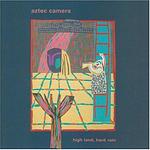
High Land, Hard Rain is the 1983 debut by Scottish band Aztec Camera, driven by Roddy Frame's songwriting and distinctive guitar work. The album pairs bright, jangly guitar textures and clean production with literate, romantic lyrics, merging indie pop and jangle pop sensibilities with touches of art rock, folk and jazz phrasing. Its concise, melody-focused songs, including "Oblivious" and "Walk Out to Winter", helped establish Frame's reputation as a young songwriter with a clear melodic sense.
#45 — The B‐52's by The B‐52s
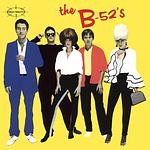
The B-52's is the band's 1979 debut, a loose and exuberant collection that helped define late 1970s New Wave with a blend of surf-influenced guitar, propulsive dance rhythms, and buoyant call-and-response vocals. The album's quirky lyrics, party-ready arrangements, and prominent organ and angular guitar give it a playful, kitschy feel that bridged art-pop and dance-rock while establishing the group's distinctive image in alternative music. Its energetic, danceable songs and offbeat humor made it a touchstone for bands exploring pop hooks with an avant-garde sensibility.
#46 — Tender Lover by Babyface
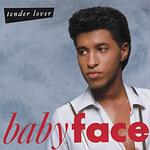
Tender Lover, released in 1989, blends contemporary R&B and New Jack Swing with pop and electronic touches. Produced largely with L.A. Reid and Daryl Simmons, the album pairs smooth, romantic ballads with uptempo, groove-driven tracks built from programmed drums, synth textures, and layered vocal arrangements. It helped establish Babyface's profile as a singer-songwriter and producer and is recognized for its polished, melodic production.
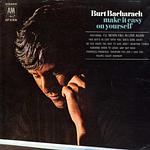
#47 — Make It Easy on Yourself by Burt Bacharach
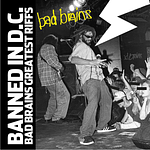
Banned in D.C.: Bad Brains Greatest Riffs (2003) is a compilation that highlights the band's signature fusion of rapid, aggressive hardcore punk and laid-back roots reggae, with dub-tinged textures woven into the arrangements. The collection emphasizes tight, riff-driven guitar and bass work, urgent drumming, and the raw, distinctive vocals that marked the group's early sound, illustrating their role in bridging punk energy with reggae rhythm and studio effects.
#49 — Give by The Bad Plus
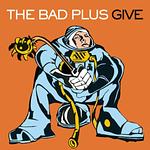
Give, released in 2004 by The Bad Plus, is a piano trio album that continues the group's blend of modern jazz with rock and pop sensibilities. Featuring Ethan Iverson on piano, Reid Anderson on bass, and David King on drums, the record balances tightly arranged originals and reinterpretations with high-energy rhythmic interplay, abrupt shifts in dynamics, and an emphasis on collective improvisation. The sound ranges from angular, percussive passages to lyrical moments, and highlights the band’s willingness to blur genre boundaries within an acoustic trio format.
#50 — Baduizm by Erykah Badu
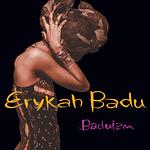
Baduizm is Erykah Badu's 1997 debut studio album that blends neo soul, jazz, hip hop and electronic textures into warm, groove-driven songs. Badu's smoky, conversational vocal delivery floats over sparse, syncopated rhythms, upright-bass warmth and languid keyboard and horn touches, with moments of spoken-word intimacy and loose jazz-influenced arrangements. The lyrics move between romantic, spiritual and introspective themes, and the record helped establish the aesthetic associated with the late 1990s neo soul movement.
#51 — Ballads by Derek Bailey
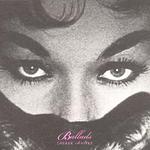
#52 — Last Tango in Paris by Gato Barbieri
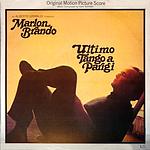
Last Tango in Paris is Gato Barbieri's 1972 soundtrack for Bernardo Bertolucci's film. The album features Barbieri's signature raw, breathy tenor sax set against lush, cinematic arrangements that blend contemporary jazz elements with Latin rhythms and soulful balladry. Its themes move from intimate, melancholic love motifs to more intense, freewheeling improvisations, creating a strongly emotional, filmic atmosphere and standing as one of Barbieri's best known works.
#53 — The Madcap Laughs by Syd Barrett
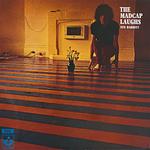
Syd Barrett's 1970 debut solo album, The Madcap Laughs, captures his intimate, unpolished songwriting after leaving Pink Floyd. The record blends folk rock and psychedelic elements with sparse, often fragile arrangements and experimental studio moments, emphasizing acoustic guitar, loose rhythms and eccentric melodic turns. Barrett's lyricism moves between whimsical and melancholic, and the album is notable for its raw, improvisational feel and personal immediacy.
#54 — Remedy by Basement Jaxx
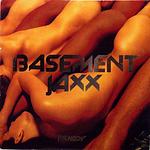
Remedy is the debut studio album by British electronic duo Basement Jaxx, released in 1999. It blends house, big beat, breakbeat, and electronica with funk, disco, and Latin rhythmic touches, featuring energetic, sample-rich production, prominent basslines, layered percussion, and guest vocalists. The record established Basement Jaxx's maximal, playful approach to dance music and contains club-oriented tracks that pair catchy hooks with eclectic, genre-mixing production.
#56 — The Beach Boys Today! by The Beach Boys
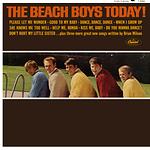
The Beach Boys Today! (1965) captures Brian Wilson expanding the group’s sound from surf pop into richer, more sophisticated territory. The album pairs upbeat, harmony-driven pop and surf-inflected songs with a quieter second half of introspective ballads that feature tighter vocal arrangements, orchestral touches, and inventive studio production. Its blend of baroque pop textures, pop rock energy, and sunshine pop harmonies marks a key transitional record in the band’s musical development.
#57 — Licensed to Ill by Beastie Boys
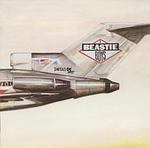
Licensed to Ill is the 1986 debut studio album by the Beastie Boys that fuses East Coast hip hop and rap rock. Produced by Rick Rubin, it pairs hard-hitting sampled beats and prominent rock guitar hooks with brash, party-oriented rhymes delivered by the trio. The record emphasizes dense sample collages, stripped-down drum patterns, and a punk-inflected, irreverent attitude, and is often noted for expanding the sonic possibilities of late 1980s hip hop by bringing rock textures into a rap framework.
#58 — I Just Can't Stop It by The Beat
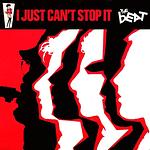
I Just Can't Stop It, the 1980 debut by The Beat, is a lively example of the British ska revival that blends ska and reggae rhythms with new wave and pop-rock energy; its concise, punchy songs feature offbeat guitar, syncopated basslines, prominent horn arrangements, and dual lead vocals from Dave Wakeling and Ranking Roger, pairing danceable grooves with socially aware, urban-themed lyrics. Tracks such as "Mirror in the Bathroom" and "Hands Off...She's Mine" showcase the band's knack for tight, melodic hooks and brisk, dancefloor-ready arrangements.
#59 — Rubber Soul by The Beatles
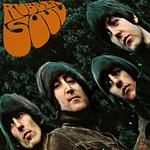
Rubber Soul (1965) finds The Beatles blending rock and pop with folk rock and British rhythm and blues influences, moving toward more acoustic textures, layered vocal harmonies, and varied instrumentation. The album emphasizes more introspective songwriting and features notable touches such as the sitar on Norwegian Wood, alongside tighter ensemble playing and increased studio experimentation. Its cohesive sound and stylistic breadth mark a shift toward album-focused artistry while retaining strong melodic hooks.
#60 — Shake 'em Up by Sidney Bechet
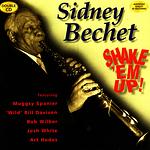
#61 — Mellow Gold by Beck
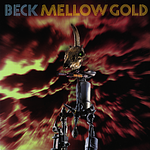
Mellow Gold is Beck's 1994 album that blends lo-fi alternative rock, anti-folk songwriting, and leftfield sample collage, combining acoustic guitars and ramshackle beats with hip-hop influenced loops and stray noise. The songs feature deadpan, stream-of-consciousness lyrics, a slacker aesthetic, and an experimental approach to production that juxtaposes home-recorded intimacy with found sounds and psychedelic touches. The record is notable for establishing Beck's eclectic, genre-blurring style and for bringing anti-folk and offbeat production techniques into a broader alternative rock context.
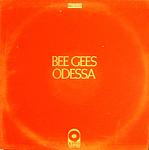
Odessa, released in 1969, is a dramatic, orchestral double album in which the Bee Gees blend baroque pop, psychedelic touches, and pop rock into lush, atmospheric arrangements. The record is anchored by the title suite, a sprawling maritime-themed epic, and alternates ornate string and brass textures with intimate piano ballads and more rhythmic rock numbers, highlighting complex vocal harmonies and theatrical songwriting. Its production emphasizes cinematic orchestration and studio color, making it one of the group's most ambitious late-1960s efforts.
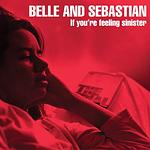
If You're Feeling Sinister, released in 1996 by Belle and Sebastian, presents a quiet, literate take on indie pop that mixes chamber folk textures with twee pop melodies and occasional rock rhythms. Stuart Murdoch's observational, character-driven lyrics sit alongside delicate arrangements of strings, piano, guitar, and subtle brass, producing an intimate, low-key sound that balances wistfulness and wry humor. The album crystallized the band's early aesthetic of gentle dynamics and orchestral touches and played a notable role in shaping the sound of British indie pop in the 1990s.
#64 — Burlesque by Bellowhead
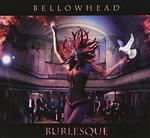
Burlesque is Bellowhead's 2006 debut album that introduced their large, multi-instrumental approach to English folk. The record presents reworked traditional songs and energetic arrangements delivered with punchy brass and woodwind accents, driving percussion, layered vocals and a theatrical, big band feel that blends folk melodies with danceable rhythms. It established the band's signature sound of tightly arranged, high-energy ensemble folk.
#65 — Samba esquema novo by Jorge Ben Jor
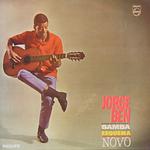
Samba Esquema Novo, Jorge Ben Jor's 1963 album, blends samba rhythms with bossa nova phrasing and jazz-influenced harmonies. The record centers on Ben's percussive acoustic guitar and playful, conversational vocals laid over syncopated percussion and light horn and piano touches, producing an upbeat, danceable sound exemplified by the original recording of "Mas, que Nada." Its fusion of traditional samba with pop and jazz elements marked an early, notable moment in modern Brazilian popular music.
#66 — Science Friction by Tim Berne
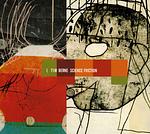
Science Friction (2002) finds saxophonist Tim Berne blending tightly composed, often angular pieces with open, exploratory improvisation. The album emphasizes dense ensemble interplay, jagged melodies, shifting rhythms and moments of intense collective energy, reflecting Berne's ongoing interest in expanding post-bop and free jazz forms into extended, unpredictable structures.
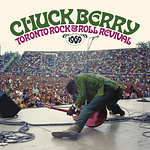
#67 — Reelin' and Rockin' by Chuck Berry
#68 — The Three E.P.'s by The Beta Band
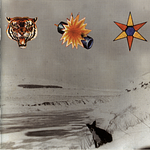
The Three E.P.'s is a 1998 compilation of The Beta Band's first three EPs that blends indie rock, folk, trip hop and electronic elements into a loose, experimental whole. It pairs acoustic, pastoral songwriting and memorable melodies with sample-based beats, hazy production and psychedelic studio touches, moving between intimate folk textures and beat-driven ambient grooves. Tracks such as 'Dry the Rain' illustrate the band's knack for catchy hooks wrapped in unconventional arrangements, and the collection is often cited as a touchstone for late 90s indie and folktronica sounds.
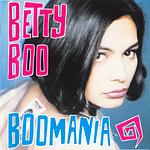
Boomania, released in 1990 by Betty Boo, is a debut album that mixes electronic, hip hop, house and pop elements with a pop rap delivery. The record is built on sample-driven, danceable production and catchy pop hooks, pairing club-ready beats with playful, tongue-in-cheek rap verses and melodic choruses. Its upbeat, cheeky sound helped establish Betty Boo as a distinctive female voice in the British pop and dance crossover scene of the early 1990s.
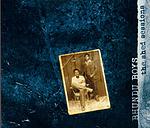
#70 — The Shed Sessions by Bhundu Boys
#71 — Songs About Fucking by Big Black
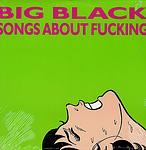
Songs About Fucking is Big Black's 1987 album led by Steve Albini that crystallizes the band's abrasive, confrontational sound. It pairs jagged, heavily distorted guitars and metallic, machine-like percussion with terse, often caustic lyrics, blending noise rock, industrial textures and post-hardcore intensity into short, tightly arranged songs. The record is known for its cold, uncompromising sonic attack and minimalist arrangements that emphasize rhythm and texture over polish.
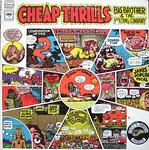
Cheap Thrills (1968) captures Big Brother & the Holding Company's raw, high-energy blend of blues-rooted rock and psychedelic experimentation, anchored by Janis Joplin's powerful, emotive vocals. The album emphasizes gritty guitar work, loose but driving rhythms, and an immediate, live-in-the-studio feel, with extended vocal phrasing and a rough-edged sonic intensity that reflects the late 1960s San Francisco psychedelic and blues-rock environment.
#73 — Radio City by Big Star
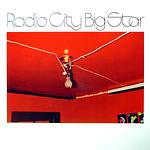
Radio City, released in 1974 by Big Star, is a crisp example of American power pop and pop rock that pairs chiming, guitar-driven arrangements with tight vocal harmonies and concise, melody-focused songwriting. The album moves between bright, hooky pop textures and moments of harder-edged guitar, creating a balance of studio polish and rawer rock energy. It is often noted for its songwriting clarity and its role in shaping later strains of alternative and indie pop.
#74 — Screaming Target by Big Youth
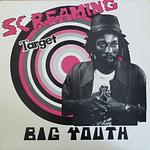
Screaming Target (1973) showcases Jamaican deejay Big Youth delivering his distinctive toasting and singjay stylings over roots reggae backings. The album emphasizes rhythmic, bass-led grooves, echo and delay effects drawn from dub practice, and a blend of spoken improvisation and melodic refrains with lyrics that reference social issues and Rastafarian themes. As a document of early 1970s Jamaican studio practice, it highlights the intersection of deejay performance and reggae production techniques.
#75 — The Singles by Bikini Kill
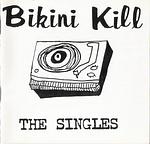
The Singles is a 1998 compilation that collects Bikini Kill's early single releases into a compact record. Musically it presents raw, guitar-driven punk with urgent, frequently shouted vocals, tight noisy rhythms, and direct feminist and confrontational lyrical delivery. The collection reflects the band's DIY aesthetic and the sounds associated with the 1990s Riot Grrrl movement, emphasizing immediacy and political intensity over polished production.
#76 — Prayers on Fire by The Birthday Party
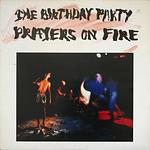
Prayers on Fire is an early album by The Birthday Party that captures the band's abrasive, theatrical approach to post-punk and art rock. It pairs Nick Cave's snarling, dramatic vocals with jagged guitar work, abrasive textures and a rhythm section that drives songs into chaotic, primal grooves. Dark, unsettling and deliberately rough around the edges, the record moves away from New Wave polish toward a more confrontational, gothic-tinged sound that helped shape the band's identity.
#77 — Goin' Off by Biz Markie
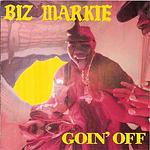
Goin' Off is Biz Markie's 1988 debut, rooted in East Coast hip hop and boom bap with sample-driven production, tight drum loops, and a raw late 1980s New York sound. The album showcases Biz's playful, offbeat rapping and prominent beatboxing, mixing humorous storytelling and party-ready tracks with loose, improvisational vocal performances that helped define his distinctive comic persona in hip hop.
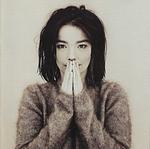
Debut is Björk's 1993 solo album that blends electronic and art pop with house, dance pop, and downtempo influences. It pairs her intimate, distinctive vocals with club-derived beats, off-kilter rhythms, and arrangements that mix electronic textures with acoustic instruments and strings, creating a warm, exploratory sound that moved away from her earlier band work. The record introduced Björk as a solo artist and set a template for her adventurous approach to songwriting and production, balancing pop accessibility with experimental sonics.
#79 — The Best of 1963–1978 by Cilla Black
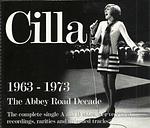
The Best of 1963–1978 is a 1997 compilation that collects Cilla Black's recordings from her peak years, highlighting her pop and soul-oriented vocal style. The tracks illustrate her warm, emotive delivery across orchestral ballads and brighter, beat-influenced pop numbers, reflecting the 1960s production styles she often worked with and the later 1970s pop arrangements. As a single-disc overview, it presents the core musical blend of pop and soul that characterized her recorded output during that period.
#80 — The First Four Years by Black Flag
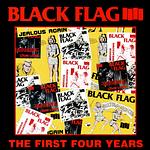
The First Four Years is a 1983 compilation by Black Flag that gathers the band's early singles and EP material from roughly 1978 to 1981. The collection captures a raw, terse hardcore punk sound characterized by short, intense songs, jagged distorted guitar, driving drums, and aggressive, shouted vocals. It documents the band's formative period and the uncompromising, confrontational approach that helped shape early American hardcore punk.
#81 — Master of Reality by Black Sabbath
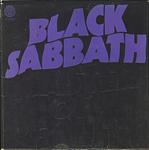
Master of Reality, Black Sabbath's 1971 album, deepens the band's heavy, riff-driven sound with down-tuned guitars, a raw, sludgy tone and slower tempos that helped lay groundwork for doom and stoner metal. The record pairs Tony Iommi's thick, fuzzy riffs with Geezer Butler's prominent bass and Ozzy Osbourne's distinctive vocals, and songs such as "Sweet Leaf", "Children of the Grave" and "Into the Void" showcase its dense, weighty approach. Its emphasis on low-end heaviness and simple, crushing arrangements made it a touchstone for later heavy metal subgenres.
#82 — Red by Black Uhuru
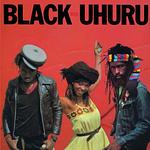
Red, released by Black Uhuru in 1981, is a roots reggae album with strong dub sensibilities that emphasizes deep basslines, syncopated drum patterns, and spacious studio effects like echo and reverb. The record pairs urgent, harmony-rich vocal performances with rhythm-focused arrangements that underline social and spiritual themes common to roots reggae, while reflecting the era's experimental studio approaches. Its sound sits between traditional roots and heavier dub production, illustrating the band's early 1980s musical direction.
#83 — Blackstreet by Blackstreet
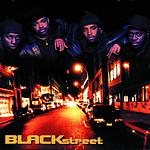
Blackstreet's 1994 self-titled debut showcases a blend of contemporary R&B, pop, funk and hip hop grounded in new jack swing production. Largely shaped by Teddy Riley's studio approach, the album pairs rhythm-driven grooves with layered vocal harmonies across uptempo numbers and slower ballads, balancing polished production with streetwise textures. It introduced the group's sound and established their approach to combining danceable beats with soulful melodies.
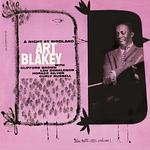
A Night at Birdland, Volume 1 is a live hard bop set led by drummer Art Blakey that captures the high-energy atmosphere of a small-group performance at the Birdland club. The music emphasizes driving, rhythmic intensity, blues-inflected themes and extended improvisations, with spirited interplay between soloists and a tight, propulsive rhythm section. The album is regarded as an early and influential document of the hard bop approach to post-bop jazz in a live club setting.
#85 — Escalator Over the Hill by Carla Bley, Paul Haines
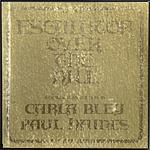
Escalator Over the Hill is a large-scale, long-form work composed and organized by Carla Bley with a libretto by Paul Haines, released in 1971. The project blends avant-garde jazz, experimental big band writing, and third stream approaches with elements of rock, gospel, and world music, using orchestral arrangements, improvisation, theatrical vocals, and varied instrumentation to create a sprawling, genre-crossing soundscape. It is notable for its ambitious scope and collaborative cast of instrumentalists and singers drawn from jazz and related scenes, and for pushing the boundaries between composition and improvisation.
#86 — Share My World by Mary J. Blige
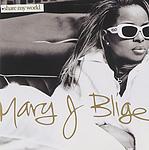
Share My World, released in 1997, finds Mary J. Blige expanding her hip-hop soul foundation into a more polished contemporary R&B and pop-oriented sound. The album blends soulful ballads and midtempo grooves with layered production and foregrounds her expressive, emotionally direct vocals, exploring themes of relationships, resilience, and personal growth. Overall it presents a broader, more refined sonic palette while retaining the streetwise attitude of her earlier work.
#87 — A Weekend in the City by Bloc Party

A Weekend in the City is Bloc Party's second studio album, released in 2007. It broadens the band's post-punk revival foundation into a denser, more produced sound that blends angular guitars with electronic textures, programmed beats, and occasional string and ambient elements. The lyrics focus on urban life, personal relationships, and social anxieties, delivered in Kele Okereke's direct vocal style. The album balances indie rock energy with moments of atmospheric, dreamlike production.
#88 — Parallel Lines by Blondie
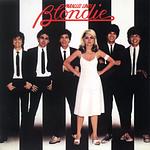
Parallel Lines, released in 1978 by Blondie, blends new wave, pop rock, and pop with polished production by Mike Chapman. The album mixes punk-derived energy with pop hooks and danceable rhythms, pairing crisp guitar lines and rhythmic bass with Deborah Harry's cool, charismatic vocal delivery. Standout tracks such as "Heart of Glass", "One Way or Another", and "Hanging on the Telephone" illustrate the band's crossover of rock and dance influences and their role in bringing new wave sounds into a mainstream pop context.
#89 — No More, No Less by Blue Ash
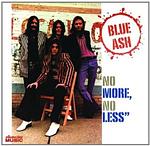
No More, No Less is Blue Ash's 1973 debut, blending classic rock and 1960s pop sensibilities into concise power pop songs marked by jangly guitars, organ touches, close vocal harmonies, and hook-driven arrangements. The album emphasizes tight, melodic songwriting and a clean, radio-friendly production that aligns with early 1970s American power pop and rock conventions.
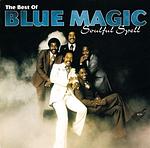
Soulful Spell: The Best of Blue Magic (1996) is a compilation that showcases Blue Magic's Philadelphia soul sound, marked by smooth falsetto lead vocals, close group harmonies, and lush string and horn arrangements. The collection emphasizes the band's romantic balladry and polished, dramatic production alongside midtempo grooves, capturing the style that made them a notable act in classic soul and Philly R&B.
#91 — A Walk Across the Rooftops by The Blue Nile
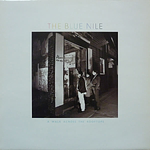
A Walk Across the Rooftops is the Blue Nile's debut album, built around spare, atmospheric arrangements that fuse sophisti-pop polish with art pop restraint. The record pairs hushed, intimate vocals with shimmering synth textures, restrained rhythms, and understated piano and guitar lines to create a cinematic, melancholic mood. Its slow-moving songs emphasize space and production detail over overt hooks, and the album helped define the band's signature of meticulous studio craft and emotionally restrained songwriting.
#92 — One Year by Colin Blunstone
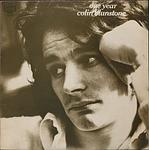
One Year is Colin Blunstone's 1971 solo debut after his work with The Zombies. The album blends gentle pop rock and soft rock with baroque pop touches, using string arrangements and understated studio production to support Blunstone's intimate, melancholic vocal delivery and melodic, reflective songwriting.
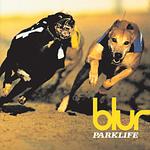
Parklife is Blur's third studio album, rooted in Britpop and indie rock while drawing on pop, punk and dance influences. It pairs catchy, melodic songwriting with Damon Albarn's observational, character-driven lyrics, supported by Graham Coxon's angular guitar and Alex James's melodic bass, producing a mix of bright hooks, varied textures and occasional orchestral touches. The record is widely regarded as a defining snapshot of mid 1990s British guitar pop with a distinctly English sense of place.
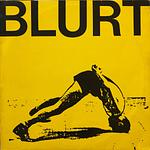
Blurt's 1982 self-titled album is a terse, saxophone-driven set that blends post-punk angularity with free jazz inflections and no wave abrasiveness. Ted Milton's urgent spoken and shouted delivery sits atop repetitive, propulsive bass and drums, while sparse guitar and sax textures create a stark, confrontational sound that emphasizes rhythm and atmosphere over conventional melody. The record showcases the band’s experimental approach to song structure and noise, occupying a space between avant-garde jazz and the post-punk underground.
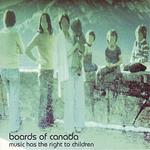
Music Has the Right to Children is Boards of Canada's 1998 debut studio album. It blends electronic, IDM, ambient, downtempo and experimental approaches, using warm analog synth tones, tape-like saturation and subtle warble, short melodic motifs and found-sound samples to create a nostalgic, pastoral atmosphere. Beats are often lo-fi and rhythmically spare, with arrangements that emphasize texture and mood over conventional song structure. The album is widely noted for shaping a distinctive, memory-tinged strain of late 1990s electronic music and has influenced many producers working with analogue warmth and sample-based collages.
#96 — Misty Mirage by Curt Boettcher
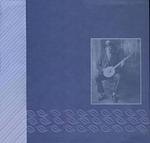
This compilation collects Dock Boggs's recordings from 1927 to 1929, presenting his spare, modal banjo playing and high, plaintive singing. The material sits between Appalachian old-time and early country blues, with ballads and blues-inflected numbers driven by rhythmic, percussive banjo and direct, emotive vocals. The collection offers a clear document of an early performer whose style bridges regional folk traditions and the emerging country blues sound.
#98 — Piano Solo by Stefano Bollani
Piano Solo is a 2006 solo piano album by Italian pianist Stefano Bollani that showcases his blend of contemporary jazz improvisation with touches of classical and popular music. The performances are intimate and exploratory, balancing lyrical melodic statements with playful rhythmic and harmonic surprises, and highlighting Bollani's wide dynamic range and improvisational flair.
#99 — Slippery When Wet by Bon Jovi
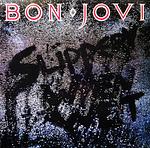
Slippery When Wet, Bon Jovi's 1986 album, blends hard rock guitar and glam metal sheen with pop-accessible songwriting and arena-ready choruses. The record features polished production, punchy riffs, soaring vocal melodies and singalong hooks, with Richie Sambora's guitar work and talk box textures complementing Jon Bon Jovi's anthemic delivery. Its mix of uptempo rockers and melodic ballads helped define a commercial pop metal sound aimed at stadium audiences.
#100 — Cornology by The Bonzo Dog Band