 The Greatest Music
Pitchfork’s The 200 Best Albums of the 1980s
Weight: 39%
How much this list influences our overall rankings. Higher weight means more reliable data.
Penalties Applied:
Pitchfork’s The 200 Best Albums of the 1980s (Sept. 10, 2018) is a staff-curated, ranked retrospective that revisits the decade’s canon—from Prince and Michael Jackson to N.W.A., Kate Bush, Sade, Sonic Youth, and beyond—aiming to broaden genres and perspectives beyond the site’s 2002 “Top 100” list. It’s not a poll; Pitchfork didn’t release a voter count or ballots. Instead, Pitchfork Staff assembled the ranking and wrote album blurbs (with bylines), presenting an updated, more diverse view of ’80s pop, hip-hop, post-punk, indie, metal, jazz, ambient, and global styles.
#1 — Purple Rain by Prince, The Revolution
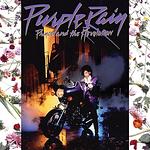
Purple Rain is a genre-blending album that mixes funk, pop, rock and contemporary R&B, combining driving dance tracks and intimate ballads with lush synthesizer textures and distinctive electric guitar work. Produced and largely written by Prince with his band The Revolution, the record balances concise pop hooks, extended guitar solos, and dramatic, cinematic arrangements that reflect its connection to the film of the same name. The album highlights Prince's range as a songwriter, producer, vocalist and guitarist, and it helped define his sound in the mid 1980s.
#2 — Thriller by Michael Jackson
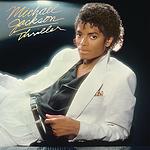
Thriller, released in 1982 and produced by Quincy Jones, is a pop and contemporary R&B album that blends dance-pop, disco, funk and rock elements. It is characterized by polished, cinematic production, tight rhythms, layered vocal harmonies and strong melodic hooks on tracks such as "Billie Jean", "Beat It" and "Thriller". Notable moments include Eddie Van Halen's guitar solo on "Beat It" and Vincent Price's spoken-word cameo on the title track. The record helped broaden Jackson's crossover appeal and played a significant role in shaping the era of high-concept music videos.
#3 — Straight Outta Compton by N.W.A
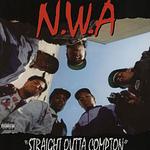
Straight Outta Compton, released in 1988 by N.W.A, is a landmark gangsta rap album that helped define West Coast hip hop. The record pairs hard, drum-machine driven beats and funk-derived sampling with blunt, confrontational lyrics about street life, policing, and urban tension. Production from Dr. Dre and DJ Yella emphasizes heavy bass, tight drum programming, and stark arrangements, while vocal performances from Ice Cube, Eazy-E, MC Ren, and others combine narrative storytelling and abrasive delivery. The album is notable for its raw sonic aesthetic and its role in bringing gangsta rap into wider public attention.
#4 — Hounds of Love by Kate Bush
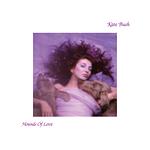
Hounds of Love, released in 1985, finds Kate Bush blending art pop, art rock and progressive pop with electronic production and theatrical songwriting. The album balances compact, synth-forward songs such as the title track and "Running Up That Hill" with a side-long narrative suite called "The Ninth Wave," which uses layered vocals, sound effects and shifting arrangements to depict a survivor adrift at sea. Production combines Fairlight sampling and electronic textures with traditional instruments, producing a mix of intimate balladry, dramatic climaxes and experimental touches. The record represents a consolidation of Bush's theatrical instincts into tightly crafted songs while maintaining ambitious, conceptual scope.
#5 — Remain in Light by Talking Heads
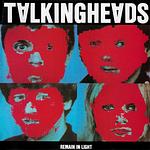
Remain in Light (1980) finds Talking Heads blending New Wave, post-punk, funk, and electronic textures through an experimental production approach with Brian Eno. The album foregrounds layered, polyrhythmic grooves influenced by West African rhythms, interlocking guitar and synth patterns, and funk-tinged bass to create dense, propulsive arrangements. David Byrne's vocal delivery moves between urgent and detached across fragmented, mantra-like lyrics, while studio techniques favor repetition, loops, and ambient sonics. The record is often noted for shifting the band's sound toward a more rhythmic, textural, and collaborative form of art rock.
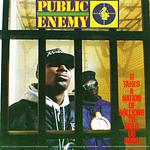
It Takes a Nation of Millions to Hold Us Back is Public Enemy's 1988 album that pairs confrontational, politically driven lyricism with dense, abrasive production. The Bomb Squad's layered, collage-like use of samples, sirens and jagged beats creates a thick, chaotic soundscape that underpins Chuck D's authoritative social commentary and Flavor Flav's rhythmic interjections. The album emphasizes themes of racial injustice, institutional power and media critique while expanding hip hop's sonic and rhetorical possibilities, influencing the development of East Coast, political and hardcore hip hop styles.
#7 — Daydream Nation by Sonic Youth
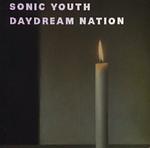
Daydream Nation (1988) by Sonic Youth blends noisy, experimental textures with melodic songcraft, moving between abrasive, dissonant guitar attack and extended, atmospheric passages. The band uses alternate tunings, feedback and layered guitars to create dense, shifting soundscapes while maintaining memorable hooks on tracks like Teen Age Riot and Silver Rocket. The album is frequently cited as an important bridge between no wave noise experiments and the emergence of alternative and indie rock in the late 1980s.
#8 — Control by Janet Jackson
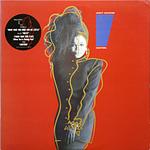
Control, Janet Jackson's 1986 album, marked a stylistic shift toward tight, synth-driven R&B and pop shaped by producers Jimmy Jam and Terry Lewis. The record blends danceable grooves, crisp drum-machine patterns, and layered synth textures with elements of hip hop and electronic production, and features direct, assertive lyrics about independence and relationships. Its polished, rhythm-focused sound helped define Janet Jackson's artistic identity in the mid 1980s.
#9 — Disintegration by The Cure
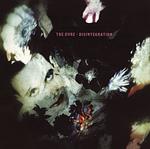
Disintegration is a 1989 album by The Cure known for its dense, atmospheric sound that blends gothic rock, post-punk and new wave influences. The record emphasizes long, immersive arrangements with layered guitars, sweeping synthesizers, and reverberant production that foregrounds Robert Smith's melancholy vocal delivery and introspective lyrics about loss, memory, and existential longing. Songs such as "Pictures of You", "Lovesong", and "Lullaby" balance pop sensibility with brooding textures, making the album a defining moment in the band's move toward more expansive, mood-driven songwriting.
#10 — Diamond Life by Sade
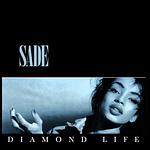
Diamond Life is Sade's 1984 debut album that blends smooth soul, sophisti-pop, pop and downtempo, built around Sade Adu's cool, intimate vocal delivery. The record is noted for its polished, jazz-tinged arrangements, warm bass and sax lines, restrained percussion and an overall mellow, nocturnal mood that foregrounds melody and atmosphere. Songs such as "Smooth Operator" and "Your Love Is King" exemplify the album's refined, adult-oriented sound that helped define a sophisticated pop-soul aesthetic in the 1980s.
#11 — Paid in Full by Eric B. & Rakim
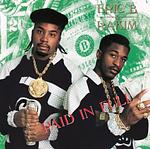
Paid in Full, released in 1987 by Eric B. & Rakim, is an East Coast hip hop album that pairs Rakim's measured, innovative MCing and internal rhyme patterns with Eric B.'s spare, sample-driven production and turntable work. The record blends hard-hitting drum loops, prominent scratching, and jazz and blues-inflected samples to create a moody, minimalist sound associated with hardcore and golden age hip hop. Its focus on lyrical complexity, rhythmic precision, and DJ technique helped shape the aesthetics of late 1980s hip hop.
#12 — Closer by Joy Division
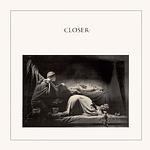
Closer is Joy Division's 1980 album that presents a stark, atmospheric take on post-punk with clear ties to new wave and early gothic rock. The record is characterized by Martin Hannett's spacious, reverb-heavy production, Peter Hook's melodic, high-register basslines, Bernard Sumner's angular guitars and synth textures, and Ian Curtis's deep, intense vocals paired with spare, often bleak lyrics. Overall it emphasizes mood, restraint, and a cold, cinematic ambience that proved influential on later alternative and gothic-leaning acts.
#13 — The Queen Is Dead by The Smiths
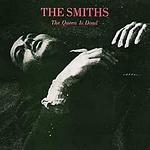
The Queen Is Dead (1986) by The Smiths pairs Johnny Marr's chiming, layered guitars and inventive arrangements with Morrissey's literate, sardonic vocals and lyrics, folding jangle pop and neo-acoustic textures into more muscular indie rock moments. The songs move between upbeat, melodic tracks and quieter, introspective pieces, highlighting tight songcraft, melodic basslines, and occasional fuller production that broadens the band's earlier, sparer sound. The album is frequently cited as a defining statement of the band's style and an important record in 1980s British indie music.
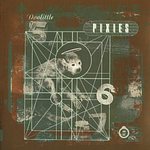
Doolittle, released in 1989 by Pixies and produced by Gil Norton, blends raw, angular guitar work with quiet-loud-quiet dynamics, concise pop hooks, and surreal, often darkly humorous lyrics. Black Francis's abrasive vocals and songwriting are balanced by Kim Deal's melodic bass and backing vocals, producing tracks that range from the abrasive "Debaser" to the more melodic "Here Comes Your Man" and the enigmatic "Monkey Gone to Heaven." The album's jagged arrangements and dynamic contrasts are frequently cited as an influence on early 1990s alternative and grunge bands.
#15 — Paul's Boutique by Beastie Boys
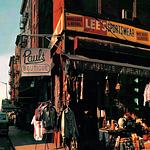
Paul's Boutique, released in 1989 by the Beastie Boys, pairs dense, sample-driven production with the group's rapid-fire, often tongue-in-cheek rapping. Produced mainly by the Dust Brothers, the album constructs collage-like tracks from layered loops and abrupt sample juxtapositions drawn from funk, soul, rock and other sources, creating a plunderphonics aesthetic and an experimental approach to East Coast hip hop. The lyrics alternate between playful braggadocio and offbeat cultural references, while the production emphasizes texture, unexpected rhythms and studio experimentation that marked a clear departure from the group's earlier party-rap sound.
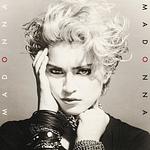
Madonna's 1983 self-titled debut is a tightly focused dance-pop record built around synth-driven arrangements, drum machine grooves and hook-forward songwriting. It mixes pop and synth-pop textures with club-oriented production and occasional rock-tinged guitar elements, showcasing her direct, flexible vocal delivery and emerging persona. The album's concise, upbeat tracks helped introduce her sound to mainstream pop and club audiences and established a template for her early career.
#17 — Sign "☮︎" the Times by Prince
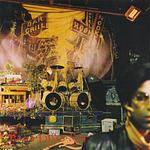
Sign o' the Times, released in 1987, is a sprawling double album by Prince that blends funk, contemporary R&B, pop rock, rock, and soul. The record moves between sparse electronic textures and drum machines and fuller guitar and horn arrangements, pairing intimate ballads with upbeat funk-pop tracks; it includes the title track "Sign o' the Times", "U Got the Look", "I Could Never Take the Place of Your Man", and "If I Was Your Girlfriend". Lyrically and sonically diverse, the album mixes personal themes about relationships with broader social commentary and represents a particularly experimental and wide-ranging phase in Prince's work.
#18 — Computerwelt by Kraftwerk
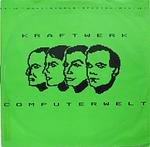
Computerwelt, released in 1981 by Kraftwerk, is a concept album rooted in electro, electronic and synth-pop that examines computers, automation and digital communication. Its sound features precise sequencer patterns, crisp drum machine rhythms, analog and digital synth textures, and vocoder-treated vocals, creating a cool, mechanized atmosphere while retaining melodic hooks on tracks like 'Computer World', 'Pocket Calculator', 'Computer Love', and 'Numbers'. The record is notable for its coherent focus on computing as a musical and cultural subject and for influencing subsequent electronic and synth-pop production approaches.
#19 — Power, Corruption & Lies by New Order
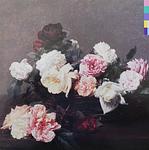
Power, Corruption & Lies (1983) finds New Order moving further from their post-punk origins into a more electronic, dance-oriented sound. The album pairs sequenced synths and drum machines with prominent, melodic basslines and understated vocals, blending synth-pop brightness with post-punk melancholy; tracks such as "Age of Consent" and "Your Silent Face" illustrate its mix of dance rhythms and introspective moods. The record is notable for helping to fuse electronic production techniques with pop songwriting in the early 1980s.
#20 — Criminal Minded by Boogie Down Productions
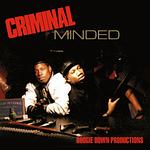
Criminal Minded, the 1987 debut by Boogie Down Productions led by KRS-One with DJ Scott La Rock, is a raw, street-level hardcore hip hop record that pairs spare, hard-hitting beats and crate-digging samples with reggae and dancehall inflections. The sound is minimalist and aggressive, featuring confrontational lyricism about street life and rap rivalries, notably on "South Bronx" and "The Bridge Is Over." Its production and delivery helped crystallize a tougher East Coast hip hop aesthetic and became a touchstone for later hardcore rap artists.
#21 — 3 Feet High and Rising by De La Soul
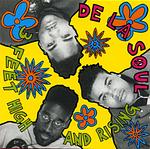
3 Feet High and Rising is De La Soul's 1989 debut album, produced largely by Prince Paul. Its sound blends playful, conversational rapping with sample-heavy, collage-like production that draws on funk, soul, and jazz influences, using short skits and inventive transitions to create a cohesive, offbeat flow. The album is an early touchstone of alternative hip hop and jazz rap, notable for its laid-back, eccentric approach to lyricism and production.
#22 — Big Science by Laurie Anderson
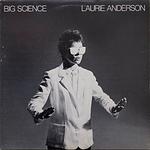
Big Science is Laurie Anderson's 1982 debut studio album, blending experimental electronic textures, art pop songcraft and performance art into spare, narrative pieces. Anderson pairs deadpan spoken-word delivery and processed vocals with minimal synths, loops and found sounds to explore themes of communication, technology and everyday oddities. The collection translates her stage work into intimate studio recordings, and is widely remembered for the eerie, insistent centerpiece "O Superman," which exemplifies the album's mix of humor, pathos and conceptual minimalism.
#23 — Complete Discography by Minor Threat
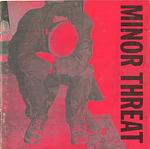
Complete Discography is a 1989 compilation that assembles Minor Threat's recorded output into one release, presenting their terse, high-energy hardcore punk songs driven by Ian MacKaye's urgent vocals and punchy, fast guitar work. The tracks are notable for their short runtimes, direct lyrical approach including early expressions of the straight edge ethos, raw production and a DIY attitude that became influential within the American hardcore punk scene.
#24 — Spirit of Eden by Talk Talk
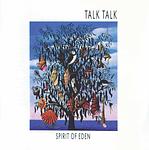
Spirit of Eden, released in 1988 by Talk Talk, marks the band's move away from polished pop toward sparse, atmospheric compositions that influenced post-rock and experimental rock. The record emphasizes space and texture, blending acoustic instruments, jazz-inflected improvisation, ambient soundscapes, and chamber-like orchestral touches with Mark Hollis's restrained vocals and deliberate use of silence. Arrangements unfold slowly and organically, favoring mood and timbral detail over conventional song structures, creating an intimate and unpredictable listening experience.
#25 — World of Echo by Arthur Russell
World of Echo (1986) is an intimate, minimalist album in which Arthur Russell places his bowed cello and fragile voice at the center, often processed with delay, reverb, and looping to create drifting, otherworldly textures that occupy the space between ambient, experimental electronic, and avant-folk. Tracks favor sparse, elliptical arrangements and close attention to timbre and silence over conventional song structure, producing moments that feel both personal and abstract. The record is notable for its singular blending of pop sensibility with experimental production and for the emotional directness Russell achieves through unconventional sonic treatments.
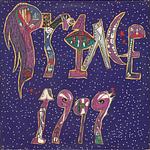
1999 is a synth-forward album that blends funk, pop, dance-pop, rock, and new wave into tightly arranged, danceable songs marked by punchy drum-machine grooves, layered synthesizers, rhythmic guitar work, and Prince's versatile vocals. The music pairs upbeat, club-ready production with darker lyrical themes about urgency and impending crisis, creating a tense party-at-the-end-of-the-world vibe. Its eclectic, genre-blurring approach helped expand Prince's sound and influenced the direction of early 1980s pop and dance music.
#27 — Treasure by Cocteau Twins
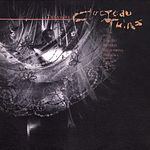
Treasure (1984) by Cocteau Twins is a dense, atmospheric record built around Elizabeth Fraser's high, often wordless vocal lines and Robin Guthrie's heavily reverbed, chorus-drenched guitar textures. Arrangements emphasize layered guitars, shimmering production, and restrained rhythmic elements, producing a blurred, dreamlike sound that helped shape later dream pop, ethereal wave, and shoegaze approaches. The album marks a clear move toward more textural, vocal-led compositions and is noted for its distinctive sonic palette.
#28 — Nebraska by Bruce Springsteen
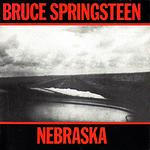
Nebraska is a stark, largely acoustic album recorded by Bruce Springsteen and released in 1982. Built from lo-fi four-track demos, it pares back the E Street Band sound to spare arrangements centered on voice, acoustic guitar and occasional harmonica or percussion, and presents dark, character-driven stories of crime, desperation and small-town America. The record represents a deliberate shift toward folk rock and Americana textures and emphasizes narrative songwriting and atmosphere over rock production.
#29 — Follow the Leader by Eric B. & Rakim
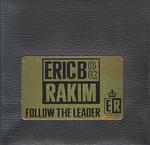
Follow the Leader is the second studio album by Eric B. & Rakim, released in 1988. It builds on their debut with production that blends hip hop and electro influences, pairing Eric B.'s sample-driven, beat-focused backing with Rakim's dense internal rhymes and measured, understated delivery. The title track and other cuts emphasize minimalist grooves and lyrical complexity, and the record is regarded as a notable step in the development of late 1980s hip hop sound and technique.
#30 — Rhythm Nation 1814 by Janet Jackson
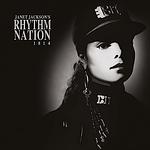
Rhythm Nation 1814, Janet Jackson's 1989 album produced with Jimmy Jam and Terry Lewis, blends contemporary R&B, new jack swing, hip hop and pop with downtempo ballads, combining tight, percussion-driven grooves and layered electronic production with melodic songwriting. The record pairs socially conscious themes about unity and social issues with dance-oriented tracks and slow jams, and is notable for its precise rhythmic arrangements, syncopated beats and strong emphasis on choreography and visual presentation.
#31 — Reign in Blood by Slayer
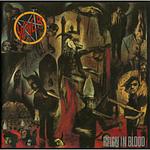
Reign in Blood is Slayer's 1986 studio album that helped define thrash metal's extreme edge. It features relentless tempos, razor-sharp guitar riffs from Kerry King and Jeff Hanneman, Tom Araya's snarled vocals, and Dave Lombardo's explosive drumming, delivered in a compact, intense runtime. The record is notable for its concise song structures, abrasive production, and tracks such as "Angel of Death" and "Raining Blood" that emphasize speed and brutality within a tight, focused framework.
#32 — Surfer Rosa by Pixies
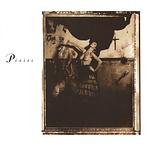
Surfer Rosa, released in 1988 by the Pixies, is a raw, abrasive alternative rock album produced by Steve Albini. It juxtaposes quiet, melodic verses with sudden, explosive choruses, showcasing Black Francis's urgent vocals, jagged guitar textures, and Kim Deal's propulsive bass and backing vocals, with her lead on "Gigantic". The songwriting pairs surreal, sometimes unsettling lyrical imagery with tight, punchy arrangements, and the stark, live-feeling production helped shape the loud-quiet-loud dynamics that became prominent in 1990s alternative and indie rock.
#33 — Dirty Mind by Prince
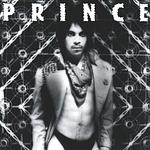
Dirty Mind (1980) is Prince's third studio album that marked a stylistic shift toward a stripped-down, synth-driven blend of funk, rock, dance-pop and contemporary R&B. The record pairs sparse drum-machine patterns and angular guitar work with candid, sexually frank lyrics, favoring raw, lo-fi production and tight, hook-focused songwriting. Its genre-blurring approach and minimalist aesthetic helped shape the early Minneapolis sound and signaled Prince's emergence as a daring songwriter and producer.
#34 — I'm Your Man by Leonard Cohen
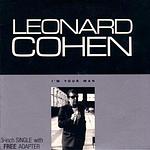
I’m Your Man is a 1988 Leonard Cohen album that updates his songwriting with synth-driven, drum machine and pop rock textures while retaining a strong folk and ballad sensibility. Cohen’s deep, conversational voice anchors songs that blend wry humor, romantic yearning and bleak, observational lyrics, presented in sparse, moody arrangements that emphasize atmosphere and narrative. The record marked a stylistic shift toward more modern production while keeping the lyrical focus that defines his work.
#35 — Let It Be by The Replacements
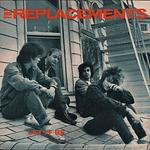
Let It Be, released in 1984 by The Replacements, blends raw garage rock and post-punk energy with melodic power pop and indie sensibilities. The album alternates raucous, loose performances and more reflective, melodic songs, showcasing Paul Westerberg's confessional songwriting on tracks such as I Will Dare, Bastards of Young and Androgynous. Its mix of rough-edged guitars, direct vocals and hooky melodies helped define a rough-hewn alternative rock sound that influenced many bands in the indie and college-rock scenes.
#36 — Damaged by Black Flag
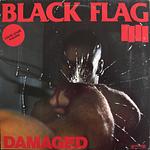
Damaged, released in 1981, is Black Flag's first full-length album and a touchstone of American hardcore punk. The record pairs Greg Ginn's jagged, dissonant guitar work and propulsive, stop-start rhythms with Henry Rollins' confrontational, shouted vocals, moving between short bursts of speed and slower, grinding passages. Its raw production and lyrics about alienation and anger helped shape a harsher, more abrasive strain of punk in the early 1980s.
#37 — Stronger Than Pride by Sade
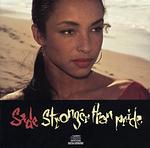
Stronger Than Pride refines Sade's blend of sophisti-pop, smooth soul and contemporary R&B with relaxed, downtempo grooves and polished, jazz-tinged arrangements. Sade Adu's cool, emotive voice sits front and center over warm basslines, soft percussion, subtle saxophone and restrained guitar and string touches, creating an intimate, late-night mood. The songs dwell on themes of love, longing and emotional resilience, and the production favors clarity and understatement, reinforcing the band's measured, elegant sound.
#38 — Raising Hell by Run‐D.M.C.
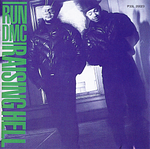
Raising Hell, released in 1986 by Run-D.M.C., is a defining East Coast hip hop record that helped popularize a tougher, stripped-down sound centered on hard drum-machine beats, sparse sampling, and incisive vocal delivery with prominent turntable work. The album blends hardcore hip hop and electro influences with rock textures, most famously on the collaboration with Aerosmith on "Walk This Way," which pairs a live rock riff with rap verses. Production favors raw energy and minimal ornamentation, and the record is often noted for broadening hip hop's audience and stylistic possibilities.
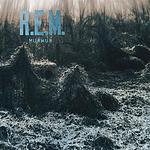
Murmur, R.E.M.'s 1983 debut, foregrounds the band's chiming, jangly guitars and Michael Stipe's distinctive, often obscured vocals. Produced by Mitch Easter and Don Dixon, the record mixes jangle pop, post-punk, and folk-rock elements into concise, atmospheric arrangements with cryptic lyrics, creating a moody alternative rock sound that became influential in early college rock scenes.
#40 — Psychocandy by The Jesus and Mary Chain
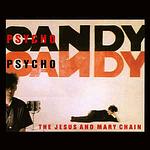
Psychocandy, the 1985 debut by The Jesus and Mary Chain, pairs 1960s pop melodies with heavy feedback, distortion, and reverb to create an early noise pop sound that helped shape later shoegaze and alternative rock. The songs often juxtapose simple, catchy hooks and a detached vocal style with dense, abrasive guitar textures and spare rhythmic backing, emphasizing atmosphere and texture over polish. Its raw production and striking contrasts between sweetness and noise made the record a distinctive influence within indie and alternative scenes.
#41 — Bad Brains by Bad Brains
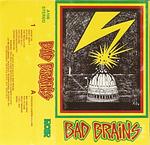
Bad Brains, released in 1982, is the band's self-titled debut that combines blistering hardcore punk with intermittent reggae grooves. The record juxtaposes very fast, tightly played punk passages with slower, bass-led reggae sections, anchored by rhythmic precision and H.R.'s wide-ranging, intense vocals. Its abrupt shifts in tempo and style and the group's muscular musicianship helped establish a distinctive template that bridged punk aggression and Caribbean-influenced rhythms.
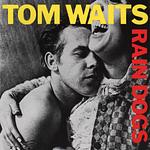
Rain Dogs, released in 1985, finds Tom Waits moving further from his earlier piano-based singer-songwriter style into a grittier, more experimental sound. The album mixes blues, rock, and Americana with off-kilter rhythms, found percussion, accordion and jagged guitar, providing a cinematic, streetwise backdrop for Waits's gravelly vocals and vivid narratives about urban outsiders. It follows Swordfishtrombones and further solidifies his turn toward theatrical, collage-like arrangements and genre-bending songwriting.
#43 — Hatful of Hollow by The Smiths
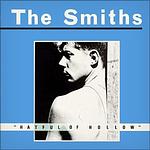
Hatful of Hollow is a 1984 compilation that gathers early singles and BBC session recordings by The Smiths, presenting a snapshot of the group’s formative period. Musically it pairs Johnny Marr’s chiming, arpeggiated guitar textures with Morrissey’s literate, melancholic vocal delivery, mixing jangle pop and indie rock influences with traces of post-punk moodiness. The record highlights the band’s knack for concise, melody-driven arrangements and mordant, observational lyrics, and is often cited as a key document of their early sound within the 1980s British indie scene.
#44 — The Lion and the Cobra by Sinéad O'Connor
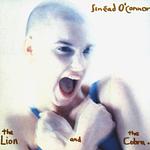
The Lion and the Cobra is Sinéad O'Connor's 1987 debut album, blending alternative rock and pop with dramatic, often spare arrangements. The record centers on O'Connor's striking, raw vocal delivery and intense, personal lyrics, moving between driving rhythms, jagged guitar textures and occasional orchestral or synth flourishes, with standout tracks such as "Mandinka" and "Troy" that showcase its theatrical tone.
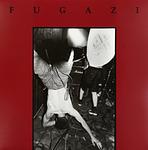
Fugazi's 1988 self-titled debut captures the band's early post-hardcore approach, pairing jagged, interlocking guitar lines with propulsive, syncopated rhythms and terse, urgent vocals. The record favors tight dynamics and a raw, immediate production that balances aggression with melodic hooks, while foregrounding politically minded, collectively voiced lyrical themes. As an early statement from players rooted in the Washington, D.C. punk scene, it helped define a more rhythmically complex, DIY-informed direction for hardcore that influenced many later indie and alternative acts.
#46 — You're Living All Over Me by Dinosaur Jr.
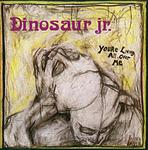
You're Living All Over Me, Dinosaur Jr.'s 1987 second album, pairs loud, distorted guitar work and extended solos with melodic hooks and J Mascis's laconic, high-register vocals. The record blends indie rock and hard rock textures, combining feedback and noise with concise songwriting and a rough, immediate production that retains a live feel. Its juxtaposition of tunefulness and guitar excess is frequently cited as an early touchstone for American alternative rock.
#47 — The Joshua Tree by U2
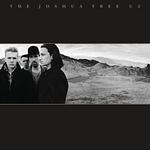
The Joshua Tree, released in 1987 by U2, refines the band’s post-punk roots into a widescreen rock sound that blends atmospheric, delay-heavy guitar work with blues, gospel and American roots influences. Produced by Brian Eno and Daniel Lanois, the album favors sparse, spacious arrangements that highlight The Edge’s chiming textures and Bono’s expressive vocals while exploring themes of faith, politics and the American landscape. Tracks move between spare balladry and driving, anthemic rock, and the record is noted for its cinematic production and lyrical focus on searching and spirituality.
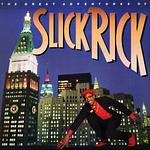
The Great Adventures of Slick Rick is Slick Rick's 1988 debut album rooted in East Coast hip hop, notable for its theatrical, first-person storytelling and distinctive sing-song delivery. Backed by lean, sample-based beats, the record features vivid narrative tracks like "Children's Story" and "Teenage Love" that emphasize character voices, humor, and cinematic detail, and it has been widely cited as an influential example of narrative-driven rap.
#49 — Graceland by Paul Simon
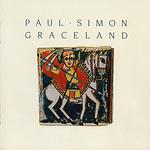
Graceland (1986) is a Paul Simon album that combines his singer-songwriter pop and folk sensibilities with South African musical styles, producing a worldbeat-influenced pop rock sound. Recorded with South African musicians and featuring vocal contributions from Ladysmith Black Mambazo, the record is marked by syncopated mbaqanga guitar lines, rich vocal harmonies, and a mix of acoustic songwriting and studio textures. Lyrically it blends personal storytelling with themes of travel, exile, and everyday observation, and its cross-cultural production is a notable example of Western popular music engaging directly with African musical traditions.
#50 — Come Away With ESG by ESG
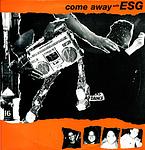
Come Away With ESG (1983) is a spare, percussion-driven album that blends funk, post-punk, new wave and electronic textures. The record emphasizes tight, repetitive grooves, clipped guitar and bass lines, spare percussion and understated vocals, creating danceable tracks built around minimalist arrangements. Its economical production and rhythmic focus made ESG influential in underground club circles and a frequent source of samples in hip-hop and electronic music.
#51 — EVOL by Sonic Youth
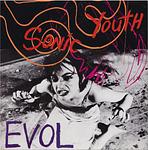
EVOL, released in 1986, finds Sonic Youth moving from abrasive No Wave experiments toward more song-based structures while retaining their signature dissonant guitars, alternate tunings, feedback and textural noise. The record mixes jagged, noisy passages with more melodic moments and alternating vocals, marking a transitional step that helped shape their approach to alternative and experimental rock.
#52 — Double Nickels on the Dime by Minutemen
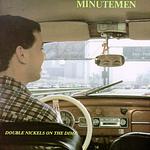
Double Nickels on the Dime is a sprawling 1984 double album by Minutemen that condenses their punk and hardcore roots into brief, tightly written songs while incorporating funk, jazz, and experimental rock touches. The trio's clipped, conversational vocals, angular guitar and prominent, melodic bass drive rapid shifts in tempo and texture across a dense tracklist, with lyrics that alternate between political observation and personal reflection. Its DIY production and eclectic approach broadened the palette of American underground rock and influenced many artists in alternative and post-punk circles.
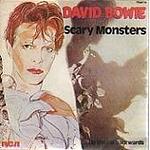
Scary Monsters (and Super Creeps) finds David Bowie refining experimental ideas from the 1970s into a tighter, more pop rock and new wave informed sound. The album pairs angular guitar textures and prominent synth elements with concise, hook-driven songwriting, while lyrics explore identity, fear, and the effects of media and image. Its crisp production and balance of art rock ambition with accessible songcraft mark it as a stylistic bridge toward Bowie’s more mainstream 1980s work.
#54 — Tim by The Replacements
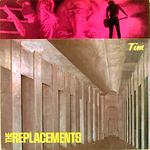
Tim, released in 1985 by The Replacements, is the band’s fourth studio album and a bridge between their punk roots and a more melodic alternative rock and power pop approach. The record pairs raw energy and jagged guitar work with tuneful, emotionally direct songwriting, highlighting Paul Westerberg’s blunt, literate lyrics and memorable hooks while retaining a rough, live feel. Its combination of urgency and melodic craft is a defining element in the band’s evolution and helped shape the sound of American alternative rock that followed.
#55 — Master of Puppets by Metallica
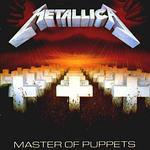
Master of Puppets (1986) is Metallica's third studio album and a landmark of thrash metal, blending aggressive, fast-paced riffs and palm-muted gallops with extended song structures and melodic guitar solos. The record pairs relentless speed and tight rhythmic precision with moments of dynamic contrast and instrumental complexity, showing progressive tendencies in longer arrangements. Lyrically it touches on themes of control and manipulation, and the production delivers a clearer, heavier sound compared with the band's earlier releases.
#56 — Born in the U.S.A. by Bruce Springsteen
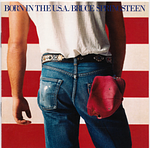
Born in the U.S.A. is Bruce Springsteen's 1984 album that blends heartland rock, pop rock, folk rock and AOR into a big, radio-ready sound. It pairs driving rock arrangements, bright synthesizer textures and prominent saxophone with anthemic, singalong choruses, while the lyrics continue Springsteen's focus on working-class life and the struggles of veterans, often juxtaposing upbeat music with stark storytelling. The overall effect is a muscular, accessible record that reinforced Springsteen's reputation for combining melodic rock with socially minded narratives.
#57 — On Fire by Galaxie 500
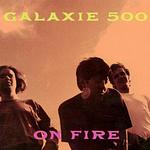
On Fire (1989) by Galaxie 500 refines the band's spare, reverb-soaked approach into a warm, atmospheric record that sits between dream pop and indie rock. Dean Wareham's laconic vocals glide over shimmering, delay-heavy guitars and restrained, tom-led drumming, creating slow, hypnotic grooves and a melancholic mood. The album is notable for its minimalist arrangements and hazy production, traits that have made it an important reference point for later dream pop and indie bands.
#58 — Isn't Anything by My Bloody Valentine
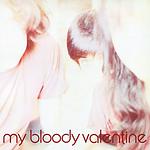
Isn’t Anything, My Bloody Valentine’s 1988 album, is an early landmark of shoegaze that blends noise pop and indie rock textures. The record emphasizes densely layered, tremolo-heavy guitars, fuzzy distortion and restrained, often buried vocals, creating a wash of sound where melody and feedback coexist. Its mix of shimmering atmospherics and abrasive noise points toward the band’s later work while helping define the shoegaze aesthetic.
#59 — The Sensual World by Kate Bush
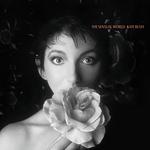
The Sensual World is Kate Bush's sixth studio album from 1989. It blends art pop, progressive pop and rock, moving toward warmer, more organic arrangements compared with some earlier synth-heavy work, with layered vocals, piano-led balladry and rhythmic, folk-tinged textures. The title track draws on Molly Bloom's soliloquy from James Joyce's Ulysses, and the record includes intimate songs such as "This Woman's Work" alongside more propulsive pieces like "Love and Anger", reflecting Bush's focus on narrative, emotional detail and textural experimentation. The result is a cohesive, introspective album that balances theatrical songwriting with direct melodic emphasis.
#60 — Strictly Business by EPMD
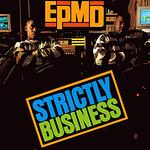
Strictly Business (1988) is the debut album by EPMD, the Long Island duo of Erick Sermon and Parrish Smith. Musically it pairs laid-back, funk-heavy production built from looped grooves and sparse drum patterns with the duo's relaxed, braggadocious vocal interplay and witty wordplay. The album emphasizes groove and chemistry over dense lyricism and helped popularize a stripped-down, sample-driven East Coast hip hop sound in the late 1980s, notable for its use of 1970s funk and soul textures.
#61 — Stop Making Sense by Talking Heads
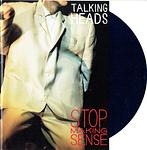
Stop Making Sense is a 1984 live album and concert film soundtrack by Talking Heads that captures the band’s kinetic stage performance and reworked arrangements of their material. Musically it foregrounds tight, interlocking rhythms, layered percussion and synth textures that blend new wave, rock, funk and electronic pop, while David Byrne’s distinctive vocals and theatrical delivery drive the dynamic, dance-oriented interpretations of familiar songs. The recording is noted for its clear live arrangements and energetic momentum that highlight the band’s rhythmic and textural strengths.
#62 — The Ascension by Glenn Branca
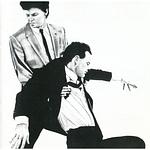
The Ascension (1981) is a landmark work by Glenn Branca that applies his guitar orchestra approach to create dense, loud, and harmonically rich pieces combining no wave attitude, noise textures, and rock energy. It layers multiple electric guitars and rhythmic patterns to generate sustained, dissonant chords and overtone effects, using repetition and gradual harmonic shifts to build an intense, immersive sound. The album is notable for its raw, physical sonics and for bridging experimental composition with a rock-based instrumentation that influenced later underground and noise-oriented musicians.
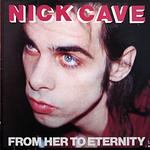
From Her to Eternity is the debut studio album by Nick Cave & the Bad Seeds, issued in 1984. It blends post-punk and gothic rock with experimental and blues-tinged elements, featuring Nick Cave's intense, theatrical vocal delivery over spare but volatile arrangements. Piano, organ and sharp guitar lines help create a brooding, claustrophobic atmosphere, and the record establishes lyrical preoccupations and a sonic template the band would continue to develop in subsequent work.
#64 — Nightclubbing by Grace Jones
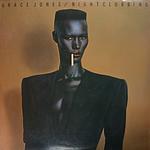
Nightclubbing (1981) sees Grace Jones merge disco, new wave, art pop, dub and funk into a cool, minimalist sound built on deep, dub-influenced bass, taut drum patterns and atmospheric synths. Her detached, theatrical vocal delivery shapes both original songs and reworked covers, giving the album a moody, cinematic club feel, with notable tracks including 'Pull Up to the Bumper' and 'I've Seen That Face Before (Libertango)'. The record helped define Jones's iconic persona and a darker, more experimental strand of pop aimed at the dancefloor.
#65 — Violent Femmes by Violent Femmes
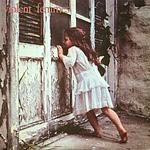
Violent Femmes is the 1983 self-titled debut by the Milwaukee trio Violent Femmes. The record pairs jangly acoustic guitar, minimal percussion and raw, often shouted vocals to fuse folk songcraft with punk attitude, producing terse, direct arrangements and confessional, sometimes abrasive lyrics. Songs such as "Blister in the Sun" and "Add It Up" showcase hooky melodies and urgent dynamics, and the album is frequently noted for its role in shaping early alternative, indie rock and folk punk sensibilities.
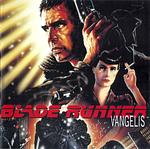
#66 — Blade Runner by Vangelis
#67 — Floating Into the Night by Julee Cruise
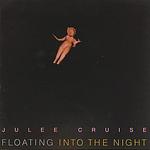
Floating Into the Night (1989) is Julee Cruise's debut studio album, produced and scored by Angelo Badalamenti with lyrical and atmospheric contributions from David Lynch. The record fuses dream pop and ethereal wave with ambient pop textures and touches of dark jazz and jazz pop, characterized by slow tempos, reverb-soaked vocals, and lush string and synth arrangements that create a cinematic, nocturnal atmosphere. Tracks from the album, most notably "Falling," were used in Lynch's Twin Peaks and the record helped define the moody, atmospheric sound of the Cruise-Badalamenti-Lynch collaborations.
#68 — Zen Arcade by Hüsker Dü
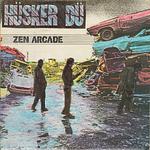
Zen Arcade, released in 1984 by Hüsker Dü, is an expansive double album that pushed the band beyond strict hardcore punk into more melodic and experimental territory. Presented as a loose concept story about a young person's escape and disillusionment, it combines ferocious punk energy with tuneful songwriting, brief acoustic passages and instrumental interludes, and occasional psychedelic or pop-leaning touches. The record is notable for its ambitious scope and for helping bridge hardcore punk with emerging alternative rock and post-hardcore approaches.
#69 — Ride the Lightning by Metallica
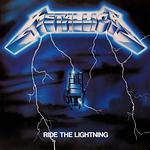
Ride the Lightning (1984) is Metallica's second studio album, rooted in thrash and speed metal while expanding into more sophisticated songwriting and melodic elements. The sound combines fast, aggressive riffing and tight palm-muted rhythms with harmonized leads, dynamic contrasts and occasional slower, atmospheric passages. Lyrically the album explores darker subjects such as mortality, fate and injustice, and it marks a step toward more complex arrangements and broader emotional range within the band's early metal style.
#70 — Critical Beatdown by Ultramagnetic MC's
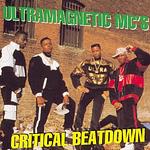
Critical Beatdown, the 1988 debut by Ultramagnetic MC's, pairs rugged hip hop beats with stripped-down electronic textures and dense, sample-driven production largely handled by Ced-Gee. The album is marked by Kool Keith and Ced-Gee's angular, often cryptic flows and inventive internal rhymes, and by production that foregrounds heavy drum programming, deep bass, and metallic synth accents. Songs such as "Ego Trippin'" illustrate the group's abstract lyricism and a forward-leaning sound that helped the record stand out within late 1980s hip hop.
#71 — Ace of Spades by Motörhead
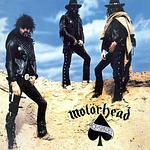
Ace of Spades, released by Motörhead in 1980, is a compact, high-energy rock album that crystallizes the band's blend of hard rock, punk attitude, and early speed metal. The record features short, aggressive songs driven by Lemmy Kilmister's gravelly vocals and heavily distorted, rhythmic bass, with fast tempos and raw production; the title track is its most enduring anthem. Its lean songwriting and relentless pace are often cited as influential on later speed and thrash metal bands.
#72 — Bad by Michael Jackson
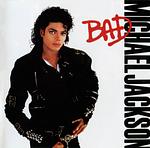
Bad, released in 1987, is Michael Jackson's seventh solo studio album, produced by Quincy Jones and Jackson. The record blends pop, dance-pop, pop rock, contemporary R&B, and pop soul with a tougher, more streetwise sound than its predecessor; it pairs kinetic uptempo tracks like the title song 'Bad', 'Smooth Criminal', 'The Way You Make Me Feel', and 'Dirty Diana' with introspective balladry such as 'Man in the Mirror'. Musically it emphasizes punchy rhythms, layered vocals, and a mix of synthesized and rock-oriented instrumentation, and it marked a visible evolution in Jackson's image and songwriting themes.
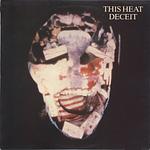
Deceit is a dense, politically charged album that blends post-punk urgency with experimental tape manipulation and art rock textures. The band mixes jagged, repetitive rhythms, dystopian lyrics and layered studio techniques to create tense, cinematic pieces that move between abrasive noise, dub-like space and surprisingly melodic passages. Its idiosyncratic arrangements and emphasis on texture and atmosphere have made it a touchstone for later experimental and post-rock artists.
#74 — Uprising by Bob Marley & The Wailers
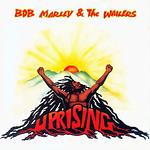
Uprising, released in 1980 by Bob Marley & The Wailers, is a roots reggae album that pairs the band’s steady one-drop rhythms and melodic bass with warm vocal harmonies and rhythmic guitar skanks. The songs move between politically and spiritually charged anthems and more introspective moments, and the record closes with a sparse acoustic performance that contrasts with the fuller band arrangements. Overall the album showcases a mature, focused sound that highlights Marley’s songwriting and the Wailers’ cohesive backing style.
#75 — Juju by Siouxsie and the Banshees
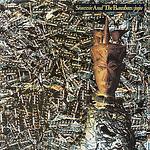
Juju, released in 1981 by Siouxsie and the Banshees, is a tense, atmospheric post-punk album with strong ties to early gothic rock. It pairs Siouxsie Sioux's commanding, stylized vocals with John McGeoch's inventive, angular guitar work and Budgie's propulsive, tom-driven rhythms to create a spare, textured sound; songs such as "Spellbound" capture the record's moody, claustrophobic energy. The album is often regarded as a defining statement in the band's catalog and an influential touchstone for post-punk and gothic guitar-based music.
#76 — Pretty Hate Machine by Nine Inch Nails
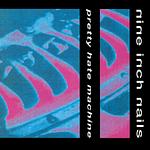
Pretty Hate Machine, Nine Inch Nails' 1989 debut, mixes industrial and EBM textures with alternative rock songcraft, pairing glossy and jagged synths, programmed rhythms, samples, and distorted guitars. Trent Reznor's often confessional and anguished lyrics about alienation and relationships sit within concise, hook-oriented arrangements. The record helped define a more accessible, electronic-tinged strand of industrial music that bridged underground electronics and alternative rock.
#77 — Music for the Masses by Depeche Mode
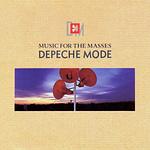
Music for the Masses (1987) presents Depeche Mode in a darker, more expansive synth-based mode, blending electronic and synth-pop textures with rock-tinged rhythms and occasional guitar color. The record features dense, atmospheric synth layers, pulsing sequenced basslines, and emotionally charged vocals, moving between propulsive, anthemic tracks and quieter, more intimate or instrumental moments. Its production and arrangements broadened the band's sonic palette and helped establish several songs as enduring elements of their live repertoire.
#78 — Like a Prayer by Madonna
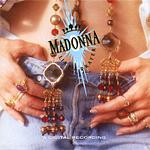
Like a Prayer, released in 1989, finds Madonna moving toward more personal songwriting and a broader sonic palette, blending pop and dance-pop with synth-pop, electronic production and pop rock elements. The title track uses a gospel choir and organ to inject spiritual textures, while other songs combine synthesizers and drum machines with live guitars, horns and soulful backing vocals. The album is characterized by its juxtaposition of secular and religious imagery and a more mature, varied sound than her earlier work.
#79 — This Nation's Saving Grace by The Fall
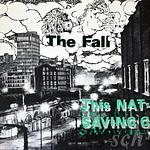
This Nation's Saving Grace, released in 1985 by The Fall, captures the band's post-punk approach with terse, driving rhythms, jagged guitar work and Mark E. Smith's caustic spoken-sung vocals. The addition of guitarist Brix Smith brought sharper melodic hooks that sit alongside repetitive, angular basslines and propulsive drum patterns, producing a leaner, more direct sound than some of their earlier records. The album stands as a key statement in the band's mid 1980s output, balancing abrasive textures with tighter songcraft.
#80 — E2‐E4 by Manuel Göttsching
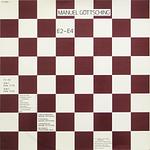
E2-E4 is a single, extended composition by Manuel Göttsching first issued in 1984 that unfolds from a steady, repeating sequencer motif into layered electric guitar and synth textures. The piece emphasizes gradual variation, sparse rhythmic elements and ambient washes, reflecting Berlin School electronic techniques while incorporating a minimalist, experimental approach. Its spare, hypnotic combination of sequenced electronics and treated guitar is often cited as an important link between 1970s synth exploration and later ambient and electronic dance music developments.
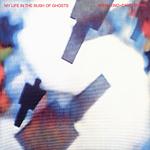
My Life in the Bush of Ghosts (1981) is a collaborative record by Brian Eno and David Byrne that melds art rock, ambient and experimental electronic approaches into a collage of found sounds, sampled voices and layered rhythms. The album pairs treated field recordings and looped vocal fragments with propulsive percussion and ambient studio processing to create oblique, cinematic soundscapes that reference global rhythmic sources without straightforward worldbeat imitation. It is notable for its early use of tape sampling and montage techniques to integrate spoken-word material and vocal improvisations into song-like structures, generating a persistent tension between pop forms and experimental collage.
#82 — The Number of the Beast by Iron Maiden
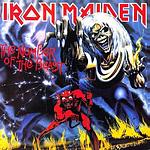
The Number of the Beast (1982) is Iron Maiden's third studio album and the first to feature vocalist Bruce Dickinson. Musically it blends the twin-guitar harmonies and riff-driven energy of the New Wave of British Heavy Metal with more expansive song structures, theatrical melodies, prominent galloping rhythms, and Dickinson's wide vocal range. The record includes well-known tracks such as "Run to the Hills" and "The Number of the Beast" and marked a move toward more epic, narrative songwriting that helped shape the band's sound within heavy metal.
#83 — Straight Out the Jungle by Jungle Brothers
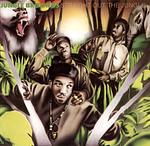
Straight Out the Jungle is the 1988 debut album by the Jungle Brothers. It mixes sample-driven hip hop with funk and jazz touches, pairing upbeat, party-oriented tracks with Afrocentric and playful lyrical themes. Associated with the emerging Native Tongues collective, the record features eclectic production and a willingness to blend house and jazz textures into an early alternative hip hop sound.
#84 — Lucinda Williams by Lucinda Williams
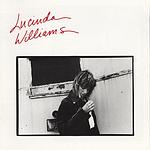
Lucinda Williams (1988) is a self-titled album that blends alternative country, roots rock, and country with spare, rock-tinged arrangements and plainspoken, emotionally direct songwriting. Williams's gravelly vocal delivery and economical lyrics move between country ballads and more urgent, bluesy numbers; the record includes songs such as "Passionate Kisses" and "I Just Wanted to See You So Bad" that showcase her talent for compact, narrative-driven songs. The album is an early example of the alt country and Americana direction she continued to develop in later work.
#85 — Hats by The Blue Nile
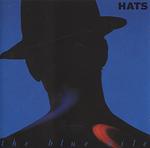
Hats is the Blue Nile's 1989 album that applies a restrained, atmospheric approach to sophisti-pop. It pairs sparse electronic textures and subtle drum programming with warm synth pads and uncluttered arrangements to foreground Paul Buchanan's intimate, husky vocals and reflective lyrics. The production favors space and mood, creating a cinematic, late-night ambience that helped define the band's signature sound and influenced later musicians drawn to melancholic, sophisticated pop.
#86 — Appetite for Destruction by Guns N' Roses
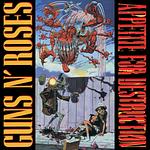
Appetite for Destruction, released in 1987 by Guns N' Roses, is a raw, guitar-driven hard rock album that blends hard rock, punk attitude and heavy metal energy. The sound pairs Axl Rose's high, gritty vocals with blues-influenced riffs and incisive lead work from Slash, supported by a tight, propulsive rhythm section, and the songs move between aggressive, fast-paced tracks and more melodic, emotionally direct material. The record includes standout tracks such as "Welcome to the Jungle", "Sweet Child o' Mine" and "Paradise City" and is noted for its unpolished, streetwise approach that contrasted with much of the era's glam metal production.
#87 — Songs From the Big Chair by Tears for Fears
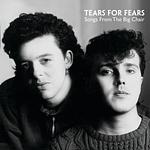
Songs from the Big Chair, Tears for Fears' 1985 second album, broadens their New Wave and synth-pop roots into a fuller pop rock and progressive pop sound. The record features polished, layered production with prominent synthesizer textures alongside guitars and other organic elements, and includes the well known songs "Shout" and "Everybody Wants to Rule the World." It balances strong pop songwriting and memorable hooks with introspective and sometimes darker lyrical themes, marking a stylistic expansion from their debut.
#88 — The Stone Roses by The Stone Roses
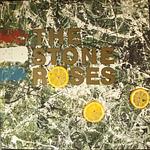
The Stone Roses' 1989 self-titled debut blends jangly, chiming guitar work with propulsive, danceable rhythms and a touch of psychedelia, pairing John Squire's melodic guitar lines with Ian Brown's laconic vocal delivery. Tracks shift between concise pop hooks and sprawling, groove-driven pieces, with production that emphasizes shimmering guitars and elastic bass. The album is closely associated with the Madchester scene and is often cited as an influential touchstone for later Britpop and indie bands.
#89 — Blue Bell Knoll by Cocteau Twins
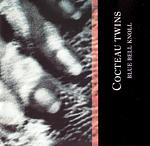
Blue Bell Knoll (1988) finds Cocteau Twins refining their signature dream pop into a more polished, shimmering sound, pairing Elizabeth Fraser's soaring, often wordless vocals with Robin Guthrie's heavily processed guitars and layered, atmospheric production. The album emphasizes mood and texture over conventional songcraft, blending ethereal, electronic-tinged soundscapes with dense, wash-like guitar work associated with shoegaze and alternative rock. It occupies a notable place in the band's catalog and in late 1980s dream pop and indie circles.
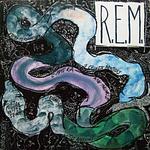
Reckoning is R.E.M.'s second studio album, released in 1984. Produced by Mitch Easter and Don Dixon, it continues the band's early jangle pop and alternative rock approach with chiming guitars, melodic bass and drums, and Michael Stipe's characteristically oblique vocals. Featuring songs such as "So. Central Rain", "Harborcoat", "Pretty Persuasion" and "7 Chinese Bros.", the record consolidated the group's signature sound within the indie and college rock scene.
#91 — Faith by George Michael
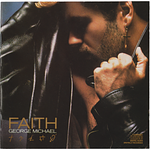
Faith is George Michael's 1987 solo debut, blending pop, dance-pop, dance-rock and pop rock with soul and R&B influences. The album pairs tight, groove-oriented production and layered synths with prominent guitar work and polished vocal arrangements, moving between upbeat dance tracks and more intimate ballads. Lyrically it covers love, desire, identity and the pressures of fame, and it represents a stylistic shift from his work with Wham! toward a more mature singer-songwriter and producer persona.
#92 — Tango in the Night by Fleetwood Mac
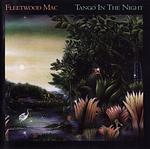
Tango in the Night, released in 1987 by Fleetwood Mac, is a polished pop-rock album that blends soft rock melodies with glossy, synth-heavy production and AOR-friendly arrangements. The record features layered vocal harmonies and tight studio production, with standout tracks such as "Big Love", "Little Lies", and "Everywhere" showcasing Lindsey Buckingham's rhythmic guitar work and production approach alongside Christine McVie's melodic pop sensibility and Stevie Nicks' distinctive vocal presence. The overall sound emphasizes catchy hooks, clean production, and a balance between rock edge and radio-oriented pop.
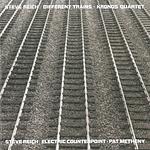
This 1989 release pairs Steve Reich compositions performed by the Kronos Quartet and Pat Metheny, bringing together minimalism, modern classical and electronic textures. Different Trains juxtaposes recorded speech fragments and train sounds with tightly woven string patterns to create a documentary like meditation on travel and wartime memory, while Electric Counterpoint features multi tracked guitars supporting a live solo line to build interlocking repetitive figures and shimmering timbral layers. The album highlights Reich's focus on rhythmic clarity, phased patterns, and the blending of acoustic performance with recorded material.
#94 — Altars of Madness by Morbid Angel
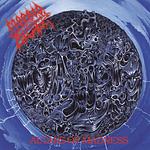
Altars of Madness, released in 1989 by Morbid Angel, is a foundational death metal album marked by blistering tempos, complex and dissonant guitar riffing, tremolo-picked leads, guttural vocals and relentless blast-beat drumming. The record emphasizes technical, dense songwriting and unconventional guitar textures that moved death metal toward a more extreme and intricate sound, and it is frequently regarded as a landmark release within the genre for its raw intensity and influence on later bands.
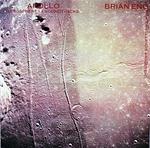
Apollo: Atmospheres & Soundtracks (1983) is a collaboration between Brian Eno, Roger Eno, and Daniel Lanois that foregrounds sparse, slow-moving synth textures, treated piano, and ambient guitar atmospherics. The pieces are meditative and spacious, favoring long, gentle melodic fragments and drones that evoke a sense of weightless, contemplative space. It is widely regarded as an important work within ambient and space ambient music for its emphasis on atmosphere and textural composition.
#96 — Coffin for Head of State by Fela Kuti, Africa 70
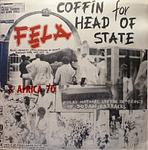
Coffin for Head of State (1981) by Fela Kuti, Africa 70 is an Afrobeat album built on long, hypnotic grooves, layered polyrhythms, and a horn-driven sound. The arrangements pair driving percussion with electric guitar and organ vamps and a forceful horn section that supports Fela's extended vocal passages and call-and-response parts. The material is overtly political, using repetitive, evolving pieces to carry direct commentary on leadership and governance, and it exemplifies Fela's use of Afrobeat as both dance-oriented music and a vehicle for protest, performed by the large, tightly coordinated Africa 70 ensemble.
#97 — Odyshape by The Raincoats
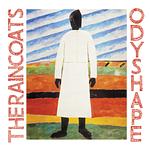
Odyshape, the Raincoats' 1981 second album, moves away from the raw post-punk of their debut toward a more experimental, collage-like sound that blends post-punk energy with art rock, folk and world-music influences. The arrangements foreground unconventional instrumentation and loose rhythmic experimentation, with fragmented song structures, intimate, offbeat vocals, and a spontaneous, textural approach to melody and timbre. The record is notable for its adventurous, nonconformist take on rhythm and ensemble interplay within the early 1980s post-punk scene.
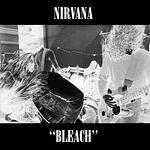
Bleach is Nirvana's 1989 debut album, recorded with producer Jack Endino at Reciprocal Recording in Seattle and released on Sub Pop. The record has a raw, heavy sound defined by thick, distorted guitars, strong bass presence, and gritty low fidelity production that draws on punk, sludge metal, and noise rock while helping define the early grunge and alternative rock aesthetic. Kurt Cobain's songs alternate between abrasive, riff-driven tracks and more melodic moments, presenting the band in a blunt, uncompromising early form.
#99 — Road to the Riches by Kool G Rap & DJ Polo
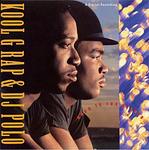
Road to the Riches is the 1989 debut album by Kool G Rap & DJ Polo, rooted in East Coast hip hop and built around gritty street narratives and dense multisyllabic rhyme schemes from Kool G Rap. Produced largely by Marley Marl, the album pairs sample-based, hard-hitting beats and moody grooves with DJ Polo's scratches and vocal support on tracks such as "Road to the Riches", "Poison", and "Ill Street Blues". It is an early showcase of G Rap's technical lyricism and vivid storytelling and is often cited as a formative record in the harder, street-oriented strain of New York hip hop.
#100 — She's So Unusual by Cyndi Lauper
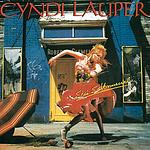
She's So Unusual is Cyndi Lauper's 1983 solo debut that blends new wave, synth-pop and pop rock into a vibrant, theatrical pop record. It pairs playful, idiosyncratic vocals with bright synthesizer textures and jangly guitar, balancing upbeat, singalong songs with more intimate ballads. The album is notable for establishing Lauper's distinctive pop persona and for bringing a quirky, expressive sensibility to mainstream 1980s pop music.