 The Greatest Music
Colin Larkin’s All Time Top 1000 Albums
Weight: 10%
How much this list influences our overall rankings. Higher weight means more reliable data.
Penalties Applied:
A book series created by Encyclopedia of Popular Music editor Colin Larkin (1st ed. 1994; later pocket/2nd ed. 1998; 3rd ed. 2000), presenting a ranked “top 1000” derived from a large, ongoing public poll—ballots gathered in record shops, universities, schools, and at the MIDEM trade show—rather than a critics’ ballot. The project grew across editions, with annotations for each album and shifting results as more votes came in.
#601 — Strangeways, Here We Come by The Smiths
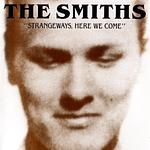
Strangeways, Here We Come is The Smiths' fourth and final studio album, released in 1987. Musically it retains the band's jangle pop and indie rock roots while moving toward more polished and textured arrangements, with Johnny Marr's chiming guitar work set against fuller orchestration and studio layering. Lyrically Morrissey's dry wit and melancholy are prominent, and the record closes the band's studio output with songs such as "Girlfriend in a Coma" and "Last Night I Dreamt That Somebody Loved Me" that blend pop hooks with darker themes.
#602 — For Those About to Rock (We Salute You) by AC/DC
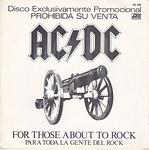
For Those About to Rock (We Salute You) is AC/DC's 1981 studio album and the direct follow-up to Back in Black. It continues the band's riff-driven hard rock with punchy rhythms, crunchy guitar work from Angus Young and commanding vocals by Brian Johnson. The title track is notable for its cannon-fire sound effects and arena-ready, anthemic chorus, and the record generally favors concise, high-energy rockers delivered with a big, polished production.
#603 — For Your Pleasure by Roxy Music
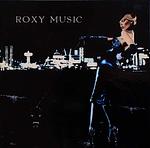
For Your Pleasure, Roxy Music's second studio album released in 1973, refines the band's art rock and glam approach with theatrical arrangements, sleek pop songwriting and abrasive experimental textures. Bryan Ferry's elegant, ironic vocals ride over Andy Mackay's saxophone, Phil Manzanera's guitar work and Brian Eno's synthesizer treatments, producing songs that range from seductive to unsettling, notably "Do the Strand" and "In Every Dream Home a Heartache". The album is the last to feature Eno and is often cited for combining glamour and avant garde production with a raw edge that points toward proto-punk and post-punk sounds.
#604 — Hokey Pokey by Richard & Linda Thompson
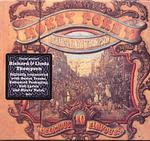
Hokey Pokey (1975) by Richard and Linda Thompson is a folk rock album that leans toward a more electric, band-oriented sound compared with their earlier acoustic work; it highlights Richard Thompson's prominent electric guitar and Linda Thompson's expressive vocals, pairing folk songwriting and melodies with rock rhythms and sharper, sometimes darker lyrical themes, and representing a transitional moment in their collaborative sound.
#605 — Apostrophe (') by Frank Zappa
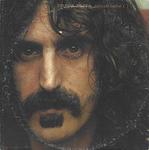
Apostrophe (') is Frank Zappa's 1974 studio album that blends rock, hard rock, and art rock with his trademark surreal humor and jazz-influenced arrangements. The record pairs concise, song-oriented pieces with complex instrumental passages and agile guitar work, and it is anchored by the extended "Don't Eat the Yellow Snow" suite. Production and arrangements emphasize tight ensemble playing and layered textures, balancing accessible rock songwriting with Zappa's eccentric lyrical wit and technical ambition.
#606 — Music in a Doll's House by Family
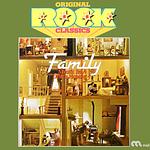
Music in a Doll's House, Family's 1968 debut, blends psychedelic and early progressive rock with pop and folk inflections. The record features Roger Chapman's raw, vibrato-tinged vocals over Charlie Whitney's angular guitar and organ textures, producing eccentric song structures, abrupt tempo shifts, and unconventional arrangements. The album moves between whimsical, psychedelic passages and tighter rock grooves, marked by adventurous production choices and a theatrical, sometimes unsettling atmosphere that set it apart from many contemporaneous British rock releases.
#607 — Volunteers by Jefferson Airplane
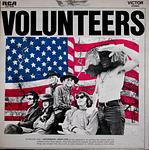
Volunteers (1969) is a Jefferson Airplane album that pairs the band's folk rock and psychedelic roots with a harder, more electric sound and overtly political lyrics reflecting late 1960s counterculture and anti-war sentiment. The record balances acoustic arrangements and close vocal harmonies with distorted guitars, organ textures, and driving rhythms, producing a rawer, more urgent take on their earlier psychedelic work. It is notable for its direct lyrical content and for marking a shift toward more socially engaged songwriting in the group's catalog.
#608 — Song for My Father by The Horace Silver Quintet
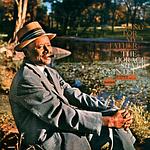
Song for My Father is a 1964 hard bop album by pianist Horace Silver that blends blues, gospel, and Latin influences into concise, melody-driven compositions. The title track, with its Brazilian-flavored rhythm and memorable piano motif, exemplifies the record's focus on catchy themes, tight ensemble playing, and soulful improvisation. Overall the album showcases Silver's skill in crafting strong grooves and accessible, blues-rooted hard bop arrangements.
#609 — Caravanserai by Santana
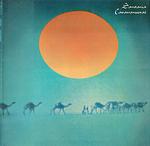
Caravanserai, released in 1972 by Santana, is a transitional record that moves away from the band's earlier Latin-tinged psychedelic rock toward jazz fusion and more experimental, largely instrumental compositions. The album emphasizes extended grooves, improvisational passages, and atmospheric production, with Carlos Santana's sustained, lyrical guitar lines set against prominent percussion, keyboards, and occasional horn textures. Its contemplative tone and blending of rock, jazz, and world influences mark a deliberate stylistic shift in the band's sound.
#610 — Nine Lives by Aerosmith
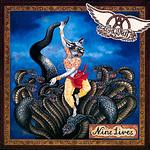
Nine Lives is Aerosmith's 1997 studio album that blends hard rock and arena-ready hooks with the band's classic blues-tinged rock. The songs range from riff-driven, punchy rockers to more melodic and radio-friendly numbers, while occasional neo-psychedelic textures and studio experimentation add a slightly offbeat edge, showcasing Steven Tyler's vocals and Joe Perry's guitar work within a contemporary production style.
#611 — Cracked Rear View by Hootie & the Blowfish
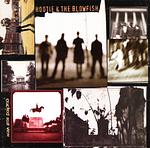
Cracked Rear View is Hootie & the Blowfish's 1994 major-label debut that blends rootsy Southern rock with radio-friendly pop rock and touches of alternative and mainstream pop. The album centers on warm, melodic vocals, chiming acoustic and electric guitars, and straightforward, hook-driven songwriting, moving between upbeat, jangly tracks and slower, soulful ballads. It produced several widely heard singles, including "Hold My Hand", "Let Her Cry", and "Only Wanna Be With You", and is often cited as a prominent example of 1990s adult alternative and post-grunge pop rock that brought a roots-oriented sensibility to mainstream listeners.
#613 — The Scream by Siouxsie and the Banshees
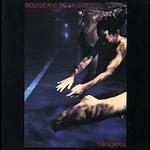
The Scream is the 1978 debut album by Siouxsie and the Banshees that presents a tense, spare post-punk sound marrying angular guitar textures, propulsive basslines and stark, tribal drumming with Siouxsie Sioux's dramatic, enigmatic vocals. Its songs favor jagged rhythms, eerie atmospheres and bold lyrical imagery, making the record an early touchstone for gothic rock and the darker edge of new wave.
#614 — East Side Story by Squeeze
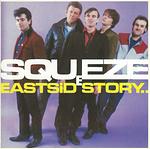
East Side Story is Squeeze's fourth studio album, released in 1981. It builds on the band's pop rock and new wave foundation by drawing on soul, country and classic rock influences, combining Glenn Tilbrook's melodic arrangements with Chris Difford's sharp, observational lyrics. The record features the single 'Tempted', with Paul Carrack on lead vocals, and helped broaden Squeeze's stylistic range while showcasing their songwriting craft.
#615 — Nick of Time by Bonnie Raitt
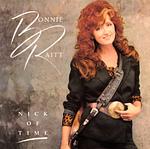
Nick of Time (1989) finds Bonnie Raitt delivering a blend of blues rock, pop rock, and Americana with a warm, rootsy production by Don Was. The album mixes spare piano-led ballads and soulful slow songs with upbeat blues-rock and slide-guitar numbers, highlighting Raitt's expressive vocals and tasteful guitar work. Standout tracks include the reflective title song, her intimate reading of "I Can't Make You Love Me", and a cover of John Hiatt's "Thing Called Love", all of which emphasize a mature, emotionally direct approach.
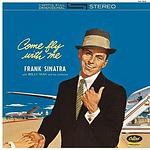
#616 — Come Fly with Me by Frank Sinatra
#617 — Fear of a Black Planet by Public Enemy
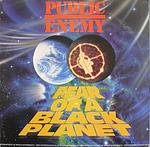
Fear of a Black Planet, released by Public Enemy in 1990, combines politically charged, socially conscious lyrics with the Bomb Squad's dense, sample-heavy production. Its abrasive, layered sound uses hard-hitting beats, dissonant textures, and collaged samples to underpin Chuck D's authoritative delivery and Flavor Flav's contrasting ad-libs. The record pushes hip hop toward experimental and hardcore directions while foregrounding themes of race, media, and power, and it is often described as a landmark of East Coast and conscious hip hop.
#618 — Being There by Wilco
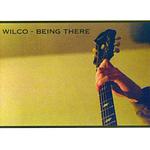
Being There, Wilco's 1996 double album, blends alternative rock, alt country and Americana across a wide stylistic range, shifting between intimate acoustic songs and more electric, noisy rock arrangements. Jeff Tweedy's songwriting pairs plainspoken, observational lyrics with melodic hooks, while the production often favors a homespun, slightly lo-fi aesthetic that allows experiments in texture and dynamics. The album captures the band moving beyond its rootsy beginnings toward a more eclectic, exploratory sound.
#619 — Elvis Presley by Elvis Presley
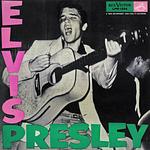
Elvis Presley (1956) showcases a young performer fusing rock and roll, rockabilly, pop, and rhythm and blues into a direct, guitar-driven sound. The record pairs raucous uptempo numbers with more melodic pop-leaning tracks, highlighting Elvis's energetic vocal delivery, twangy guitar, steady backbeat, and traces of country and gospel influence. Its raw immediacy and stylistic blend helped crystallize the early rock and roll aesthetic and introduce Elvis's charismatic presence on record.
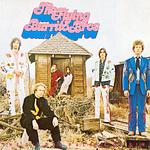
The Gilded Palace of Sin, released in 1969 by the Flying Burrito Brothers, is an early example of country rock that blends traditional country instrumentation like pedal steel with rock songwriting and rhythms. Led by Gram Parsons with Chris Hillman and featuring Sneaky Pete Kleinow on pedal steel, the album combines originals and reinterpretations influenced by country, soul, and gospel, pairing close vocal harmonies with plaintive steel guitar and rootsy production. Its fusion of country and rock textures is widely cited as influential on later Americana and alternative country developments.
#621 — 52nd Street by Billy Joel
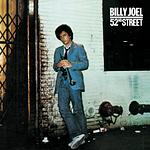
Billy Joel's 1978 album 52nd Street builds on his piano-driven pop rock with stronger jazz and R&B touches, featuring prominent saxophone and horn arrangements and a polished studio sound. Songs such as "My Life", "Big Shot", "Honesty" and "Zanzibar" showcase concise pop songwriting, soulful balladry and jazz-inflected instrumental passages, reflecting an urban New York sensibility and a move toward more varied arrangements compared with his earlier work.
#622 — Please Please Me by The Beatles
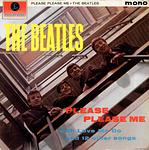
Please Please Me is the Beatles' 1963 debut studio album that captures their early Merseybeat and pop rock sound with a mix of Lennon-McCartney originals and R&B and rock and roll covers. The recordings emphasize energetic, concise performances, close vocal harmonies and tight interplay between Lennon and McCartney, with George Harrison's guitar and Ringo Starr's driving drums supporting the group. Produced by George Martin and largely recorded in a single day at Abbey Road Studios, the album reflects the live-in-the-club feel of their early repertoire and includes tracks such as "I Saw Her Standing There", the title song, and a spirited cover of "Twist and Shout".
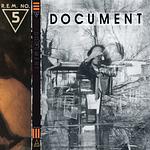
Document is R.E.M.'s 1987 album that moves their jangly, folk-tinged alternative rock toward a more direct, electric sound with tighter production by Scott Litt and the band. The record blends chiming guitars and melodic hooks with sharper, sometimes politically pointed lyrics, while retaining the group's signature vocal ambiguity and ringing guitar textures. Songs range from concise rockers to brisk, wordy tracks that emphasize rhythm and momentum, marking a step toward a more accessible, full-band sound.
#624 — Grand Prix by Teenage Fanclub

Grand Prix, released in 1995 by Teenage Fanclub, is a melodic guitar-pop album that blends indie rock and power-pop sensibilities. It features chiming guitars, close three-part vocal harmonies, and a warmer, more textured production than some earlier recordings, moving between upbeat, hook-driven songs and more reflective, melancholic numbers while keeping a strong emphasis on melody and songwriting.
#625 — The Low Spark of High Heeled Boys by Traffic
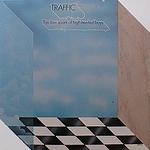
The Low Spark of High Heeled Boys, released in 1971 by Traffic, showcases the band's move toward spacious, groove-oriented rock that blends progressive and psychedelic elements with jazz and blues touches. The album favors long, relaxed arrangements built around organ and piano, fluid sax and flute lines, and a loose but elastic rhythmic feel that encourages extended instrumental interplay. Its emphasis on mood, texture, and improvisation marks a shift away from concise pop songwriting toward a more atmospheric, art rock approach within a classic rock framework.
#626 — Dread in a Babylon by U‐Roy
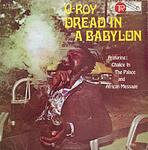
Dread in a Babylon showcases U-Roy's pioneering toasting laid atop roots reggae and dub rhythms, with his rhythmic spoken delivery riding deep basslines, steady drums, and spacious echo and reverb. The arrangements emphasize sparse, dub-influenced production techniques that foreground groove and vocal improvisation, illustrating the interplay between the deejay and the studio as an instrument. As a mid 1970s release, it exemplifies the deejay tradition within roots reggae and the era's move toward dubby, rhythm-focused soundscapes.
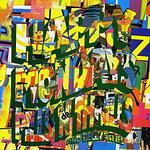
Pills ’n’ Thrills and Bellyaches (1990) captures Happy Mondays blending indie rock guitar and raw, conversational vocals with dancefloor elements drawn from house, funk and psychedelia. The album is groove-driven, featuring looping rhythms, prominent bass and percussion, samples and organ-like keyboards that create a hazy, party-oriented atmosphere. Its sound exemplifies the late Manchester crossover between alternative rock and club culture, emphasizing rhythm and texture over conventional songcraft.
#628 — Permanent Waves by Rush
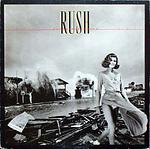
Permanent Waves (1980) finds Rush shifting from sprawling progressive suites toward tighter, shorter songs while retaining the band's technical precision. The record blends progressive rock and hard rock with increasing use of synthesizers and rhythmic experimentation, exemplified by the punchy single 'The Spirit of Radio' and the driving 'Freewill', alongside the multi-part 'Natural Science' that preserves complex arrangements. Geddy Lee's bass and synth textures, Alex Lifeson's guitar work, and Neil Peart's intricate drumming and literate lyrics are all prominent, producing a cleaner, more concise sound that marked an important step in the band's early 1980s evolution.
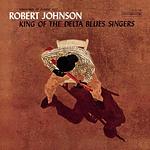
King of the Delta Blues Singers is a 1961 compilation of Robert Johnson's 1936 and 1937 recordings that showcases solo Delta blues with spare, intimate production. The tracks feature intricate fingerpicking, occasional slide guitar, and Johnson's expressive, often haunting vocals paired with lyrics about love, travel, and fate. The album helped bring Johnson's work to wider attention and has been frequently cited for its influence on later blues and rock musicians.
#630 — His Band and the Street Choir by Van Morrison
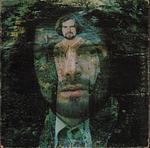
His Band and the Street Choir (1970) finds Van Morrison leaning into upbeat R&B and blue-eyed soul, blending blues rock, folk rock, and pop rock with punchy horn arrangements and gospel-influenced backing vocals. The record emphasizes communal, singalong choruses and energetic rhythms, offering a more extroverted, rhythmic counterpoint to his earlier, more introspective work. Morrison's raw vocal delivery and emphasis on horns and group vocals give the album a lively, soulful sound that highlights his interest in blending rock and soul traditions.
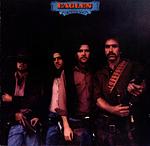
Desperado (1973) is the Eagles' second studio album, built around a loose outlaw motif that draws on country rock, soft rock and classic rock textures. The record emphasizes close vocal harmonies, acoustic guitars and pedal steel, favoring ballad-driven, cinematic arrangements and more polished production than the band's debut. The title track is a central, widely recognized ballad and the album helped shape the band's early musical identity.
#632 — Pearl by Janis Joplin
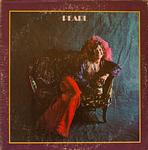
Pearl, released after Janis Joplin's death in 1971, is her final studio album and blends blues rock, soul, country-tinged rock and acoustic blues elements. Backed by the Full Tilt Boogie Band and produced by Paul Rothchild, the record pairs raw, emotive vocals with fuller, more polished production than her earlier work. Songs such as "Me and Bobby McGee" and "Mercedes Benz" showcase her storytelling and improvisational intensity, while rockers like "Move Over" and slower blues numbers underline a mix of power and vulnerability. The album serves as a document of Joplin's late-career sound.
#633 — The Cross of Changes by Enigma
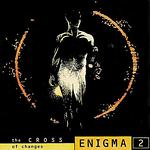
The Cross of Changes, Enigma's 1993 album produced by Michael Cretu, extends the project's New Age and electronic palette into a more rhythmically driven, worldbeat-influenced sound. It combines ambient synth textures and downtempo grooves with prominent percussion and sampled ethnic vocals, most notably the single "Return to Innocence", yielding a cinematic, meditative atmosphere that favors mood, layered production, and melodic motifs over conventional pop songcraft. The record continues Enigma's use of breathy female voices, chant-like phrases, and dense sonic layering to fuse ambient pop and electronic elements with tribal and global influences.
#634 — Secrets by Toni Braxton
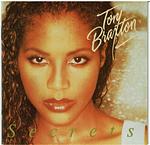
Secrets, Toni Braxton's 1996 album, blends contemporary R&B and pop balladry with polished, often orchestral production; Braxton's warm contralto and intimate delivery anchor lush string arrangements, programmed rhythms, and occasional electronic touches. The record pairs midtempo R&B grooves with slow-burning love songs and features high-profile production contributions that emphasize sweeping melodies alongside modern R&B textures.
#635 — Purple by Stone Temple Pilots
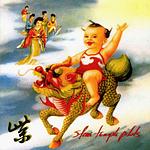
Purple is Stone Temple Pilots' 1994 second studio album that blends grunge-era heaviness with hard rock and acoustic elements. It pairs riff-driven, distorted tracks with melodic, radio-friendly songs, including Vasoline and Interstate Love Song, alongside quieter pieces such as Pretty Penny. Scott Weiland's flexible vocals and Dean DeLeo's textured guitar work produce a mix of gritty tones and polished hooks, with the band expanding their sonic palette beyond their debut.
#636 — Ella and Louis by Ella Fitzgerald, Louis Armstrong
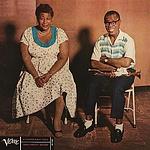
Ella and Louis (1956) pairs Ella Fitzgerald and Louis Armstrong on a relaxed set of jazz duets drawn largely from the standards repertoire. The record highlights the contrast between Fitzgerald's clear, agile phrasing and Armstrong's gravelly, expressive voice and warm trumpet contributions, with a small jazz ensemble providing tasteful, understated backing. The album mixes swinging uptempo numbers and intimate ballads and is often cited for the natural chemistry and conversational interplay between the two vocalists.
#637 — Odessey and Oracle by The Zombies
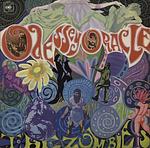
Odessey and Oracle, released in 1968 by The Zombies, is a compact album that blends baroque pop, rock, and psychedelic pop. It is characterized by ornate keyboard textures, close vocal harmonies, and melodically rich, reflective songwriting, combining chamber-pop arrangements with concise pop-rock hooks; notable tracks include "Time of the Season." The record is widely regarded for its sophisticated arrangements and bittersweet mood and has become a touchstone for listeners interested in 1960s baroque-influenced pop.
#638 — A Hard Road by John Mayall & the Bluesbreakers
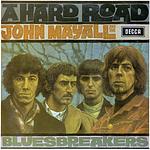
A Hard Road is a 1967 Blues Rock album by John Mayall & the Bluesbreakers that pairs Mayall's vocals, harmonica and keyboard work with Peter Green's expressive electric guitar. The sound blends traditional Chicago-style blues with a more modern, rock-tinged approach, featuring concise songs and instrumental passages that emphasize melodic soloing and group interplay. The record is notable as an early showcase for Peter Green shortly before he left to form Fleetwood Mac and as a document of the British blues scene of the mid 1960s.
#639 — With a Little Help From My Friends by Joe Cocker
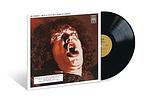
With a Little Help From My Friends is Joe Cocker's 1969 debut studio album that blends blues, rock, and soul into raw, gospel-tinged arrangements. The record is best known for Cocker's gritty, emotional reinterpretation of the Beatles title track and includes other distinctive covers such as Traffic's "Feelin' Alright?" and Leon Russell's "Delta Lady". The performances emphasize impassioned vocals, big-band style arrangements and a loose rock-soul feel that helped establish Cocker's reputation as a powerful interpretive singer.
#640 — Dare by The Human League
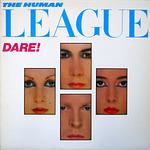
Released in 1981, Dare is The Human League's polished synthpop album that moved the band toward a more pop-oriented, vocal-led sound. Featuring crisp electronic percussion and layered synthesizers, it pairs Philip Oakey's baritone with the prominent female singers Susan Ann Sulley and Joanne Catherall to create hook-driven songs such as "Don't You Want Me". The record blends New Wave and New Romantic textures with dance-pop rhythms and straightforward pop songwriting, and is closely associated with the early 1980s mainstream synth-driven pop sound.
#641 — Equal Rights by Peter Tosh
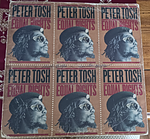
Peter Tosh's 1977 album Equal Rights is a roots reggae record built around heavy bass and drum grooves, sharp guitar and organ lines, and Tosh's forceful, uncompromising vocals. The songs emphasize social justice, resistance, and Rastafarian themes, giving the music a militant, politically engaged edge while remaining grounded in classic reggae rhythms and melodic hooks. The album stands as a strong, direct statement in Tosh's solo catalog and in late 1970s roots reggae.
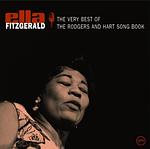
Ella Fitzgerald's Very Best of the Rodgers & Hart Songbook (2007) is a compilation of her performances of songs by Richard Rodgers and Lorenz Hart delivered in her jazz-vocal style. The recordings showcase Ella's clear tone, precise phrasing, and swing-influenced interpretations of Great American Songbook standards, offering accessible renditions of classic tunes for listeners of traditional jazz and vocal repertoire.
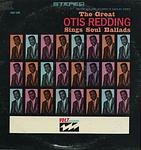
The Great Otis Redding Sings Soul Ballads (1965) gathers slower-tempo songs that foreground Redding's raw, gospel-tinged vocal intensity and emotional phrasing. Backed by punchy horn lines and a tight rhythm section typical of Southern soul, the album emphasizes torchlike ballads and restrained arrangements that let his voice carry the melodies. It serves as a focused showcase of Redding's talent for translating gospel inflection into secular soul within the Stax-era sound.
#644 — In My Tribe by 10,000 Maniacs
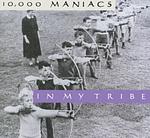
In My Tribe is a mid-1980s album by 10,000 Maniacs that blends folk rock and jangle pop with touches of psychedelic and soft rock, anchored by Natalie Merchant's clear, literate vocals. The music pairs chiming electric guitars and acoustic textures with steady, restrained rhythms and relatively polished production that keeps the focus on melody and lyrics. The songs often address personal and social themes in an introspective, narrative style, and the record is frequently noted for bringing the band's college‑rock sensibility to a broader listening audience while maintaining their thoughtful songwriting.
#645 — Music of My Mind by Stevie Wonder
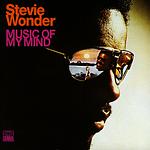
Music of My Mind (1972) marks a transition to more personal and experimental work by Stevie Wonder. The record blends soul, funk, R&B, pop, and rock with prominent synthesizer textures, layered vocals, and multi-instrumental arrangements, and features close collaboration with Malcolm Cecil and Robert Margouleff on the album's electronic sound. Tracks move between intimate ballads and groove-driven funk, and the album is regarded as the beginning of Wonder's creative peak in the early 1970s.
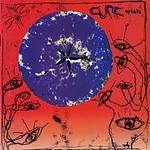
Wish (1992) finds The Cure blending brighter, pop-leaning songwriting with their trademark moody atmospherics, pairing layered, chiming guitars and shimmering synth textures with Robert Smith's distinctive vocals. The album balances upbeat, melodic tracks like "Friday I'm in Love" with more introspective, brooding songs, reflecting a mix of alternative rock, new wave, electronic elements and gothic-tinged production.
#647 — Smash by The Offspring
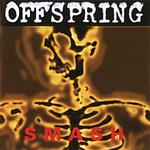
Smash, released in 1994 by The Offspring, blends fast, melodic punk rock with heavier guitar tones and concise song structures, drawing on punk and hardcore energy while incorporating alternative rock and hard rock elements. The record features punchy, palm-muted riffs, driving drumming and catchy, singalong choruses paired with a raw, direct vocal delivery, giving it a grittier production compared with many mainstream rock records of the time. Its combination of accessible melodies and punk attitude made it an influential touchstone for 1990s punk-influenced rock bands.
#648 — Holland by The Beach Boys
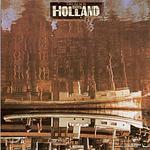
Holland, released in 1973, was recorded in the Netherlands and presents a varied collection that blends pop and rock with art rock and occasional spoken word moments. The album pairs the Beach Boys trademark vocal harmonies with more adventurous arrangements, orchestral touches, and a mixture of sunny California-themed songs and more introspective or experimental material. It is a collaborative, exploratory entry in the band’s 1970s output that reflects a move away from their early surf-pop image toward broader sonic textures.
#649 — Bert Jansch by Bert Jansch
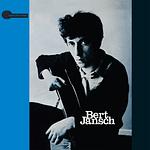
Bert Jansch's 1965 self-titled debut showcases his intimate acoustic guitar work and understated vocals rooted in British folk and blues traditions. The record emphasizes solo fingerstyle arrangements and a blend of traditional songs and Jansch originals, marked by intricate picking, modal inflections, and a spare, melancholic sound. Its minimal production and distinctive guitar technique helped establish Jansch as a central figure in the 1960s British folk revival and a lasting influence on folk guitarists.
#650 — The Slim Shady LP by Eminem
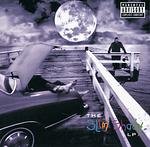
The Slim Shady LP (1999) is Eminem's major label breakthrough that introduces his Slim Shady persona, mixing dark, shock-driven humor and violent satirical storytelling with tightly wound rhyme schemes. Musically it blends hardcore hip hop and horrorcore themes with boom bap influenced, sample-forward production and polished, cinematic touches, using skits and sudden mood shifts to amplify its black comedy. The record is notable for its provocative lyricism, agile delivery, and theatrical approach that helped define Eminem's public voice.
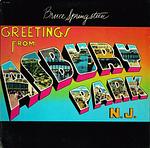
Greetings from Asbury Park, N.J. is Bruce Springsteen's 1973 debut album that introduces his blend of rock and folk-influenced singer-songwriter storytelling. The record pairs punchy, piano-driven rock and rootsy acoustic moments with energetic, wordy lyrics and vivid character sketches, and includes early versions of songs such as "Blinded by the Light" and "Spirit in the Night". Its loose, youthful sound and narrative focus laid the groundwork for the heartland rock sensibility Springsteen would develop in later albums.
#652 — Time Out of Mind by Bob Dylan
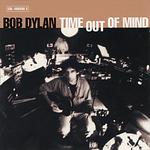
Time Out of Mind, released in 1997, finds Bob Dylan returning to a moody, blues- and folk-rooted sound with atmospheric, reverb-heavy production by Daniel Lanois. The songs are often slow-burning and midtempo, with shadowy arrangements and a weathered vocal delivery that foreground themes of aging, loss and memory. Tracks such as "Not Dark Yet" and "Love Sick" exemplify the album's spare, haunted atmosphere and its blend of classic rock, blues rock and folk rock elements, making it a notable late-career statement in Dylan's catalogue.
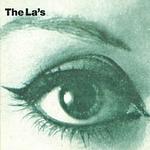
The La's, released in 1990, is the band's lone studio album centered on Lee Mavers' concise, melody-driven songwriting. Musically it blends jangly, 1960s-influenced guitar pop and Merseybeat touches with indie and alternative rock textures, featuring chiming guitars, tight arrangements, and short, hook-focused songs such as "There She Goes". The record is noted for its spare, timeless sound and for Mavers' exacting approach in the studio, and it is frequently mentioned as a touchstone for later Britpop and jangle-pop acts.
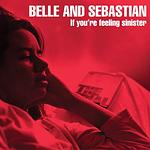
If You're Feeling Sinister, released in 1996 by Belle and Sebastian, presents a quiet, literate take on indie pop that mixes chamber folk textures with twee pop melodies and occasional rock rhythms. Stuart Murdoch's observational, character-driven lyrics sit alongside delicate arrangements of strings, piano, guitar, and subtle brass, producing an intimate, low-key sound that balances wistfulness and wry humor. The album crystallized the band's early aesthetic of gentle dynamics and orchestral touches and played a notable role in shaping the sound of British indie pop in the 1990s.
#655 — One for All by Brand Nubian
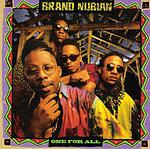
One for All is Brand Nubian's 1990 debut, pairing sample-driven, boom-bap production with funk and jazz-tinged loops to create a gritty East Coast hip hop sound. The group's three voices trade verses and hooks with a mix of braggadocio and socially conscious, Afrocentric and Five-Percent Nation-informed themes, emphasizing sharp lyricism and tight group interplay. The album is notable as an early example of politically minded, street-oriented rap that helped define Brand Nubian's identity in the early 1990s hip hop landscape.
#656 — New Jersey by Bon Jovi
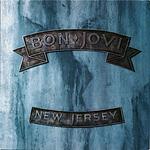
New Jersey, released in 1988, finds Bon Jovi sharpening the arena rock formula they established earlier in the decade by blending hard rock energy and glam metal showmanship with pop rock hooks. Produced by Bruce Fairbairn, the record features polished, radio-friendly production, prominent Richie Sambora guitar work, and Jon Bon Jovi lead vocals built around big, singalong choruses, balancing up-tempo, riff-driven tracks with melodic ballads. Lyrically it moves between working-class narratives and relationship themes while musically emphasizing layered arrangements and anthemic songwriting typical of late 1980s rock.
#657 — Phaedra by Tangerine Dream
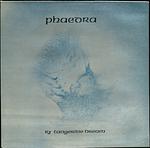
Phaedra (1974) by Tangerine Dream is a landmark of the Berlin School of electronic music, recorded by the trio of Edgar Froese, Christopher Franke, and Peter Baumann. The album centers on pulsed sequencer patterns and slowly unfolding, layered synthesizer textures, presenting long-form, atmospheric pieces that blend ambient minimalism with experimental art rock sensibilities. Its shift to sequencer-led arrangements helped crystallize the group's signature sound and influenced later developments in ambient and electronic music.
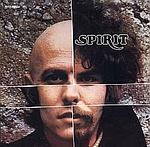
Spirit's 1968 self-titled debut blends rock and psychedelic textures with elements of jazz, folk, and pop, pairing chiming guitars and organ with melodic songwriting and vocal harmonies. The album alternates concise, hook-driven songs and more exploratory arrangements, showcasing the band's interest in combining accessible melodies with intricate instrumental interplay. It is noted for helping define a West Coast approach to psychedelic and classic rock that favors songcraft alongside experimentation.
#659 — I Still Believe in You by Vince Gill
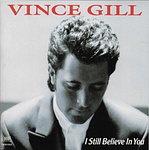
I Still Believe in You is a 1992 country album by Vince Gill that emphasizes smooth, melodic country and folk-influenced balladry. Gill's warm tenor and guitar work are at the forefront, supported by polished studio production, acoustic guitars, steel guitar and harmony vocals; the material blends slow romantic ballads with mid-tempo country-pop arrangements and introspective songwriting. The record helped consolidate Gill's reputation as a singer-songwriter and guitarist in early 1990s country music.
#660 — Blood, Sweat & Tears by Blood, Sweat & Tears
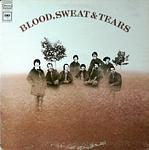
The self-titled Blood, Sweat & Tears album blends rock, blues-rooted rhythms, blue-eyed soul singing and jazz-rock horn arrangements, with prominent brass charts and a mix of concise songs and exploratory passages. Its sound emphasizes tightly arranged horns and soulful lead vocals layered over rock and jazz textures, helping to bring jazz-influenced orchestration into a popular rock and soul setting.
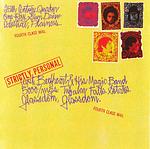
Strictly Personal (1968) finds Captain Beefheart and His Magic Band expanding their blues roots into a more psychedelic and avant-garde direction. The album mixes Delta-derived blues structures with angular guitar figures, jagged rhythms, and Don Van Vliet's idiosyncratic, guttural vocals and surreal lyrics. Its studio production uses pronounced echo and reverb effects that create a hallucinatory, distant sound, giving the songs a more psychedelic sheen compared with the band's rawer debut. As a transitional record between Safe as Milk and the denser experiments that followed, it highlights Beefheart's move toward more abrasive and unconventional song forms.
#662 — Friends by The Beach Boys
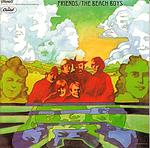
Friends (1968) by The Beach Boys is a relaxed, intimate album that emphasizes simple, sunlit melodies, close vocal harmonies, and modest arrangements. Recorded during a more collaborative period for the band, it moves away from the orchestral production of earlier work toward acoustic textures, gentle tempos, and domestic, contemplative lyrics. The result is a low-key, pastoral record that highlights a quieter side of the group and their skill for concise pop songwriting.
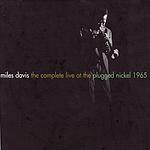
The Complete Live at The Plugged Nickel 1965 documents several nights by Miles Davis with the group often called his second great quintet, capturing live post-bop performances that frequently deconstruct and reinvent standards and originals. The music emphasizes close ensemble interplay, rhythmic elasticity and drive from Tony Williams and Ron Carter, harmonically adventurous comping from Herbie Hancock, Wayne Shorter’s probing lines, and Miles’s economical, haunting trumpet work, offering a vivid portrait of the group’s exploratory approach to live improvisation.
#664 — Love Chronicles by Al Stewart
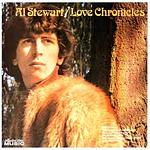
Love Chronicles, released in 1969, is an early Al Stewart album rooted in British folk rock and singer-songwriter traditions. The record blends acoustic guitar-based arrangements with subtle electric and ensemble touches, showcasing Stewart's literate, narrative songwriting and conversational vocal delivery. Notable for its extended title track and intimate, often wry explorations of relationships and personal observation, the album marks Stewart's development as a storytelling songwriter prior to his later, more historically oriented work.
#665 — Rumor and Sigh by Richard Thompson
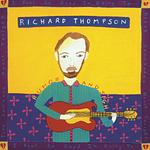
Rumor and Sigh is Richard Thompson's 1991 album that exemplifies his blend of British folk songwriting and rock textures. The songs pair narrative, literate lyrics with a mixture of acoustic fingerpicking and bold electric guitar work, moving between punchy, rhythmic rockers and quieter, reflective ballads. Production and arrangements keep the focus on Thompson's voice and inventive guitar playing, making the record a clear example of his mature solo style.
#666 — Beautiful Freak by EELS
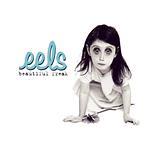
Beautiful Freak is the 1996 debut studio album by Eels, the project of singer-songwriter Mark Oliver Everett. It blends alternative rock, indie pop, and chamber-tinged arrangements, pairing lo-fi guitars and electronic beats with occasional strings and quirky samples. The songs move between wry, often darkly comic lyrics and melancholic melodies, and tracks like "Novocaine for the Soul" and "Susan's House" helped introduce E's intimate, offbeat songwriting voice.
#667 — Tell Mama by Etta James
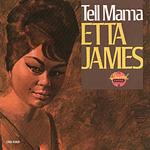
Tell Mama (1968) finds Etta James working in a muscular Southern soul mode, recorded at FAME Studios in Muscle Shoals and produced by Rick Hall with the Muscle Shoals Rhythm Section providing backing. The album blends punchy, horn-driven R&B on the title track with slow, bluesy balladry such as "I'd Rather Go Blind," showcasing James's raw, emotive voice and her ability to move between gospel-rooted intensity and blues phrasing. The overall sound is grittier and more R&B oriented than some of her earlier pop-soul records, emphasizing groove and vocal power.
#668 — On the Threshold of a Dream by The Moody Blues
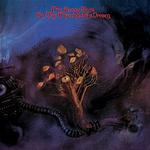
On the Threshold of a Dream (1969) continues The Moody Blues' move into symphonic rock, blending Mellotron-led orchestral textures, baroque pop ornamentation, and accessible pop rock songwriting. The album balances concise melodic songs with more atmospheric progressive passages, featuring layered vocal harmonies, flute and keyboard colors, and reflective, philosophical lyrics that reinforced the band's album-focused, studio-crafted approach.
#669 — Offramp by Pat Metheny Group
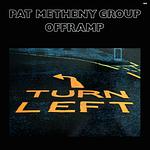
Offramp (1982) finds the Pat Metheny Group blending jazz fusion and contemporary jazz with pronounced electronic and atmospheric elements. Pat Metheny’s guitar and guitar-synth lines are set against Lyle Mays’ layered keyboards and synth textures, while the addition of Naná Vasconcelos brings distinctive vocal and percussive colors that introduce a world-music inflection. The album emphasizes mood, texture and melodic development across extended, groove-based compositions, marking a shift toward more ambient and cinematic soundscapes in the group’s work.
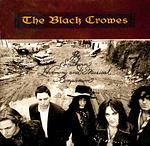
The Southern Harmony and Musical Companion, the Black Crowes' 1992 second studio album, expands their blues-tinged southern rock with harder rock and alternative influences. Featuring richer arrangements that incorporate twin guitars and added keyboards, the band delivers gritty, soul-inflected vocals, extended grooves and rootsy, jam-friendly passages. The record blends blues rock, gospel-tinged rhythms and classic rock guitar interplay to broaden the band's sound beyond their debut and cement their place in early 1990s rock.
#671 — I've Been Expecting You by Robbie Williams
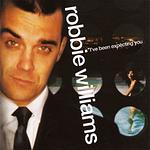
I’ve Been Expecting You is Robbie Williams' second studio album, released in 1998. It extends his pop and Britpop foundations with a mix of upbeat pop rock anthems and more introspective ballads, featuring catchy melodies, theatrical vocal delivery, and polished arrangements. The album is shaped by his songwriting partnership with Guy Chambers, balancing guitar-driven rock and orchestral touches with occasional alternative textures, and it helped define the more confident, self-aware persona that characterized his solo work at the time.
#672 — Another Green World by Brian Eno
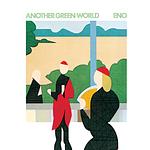
Another Green World, released in 1975, finds Brian Eno shifting from art rock toward ambient and experimental electronic composition. The album mixes a few vocal songs with mostly instrumental pieces, using treated keyboards, synthesizers, guitars and unconventional percussion to build sparse, textured soundscapes and melodic fragments. Its production emphasizes unusual timbres and layering, and the record marks a key step in Eno's development of ambient approaches to composition.
#673 — Jailbreak by Thin Lizzy
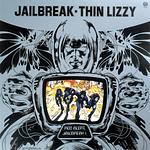
Jailbreak is Thin Lizzy's 1976 album that blends hard rock energy with melodic, pop-inflected songwriting, anchored by Phil Lynott's expressive vocals and bass. The record features the signature twin-lead guitar interplay of Scott Gorham and Brian Robertson, punchy riff-driven tracks and more narrative, hook-focused songs, including the well known "The Boys Are Back in Town" and the title track. Its concise arrangements and strong choruses highlight the band's move toward a more immediately recognizable sound within classic rock styles.
#674 — Aoxomoxoa by Grateful Dead
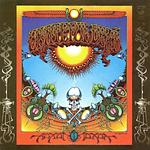
Aoxomoxoa is the Grateful Dead's 1969 studio album that explores psychedelic and experimental rock through layered studio techniques, interplay between electric and acoustic textures, and extended instrumental passages. The record includes songs often associated with the band from that period, such as "St. Stephen" and "China Cat Sunflower," and emphasizes dense arrangements, tape-era effects, and a willingness to use the studio as a creative instrument. It represents an early example of the Dead moving beyond purely live-oriented performance into more studio-focused experimentation within the psychedelic rock idiom.
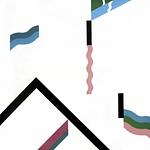
154, released in 1979 by Wire, shifts further from straightforward punk into art punk and avant-garde territory, pairing concise, angular songwriting with more atmospheric production and experimental textures. The album features taut, propulsive rhythms, jagged guitars, understated synth and studio effects, and oblique lyrics that emphasize mood and arrangement over punk immediacy. Its cooler, more abstract approach marks a clear step toward the band's artier, experimental side.
#676 — Brave New World by Steve Miller Band
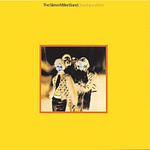
Brave New World (1969) captures the Steve Miller Band in a late 1960s mode that mixes blues rock and psychedelic rock, featuring electric guitar-driven songs, blues-based songwriting, and period studio experimentation. The album reflects the band’s San Francisco-era sound and sits between their raw, improvisatory roots and the more concise pop-rock approach Steve Miller explored in later records.
#677 — At Folsom Prison by Johnny Cash
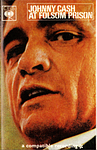
At Folsom Prison is a 1968 live album by Johnny Cash, recorded at Folsom State Prison. The performance features Cash's deep baritone and a spare backing band, blending traditional country, rockabilly and gritty country rock arrangements. The set presents hard-edged renditions of songs about crime, punishment and redemption, with direct audience interaction and ambient prison crowd sounds that give the recording an immediate, raw feel. The album helped reinforce Cash's outlaw persona and brought a tougher, more rock‑inflected sensibility into mainstream country.
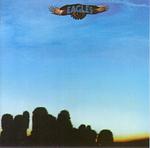
Eagles is the band's 1972 debut that establishes their country rock and soft rock signature through close vocal harmonies, jangling acoustic guitars and country-tinged instrumentation such as pedal steel. Produced by Glyn Johns, the album balances rock and pop sensibilities on songs like "Take It Easy", "Witchy Woman" and "Peaceful Easy Feeling", and highlights the songwriting and vocal blend of Glenn Frey, Don Henley, Bernie Leadon and Randy Meisner. Its sound is rooted in California country rock with polished arrangements and an easygoing, melodic tone often associated with early 1970s soft rock and yacht rock.
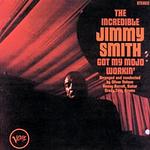
#679 — Got My Mojo Working by Jimmy Smith
#680 — Eat a Peach by The Allman Brothers Band
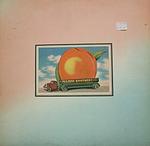
Eat a Peach, released in 1972, combines studio tracks and live recordings to showcase The Allman Brothers Band's blend of blues rock, Southern rock, and extended jam improvisation. The album juxtaposes concise, melodic songs with long live performances that highlight dual lead guitars, slide guitar, organ textures, and a mix of blues, country, and psychedelic influences. Compiled in the wake of guitarist Duane Allman's death, it captures the group's concert energy and studio craft at a pivotal moment in their career.
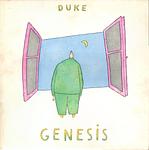
Duke (1980) captures Genesis at a turning point between their progressive past and a more concise, pop-oriented approach. The album blends lush keyboards, chiming guitars and driving rhythms with both shorter, hook-driven songs and longer, multi-part pieces that recall their earlier style, and features tracks such as "Turn It On Again", "Misunderstanding" and "Duchess" that showcase tighter song structures, melodic hooks and atmospheric instrumental passages. Phil Collins' lead vocals are prominent and the record balances accessible pop rock arrangements with moments of art rock and progressive continuity.
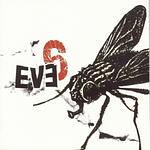
Eve 6 is the band's self-titled 1998 debut that mixes alternative rock and post-grunge with compact, hook-driven songwriting, punchy guitar riffs, and direct, emotive vocals. The trio pairs energetic rock rhythms with melodic, power pop sensibilities on tracks such as "Inside Out" and "Here's to the Night", emphasizing strong choruses and concise arrangements.
#683 — The Miseducation of Lauryn Hill by Lauryn Hill
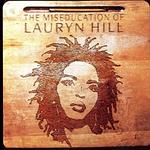
The Miseducation of Lauryn Hill blends R and B, neo soul and hip hop, combining sung vocals and expressive rapping over warm, organic production that mixes live instrumentation, soulful samples and hip hop rhythms. Lauryn Hill’s songwriting is direct and personal, exploring themes of love, motherhood, spirituality and selfhood, and the album features standout songs that showcase its mix of melodic hooks and lyrical intensity. Its fusion of contemporary R and B sensibility with alternative hip hop textures helped shape the sound of early 2000s neo soul and influenced many artists who followed.
#684 — Bless the Weather by John Martyn
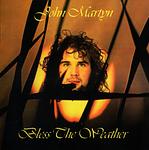
Bless the Weather (1971) is an acoustic-rooted album that blends folk, pop, and rock with touches of jazz-inflected harmony and relaxed rhythmic feel. Martyn's warm, intimate vocals and intricate acoustic guitar work give the record a pastoral, reflective atmosphere, while restrained electric textures and subtle studio touches point toward the more experimental directions he explored later. The album sits between singer-songwriter intimacy and broader musical ambition in his early catalog.
#685 — The Grand Illusion by Styx
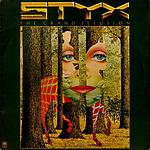
The Grand Illusion (1977) is Styx's polished blend of arena-ready hard rock and theatrical progressive rock, built around layered vocal harmonies, piano and synthesizer textures, and melodic guitar work. The album mixes AOR-friendly hooks with prog-influenced arrangements and recurring themes about appearance versus reality, and includes well-known tracks like Come Sail Away and Fooling Yourself (The Angry Young Man). Its sound emphasizes clear vocal melodies, dynamic shifts between ballad and rock passages, and a polished production approach.
#686 — Deep Purple in Rock by Deep Purple
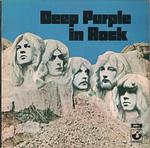
Deep Purple in Rock (1970) marks the arrival of the Mark II lineup and a decisive shift toward a heavier, riff-driven sound that helped define hard rock and early heavy metal. The album pairs aggressive, guitar-led tracks with prominent Hammond organ and dynamic, high-register vocals, ranging from concise rockers like Speed King to the extended, dramatic centerpiece Child in Time. Its raw power, muscular arrangements, and emphasis on lengthy instrumental passages established a template the band and peers would develop further in the 1970s.
#687 — Impressions by John Coltrane
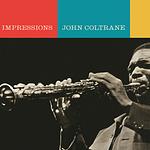
Impressions (1963) documents John Coltrane in a transitional phase between modal hard bop and freer, avant-garde approaches. Featuring his classic quartet with McCoy Tyner, Jimmy Garrison, and Elvin Jones, the recordings emphasize extended modal improvisation, intense sheets-of-sound soloing, and an increased embrace of freer rhythmic and harmonic textures that helped push jazz toward the avant-garde.
#688 — Unhalfbricking by Fairport Convention
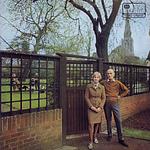
Unhalfbricking, released in 1969 by Fairport Convention, captures the band moving from Anglo-American folk rock toward a distinct British folk sensibility. The album pairs electric rock instrumentation with acoustic and traditional inflections and features prominent contributions from Sandy Denny's vocals and Richard Thompson's songwriting and guitar work. It includes an early studio recording of Denny's Who Knows Where the Time Goes? and helped point the group toward the more traditional material they explored on subsequent recordings.
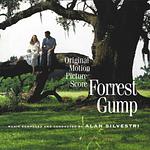
Forrest Gump: Original Motion Picture Score by Alan Silvestri is a lyrical orchestral soundtrack that underpins the film's mix of nostalgia and bittersweet humor. The music centers on a memorable, gently flowing main theme often carried by piano and strings and supported by warm orchestral textures and restrained brass, with clear melodic lines that shift between wistfulness and quiet uplift. The score is notable for its emotional clarity and its role in reinforcing the film's storytelling rather than drawing attention away from it.
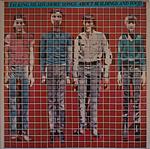
More Songs About Buildings and Food, produced by Brian Eno and released in 1978, expands Talking Heads' early new wave and art-punk approach with a stronger emphasis on tight rhythms and funk-influenced grooves. David Byrne's idiosyncratic, nervy vocals and angular guitar parts are anchored by interlocking bass and percussion, while Eno's production adds clarity and subtle studio texture. The album stands out for its rhythmic focus and danceable arrangements, pointing toward the band's later engagements with funk and worldbeat influences.
#691 — 12 Songs by Randy Newman
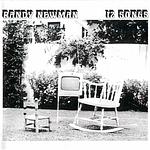
12 Songs (1970) is an early Randy Newman studio album that foregrounds his piano-based singer-songwriter approach, blending pop and rock elements with restrained arrangements and string touches. The songs emphasize character-driven, often ironic storytelling and melancholic melodies, showcasing the concise, literate songwriting and dark humor that became hallmarks of Newman’s work.
#692 — Euphoria by Def Leppard
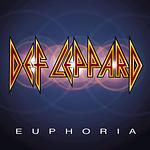
Euphoria, released in 1999, finds Def Leppard returning to a melodic hard rock and heavy metal approach after the darker, more experimental tones of the preceding album. The record emphasizes polished production, layered vocal harmonies and guitar-driven hooks, blending the band’s pop-metal songwriting with late 1990s rock touches. Overall it marks a move back toward the accessible, anthemic sound that characterized their earlier records while incorporating some contemporary textures.
#693 — It's Too Late to Stop Now by Van Morrison
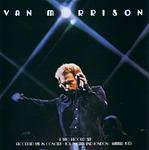
It’s Too Late to Stop Now is a 1974 live album by Van Morrison, recorded during his 1973 tour with the Caledonia Soul Orchestra. The performances blend blues rock and singer-songwriter material with soul and jazz inflections, featuring horn and string arrangements, extended improvisations, and a passionate, spontaneous vocal approach. The record is notable for its energetic live arrangements and shifts between full-band power and quieter, intimate moments that highlight Morrison’s improvisational style.
#694 — Joan Armatrading by Joan Armatrading
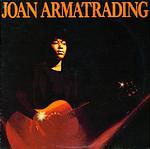
Joan Armatrading (1976) is a studio album that blends folk and contemporary folk with pop and rock elements, showcasing Armatrading's distinctive, soulful voice and direct, personal songwriting. The arrangements balance acoustic guitar-driven intimacy with fuller band textures and subtle soul and pop touches, resulting in concise, emotionally focused songs about relationships and self-reliance. Compared with her earlier work, the record leans toward more polished production while keeping the lyrical clarity and melodic emphasis of her folk roots.
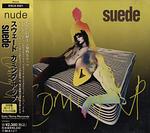
Coming Up, Suede's 1996 album, shifts from the darker textures of their earlier work to a brighter, more pop-oriented take on Britpop and glam rock. The record features concise, hook-driven songs with prominent guitar and keyboards, theatrical vocals from Brett Anderson, and a polished, radio-friendly production. New guitarist Richard Oakes and keyboardist Neil Codling helped steer the band toward a sleeker, more accessible sound marked by uptempo tracks and lyrical preoccupations with youth and celebrity, making it a defining moment in their catalog.
#696 — Aqualung by Jethro Tull
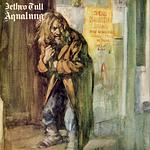
Released in 1971, Aqualung blends acoustic folk textures and pastoral flute with heavier guitar riffs and progressive arrangements, moving between intimate acoustic passages and loud, riff-driven rock. Lyrically the album mixes character sketches of outsiders with broader reflections on religion and social hypocrisy, and its sound showcases Ian Anderson's flute and vocal delivery alongside electric guitar and organ. Tracks such as the title song and Locomotive Breath exemplify the record's juxtaposition of folk-derived melodies and aggressive rock energy, and the album is widely regarded as a defining early example of Jethro Tull's fusion of folk, hard rock, and progressive elements.
#697 — Daydream Nation by Sonic Youth
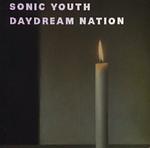
Daydream Nation (1988) by Sonic Youth blends noisy, experimental textures with melodic songcraft, moving between abrasive, dissonant guitar attack and extended, atmospheric passages. The band uses alternate tunings, feedback and layered guitars to create dense, shifting soundscapes while maintaining memorable hooks on tracks like Teen Age Riot and Silver Rocket. The album is frequently cited as an important bridge between no wave noise experiments and the emergence of alternative and indie rock in the late 1980s.
#698 — Space Oddity by David Bowie
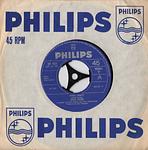
Space Oddity (1969) is an early David Bowie album that blends folk-tinged songwriting with psychedelic and art pop arrangements, anchored by the space-themed title track that introduces the character Major Tom. The record juxtaposes intimate acoustic numbers with fuller, more experimental instrumentation and orchestral and electronic textures, showing Bowie moving toward more narrative-driven and theatrical material. Its sound captures a transitional moment between singer-songwriter traditions and the more stylized work Bowie would develop in the 1970s.
#699 — Copper Blue by Sugar
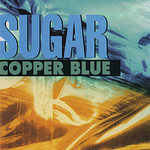
Copper Blue is Sugar's 1992 debut led by Bob Mould after his time with Hüsker Dü. The album fuses alternative rock and power-pop with loud, layered guitars, crisp production, and strong, hook-driven songwriting; abrasive textures sit alongside melodic choruses. Tracks such as "If I Can't Change Your Mind" and "Helpless" exemplify the record's combination of urgency and tunefulness, and it is commonly noted as a key statement in Mould's post-Hüsker Dü work.
#700 — Damn Right, I've Got the Blues by Buddy Guy
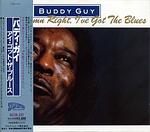
Buddy Guy's 1991 album Damn Right, I've Got the Blues is a revitalizing electric Chicago blues record that pairs his raw, expressive vocals with fiery, emotive guitar work and band-oriented arrangements. The songs move between slow, soulful blues and up-tempo, driving numbers, with keyboard and horn textures adding depth on several tracks. The album helped reintroduce Guy's classic style with a modern production approach and reaffirmed his presence as an influential contemporary blues guitarist.