 The Greatest Music
Colin Larkin’s All Time Top 1000 Albums
Weight: 10%
How much this list influences our overall rankings. Higher weight means more reliable data.
Penalties Applied:
A book series created by Encyclopedia of Popular Music editor Colin Larkin (1st ed. 1994; later pocket/2nd ed. 1998; 3rd ed. 2000), presenting a ranked “top 1000” derived from a large, ongoing public poll—ballots gathered in record shops, universities, schools, and at the MIDEM trade show—rather than a critics’ ballot. The project grew across editions, with annotations for each album and shifting results as more votes came in.
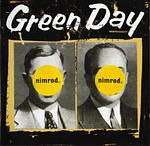
nimrod. (1997) finds Green Day expanding their punk and pop punk roots into a broader sonic palette, pairing high-energy punk tracks with acoustic balladry, folk-tinged touches, ska and surf influences, and occasional experimental arrangements; the album is notable for its melodic variety and includes the acoustic song "Good Riddance (Time of Your Life)."
#702 — Dire Straits by Dire Straits
Dire Straits is the 1978 debut album by Dire Straits, built around Mark Knopfler's economical fingerpicked guitar and literate, observational lyrics. The record mixes rock, roots rock, blues rock and country-tinged arrangements with relatively spare production that highlights tight rhythm playing and clean guitar tones, and includes tracks such as "Sultans of Swing" that showcase the band's blend of groove and storytelling.
#703 — The Madcap Laughs by Syd Barrett
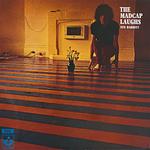
Syd Barrett's 1970 debut solo album, The Madcap Laughs, captures his intimate, unpolished songwriting after leaving Pink Floyd. The record blends folk rock and psychedelic elements with sparse, often fragile arrangements and experimental studio moments, emphasizing acoustic guitar, loose rhythms and eccentric melodic turns. Barrett's lyricism moves between whimsical and melancholic, and the album is notable for its raw, improvisational feel and personal immediacy.
#704 — Stage Fright by The Band
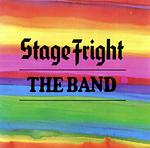
Stage Fright (1970) is the Band's third studio album that blends blues rock, country rock, and rock and roll into a tighter, more electric and introspective sound than their earlier work. Robbie Robertson's songs set a mood of anxiety and theatrical tension about performing and fame, while the group's layered vocal harmonies, organ and piano textures, and roots instrumentation preserve an Americana foundation. The title track and songs such as "The Shape I'm In" capture the record's nervous, urgent character and marked a stylistic shift toward more personal songwriting.
#705 — Under the Pink by Tori Amos
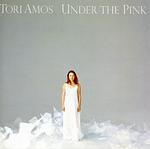
Under the Pink, Tori Amos's 1994 second studio album, expands on her piano-driven alternative rock approach with more varied arrangements and theatrical touches. The record blends confessional, sometimes surreal lyrics about relationships, identity and spirituality with prominent piano, inventive percussion and occasional baroque coloration, and includes the well known track "Cornflake Girl". The album is notable for its dense, literate songwriting and for pushing the boundaries of piano rock within a 1990s alternative pop context.
#706 — Our Favourite Shop by The Style Council
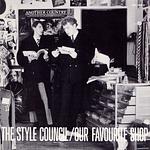
Our Favourite Shop, the Style Council's 1985 studio album, moves Paul Weller away from his earlier punk and power pop roots into a broader palette that draws on mod, soul, jazz, pop, electronic touches and rock. Arrangements emphasize Weller's vocal melodies alongside Mick Talbot's keyboards, brass accents and a smoother, more polished production, while the lyrics frequently address social and political themes. The album presents a mix of danceable grooves and reflective balladry that marked a clear stylistic evolution for the band.
#707 — Diamond Life by Sade
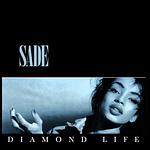
Diamond Life is Sade's 1984 debut album that blends smooth soul, sophisti-pop, pop and downtempo, built around Sade Adu's cool, intimate vocal delivery. The record is noted for its polished, jazz-tinged arrangements, warm bass and sax lines, restrained percussion and an overall mellow, nocturnal mood that foregrounds melody and atmosphere. Songs such as "Smooth Operator" and "Your Love Is King" exemplify the album's refined, adult-oriented sound that helped define a sophisticated pop-soul aesthetic in the 1980s.
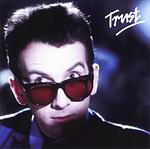
#708 — Trust by Elvis Costello & The Attractions
#709 — Wide Open Spaces by The Chicks
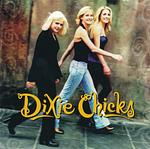
Wide Open Spaces (1998) is the major-label breakthrough album by The Chicks that blends contemporary country, folk, pop and country rock elements. The record pairs tight three-part harmonies and acoustic instrumentation such as fiddle and banjo with polished studio production, producing arrangements that range from upbeat, guitar-driven country rock to quieter acoustic ballads. Lyrically it moves between themes of independence, relationships and personal reflection, and the album helped define the band’s signature vocal interplay and a late 1990s country-pop crossover sound.
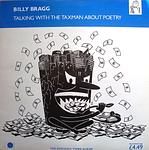
Talking With the Taxman About Poetry, released in 1986, finds Billy Bragg expanding his spare folk-punk framework with fuller arrangements and more melodic songwriting. The record balances direct political commentary with personal, narrative songs, retaining Bragg's raw vocal delivery and acoustic-based attack while introducing additional instrumentation and a slightly richer sound. It is notable for mixing pointed social observation with intimate storytelling, exemplified by tracks that move beyond protest polemics into more emotional territory.
#711 — Tim Hardin 1 by Tim Hardin
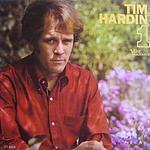
Tim Hardin 1 is the 1966 debut album that introduced Hardin as a spare, emotionally direct singer-songwriter working in a folk idiom with blues and jazz inflections. The record features principally acoustic arrangements, plaintive vocal delivery, and concise, melancholic songs that emphasize lyrical intimacy over studio gloss. As an early example of the mid 1960s folk rock era, it established Hardin's tone of vulnerability and melodic economy and helped define the mood of his subsequent work.
#712 — The Woman in Me by Shania Twain
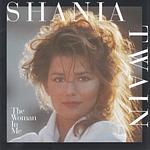
The Woman in Me (1995) is Shania Twain's second studio album, produced and co-written with Robert John "Mutt" Lange. Musically it blends country foundations with pop rock and contemporary country production, pairing twangy guitars and steel and fiddle touches with layered, radio-friendly arrangements and strong pop hooks. Lyrically it moves between relationship-focused songs and themes of independence, and the album marked a stylistic shift toward a crossover country-pop sound that helped define Twain's early career.
#713 — The Cat by Jimmy Smith
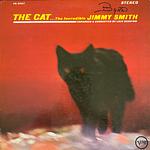
The Cat (1964) by Jimmy Smith is an organ-led jazz album that blends hard bop energy with soul-jazz grooves. Featuring arrangements by Lalo Schifrin, the record pairs Smith's bluesy, rhythmic Hammond organ playing with tight horn charts and a cinematic, groove-oriented studio sound. It presents a polished, accessible set that highlights Smith's improvisational drive within a more orchestrated mid-1960s context.
#714 — Joe's Garage by Frank Zappa
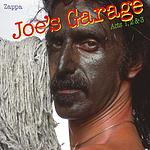
Joe's Garage, released by Frank Zappa in 1979, is a three-act rock opera that satirizes censorship, organized religion, and the music industry through a fictional protagonist named Joe and a moralizing narrator known as the Central Scrutinizer. Musically it blends rock and jazz fusion with complex arrangements, Zappa's distinctive guitar work, touches of doo-wop and avant-garde experimentation, and spoken narrative passages, balancing tightly arranged band performances with biting lyrical humor.
#715 — Volume Two by Soft Machine
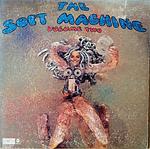
Volume Two, released in 1969 by Soft Machine, deepens the band's move away from straightforward psychedelia toward the jazz-tinged, exploratory sound associated with the Canterbury scene. The record emphasizes instrumental interplay, extended, loose-form passages and organ- and piano-centered textures that foreground improvisation and unconventional song structures, blending elements of progressive rock, psychedelic rock and jazz into a more experimental, ensemble-focused approach.
#716 — Randy Newman by Randy Newman
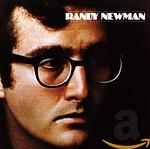
Randy Newman is the artist's self titled debut album, a piano centered singer songwriter record that pairs melancholic ballads and wry, character driven lyrics with lush orchestral pop arrangements. It introduces Newman’s blend of Americana and Tin Pan Alley melodic sensibility alongside ironic, narrative songwriting and helped establish the satirical character pieces he would return to throughout his career.
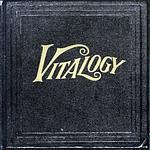
Vitalogy, Pearl Jam's 1994 third album, finds the band moving away from the more polished sound of their earlier records toward a rawer, more experimental approach. Musically it blends grunge and alternative rock with pronounced punk and garage rock influences, pairing terse, aggressive tracks with slower, acoustic and blues-tinged moments. Production often feels stripped and urgent, with jagged guitar textures and unconventional song structures supporting Eddie Vedder's gritty, impassioned vocals and lyrics that address fame, mortality, and artistic control. The album's rough edges and willingness to take risks make it a distinctive, challenging entry in the band's catalog.
#718 — Feats Don't Fail Me Now by Little Feat
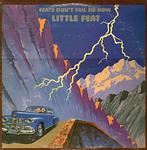
Feats Don't Fail Me Now (1974) is Little Feat's fourth studio album and continues the band's blend of blues-based rock and Southern roots with stronger funk and New Orleans R&B influences. The record emphasizes groove-oriented arrangements, prominent keyboards, and Lowell George's spare vocals and slide guitar, showcasing tight rhythm section interplay and a move toward looser, syncopated grooves that marked the band's mid 1970s sound.
#719 — The Division Bell by Pink Floyd
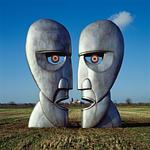
The Division Bell, Pink Floyd's 1994 studio album, presents late-period Pink Floyd in a melodic, atmospheric mode that blends progressive and art rock with psychedelic and arena-scale production. The music emphasizes layered, spacious guitar textures, synthesizer atmospheres, and extended instrumental passages, with David Gilmour's vocal and guitar work prominent alongside Richard Wright's keyboards and Nick Mason's steady drums. Lyrically the record often returns to themes of communication and isolation, and its polished, roomy arrangements favor mood and texture over experimental fragmentation. Overall it is a reflective, sonically ambitious entry in Pink Floyd's catalogue that pairs accessible melodies with cinematic soundscapes.
#720 — Sparkle and Fade by Everclear
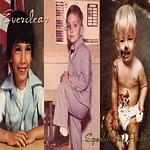
Sparkle and Fade is a 1995 Everclear album that blends alternative rock and post-grunge with touches of cowpunk and hard rock. The record features punchy guitar-driven arrangements and a cleaner, more focused production than the band's earlier lo-fi work, pairing melodic hooks with gritty riffs and moments of twang. Art Alexakis' candid, confessional songwriting about personal struggle and relationships gives the album a direct emotional core, and its more accessible sound helped define Everclear's profile in mid-1990s alternative rock.
#721 — Mezzanine by Massive Attack
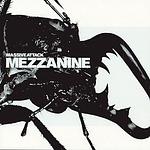
Mezzanine, released in 1998, is Massive Attack's darker, more textural trip hop album that blends slow, dub-inflected beats, deep bass, layered samples and distorted guitar tones into a cinematic, brooding sound. The record leans toward electronic, downtempo and leftfield approaches while incorporating a tougher, rock-influenced edge, and features guest vocalists such as Elizabeth Fraser and Horace Andy on memorable tracks like "Teardrop" and "Angel". Its production emphasizes atmosphere and tension, expanding the sonic range of alternative dance and trip hop.
#722 — Pretenders by Pretenders
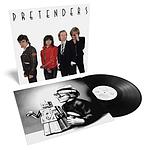
Pretenders is the 1979 debut album by Pretenders that blends new wave urgency with rock and pop sensibilities, pairing chiming, economical guitar work and a propulsive rhythm section with Chrissie Hynde's cool, emotionally direct vocals. The songs range from concise, hook-driven pop to taut post-punk rock, and the production keeps the band sound immediate and uncluttered. The record established the group's distinctive mix of melody and attitude and helped define a transitional sound between punk, post-punk, and mainstream rock.
#723 — Adore by The Smashing Pumpkins
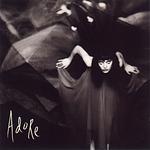
Adore, released in 1998 by The Smashing Pumpkins, is a subdued and experimental departure from the band’s earlier guitar-heavy sound. The record leans on electronic textures, drum programming, and hushed, orchestral arrangements alongside elements of dream pop and post-grunge, creating a sparse, melancholic and intimate atmosphere. Billy Corgan’s songwriting on the album centers on introspective and mournful themes, and the work is often cited for its bold stylistic shift within the band’s alternative rock trajectory.
#724 — Antichrist Superstar by Marilyn Manson
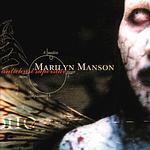
Antichrist Superstar (1996) is Marilyn Manson's confrontational, concept-driven record that blends industrial metal and alternative rock textures. The album centers on abrasive guitar riffs, heavy programmed percussion, samples and theatrical, often snarling vocals to create a harsh, mechanized soundscape, and it presents a dark narrative exploring power, nihilism and social alienation. Musically and stylistically it marks a shift toward a heavier, more aggressive aesthetic in the band's catalog and in contemporary industrial and alternative rock scenes.
#725 — The Great Escape by Blur
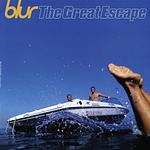
The Great Escape is Blur's 1995 album that extends the band's Britpop and indie rock palette into more expansive, often orchestral arrangements and neo-psychedelic textures. Musically it balances upbeat, hook-driven pop with jagged guitar and atmospheric touches, while lyrically turning satirical and sometimes melancholic toward modern British life and the costs of fame. The album is notable for its widescreen production and a mix of catchy melodies with darker undercurrents, reflecting the band's evolving ambitions within mid 1990s alternative rock.
#726 — CrazySexyCool by TLC
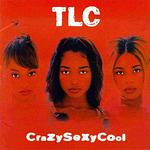
CrazySexyCool is TLC's 1994 album that blends contemporary R&B, hip hop, new jack swing and pop into a smooth, groove-driven sound marked by layered vocal harmonies and alternating sung and spoken parts. The record balances sultry slow jams and midtempo tracks, pairing intimate, vulnerable lyrics about relationships and desire with confident, assertive moments, and features warm basslines, crisp beats and atmospheric keyboard and sample-based textures that became influential in 1990s R&B production.
#727 — Celebrity Skin by Hole
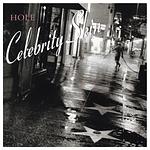
Celebrity Skin is Hole's third studio album, released in 1998. It foregrounds a more polished, pop-inflected form of alternative rock compared with the band's earlier, rawer grunge sound, featuring glossy production by Michael Beinhorn, hook-driven guitar work and melodic, radio-friendly arrangements on tracks such as the title song and "Malibu". Lyrically the record touches on fame, identity and relationships while maintaining an abrasive edge in its guitar tones and Courtney Love's vocal delivery.
#728 — Hergest Ridge by Mike Oldfield
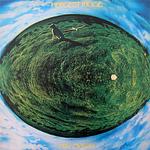
Hergest Ridge, Mike Oldfield's 1974 second studio album, is a largely instrumental two-part work that blends progressive rock, ambient and modern classical elements with a pastoral new age sensibility. Oldfield layers guitars, keyboards, percussion and other instruments to build long-form suites of recurring motifs, gentle melodies, and evolving textures that evoke rural landscapes and a relaxed, meditative mood. The album continues the multi-instrumental, tape-based composition approach Oldfield used early in his career, emphasizing atmosphere and gradual development over conventional song structures.
#729 — Follow the Leader by Korn
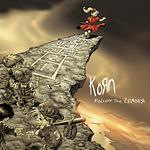
Follow the Leader, Korn's 1998 album, refines the band's nu metal approach with downtuned, syncopated guitar riffs and heavy, percussive bass anchored by hip-hop influenced beats and DJ textures. Jonathan Davis's vocal delivery alternates between whispered melody, visceral screams, and rhythmic spoken lines, while the band blends sludgy heaviness with moments of funk-derived groove and experimental noise. The record is often cited as a defining example of late 1990s nu metal for its fusion of metal, hip-hop, and alternative elements into a more expansive studio sound.
#730 — Whatever and Ever Amen by Ben Folds Five
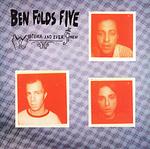
Whatever and Ever Amen is a piano-driven rock album by Ben Folds Five that blends pop-oriented melodies with an indie and alternative rock edge. The trio puts piano and distinctive vocals at the forefront, supported by punchy bass and drums, producing both exuberant, hook-heavy tracks and quieter, confessional songs such as "Brick". The record balances sharp, often wry lyricism with dynamic arrangements that emphasize melodic piano rock alongside more introspective moments.
#731 — Ladies of the Canyon by Joni Mitchell
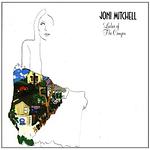
Ladies of the Canyon, released in 1970, finds Joni Mitchell expanding from spare folk toward fuller arrangements that blend acoustic folk, folk rock and pop with jazz-inflected harmony. The album balances intimate, character-driven songs about California life and community with more immediate tracks such as "Big Yellow Taxi", all anchored by Mitchell's distinctive guitar tunings, pianism and conversational vocal delivery. The title track and others on the record show a growing sophistication in melody and arrangement that points toward her subsequent work.
#732 — Hello Nasty by Beastie Boys
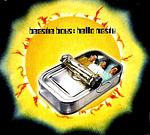
Hello Nasty, released in 1998 by Beastie Boys, expands their hip hop foundation into more eclectic and electronic textures. The album blends beats rooted in East Coast hip hop with abstract arrangements, prominent turntablism from Mixmaster Mike, and instrumental interludes, moving between playful vocal tracks and genre‑blurring production. Its sound is marked by dense sampling, crisp drum programming, and nods to funk and electronic styles, reflecting the group's experimental approach to hip hop at that point in their career.
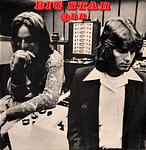
3rd, often issued as Third or Third/Sister Lovers, is Big Star's late 1970s album that departs from the bright power pop of their earlier records in favor of a darker, more experimental and melancholic sound. Alex Chilton's intimate, sometimes raw vocals sit against spare, fragmented arrangements and occasional orchestral touches, creating a haunted, introspective atmosphere that reflects the difficult circumstances of the sessions. Its unconventional textures and emotional directness have made it influential to later indie and alternative musicians.
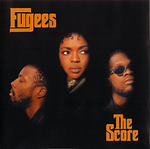
The Score, released in 1996 by the Fugees, blends hip hop, contemporary R&B, boom bap rhythms and alternative hip hop sensibilities with Caribbean influences. Lauryn Hill's soulful singing and lyrical delivery, Wyclef Jean's eclectic production and Pras's steady rapping create a mix of live instrumentation, cinematic samples and reggae-tinged grooves. The album pairs reinterpretations of familiar songs, such as a cover of "Killing Me Softly" and a version of "No Woman, No Cry," with original, socially conscious lyrics that explore identity, diaspora and street life.
#735 — Manassas by Stephen Stills
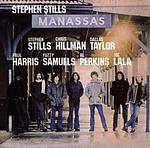
Manassas is a sprawling double album credited to Stephen Stills's band Manassas that blends rock, folk, country, blues and Latin influences across acoustic and electric arrangements. Recorded after his early solo work and time with Crosby, Stills, Nash and Young, it highlights Stills's guitar playing and songwriting alongside tight vocal harmonies and ensemble interplay, moving between rockers, country-tinged ballads, bluesy jams and acoustic folk passages. The record is notable within his catalog for its ambition and wide stylistic range.
#736 — Ready to Die by The Notorious B.I.G.
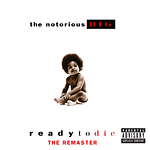
Ready to Die, the 1994 debut studio album by The Notorious B.I.G., pairs hard-edged boom bap production and sample-based beats with Biggie's deep, conversational flow and vivid storytelling about street life, ambition, and mortality. The record alternates gritty, hardcore narratives and gangsta rap themes with moments of melodic hooks and personal reflection, showcasing dense internal rhymes, dark humor, and cinematic details. It is widely regarded as a defining release in 1990s East Coast hip hop for its lyricism and narrative scope.
#737 — Vulgar Display of Power by Pantera
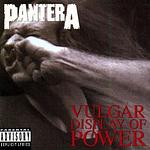
Vulgar Display of Power, released in 1992 by Pantera, is a landmark groove metal album that emphasizes heavy, palm-muted guitar riffs, syncopated mid-tempo rhythms, and Phil Anselmo's aggressive vocal delivery. Dimebag Darrell's sharp, metallic guitar tone and the tight rhythm section create a muscular, riff-driven sound that moves away from thrash speed toward a tougher, groove-centered approach, incorporating elements of heavy metal and alternative metal. The production is direct and punchy, foregrounding riff clarity and rhythmic impact, and the album is frequently referenced as a defining statement in 1990s heavy music.
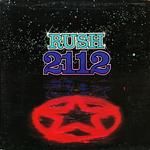
2112, released in 1976, is a landmark Rush album that pairs extended progressive composition with hard rock drive. The centerpiece is the roughly 20 minute title suite, a science fiction rock opera with multiple movements that combine shifting time signatures, thematic motifs, and both aggressive and melodic passages; the lyrics were written by drummer Neil Peart. The shorter tracks on the album offer concise hard rock and instrumental moments that highlight Geddy Lee's high-register vocals and bass work and Alex Lifeson’s textural guitar playing. The record represents a clear move toward more complex arrangements and lyrical ambition within the band's sound.
#739 — No Fences by Garth Brooks
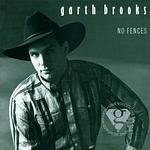
No Fences, Garth Brooks' 1990 second studio album, blends contemporary country with folk storytelling and rock-tinged production. The record pairs raucous, crowd-ready singalongs and polished narrative ballads, with prominent electric guitar, fiddle, and pedal steel arrangements. It features well-known tracks such as "Friends in Low Places", "The Thunder Rolls", and "Unanswered Prayers", and exemplifies Brooks' arena-oriented, larger-than-life approach to country music.
#740 — Whitney Houston by Whitney Houston
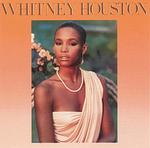
Whitney Houston is the 1985 self-titled debut album by Whitney Houston. Rooted in pop and contemporary R&B with dance-pop and electronic 1980s production, it pairs bright, synth-driven uptempo tracks with lush ballads and showcases Houston's wide range, precise phrasing, and vocal control. Produced by a team of pop and R&B producers, the record helped define her crossover appeal and contains songs that became central to her repertoire.
#741 — The Best of '99 by Bon Jovi
#742 — Love Is The Thing by Nat King Cole
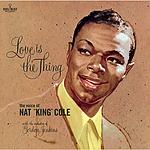
Love Is the Thing is a collection of romantic standards sung by Nat King Cole, built around lush string arrangements by Gordon Jenkins that foreground Cole's warm baritone. The album emphasizes slow to midtempo ballads and orchestral pop textures, highlighting a move from Cole's earlier jazz trio recordings toward intimate, melody-focused interpretations of popular songs. Its sound is characterized by smooth vocal phrasing, sweeping strings, and restrained rhythmic backing that frame Cole's expressive delivery.
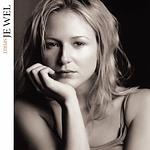
Spirit, Jewel's 1998 album, shifts from the spare acoustic feel of her debut toward a more polished pop and rock sound while keeping her confessional, folk-rooted songwriting. The record pairs acoustic-driven ballads with fuller band arrangements, electric guitar textures and occasional country-tinged touches, combining elements of folk pop, folk rock, country pop and mainstream pop. The result is a broader sonic palette that emphasizes accessible melodies and personal, introspective lyrics.
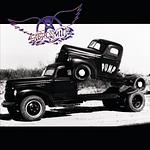
Pump, released in 1989, captures Aerosmith’s late 1980s resurgence with a mix of hard rock rooted in blues and shaped by pop rock hooks and slick production. Produced by Bruce Fairbairn, the album pairs punchy, riff-driven tracks and arena-ready arrangements with occasional horn and string accents, and balances raw bluesy moments against radio-friendly songwriting; notable songs include "Love in an Elevator," "Janie's Got a Gun," and "The Other Side." Steven Tyler’s raspy vocals and Joe Perry’s guitar work remain central, giving the record a blend of classic rock grit and contemporary late 80s sheen.
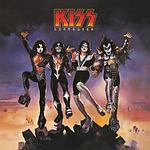
Destroyer (1976) finds KISS expanding from their raw, riff-driven hard rock roots into more ambitious studio territory with producer Bob Ezrin. The album blends glam rock swagger and heavy, arena-ready guitar work with layered production, orchestral arrangements and theatrical touches, most notably on the string-backed ballad "Beth" and the dramatic rocker "Detroit Rock City". It emphasizes tighter arrangements, vocal hooks and studio experimentation that broadened the band’s sound beyond straightforward live-style recordings.
#746 — The B‐52's by The B‐52s
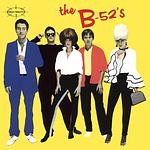
The B-52's is the band's 1979 debut, a loose and exuberant collection that helped define late 1970s New Wave with a blend of surf-influenced guitar, propulsive dance rhythms, and buoyant call-and-response vocals. The album's quirky lyrics, party-ready arrangements, and prominent organ and angular guitar give it a playful, kitschy feel that bridged art-pop and dance-rock while establishing the group's distinctive image in alternative music. Its energetic, danceable songs and offbeat humor made it a touchstone for bands exploring pop hooks with an avant-garde sensibility.
#747 — Solo Monk by Thelonious Monk
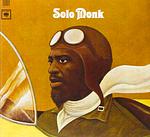
Solo Monk is a 1965 solo piano album by Thelonious Monk that showcases his distinctive, idiosyncratic approach to melody, harmony, and rhythm. Performed without accompaniment, the performances emphasize a percussive touch, unexpected dissonances, rhythmic displacement, and the use of space, offering concise reinterpretations of both standards and Monk compositions. The album functions as a clear document of his solo piano voice in the mid 1960s, highlighting his harmonic inventiveness and timing.
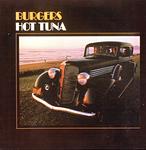
Burgers, released in 1972 by Hot Tuna, is a studio record that leans into electric blues rock while still reflecting the band's acoustic blues roots. It highlights Jorma Kaukonen's expressive guitar work and Jack Casady's melodic bass within fuller, band-oriented arrangements and a cleaner studio sound than the group's earlier live recordings. The album balances traditional blues material and original songs, presenting a warm, rootsy approach that bridges authentic blues playing and early 1970s rock production.
#749 — A Day at the Races by Queen
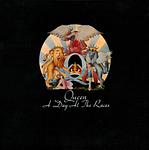
A Day at the Races, released in 1976, continues Queen's blend of hard rock, glam and art rock with expansive, arena-ready arrangements and meticulous studio craft. The band self-produced the record and leans on layered multi-tracked vocals, piano-driven ballads and Brian May's distinctive guitar work, with songs ranging from the gospel-inflected harmonies of "Somebody to Love" to the straight-ahead rock of "Tie Your Mother Down" and the theatrical pop of "Good Old-Fashioned Lover Boy".
#750 — Ill Communication by Beastie Boys
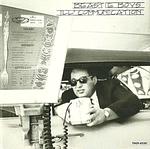
Ill Communication is a 1994 album by the Beastie Boys that blends hip hop with hardcore punk, jazz-funk and rock influences, featuring a mix of sample-based beats, live drums and guitar-driven arrangements. The record moves between aggressive, guitar-forward cuts and groove-oriented, horn and flute-tinged tracks, with songs like "Sabotage", "Sure Shot", "Get It Together" and "Root Down" illustrating the group’s genre-blurring approach and interest in both DJ culture and live-band textures. The overall sound is raw and eclectic, emphasizing a more organic, energetic production style.
#751 — Promenade by The Divine Comedy
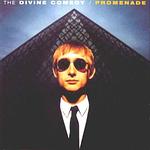
Promenade (1994) by The Divine Comedy is a subdued, orchestral-tinged chamber pop album led by Neil Hannon's literate songwriting. It blends baroque pop and art pop textures with string and woodwind arrangements alongside restrained rock instrumentation, creating a theatrical, narrative sensibility that evokes seaside and European salon imagery. The record spotlights a move toward richer orchestration and cohesive thematic moods that helped shape the band's subsequent, more expansive work.
#752 — Mellow Gold by Beck
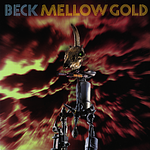
Mellow Gold is Beck's 1994 album that blends lo-fi alternative rock, anti-folk songwriting, and leftfield sample collage, combining acoustic guitars and ramshackle beats with hip-hop influenced loops and stray noise. The songs feature deadpan, stream-of-consciousness lyrics, a slacker aesthetic, and an experimental approach to production that juxtaposes home-recorded intimacy with found sounds and psychedelic touches. The record is notable for establishing Beck's eclectic, genre-blurring style and for bringing anti-folk and offbeat production techniques into a broader alternative rock context.
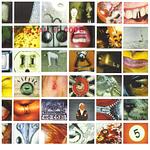
Pearl Jam's 1996 album No Code is their fourth studio album and marks a turn away from the band's earlier straightahead grunge sound toward more experimental and diverse textures. The record blends acoustic and electric arrangements, tribal and worldbeat influenced rhythms, and quieter, introspective songwriting, with occasional punk and folk touches. It has a looser, less polished feel than some earlier releases and emphasizes mood, intimacy, and studio experimentation alongside rock dynamics.
#754 — Love Train / Backstabbers by The O'Jays
#755 — Harvest Moon by Neil Young
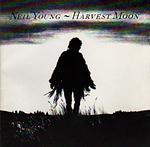
Harvest Moon (1992) finds Neil Young revisiting the gentle, acoustic-based folk rock and country rock textures associated with his early 1970s work, often regarded as a companion to 1972's Harvest. The record emphasizes warm acoustic guitars, piano and pedal steel with understated percussion, and features intimate, reflective lyrics about aging, enduring love and domestic life delivered in Young’s weathered tenor. Its mellow arrangements and pastoral mood prioritize melody and atmosphere over hard rock dynamics, making it one of Young’s quieter, more contemplative records.
#756 — Dream Letter: Live in London 1968 by Tim Buckley
Dream Letter: Live in London 1968 is a live recording of Tim Buckley captured in London in 1968 and issued in 1990. The album presents Buckley in a largely acoustic, folk-rooted setting while pointing toward his later experimental and jazz-influenced work, with extended vocal phrasing, emotive delivery, and loose, exploratory arrangements. It offers a raw, intimate snapshot of his transition from singer-songwriter folk rock toward more adventurous sounds.
#757 — Wheels of Fire by Cream
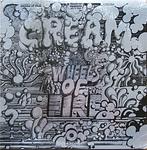
Wheels of Fire is a 1968 double album by Cream that pairs a studio disc with a live disc, showcasing the group's blend of blues rock, psychedelic rock, and hard rock. The studio side includes tightly arranged, studio-crafted songs such as "White Room" alongside more melodic and experimental pieces, while the live side highlights extended improvisation and the virtuosic interplay between Eric Clapton's guitar, Jack Bruce's bass and vocals, and Ginger Baker's drums, underlining the band's blues roots and psychedelic exploration.
#758 — Ropin' the Wind by Garth Brooks
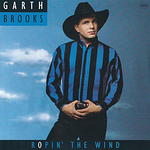
Ropin’ the Wind is a 1991 album by Garth Brooks that blends traditional country instruments such as fiddle and steel guitar with rock-tinged production and pop-oriented hooks. The record ranges from energetic rodeo songs like "Rodeo" and "Papa Loved Mama" to introspective ballads like "The River" and includes a cover of Billy Joel's "Shameless," highlighting Brooks' storytelling and dynamic vocal delivery. Its contemporary country sound and arena-ready arrangements helped broaden his audience and stand out in his early catalog.
#759 — Tattoo You by The Rolling Stones
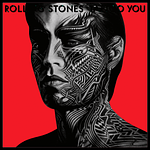
Tattoo You (1981) by The Rolling Stones is a guitar-driven rock album that leans on hard rock and blues rock foundations. Largely assembled from outtakes and older studio material that were finished and updated for release, it pairs punchy, riff-led rockers with slower, blues-inflected numbers, highlighting Keith Richards and Ronnie Wood guitar interplay, Charlie Watts and Bill Wyman rhythmic drive, and Mick Jagger's expressive vocals. The production favors a direct, live-sounding approach with occasional horn and keyboard flourishes, giving the record a cohesive, high-energy feel despite its patchwork origins.
#760 — Scott 4 by Scott Walker
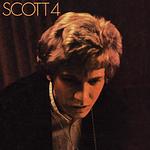
Scott 4, released in 1969, finds Scott Walker moving deeper into baroque pop and orchestral art pop with somber, literate songwriting and lush chamber-pop arrangements. The record foregrounds Walker's deep, expressive baritone against dense strings and brass while exploring introspective and enigmatic themes, representing a deliberate shift away from mainstream pop toward a darker, more idiosyncratic solo direction that anticipated his later experimental work.
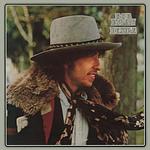
Desire (1976) finds Bob Dylan moving his folk-rock songwriting into a larger, more theatrical sound, pairing long, narrative songs with lively ensemble arrangements that draw on rock, blues, and a gypsy-tinged folk sensibility. The record features prominent violin from Scarlet Rivera and notable female harmony vocals from Emmylou Harris, and many tracks were co-written with Jacques Levy; it balances topical, storytelling pieces like "Hurricane" and "Joey" with more personal songs such as "Sara."
#762 — Heavy Soul by Paul Weller
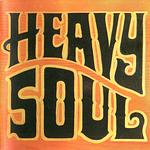
Heavy Soul (1997) presents Paul Weller's solo-era blend of rock and soul, leaning into warm, guitar-driven arrangements and organ-tinged grooves rather than his earlier angular mod-punk sound. The record highlights his raw, expressive vocals and concise songwriting, balancing acoustic moments with more muscular electric tracks and a clear nod to classic British rock and vintage soul influences. It reflects Weller's ongoing exploration of timeless songcraft within an indie rock and rock context.
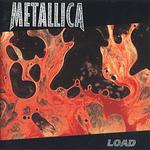
Load is Metallica's sixth studio album, released in 1996, in which the band moved away from their earlier thrash approach toward a warmer hard rock and alternative-influenced sound. The record emphasizes mid-tempo, groove-based riffs, bluesy touches and more melodic vocal lines, with denser production and varied song structures compared with their 1980s work. It is notable within Metallica's catalog for its deliberate stylistic shift and exploration of rock and alternative textures.
#764 — Giant Steps by John Coltrane
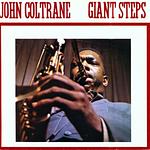
John Coltrane's 1960 album Giant Steps captures his move beyond hard bop into a modern post-bop and modal idiom, centered on the title composition's rapid harmonic cycle that came to be known as Coltrane changes. The record pairs technically demanding, high-speed improvisation with more lyrical material such as Naima, balancing dense chordal movement and moments of modal spaciousness. Its combination of harmonic experimentation and virtuosic ensemble playing marks a pivotal moment in Coltrane's artistic development and in the evolution of jazz harmony.
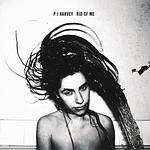
Rid of Me is PJ Harvey's 1993 album, produced by Steve Albini, noted for its raw, visceral sound and stark, live-feeling production. The music blends abrasive guitar work, driving rhythms, and intense, often confrontational vocals, with lyrics that explore power, desire, and emotional volatility. The record is commonly seen as a darker, more aggressive follow-up to her earlier work and a defining statement in 1990s alternative and indie rock.
#766 — Rattus Norvegicus by The Stranglers
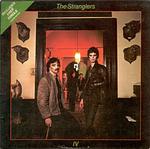
Rattus Norvegicus, the Stranglers' 1977 debut, pairs punk's raw immediacy with elements of pub rock and art punk, anchored by Jean-Jacques Burnel's prominent, melodic bass and Dave Greenfield's organ and keyboard flourishes. The record features tight, driven rhythms and Hugh Cornwell's snarling baritone vocals, giving it a darker, more aggressive timbre than many contemporaries while hinting at new wave melodic sensibilities and occasional artful arrangements.
#767 — Daydream by The Lovin' Spoonful
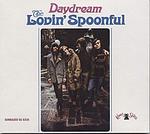
Daydream (1966) by The Lovin' Spoonful showcases the band's breezy, folk-influenced pop rock, with jangly acoustic guitars, warm vocal harmonies, and touches of blues and country-tinged phrasing. Arrangements move between upbeat, singalong songs and more relaxed, pastoral numbers, with John Sebastian's songwriting and harmonica lending a homespun, melodic character. The title track captures the album's easygoing mood and is representative of the group's mid 1960s sound.
#768 — Actually by Pet Shop Boys
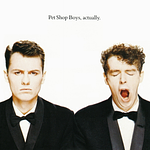
Actually, released in 1987 by Pet Shop Boys, is a polished synth-pop album that blends electronic dance-pop rhythms with literate, often wry songwriting. The production features bright synthesizer lines, programmed beats and occasional orchestral touches, creating a tension between upbeat arrangements and Neil Tennant's detached, melancholic vocal delivery; notable tracks include the dramatic "It's a Sin" and the duet with Dusty Springfield, "What Have I Done to Deserve This?", and the record highlights the duo's knack for marrying pop melodies with ironic, introspective themes.
#769 — Everywhere by Tim McGraw
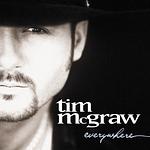
Everywhere (1997) by Tim McGraw is a contemporary country album that mixes acoustic-led ballads and up-tempo country-pop with polished Nashville production. The record showcases McGraw's smooth vocal style across themes of love and reflection, and includes the duet "It's Your Love" with Faith Hill. Its sound emphasizes layered guitars, tasteful steel and keyboard arrangements, and radio-friendly songcraft typical of late 1990s country.
#770 — Still Crazy After All These Years by Paul Simon
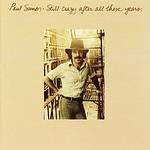
Still Crazy After All These Years is Paul Simon's 1975 solo album that blends his folk-rooted songwriting with pop rock and jazz pop arrangements. The record pairs intimate acoustic and piano-based ballads with groove-oriented tracks that feature jazz-influenced session players, including Steve Gadd's distinctive drum pattern on "50 Ways to Leave Your Lover". Simon's lyrics focus on relationships and personal reflection, while the production incorporates strings, brass, and small-group jazz textures to expand his folk-rock palette.
#771 — To Bring You My Love by PJ Harvey
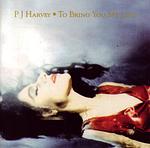
To Bring You My Love is PJ Harvey's 1995 record that shifts from her earlier raw trio sound toward a darker, more cinematic approach blending alternative rock with blues and folk influences. The songs pair intense, intimate vocals with organ, distorted guitar, sparse percussion and occasional string textures to create brooding, atmospheric arrangements. Lyrically it explores desire, religion and mortality, and the album marked a notable stylistic evolution in her work.
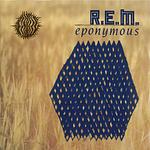
Eponymous is a 1988 compilation that gathers R.E.M.'s early I.R.S. recordings into a concise overview of their formative period. The album emphasizes the band's jangle pop and alternative rock hallmarks: chiming, arpeggiated guitars, tight rhythmic interplay, melodic hooks, and Michael Stipe's enigmatic vocal delivery. It functions as a clear snapshot of the group's early sound and songwriting approach, highlighting the mix of pop sensibility and angular rock textures that defined their work in the 1980s.
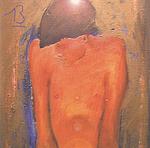
13 is Blur's 1999 album that marks a shift from their Britpop sound toward a more experimental, introspective approach, blending alternative and indie rock with electronic textures and psychedelic touches. The record moves between sparse, melancholic ballads and noisy, guitar-driven tracks, using loops, ambient production, and unconventional arrangements to create a moodier, more personal atmosphere. Production contributions from William Orbit helped shape its electronic and atmospheric elements, and the album features songs such as Tender, Coffee and TV, and No Distance Left to Run.
#774 — You've Come a Long Way, Baby by Fatboy Slim
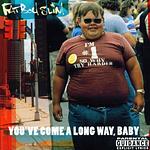
You’ve Come a Long Way, Baby is a 1998 Fatboy Slim album that epitomizes the big beat sound with punchy breakbeats, heavy use of samples, and playful, dancefloor-focused production. Songs mix acid-tinged synths, funky loops, and cut-up vocal hooks to create a lively, theatrical electronic record that moves between high-energy club tracks and more melodic, beat-driven moments. The album played a major role in bringing big beat and sample-based dance music into broader public awareness and helped define Fatboy Slim's signature DJ-producer approach.
#775 — Boys Don't Cry by The Cure
#776 — Hejira by Joni Mitchell
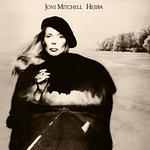
Hejira, released in 1976, finds Joni Mitchell moving further into jazz-influenced territory while retaining her folk songwriting. The album pairs poetic, travel-focused lyrics about movement and solitude with sparse, spacious arrangements that foreground her open-tuned guitar work and long, melodic fretless bass lines from Jaco Pastorius. Songs blend folk narrative, jazz harmonies, and loose, improvisational interplay to produce an introspective, nocturnal sound that points toward her later jazz explorations.
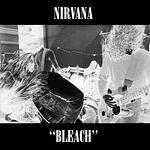
Bleach is Nirvana's 1989 debut album, recorded with producer Jack Endino at Reciprocal Recording in Seattle and released on Sub Pop. The record has a raw, heavy sound defined by thick, distorted guitars, strong bass presence, and gritty low fidelity production that draws on punk, sludge metal, and noise rock while helping define the early grunge and alternative rock aesthetic. Kurt Cobain's songs alternate between abrasive, riff-driven tracks and more melodic moments, presenting the band in a blunt, uncompromising early form.
#778 — …Baby One More Time by Britney Spears
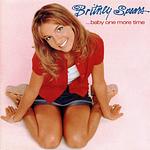
…Baby One More Time is Britney Spears's 1999 debut studio album that centers on polished dance-pop and teen pop with notable Europop and contemporary R&B production touches. The record mixes hook-driven, synth-forward uptempo tracks with slower ballads, featuring glossy, radio-ready arrangements and Spears's breathy, youth-focused vocal delivery. Produced and written by pop-era songwriters and producers, the album helped launch her career and is often referenced as a defining example of late 1990s mainstream pop.
#779 — Let's Stay Together by Al Green
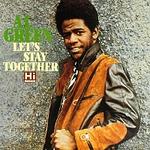
Let’s Stay Together (1972) finds Al Green delivering intimate, gospel-tinged soul marked by his distinctive falsetto, warm midtempo grooves, and spare, tasteful arrangements. Anchored in the Hi Records sound, the album blends smooth and Southern soul with pop sensibilities while retaining clear gospel inflections in the vocal delivery. The title track captures the record’s romantic, restrained mood and exemplifies the tone that became central to Green’s early 1970s work.
#780 — Crash by Dave Matthews Band
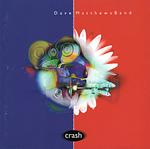
Crash, the 1996 major-label debut studio album by Dave Matthews Band, blends acoustic-driven songwriting with rock, funk and jazz-influenced rhythms and a jam band sensibility. Produced by Steve Lillywhite, the record features intertwining guitars, saxophone and violin over propulsive drums and melodic bass, yielding songs that range from intimate acoustic balladry to groove-oriented uptempo tracks. The album consolidated the band's concert-oriented interplay into a studio setting and introduced several of their enduring songs to a wider audience.
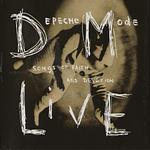
Songs of Faith and Devotion: Live (1993) captures Depeche Mode on their 1993 Devotional Tour, presenting material from the studio album alongside older songs in a raw, guitar-forward live setting. The performances emphasize live drums and a more rock-oriented, organic sound while keeping the band's electronic textures, with Dave Gahan's intense vocals and a darker, more immediate stage atmosphere. The release functions as a snapshot of the band shifting some of their synth-based material into fuller, rock-inflected arrangements.
#782 — Play: The Complete Recordings by Moby
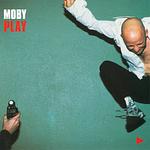
Play: The Complete Recordings, commonly known as Play, is a 1999 Moby album that fuses electronic, breakbeat and downtempo production with ambient textures and extensive use of sampled blues, gospel and field-recording vocal fragments. It pairs warm acoustic touches like piano and strings with programmed beats and looped vocal motifs to create melancholic, cinematic tracks that balance introspective mood with rhythmic immediacy. The album’s sample-driven, accessible arrangements helped bring ambient and electronic sounds into broader popular contexts, and several tracks have been used in film and advertising.
#783 — In-A-Gadda-Da-Vida by Iron Butterfly
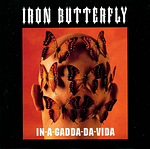
In-A-Gadda-Da-Vida is an organ-forward hard psychedelic rock album built around its long, immersive title track, which features extended organ and guitar passages and a prominent drum solo. The rest of the record pairs shorter, melodic songs with heavy, fuzzed guitar riffs and dense, hypnotic arrangements, giving the album a weighty, trance-like sound that sits between late 1960s psychedelia and early heavy rock.
#784 — Surfacing by Sarah McLachlan
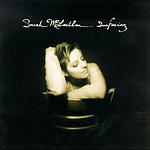
Surfacing (1997) is Sarah McLachlan's fourth studio album, built around intimate, piano- and guitar-led songwriting that blends pop, soft rock, and folk rock influences. The record is notable for its lush, layered production and clear, emotive vocals, combining spare ballads and midtempo pop-rock arrangements with atmospheric strings and subtle electronic textures. Lyrically the songs tend toward introspection and emotional candor, and the album contains several well known tracks such as "Angel" and "Building a Mystery".
#785 — Porgy and Bess by Miles Davis
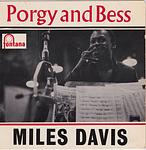
Porgy and Bess is Miles Davis's 1959 collaboration with arranger Gil Evans that reinterprets George Gershwin's opera through a jazz orchestra lens. The album blends big band and orchestral textures with modern jazz harmonies, featuring lyrical, often muted trumpet melodies over rich horn voicings and close ensemble writing. It is widely regarded as a key Davis Evans collaboration and an example of how jazz can adapt and expand theatrical themes into extended, orchestral jazz statements.
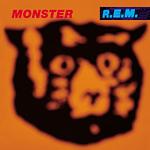
Monster is R.E.M.'s 1994 album that marks a deliberate shift to a louder, guitar-driven sound, embracing distorted, grungy textures and glam-tinged rock touches while retaining the band's melodic sensibility. The songs alternate between snarling, uptempo numbers and more atmospheric midtempo tracks, with Michael Stipe delivering raw and characterful vocal performances. Notable for its noisy, effects-heavy production and themes that touch on fame and identity, the album stands out in R.E.M.'s catalog as a bold stylistic turn.
#787 — Don't Look Back by Boston
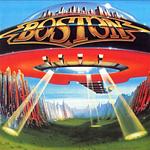
Don’t Look Back, Boston’s 1978 second album, continues the band’s polished blend of hard rock and AOR with arena-sized hooks, dense multi-tracked guitars, and soaring vocal harmonies. Produced and arranged largely by guitarist and engineer Tom Scholz with lead vocals by Brad Delp, the record emphasizes tight songwriting, layered guitar tones and glossy production that reinforced the band’s stadium-ready sound. Its focus on crisp musicianship, melodic choruses and harmonized guitars exemplifies the late 1970s arena rock and classic rock aesthetic.
#788 — Unplugged by Eric Clapton
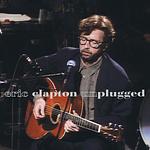
Unplugged is a 1992 live acoustic album by Eric Clapton recorded for MTV's Unplugged series. The set presents pared down acoustic arrangements of Clapton's songs and blues standards, marked by restrained, intimate vocals and warm, melodic guitar work. It features the poignant ballad "Tears in Heaven" and an acoustic reinterpretation of "Layla," and emphasizes Clapton's blues and classic rock roots through simple, direct soloing and rootsy accompaniment.
#789 — A Momentary Lapse of Reason by Pink Floyd

A Momentary Lapse of Reason (1987) is Pink Floyd's first major studio release after Roger Waters' departure and reflects David Gilmour's leadership, featuring expansive, atmospheric soundscapes, prominent synthesizer textures, layered production and long instrumental passages alongside more conventional rock songs. The record blends progressive and art rock approaches with ambient moments and occasional orchestral touches, relying heavily on session musicians and studio production to create a spacious, cinematic sonic character.
#790 — The Globe Sessions by Sheryl Crow
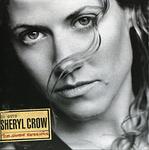
The Globe Sessions, Sheryl Crow's 1998 album, blends country rock, rock, alternative rock and pop into a darker, more introspective record than much of her earlier work, with layered guitars, blues and roots influences and a stronger emphasis on personal songwriting and on Crow's role in production alongside longtime collaborators.
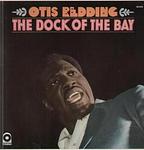
#791 — The Dock Of The Bay by Otis Redding
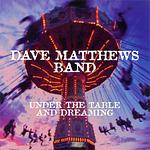
Under the Table and Dreaming (1994) is Dave Matthews Band's major-label debut studio album that blends acoustic-rooted rock with elements of jazz, folk and pop while reflecting the group's jam-band sensibility in concise studio arrangements. Dave Matthews's syncopated acoustic guitar and idiosyncratic vocal delivery are framed by Carter Beauford's intricate rhythms, Stefan Lessard's melodic bass, LeRoi Moore's saxophone colors and Boyd Tinsley's violin, producing songs that balance catchy hooks and lyrical storytelling with moments of instrumental interplay. The record presents a polished studio version of the band's live-oriented, improvisational approach without losing rhythmic complexity or melodic focus.
#793 — Ben Folds Five by Ben Folds Five
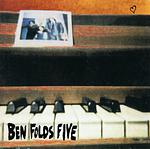
Ben Folds Five (1995) is the debut album by the piano-driven trio Ben Folds Five. It emphasizes piano-forward alternative rock and indie pop arrangements, pairing a punchy rhythm section with concise, literate lyrics and moments of both buoyant energy and quieter intimacy. The band's guitarless lineup gives the record a distinctive sonic profile that foregrounds Ben Folds's piano work and melodic hooks, and it served as an early showcase of the group's approach within the 1990s indie rock scene.
#794 — Full Moon, Dirty Hearts by INXS
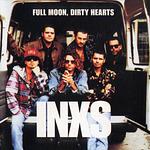
Full Moon, Dirty Hearts is a 1993 INXS album that continues the band's blend of rock, pop rock, alternative and dance-rock, moving toward a rawer, more immediate sound with prominent guitars, driving rhythms, and Michael Hutchence's charismatic vocals. The record pairs rhythm-forward, danceable tracks with moments of atmospheric production and occasional experimentation, reflecting the group's interest in fusing pop hooks with a harder rock edge. As a later-period studio release, it emphasizes live energy and rhythmic intensity rather than studio polish.
#795 — Piano Man by Billy Joel
Piano Man (1973) is a piano-centered singer-songwriter album that blends folk rock and pop rock elements, with Billy Joel focusing on narrative lyrics and character-driven songs. The title track showcases a harmonica opening and singalong chorus, and the record alternates between intimate, acoustic-leaning ballads and fuller, rock-tinged arrangements, keeping piano and vocals at the center. The album is notable for establishing Joel's storyteller persona and for its emphasis on melodic, lyrically driven songwriting.
#796 — So Much for the Afterglow by Everclear
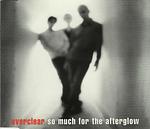
So Much for the Afterglow is an Everclear album that blends alternative rock and power pop with post-grunge guitar-driven arrangements, clean production, and strong melodic hooks. Art Alexakis delivers direct, often autobiographical lyrics about relationships, small-town disillusionment, and personal struggle in a raspy vocal style. The record balances upbeat, radio friendly anthems with quieter, reflective moments, featuring layered guitar work and tighter songwriting compared with the band's earlier, rawer recordings.
#797 — Something/Anything? by Todd Rundgren
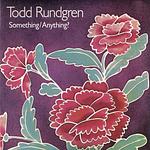
Something/Anything? is Todd Rundgren's 1972 double album that mixes concise pop songwriting with studio experimentation. Rundgren produced the record and performed most of the instrumentation, yielding a range from guitar-driven power pop and pop rock to art pop and more progressive, experimental passages. The album includes songs such as "I Saw the Light", "Couldn't I Just Tell You", and a reworked version of "Hello It's Me", and is often regarded as a key early solo statement showcasing his abilities as a songwriter, arranger, and producer.
#798 — Suzanne Vega by Suzanne Vega
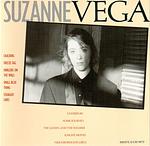
Suzanne Vega's 1985 self-titled debut presents her spare, literate singer-songwriter style with acoustic guitar-centered arrangements and subtle touches of electric instrumentation and light percussion. The album introduced Vega's observational, narrative lyrics on songs such as "Marlene on the Wall," pairing folk traditions with pop-minded melodies and an understated production that helped define a quiet strand of 1980s indie folk and folk-pop.
#799 — Reckless by Bryan Adams
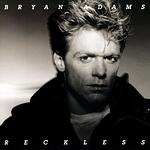
Reckless (1984) is a guitar-driven rock album that mixes arena-ready pop rock and hard rock with AOR polish and acoustic textures. Much of the material, written with longtime collaborator Jim Vallance, emphasizes strong, hooky choruses, punchy electric riffs and occasional acoustic balladry, wrapped in a glossy mid 1980s production. The record helped define Bryan Adams's signature sound by pairing radio-friendly songwriting with rock energy.

Ænima, Tool's 1996 album, blends heavy riffing and alternative metal aggression with progressive rock complexity and art rock atmospherics. The record emphasizes polyrhythmic drumming, textured guitar effects and prominent bass lines, and features extended song structures that move between sparse, ambient passages and dense, heavy climaxes, while Maynard James Keenan's vocals shift from subdued spoken moments to powerful, emotive delivery. Lyrically it mixes introspective themes, confrontational imagery and dark humor, marking a move toward more layered, intricate compositions in the band's sound.