The Greatest Music
Colin Larkin’s All Time Top 1000 Albums
Weight: 10%
How much this list influences our overall rankings. Higher weight means more reliable data.
Penalties Applied:
A book series created by Encyclopedia of Popular Music editor Colin Larkin (1st ed. 1994; later pocket/2nd ed. 1998; 3rd ed. 2000), presenting a ranked “top 1000” derived from a large, ongoing public poll—ballots gathered in record shops, universities, schools, and at the MIDEM trade show—rather than a critics’ ballot. The project grew across editions, with annotations for each album and shifting results as more votes came in.
October, U2's 1981 second album, refines the band's post-punk foundation into a spare, atmospheric sound that touches on ambient and arena rock textures. The Edge's chiming, delay-drenched guitar and Bono's urgent vocals are paired with driving drums and often restrained bass, while organ and hymnlike arrangements give several songs a contemplative, spiritual quality. The record is notable for its succinct song structures and an overall austere mood that emphasizes lyrical searching and youthful intensity.
What Does Anything Mean? Basically is a 1985 post-punk album by The Chameleons characterized by chiming, reverb-heavy guitar textures, melodic basslines, and a brooding, atmospheric mood. The songs blend expansive, sometimes cinematic arrangements with introspective lyrics and distinctive vocal delivery, emphasizing layered guitar interplay and dynamic shifts. It is often cited as a clear example of the band's atmospheric approach within the post-punk landscape.
#803 — Backstreet Boys by Backstreet Boys
Backstreet Boys (1996) is the group’s international debut album, built around polished pop and dance-pop with strong teen pop sensibilities. Production combines electronic elements and programmed beats with R&B and hip hop influences, supporting tight five-part vocal harmonies and romantic lyrical themes. The overall sound emphasizes catchy hooks and layered vocal arrangements tailored to radio and choreographed live performances, and it established the group’s template as a 1990s boy band.
#804 — Waiting for Columbus by Little Feat
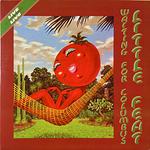
Waiting for Columbus, released in 1978, is a live album that captures Little Feat's blend of blues rock, country rock, southern rock and New Orleans-influenced funk. The recordings emphasize groove-driven arrangements, interlocking slide and lead guitars, prominent keyboards and tight, syncopated rhythms, showcasing the band's loose but precise interplay in extended live performances. The album is often considered a definitive live document of the classic Little Feat lineup and illustrates how their studio material translates into dynamic concert energy.
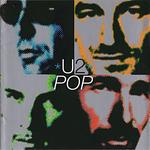
Pop is U2's 1997 album that extends the band's 1990s experiments with electronic and dance textures, blending pop rock and alternative rock with prominent electronic beats, sampling and dense studio production. The record emphasizes processed guitars, programmed rhythms and club-oriented grooves alongside the band's melodic songwriting, making it one of their more sonically adventurous and experimental releases. Lyrically it continues Bono's introspective and topical concerns while the band pushed their sound into dance-rock and electronic territory.
#806 — Three Dollar Bill, Yall$ by Limp Bizkit
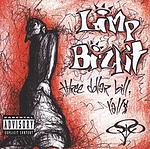
Three Dollar Bill, Yall$ is Limp Bizkit's debut album, combining nu metal and rap rock with heavy, groove-oriented guitar riffs, DJ scratching and sampling, and Fred Durst's snarled, rap-influenced vocals. The record features Wes Borland's angular, experimental guitar work and a raw, aggressive production style, and includes a cover of George Michael's "Faith". The album helped establish the band's sound within the late 1990s nu metal and rap rock movement.
#807 — Uncle Meat by The Mothers of Invention
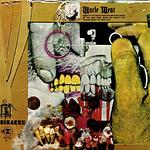
Uncle Meat, released in 1969 by The Mothers of Invention, is an ambitious, collage-like record that blends rock band performance, jazz improvisation, orchestral writing, avant-garde ideas, and early electronic studio techniques. Presented partly as a soundtrack to Frank Zappa's film project of the same name, the album weaves composed passages, improvised jams, tape edits, and spoken-word fragments into a deliberately fragmented, experimental sequence. It is notable for its complex arrangements, satirical touches, and extensive studio manipulation that highlight Zappa's compositional and production interests.
#808 — Oxygène by Jean‐Michel Jarre
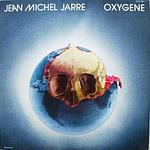
Jean-Michel Jarre's Oxygène (1976) is a largely instrumental suite of six interconnected pieces that helped introduce ambient and progressive electronic sounds to a wider audience. It uses layered analog synthesizer textures, repeating melodic sequences, gently pulsing rhythms and airy, cinematic atmospheres that shift between introspective ambient passages and more rhythmic, melodic sections. Known for its clear production and memorable motifs, the album is often regarded as an influential work in 1970s experimental electronica.
#809 — Peter Gabriel by Peter Gabriel
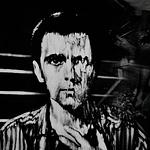
Peter Gabriel (1980), his third solo album often referred to as Melt, marks a move toward more concise, studio-oriented art rock that blends progressive roots with pop sensibilities. The record emphasizes layered production, treated vocals, and electronic textures to create a darker, more atmospheric sound than his earlier solo work, and it represents a turning point toward tighter song structures and adventurous studio experimentation that influenced rock and pop production in the early 1980s.
#810 — Ghost in the Machine by The Police
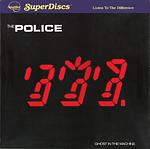
Ghost in the Machine (1981) finds The Police expanding their earlier reggae-rooted rock into a denser, more synth- and horn-driven sound. Sting's songwriting moves toward darker, more philosophical themes of alienation and technology, while Andy Summers layers shimmering guitar textures and Stewart Copeland provides tight, propulsive percussion. The album blends rock, new wave and pop elements with prominent keyboards and brass arrangements, producing a more produced and atmospheric record that represents a clear stylistic development from their earlier, sparser work.
#811 — Moseley Shoals by Ocean Colour Scene
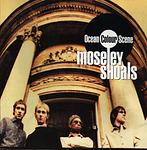
Moseley Shoals, released in 1996 by Ocean Colour Scene, is a Britpop-era album that mixes alternative and indie rock with 1960s-influenced mod and classic rock touches. The songs feature chiming guitars, warm Hammond organ textures, melodic vocals and punchy, riff-driven arrangements that balance upbeat anthems and reflective ballads. The record is commonly regarded as the band's breakthrough and captures a retro-inflected yet contemporary take on mid 1990s British rock.
#812 — Paris 1919 by John Cale
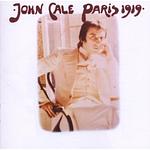
Paris 1919, released in 1973 by John Cale, blends concise, melodic songwriting with subtle chamber and orchestral touches drawn from art rock and art pop. The album pairs literate, often oblique lyrics with clear piano, restrained strings and pop structures, reflecting Cale's avant garde background while favoring accessible songcraft. Its sound balances pastoral and unsettling elements and exemplifies how experimental musicians incorporated singer-songwriter forms in the early 1970s.
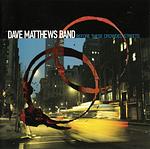
Before These Crowded Streets, the third studio album by Dave Matthews Band released in 1998, expands the group's sound beyond earlier acoustic jam roots into darker, more densely arranged territory. The record blends rock and alternative frameworks with jazz-inflected harmonies, extended jam passages, and broader instrumentation including orchestral and world-music textures, relying on layered production, prominent bass and percussion, and moody arrangements. It represents a move toward more ambitious studio work that emphasizes atmosphere and complexity alongside the band's live improvisational instincts.
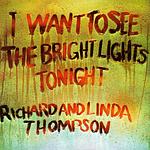
I Want to See the Bright Lights Tonight (1974) by Richard and Linda Thompson blends British folk and rock, featuring Richard Thompson's intricate acoustic and electric guitar work alongside Linda Thompson's expressive, often plaintive vocals. The songs pair traditional folk storytelling and melancholic themes with sharp lyrical detail, and arrangements move between spare, intimate settings and fuller band textures. The result is a moody, atmospheric album that helped define the duo's distinctive folk-rock sound.
#815 — From the Choirgirl Hotel by Tori Amos
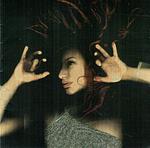
From the Choirgirl Hotel (1998) finds Tori Amos expanding her piano-based songwriting into a denser, band-oriented sound that blends alternative rock, piano rock, and pop textures. The album pairs intimate, confessional lyrics with heavier drums, electronic rhythms, and layered production, producing a darker and more rhythmically driven atmosphere while retaining a strong melodic and piano focus.
#816 — Get Yer Ya‐Ya's Out by The Rolling Stones
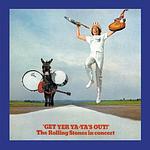
Get Yer Ya-Ya’s Out! is a live album by The Rolling Stones, recorded during their December 1969 concerts at Madison Square Garden and released in 1970. It captures the band’s blues rock and rock and roll repertoire in a raw, energetic live setting, including extended performances like "Midnight Rambler" and driving takes on "Jumpin' Jack Flash" and "Street Fighting Man". The recordings highlight Mick Taylor's guitar work and the presence of Billy Preston on keyboards, and serve as a document of the Stones' late 1960s live sound and lineup transition.
#817 — Morrison Hotel by The Doors
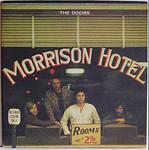
Morrison Hotel (1970) finds The Doors returning to a rawer, blues-rooted sound, favoring organ and piano driven grooves, smoky barroom atmospheres, and tighter, riff-based arrangements. Jim Morrison's baritone and enigmatic lyrics are foregrounded and supported by Ray Manzarek's keyboards, Robby Krieger's guitar work, and John Densmore's rhythmic subtlety, resulting in a direct blend of blues rock, psychedelic textures, and classic rock energy that contrasts with some of the band's more ornate earlier recordings.
#818 — A Boy Named Goo by Goo Goo Dolls
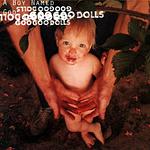
A Boy Named Goo finds the Goo Goo Dolls balancing their punk and alternative roots with a growing taste for melody, pairing distorted, guitar-driven arrangements and rougher vocals with pop-leaning hooks and more introspective moments. The album emphasizes raw, energetic performances and a guitar-forward production that foreshadows the band's move toward cleaner, more melodic rock, and it highlights the contrast between Robby Takac's grittier delivery and John Rzeznik's emerging melodic voice.
#819 — Ride the Lightning by Metallica
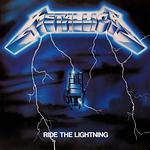
Ride the Lightning (1984) is Metallica's second studio album, rooted in thrash and speed metal while expanding into more sophisticated songwriting and melodic elements. The sound combines fast, aggressive riffing and tight palm-muted rhythms with harmonized leads, dynamic contrasts and occasional slower, atmospheric passages. Lyrically the album explores darker subjects such as mortality, fate and injustice, and it marks a step toward more complex arrangements and broader emotional range within the band's early metal style.
#820 — The Modern Dance by Pere Ubu
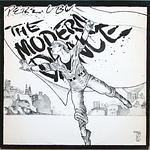
Pere Ubu's 1978 debut album The Modern Dance blends art punk and post-punk energy with experimental studio textures, pairing David Thomas's idiosyncratic vocal delivery with angular guitar, jagged saxophone, and off-kilter organ and synth lines. Tracks move between concise song forms and noisy, atmospheric passages, combining propulsive rock rhythms with found-sound and industrial-tinged production. The record is regarded as an early, influential example of a band pushing rock toward more abrasive and avant-garde territory within the post-punk and experimental rock spheres.
#821 — High Land, Hard Rain by Aztec Camera
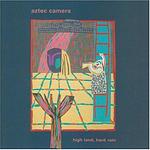
High Land, Hard Rain is the 1983 debut by Scottish band Aztec Camera, driven by Roddy Frame's songwriting and distinctive guitar work. The album pairs bright, jangly guitar textures and clean production with literate, romantic lyrics, merging indie pop and jangle pop sensibilities with touches of art rock, folk and jazz phrasing. Its concise, melody-focused songs, including "Oblivious" and "Walk Out to Winter", helped establish Frame's reputation as a young songwriter with a clear melodic sense.
#822 — Heavy Weather by Weather Report
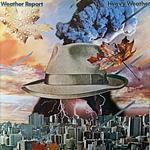
Heavy Weather (1977) by Weather Report is a jazz fusion album led by keyboardist Joe Zawinul and saxophonist Wayne Shorter with the recent addition of bassist Jaco Pastorius. It blends improvisational jazz with funk and rock-influenced rhythms, prominent electric keyboards and synthesizers, and melodic compositions such as the well-known track "Birdland". The record is notable for Jaco Pastorius's lyrical fretless bass work and Zawinul's layered synth textures, and it remains a key reference in late 1970s fusion.
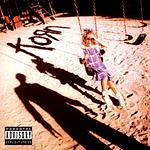
Korn is the 1994 self-titled debut album by the American band Korn, featuring down-tuned, syncopated guitar riffs, percussive, funk-influenced bass, and Jonathan Davis's anguished vocal delivery and vocal effects, including bagpipes on the track "Shoots and Ladders". Produced by Ross Robinson, the record blends heavy metal aggression with hip hop-influenced grooves and confessional lyrics about childhood trauma and alienation. The album is often cited as an early and influential release in the development of the nu metal and alternative metal styles.
#824 — This Is Hardcore by Pulp
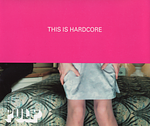
This Is Hardcore finds Pulp shifting into darker, more cinematic territory than their mid 1990s work, blending electronic textures with rock and alternative sensibilities and layered string and horn arrangements. The production emphasizes mood and theatre, with experimental touches and dense, often noir-tinged soundscapes that sit beneath Jarvis Cocker's more introspective and world-weary lyrics about fame, desire, aging and disillusionment. The album reads as a deliberate, mature counterpoint to the band's earlier, more exuberant pop moments while retaining strong melodic instincts.
#825 — A Little South of Sanity by Aerosmith
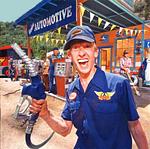
A Little South of Sanity is a 1998 live album by Aerosmith that presents energetic concert performances of material drawn from across the band's catalog. The recordings emphasize hard rock and arena rock dynamics with strong blues and blues rock influences, highlighting Steven Tyler's raw, high-register vocals and Joe Perry's guitar work. The set leans toward loose, crowd-driven live arrangements of familiar songs and blues-inflected jams rather than studio polish.
#826 — Solid Air by John Martyn
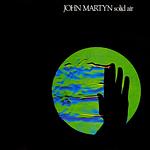
Solid Air is John Martyn's 1973 album that blends folk songwriting with jazz, blues and experimental textures, pairing intimate acoustic pieces with echo-drenched electric guitar and elastic, jazz-inflected rhythms. The title track, written about his friend Nick Drake, is a slow, atmospheric centerpiece, while songs such as "May You Never" highlight Martyn's warm vocals, distinctive fingerpicking and soulful phrasing. Backed by spare, jazz-tinged arrangements including Danny Thompson's double bass, the record is frequently cited as a landmark in British folk rock for its fusion of acoustic intimacy and ambient, improvisatory guitar work.
#827 — Hell Freezes Over by Eagles
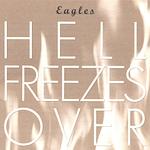
Hell Freezes Over, released in 1994, is a reunion live album by the Eagles that pairs acoustic reworkings of their classic songs with four new studio tracks. The record highlights the band's country rock and soft rock roots, featuring close vocal harmonies, acoustic arrangements, and occasional electric rock passages driven by guitar interplay. It juxtaposes intimate unplugged-style performances of familiar material with new compositions that range from punchy rock to mellow ballads. The album served as the group's return after a long hiatus and reintroduced their country-tinged classic rock sound to a 1990s audience.
#828 — Tigerlily by Natalie Merchant
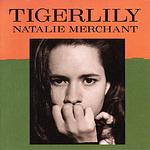
Tigerlily is Natalie Merchant's 1995 solo debut after leaving 10,000 Maniacs. The album foregrounds her warm, expressive voice and intimate songwriting, blending folk-rooted acoustic textures with elements of alternative and soft rock. Arrangements move between spare piano-and-guitar ballads and more ornate, string- and percussion-accented settings, supporting lyrics that are personal, observational, and character-driven. The record established Merchant's solo identity with a focus on melody, literate lyricism, and organic production.
#829 — Monk's Music by Thelonious Monk
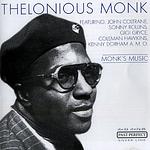
#830 — Skylarking by XTC
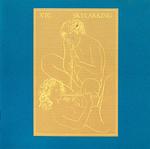
Skylarking is XTC's 1986 album produced by Todd Rundgren that blends pop rock, neo-psychedelia, new wave, psychedelic pop, and art pop into a cohesive, pastoral-sounding record. It features lush, layered arrangements, prominent keyboard and Mellotron textures, close vocal harmonies from Andy Partridge and Colin Moulding, and songwriting that shifts between playful, pastoral vignettes and darker, introspective themes. Many listeners and critics regard the album as a distinctive and influential entry in XTC's catalog for its unified sequencing and atmospheric production.
#831 — International Velvet by Catatonia
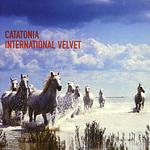
International Velvet is a 1998 album by Catatonia that blends indie and alternative rock with Britpop-influenced pop hooks, centered on Cerys Matthews' distinctive, expressive vocals and a guitar-driven, punchy sound. Songs such as "Mulder and Scully" and "Road Rage" combine catchy choruses with wry, personal lyrics, and the record is often cited for helping draw wider attention to Welsh alternative rock in the late 1990s.
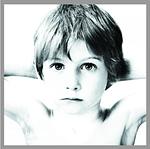
Boy is U2's 1980 debut album, produced by Steve Lillywhite. Rooted in post-punk and rock with early alternative sensibilities, it features The Edge's chiming, delay-heavy guitar textures, a propulsive rhythm section from Adam Clayton and Larry Mullen Jr., and Bono's urgent, youthful vocals. Lyrically it examines adolescence, innocence, and alienation, and tracks such as "I Will Follow" and "Out of Control" display the band's emerging anthemic sound.
#833 — The Head on the Door by The Cure
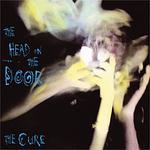
The Head on the Door (1985) showcases The Cure blending their gothic roots with pop and new wave influences to produce concise, melody-driven songs that range from upbeat, synth-tinged singles to darker, atmospheric tracks. Robert Smith's vocal melodies sit over layered guitars, keyboards and varied rhythms, and the record is notable for its stylistic variety, cleaner production and an expanded sonic palette that brought more accessible hooks into the band's moody sound.
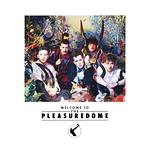
Welcome to the Pleasuredome, the 1984 debut album by Frankie Goes to Hollywood, is a maximalist synth-pop and alternative dance record produced by Trevor Horn. It pairs glossy electronic production and dance-pop rhythms with theatrical arrangements, extended mixes and cinematic touches, and features the singles "Relax", "Two Tribes" and "The Power of Love". The album is notable for its bold, often provocative lyrics and camp-inflected presentation, representing a high-production, synth-driven strand of 1980s pop and electronic music.
#835 — The Captain and Me by The Doobie Brothers
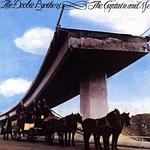
The Captain and Me, released in 1973 by The Doobie Brothers, is a guitar-driven pop rock album that blends rock, boogie, and R&B-tinged grooves with polished studio production. Produced by Ted Templeman and anchored by Tom Johnston's songwriting and lead vocals, it features tight vocal harmonies, syncopated rhythm guitar parts, and radio-friendly arrangements on tracks such as "Long Train Runnin'" and "China Grove". The record represents a defining early statement of the band's sound, emphasizing concise, groove-oriented rock.
#836 — Car Wheels on a Gravel Road by Lucinda Williams
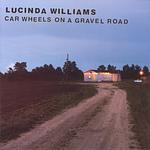
Car Wheels on a Gravel Road (1998) finds Lucinda Williams blending country, folk, blues and rock into a rootsy singer-songwriter statement. The record pairs spare, gritty arrangements—twangy electric guitar, slide, organ and tight percussion—with Williams's weathered, conversational vocals and plainspoken, often confessional lyrics. Tracks shift between slow-burning ballads and up-tempo roots rock, evoking southern landscapes and intimate relationship themes, and the album is commonly cited as a defining work in contemporary Americana.
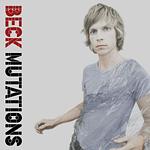
Mutations, released in 1998 and produced by Nigel Godrich, presents a moodier, more acoustic-focused counterpoint to Beck's sample-heavy earlier work. It blends alternative rock, lo-fi textures, alternative country and contemporary folk, using acoustic guitars, organ, strings and subtle studio touches to create melancholic, introspective songs with lush but restrained arrangements. The album emphasizes songwriting and atmosphere over beats and collage techniques, giving it an intimate, pastoral quality.
#838 — Pacific Ocean Blue by Dennis Wilson
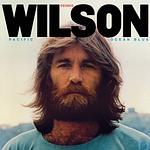
Pacific Ocean Blue, released in 1977, is Dennis Wilson's solo studio album and the only solo album issued during his lifetime. Musically it blends pop rock and soul with moody, melancholic arrangements, a raw, reedy vocal delivery, and layered production that often evokes oceanic imagery. The songs move between piano-led ballads and more driving rock numbers, with personal and introspective lyrics that reveal a grittier, more vulnerable side of Wilson distinct from his work with the Beach Boys.
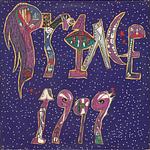
1999 is a synth-forward album that blends funk, pop, dance-pop, rock, and new wave into tightly arranged, danceable songs marked by punchy drum-machine grooves, layered synthesizers, rhythmic guitar work, and Prince's versatile vocals. The music pairs upbeat, club-ready production with darker lyrical themes about urgency and impending crisis, creating a tense party-at-the-end-of-the-world vibe. Its eclectic, genre-blurring approach helped expand Prince's sound and influenced the direction of early 1980s pop and dance music.
#841 — Use Your Illusion I by Guns N' Roses
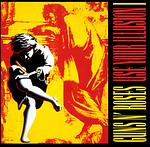
Use Your Illusion I, released in 1991 by Guns N' Roses, expands the band's sound beyond their earlier raw hard rock, mixing arena-sized rock and heavy metal intensity with bluesy touches and occasional balladry. The album is marked by longer, more elaborate arrangements, prominent piano and orchestral elements, and a contrast between aggressive guitar-driven tracks and quieter acoustic passages. It represents a move toward more ambitious, varied songwriting and production for the band.
#842 — The Soul Cages by Sting
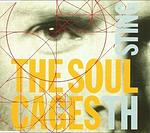
The Soul Cages is Sting's 1991 solo album that blends rock, pop, jazz and electronic textures into a moody, introspective record centered on themes of grief and memories of his upbringing in Newcastle. The sound mixes acoustic and electric guitars, saxophone and brass, orchestral touches and synth atmospheres to create a cinematic, melancholic tone; songs such as "All This Time" and the title track showcase its lyrical focus and melodic pop rock sensibility.
#843 — Yes I Am by Melissa Etheridge
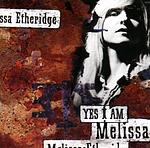
Yes I Am, released in 1993, presents Melissa Etheridge's direct, guitar-driven blend of rock, alternative and heartland-influenced songwriting. The album pairs her raw, raspy vocals with acoustic and electric arrangements and confessional lyrics about relationships, identity and resilience, featuring tracks that broadened her mainstream profile. Its sound balances punchy rockers and quieter, roots-tinged ballads with hook-oriented songwriting and emotive performances.
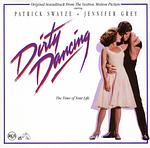
Dirty Dancing: Original Soundtrack From the Vestron Motion Picture is a compilation that blends 1960s pop and doo-wop classics with late 1980s pop and soft rock songs. The album juxtaposes upbeat, danceable vintage tracks and close-harmony vocal numbers with contemporary soft-rock ballads recorded for the film, producing a nostalgic yet contemporary soundscape that underscores the movie's period setting and romantic themes.

The Boy With the Arab Strap is Belle and Sebastian's third studio album, released in 1998. It broadens their indie pop and chamber pop approach into fuller band arrangements, incorporating strings, brass, and expanded percussion alongside Stuart Murdoch's soft, conversational vocals and literate, character-driven lyrics. The record moves beyond the sparser sound of their earliest work toward more varied, cinematic textures that blend folk-tinged melodies with occasional rock energy and close ensemble interplay.
#846 — Temple of Low Men by Crowded House
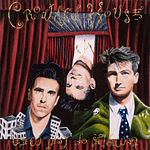
Temple of Low Men, Crowded House's 1988 second album, deepens the band's pop rock palette with more introspective and emotionally direct songwriting by Neil Finn. The record pairs piano-led balladry and chiming guitars with tight, understated production by Mitchell Froom, emphasizing vocal harmonies and lyrical detail over studio gloss. It presents a darker, more mature counterpoint to the band's debut while retaining a strong melodic focus.
#847 — Come On Come On by Mary Chapin Carpenter
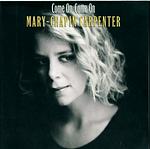
Come On Come On is a 1992 album by Mary Chapin Carpenter that blends country, folk, and pop with elements of country rock and folk rock. The record pairs narrative, singer-songwriter lyrical writing with both stripped acoustic arrangements and fuller band productions, moving between upbeat, rhythm-driven numbers with a rootsy, Cajun-tinged energy and more introspective ballads. Instrumentation emphasizes acoustic guitar, piano, fiddle, and layered vocal harmonies, and the overall sound highlights Carpenter's warm, clear voice and melodic focus.
#848 — Terrapin Station by Grateful Dead
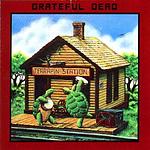
Terrapin Station (1977) finds the Grateful Dead blending their psychedelic, country and folk rock roots with more ambitious studio production; the centerpiece is the multi part title suite presented with orchestral and layered percussion textures. The album mixes shorter, song oriented pieces with longer, atmospheric passages that reflect the band’s improvisational sensibility while exploring string arrangements and studio overdubs. It stands out as a record where the group experimented with composition and production techniques beyond their live jam identity.
#849 — The Monkees by The Monkees
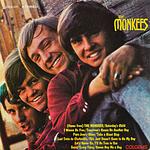
The Monkees is the 1966 debut album by the American pop rock group The Monkees, combining bright pop rock and sunshine pop with concise, hook-driven songs and close vocal harmonies. Recorded as a companion to the group's television series, much of the instrumental work was provided by experienced session musicians while the four members contributed lead and backing vocals, giving the record a highly produced, radio-ready sound. The album established the upbeat, polished aesthetic that defined the band's early output.
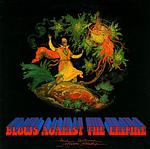
Blows Against the Empire is a 1970 concept album by Paul Kantner credited to Paul Kantner/Jefferson Starship that blends psychedelic, acid and folk rock into a loose, narrative soundscape. Musically it mixes acoustic and electric textures, layered vocal harmonies and atmospheric passages to support a science fiction story about stealing a starship to escape a troubled Earth. The record was assembled with collaborators from the San Francisco rock scene and is notable for its communal, collage-like production and for being an early use of the Jefferson Starship name.
#851 — In It for the Money by Supergrass
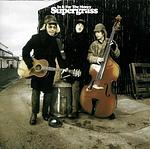
In It for the Money (1997) is Supergrass's second album, expanding their Britpop and indie rock foundations with sharper songwriting, punchy power pop hooks and a more studio-minded, psychedelic-tinged approach. The record blends energetic, guitar-driven tracks with richer arrangements and occasional keyboard and orchestral touches, showing greater production ambition and lyrical nuance while retaining the band's direct, melodic sensibility.
#852 — C'mon Kids by The Boo Radleys
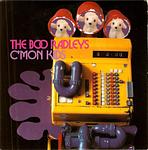
C'mon Kids (1996) by The Boo Radleys is a deliberately challenging follow-up that pushes beyond Britpop into a denser, more experimental mix of indie rock, psychedelia and electronic textures. It favors layered production, abrasive guitar passages, samples and abrupt song structures over conventional single-minded songwriting, making it a purposeful departure from the band's earlier pop-oriented material and a document of their willingness to experiment.
#853 — Tusk by Fleetwood Mac
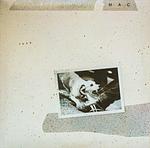
Tusk is Fleetwood Mac's 1979 album that pushed the band into more experimental territory after their earlier pop rock success. It blends rock and pop rock with art rock textures, country inflections, and dreamlike atmospheres, featuring rawer production, unconventional arrangements, and prominent percussion on the title track. The record is notable for its willingness to embrace looser song structures and studio experimentation while retaining the band's vocal harmonies. Overall it is an adventurous and eclectic entry in the band's catalog.
#854 — All Things Must Pass by George Harrison
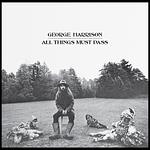
All Things Must Pass is George Harrison's 1970 solo triple album that presents a mix of folk rock, pop rock and gospel-tinged pop with a rock foundation. Recorded with producer Phil Spector's dense, layered production, it features expansive arrangements built from acoustic and electric guitars, prominent slide guitar, keyboards and vocal harmonies. The material ranges from personal, spiritual meditations to more upbeat pop-rock songs, and the record is notable for showcasing Harrison asserting a distinct songwriting voice and a more expansive sonic palette than his earlier work.
#855 — The Colour and the Shape by Foo Fighters
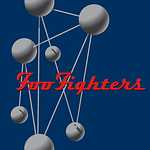
The Colour and the Shape, Foo Fighters' 1997 album, expands the band's sound into punchy, melodic alternative rock that blends grunge-influenced guitar attack with strong pop hooks and dynamic arrangements. Produced by Gil Norton, the record features driving rhythms, layered guitar textures, and an emphasis on concise, anthemic songwriting exemplified by tracks such as "Monkey Wrench", "My Hero", and "Everlong". The album marks the band's move from a one-person project toward a fuller band identity, pairing raw energy with a more polished, radio-friendly rock production.
#856 — The Colour of My Love by Céline Dion
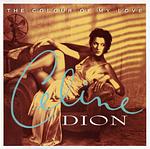
The Colour of My Love, released in 1993 by Céline Dion, is a predominantly pop and adult contemporary album built around emotive ballads and power ballads. It combines lush orchestral arrangements and soft rock textures with occasional electronic production touches, creating spacious backdrops for Dion's wide dynamic range and expressive vocals. The record helped further establish her presence in the English-language pop market of the early 1990s and is notable for its focus on romantic themes and dramatic, radio-ready balladry.
#857 — Kings of the Wild Frontier by Adam and the Ants
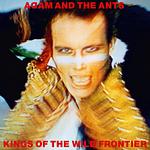
Kings of the Wild Frontier, released in 1980 by Adam and the Ants, blends punk energy with New Wave and New Romantic stylings and is marked by theatrical, ant-themed imagery and concise pop songwriting. The record is built around propulsive, Burundi-inspired drumming and a dual-drummer approach that gives the tracks a tribal, danceable pulse, while angular guitars, driving basslines, and theatrical vocals bridge post-punk edginess and accessible hooks. The album helped define the band’s signature sound by combining rhythmic intensity with melodic immediacy.
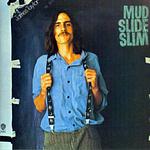
Mud Slide Slim and the Blue Horizon (1971) showcases James Taylor in a mellow folk and soft rock vein, with acoustic guitar-driven arrangements, restrained electric touches, and intimate, confessional vocals. The album blends folk, country rock, and pop sensibilities into concise, melodic songs and features Taylor’s notable cover of Carole King’s "You've Got a Friend," supported by warm, polished production and relaxed instrumental backing.
#859 — Shepherd Moons by Enya
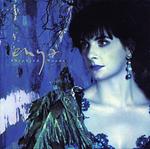
Shepherd Moons (1991) expands Enya's signature approach of layered vocals and lush synth textures, blending New Age and ambient atmospheres with Celtic melodic touches and accessible song structures. Arrangements emphasize multi-tracked voices, airy pads, harp-like arpeggios and restrained percussion, with poetic lyrics often supplied by Roma Ryan and production and arrangement in collaboration with Nicky Ryan. The album presents an ethereal, cinematic soundscape that helped consolidate Enya's distinctive ambient pop and Celtic New Age style.
#860 — The Real Thing by Faith No More
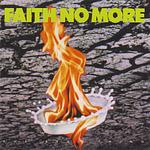
The Real Thing, Faith No More's 1989 album and the band's first with vocalist Mike Patton, blends alternative metal, funk metal, hard rock, alternative rock and rap metal into a diverse, genre-mixing record. It pairs heavy guitar riffs and dynamic production with funky basslines, punchy rhythms, eclectic keyboards and samples, while Patton's wide-ranging vocals shift from melodic singing to aggressive shouts and rap-influenced delivery. Tracks such as "Epic" exemplify the album's contrast of groove-driven verses and anthemic choruses, and the record helped define Faith No More's experimental, genre-blurring approach going forward.
#861 — Black Woman & Child by Sizzla

Black Woman & Child presents Sizzla's blend of roots reggae and dancehall, pairing melodic singjay delivery with rhythmic toasting over bass-driven, drum-and-guitar arrangements. The songs emphasize spiritual themes, social commentary, and respect for black women and family, reflecting Rastafari-influenced worldview and conscious lyricism. As an early full-length that showcases his voice and style, the record helped define Sizzla's approach to contemporary reggae and dancehall fusion.
#862 — Invisible Touch by Genesis
Invisible Touch (1986) by Genesis is a polished, pop-oriented album that foregrounds Phil Collins's vocal and songwriting presence within a band setting. The record features 1980s production hallmarks such as bright synthesizers, gated-reverb drums and tight, radio-friendly arrangements that blend pop, pop rock and rock textures. Its songs range from uptempo, hook-driven tracks to softer ballads, reflecting the band's continued move away from their earlier progressive rock approach; production credits include the band and Hugh Padgham.
#863 — The Soft Parade by The Doors
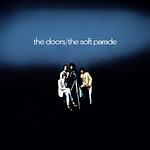
The Soft Parade, released in 1969, finds The Doors expanding their sound by mixing their rock, blues, and psychedelic roots with orchestral touches and elements of baroque pop. The record uses prominent horn and string arrangements alongside the band's keyboard-driven psychedelia, guitar work, and Jim Morrison's distinctive vocals, and features songs that range from concise rockers to extended, multi-part suites. This emphasis on orchestration and stylistic variety makes the album one of the band's more eclectic and experimental studio efforts.
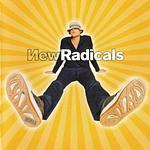
Maybe You've Been Brainwashed Too is the sole studio album by New Radicals, led by songwriter Gregg Alexander and released in 1998. The record blends alternative rock, pop rock and power pop with piano-driven melodies, jangly guitars and layered arrangements, pairing catchy hooks and anthemic choruses with socially observant and confessional lyrics; it features the single 'You Get What You Give'.
#865 — Look Sharp! by Joe Jackson
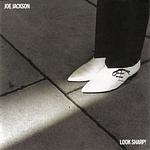
Look Sharp! is Joe Jackson's 1979 debut album, presenting concise, punchy songs that blend new wave and power pop with jazz-pop touches. The arrangements highlight piano alongside tight rhythm guitar and bass, with occasional saxophone flourishes, and pair catchy melodic hooks with wry, literate lyrics; the record includes the song 'Is She Really Going Out With Him?'. The album marked Jackson's emergence as a songwriter who mixed pop songcraft with jazz-informed musicianship.
#866 — A Trick of the Tail by Genesis
A Trick of the Tail (1976) is Genesis's first studio album after Peter Gabriel left, with drummer Phil Collins taking over lead vocals. Musically it retains the group's progressive rock foundations—lush keyboards, shifting time signatures, and narrative lyrics—while moving toward shorter, more melodic song structures and clearer vocal focus. The record balances theatrical arrangements and instrumental interplay with a cleaner, more accessible sound, marking a transitional moment in the band's evolution.
#867 — Mr. Lucky by John Lee Hooker
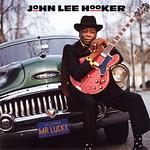
Mr. Lucky is a 1991 studio album by John Lee Hooker that blends his trademark raw, hypnotic electric blues with touches of blues rock and rock-influenced production. Hooker’s deep, rhythmic vocal delivery and repetitive, driving guitar grooves anchor the record, while the arrangements pair stripped-down Delta and Chicago blues elements with fuller, contemporary backings and guest instrumental textures. The result is a late-career set that updates Hooker’s classic boogie style for a 1990s studio sound while retaining the primal pulse of his playing.
#868 — The Royal Scam by Steely Dan
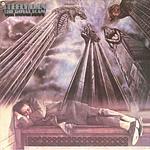
The Royal Scam (1976) pairs Steely Dan's pop rock base with jazz-pop and jazz-rock elements, emphasizing polished, studio-focused arrangements, intricate jazz-influenced harmonies, and precise rhythmic interplay. The record is marked by cooler, often sardonic lyrical themes and layered instrumental textures, with songs like "Kid Charlemagne" and "Green Earrings" showing the group's fusion of sophisticated chordal writing and accessible songcraft.
#869 — Life Is Peachy by Korn
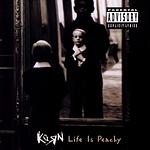
Life Is Peachy is Korn's second studio album, released in 1996, that expanded the band's early nu metal sound. Produced by Ross Robinson, it features heavily downtuned, abrasive guitars, percussive, groove-driven bass and rhythms, and Jonathan Davis's raw, anguished vocal delivery that mixes singing, screams and rhythmic vocalizations. The production emphasizes a gritty, live feel with industrial and hip-hop-influenced textures, reinforcing Korn's template of metal aggression combined with confessional lyrics and unconventional rhythmic approaches.
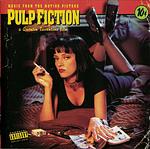
Pulp Fiction: Music From the Motion Picture is a 1994 soundtrack compilation assembled for Quentin Tarantino's film, drawing on a diverse mix of vintage soul, funk, surf rock, folk-tinged rock and other period recordings along with brief non-musical dialogue snippets. The album pairs retro tracks with cinematic sequencing to create a distinctive, mood-driven soundtrack that emphasizes atmosphere and period flavor rather than new original compositions.
#871 — Pilgrim by Eric Clapton
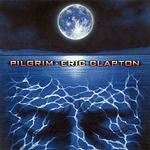
Pilgrim, released by Eric Clapton in 1998, is a moody studio album that blends blues-rooted guitar work with pop rock and soft rock sensibilities. The record pairs Clapton's restrained, emotive vocals and economical guitar solos with contemporary production touches such as programmed rhythms, synthesizer textures, and layered atmospheres, producing a reflective, intimate sound. Lyrically and sonically the album leans toward introspection and melancholy, marking a move toward a more polished, modern adult contemporary direction in his work.
#872 — It's My Life by Talk Talk
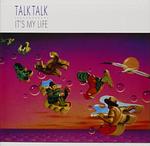
It’s My Life (1984) is Talk Talk’s second studio album, rooted in synth-pop and new wave while moving toward a more atmospheric, mood-driven sound. Mark Hollis’s restrained, expressive vocals are set against layered synthesizers, tight drum programming and occasional organic instrumentation, producing a melancholic, spacious feel on songs such as “It’s My Life” and “Such a Shame.” The record is often seen as a transitional work that hinted at the band’s later turn toward more experimental, art pop and post-rock textures.
#873 — Electric Warrior by T. Rex
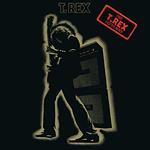
Electric Warrior, released in 1971 by T. Rex, marks Marc Bolan's shift from acoustic folk to a punchy, electric glam rock sound. The album pairs concise rock and roll rhythms and chiming, distorted guitar riffs with Bolan's distinctive vocal delivery and often surreal romantic lyrics. Arrangements emphasize tight grooves and memorable hooks, mixing elements of hard rock and classic rock and roll within a stylized glam aesthetic, and the record is widely regarded as a key statement of early 1970s British glam.
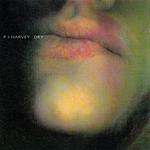
Dry is PJ Harvey's 1992 debut, a stark, raw indie rock record that blends abrasive, blues-tinged guitar work with spare, primal rhythms and urgent vocals. The songwriting is direct and confrontational, often exploring themes of gender, desire, and domestic tension, while the minimal arrangements emphasize texture and mood over polish. Its raw immediacy and distinctive vocal presence helped mark Harvey as an original voice in the early 1990s alternative rock landscape.
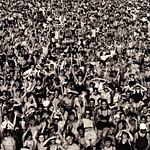
Listen Without Prejudice, Volume 1 is George Michael's 1990 second solo album, marking a shift from the glossy pop of his debut toward more introspective, singer songwriter material. The record blends pop and downtempo sensibilities with soulful balladry and occasional rock and electronic touches, favoring sparse acoustic textures, layered vocals, and cinematic string arrangements. Lyrically it leans toward personal and social themes, and the overall sound emphasizes songwriting and mood over glossy dance production while still including some upbeat, dance oriented moments.
#876 — Treasure by Cocteau Twins
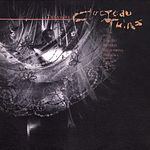
Treasure (1984) by Cocteau Twins is a dense, atmospheric record built around Elizabeth Fraser's high, often wordless vocal lines and Robin Guthrie's heavily reverbed, chorus-drenched guitar textures. Arrangements emphasize layered guitars, shimmering production, and restrained rhythmic elements, producing a blurred, dreamlike sound that helped shape later dream pop, ethereal wave, and shoegaze approaches. The album marks a clear move toward more textural, vocal-led compositions and is noted for its distinctive sonic palette.
#877 — The Lion and the Cobra by Sinéad O'Connor
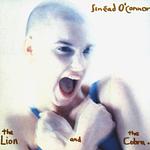
The Lion and the Cobra is Sinéad O'Connor's 1987 debut album, blending alternative rock and pop with dramatic, often spare arrangements. The record centers on O'Connor's striking, raw vocal delivery and intense, personal lyrics, moving between driving rhythms, jagged guitar textures and occasional orchestral or synth flourishes, with standout tracks such as "Mandinka" and "Troy" that showcase its theatrical tone.
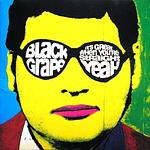
It’s Great When You’re Straight… Yeah is the 1995 debut album by Black Grape, led by Shaun Ryder after his time with Happy Mondays. The record blends alternative dance, Britpop, pop rock, electronic and funk through sample-rich, groove-driven production, raucous party energy, and Ryder’s distinctive slurred vocal delivery, pairing live instrumentation and dance beats with playful, often irreverent lyrics to form a distinctly 1990s British hybrid.
#879 — K by Kula Shaker
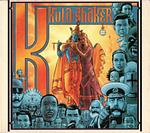
K, from 1996, is Kula Shaker's debut album that blends Britpop and indie rock with a strong 1960s psychedelic and folk rock influence. The record pairs chiming guitars and Hammond organ textures with Indian instrumentation and motifs, including moments of Sanskrit lyrics and devotional phrasing sung by frontman Crispian Mills. Overall the album balances driving rock arrangements and raga-tinged psychedelia, establishing the band's signature fusion of Western pop forms and South Asian sounds within the mid 1990s British alternative scene.
#880 — Closing Time by Tom Waits
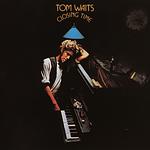
Closing Time is Tom Waits's 1973 debut, a collection of intimate, piano-led songs that blend folk, blues and jazz influences into smoky, late-night balladry. Waits's younger, mellower voice and literate, narrative lyrics evoke small-time characters and domestic scenes, supported by spare arrangements and subtle jazz touches that create a warm, melancholic atmosphere and established the idiosyncratic songwriting persona he would develop further in later records.
#881 — Europe '72 by Grateful Dead
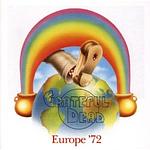
Europe '72 is a live triple album by the Grateful Dead documenting their 1972 European tour. The recordings showcase the band's blend of psychedelic rock, folk rock, blues rock, boogie and country rock, with extended improvisations, close ensemble interplay and prominent vocal harmonies. The set captures early live versions of several songs that became staples in the Dead's repertoire and highlights the group's emphasis on fluid, evolving performances rather than fixed studio arrangements.
#882 — New Gold Dream (81‐82‐83‐84) by Simple Minds
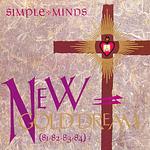
New Gold Dream (81-82-83-84) is Simple Minds' 1982 album that crystallizes their move toward a more polished, synth-driven sound rooted in New Wave and New Romantic styles. The record features shimmering synthesizer textures, clean guitar lines, taut bass and drum patterns, and Jim Kerr's emotive vocals, creating an atmospheric pop sound that balances mood and melody. Production emphasizes clarity and layered arrangements, with songs built from repeating motifs and gradual builds that showcase the band shifting from post-punk rawness to a more ornate synth-pop approach.
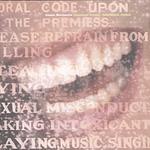
Supposed Former Infatuation Junkie, released in 1998, finds Alanis Morissette moving from the raw, confessional pop rock of her earlier work toward a more introspective and expansive sound. The album blends alternative and pop rock with post-grunge edge and experimental touches, featuring longer, more exploratory song structures, layered production, and a mix of acoustic and electric textures. Lyrically it leans toward spiritual and self-reflective themes, and musically it balances intimate acoustic moments with fuller, atmospheric arrangements that emphasize Morissette's expressive vocal delivery.
#884 — English Settlement by XTC
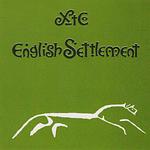
English Settlement (1982) captures XTC moving beyond their New Wave origins into a more pastoral art pop and art rock palette, emphasizing jangly and acoustic guitars, layered arrangements, and literate, observational lyrics. The album blends folk pop melodicism with inventive studio textures and more complex song structures, showcasing a shift toward ambitious, melody-driven songwriting without abandoning concise pop sensibilities.
#885 — Body and Soul by Joe Jackson
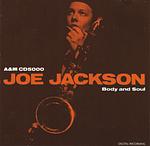
Body and Soul, released in 1984 by Joe Jackson, is a jazz-tinged pop album that moves further from his earlier new wave sound toward sophisticated jazz pop and Latin jazz textures. The arrangements foreground piano alongside brass and woodwind lines and groove-oriented rhythms, giving several tracks a lounge and Latin feel while keeping concise pop song structures. The record emphasizes polished production and musicianship, reflecting Jackson's interest in blending pop songwriting with jazz-derived arrangements.
#886 — Ommadawn by Mike Oldfield
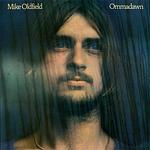
Ommadawn, released in 1975, is Mike Oldfield's extended two-part album that blends art rock, folk rock, and progressive elements. Each side of the original LP presents a long-form composition built from multilayered acoustic and electric guitars, varied instrumentation, and pastoral, Celtic-tinged melodies, alternating between delicate acoustic passages and fuller rhythmic textures. The record is notable within Oldfield's early catalog for its intimate production, intricate arranging, and emphasis on continuous, evolving musical movements.
#887 — Reading, Writing and Arithmetic by The Sundays
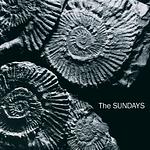
Reading, Writing and Arithmetic is the 1990 debut album by The Sundays that blends dream pop atmosphere with indie pop and jangle pop guitar work. The record features chiming, jangly guitars and spare, rhythmic arrangements that foreground Harriet Wheeler's clear, airy vocals and literate, introspective lyrics. Its understated production and melodic focus helped define the band’s distinctive, melodic indie sound in the early 1990s.
#888 — Tonight's the Night by Neil Young
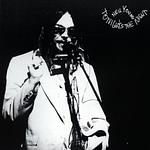
Tonight's the Night (1975) is a raw, emotionally charged album by Neil Young, recorded in informal sessions following the deaths of close friends. It blends country rock, blues rock, and hard-edged rock with ragged, loose performances, spare piano and guitar textures, and weary, intimate vocals. The album's rough production and persistent themes of grief and disillusionment mark a deliberate move away from polished studio work and give it a dark, candid character within Young's 1970s output.
#889 — Tellin' Stories by The Charlatans
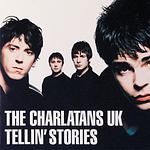
Tellin’ Stories captures The Charlatans' late 1990s blend of indie and alternative rock with Britpop and pop-leaning sensibilities, anchored by warm Hammond organ lines, jangly and sometimes fuzzed guitars, steady rhythmic grooves, and Tim Burgess's conversational vocal style. The album emphasizes melodic hooks and a laid-back, soulful feel that balances upbeat, radio-friendly moments with more reflective tracks, and it is often seen as a defining record in the band’s catalog from that era.
#890 — Let It Be by The Beatles
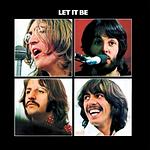
Let It Be (1970) is the Beatles' final studio album release, assembled from 1969 sessions and issued after the group had effectively broken up. The record mixes rock, pop rock, beat music and blues influences, pairing a back-to-basics, live-in-studio feel on several tracks with more produced, orchestral and gospel-tinged arrangements on others. Its varied production approaches and close ties to the documentary film give the album a raw, documentary quality within the Beatles catalogue.
#891 — Lust for Life by Iggy Pop
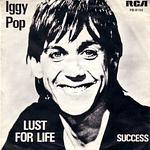
Recorded in 1977 with significant involvement from David Bowie, Lust for Life finds Iggy Pop channeling his punk and garage roots into more upbeat, driving rock songs. The album pairs Pop's raw, urgent vocals with punchy guitar riffs, steady rhythms and occasional synthesizer textures, yielding tracks such as "Lust for Life" and "The Passenger" that balance immediacy and melodic hooks. It is notable for its direct, energetic sound that bridged underground punk attitude with a broader rock palette.
#892 — Savage Garden by Savage Garden
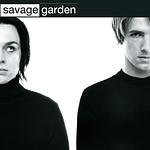
Savage Garden is the 1997 self-titled debut by Australian duo Savage Garden that blends glossy synth-based pop and soft rock, balancing upbeat pop rock songs with intimate romantic ballads. Darren Hayes' clear tenor is foregrounded over Daniel Jones' polished production, which favors melodic hooks, layered keyboards, and string textures. The album exemplifies late 1990s teen pop with radio-ready singles and cinematic balladry focused on themes of love and longing.
#893 — New York Dolls by New York Dolls
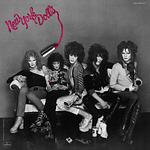
New York Dolls, the band's 1973 debut, delivers a raw, raucous fusion of glam theatrics and hard rock grit with clear proto-punk urgency. The record mixes distorted, riff-driven guitars and driving rhythms with sleazy, R&B-tinged rock and roll and theatrical, sneering vocals, producing a loose, streetwise sound that stood apart from more polished mainstream rock. Its rough-edged aesthetic and brash attitude is widely regarded as an important precursor to the punk movement and a touchstone for later punk and alternative artists.
#894 — Come Clean by Curve
Come Clean (1998) by Curve mixes dense, guitar-driven alternative rock with electronic and industrial textures, combining layered, distorted guitars and programmed beats with Toni Halliday's breathy, emotive vocals. The album leans into rhythmic loops, samples and a more polished, harder-edged production that accentuates electronic and industrial elements while retaining the band's melodic, atmospheric sensibility.
#895 — Flood by They Might Be Giants
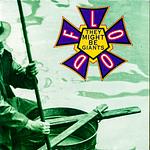
Flood (1990) is They Might Be Giants' third studio album and their major-label debut, blending alternative rock and pop with touches of blues and comedy rock. The record combines concise, hook-driven songs with quirky, literate lyrics and inventive arrangements that use accordion, brass, and synth textures, producing both upbeat tracks like "Birdhouse in Your Soul" and the cover "Istanbul (Not Constantinople)" and more introspective numbers such as "Ana Ng." Flood helped introduce the band's offbeat, melodic approach to a wider audience and contains several songs that became central to their repertoire.
#896 — Stunt by Barenaked Ladies
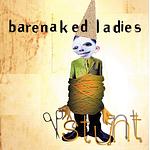
Stunt, released in 1998, finds Barenaked Ladies polishing their blend of witty, conversational lyrics and melodic pop rock into a radio-friendly format. The album mixes upbeat, hook-driven tracks with softer acoustic moments and close vocal harmonies, and showcases the band's knack for shifting between playful humor and more reflective material. Songs feature concise, catchy arrangements, prominent acoustic guitar and piano, crisp rhythmic grooves, and occasional rapid-fire vocal delivery. Stunt marked a wider mainstream breakthrough for the band in the late 1990s and helped define their accessible alternative rock and pop sound.
#897 — She's So Unusual by Cyndi Lauper
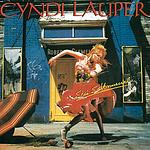
She's So Unusual is Cyndi Lauper's 1983 solo debut that blends new wave, synth-pop and pop rock into a vibrant, theatrical pop record. It pairs playful, idiosyncratic vocals with bright synthesizer textures and jangly guitar, balancing upbeat, singalong songs with more intimate ballads. The album is notable for establishing Lauper's distinctive pop persona and for bringing a quirky, expressive sensibility to mainstream 1980s pop music.
#898 — Elephant Mountain by The Youngbloods
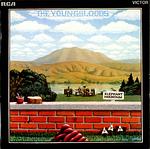
Elephant Mountain, released in 1969 by The Youngbloods, finds the band leaning more into a rock-oriented approach while retaining folk rock songwriting and vocal harmonies. The album features a denser, electric sound with layered arrangements and late 1960s psychedelic touches; the moody, image-rich song "Darkness, Darkness" is a notable track from the record. Overall it is often heard as a more sonically ambitious and band-focused statement compared with their earlier, more acoustic material.
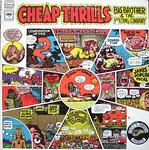
Cheap Thrills (1968) captures Big Brother & the Holding Company's raw, high-energy blend of blues-rooted rock and psychedelic experimentation, anchored by Janis Joplin's powerful, emotive vocals. The album emphasizes gritty guitar work, loose but driving rhythms, and an immediate, live-in-the-studio feel, with extended vocal phrasing and a rough-edged sonic intensity that reflects the late 1960s San Francisco psychedelic and blues-rock environment.
#900 — 461 Ocean Boulevard by Eric Clapton
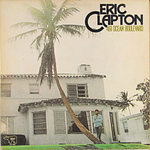
461 Ocean Boulevard is Eric Clapton's 1974 studio album that adopts a more relaxed, song-focused approach, blending blues rock, pop and occasional reggae touches. The record features warm, restrained guitar work and straightforward arrangements that favor melody and groove over flashy technique, with the reggae-tinged cover of Bob Marley’s "I Shot the Sheriff" standing out as a widely recognized example of its stylistic range. Overall the album emphasizes rootsy blues and accessible pop sensibilities and is associated with Clapton’s return to active recording during his recovery period.
#901 — Melissa Etheridge by Melissa Etheridge