The Greatest Music
Colin Larkin’s All Time Top 1000 Albums
Weight: 10%
How much this list influences our overall rankings. Higher weight means more reliable data.
Penalties Applied:
A book series created by Encyclopedia of Popular Music editor Colin Larkin (1st ed. 1994; later pocket/2nd ed. 1998; 3rd ed. 2000), presenting a ranked “top 1000” derived from a large, ongoing public poll—ballots gathered in record shops, universities, schools, and at the MIDEM trade show—rather than a critics’ ballot. The project grew across editions, with annotations for each album and shifting results as more votes came in.
#902 — Good Old Boys by Randy Newman
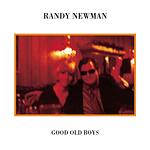
Good Old Boys (1974) is a piano led album in which Randy Newman examines the American South through character-driven songs that blend rock and chamber pop elements. Newman uses unreliable narrators and darkly ironic lyrics to address race, history, and politics, moving between caustic satire and plaintive balladry while arranging songs with everything from intimate piano backing to fuller orchestral and horn textures. The record stands out for its narrative songwriting and its more overtly topical, sardonic tone compared with some of his earlier work.
#903 — Gentlemen by The Afghan Whigs
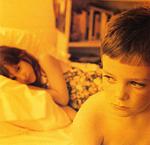
Gentlemen, released in 1993 by The Afghan Whigs, blends alternative rock with soul and R&B influences, pairing gritty guitar-driven arrangements with sweeping, sometimes orchestral touches. Greg Dulli's raw, expressive vocals and introspective, often dark lyrics explore desire, jealousy and toxic relationships, giving the record a cinematic emotional intensity. The album is notable for its fusion of bruising rock dynamics with Motown-flavored horns and strings and includes standout songs such as "Debonair" that helped broaden the band's sound beyond typical indie rock conventions.
#904 — …Nothing Like the Sun by Sting
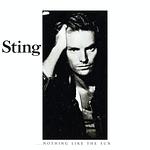
…Nothing Like the Sun (1987) is Sting's second solo studio album, building on the jazz pop and soft rock direction of his early solo work while widening into richer arrangements and world music touches. The record blends pop rock and jazz pop textures with prominent saxophone lines, layered horns and acoustic guitars, moving from intimate ballads like "Fragile" to the urban portrait "Englishman in New York" and politically aware songs such as "They Dance Alone". The title alludes to Shakespeare's Sonnet 130 and the album is characterized by melodic songwriting, polished production and a mix of personal and socially minded themes.
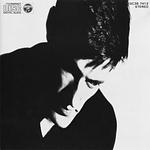
Low-Life (1985) by New Order blends post-punk songwriting with synth-driven dance production, pairing Bernard Sumner's cool, emotive vocals with Peter Hook's melodic, high-register basslines and Stephen Morris's precise drums and programming, while Gillian Gilbert contributes keyboard textures. The record balances rock instrumentation and electronic rhythms, moving between atmospheric instrumentals and concise, hook-driven songs, and marks a consolidation of the band's shift from post-punk roots toward a more club-oriented, electronic pop sound.
#906 — Oranges & Lemons by XTC
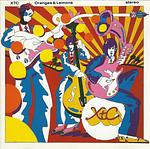
Oranges & Lemons (1989) finds XTC applying their melodic gifts to a bright, Beatles-influenced palette that mixes new wave energy with art pop and neo-psychedelic colors. Andy Partridge and Colin Moulding's songs are rendered with chiming guitars, prominent keyboards, layered vocal harmonies and occasional brass and studio effects, producing a sunlit, retro-tinged production that emphasizes concise, hook-driven arrangements while retaining the band's eccentric lyrical perspective.
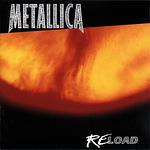
Reload is Metallica's 1997 studio album and a companion to 1996's Load. The record continues the band's late 1990s stylistic shift away from thrash toward a heavier hard rock and groove-oriented metal sound with alternative and blues-tinged touches. Production is polished and the songs range from driving, riff-based rockers like "Fuel" to darker, more atmospheric tracks such as "The Memory Remains" and quieter, acoustic-leaning moments like "Low Man's Lyric". Reload is notable for its emphasis on melodic hooks, varied tempos, and a moodier, more experimental approach compared with the band's 1980s work.
#908 — The Lamb Lies Down on Broadway by Genesis
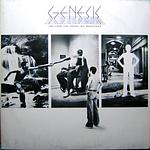
The Lamb Lies Down on Broadway (1974) is Genesis's sprawling double concept album and rock opera that follows the surreal urban odyssey of a young protagonist named Rael. Musically it blends progressive and symphonic prog with art rock theatricality, featuring extended compositions, shifting time signatures, rich keyboard textures, layered guitars and narrative vocals by Peter Gabriel. The record is notable for its ambitious storytelling, cinematic arrangements, and for being the band's last studio album with Gabriel as lead singer.
#909 — RAM by Paul McCartney, Linda McCartney
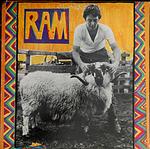
RAM, credited to Paul and Linda McCartney and released in 1971, blends melodic pop rock and art pop with occasional blues and classic rock touches. The record pairs pastoral, acoustic-based songs with richer studio arrangements and horn and orchestral colors, moving between intimate balladry and playful, multi-part pop suites. It is notable as an early statement of McCartney's post-Beatles musical direction and his experimentations with songcraft and arrangement.
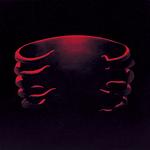
Undertow is Tool's 1993 debut full-length album that helped define the band's early sound. The music mixes alternative metal and progressive metal with alternative rock and grunge-influenced textures, featuring heavy, down-tuned guitar work, layered atmospheric production, complex drumming and polyrhythms, and emotive vocals from Maynard James Keenan. Songs often shift between abrasive aggression and quieter, unsettling passages, and the record, with Paul D'Amour on bass and Danny Carey on drums, emphasizes tension, dynamics, and dense sonic textures.
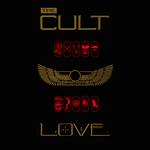
Love (1985) by The Cult sharpens the band’s move from gothic post-punk toward a bigger, riff-driven sound that mixes hard rock power with neo-psychedelic textures and atmospheric gothic mood. Ian Astbury’s dramatic vocals sit over Billy Duffy’s chiming, reverb-rich guitar lines and taut rhythms, producing songs that balance dark, ritualistic atmospheres with melodic hooks; the album includes the signature single 'She Sells Sanctuary' and helped define the group’s mid-1980s identity.
#912 — Cookin' and Relaxin' by Miles Davis
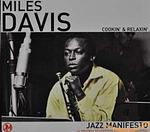
Cookin' and Relaxin' is a 2011 reissue that pairs two mid-1950s Prestige sessions by Miles Davis's first great quintet. The music is rooted in hard bop and small-group swing, with Davis's spare, lyrical trumpet lines, tight ensemble playing, and concise, purposeful solos that emphasize melody and rhythmic drive. The recordings capture the chemistry of the quintet and the clarity of studio performance, making them good examples of Davis's early approach to intimate, standards-based group improvisation.
#913 — No Way Out by Puff Daddy & the Family
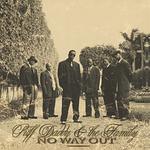
No Way Out, released in 1997 by Puff Daddy & the Family, is a polished, sample-driven pop rap album that blends mainstream hip hop, R&B hooks, and gangsta rap swagger with lush, cinematic production. Produced largely by Sean Combs, the record centers on large, radio-oriented singles such as "Can't Nobody Hold Me Down", "I'll Be Missing You", and "Been Around the World", and features contributions from several Bad Boy artists. Its sound emphasizes dense sampling, glossy drum programming, orchestral stings, and sung choruses, and it helped define a late 1990s commercial hip hop aesthetic.
#914 — From the Cradle by Eric Clapton
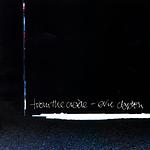
From the Cradle is a 1994 record in which Eric Clapton makes a deliberate return to traditional blues, presenting mainly interpretations of Delta and Chicago blues material. The sound is raw and electric, built around Clapton's guitar tone, slide work and straightforward band arrangements that favor shuffles, slow blues and a rootsy, no-frills production. It serves as a focused statement of his blues influences and a concerted move away from pop and studio polish toward a classic, back-to-basics blues aesthetic.
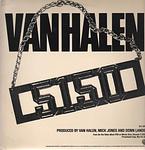
5150, released in 1986, is Van Halen's first studio album with Sammy Hagar as lead vocalist and marks a shift toward a more polished, melodic hard rock sound. The record pairs Eddie Van Halen's guitar work with prominent synthesizer textures and tighter, hook-driven songwriting, producing a smoother, more radio-friendly style compared with the band's earlier, rawer material. It is significant for initiating the Hagar era and for emphasizing melodic choruses and keyboard-driven arrangements within the band's heavy rock framework.
#916 — Dizzy Heights by The Lightning Seeds
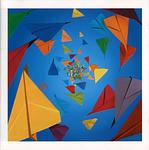
Dizzy Heights is the Lightning Seeds fourth studio album, released in 1996, showcasing Ian Broudie's knack for melodic, hook-driven songwriting within a Britpop-era production. The record blends shimmering synth textures and polished electronic touches with chiming guitars and alternative rock arrangements, balancing upbeat pop melodies with more reflective lyrical moments. It is notable for its layered, radio-friendly production and continuity of the band’s indie pop sensibility adapted to mid 1990s pop and alternative trends.
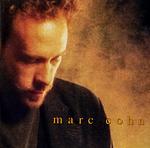
Marc Cohn's 1991 self-titled debut blends folk rock, pop rock and alternative country into piano-led singer-songwriter material. The album features the song "Walking in Memphis" and is marked by narrative lyrics, warm, restrained arrangements that mix acoustic and electric textures, and a soulful, roots-influenced vocal approach.
#918 — Live Rust by Neil Young, Crazy Horse
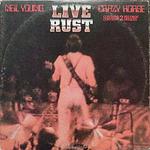
Live Rust is a 1979 live double album by Neil Young with Crazy Horse that documents the band's late 1970s concert sound. The record juxtaposes acoustic, folk-rooted passages with loud, gritty electric performances from Crazy Horse, emphasizing distorted guitar textures, loose ensemble interplay, and a raw live atmosphere. It functions as a snapshot of Young moving between intimate songwriting and arena-ready hard rock dynamics, highlighting both quieter, reflective moments and extended, high-energy rock numbers.
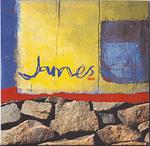
Laid (1993) is an album by the English band James, produced by Brian Eno. It blends alternative rock and indie pop with jangly, acoustic-driven arrangements, concise, hook-oriented songwriting, and warm ambient touches in the production. The title track and other songs pair candid, often playful lyrics with a brighter, more direct sound that helped make the record one of the band's best-known releases.
#920 — Second Coming by The Stone Roses
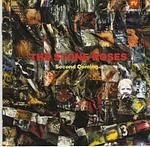
Second Coming, released in 1994, is The Stone Roses' second studio album and represents a marked stylistic shift from the dance-inflected sound of their debut toward a heavier, guitar-driven approach rooted in blues rock, classic rock and neo-psychedelia. The record features longer, more expansive arrangements, prominent lead and slide guitar from John Squire, and a focus on riff-based songwriting and slow-burning grooves, with the single Love Spreads exemplifying that direction while still retaining elements of indie and funk rock.
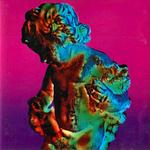
Technique, released in 1989 by New Order, blends the band's post-punk origins with contemporary club music, drawing on Ibiza's Balearic and early house sounds to create a bright, dance-oriented record. It pairs propulsive electronic rhythms and shimmering synth textures with guitar elements and Bernard Sumner's cool, melancholic vocals, moving between club-ready grooves and concise pop songwriting. The album is notable for deepening New Order's engagement with dance production while maintaining melodic hooks and a restrained emotional tone.
#922 — Selected Ambient Works 85–92 by Aphex Twin
Selected Ambient Works 85–92, compiled and released by Richard D. James as Aphex Twin in 1992, gathers tracks recorded between 1985 and 1992 and blends ambient atmospheres with understated techno rhythms. The album pairs warm, lo-fi synth pads and textured atmospheres with skittering drum patterns, acid-tinged melodic fragments and mellow ambient pieces, creating a mood that bridges home-recorded experimentalism and club-oriented electronic music. Its spare, hypnotic approach is often linked to the development of ambient techno and early IDM and is notable for its focus on texture and melody over overt dancefloor drives.
#923 — Songs From the Big Chair by Tears for Fears
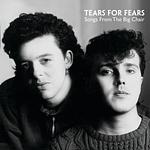
Songs from the Big Chair, Tears for Fears' 1985 second album, broadens their New Wave and synth-pop roots into a fuller pop rock and progressive pop sound. The record features polished, layered production with prominent synthesizer textures alongside guitars and other organic elements, and includes the well known songs "Shout" and "Everybody Wants to Rule the World." It balances strong pop songwriting and memorable hooks with introspective and sometimes darker lyrical themes, marking a stylistic expansion from their debut.
#924 — Rhythm Nation 1814 by Janet Jackson
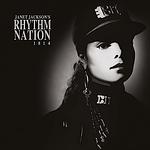
Rhythm Nation 1814, Janet Jackson's 1989 album produced with Jimmy Jam and Terry Lewis, blends contemporary R&B, new jack swing, hip hop and pop with downtempo ballads, combining tight, percussion-driven grooves and layered electronic production with melodic songwriting. The record pairs socially conscious themes about unity and social issues with dance-oriented tracks and slow jams, and is notable for its precise rhythmic arrangements, syncopated beats and strong emphasis on choreography and visual presentation.
#925 — This Fire by Paula Cole
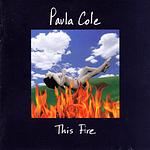
This Fire is Paula Cole's 1996 album that pairs her piano-led singer-songwriter roots with art pop and pop rock production. The record moves between intimate, confessional ballads and more rhythmic, dance-pop and soft rock arrangements, marked by layered vocals, dramatic dynamics, and clear melodic hooks. It includes the well-known songs "Where Have All the Cowboys Gone?" and "I Don't Want to Wait" and served as Cole's breakthrough into a wider audience.
#926 — Jazz Samba by Stan Getz, Charlie Byrd
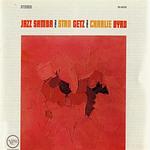
Jazz Samba (1962) pairs tenor saxophonist Stan Getz with guitarist Charlie Byrd in a set that blends bossa nova rhythms with jazz improvisation. The album features relaxed samba grooves, nylon-string guitar textures, light percussion, and Getz's warm, lyrical tone, presenting Brazilian song forms through a cool jazz sensibility. It is widely regarded as a landmark recording that helped introduce bossa nova to American jazz listeners.
#927 — Stand! by Sly & the Family Stone
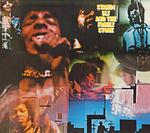
Stand! is a 1969 album by Sly & the Family Stone that fuses funk, soul and psychedelic rock into propulsive, rhythm-driven grooves and vibrant horn and keyboard textures. The band’s layered vocal harmonies, syncopated rhythms and pointed, inclusive lyrics balance danceable arrangements with experimental studio touches, reflecting a cross-genre approach that helped define their sound in the late 1960s.
#928 — Evil Empire by Rage Against the Machine
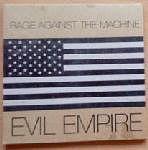
Evil Empire (1996) is the second studio album by Rage Against the Machine, continuing the band's mix of hard rock and rap-influenced metal with tight, riff-driven arrangements and propulsive rhythms. Tom Morello's inventive guitar work and effects interact with a muscular rhythm section while Zack de la Rocha delivers urgent, politically charged vocals and lyrics addressing corporate power, imperialism, and social injustice. The album is notable for its direct, confrontational sound and for reinforcing the group's blend of intense musical aggression and overt political messaging.
#929 — 40 oz. to Freedom by Sublime
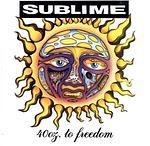
40 oz. to Freedom is Sublime's 1992 debut that blends ska, reggae, punk and alternative rock into a sun-soaked yet gritty sound. The record pairs casual, expressive vocals and lo-fi production with upbeat ska rhythms, reggae grooves, punk urgency and occasional dub and hip-hop touches; it mixes original songs with reggae covers and moves between relaxed grooves and more frenetic tracks. Bradley Nowell's delivery and the band's genre-mixing approach established the signature Sublime sound and helped define a strand of 1990s California ska punk and alternative music.
#930 — Computer World / Electric Cafe by Kraftwerk
This pairing showcases Kraftwerk's late period approach to electronic music, built from precise sequencer patterns, tight drum-machine grooves, crystalline synthesizer lines, and vocoder-processed vocals. The material emphasizes themes of computing, communication, and human interaction with machines, moving between concise song structures and longer, looping instrumental passages. Its aesthetic of clinical repetition and melodic understatement was influential on later electronic styles such as techno, electro, and synth-pop, and highlights Kraftwerk's focus on the interface between humans and technology.
#931 — Hearts and Bones by Paul Simon
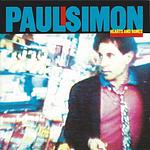
Hearts and Bones is a 1983 Paul Simon album that mixes pop and pop rock with singer-songwriter intimacy and art pop textures, with occasional folk pop touches. The songs are primarily introspective and relationship-focused, delivered through literate, conversational lyrics and melodic structures; the arrangements combine acoustic guitar, keyboards and layered studio production with subtle rhythmic variations. The result is a reflective, tightly composed record that emphasizes songwriting and personal detail over overt commercial polish.
#932 — Presence by Led Zeppelin
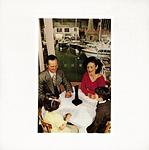
Presence, released in 1976, is Led Zeppelin's eighth studio album and a guitar-driven record that favors concise, riff-focused songs over extended improvisation. Recorded quickly in Munich while Robert Plant was recuperating from a car accident, it pairs dense, urgent hard rock pieces like "Achilles Last Stand" with blues-tinged moments such as "Tea for One," yielding a leaner, more direct late-period sound. The album's stark, surreal cover art and concentrated studio approach make it notable for its intensity and focus within the band's catalog.
#933 — Without You I'm Nothing by Placebo
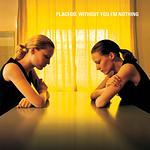
Without You I’m Nothing is Placebo’s second studio album, presenting a darker, more polished take on alternative rock that mixes glam and post-punk influences. The record is built around jagged, distorted guitars, taut rhythms, and Brian Molko’s androgynous, emotive vocals, with lyrics that probe desire, alienation, and fragile relationships. Tracks such as "Pure Morning" and "Every You Every Me" illustrate the band’s ear for concise, hook-driven songs alongside moodier, textural pieces, and the album helped define Placebo’s sonic identity in the late 1990s.
#934 — Turn! Turn! Turn! by The Byrds
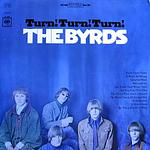
Turn! Turn! Turn! (1965) is the Byrds' second album, marked by Roger McGuinn's chiming 12-string electric guitar, close harmony vocals, and a melding of folk songcraft with concise pop rock arrangements. The title track adapts Pete Seeger's setting of text from Ecclesiastes into an upbeat, radio-friendly arrangement, while the record mixes folk covers and group originals to emphasize a bright, jangly sound. The album helped define the folk rock approach of pairing acoustic-derived songwriting with electric instrumentation and pop sensibility.
#935 — A Wizard, a True Star by Todd Rundgren
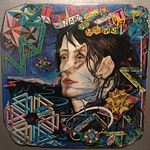
A Wizard, a True Star is Todd Rundgren's 1973 album that pushes pop songwriting into experimental and art rock territory. It mixes concise song fragments and extended pieces across rock, progressive and electronic textures, relying on dense multi tracked vocals, early synthesizer timbres and inventive studio production to create abrupt transitions and a collage like flow. The record represents a deliberate move away from straightforward pop toward more adventurous arrangements, blending elements of psychedelia, soul and electronic experimentation into a singular, exploratory sequence.
#936 — Exodus by Bob Marley & The Wailers
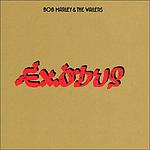
Exodus (1977) by Bob Marley & The Wailers is a landmark roots reggae album that pairs bass-driven, skanking rhythms with warm lead vocals and close backing harmonies. Its songs range from spiritual and politically charged lyrics to intimate love songs, carried by spare, dub-influenced arrangements, organ fills, and steady, groove-oriented production. Recorded while Marley was based in London, the record is often cited for combining militant themes and uplifting melodies into a concise, cohesive set of tracks.
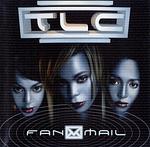
FanMail, released in 1999 by TLC, blends contemporary R&B with electronic and pop production to create a polished, futuristic sound that leans into dance-pop textures. The album pairs tight group harmonies and conversational vocal interplay with crisp programmed beats and synth layers, and its songs move between relationship-focused tracks and more introspective material about self-image and empowerment. Notable for its modern production and thematic nods to technology and fan interaction, the record exemplifies a late 1990s R&B-pop crossover aesthetic.
#938 — Marcus Garvey by Burning Spear
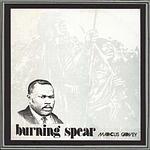
Marcus Garvey is a 1975 roots reggae album by Burning Spear that channels Rastafarian thought and Pan-African themes through direct, militant lyrics. Its sound favors deep, repetitive bass and drum patterns, spare organ and horn accents, and Burning Spear's commanding, chant-like vocals, producing a solemn, hypnotic atmosphere. The album is regarded as a landmark of 1970s roots reggae for its focused message and austere production.
#939 — Mermaid Avenue by Billy Bragg, Wilco
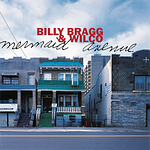
Mermaid Avenue is a 1998 collaboration between singer-songwriter Billy Bragg and the band Wilco that sets previously unrecorded Woody Guthrie lyrics to new music. The album mixes acoustic folk and roots songwriting with alternative rock and alt-country textures, combining Bragg's direct, literate vocal delivery with Wilco's layered, occasionally experimental arrangements. It foregrounds storytelling and Americana influences while updating Guthrie's material for a contemporary band setting, and it prompted further collaborative work drawing from Guthrie's archives.
#940 — Mingus at Antibes by Charles Mingus
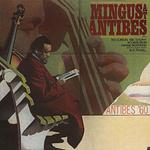
Mingus at Antibes is a live document of Charles Mingus leading a restless, hard-driving ensemble in extended performances that mix hard bop, blues-inflected gospel feeling and early avant-garde textures. The album highlights dramatic shifts in tempo and dynamics, collective interplay and extended solos, conveying Mingus's forceful bandleading and adventurous compositional voice in a concert setting.
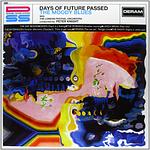
Days of Future Passed (1967) by The Moody Blues with the London Festival Orchestra conducted by Peter Knight is a concept album that juxtaposes the band's rock songs with orchestral interludes organized around the passage of a single day. The sound combines melodic rock instrumentation, prominent Mellotron textures, and folk-tinged songwriting with lush string and brass arrangements, producing a cinematic, baroque-influenced pop and symphonic rock palette. Notable for its suite-like sequencing and the fusion of classical orchestration with rock elements, the record is often cited as an early example of progressive and symphonic rock.
#942 — Chicago Transit Authority by Chicago
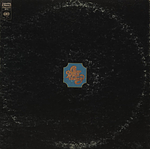
Chicago Transit Authority, Chicago's 1969 debut, introduces the band's signature fusion of rock and jazz centered on a powerful brass section. The record balances concise pop-rock songs with extended instrumental passages and complex horn arrangements, showcasing tight interplay between guitar, keyboards, bass, drums, and brass while emphasizing both melodic hooks and improvisatory moments. As an early statement of the group's sound, it established the horn-driven approach that defined much of their subsequent work.
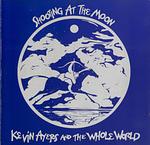
Shooting at the Moon, credited to Kevin Ayers & The Whole World and released in 1970, continues Ayers' move away from his Soft Machine roots into a mellow, pastoral brand of psychedelic rock. The album blends whimsical, often melancholic songwriting with relaxed, melodic arrangements and occasional jazz-tinged touches, highlighting Ayers' idiosyncratic baritone and offbeat lyrical sensibility. Its sound emphasizes gentle grooves, warm instrumentation, and a loose, exploratory production that balances accessible melodies with experimental textures.
#944 — Tupelo Honey by Van Morrison
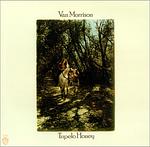
Van Morrison's 1971 album Tupelo Honey blends blue-eyed soul, country rock, folk, and R&B into a warm, pastoral sound that favors relaxed grooves, acoustic textures, and soulful vocals. The record moves between upbeat, rootsy numbers and intimate ballads, with a band-oriented, more polished production than some of his earlier, more freeform work. The title track captures a country-soul mood and romantic lyricism that helped define Morrison's early 1970s output.
#945 — Deserter's Songs by Mercury Rev
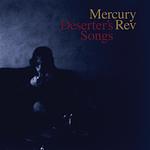
Deserter's Songs is Mercury Rev's 1998 album that moves away from the band's earlier noisy, experimental roots toward a more orchestral, dreamlike sound. It combines lush string and horn arrangements with elements of dream pop, indie rock, and baroque pop, supported by Dave Fridmann's spacious production and Jonathan Donahue's fragile, emotive vocals. The record is marked by pastoral, melancholic melodies and a theatrical, cinematic atmosphere that reshaped the band's aesthetic and introduced a more melodic, song-oriented approach.
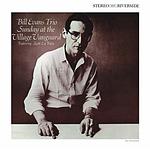
Sunday at the Village Vanguard is a live 1961 recording by the Bill Evans Trio, featuring Bill Evans on piano, Scott LaFaro on bass and Paul Motian on drums. The music blends cool jazz lyricism with post-bop harmonic depth and is distinguished by unusually conversational group interplay, close listening, and LaFaro's melodic, agile bass lines that often function as a counterpoint to Evans's piano. Captured in an intimate club setting and recorded shortly before LaFaro's death, the session is regarded as a landmark in the evolution of the modern jazz piano trio.
#947 — Slowhand by Eric Clapton
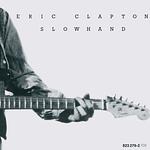
Slowhand, released in 1977, finds Eric Clapton blending rock, electric blues and pop into a polished, accessible sound that foregrounds melodic guitar work and warm vocals. The album pairs laid-back, country-tinged grooves like "Lay Down Sally" with blues-inflected material such as "Cocaine" and the intimate ballad "Wonderful Tonight," emphasizing restrained phrasing and clear production. It is notable for its radio-friendly arrangements that still draw on Clapton's blues roots and his economy of phrasing on the electric guitar.
#948 — One World by John Martyn
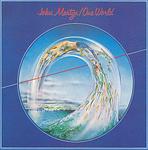
One World (1977) finds John Martyn stretching his folk rock roots into spacious, atmospheric territory, combining warm acoustic guitar with electric textures, prominent bass and percussion, and liberal use of echo and reverb to create a dub-like ambience. The arrangements blend folk, jazz and reggae-inflected rhythms into slow, groove-oriented songs delivered with a hushed, intimate vocal style. The record is notable for its experimental production and mood-driven soundscapes that emphasize texture and atmosphere over conventional singer-songwriter arrangements.
#949 — Weld by Neil Young, Crazy Horse
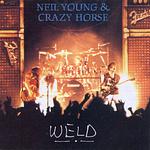
Weld is a 1991 live album by Neil Young with Crazy Horse that documents the band’s loud, electric set from their 1991 tour. Musically it emphasizes distorted, feedback-rich guitar work, extended solos, and a loose, propulsive groove from Crazy Horse, presenting hard rock interpretations of Young’s material alongside more recent songs. The record is often noted as a snapshot of Young’s early 1990s electric phase and the raw, high-volume sound the band explored in concert.
#950 — whitechocolatespaceegg by Liz Phair
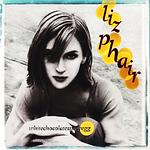
whitechocolatespaceegg, released in 1998, is Liz Phair's third studio album. It moves away from the raw, lo-fi edge of her earliest work toward a warmer, more polished alternative and indie rock sound, combining acoustic ballads, jangly guitars, and midtempo pop-rock arrangements. The songs address adult themes such as relationships and parenthood with Phair's candid, conversational lyricism, producing a more melodic, inward-looking record that retains her direct voice while embracing softer production and pop sensibilities.
#951 — Back to Back: Duke Ellington and Johnny Hodges Play the Blues by Duke Ellington, Johnny Hodges
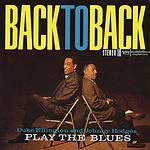
Back to Back: Duke Ellington and Johnny Hodges Play the Blues is a 1960 small-group session that foregrounds blues-based material performed by pianist Duke Ellington and alto saxophonist Johnny Hodges. The album emphasizes Hodges' warm, lyrical alto tone and Ellington's economical, complementary piano playing, with relaxed swing and expressive phrasing that highlight the blues tradition in concise performances. It serves as an intimate showcase of the long musical rapport between Ellington and Hodges outside a big-band context.
#952 — Third Eye Blind by Third Eye Blind
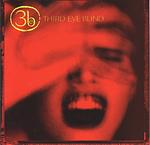
Third Eye Blind is the band's 1997 self-titled debut, blending alternative rock, pop rock, and power pop with polished production and strong melodic hooks. The album pairs bright, chiming guitar work and layered vocal harmonies with lyrics that often contrast upbeat arrangements and darker topics such as addiction and isolation. Tracks like "Semi-Charmed Life", "Jumper", and "How's It Going to Be" showcase its mix of catchy choruses and more introspective moments, and the record helped establish the group's profile in the late 1990s alternative and pop rock landscape.
#953 — Miles Davis at Carnegie Hall by Miles Davis
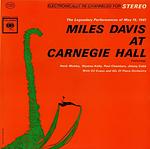
Miles Davis at Carnegie Hall (1962) is a live recording that captures Davis’s early 1960s hard bop approach, blending concise head statements with extended improvisation. The album highlights his lyrical, often muted trumpet tone and the band’s responsive interplay, emphasizing rhythmic drive, blues-inflected phrasing, and moments of modal exploration. As a concert-hall document, it shows the balance between arranged material and onstage spontaneity in Davis’s live performances.
#954 — Happy Sad by Tim Buckley
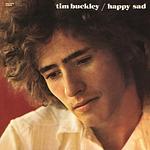
Happy Sad (1969) finds Tim Buckley moving away from his earlier folk-pop toward a more jazz-inflected, improvisatory approach. The record pairs acoustic and electric textures with a loose, jazz-rock rhythm section and longer, exploratory arrangements that allow for instrumental interplay and Buckley’s expressive, often ethereal vocal lines. It is often viewed as a transitional album that bridges his singer-songwriter roots with the freer, more experimental direction he pursued on later recordings.
#955 — Songs for a Tailor by Jack Bruce
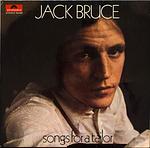
Songs for a Tailor is Jack Bruce's 1969 debut solo album following the breakup of Cream. Collaborating with lyricist Pete Brown and produced by Felix Pappalardi, the record blends jazz, jazz rock, progressive rock and rock, moving between jazz-influenced improvisation, melodic rock songs and more ornate arranged passages. The album highlights Bruce's melodic bass work, distinctive vocals and compositional range while exploring a wider palette of textures and instrumentation than his work in a power trio context.
#956 — Me Against the World by 2Pac
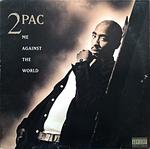
Me Against the World is a 1995 album by 2Pac that blends West Coast gangsta rap and G-funk sonics with introspective, conscious hip hop lyricism. The record pairs street narratives and defiant posturing with vulnerable reflections on mortality, family, and legal struggles, a tone reinforced by moody, melodic production and layered hooks. Recorded and released while 2Pac was incarcerated, its themes of isolation and resilience are prominent across tracks such as "Dear Mama" and "So Many Tears". The album is often regarded as a peak of his more personal work and a significant statement in 1990s West Coast hip hop.
#957 — Soul's Core by Shawn Mullins
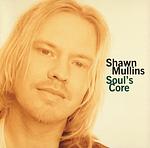
Released in 1998, Soul's Core is Shawn Mullins's album that blends folk and soft rock with singer-songwriter storytelling. The songs pair warm acoustic guitar and understated band arrangements with Mullins's conversational vocal delivery, moving between intimate folk ballads and more radio-friendly soft rock numbers; it includes the well-known single "Lullaby," which expanded his audience. The album's lyrical focus is on relationships and personal reflection, presented with Americana and roots influences.
#958 — Small Change by Tom Waits
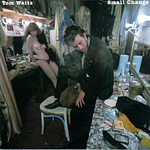
Small Change, released in 1976, is Tom Waits's fourth studio album, produced by Bones Howe. The record mixes piano-driven blues with jazz-inflected arrangements and Waits's theatrical, gravelly vocals, creating a smoky, cabaret-like barroom atmosphere populated by down-and-out characters and nocturnal vignettes. Standout tracks such as "Tom Traubert's Blues (Waltzing Matilda)" and "The Piano Has Been Drinking (Not Me)" illustrate its blend of piano blues, singer-songwriter storytelling, and vocal jazz phrasing.
#959 — Moanin' by Art Blakey
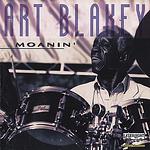
Moanin' is a landmark hard bop album by Art Blakey and the Jazz Messengers, originally recorded in 1958 and often reissued. It features the classic Messengers lineup of Art Blakey on drums, Lee Morgan on trumpet, Benny Golson on tenor sax, Bobby Timmons on piano, and Jymie Merritt on bass. The music blends blues and gospel inflections with driving swing and tight horn arrangements; the title track, written by Timmons, exemplifies the call-and-response, soulful feel that helped define hard bop, while the ensemble interplay and solo work showcase Blakey's propulsive drumming and energetic frontline improvisation.
#960 — Trailer Park by Beth Orton
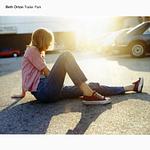
Trailer Park, released in 1996 by Beth Orton, blends acoustic folk songwriting with downtempo electronic production and soft rock sensibilities. The album pairs hushed, emotive vocals and fingerpicked guitar with subtle beats, loops and ambient textures to create an intimate, melancholic atmosphere. It is often cited as an early example of folktronica, bringing singer-songwriter craft into conversation with electronic elements.
#961 — Whatever by Aimee Mann
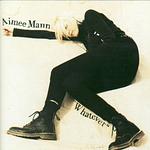
Whatever is Aimee Mann's 1993 solo debut, presenting a literate, melancholic singer-songwriter approach within an alternative and pop rock framework. The songs pair precise, often wry lyrics about relationships and self-reflection with restrained, melodic arrangements that mix acoustic and electric textures, creating an intimate but polished sound. The album helped establish Mann's reputation for thoughtful, craft-focused songwriting in indie and pop rock circles.
#962 — The Dance by Fleetwood Mac
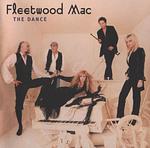
The Dance is a 1997 live album and concert recording by Fleetwood Mac that reunites the group's classic lineup. It presents live renditions of their pop rock and classic rock repertoire with a balance of electric band settings and quieter, more acoustic moments, highlighting the ensemble vocal harmonies and rhythmic interplay. The performance emphasizes restored musical chemistry among Stevie Nicks, Lindsey Buckingham, Christine McVie, John McVie, and Mick Fleetwood and includes extended instrumental passages alongside concise pop arrangements, capturing the band revisiting and reshaping several of their signature songs.
#963 — Did I Shave My Legs for This? by Deana Carter
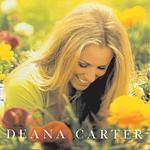
Did I Shave My Legs for This? is a contemporary country album by Deana Carter that blends country pop arrangements with traditional instrumentation such as acoustic guitar, pedal steel, and fiddle. The material alternates reflective, storytelling ballads with more upbeat, radio-friendly tracks, showcasing Carter's clear, expressive vocals and a lyrical mix of nostalgia, romantic reflection, and lighthearted humor. The production favors warm, melodic arrangements that emphasize songcraft and personal narrative within a modern country sound.
#964 — Brilliant Corners by Thelonious Monk
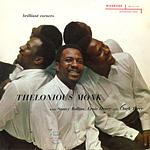
Brilliant Corners (1957) captures Thelonious Monk's idiosyncratic compositional voice within a hard bop context, juxtaposing angular, dissonant melodies and compressed, percussive piano with tightly arranged horn passages. The title track is particularly notable for its complex form and demanding ensemble writing, and the album as a whole balances intricate group interplay with moments of spare, introspective soloing, resulting in music that is distinctive, challenging, and important in Monk's recorded output.
#965 — Speaking in Tongues by Talking Heads
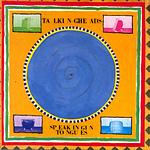
Speaking in Tongues, released in 1983, finds Talking Heads blending new wave and art rock with funk and synth-driven dance grooves. The arrangements foreground tight, interlocking rhythms and prominent bass and percussion, while David Byrne's idiosyncratic vocals and angular guitar lines remain central. The record moves toward more immediate, accessible song structures than some of their prior, more experimental work, producing memorable tracks such as "Burning Down the House" and "This Must Be the Place (Naive Melody)". Overall it emphasizes groove and songcraft while retaining the band's quirky lyrical and sonic character.
#966 — Songs From Northern Britain by Teenage Fanclub
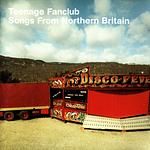
Songs from Northern Britain (1997) is a melodic, harmony-driven Teenage Fanclub album that sits at the intersection of indie rock, alternative rock and classic power pop. The record features chiming, layered guitars, warm multi-part vocal harmonies and midtempo, reflective songs with a smoother, more polished production than some of the band's earlier, rawer work, highlighting their focus on tuneful songwriting.
#967 — Crime of the Century by Supertramp
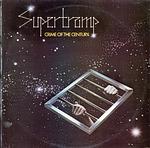
Crime of the Century, released in 1974 by Supertramp, is an art rock and progressive rock album that crystallized the band's piano-driven, theatrical sound. It balances dramatic, cinematic arrangements and prominent saxophone and keyboard textures with concise pop songwriting and contrasting lead vocals, producing an introspective, moody atmosphere. The record is widely regarded as the release that established Supertramp's signature blend of melodic hooks and progressive ambition, with recurring lyrical themes of alienation and confinement conveyed through vivid musical dynamics.
#968 — Hard Promises by Tom Petty and the Heartbreakers
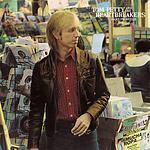
Hard Promises, released in 1981 by Tom Petty and the Heartbreakers, continues the band’s blend of rock, heartland rock and pop rock with a direct, guitar-driven sound. The record mixes upbeat rockers and melodic midtempo songs, anchored by Petty’s plainspoken vocals, chiming guitars and tight band interplay. It features the single "The Waiting", which exemplifies the album’s hook-driven songwriting and earnest tone. Overall the album consolidates a roots-informed, radio-friendly rock approach while maintaining a slightly raw edge in its production.
#969 — Private Dancer by Tina Turner
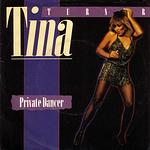
Private Dancer, released in 1984, is a solo album that blends pop rock, pop soul and ballad-driven material with the polished production typical of the 1980s. It highlights Tina Turner’s gritty, expressive voice across uptempo, rock-inflected tracks and slower, dramatic ballads, pairing electric guitar and synth textures with accessible pop arrangements. The record marked a major reemergence of Turner as a solo artist and is noted for its strong vocal performances and crossover pop and rock sensibility.
#970 — Dizzy Up the Girl by Goo Goo Dolls
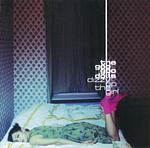
Dizzy Up the Girl (1998) finds the Goo Goo Dolls refining a melodic, radio-friendly strain of alternative rock that foregrounds power pop hooks and acoustic textures. John Rzeznik's songwriting and vocals favor polished, hook-driven ballads and midtempo rockers that pair chiming electric guitars and acoustic strumming with occasional string arrangements and layered harmonies, creating a blend of post-grunge grit and pop-oriented production that expanded the band’s mainstream profile.
#971 — Solitude Standing by Suzanne Vega
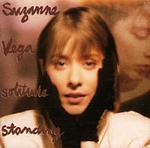
Solitude Standing is Suzanne Vega's 1987 second studio album. It blends her spare, literate folk songwriting with fuller pop and rock arrangements, incorporating elements of dream pop and folk pop through atmospheric production and subtle electric textures. The record includes the narrative-driven "Luka," which addresses domestic abuse, and the minimalist a cappella "Tom's Diner," both of which showcase Vega's clear, intimate vocal delivery and economy of language. Overall the album marks a move toward more varied instrumentation while retaining a focus on storytelling.
#972 — Endless Summer by The Beach Boys
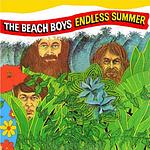
Endless Summer is a 1974 compilation album by the Beach Boys that collects many of the group's early 1960s surf and pop singles from their Capitol Records period. The selection emphasizes close vocal harmonies, bright electric guitars, and Brian Wilson's pop-minded arrangements, showcasing the blend of upbeat surf anthems and softer ballads that shaped the band's formative sound.
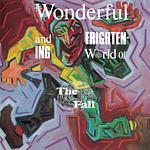
Released in 1984, The Wonderful and Frightening World of The Fall captures the band at a point where their jagged post-punk attack met more melodic and textural experimentation. Mark E. Smith's caustic, spoken-sung vocals ride over taut, repetitive guitar figures and a propulsive rhythm section, while keyboards and subtle electronic touches add leftfield and new wave inflections. The record is notable for consolidating The Fall's abrasive, literate aesthetic into a tighter, more varied set of songs that balance rawness with occasional melodic or atmospheric flourishes.
#974 — Violent Femmes by Violent Femmes
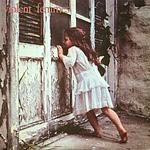
Violent Femmes is the 1983 self-titled debut by the Milwaukee trio Violent Femmes. The record pairs jangly acoustic guitar, minimal percussion and raw, often shouted vocals to fuse folk songcraft with punk attitude, producing terse, direct arrangements and confessional, sometimes abrasive lyrics. Songs such as "Blister in the Sun" and "Add It Up" showcase hooky melodies and urgent dynamics, and the album is frequently noted for its role in shaping early alternative, indie rock and folk punk sensibilities.
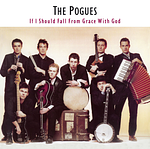
If I Should Fall From Grace With God is a 1988 album that crystallizes The Pogues' blend of Irish folk instrumentation and punk rawness, mixing lively reels and raucous punk-tinged numbers with mournful ballads and narrative songs. Shane MacGowan's rough-edged, sing-speaking delivery drives lyrics about love, exile, drinking, and street life while accordion, fiddle, tin whistle, and banjo anchor the arrangements. The record also features the well known duet "Fairytale of New York" with Kirsty MacColl and is noted for its vivid storytelling and a balance between rowdy energy and melancholic tenderness.
#976 — The Original Soundtrack by 10cc
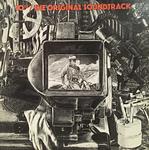
The Original Soundtrack, released in 1975 by 10cc, blends pop rock and art pop with a mix of witty pastiche and polished studio craft. The album juxtaposes upbeat, satirical songs with lush, atmospheric balladry, most notably the multi-tracked vocal soundscape of "I'm Not in Love", and showcases the band members' detailed arrangements, layered harmonies, and studio experimentation. Its production emphasizes texture and hook-driven songwriting, placing art rock sensibilities within accessible classic and soft rock frameworks.
#977 — No Guru, No Method, No Teacher by Van Morrison
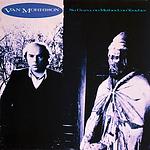
No Guru, No Method, No Teacher (1986) finds Van Morrison in a quiet, reflective mode that blends folk rock, Celtic-inflected melodies, and elements of blue-eyed soul and jazz rock. The album emphasizes meditative lyrics about spirituality and nature, wrapped in mostly acoustic arrangements with warm vocal delivery and restrained instrumental touches that nod to jazz and soul traditions. Its tone is intimate and contemplative, reflecting Morrison's ongoing interest in spiritual exploration and roots-oriented songcraft.
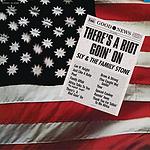
There’s a Riot Goin’ On, released in 1971 by Sly & the Family Stone, marks a turn from the band’s earlier upbeat crossover soul toward a darker, more inward form of funk and psychedelic soul. The record emphasizes slow, groove-centered rhythms, prominent bass, muted horns and layered, often murky production that creates an intimate, raw atmosphere. Its lyrics and tone convey disillusionment and reflection rather than the communal optimism of the 1960s, and the album’s emphasis on texture and mood helped shape later directions in deep funk and progressive soul.
#979 — Follow the Leader by Eric B. & Rakim
Follow the Leader is the second studio album by Eric B. & Rakim, released in 1988. It builds on their debut with production that blends hip hop and electro influences, pairing Eric B.'s sample-driven, beat-focused backing with Rakim's dense internal rhymes and measured, understated delivery. The title track and other cuts emphasize minimalist grooves and lyrical complexity, and the record is regarded as a notable step in the development of late 1980s hip hop sound and technique.
#980 — Live Through This by Hole
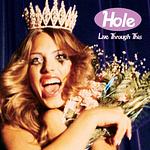
Live Through This, released in 1994 by Hole, blends grunge, punk, and alternative rock with raw, guitar-driven arrangements and strong melodic hooks. Courtney Love's vocals move between snarling aggression and vulnerable melody, anchored by lyrics that confront gender, identity, and personal trauma. The album pairs abrasive textures with pop-influenced songcraft, forming a defining statement for the band within 1990s alternative rock.
#981 — Surrender by The Chemical Brothers
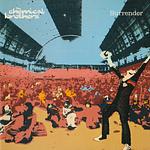
Surrender, released in 1999 by The Chemical Brothers, blends big beat and house with progressive electronic textures, anchored by punchy breakbeats, melodic synth lines, and psychedelic studio production. The album includes singles such as "Hey Boy Hey Girl", "Let Forever Be", and "Out of Control" and is notable for incorporating more song-based structures and guest vocalists into the duo's sample-driven club sound. Its layered arrangements and mix of club-ready rhythms with experimental touches show a widening of their electronic palette while retaining dancefloor focus.
#982 — Central Reservation by Beth Orton
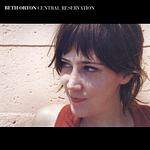
Central Reservation, released in 1999, pairs Beth Orton's intimate, folky songwriting and worn acoustic guitar with subtle electronic and downtempo textures, creating a warm, introspective sound that sits between folk and electronica. Orton's husky, emotive vocals and spare arrangements emphasize mood and melody, with production that balances organic instruments and programmed beats. The album is often noted for its role in the late 1990s crossover between folk traditions and electronic music.
#983 — Core by Stone Temple Pilots
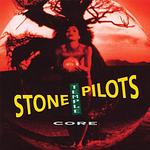
Core is the 1992 debut album by Stone Temple Pilots that blends grunge, alternative rock and hard rock. It features heavy, guitar-driven arrangements, sludgy riffs and Scott Weiland's wide-ranging, sometimes theatrical vocals, with songs that move between brooding midtempo grooves and more aggressive rockers. The record introduced the band's mix of classic hard rock influences and a contemporary grunge sound and helped establish them in the early 1990s rock scene.
#984 — Paul Simon by Paul Simon
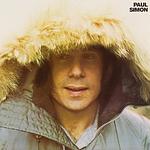
Paul Simon (1972) is Paul Simon's first solo album after the end of Simon and Garfunkel. It blends folk rock and pop with a more rhythmic and eclectic palette, notably incorporating reggae inflections and concise acoustic songwriting. The record highlights Simon's observational lyricism and tuneful melodies on tracks such as "Mother and Child Reunion" and "Me and Julio Down by the Schoolyard", favoring varied studio arrangements over the duet harmonies of his earlier work and marking a turn toward broader stylistic exploration in his solo career.
#985 — Oklahoma! by Richard Rodgers, Oscar Hammerstein II
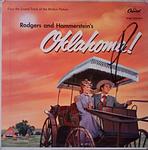
The 1955 album is the soundtrack to the film adaptation of Rodgers and Hammerstein's musical Oklahoma!, presenting the Golden Age musical's blend of pastoral, folk-inflected melodies, romantic duets and vigorous ensemble numbers. Songs such as "Oh, What a Beautiful Mornin'", "People Will Say We're in Love", "The Surrey with the Fringe on Top" and the title tune are rendered with broader orchestral arrangements and cinematic production values compared with the original Broadway cast recording, highlighting the score's integration of song, dance and Americana themes.
#986 — Superfly by Curtis Mayfield
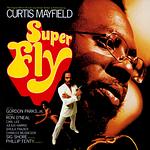
Curtis Mayfield's 1972 Superfly is a soundtrack album that blends soul, funk, Chicago soul, and R&B into a cinematic, groove-driven sound. Mayfield's distinctive falsetto and understated guitar work ride on deep funk rhythms, prominent bass, wah-wah guitar textures, and lush string arrangements, while lyrics offer a socially conscious perspective on urban life and the drug trade. The record balances warm melodic hooks with atmospheric production to create a laid-back but urgent mood tied closely to the film's themes.
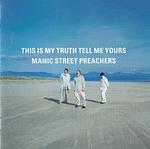
This Is My Truth Tell Me Yours is a 1998 album by Manic Street Preachers that moves the band toward a more expansive, melodic form of alternative rock with Britpop and indie influences. The arrangements emphasize strings, piano and layered guitars to create a polished, often melancholic atmosphere that balances anthemic songs with intimate ballads. Lyrically the record mixes personal reflection and political concerns, exemplified by tracks such as "If You Tolerate This Your Children Will Be Next", and showcases the band’s turn to more orchestral and widescreen songwriting.
#988 — Flaming Pie by Paul McCartney
Flaming Pie is Paul McCartney's 1997 album that blends folk-tinged acoustic songwriting with polished pop and pop rock arrangements. The record alternates intimate, home-recorded moments such as "Calico Skies" with fuller band productions like "The World Tonight", and features collaborators including Jeff Lynne and Ringo Starr alongside tasteful orchestral touches, resulting in a warm, reflective sound that nods to McCartney's Beatles-era melodicism while using contemporary production approaches. It is often viewed as a late 1990s return to song-centered, melodic work for McCartney.
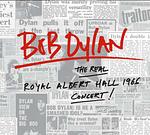
The Real Royal Albert Hall 1966 Concert is a 2016 release of Bob Dylan's 1966 live performance presented in a rock context. The recording captures Dylan backed by a tight electric band, with forceful, rock-inflected arrangements of his songs that emphasize electric guitar, driving rhythms, and a raw, immediate sound. It is heard as a document of Dylan's move from acoustic folk toward amplified rock and the heightened intensity of his mid 1960s live shows.
#990 — Atom Heart Mother by Pink Floyd
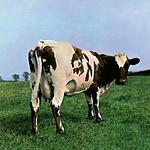
Atom Heart Mother (1970) finds Pink Floyd moving beyond late 1960s psychedelia into longer, more orchestral and experimental territory. The centerpiece is the extended title suite, developed with composer Ron Geesin and built around brass, choir and orchestral textures alongside the band’s electric and acoustic guitars, keyboards and studio effects, while the B-side includes shorter tracks that range from pastoral ballads to tape-collage experiments. The record is an early example of the group’s shift toward progressive and art rock approaches, emphasizing atmosphere, extended composition and studio experimentation.
#991 — Speak & Spell by Depeche Mode
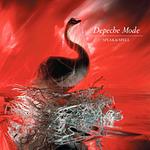
Speak & Spell is Depeche Mode's 1981 debut, characterized by bright, melodic synth-pop and economical electronic production. Much of the songwriting and the album's pop-oriented sound were driven by Vince Clarke, yielding catchy, danceable tracks and clear synth textures that sit alongside New Romantic and early alternative dance tendencies. The record established the band's early identity with concise, hook-focused arrangements before Vince Clarke departed and Martin Gore took on primary songwriting duties.
#992 — 3+3 by The Isley Brothers
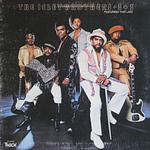
3+3, released in 1973, marks The Isley Brothers' expansion from a vocal trio into a six-member band with the addition of Ernie and Marvin Isley and keyboardist Chris Jasper. The album blends soul and early quiet storm balladry with funk grooves and rock-inflected guitar work, featuring Ernie Isley’s Hendrix-influenced solos and tighter band arrangements; it mixes original songs and reinterpretations to showcase a fuller, more instrumentally adventurous sound that helped define the group’s 1970s direction.
#993 — The Good Will Out by Embrace
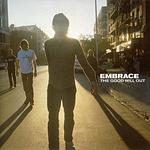
The Good Will Out is Embrace's 1998 debut, rooted in alternative rock and Britpop with strong post-Britpop and chamber pop touches. The album pairs guitar-driven arrangements and emotive lead vocals with lush string and orchestral elements, producing a widescreen, cinematic sound and emphatic, anthemic choruses. Its polished, large-scale production helped position Embrace within the late 1990s British guitar scene.
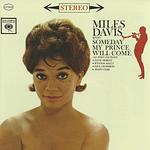
Someday My Prince Will Come (1961) by the Miles Davis Sextet is a trumpet-led album that blends cool jazz poise with hard bop swing, emphasizing lyrical melodies and relaxed, thoughtful improvisation. The arrangements favor concise themes and warm, understated interplay between soloists and rhythm section, with the title track offering a plaintive take on a standard. The record is often heard as part of Davis's early 1960s transition from his late 1950s modal work toward the more exploratory directions he pursued later in the decade.
#995 — Diamond Dogs by David Bowie
Diamond Dogs (1974) is a David Bowie album that blends glam rock and classic rock with a darker, theatrical tone, featuring raw, guitar-driven arrangements alongside moments of horn-tinged soul and funk that point toward his later stylistic shifts. The record has a loose conceptual thread of urban decay and dystopian imagery, and includes sprawling sequences such as the Sweet Thing suite and the anthemic single Rebel Rebel, marking a move away from his Ziggy Stardust stage persona toward a more fragmented, cinematic sound.
#996 — Freedom by Neil Young
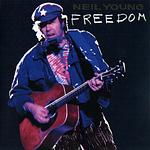
Freedom, released in 1989, marked Neil Young's return to a more immediate rock approach after a decade of stylistic experiments. The album blends acoustic singer-songwriter material with driving electric and hard rock moments, incorporating elements of heartland and country rock alongside raw guitar textures and candid, socially aware lyrics. It includes the anthemic "Rockin' in the Free World" and is notable for its balance of intimate songs and full-throttle rockers that reaffirm Young's classic rock identity.
#997 — No Secrets by Carly Simon
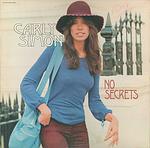
No Secrets (1972) is Carly Simon's third studio album, produced with a polished pop rock and soft rock sound that also draws on elements of country pop. The record pairs confessional, relationship-focused songwriting with accessible hooks and radio-friendly arrangements, mixing acoustic and electric instrumentation and layered backing vocals. It features the signature track "You're So Vain" and is notable for its blend of personal lyricism and studio-crafted production.
#998 — Still Warm by John Scofield
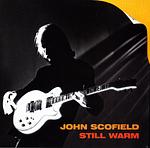
Still Warm (1986) is an electric, groove-oriented album that blends contemporary jazz, jazz fusion, jazz rock, and post-bop. Scofield's guitar favors a warm, slightly overdriven tone and angular melodic lines laid over funk- and rock-inflected rhythms, with concise compositions that emphasize tight ensemble interplay and rhythmic drive rather than extended soloing. The record represents Scofield's mid-1980s move toward a funkier, ensemble-based electric jazz sound.
#999 — The Trinity Session by Cowboy Junkies
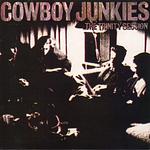
The Trinity Session (1988) by Cowboy Junkies is a spare, atmospheric album that blends blues, country, and rock into a hushed, folk-inflected alternative country sound. Recorded live in a church using a deliberately minimalist setup, the music emphasizes Margo Timmins's intimate vocals, slow, drifting tempos, and subtle instrumental textures, creating a cinematic, melancholic mood. Its quiet arrangements and reverent production helped establish the band’s reputation within alternative rock and alt country circles.
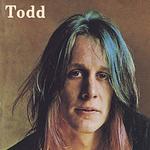
#1000 — Todd by Todd Rundgren