 The Greatest Music
The 1000 Best Albums of All Time (Updated 2015)
This list is basically a personal canon of albums across the modern LP era (framed on-site as “since 1949”), with a strong tilt toward rock’s artier / heavier edges (proto-punk, punk/post-punk, psych, experimental) while also pulling in major jazz and other genre essentials.
#1 — Fun House by The Stooges
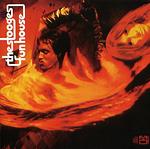
Fun House, released in 1970 by The Stooges, is a raw and abrasive record that helped define proto-punk and garage rock. The album pairs Iggy Pop's urgent, confrontational vocals with Ron Asheton's distorted, loose guitar and a driving rhythm section, while Steve Mackay's freewheeling saxophone adds a chaotic, improvisational live feel. Its stripped-down arrangements, high-energy performances, and abrasive sound capture a direct, confrontational intensity that influenced later punk and hard rock bands.
#2 — Revolver by The Beatles
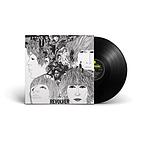
Revolver (1966) finds The Beatles shifting from straightforward pop toward more studio-focused, experimental songwriting and arrangements. Musically it blends rock and pop with psychedelic textures and elements drawn from classical and Indian music, featuring tight vocal harmonies, sharp electric guitar work, string arrangements on songs such as "Eleanor Rigby", George Harrison's sitar on "Love You To", and the tape-loop, drone-driven production of "Tomorrow Never Knows". The album is notable for its inventive studio techniques, varied song forms, and concise production that broadened the sonic palette of popular music recording.
#3 — Remain in Light by Talking Heads
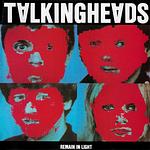
Remain in Light (1980) finds Talking Heads blending New Wave, post-punk, funk, and electronic textures through an experimental production approach with Brian Eno. The album foregrounds layered, polyrhythmic grooves influenced by West African rhythms, interlocking guitar and synth patterns, and funk-tinged bass to create dense, propulsive arrangements. David Byrne's vocal delivery moves between urgent and detached across fragmented, mantra-like lyrics, while studio techniques favor repetition, loops, and ambient sonics. The record is often noted for shifting the band's sound toward a more rhythmic, textural, and collaborative form of art rock.
#4 — Marquee Moon by Television
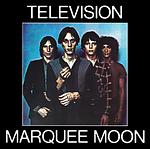
Marquee Moon is Television's 1977 debut album that blends art punk, new wave, post-punk, and art rock into a spare, guitar-driven sound. It features interlocking, melodic guitar lines from Tom Verlaine and Richard Lloyd, a taut rhythm section, and literate, elliptical lyrics, with the extended title track showcasing the band's improvisational interplay. The album's emphasis on texture and guitar interplay influenced later post-punk and indie rock approaches.
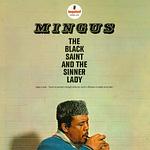
The Black Saint and the Sinner Lady (1963) is an extended suite by bassist-composer Charles Mingus that blends hard bop intensity, Third Stream orchestration and avant-garde jazz impulses. Mingus combines tightly arranged ensemble passages and chamber-like colors with improvisational solos, shifting between muscular brass statements, lyrical string-inflected textures and rhythms that recall Latin and flamenco influences. The album is notable for its ambitious compositional scope, dramatic contrasts and the way it foregrounds narrative and emotional development within a large-jazz-ensemble setting.
#6 — A Love Supreme by John Coltrane
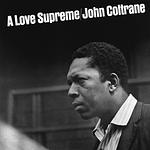
A Love Supreme is a four-part suite recorded by John Coltrane's classic quartet and released in 1965. The music combines modal and post-bop language with a devotional, intense approach, built around a persistent four-note motif and sustained improvisation that showcases Coltrane's tenor saxophone alongside McCoy Tyner's harmonically rich piano, Elvin Jones's propulsive drumming, and Jimmy Garrison's anchoring bass. The album is widely regarded as a defining statement of spiritual jazz and a turning point toward more exploratory, devotional directions in Coltrane's work.
#7 — Astral Weeks by Van Morrison
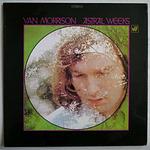
Astral Weeks, released in 1968, finds Van Morrison melding folk, jazz, blues and soul into a series of long, flowing songs built on loose, improvisational performances. The arrangements foreground acoustic guitar, upright bass and subtle percussion with occasional strings and woodwinds, producing a chamberfolk atmosphere that complements Morrison's stream-of-consciousness vocals and poetic lyrics. The album is often regarded as a distinctive, genre-blurring turning point in his work for its intimate, contemplative mood and unconventional song structures.
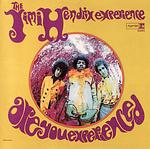
Are You Experienced is the debut album by the Jimi Hendrix Experience, released in 1967. It blends blues rock, psychedelic and acid rock with early hard rock, centered on Hendrix's inventive electric guitar playing and striking studio experimentation such as feedback, wah-wah textures, reversed tape effects, and layered overdubs. The record features concise originals and covers that range from fiery, riff-driven songs to atmospheric balladry, and is widely regarded as a landmark in guitar-led psychedelic rock.
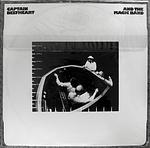
Clear Spot (1972) finds Captain Beefheart blending blues rock and experimental rock with a stronger emphasis on concise, groove-oriented songwriting and cleaner production than some of his earlier records. The album pairs raw blues and R&B rhythms with off-kilter arrangements, punchy horn and percussion textures, and Don Van Vliet's distinctive, idiosyncratic vocals and surreal lyrics, creating a work that balances avant-garde impulses with pop and rock accessibility.
#10 — Paranoid by Black Sabbath
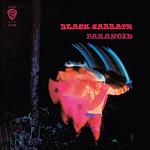
Paranoid, released in 1970 by Black Sabbath, is a compact, riff-driven album that blends blues rock foundations with darker, slower textures that helped shape heavy metal and doom metal. Tony Iommi's distorted, downtuned guitar work, Geezer Butler's driving bass, Bill Ward's dynamic drumming, and Ozzy Osbourne's distinct vocal delivery power concise tracks like "Paranoid", "War Pigs", and "Iron Man", emphasizing heavy tones, memorable riffs, and ominous lyrical themes.
#11 — Unknown Pleasures by Joy Division
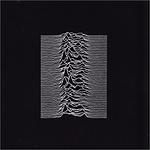
Unknown Pleasures, Joy Division's 1979 debut studio album, is a landmark of post-punk characterized by sparse, austere arrangements and distinctive production by Martin Hannett. The record pairs Peter Hook's high, melodic basslines and Bernard Sumner's angular guitar with Stephen Morris's precise, often metronomic drums under Ian Curtis's deep, restrained vocals and introspective lyrics, creating a cold, atmospheric sound that also fed into gothic and alternative rock developments. Its use of space, effects, and the iconic pulsar waveform cover have made it an enduring reference point for late 20th century underground rock.
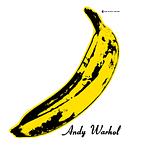
The Velvet Underground & Nico (1967) blends art rock, experimental and garage influences, pairing Lou Reed's stark songwriting and vocals with John Cale's abrasive viola and drone textures, Sterling Morrison's guitar and Maureen Tucker's spare percussion. Nico supplies detached lead vocals on a few tracks. The record mixes concise pop melodies with feedback, distortion and candid lyrics about urban life, sex and drug use, creating a raw, intimate sound that helped shape later art rock, punk and alternative music. Produced with Andy Warhol's involvement and notable for its banana cover, the album is distinguished by its experimental production and unconventional subject matter.
#13 — The Modern Lovers by The Modern Lovers
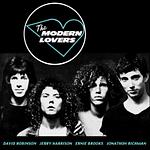
The Modern Lovers (1976) collects early recordings by Jonathan Richman and his band that favor a raw, direct approach rooted in garage rock and proto-punk while drawing on art rock and indie sensibilities. The music pairs spare, chiming guitars and steady, propulsive rhythms with Richman's candid, often childlike vocal delivery and conversational lyrics, blending deadpan wit and everyday observation. Its simplicity and immediacy highlight a balance of rough-edged energy and clear melodic focus that has been widely noted in discussions of early punk and indie precursors.
#15 — Heart of the Congos by The Congos
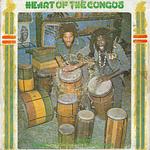
Heart of the Congos, recorded in 1977 and produced by Lee 'Scratch' Perry at his Black Ark studio, is a roots reggae album that blends dub-influenced studio techniques with rich, high-register vocal harmonies. The arrangements emphasize deep basslines, layered percussion, and atmospheric effects, while lyrics draw on Rastafarian and spiritual themes. The album is noted for its distinctive Black Ark production and the interplay between Cedric Myton's falsetto and the group's lower voices, giving it a characteristic sound within roots reggae and dub contexts.
#16 — Singles Going Steady by Buzzcocks
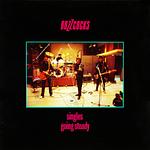
Singles Going Steady is a 1979 compilation album by Buzzcocks that assembles their early singles and non-album tracks from the late 1970s. Musically it pairs punk urgency with strong pop melodies and concise, hook-driven songwriting, delivered through bright, guitar-forward arrangements and direct vocals by Pete Shelley and Steve Diggle. The collection illustrates the band's blend of raw punk energy and melodic sensibility that helped shape later pop-punk and power pop approaches.
#17 — London Calling by The Clash
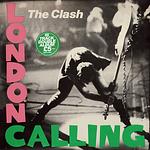
London Calling (1979) by The Clash is a double album that builds on the band’s punk roots while incorporating rockabilly, reggae, ska, new wave and straight rock. The record pairs punk’s urgency and raw guitar with melodic hooks, varied arrangements and occasional piano and horn touches, and features Joe Strummer’s often politically minded and observational lyrics. Its wide stylistic range and confrontational yet tuneful approach helped broaden the musical possibilities available to punk bands at the time.
#18 — Forever Changes by Love
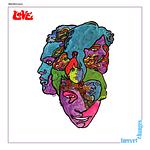
Forever Changes (1967) by Love blends folk rock, baroque pop, and subtle psychedelia into concise, orchestral-tinged songs. Arthur Lee's introspective and often unsettling lyrics sit against intricate acoustic guitar work and horn and string arrangements, creating a warm but melancholic chamber-pop sound that stands out in late 1960s American rock.
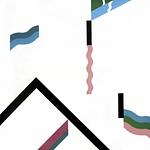
154, released in 1979 by Wire, shifts further from straightforward punk into art punk and avant-garde territory, pairing concise, angular songwriting with more atmospheric production and experimental textures. The album features taut, propulsive rhythms, jagged guitars, understated synth and studio effects, and oblique lyrics that emphasize mood and arrangement over punk immediacy. Its cooler, more abstract approach marks a clear step toward the band's artier, experimental side.
#20 — Master of Reality by Black Sabbath
Master of Reality, Black Sabbath's 1971 album, deepens the band's heavy, riff-driven sound with down-tuned guitars, a raw, sludgy tone and slower tempos that helped lay groundwork for doom and stoner metal. The record pairs Tony Iommi's thick, fuzzy riffs with Geezer Butler's prominent bass and Ozzy Osbourne's distinctive vocals, and songs such as "Sweet Leaf", "Children of the Grave" and "Into the Void" showcase its dense, weighty approach. Its emphasis on low-end heaviness and simple, crushing arrangements made it a touchstone for later heavy metal subgenres.
#21 — Raw Power by Iggy and The Stooges
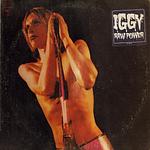
Raw Power, released in 1973 by Iggy and The Stooges, delivers a raw, aggressive blend of garage rock and hard rock that pointed toward punk. James Williamson's distorted, razor-edged guitar work and Iggy Pop's snarling, theatrical vocals drive short, propulsive songs that favor primal energy and lean arrangements. The album's abrasive tone, high volume, and emphasis on attitude over polish are often cited as influential on the emerging punk and later alternative scenes.
#22 — Radio City by Big Star
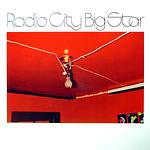
Radio City, released in 1974 by Big Star, is a crisp example of American power pop and pop rock that pairs chiming, guitar-driven arrangements with tight vocal harmonies and concise, melody-focused songwriting. The album moves between bright, hooky pop textures and moments of harder-edged guitar, creating a balance of studio polish and rawer rock energy. It is often noted for its songwriting clarity and its role in shaping later strains of alternative and indie pop.
#23 — Electric Warrior by T. Rex
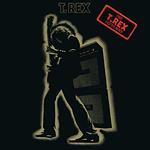
Electric Warrior, released in 1971 by T. Rex, marks Marc Bolan's shift from acoustic folk to a punchy, electric glam rock sound. The album pairs concise rock and roll rhythms and chiming, distorted guitar riffs with Bolan's distinctive vocal delivery and often surreal romantic lyrics. Arrangements emphasize tight grooves and memorable hooks, mixing elements of hard rock and classic rock and roll within a stylized glam aesthetic, and the record is widely regarded as a key statement of early 1970s British glam.
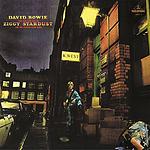
The Rise and Fall of Ziggy Stardust and the Spiders From Mars (1972) is a loose concept album in which David Bowie adopts the persona of Ziggy Stardust, an androgynous alien rock star. Musically it blends glam rock theatricality with straightforward rock and pop songwriting and elements of art rock, driven by Mick Ronson's guitar work and arrangements and a rhythm section that supports both crunchy rock numbers and quieter, melodic passages. The album is notable for its narrative focus, dramatic vocals, and cinematic arrangements that helped define Bowie's early 1970s sound and stage persona.
#25 — This Year's Model by Elvis Costello
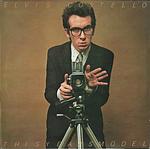
This Year’s Model is Elvis Costello’s 1978 album recorded with the Attractions that marks a move to a harder edged new wave sound. The record pairs jagged, punchy guitar and a muscular rhythm section with prominent organ and Costello’s acerbic, literate lyrics and urgent vocals. Produced by Nick Lowe, it contains concise, immediate songs such as 'Pump It Up' and 'Radio Radio' and is often cited as a key work in the late 1970s new wave movement.
#26 — Crazy Rhythms by The Feelies
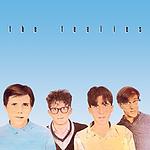
Crazy Rhythms, the Feelies' 1980 debut, blends jangle pop chiming guitars with a post-punk austerity that emphasizes interlocking rhythms and propulsive, metronomic drumming. The songs feature bright, repetitive guitar patterns, understated vocals, and lean arrangements that foreground texture and groove over conventional rock theatrics. Its rhythmic focus and off-kilter tempos have been noted as influential on later indie and alternative approaches to guitar interplay and pulse.
#27 — Highway 61 Revisited by Bob Dylan
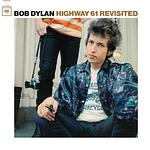
Highway 61 Revisited, released in 1965 by Bob Dylan, marks a decisive shift from acoustic folk toward a fuller electric rock and blues rock sound. The album combines conversational, often surreal lyrics with band arrangements that feature electric guitar, piano and organ, moving between propulsive, riff-driven tracks and slower, blues-inflected numbers. Its songs expand folk storytelling into longer, more free-associative forms and place literary, image-rich writing into a rock context, making the record a notable turning point in Dylan's work and 1960s popular music.
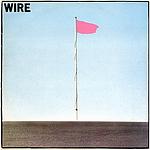
Pink Flag, Wire's 1977 debut, pares punk down to terse, guitar-driven songs and a spare, angular sound that blends punk urgency with art-punk experimentation and early post-punk restraint. Many tracks are extremely concise, featuring staccato guitar lines, clipped rhythms and detached vocals, giving the album a minimalist, precise feel that helped point punk toward more experimental and cerebral directions.
#29 — S.F. Sorrow by The Pretty Things
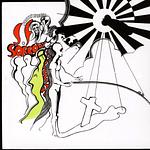
S.F. Sorrow, released in 1968 by The Pretty Things, is a psychedelic rock concept album that follows the life and trials of its titular protagonist. Musically it blends acid-tinged guitar work, melodic baroque-pop arrangements, Mellotron and orchestral touches, and studio experimentation to create a cinematic, often melancholic atmosphere. The album is frequently cited as an early example of a rock record built around a continuous narrative and is notable for its ambitious songwriting and atmospheric production.
#31 — The Piper at the Gates of Dawn by Pink Floyd
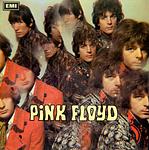
The Piper at the Gates of Dawn, Pink Floyd's 1967 debut, is a formative psychedelic rock record driven by Syd Barrett's idiosyncratic songwriting, playful lyrics, and inventive guitar work. Its sound combines whimsical melodies with experimental studio techniques, tape effects, prominent organ, and spacey guitar textures that point toward space rock and experimental rock. The album captures the band's early London psychedelia and Barrett's shaping influence on their initial musical direction before his departure.
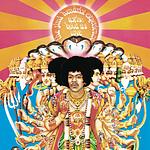
Axis: Bold as Love, released in 1967 by the Jimi Hendrix Experience, deepens the band's blend of blues rock and psychedelic experimentation with more studio-oriented textures and inventive guitar work. The album features layered and effect-driven electric guitar, melodic touches and quieter acoustic moments alongside driving rock passages, supported by the tight rhythm interplay of Mitch Mitchell and Noel Redding. It documents Hendrix moving beyond raw live energy into more varied songwriting and studio arrangements that explore mood, tone and sonic color.
#33 — Closer by Joy Division
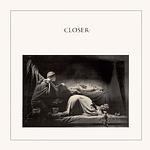
Closer is Joy Division's 1980 album that presents a stark, atmospheric take on post-punk with clear ties to new wave and early gothic rock. The record is characterized by Martin Hannett's spacious, reverb-heavy production, Peter Hook's melodic, high-register basslines, Bernard Sumner's angular guitars and synth textures, and Ian Curtis's deep, intense vocals paired with spare, often bleak lyrics. Overall it emphasizes mood, restraint, and a cold, cinematic ambience that proved influential on later alternative and gothic-leaning acts.
The Crack, the Ruts' 1979 debut album, channels raw punk rock energy through a strong reggae and dub influence, pairing sharp guitars and driving bass with urgent, socially aware lyrics. Its sound balances aggression and groove, and it is often cited as a distinctive example of the late 1970s British punk-reggae crossover.
#37 — Out of the Blue by Electric Light Orchestra
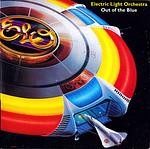
Out of the Blue is a 1977 double album by Electric Light Orchestra that blends rock and pop songwriting with orchestral arrangements and dense studio production. The record pairs concise, radio-friendly songs with longer, suite-like compositions such as the multi-part "Concerto for a Rainy Day," and features layered strings, prominent synthesizer textures and vocal harmonies. It highlights the band's approach of fusing classical instrumentation and studio experimentation with melodic pop hooks to create a big, cinematic sound.
#38 — Pink Moon by Nick Drake
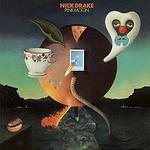
Pink Moon is Nick Drake's 1972 album, his third and final release during his lifetime. It presents stripped-down, intimate arrangements centered on Drake's fingerpicked acoustic guitar and subdued, melancholic vocals. The record moves away from the fuller textures of his earlier work, favoring concise, direct songs with minimal production and a fragile, introspective mood. Its spare sound and haunting songwriting have been influential on later singer-songwriters and contemporary folk artists.
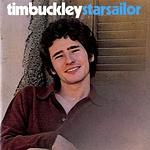
#39 — Starsailor by Tim Buckley
#40 — Maggot Brain by Funkadelic
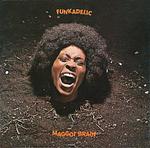
Maggot Brain (1971) by Funkadelic blends deep funk grooves with psychedelic and hard rock textures, anchored by George Clinton's production and Eddie Hazel's emotive guitar work. The album features the side-long title track, an extended, searing guitar improvisation over sparse backing that conveys a melancholy and cosmic intensity, while other songs shift between raw, guitar-driven rock and rhythmically dense funk with layered vocals, wah-wah guitar and distorted tones. It represents a key moment in the development of P-Funk's more experimental, rock-infused side and highlights the group's appetite for studio experimentation and improvisation.
#41 — Another Green World by Brian Eno
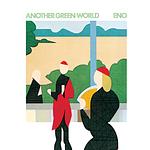
Another Green World, released in 1975, finds Brian Eno shifting from art rock toward ambient and experimental electronic composition. The album mixes a few vocal songs with mostly instrumental pieces, using treated keyboards, synthesizers, guitars and unconventional percussion to build sparse, textured soundscapes and melodic fragments. Its production emphasizes unusual timbres and layering, and the record marks a key step in Eno's development of ambient approaches to composition.
#42 — Black Sabbath by Black Sabbath
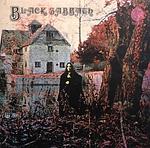
Black Sabbath is the band's 1970 debut that blends heavy blues rock and hard rock into a darker, riff-centered sound that helped define early heavy metal. The record features Tony Iommi's low, distorted guitar riffs, Geezer Butler's weighty bass, Bill Ward's forceful drumming, and Ozzy Osbourne's distinctive vocal style. Songs pair slow, ominous grooves with sharper, blues-based structures and lyrics that explore themes of fear, paranoia, and the supernatural, creating a heavy, unsettling atmosphere that influenced later metal and doom acts.
#44 — You're Living All Over Me by Dinosaur Jr.
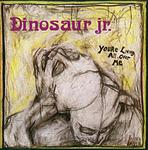
You're Living All Over Me, Dinosaur Jr.'s 1987 second album, pairs loud, distorted guitar work and extended solos with melodic hooks and J Mascis's laconic, high-register vocals. The record blends indie rock and hard rock textures, combining feedback and noise with concise songwriting and a rough, immediate production that retains a live feel. Its juxtaposition of tunefulness and guitar excess is frequently cited as an early touchstone for American alternative rock.
#45 — Vol 4 by Black Sabbath
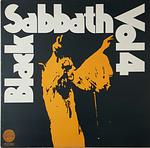
Vol. 4 (1972) finds Black Sabbath broadening their sound beyond the raw, riff-driven doom of their earliest records, pairing heavy, groove-laden tracks like "Supernaut" and "Snowblind" with more experimental textures and a piano-led ballad, "Changes." The record balances slow, weighty riffs and faster hard rock passages while incorporating keyboards, acoustic elements, and varied arrangements that expand the band’s sonic palette. Its mix of dense heaviness and melodic contrast marks a notable point in the group's early development within heavy metal and hard rock.
#46 — Entertainment! by Gang of Four
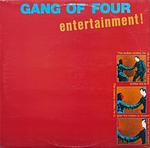
Entertainment!, the 1979 debut by Gang of Four, combines punk urgency with funk-influenced dance rhythms and art-punk angularity. The album is built on staccato, jagged guitar figures, propulsive, groove-driven bass and tight, rhythmic arrangements that favor economy and texture. Lyrically it offers direct, politically charged critiques of consumerism, interpersonal power and modern capitalism, delivered with a cool, detached vocal approach. The spare, abrasive sound and focus on rhythm and ideas helped define a strand of post-punk that fed into later dance-punk and alternative music.
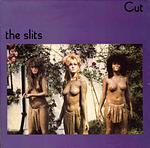
Cut, the 1979 debut by The Slits, blends post-punk immediacy with reggae and dub-influenced rhythms, pairing jagged, angular guitars and spare, propulsive bass with loose, improvisatory song structures. Ari Up's raw, expressive vocals and the band's off-kilter arrangements give the album a confrontational yet playful quality, while producer Dennis Bovell's use of echo and space brings a dub-informed production that foregrounds rhythm and texture. The result is an experimental, genre-melding record that helped expand the sonic possibilities of post-punk and art punk.
#50 — Metal Box by Public Image Ltd
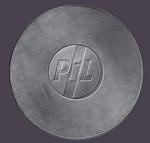
Metal Box, released in 1979 by Public Image Ltd, is a stark, experimental post-punk album that fuses deep dub-derived bass and studio effects with jagged guitar fragments and spare, often hypnotic song structures. Centered on Jah Wobble's low-end grooves, Keith Levene's metallic textures and John Lydon's idiosyncratic vocals, the record emphasizes space, repetition and abrasive ambient touches rather than conventional rock arrangements. Originally issued in a metal film canister, the album is notable for its unconventional production and packaging and for expanding the sonic possibilities of late 1970s post-punk.
#51 — Chairs Missing by Wire
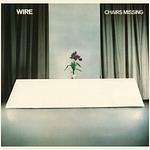
Chairs Missing, Wire's 1978 second album, moves away from the terse punk of their debut toward a more spacious, art punk and post-punk sound that incorporates early synth textures, angular guitar lines, and succinct but unconventional song structures. The record balances melodic moments, as on the delicate single "Outdoor Miner", with more experimental and dissonant passages, and is often noted for expanding the band's sonic palette into territory that intersected with new wave and experimental rock.
#52 — Fear of Music by Talking Heads
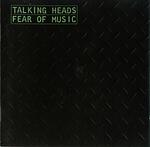
Fear of Music, released in 1979 and produced by Brian Eno, is a rhythmically driven album that blends New Wave and post-punk immediacy with art rock experimentation. The record foregrounds spare, propulsive grooves, angular guitars and David Byrne's tense, observational vocals, augmented by electronic textures and studio layering that nudged the band toward wider polyrhythmic and funk influences on subsequent recordings. Thematically the songs probe urban anxiety and fractured narrative perspectives, marking a pivotal step in the band's evolution.
#53 — Lust for Life by Iggy Pop
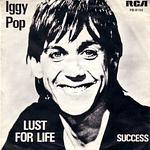
Recorded in 1977 with significant involvement from David Bowie, Lust for Life finds Iggy Pop channeling his punk and garage roots into more upbeat, driving rock songs. The album pairs Pop's raw, urgent vocals with punchy guitar riffs, steady rhythms and occasional synthesizer textures, yielding tracks such as "Lust for Life" and "The Passenger" that balance immediacy and melodic hooks. It is notable for its direct, energetic sound that bridged underground punk attitude with a broader rock palette.
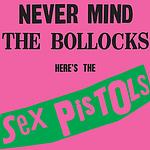
Never Mind the Bollocks, Here's the Sex Pistols is the Sex Pistols' only studio album, released in 1977. It condenses punk rock into short, abrasive tracks driven by distorted guitars, propulsive drums, and Johnny Rotten's sneering vocals, with blunt, confrontational lyrics aimed at social and political authority. The album is regarded as a defining work of the British punk movement and helped establish the raw, do-it-yourself aesthetic that influenced later punk and alternative bands.
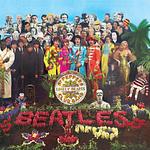
Sgt. Pepper's Lonely Hearts Club Band is a 1967 Beatles album that blends rock, psychedelic rock, baroque pop and pop with extensive studio experimentation. It features layered production, orchestral arrangements, unusual instrumentation and song sequencing that create a loose concept-album feel, and includes tracks such as "Lucy in the Sky with Diamonds", "Eleanor Rigby", "With a Little Help from My Friends" and "A Day in the Life". The album is often described as a milestone in popular music for its ambitious production and its expansion of pop and rock sounds.
#57 — Germ-Free Adolescents by X‐Ray Spex
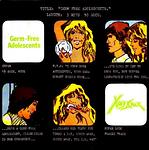
Germ-Free Adolescents, released in 1978 by British band X-Ray Spex, pairs raw, high-energy punk rock with pop-minded hooks and a prominent saxophone presence. Frontwoman Poly Styrene's urgent, idiosyncratic vocals and terse, satirical lyrics tackle consumerism, identity, and youthful alienation, while jagged guitars and brisk rhythms keep the music propulsive and edgy. The album is often noted for its unusual instrumentation and outspoken voice within the late 1970s punk scene.
#58 — Rocket to Russia by Ramones
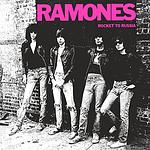
Rocket to Russia, the Ramones' third studio album from 1977, condenses their fast, stripped-down punk attack into short, melodic tracks that blend three-chord rock with pop hooks and surf-tinged guitar lines. The record emphasizes brisk tempos, raw guitar sound and concise, often playful lyrics that reference 1950s rock and roll while sharpening the band's ability to write instantly memorable choruses. Its lean production and economical songcraft helped shape the template for punk and early pop punk by balancing blunt energy with pop sensibility.
#59 — Here Come the Warm Jets by Brian Eno
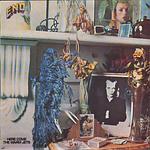
Here Come the Warm Jets is Brian Eno's 1973 debut solo album that blends art rock and glam sensibilities with experimental studio techniques. Short, song-based tracks combine pop structures and avant-garde approaches, using tape manipulation, unconventional arrangements, and a wry sense of humor, while contributions from various British rock musicians give the record a loose, patchwork feel. The album marks a transitional moment in Eno's work, showcasing his interest in production as a compositional tool and foreshadowing his later ambient explorations.
#62 — Ege Bamyası by Can
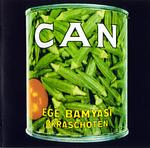
Ege Bamyası (1972) blends loose, improvisational psychedelic rock with disciplined, groove-driven rhythms that helped shape Krautrock. The album alternates hypnotic, extended jams and more concise, songlike pieces, emphasizing repetitive drum patterns, elastic basslines, quirky organ and guitar textures, and improvisational vocals. Its sound balances raw live energy with inventive studio editing, producing tracks that feel both spontaneous and tightly shaped. The record is notable for bringing funk and avant-garde approaches into a rock context while keeping arrangements relatively economical.
#66 — Moving Pictures by Rush
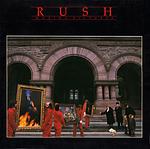
Moving Pictures, by Rush, marks a point where the band tightened its progressive instincts into more concise, song-oriented arrangements while retaining technical complexity. The trio blends hard rock guitar, precise, dynamic drumming and melodic bass with a greater use of synthesizers and studio textures, producing both punchy rockers and atmospheric instrumentals. The record balances shorter, memorable tracks with longer narrative pieces, featuring intricate time signatures, tight ensemble playing and a polished production that highlights the group's musicianship and evolving songwriting approach.
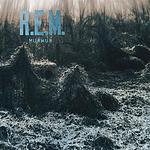
Murmur, R.E.M.'s 1983 debut, foregrounds the band's chiming, jangly guitars and Michael Stipe's distinctive, often obscured vocals. Produced by Mitch Easter and Don Dixon, the record mixes jangle pop, post-punk, and folk-rock elements into concise, atmospheric arrangements with cryptic lyrics, creating a moody alternative rock sound that became influential in early college rock scenes.
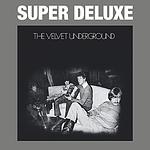
The Velvet Underground (1969) marks a turn toward quieter, more melodic arrangements that foreground Lou Reed's songwriting and introspective lyrics. Blending art rock and folk rock textures with restrained rock instrumentation, the album pares back the harsher experimental noise of earlier work in favor of cleaner production, intimate vocals, and lingering minor key melodies that still retain a proto-punk directness. Its sound is characterized by spare arrangements, close instrumental interplay, and a contemplative mood that expanded the band's sonic range.
#69 — Led Zeppelin II by Led Zeppelin
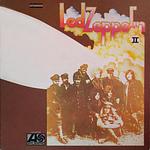
Led Zeppelin II, released in 1969, expands the band's debut into a heavier, riff-driven sound rooted in electric blues and early hard rock. The album emphasizes powerful blues-influenced guitar riffs, thunderous drums, and Robert Plant's high-register vocals, with studio production that uses bold panning, overdubs, and distortion to create dense, energetic arrangements. It blends reworkings of blues material with original compositions to showcase the group's fusion of traditional blues forms and a louder, more aggressive rock approach that helped shape subsequent hard rock and blues rock styles.
#70 — Heaven Up Here by Echo & the Bunnymen
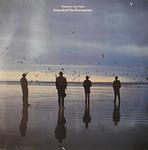
Heaven Up Here (1981) by Echo & the Bunnymen is a moody, atmospheric post-punk album that blends effects-drenched guitars, driving drums, and Ian McCulloch's resonant vocals to create dense, expansive songs. The production favors reverb and layered textures that give the music a cavernous, cinematic feel, sitting at the intersection of New Wave and alternative rock while retaining punk intensity. The record showcases the band moving toward richer, more textured arrangements and a darker, more brooding sound.
#72 — Strange Times by The Chameleons
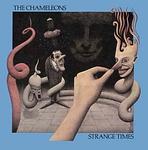
Strange Times (1986) by The Chameleons is a dense, atmospheric post-punk album that blends chiming, reverb-soaked guitars with propulsive rhythms and emotive, resonant vocals. It expands the band's sonic palette with more polished, spacious arrangements and layered guitar textures that move between brooding moods and melodic drive. The sound sits at the intersection of post-punk, new wave and indie rock, emphasizing mood, texture and melodic intensity.
#73 — Machine Gun Etiquette by The Damned
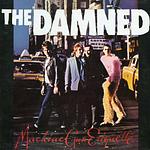
Machine Gun Etiquette (1979) finds The Damned stretching beyond their early, raw punk sound into fuller rock and pop territory while keeping a confrontational edge. The record mixes driving, punk-rooted rhythms with melodic hooks, touches of 1960s-style psychedelia and occasional keyboard color, anchored by Dave Vanian’s theatrical vocals and Captain Sensible’s tuneful guitar and bass work. Tracks range from propulsive, aggressive numbers to more openly melodic songs, reflecting a band experimenting with broader arrangements and textures without abandoning punk energy.
#74 — Crocodiles by Echo & the Bunnymen
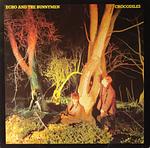
Crocodiles, Echo & the Bunnymen's 1980 debut, captures the band's early post-punk and new wave approach with moody, reverb-heavy guitars, taut rhythms, and Ian McCulloch's distinctive vocals. The album is marked by concise, atmospheric songs that blend jangly and angular guitar textures with dark, cinematic moods. It established the core sonic traits that the band would develop in subsequent records and remains a key early example of British post-punk.
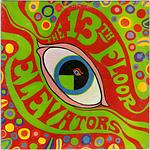
The Psychedelic Sounds of the 13th Floor Elevators is the 1966 debut by the Texas band 13th Floor Elevators. It mixes garage rock grit and fuzzy guitars with extended, acid-tinged arrangements, notable for Roky Erickson's raw vocals and the band's unusual electric jug that adds a distinctive, oscillating texture. The album is often cited as an early and influential example of American psychedelic rock, combining stripped-down energy with experimental studio touches.
#76 — Killing Joke by Killing Joke
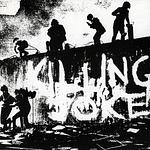
Killing Joke's 1980 self-titled debut blends jagged post-punk guitars, primal drumming, and cold electronic textures to create a dark, propulsive sound that bridges punk energy and emerging industrial electronics. Jaz Coleman's urgent vocals and Geordie Walker's metallic, angular guitar work give the record a confrontational atmosphere, while repetitive rhythms and stark production emphasize tension and trance-like momentum. The album is often cited for helping to shape the aesthetics of post-punk and industrial rock and for establishing the band's abrasive, apocalyptic themes.
#77 — Odyshape by The Raincoats
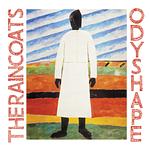
Odyshape, the Raincoats' 1981 second album, moves away from the raw post-punk of their debut toward a more experimental, collage-like sound that blends post-punk energy with art rock, folk and world-music influences. The arrangements foreground unconventional instrumentation and loose rhythmic experimentation, with fragmented song structures, intimate, offbeat vocals, and a spontaneous, textural approach to melody and timbre. The record is notable for its adventurous, nonconformist take on rhythm and ensemble interplay within the early 1980s post-punk scene.
#78 — Juju by Siouxsie and the Banshees
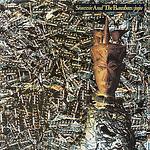
Juju, released in 1981 by Siouxsie and the Banshees, is a tense, atmospheric post-punk album with strong ties to early gothic rock. It pairs Siouxsie Sioux's commanding, stylized vocals with John McGeoch's inventive, angular guitar work and Budgie's propulsive, tom-driven rhythms to create a spare, textured sound; songs such as "Spellbound" capture the record's moody, claustrophobic energy. The album is often regarded as a defining statement in the band's catalog and an influential touchstone for post-punk and gothic guitar-based music.
#79 — Setting Sons by The Jam
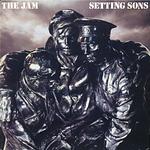
Setting Sons, released in 1979 by The Jam, finds Paul Weller consolidating the band’s mod revival and new wave impulses into concise, melodic rock. The album pairs punchy, guitar-driven arrangements and a tight rhythmic foundation from Bruce Foxton and Rick Buckler with lyrics that move between social observation and personal reflection, showing a more mature songwriting approach than earlier records. Its blend of pop and power pop hooks with sharp mod guitar tones helped define the band’s evolving sound.
#80 — All Mod Cons by The Jam
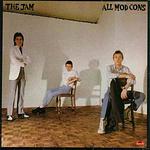
All Mod Cons is The Jam's 1978 album that crystallizes their blend of punchy rock, mod revival aesthetics, and melodic power pop. The record pairs Paul Weller's concise, socially aware songwriting with a tight three piece sound that balances punk-era urgency and 1960s mod influence, moving the band toward more developed melodies and arrangements. Notable for its economical production and tracks like "Down in the Tube Station at Midnight" and the wistful acoustic "English Rose", the album is often cited as a key moment in the Jam's transition from raw youth band to sharper, more focused songwriting voice.
#81 — In the Flat Field by Bauhaus
In the Flat Field, Bauhaus's 1980 debut album, presents a stark, angular take on post-punk that helped crystallize gothic rock. The record pairs Peter Murphy's dramatic, low-register vocals with Daniel Ash's jagged, effects-heavy guitar, David J's melodic bass work and propulsive drumming to create a cold, theatrical atmosphere. Songs favor minimal production and tense arrangements, moving between brooding passages and taut, rhythmic bursts, and the album is widely regarded as an early blueprint for the gothic rock sound.
#82 — Underwater Moonlight by The Soft Boys
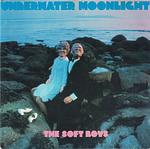
Underwater Moonlight, released in 1980 by The Soft Boys, blends 1960s psychedelia with post-punk urgency and jangly pop sensibilities. Robyn Hitchcock's eccentric, literate vocals and lyrics sit atop chiming guitar lines, bright melodic hooks, and concise arrangements, with songs such as "I Wanna Destroy You" and "Kingdom of Love" showcasing the mix of whimsy and drive. The album is often cited as an early touchstone for jangle pop and alternative rock that influenced later indie and college rock bands.
#83 — Curtis by Curtis Mayfield
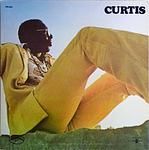
Curtis, Curtis Mayfield’s 1970 solo debut, moves from his work with The Impressions into a personal blend of soul, funk, and orchestral pop. The record pairs Mayfield’s light, expressive falsetto and rhythmic guitar with lush string and horn arrangements and more direct, socially aware songwriting, ranging from intimate ballads like The Makings of You to the driving optimism of Move On Up. Its mix of gospel-influenced vocals, groove-oriented rhythm sections, and thoughtful lyricism helped define the sound Mayfield would continue to develop in his solo career.
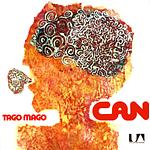
Tago Mago (1971) by Can is a key album in the krautrock and experimental rock canon that blends long-form improvisation, tape editing and early electronic textures into dense, hypnotic soundscapes. The record emphasizes repetitive, propulsive rhythms, spare organ and guitar motifs, and Damo Suzuki's improvisatory vocal contributions, producing a collage-like flow that moves between sprawling jams and shorter, fragmentary pieces. Its focus on studio experimentation, groove and atmosphere helped open rock toward more abstract and electronic approaches and has been widely cited as influential on later experimental and electronic artists.
#85 — Rubber Soul by The Beatles
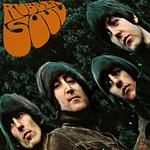
Rubber Soul (1965) finds The Beatles blending rock and pop with folk rock and British rhythm and blues influences, moving toward more acoustic textures, layered vocal harmonies, and varied instrumentation. The album emphasizes more introspective songwriting and features notable touches such as the sitar on Norwegian Wood, alongside tighter ensemble playing and increased studio experimentation. Its cohesive sound and stylistic breadth mark a shift toward album-focused artistry while retaining strong melodic hooks.
#86 — Hunky Dory by David Bowie
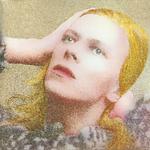
Hunky Dory (1971) finds David Bowie shifting toward a more song-oriented, piano- and acoustic guitar-driven sound that blends art rock, glam sensibility, and pop melodies. The record pairs theatrical, literate songwriting and vivid character pieces with piano-led arrangements and occasional strings, producing tracks like "Changes" and "Life on Mars?" that combine melodic hooks with surreal, introspective lyrics. The album is often seen as a transitional work that set the stylistic stage for the glam persona he developed on subsequent records.
#87 — Pornography by The Cure
Pornography, released in 1982 by The Cure, is a dark, intense album that pushed the band into brooding, atmospheric territory tied to gothic rock and post-punk. It is marked by dense textures, guitars drenched in reverb, prominent bass and propulsive drums, and bleak, introspective lyrics that create an oppressive, claustrophobic mood across extended, immersive tracks. The record represented a shift to a more monochromatic, intense aesthetic and has been influential on subsequent gothic and alternative music.
#89 — Funky Kingston by Toots & The Maytals
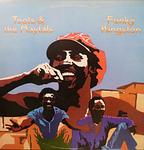
Funky Kingston (1973) by Toots & The Maytals blends raw roots reggae rhythms with strong soul and R&B vocal influences. The record pairs driving, up-tempo grooves and prominent offbeat rhythms with organ and horn accents, anchored by Toots Hibbert’s gospel-tinged, exuberant lead vocals, giving tracks both dancefloor energy and soulful intensity. It stands as an example of the group’s ability to fuse upbeat, accessible arrangements with deeper roots and spiritual inflections.
#90 — Close to the Edge by Yes
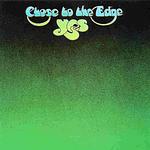
Close to the Edge (1972) is a landmark progressive rock album by Yes that features expansive, suite-like compositions, intricate instrumental interplay, and layered vocal harmonies. The record blends classical and jazz-influenced arrangements with virtuosic guitar, bass, keyboard, and percussion work, and showcases long-form songs that move through multiple contrasting sections. Its sound emphasizes dramatic dynamics, complex time signatures, and detailed production, making it a defining example of early 1970s progressive and art rock.
#91 — Eternally Yours by The Saints
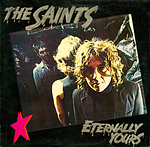
Eternally Yours is the Saints' 1978 follow-up to their debut, moving from the terse, garage-influenced punk of their first record toward a fuller, more melodic sound that mixes punk energy with R&B, pop rock and classic rock elements. The album features tighter arrangements, prominent keyboards and a horn-driven approach on tracks such as "Know Your Product", showing the band experimenting with broader instrumentation and longer song structures while retaining a raw edge. It marks a clear step in the group's development as they broadened the sonic palette of early Australian punk.
#92 — Roxy Music by Roxy Music
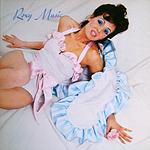
Roxy Music's 1972 self-titled debut blends glam rock's stylish theatricality with art rock experimentation, pairing Brian Ferry's suave vocals and pop songcraft with Brian Eno's electronic treatments and angular instrumental textures. The record juxtaposes concise, melodic tracks and cinematic arrangements with studio experimentation and art-school sensibilities, helping define the band's sleek aesthetic and an art-glam approach to rock.
#93 — Exile on Main St. by The Rolling Stones
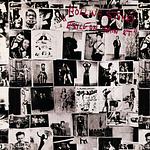
Exile on Main St. is a 1972 double album by The Rolling Stones that blends rock, blues rock, roots rock and country-inflected sounds into a loose, swampy collection of songs. Largely recorded at a villa in southern France with additional sessions in Los Angeles, the record features murky, layered production, horn and gospel-tinged backing vocals, and a raw, rootsy approach that mixes blues, country, soul and rock elements. Its sprawling sequencing and rough-edged sound mark it as a notable example of the band's early 1970s exploration of American roots music.
#94 — For Your Pleasure by Roxy Music
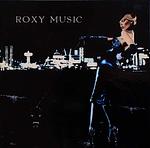
For Your Pleasure, Roxy Music's second studio album released in 1973, refines the band's art rock and glam approach with theatrical arrangements, sleek pop songwriting and abrasive experimental textures. Bryan Ferry's elegant, ironic vocals ride over Andy Mackay's saxophone, Phil Manzanera's guitar work and Brian Eno's synthesizer treatments, producing songs that range from seductive to unsettling, notably "Do the Strand" and "In Every Dream Home a Heartache". The album is the last to feature Eno and is often cited for combining glamour and avant garde production with a raw edge that points toward proto-punk and post-punk sounds.
#95 — Abbey Road by The Beatles
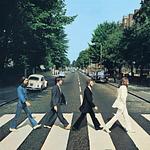
Abbey Road, recorded in 1969, finds the Beatles blending rock, pop, and traces of psychedelia into a polished, studio-focused sound marked by layered vocal harmonies, inventive arrangements, and early use of the Moog synthesizer. The album balances standalone tracks such as 'Come Together', 'Something', and 'Here Comes the Sun' with a continuous side two medley that stitches shorter pieces into a cohesive suite, reflecting the band's late-period emphasis on production and songcraft. Its warm production, melodic variety, and structural ambition make it a notable culminating statement in the Beatles' studio work.
#96 — Exodus by Bob Marley & The Wailers
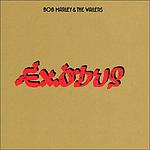
Exodus (1977) by Bob Marley & The Wailers is a landmark roots reggae album that pairs bass-driven, skanking rhythms with warm lead vocals and close backing harmonies. Its songs range from spiritual and politically charged lyrics to intimate love songs, carried by spare, dub-influenced arrangements, organ fills, and steady, groove-oriented production. Recorded while Marley was based in London, the record is often cited for combining militant themes and uplifting melodies into a concise, cohesive set of tracks.
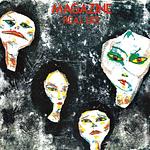
Real Life is Magazine's 1978 debut album that helped define early post-punk, pairing angular guitar and a tight, propulsive rhythm section with prominent, melodic keyboards and Howard Devoto's detached, literate vocal delivery. The record blends punk energy with art rock and new wave textures, favoring concise but sophisticated song structures, jagged rhythms, and a cool, studio-polished sound that marked a clear stylistic departure from straightforward punk approaches.
#98 — Meaty Beaty Big and Bouncy by The Who
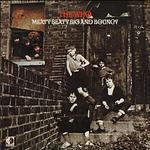
Meaty Beaty Big and Bouncy (1971) is a compilation album by The Who that collects many of the band's singles and notable tracks from the 1960s through 1970. The material ranges from their Mod and British rhythm and blues beginnings to more polished pop rock and hard-driving rock, highlighting punchy guitar work, a propulsive rhythm section, Pete Townshend's direct songwriting and power-chord approach, and Roger Daltrey's commanding vocals. As a single-disc overview, it presents a compact portrait of the band's stylistic development and stage-ready energy across their early career.
#99 — Bryter Layter by Nick Drake
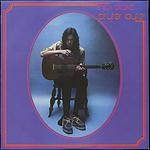
Bryter Layter, Nick Drake's second studio album released in 1971, blends his delicate fingerpicked acoustic guitar and hushed vocals with chamber pop and jazz-tinged arrangements. Robert Kirby's string and brass charts and Joe Boyd's restrained production frame the songs with orchestral touches, creating an intimate, pastoral sound that expands on Drake's earlier work and emphasizes melancholic, introspective songwriting.
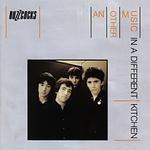
Another Music in a Different Kitchen is Buzzcocks' 1978 debut studio album. It channels punk urgency into short, tightly composed songs that pair abrasive guitar attack and driving rhythms with memorable pop melodies and direct, often relationship-focused lyrics. The production emphasizes immediacy and clarity, bringing forward Pete Shelley's vocal hooks and the band's concise arrangements. The record is notable for shaping a melodic strand of punk that would influence later pop punk and indie rock approaches.