 The Greatest Music
The 1000 Best Albums of All Time (Updated 2015)
This list is basically a personal canon of albums across the modern LP era (framed on-site as “since 1949”), with a strong tilt toward rock’s artier / heavier edges (proto-punk, punk/post-punk, psych, experimental) while also pulling in major jazz and other genre essentials.
#303 — Double Nickels on the Dime by Minutemen
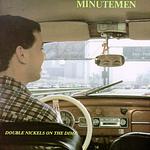
Double Nickels on the Dime is a sprawling 1984 double album by Minutemen that condenses their punk and hardcore roots into brief, tightly written songs while incorporating funk, jazz, and experimental rock touches. The trio's clipped, conversational vocals, angular guitar and prominent, melodic bass drive rapid shifts in tempo and texture across a dense tracklist, with lyrics that alternate between political observation and personal reflection. Its DIY production and eclectic approach broadened the palette of American underground rock and influenced many artists in alternative and post-punk circles.
#304 — Olé Coltrane by John Coltrane
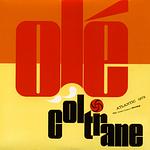
Olé Coltrane (1961) finds Coltrane working in extended modal forms that blend hard bop foundations with freer, avant-garde gestures and non-Western influences. The title track unfolds as a long, Spanish-tinged modal exploration that provides space for extended improvisation, while the remainder of the album alternates lyrical statements with more exploratory ensemble interplay. The record is notable as part of Coltrane's early 1960s move toward larger-scale, more adventurous approaches to harmony and collective improvisation.
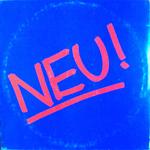
Neu! is the 1972 debut album by the German band Neu!, built around the group's signature motorik pulse and spare, repetitive arrangements. The record pairs steady, driving drum rhythms with chiming guitars, simple melodic motifs, and basic electronic treatments, alternating propulsive grooves with quieter, atmospheric passages. Its minimalist, groove-focused approach and unconventional production helped shape krautrock's experimental direction and influenced later electronic, post-punk, and alternative music.
#306 — Time Out by The Dave Brubeck Quartet
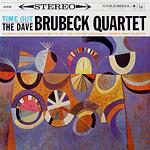
Time Out, recorded by the Dave Brubeck Quartet and released in 1959, is a landmark jazz album that experiments with unusual time signatures while maintaining a cool jazz sensibility. The music features Paul Desmond's lyrical alto saxophone, Brubeck's percussive piano harmonies, and the tight rhythmic interplay of Joe Morello and Eugene Wright. Standout pieces such as Desmond's "Take Five" in 5/4 and Brubeck's "Blue Rondo à la Turk," which moves between 9/8 and 4/4, highlight the album's rhythmic invention alongside memorable melodies. The record blends cool jazz tone with rhythmic exploration and helped broaden the rhythmic vocabulary of small group jazz.
#307 — Skylarking by XTC
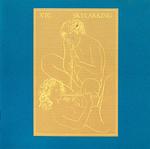
Skylarking is XTC's 1986 album produced by Todd Rundgren that blends pop rock, neo-psychedelia, new wave, psychedelic pop, and art pop into a cohesive, pastoral-sounding record. It features lush, layered arrangements, prominent keyboard and Mellotron textures, close vocal harmonies from Andy Partridge and Colin Moulding, and songwriting that shifts between playful, pastoral vignettes and darker, introspective themes. Many listeners and critics regard the album as a distinctive and influential entry in XTC's catalog for its unified sequencing and atmospheric production.
#308 — The Queen Is Dead by The Smiths
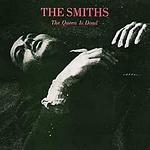
The Queen Is Dead (1986) by The Smiths pairs Johnny Marr's chiming, layered guitars and inventive arrangements with Morrissey's literate, sardonic vocals and lyrics, folding jangle pop and neo-acoustic textures into more muscular indie rock moments. The songs move between upbeat, melodic tracks and quieter, introspective pieces, highlighting tight songcraft, melodic basslines, and occasional fuller production that broadens the band's earlier, sparer sound. The album is frequently cited as a defining statement of the band's style and an important record in 1980s British indie music.
#309 — A Hard Day's Night by The Beatles
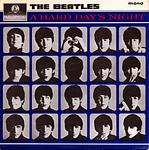
A Hard Day’s Night, the Beatles' 1964 soundtrack to their film of the same name, is built almost entirely from Lennon-McCartney compositions and crystallizes the group's early pop rock and beat sound. The record mixes concise, hook-driven songs and close vocal harmonies with jangly electric guitar textures, most famously the 12-string lead and the instantly recognizable opening chord of the title track. Songs range from driving rockers to melodic ballads and highlight punchy rhythmic interplay and melodic bass lines, marking a clear statement of the band’s songwriting focus during the early Beatles era.
#310 — Burnin' by The Wailers
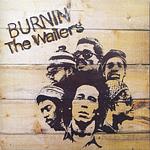
Burnin' (1973) by The Wailers is a roots reggae album that blends militant social commentary with soulful, hook-driven grooves. It features lead vocals by Bob Marley with prominent harmonies from Peter Tosh and Bunny Wailer, underpinned by deep bass, syncopated rhythm guitar, and steady one-drop drumming. Tracks such as "Get Up, Stand Up" and "I Shot the Sheriff" exemplify the album's mix of political and personal themes and concise songcraft, and the record presents the group's core sound as it moved toward wider recognition while retaining a raw roots character.
Juju Music, released in 1982 by King Sunny Adé and His African Beats, presents a polished, electric interpretation of Yoruba juju music, combining interlocking guitar lines, layered percussion, pedal steel and keyboard textures with call-and-response vocals to create long, hypnotic grooves. The album is notable for its smooth production and for introducing juju's polyrhythmic structures and melodic sensibilities to listeners outside Nigeria, helping to raise King Sunny Adé's international profile.
#314 — Saxophone Colossus by Sonny Rollins
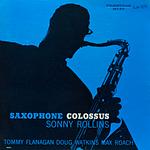
Saxophone Colossus (1957) is a hard bop album by tenor saxophonist Sonny Rollins that showcases his robust tone, melodic invention and extended improvisations. Backed by Tommy Flanagan on piano, Doug Watkins on bass and Max Roach on drums, Rollins blends bebop language, blues feeling and calypso-tinged melodies, most famously on "St. Thomas." The extended tune "Blue 7" is notable for its thematic development and conversational group interplay, and the record is widely regarded as a landmark in Rollins' career and in postwar jazz.
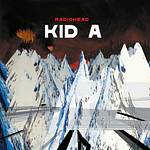
Kid A, released in 2000 by Radiohead, marked a deliberate move away from the band's earlier guitar-driven sound toward electronic, ambient, and experimental rock. The record mixes synthesizers, programmed rhythms, manipulated guitars, and orchestral colors to produce abstract song structures and chilly textures, with Thom Yorke's voice often treated as another instrumental layer. Its focus on atmosphere, fragmentation, and themes of alienation and technological unease broadened the band's sonic palette and influenced many artists in alternative and art rock.
#317 — Heyday by The Church
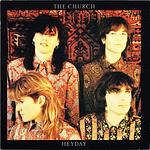
Heyday, released in 1985 by Australian band The Church, moves the group toward a more pastoral, acoustic-tinged take on their mix of alternative rock, new wave and psychedelic textures. The album emphasizes chiming, layered guitars, organ colors and Steve Kilbey's reflective vocals, creating a moodier, more spacious sound than some of their earlier jangle-oriented work. It functions as a transitional record that highlights atmosphere and texture alongside the band's melodic sensibility.
#318 — Phallus Dei by Amon Düül II
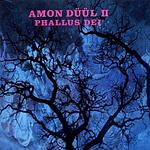
Phallus Dei is the 1969 debut album by Amon Düül II that blends psychedelic rock and freeform experimentalism with early electronic textures. The record features extended, improvisatory pieces built from distorted guitars, organ, tribal percussion, chant-like vocals and droning, trance-like rhythms, creating a dark, ritualistic atmosphere. It is often cited as an early example of krautrock for its willingness to mix rock instrumentation with avant-garde and psychedelic approaches.
#320 — Tijuana Moods by Charles Mingus
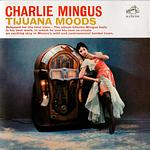
Tijuana Moods is a Charles Mingus album that channels his compositional imagination into a suite of pieces inspired by the sounds and atmosphere of the U.S.-Mexico border. Rooted in jazz, the music mixes hard bop energy with orchestral textures and Latin-inflected rhythms, emphasizing dramatic arrangements, colorful percussion, and Mingus's forceful bass-led direction. The record is notable for its mood-driven, cinematic approach and for demonstrating Mingus's interest in blending vernacular influences with complex, large-scale jazz composition.
#321 — Kick Out the Jams by MC5
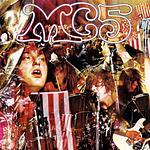
Kick Out the Jams is the 1969 debut live album by MC5, recorded at Detroit's Grande Ballroom. It captures the band's raw, high-energy fusion of garage rock and hard rock with extended, noisy jams and aggressive, shouted vocals that helped lay groundwork for proto-punk. The performances emphasize distorted guitars, driving rhythms, and a confrontational stage presence, making the record an influential snapshot of late 1960s underground rock.
#328 — The Raven by The Stranglers
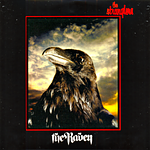
The Raven, released in 1979, finds The Stranglers moving beyond their early punk sound into more varied new wave and pop rock territory. The record blends punchy rock with prominent keyboards and piano, more elaborate arrangements and an extended, atmospheric title piece that emphasizes a darker, theatrical mood. It highlights Dave Greenfield's organ work and Jean-Jacques Burnel's melodic bass while expanding the band's palette toward art rock and progressive touches.
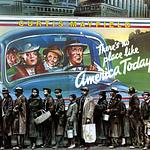
There’s No Place Like America Today (1975) is a Curtis Mayfield album that blends soulful falsetto vocals, restrained funk grooves, and lush orchestral touches to deliver socially observant songs about American life and inequality. Mayfield’s songwriting and production foreground warm guitar lines, steady bass and percussion, and tasteful horn and string arrangements that create a contemplative, sometimes melancholic atmosphere while retaining rhythmic drive. The record continues his solo work in socially conscious soul and funk, balancing melodic accessibility with pointed lyrical themes.
#333 — Another Side of Bob Dylan by Bob Dylan
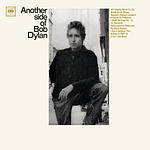
Another Side of Bob Dylan, released in 1964 as Dylan's fourth studio album, finds him moving away from overt topical protest songs toward more personal, poetic and conversational songwriting. The record is largely acoustic and spare, built around guitar and harmonica, and includes songs such as "Chimes of Freedom," "My Back Pages," and "It Ain't Me Babe" that emphasize literary imagery and introspective themes. That tonal shift broadened his songwriting approach and helped set the stage for the stylistic changes he made later in the decade.
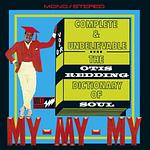
Complete & Unbelievable: The Otis Redding Dictionary of Soul (1966) captures Otis Redding's raw, emotive Southern soul voice across taut R&B arrangements and intimate balladry. The record blends deep soul intensity with tight, horn-driven Stax-style rhythm work, showcasing Redding's dynamic phrasing and emotional range. It is representative of his mid-1960s output and the sound of Southern soul in that era.
#336 — War Ina Babylon by Max Romeo, The Upsetters

War Ina Babylon (1976) is a roots reggae album by Max Romeo backed by The Upsetters and produced by Lee "Scratch" Perry at his Black Ark studio. The record pairs socially conscious, Rastafari-inflected lyrics with deep bass and drums and dub-influenced studio effects, producing a dense, echo-laden sound that balances melodic singing and rhythmic heaviness. Tracks such as "War Ina Babylon" and "Chase the Devil" highlight the album's mix of political urgency and Perry's experimental production, and the record is regarded as an influential work within roots reggae and dub.
#339 — Permanent Waves by Rush
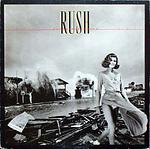
Permanent Waves (1980) finds Rush shifting from sprawling progressive suites toward tighter, shorter songs while retaining the band's technical precision. The record blends progressive rock and hard rock with increasing use of synthesizers and rhythmic experimentation, exemplified by the punchy single 'The Spirit of Radio' and the driving 'Freewill', alongside the multi-part 'Natural Science' that preserves complex arrangements. Geddy Lee's bass and synth textures, Alex Lifeson's guitar work, and Neil Peart's intricate drumming and literate lyrics are all prominent, producing a cleaner, more concise sound that marked an important step in the band's early 1980s evolution.
#340 — Die Mensch·Maschine by Kraftwerk
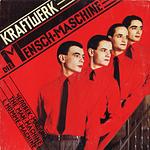
Die Mensch·Maschine (1978) is a Kraftwerk album that refines the group's minimalist, machine-like approach into a polished blend of electronic, synth-pop and electro sounds rooted in the Krautrock scene. It emphasizes precise drum-machine rhythms, repetitive arpeggiated synthesizer lines and vocoder-processed vocals to explore themes of technology and human interaction with machines. The arrangements balance simple pop songcraft with austere electronic textures, and several tracks from the record became particularly well known.
#341 — Solid State Survivor by Yellow Magic Orchestra
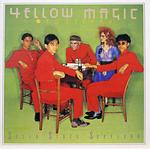
Solid State Survivor, released in 1979 by Yellow Magic Orchestra, is an electropop and synth-pop record that blends disco and electro-disco rhythms with experimental electronic textures. The album features sharp synthesizer melodies, sequenced grooves, and electronic percussion and sampling techniques, with notable tracks such as "Behind the Mask" and "Rydeen" exemplifying its mix of pop songwriting and machine-driven sound. Its polished production and approach to combining melody with electronic instrumentation influenced later synth-based and dance-oriented music.
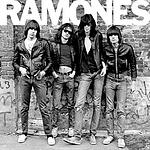
Ramones is the 1976 debut album by the Ramones. It delivers short, fast, stripped-down songs built on simple three-chord guitar figures, driving downbeat drumming, and a raw production that foregrounds catchy hooks and shouted vocals. Noted for its succinct songcraft and aggressive minimalism, the record is widely regarded as a foundational release in punk rock and helped establish the genre's aesthetic.
#343 — Laughing Stock by Talk Talk
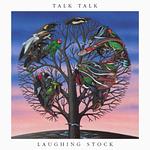
Laughing Stock is a 1991 album by Talk Talk that completes their move away from 1980s pop toward a spare, improvisational form of experimental rock closely associated with early post-rock. The music favors slow, spacious compositions built from live takes and textured arrangements of piano, acoustic instruments, horns and restrained vocals, emphasizing dynamics and silence over conventional song forms. The album is often regarded as a significant and influential statement in experimental rock and a touchstone for later post-rock artists.
#344 — Loveless by My Bloody Valentine
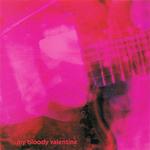
Loveless (1991) by My Bloody Valentine is a defining shoegaze album built from densely layered, heavily processed guitars, submerged vocals, and a washed, immersive sonic texture. Kevin Shields's use of a distinctive glide guitar technique, tremolo, pitch bending, and thick reverb produces a dreamy but noisy pop sound that influenced many subsequent dream pop and alternative rock acts.
#345 — Pretenders by Pretenders
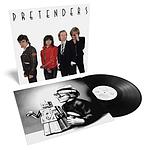
Pretenders is the 1979 debut album by Pretenders that blends new wave urgency with rock and pop sensibilities, pairing chiming, economical guitar work and a propulsive rhythm section with Chrissie Hynde's cool, emotionally direct vocals. The songs range from concise, hook-driven pop to taut post-punk rock, and the production keeps the band sound immediate and uncluttered. The record established the group's distinctive mix of melody and attitude and helped define a transitional sound between punk, post-punk, and mainstream rock.
#346 — Hex Enduction Hour by The Fall
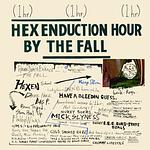
Hex Enduction Hour, released in 1982, captures The Fall's abrasive post-punk approach with repetitive, propulsive rhythms, jagged guitar interplay and Mark E. Smith's caustic spoken-sung vocals. The album pairs terse, elliptical lyrics with raw, unadorned production and an often hypnotic sense of momentum, moving between terse punk immediacy and more skeletal, chant-like passages. It is commonly regarded by fans and commentators as a defining document of The Fall's early sound and an influential record within post-punk and indie rock circles.
#354 — Solid Air by John Martyn
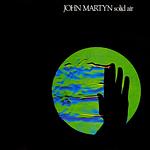
Solid Air is John Martyn's 1973 album that blends folk songwriting with jazz, blues and experimental textures, pairing intimate acoustic pieces with echo-drenched electric guitar and elastic, jazz-inflected rhythms. The title track, written about his friend Nick Drake, is a slow, atmospheric centerpiece, while songs such as "May You Never" highlight Martyn's warm vocals, distinctive fingerpicking and soulful phrasing. Backed by spare, jazz-tinged arrangements including Danny Thompson's double bass, the record is frequently cited as a landmark in British folk rock for its fusion of acoustic intimacy and ambient, improvisatory guitar work.
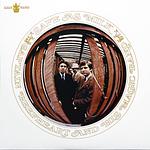
Safe as Milk is the 1967 debut album by Captain Beefheart and His Magic Band, combining blues-rooted songwriting with psychedelic textures and off-kilter, idiosyncratic vocals. The record pairs raw electric guitar and harmonica with unconventional arrangements and lyrical oddities, signaling a move away from straightforward blues rock toward more experimental, proto-alternative approaches that the group would develop further in later releases.
#356 — Wish You Were Here by Pink Floyd
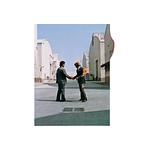
Wish You Were Here, released in 1975 by Pink Floyd, is a progressive and art rock album that blends long-form compositions, atmospheric studio production, and expressive guitar-led melodies. It is built around the multi-part suite "Shine On You Crazy Diamond", acts as a tribute to former member Syd Barrett, and contains songs like "Have a Cigar" and "Welcome to the Machine" that question the music industry. The record alternates between spacious synthesizer textures and warm electric guitar passages, favoring mood, soundscapes, and extended instrumental sections over concise pop arrangements.
#359 — Fire and Water by Free
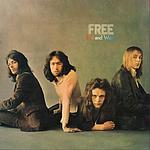
Fire and Water (1970) blends blues rock and hard rock with concise, soulful songwriting and a warm, live-feeling production. Paul Rodgers' gritty, expressive vocals sit atop Paul Kossoff's sustained, vibrato-rich lead guitar and Andy Fraser's melodic bass work, while the band moves between driving blues-based rockers and more relaxed, reflective tunes. The album includes the song "All Right Now", which became the band's signature track and helped define their early sound.
#362 — Q: Are We Not Men? A: We Are Devo! by DEVO
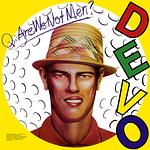
Q: Are We Not Men? A: We Are Devo! is Devo's 1978 debut album that fuses punk aggression with precise, mechanical rhythms, angular guitars, and synthesizer textures to produce a cold, ironic take on pop and rock. Tracks such as "Jocko Homo" and "Mongoloid" and their fractured cover of "(I Can't Get No) Satisfaction" feature staccato arrangements, off-kilter hooks, and satirical lyrics tied to the band's de-evolution concept. Produced by Brian Eno, the record crystallizes Devo's art punk and new wave approach and emphasizes performance art aesthetics and dark humor.
#363 — Innervisions by Stevie Wonder
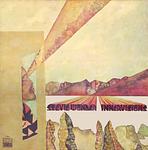
Innervisions, released in 1973, blends soul, funk, smooth soul and psychedelic soul into a studio-focused record built from warm electric pianos, layered synthesizers and tight funk rhythms. The album is notable for Stevie Wonder's multi-instrumental performances and production control, pairing intimate ballads with uptempo grooves and songs that explore social and personal themes through concise, melodic songwriting and rich, textured arrangements.
#364 — Spiderland by Slint
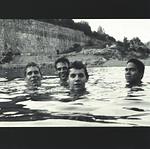
Spiderland, released in 1991 by Slint, is a spare, tension-driven rock album that helped shape key aspects of post-rock and math rock. Its songs blend subdued, often spoken vocals with angular, interlocking guitar work, shifting tempos, and stark dynamics that move between quiet, intimate passages and intense, release-driven climaxes. The album's atmospheric production and emphasis on space and rhythmic precision give it a cinematic, unsettling mood that has influenced many bands in post-rock, math rock, and post-hardcore circles.
#365 — Mott by Mott the Hoople
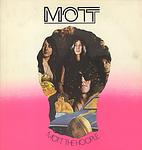
Mott, released in 1973, finds Mott the Hoople blending glam rock swagger with hard rock energy and classic rock songcraft. The album centers on Ian Hunter's distinctive vocals and piano, supported by punchy guitar riffs and anthemic choruses, leaning toward a more polished, glam-infused sound while keeping a gritty rock edge.
#367 — Brilliant Corners by Thelonious Monk
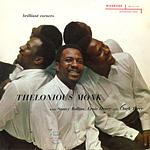
Brilliant Corners (1957) captures Thelonious Monk's idiosyncratic compositional voice within a hard bop context, juxtaposing angular, dissonant melodies and compressed, percussive piano with tightly arranged horn passages. The title track is particularly notable for its complex form and demanding ensemble writing, and the album as a whole balances intricate group interplay with moments of spare, introspective soloing, resulting in music that is distinctive, challenging, and important in Monk's recorded output.
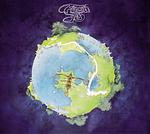
Fragile, released by Yes in 1971, is a progressive rock album that blends expansive group compositions with short solo showcases for individual band members. The music balances symphonic keyboard textures, intricate acoustic and electric guitar work, prominent melodic bass lines, and complex rhythmic shifts, moving between lush, melodic passages and more energetic rock segments. It includes enduring tracks such as "Roundabout" and "Heart of the Sunrise" and marked the arrival of Rick Wakeman's elaborate keyboard contributions to the band's evolving sound.
#373 — Let's Stay Together by Al Green
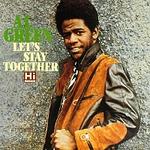
Let’s Stay Together (1972) finds Al Green delivering intimate, gospel-tinged soul marked by his distinctive falsetto, warm midtempo grooves, and spare, tasteful arrangements. Anchored in the Hi Records sound, the album blends smooth and Southern soul with pop sensibilities while retaining clear gospel inflections in the vocal delivery. The title track captures the record’s romantic, restrained mood and exemplifies the tone that became central to Green’s early 1970s work.
#374 — Blue by Joni Mitchell
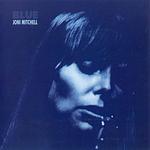
Blue, released in 1971, is Joni Mitchell's spare and intimate album that blends contemporary folk, folk rock, and singer-songwriter approaches. Its uncluttered arrangements, open-tuned guitar and piano, and candid, confessional lyrics explore love, longing, and self-examination; songs such as "A Case of You", "River", "Carey", and "California" balance folk intimacy with pop-minded melodies. The record is often cited as a defining work for later singer-songwriters and for its emotional directness.
#375 — The Stooges by The Stooges
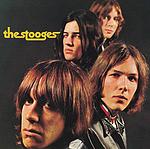
The Stooges, released in 1969, is the band’s raw debut marked by noisy, stripped-down garage rock and proto-punk aggression. It pairs repetitive, distorted guitar riffs and simple, driving rhythms with Iggy Pop’s snarling, theatrical vocals and a sparse production that emphasizes immediacy. Songs such as "I Wanna Be Your Dog", "No Fun", and "1969" capture the record’s confrontational, primal sound and its early influence on punk and harder-edged rock styles.
#376 — Computer World / Electric Cafe by Kraftwerk
This pairing showcases Kraftwerk's late period approach to electronic music, built from precise sequencer patterns, tight drum-machine grooves, crystalline synthesizer lines, and vocoder-processed vocals. The material emphasizes themes of computing, communication, and human interaction with machines, moving between concise song structures and longer, looping instrumental passages. Its aesthetic of clinical repetition and melodic understatement was influential on later electronic styles such as techno, electro, and synth-pop, and highlights Kraftwerk's focus on the interface between humans and technology.
#378 — My Life in the Bush of Ghosts by Brian Eno, David Byrne
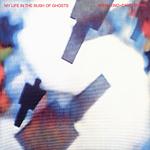
My Life in the Bush of Ghosts (1981) is a collaborative record by Brian Eno and David Byrne that melds art rock, ambient and experimental electronic approaches into a collage of found sounds, sampled voices and layered rhythms. The album pairs treated field recordings and looped vocal fragments with propulsive percussion and ambient studio processing to create oblique, cinematic soundscapes that reference global rhythmic sources without straightforward worldbeat imitation. It is notable for its early use of tape sampling and montage techniques to integrate spoken-word material and vocal improvisations into song-like structures, generating a persistent tension between pop forms and experimental collage.
#379 — A New Perspective by Donald Byrd
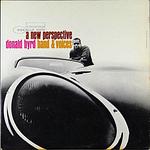
A New Perspective is a 1963 album by trumpeter Donald Byrd that blends hard bop foundations with soul jazz and gospel influences, featuring arrangements by Duke Pearson and the use of a gospel choir to introduce vocal textures. Byrd's lyrical trumpet lines sit over warm, blues-tinged grooves and choir-backed harmonies, producing a more spiritual, soulful sound than his earlier straight-ahead dates and expanding the tonal palette of his mid 1960s recordings.
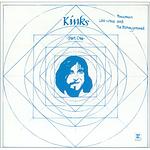
Lola Versus Powerman and the Moneygoround, Part One is a loose concept album by The Kinks in which Ray Davies delivers a satirical, narrative take on the music business through character-driven songs. Musically it moves between rock and pop rock, with folk-tinged acoustic moments, occasional harder-edged guitar work and concise, hook-oriented arrangements that presage power pop; the record balances piano-led ballads and punchy electric numbers. It includes the song "Lola" and is characterized by its storytelling focus and sharp, observational lyrics about managers, publishers and the commercial side of popular music.
#383 — Marcus Garvey by Burning Spear
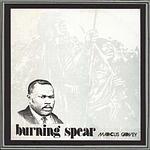
Marcus Garvey is a 1975 roots reggae album by Burning Spear that channels Rastafarian thought and Pan-African themes through direct, militant lyrics. Its sound favors deep, repetitive bass and drum patterns, spare organ and horn accents, and Burning Spear's commanding, chant-like vocals, producing a solemn, hypnotic atmosphere. The album is regarded as a landmark of 1970s roots reggae for its focused message and austere production.
#384 — Let There Be Rock by AC/DC
Let There Be Rock is a high-energy AC/DC album that exemplifies hard rock with blues-influenced, riff-driven guitar, straightforward, propulsive rhythms, and a raw, live-feel production. Bon Scott's gritty, aggressive vocals and Angus Young's punchy lead guitar emphasize concise, anthemic rockers and driving choruses, and the record is often cited for crystallizing the band's sound and influence on later hard rock and heavy metal.
#388 — Welcome to Sky Valley by Kyuss
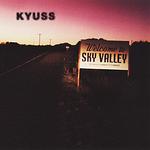
Welcome to Sky Valley is Kyuss's third studio album, released in 1994. It sharpens the band's heavy, downtuned, fuzzed guitar approach into spacious, groove-driven compositions with slow to mid tempos, prominent bass presence, and an expansive, desert-inflected atmosphere. The record emphasizes extended riffs, dynamic shifts and a live, rhythmic feel, and is frequently cited as a defining example of the desert rock and stoner rock sound.
#389 — Let It Be by The Replacements
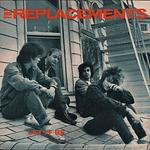
Let It Be, released in 1984 by The Replacements, blends raw garage rock and post-punk energy with melodic power pop and indie sensibilities. The album alternates raucous, loose performances and more reflective, melodic songs, showcasing Paul Westerberg's confessional songwriting on tracks such as I Will Dare, Bastards of Young and Androgynous. Its mix of rough-edged guitars, direct vocals and hooky melodies helped define a rough-hewn alternative rock sound that influenced many bands in the indie and college-rock scenes.
#391 — Wild Is the Wind by Nina Simone
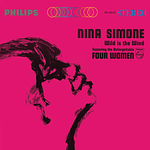
Wild Is the Wind, released in 1966 by Nina Simone, blends jazz and soul jazz with elements of folk and blues. The album centers on Simone's piano-led arrangements and distinctive, theatrical vocals, moving between intimate ballads and more rhythmically driven tracks. Sparse instrumental settings and occasional orchestral touches emphasize the emotional intensity of her interpretations, and the title song exemplifies the album's mix of restraint and dramatic expression that showcases Simone's genre-crossing artistry.
#392 — Tell Mama by Etta James
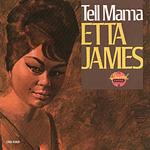
Tell Mama (1968) finds Etta James working in a muscular Southern soul mode, recorded at FAME Studios in Muscle Shoals and produced by Rick Hall with the Muscle Shoals Rhythm Section providing backing. The album blends punchy, horn-driven R&B on the title track with slow, bluesy balladry such as "I'd Rather Go Blind," showcasing James's raw, emotive voice and her ability to move between gospel-rooted intensity and blues phrasing. The overall sound is grittier and more R&B oriented than some of her earlier pop-soul records, emphasizing groove and vocal power.
#393 — Dummy by Portishead
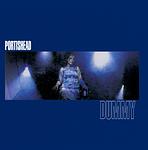
Dummy, released in 1994, is Portishead's debut album that helped define the trip hop aesthetic by combining slow, hip hop influenced beats with jazz-tinged arrangements and moody electronic textures. Beth Gibbons' intimate, theatrical vocals sit against dusty samples, turntable scratches, reverb-heavy production and slippery guitar lines, creating a cinematic, noir atmosphere. The record mixes downtempo electronic approaches with elements of acid jazz and dark jazz to produce a sparse, emotionally intense sound.
#394 — Physical Graffiti by Led Zeppelin

Physical Graffiti, released in 1975, is Led Zeppelin's double album that showcases a wide range of the band's styles, from hard rock and blues to folk-influenced acoustic pieces. The record combines heavy, riff-driven songs with layered production, expansive arrangements and intimate acoustic moments, highlighting Jimmy Page's production and guitar work, Robert Plant's vocals, John Paul Jones's multi-instrumental contributions and John Bonham's powerful drumming. Tracks such as Kashmir and Ten Years Gone illustrate the album's scale and textural variety while shorter bluesy and folk-derived numbers provide contrast, making it a broad statement of the band's musical range.
#395 — Karma by Pharoah Sanders
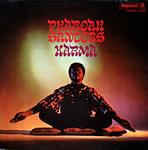
Karma, recorded by Pharoah Sanders in 1969, is a landmark of spiritual jazz that fuses avant-garde free-jazz energy with modal grooves, ritualized percussion, and devotional vocal elements. The album features the extended suite "The Creator Has a Master Plan", pairing Sanders's intense, overblown tenor lines with Leon Thomas's distinctive vocalizations and a spacious ensemble that moves between fiery free improvisation and meditative passages. Its sound emphasizes sustained tones, dense textures, and a questing, transcendental mood, and it is regarded as a key statement in the spiritual jazz movement.
#396 — The Freewheelin' Bob Dylan by Bob Dylan
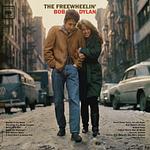
The Freewheelin' Bob Dylan, released in 1963 as Bob Dylan's second studio album, helped define his early voice in the 1960s folk revival. The record is built around sparse acoustic guitar and harmonica accompaniment and mixes traditional material with originals such as "Blowin' in the Wind", "A Hard Rain's a-Gonna Fall", "Masters of War", and "Don't Think Twice, It's All Right". Its songwriting foregrounds topical, poetic lyrics and draws on folk and blues influences within a contemporary folk framework.
#398 — No Other by Gene Clark
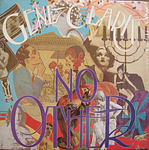
No Other, released in 1974 by Gene Clark, is a richly arranged album that blends country rock and folk rock with expansive, cinematic production. The songs pair Clark's introspective, often melancholic songwriting with layered strings, vocal harmonies, and occasional synth textures, producing a baroque, atmospheric sound that departs from his earlier, more stripped-back work. The album is regarded as one of his most ambitious solo statements and is notable for its emotional intensity and ornate arrangements.
#399 — On the Beach by Neil Young
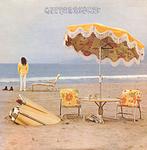
On the Beach (1974) finds Neil Young moving away from the polished sound of his earlier work into a rawer, darker set of songs that blend rock, country rock, pop rock and singer-songwriter intimacy. The arrangements range from spare acoustic passages to ragged electric textures, with plaintive vocals and pedal steel accents creating a persistent mood of disillusionment and melancholy. Lyrically it touches on personal loss, social unease and a weary outlook, and the record is often regarded as one of Young's more uncompromising and emotionally direct works from the 1970s.
#400 — Songs for the Deaf by Queens of the Stone Age
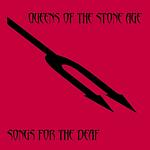
Songs for the Deaf (2002) finds Queens of the Stone Age refining their mix of stoner rock, alternative rock and hard rock into a lean, driving record built on propulsive rhythms, dense guitar riffs and Josh Homme's dry, sardonic vocals. The album balances heavy, riff-focused tracks with melodic hooks and varied dynamics, and features notable guest contributions from Dave Grohl on drums and Mark Lanegan on vocals. Its sequencing and themes evoke a restless, road-oriented atmosphere that helped define the band's sound going forward.