 The Greatest Music
The 1000 Best Albums of All Time (Updated 2015)
This list is basically a personal canon of albums across the modern LP era (framed on-site as “since 1949”), with a strong tilt toward rock’s artier / heavier edges (proto-punk, punk/post-punk, psych, experimental) while also pulling in major jazz and other genre essentials.
#402 — Cosmo's Factory by Creedence Clearwater Revival
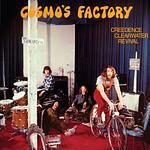
Cosmo's Factory is a 1970 album by Creedence Clearwater Revival that showcases the band's concise, roots-based rock, blending blues, country, rockabilly and Southern-influenced grooves. Centered on John Fogerty's gritty vocals and tight, riff-driven arrangements, the record pairs punchy originals with a notable extended cover, delivering a raw, direct sound and an accessible take on Americana and classic rock styles.
#403 — Trans Europa Express by Kraftwerk
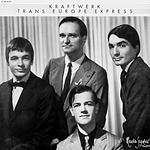
Trans-Europe Express, released in 1977 by Kraftwerk, is a landmark album of minimalist, machine-driven electronic music that helped shape late 1970s synth-based styles. It features steady, motorik-influenced rhythms, repetitive sequenced synthesizer lines, and vocoder-processed vocals that evoke themes of travel, technology, and modernity. The record's spare arrangements and emphasis on texture and groove marked a move toward fully electronic composition and influenced later electro, synth-pop, and experimental electronic artists.
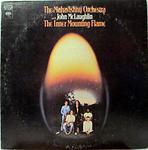
The Inner Mounting Flame, recorded in 1971 by John McLaughlin's Mahavishnu Orchestra, is an intense jazz fusion album that blends rock energy with jazz improvisation. McLaughlin's searing electric guitar meets Jerry Goodman on electric violin, Jan Hammer's keyboards, Rick Laird's bass and Billy Cobham's driving drums to deliver complex time signatures, tightly arranged themes and extended soloing. The sound emphasizes high volume, rapid tempos and virtuosic interplay between composed passages and free improvisation, and it is widely regarded as an early, influential statement in the fusion movement.
#409 — In the Court of the Crimson King by King Crimson
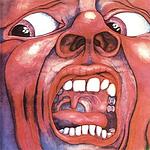
In the Court of the Crimson King is an early progressive rock album that blends heavy rock, jazz inflections, and classical textures into extended, dramatic compositions. The sound features Robert Fripp's angular guitar, Ian McDonald's Mellotron and woodwinds, and Greg Lake's resonant vocals, with tracks like "21st Century Schizoid Man" and the multi-part title piece emphasizing shifting time signatures, dense arrangements, and a dark, theatrical mood. The record is widely regarded as a foundational work in the development of progressive rock and is notable for its emphasis on atmosphere and compositional ambition.
#410 — What Color Is Love by Terry Callier
What Color Is Love (1972) finds Terry Callier blending folk-rooted songwriting with soul, jazz, and orchestral arrangements in a mellow, introspective set produced and arranged by Charles Stepney. Callier's warm, conversational vocals and acoustic guitar sit alongside lush strings and horns, giving the album a meditative, slightly psychedelic soul atmosphere. Its fusion of genres and rich, spacious arrangements mark it as a distinctive and influential record from the early 1970s soul milieu.
#411 — You Can't Hide Your Love Forever by Orange Juice
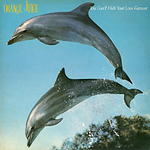
You Can’t Hide Your Love Forever captures Orange Juice’s blend of jangly, melodic pop and post-punk angularity, marked by Edwyn Collins’ idiosyncratic vocal delivery and clever, literate lyrics. The arrangements pair bright, clean guitars and concise songcraft with touchstones of funk and R&B rhythm, producing a lean, slightly offbeat pop sound that helped articulate an early strain of Scottish indie pop.
#415 — Head Hunters by Herbie Hancock
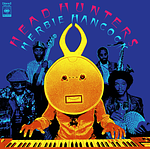
Head Hunters (1973) marks Herbie Hancock's turn toward jazz-funk and fusion, centering on deep, groove-driven compositions built from electric keyboards and early synthesizers, funky rhythm patterns, and layered percussion. Tracks such as "Chameleon" feature prominent synth basslines and extended vamps while a reworked "Watermelon Man" blends clavinet and African-influenced percussion; Bennie Maupin's reed work and the tight rhythm section of Paul Jackson, Harvey Mason, and Bill Summers provide both groove and textural contrast. The album is notable for bringing improvisational jazz language into danceable funk frameworks and for its lasting influence on jazz-funk, fusion, and later sampling in popular music.
#419 — Out of Step by Minor Threat
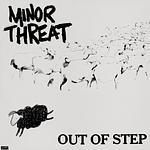
Out of Step (1983) is Minor Threat's only full-length studio album, a concise and intense hardcore punk record that crystallizes the band's fast, economical songcraft, jagged guitar work, tight rhythm section, and Ian MacKaye's urgent vocals. Songs are short, direct, and raw in production, with lyrics centered on personal conviction and the emerging straight edge ethos, and the album is widely regarded as a seminal document of early American hardcore punk.
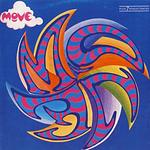
Move, the 1968 debut by The Move, blends concise British pop songwriting with punchy rock energy and psychedelic studio touches. The album features hook-driven arrangements, chiming guitars, tight vocal harmonies and occasional orchestral or baroque flourishes that reflect Roy Wood's arranging ambitions. It captures the band shifting from beat-pop roots toward a more adventurous, theatrical sound that points toward members' later projects.
#425 — Electric Ladyland by The Jimi Hendrix Experience
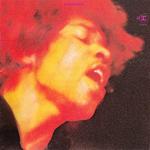
Electric Ladyland, the third studio album by The Jimi Hendrix Experience from 1968, expands Hendrix's palette into dense, studio-driven arrangements that blend blues rock, psychedelic textures, acid rock and hard rock. The record juxtaposes extended, improvisatory jams with concise blues and rock performances, using layered guitar overdubs, stereo effects and studio experimentation, and includes guest contributions that enrich the sound. Highlights include Hendrix's interpretations of "All Along the Watchtower" and the electrifying "Voodoo Child (Slight Return)", which showcase the album's mix of raw performance and studio craft.
#428 — OK Computer by Radiohead
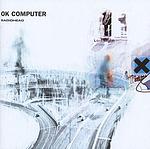
OK Computer is Radiohead's 1997 album that expands their alternative rock roots into art rock and electronic-influenced territory, pairing layered guitars and dense textures with electronic touches and Thom Yorke's expressive vocals. The record emphasizes atmospheric arrangements, unconventional song structures, and lyrics concerned with alienation, technology, and modern life, marking a turning point toward a more experimental and expansive sound for the band.
#430 — After the Gold Rush by Neil Young
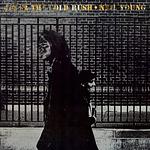
After the Gold Rush is a 1970 Neil Young album that blends folk, country, and rock into a mix of plaintive acoustic songs and raw electric passages. The record alternates spare piano and acoustic ballads with fuller guitar-driven tracks, and features Young's fragile, expressive vocals and direct songwriting about personal longing, social observation, and environmental unease. Its simple production and emotional clarity helped shape the sound of folk rock and country rock in the early 1970s.
#432 — Vespertine by Björk
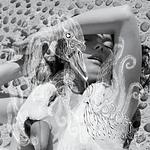
Vespertine, released in 2001 by Björk, is an intimate, inward-looking album that fuses electronic and art pop with ambient, folktronica and glitch elements. Its hushed vocals sit atop delicate microbeats, fragmented percussion and close-miked textures, balanced by warm acoustic touches like harp and chamber strings to create a domestic, wintry atmosphere. The production emphasizes small-scale sonic detail and intricate arrangements, rewarding attentive listening.
#434 — Vincebus Eruptum by Blue Cheer
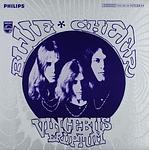
Vincebus Eruptum, Blue Cheer's 1968 debut, is a raw, heavy blend of acid rock, blues rock and proto-metal built around dense fuzz guitar, booming bass and loose, pounding drums. The recordings have a live, unpolished feel with extended noisy jams and a confrontational sound; their sludgy, high-volume cover of "Summertime Blues" is a standout example of the album's approach. Its emphasis on distortion, volume and minimal production is often regarded as an early template for heavier strands of rock and psychedelic music.
#439 — Pet Sounds by The Beach Boys
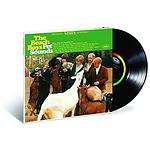
Pet Sounds is a 1966 studio album by The Beach Boys, largely written and produced by Brian Wilson. Musically it blends pop, baroque pop, psychedelic pop and rock with lush, chamber-pop influenced arrangements, inventive studio production and layered vocal harmonies. The record is notable for its introspective lyrics, unusual instrumentation and emphasis on studio experimentation that helped expand the sonic possibilities of pop music.
#440 — Mingus at Antibes by Charles Mingus
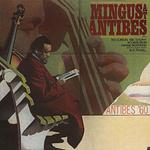
Mingus at Antibes is a live document of Charles Mingus leading a restless, hard-driving ensemble in extended performances that mix hard bop, blues-inflected gospel feeling and early avant-garde textures. The album highlights dramatic shifts in tempo and dynamics, collective interplay and extended solos, conveying Mingus's forceful bandleading and adventurous compositional voice in a concert setting.
#442 — Kill the Moonlight by Spoon
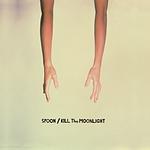
Kill the Moonlight, released in 2002, is an indie rock album by Spoon marked by tight, spare arrangements, precise percussion and Britt Daniel's clipped vocals. The songs are concise and rhythm-forward, with tracks like "The Way We Get By" and "I Turn My Camera On" showcasing propulsive drums, taut basslines and restrained guitar and keyboard touches. The album helped refine the band's minimalist approach and crystallize the sound they would be known for.
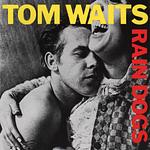
Rain Dogs, released in 1985, finds Tom Waits moving further from his earlier piano-based singer-songwriter style into a grittier, more experimental sound. The album mixes blues, rock, and Americana with off-kilter rhythms, found percussion, accordion and jagged guitar, providing a cinematic, streetwise backdrop for Waits's gravelly vocals and vivid narratives about urban outsiders. It follows Swordfishtrombones and further solidifies his turn toward theatrical, collage-like arrangements and genre-bending songwriting.
#446 — Fables of the Reconstruction by R.E.M.
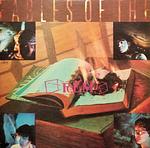
Fables of the Reconstruction (1985) is R.E.M.'s third studio album, notable for a darker, Southern Gothic-tinged sound that blends the band's alternative rock and jangle pop roots with folk and blues textures. The record favors murky, atmospheric arrangements, slower tempos and more acoustic instrumentation than their earlier, brighter releases, and features Michael Stipe's elliptical lyrics that emphasize place and storytelling. It represents a deliberate stylistic shift that expanded the band's musical palette while retaining melodic sensibilities.
#448 — Hatful of Hollow by The Smiths
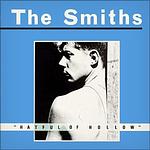
Hatful of Hollow is a 1984 compilation that gathers early singles and BBC session recordings by The Smiths, presenting a snapshot of the group’s formative period. Musically it pairs Johnny Marr’s chiming, arpeggiated guitar textures with Morrissey’s literate, melancholic vocal delivery, mixing jangle pop and indie rock influences with traces of post-punk moodiness. The record highlights the band’s knack for concise, melody-driven arrangements and mordant, observational lyrics, and is often cited as a key document of their early sound within the 1980s British indie scene.
Released in 1967, Their Satanic Majesties Request finds the Rolling Stones embracing psychedelic experimentation, blending rock with psychedelic pop, baroque touches and studio-driven, experimental production. The record uses layered instrumentation, Mellotron and orchestral and brass colorings alongside more conventional rock arrangements, producing both whimsical pop moments like "She's a Rainbow" and spacey, effects-driven pieces such as "2000 Light Years from Home". The album represents a deliberate detour into late 1960s psychedelia before the band moved back toward a more roots-oriented sound.
#450 — Talking Book by Stevie Wonder
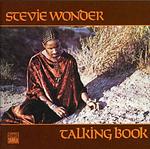
Talking Book, released in 1972, is a key album by Stevie Wonder that blends soul, funk, R&B and pop with a warm, studio-crafted sound. The record features prominent use of keyboards and synthesizers, including clavinet and Moog textures, and showcases Wonder's multi-instrumental performance and self-production. It balances intimate ballads and tight, groove-driven tracks, including well-known songs such as "Superstition" and "You Are the Sunshine of My Life", and represents a shift toward more personal, innovative arrangements in his early 1970s work.
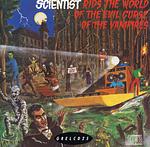
Scientist Rids the World of the Evil Curse of the Vampires (1981) is an instrumental dub record that applies studio mixing as a creative force to stripped-back reggae rhythms, emphasizing deep bass, sparse drums, and generous use of reverb, delay, and other effects to create a spooky, cinematic atmosphere that fits its horror-themed title. The album showcases Scientist's signature approach to dub production, where echo and filtering turn rhythm tracks into swirling, otherworldly textures that link reggae roots with early electronic experimentation.
#458 — Lifes Rich Pageant by R.E.M.
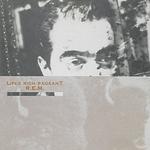
Lifes Rich Pageant, R.E.M.'s 1986 album, sharpens the band's jangle pop and alternative rock approach with cleaner, more rock-oriented production by Don Gehman. The sound features punchy guitars, tighter rhythms, and clearer vocals from Michael Stipe, moving away from the murkier textures of earlier records. Tracks like "Fall on Me" and "Cuyahoga" blend melodic hooks with environmentally and socially aware lyrics, and a cover of "Superman" adds a lighter moment. The record is notable as a transitional step that broadened R.E.M.'s sonic palette and prepared them for wider audiences.
#460 — Rattlesnakes by Lloyd Cole and the Commotions
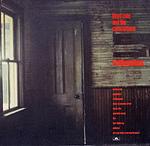
Rattlesnakes, the 1984 debut album by Lloyd Cole and the Commotions, pairs jangly, guitar-driven indie pop with polished soft rock touches and melodic keyboard and occasional string flourishes. The record is characterized by Cole's literate, conversational lyrics and sharp observational songwriting, framed by concise, hook-oriented arrangements that draw on 1960s pop sensibilities filtered through 1980s production. It established the band and its frontman as distinctive voices within the British indie pop and rock scene.
#462 — Pod by The Breeders
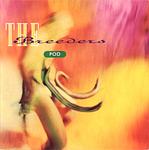
Pod is the Breeders' 1990 debut album, led by Kim Deal and produced by Steve Albini, that delivers a raw, stripped-down take on alternative and indie rock; its sparse arrangements, hushed-to-loud dynamics, idiosyncratic melodies, and lo-fi textures foreground Deal's songwriting and voice, and the record includes a distinctive reworking of the Beatles' "Happiness Is a Warm Gun".
#465 — Blue Train by John Coltrane
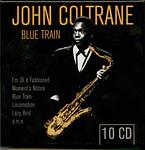
Blue Train is a landmark hard bop album led by tenor saxophonist John Coltrane, originally recorded for Blue Note and commonly issued in later reissues such as 2008 editions. The music pairs blues-inflected themes with extended improvisation, showcasing Coltrane's robust, searching tenor alongside a horn front line that includes trumpet and trombone and a propulsive rhythm section. The title track and other originals feature memorable melodies and energetic group interplay that document Coltrane's stylistic development in the late 1950s.
#469 — Ace of Spades by Motörhead
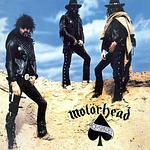
Ace of Spades, released by Motörhead in 1980, is a compact, high-energy rock album that crystallizes the band's blend of hard rock, punk attitude, and early speed metal. The record features short, aggressive songs driven by Lemmy Kilmister's gravelly vocals and heavily distorted, rhythmic bass, with fast tempos and raw production; the title track is its most enduring anthem. Its lean songwriting and relentless pace are often cited as influential on later speed and thrash metal bands.
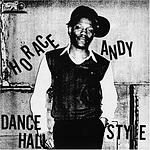
#471 — Dance Hall Style by Horace Andy
#472 — Satta Massagana by The Abyssinians
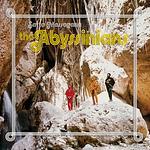
Satta Massagana by The Abyssinians is a roots reggae album built around the title track, a devotional Rastafarian hymn. The music pairs close three-part vocal harmonies with deep, meditative basslines, spare guitar and organ, and percussion elements that evoke nyabinghi rhythms, producing a solemn, spiritual sound. Lyrically the record centers on faith, repatriation, and Rastafari themes, and its slow to midtempo grooves and echo-heavy production are frequently cited as characteristic of classic roots reggae recordings.
#474 — Rock Bottom by Robert Wyatt
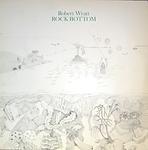
Rock Bottom is Robert Wyatt's 1974 solo album that crystallizes his move toward a spare, intimate form of art rock rooted in the Canterbury scene and avant-garde jazz. Recorded after the accident that left him unable to continue as a drummer, the record centers on Wyatt's distinctive, fragile vocals and melodic keyboard work framed by brass, saxophone colors and subtle studio textures. Songs unfold in loose, free flowing structures with surreal, elliptical lyrics and shifts between melancholy, whimsy and quiet intensity, blending jazz inflections, pastoral folk elements and experimental arrangement choices. The album established Wyatt's singular voice as a solo artist and remains a touchstone of 1970s British art rock.
#476 — L.A.M.F. by The Heartbreakers
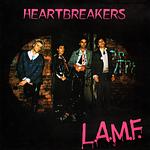
L.A.M.F. is the 1977 debut album by the Heartbreakers that captures a raw blend of classic rock and roll roots and punk energy. The record features terse, guitar-driven songs led by Johnny Thunders' slurred, weary vocals and a rough-edged band sound, with tracks such as "Chinese Rocks" and "Born to Lose" exemplifying its streetwise songwriting. The original release was marred by a muddy mix that reduced its intended punch and was later revisited in remixed editions, and the album is often regarded as an important document of the late 1970s punk and garage punk milieu.
#478 — Oh Yeah by Charles Mingus
Charles Mingus's 1962 album Oh Yeah blends hard bop and post-bop jazz with strong blues and gospel inflections, showcasing Mingus's muscular ensemble writing, soulful soloing, and occasional spoken or sung vocals. The record emphasizes raw, propulsive grooves, collective interaction, and dramatic arrangements that alternate tight ensemble passages with extended improvisation, reflecting Mingus's interest in combining composition and spontaneous expression.
#479 — The Dark Side of the Moon by Pink Floyd
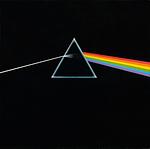
The Dark Side of the Moon is Pink Floyd's 1973 progressive rock album that blends rock, psychedelic and art rock elements into a continuous, concept-driven suite exploring themes such as time, money, mental strain and mortality. It is distinguished by its studio production and sound design, including layered synthesizers, tape effects and looping, prominent saxophone parts and an emotive wordless vocal performance on one track, with seamless transitions that emphasize atmosphere and textural detail across the record.
#482 — Aftermath by The Rolling Stones
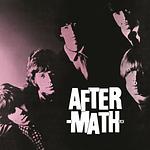
Aftermath (1966) marks the Rolling Stones' move from blues covers toward a fuller focus on original songwriting, notable as their first album comprised entirely of Jagger/Richards compositions. Musically it blends rock and blues roots with touches of folk, baroque and world-music colors, and it uses expanded instrumentation such as sitar and marimba to create distinctive textures. The record alternates riff-driven rock with quieter, more reflective moments and lyrics that probe domestic tensions and darker moods typical of the band's mid-1960s work.
#484 — Songs in the Key of Life by Stevie Wonder
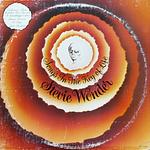
Songs in the Key of Life is a sprawling 1976 double album by Stevie Wonder that blends soul, contemporary R&B, pop soul, funk and pop with elements of jazz, gospel and reggae. The record pairs intimate ballads and social and spiritual meditations with uptempo funk grooves and instrumental interludes, featuring layered arrangements, prominent synthesizer and harmonica work, and varied musical textures. Its breadth and ambition are widely regarded as a high point in Wonder's creative output and a lasting influence on later R&B and pop artists.
#490 — Dear Science by TV on the Radio
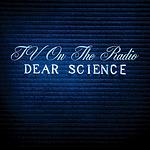
Dear Science, released in 2008 by TV on the Radio, blends indie rock, electronic textures, soul-informed vocals and experimental production into dense but hook-driven songs. The arrangements layer jagged guitars, funk and R&B rhythms, brass and synth color, and layered vocal harmonies to create music that is both propulsive and intricate, marking a moment where the band balanced accessible melodies with adventurous sonic detail.
#494 — I Just Can't Stop It by The Beat
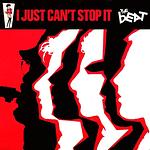
I Just Can't Stop It, the 1980 debut by The Beat, is a lively example of the British ska revival that blends ska and reggae rhythms with new wave and pop-rock energy; its concise, punchy songs feature offbeat guitar, syncopated basslines, prominent horn arrangements, and dual lead vocals from Dave Wakeling and Ranking Roger, pairing danceable grooves with socially aware, urban-themed lyrics. Tracks such as "Mirror in the Bathroom" and "Hands Off...She's Mine" showcase the band's knack for tight, melodic hooks and brisk, dancefloor-ready arrangements.
#495 — Selling England by the Pound by Genesis
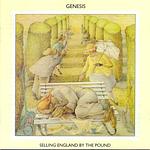
Selling England by the Pound, released in 1973, is a hallmark of Genesis's progressive rock period that blends symphonic textures, folk-tinged English songwriting, and art rock sensibilities. The album pairs Peter Gabriel's theatrical vocals and narrative lyrics with Tony Banks's layered keyboards, Steve Hackett's melodic guitar work, and Phil Collins and Mike Rutherford providing a tight rhythmic and harmonic backbone. Tracks move between extended, classically influenced pieces with shifting meters and instrumental passages and more concise, melodic songs, creating a balance of complexity and accessibility that helped define the band's early sound.
#499 — Everything Is Everything by Donny Hathaway
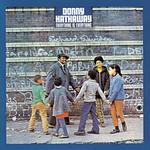
Everything Is Everything (1970) is Donny Hathaway's debut solo album that blends Chicago soul and deep soul with elements of gospel and jazz. The record pairs earthy, groove-driven tracks such as The Ghetto with more intimate balladry, highlighting Hathaway's warm, expressive baritone and piano playing, and features arrangements that move between raw urban funk and more polished, orchestral touches. It functions as an early showcase of his songwriting, arranging, and emotive vocal style that he developed further on later recordings.