 The Greatest Music
The 1000 Best Albums of All Time (Updated 2015)
This list is basically a personal canon of albums across the modern LP era (framed on-site as “since 1949”), with a strong tilt toward rock’s artier / heavier edges (proto-punk, punk/post-punk, psych, experimental) while also pulling in major jazz and other genre essentials.
#903 — Zenyattà Mondatta by The Police
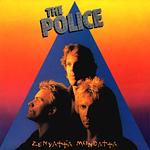
Zenyattà Mondatta, the Police's third studio album from 1980, tightens the band's fusion of rock, new wave and reggae-influenced pop with concise, rhythmically driven songs that highlight Sting's melodic bass and vocals, Stewart Copeland's syncopated drumming, and Andy Summers' chiming, textured guitar. The album pairs catchy pop hooks with rhythmic sophistication and spare arrangements, and includes well known tracks such as "Don't Stand So Close to Me" and "De Do Do Do, De Da Da Da" that exemplify the group's blend of punk energy and pop accessibility.
#910 — Back in Black by AC/DC
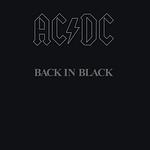
Back in Black is AC/DC's 1980 album and the first to feature singer Brian Johnson after Bon Scott's death. Produced by Robert John Lange, it channels the band's hard rock and blues-rock roots into concise, riff-driven songs built on Angus Young lead work and Malcolm Young rhythm parts, with punchy drums and clear guitar tones. Tracks such as Hells Bells, Back in Black, Shoot to Thrill, and You Shook Me All Night Long illustrate the arena-ready, no-frills sound that helped define the band's signature style.
#911 — Avalon by Roxy Music
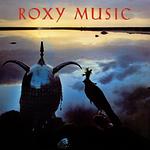
Avalon, released in 1982 by Roxy Music, pares the band’s art rock roots into a polished, atmospheric blend of sophisti-pop, soft rock, and pop rock. Bryan Ferry’s languid vocals float over shimmering synth textures, subtle guitar work, and tasteful saxophone, producing a romantic, late-night mood that emphasizes mood and production as much as songcraft. The record is notable for its sleek, restrained arrangements and for steering the group toward a smoother, more elegiac sound.
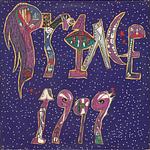
1999 is a synth-forward album that blends funk, pop, dance-pop, rock, and new wave into tightly arranged, danceable songs marked by punchy drum-machine grooves, layered synthesizers, rhythmic guitar work, and Prince's versatile vocals. The music pairs upbeat, club-ready production with darker lyrical themes about urgency and impending crisis, creating a tense party-at-the-end-of-the-world vibe. Its eclectic, genre-blurring approach helped expand Prince's sound and influenced the direction of early 1980s pop and dance music.
#913 — Graceland by Paul Simon
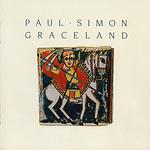
Graceland (1986) is a Paul Simon album that combines his singer-songwriter pop and folk sensibilities with South African musical styles, producing a worldbeat-influenced pop rock sound. Recorded with South African musicians and featuring vocal contributions from Ladysmith Black Mambazo, the record is marked by syncopated mbaqanga guitar lines, rich vocal harmonies, and a mix of acoustic songwriting and studio textures. Lyrically it blends personal storytelling with themes of travel, exile, and everyday observation, and its cross-cultural production is a notable example of Western popular music engaging directly with African musical traditions.
#914 — So by Peter Gabriel
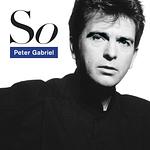
Peter Gabriel's 1986 album So blends art rock and pop rock with electronic and world music influences, combining concise, radio-friendly songcraft with layered, atmospheric production. Notable tracks include the horn-driven, funk-tinged "Sledgehammer" and the duet "Don't Give Up" with Kate Bush; the album emphasizes rhythmic textures, synthesizer atmospheres, and studio polish while retaining Gabriel's experimental sensibility.
Blackout (1982) by Scorpions blends hard rock and heavy metal with melodic hooks and polished production. The album features tight, riff-driven arrangements, soaring high-register vocals from Klaus Meine, and a mix of punchy rockers and a prominent power ballad, reflecting the band's move toward a heavier yet radio-friendly sound. With emphatic choruses, dual-guitar interplay from Rudolf Schenker and Matthias Jabs, and a taut rhythm section, Blackout is often cited as a defining record from the band's early 1980s period.
#916 — Warren Zevon by Warren Zevon
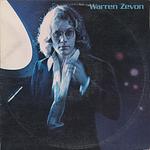
Warren Zevon's 1976 self-titled album is a lean, literate rock record that blends pop rock energy with country and folk inflections. Zevon's songwriting on the album emphasizes dark humor and sardonic character studies delivered over piano-driven arrangements and incisive guitar work. Issued as his major-label release, it helped establish his reputation as a distinctive storyteller with a wry, sometimes bleak lyrical voice.
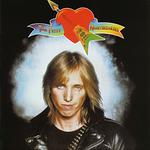
Tom Petty and the Heartbreakers is the band's 1976 debut and a concise introduction to their blend of jangly, guitar-driven rock and straight-ahead pop songwriting. Produced by Denny Cordell, the album pairs chiming guitar textures and economical arrangements with Petty's direct vocal delivery; songs such as "Breakdown" and "American Girl" exemplify its mix of rock, heartland sensibility, and classic pop-rock hooks. Its lean band sound and emphasis on melody helped define the group's early identity.
#922 — Bandwagonesque by Teenage Fanclub
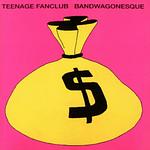
Bandwagonesque, released in 1991 by Teenage Fanclub, refines their blend of indie rock, jangle pop and power pop into a warm, melody-driven album. The record foregrounds chiming guitars, layered three-part harmonies and concise, hook-forward songwriting that draws on classic pop influences while keeping an alternative rock edge. Its guitar-centric sound and emphasis on tuneful arrangements helped define the band’s identity in the early 1990s indie scene.
#928 — Dig Me Out by Sleater‐Kinney
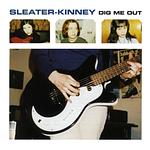
Dig Me Out, released in 1997, is Sleater-Kinney's third studio album and presents a lean, propulsive blend of indie rock and punk rooted in the riot grrrl movement. It foregrounds interlocking, abrasive guitar parts and urgent, emotive vocals from Corin Tucker and Carrie Brownstein, anchored by Janet Weiss's punchy drumming. The songs pair raw energy with sharper melodic hooks and direct, personal lyrics, marking a consolidation of the band's sound and an influential moment in late 1990s indie and punk circles.
#930 — Help! by The Beatles
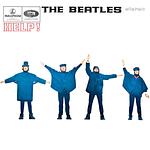
Help! is the Beatles' 1965 album that also served as the soundtrack to their film and marks a move from straightforward beat pop toward more varied, sometimes more introspective songwriting. It mixes rock, pop rock and folk rock elements with tight vocal harmonies, prominent acoustic textures and occasional orchestral arrangement, presenting both upbeat rockers and quieter, lyrically reflective pieces. The record documents the group's growing musical ambition and experimentation while retaining the melodic immediacy of their earlier work.
#932 — Hypnotised by The Undertones
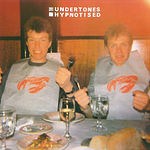
Hypnotised, released in 1980 by The Undertones, blends the band’s punk rock energy with concise, melodic songwriting and a new wave gloss. The songs emphasize upbeat, guitar-driven arrangements, tight rhythms and Feargal Sharkey’s distinctive lead vocals, pairing punk tempos with pop hooks and lyrics about adolescence and everyday life. The album continues the group’s move toward sharper melodies and cleaner production while retaining the immediacy and brevity associated with punk-influenced pop punk.
#936 — Fifth Dimension by The Byrds
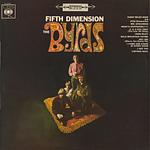
Fifth Dimension, released by the Byrds in 1966, pushes the band beyond their folk rock beginnings into a more experimental, psychedelic territory. The record pairs the group's signature chiming 12-string guitar and tight harmonies with modal and raga-tinged guitar lines, studio effects, and freer song structures, exemplified by "Eight Miles High." Tracks range from concise pop and Dylan interpretations to longer, more atmospheric pieces, and the album is notable as an early American move into psychedelic rock for the band.
#940 — Pretenders II by Pretenders
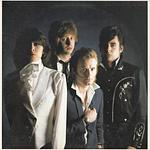
Pretenders II, released in 1981, tightens the band's blend of rock, new wave and post-punk into concise, melodic songs that pair chiming, punchy guitar work with Chrissie Hynde's cool, expressive vocals. The record emphasizes focused pop-rock hooks and layered guitar interplay, building on the debut's raw energy while leaning toward more polished arrangements and a balance of toughness and vulnerability in the songwriting.
#942 — For Alto by Anthony Braxton
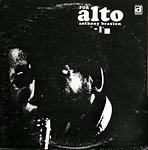
For Alto is a solo alto saxophone album by Anthony Braxton that presents extended free improvisations exploring the instrument's timbral range and unconventional techniques. The recordings consist of long unaccompanied pieces that use multiphonics, overblowing, altissimo registers, breath sounds, and varied articulation to generate dense textures and internal structure without conventional harmonic support. Its emphasis on solo exploration and formal rigor helped broaden notions of what a solo jazz performance could be and influenced later improvisers working with extended techniques.
#947 — Volume Two by Soft Machine
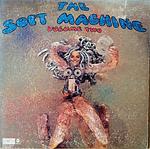
Volume Two, released in 1969 by Soft Machine, deepens the band's move away from straightforward psychedelia toward the jazz-tinged, exploratory sound associated with the Canterbury scene. The record emphasizes instrumental interplay, extended, loose-form passages and organ- and piano-centered textures that foreground improvisation and unconventional song structures, blending elements of progressive rock, psychedelic rock and jazz into a more experimental, ensemble-focused approach.
#950 — Zuckerzeit by Cluster
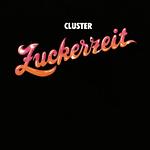
Zuckerzeit (1974) by Cluster is a concise, rhythmically focused exploration of electronics and minimal composition by Dieter Moebius and Hans-Joachim Roedelius. Moving away from the more abstract textures of their earlier work, the album emphasizes short, melodic motifs, steady drum-machine patterns, and a warm, playful use of synths and keyboards that points toward ambient, avant-garde pop, and downtempo electronic approaches. Its compact tracks and approachable rhythmic drive make it a distinctive entry in the Krautrock and experimental electronic landscape.
#956 — Band of Gypsys by Jimi Hendrix
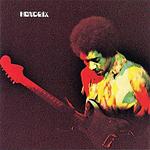
Band of Gypsys is a 1970 live album by Jimi Hendrix, recorded at the Fillmore East on New Year's Eve 1969 and New Year's Day 1970 with bassist Billy Cox and drummer Buddy Miles. The performances emphasize a rawer, groove-oriented approach that blends rock, blues rock, psychedelic textures and funk-leaning rhythms, featuring extended improvisation and reworked versions of Hendrix material, notably the long, evocative "Machine Gun". The trio's tighter, more rhythmic interplay and Buddy Miles' vocal presence distinguish the sound from the Experience and document Hendrix's musical direction during that period.
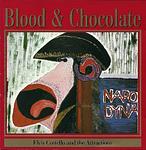
Blood & Chocolate finds Elvis Costello and the Attractions in a raw, volatile mode, returning to jagged, punchy rock and roll with a darker, more abrasive edge. The performances have a live-in-studio urgency, driven by sharp guitar, insistent bass and propulsive drums that frame Costello's intense, often confrontational lyrics. Lean production and a focus on band interplay give the album a direct, high-energy sound that contrasts with some of his more ornate 1980s recordings and emphasizes rock-based arrangements over studio gloss.
#968 — Let Love In by Nick Cave & the Bad Seeds
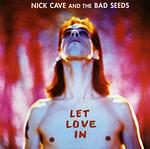
Let Love In, released in 1994 by Nick Cave & the Bad Seeds, balances the band's gothic moodiness with more expansive, melodic arrangements. The record blends post-punk urgency and punk blues grit with theatrical, narrative songwriting anchored by Cave's brooding baritone, and moves between slow, mournful ballads and more propulsive rock numbers. Instrumentation shifts from spare piano-led passages to fuller organ and guitar textures, giving the album a cinematic, noir atmosphere that helped define the group's 1990s sound.
#969 — Deep Purple in Rock by Deep Purple
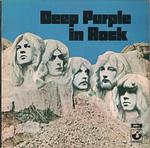
Deep Purple in Rock (1970) marks the arrival of the Mark II lineup and a decisive shift toward a heavier, riff-driven sound that helped define hard rock and early heavy metal. The album pairs aggressive, guitar-led tracks with prominent Hammond organ and dynamic, high-register vocals, ranging from concise rockers like Speed King to the extended, dramatic centerpiece Child in Time. Its raw power, muscular arrangements, and emphasis on lengthy instrumental passages established a template the band and peers would develop further in the 1970s.
#970 — Machine Head by Deep Purple
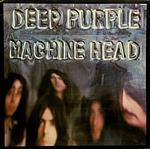
Machine Head, released in 1972 by Deep Purple, is a landmark hard rock album built around heavy, riff-driven songs, a prominent Hammond organ, and aggressive, blues-rooted guitar and vocals. It includes the riff-driven 'Smoke on the Water' and balances concise, hard-hitting tracks with extended jams that showcase Ritchie Blackmore's guitar, Jon Lord's organ textures, Ian Gillan's commanding voice, and a tight rhythm section. The album's raw sound and blend of blues, classical-tinged organ lines, and amplified guitar helped shape early heavy metal and arena rock styles.
#971 — Fever to Tell by Yeah Yeah Yeahs
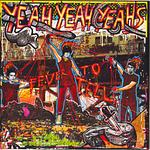
Fever to Tell, the 2003 debut by Yeah Yeah Yeahs, blends raw garage rock energy with art-punk angularity and moments of restrained, emotive songwriting. The album is marked by jagged guitar lines, propulsive drums, and Karen O's urgent, theatrical vocals, shifting from frenetic tracks to the quieter, piano-accented ballad "Maps". It helped define the band’s sound within the early 2000s indie and garage rock revival.
#972 — Hail to the Thief by Radiohead
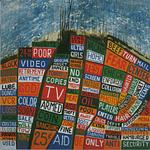
Hail to the Thief, Radiohead's sixth studio album released in 2003 and produced by Nigel Godrich, blends alternative and art rock with electronic textures. It pairs guitar-driven songs and more conventional structures with dense electronic production and experimental touches, ranging from rhythmically intense, distorted tracks to quieter, piano-led moments, and contains lyrics that often touch on political and existential unease of the early 2000s. The record ties together threads from OK Computer and Kid A while reintroducing more direct rock elements, with Thom Yorke's voice and layered arrangements prominent throughout.
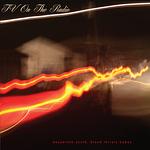
Desperate Youth, Blood Thirsty Babes is TV on the Radio's 2004 full-length that blends indie rock, experimental and art rock with post-rock atmospheres and noise pop textures. The songs layer soulful, often high-register harmonies over jagged guitar fragments, propulsive electronic rhythms and dense, textural production, alternating succinct songcraft with exploratory, atmospheric passages. It established the band’s early signature of combining soul-inflected vocals and rhythm with artful, experimental arrangements.

Lift Yr. Skinny Fists Like Antennas to Heaven! is a sprawling, largely instrumental record by Godspeed You! Black Emperor that epitomizes post-rock's blend of orchestral textures and rock dynamics. Across four long movements it layers guitars, strings, horns, field recordings and tape loops to construct slow, cinematic builds that culminate in dense, cathartic climaxes and sudden, noisy eruptions. The music balances fragile, ambient interludes with massed ensemble sections and uses found sounds and spoken samples to add a documentary or political dimension. Its epic scope and emphasis on tension and release make it a frequently cited touchstone of experimental instrumental rock.
#980 — Still Bill by Bill Withers
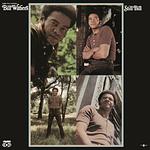
Still Bill, released in 1972, is Bill Withers' second studio album and showcases his warm baritone and plainspoken songwriting across a mix of soul, R&B, funk, pop, and smooth soul. The record pairs spare, groove-driven arrangements with acoustic guitar, electric piano, and a tight rhythm section, producing a relaxed but rhythmic sound on tracks such as "Lean on Me" and "Use Me." Lyrically it balances personal intimacy and everyday observation, and its accessible production emphasizes Withers' direct vocal delivery and storytelling.
#984 — Sketches of Spain by Miles Davis
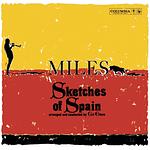
Sketches of Spain (1960) is a collaboration between trumpeter Miles Davis and arranger Gil Evans that blends jazz improvisation with orchestral arrangements and Spanish musical themes. It features a reworking of Joaquín Rodrigo's Concierto de Aranjuez alongside original pieces that draw on flamenco and folk motifs, using modal harmonic frameworks, muted and lyrical trumpet lines, and rich brass and woodwind textures. The album exemplifies Third Stream approaches and cool and modal jazz tendencies by integrating soloist spontaneity with carefully scored, atmospheric ensemble writing.
#990 — Raise by Swervedriver
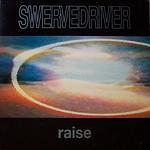
Raise is a 1991 album by Swervedriver that blends dense, effects-laden guitar textures with propulsive rock rhythms. The music combines distorted, interlocking guitar lines, reverb and feedback with clear melodic hooks, locating the band between shoegaze atmosphere and harder-edged alternative rock. The record is notable for its forward-driving energy and the way it fuses noisy, textural production with taut songcraft.
#992 — 'Round About Midnight by Miles Davis
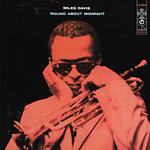
'Round About Midnight (1957) is a key jazz album by Miles Davis that documents the sound of his mid 1950s quintet with John Coltrane, Red Garland, Paul Chambers, and Philly Joe Jones. Rooted in hard bop, the record balances moody, lyrical ballad work on the title piece with swinging small group interplay, emphasizing Davis's muted, expressive trumpet and Coltrane's searching tenor lines over a crisp, supportive rhythm section, marking a defining step in Davis's late 1950s artistic direction.
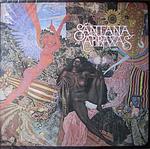
Abraxas, released in 1970 by Santana, blends rock with Afro-Latin rhythms and psychedelic textures. Carlos Santana's sustained, lyrical guitar lines ride over a rhythm section rich in congas, timbales and other Latin percussion, while organ and soulful vocals bring blues and jazz inflections. The album mixes reinterpretations and originals, from danceable Latin grooves to mellow instrumental passages like "Samba Pa Ti", and is notable for its fusion of improvisational rock energy with Latin musical forms.
#994 — Rock for Light by Bad Brains
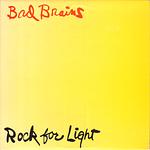
Rock for Light (1983) captures Bad Brains' intense blend of lightning-fast hardcore punk and reggae-inflected rhythms, pairing rapid, precise musicianship with abrupt tempo shifts and dub-leaning breaks. H.R.'s raw, high-register vocals ride over Dr. Know's sharp, technical guitar work and a rhythm section that alternates between breakneck punk and pocketed reggae grooves. The album's lean, urgent production and contrast between aggression and groove helped define the band's signature sound and influenced the crossover of punk and reggae in American hardcore.