 The Greatest Music
The 1000 Best Albums of All Time (Updated 2015)
This list is basically a personal canon of albums across the modern LP era (framed on-site as “since 1949”), with a strong tilt toward rock’s artier / heavier edges (proto-punk, punk/post-punk, psych, experimental) while also pulling in major jazz and other genre essentials.
#201 — Ride the Lightning by Metallica
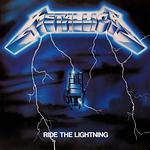
Ride the Lightning (1984) is Metallica's second studio album, rooted in thrash and speed metal while expanding into more sophisticated songwriting and melodic elements. The sound combines fast, aggressive riffing and tight palm-muted rhythms with harmonized leads, dynamic contrasts and occasional slower, atmospheric passages. Lyrically the album explores darker subjects such as mortality, fate and injustice, and it marks a step toward more complex arrangements and broader emotional range within the band's early metal style.
#203 — Porcupine by Echo & the Bunnymen
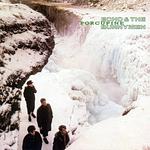
Porcupine is Echo & the Bunnymen's 1983 album that pushes their post-punk and new wave palette toward a darker, more atmospheric sound. The record emphasizes reverb-laden, high-register guitar textures, taut bass and driving drums beneath Ian McCulloch's resonant vocals, with production that foregrounds mood and dense arrangements. It is often cited as a more urgent, brooding step in the band's development leading into their subsequent, more orchestral work.
#205 — Horses by Patti Smith
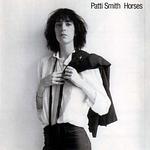
Horses, Patti Smith's 1975 debut, blends raw garage rock energy with art rock experimentation and proto-punk urgency. Produced by John Cale, the album pairs a spoken-word influenced vocal delivery and poetically charged lyrics with spare, driving arrangements built around guitar, piano, and drums. Its rough-edged production, confrontational performance style, and fusion of literary sensibility with rock idioms are often cited as influential on early punk and art punk movements, and the stark cover photograph by Robert Mapplethorpe complements the record's austere aesthetic.
#206 — [Led Zeppelin IV] by Led Zeppelin
![[Led Zeppelin IV]](https://images.thegreatestmusic.org/yfyip7ss5dlcr6r39qje3hx89jrl)
Led Zeppelin IV, released in 1971, is a pivotal album in the band's catalogue that blends hard rock, blues, and folk elements. It alternates between acoustic, pastoral numbers and heavy electric songs, showcasing Jimmy Page's layered guitar work, Robert Plant's dynamic vocals, John Paul Jones's arranging and keyboard contributions, and John Bonham's powerful drumming. The album's mix of riff-driven rock, acoustic storytelling, and expansive production helped shape what became known as classic and arena rock sounds.
#207 — Sticky Fingers by The Rolling Stones
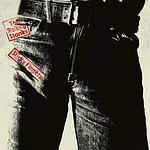
Sticky Fingers (1971) by the Rolling Stones blends rock, blues rock, hard rock, country rock, and rock and roll, alternating gritty electric numbers with quieter, country-influenced ballads. The record highlights the Jagger-Richards songwriting partnership and Keith Richards' guitar textures, and features tracks such as "Brown Sugar" and "Wild Horses." The album is also known for its Andy Warhol sleeve design and its turn toward a rawer, roots-oriented sound.
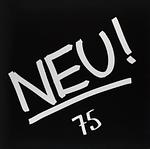
Neu! '75, the third album by German krautrock group Neu!, released in 1975, is notable for its split between the band’s trademark motorik, rhythm-driven grooves and a set of rawer, more electronic and abrasive tracks. The record contrasts metronomic, repetitive rhythms, textured guitars and synth treatments with looser, more aggressive songs that emphasize noise, studio experimentation and a proto-punk attitude. That juxtaposition expanded the group’s sonic range and helped point the path from krautrock toward later electronic, post-punk and experimental scenes.
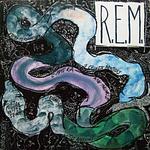
Reckoning is R.E.M.'s second studio album, released in 1984. Produced by Mitch Easter and Don Dixon, it continues the band's early jangle pop and alternative rock approach with chiming guitars, melodic bass and drums, and Michael Stipe's characteristically oblique vocals. Featuring songs such as "So. Central Rain", "Harborcoat", "Pretty Persuasion" and "7 Chinese Bros.", the record consolidated the group's signature sound within the indie and college rock scene.
#213 — My Aim Is True by Elvis Costello
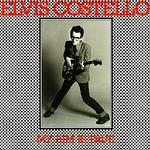
My Aim Is True is Elvis Costello's 1977 debut studio album that blends rock, new wave, pub rock, pop rock and country influences. The record pairs lean, guitar-driven arrangements with concise, literate songwriting, juxtaposing caustic wit and melodic hooks across raucous rockers and more reflective, country-tinged numbers. Recorded with a loose, energetic band feel, the album introduced Costello's distinctive vocal delivery and sharp lyrical voice, marking his emergence as a notable and eclectic songwriter in the late 1970s.
#218 — Natty Dread by Bob Marley & The Wailers
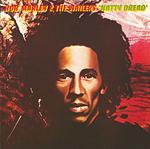
Natty Dread (1974) is a roots reggae album by Bob Marley & The Wailers that marks the group’s transition after the departures of Peter Tosh and Bunny Wailer. The sound emphasizes deep, syncopated bass and drums, interlocking guitar and organ rhythms, and Marley's characteristic vocals and songwriting; lyrical themes mix personal reflection, Rastafarian faith, and social commentary, with tracks such as No Woman, No Cry and Lively Up Yourself exemplifying the album’s intimate yet politically aware roots reggae style.
#219 — Pastel Blues by Nina Simone
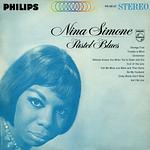
Pastel Blues, recorded and released in 1965, finds Nina Simone blending blues, jazz, vocal jazz and soul across a program that shifts between spare, piano-led ballads and raw, rhythmic performances. Simone's deep, expressive voice and distinctive piano work anchor the record, with arrangements that move from string-accompanied torch songs to percussion-driven takes on spiritual and folk material. The album is notable for its emotional intensity and for the extended, urgent rendition of "Sinnerman", while the title track and other selections underscore Simone's ability to reshape blues and jazz forms into dramatic, personal statements.
#220 — Something Else by The Kinks by The Kinks
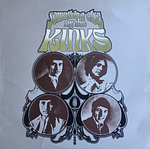
Something Else by The Kinks (1967) showcases Ray Davies' move toward more reflective, character focused songwriting, blending pop rock with baroque pop, folk rock and mod influences. The album pairs concise, melodic songs with chamber pop touches such as harpsichord and string arrangements and features wry, observational lyrics about English life and youth culture. Its pastoral textures and careful arrangements point toward the band’s subsequent, more nostalgic work.
#221 — Strange Days by The Doors
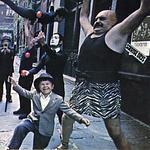
Strange Days is the Doors' second studio album from 1967, expanding their organ-driven rock into darker, more theatrical and psychedelic territory. The record blends blues rock roots with acid and psychedelic textures, featuring Jim Morrison's stagewise, poetic vocals over Ray Manzarek's swirling keyboards, Robby Krieger's lyrical guitar work, and rhythmic shifts that range from compact songs to extended, atmospheric pieces. Tracks such as "People Are Strange," "Love Me Two Times," and the sprawling "When the Music's Over" showcase the band's interest in mood, studio effects, and dramatic lyrical imagery, marking a deeper exploration of sound and concept compared with their debut.
#222 — Catch a Fire by The Wailers
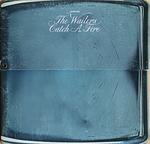
Catch a Fire, released by The Wailers in 1973, is a roots reggae album that blends traditional Jamaican rhythms with rock-influenced production and soulful vocals. Produced for Island Records by Chris Blackwell, the record features fuller arrangements and a cleaner mix that brought the group's Rastafarian-themed lyrics and dub-tinged grooves to a broader audience, while retaining the rhythmic emphasis and bass-driven pulse of reggae. Its sound marked a turning point in how reggae was presented internationally and remains a frequently referenced work in the genre.
#224 — Mr. Fantasy by Traffic
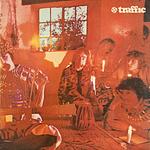
Mr. Fantasy is Traffic's 1967 debut album that blends psychedelic rock, blues rock and pop rock with jazz-tinged arrangements. The record highlights Steve Winwood's soulful vocals and organ playing alongside Chris Wood's woodwinds and Jim Capaldi's rhythmic contributions, moving between concise, catchy songs and looser, more improvisational passages. Its sound mixes pop-oriented hooks with loose, jazzy rhythms and psychedelic studio touches, making it an early, eclectic statement in late 1960s British rock.
#225 — The Only Ones by The Only Ones
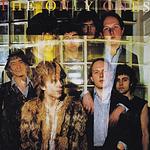
The Only Ones is the band's 1978 debut that blends late 1970s punk urgency with power pop melodies and new wave sensibilities. Peter Perrett's weary, literate vocals and observational lyrics are paired with John Perry's chiming, melodic guitars and a rhythm section that moves between driving rock and restrained grooves, creating songs that balance rawness and craft. The album includes the well known track Another Girl, Another Planet and is often referenced for its influence on subsequent indie and alternative rock artists.
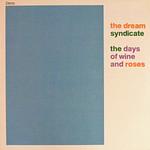
The Days of Wine and Roses, the 1982 debut EP by The Dream Syndicate, showcases a raw, guitar-driven approach to rock and alternative rock that mixes 1960s psychedelic and Velvet Underground influences with punk-era urgency. Steve Wynn's lead vocals ride over extended, feedback-rich guitar passages and a loose, propulsive rhythm section, creating a noisy, hypnotic sound that was influential within the early Paisley Underground scene and for later alternative rock bands.
#228 — Junkyard by The Birthday Party
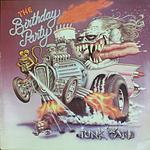
Junkyard, released in 1982 as The Birthday Party's second and final studio album, captures the band at its most confrontational and unpolished. The record fuses post-punk angularity with blues and rockabilly edges, driven by Nick Cave's snarling vocals and Rowland S. Howard's jagged, feedback-rich guitar, while Nick Launay's production emphasizes a claustrophobic, noisy atmosphere. Its abrasive arrangements, dark lyrical imagery, and raw intensity mark it as a key document of the darker, more experimental side of early alternative and post-punk music.
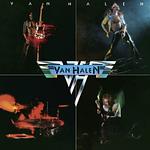
Van Halen's 1978 self-titled debut introduced the band's high-energy hard rock and arena-ready sound, anchored by Eddie Van Halen's inventive guitar work and David Lee Roth's flamboyant vocals. The record blends punchy riffs, pop-influenced hooks and a tight rhythm section, and includes the instrumental "Eruption" that showcased two-handed tapping alongside a cover of the Kinks' "You Really Got Me." Its raw production and emphasis on guitar virtuosity made it a touchstone for late 1970s hard rock and many guitar-centric rock acts that followed.
#230 — Reggatta de Blanc by The Police
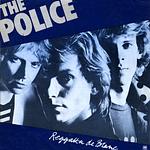
Reggatta de Blanc, released in 1979, is The Police's second studio album and consolidates their fusion of rock, reggae and new wave into concise, hook-driven songs. The record features bright, chiming guitar textures from Andy Summers, melodic bass and vocals from Sting, and propulsive, inventive drumming from Stewart Copeland, producing a tight, rhythmic sound that blends pop sensibility with offbeat reggae rhythms. It includes memorable tracks such as "Message in a Bottle" and "Walking on the Moon" and helped define the band’s signature approach to sparse arrangements and rhythmic complexity.
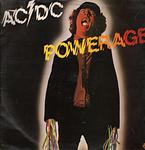
Powerage (1978) captures AC/DC in a raw, blues-tinged hard rock mode with production by Harry Vanda and George Young, emphasizing driving guitar riffs, tight rhythm work, and Bon Scott's gritty vocals. The songs lean toward groove and muscular, riff-driven arrangements rather than studio ornamentation, giving the album a direct, road-tested sound. It represents a consolidation of the band's blues rock roots and a move toward the more streamlined approach they would take on their next records.
#234 — The Pleasure Principle by Gary Numan
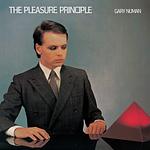
The Pleasure Principle, Gary Numan's 1979 solo album following his work with Tubeway Army, is a stark, synth-driven record that strips rock instrumentation back in favor of sparse, largely synthesizer-based arrangements and cool, detached vocals. The music emphasizes minimalist electronic textures, programmed rhythms, and futuristic themes of alienation and technology, and it is often cited as an early touchstone for synth-pop, New Wave, and later electronic and New Romantic artists.
#238 — Lady Soul by Aretha Franklin
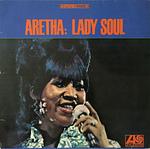
Lady Soul (1968) captures Aretha Franklin in the fertile late 1960s Atlantic period, showcasing her gospel-rooted, deeply expressive voice across material that blends soul, Southern soul, blues, and classic R&B. The record pairs her commanding vocals and piano with tight rhythm and horn arrangements, moving between punchy, groove-driven numbers and tender, intimate ballads. Its raw emotional intensity and authoritative phrasing helped define a model of deep soul singing that influenced many later vocalists.
#241 — Face to Face by The Kinks
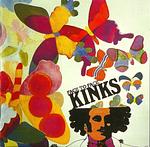
Face to Face (1966) finds The Kinks moving from their earlier raw R&B and garage sound toward a more studio‑oriented pop rock that incorporates baroque pop and mod influences with occasional psychedelic touches. Ray Davies' songwriting on the record leans into short character sketches and social observation, delivered with compact melodies, layered arrangements and a greater variety of instruments and textures than earlier releases. The album is often regarded as an important step in the band’s artistic development toward more polished, narrative songwriting.
#242 — Songs of Leonard Cohen by Leonard Cohen
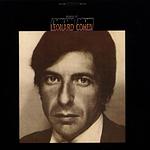
Songs of Leonard Cohen, released in 1967 as Cohen's debut album, introduces his deep, husky voice and literate songwriting within a folk-rooted framework. The record pairs spare acoustic arrangements with occasional chamber folk touches such as strings and restrained orchestration, supporting songs like "Suzanne", "So Long, Marianne", and "Sisters of Mercy". Its focus on poetic lyrics and themes of love, faith, and solitude, delivered in an intimate, understated sonic palette, established Cohen as a distinctive contemporary folk songwriter.
#244 — English Settlement by XTC
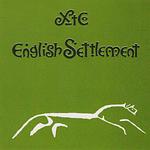
English Settlement (1982) captures XTC moving beyond their New Wave origins into a more pastoral art pop and art rock palette, emphasizing jangly and acoustic guitars, layered arrangements, and literate, observational lyrics. The album blends folk pop melodicism with inventive studio textures and more complex song structures, showcasing a shift toward ambitious, melody-driven songwriting without abandoning concise pop sensibilities.
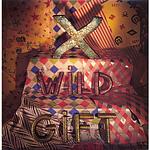
Wild Gift, released in 1981 by the Los Angeles band X, blends punk ferocity with classic rock and roll songcraft, pairing taut, driving guitars and rhythm with the distinctive interlocking vocals of John Doe and Exene Cervenka. The album balances short, urgent tracks with melodic hooks and occasional rockabilly inflections, presenting a direct, energetic sound that underlines the group's emphasis on songwriting as much as attitude.
#246 — Youth of America by Wipers
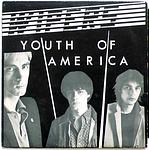
Youth of America, released in 1981 by the Wipers, marks a move from terse punk songs to longer, more atmospheric post-punk compositions. Greg Sage's production and guitar work favor stretched-out arrangements, reverb-heavy and droning electric guitars, and a brooding, introspective mood that blends punk immediacy with more expansive rock textures. The album's hypnotic, raw sound and unconventional song structures helped shape the aesthetic of underground and alternative rock that followed.
#247 — Talk Talk Talk by The Psychedelic Furs
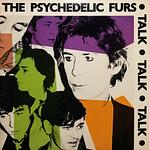
Talk Talk Talk is the Psychedelic Furs' second studio album, released in 1981. It refines their post-punk edge with stronger new wave and pop sensibilities, pairing Richard Butler's emotive baritone with jagged guitars, melodic basslines, propulsive rhythms and occasional saxophone. Songs such as "Pretty in Pink" and "Dumb Waiters" highlight the album's mix of moody atmosphere and hook-driven songwriting, marking an early shift toward a more anthemic side of the band's sound.
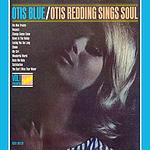
Otis Blue / Otis Redding Sings Soul (1965) captures Otis Redding at the height of his Stax period, blending deep soul, blues, and R&B with a raw Southern soul intensity. Backed by the Stax house musicians, including Booker T. & the M.G.'s and a tight horn section, the album pairs impassioned originals and contemporary covers, from heartfelt slow balladry to gritty up-tempo performances. Redding's rough-hewn, urgent vocals and dynamic arrangements give the record a live, immediate feel that helped define his sound and influenced soul music in the 1960s.
#250 — Bitches Brew by Miles Davis
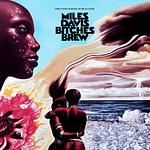
Bitches Brew is a 1970 Miles Davis album that marks his full embrace of electric instruments and the emerging jazz fusion idiom. The music blends loose, extended improvisation with rock and funk rhythms, dense, layered textures and a large ensemble featuring multiple electric keyboards, guitars and electric bass. Producer Teo Macero's studio editing reshaped long collective performances into suite-like tracks with a shifting, cinematic flow. The record is frequently cited as a pivotal work in the development of jazz fusion and avant-garde approaches to jazz.
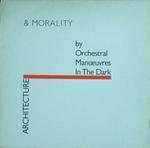
Architecture & Morality (1981) by Orchestral Manoeuvres in the Dark is a synth-driven album that blends electronic and new wave energy with art pop sensibilities. It pairs concise, melodic songwriting with layered synthesiser textures and atmospheric arrangements, balancing accessible hooks and emotional restraint with occasional experimental sonic touches and thematic nods to history and spirituality. The record represents a move toward more polished, melodic material for the band while retaining traces of their earlier exploratory approach.
#254 — Two Sevens Clash by Culture
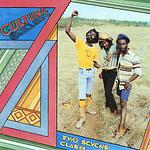
Two Sevens Clash (1977) by Culture is a roots reggae album led by vocalist Joseph Hill that pairs spare, bass-centered rhythms and tight vocal harmonies with lyrical themes of Rastafarian prophecy and social commentary. The title track centers on the apocalyptic idea of the 'two sevens' and is delivered with a stark, urgent vocal performance over hypnotic grooves. The record is often cited as a memorable example of late 1970s roots reggae for its mood, message-driven songs, and distinctive, stripped-back arrangements.
#255 — Future Days by Can
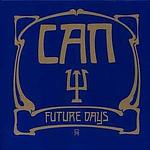
Future Days, released in 1973 by Can, is a Krautrock album that moves the band toward spacious, ambient and groove-based textures. The music rests on Jaki Liebezeit's precise, trance-like rhythms and Holger Czukay's restrained bass, with Irmin Schmidt's keyboards and Michael Karoli's guitar creating layered, pastoral motifs around Damo Suzuki's sparse, evocative vocals. The record emphasizes long, hypnotic pieces and studio experimentation with tape and editing to produce drifting, atmospheric soundscapes that have influenced later ambient and post-rock directions.
#257 — Soon Over Babaluma by Can
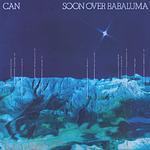
Soon Over Babaluma (1974) is Can's first studio album after vocalist Damo Suzuki left and marks a shift toward denser electronic and studio-based experimentation. The record blends the band's trademark hypnotic rhythms with expanded keyboard textures, tape manipulation, and fragmented vocal contributions from band members, producing a moodier, more atmospheric take on Krautrock that balances rock-based grooves with avant garde and electronic soundscapes.
#259 — This Nation's Saving Grace by The Fall
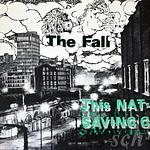
This Nation's Saving Grace, released in 1985 by The Fall, captures the band's post-punk approach with terse, driving rhythms, jagged guitar work and Mark E. Smith's caustic spoken-sung vocals. The addition of guitarist Brix Smith brought sharper melodic hooks that sit alongside repetitive, angular basslines and propulsive drum patterns, producing a leaner, more direct sound than some of their earlier records. The album stands as a key statement in the band's mid 1980s output, balancing abrasive textures with tighter songcraft.
#260 — Blood on the Tracks by Bob Dylan
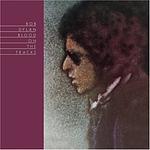
Blood on the Tracks, released in 1975, is an intimate, lyrically driven album that blends Dylan's folk rock roots with elements of blues and country rock. The songs are narrative and confessional, centering on relationships and emotional turmoil, delivered through spare acoustic arrangements with occasional fuller band backing. The record is characterized by direct, conversational vocals, rich storytelling, and a live, immediate studio feel that emphasizes songwriting and emotional clarity.
#261 — The Shape of Jazz to Come by Ornette Coleman
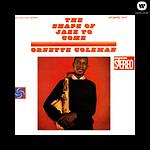
Released in 1959, The Shape of Jazz to Come is an early landmark of free jazz in which Ornette Coleman foregrounds melodic freedom and collective improvisation over fixed chord progressions. The album pairs Coleman's angular, lyrical alto with Don Cherry's pocket trumpet, supported by Charlie Haden on bass and Billy Higgins on drums, yielding a raw, open sound that contrasted with the prevailing hard bop style and helped shape subsequent avant garde approaches in jazz.
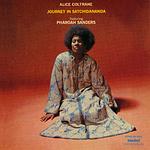
Journey in Satchidananda (1971) by Alice Coltrane, with contributions from Pharoah Sanders, is a meditative, modal album that blends avant-garde and free jazz improvisation with Eastern devotional textures. Alice's harp, organ and piano sit atop sustained tanpura drones and percussion, creating a hypnotic backdrop for modal vamps, while Sanders' tenor saxophone weaves lyrical and free-form lines. The record is often cited as an important example of spiritual jazz, notable for its fusion of Western jazz improvisation with Indian-inspired drones and trance-like rhythmic gestures.
#263 — Night Beat by Sam Cooke
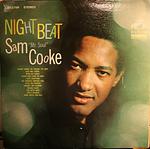
Night Beat, released in 1963, is an intimate, late-night album that spotlights Sam Cooke's voice with sparse, blues- and jazz-inflected arrangements. The record favors subdued, atmospheric backing over pop production, blending R&B and soul sensibilities with raw blues feeling and relaxed jazz touches, and serves as a poignant showcase for Cooke's interpretive phrasing and emotional range.
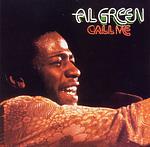
Call Me (1973) by Al Green showcases his intimate, smooth soul style, blending Southern soul warmth with R&B grooves and touches of funk. Green's expressive falsetto and relaxed phrasing sit atop an understated, punchy rhythm section with warm horns, strings, and tasteful guitar work associated with producer Willie Mitchell and the Hi Records sound. The album focuses on romantic, often spare arrangements that balance soulful intensity with melodic hooks, making it a notable example of Green's early 1970s work.
#265 — Spiritual Unity by Albert Ayler Trio
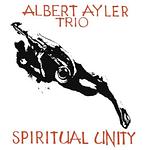
Spiritual Unity is a 1965 album by the Albert Ayler Trio that presents Ayler's raw, tenor saxophone-led improvisations supported by the elastic, time-free interplay of bassist Gary Peacock and drummer Sunny Murray. The music foregrounds simple, hymnlike or folk-derived motifs that are stretched into intense, collective improvisations with wide vibrato and a raw tonal edge rather than conventional harmony. Its sparse trio setting and uncompromising sound are often cited as an influential statement in the development of free jazz and avant garde saxophone playing.
#266 — The Correct Use of Soap by Magazine
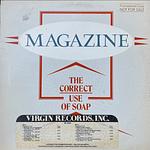
The Correct Use of Soap, Magazine's 1980 album, softens some of the band's earlier angular post-punk edge in favor of more melodic, keyboard-rich arrangements while retaining Howard Devoto's literate, detached vocals. The record pairs taut rhythmic grooves and chiming guitar with prominent organ and synthesizer textures, producing songs that balance art-rock ambition and pop accessibility and features the track "A Song from Under the Floorboards." It marks a move toward broader sonic variety within the band's new wave and post-punk framework.
#267 — Houses of the Holy by Led Zeppelin
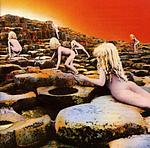
Houses of the Holy, released in 1973, finds Led Zeppelin expanding their hard rock and blues foundations into a broader sonic palette with studio experimentation and varied rhythms. The album blends driving rock and blues with acoustic passages, layered arrangements, and touches of reggae and funk, heard across tracks such as "The Song Remains the Same", "The Rain Song", "No Quarter", and "D'yer Mak'er". The performances highlight Jimmy Page's production and guitar textures, John Paul Jones's multi-instrumental arrangements, John Bonham's powerful drumming, and Robert Plant's dynamic vocals. The record is notable for its eclectic sequencing and for bringing more textural variety to the band's arena-ready sound.
#268 — Space Ritual by Hawkwind
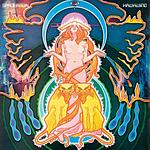
Space Ritual is a 1973 double live album that captures Hawkwind's expansive, theatrical take on space rock. The set blends hard, riff-driven rock and acid-era psychedelia with swirling synth drones, sax and flute textures, propulsive rhythms and spoken-word passages to create long, continuous pieces and extended improvisations. It stands as a definitive live document of the band's cosmic sound and the space rock aesthetic.
#269 — The Who Sell Out by The Who
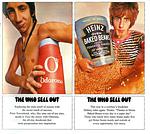
The Who Sell Out is a 1967 concept album by The Who that mimics a pirate radio broadcast, weaving short faux commercials and jingles into a sequence of songs that blend mod energy, pop rock hooks, psychedelic pop color, and art pop experimentation. Pete Townshend's songwriting and production provide a through line, with bold arrangements and studio touches supporting melodic tunes and moments of raw rock intensity, while Roger Daltrey's vocals and Keith Moon's dynamic drumming help anchor the performances. The record is often noted for its playful satire of consumer culture and its inventive use of pop forms within a unified, tongue in cheek concept.
#270 — Led Zeppelin III by Led Zeppelin
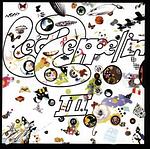
Led Zeppelin III, released in 1970, finds the band moving beyond the hard blues rock of their early records by integrating acoustic instrumentation and folk textures alongside heavier electric songs. The album juxtaposes powerful, riff-driven tracks such as the opening 'Immigrant Song' with pastoral, acoustic pieces and tender balladry, revealing a greater emphasis on dynamics, arrangement and melodic nuance. It is notable for its contrast between raw rock energy and more intimate, folk-influenced songwriting, expanding the group’s sonic range within a single record.
#271 — Specials by The Specials
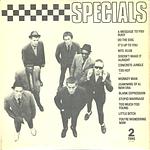
The Specials is the 1979 debut album by The Specials that melds Jamaican ska and reggae rhythms with the energy of punk and new wave within the 2 Tone aesthetic. Musically it pairs propulsive offbeat guitar and punchy horn lines with spare, direct production, and lyrics that address social concerns such as racial tension and youth culture while retaining a strong danceable feel. The album is considered a defining release of the British 2 Tone ska revival and helped bring that sound to a broader audience.
#273 — Live at the Witch Trials by The Fall
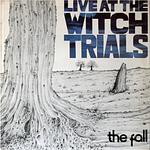
Live at the Witch Trials (1979) is The Fall's debut studio album; despite its title it is not a live recording. The record presents a raw, angular post-punk sound characterized by jagged guitars, driving bass and drums, and Mark E. Smith's talk-sung, often caustic vocal delivery and cryptic lyrics. Its spare, rough production and repetitive grooves emphasize tension over polish, introducing many of the stylistic traits that came to define the band's output and helping to position the group within post-punk and early indie rock currents.
#274 — Highway to Hell by AC/DC
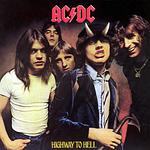
Highway to Hell, released in 1979, is an AC/DC album that blends hard rock and blues-rock into concise, riff-driven songs suited to large venues. The record pairs Angus Young's crunchy, energetic lead guitar with Malcolm Young's steady rhythm work and a punchy rhythm section, while Bon Scott delivers gritty, charismatic vocals; producer Mutt Lange brought cleaner, more focused production and an emphasis on vocal hooks and arrangements. The title track and other high-energy songs showcase the band's straightforward, anthem-ready approach, and it is the last studio album to feature Bon Scott before his death.
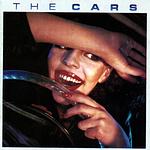
The Cars is the band's 1978 debut that blends rock and power pop with new wave sensibilities, pairing hook-driven guitar riffs with bright synthesizer textures and concise, melodic songcraft. Ric Ocasek's idiosyncratic songwriting and detached vocal delivery, often balanced by Benjamin Orr's more melodic leads, sits atop tight, layered production by Roy Thomas Baker that emphasizes punchy rhythms and polished arrangements. The record helped define a sleek, modern pop-rock sound that bridged late 1970s rock and emerging new wave styles.
#279 — Rust Never Sleeps by Neil Young, Crazy Horse
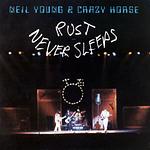
Rust Never Sleeps, credited to Neil Young with Crazy Horse and released in 1979, mixes acoustic folk rock songs with searing electric rock performed with Crazy Horse. The album contrasts quiet, introspective solo pieces and loud, distorted guitar workouts, exploring themes of aging, rock and roll, and cultural change, and it highlights Young's movement between delicate melodies and raw, feedback-heavy textures. The combination of folk, country-tinged numbers and hard rock passages creates a dramatic dynamic between intimacy and explosive live energy.
#281 — Parallel Lines by Blondie
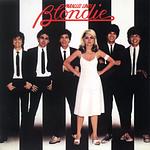
Parallel Lines, released in 1978 by Blondie, blends new wave, pop rock, and pop with polished production by Mike Chapman. The album mixes punk-derived energy with pop hooks and danceable rhythms, pairing crisp guitar lines and rhythmic bass with Deborah Harry's cool, charismatic vocal delivery. Standout tracks such as "Heart of Glass", "One Way or Another", and "Hanging on the Telephone" illustrate the band's crossover of rock and dance influences and their role in bringing new wave sounds into a mainstream pop context.
#287 — Police & Thieves by Junior Murvin
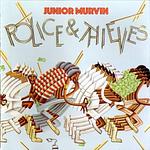
Police & Thieves is a 1977 roots reggae album by Junior Murvin, anchored by the title track produced by Lee 'Scratch' Perry. The record pairs Murvin's high, plaintive falsetto with spare, steady reggae rhythms and echo-heavy production touches, delivering socially conscious lyrics about street violence and policing. Its sound blends traditional reggae grooves with dub-influenced studio effects that highlight Perry's production style.
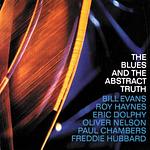
The Blues and the Abstract Truth is a 1961 jazz album by Oliver Nelson that blends hard bop rhythmic drive with post-bop harmonic sophistication and a strong blues feeling. Nelson's arrangements emphasize clear, contrapuntal horn voicings and modal-tinged harmonies, creating spacious, melodic settings in which themes like "Stolen Moments" unfold with memorable, singable lines and room for improvisation. The record is notable for its elegant, compositionally driven approach that connects blues-based forms with a more modern jazz vocabulary.
#290 — Equal Rights by Peter Tosh
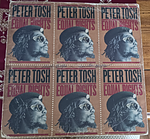
Peter Tosh's 1977 album Equal Rights is a roots reggae record built around heavy bass and drum grooves, sharp guitar and organ lines, and Tosh's forceful, uncompromising vocals. The songs emphasize social justice, resistance, and Rastafarian themes, giving the music a militant, politically engaged edge while remaining grounded in classic reggae rhythms and melodic hooks. The album stands as a strong, direct statement in Tosh's solo catalog and in late 1970s roots reggae.
#291 — Miami by The Gun Club
Miami is The Gun Club's 1982 second album, deepening the band's fusion of punk urgency and American roots music. Compared with their raw debut, it broadens arrangements with blues and rockabilly touches and noir-tinged melodies while preserving Jeffrey Lee Pierce's haunted vocals and confrontational edge. The record is marked by a gritty, atmospheric sound that helped define the group's distinctive take on blues rock and punk.
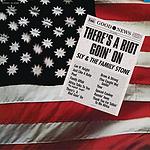
There’s a Riot Goin’ On, released in 1971 by Sly & the Family Stone, marks a turn from the band’s earlier upbeat crossover soul toward a darker, more inward form of funk and psychedelic soul. The record emphasizes slow, groove-centered rhythms, prominent bass, muted horns and layered, often murky production that creates an intimate, raw atmosphere. Its lyrics and tone convey disillusionment and reflection rather than the communal optimism of the 1960s, and the album’s emphasis on texture and mood helped shape later directions in deep funk and progressive soul.
#294 — Reign in Blood by Slayer
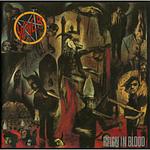
Reign in Blood is Slayer's 1986 studio album that helped define thrash metal's extreme edge. It features relentless tempos, razor-sharp guitar riffs from Kerry King and Jeff Hanneman, Tom Araya's snarled vocals, and Dave Lombardo's explosive drumming, delivered in a compact, intense runtime. The record is notable for its concise song structures, abrasive production, and tracks such as "Angel of Death" and "Raining Blood" that emphasize speed and brutality within a tight, focused framework.
#295 — Master of Puppets by Metallica
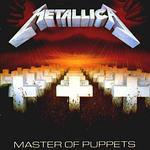
Master of Puppets (1986) is Metallica's third studio album and a landmark of thrash metal, blending aggressive, fast-paced riffs and palm-muted gallops with extended song structures and melodic guitar solos. The record pairs relentless speed and tight rhythmic precision with moments of dynamic contrast and instrumental complexity, showing progressive tendencies in longer arrangements. Lyrically it touches on themes of control and manipulation, and the production delivers a clearer, heavier sound compared with the band's earlier releases.
#296 — Giant Steps by John Coltrane
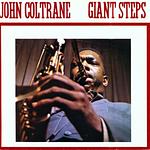
John Coltrane's 1960 album Giant Steps captures his move beyond hard bop into a modern post-bop and modal idiom, centered on the title composition's rapid harmonic cycle that came to be known as Coltrane changes. The record pairs technically demanding, high-speed improvisation with more lyrical material such as Naima, balancing dense chordal movement and moments of modal spaciousness. Its combination of harmonic experimentation and virtuosic ensemble playing marks a pivotal moment in Coltrane's artistic development and in the evolution of jazz harmony.

Homogenic is Björk's 1997 album that pairs bold electronic production with lush string arrangements to create a tense, intimate sound. It blends downtempo beats, trip hop grooves and glitchy electronic textures with her expressive voice and a strong sense of atmosphere, often evoking stark, elemental landscapes associated with Iceland. The album emphasizes a tighter, more cohesive sonic identity than some of her earlier work, foregrounding contrasts between organic strings and processed beats.