 The Greatest Music
The 1000 Best Albums of All Time (Updated 2015)
This list is basically a personal canon of albums across the modern LP era (framed on-site as “since 1949”), with a strong tilt toward rock’s artier / heavier edges (proto-punk, punk/post-punk, psych, experimental) while also pulling in major jazz and other genre essentials.
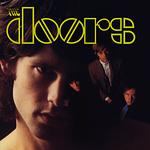
The Doors is the band's 1967 debut album that introduced their distinctive mix of psychedelic rock, blues rock, and acid-tinged atmospherics. Ray Manzarek's prominent electric organ and Jim Morrison's deep, poetic vocals shape a moody, nocturnal sound, while Robby Krieger's guitar and the rhythm section move between driving grooves and sparse blues. The record balances concise rock singles such as 'Break On Through' and 'Light My Fire' with extended, cinematic pieces like 'The End', blending improvisation, literary lyrics, and a darker, theater-influenced sensibility that helped define the band's early identity.
#104 — Daydream Nation by Sonic Youth
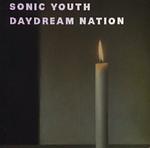
Daydream Nation (1988) by Sonic Youth blends noisy, experimental textures with melodic songcraft, moving between abrasive, dissonant guitar attack and extended, atmospheric passages. The band uses alternate tunings, feedback and layered guitars to create dense, shifting soundscapes while maintaining memorable hooks on tracks like Teen Age Riot and Silver Rocket. The album is frequently cited as an important bridge between no wave noise experiments and the emergence of alternative and indie rock in the late 1980s.
#105 — Sound Affects by The Jam
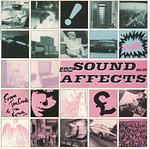
Sound Affects, released in 1980 by The Jam, blends the band's mod revival roots with new wave immediacy, post-punk angularity, rock drive, and power pop melody. Paul Weller's concise, observant songwriting pairs social and personal lyrics with strong melodic hooks, while the trio of Weller, Bruce Foxton, and Rick Buckler delivers tight, rhythm-forward arrangements that move from spare acoustic moments to punchy, guitar-led tracks. Notable for its clear production and Beatles-influenced touches, the album shows the band expanding their sound beyond punk urgency into more varied and melodic songcraft.
#106 — Moondance by Van Morrison
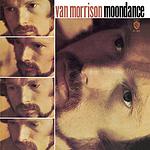
Moondance, released in 1970, blends folk rock, blue-eyed soul, and jazz into a warm, groove-oriented sound that emphasizes melodic songwriting and rhythmic swing. The arrangements lean on piano, saxophone, brushed drums, and acoustic guitar, providing a relaxed yet tightly played backdrop for Morrison's soulful phrasing and poetic lyrics. Several tracks pair romantic, imagery-rich writing with jazz-inflected rhythms and horn lines, giving the album a more structured and accessible feel compared with some of his earlier, more freeform work. The record is often noted for its effective fusion of genres and strong songwriting.
#107 — Kind of Blue by Miles Davis
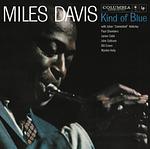
Kind of Blue is a 1959 album by Miles Davis that helped define modal jazz with a spare, lyrical approach that emphasizes modes and scales rather than dense chord progressions. Recorded with a sextet including John Coltrane, Cannonball Adderley, Bill Evans, Paul Chambers, and Jimmy Cobb, the music is spacious and understated, featuring extended improvisation on pieces such as "So What" and "All Blues" and blending elements of cool jazz, hard bop, and post-bop. Its subdued tone, focus on melody, and subtle group interplay make it widely regarded as a landmark in modern jazz.
#108 — The Beatles by The Beatles
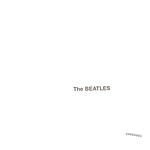
The Beatles, commonly known as the White Album, is a 1968 double album that captures the group's broad stylistic range across rock, pop, pop rock, experimental and hard rock. It moves between pared-back acoustic songs and concise pop tunes, heavier electric rockers and collage-like studio experiments, with a rawer, more immediate production and distinct individual songwriting voices. The minimalist white packaging complements the record's eclectic, personal character.
#109 — Bringing It All Back Home by Bob Dylan
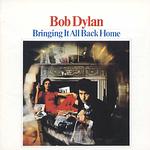
Bringing It All Back Home (1965) marks Bob Dylan's shift from solo acoustic folk toward electric folk rock, with one side backed by a full band and the other featuring solo acoustic performances. The record blends rock instrumentation and harmonica with poetic, often surreal lyrics on songs such as Subterranean Homesick Blues, Maggie's Farm and Mr. Tambourine Man, and is often cited as a pivotal step in his move toward rock-oriented songwriting.
#110 — Dub Housing by Pere Ubu
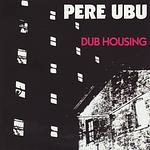
Dub Housing, Pere Ubu's 1978 album, expands the band's art punk approach into darker, more fragmented territory. Angular guitar and a taut rhythm sectionlock with Allen Ravenstine's scrunched analog synths and tape-echo treatments while David Thomas's staccato, idiosyncratic vocals push lyrics into oblique, theatrical territory. The record emphasizes repetition, space, and abrasive textures, blending experimental rock, post-punk, and new wave elements into a distinctive sound that helped define the band's challenging, unconventional approach.
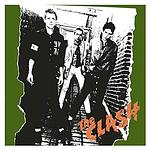
The Clash is the band's 1977 debut, a lean, hard-edged punk record that captures urgent, guitar-driven songs with politically charged lyrics. The album pairs fast, aggressive punk rock energy with traces of reggae and rockabilly influence, featuring punchy riffs, propulsive rhythms, and a raw, confrontational vocal style, and it helped define the sound of early UK punk.
#114 — Talking Heads: 77 by Talking Heads
Talking Heads: 77 is the band's 1977 debut album that captures their early mix of art-school sensibility and punk energy. The record features angular, staccato guitar work, tight rhythmic interplay from the rhythm section, and David Byrne's literate, slightly nervous vocal delivery, blending spare rock arrangements with catchy, quirky melodies. With tracks such as "Psycho Killer," the album stands as an early example of New Wave and art punk and helped establish the distinctive sound the group developed on later records.
#115 — Low by David Bowie
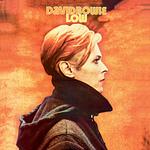
Low, released in 1977, finds David Bowie moving into a spare, electronic and ambient-influenced sound that began his Berlin-period work. Produced with Tony Visconti and featuring contributions from Brian Eno, the album splits between concise, experimental art pop and rock songs on the first side and largely instrumental, ambient and electronic pieces on the second side. Its textures combine synths, electronic treatments, fragmented vocal lines and minimalist arrangements, creating a cool, moody atmosphere that marked a notable stylistic shift in Bowie's career and influenced later blends of rock with ambient and electronic music.
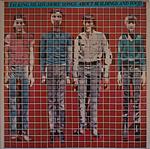
More Songs About Buildings and Food, produced by Brian Eno and released in 1978, expands Talking Heads' early new wave and art-punk approach with a stronger emphasis on tight rhythms and funk-influenced grooves. David Byrne's idiosyncratic, nervy vocals and angular guitar parts are anchored by interlocking bass and percussion, while Eno's production adds clarity and subtle studio texture. The album stands out for its rhythmic focus and danceable arrangements, pointing toward the band's later engagements with funk and worldbeat influences.
#117 — The Raincoats by The Raincoats
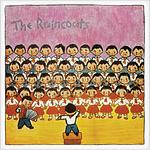
The Raincoats is the 1979 debut by the English all-female band The Raincoats. It blends post-punk and new wave with punk energy, featuring loose, DIY production, off-kilter rhythms, skittish guitar interplay and touches of dub and folk textures. The album is characterized by unconventional song structures and intimate vocal exchanges, and it helped mark the band as an influential voice in underground British post-punk.
#118 — Inflammable Material by Stiff Little Fingers
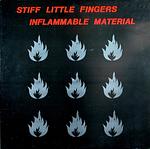
Inflammable Material is the 1979 debut album by Stiff Little Fingers, a Northern Irish punk band. The record pairs urgent, stripped-down punk rock with melodic hooks and direct, politically charged lyrics that respond to the Troubles, featuring abrasive guitar work, driving rhythms, and singalong choruses. Notable tracks include 'Suspect Device' and 'Alternative Ulster'. The album is regarded as an influential early UK punk statement for its combination of raw energy and topical songwriting.
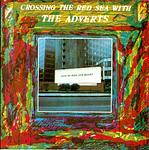
Crossing the Red Sea With The Adverts is the 1978 debut album from British punk band The Adverts, presenting short, urgent songs built on raw guitar, propulsive rhythms, and direct, literate vocals from T.V. Smith. The record blends punk's aggression with strong melodic hooks and concise songwriting, giving it a sharper pop sensibility than some contemporaries while retaining an abrasive edge. It is commonly noted for its clarity of purpose and for capturing the energy and attitude of the UK punk scene in a compact, focused set of songs.
#121 — Radios Appear by Radio Birdman
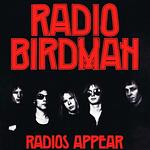
Radios Appear, released in 1977 by Radio Birdman, captures a raw, high-energy blend of punk attitude and hard rock muscle with clear roots in Detroit proto-punk. The album is built around abrasive, propulsive guitars, urgent rhythms, and a snarling vocal delivery, aiming to reproduce the intensity of the band's live shows in a studio setting. Its rough production and relentless momentum helped define an influential sound in the Australian underground rock scene and signaled a direct alternative to contemporary mainstream rock.
#122 — The Slider by T. Rex
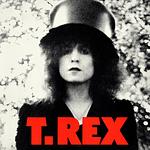
The Slider (1972) is a glam rock album by T. Rex that consolidates Marc Bolan's move from folk-psychedelia to concise electric rock. It pairs short, hook-driven songs with more textured arrangements, featuring Bolan's distinctive vocals, catchy guitar riffs, and layered production that blends acoustic and electric elements. The record is often viewed as a defining example of early 1970s British glam rock with a raw, proto-punk undercurrent in its direct rhythms and lyrical delivery.
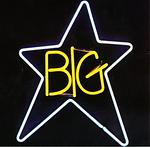
#1 Record, Big Star's 1972 debut, pairs ringing, jangly guitars and crisp three minute pop songs with rich vocal harmonies to help define early power pop. Alex Chilton and Chris Bell contributed concise, melody-first songwriting that often undercuts bright hooks with a quietly melancholic edge, while the arrangements emphasize clear guitar lines, tight rhythm work and layered vocals. The album's economical songcraft and guitar-driven sound have made it a lasting reference point for later power pop and alternative rock musicians.
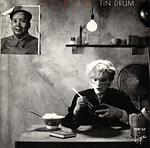
Tin Drum, released in 1981 by Japan, is a New Wave and art pop record built around spare electronic arrangements, stylized percussion, and East Asian musical references. David Sylvian's cool, restrained vocals sit against layered synths, metallic percussion patterns, and minimalist bass, with tracks such as "Ghosts" and "Visions of China" highlighting the album's focus on mood, texture, and non-Western influences. The record marked the band's shift toward a more experimental, atmospheric sound within electronic and art pop contexts.
#128 — The Modern Dance by Pere Ubu
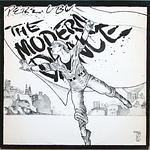
Pere Ubu's 1978 debut album The Modern Dance blends art punk and post-punk energy with experimental studio textures, pairing David Thomas's idiosyncratic vocal delivery with angular guitar, jagged saxophone, and off-kilter organ and synth lines. Tracks move between concise song forms and noisy, atmospheric passages, combining propulsive rock rhythms with found-sound and industrial-tinged production. The record is regarded as an early, influential example of a band pushing rock toward more abrasive and avant-garde territory within the post-punk and experimental rock spheres.
#129 — In a Silent Way by Miles Davis
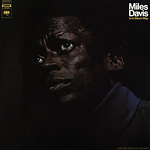
In a Silent Way, recorded and released in 1969, marks Miles Davis's shift toward electric instruments and extended, atmospheric forms. The music pairs Davis's muted, lyrical trumpet with electric piano, organ, and guitar over modal vamps and understated grooves, and the two long, seamlessly edited pieces were assembled in the studio to create a continuous, meditative flow. A loose ensemble including Wayne Shorter, Herbie Hancock, Chick Corea, Joe Zawinul, John McLaughlin, Dave Holland, and Tony Williams contributes sustained textures and restrained interplay, while producer Teo Macero's tape editing plays a clear role in the album's shape. The result is an understated, ambient-leaning statement often cited as an early landmark on the path toward jazz fusion and more open improvisational forms.
#131 — Los Angeles by X
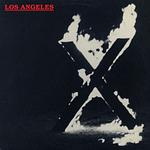
Los Angeles, released in 1980 by Los Angeles punk band X, is a concise, hard-edged punk rock album that blends rock and roll and rockabilly influences with literate, often darkly observational lyrics about urban life. The record features the interplay of Exene Cervenka and John Doe's distinctive dual vocals, Billy Zoom's rockabilly-tinged guitar and tight rhythm work from D. J. Bonebrake, and was produced by Ray Manzarek, which contributes to a raw but controlled sound that helped define the early Los Angeles punk scene.
#132 — No More Heroes by The Stranglers
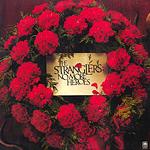
No More Heroes, the Stranglers' second studio album from 1977, channels punk rock urgency into a keyboard-forward, bass-heavy sound that incorporates elements of new wave, art punk and early post-punk. Dave Greenfield's organ lines and Jean-Jacques Burnel's prominent bass provide melodic counterpoint to Hugh Cornwell's caustic vocals, while the songs combine aggressive arrangements, pop-conscious hooks and literate, sardonic lyrics. The record is notable for widening punk's sonic palette and helped establish the band's distinctive blend of aggression and melodic sophistication.
#133 — Station to Station by David Bowie
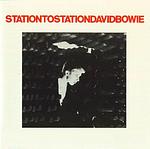
Station to Station, released by David Bowie in 1976, blends art rock, pop rock, alternative rock and blue-eyed soul into a lean, often chilly sound that connects his mid 1970s soul-funk experiments with the more electronic, experimental direction he pursued afterward. The record is anchored by the expansive, hypnotic title track with a motorik-like pulse, alongside tighter, soul-inflected songs featuring sharp guitar, driving bass and spare keyboards. It also introduces the Thin White Duke persona and explores themes of identity, travel and spiritual searching.
#135 — Before and After Science by Brian Eno
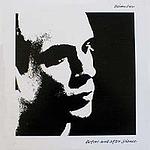
Before and After Science (1977) is a Brian Eno album that balances song-focused art rock with ambient and experimental textures. The opening material presents relatively structured, melodic songs marked by Eno's oblique lyrics and inventive studio production, while the latter half moves toward sparser, atmosphere-driven pieces that foreground instrumental color and subtle sound design. The record is notable for its layered arrangements and the way it bridges Eno's pop-oriented songwriting and his more abstract ambient work, making it a touchstone for experimental rock and ambient approaches to studio composition.
#136 — Blank Generation by Richard Hell & the Voidoids
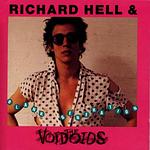
Blank Generation, released in 1977 by Richard Hell & the Voidoids, is a foundational New York punk record that blends raw, urgent energy with angular, often intricate guitar interplay and literate, defiant lyrics. The title track captures the album's stripped-down attitude and ambivalent individualism, while other songs layer taut rhythms and off-kilter melodies that point toward post-punk. The record emphasizes spare arrangements, jagged guitar textures, and a vocal delivery that shifts between sneering and vulnerable, offering a distinct alternative to more polished rock of the period.
#137 — Damned Damned Damned by The Damned
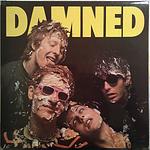
Damned Damned Damned (1977) by The Damned is a brisk, raucous punk rock album built from short, fast songs, snarling vocals, and jagged guitar work. The record captures the raw immediacy of early British punk while incorporating moments of melody and a darker vocal timbre that later fed into gothic rock and post-punk sensibilities. Its live-sounding, no-frills approach and high energy make it a frequently cited touchstone of the late 1970s punk scene.
#139 — Script of the Bridge by The Chameleons
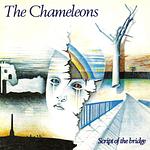
Script of the Bridge, the Chameleons' 1983 debut, is a moody, atmospheric post-punk record that blends chiming, reverb-heavy guitars with melodic bass and introspective vocals. The album emphasizes sweeping, textural guitar work, taut rhythms, and melancholic yet anthemic melodies that sit between post-punk and new wave approaches. Its expansive soundscapes and emotional lyricism helped define the band’s reputation for richly arranged, guitar-driven atmosphere.
#140 — Led Zeppelin by Led Zeppelin
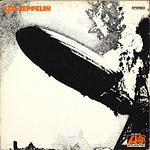
Led Zeppelin's 1969 debut is a raw, blues-rooted hard rock album that introduced the band's heavy, riff-driven sound. It combines electrified blues interpretations and original compositions with acoustic interludes, showcasing Jimmy Page's layered guitar production, Robert Plant's expressive vocals, John Paul Jones's versatile arrangements, and John Bonham's powerful drumming. The record's emphasis on distorted guitar tones, dynamic shifts and extended arrangements helped establish a blueprint for much of late 1960s and 1970s hard rock and early heavy metal.
#141 — White Light/White Heat by The Velvet Underground
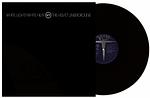
White Light/White Heat, The Velvet Underground's 1968 album, is a deliberately abrasive and experimental record that pushes the band's art rock and proto-punk tendencies into raw noise and improvisation. The production is rough and immediate, with John Cale's electric viola, distorted guitars, and Lou Reed's deadpan vocals combining on short, jagged songs and the sprawling, feedback-heavy centerpiece "Sister Ray". Lyrically the album confronts drug use, sexuality, and urban alienation with stark directness. Its abrasive sound and willingness to embrace distortion and free-form jams have made it an influential touchstone for later punk and noise rock developments.

War, produced by Steve Lillywhite and released in 1983, moves U2 toward a more direct, anthemic rock sound rooted in post-punk energy. The album emphasizes driving, martial rhythms, delay-heavy chiming guitar and Bono's impassioned vocals, combining urgent political and social themes with pop rock melodies and occasional electronic textures. Its relatively stripped production and singalong choruses helped define a broader, stadium-ready approach for the band.
#143 — Superfly by Curtis Mayfield
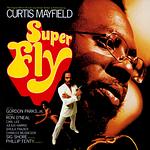
Curtis Mayfield's 1972 Superfly is a soundtrack album that blends soul, funk, Chicago soul, and R&B into a cinematic, groove-driven sound. Mayfield's distinctive falsetto and understated guitar work ride on deep funk rhythms, prominent bass, wah-wah guitar textures, and lush string arrangements, while lyrics offer a socially conscious perspective on urban life and the drug trade. The record balances warm melodic hooks with atmospheric production to create a laid-back but urgent mood tied closely to the film's themes.
#144 — I'm Still in Love With You by Al Green
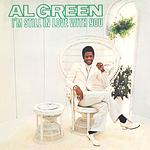
I'm Still in Love With You (1972) captures Al Green's signature blend of smooth and Southern soul, pairing his intimate, gospel-tinged vocals with restrained, funky grooves. Produced in the Hi Records style with warm, spacious arrangements and the subtle interplay of strings, horns, organ, and a tight rhythm section, the album emphasizes sensual, understated performances and polished production that helped define Green's classic sound.
#145 — Rattus Norvegicus by The Stranglers
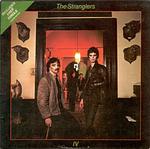
Rattus Norvegicus, the Stranglers' 1977 debut, pairs punk's raw immediacy with elements of pub rock and art punk, anchored by Jean-Jacques Burnel's prominent, melodic bass and Dave Greenfield's organ and keyboard flourishes. The record features tight, driven rhythms and Hugh Cornwell's snarling baritone vocals, giving it a darker, more aggressive timbre than many contemporaries while hinting at new wave melodic sensibilities and occasional artful arrangements.
#146 — Surfer Rosa by Pixies
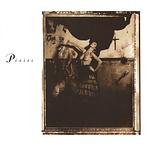
Surfer Rosa, released in 1988 by the Pixies, is a raw, abrasive alternative rock album produced by Steve Albini. It juxtaposes quiet, melodic verses with sudden, explosive choruses, showcasing Black Francis's urgent vocals, jagged guitar textures, and Kim Deal's propulsive bass and backing vocals, with her lead on "Gigantic". The songwriting pairs surreal, sometimes unsettling lyrical imagery with tight, punchy arrangements, and the stark, live-feeling production helped shape the loud-quiet-loud dynamics that became prominent in 1990s alternative and indie rock.
#147 — Drums and Wires by XTC
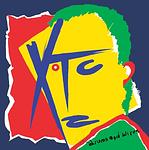
Drums and Wires is XTC's 1979 album that shifts the band toward a tighter, more rhythmically driven new wave and post-punk sound, with angular guitar work, prominent, inventive drumming, and concise song structures. Andy Partridge and Colin Moulding combine catchy pop hooks with quirky, observational lyrics, and tracks such as "Making Plans for Nigel" showcase the album's blend of melodic immediacy and offbeat character. Produced by Steve Lillywhite, with the expanded guitar textures from Dave Gregory, the record marks a clear move away from XTC's earlier abrasive style toward a more focused, eclectic pop-rock approach sometimes associated with Zolo sensibilities.
#148 — Even Serpents Shine by The Only Ones
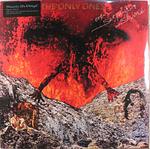
Even Serpents Shine is the Only Ones' 1979 second album that builds on their mix of punk rawness and melodic power pop, combining Peter Perrett's world-weary, literate songwriting and distinctive vocal delivery with John Perry's chiming and lead guitar work. The record balances punchy rockers and moodier, more reflective songs, showing a more textured and melodic approach than their earlier material while retaining an undercurrent of punk urgency.
#149 — My Generation by The Who
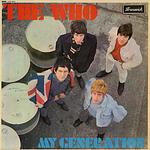
My Generation, The Who's 1965 debut album, delivers a raw, high-energy mix of mod rock, garage rock, beat music, and R&B-influenced songs. The record highlights Pete Townshend's early power chord guitar work, Keith Moon's explosive drumming, John Entwistle's prominent bass lines, and Roger Daltrey's assertive vocals, balancing originals with covers. The title track is notable for its stuttering vocal hook and defiant youth perspective, and the album as a whole captures the band's live intensity and the attitude of the mid 1960s mod scene.
#150 — Out to Lunch! by Eric Dolphy
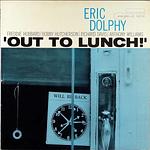
Out to Lunch! is Eric Dolphy's 1964 Blue Note album that pushes hard bop into avant-garde territory with tightly arranged yet adventurous compositions. Dolphy's alto saxophone, bass clarinet, and flute are heard against Freddie Hubbard's trumpet, Bobby Hutcherson's vibraphone, Richard Davis's bass, and Tony Williams's drums, and the music is notable for wide intervallic leaps, unconventional time feels, abrupt textural shifts, and a balance of written material and free improvisation. The record highlights Dolphy's distinctive timbres and exploratory approach to harmony and rhythm and is widely regarded as a defining example of 1960s exploratory jazz.
#151 — Let It Bleed by The Rolling Stones
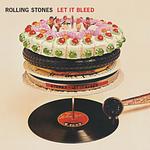
Let It Bleed is a 1969 Rolling Stones album that moves the band toward a rawer, roots-oriented sound blending blues rock, hard rock, country and gospel-tinged elements. The record balances loose, electric blues numbers with acoustic and country textures and longer, more expansive rock pieces, with songs such as "Gimme Shelter" and "You Can't Always Get What You Want" exemplifying its dramatic, often dark tone. Production favors a gritty, live-in-the-studio feel, and the songwriting reflects a more mature, unsettled mood compared with the group's earlier pop-oriented work.
#152 — My Favorite Things by John Coltrane
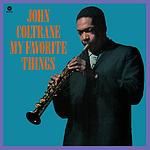
My Favorite Things is John Coltrane's landmark recording that reimagines the Rodgers and Hammerstein song as an extended modal exploration, highlighted by Coltrane's soprano sax work alongside McCoy Tyner's modal harmonies and Elvin Jones's propulsive drumming. The album is built around long, trance-like improvisations over ostinato vamps and modal frameworks, and marked a clear turn in Coltrane's music toward more expansive, experimental approaches.
#153 — Mingus Ah Um by Charles Mingus
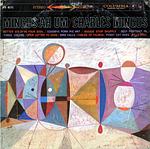
Mingus Ah Um (1959) is an album by Charles Mingus that blends hard bop drive, post-bop harmonic exploration, and rootsy blues and gospel elements. Mingus's compositions feature tight horn arrangements, strong melodic ideas, collective improvisation, and his commanding bass presence, yielding tracks that range from the elegiac "Goodbye Pork Pie Hat" to the satirical "Fables of Faubus" and the celebratory "Better Git It in Your Soul". The album is widely regarded as a landmark in modern jazz for its compositional ambition and emotional breadth.
#154 — Zen Arcade by Hüsker Dü
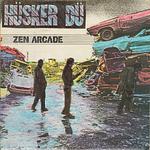
Zen Arcade, released in 1984 by Hüsker Dü, is an expansive double album that pushed the band beyond strict hardcore punk into more melodic and experimental territory. Presented as a loose concept story about a young person's escape and disillusionment, it combines ferocious punk energy with tuneful songwriting, brief acoustic passages and instrumental interludes, and occasional psychedelic or pop-leaning touches. The record is notable for its ambitious scope and for helping bridge hardcore punk with emerging alternative rock and post-hardcore approaches.
#155 — The Number of the Beast by Iron Maiden
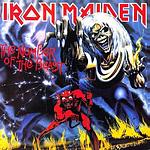
The Number of the Beast (1982) is Iron Maiden's third studio album and the first to feature vocalist Bruce Dickinson. Musically it blends the twin-guitar harmonies and riff-driven energy of the New Wave of British Heavy Metal with more expansive song structures, theatrical melodies, prominent galloping rhythms, and Dickinson's wide vocal range. The record includes well-known tracks such as "Run to the Hills" and "The Number of the Beast" and marked a move toward more epic, narrative songwriting that helped shape the band's sound within heavy metal.
#156 — Killers by Iron Maiden
Killers is Iron Maiden's second studio album, released in 1981. It is the last to feature vocalist Paul Di'Anno and the first to include guitarist Adrian Smith. Musically it channels the raw energy of the new wave of British heavy metal with punk-influenced vocals, leaner production, and a growing emphasis on twin-guitar harmonies and more elaborate song structures. Produced by Martin Birch, the record documents the band's transition from their initial raw sound toward the more melodic and expansive direction they pursued afterward.
#157 — Playing With a Different Sex by Au Pairs
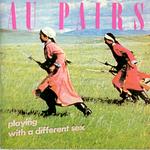
Playing With a Different Sex, released in 1981 by the British post-punk band Au Pairs, pairs angular, funk-tinged guitar work and tight, propulsive rhythms with blunt, politically charged lyrics about gender and power. The sound blends New Wave accessibility and danceable beats with the austerity and jagged textures of post-punk, and the vocal delivery is direct and confrontational. The album is notable for its explicit focus on sexual politics and its combination of club-friendly grooves with pointed social commentary.
#158 — Prayers on Fire by The Birthday Party
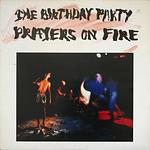
Prayers on Fire is an early album by The Birthday Party that captures the band's abrasive, theatrical approach to post-punk and art rock. It pairs Nick Cave's snarling, dramatic vocals with jagged guitar work, abrasive textures and a rhythm section that drives songs into chaotic, primal grooves. Dark, unsettling and deliberately rough around the edges, the record moves away from New Wave polish toward a more confrontational, gothic-tinged sound that helped shape the band's identity.
#159 — Fire of Love by The Gun Club
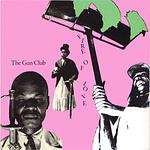
Fire of Love is The Gun Club's 1981 debut album, led by Jeffrey Lee Pierce, that fuses raw punk energy with Delta blues and rockabilly influences to create a stark, atmospheric punk blues sound. The record is notable for its reverb-heavy, sometimes abrasive guitars, occasional slide textures, propulsive rhythms, and Pierce's weary, literary vocal delivery and lyrics that draw on noir and romantic violence. Its lo-fi urgency and blending of traditional blues tropes with post-punk sensibilities helped establish a template for psychobilly and punk-blues approaches that influenced later bands exploring the intersection of punk and roots music.
#161 — Iron Maiden by Iron Maiden
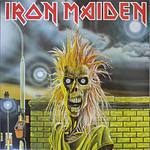
Iron Maiden's self-titled 1980 debut captures the raw, aggressive energy of the New Wave of British Heavy Metal with a lean, fast-paced sound driven by Steve Harris's urgent bass lines, twin-guitar riffs, and Paul Di'Anno's gritty vocals. The album combines punk-tinged intensity with more intricate arrangements on tracks such as "Phantom of the Opera" while also featuring anthemic, direct songs like "Running Free" and the title track "Iron Maiden". It established many of the band's musical hallmarks, including galloping rhythms, sharp riffing, and a focus on dark or narrative lyrical themes, that they would develop in later records.
#162 — Ocean Rain by Echo & the Bunnymen
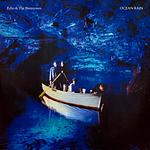
Ocean Rain is Echo & the Bunnymen's 1984 album that moves their post-punk foundation toward a more orchestral, cinematic sound, combining jangly guitars and indie rock rhythms with lush string arrangements and neo-psychedelic atmospheres. Ian McCulloch's resonant, melancholic vocals sit against reverb-heavy production and maritime imagery, creating a sweeping, nocturnal mood. The record is notable within their catalogue for its ambitious arrangements and strong melodic focus.
#165 — Peter Gabriel by Peter Gabriel
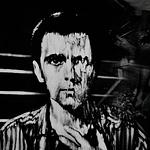
Peter Gabriel (1980), his third solo album often referred to as Melt, marks a move toward more concise, studio-oriented art rock that blends progressive roots with pop sensibilities. The record emphasizes layered production, treated vocals, and electronic textures to create a darker, more atmospheric sound than his earlier solo work, and it represents a turning point toward tighter song structures and adventurous studio experimentation that influenced rock and pop production in the early 1980s.
#166 — Nightclubbing by Grace Jones
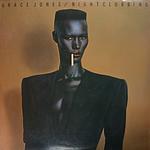
Nightclubbing (1981) sees Grace Jones merge disco, new wave, art pop, dub and funk into a cool, minimalist sound built on deep, dub-influenced bass, taut drum patterns and atmospheric synths. Her detached, theatrical vocal delivery shapes both original songs and reworked covers, giving the album a moody, cinematic club feel, with notable tracks including 'Pull Up to the Bumper' and 'I've Seen That Face Before (Libertango)'. The record helped define Jones's iconic persona and a darker, more experimental strand of pop aimed at the dancefloor.
#167 — Warm Leatherette by Grace Jones
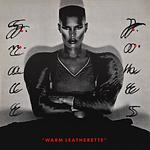
Warm Leatherette, released in 1980 by Grace Jones, marks a stylistic shift from her earlier disco material toward a leaner new wave and art pop sound with strong reggae rhythmic influence. The record emphasizes sparse, rhythmic arrangements and synth textures under Jones's cool, commanding vocal delivery, and reinterprets contemporary rock and post-punk material through a danceable, atmospheric lens. It is widely seen as a key step in establishing her darker, more avant garde persona and the musical direction she pursued in the early 1980s.
#168 — Scary Monsters… and Super Creeps by David Bowie
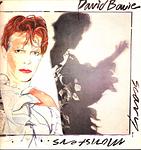
Scary Monsters... and Super Creeps is a 1980 David Bowie album that blends art rock with new wave, post-punk and pop rock, pairing theatrical songwriting with sharper, more polished production. The record mixes synth-inflected pop and jagged, guitar-driven tracks, revisits characters from his earlier work while adopting more concise song structures, and is often viewed as closing Bowie’s experimental 1970s period while pointing toward his 1980s sound.
#169 — Kilimanjaro by The Teardrop Explodes
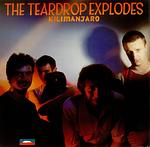
Kilimanjaro, the 1980 debut album by The Teardrop Explodes, blends new wave and post-punk energy with a clear 1960s psychedelic sensibility filtered through concise pop songwriting. The record pairs bright, hook-driven melodies and Julian Cope's dramatic vocals with ornate keyboards, occasional brass touches, and propulsive rhythms, producing tracks that move between urgent pop-rock and dreamier, psychedelic passages. Its mix of catchy singles like "Reward" and more ambitious arrangements helped define the band's distinctive voice in the early 1980s British indie and new wave circles.
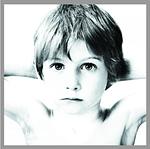
Boy is U2's 1980 debut album, produced by Steve Lillywhite. Rooted in post-punk and rock with early alternative sensibilities, it features The Edge's chiming, delay-heavy guitar textures, a propulsive rhythm section from Adam Clayton and Larry Mullen Jr., and Bono's urgent, youthful vocals. Lyrically it examines adolescence, innocence, and alienation, and tracks such as "I Will Follow" and "Out of Control" display the band's emerging anthemic sound.
#171 — Seventeen Seconds by The Cure
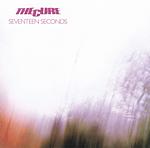
Seventeen Seconds, released in 1980 by The Cure, is an early, austere record that moved the band toward a darker, more minimalist sound. Sparse arrangements, shimmering guitars, steady basslines and subtle keyboards create a cold, atmospheric mood; songs such as "A Forest" use repetition and space to build tension. The album's pared-back textures and emphasis on mood and restraint helped steer the group into the gothic and post-punk directions that marked their early period.
#172 — Maxinquaye by Tricky
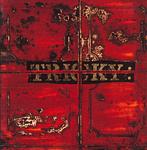
Maxinquaye is Tricky's 1995 solo debut, rooted in the Bristol trip hop sound and blending downtempo hip hop beats, dub textures, and dark, cinematic electronic production. Martina Topley-Bird's breathy, soulful vocals and Tricky's layered, sample-based arrangements create an intimate, unsettled mood that mixes blues, soul and experimental studio techniques. The album is often cited as a key record in trip hop and leftfield electronic music for its unconventional song structures and mood-driven approach.
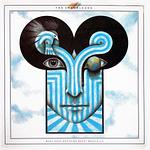
What Does Anything Mean? Basically is a 1985 post-punk album by The Chameleons characterized by chiming, reverb-heavy guitar textures, melodic basslines, and a brooding, atmospheric mood. The songs blend expansive, sometimes cinematic arrangements with introspective lyrics and distinctive vocal delivery, emphasizing layered guitar interplay and dynamic shifts. It is often cited as a clear example of the band's atmospheric approach within the post-punk landscape.
#174 — Jailbreak by Thin Lizzy
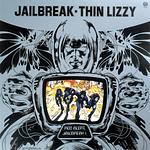
Jailbreak is Thin Lizzy's 1976 album that blends hard rock energy with melodic, pop-inflected songwriting, anchored by Phil Lynott's expressive vocals and bass. The record features the signature twin-lead guitar interplay of Scott Gorham and Brian Robertson, punchy riff-driven tracks and more narrative, hook-focused songs, including the well known "The Boys Are Back in Town" and the title track. Its concise arrangements and strong choruses highlight the band's move toward a more immediately recognizable sound within classic rock styles.
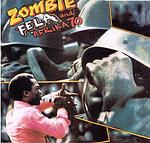
Zombie (1976) by Fela Kuti and Africa 70 is a landmark Afrobeat record built on extended, groove-driven tracks that fuse West African rhythms with jazz-influenced horn arrangements. The title track is a lengthy, rhythmically insistent piece that satirizes the Nigerian military through biting vocals and call-and-response chanting, while the band sustains layered percussion, propulsive bass, interlocking guitars, and bold brass lines. The album exemplifies Fela's mix of improvisatory jazz elements, repetitive trance-like grooves, and explicit political commentary.
#178 — Five Leaves Left by Nick Drake
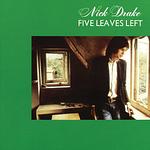
Five Leaves Left, Nick Drake's 1969 debut, pairs his intricate acoustic fingerpicking and hushed, melancholic vocals with restrained string and brass arrangements by Robert Kirby. The album blends English folk and chamber folk sensibilities with intimate singer-songwriter songwriting, emphasizing pastoral imagery, introspective lyrics, and subtle harmonic nuance. Its quiet, atmospheric production and focus on mood and texture helped establish it as an influential touchstone for later contemporary folk and British folk rock artists.
#179 — Colossal Youth by Young Marble Giants
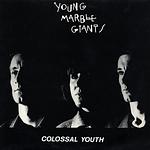
Colossal Youth is a spare, minimalist post-punk record centered on Alison Statton's cool, breathy vocals and uncluttered instrumental lines. The songs favor simple melodies, understated bass and keyboards, and restrained rhythms, creating an intimate, melancholic atmosphere that foregrounds space and silence rather than dense arrangements. Its pared-back aesthetic and quiet immediacy became touchstones for later indie pop and lo-fi approaches.
#181 — Ghost in the Machine by The Police
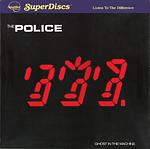
Ghost in the Machine (1981) finds The Police expanding their earlier reggae-rooted rock into a denser, more synth- and horn-driven sound. Sting's songwriting moves toward darker, more philosophical themes of alienation and technology, while Andy Summers layers shimmering guitar textures and Stewart Copeland provides tight, propulsive percussion. The album blends rock, new wave and pop elements with prominent keyboards and brass arrangements, producing a more produced and atmospheric record that represents a clear stylistic development from their earlier, sparser work.
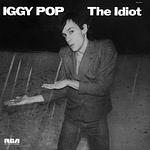
The Idiot, Iggy Pop's 1977 solo album produced and co-written in part by David Bowie, marks a shift from raw garage rock toward a darker, more measured sound that blends rock, art rock, punk energy, and early new wave elements. The record emphasizes sparse, mechanical rhythms, atmospheric synth and guitar textures, and subdued, brooding vocals, with songs like "Nightclubbing" and "China Girl" highlighting its minimalist arrangements and European electronic influences. The album is often seen as a stylistic pivot in Pop's career that contributed to the development of post-punk and new wave aesthetics.
#183 — Love Bites by Buzzcocks
Love Bites (1978) by Buzzcocks channels punk energy into short, hook-driven songs that emphasize bright, trebly guitars and catchy melodies. The material blends raw urgency with pop songcraft and emotionally direct lyrics about love and desire, illustrating the band's role in moving punk toward more melodic pop punk and new wave textures.
#184 — Replicas by Tubeway Army
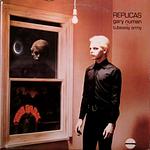
Replicas, released in 1979 by Tubeway Army, is a synth-driven album that blends new wave, synth-pop, electro, and post-punk elements. Built around analog synthesizers and sparse guitar, it features cold, mechanical textures, repetitive rhythms, and detached, theatrical vocals that create a dystopian, science fiction atmosphere. The arrangements emphasize minimalist synth leads and pulsing basslines, marking a move from punk rawness toward a darker electronic sound and standing as an early influential example of British synth-pop.
#185 — Happy Sad by Tim Buckley
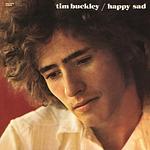
Happy Sad (1969) finds Tim Buckley moving away from his earlier folk-pop toward a more jazz-inflected, improvisatory approach. The record pairs acoustic and electric textures with a loose, jazz-rock rhythm section and longer, exploratory arrangements that allow for instrumental interplay and Buckley’s expressive, often ethereal vocal lines. It is often viewed as a transitional album that bridges his singer-songwriter roots with the freer, more experimental direction he pursued on later recordings.
#188 — Armed Forces by Elvis Costello & The Attractions
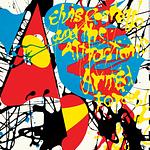
Armed Forces channels new wave energy into concise, hook-driven pop rock, pairing upbeat melodies with sharp, literate lyrics. The Attractions provide tight, punchy arrangements and prominent keyboards that give the songs a bright but restless sound, while Costello's songwriting balances personal and political themes with wry, pointed observations. The production is relatively polished and layered compared with his earliest work, producing songs that are immediate yet musically detailed.
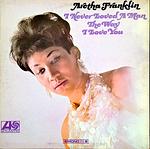
I Never Loved a Man the Way I Love You is Aretha Franklin's 1967 Atlantic breakthrough that crystallized her gospel-rooted, deeply soulful sound. Produced by Jerry Wexler and shaped by sessions at Muscle Shoals and in New York, the album blends Southern soul grooves, church-influenced vocals, and punchy horn and piano arrangements to create a raw, emotionally direct record. It includes the title track and her interpretation of Otis Redding's "Respect", and helped establish the vocal style and repertoire she became known for.
#191 — Ogdens' Nut Gone Flake by Small Faces
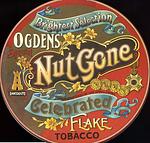
Ogdens' Nut Gone Flake is a 1968 Small Faces album that mixes psychedelic rock and pop with the group's mod R and B roots, combining tight vocal harmonies, piano and organ textures, acoustic guitars and playful studio effects. The record is notable for its whimsical, British music hall and vaudeville touches and for a side-long story sequence commonly called Happiness Stan, featuring spoken contributions from comedian Stanley Unwin. Its distinctive circular packaging echoed a tobacco tin and the album showcases the band experimenting with concise pop songs alongside more adventurous, cinematic arrangements.
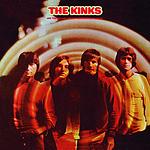
The Kinks Are the Village Green Preservation Society (1968) is a Ray Davies-led album that blends pop rock and baroque pop with touches of psychedelic pop, built around concise, character-driven songs about English small-town life and memory. Musically it favors acoustic guitar, piano, tight vocal harmonies, and occasional string or woodwind colors, creating a pastoral, intimate sound and a focus on vignettes rather than rock excess. Its emphasis on nostalgia, everyday characters, and chamber-pop arrangements marks a distinct turn in the Kinks' songwriting and has informed later British artists exploring similar themes.
#193 — New York Dolls by New York Dolls
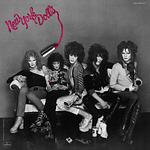
New York Dolls, the band's 1973 debut, delivers a raw, raucous fusion of glam theatrics and hard rock grit with clear proto-punk urgency. The record mixes distorted, riff-driven guitars and driving rhythms with sleazy, R&B-tinged rock and roll and theatrical, sneering vocals, producing a loose, streetwise sound that stood apart from more polished mainstream rock. Its rough-edged aesthetic and brash attitude is widely regarded as an important precursor to the punk movement and a touchstone for later punk and alternative artists.
#194 — Blonde on Blonde by Bob Dylan
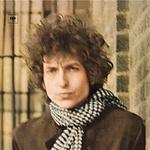
Blonde on Blonde (1966) is a sprawling double album by Bob Dylan that blends rock, folk, blues and country influences into full-band arrangements and more intimate acoustic moments. Its sound pairs loose, sometimes improvisational electric performances with dense, elliptical lyrics and distinctive vocal phrasing, moving between up-tempo rockers and long, meditative tracks. The album is notable for its ambitious scope and lyrical complexity, which helped shape popular music in the mid 1960s.
#195 — Aladdin Sane by David Bowie
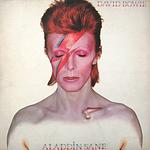
Aladdin Sane, released in 1973, finds David Bowie extending the theatrical glam of his Ziggy Stardust era into more experimental and American inflected territory. Musically it blends glam rock and art rock with hard rock and moments of cabaret and free jazz influenced piano, highlighted by Mick Ronson's guitar and Mike Garson's striking piano work. Tracks such as The Jean Genie, Panic in Detroit, the title track and a cover of Let's Spend the Night Together mix bluesy riffs, angular arrangements and lyrical reflections on fame, identity and American culture. The album is often heard as a more fractured, exploratory companion to its predecessor.
#196 — Odessey and Oracle by The Zombies
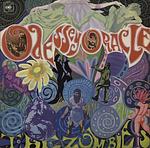
Odessey and Oracle, released in 1968 by The Zombies, is a compact album that blends baroque pop, rock, and psychedelic pop. It is characterized by ornate keyboard textures, close vocal harmonies, and melodically rich, reflective songwriting, combining chamber-pop arrangements with concise pop-rock hooks; notable tracks include "Time of the Season." The record is widely regarded for its sophisticated arrangements and bittersweet mood and has become a touchstone for listeners interested in 1960s baroque-influenced pop.
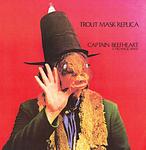
Trout Mask Replica (1969) by Captain Beefheart and His Magic Band is a dense, challenging record that fuses Delta blues foundations with avant-garde and free jazz approaches. Its arrangements feature jagged rhythms, abrupt tempo changes, dissonant horns, and raw, shouted vocals paired with surreal, collage-like lyrics, producing an abrasive and unpredictable sound. The album is often cited as a key work of experimental rock and proto-punk for its uncompromising structures and lasting influence on underground and alternative music.
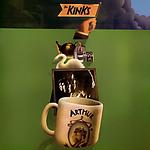
Arthur (or The Decline and Fall of the British Empire) is a 1969 concept album by the Kinks that frames character-driven songs about British life, memory and social change through Ray Davies' observational songwriting. Musically it mixes pop rock and baroque pop with music hall touches, melodic acoustic arrangements, orchestral color and occasional psychedelic pop accents, creating a cohesive, narrative-driven record notable for its storytelling and cinematic production approach.
#199 — Red by King Crimson
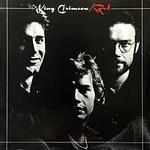
Red, released in 1974, condenses King Crimson's progressive and art rock impulses into a stark, heavy sound that draws on hard rock and free improvisation. The music alternates jagged, distorted guitar and powerful rhythm with angular compositions and open, improvisatory passages, from the abrasive instrumental title track to moodier, more melodic pieces. The production is lean and raw, emphasizing tonal contrast and rhythmic drive, and the album is frequently regarded as a closing statement of the band's early 1970s period and a bridge between progressive composition and heavier, more experimental rock approaches.
#200 — Leave Home by Ramones
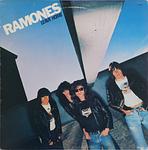
Leave Home, the Ramones second studio album from 1977, continues the band's fast, stripped-down punk-rock approach while introducing slightly fuller production and tighter arrangements compared with their debut. The songs are short and propulsive, built on simple power chords, driving drums and catchy, blunt melodies that merge raw punk energy with elements of early rock and roll and pop sensibility. Its concise songwriting and minimalist execution reinforce the Ramones aesthetic and helped solidify their place in the emerging punk scene.