 The Greatest Music
NME’s The 500 Greatest Albums of All Time
Weight: 80%
How much this list influences our overall rankings. Higher weight means more reliable data.
Penalties Applied:
NME’s The 500 Greatest Albums of All Time (2013) is a special issue compiled from ballots cast by current and former NME journalists, each submitting a weighted top-50; the final list—topped by The Smiths’ The Queen Is Dead—reflects the magazine’s editorial vantage point more than a broad industry poll.
#101 — Computerwelt by Kraftwerk
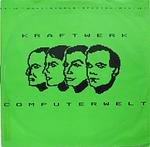
Computerwelt, released in 1981 by Kraftwerk, is a concept album rooted in electro, electronic and synth-pop that examines computers, automation and digital communication. Its sound features precise sequencer patterns, crisp drum machine rhythms, analog and digital synth textures, and vocoder-treated vocals, creating a cool, mechanized atmosphere while retaining melodic hooks on tracks like 'Computer World', 'Pocket Calculator', 'Computer Love', and 'Numbers'. The record is notable for its coherent focus on computing as a musical and cultural subject and for influencing subsequent electronic and synth-pop production approaches.
#102 — The Soft Bulletin by The Flaming Lips
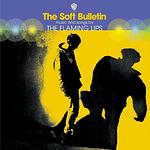
The Soft Bulletin is a 1999 album by The Flaming Lips that shifts the band toward richly arranged, orchestral-leaning experimental pop while retaining indie rock and noise textures. The sound emphasizes layered harmonies, sweeping strings and horns, warm analog synths and meticulous studio production, combining intimate balladry with expansive, psychedelic arrangements. Lyrically the album balances existential themes and tender moments, and it is considered a pivotal record in the band's move toward more ambitious, studio-focused compositions.
#103 — Electric Ladyland by The Jimi Hendrix Experience
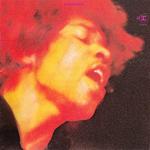
Electric Ladyland, the third studio album by The Jimi Hendrix Experience from 1968, expands Hendrix's palette into dense, studio-driven arrangements that blend blues rock, psychedelic textures, acid rock and hard rock. The record juxtaposes extended, improvisatory jams with concise blues and rock performances, using layered guitar overdubs, stereo effects and studio experimentation, and includes guest contributions that enrich the sound. Highlights include Hendrix's interpretations of "All Along the Watchtower" and the electrifying "Voodoo Child (Slight Return)", which showcase the album's mix of raw performance and studio craft.
#104 — Fun House by The Stooges
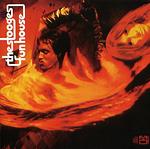
Fun House, released in 1970 by The Stooges, is a raw and abrasive record that helped define proto-punk and garage rock. The album pairs Iggy Pop's urgent, confrontational vocals with Ron Asheton's distorted, loose guitar and a driving rhythm section, while Steve Mackay's freewheeling saxophone adds a chaotic, improvisational live feel. Its stripped-down arrangements, high-energy performances, and abrasive sound capture a direct, confrontational intensity that influenced later punk and hard rock bands.
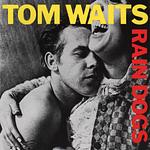
Rain Dogs, released in 1985, finds Tom Waits moving further from his earlier piano-based singer-songwriter style into a grittier, more experimental sound. The album mixes blues, rock, and Americana with off-kilter rhythms, found percussion, accordion and jagged guitar, providing a cinematic, streetwise backdrop for Waits's gravelly vocals and vivid narratives about urban outsiders. It follows Swordfishtrombones and further solidifies his turn toward theatrical, collage-like arrangements and genre-bending songwriting.
#106 — [Led Zeppelin IV] by Led Zeppelin
![[Led Zeppelin IV]](https://images.thegreatestmusic.org/yfyip7ss5dlcr6r39qje3hx89jrl)
Led Zeppelin IV, released in 1971, is a pivotal album in the band's catalogue that blends hard rock, blues, and folk elements. It alternates between acoustic, pastoral numbers and heavy electric songs, showcasing Jimmy Page's layered guitar work, Robert Plant's dynamic vocals, John Paul Jones's arranging and keyboard contributions, and John Bonham's powerful drumming. The album's mix of riff-driven rock, acoustic storytelling, and expansive production helped shape what became known as classic and arena rock sounds.
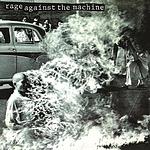
Rage Against the Machine is the band's 1992 self-titled debut that fuses heavy rock and metal riffs with funk-influenced rhythms and rap-style vocals. The album is marked by Tom Morello's inventive guitar textures and effects, tight rhythm work, and Zack de la Rocha's confrontational, politically charged lyrics, producing a raw and urgent sound. Its aggressive genre blend and outspoken themes became a defining touchstone for alternative and rap metal in the 1990s.
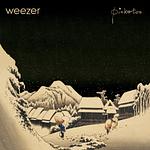
Pinkerton, Weezer's 1996 album, moves away from the polished power pop of their debut toward a rawer, more abrasive alternative rock sound with confessional, emotionally direct lyrics. The record blends distorted guitars and punchy rock arrangements with melodic hooks and moments of vulnerability, exploring themes of romantic longing, isolation, and frustration; its title references the Puccini opera Madama Butterfly. The album's frankness and rougher production contrasted with the band's earlier work and has been cited as influential within emo and indie rock circles.
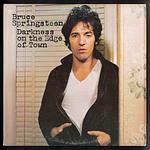
Darkness on the Edge of Town is Bruce Springsteen's 1978 album that adopts a leaner, grittier approach to heartland rock and singer-songwriter storytelling. The sound emphasizes direct, guitar-driven arrangements with piano accents and a more restrained, raw production than some earlier work. Lyrically the album focuses on working-class characters, moral struggle, loss and the pursuit of dignity, delivered in spare, atmospheric songs such as "Badlands" and "Racing in the Street". Its sober tone and narrative focus helped define Springsteen's signature blend of rock and character-driven songwriting.
#110 — Liege & Lief by Fairport Convention
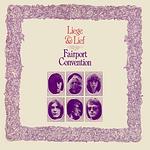
Liege & Lief (1969) by Fairport Convention is a landmark British folk rock album that blends traditional English folk songs with electric rock instrumentation, anchored by Sandy Denny's vocals and Richard Thompson's distinctive guitar work. The arrangements mix acoustic textures, fiddle-led melodies, and driving electric rhythms to create a muscular yet rooted sound that helped define the electric folk movement and steer British folk toward fuller band-oriented interpretations with country and rock influences.
#111 — Dare by The Human League
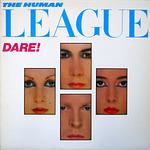
Released in 1981, Dare is The Human League's polished synthpop album that moved the band toward a more pop-oriented, vocal-led sound. Featuring crisp electronic percussion and layered synthesizers, it pairs Philip Oakey's baritone with the prominent female singers Susan Ann Sulley and Joanne Catherall to create hook-driven songs such as "Don't You Want Me". The record blends New Wave and New Romantic textures with dance-pop rhythms and straightforward pop songwriting, and is closely associated with the early 1980s mainstream synth-driven pop sound.
#112 — Liquid Swords by GZA/Genius
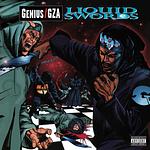
Liquid Swords, released in 1995 by GZA/Genius, is a focused East Coast hip hop record rooted in boom bap and hardcore styles. Produced largely by RZA, it pairs stark, cinematic beats built from dusty samples and eerie textures with GZA's dense, chess and martial arts-inflected lyricism and intricate internal rhymes. The album is notable for its tight production, sharp storytelling, and its place within the mid 1990s Wu-Tang era of New York hip hop.
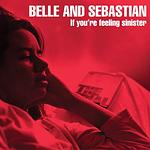
If You're Feeling Sinister, released in 1996 by Belle and Sebastian, presents a quiet, literate take on indie pop that mixes chamber folk textures with twee pop melodies and occasional rock rhythms. Stuart Murdoch's observational, character-driven lyrics sit alongside delicate arrangements of strings, piano, guitar, and subtle brass, producing an intimate, low-key sound that balances wistfulness and wry humor. The album crystallized the band's early aesthetic of gentle dynamics and orchestral touches and played a notable role in shaping the sound of British indie pop in the 1990s.
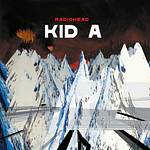
Kid A, released in 2000 by Radiohead, marked a deliberate move away from the band's earlier guitar-driven sound toward electronic, ambient, and experimental rock. The record mixes synthesizers, programmed rhythms, manipulated guitars, and orchestral colors to produce abstract song structures and chilly textures, with Thom Yorke's voice often treated as another instrumental layer. Its focus on atmosphere, fragmentation, and themes of alienation and technological unease broadened the band's sonic palette and influenced many artists in alternative and art rock.
#115 — Bandwagonesque by Teenage Fanclub
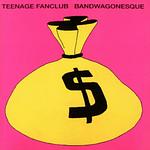
Bandwagonesque, released in 1991 by Teenage Fanclub, refines their blend of indie rock, jangle pop and power pop into a warm, melody-driven album. The record foregrounds chiming guitars, layered three-part harmonies and concise, hook-forward songwriting that draws on classic pop influences while keeping an alternative rock edge. Its guitar-centric sound and emphasis on tuneful arrangements helped define the band’s identity in the early 1990s indie scene.
#116 — Elephant by The White Stripes
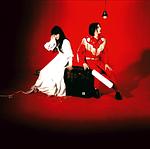
Elephant, released in 2003 by The White Stripes, is a stark guitar and drums album that blends garage rock revival energy with blues-rooted riffs and punk-tinged directness. The duo's minimal arrangements foreground Jack White's raw guitar tone and Meg White's propulsive, sometimes primitive drumming, producing a punchy, analog influenced sound that moves between thunderous rockers and spare bluesy numbers. It features the riff-driven track "Seven Nation Army" and is often cited as a defining release of the early 2000s garage rock revival.
#117 — The Lexicon of Love by ABC
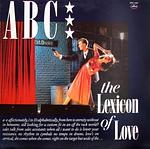
The Lexicon of Love, ABC's 1982 debut album, fuses pop, new wave and dance-pop with lush orchestral touches and sleek electronic production. The record pairs Martin Fry's theatrical, emotive vocals and romantic, sometimes sardonic lyrics with glossy synths, tight rhythm tracks and sweeping string arrangements, producing a cinematic, danceable sound that emphasizes studio polish and stylistic glamour. Its blend of orchestration and synth-based pop exemplifies a stylish strand of early 1980s British pop.
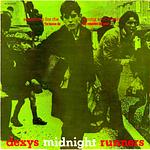
Searching for the Young Soul Rebels, Dexys Midnight Runners' 1980 debut, channels blue-eyed soul and northern soul through raw, horn-driven arrangements and Kevin Rowland's impassioned vocals. The record blends soul and pop with new wave and rock energy, pairing punchy brass and tight rhythms with frank, often confrontational lyrics about authenticity and working-class identity. Its immediate, unpolished sound emphasizes emotional delivery over studio gloss and helped establish the band's distinctive presence in the British music landscape of the time.
#119 — His 'n' Hers by Pulp
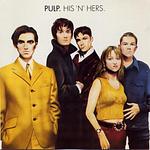
His 'n' Hers (1994) finds Pulp blending Britpop, glam and new wave influences with alternative and indie rock textures. Jarvis Cocker's conversational, observational lyrics about domestic life, desire and social awkwardness sit alongside melodic, often theatrical arrangements that employ piano, synths, strings and sharp guitar hooks. The record's mix of everyday detail and pop craft helped establish Pulp's public profile and set the stage for their later prominence within 1990s British guitar pop.
#120 — 3 Feet High and Rising by De La Soul
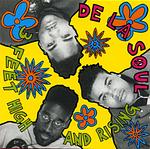
3 Feet High and Rising is De La Soul's 1989 debut album, produced largely by Prince Paul. Its sound blends playful, conversational rapping with sample-heavy, collage-like production that draws on funk, soul, and jazz influences, using short skits and inventive transitions to create a cohesive, offbeat flow. The album is an early touchstone of alternative hip hop and jazz rap, notable for its laid-back, eccentric approach to lyricism and production.
#121 — Selected Ambient Works 85–92 by Aphex Twin
Selected Ambient Works 85–92, compiled and released by Richard D. James as Aphex Twin in 1992, gathers tracks recorded between 1985 and 1992 and blends ambient atmospheres with understated techno rhythms. The album pairs warm, lo-fi synth pads and textured atmospheres with skittering drum patterns, acid-tinged melodic fragments and mellow ambient pieces, creating a mood that bridges home-recorded experimentalism and club-oriented electronic music. Its spare, hypnotic approach is often linked to the development of ambient techno and early IDM and is notable for its focus on texture and melody over overt dancefloor drives.
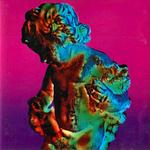
Technique, released in 1989 by New Order, blends the band's post-punk origins with contemporary club music, drawing on Ibiza's Balearic and early house sounds to create a bright, dance-oriented record. It pairs propulsive electronic rhythms and shimmering synth textures with guitar elements and Bernard Sumner's cool, melancholic vocals, moving between club-ready grooves and concise pop songwriting. The album is notable for deepening New Order's engagement with dance production while maintaining melodic hooks and a restrained emotional tone.
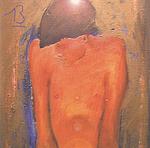
13 is Blur's 1999 album that marks a shift from their Britpop sound toward a more experimental, introspective approach, blending alternative and indie rock with electronic textures and psychedelic touches. The record moves between sparse, melancholic ballads and noisy, guitar-driven tracks, using loops, ambient production, and unconventional arrangements to create a moodier, more personal atmosphere. Production contributions from William Orbit helped shape its electronic and atmospheric elements, and the album features songs such as Tender, Coffee and TV, and No Distance Left to Run.
#124 — Graceland by Paul Simon
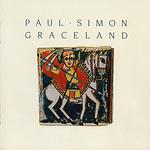
Graceland (1986) is a Paul Simon album that combines his singer-songwriter pop and folk sensibilities with South African musical styles, producing a worldbeat-influenced pop rock sound. Recorded with South African musicians and featuring vocal contributions from Ladysmith Black Mambazo, the record is marked by syncopated mbaqanga guitar lines, rich vocal harmonies, and a mix of acoustic songwriting and studio textures. Lyrically it blends personal storytelling with themes of travel, exile, and everyday observation, and its cross-cultural production is a notable example of Western popular music engaging directly with African musical traditions.
#125 — Live at the Apollo, 1962 by James Brown
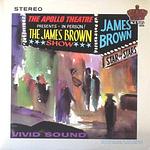
Live at the Apollo, 1962 captures James Brown's raw stage energy and tight band interplay, blending soul, deep soul, R&B and early funk elements. The recording emphasizes call-and-response vocals, punchy horn arrangements, driving rhythms and extended live passages that showcase Brown's showmanship and the band's rhythmic precision. The sound favors immediacy and dynamic range over studio polish, presenting immersive, intense performances typical of his concerts at the time.
#126 — Ill Communication by Beastie Boys
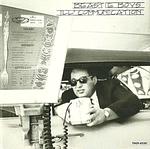
Ill Communication is a 1994 album by the Beastie Boys that blends hip hop with hardcore punk, jazz-funk and rock influences, featuring a mix of sample-based beats, live drums and guitar-driven arrangements. The record moves between aggressive, guitar-forward cuts and groove-oriented, horn and flute-tinged tracks, with songs like "Sabotage", "Sure Shot", "Get It Together" and "Root Down" illustrating the group’s genre-blurring approach and interest in both DJ culture and live-band textures. The overall sound is raw and eclectic, emphasizing a more organic, energetic production style.
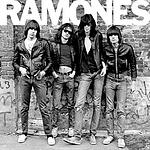
Ramones is the 1976 debut album by the Ramones. It delivers short, fast, stripped-down songs built on simple three-chord guitar figures, driving downbeat drumming, and a raw production that foregrounds catchy hooks and shouted vocals. Noted for its succinct songcraft and aggressive minimalism, the record is widely regarded as a foundational release in punk rock and helped establish the genre's aesthetic.
#128 — Urban Hymns by The Verve
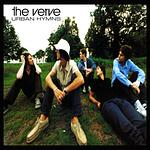
Urban Hymns is The Verve's 1997 album that blends alternative rock and Britpop with neo-psychedelic textures, notable for lush string arrangements, Nick McCabe's layered, atmospheric guitars, and Richard Ashcroft's emotive, introspective songwriting. The record contains expansive, melodic tracks such as "Bitter Sweet Symphony", which features a prominent orchestral sample, along with quieter ballads like "The Drugs Don't Work" and "Lucky Man", balancing grand, symphonic moments with subdued, reflective pieces.
#129 — On the Beach by Neil Young
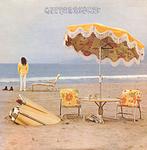
On the Beach (1974) finds Neil Young moving away from the polished sound of his earlier work into a rawer, darker set of songs that blend rock, country rock, pop rock and singer-songwriter intimacy. The arrangements range from spare acoustic passages to ragged electric textures, with plaintive vocals and pedal steel accents creating a persistent mood of disillusionment and melancholy. Lyrically it touches on personal loss, social unease and a weary outlook, and the record is often regarded as one of Young's more uncompromising and emotionally direct works from the 1970s.
#130 — Turn On the Bright Lights by Interpol
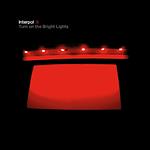
Turn On the Bright Lights is Interpol's 2002 debut album, rooted in post-punk revival and indie rock. It pairs taut, angular guitar interplay and prominent melodic bass with precise, restrained drums and Paul Banks's cool baritone, creating a moody, nocturnal atmosphere. The production leaves plenty of space and reverb, giving songs a tense, cinematic quality across tracks like Obstacle 1, PDA and NYC. The album is often cited as a defining statement of the band's early sound and of the early 2000s post-punk revival.
#131 — Thriller by Michael Jackson
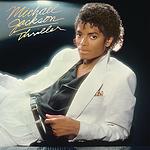
Thriller, released in 1982 and produced by Quincy Jones, is a pop and contemporary R&B album that blends dance-pop, disco, funk and rock elements. It is characterized by polished, cinematic production, tight rhythms, layered vocal harmonies and strong melodic hooks on tracks such as "Billie Jean", "Beat It" and "Thriller". Notable moments include Eddie Van Halen's guitar solo on "Beat It" and Vincent Price's spoken-word cameo on the title track. The record helped broaden Jackson's crossover appeal and played a significant role in shaping the era of high-concept music videos.
#132 — The Dark Side of the Moon by Pink Floyd
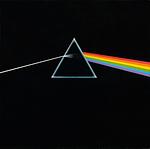
The Dark Side of the Moon is Pink Floyd's 1973 progressive rock album that blends rock, psychedelic and art rock elements into a continuous, concept-driven suite exploring themes such as time, money, mental strain and mortality. It is distinguished by its studio production and sound design, including layered synthesizers, tape effects and looping, prominent saxophone parts and an emotive wordless vocal performance on one track, with seamless transitions that emphasize atmosphere and textural detail across the record.
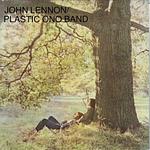
John Lennon/Plastic Ono Band (1970) is a stark, confessional solo album that pares arrangements down to bare acoustic and electric guitars, piano, bass and drums, putting Lennon's voice and direct lyrics at the forefront. The songs are raw and intimate, shaped by his engagement with primal therapy, and confront themes of identity, loss, faith and personal liberation with blunt, often painful imagery. Blending rock and folk with a singer-songwriter sensibility, the record is notable for its spare production and emotionally unguarded performances.
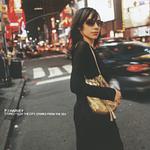
Stories From the City, Stories From the Sea is PJ Harvey's 2000 album that emphasizes brighter, more melodic arrangements while keeping her intense, concise songwriting. The record blends indie and alternative rock with art rock and folk influences, using chiming guitars, piano and atmospheric production to frame lyrics that often evoke urban life and intimate relationships. Compared with her earlier, rawer records, this album is notable for its clearer melodic focus and varied instrumental textures.
#135 — The Marshall Mathers LP by Eminem
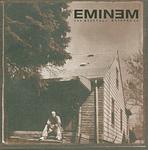
The Marshall Mathers LP (2000) is Eminem's raw, confrontational album that blends hardcore hip hop, horrorcore intensity, and pop-rap hooks. Production frequently uses sparse, eerie beats and layered samples to support tightly wound, rapid-fire delivery, allowing Eminem to shift between darkly comic Slim Shady sketches, confessional storytelling such as "Stan", and violently personal material about fame, family, and identity. The album helped define his public persona and intensified debates about lyrical boundaries by foregrounding provocative, autobiographical songwriting and abrasive satire.
#136 — Fever to Tell by Yeah Yeah Yeahs
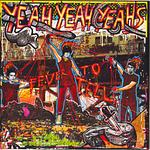
Fever to Tell, the 2003 debut by Yeah Yeah Yeahs, blends raw garage rock energy with art-punk angularity and moments of restrained, emotive songwriting. The album is marked by jagged guitar lines, propulsive drums, and Karen O's urgent, theatrical vocals, shifting from frenetic tracks to the quieter, piano-accented ballad "Maps". It helped define the band’s sound within the early 2000s indie and garage rock revival.
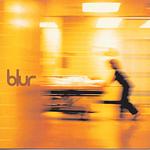
Blur (1997) marks a deliberate shift from the band’s earlier Britpop sound toward a rawer alternative and slacker rock approach, with more distorted guitars, tighter song structures, and lo-fi textures. The album balances raucous, compact tracks such as Song 2 with more introspective, melodic numbers like Beetlebum, and uses dynamic shifts and occasional electronic touches to broaden its sonic palette. This change in tone signaled the group’s willingness to move beyond Britpop conventions and helped expand their international profile.
#138 — Illinois by Sufjan Stevens
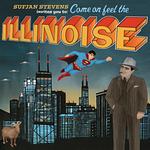
Illinois (2005) by Sufjan Stevens is an ambitious, chamber pop-inflected indie folk album that mixes delicate fingerpicked guitar and banjo with lush orchestral arrangements, brass and woodwinds, and layered vocals. The songs move between intimate, autobiographical moments and vivid, often historical storytelling about the state of Illinois and its figures, creating a cinematic, theatrical mood. Musically it blends baroque pop ornamentation, folk rock rhythms, and indie pop hooks, and is notable for its intricate arrangements, wide instrumental palette, and shifts in tone from quiet balladry to sweeping, exuberant passages. The record was presented as part of Stevens's proposed 50-state project and is often cited as a key work in his catalog.
#139 — Disintegration by The Cure
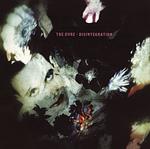
Disintegration is a 1989 album by The Cure known for its dense, atmospheric sound that blends gothic rock, post-punk and new wave influences. The record emphasizes long, immersive arrangements with layered guitars, sweeping synthesizers, and reverberant production that foregrounds Robert Smith's melancholy vocal delivery and introspective lyrics about loss, memory, and existential longing. Songs such as "Pictures of You", "Lovesong", and "Lullaby" balance pop sensibility with brooding textures, making the album a defining moment in the band's move toward more expansive, mood-driven songwriting.
#140 — Bryter Layter by Nick Drake
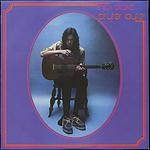
Bryter Layter, Nick Drake's second studio album released in 1971, blends his delicate fingerpicked acoustic guitar and hushed vocals with chamber pop and jazz-tinged arrangements. Robert Kirby's string and brass charts and Joe Boyd's restrained production frame the songs with orchestral touches, creating an intimate, pastoral sound that expands on Drake's earlier work and emphasizes melancholic, introspective songwriting.
#141 — Natty Dread by Bob Marley & The Wailers
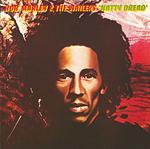
Natty Dread (1974) is a roots reggae album by Bob Marley & The Wailers that marks the group’s transition after the departures of Peter Tosh and Bunny Wailer. The sound emphasizes deep, syncopated bass and drums, interlocking guitar and organ rhythms, and Marley's characteristic vocals and songwriting; lyrical themes mix personal reflection, Rastafarian faith, and social commentary, with tracks such as No Woman, No Cry and Lively Up Yourself exemplifying the album’s intimate yet politically aware roots reggae style.
#142 — Histoire de Melody Nelson by Serge Gainsbourg
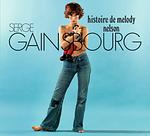
Histoire de Melody Nelson is a 1971 concept album by Serge Gainsbourg that fuses rock, art pop, baroque pop and pop rock into a short, cinematic narrative. The record pairs Gainsbourg's half-spoken, half-sung narration with the breathy vocal presence of Jane Birkin and features lush string arrangements and orchestration by Jean-Claude Vannier, prominent bass-driven grooves, and a moody, nocturnal atmosphere. Its concise, continuous storyline and distinctive production give it a vignette-like quality that has been influential within art pop and baroque pop circles.
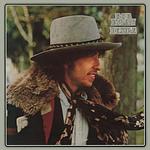
Desire (1976) finds Bob Dylan moving his folk-rock songwriting into a larger, more theatrical sound, pairing long, narrative songs with lively ensemble arrangements that draw on rock, blues, and a gypsy-tinged folk sensibility. The record features prominent violin from Scarlet Rivera and notable female harmony vocals from Emmylou Harris, and many tracks were co-written with Jacques Levy; it balances topical, storytelling pieces like "Hurricane" and "Joey" with more personal songs such as "Sara."
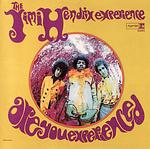
Are You Experienced is the debut album by the Jimi Hendrix Experience, released in 1967. It blends blues rock, psychedelic and acid rock with early hard rock, centered on Hendrix's inventive electric guitar playing and striking studio experimentation such as feedback, wah-wah textures, reversed tape effects, and layered overdubs. The record features concise originals and covers that range from fiery, riff-driven songs to atmospheric balladry, and is widely regarded as a landmark in guitar-led psychedelic rock.
#145 — Odessey and Oracle by The Zombies
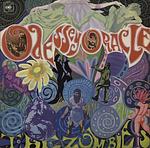
Odessey and Oracle, released in 1968 by The Zombies, is a compact album that blends baroque pop, rock, and psychedelic pop. It is characterized by ornate keyboard textures, close vocal harmonies, and melodically rich, reflective songwriting, combining chamber-pop arrangements with concise pop-rock hooks; notable tracks include "Time of the Season." The record is widely regarded for its sophisticated arrangements and bittersweet mood and has become a touchstone for listeners interested in 1960s baroque-influenced pop.
#146 — Relationship of Command by At the Drive‐In
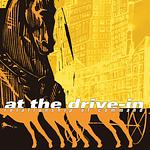
Relationship of Command is At the Drive-In's 2000 album that fuses post-hardcore intensity with progressive song structures and psychedelic textures. The record features urgent, dynamic vocals over angular, layered guitar work and propulsive, shifting rhythms, moving between terse, explosive passages and more expansive, textured sections. Its concentrated energy and tense interplay emphasize experimentation within a punk-rooted framework and marked a distinctive moment in the band's evolution.
#147 — channel ORANGE by Frank Ocean
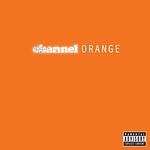
channel ORANGE is Frank Ocean's 2012 debut studio album that blends contemporary and alternative R&B with pop elements, drawing on neo-soul, jazz, funk, and electronic textures. The production ranges from intimate piano ballads and falsetto-led songs to more expansive, cinematic tracks, with layered, atmospheric arrangements. Lyrically the album emphasizes narrative, confessional songwriting that addresses love, desire, identity, and social observation, pairing experimental touches with accessible melodies.
#148 — Nebraska by Bruce Springsteen
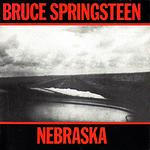
Nebraska is a stark, largely acoustic album recorded by Bruce Springsteen and released in 1982. Built from lo-fi four-track demos, it pares back the E Street Band sound to spare arrangements centered on voice, acoustic guitar and occasional harmonica or percussion, and presents dark, character-driven stories of crime, desperation and small-town America. The record represents a deliberate shift toward folk rock and Americana textures and emphasizes narrative songwriting and atmosphere over rock production.
#149 — Either/Or by Elliott Smith
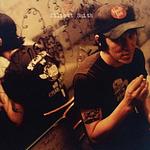
Either/Or (1997) finds Elliott Smith blending intimate acoustic folk with indie pop and rock touches. The songs feature fragile fingerpicked guitar, hushed multi-tracked vocals and concise, melancholic melodies, with slightly cleaner production and occasional electric instrumentation compared with his earlier lo-fi records. Its mix of spare arrangements and melodic songwriting helped define a quiet, confessional strand of 1990s indie folk.
#150 — Original Pirate Material by The Streets
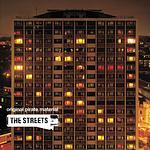
Original Pirate Material, the 2002 debut album by The Streets (Mike Skinner), blends UK garage rhythms, house and electronic textures with hip hop sensibilities. The record pairs sparse, syncopated beats and basslines with Skinner's conversational, often spoken-word vocal delivery, delivering observational narratives about everyday life in Britain. Production favors lo-fi immediacy and stripped arrangements that foreground lyrics and atmosphere, drawing on garage and house grooves and electronic touches to create a distinctive urban sound.
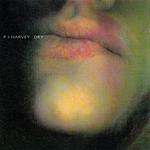
Dry is PJ Harvey's 1992 debut, a stark, raw indie rock record that blends abrasive, blues-tinged guitar work with spare, primal rhythms and urgent vocals. The songwriting is direct and confrontational, often exploring themes of gender, desire, and domestic tension, while the minimal arrangements emphasize texture and mood over polish. Its raw immediacy and distinctive vocal presence helped mark Harvey as an original voice in the early 1990s alternative rock landscape.
#152 — Deserter's Songs by Mercury Rev
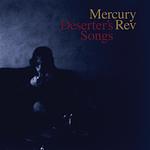
Deserter's Songs is Mercury Rev's 1998 album that moves away from the band's earlier noisy, experimental roots toward a more orchestral, dreamlike sound. It combines lush string and horn arrangements with elements of dream pop, indie rock, and baroque pop, supported by Dave Fridmann's spacious production and Jonathan Donahue's fragile, emotive vocals. The record is marked by pastoral, melancholic melodies and a theatrical, cinematic atmosphere that reshaped the band's aesthetic and introduced a more melodic, song-oriented approach.
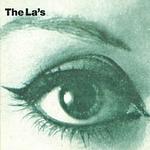
The La's, released in 1990, is the band's lone studio album centered on Lee Mavers' concise, melody-driven songwriting. Musically it blends jangly, 1960s-influenced guitar pop and Merseybeat touches with indie and alternative rock textures, featuring chiming guitars, tight arrangements, and short, hook-focused songs such as "There She Goes". The record is noted for its spare, timeless sound and for Mavers' exacting approach in the studio, and it is frequently mentioned as a touchstone for later Britpop and jangle-pop acts.
#154 — To Bring You My Love by PJ Harvey
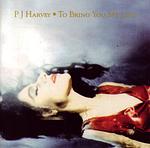
To Bring You My Love is PJ Harvey's 1995 record that shifts from her earlier raw trio sound toward a darker, more cinematic approach blending alternative rock with blues and folk influences. The songs pair intense, intimate vocals with organ, distorted guitar, sparse percussion and occasional string textures to create brooding, atmospheric arrangements. Lyrically it explores desire, religion and mortality, and the album marked a notable stylistic evolution in her work.
#155 — Music for the Jilted Generation by The Prodigy
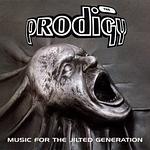
Music for the Jilted Generation, released in 1994, is The Prodigy’s second studio album, produced chiefly by Liam Howlett. It expands their breakbeat hardcore roots into a harder, more structured fusion of breakbeat, techno and early big beat, featuring propulsive breakbeats, distorted synth leads, heavy sampling and punk-inflected aggression. The record channels UK rave culture and a confrontational mood toward restrictions on dance events, alternating high-energy club tracks with darker instrumental passages and marking a more aggressive, album-focused approach to electronic music.
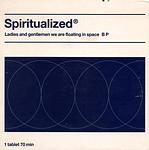
Ladies and Gentlemen We Are Floating in Space is Spiritualized's 1997 album largely shaped by frontman Jason Pierce. It blends space rock and neo-psychedelia with lush orchestral arrangements, gospel-tinged backing vocals, and passages of guitar feedback and sustained drones, creating a contrast between warm pop melodies and noise-inflected textures. The production favors reverberant, cinematic soundscapes and recurring motifs of longing and dissolution, yielding a densely arranged, atmospheric exploration of love, loss, and transcendence.
#157 — Psychocandy by The Jesus and Mary Chain
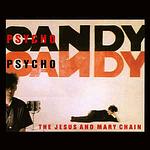
Psychocandy, the 1985 debut by The Jesus and Mary Chain, pairs 1960s pop melodies with heavy feedback, distortion, and reverb to create an early noise pop sound that helped shape later shoegaze and alternative rock. The songs often juxtapose simple, catchy hooks and a detached vocal style with dense, abrasive guitar textures and spare rhythmic backing, emphasizing atmosphere and texture over polish. Its raw production and striking contrasts between sweetness and noise made the record a distinctive influence within indie and alternative scenes.
#158 — Two Dancers by Wild Beasts
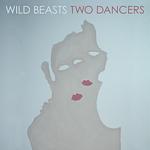
Two Dancers, Wild Beasts' 2009 album, blends artful indie rock with touches of electronic texture and slow-burning R&B rhythms, centered on the striking contrast between Hayden Thorpe's high falsetto and Tom Fleming's lower vocals. Arrangements move from sparse, reverb-laden moments to fuller, synth- and horn-tinged passages, producing a theatrical yet intimate mood while lyrics often probe desire and interpersonal tension. The record marked a clear development in the band's sound and helped broaden their profile within the indie scene.
#159 — Entertainment! by Gang of Four
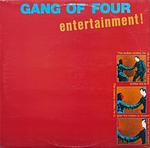
Entertainment!, the 1979 debut by Gang of Four, combines punk urgency with funk-influenced dance rhythms and art-punk angularity. The album is built on staccato, jagged guitar figures, propulsive, groove-driven bass and tight, rhythmic arrangements that favor economy and texture. Lyrically it offers direct, politically charged critiques of consumerism, interpersonal power and modern capitalism, delivered with a cool, detached vocal approach. The spare, abrasive sound and focus on rhythm and ideas helped define a strand of post-punk that fed into later dance-punk and alternative music.
#160 — XTRMNTR by Primal Scream
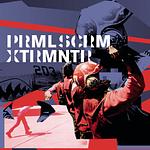
XTRMNTR is a hard-edged, politically confrontational album that blends alternative rock with electronic styles such as electro, dub, and dub techno. The sound is built from abrasive production, dense electronic textures, heavy percussion and distorted guitars, with forceful vocals and lyrics that critique authority and corporate power. The record emphasizes beats, loops and studio processing to create an industrial-tinged club sound that stands out as one of the band’s most sonically experimental and confrontational works.
#161 — The Suburbs by Arcade Fire
The Suburbs (2010) by Arcade Fire is an expansive indie rock album that blends rock, baroque pop, and art rock influences into a thematic exploration of suburban life, nostalgia, and coming of age. Its sound pairs intimate piano- and guitar-led moments with large, anthemic arrangements, using layered vocals, strings, horns, and synth textures to create a cinematic, often bittersweet atmosphere that broadened the band’s sonic palette.
#162 — Boxer by The National
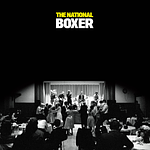
Boxer, released in 2007, finds The National refining their blend of indie rock, chamber pop, and post-punk influences into a restrained, atmospheric album. Matt Berninger's baritone vocals and introspective lyrics sit against interlocking guitars, a taut rhythm section, and subtle brass and string touches, producing a mood of melancholic intensity and careful dynamics. The record is often regarded as a turning point that helped consolidate the hushed, dramatic sound that became central to the band's identity.
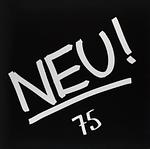
Neu! '75, the third album by German krautrock group Neu!, released in 1975, is notable for its split between the band’s trademark motorik, rhythm-driven grooves and a set of rawer, more electronic and abrasive tracks. The record contrasts metronomic, repetitive rhythms, textured guitars and synth treatments with looser, more aggressive songs that emphasize noise, studio experimentation and a proto-punk attitude. That juxtaposition expanded the group’s sonic range and helped point the path from krautrock toward later electronic, post-punk and experimental scenes.
#164 — At Folsom Prison by Johnny Cash
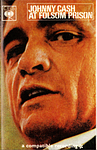
At Folsom Prison is a 1968 live album by Johnny Cash, recorded at Folsom State Prison. The performance features Cash's deep baritone and a spare backing band, blending traditional country, rockabilly and gritty country rock arrangements. The set presents hard-edged renditions of songs about crime, punishment and redemption, with direct audience interaction and ambient prison crowd sounds that give the recording an immediate, raw feel. The album helped reinforce Cash's outlaw persona and brought a tougher, more rock‑inflected sensibility into mainstream country.
#165 — Let Love In by Nick Cave & the Bad Seeds
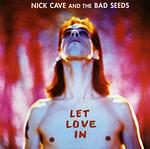
Let Love In, released in 1994 by Nick Cave & the Bad Seeds, balances the band's gothic moodiness with more expansive, melodic arrangements. The record blends post-punk urgency and punk blues grit with theatrical, narrative songwriting anchored by Cave's brooding baritone, and moves between slow, mournful ballads and more propulsive rock numbers. Instrumentation shifts from spare piano-led passages to fuller organ and guitar textures, giving the album a cinematic, noir atmosphere that helped define the group's 1990s sound.
#166 — This Is Hardcore by Pulp
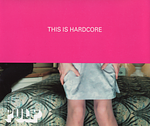
This Is Hardcore finds Pulp shifting into darker, more cinematic territory than their mid 1990s work, blending electronic textures with rock and alternative sensibilities and layered string and horn arrangements. The production emphasizes mood and theatre, with experimental touches and dense, often noir-tinged soundscapes that sit beneath Jarvis Cocker's more introspective and world-weary lyrics about fame, desire, aging and disillusionment. The album reads as a deliberate, mature counterpoint to the band's earlier, more exuberant pop moments while retaining strong melodic instincts.
#167 — Lady Soul by Aretha Franklin
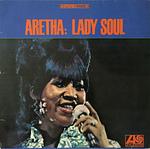
Lady Soul (1968) captures Aretha Franklin in the fertile late 1960s Atlantic period, showcasing her gospel-rooted, deeply expressive voice across material that blends soul, Southern soul, blues, and classic R&B. The record pairs her commanding vocals and piano with tight rhythm and horn arrangements, moving between punchy, groove-driven numbers and tender, intimate ballads. Its raw emotional intensity and authoritative phrasing helped define a model of deep soul singing that influenced many later vocalists.
#168 — Dummy by Portishead
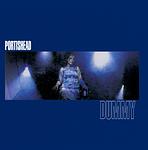
Dummy, released in 1994, is Portishead's debut album that helped define the trip hop aesthetic by combining slow, hip hop influenced beats with jazz-tinged arrangements and moody electronic textures. Beth Gibbons' intimate, theatrical vocals sit against dusty samples, turntable scratches, reverb-heavy production and slippery guitar lines, creating a cinematic, noir atmosphere. The record mixes downtempo electronic approaches with elements of acid jazz and dark jazz to produce a sparse, emotionally intense sound.
#169 — Don't Stand Me Down by Dexys Midnight Runners
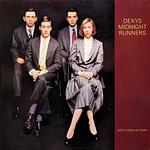
Don't Stand Me Down is Dexys Midnight Runners' 1985 album that turns away from their earlier upbeat, horn-driven soul-pop toward a more experimental and introspective sound. It blends New Wave and blue-eyed soul with progressive pop structures and spoken-word elements, favoring long, mood-driven arrangements, prominent string textures, and Kevin Rowland's intimate, conversational vocal delivery, making the record a deliberate stylistic departure for the band.
#170 — Siamese Dream by The Smashing Pumpkins
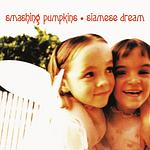
Siamese Dream, released in 1993 by The Smashing Pumpkins, blends alternative rock and grunge intensity with shoegaze and dream pop textures. The record is notable for dense, multi layered guitar overdubs, stark dynamic shifts between heavy, distorted passages and melodic, hook driven sections, and Billy Corgan's emotive, introspective vocals and lyrics. Songs such as "Cherub Rock," "Today," and "Disarm" illustrate its mix of aggressive guitar work and shimmering atmospherics, and the album is frequently regarded as a key release in early 1990s alternative rock.
#171 — Fear of Music by Talking Heads
Fear of Music, released in 1979 and produced by Brian Eno, is a rhythmically driven album that blends New Wave and post-punk immediacy with art rock experimentation. The record foregrounds spare, propulsive grooves, angular guitars and David Byrne's tense, observational vocals, augmented by electronic textures and studio layering that nudged the band toward wider polyrhythmic and funk influences on subsequent recordings. Thematically the songs probe urban anxiety and fractured narrative perspectives, marking a pivotal step in the band's evolution.
#172 — Songs in the Key of Life by Stevie Wonder
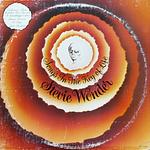
Songs in the Key of Life is a sprawling 1976 double album by Stevie Wonder that blends soul, contemporary R&B, pop soul, funk and pop with elements of jazz, gospel and reggae. The record pairs intimate ballads and social and spiritual meditations with uptempo funk grooves and instrumental interludes, featuring layered arrangements, prominent synthesizer and harmonica work, and varied musical textures. Its breadth and ambition are widely regarded as a high point in Wonder's creative output and a lasting influence on later R&B and pop artists.
#173 — Led Zeppelin III by Led Zeppelin
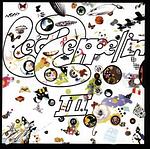
Led Zeppelin III, released in 1970, finds the band moving beyond the hard blues rock of their early records by integrating acoustic instrumentation and folk textures alongside heavier electric songs. The album juxtaposes powerful, riff-driven tracks such as the opening 'Immigrant Song' with pastoral, acoustic pieces and tender balladry, revealing a greater emphasis on dynamics, arrangement and melodic nuance. It is notable for its contrast between raw rock energy and more intimate, folk-influenced songwriting, expanding the group’s sonic range within a single record.
#174 — I'm Wide Awake, It's Morning by Bright Eyes
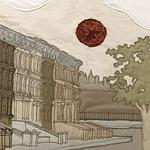
I’m Wide Awake, It’s Morning (2005) by Bright Eyes is an acoustic-centered indie folk album led by Conor Oberst’s intimate, confessional songwriting. The sound blends folk and country elements with indie rock sensibilities, featuring acoustic guitar, piano, strings, horns, and layered vocal harmonies that emphasize lyrical narrative. Themes alternate between personal introspection and overtly political commentary, delivered with an emotive, urgent vocal style. Released alongside a more electronic companion album, it is notable within Bright Eyes’ catalog for its organic arrangements and direct lyrical focus.
#175 — Young Americans by David Bowie
#176 — Want One by Rufus Wainwright
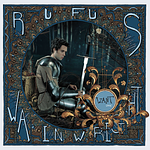
Want One is Rufus Wainwright's 2003 album that blends pop rock and chamber pop into ornate, piano-led songs characterized by theatrical vocal delivery and rich orchestral arrangements. The record pairs intimate, confessional lyricism with baroque touches and diverse instrumentation, from sweeping strings and brass to piano and subtle rock rhythms, heard on tracks like "Cigarettes and Chocolate Milk" and "I Don't Know What It Is". As the first of his Want recordings, it showcases ambitious, theatrical songwriting and elaborate production.
#177 — Young Team by Mogwai
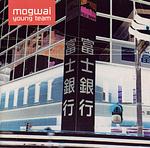
Young Team is Mogwai's 1997 debut studio album, an instrumental post-rock record built around stark dynamic contrasts, layered guitar textures, and long, evolving compositions that mix delicate quiet passages with loud, distorted climaxes. It is largely instrumental with occasional guest vocals, and tracks such as "Mogwai Fear Satan" exemplify the band's use of repetition, swelling noise, and slow-burning arrangements. The album helped establish Mogwai's sound within the late 1990s post-rock scene and is characterized by a blend of melodic restraint and abrasive sonic exploration.
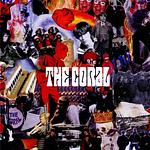
The Coral is the self-titled 2002 debut album by the English band The Coral. It blends indie rock, folk rock and jangle pop with 1960s psychedelic and vintage pop influences, featuring chiming guitars, prominent organ textures and close vocal harmonies. Songs move between upbeat, jangly numbers and more atmospheric, folk-tinged pieces, highlighting the group's melodic focus and retro-inspired arrangements while introducing the sound that would define their early work.
#179 — Miss E …So Addictive by Missy Elliott
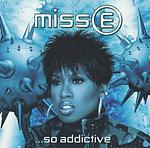
Miss E ... So Addictive is Missy Elliott's 2001 album that blends hip hop, contemporary R&B, hip house, and pop rap with forward-looking production. Built around Timbaland's percussive, syncopated beats and Missy's playful, rhythmic delivery, the record mixes club-ready uptempo tracks, experimental electronic textures, and occasional softer R&B balladry, incorporating global rhythmic touches and unconventional instrumentation. The album is marked by inventive beat programming, vocal effects, catchy hooks, and a willingness to push pop-rap boundaries while keeping a strong dancefloor focus.
#180 — Germfree Adolescents by X‐Ray Spex
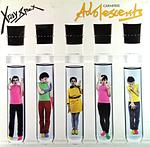
Germfree Adolescents, released in 1978 by X-Ray Spex, is a bracing punk album defined by Poly Styrene's distinctive high, declamatory vocals and tight, propulsive arrangements. Musically it pairs jagged, fast punk rock guitars and drums with prominent saxophone lines that add a melodic, slightly off-kilter texture bridging punk and new wave. Lyrically the songs confront consumerism, identity and conformity with direct, satirical phrasing, and the record is frequently singled out for its energetic performances and for amplifying a female-fronted voice within the late 1970s British punk scene.
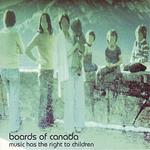
Music Has the Right to Children is Boards of Canada's 1998 debut studio album. It blends electronic, IDM, ambient, downtempo and experimental approaches, using warm analog synth tones, tape-like saturation and subtle warble, short melodic motifs and found-sound samples to create a nostalgic, pastoral atmosphere. Beats are often lo-fi and rhythmically spare, with arrangements that emphasize texture and mood over conventional song structure. The album is widely noted for shaping a distinctive, memory-tinged strain of late 1990s electronic music and has influenced many producers working with analogue warmth and sample-based collages.
#182 — Everything Must Go by Manic Street Preachers
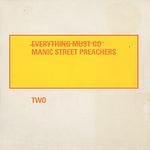
Everything Must Go (1996) is an album by Manic Street Preachers that marked a shift toward a more melodic, anthemic alternative rock sound following the disappearance of lyricist Richey Edwards. The record pairs sweeping guitars and occasional orchestral touches with politically charged and personal lyrics, featuring songs such as A Design for Life, Everything Must Go, and Kevin Carter, and represents a clear stylistic turning point for the band.
#183 — Speakerboxxx / The Love Below by OutKast
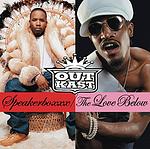
Speakerboxxx / The Love Below is OutKast's 2003 double album presented as two solo discs: Speakerboxxx showcases Big Boi's take on Southern hip hop, funk and pop rap with punchy beats and braggadocio, while The Love Below features André 3000's more melodic, genre-bending explorations in contemporary R&B, funk, jazz and pop with sung vocals and experimental arrangements. The paired records highlight the duo's contrasting artistic voices and a willingness to expand hip hop's sonic palette.
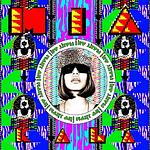
Kala is M.I.A.'s 2007 album that fuses hip hop, dancehall, electronic, electropop, and grime into a dense, global pop sound. It pairs propulsive rhythms, clipped samples, and unconventional percussion with M.I.A.'s distinctive vocal delivery that shifts between chant, rap, and melody, and often favors a lo-fi, collage-like production. Lyrically the record touches on migration, identity, and global commerce, and it includes the track "Paper Planes".
#185 — Paid in Full by Eric B. & Rakim
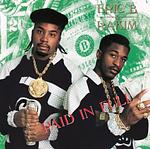
Paid in Full, released in 1987 by Eric B. & Rakim, is an East Coast hip hop album that pairs Rakim's measured, innovative MCing and internal rhyme patterns with Eric B.'s spare, sample-driven production and turntable work. The record blends hard-hitting drum loops, prominent scratching, and jazz and blues-inflected samples to create a moody, minimalist sound associated with hardcore and golden age hip hop. Its focus on lyrical complexity, rhythmic precision, and DJ technique helped shape the aesthetics of late 1980s hip hop.
#186 — The Blueprint by JAY‐Z
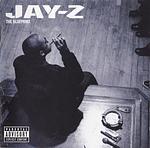
The Blueprint, released in 2001, is an East Coast hip hop album that blends hardcore rap with chipmunk soul and pop rap elements. Its sound emphasizes warm, pitched soul samples and relatively spare, hard-hitting drums, with production that foregrounds Jay-Z's lyricism as he moves between introspective storytelling and confident braggadocio. The record is often cited as a defining early 2000s hip hop album that helped popularize sample-driven, soulful production and raised the profile of several young producers.
#187 — Isn't Anything by My Bloody Valentine
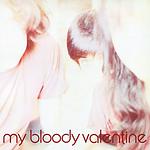
Isn’t Anything, My Bloody Valentine’s 1988 album, is an early landmark of shoegaze that blends noise pop and indie rock textures. The record emphasizes densely layered, tremolo-heavy guitars, fuzzy distortion and restrained, often buried vocals, creating a wash of sound where melody and feedback coexist. Its mix of shimmering atmospherics and abrasive noise points toward the band’s later work while helping define the shoegaze aesthetic.
#188 — A Love Supreme by John Coltrane
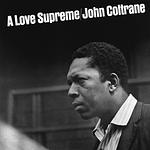
A Love Supreme is a four-part suite recorded by John Coltrane's classic quartet and released in 1965. The music combines modal and post-bop language with a devotional, intense approach, built around a persistent four-note motif and sustained improvisation that showcases Coltrane's tenor saxophone alongside McCoy Tyner's harmonically rich piano, Elvin Jones's propulsive drumming, and Jimmy Garrison's anchoring bass. The album is widely regarded as a defining statement of spiritual jazz and a turning point toward more exploratory, devotional directions in Coltrane's work.
#189 — A Wizard, a True Star by Todd Rundgren
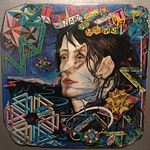
A Wizard, a True Star is Todd Rundgren's 1973 album that pushes pop songwriting into experimental and art rock territory. It mixes concise song fragments and extended pieces across rock, progressive and electronic textures, relying on dense multi tracked vocals, early synthesizer timbres and inventive studio production to create abrupt transitions and a collage like flow. The record represents a deliberate move away from straightforward pop toward more adventurous arrangements, blending elements of psychedelia, soul and electronic experimentation into a singular, exploratory sequence.
#190 — The Piper at the Gates of Dawn by Pink Floyd
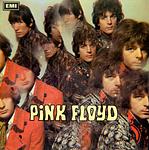
The Piper at the Gates of Dawn, Pink Floyd's 1967 debut, is a formative psychedelic rock record driven by Syd Barrett's idiosyncratic songwriting, playful lyrics, and inventive guitar work. Its sound combines whimsical melodies with experimental studio techniques, tape effects, prominent organ, and spacey guitar textures that point toward space rock and experimental rock. The album captures the band's early London psychedelia and Barrett's shaping influence on their initial musical direction before his departure.
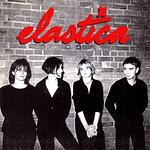
Elastica is the 1995 self-titled debut by the British band Elastica. It blends Britpop and indie rock with terse, hook-driven songs built around sharp, staccato guitar lines and a punk-influenced energy, while new wave and post-punk textures inform its spare arrangements. Fronted by Justine Frischmann's cool, direct vocals, the album is notable for its concise songcraft and immediate sound that became a touchstone of mid 1990s British alternative rock.
#192 — Franz Ferdinand by Franz Ferdinand
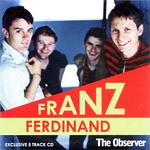
Franz Ferdinand's self-titled debut is a compact, danceable indie rock record built on angular guitar riffs, tight, propulsive rhythms and concise, hook-driven songwriting. It blends post-punk revival and art rock influences with a keen sense of groove and dynamics, pairing witty, observational lyrics with sharp arrangements that prioritize immediacy and rhythm. The album is often cited for bringing a kinetic, club-friendly edge to early 2000s indie rock.
#193 — Gold by Ryan Adams
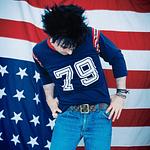
Gold, released in 2001, is Ryan Adams's major-label solo album that expands on his alt-country roots with fuller rock arrangements and melodic folk rock songwriting. The record moves between rousing electric tracks and intimate acoustic ballads, with prominent piano, layered guitars and direct, confessional lyrics; songs such as "New York, New York", "When the Stars Go Blue" and "Answering Bell" illustrate its blend of Americana, country and rock sensibilities. The album served as a key early solo statement that showcased Adams's range beyond his earlier work with Whiskeytown.
#194 — Appetite for Destruction by Guns N' Roses
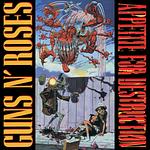
Appetite for Destruction, released in 1987 by Guns N' Roses, is a raw, guitar-driven hard rock album that blends hard rock, punk attitude and heavy metal energy. The sound pairs Axl Rose's high, gritty vocals with blues-influenced riffs and incisive lead work from Slash, supported by a tight, propulsive rhythm section, and the songs move between aggressive, fast-paced tracks and more melodic, emotionally direct material. The record includes standout tracks such as "Welcome to the Jungle", "Sweet Child o' Mine" and "Paradise City" and is noted for its unpolished, streetwise approach that contrasted with much of the era's glam metal production.
#195 — A Hard Day's Night by The Beatles
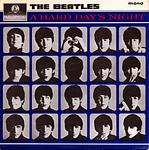
A Hard Day’s Night, the Beatles' 1964 soundtrack to their film of the same name, is built almost entirely from Lennon-McCartney compositions and crystallizes the group's early pop rock and beat sound. The record mixes concise, hook-driven songs and close vocal harmonies with jangly electric guitar textures, most famously the 12-string lead and the instantly recognizable opening chord of the title track. Songs range from driving rockers to melodic ballads and highlight punchy rhythmic interplay and melodic bass lines, marking a clear statement of the band’s songwriting focus during the early Beatles era.
#196 — Rattus Norvegicus by The Stranglers
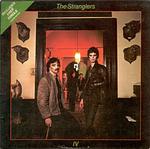
Rattus Norvegicus, the Stranglers' 1977 debut, pairs punk's raw immediacy with elements of pub rock and art punk, anchored by Jean-Jacques Burnel's prominent, melodic bass and Dave Greenfield's organ and keyboard flourishes. The record features tight, driven rhythms and Hugh Cornwell's snarling baritone vocals, giving it a darker, more aggressive timbre than many contemporaries while hinting at new wave melodic sensibilities and occasional artful arrangements.
#197 — Back in Black by AC/DC
Back in Black is AC/DC's 1980 album and the first to feature singer Brian Johnson after Bon Scott's death. Produced by Robert John Lange, it channels the band's hard rock and blues-rock roots into concise, riff-driven songs built on Angus Young lead work and Malcolm Young rhythm parts, with punchy drums and clear guitar tones. Tracks such as Hells Bells, Back in Black, Shoot to Thrill, and You Shook Me All Night Long illustrate the arena-ready, no-frills sound that helped define the band's signature style.
#198 — Sign "☮︎" the Times by Prince
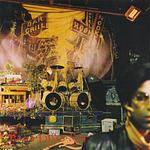
Sign o' the Times, released in 1987, is a sprawling double album by Prince that blends funk, contemporary R&B, pop rock, rock, and soul. The record moves between sparse electronic textures and drum machines and fuller guitar and horn arrangements, pairing intimate ballads with upbeat funk-pop tracks; it includes the title track "Sign o' the Times", "U Got the Look", "I Could Never Take the Place of Your Man", and "If I Was Your Girlfriend". Lyrically and sonically diverse, the album mixes personal themes about relationships with broader social commentary and represents a particularly experimental and wide-ranging phase in Prince's work.
#199 — Giant Steps by The Boo Radleys
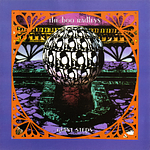
Giant Steps, released by The Boo Radleys in 1993, blends indie rock and psychedelic textures with rock energy and electronic touches. The album pairs chiming, layered guitars and dense production with bright pop songwriting, occasional string arrangements and synth atmospheres, shifting between noisy, shoegaze-inspired passages and cleaner, hook-driven tracks. It is widely seen as the band’s major artistic leap that expanded the sonic palette of early 1990s British indie by combining experimental production with accessible melodies.
#200 — Last Splash by The Breeders
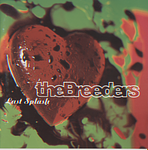
Last Splash, released in 1993 by The Breeders, is an alternative rock album that blends concise pop songwriting with noisy, guitar-driven textures and playful, off-kilter arrangements. Kim Deal's deadpan vocals and catchy hooks sit alongside tight rhythm parts and bursts of distortion, producing a mix of melodic accessibility and raw, lo-fi grit; it includes the distinctive single "Cannonball" and other tracks that highlight the band's use of surf-tinged riffs, vocal harmonies, and loose, improvisational moments. The record is often cited for its role in shaping the sound and attitude of early 1990s alternative rock.