 The Greatest Music
NME’s The 500 Greatest Albums of All Time
Weight: 80%
How much this list influences our overall rankings. Higher weight means more reliable data.
Penalties Applied:
NME’s The 500 Greatest Albums of All Time (2013) is a special issue compiled from ballots cast by current and former NME journalists, each submitting a weighted top-50; the final list—topped by The Smiths’ The Queen Is Dead—reflects the magazine’s editorial vantage point more than a broad industry poll.
#201 — Hex Enduction Hour by The Fall
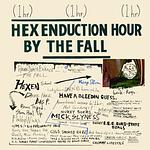
Hex Enduction Hour, released in 1982, captures The Fall's abrasive post-punk approach with repetitive, propulsive rhythms, jagged guitar interplay and Mark E. Smith's caustic spoken-sung vocals. The album pairs terse, elliptical lyrics with raw, unadorned production and an often hypnotic sense of momentum, moving between terse punk immediacy and more skeletal, chant-like passages. It is commonly regarded by fans and commentators as a defining document of The Fall's early sound and an influential record within post-punk and indie rock circles.
#202 — Maxinquaye by Tricky
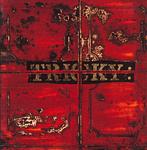
Maxinquaye is Tricky's 1995 solo debut, rooted in the Bristol trip hop sound and blending downtempo hip hop beats, dub textures, and dark, cinematic electronic production. Martina Topley-Bird's breathy, soulful vocals and Tricky's layered, sample-based arrangements create an intimate, unsettled mood that mixes blues, soul and experimental studio techniques. The album is often cited as a key record in trip hop and leftfield electronic music for its unconventional song structures and mood-driven approach.
#203 — Teen Dream by Beach House

Teen Dream, released in 2010, is Beach House's third studio album and a defining entry in contemporary dream pop. The record pairs Victoria Legrand's deep, reverb-tinged vocals with Alex Scally's chiming guitars, warm organ and spare, steady rhythms to create a lush, intimate atmosphere. Compared with earlier albums it has a more polished, spacious production and broader dynamic range, with standout tracks such as "Zebra," "Norway," and "10 Mile Stereo" that emphasize melody, slow-building arrangements, and a contemplative mood.
#204 — Bad by Michael Jackson
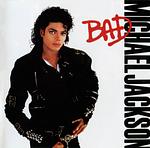
Bad, released in 1987, is Michael Jackson's seventh solo studio album, produced by Quincy Jones and Jackson. The record blends pop, dance-pop, pop rock, contemporary R&B, and pop soul with a tougher, more streetwise sound than its predecessor; it pairs kinetic uptempo tracks like the title song 'Bad', 'Smooth Criminal', 'The Way You Make Me Feel', and 'Dirty Diana' with introspective balladry such as 'Man in the Mirror'. Musically it emphasizes punchy rhythms, layered vocals, and a mix of synthesized and rock-oriented instrumentation, and it marked a visible evolution in Jackson's image and songwriting themes.
#205 — Straight Outta Compton by N.W.A
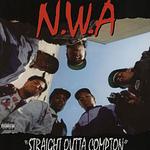
Straight Outta Compton, released in 1988 by N.W.A, is a landmark gangsta rap album that helped define West Coast hip hop. The record pairs hard, drum-machine driven beats and funk-derived sampling with blunt, confrontational lyrics about street life, policing, and urban tension. Production from Dr. Dre and DJ Yella emphasizes heavy bass, tight drum programming, and stark arrangements, while vocal performances from Ice Cube, Eazy-E, MC Ren, and others combine narrative storytelling and abrasive delivery. The album is notable for its raw sonic aesthetic and its role in bringing gangsta rap into wider public attention.
#206 — Slanted and Enchanted by Pavement
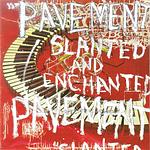
Slanted and Enchanted is Pavement's 1992 debut studio album. The record blends indie rock, alternative rock, lo-fi production and noise pop, characterized by Stephen Malkmus's laconic, often cryptic lyrics, a slack, conversational vocal delivery, jagged but melodic guitar interplay, loose rhythmic feel and a rough, home-recorded aesthetic that mixes tunefulness with distortion and off-kilter song structures. Its raw, DIY sound helped shape the early 1990s indie rock landscape and remains a touchstone for lo-fi guitar music.
#207 — Pearl by Janis Joplin
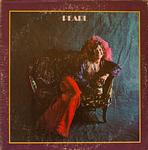
Pearl, released after Janis Joplin's death in 1971, is her final studio album and blends blues rock, soul, country-tinged rock and acoustic blues elements. Backed by the Full Tilt Boogie Band and produced by Paul Rothchild, the record pairs raw, emotive vocals with fuller, more polished production than her earlier work. Songs such as "Me and Bobby McGee" and "Mercedes Benz" showcase her storytelling and improvisational intensity, while rockers like "Move Over" and slower blues numbers underline a mix of power and vulnerability. The album serves as a document of Joplin's late-career sound.
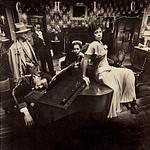
Risqué, released by Chic in 1979, is a polished disco album that blends funk and soul with tight, syncopated bass lines, Nile Rodgers' rhythmic guitar, and layered strings and horns. The record emphasizes danceable grooves and sophisticated arrangements, with songs built around rhythmic interplay and memorable melodic hooks. It is widely regarded as one of the group's definitive late 1970s recordings and includes the well known groove-centered track "Good Times."
#209 — The Kick Inside by Kate Bush
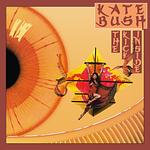
The Kick Inside is Kate Bush's 1978 debut album, blending art pop and art rock with theatrical, piano based arrangements and literate, often literary songwriting. Bush's wide vocal range and dramatic delivery are central, and the record pairs delicate acoustic textures and orchestral touches with inventive production to support narrative songs such as "Wuthering Heights". Produced by Andrew Powell, the album introduced her distinctive timbral and compositional approach and established her as an original voice in British pop.
#210 — 69 Love Songs by The Magnetic Fields
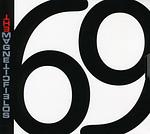
69 Love Songs is a 1999 three-volume album by The Magnetic Fields, written and chiefly performed by Stephin Merritt. Spanning 69 concise tracks, it mixes indie pop, chamber pop, electronic and folk-tinged arrangements to examine love in many guises, from playful and ironic to tender and rueful. The album is notable for its eclectic instrumentation, minimal and lush arrangements, and literate, often wry lyrics delivered in a variety of vocal styles. Its breadth of styles and ambitious conceit are central to how the record is discussed in indie music circles.
#211 — Nightclubbing by Grace Jones
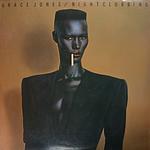
Nightclubbing (1981) sees Grace Jones merge disco, new wave, art pop, dub and funk into a cool, minimalist sound built on deep, dub-influenced bass, taut drum patterns and atmospheric synths. Her detached, theatrical vocal delivery shapes both original songs and reworked covers, giving the album a moody, cinematic club feel, with notable tracks including 'Pull Up to the Bumper' and 'I've Seen That Face Before (Libertango)'. The record helped define Jones's iconic persona and a darker, more experimental strand of pop aimed at the dancefloor.
#212 — Youth & Young Manhood by Kings of Leon
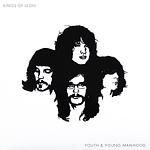
Youth & Young Manhood is Kings of Leon's 2003 debut studio album. It captures a raw, guitar-driven sound that mixes Southern rock grit with garage and indie rock energy. The production emphasizes reverb-heavy guitars, taut rhythms, and Caleb Followill's rough, urgent vocals, giving the songs a tense, immediate feel. The record introduced the band's early aesthetic of concise, riff-based tracks rooted in blues and country influences while projecting a youthful, restless intensity.
#213 — One Nation Under a Groove by Funkadelic
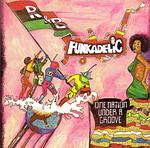
One Nation Under a Groove, released in 1978 by Funkadelic, fuses funk, rock and psychedelic soul into a cohesive P-Funk statement. The record pairs propulsive basslines and wah-drenched guitars with synth textures, layered vocal harmonies and a mixture of extended jams and concise, danceable songs. It is often cited as one of Funkadelic's most accessible albums and helped crystallize the loose, spacey, party-minded aesthetic associated with the P-Funk collective.
#214 — Moon Safari by Air
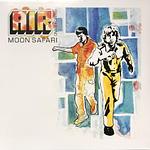
Moon Safari is a 1998 album by French duo Air that blends downtempo electronic production with ambient pop and chillout aesthetics. It foregrounds warm analog synths, soft drum programming, melodic basslines and airy vocals to create a relaxed, cinematic atmosphere. Tracks like Sexy Boy and All I Need pair minimalist arrangements with vintage keyboard textures and gentle female lead vocals, and the album is noted for its restrained, retro‑futuristic mood that influenced late 1990s downtempo and chillout styles.
#215 — Mezzanine by Massive Attack
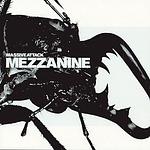
Mezzanine, released in 1998, is Massive Attack's darker, more textural trip hop album that blends slow, dub-inflected beats, deep bass, layered samples and distorted guitar tones into a cinematic, brooding sound. The record leans toward electronic, downtempo and leftfield approaches while incorporating a tougher, rock-influenced edge, and features guest vocalists such as Elizabeth Fraser and Horace Andy on memorable tracks like "Teardrop" and "Angel". Its production emphasizes atmosphere and tension, expanding the sonic range of alternative dance and trip hop.
#216 — Power, Corruption & Lies by New Order
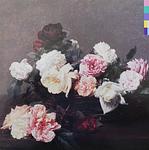
Power, Corruption & Lies (1983) finds New Order moving further from their post-punk origins into a more electronic, dance-oriented sound. The album pairs sequenced synths and drum machines with prominent, melodic basslines and understated vocals, blending synth-pop brightness with post-punk melancholy; tracks such as "Age of Consent" and "Your Silent Face" illustrate its mix of dance rhythms and introspective moods. The record is notable for helping to fuse electronic production techniques with pop songwriting in the early 1980s.
#217 — Lust for Life by Iggy Pop
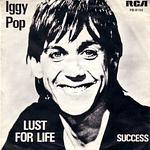
Recorded in 1977 with significant involvement from David Bowie, Lust for Life finds Iggy Pop channeling his punk and garage roots into more upbeat, driving rock songs. The album pairs Pop's raw, urgent vocals with punchy guitar riffs, steady rhythms and occasional synthesizer textures, yielding tracks such as "Lust for Life" and "The Passenger" that balance immediacy and melodic hooks. It is notable for its direct, energetic sound that bridged underground punk attitude with a broader rock palette.
#218 — Primary Colours by The Horrors
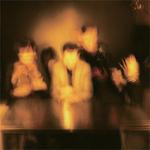
Primary Colours is The Horrors' 2009 album that shifts their sound toward dense, shoegaze-influenced textures, combining reverb-heavy guitars, layered synths, distant vocals and pulsing electronic rhythms. The record foregrounds atmosphere and texture within an indie rock framework, mixing gothic moodiness with more polished, expansive production and concise songwriting. It marked a clear stylistic evolution for the band from their earlier, rawer work.
#219 — All Mod Cons by The Jam
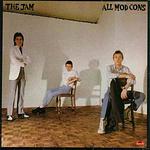
All Mod Cons is The Jam's 1978 album that crystallizes their blend of punchy rock, mod revival aesthetics, and melodic power pop. The record pairs Paul Weller's concise, socially aware songwriting with a tight three piece sound that balances punk-era urgency and 1960s mod influence, moving the band toward more developed melodies and arrangements. Notable for its economical production and tracks like "Down in the Tube Station at Midnight" and the wistful acoustic "English Rose", the album is often cited as a key moment in the Jam's transition from raw youth band to sharper, more focused songwriting voice.
#220 — Alligator by The National
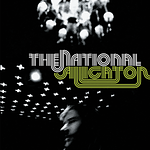
Alligator, released in 2005, finds The National refining a brooding blend of indie rock and chamber pop, with Matt Berninger's deep baritone and literate lyrics at the center. The arrangements pair taut, post-punk influenced rhythms and propulsive bass with piano, subtle string touches, and restrained dynamics that often build to cathartic moments, helping to define the band's signature sound and expand their presence in indie rock circles.
#221 — Broken English by Marianne Faithfull
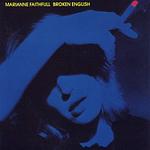
Broken English (1979) presents Marianne Faithfull with a markedly darker, world-weary vocal presence set against a mix of art pop, art rock, new wave and rock arrangements. The record favors synth textures, driving rhythms and spare, sometimes angular instrumentation that underscore lyrics ranging from personal reflection to sharper social observations. Its stark sound and direct delivery signaled a clear stylistic shift from her earlier work and is often regarded as a transformative moment in her career.
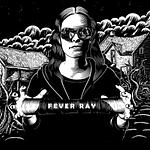
Fever Ray is the 2009 solo debut from Karin Dreijer that pairs icy, minimal electronic production with layered, pitch-shifted vocals to create a haunting and intimate atmosphere. The music blends synth-pop and art pop melodies with experimental electro textures, sparse beats, deep reverb, and unusual vocal processing to explore themes of identity, solitude, and domestic life. The album stands apart from Dreijer’s work with The Knife through its quieter, more introspective arrangements and a strong emphasis on mood and vocal persona.
#223 — Neon Bible by Arcade Fire
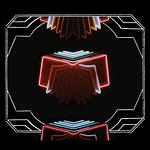
Neon Bible is Arcade Fire's 2007 second studio album that expands their indie rock and post-punk revival roots into a darker, more orchestral sound. The band layers organs, strings, brass, and choral vocals to create a grand, cinematic atmosphere that draws on art rock and chamber pop influences while retaining raw, guitar-driven moments. Lyrically the album grapples with themes of faith, media, fear, and contemporary anxiety, delivering densely arranged, anthemic songs that contrast intimate passages with sweeping production.
#224 — Heaven Up Here by Echo & the Bunnymen
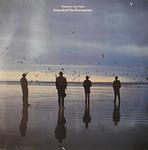
Heaven Up Here (1981) by Echo & the Bunnymen is a moody, atmospheric post-punk album that blends effects-drenched guitars, driving drums, and Ian McCulloch's resonant vocals to create dense, expansive songs. The production favors reverb and layered textures that give the music a cavernous, cinematic feel, sitting at the intersection of New Wave and alternative rock while retaining punk intensity. The record showcases the band moving toward richer, more textured arrangements and a darker, more brooding sound.
#225 — Electric Warrior by T. Rex
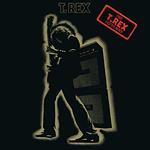
Electric Warrior, released in 1971 by T. Rex, marks Marc Bolan's shift from acoustic folk to a punchy, electric glam rock sound. The album pairs concise rock and roll rhythms and chiming, distorted guitar riffs with Bolan's distinctive vocal delivery and often surreal romantic lyrics. Arrangements emphasize tight grooves and memorable hooks, mixing elements of hard rock and classic rock and roll within a stylized glam aesthetic, and the record is widely regarded as a key statement of early 1970s British glam.
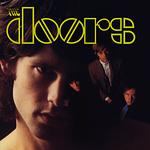
The Doors is the band's 1967 debut album that introduced their distinctive mix of psychedelic rock, blues rock, and acid-tinged atmospherics. Ray Manzarek's prominent electric organ and Jim Morrison's deep, poetic vocals shape a moody, nocturnal sound, while Robby Krieger's guitar and the rhythm section move between driving grooves and sparse blues. The record balances concise rock singles such as 'Break On Through' and 'Light My Fire' with extended, cinematic pieces like 'The End', blending improvisation, literary lyrics, and a darker, theater-influenced sensibility that helped define the band's early identity.
#227 — Imagine by John Lennon
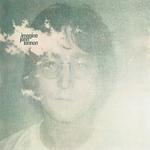
Imagine, released in 1971, is a John Lennon album that blends piano-led pop and rock with folk and rock and roll influences. The record moves between spare, introspective ballads and more direct rockers, often pairing simple arrangements with occasional orchestral touches and a focus on plainspoken, personal lyrics. The title track is a restrained, piano-centered piece that captures the album's themes of idealism and reflection, while other songs shift from confessional to satirical tones, showcasing Lennon's melodic songwriting and post-Beatles musical approach.
#228 — Brighten the Corners by Pavement
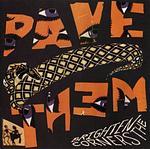
Brighten the Corners, released in 1997, is Pavement's fourth studio album and shows the band moving toward clearer, more polished production while keeping their loose, off-kilter indie rock approach. The songs mix jangly, melodic guitar lines and concise pop sensibilities with Stephen Malkmus's cryptic, conversational lyrics, producing a sound that feels both tuneful and slightly ragged. The album sits at the intersection of alternative rock and lo-fi aesthetics and is often cited for its blend of catchy hooks and idiosyncratic songwriting.
#229 — Metal Box by Public Image Ltd
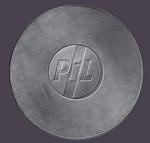
Metal Box, released in 1979 by Public Image Ltd, is a stark, experimental post-punk album that fuses deep dub-derived bass and studio effects with jagged guitar fragments and spare, often hypnotic song structures. Centered on Jah Wobble's low-end grooves, Keith Levene's metallic textures and John Lydon's idiosyncratic vocals, the record emphasizes space, repetition and abrasive ambient touches rather than conventional rock arrangements. Originally issued in a metal film canister, the album is notable for its unconventional production and packaging and for expanding the sonic possibilities of late 1970s post-punk.
#230 — Aladdin Sane by David Bowie
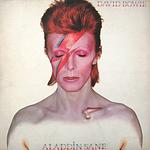
Aladdin Sane, released in 1973, finds David Bowie extending the theatrical glam of his Ziggy Stardust era into more experimental and American inflected territory. Musically it blends glam rock and art rock with hard rock and moments of cabaret and free jazz influenced piano, highlighted by Mick Ronson's guitar and Mike Garson's striking piano work. Tracks such as The Jean Genie, Panic in Detroit, the title track and a cover of Let's Spend the Night Together mix bluesy riffs, angular arrangements and lyrical reflections on fame, identity and American culture. The album is often heard as a more fractured, exploratory companion to its predecessor.
#231 — The Chronic by Dr. Dre
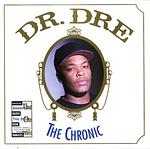
The Chronic is Dr. Dre's 1992 album that crystallized the G-Funk strand of West Coast gangsta rap, built around low, rolling basslines, melodic synth leads, crisp drum programming, and funk-derived grooves and samples. Dre's production favors smooth, layered textures and cinematic pacing, with memorable vocal performances and guest appearances that underscore its street-focused narratives. The album is commonly cited as a defining statement of early 1990s West Coast hip hop and helped popularize the G-Funk sound.
#232 — Songs of Leonard Cohen by Leonard Cohen
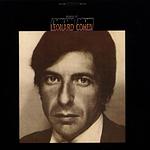
Songs of Leonard Cohen, released in 1967 as Cohen's debut album, introduces his deep, husky voice and literate songwriting within a folk-rooted framework. The record pairs spare acoustic arrangements with occasional chamber folk touches such as strings and restrained orchestration, supporting songs like "Suzanne", "So Long, Marianne", and "Sisters of Mercy". Its focus on poetic lyrics and themes of love, faith, and solitude, delivered in an intimate, understated sonic palette, established Cohen as a distinctive contemporary folk songwriter.
#233 — Down in Albion by Babyshambles
Down in Albion is the 2005 debut album by Babyshambles, led by Pete Doherty. The record pairs ragged indie rock with garage rock revival energy and post-punk revival angularity, mixing bruised, melodic songwriting with loose, sometimes chaotic arrangements and occasional acoustic touches. As an early statement from Doherty's post-Libertines project, it emphasizes immediacy and rawness over polished production and helped define the band's rough-edged sound.
#234 — Behaviour by Pet Shop Boys
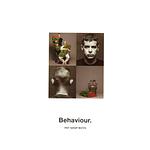
Behaviour is Pet Shop Boys' 1990 album that takes a more melancholic and introspective approach to synth-pop, blending warm analog synth textures, restrained electronic rhythms and hints of deep house influence into lush, atmospheric arrangements. The songwriting focuses on reflective, mature themes delivered in Neil Tennant's detached vocal style, and the production favors subtle, sophisticated soundscapes rather than overtly upbeat pop, giving the record a contemplative, club-adjacent mood.
#235 — Murder Ballads by Nick Cave & the Bad Seeds
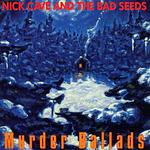
Murder Ballads is a 1996 concept album by Nick Cave and the Bad Seeds built around dark narrative songs about murder and its aftermath. Musically it blends folk and blues traditions with gothic rock and post-punk textures, moving between sparse, acoustic arrangements and fuller, string-tinged and piano-driven settings; Cave's deep, theatrical vocal delivery foregrounds prose-like storytelling. The record includes duets with Kylie Minogue and PJ Harvey and is notable for its bleak, atmospheric approach to traditional balladry.
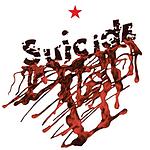

The xx is the 2009 debut album by the English band The xx, built around sparse, minimalist arrangements, hushed male and female vocal interplay and subtle electronic production by Jamie xx. The songs pair delicate guitar lines and restrained beats with intimate, often nocturnal lyrics about love and relationships, using space and silence as core elements of the sound. Its understated blend of indie pop, dream pop and electronic textures established the band's signature aesthetic and influenced subsequent alternative pop artists.
#238 — Show Your Bones by Yeah Yeah Yeahs
Show Your Bones, the Yeah Yeah Yeahs' 2006 second album, refines the band's raw art-punk into tighter, more melodic songs that mix indie rock grit with pop hooks, textured guitars, and occasional synth touches. Karen O's expressive vocals sit atop Nick Zinner's angular guitar lines and Brian Chase's propulsive drumming, with tracks such as "Gold Lion" and "Cheated Hearts" emphasizing concise arrangements and varied dynamics. The record shifts from the jagged immediacy of their debut toward subtler production and clearer songcraft while retaining an edgy, garage-influenced energy.
#239 — Boy in da Corner by Dizzee Rascal

Boy in da Corner, Dizzee Rascal's 2003 debut, crystallizes early grime with raw, spare electronic production, jittery garage- and jungle-influenced rhythms, and rapid, confrontational MCing. The record blends grime, hip hop, and electronic elements, featuring largely DIY production and stark, urban lyrical perspectives that emphasize street life and youthful frustration. Its lo-fi beats, jagged bass lines, and urgent vocal delivery made it a defining example of the emerging UK grime sound.
#240 — New Boots and Panties!! by Ian Dury
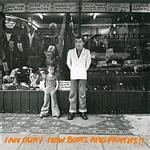
New Boots and Panties!!, released in 1977 by Ian Dury, blends pub rock, music hall, funk and nascent new wave with pop sensibilities. The album pairs tight, rhythm-driven arrangements with Dury's idiosyncratic spoken-sung delivery and characterful, often humorous lyrics that draw on working-class life and vivid storytelling. Its mix of cheeky humour, melodic hooks and varied styles helped establish Dury as a distinctive voice in the late 1970s British rock scene.
#241 — Ray of Light by Madonna
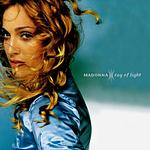
Ray of Light, released in 1998, finds Madonna moving into electronic and dance-pop territory with production heavily shaped by William Orbit. The album blends club-ready beats and synth-driven hooks with ambient and downtempo textures, pairing pulsing rhythms and layered electronic arrangements with more reflective, spiritual lyrical themes. Madonna's vocal delivery ranges from breathy to urgent, and the record balances uptempo dance tracks and slower, atmospheric songs to create a cohesive pop-electronic sound.
#242 — Off the Wall by Michael Jackson
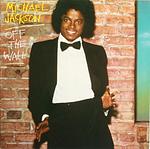
Off the Wall (1979) finds Michael Jackson moving from child star to mature solo artist with a polished blend of disco, pop, contemporary R&B and funk. Produced by Quincy Jones, the album pairs buoyant dance grooves and tight funk rhythms with smooth balladry, featuring slick horn and string arrangements, layered backing vocals and confident lead performances. Its emphasis on sophisticated production, dancefloor songs and crossover R&B sensibility helped redefine Jackson's sound and shaped his direction on later projects.
#243 — The Hissing of Summer Lawns by Joni Mitchell
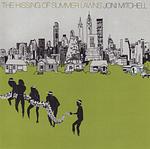
The Hissing of Summer Lawns (1975) finds Joni Mitchell expanding from her folk roots into a sound that blends jazz pop, folk pop and avant garde pop with elements of contemporary jazz. Arrangements emphasize electric keyboards, layered vocals and rhythmic complexity, while the harmonic language and song forms draw on jazz sensibilities. Lyrically the album uses observational narratives and ambiguous characters to examine suburban life, relationships and modernity. Overall it represents a deliberate, experimental turn toward denser production and sophisticated songwriting.
#244 — Smother by Wild Beasts
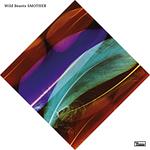
Smother is a mood-forward album that moves Wild Beasts toward intimate, slow-burning art pop and art rock. The songs put Hayden Thorpe's high-register vocals in contrast with Tom Fleming's lower voice, set against reverb-drenched piano, synth textures, and restrained rhythms that favor atmosphere and tension over immediacy. Lyrically and sonically the record emphasizes desire, domestic unease, and a sensual, spacious approach to indie pop and rock arrangements.
#245 — Fuzzy Logic by Super Furry Animals
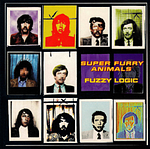
Fuzzy Logic is the 1996 debut album by Super Furry Animals that blends indie rock and pop with psychedelic textures and playful, often surreal songwriting. The record pairs bright, melodic hooks and vocal harmonies with layered production and occasional electronic touches, reflecting a willingness to mix classic pop songcraft with experimental sounds. Emerging during the Britpop era, it established the band’s eclectic approach and taste for richly arranged, genre-blurring material.
#246 — MTV Unplugged in New York by Nirvana
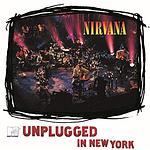
MTV Unplugged in New York is a live acoustic album by Nirvana recorded for the MTV Unplugged series that reframes the band's grunge sound with sparse, intimate arrangements rooted in folk rock and acoustic rock. The performances emphasize hushed dynamics and raw vocal delivery, with the core trio supported by an additional guitarist and a cellist, creating a darker, more melancholic texture than their electric studio work. The set mixes reworked band originals with covers, underscoring Nirvana's ties to alternative and folk influences while highlighting a quieter, more vulnerable side of their music.
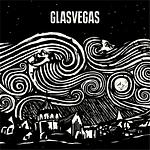
Glasvegas is the band's 2008 self-titled debut, rooted in indie and alternative rock with clear post-punk revival and shoegaze influences. It pairs reverb-drenched, chiming guitars and dense, atmospheric textures with raw, emotive vocals and direct lyrics addressing working-class life and personal struggle. Songs move between brooding, feedback-laden passages and expansive, anthemic choruses, giving the record a widescreen sound that still retains a gritty, intimate edge.
#248 — The Slim Shady LP by Eminem
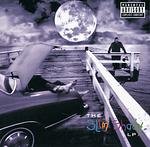
The Slim Shady LP (1999) is Eminem's major label breakthrough that introduces his Slim Shady persona, mixing dark, shock-driven humor and violent satirical storytelling with tightly wound rhyme schemes. Musically it blends hardcore hip hop and horrorcore themes with boom bap influenced, sample-forward production and polished, cinematic touches, using skits and sudden mood shifts to amplify its black comedy. The record is notable for its provocative lyricism, agile delivery, and theatrical approach that helped define Eminem's public voice.
#249 — The Fat of the Land by The Prodigy
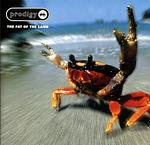
The Fat of the Land is The Prodigy's third studio album, released in 1997. It combines big beat and breakbeat rhythms with aggressive electronic production, heavy bass, distorted synths and a confrontational vocal style that draws on punk and MC traditions. The album is notable for its hard-hitting, club-oriented sound and for bringing a rock-inflected edge to late 1990s electronica.
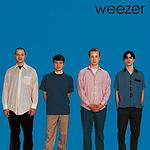
Weezer (1994), commonly known as the Blue Album, is the band's debut studio record. Produced by Ric Ocasek, it blends alternative rock and power pop with clean, guitar-driven arrangements, prominent melodic hooks, and introspective lyrics from Rivers Cuomo. Tracks such as "Undone (The Sweater Song)", "Buddy Holly", and "Say It Ain't So" mix crunchy guitars, singalong choruses, and occasional softer passages, creating an accessible yet angular sound that became associated with 1990s alternative and pop punk scenes.
#251 — Surf's Up by The Beach Boys
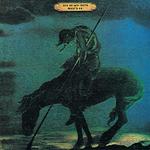
Surf's Up is a 1971 Beach Boys album that mixes pop and psychedelic elements with progressive pop touches, notable for rich vocal harmonies, orchestral textures and a more introspective tone. The title track, written with Van Dyke Parks, and songs such as "Til I Die" and "A Day in the Life of a Tree" reflect lingering experimentalism from earlier eras alongside contributions from Carl Wilson and Bruce Johnston, producing a record that balances social commentary, melancholy and studio-crafted arrangements.
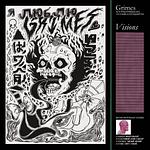
Visions is a 2012 album by Grimes that blends synth-pop, dream pop and experimental art pop with chillwave textures. It features home-produced, densely layered electronic arrangements, bright melodic synth hooks, pitched and multi-tracked ethereal vocals, and percussion that ranges from minimal to glitchy. The album pairs concise pop song structures with off-kilter production and often introspective or eerie lyrical themes, creating a distinctive mix of accessibility and experimentalism. Tracks like "Oblivion" and "Genesis" exemplify its contrast of sweet melodies and unsettling sonic details.
#253 — Exile on Main St. by Pussy Galore
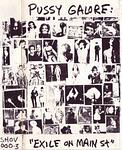
Pussy Galore's 1986 Exile on Main St. is a lo-fi, noise-rock reinterpretation of the Rolling Stones album presented in a deliberately abrasive, garage-punk style. The recording strips the original blues-rock songs down to raw, distorted arrangements with smeared vocals, tape hiss and chaotic textures, emphasizing a confrontational, DIY indie aesthetic rather than polished musicianship.
#254 — Meat Is Murder by The Smiths
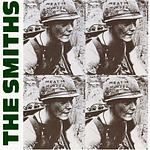
Meat Is Murder is The Smiths' second studio album, released in 1985. It pairs Johnny Marr's chiming, layered guitar work and more forceful rock arrangements with Morrissey's literate, often confrontational lyrics, moving the band toward more overtly political and social themes, including animal rights on the title track. Musically it sits at the intersection of indie pop, jangle pop, indie rock and post-punk, combining melodic hooks with darker, sharper textures than their debut.
#255 — The English Riviera by Metronomy
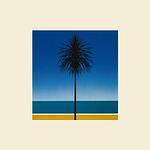
The English Riviera, Metronomy's 2011 album, refines the band's indie pop and indietronica roots into a smoother, seaside-flavored synth-pop sound. Joseph Mount's warm, understated vocals sit atop crisp, melodic synths, prominent basslines, and uncluttered drum programming, producing a relaxed, sunlit atmosphere across tracks such as "The Bay" and "The Look". The record emphasizes clean arrangements and retro-leaning touches from 1970s and 1980s soft rock, giving it a more polished and melodic pop focus compared with their earlier work.
#256 — This Year's Model by Elvis Costello
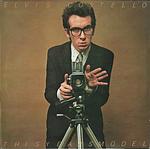
This Year’s Model is Elvis Costello’s 1978 album recorded with the Attractions that marks a move to a harder edged new wave sound. The record pairs jagged, punchy guitar and a muscular rhythm section with prominent organ and Costello’s acerbic, literate lyrics and urgent vocals. Produced by Nick Lowe, it contains concise, immediate songs such as 'Pump It Up' and 'Radio Radio' and is often cited as a key work in the late 1970s new wave movement.
#257 — The Boatman's Call by Nick Cave & the Bad Seeds
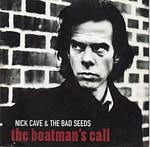
The Boatman's Call, released in 1997 by Nick Cave & the Bad Seeds, is a spare, piano-led album that foregrounds intimate, confessional songwriting. Arrangements are minimal, built around piano, organ, acoustic guitar and subtle textures, placing Cave's baritone voice and lyrical narratives at the forefront. The record represents a shift toward balladry and introspection, exploring themes of love, loss, faith and regret with poetic, often stark language, and is frequently noted for its quiet mood and emotional directness.
#258 — Five Leaves Left by Nick Drake
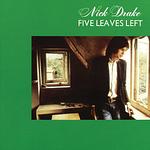
Five Leaves Left, Nick Drake's 1969 debut, pairs his intricate acoustic fingerpicking and hushed, melancholic vocals with restrained string and brass arrangements by Robert Kirby. The album blends English folk and chamber folk sensibilities with intimate singer-songwriter songwriting, emphasizing pastoral imagery, introspective lyrics, and subtle harmonic nuance. Its quiet, atmospheric production and focus on mood and texture helped establish it as an influential touchstone for later contemporary folk and British folk rock artists.
#259 — Yo! Bum Rush the Show by Public Enemy
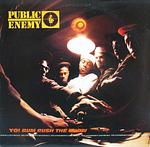
Yo! Bum Rush the Show is Public Enemy's 1987 debut album. It blends East Coast hardcore and conscious hip hop with Chuck D's commanding delivery and Flavor Flav's call-and-response hype over raw, hard-hitting beats and aggressive turntable work. The lyrics confront racial injustice, urban struggle, and institutional oppression, and the record established the group's confrontational, politically charged sound that they expanded on in later releases.
#260 — Specials by The Specials
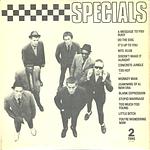
The Specials is the 1979 debut album by The Specials that melds Jamaican ska and reggae rhythms with the energy of punk and new wave within the 2 Tone aesthetic. Musically it pairs propulsive offbeat guitar and punchy horn lines with spare, direct production, and lyrics that address social concerns such as racial tension and youth culture while retaining a strong danceable feel. The album is considered a defining release of the British 2 Tone ska revival and helped bring that sound to a broader audience.
#261 — Live! by Bob Marley & The Wailers
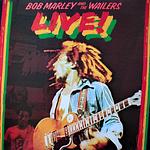
Live! is a 1975 concert album by Bob Marley & The Wailers that captures a London performance from their mid 1970s period. The record presents their roots reggae sound in a live context, with a driving rhythm section, melodic organ and guitar accents, and Marley's impassioned vocals backed by the I-Threes. It features extended, relaxed renditions of several songs from that era, including the live version of "No Woman No Cry," and conveys the communal energy and improvisational feel of their stage shows.
#262 — Criminal Minded by Boogie Down Productions
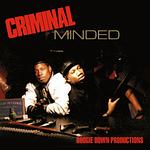
Criminal Minded, the 1987 debut by Boogie Down Productions led by KRS-One with DJ Scott La Rock, is a raw, street-level hardcore hip hop record that pairs spare, hard-hitting beats and crate-digging samples with reggae and dancehall inflections. The sound is minimalist and aggressive, featuring confrontational lyricism about street life and rap rivalries, notably on "South Bronx" and "The Bridge Is Over." Its production and delivery helped crystallize a tougher East Coast hip hop aesthetic and became a touchstone for later hardcore rap artists.
#263 — I Speak Because I Can by Laura Marling
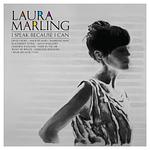
I Speak Because I Can (2010) finds Laura Marling refining a folk-based sound into a set of intimate, guitar-led songs. The album features spare, acoustic arrangements with subtle piano and strings, literate and introspective lyrics, and a clear, expressive vocal delivery that blends traditional folk influences with indie pop sensibilities. Its focus on concise songwriting and understated production marks a significant step in Marling's artistic development.
#264 — Please Please Me by The Beatles
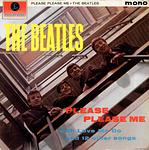
Please Please Me is the Beatles' 1963 debut studio album that captures their early Merseybeat and pop rock sound with a mix of Lennon-McCartney originals and R&B and rock and roll covers. The recordings emphasize energetic, concise performances, close vocal harmonies and tight interplay between Lennon and McCartney, with George Harrison's guitar and Ringo Starr's driving drums supporting the group. Produced by George Martin and largely recorded in a single day at Abbey Road Studios, the album reflects the live-in-the-club feel of their early repertoire and includes tracks such as "I Saw Her Standing There", the title song, and a spirited cover of "Twist and Shout".
#265 — Celebrity Skin by Hole
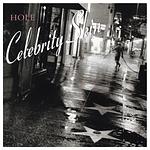
Celebrity Skin is Hole's third studio album, released in 1998. It foregrounds a more polished, pop-inflected form of alternative rock compared with the band's earlier, rawer grunge sound, featuring glossy production by Michael Beinhorn, hook-driven guitar work and melodic, radio-friendly arrangements on tracks such as the title song and "Malibu". Lyrically the record touches on fame, identity and relationships while maintaining an abrasive edge in its guitar tones and Courtney Love's vocal delivery.
#266 — A Rush of Blood to the Head by Coldplay
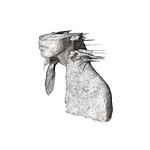
A Rush of Blood to the Head, Coldplay's 2002 second album, expands the band's sound from their debut with piano-driven ballads and more prominent guitar textures, balancing intimate, melancholic songwriting with larger, arena-scaled arrangements. Tracks such as "Clocks", "The Scientist", and "In My Place" emphasize spare piano motifs, ringing guitars, and melodic, emotive vocals that foreground atmosphere and directness. The record helped define the band's style within early 2000s post-Britpop and piano rock and marked a clear step toward more mature, anthemic songwriting.
#267 — Stupidity by Dr. Feelgood
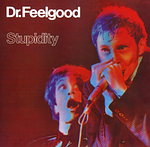
Stupidity is a 1976 live album by Dr. Feelgood that captures the band’s raw, high-energy pub rock and blues rock sound. Performed by the original lineup led by Lee Brilleaux and Wilko Johnson, the recording foregrounds Johnson’s choppy, percussive guitar and Brilleaux’s gritty vocals over a tight, driving rhythm section, delivering concise, R&B-rooted songs with a rough-edged live immediacy. The album is significant for documenting the band’s unvarnished stage presence and for exemplifying the pub rock aesthetic that helped set the scene for the British punk movement.
#268 — Todd by Todd Rundgren
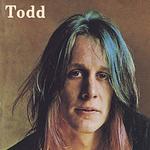
#269 — Skying by The Horrors
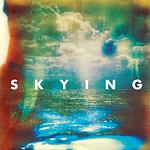
Skying is the Horrors' third studio album, released in 2011, and marks a move toward a more expansive, synth-forward take on post-punk revival and neo-psychedelia. The record emphasizes reverb-soaked guitars, layered keyboards, and steady, driving rhythms that create dense, cinematic textures, while Faris Badwan's detached vocal style sits atop lush arrangements. Overall the album consolidates the band's shift from raw garage beginnings toward a more art rock and psychedelic soundscape with longer, immersive song structures.
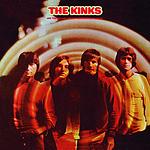
The Kinks Are the Village Green Preservation Society (1968) is a Ray Davies-led album that blends pop rock and baroque pop with touches of psychedelic pop, built around concise, character-driven songs about English small-town life and memory. Musically it favors acoustic guitar, piano, tight vocal harmonies, and occasional string or woodwind colors, creating a pastoral, intimate sound and a focus on vignettes rather than rock excess. Its emphasis on nostalgia, everyday characters, and chamber-pop arrangements marks a distinct turn in the Kinks' songwriting and has informed later British artists exploring similar themes.
#271 — Loaded by The Velvet Underground
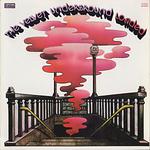
Loaded, released in 1970 by The Velvet Underground, moves toward a cleaner, more pop-oriented sound while retaining the band's art rock and garage roots. The record emphasizes hook-driven songwriting and melodic vocals on tracks such as "Sweet Jane" and "Rock and Roll", blending rock and folk-rock textures with concise, radio-friendly arrangements and clearer production compared with the group's earlier experimental work. The result is a more accessible, songwriter-focused entry in the Velvet Underground catalog that still carries their characteristic lyrical edge.
#272 — Parachutes by Coldplay
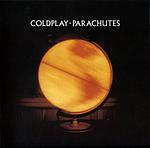
Parachutes is Coldplay's 2000 debut studio album, built around restrained, melodic songwriting and atmospheric, guitar-based arrangements. The record blends alternative and pop rock with dream pop textures and post-Britpop sensibilities, favoring gentle acoustic strumming, chiming electric guitar, and luminous production that foregrounds Chris Martin's plaintive vocals and simple piano motifs. Its overall mood is introspective and mellow, with clear, hook-driven songs that established the band's early sonic identity.
#273 — The College Dropout by Ye
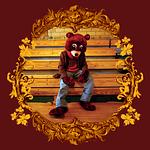
The College Dropout is the 2004 debut studio album by Ye, released under the name Kanye West. Musically it blends hip hop and pop rap with chipmunk soul production built from sped-up soul samples, touches of neo soul and gospel textures, and layered vocal harmonies. Lyrically it pairs personal introspection with social commentary, mixing confessional passages and humor while exploring themes of family, faith, ambition, and the music industry. The record is marked by warm, sample-driven instrumentation and a production-forward approach that foregrounds melodic beats alongside conversational, emotionally direct rapping.
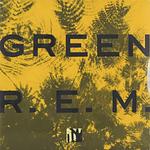
Green, released in 1988, is R.E.M.'s sixth studio album and their first on a major label. It blends the band's jangly alternative rock roots with brighter pop hooks and occasional harder-edged guitar sounds, while experimenting with varied textures and arrangements. The lyrics take on more overt political and topical themes alongside lighter singalong moments, yielding a diverse record that includes songs such as "Orange Crush" and "Stand".
#275 — Quadrophenia by The Who
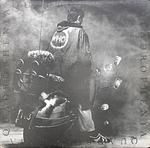
Quadrophenia is a 1973 rock opera album by The Who, written mainly by Pete Townshend. It blends hard rock energy and art rock ambition with layered studio production, prominent synthesizers, orchestral touches, and narrative sound effects to follow Jimmy, a disaffected mod in 1960s England. The music shifts between driving, guitar-led numbers and more introspective, piano or synth-based songs, and the album is notable for its storytelling focus and complex arrangements within the classic rock idiom.
#276 — Ocean Rain by Echo & the Bunnymen
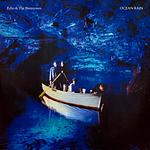
Ocean Rain is Echo & the Bunnymen's 1984 album that moves their post-punk foundation toward a more orchestral, cinematic sound, combining jangly guitars and indie rock rhythms with lush string arrangements and neo-psychedelic atmospheres. Ian McCulloch's resonant, melancholic vocals sit against reverb-heavy production and maritime imagery, creating a sweeping, nocturnal mood. The record is notable within their catalogue for its ambitious arrangements and strong melodic focus.
#277 — Reading, Writing and Arithmetic by The Sundays
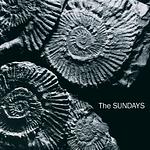
Reading, Writing and Arithmetic is the 1990 debut album by The Sundays that blends dream pop atmosphere with indie pop and jangle pop guitar work. The record features chiming, jangly guitars and spare, rhythmic arrangements that foreground Harriet Wheeler's clear, airy vocals and literate, introspective lyrics. Its understated production and melodic focus helped define the band’s distinctive, melodic indie sound in the early 1990s.
#278 — Advance Title Cut by The Swains
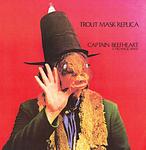
Trout Mask Replica (1969) by Captain Beefheart and His Magic Band is a dense, challenging record that fuses Delta blues foundations with avant-garde and free jazz approaches. Its arrangements feature jagged rhythms, abrupt tempo changes, dissonant horns, and raw, shouted vocals paired with surreal, collage-like lyrics, producing an abrasive and unpredictable sound. The album is often cited as a key work of experimental rock and proto-punk for its uncompromising structures and lasting influence on underground and alternative music.
#280 — drukQs by Aphex Twin
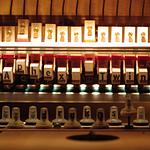
Drukqs is a 2001 double album by Aphex Twin that juxtaposes frenetic, intricately programmed drill and bass, breakcore and acid techno tracks with spare electroacoustic piano pieces. The record moves between razor-sharp, chopped breakbeats and dense electronic textures and quieter, melody-focused piano compositions such as "Avril 14th", illustrating Richard D. James's interest in both extreme rhythmic experimentation and simple acoustic timbres. Its contrast of aggressive digital sound design and intimate instrumental moments makes it a distinctive and often-discussed entry in his catalog.
#281 — My Aim Is True by Elvis Costello
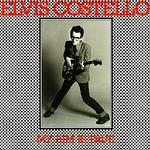
My Aim Is True is Elvis Costello's 1977 debut studio album that blends rock, new wave, pub rock, pop rock and country influences. The record pairs lean, guitar-driven arrangements with concise, literate songwriting, juxtaposing caustic wit and melodic hooks across raucous rockers and more reflective, country-tinged numbers. Recorded with a loose, energetic band feel, the album introduced Costello's distinctive vocal delivery and sharp lyrical voice, marking his emergence as a notable and eclectic songwriter in the late 1970s.
#282 — Grand Prix by Teenage Fanclub

Grand Prix, released in 1995 by Teenage Fanclub, is a melodic guitar-pop album that blends indie rock and power-pop sensibilities. It features chiming guitars, close three-part vocal harmonies, and a warmer, more textured production than some earlier recordings, moving between upbeat, hook-driven songs and more reflective, melancholic numbers while keeping a strong emphasis on melody and songwriting.
#283 — Roxy Music by Roxy Music
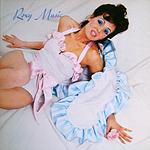
Roxy Music's 1972 self-titled debut blends glam rock's stylish theatricality with art rock experimentation, pairing Brian Ferry's suave vocals and pop songcraft with Brian Eno's electronic treatments and angular instrumental textures. The record juxtaposes concise, melodic tracks and cinematic arrangements with studio experimentation and art-school sensibilities, helping define the band's sleek aesthetic and an art-glam approach to rock.
13 Songs (1989) compiles Fugazi's first two EPs and captures their early post-hardcore sound: angular, rhythmic guitar interplay, propulsive bass and drums, and Ian MacKaye's urgent, concise vocals paired with socially aware lyrics. Recorded at Inner Ear and released on Dischord, the short, tightly arranged tracks emphasize dynamics and a DIY ethic that helped define the band's influence within the post-hardcore scene.
#285 — Midnight Love by Marvin Gaye
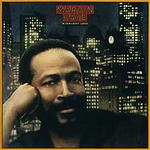
Midnight Love, released in 1982, is Marvin Gaye's final studio album issued during his lifetime and blends soul, funk, disco, and contemporary R&B into a sleek, sensual sound. The record features prominent synthesizers and drum machine patterns alongside Gaye's layered falsetto, modernizing his smooth soul approach while keeping warm, groove-oriented arrangements. Songs like "Sexual Healing" illustrate the album's late-night moodiness and intimate songwriting, balancing danceable rhythms with personal reflection.
#286 — Dust by Screaming Trees
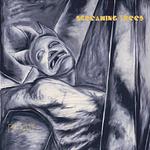
Dust (1996) finds Screaming Trees blending grunge's distorted guitar heft with classic hard rock riffs and a pronounced psychedelic sensibility, anchored by Mark Lanegan's deep, smoky vocals. The album mixes big, riff-driven tracks with more textured, melancholic arrangements that use organ, acoustic touches, and layered guitar to create a darker, more expansive sound than the band had often shown earlier. It is commonly viewed as a mature, late-period statement that pushes beyond straightforward grunge into moodier, more atmospheric rock.
#287 — Reign in Blood by Slayer
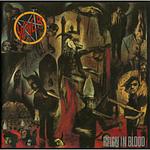
Reign in Blood is Slayer's 1986 studio album that helped define thrash metal's extreme edge. It features relentless tempos, razor-sharp guitar riffs from Kerry King and Jeff Hanneman, Tom Araya's snarled vocals, and Dave Lombardo's explosive drumming, delivered in a compact, intense runtime. The record is notable for its concise song structures, abrasive production, and tracks such as "Angel of Death" and "Raining Blood" that emphasize speed and brutality within a tight, focused framework.
#288 — Music of My Mind by Stevie Wonder
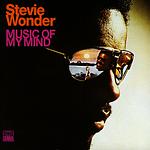
Music of My Mind (1972) marks a transition to more personal and experimental work by Stevie Wonder. The record blends soul, funk, R&B, pop, and rock with prominent synthesizer textures, layered vocals, and multi-instrumental arrangements, and features close collaboration with Malcolm Cecil and Robert Margouleff on the album's electronic sound. Tracks move between intimate ballads and groove-driven funk, and the album is regarded as the beginning of Wonder's creative peak in the early 1970s.
#289 — The Modern Lovers by The Modern Lovers
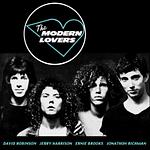
The Modern Lovers (1976) collects early recordings by Jonathan Richman and his band that favor a raw, direct approach rooted in garage rock and proto-punk while drawing on art rock and indie sensibilities. The music pairs spare, chiming guitars and steady, propulsive rhythms with Richman's candid, often childlike vocal delivery and conversational lyrics, blending deadpan wit and everyday observation. Its simplicity and immediacy highlight a balance of rough-edged energy and clear melodic focus that has been widely noted in discussions of early punk and indie precursors.
#290 — Expecting to Fly by The Bluetones
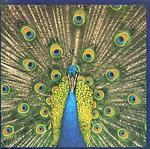
Expecting to Fly is The Bluetones' 1996 debut album, rooted in Britpop and indie rock. It emphasizes jangly, melodic guitar lines, concise songcraft, and a mix of upbeat tracks and more introspective moments, with a generally restrained, melody-first production. The record helped define the band's literate, guitar-pop sound and includes the well known single "Slight Return".
#291 — Younger Than Yesterday by The Byrds
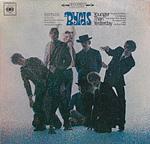
Younger Than Yesterday (1967) finds the Byrds expanding their folk rock roots into more varied pop and psychedelic territory. The record mixes the group's signature jangly 12-string guitar and tight vocal harmonies with more adventurous arrangements and songwriting, including notable tracks such as 'So You Want to Be a Rock 'n' Roll Star', 'My Back Pages', and 'Have You Seen Her Face'. Chris Hillman's songwriting contributions increased and David Crosby's experimental tendencies are audible on several songs, giving the album a balance of concise pop songs and psychedelic touches that pointed toward the band's later work.
#292 — The New Fellas by The Cribs
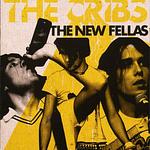
The New Fellas captures The Cribs' lean, urgent indie rock with garage-tinged energy and concise, guitar-driven songs. The record features jagged riffs, propulsive rhythms, and direct, sing-along choruses delivered with a raw, immediate production, and its lyrical perspective often reflects everyday and working-class themes. As an early release in the band's catalog, it helped establish their reputation for short, high-energy tracks and raucous live-style performances.
#293 — High Land, Hard Rain by Aztec Camera
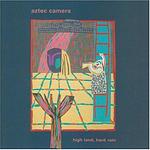
High Land, Hard Rain is the 1983 debut by Scottish band Aztec Camera, driven by Roddy Frame's songwriting and distinctive guitar work. The album pairs bright, jangly guitar textures and clean production with literate, romantic lyrics, merging indie pop and jangle pop sensibilities with touches of art rock, folk and jazz phrasing. Its concise, melody-focused songs, including "Oblivious" and "Walk Out to Winter", helped establish Frame's reputation as a young songwriter with a clear melodic sense.
#294 — Myths of the Near Future by Klaxons
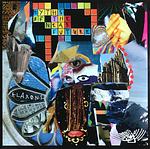
Myths of the Near Future, Klaxons' 2007 debut, blends indie rock and dance-punk with electroclash and new rave elements. It pairs jittery guitar riffs and driving drum patterns with dense synths and electronic production to create a frenetic, psychedelic atmosphere. Vocals are urgent and chantlike, and the lyrics draw on science fiction and mythic imagery, nodding to the album title's literary source. The record is closely associated with the new rave movement and is noted for fusing rock songcraft with club-oriented rhythms.
#295 — Doggystyle by Snoop Dogg
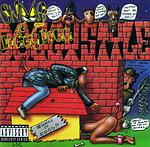
Released in 1993, Doggystyle is Snoop Dogg's debut solo album that epitomizes the West Coast G-funk sound of the early 1990s. Largely produced by Dr. Dre and collaborators, the record pairs slow, funk-derived grooves, melodic synth leads, and heavy bass with layered vocal hooks, creating a relaxed instrumental backdrop for Snoop's languid drawl and street-centered storytelling that balances party tracks with darker narratives. The album's production style and Snoop's persona helped shape the sonic identity of West Coast gangsta rap during that era.
#296 — Let's Dance by David Bowie
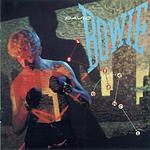
Let’s Dance (1983) finds David Bowie embracing a glossy, dance-oriented sound produced by Nile Rodgers, blending New Wave and pop rock with art rock sensibilities and dance-pop rhythms. The record emphasizes tight, percussive grooves, bright synth textures and punchy guitar work from Stevie Ray Vaughan, pairing streamlined, radio-friendly arrangements with Bowie’s distinctive vocals and lyrical quirks. It represents a deliberate move toward mainstream pop and dance styles in his catalogue and includes reworked material from earlier collaborations.
#297 — Ege Bamyası by Can
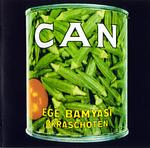
Ege Bamyası (1972) blends loose, improvisational psychedelic rock with disciplined, groove-driven rhythms that helped shape Krautrock. The album alternates hypnotic, extended jams and more concise, songlike pieces, emphasizing repetitive drum patterns, elastic basslines, quirky organ and guitar textures, and improvisational vocals. Its sound balances raw live energy with inventive studio editing, producing tracks that feel both spontaneous and tightly shaped. The record is notable for bringing funk and avant-garde approaches into a rock context while keeping arrangements relatively economical.
#298 — Duck Rock by Malcolm McLaren
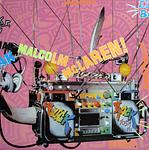
Duck Rock is Malcolm McLaren's 1983 album that blends early hip hop elements and DJ turntablism with downtempo, new wave and pop production, while drawing on African and Caribbean rhythms and sample-based sound collage. The record features cut-up production, scratching and chant-like hooks on tracks such as "Buffalo Gals" and "Double Dutch", and is often cited for bringing international rhythmic textures into a pop/new wave context.
#299 — 16 Lovers Lane by The Go‐Betweens
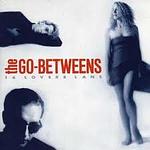
16 Lovers Lane (1988) by The Go-Betweens is a polished, melodic blend of indie pop, jangle pop and folk-tinged rock that foregrounds jangly guitars, warm production and literate, romantic songwriting from Robert Forster and Grant McLennan. Amanda Brown's violin and backing vocals add brighter, chamber-pop textures to the arrangements, while the album's accessible songcraft and memorable melodies, including the standout track Streets of Your Town, make it one of the band's most recognized records from the late 1980s.
#300 — The Who by Numbers by The Who
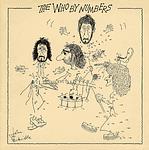
The Who by Numbers is a 1975 album in which The Who present a more introspective, songwriter-focused set of songs from Pete Townshend. Musically it blends rock and pop rock with occasional hard rock moments, leaning on acoustic textures and tighter arrangements rather than the large-scale productions of some earlier records. The lyrics are notably candid and reflective, touching on themes of aging, doubt, and personal struggle, while the music ranges from playful, accordion-tinged tracks to tougher rockers and quiet acoustic moments, giving the album a restrained, melancholic character.