 The Greatest Music
NME’s The 500 Greatest Albums of All Time
Weight: 80%
How much this list influences our overall rankings. Higher weight means more reliable data.
Penalties Applied:
NME’s The 500 Greatest Albums of All Time (2013) is a special issue compiled from ballots cast by current and former NME journalists, each submitting a weighted top-50; the final list—topped by The Smiths’ The Queen Is Dead—reflects the magazine’s editorial vantage point more than a broad industry poll.
#301 — World of Echo by Arthur Russell
World of Echo (1986) is an intimate, minimalist album in which Arthur Russell places his bowed cello and fragile voice at the center, often processed with delay, reverb, and looping to create drifting, otherworldly textures that occupy the space between ambient, experimental electronic, and avant-folk. Tracks favor sparse, elliptical arrangements and close attention to timbre and silence over conventional song structure, producing moments that feel both personal and abstract. The record is notable for its singular blending of pop sensibility with experimental production and for the emotional directness Russell achieves through unconventional sonic treatments.
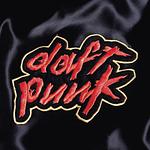
Homework is Daft Punk's 1997 debut studio album that blends electronic, house, French house, tech house, and deep house influences into a raw, sample-driven dance record. The sound is built around repetitive grooves, syncopated rhythms, gritty basslines, analog synth textures and occasional vocoder-processed vocals, favoring stripped-back, club-oriented arrangements. Tracks such as "Da Funk" and "Around the World" exemplify its mix of funk-inflected beats and minimalist production, and the album is often cited for helping bring French house aesthetics to a wider audience.
#303 — Mingus Ah Um by Charles Mingus
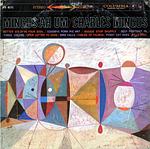
Mingus Ah Um (1959) is an album by Charles Mingus that blends hard bop drive, post-bop harmonic exploration, and rootsy blues and gospel elements. Mingus's compositions feature tight horn arrangements, strong melodic ideas, collective improvisation, and his commanding bass presence, yielding tracks that range from the elegiac "Goodbye Pork Pie Hat" to the satirical "Fables of Faubus" and the celebratory "Better Git It in Your Soul". The album is widely regarded as a landmark in modern jazz for its compositional ambition and emotional breadth.
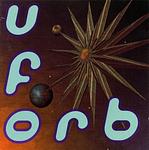
U.F.Orb (1992) by The Orb is a landmark album in ambient house that blends drifting ambient textures, dub-influenced rhythms, and layered samples to create long-form, psychedelic soundscapes. Built from extended, slowly evolving mixes, the album emphasizes spacious production, deep bass undercurrents, and cut-up found sounds that evoke a cosmic, late-night atmosphere. Its melding of electronic processing and reggae-derived dub techniques helped broaden ambient music's presence in club and electronic contexts.
#305 — Every Picture Tells a Story by Rod Stewart
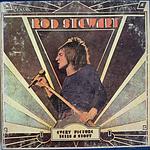
Every Picture Tells a Story, released in 1971, is Rod Stewart's third solo album. It blends rock, blues rock, folk rock and pop into a rootsy, acoustic-tinged sound anchored by Stewart's gritty, conversational vocals, loose band arrangements, and a mix of upbeat rockers and reflective ballads. The record features the well-known tracks "Maggie May" and "Mandolin Wind" and is often noted for capturing Stewart's move from folk-influenced singer-songwriter material toward a more rock-oriented solo identity.
#306 — The Freewheelin' Bob Dylan by Bob Dylan
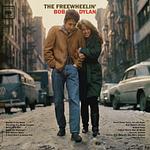
The Freewheelin' Bob Dylan, released in 1963 as Bob Dylan's second studio album, helped define his early voice in the 1960s folk revival. The record is built around sparse acoustic guitar and harmonica accompaniment and mixes traditional material with originals such as "Blowin' in the Wind", "A Hard Rain's a-Gonna Fall", "Masters of War", and "Don't Think Twice, It's All Right". Its songwriting foregrounds topical, poetic lyrics and draws on folk and blues influences within a contemporary folk framework.
#307 — Midnite Vultures by Beck
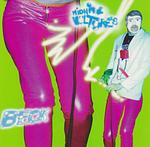
Midnite Vultures is a 1999 Beck album that blends alternative rock with funk, disco, R&B and electronic elements. It emphasizes groove and texture, pairing live horns, tight bass and guitars with synths and programmed beats, and features playful, often ironic lyrics and vocal stylings that include falsetto. The result is an eclectic, party-oriented record that foregrounds rhythm and studio sheen rather than looser, sample-based collage.
#308 — It's a Shame About Ray by The Lemonheads
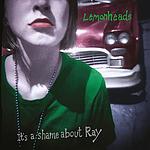
It’s a Shame About Ray (1992) by The Lemonheads is an alternative rock album built around concise, melodic songwriting, jangly electric guitars and occasional acoustic textures, anchored by Evan Dando’s laconic, expressive vocals. The record balances punk-influenced immediacy with pop hooks and introspective, wry lyrics, presenting a compact, accessible sound that became closely associated with the band’s early 1990s output.
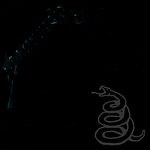
Metallica, commonly known as the Black Album, released in 1991, marks the band's shift from the faster thrash of their earlier records toward a heavier, more streamlined heavy metal and hard rock sound. The songs are generally shorter and more riff- and groove-oriented, with punchy, polished production by Bob Rock and greater emphasis on melody and atmosphere alongside aggressive guitar work. It features well known tracks such as Enter Sandman, Nothing Else Matters, Sad but True, and The Unforgiven that exemplify the album's balance of accessibility and metallic intensity.
#310 — Countdown to Ecstasy by Steely Dan
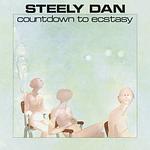
Countdown to Ecstasy, Steely Dan's 1973 album, furthers the band's blend of pop rock and jazz-influenced songwriting with tight arrangements, sophisticated chord changes, and literate, ironic lyrics. The sound pairs rock rhythms and guitar with jazz-pop and jazz-rock touches such as horn accents, piano work, and unexpected harmonic turns, and performances retain a more band-oriented energy than the later, more studio-controlled records. Songs like "Bodhisattva" and "My Old School" showcase the album's funky grooves and melodic complexity, making it an early example of Steely Dan's jazz-inflected pop sensibility.
#311 — Guerrilla by Super Furry Animals
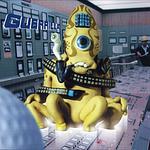
Guerrilla, released in 1999 by Super Furry Animals, blends alternative rock and neo-psychedelia with indie pop and electronic touches, trading some of their earlier rawness for a more polished, colorful production. The record pairs concise, melodic songs with offbeat arrangements, studio experimentation and layered harmonies, mixing distorted guitars, synths and occasional brass or orchestral textures. Within the late 1990s Britpop and indie rock context, it stands out for its eclectic, pop-minded approach to psychedelic and experimental sounds.
#312 — Treasure by Cocteau Twins
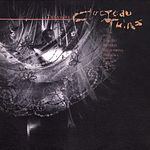
Treasure (1984) by Cocteau Twins is a dense, atmospheric record built around Elizabeth Fraser's high, often wordless vocal lines and Robin Guthrie's heavily reverbed, chorus-drenched guitar textures. Arrangements emphasize layered guitars, shimmering production, and restrained rhythmic elements, producing a blurred, dreamlike sound that helped shape later dream pop, ethereal wave, and shoegaze approaches. The album marks a clear move toward more textural, vocal-led compositions and is noted for its distinctive sonic palette.
#313 — Franks Wild Years by Tom Waits
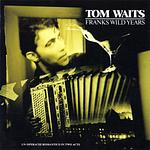
Franks Wild Years is Tom Waits's 1987 album that functions as a song cycle and soundtrack for his stage play of the same name. It continues the experimental, genre-blurring approach heard on Swordfishtrombones and Rain Dogs, mixing elements of blues, jazz, rock and vaudeville with unconventional instrumentation and found percussion. The songs are theatrical and narrative, featuring ragged piano, brass touches, odd rhythms and Waits's gravelly spoken-sung delivery, creating a darkly comic, cinematic sequence of character-driven vignettes.
#314 — Spiderland by Slint
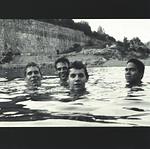
Spiderland, released in 1991 by Slint, is a spare, tension-driven rock album that helped shape key aspects of post-rock and math rock. Its songs blend subdued, often spoken vocals with angular, interlocking guitar work, shifting tempos, and stark dynamics that move between quiet, intimate passages and intense, release-driven climaxes. The album's atmospheric production and emphasis on space and rhythmic precision give it a cinematic, unsettling mood that has influenced many bands in post-rock, math rock, and post-hardcore circles.
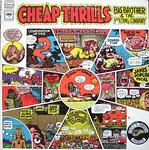
Cheap Thrills (1968) captures Big Brother & the Holding Company's raw, high-energy blend of blues-rooted rock and psychedelic experimentation, anchored by Janis Joplin's powerful, emotive vocals. The album emphasizes gritty guitar work, loose but driving rhythms, and an immediate, live-in-the-studio feel, with extended vocal phrasing and a rough-edged sonic intensity that reflects the late 1960s San Francisco psychedelic and blues-rock environment.
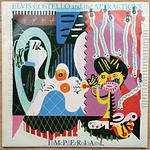
Imperial Bedroom, released in 1982 by Elvis Costello & The Attractions, is a studio album that shifts from the band’s earlier new wave edge toward richly arranged, baroque-influenced pop and rock. Produced by Geoff Emerick, the record features ornate chamber-pop arrangements, inventive studio touches, and complex songcraft, pairing intricate melodies with literate lyrics that examine personal and social themes. The album stands out in Costello’s catalog for its ambitious, texturally dense approach to pop songwriting.
#317 — Grievous Angel by Gram Parsons
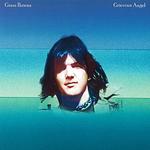
Grievous Angel is Gram Parsons's second solo album, released posthumously in 1974. It melds country, rock, and folk with spare acoustic arrangements, pedal steel and tasteful electric guitar, pairing Parsons's plaintive lead vocals with Emmylou Harris's close harmonies. The songs move between mournful ballads and more upbeat country rock numbers and dwell on themes of love, loss, travel and mortality. The record's blending of traditional country instrumentation with rock songwriting helped define the country rock sound and anticipated later Americana artists.
#318 — O.G. Original Gangster by Ice‐T
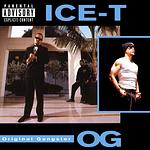
O.G. Original Gangster is Ice-T's 1991 album that crystallizes his West Coast gangsta rap approach, pairing hard, funk-inflected beats and crisp drum programming with a direct, conversational vocal delivery. The music leans toward dense sampling and heavy low end, while the lyrics mix street-level narratives, autobiographical persona, and pointed social commentary about urban life and policing. The record is regarded as a key entry in hardcore hip hop for broadening the genre's lyrical and narrative range beyond simple bravado.
#319 — Who's Next by The Who
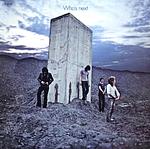
Who’s Next (1971) by The Who mixes hard rock power with art rock ambition, using prominent synthesizer textures alongside Pete Townshend's guitar work and Roger Daltrey's commanding vocals. Many songs grew out of Townshend’s abandoned Lifehouse project, condensed here into taut, arena-ready arrangements that range from driving rock anthems to introspective ballads. The album is notable for its muscular rhythm section, inventive production, and standout tracks such as "Baba O'Riley", "Won't Get Fooled Again", and "Behind Blue Eyes".
#320 — Swordfishtrombones by Tom Waits
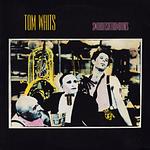
Swordfishtrombones (1983) is a Tom Waits album that marks a pronounced shift from his earlier piano-based, jazz and blues-tinged work toward a more experimental, percussive, and theatrical approach. The arrangements foreground unconventional percussion and found sounds alongside brass and woodwind textures, while Waits adopts a rougher, more expressive vocal style and surreal, character-driven storytelling. The record blends elements of blues, rock, and avant-garde experimentation and is regarded as a pivotal move into more adventurous, alternative rock and experimental territory for the artist.
#321 — Lost Souls by Doves
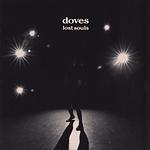
Lost Souls, the 2000 debut album by English band Doves, blends indie rock songwriting with dream pop atmospheres and post-Britpop sensibilities. The record is built from layered, reverb-heavy guitars, warm bass and restrained electronic touches, creating spacious, melancholic arrangements that often swell into expansive, melodic climaxes. Its mood-driven production and emphasis on texture and melody helped define the band’s signature sound of introspective, cinematic rock.
#322 — This Is Happening by LCD Soundsystem
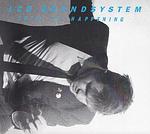
This Is Happening, LCD Soundsystem's third studio album released in 2010, blends dance-punk, electronic and disco-inflected songwriting into tightly arranged, emotionally direct songs. It favors clearer pop-song structures while retaining the band's club-oriented production, pairing propulsive rhythms and shimmering synth textures with James Murphy's conversational vocals and lyrics that shift between wry observation and vulnerability. The record is notable for its dynamic contrasts and for bringing indie rock sensibilities into dancefloor-ready arrangements.
#323 — Bitches Brew by Miles Davis
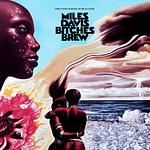
Bitches Brew is a 1970 Miles Davis album that marks his full embrace of electric instruments and the emerging jazz fusion idiom. The music blends loose, extended improvisation with rock and funk rhythms, dense, layered textures and a large ensemble featuring multiple electric keyboards, guitars and electric bass. Producer Teo Macero's studio editing reshaped long collective performances into suite-like tracks with a shifting, cinematic flow. The record is frequently cited as a pivotal work in the development of jazz fusion and avant-garde approaches to jazz.
#324 — Lifes Rich Pageant by R.E.M.
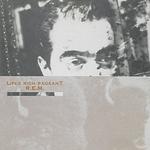
Lifes Rich Pageant, R.E.M.'s 1986 album, sharpens the band's jangle pop and alternative rock approach with cleaner, more rock-oriented production by Don Gehman. The sound features punchy guitars, tighter rhythms, and clearer vocals from Michael Stipe, moving away from the murkier textures of earlier records. Tracks like "Fall on Me" and "Cuyahoga" blend melodic hooks with environmentally and socially aware lyrics, and a cover of "Superman" adds a lighter moment. The record is notable as a transitional step that broadened R.E.M.'s sonic palette and prepared them for wider audiences.
#325 — Sea Change by Beck
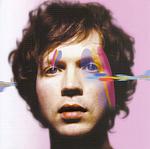
Sea Change, released in 2002 and produced by Nigel Godrich, is an introspective, largely acoustic album that emphasizes somber songwriting and understated arrangements. It blends elements of folk rock, alternative country, and chamber pop, using acoustic guitar, piano, string arrangements and restrained production to support Beck's subdued vocal delivery. The record marks a clear stylistic shift from his earlier sample-based, genre-mixing work and is noted for its intimate, melancholic atmosphere.
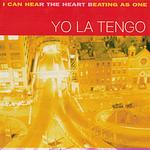
I Can Hear the Heart Beating as One, released in 1997, finds Yo La Tengo expanding their indie rock palette with a mix of concise melodic songs, exploratory noise-rock jams, gentle acoustic ballads, and subtle electronic textures. The album balances popcraft and improvisation, pairing short tuneful tracks with extended instrumental passages and a warm, roomy production, and it helped define the band’s eclectic, patient approach to songcraft within the indie rock scene.
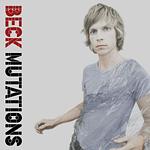
Mutations, released in 1998 and produced by Nigel Godrich, presents a moodier, more acoustic-focused counterpoint to Beck's sample-heavy earlier work. It blends alternative rock, lo-fi textures, alternative country and contemporary folk, using acoustic guitars, organ, strings and subtle studio touches to create melancholic, introspective songs with lush but restrained arrangements. The album emphasizes songwriting and atmosphere over beats and collage techniques, giving it an intimate, pastoral quality.
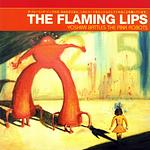
Yoshimi Battles the Pink Robots is a 2002 album by The Flaming Lips that blends neo-psychedelia, psychedelic pop, electronic textures and alternative rock into a loosely narrated concept about a character named Yoshimi and her fight with pink robots. The music pairs intimate, often plaintive vocals with shimmering synths, drum machine patterns and orchestral touches, moving between upbeat, melodic pop and slower, downtempo passages, and features songs such as "Yoshimi Battles the Pink Robots Part 1" and "Do You Realize??".
#329 — "Heroes" by David Bowie
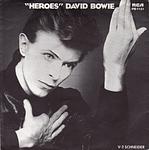
Heroes, released in 1977, is David Bowie’s album that blends art rock, electronic, ambient, art pop, and experimental rock. Recorded in West Berlin with producer Tony Visconti and frequent collaborator Brian Eno, the record pairs driving, guitar‑based songs with spare instrumental pieces built from layered synths and treated guitars, producing a stark and cinematic sound. The title track and several instrumentals emphasize atmospheric production and unconventional textures, making the album a central work from Bowie’s Berlin period that fuses pop songwriting with experimental electronics.
#330 — Third by Portishead

Third is Portishead's 2008 album that shifts from their sample-driven trip hop roots toward a harsher, more experimental sound combining stark electronic and industrial beats, analog synth textures, sparse guitar and occasional folk-leaning melodies. Beth Gibbons's vocals are often rawer and more exposed, framed by minimalist arrangements, sudden bursts of noise, and unconventional song structures that emphasize atmosphere over groove. The result feels like a deliberate reinvention that bridges trip hop, downtempo and experimental rock while retaining a dark, intimate mood.
#331 — Kick Out the Jams by MC5
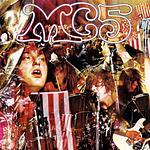
Kick Out the Jams is the 1969 debut live album by MC5, recorded at Detroit's Grande Ballroom. It captures the band's raw, high-energy fusion of garage rock and hard rock with extended, noisy jams and aggressive, shouted vocals that helped lay groundwork for proto-punk. The performances emphasize distorted guitars, driving rhythms, and a confrontational stage presence, making the record an influential snapshot of late 1960s underground rock.
#332 — H.M.S. Fable by Shack
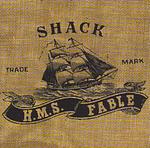
H.M.S. Fable (1999) by Shack is a melodic British rock album that blends jangly, Beatles-influenced pop with baroque touches and introspective songwriting. The record pairs concise, hook-driven songs with layered guitars, piano and organ to create a warm, melancholic atmosphere, and it is notable in the band’s catalogue for its strong songwriting and cohesive sound.
#333 — Band on the Run by Wings
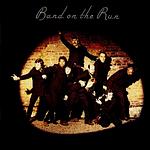
Band on the Run is a 1973 album by Wings, led by Paul McCartney, that blends rock, pop rock and soft rock with accessible pop songwriting. It moves between driving rockers such as "Jet" and the multi-part title suite, and quieter melodic ballads, featuring layered harmonies, concise hooks and varied arrangements that include acoustic textures and orchestral touches. The record is often cited as a defining statement of McCartney's post-Beatles work, showcasing his gift for melody and compact, studio-focused production.
#334 — Since I Left You by The Avalanches
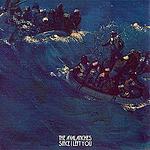
Since I Left You by The Avalanches is a debut album built from a dense collage of sampled sounds, creating a seamless, continuous flow of upbeat, nostalgic dance music. Its palette blends disco, funk, soul, electronic textures and found sounds into short vignettes and transitions that emphasize melody and atmosphere over conventional song forms. The result is a highly produced, sample-driven listening experience with intricate layering and a mixtape-like sequencing that foregrounds mood and texture.
#335 — …Like Clockwork by Queens of the Stone Age
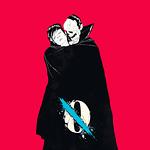
...Like Clockwork, the sixth studio album by Queens of the Stone Age released in 2013, moves the band toward a darker, more atmospheric sound while keeping their hard-edged riffing at the core. It blends alternative and stoner rock with artful arrangements and melodic introspection, using piano, spacious production, and dramatic dynamics to emphasize slower tempos and tension, with lyrics and tone that explore themes of mortality, recovery, and personal upheaval.
#336 — Raw Like Sushi by Neneh Cherry
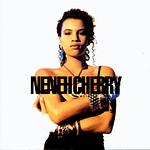
Raw Like Sushi is Neneh Cherry's 1989 debut solo album that blends pop, dance, electronic and pop-rap elements. The record pairs club-ready beats and electronic textures with an assertive vocal style that moves between sung hooks and rap-inflected verses, and includes well-known tracks such as "Buffalo Stance" and "Manchild". Its production mixes polished dance-pop arrangements with urban and international influences, and the lyrics often address identity, relationships, and personal confidence, giving the album a genre-crossing, contemporary pop sound.
#337 — The Grey Album by Danger Mouse
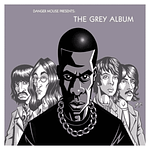
The Grey Album is a 2004 unofficial mashup project by producer Danger Mouse that blends Jay-Z vocal tracks from The Black Album with samples drawn from the Beatles White Album. The record pairs hip hop vocal delivery with dense, experimental sample collages, stuttering loops, and creative arrangements that reshape familiar elements into new beats and textures. Circulated primarily online, it attracted attention for its bold approach to sampling and provoked discussion about copyright and remix culture while helping to popularize mashup techniques.
#338 — Ready to Die by The Notorious B.I.G.

Ready to Die, the 1994 debut studio album by The Notorious B.I.G., pairs hard-edged boom bap production and sample-based beats with Biggie's deep, conversational flow and vivid storytelling about street life, ambition, and mortality. The record alternates gritty, hardcore narratives and gangsta rap themes with moments of melodic hooks and personal reflection, showcasing dense internal rhymes, dark humor, and cinematic details. It is widely regarded as a defining release in 1990s East Coast hip hop for its lyricism and narrative scope.
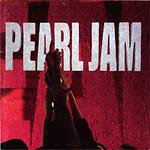
Ten is Pearl Jam's 1991 debut, rooted in grunge and alternative rock with hard rock dynamics. The album pairs Eddie Vedder's emotive, resonant vocals with layered, guitar-driven arrangements that alternate between heavy riffs and melodic hooks. Songs often combine anthemic choruses with introspective and sometimes angsty lyrics, and the production balances raw energy with a degree of studio polish. Ten is widely seen as a defining record of the early 1990s Seattle sound and established Pearl Jam's presence in alternative rock.
#340 — We Are Family by Sister Sledge
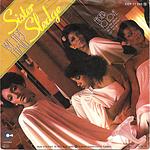
We Are Family is a 1979 album by Sister Sledge produced with Nile Rodgers and Bernard Edwards. It blends disco and pop with funk-rooted rhythms, featuring Chic-style guitar and bass patterns, danceable grooves, lush string arrangements, and close sibling vocal harmonies. The material ranges from upbeat dance anthems to mid-tempo pop grooves and foregrounds themes of togetherness and celebration, making it a notable example of late 1970s disco-pop crossover.
#341 — Closing Time by Tom Waits
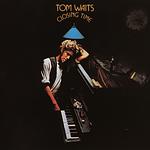
Closing Time is Tom Waits's 1973 debut, a collection of intimate, piano-led songs that blend folk, blues and jazz influences into smoky, late-night balladry. Waits's younger, mellower voice and literate, narrative lyrics evoke small-time characters and domestic scenes, supported by spare arrangements and subtle jazz touches that create a warm, melancholic atmosphere and established the idiosyncratic songwriting persona he would develop further in later records.
#342 — Lazer Guided Melodies by Spiritualized
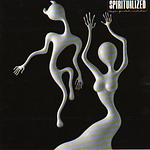
Lazer Guided Melodies, Spiritualized's 1992 debut, expands on the space rock and dream pop textures associated with Spacemen 3 into slow, immersive arrangements. The record layers sustained guitar drones, washed-out production, and restrained vocals with orchestral touches and gospel-tinged harmonies to create a cinematic, hypnotic atmosphere that emphasizes repetition and mood over conventional song structures.
#343 — John Wesley Harding by Bob Dylan
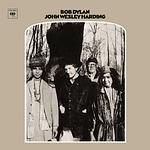
John Wesley Harding is a 1967 Bob Dylan album that pares arrangements down to a spare, roots-oriented sound blending folk, country, and rock elements. The songs are concise and narrative-driven, often using biblical and Western imagery, with restrained acoustic guitar and subtle backing instruments; notable tracks include All Along the Watchtower and I’ll Be Your Baby Tonight. The record represented a shift away from the mid 1960s electric sound toward a more song-centered, stripped-down approach associated with the emerging country rock and contemporary folk currents.
#344 — Beautiful Freak by EELS

Beautiful Freak is the 1996 debut studio album by Eels, the project of singer-songwriter Mark Oliver Everett. It blends alternative rock, indie pop, and chamber-tinged arrangements, pairing lo-fi guitars and electronic beats with occasional strings and quirky samples. The songs move between wry, often darkly comic lyrics and melancholic melodies, and tracks like "Novocaine for the Soul" and "Susan's House" helped introduce E's intimate, offbeat songwriting voice.
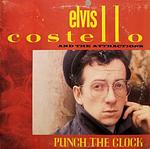
Punch the Clock, produced with Clive Langer and Alan Winstanley, finds Elvis Costello and the Attractions working in a brighter, horn-laced pop mode that mixes new wave energy with pop rock and soul textures. The album emphasizes punchy arrangements, prominent brass and occasional strings, and more polished production, while Costello's literate and often ironic lyrics remain central; songs such as "Everyday I Write the Book" typify the record's melodic, radio-friendly focus. It is notable within his catalog for its pop and soul instrumentation paired with his sharp songwriting.
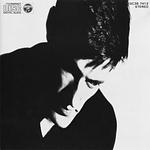
Low-Life (1985) by New Order blends post-punk songwriting with synth-driven dance production, pairing Bernard Sumner's cool, emotive vocals with Peter Hook's melodic, high-register basslines and Stephen Morris's precise drums and programming, while Gillian Gilbert contributes keyboard textures. The record balances rock instrumentation and electronic rhythms, moving between atmospheric instrumentals and concise, hook-driven songs, and marks a consolidation of the band's shift from post-punk roots toward a more club-oriented, electronic pop sound.
#347 — Dirty by Sonic Youth
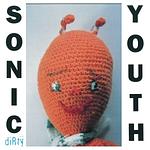
Dirty is Sonic Youth's 1992 album that blends the band's noise rock and experimental guitar work with tighter, more direct song structures drawn from alternative rock and grunge. Produced by Butch Vig, the record pairs abrasive, feedback-laden textures and alternate tunings with concise, hard-edged songs like "100%" and "Sugar Kane", making it a high-energy, polished entry in the band's major-label period that still emphasizes dissonance and sonic experimentation.
#348 — Whitney by Whitney Houston
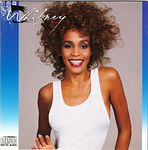
Whitney, released in 1987, is Whitney Houston's second studio album that blends dance-pop, contemporary R&B and mainstream pop with club-ready production and sweeping ballads. The record pairs upbeat, synth-driven tracks and polished, radio-friendly arrangements with powerful vocal performances and intimate slow songs, showcasing Houston's wide range, precise phrasing and dynamic control. Its production reflects mid-1980s pop and R&B trends, using prominent drum machine rhythms, bright synthesizers and layered backing vocals to create a glossy, high-energy sound alongside more restrained ballad moments.
#349 — An Awesome Wave by alt‐J

An Awesome Wave is alt-J's 2012 debut that blends indie rock and electronic textures with offbeat song structures and close vocal harmonies. Joe Newman's distinctive voice and the band's use of layered samples, jittery percussion, and dynamic contrasts create a sound that moves between propulsive, bass-driven tracks and quieter, folk-tinged moments. The album established alt-J's idiosyncratic approach to melody and rhythm, combining accessible hooks with experimental production choices.
#350 — B.R.M.C. by Black Rebel Motorcycle Club
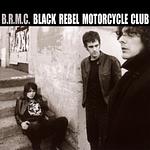
B.R.M.C., the 2001 debut by Black Rebel Motorcycle Club, presents a dark, garage-tinged rock sound built on fuzzed and reverbed guitars, brooding vocals, and hypnotic, repetitive riffs. The album moves between loud, distorted rockers and more restrained, acoustic-tinged moments, drawing on neo-psychedelia and indie rock textures to create a moody, minimalist atmosphere. It established the band’s core sonic identity within the early 2000s garage and alternative rock scene.
#351 — Sweetheart of the Rodeo by The Byrds
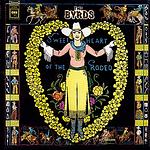
Sweetheart of the Rodeo is The Byrds' 1968 album that shifts the group's sound toward country rock, blending folk rock songwriting and rock rhythms with country instrumentation such as pedal steel and acoustic arrangements. Gram Parsons' involvement steered the record toward traditional country material and roots-flavored originals, delivered with close harmonies and a simpler, more direct production than the band's earlier psychedelic work, with songs like "Hickory Wind" exemplifying the album's tone. The record is widely regarded as an early and influential example of the country rock and Americana crossover.
#352 — White Light/White Heat by The Velvet Underground
White Light/White Heat, The Velvet Underground's 1968 album, is a deliberately abrasive and experimental record that pushes the band's art rock and proto-punk tendencies into raw noise and improvisation. The production is rough and immediate, with John Cale's electric viola, distorted guitars, and Lou Reed's deadpan vocals combining on short, jagged songs and the sprawling, feedback-heavy centerpiece "Sister Ray". Lyrically the album confronts drug use, sexuality, and urban alienation with stark directness. Its abrasive sound and willingness to embrace distortion and free-form jams have made it an influential touchstone for later punk and noise rock developments.
#353 — mclusky Do Dallas by mclusky
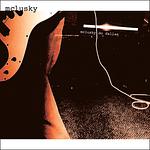
mclusky Do Dallas is a 2002 album by Welsh band mclusky that sharpens an abrasive mix of punk, noise rock, and indie rock into short, jagged songs. The record is characterized by angular, distorted guitars, punchy bass and drums, terse vocal delivery and darkly humorous, confrontational lyrics, and it helped define the band’s intense, succinct sound within the early 2000s underground British rock scene.
#354 — Hot Buttered Soul by Isaac Hayes
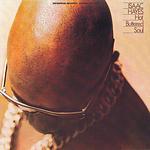
Hot Buttered Soul (1969) is Isaac Hayes's expansive soul album notable for its lengthy, slow-burning arrangements that blend orchestral strings, lush horn charts, deep funk rhythms and Hayes's baritone voice. It reworks pop and soul songs into extended, cinematic tracks with dramatic instrumental passages, warm electric piano and rhythmic grooves that emphasize mood and space over conventional single-length formats. The album broadened the palette and pacing of soul music, pointing toward elements of funk, jazz-funk and later orchestral dance styles while showcasing a more orchestral, album-oriented approach to R&B.
#355 — New York Dolls by New York Dolls
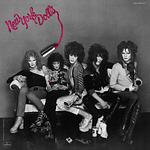
New York Dolls, the band's 1973 debut, delivers a raw, raucous fusion of glam theatrics and hard rock grit with clear proto-punk urgency. The record mixes distorted, riff-driven guitars and driving rhythms with sleazy, R&B-tinged rock and roll and theatrical, sneering vocals, producing a loose, streetwise sound that stood apart from more polished mainstream rock. Its rough-edged aesthetic and brash attitude is widely regarded as an important precursor to the punk movement and a touchstone for later punk and alternative artists.
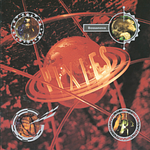
Bossanova (1990) finds the Pixies blending their signature loud-quiet dynamics and surreal songwriting with surf rock and spacey, reverb-heavy textures. The album pairs Black Francis's idiosyncratic vocals and cryptic lyrics with Joey Santiago's angular, surf-influenced guitar lines and Kim Deal's melodic bass and harmonies, yielding a more atmospheric and polished sound than some earlier recordings. It is notable for expanding the band’s sonic palette while retaining the energetic contrasts and offbeat sensibility that helped shape alternative and indie rock in the early 1990s.
#357 — Copper Blue by Sugar
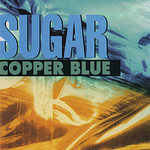
Copper Blue is Sugar's 1992 debut led by Bob Mould after his time with Hüsker Dü. The album fuses alternative rock and power-pop with loud, layered guitars, crisp production, and strong, hook-driven songwriting; abrasive textures sit alongside melodic choruses. Tracks such as "If I Can't Change Your Mind" and "Helpless" exemplify the record's combination of urgency and tunefulness, and it is commonly noted as a key statement in Mould's post-Hüsker Dü work.
#358 — Rock Bottom by Robert Wyatt
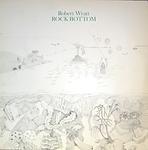
Rock Bottom is Robert Wyatt's 1974 solo album that crystallizes his move toward a spare, intimate form of art rock rooted in the Canterbury scene and avant-garde jazz. Recorded after the accident that left him unable to continue as a drummer, the record centers on Wyatt's distinctive, fragile vocals and melodic keyboard work framed by brass, saxophone colors and subtle studio textures. Songs unfold in loose, free flowing structures with surreal, elliptical lyrics and shifts between melancholy, whimsy and quiet intensity, blending jazz inflections, pastoral folk elements and experimental arrangement choices. The album established Wyatt's singular voice as a solo artist and remains a touchstone of 1970s British art rock.
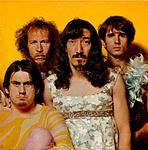
We’re Only in It for the Money (1968) by The Mothers of Invention is a satirical concept album led by Frank Zappa that critiques 1960s counterculture and pop music by using parody, sharp lyrics and collage techniques. Musically it blends rock foundations with orchestral touches, doo-wop pastiche, tape collage, musique concrète and studio-manipulated electronic effects, producing abrupt shifts, dissonant arrangements and a deliberately confrontational, experimental sound.
#360 — Room on Fire by The Strokes
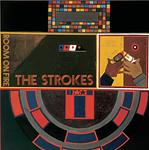
Room on Fire, The Strokes' 2003 second album, continues their stripped-back garage rock and post-punk revival sound with concise, hook-driven songs and interlocking, rhythmic guitars. Julian Casablancas' detached vocal delivery sits over tight, propulsive rhythms and relatively crisp production that refines the looser textures of their debut while retaining angular melodies and concise songcraft. The record favors short, punchy arrangements and memorable guitar lines, with tracks such as "Reptilia" and "12:51" illustrating its melodic focus and band-centered interplay.
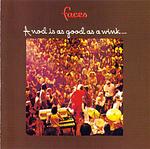
A Nod Is as Good as a Wink… to a Blind Horse (1971) captures Faces at a loose, swaggering peak, blending gritty blues rock, barroom boogie and folk-tinged balladry. Rod Stewart's raw, charismatic vocals sit atop Ronnie Wood's muscular guitar work and Ronnie Lane's melodic songwriting, yielding moments that range from the anthemic rocker "Stay With Me" to the quieter, reflective "Debris". The album's rough-hewn production and emphasis on groove and personality helped define the band's sound and enduring reputation within classic rock circles.
#362 — Hello Nasty by Beastie Boys
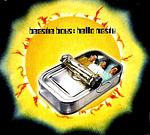
Hello Nasty, released in 1998 by Beastie Boys, expands their hip hop foundation into more eclectic and electronic textures. The album blends beats rooted in East Coast hip hop with abstract arrangements, prominent turntablism from Mixmaster Mike, and instrumental interludes, moving between playful vocal tracks and genre‑blurring production. Its sound is marked by dense sampling, crisp drum programming, and nods to funk and electronic styles, reflecting the group's experimental approach to hip hop at that point in their career.
#363 — Damaged by Black Flag
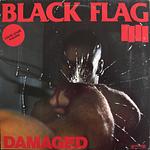
Damaged, released in 1981, is Black Flag's first full-length album and a touchstone of American hardcore punk. The record pairs Greg Ginn's jagged, dissonant guitar work and propulsive, stop-start rhythms with Henry Rollins' confrontational, shouted vocals, moving between short bursts of speed and slower, grinding passages. Its raw production and lyrics about alienation and anger helped shape a harsher, more abrasive strain of punk in the early 1980s.
#364 — For Emma, Forever Ago by Bon Iver
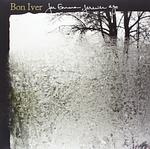
For Emma, Forever Ago is Bon Iver's debut album, recorded largely by Justin Vernon in a remote cabin in Wisconsin. The record features sparse, intimate arrangements centered on acoustic guitar, fragile falsetto and layered vocal harmonies, with lo-fi textures and restrained use of reverb that create a cold, introspective atmosphere. Its blend of indie folk and contemporary folk with occasional baroque pop touches emphasizes personal, confessional songwriting and understated production. The album helped draw attention to a quiet, solitary approach to modern folk-influenced music.
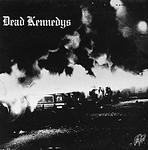
Fresh Fruit for Rotting Vegetables is the 1980 debut album by Dead Kennedys, rooted in fast, abrasive punk and early hardcore while incorporating surf-influenced guitar work and occasional melodic hooks. The record pairs brisk, tightly arranged songs with Jello Biafra's satirical, politically charged lyrics and dark humor, exemplified by tracks such as "Holiday in Cambodia" and "California Über Alles". Its sound and tone were influential in shaping the West Coast punk and hardcore scene.
#366 — Songs of Love and Hate by Leonard Cohen
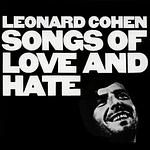
Songs of Love and Hate (1971) finds Leonard Cohen deepening his spare singer-songwriter approach into darker, more dramatic territory, pairing his low, conversational voice and meticulous lyrics with stark guitar lines and occasional orchestral touches that recall baroque pop. The album blends folk, rock and chamber-like instrumentation to explore themes of love, betrayal, death and spiritual yearning, producing a tense, intimate atmosphere that foregrounds Cohen's poetic storytelling. It is regarded as one of his important early records for its uncompromising tone and focus on lyric-driven songs.
#367 — Nights Out by Metronomy
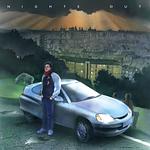
Nights Out blends synth-pop, electropop and indietronica with a playful, slightly lo-fi approach, pairing sparse rhythmic synth lines and tight drum programming with witty, observational lyrics. Joseph Mount's production favors clean electronic textures, bass-driven grooves and unexpected melodic hooks that move between dance-punk energy and intimate, quirky pop, giving the album an inventive, club-friendly yet personal character.
#368 — Hail to the Thief by Radiohead
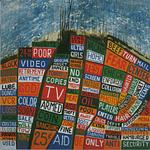
Hail to the Thief, Radiohead's sixth studio album released in 2003 and produced by Nigel Godrich, blends alternative and art rock with electronic textures. It pairs guitar-driven songs and more conventional structures with dense electronic production and experimental touches, ranging from rhythmically intense, distorted tracks to quieter, piano-led moments, and contains lyrics that often touch on political and existential unease of the early 2000s. The record ties together threads from OK Computer and Kid A while reintroducing more direct rock elements, with Thom Yorke's voice and layered arrangements prominent throughout.
#369 — Strange Mercy by St. Vincent
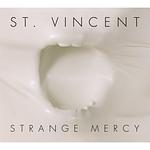
Strange Mercy, released in 2011 by St. Vincent, is an artful indie rock album that blends jagged guitar lines, shimmering synth textures, and ornate baroque pop touches. Annie Clark's songwriting pairs sharp, emotionally direct lyrics with unconventional song structures and rhythmic complexity, creating a tense yet melodic sound that balances vulnerability and dark wit. Dense arrangements and electronic flourishes give the record a sculpted, intimate atmosphere while keeping memorable hooks throughout.
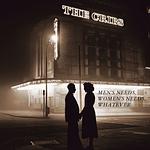
Men's Needs, Women's Needs, Whatever is the Cribs' third studio album, released in 2007. The record channels the band's three-piece energy into concise, hook-driven indie rock that leans on garage rock revival grit and post-punk urgency, with punchy, angular guitars, tight rhythms and direct vocal hooks. It presents a more focused and immediate sound compared with their earlier work and became a key entry in their late 2000s output.
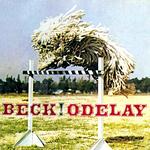
Odelay, released in 1996 by Beck, mixes alternative rock, electronic and downtempo grooves with folk, hip hop beats and psychedelic touches. Produced with the Dust Brothers, the album is built around sample based, collage-like production, skittering drum loops, and skewed arrangements that sit alongside more acoustic singer-songwriter moments, all topped by Beck's playful, surreal lyrics and idiosyncratic vocal delivery. Its eclectic, genre-blending sound became a defining element of Beck's mid 1990s work.

Atomizer (1986) by Big Black is a stark, abrasive album that blends post-hardcore, noise rock, and post-punk elements with industrial and electronic touches. Steve Albini's jagged, metallic guitar and confrontational vocal delivery are paired with drum-machine rhythms and a raw, unpolished production, creating a cold, intense atmosphere and lyrics that confront urban decay and violence. The record is widely regarded as influential within underground indie and noise rock circles.
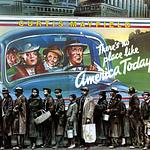
There’s No Place Like America Today (1975) is a Curtis Mayfield album that blends soulful falsetto vocals, restrained funk grooves, and lush orchestral touches to deliver socially observant songs about American life and inequality. Mayfield’s songwriting and production foreground warm guitar lines, steady bass and percussion, and tasteful horn and string arrangements that create a contemplative, sometimes melancholic atmosphere while retaining rhythmic drive. The record continues his solo work in socially conscious soul and funk, balancing melodic accessibility with pointed lyrical themes.
#374 — In the Wee Small Hours by Frank Sinatra
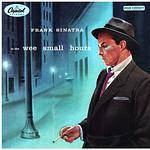
In the Wee Small Hours (1955) is a late-night, introspective album by Frank Sinatra featuring subdued, orchestral arrangements by Nelson Riddle supporting slow, melancholic ballads. The songs center on themes of loneliness and lost love, with Sinatra using intimate, nuanced phrasing and restrained dynamics to create a cohesive, moody atmosphere. The record is often regarded as an early example of a concept album for its unified emotional focus.
#375 — Vauxhall and I by Morrissey
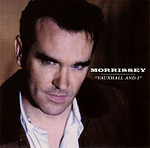
Vauxhall and I is Morrissey's 1994 solo album that moves toward a more restrained, melodic sound, blending indie pop and alternative rock with chamber pop touches and understated guitar and string arrangements. The songs are introspective and literate, mixing melancholic wit and personal themes; notable tracks include "The More You Ignore Me, the Closer I Get" and "Now My Heart Is Full", and the album emphasizes melody and emotional nuance over the rawer rock of some earlier work.
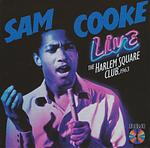
Live at the Harlem Square Club, 1963, recorded in 1963 and released in 1985, captures Sam Cooke in a raw, electric live setting where his voice leans into gospel-rooted soul rather than the polished pop of his studio work. The performance is driven by tight R&B arrangements, a spirited backing band, and energetic call-and-response with the crowd, highlighting Cooke's dynamic phrasing and emotional intensity. The recording is notable for its immediacy and the contrast it reveals between his live persona and his smoother studio image.
#377 — Stormcock by Roy Harper
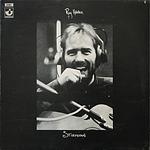
Stormcock (1971) is an album by English singer-songwriter Roy Harper that showcases extended, acoustic-based compositions blending progressive folk and British folk rock. The record features richly detailed, poetic lyrics and expansive arrangements that incorporate orchestral textures by composer David Bedford alongside Harper's fingerpicked guitar and occasional electric touches. Its long-form songs emphasize mood, lyrical narrative, and instrumental interplay, making it a clear example of Harper's ambitious, folk-rooted work from the early 1970s.
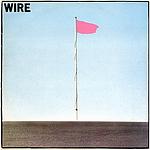
Pink Flag, Wire's 1977 debut, pares punk down to terse, guitar-driven songs and a spare, angular sound that blends punk urgency with art-punk experimentation and early post-punk restraint. Many tracks are extremely concise, featuring staccato guitar lines, clipped rhythms and detached vocals, giving the album a minimalist, precise feel that helped point punk toward more experimental and cerebral directions.

The Boy With the Arab Strap is Belle and Sebastian's third studio album, released in 1998. It broadens their indie pop and chamber pop approach into fuller band arrangements, incorporating strings, brass, and expanded percussion alongside Stuart Murdoch's soft, conversational vocals and literate, character-driven lyrics. The record moves beyond the sparser sound of their earliest work toward more varied, cinematic textures that blend folk-tinged melodies with occasional rock energy and close ensemble interplay.
#380 — Silent Alarm by Bloc Party
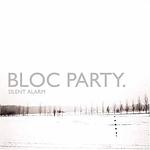
Silent Alarm, Bloc Party's 2005 debut, features angular, staccato guitar lines, propulsive bass and drums, and a blend of indie rock, post-punk revival and dance-punk rhythms. Kele Okereke's vocals deliver urgent yet controlled melodies over layered guitar textures and syncopated grooves, with songs that balance frenetic energy and concise hooks. The record is notable for its tight arrangements, interplay between guitars and rhythm section, and a rhythmic drive that helped define its sound within mid 2000s alternative rock.
#381 — Scary Monsters (and Super Creeps) by David Bowie
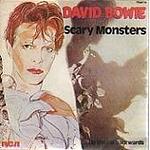
Scary Monsters (and Super Creeps) finds David Bowie refining experimental ideas from the 1970s into a tighter, more pop rock and new wave informed sound. The album pairs angular guitar textures and prominent synth elements with concise, hook-driven songwriting, while lyrics explore identity, fear, and the effects of media and image. Its crisp production and balance of art rock ambition with accessible songcraft mark it as a stylistic bridge toward Bowie’s more mainstream 1980s work.
#382 — Bridge Over Troubled Water by Simon & Garfunkel
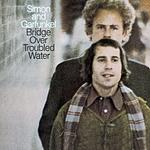
Bridge Over Troubled Water is the fifth and final studio album by Simon & Garfunkel, released in 1970. The record blends folk, folk rock, soft rock and pop, showcasing Paul Simon's songwriting and Art Garfunkel's high tenor and close harmonies. The title track features gospel-influenced piano, choral backing and expansive production, while songs like "The Boxer" and "Cecilia" range from intimate acoustic storytelling to rhythmically driven pop, making the album a stylistic culmination of the duo's collaborative sound.
#383 — Someone to Drive You Home by The Long Blondes
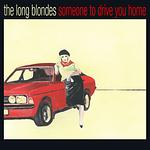
Someone to Drive You Home is the 2006 debut album by Sheffield band The Long Blondes. It blends indie rock and post-punk revival with 1960s pop and glam touches, featuring angular guitars, propulsive bass lines and Kate Jackson's cool, literate vocal delivery. Songs pair catchy, melodic hooks with observational, often noirish lyrics, with tracks such as "Once and Never Again" and "Weekend Without Makeup" standing out for their blend of swagger and popcraft. The album established the band's presence in the mid 2000s UK indie scene.
#384 — Elvis Presley by Elvis Presley
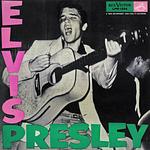
Elvis Presley (1956) showcases a young performer fusing rock and roll, rockabilly, pop, and rhythm and blues into a direct, guitar-driven sound. The record pairs raucous uptempo numbers with more melodic pop-leaning tracks, highlighting Elvis's energetic vocal delivery, twangy guitar, steady backbeat, and traces of country and gospel influence. Its raw immediacy and stylistic blend helped crystallize the early rock and roll aesthetic and introduce Elvis's charismatic presence on record.
#385 — Get Behind Me Satan by The White Stripes
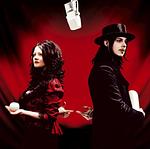
Get Behind Me Satan (2005) is The White Stripes' fifth studio album, notable for moving away from the band's earlier garage blues toward arrangements built around piano, marimba and acoustic instruments with a stronger emphasis on percussion. Jack White's songwriting on the record favors concise, melodic structures and some experimental textures while Meg White's sparse drumming remains a steady rhythmic anchor. The record blends elements of alternative, indie and blues rock into a sparser, more varied sound that marked a clear evolution in the duo's approach to instrumentation and songcraft.
#386 — Revival by Gillian Welch
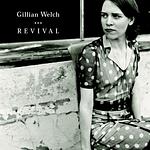
Revival, Gillian Welch's 1996 debut, presents spare, roots-oriented songs that blend folk, country and rock influences. The album emphasizes intimate acoustic arrangements, close vocal harmonies with collaborator David Rawlings, and songwriting that draws on traditional American folk and Appalachian themes while using contemporary lyrical perspectives. Its restrained production keeps focus on voice and guitar, marking it as an influential early statement in alternative country and modern folk-rock circles.
#387 — Combat Rock by The Clash
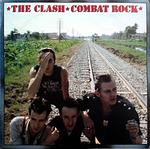
Combat Rock, released in 1982 by The Clash, blends the band's punk roots with new wave, dub, funk and pop rock elements. The album pairs concise, radio-friendly songs with longer, rhythm-driven tracks that use reggae and dub production techniques, prominent basslines, funk grooves and layered studio textures. Lyrically it balances political commentary and street-level storytelling, and the band experiments with more expansive arrangements than on earlier records. The result is a stylistic mix that broadened The Clash's sonic palette and showcased their willingness to fuse diverse influences.
#388 — Happy Sad by Tim Buckley
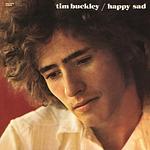
Happy Sad (1969) finds Tim Buckley moving away from his earlier folk-pop toward a more jazz-inflected, improvisatory approach. The record pairs acoustic and electric textures with a loose, jazz-rock rhythm section and longer, exploratory arrangements that allow for instrumental interplay and Buckley’s expressive, often ethereal vocal lines. It is often viewed as a transitional album that bridges his singer-songwriter roots with the freer, more experimental direction he pursued on later recordings.
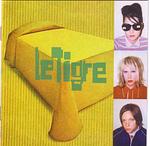
Le Tigre's 1999 self-titled debut blends punk attitude with electronic beats and new wave textures, pairing looped synths, samples, and chant-like vocals with short, direct songs that foreground feminist and political themes. The album's lo-fi, danceable production brings indie rock and electro elements into a compact, DIY sound that helped position the band at the intersection of punk, dance, and new wave influences.
#390 — A Northern Soul by The Verve
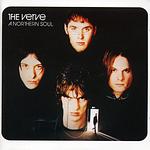
A Northern Soul is The Verve's second album, released in 1995. It blends Britpop songwriting with neo-psychedelic and shoegaze textures and expansive, spacey guitar work. The record is darker and more introspective than their debut, with layered guitar atmospheres and Richard Ashcroft's emotive vocals creating long, immersive arrangements. It is often regarded as a transitional release that tightened the band's songwriting while retaining their atmospheric ambition.
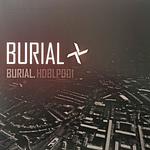
Burial is the self-titled 2006 debut on Hyperdub that pairs dubstep bass and shuffled garage rhythms with downtempo pacing and grime-adjacent textures. The album is notable for its hushed, nocturnal mood, crackling vinyl-like surfaces, and heavily processed, pitched vocal fragments that drift over sparse, spacious beats. Emphasizing atmosphere and texture over bombast, its intimate, cinematic sound helped shape what is often called future garage and influenced subsequent UK electronic producers.
#392 — Beauty and the Beat by Edan
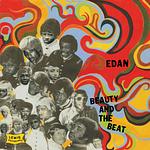
Edan's 2005 album Beauty and the Beat is a hip hop record built around psychedelic, sample-based production and classic boom-bap rhythms. Edan handles both production and vocals, combining dusty breakbeats, vinyl textures, and fragments of 1960s and 1970s rock and funk to create a retro-informed, experimental sound. The album is notable for its playful, intricate lyricism, prominent turntable work, and a production aesthetic that blends golden-age hip hop sensibilities with psych-rock and lo-fi flourishes.
#393 — Dirty Mind by Prince
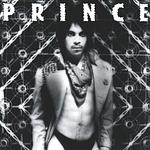
Dirty Mind (1980) is Prince's third studio album that marked a stylistic shift toward a stripped-down, synth-driven blend of funk, rock, dance-pop and contemporary R&B. The record pairs sparse drum-machine patterns and angular guitar work with candid, sexually frank lyrics, favoring raw, lo-fi production and tight, hook-focused songwriting. Its genre-blurring approach and minimalist aesthetic helped shape the early Minneapolis sound and signaled Prince's emergence as a daring songwriter and producer.
#394 — Chairs Missing by Wire
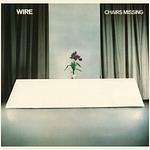
Chairs Missing, Wire's 1978 second album, moves away from the terse punk of their debut toward a more spacious, art punk and post-punk sound that incorporates early synth textures, angular guitar lines, and succinct but unconventional song structures. The record balances melodic moments, as on the delicate single "Outdoor Miner", with more experimental and dissonant passages, and is often noted for expanding the band's sonic palette into territory that intersected with new wave and experimental rock.
#395 — De Stijl by The White Stripes
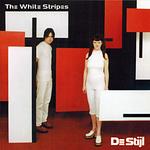
De Stijl is the White Stripes' second studio album, released in 2000, that pares their sound down to raw, guitar-and-drums blues rock with indie and garage rock revival edges. Jack White's angular, often tremolo-tinged guitar and straightforward, blues-rooted songwriting combine with Meg White's spare, driving drumming to create a minimalist, lo-fi aesthetic. The record draws on Delta blues and punk blues energy and favors short, direct song structures, while its red, white, and black artwork explicitly references the De Stijl art movement. The album helped consolidate the band's early sound and identity within the indie and garage scenes.
#396 — L.A.M.F. by The Heartbreakers
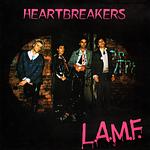
L.A.M.F. is the 1977 debut album by the Heartbreakers that captures a raw blend of classic rock and roll roots and punk energy. The record features terse, guitar-driven songs led by Johnny Thunders' slurred, weary vocals and a rough-edged band sound, with tracks such as "Chinese Rocks" and "Born to Lose" exemplifying its streetwise songwriting. The original release was marred by a muddy mix that reduced its intended punch and was later revisited in remixed editions, and the album is often regarded as an important document of the late 1970s punk and garage punk milieu.
#397 — Reasonable Doubt by JAY‐Z
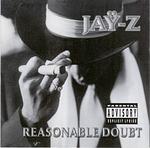
Reasonable Doubt is Jay-Z's 1996 debut album that blends East Coast boom bap production with mafioso and street-focused lyricism. The sound relies on jazz-tinged and soulful sample-based beats with crisp drum programming and a late night, cinematic mood. Jay-Z delivers hustler narratives, vivid storytelling and dense internal rhymes, presenting an early articulation of the persona that would define his work. The record is widely regarded as an important statement in 1990s New York hip hop.
#398 — Everybody Knows This Is Nowhere by Neil Young, Crazy Horse
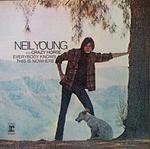
Everybody Knows This Is Nowhere (1969) is Neil Young's second studio album and his first with Crazy Horse. Musically it pairs Young's folk and country-rooted songwriting with raw, guitar-driven rock from Crazy Horse, featuring extended, distorted electric jams alongside quieter acoustic moments. The record helped establish recurring elements of Young's sound such as ragged, feedback-tinged guitar work and direct, often spare lyrics, and includes notable tracks like "Cinnamon Girl", "Down by the River", and "Cowgirl in the Sand".
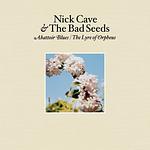
Abattoir Blues / The Lyre of Orpheus is a 2004 double album that divides into a louder, band-driven side and a quieter, more orchestral side. The Abattoir Blues half emphasizes gritty blues-rock and driving rhythms with piano, organ and guitars supporting Nick Cave's intense baritone, while The Lyre of Orpheus leans toward chamber textures and string arrangements that foreground storytelling and mythic, often dark lyrical themes. Across both discs the Bad Seeds and longtime collaborator Warren Ellis blend gothic atmosphere, narrative songwriting and shifts between urgency and restraint, making the record notable for its contrasts in mood and arrangement.
#400 — This Nation's Saving Grace by The Fall
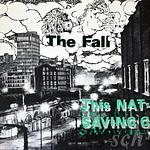
This Nation's Saving Grace, released in 1985 by The Fall, captures the band's post-punk approach with terse, driving rhythms, jagged guitar work and Mark E. Smith's caustic spoken-sung vocals. The addition of guitarist Brix Smith brought sharper melodic hooks that sit alongside repetitive, angular basslines and propulsive drum patterns, producing a leaner, more direct sound than some of their earlier records. The album stands as a key statement in the band's mid 1980s output, balancing abrasive textures with tighter songcraft.