 The Greatest Music
Colin Larkin’s All Time Top 1000 Albums
Weight: 10%
How much this list influences our overall rankings. Higher weight means more reliable data.
Penalties Applied:
A book series created by Encyclopedia of Popular Music editor Colin Larkin (1st ed. 1994; later pocket/2nd ed. 1998; 3rd ed. 2000), presenting a ranked “top 1000” derived from a large, ongoing public poll—ballots gathered in record shops, universities, schools, and at the MIDEM trade show—rather than a critics’ ballot. The project grew across editions, with annotations for each album and shifting results as more votes came in.
#101 — Paul's Boutique by Beastie Boys
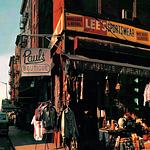
Paul's Boutique, released in 1989 by the Beastie Boys, pairs dense, sample-driven production with the group's rapid-fire, often tongue-in-cheek rapping. Produced mainly by the Dust Brothers, the album constructs collage-like tracks from layered loops and abrupt sample juxtapositions drawn from funk, soul, rock and other sources, creating a plunderphonics aesthetic and an experimental approach to East Coast hip hop. The lyrics alternate between playful braggadocio and offbeat cultural references, while the production emphasizes texture, unexpected rhythms and studio experimentation that marked a clear departure from the group's earlier party-rap sound.
#102 — Tubular Bells by Mike Oldfield
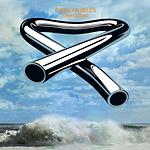
Tubular Bells (1973) is Mike Oldfield's debut album, presented as two extended instrumental suites that blend progressive rock, folk rock and early electronic textures. Oldfield overdubbed many instruments to create interweaving melodic motifs anchored by the distinctive tubular bells theme, moving between delicate acoustic guitar passages, electric guitar, keyboards, synthesizers and varied percussion. Its side-long structures, shifting moods and emphasis on atmosphere and studio layering helped establish an instrumental approach associated with early New Age and art rock while highlighting Oldfield's multi-instrumental arranging techniques.
#103 — American Beauty by Grateful Dead
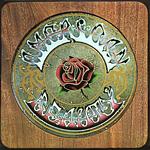
American Beauty, released in 1970, finds the Grateful Dead moving toward a roots-oriented sound that blends folk, country, and rock with lingering psychedelic textures. The record emphasizes acoustic guitars, close vocal harmonies, and concise songwriting, featuring enduring tunes such as 'Truckin'', 'Sugar Magnolia', 'Friend of the Devil', 'Ripple', and 'Brokedown Palace'. Robert Hunter's lyrics and Jerry Garcia's melodies favor narrative, Americana-leaning songs, and the album's restrained, pastoral arrangements contrast with the band's extended live improvisations.
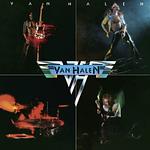
Van Halen's 1978 self-titled debut introduced the band's high-energy hard rock and arena-ready sound, anchored by Eddie Van Halen's inventive guitar work and David Lee Roth's flamboyant vocals. The record blends punchy riffs, pop-influenced hooks and a tight rhythm section, and includes the instrumental "Eruption" that showcased two-handed tapping alongside a cover of the Kinks' "You Really Got Me." Its raw production and emphasis on guitar virtuosity made it a touchstone for late 1970s hard rock and many guitar-centric rock acts that followed.
#105 — Master of Puppets by Metallica
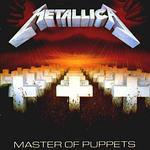
Master of Puppets (1986) is Metallica's third studio album and a landmark of thrash metal, blending aggressive, fast-paced riffs and palm-muted gallops with extended song structures and melodic guitar solos. The record pairs relentless speed and tight rhythmic precision with moments of dynamic contrast and instrumental complexity, showing progressive tendencies in longer arrangements. Lyrically it touches on themes of control and manipulation, and the production delivers a clearer, heavier sound compared with the band's earlier releases.
#106 — Déjà vu by Crosby, Stills, Nash & Young
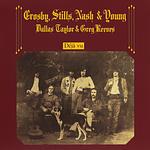
Déjà Vu is Crosby, Stills, Nash & Young's 1970 album that broadened the trio's harmony-driven folk rock by adding Neil Young's rawer voice and guitar work. It mixes acoustic and electric textures across folk, country rock, and rock, with close vocal harmonies, layered guitar interplay, and a balance of intimate singer-songwriter pieces and more forceful electric moments. Songwriting contributions from all four members give the record a varied yet cohesive sound that helped define a strand of early 1970s American rock.
#107 — Back in Black by AC/DC
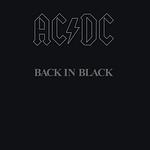
Back in Black is AC/DC's 1980 album and the first to feature singer Brian Johnson after Bon Scott's death. Produced by Robert John Lange, it channels the band's hard rock and blues-rock roots into concise, riff-driven songs built on Angus Young lead work and Malcolm Young rhythm parts, with punchy drums and clear guitar tones. Tracks such as Hells Bells, Back in Black, Shoot to Thrill, and You Shook Me All Night Long illustrate the arena-ready, no-frills sound that helped define the band's signature style.
#108 — Hysteria by Def Leppard
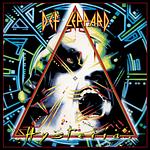
Hysteria, released in 1987 by Def Leppard, blends hard rock and glam metal with AOR and arena rock sensibilities, characterized by highly polished, multilayered production, dense vocal harmonies, and tightly arranged, hook-driven songs. Produced over an extended period with a meticulous focus on multitracked guitars, vocal overdubs, and processed drum sounds, the album emphasizes big choruses and radio-friendly arrangements that move between driving rockers and widescreen ballads. Its sound marked a shift toward a glossy, stadium-ready aesthetic while retaining the band's hard rock roots.
#109 — Siamese Dream by The Smashing Pumpkins
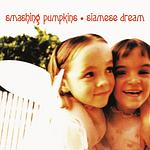
Siamese Dream, released in 1993 by The Smashing Pumpkins, blends alternative rock and grunge intensity with shoegaze and dream pop textures. The record is notable for dense, multi layered guitar overdubs, stark dynamic shifts between heavy, distorted passages and melodic, hook driven sections, and Billy Corgan's emotive, introspective vocals and lyrics. Songs such as "Cherub Rock," "Today," and "Disarm" illustrate its mix of aggressive guitar work and shimmering atmospherics, and the album is frequently regarded as a key release in early 1990s alternative rock.
#110 — August and Everything After by Counting Crows
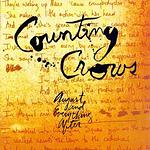
August and Everything After is the 1993 debut album by Counting Crows that blends alternative rock with folk rock, pop rock, and Americana touches. The songs are built around acoustic guitars, piano and organ, with Adam Duritz's expressive, narrative lyrics and emotive vocals giving the record a confessional, introspective tone. Tracks such as "Round Here" and "Mr. Jones" illustrate the band's folk-tinged pop sensibility and emphasis on storytelling, introducing the melodic, roots-inflected sound that became closely associated with the group in the 1990s.
#111 — Physical Graffiti by Led Zeppelin
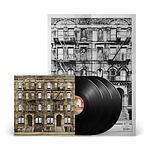
Physical Graffiti, released in 1975, is Led Zeppelin's double album that showcases a wide range of the band's styles, from hard rock and blues to folk-influenced acoustic pieces. The record combines heavy, riff-driven songs with layered production, expansive arrangements and intimate acoustic moments, highlighting Jimmy Page's production and guitar work, Robert Plant's vocals, John Paul Jones's multi-instrumental contributions and John Bonham's powerful drumming. Tracks such as Kashmir and Ten Years Gone illustrate the album's scale and textural variety while shorter bluesy and folk-derived numbers provide contrast, making it a broad statement of the band's musical range.
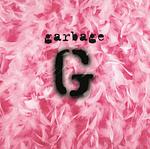
Garbage is the 1995 debut album by Garbage, produced by the band with Butch Vig. It melds alternative rock and pop with electronic textures and alternative dance rhythms, featuring dense, sample-informed production, distorted guitars and Shirley Manson's distinctive vocals. The material pairs catchy hooks with noisy, layered sonics and lyrical tones of irony and angst, establishing the band's polished yet abrasive sound in the mid 1990s.
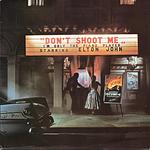
Don't Shoot Me I'm Only the Piano Player is a 1972 album by Elton John and lyricist Bernie Taupin that emphasizes piano-led pop rock and soft rock arrangements. Produced by Gus Dudgeon, it pairs upbeat, nostalgic rockers such as "Crocodile Rock" with more reflective ballads like "Daniel," showcasing Elton John's melodic songwriting, vocal delivery, and prominent piano parts. The record is representative of his early 1970s style and notable for its concise, radio-friendly songs and clear pop rock production.
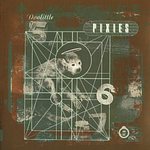
Doolittle, released in 1989 by Pixies and produced by Gil Norton, blends raw, angular guitar work with quiet-loud-quiet dynamics, concise pop hooks, and surreal, often darkly humorous lyrics. Black Francis's abrasive vocals and songwriting are balanced by Kim Deal's melodic bass and backing vocals, producing tracks that range from the abrasive "Debaser" to the more melodic "Here Comes Your Man" and the enigmatic "Monkey Gone to Heaven." The album's jagged arrangements and dynamic contrasts are frequently cited as an influence on early 1990s alternative and grunge bands.
#115 — Greatest Hits by ABBA
Greatest Hits (1999) presents a compilation of ABBA's signature pop and disco material, showcasing their tight melodic songwriting, polished studio production, and distinctive layered vocal harmonies. The collection highlights the interplay between upbeat disco arrangements and softer pop ballads, with keyboard and early electronic textures supporting the lead vocals of Agnetha Fältskog and Anni-Frid Lyngstad and the songwriting and production of Benny Andersson and Björn Ulvaeus. It functions as a concise overview of ABBA's late 1970s pop-disco sound and pop craftsmanship.
#116 — Court and Spark by Joni Mitchell
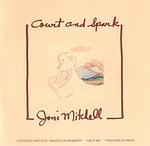
Court and Spark (1974) finds Joni Mitchell expanding her folk roots into a richer pop sound infused with jazz-influenced harmonies and sophisticated arrangements. The album blends acoustic songwriting with electric instrumentation and subtle horn and string touches, featuring well known songs such as "Help Me" and "Free Man in Paris". Its production balances intimate vocals and accessible melodies with complex chord choices and rhythmic nuance, marking a notable stylistic shift in Mitchell's catalog.
#117 — Houses of the Holy by Led Zeppelin
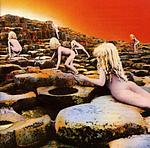
Houses of the Holy, released in 1973, finds Led Zeppelin expanding their hard rock and blues foundations into a broader sonic palette with studio experimentation and varied rhythms. The album blends driving rock and blues with acoustic passages, layered arrangements, and touches of reggae and funk, heard across tracks such as "The Song Remains the Same", "The Rain Song", "No Quarter", and "D'yer Mak'er". The performances highlight Jimmy Page's production and guitar textures, John Paul Jones's multi-instrumental arrangements, John Bonham's powerful drumming, and Robert Plant's dynamic vocals. The record is notable for its eclectic sequencing and for bringing more textural variety to the band's arena-ready sound.
#118 — Aja by Steely Dan
Steely Dan's 1977 album Aja blends jazz rock, jazz fusion and pop rock into a highly polished studio sound. Donald Fagen and Walter Becker pair complex chord progressions and literate, often sardonic lyrics with layered arrangements led by top session musicians; the record is characterized by crisp, meticulous production, jazz-influenced harmonies, prominent saxophone and electric piano textures, and careful rhythmic detail. Tracks move from tighter pop-rock songs like "Peg" and "Josie" to the extended, improvisation-friendly title track "Aja", showcasing the band's fusion leanings while retaining a smooth, accessible surface. The album exemplifies Steely Dan's studio-oriented approach and the late 1970s crossover between jazz and pop.
#119 — Help! by The Beatles
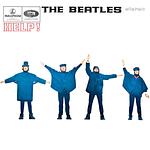
Help! is the Beatles' 1965 album that also served as the soundtrack to their film and marks a move from straightforward beat pop toward more varied, sometimes more introspective songwriting. It mixes rock, pop rock and folk rock elements with tight vocal harmonies, prominent acoustic textures and occasional orchestral arrangement, presenting both upbeat rockers and quieter, lyrically reflective pieces. The record documents the group's growing musical ambition and experimentation while retaining the melodic immediacy of their earlier work.
#120 — Like a Prayer by Madonna
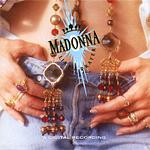
Like a Prayer, released in 1989, finds Madonna moving toward more personal songwriting and a broader sonic palette, blending pop and dance-pop with synth-pop, electronic production and pop rock elements. The title track uses a gospel choir and organ to inject spiritual textures, while other songs combine synthesizers and drum machines with live guitars, horns and soulful backing vocals. The album is characterized by its juxtaposition of secular and religious imagery and a more mature, varied sound than her earlier work.
#121 — Bat Out of Hell by Meat Loaf
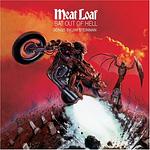
Bat Out of Hell, released in 1977 by Meat Loaf with songs written by Jim Steinman, is a theatrical, high-energy rock album that blends hard rock, pop rock and classic rock with a rock opera sensibility. Its sound features grand, cinematic arrangements, extended song forms and dramatic, wide-ranging vocals paired with narrative lyrics that emphasize melodrama, romance and teenage fantasy.

War, produced by Steve Lillywhite and released in 1983, moves U2 toward a more direct, anthemic rock sound rooted in post-punk energy. The album emphasizes driving, martial rhythms, delay-heavy chiming guitar and Bono's impassioned vocals, combining urgent political and social themes with pop rock melodies and occasional electronic textures. Its relatively stripped production and singalong choruses helped define a broader, stadium-ready approach for the band.
#123 — Hot Rats by Frank Zappa
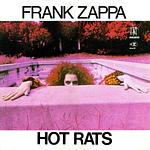
Hot Rats, released in 1969, is a largely instrumental Frank Zappa album that blends rock, jazz, and early fusion through extended compositions, tight arrangements, and studio overdubbing. The record emphasizes improvisation and virtuosic solos, with guitar and violin prominently featured alongside layered melodies like Peaches en Regalia. It represents a clear move away from Zappa's earlier vocal satire toward ensemble interplay and studio experimentation within a jazz rock context.
#124 — Everybody Knows This Is Nowhere by Neil Young, Crazy Horse
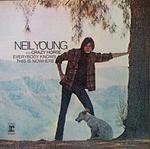
Everybody Knows This Is Nowhere (1969) is Neil Young's second studio album and his first with Crazy Horse. Musically it pairs Young's folk and country-rooted songwriting with raw, guitar-driven rock from Crazy Horse, featuring extended, distorted electric jams alongside quieter acoustic moments. The record helped establish recurring elements of Young's sound such as ragged, feedback-tinged guitar work and direct, often spare lyrics, and includes notable tracks like "Cinnamon Girl", "Down by the River", and "Cowgirl in the Sand".
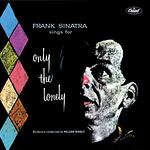
Frank Sinatra Sings for Only the Lonely (1958), arranged and conducted by Nelson Riddle, is a mood-driven album of torch ballads showcasing Sinatra's intimate, melancholic vocal style. Riddle's arrangements emphasize lush strings, muted brass and restrained rhythms to create a cinematic, night-time atmosphere that supports themes of heartbreak and solitude. The record is part of Sinatra's series of mood-oriented studio albums from his Capitol years and is noted for its dramatic, emotionally focused delivery.
#126 — Clear Spot by Captain Beefheart & His Magic Band
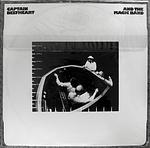
Clear Spot (1972) finds Captain Beefheart blending blues rock and experimental rock with a stronger emphasis on concise, groove-oriented songwriting and cleaner production than some of his earlier records. The album pairs raw blues and R&B rhythms with off-kilter arrangements, punchy horn and percussion textures, and Don Van Vliet's distinctive, idiosyncratic vocals and surreal lyrics, creating a work that balances avant-garde impulses with pop and rock accessibility.
#127 — The Freewheelin' Bob Dylan by Bob Dylan
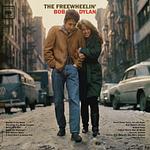
The Freewheelin' Bob Dylan, released in 1963 as Bob Dylan's second studio album, helped define his early voice in the 1960s folk revival. The record is built around sparse acoustic guitar and harmonica accompaniment and mixes traditional material with originals such as "Blowin' in the Wind", "A Hard Rain's a-Gonna Fall", "Masters of War", and "Don't Think Twice, It's All Right". Its songwriting foregrounds topical, poetic lyrics and draws on folk and blues influences within a contemporary folk framework.
#128 — Imagine by John Lennon
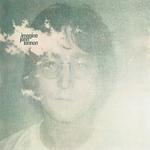
Imagine, released in 1971, is a John Lennon album that blends piano-led pop and rock with folk and rock and roll influences. The record moves between spare, introspective ballads and more direct rockers, often pairing simple arrangements with occasional orchestral touches and a focus on plainspoken, personal lyrics. The title track is a restrained, piano-centered piece that captures the album's themes of idealism and reflection, while other songs shift from confessional to satirical tones, showcasing Lennon's melodic songwriting and post-Beatles musical approach.
#129 — Stephen Stills by Stephen Stills
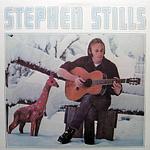
Stephen Stills is the 1970 self titled debut solo album by Stephen Stills, blending blues rock, folk rock, country rock, and straight rock influences. The record pairs electric and acoustic arrangements, layered vocal harmonies, and Stills multi instrumental performances, and includes the well known song 'Love the One You're With', offering a focused showcase of his songwriting and roots oriented guitar work.
#130 — Close to the Edge by Yes
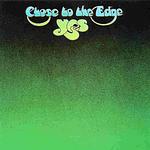
Close to the Edge (1972) is a landmark progressive rock album by Yes that features expansive, suite-like compositions, intricate instrumental interplay, and layered vocal harmonies. The record blends classical and jazz-influenced arrangements with virtuosic guitar, bass, keyboard, and percussion work, and showcases long-form songs that move through multiple contrasting sections. Its sound emphasizes dramatic dynamics, complex time signatures, and detailed production, making it a defining example of early 1970s progressive and art rock.
#131 — Pink Moon by Nick Drake
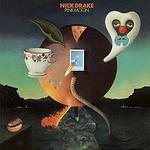
Pink Moon is Nick Drake's 1972 album, his third and final release during his lifetime. It presents stripped-down, intimate arrangements centered on Drake's fingerpicked acoustic guitar and subdued, melancholic vocals. The record moves away from the fuller textures of his earlier work, favoring concise, direct songs with minimal production and a fragile, introspective mood. Its spare sound and haunting songwriting have been influential on later singer-songwriters and contemporary folk artists.
#132 — Fun House by The Stooges
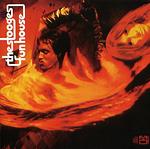
Fun House, released in 1970 by The Stooges, is a raw and abrasive record that helped define proto-punk and garage rock. The album pairs Iggy Pop's urgent, confrontational vocals with Ron Asheton's distorted, loose guitar and a driving rhythm section, while Steve Mackay's freewheeling saxophone adds a chaotic, improvisational live feel. Its stripped-down arrangements, high-energy performances, and abrasive sound capture a direct, confrontational intensity that influenced later punk and hard rock bands.
#133 — Another Side of Bob Dylan by Bob Dylan
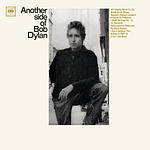
Another Side of Bob Dylan, released in 1964 as Dylan's fourth studio album, finds him moving away from overt topical protest songs toward more personal, poetic and conversational songwriting. The record is largely acoustic and spare, built around guitar and harmonica, and includes songs such as "Chimes of Freedom," "My Back Pages," and "It Ain't Me Babe" that emphasize literary imagery and introspective themes. That tonal shift broadened his songwriting approach and helped set the stage for the stylistic changes he made later in the decade.
#134 — Meat Is Murder by The Smiths
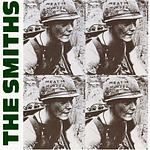
Meat Is Murder is The Smiths' second studio album, released in 1985. It pairs Johnny Marr's chiming, layered guitar work and more forceful rock arrangements with Morrissey's literate, often confrontational lyrics, moving the band toward more overtly political and social themes, including animal rights on the title track. Musically it sits at the intersection of indie pop, jangle pop, indie rock and post-punk, combining melodic hooks with darker, sharper textures than their debut.
#135 — Screamadelica by Primal Scream
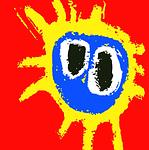
Screamadelica is Primal Scream's 1991 album that fused indie rock songwriting with acid house and dance production, blending distorted guitars and anthemic vocals with rhythmic grooves, samples, warm keyboards and extended club-friendly arrangements. The record helped bridge rock and electronic club culture by incorporating house rhythms, dub-like production, gospel-tinged backing vocals and psychedelic textures, producing an expansive, dance-oriented sound that emphasizes atmosphere and groove over conventional rock arrangements.
#136 — The Chronic by Dr. Dre
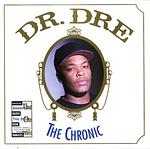
The Chronic is Dr. Dre's 1992 album that crystallized the G-Funk strand of West Coast gangsta rap, built around low, rolling basslines, melodic synth leads, crisp drum programming, and funk-derived grooves and samples. Dre's production favors smooth, layered textures and cinematic pacing, with memorable vocal performances and guest appearances that underscore its street-focused narratives. The album is commonly cited as a defining statement of early 1990s West Coast hip hop and helped popularize the G-Funk sound.
#137 — Appetite for Destruction by Guns N' Roses
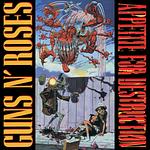
Appetite for Destruction, released in 1987 by Guns N' Roses, is a raw, guitar-driven hard rock album that blends hard rock, punk attitude and heavy metal energy. The sound pairs Axl Rose's high, gritty vocals with blues-influenced riffs and incisive lead work from Slash, supported by a tight, propulsive rhythm section, and the songs move between aggressive, fast-paced tracks and more melodic, emotionally direct material. The record includes standout tracks such as "Welcome to the Jungle", "Sweet Child o' Mine" and "Paradise City" and is noted for its unpolished, streetwise approach that contrasted with much of the era's glam metal production.
#138 — 3 Feet High and Rising by De La Soul
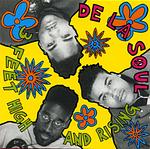
3 Feet High and Rising is De La Soul's 1989 debut album, produced largely by Prince Paul. Its sound blends playful, conversational rapping with sample-heavy, collage-like production that draws on funk, soul, and jazz influences, using short skits and inventive transitions to create a cohesive, offbeat flow. The album is an early touchstone of alternative hip hop and jazz rap, notable for its laid-back, eccentric approach to lyricism and production.
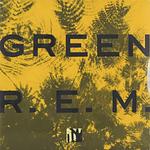
Green, released in 1988, is R.E.M.'s sixth studio album and their first on a major label. It blends the band's jangly alternative rock roots with brighter pop hooks and occasional harder-edged guitar sounds, while experimenting with varied textures and arrangements. The lyrics take on more overt political and topical themes alongside lighter singalong moments, yielding a diverse record that includes songs such as "Orange Crush" and "Stand".
#140 — Slanted and Enchanted by Pavement
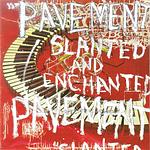
Slanted and Enchanted is Pavement's 1992 debut studio album. The record blends indie rock, alternative rock, lo-fi production and noise pop, characterized by Stephen Malkmus's laconic, often cryptic lyrics, a slack, conversational vocal delivery, jagged but melodic guitar interplay, loose rhythmic feel and a rough, home-recorded aesthetic that mixes tunefulness with distortion and off-kilter song structures. Its raw, DIY sound helped shape the early 1990s indie rock landscape and remains a touchstone for lo-fi guitar music.
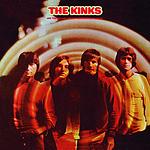
The Kinks Are the Village Green Preservation Society (1968) is a Ray Davies-led album that blends pop rock and baroque pop with touches of psychedelic pop, built around concise, character-driven songs about English small-town life and memory. Musically it favors acoustic guitar, piano, tight vocal harmonies, and occasional string or woodwind colors, creating a pastoral, intimate sound and a focus on vignettes rather than rock excess. Its emphasis on nostalgia, everyday characters, and chamber-pop arrangements marks a distinct turn in the Kinks' songwriting and has informed later British artists exploring similar themes.
#142 — Blood Sugar Sex Magik by Red Hot Chili Peppers
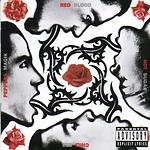
Blood Sugar Sex Magik, released in 1991 by Red Hot Chili Peppers, blends funk-driven grooves and raw rock with more melodic and introspective songwriting. Produced by Rick Rubin and featuring John Frusciante's chiming guitar lines and Flea's prominent slap bass, the album juxtaposes high-energy funk-rock tracks with quieter, personal songs, notably "Give It Away" and "Under the Bridge". Its cleaner, stripped-back production and emphasis on dynamics helped broaden the band's sound and influence on alternative rock and funk rock in the 1990s.
#143 — Innervisions by Stevie Wonder
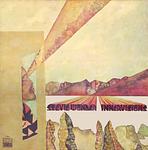
Innervisions, released in 1973, blends soul, funk, smooth soul and psychedelic soul into a studio-focused record built from warm electric pianos, layered synthesizers and tight funk rhythms. The album is notable for Stevie Wonder's multi-instrumental performances and production control, pairing intimate ballads with uptempo grooves and songs that explore social and personal themes through concise, melodic songwriting and rich, textured arrangements.
#144 — Rum Sodomy & the Lash by The Pogues
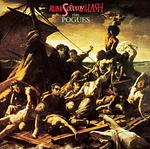
Rum Sodomy & the Lash is a 1985 album by The Pogues that fuses traditional Irish folk instrumentation with punk rock immediacy. The record pairs raw, idiosyncratic vocals and literate, often darkly humorous songwriting with arrangements built around fiddle, tin whistle, accordion and folk-derived rhythms, creating a loose, tavern-like atmosphere. Its blend of raucous energy and melancholy helped define the sound commonly called Celtic punk and influenced later folk punk and folk rock acts.
#145 — Enter the Wu‐Tang (36 Chambers) by Wu‐Tang Clan
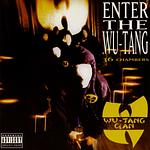
Enter the Wu-Tang (36 Chambers) is the 1993 debut album by Wu-Tang Clan, built on raw, lo-fi boom bap production and heavy use of martial arts film samples. Largely produced by RZA, it features sparse, gritty beats and layered vocal interplay that highlight the collective's nine distinct MCs and stark, street-centered lyricism. Its aggressive East Coast sound and unconventional group structure became a touchstone for hardcore hip hop and had a lasting influence on production trends and crew-centered projects.
#146 — Aladdin Sane by David Bowie
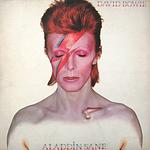
Aladdin Sane, released in 1973, finds David Bowie extending the theatrical glam of his Ziggy Stardust era into more experimental and American inflected territory. Musically it blends glam rock and art rock with hard rock and moments of cabaret and free jazz influenced piano, highlighted by Mick Ronson's guitar and Mike Garson's striking piano work. Tracks such as The Jean Genie, Panic in Detroit, the title track and a cover of Let's Spend the Night Together mix bluesy riffs, angular arrangements and lyrical reflections on fame, identity and American culture. The album is often heard as a more fractured, exploratory companion to its predecessor.
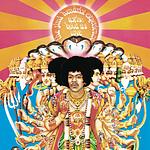
Axis: Bold as Love, released in 1967 by the Jimi Hendrix Experience, deepens the band's blend of blues rock and psychedelic experimentation with more studio-oriented textures and inventive guitar work. The album features layered and effect-driven electric guitar, melodic touches and quieter acoustic moments alongside driving rock passages, supported by the tight rhythm interplay of Mitch Mitchell and Noel Redding. It documents Hendrix moving beyond raw live energy into more varied songwriting and studio arrangements that explore mood, tone and sonic color.
#148 — For the Roses by Joni Mitchell
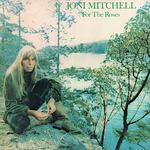
For the Roses, released in 1972, finds Joni Mitchell moving from spare folk toward a broader palette of pop and folk rock arrangements. The record balances intimate, acoustic-based songs with fuller band textures and occasional electric and brass touches, pairing candid, observational lyrics about relationships, fame, and disillusionment with melodic, sometimes playful arrangements. It is widely regarded as a transitional album that points from her confessional early work toward the more polished, jazz-tinged pop she explored later.
#149 — Songs of Leonard Cohen by Leonard Cohen
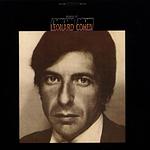
Songs of Leonard Cohen, released in 1967 as Cohen's debut album, introduces his deep, husky voice and literate songwriting within a folk-rooted framework. The record pairs spare acoustic arrangements with occasional chamber folk touches such as strings and restrained orchestration, supporting songs like "Suzanne", "So Long, Marianne", and "Sisters of Mercy". Its focus on poetic lyrics and themes of love, faith, and solitude, delivered in an intimate, understated sonic palette, established Cohen as a distinctive contemporary folk songwriter.
#150 — Older by George Michael
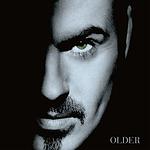
Older, released in 1996, finds George Michael moving toward a mature, introspective sound that blends torchlike ballads, blue-eyed soul and downtempo electronic production with jazz-inflected arrangements. The album pairs lush strings and slow grooves with subtle electronic textures and polished studio production, producing a warm, melancholic atmosphere on songs such as "Jesus to a Child" alongside more rhythm-forward tracks like "Fastlove." Thematically it emphasizes reflection, love and loss and represents a more subdued, adult-oriented phase in his songwriting.
#151 — Parade by Prince, The Revolution
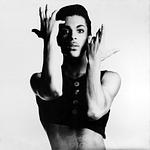
Parade, the 1986 soundtrack to Prince's film Under the Cherry Moon, blends funk, contemporary R&B, pop and the Minneapolis sound with neo-psychedelic and cinematic touches. The album pairs minimalist, rhythm-driven tracks such as "Kiss" with lush orchestration, horn and string arrangements and atmospheric production, producing a more restrained, chamber pop and lounge-inflected mood compared with Prince's earlier rock-leaning work. As a soundtrack it emphasizes texture and mood and represents an experimental, eclectic moment in Prince's mid-1980s output.
#152 — This Year's Model by Elvis Costello
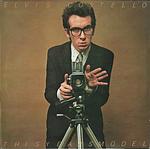
This Year’s Model is Elvis Costello’s 1978 album recorded with the Attractions that marks a move to a harder edged new wave sound. The record pairs jagged, punchy guitar and a muscular rhythm section with prominent organ and Costello’s acerbic, literate lyrics and urgent vocals. Produced by Nick Lowe, it contains concise, immediate songs such as 'Pump It Up' and 'Radio Radio' and is often cited as a key work in the late 1970s new wave movement.
#153 — In a Silent Way by Miles Davis
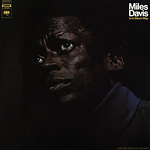
In a Silent Way, recorded and released in 1969, marks Miles Davis's shift toward electric instruments and extended, atmospheric forms. The music pairs Davis's muted, lyrical trumpet with electric piano, organ, and guitar over modal vamps and understated grooves, and the two long, seamlessly edited pieces were assembled in the studio to create a continuous, meditative flow. A loose ensemble including Wayne Shorter, Herbie Hancock, Chick Corea, Joe Zawinul, John McLaughlin, Dave Holland, and Tony Williams contributes sustained textures and restrained interplay, while producer Teo Macero's tape editing plays a clear role in the album's shape. The result is an understated, ambient-leaning statement often cited as an early landmark on the path toward jazz fusion and more open improvisational forms.
#154 — Quadrophenia by The Who
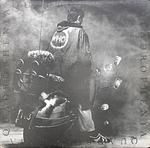
Quadrophenia is a 1973 rock opera album by The Who, written mainly by Pete Townshend. It blends hard rock energy and art rock ambition with layered studio production, prominent synthesizers, orchestral touches, and narrative sound effects to follow Jimmy, a disaffected mod in 1960s England. The music shifts between driving, guitar-led numbers and more introspective, piano or synth-based songs, and the album is notable for its storytelling focus and complex arrangements within the classic rock idiom.
#155 — Sketches of Spain by Miles Davis
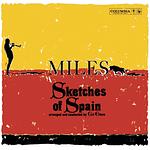
Sketches of Spain (1960) is a collaboration between trumpeter Miles Davis and arranger Gil Evans that blends jazz improvisation with orchestral arrangements and Spanish musical themes. It features a reworking of Joaquín Rodrigo's Concierto de Aranjuez alongside original pieces that draw on flamenco and folk motifs, using modal harmonic frameworks, muted and lyrical trumpet lines, and rich brass and woodwind textures. The album exemplifies Third Stream approaches and cool and modal jazz tendencies by integrating soloist spontaneity with carefully scored, atmospheric ensemble writing.
#156 — If I Could Only Remember My Name by David Crosby
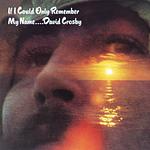
If I Could Only Remember My Name is David Crosby's 1971 solo debut that blends folk rock and country rock into a mellow, pastoral sound marked by intimate lead vocals, layered harmonies, and loose, improvisatory arrangements. The record favors warm acoustic textures and spacious production, often drifting into meditative, jam-like passages that mix singer-songwriter clarity with ambient and psychedelic touches. Its reflective lyrics and collaborative, free-form approach make it a distinctive, atmospheric entry in Crosby's catalog rather than a collection of conventional radio songs.
#157 — 1962–1966 by The Beatles
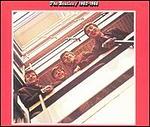
1962–1966, commonly known as the Red Album, is a 1973 compilation that gathers The Beatles' early recordings and singles, presenting the group's formative Beatlemania-era sound. The collection emphasizes energetic rock and roll and pop rock numbers with straightforward arrangements, tight vocal harmonies, and memorable melodies, while also including softer pop-leaning tracks that show growing studio refinement. Together the selections illustrate the band’s early stylistic range and songwriting craft, from raw, guitar-driven performances to more polished pop productions.
#158 — The Notorious Byrd Brothers by The Byrds
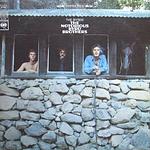
The Notorious Byrd Brothers (1968) finds The Byrds moving from jangly folk rock toward a more studio‑oriented blend of folk rock, pop rock and psychedelic textures. The album pairs chiming guitars and layered vocal harmonies with orchestral touches, tape and electronic effects, and occasional country inflections, producing a hazy, atmospheric sound that balances concise pop songwriting with adventurous studio arrangements. It represents a transitional, experimental moment in the band's late 1960s output.
#159 — The Lexicon of Love by ABC
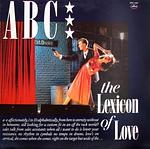
The Lexicon of Love, ABC's 1982 debut album, fuses pop, new wave and dance-pop with lush orchestral touches and sleek electronic production. The record pairs Martin Fry's theatrical, emotive vocals and romantic, sometimes sardonic lyrics with glossy synths, tight rhythm tracks and sweeping string arrangements, producing a cinematic, danceable sound that emphasizes studio polish and stylistic glamour. Its blend of orchestration and synth-based pop exemplifies a stylish strand of early 1980s British pop.
#160 — Born in the U.S.A. by Bruce Springsteen
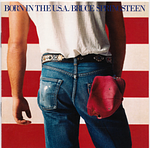
Born in the U.S.A. is Bruce Springsteen's 1984 album that blends heartland rock, pop rock, folk rock and AOR into a big, radio-ready sound. It pairs driving rock arrangements, bright synthesizer textures and prominent saxophone with anthemic, singalong choruses, while the lyrics continue Springsteen's focus on working-class life and the struggles of veterans, often juxtaposing upbeat music with stark storytelling. The overall effect is a muscular, accessible record that reinforced Springsteen's reputation for combining melodic rock with socially minded narratives.
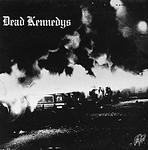
Fresh Fruit for Rotting Vegetables is the 1980 debut album by Dead Kennedys, rooted in fast, abrasive punk and early hardcore while incorporating surf-influenced guitar work and occasional melodic hooks. The record pairs brisk, tightly arranged songs with Jello Biafra's satirical, politically charged lyrics and dark humor, exemplified by tracks such as "Holiday in Cambodia" and "California Über Alles". Its sound and tone were influential in shaping the West Coast punk and hardcore scene.
#162 — Lifes Rich Pageant by R.E.M.
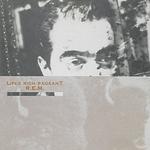
Lifes Rich Pageant, R.E.M.'s 1986 album, sharpens the band's jangle pop and alternative rock approach with cleaner, more rock-oriented production by Don Gehman. The sound features punchy guitars, tighter rhythms, and clearer vocals from Michael Stipe, moving away from the murkier textures of earlier records. Tracks like "Fall on Me" and "Cuyahoga" blend melodic hooks with environmentally and socially aware lyrics, and a cover of "Superman" adds a lighter moment. The record is notable as a transitional step that broadened R.E.M.'s sonic palette and prepared them for wider audiences.
#163 — The Piper at the Gates of Dawn by Pink Floyd
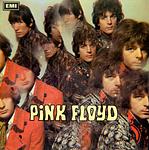
The Piper at the Gates of Dawn, Pink Floyd's 1967 debut, is a formative psychedelic rock record driven by Syd Barrett's idiosyncratic songwriting, playful lyrics, and inventive guitar work. Its sound combines whimsical melodies with experimental studio techniques, tape effects, prominent organ, and spacey guitar textures that point toward space rock and experimental rock. The album captures the band's early London psychedelia and Barrett's shaping influence on their initial musical direction before his departure.
#164 — Americana by The Offspring
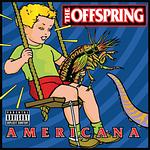
Americana (1998) finds The Offspring refining their punk roots into a polished, hook-driven pop punk sound that mixes skate-punk energy with melodic songwriting and cleaner production. The album balances irreverent, satirical takes on American culture with more personal, emotive moments, and its accessible arrangements and crisp guitar work broadened the band's mainstream visibility while defining their late 1990s style.
#165 — Buffalo Springfield Again by Buffalo Springfield
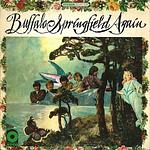
Buffalo Springfield Again, the group's 1967 second album, expands their folk rock foundation into elements of country rock and psychedelia. It pairs concise, socially aware songs like "For What It's Worth" with rougher electric tracks such as "Mr. Soul", country-tinged acoustic work like "Bluebird", and the orchestral pop of "Expecting to Fly". The record highlights the contrasting songwriting and guitar interplay of Stephen Stills and Neil Young, layered vocal harmonies, and varied arrangements that helped define late 1960s Los Angeles rock.
#166 — Machine Head by Deep Purple
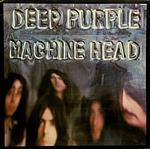
Machine Head, released in 1972 by Deep Purple, is a landmark hard rock album built around heavy, riff-driven songs, a prominent Hammond organ, and aggressive, blues-rooted guitar and vocals. It includes the riff-driven 'Smoke on the Water' and balances concise, hard-hitting tracks with extended jams that showcase Ritchie Blackmore's guitar, Jon Lord's organ textures, Ian Gillan's commanding voice, and a tight rhythm section. The album's raw sound and blend of blues, classical-tinged organ lines, and amplified guitar helped shape early heavy metal and arena rock styles.
#167 — Dog Man Star by Suede
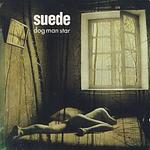
Dog Man Star is Suede's 1994 second album that pushes the band's Britpop roots toward a darker, more theatrical mix of glam rock and art rock. The record emphasizes sweeping orchestral arrangements, dramatic, literate songwriting from Brett Anderson, and Bernard Butler's ornate, expressive guitar work, producing a cinematic, melancholic atmosphere across longer, more expansive songs. Its ambitious production and brooding tone mark a deliberate departure from the more immediate sound of their debut and helped define the band's early artistic identity.
#168 — Surfer Rosa by Pixies
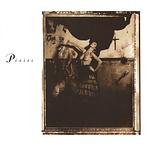
Surfer Rosa, released in 1988 by the Pixies, is a raw, abrasive alternative rock album produced by Steve Albini. It juxtaposes quiet, melodic verses with sudden, explosive choruses, showcasing Black Francis's urgent vocals, jagged guitar textures, and Kim Deal's propulsive bass and backing vocals, with her lead on "Gigantic". The songwriting pairs surreal, sometimes unsettling lyrical imagery with tight, punchy arrangements, and the stark, live-feeling production helped shape the loud-quiet-loud dynamics that became prominent in 1990s alternative and indie rock.
#169 — White on Blonde by Texas
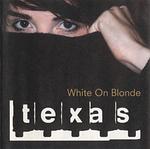
White on Blonde, Texas's 1997 album, moves the band toward a smoother, more polished sound that blends pop rock and alternative rock with downtempo and electronic textures. Sharleen Spiteri's warm, soulful vocals sit over grooving rhythms, atmospheric keyboards, and subtle electronic production, with songs that balance catchy hooks and reflective lyrics about relationships and mood. The record broadens the band's palette beyond guitar-based rock into more mood-driven arrangements while retaining a strong melodic focus.
#170 — Steve McQueen by Prefab Sprout
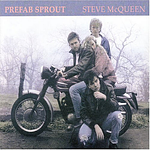
Steve McQueen is Prefab Sprout's 1985 album, produced by Thomas Dolby, that refines the band's blend of synth-pop, pop rock and sophisti-pop into a polished, literate form of chamber pop. Paddy McAloon's songwriting pairs wry, introspective lyrics with sophisticated chordal movement, warm melodies and smooth synth textures, while the production favors crisp, economical arrangements. The album is a clear example of mid 1980s sophisti-pop, notable for combining accessible hooks with musically intricate structures.
#171 — Dusty in Memphis by Dusty Springfield
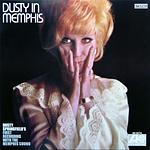
Dusty in Memphis, released in 1969, pairs Dusty Springfield's supple, emotive voice with Memphis-rooted soul arrangements to create a pop-soul record that leans into blue-eyed soul and classic Southern rhythm and blues. The album combines intimate, torch-like ballads and punchier soul grooves, using warm horn and string textures alongside a restrained rhythm section, and includes the single "Son of a Preacher Man." Its sound highlights Springfield's ability to move between pop phrasing and raw soul feeling, and it is often cited as a key example of cross-Atlantic soul-pop collaboration.
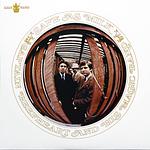
Safe as Milk is the 1967 debut album by Captain Beefheart and His Magic Band, combining blues-rooted songwriting with psychedelic textures and off-kilter, idiosyncratic vocals. The record pairs raw electric guitar and harmonica with unconventional arrangements and lyrical oddities, signaling a move away from straightforward blues rock toward more experimental, proto-alternative approaches that the group would develop further in later releases.
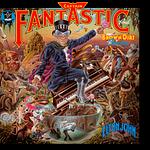
Captain Fantastic and the Brown Dirt Cowboy (1975) is an autobiographical concept album by Elton John with lyrics by Bernie Taupin. Musically it blends piano-led pop rock and soft rock with rich arrangements and orchestral touches, featuring narrative, reflective songwriting that traces the pair's early years in music and life. The record is noted for its cohesive theme and for showcasing Elton John's melodic piano work alongside Taupin's storytelling lyrics.
#174 — Surrealistic Pillow by Jefferson Airplane
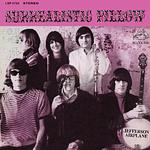
Surrealistic Pillow, released in 1967 by Jefferson Airplane, blends folk rock songwriting with electric psychedelia, pairing acoustic textures and jangling guitars with distorted guitars, organ, and studio effects. Grace Slick's powerful, theatrical vocals contrast with Marty Balin's softer delivery to create distinctive harmonies, while the songs mix concise pop structures with hallucinatory lyrical images and moments of freer instrumental exploration. The album captures the sound of the late 1960s San Francisco psychedelic scene and helped define Jefferson Airplane's role in that era.
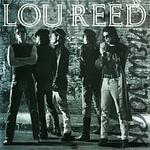
New York is a late 1980s Lou Reed album that pairs straightforward rock and art rock arrangements with hard edged guitar and a spare, propulsive production. Reed delivers conversational, narrative vocals that focus on the city and its social and political tensions, favoring lyrical detail and character sketches over ornate instrumentation. The result is a focused, direct record in which storytelling and riff driven rock coexist with Reed's distinctive talk singing approach.
#176 — Dig Your Own Hole by The Chemical Brothers
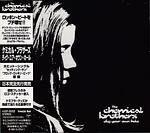
Dig Your Own Hole is the Chemical Brothers' 1997 second studio album and a defining example of the big beat sound of the late 1990s, blending heavy breakbeats, distorted basslines, and psychedelic sampling with rock-influenced rhythms. The record includes propulsive tracks like "Block Rockin' Beats" and "Setting Sun", the latter featuring Noel Gallagher, and is notable for its dense layering, dramatic buildups, and emphasis on groove and sonic impact over conventional pop song structures.
#177 — Toys in the Attic by Aerosmith
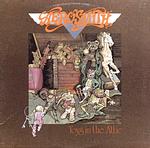
Toys in the Attic, released in 1975, is Aerosmith's third studio album and marked a turning point in the band's sound. It blends hard rock and blues rock with punchy, riff-driven arrangements, driving rhythms, and Steven Tyler's wide-ranging vocals. The record includes songs such as "Sweet Emotion" and "Walk This Way" that showcase Joe Perry's guitar hooks, tight band interplay, and a mix of swaggering rockers and groove-oriented tracks. Production favors a direct, live-in-the-room energy that helped define Aerosmith's classic rock identity.
#178 — No Other by Gene Clark
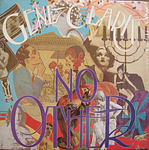
No Other, released in 1974 by Gene Clark, is a richly arranged album that blends country rock and folk rock with expansive, cinematic production. The songs pair Clark's introspective, often melancholic songwriting with layered strings, vocal harmonies, and occasional synth textures, producing a baroque, atmospheric sound that departs from his earlier, more stripped-back work. The album is regarded as one of his most ambitious solo statements and is notable for its emotional intensity and ornate arrangements.
#179 — Live! by Bob Marley & The Wailers
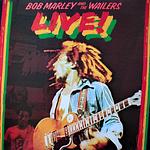
Live! is a 1975 concert album by Bob Marley & The Wailers that captures a London performance from their mid 1970s period. The record presents their roots reggae sound in a live context, with a driving rhythm section, melodic organ and guitar accents, and Marley's impassioned vocals backed by the I-Threes. It features extended, relaxed renditions of several songs from that era, including the live version of "No Woman No Cry," and conveys the communal energy and improvisational feel of their stage shows.
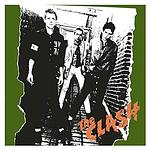
The Clash is the band's 1977 debut, a lean, hard-edged punk record that captures urgent, guitar-driven songs with politically charged lyrics. The album pairs fast, aggressive punk rock energy with traces of reggae and rockabilly influence, featuring punchy riffs, propulsive rhythms, and a raw, confrontational vocal style, and it helped define the sound of early UK punk.
#181 — Setting Sons by The Jam
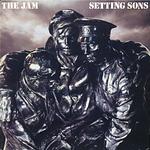
Setting Sons, released in 1979 by The Jam, finds Paul Weller consolidating the band’s mod revival and new wave impulses into concise, melodic rock. The album pairs punchy, guitar-driven arrangements and a tight rhythmic foundation from Bruce Foxton and Rick Buckler with lyrics that move between social observation and personal reflection, showing a more mature songwriting approach than earlier records. Its blend of pop and power pop hooks with sharp mod guitar tones helped define the band’s evolving sound.
#182 — Disraeli Gears by Cream
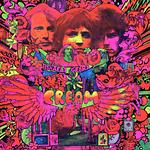
Disraeli Gears (1967) by Cream mixes blues rock and early hard rock with psychedelic touches, bringing more studio color and compact songcraft to the trio format. Eric Clapton's guitar tones and riff-driven playing sit alongside Jack Bruce's melodic bass and vocals and Ginger Baker's dynamic drumming, combining blues roots with psychedelic textures and tighter, radio-friendly arrangements that contrast with the band's longer live jams.
#183 — Pornography by The Cure
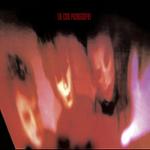
Pornography, released in 1982 by The Cure, is a dark, intense album that pushed the band into brooding, atmospheric territory tied to gothic rock and post-punk. It is marked by dense textures, guitars drenched in reverb, prominent bass and propulsive drums, and bleak, introspective lyrics that create an oppressive, claustrophobic mood across extended, immersive tracks. The record represented a shift to a more monochromatic, intense aesthetic and has been influential on subsequent gothic and alternative music.
#184 — Fleetwood Mac by Fleetwood Mac
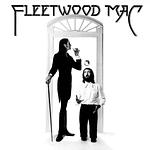
Fleetwood Mac (1975) is the self-titled album that introduced Lindsey Buckingham and Stevie Nicks to the band and shifted its sound toward a smoother, more pop-oriented rock with strong acoustic and folk influences. The record blends melodic pop rock and soft rock arrangements, featuring close vocal harmonies, layered electric and acoustic guitars, and intimate songwriting. Standout tracks such as "Rhiannon" and "Landslide" illustrate the mix of mystical lyricism and stripped-down balladry, while other songs emphasize catchy hooks and polished production, marking a clear stylistic turning point for the group.
#185 — "Heroes" by David Bowie
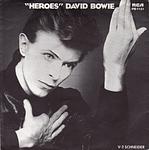
Heroes, released in 1977, is David Bowie’s album that blends art rock, electronic, ambient, art pop, and experimental rock. Recorded in West Berlin with producer Tony Visconti and frequent collaborator Brian Eno, the record pairs driving, guitar‑based songs with spare instrumental pieces built from layered synths and treated guitars, producing a stark and cinematic sound. The title track and several instrumentals emphasize atmospheric production and unconventional textures, making the album a central work from Bowie’s Berlin period that fuses pop songwriting with experimental electronics.
#186 — New Adventures in Hi‐Fi by R.E.M.
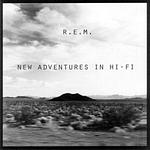
New Adventures in Hi-Fi (1996) finds R.E.M. expanding their alternative rock palette with a mix of full-band electric songs, quieter acoustic pieces, and experimental on-tour and studio recordings. The album juxtaposes melodic hooks with raw, atmospheric textures and a live-in-the-moment production approach, giving many tracks a looser, more spontaneous feel. Lyrically it leans toward introspective and observational themes, and the overall sound emphasizes mood and texture as much as conventional rock arrangements.
#187 — Avalon by Roxy Music
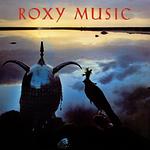
Avalon, released in 1982 by Roxy Music, pares the band’s art rock roots into a polished, atmospheric blend of sophisti-pop, soft rock, and pop rock. Bryan Ferry’s languid vocals float over shimmering synth textures, subtle guitar work, and tasteful saxophone, producing a romantic, late-night mood that emphasizes mood and production as much as songcraft. The record is notable for its sleek, restrained arrangements and for steering the group toward a smoother, more elegiac sound.
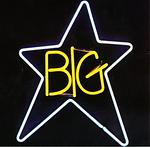
#1 Record, Big Star's 1972 debut, pairs ringing, jangly guitars and crisp three minute pop songs with rich vocal harmonies to help define early power pop. Alex Chilton and Chris Bell contributed concise, melody-first songwriting that often undercuts bright hooks with a quietly melancholic edge, while the arrangements emphasize clear guitar lines, tight rhythm work and layered vocals. The album's economical songcraft and guitar-driven sound have made it a lasting reference point for later power pop and alternative rock musicians.
#189 — Bringing It All Back Home by Bob Dylan
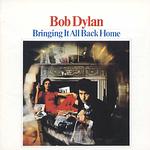
Bringing It All Back Home (1965) marks Bob Dylan's shift from solo acoustic folk toward electric folk rock, with one side backed by a full band and the other featuring solo acoustic performances. The record blends rock instrumentation and harmonica with poetic, often surreal lyrics on songs such as Subterranean Homesick Blues, Maggie's Farm and Mr. Tambourine Man, and is often cited as a pivotal step in his move toward rock-oriented songwriting.
#190 — September of My Years by Frank Sinatra
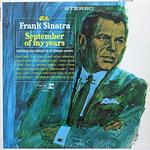
September of My Years (1965) presents Frank Sinatra in a reflective, late-career mode, delivering a sequence of ballads and standards arranged and conducted by Gordon Jenkins. The album emphasizes lush string charts, restrained brass touches, and measured tempos that foreground Sinatra's warm, seasoned baritone, with recurring themes of aging, memory, and nostalgia woven through the song choices. Stylistically it sits between traditional pop, jazz-inflected phrasing, and easy listening orchestration, offering a coherent, intimate mood throughout.
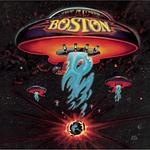
Boston is the band's 1976 self-titled debut, anchored by Tom Scholz's meticulous studio production and Brad Delp's high, harmony-rich vocals. Musically it blends hard rock guitar riffs and punchy AOR songcraft with arena-sized choruses, featuring layered, multi-tracked guitars, prominent keyboards, and tight vocal harmonies. The album's polished, radio-friendly sound became a reference point for mid 1970s arena rock and AOR.
#192 — Hatful of Hollow by The Smiths
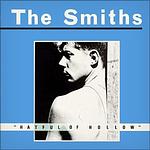
Hatful of Hollow is a 1984 compilation that gathers early singles and BBC session recordings by The Smiths, presenting a snapshot of the group’s formative period. Musically it pairs Johnny Marr’s chiming, arpeggiated guitar textures with Morrissey’s literate, melancholic vocal delivery, mixing jangle pop and indie rock influences with traces of post-punk moodiness. The record highlights the band’s knack for concise, melody-driven arrangements and mordant, observational lyrics, and is often cited as a key document of their early sound within the 1980s British indie scene.
#193 — In the Court of the Crimson King by King Crimson
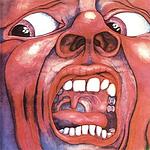
In the Court of the Crimson King is an early progressive rock album that blends heavy rock, jazz inflections, and classical textures into extended, dramatic compositions. The sound features Robert Fripp's angular guitar, Ian McDonald's Mellotron and woodwinds, and Greg Lake's resonant vocals, with tracks like "21st Century Schizoid Man" and the multi-part title piece emphasizing shifting time signatures, dense arrangements, and a dark, theatrical mood. The record is widely regarded as a foundational work in the development of progressive rock and is notable for its emphasis on atmosphere and compositional ambition.
#194 — Sandinista! by The Clash
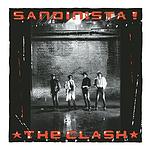
Sandinista! is The Clash's sprawling 1980 project that pushes the band beyond straight punk into a wide mix of dub, reggae, funk, early hip hop, pop rock, and experimental studio work. The record pairs political and social lyrics with extended dub mixes, instrumental passages and genre-hopping arrangements, reflecting a deliberate move toward sonic variety and studio experimentation. Its loose, sometimes rough production and eclectic song styles mark it as an ambitious, genre-blurring statement from a band stretching the boundaries of punk.
#195 — On the Beach by Neil Young
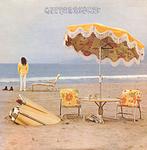
On the Beach (1974) finds Neil Young moving away from the polished sound of his earlier work into a rawer, darker set of songs that blend rock, country rock, pop rock and singer-songwriter intimacy. The arrangements range from spare acoustic passages to ragged electric textures, with plaintive vocals and pedal steel accents creating a persistent mood of disillusionment and melancholy. Lyrically it touches on personal loss, social unease and a weary outlook, and the record is often regarded as one of Young's more uncompromising and emotionally direct works from the 1970s.
#196 — Check Your Head by Beastie Boys

Check Your Head (1992) finds Beastie Boys returning to live instrumentation and blending East Coast hip hop rhythms with funk grooves, punk energy, and rock textures. The album pairs rap vocal delivery and sampling with prominent bass, guitar, and organ played by the trio, creating a raw, eclectic sound that broadened their palette beyond purely sample-based hip hop. Its production emphasizes gritty rock moments alongside tight funk and hip hop rhythms, showcasing the group's interest in band dynamics and genre mixing.
#197 — Younger Than Yesterday by The Byrds
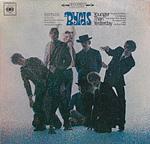
Younger Than Yesterday (1967) finds the Byrds expanding their folk rock roots into more varied pop and psychedelic territory. The record mixes the group's signature jangly 12-string guitar and tight vocal harmonies with more adventurous arrangements and songwriting, including notable tracks such as 'So You Want to Be a Rock 'n' Roll Star', 'My Back Pages', and 'Have You Seen Her Face'. Chris Hillman's songwriting contributions increased and David Crosby's experimental tendencies are audible on several songs, giving the album a balance of concise pop songs and psychedelic touches that pointed toward the band's later work.
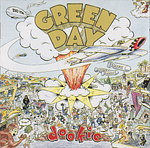
Dookie, released in 1994 by Green Day, is a defining pop punk record that blends punk rock urgency with strong melodic hooks and concise songcraft. The trio's fast, power-chord guitars, brisk tempos, and punchy arrangements are anchored by Billie Joe Armstrong's distinctive vocals, Mike Dirnt's driving bass, and Tré Cool's propulsive drumming. Lyrically the album addresses suburban ennui, anxiety, and youthful frustration with a mix of wit and urgency, and the cleaner studio production by the band and producer Rob Cavallo made the sound more polished while retaining a raw immediacy.
#199 — Everything Must Go by Manic Street Preachers
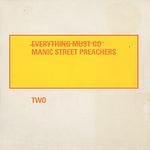
Everything Must Go (1996) is an album by Manic Street Preachers that marked a shift toward a more melodic, anthemic alternative rock sound following the disappearance of lyricist Richey Edwards. The record pairs sweeping guitars and occasional orchestral touches with politically charged and personal lyrics, featuring songs such as A Design for Life, Everything Must Go, and Kevin Carter, and represents a clear stylistic turning point for the band.
#200 — Fumbling Towards Ecstasy by Sarah McLachlan
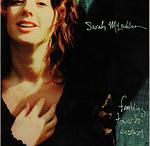
Fumbling Towards Ecstasy (1993) finds Sarah McLachlan refining a moody, introspective singer-songwriter approach that blends soft rock, pop, and alternative rock with folk and ambient textures. The record emphasizes sparse piano and guitar arrangements, layered atmospherics, and McLachlan's emotive, breathy vocals, producing a contemplative, cinematic sound that centers on intimate, lyric-driven songs. It helped define her signature style and broadened the reach of intimate, production-rich pop in the 1990s.