 The Greatest Music
Colin Larkin’s All Time Top 1000 Albums
Weight: 10%
How much this list influences our overall rankings. Higher weight means more reliable data.
Penalties Applied:
A book series created by Encyclopedia of Popular Music editor Colin Larkin (1st ed. 1994; later pocket/2nd ed. 1998; 3rd ed. 2000), presenting a ranked “top 1000” derived from a large, ongoing public poll—ballots gathered in record shops, universities, schools, and at the MIDEM trade show—rather than a critics’ ballot. The project grew across editions, with annotations for each album and shifting results as more votes came in.
#201 — Ray of Light by Madonna
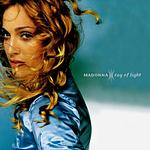
Ray of Light, released in 1998, finds Madonna moving into electronic and dance-pop territory with production heavily shaped by William Orbit. The album blends club-ready beats and synth-driven hooks with ambient and downtempo textures, pairing pulsing rhythms and layered electronic arrangements with more reflective, spiritual lyrical themes. Madonna's vocal delivery ranges from breathy to urgent, and the record balances uptempo dance tracks and slower, atmospheric songs to create a cohesive pop-electronic sound.
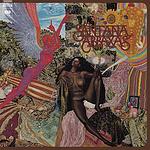
Abraxas, Santana's 1970 second studio album, melds Latin percussion, blues, jazz, and psychedelic rock into a groove-driven, percussion-forward sound anchored by Carlos Santana's sustained, expressive guitar and Gregg Rolie's organ and vocals. The record mixes originals with reinterpretations, notably Black Magic Woman and Oye Como Va, and is widely regarded for bringing Afro-Cuban rhythms and extended instrumental jams into a rock framework.
#203 — John Wesley Harding by Bob Dylan
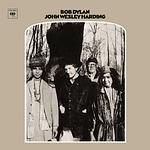
John Wesley Harding is a 1967 Bob Dylan album that pares arrangements down to a spare, roots-oriented sound blending folk, country, and rock elements. The songs are concise and narrative-driven, often using biblical and Western imagery, with restrained acoustic guitar and subtle backing instruments; notable tracks include All Along the Watchtower and I’ll Be Your Baby Tonight. The record represented a shift away from the mid 1960s electric sound toward a more song-centered, stripped-down approach associated with the emerging country rock and contemporary folk currents.
#204 — Beatles for Sale by The Beatles
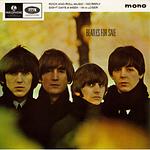
Beatles for Sale captures the group moving from upbeat early pop toward more reflective, songwriter-focused material, pairing rock and roll covers with originals that draw on folk and country touches. The sound features close vocal harmonies, Lennon-led confessional numbers and a slightly raw, road-weary production that reflects heavy touring, and it is often seen as a transitional record toward their more mature songwriting on later albums.
#205 — Strange Days by The Doors
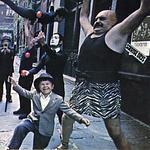
Strange Days is the Doors' second studio album from 1967, expanding their organ-driven rock into darker, more theatrical and psychedelic territory. The record blends blues rock roots with acid and psychedelic textures, featuring Jim Morrison's stagewise, poetic vocals over Ray Manzarek's swirling keyboards, Robby Krieger's lyrical guitar work, and rhythmic shifts that range from compact songs to extended, atmospheric pieces. Tracks such as "People Are Strange," "Love Me Two Times," and the sprawling "When the Music's Over" showcase the band's interest in mood, studio effects, and dramatic lyrical imagery, marking a deeper exploration of sound and concept compared with their debut.
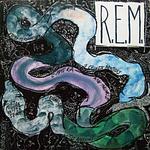
Reckoning is R.E.M.'s second studio album, released in 1984. Produced by Mitch Easter and Don Dixon, it continues the band's early jangle pop and alternative rock approach with chiming guitars, melodic bass and drums, and Michael Stipe's characteristically oblique vocals. Featuring songs such as "So. Central Rain", "Harborcoat", "Pretty Persuasion" and "7 Chinese Bros.", the record consolidated the group's signature sound within the indie and college rock scene.
#207 — Can't Buy a Thrill by Steely Dan
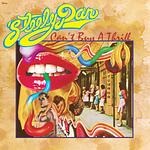
Can't Buy a Thrill is Steely Dan's 1972 debut album that introduced Donald Fagen and Walter Becker's blend of pop rock and jazz-inflected songwriting. It pairs catchy, radio-friendly rhythms with sophisticated harmonic arrangements, polished studio production, and literate, often ironic lyrics, and features early singles 'Do It Again' and 'Reelin' in the Years'. The album's use of session musicians and tight vocal harmonies points toward the studio-centered approach the duo would develop on later records.
#208 — Endtroducing..... by DJ Shadow
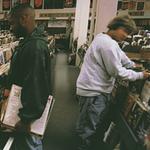
Endtroducing....., released in 1996 by DJ Shadow (Joshua Davis), is an instrumental hip hop album built almost entirely from sampled material. Its sound combines downtempo beats, cinematic textures, scratches and found sounds into moody, collage-like tracks that sit at the intersection of trip hop, electronic and hip hop production. The album is widely regarded as a landmark in sample-based and instrumental hip hop for its dense layering and immersive sequencing.
#209 — Dubnobasswithmyheadman by Underworld
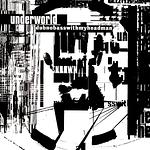
Dubnobasswithmyheadman is a pivotal electronic album by Underworld that fuses progressive house, techno, acid house and dub aesthetics into extended, groove-driven compositions. The record pairs hypnotic, layered rhythms and deep bass with atmospheric synth textures and Karl Hyde's often stream-of-consciousness vocal delivery, producing long, evolving tracks that emphasize build and repetition over conventional song structure. Its production balances club energy with experimental sound design, marking a shift toward the immersive, cinematic approach that became characteristic of the band's work.
#210 — West Side Story by Leonard Bernstein, Stephen Sondheim
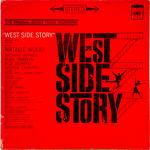
West Side Story, with music by Leonard Bernstein and lyrics by Stephen Sondheim, presents a theatrical score that blends Broadway musical theatre with jazz-inflected rhythms, Latin percussion and classical orchestral writing. The album features urgent, syncopated dance sequences alongside lyrical, dramatic songs that showcase complex harmonies, vivid orchestration and a strong sense of rhythmic drive and tension. Its sound occupies a space between musical theatre, jazz and Latin-tinged popular orchestration, notable for its emotional range and dramatic momentum.
#211 — Protection by Massive Attack
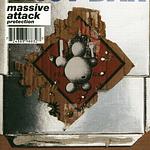
Protection (1994) is Massive Attack's second album, extending their trip hop approach with slow, dub-influenced grooves, lush electronic textures, and an emphasis on mood and atmosphere over upfront beats. Guest vocalists including Tracey Thorn and longtime collaborator Horace Andy add warm, melancholic tones, while layered production blends elements of dub, downtempo, and electronic music to produce cinematic, immersive arrangements associated with 1990s trip hop.
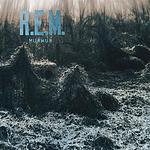
Murmur, R.E.M.'s 1983 debut, foregrounds the band's chiming, jangly guitars and Michael Stipe's distinctive, often obscured vocals. Produced by Mitch Easter and Don Dixon, the record mixes jangle pop, post-punk, and folk-rock elements into concise, atmospheric arrangements with cryptic lyrics, creating a moody alternative rock sound that became influential in early college rock scenes.
#213 — Urban Hymns by The Verve
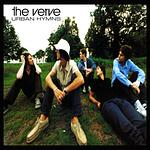
Urban Hymns is The Verve's 1997 album that blends alternative rock and Britpop with neo-psychedelic textures, notable for lush string arrangements, Nick McCabe's layered, atmospheric guitars, and Richard Ashcroft's emotive, introspective songwriting. The record contains expansive, melodic tracks such as "Bitter Sweet Symphony", which features a prominent orchestral sample, along with quieter ballads like "The Drugs Don't Work" and "Lucky Man", balancing grand, symphonic moments with subdued, reflective pieces.
#214 — Station to Station by David Bowie
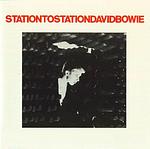
Station to Station, released by David Bowie in 1976, blends art rock, pop rock, alternative rock and blue-eyed soul into a lean, often chilly sound that connects his mid 1970s soul-funk experiments with the more electronic, experimental direction he pursued afterward. The record is anchored by the expansive, hypnotic title track with a motorik-like pulse, alongside tighter, soul-inflected songs featuring sharp guitar, driving bass and spare keyboards. It also introduces the Thin White Duke persona and explores themes of identity, travel and spiritual searching.
#215 — Roxy Music by Roxy Music
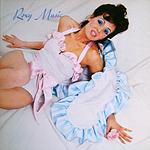
Roxy Music's 1972 self-titled debut blends glam rock's stylish theatricality with art rock experimentation, pairing Brian Ferry's suave vocals and pop songcraft with Brian Eno's electronic treatments and angular instrumental textures. The record juxtaposes concise, melodic tracks and cinematic arrangements with studio experimentation and art-school sensibilities, helping define the band's sleek aesthetic and an art-glam approach to rock.
#216 — Different Class by Pulp
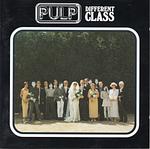
Different Class is Pulp's mid 1990s album that blends Britpop immediacy with art rock and glam influences, pairing catchy, theatrical arrangements with literate, observational lyrics about class, relationships, and everyday absurdities. Jarvis Cocker's conversational vocal delivery and character-driven storytelling sit alongside driving rock rhythms, occasional orchestral touches, and pop hooks; songs such as "Common People" and "Disco 2000" exemplify its mix of social satire and singable melodies. The record is often noted for its sharp songwriting and dramatic presentation within the broader Britpop and indie rock context.
#217 — The Hissing of Summer Lawns by Joni Mitchell
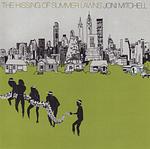
The Hissing of Summer Lawns (1975) finds Joni Mitchell expanding from her folk roots into a sound that blends jazz pop, folk pop and avant garde pop with elements of contemporary jazz. Arrangements emphasize electric keyboards, layered vocals and rhythmic complexity, while the harmonic language and song forms draw on jazz sensibilities. Lyrically the album uses observational narratives and ambiguous characters to examine suburban life, relationships and modernity. Overall it represents a deliberate, experimental turn toward denser production and sophisticated songwriting.
#218 — Heaven or Las Vegas by Cocteau Twins
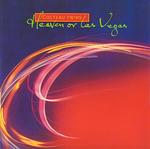
Heaven or Las Vegas (1990) finds Cocteau Twins applying their hallmark reverb-soaked guitars and Elizabeth Fraser's otherworldly vocals to more direct, melodic song structures. The album pairs shimmering guitar and warm synth layers with a restrained, slow-tempo pulse, producing lush, atmospheric tracks that sit between dream pop, ethereal wave, downtempo and shoegaze while emphasizing clearer vocal lines and accessible melodies.
#219 — Brothers in Arms by Dire Straits
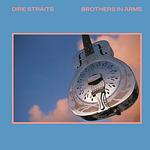
Brothers in Arms, Dire Straits' fifth studio album released in 1985, expands the band's rock and blues roots into a polished, cinematic sound centered on Mark Knopfler's fingerpicked guitar and restrained vocals. The record blends atmospheric synthesizer textures and spacious production with concise pop songwriting and extended instrumental passages, exemplified by the title track's plaintive guitar solos and the propulsive, riff-driven "Money for Nothing," which features a guest backing vocal by Sting. Its clear, dynamic production and mix of pop, classic rock and blues influences made it a defining work in the band's catalog while retaining elements of heartland rock.
#221 — Touch by Eurythmics
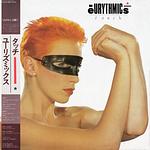
Touch, released in 1983 by Eurythmics, continues the duo's fusion of New Wave and electronic pop by pairing synthesizer-driven arrangements and drum machine grooves with Annie Lennox's blue-eyed soul vocal delivery. Dave Stewart's production moves between sparse, atmospheric synth textures and more bandlike dance-rock and funk rhythms, producing songs that range from moody, orchestral-tinged ballads to uptempo, groove-centered numbers. The album helped consolidate the group's sound and expanded their palette beyond pure synth-pop toward soul and rock influences.
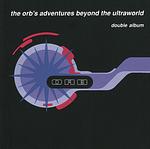
The Orb’s Adventures Beyond the Ultraworld, released in 1991, is a sprawling ambient house album that blends long-form, collage-like soundscapes with dub-influenced rhythms and downtempo grooves. It uses layered samples, field recordings, echo-heavy bass and drifting synth textures to create a spacey, cinematic atmosphere, alternating between relaxed beats and immersive ambient passages. The record is considered a key early example of ambient house and ambient dub, notable for its emphasis on mood, texture and extended, continuous mixes rather than conventional song structures.
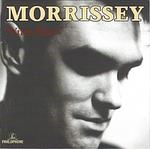
Viva Hate is Morrissey’s 1988 solo debut, produced by Stephen Street. It moves from his work with The Smiths toward a sparser, more orchestral pop sound while keeping jangly guitar textures and strong melodic hooks. The album blends alternative and indie rock with elements of jangle pop and dance-rock, pairing Morrissey’s literate, melancholic lyrics and distinctive vocal delivery with concise arrangements and occasional string parts. Songs like Suedehead and Everyday Is Like Sunday illustrate the record’s combination of wistful introspection and pop clarity, and helped define his early solo identity.
#224 — All Eyez on Me by 2Pac
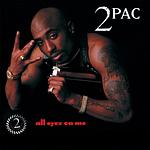
All Eyez on Me is a 1996 double album by 2Pac that showcases West Coast gangsta rap and G-Funk influences, blending hard-hitting street anthems with more melodic and reflective tracks. Recorded after his signing to Death Row Records, the album features sample-driven, synth-forward production and a mix of aggressive bravado and personal vulnerability, addressing themes of survival, loyalty, and fame. Its breadth and varied moods highlight 2Pac's versatility within mid-1990s hip hop.
#225 — Nothing's Shocking by Jane's Addiction
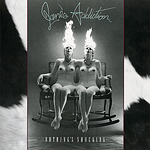
Nothing's Shocking (1988) captures Jane's Addiction's blend of alternative rock, hard rock, alternative metal and pop sensibilities, pairing heavy, riff-driven arrangements with melodic, often psychedelic songwriting. Perry Farrell's expressive, theatrical vocals sit atop Dave Navarro's layered, angular guitar work and a propulsive rhythm section from Eric Avery and Stephen Perkins, creating a dynamic contrast between abrasive, high-energy tracks and quieter, acoustic moments. The album is often cited as an influential touchstone in late 1980s alternative rock for its genre-crossing approach and uncompromising live-oriented sound.
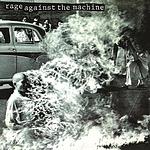
Rage Against the Machine is the band's 1992 self-titled debut that fuses heavy rock and metal riffs with funk-influenced rhythms and rap-style vocals. The album is marked by Tom Morello's inventive guitar textures and effects, tight rhythm work, and Zack de la Rocha's confrontational, politically charged lyrics, producing a raw and urgent sound. Its aggressive genre blend and outspoken themes became a defining touchstone for alternative and rap metal in the 1990s.
#227 — Remain in Light by Talking Heads
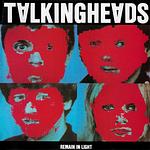
Remain in Light (1980) finds Talking Heads blending New Wave, post-punk, funk, and electronic textures through an experimental production approach with Brian Eno. The album foregrounds layered, polyrhythmic grooves influenced by West African rhythms, interlocking guitar and synth patterns, and funk-tinged bass to create dense, propulsive arrangements. David Byrne's vocal delivery moves between urgent and detached across fragmented, mantra-like lyrics, while studio techniques favor repetition, loops, and ambient sonics. The record is often noted for shifting the band's sound toward a more rhythmic, textural, and collaborative form of art rock.
#228 — Sweet Baby James by James Taylor
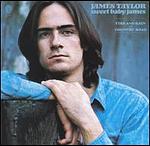
Sweet Baby James, released in 1970 by James Taylor, is a quietly influential singer-songwriter album that blends folk, soft rock, and folk pop. Taylor's warm, intimate vocal delivery and fingerpicked acoustic guitar anchor pared-back arrangements and introspective, narrative lyrics, exemplified by the lullaby title track and the confessional ballad "Fire and Rain". The record helped establish Taylor's mellow, melodic sound and became a touchstone of the early 1970s singer-songwriter movement.
#229 — Sweetheart of the Rodeo by The Byrds
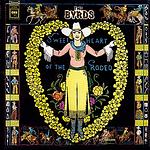
Sweetheart of the Rodeo is The Byrds' 1968 album that shifts the group's sound toward country rock, blending folk rock songwriting and rock rhythms with country instrumentation such as pedal steel and acoustic arrangements. Gram Parsons' involvement steered the record toward traditional country material and roots-flavored originals, delivered with close harmonies and a simpler, more direct production than the band's earlier psychedelic work, with songs like "Hickory Wind" exemplifying the album's tone. The record is widely regarded as an early and influential example of the country rock and Americana crossover.
#230 — Surf's Up by The Beach Boys
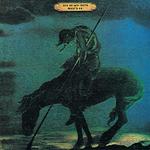
Surf's Up is a 1971 Beach Boys album that mixes pop and psychedelic elements with progressive pop touches, notable for rich vocal harmonies, orchestral textures and a more introspective tone. The title track, written with Van Dyke Parks, and songs such as "Til I Die" and "A Day in the Life of a Tree" reflect lingering experimentalism from earlier eras alongside contributions from Carl Wilson and Bruce Johnston, producing a record that balances social commentary, melancholy and studio-crafted arrangements.
#231 — Fables of the Reconstruction by R.E.M.
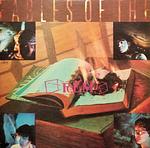
Fables of the Reconstruction (1985) is R.E.M.'s third studio album, notable for a darker, Southern Gothic-tinged sound that blends the band's alternative rock and jangle pop roots with folk and blues textures. The record favors murky, atmospheric arrangements, slower tempos and more acoustic instrumentation than their earlier, brighter releases, and features Michael Stipe's elliptical lyrics that emphasize place and storytelling. It represents a deliberate stylistic shift that expanded the band's musical palette while retaining melodic sensibilities.
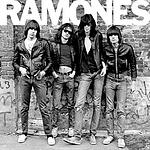
Ramones is the 1976 debut album by the Ramones. It delivers short, fast, stripped-down songs built on simple three-chord guitar figures, driving downbeat drumming, and a raw production that foregrounds catchy hooks and shouted vocals. Noted for its succinct songcraft and aggressive minimalism, the record is widely regarded as a foundational release in punk rock and helped establish the genre's aesthetic.
#233 — Something Else by The Kinks by The Kinks
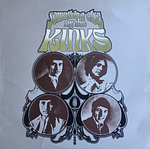
Something Else by The Kinks (1967) showcases Ray Davies' move toward more reflective, character focused songwriting, blending pop rock with baroque pop, folk rock and mod influences. The album pairs concise, melodic songs with chamber pop touches such as harpsichord and string arrangements and features wry, observational lyrics about English life and youth culture. Its pastoral textures and careful arrangements point toward the band’s subsequent, more nostalgic work.
#234 — Mechanical Animals by Marilyn Manson
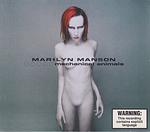
Mechanical Animals, released in 1998, marks Marilyn Manson's move from the darker industrial metal of earlier records toward a glam-influenced alternative rock sound that incorporates synth-pop textures and more melodic songwriting. The album adopts androgynous glam-rock imagery and themes of celebrity, alienation, and identity while blending heavy guitars with glossy production and theatrical vocals; tracks such as "The Dope Show" and "I Don't Like the Drugs (But the Drugs Like Me)" exemplify this stylistic shift. It is often seen as a distinct pivot in the band's catalog that emphasizes melody and spectacle over abrasive industrial noise.
#235 — Off the Wall by Michael Jackson
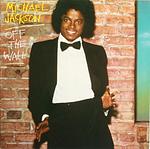
Off the Wall (1979) finds Michael Jackson moving from child star to mature solo artist with a polished blend of disco, pop, contemporary R&B and funk. Produced by Quincy Jones, the album pairs buoyant dance grooves and tight funk rhythms with smooth balladry, featuring slick horn and string arrangements, layered backing vocals and confident lead performances. Its emphasis on sophisticated production, dancefloor songs and crossover R&B sensibility helped redefine Jackson's sound and shaped his direction on later projects.
#236 — Every Picture Tells a Story by Rod Stewart
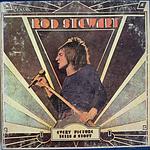
Every Picture Tells a Story, released in 1971, is Rod Stewart's third solo album. It blends rock, blues rock, folk rock and pop into a rootsy, acoustic-tinged sound anchored by Stewart's gritty, conversational vocals, loose band arrangements, and a mix of upbeat rockers and reflective ballads. The record features the well-known tracks "Maggie May" and "Mandolin Wind" and is often noted for capturing Stewart's move from folk-influenced singer-songwriter material toward a more rock-oriented solo identity.
#237 — Crooked Rain, Crooked Rain by Pavement
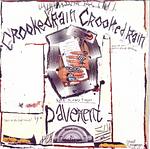
Crooked Rain, Crooked Rain (1994) by Pavement blends slacker-era indie rock with sharper songcraft and clearer production than the band’s earlier lo-fi recordings. The album pairs chiming, guitar-driven arrangements and offhand, oblique lyrics with melodic hooks and a relaxed, conversational vocal delivery, moving between hazy, noisy textures and more straightforward pop-leaning songs. Its mix of casual irony and tunefulness is a defining example of 1990s indie and alternative rock aesthetics.
#238 — L.A. Woman by The Doors
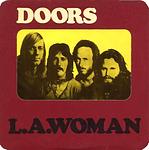
Released in 1971, L.A. Woman is the Doors' final studio album to feature Jim Morrison. The record moves toward a rawer, blues-based sound that blends blues rock and psychedelic textures, driven by Robby Krieger's guitars and Ray Manzarek's organ beneath Morrison's gritty vocal delivery. Recorded with engineer Bruce Botnick after producer Paul A. Rothchild left the sessions, the performances have a live-in-studio immediacy and include songs such as "L.A. Woman" and "Riders on the Storm." The album is notable for its loose grooves, urban lyrical themes, and a marked return to roots-oriented songwriting.
#239 — 1967–1970 by The Beatles
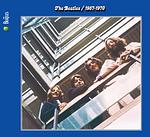
1967–1970, commonly called the Blue Album, is a 1973 compilation that gathers The Beatles' later-period recordings. The selection spans their psychedelic studio experiments and ornate pop arrangements as well as more direct rock and blues-influenced performances, reflecting the group’s musical shift from adventurous studio production to simpler, roots-oriented songs. The compilation highlights melodic songwriting, layered studio textures, and the contrast between studio experimentation and straightforward rock and soul-tinged tracks.
#240 — Rust Never Sleeps by Neil Young, Crazy Horse
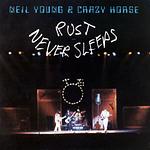
Rust Never Sleeps, credited to Neil Young with Crazy Horse and released in 1979, mixes acoustic folk rock songs with searing electric rock performed with Crazy Horse. The album contrasts quiet, introspective solo pieces and loud, distorted guitar workouts, exploring themes of aging, rock and roll, and cultural change, and it highlights Young's movement between delicate melodies and raw, feedback-heavy textures. The combination of folk, country-tinged numbers and hard rock passages creates a dramatic dynamic between intimacy and explosive live energy.
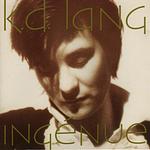
Ingenue (1992) marks k.d. lang moving from her earlier country roots toward a more pop-oriented, torch-tinged sound, pairing her smoky, expressive voice with lush, spacious arrangements that blend pop, pop rock, and subtle country inflections. Collaborations with multi-instrumentalist Ben Mink contribute to the album's chamber-pop textures and restrained instrumental detail, and the set includes the notable song "Constant Craving." The record is distinguished by its intimate vocal phrasing and sophisticated production that emphasize mood and atmosphere over rock aggression.
#242 — Live/Dead by Grateful Dead
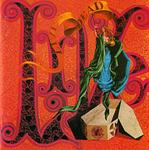
Live/Dead, released in 1969, is the Grateful Dead's first official live album and a landmark document of their late 1960s improvisational sound. It captures long, exploratory psychedelic rock performances that blend folk and blues roots with extended guitar and organ interplay, exemplified by sprawling renditions of "Dark Star" and the raucous "Turn On Your Lovelight." The record emphasizes live dynamics and improvisation over concise studio arrangements, showcasing the band’s approach to collective, real-time musical exploration.
#243 — Exile in Guyville by Liz Phair
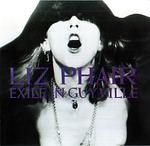
Exile in Guyville, Liz Phair's 1993 debut, blends indie rock and alternative rock with lo-fi, guitar-driven arrangements and frank, conversational lyrics. The album's spare production and direct vocal delivery create a confessional, intimate tone that foregrounds personal and gendered perspectives in rock music. Its combination of catchy melodies and rough-edged sonics helped establish Phair's distinctive voice within 1990s independent rock and has been cited as influential for later singer-songwriters in alternative and DIY scenes.
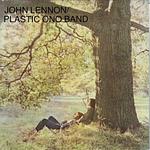
John Lennon/Plastic Ono Band (1970) is a stark, confessional solo album that pares arrangements down to bare acoustic and electric guitars, piano, bass and drums, putting Lennon's voice and direct lyrics at the forefront. The songs are raw and intimate, shaped by his engagement with primal therapy, and confront themes of identity, loss, faith and personal liberation with blunt, often painful imagery. Blending rock and folk with a singer-songwriter sensibility, the record is notable for its spare production and emotionally unguarded performances.
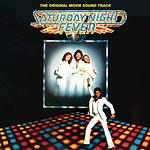
A landmark 1977 film soundtrack that captures the polished, groove-driven sound of late 1970s disco and dance music. It centers on contributions from the Bee Gees alongside songs from other contemporary disco, funk, and pop artists, mixing driving four-on-the-floor rhythms, prominent basslines, lush string and orchestral touches, and falsetto vocal harmonies with a few slower ballad moments. The album is notable for presenting a cohesive dance-oriented sound that helped define popular perceptions of disco and nightclub culture in that era.
#246 — The Stranger by Billy Joel
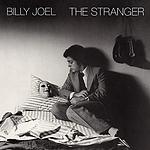
The Stranger (1977) is Billy Joel's fifth studio album, produced by Phil Ramone, that helped define his piano-led pop rock identity by blending soft rock balladry, pop hooks and occasional funk-tinged rhythms. It pairs intimate songs such as "Just the Way You Are" and "She's Always a Woman" with livelier tracks like "Movin' Out (Anthony's Song)" and "Only the Good Die Young," and includes the contemplative "Vienna" and the title track. The arrangements emphasize melodic piano, warm horns and clear studio production, giving the record a cohesive sound that broadened Joel's stylistic range in the late 1970s.
Zooropa (1993) finds U2 pushing further into electronic and experimental territory, blending alternative rock with ambient textures, dance rhythms, and industrial-influenced sounds. The album emphasizes studio experimentation and effects to create expansive, often surreal soundscapes that frame lyrics about technology, media, and urban alienation. It represents a deliberate shift from the band's earlier arena rock approach and is commonly cited as part of U2's 1990s reinvention and embrace of contemporary electronic influences.
#248 — Live at the Apollo, 1962 by James Brown
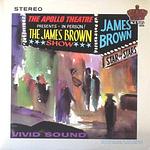
Live at the Apollo, 1962 captures James Brown's raw stage energy and tight band interplay, blending soul, deep soul, R&B and early funk elements. The recording emphasizes call-and-response vocals, punchy horn arrangements, driving rhythms and extended live passages that showcase Brown's showmanship and the band's rhythmic precision. The sound favors immediacy and dynamic range over studio polish, presenting immersive, intense performances typical of his concerts at the time.
#249 — Unknown Pleasures by Joy Division
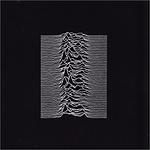
Unknown Pleasures, Joy Division's 1979 debut studio album, is a landmark of post-punk characterized by sparse, austere arrangements and distinctive production by Martin Hannett. The record pairs Peter Hook's high, melodic basslines and Bernard Sumner's angular guitar with Stephen Morris's precise, often metronomic drums under Ian Curtis's deep, restrained vocals and introspective lyrics, creating a cold, atmospheric sound that also fed into gothic and alternative rock developments. Its use of space, effects, and the iconic pulsar waveform cover have made it an enduring reference point for late 20th century underground rock.
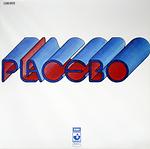
#251 — All Mod Cons by The Jam
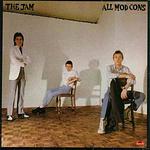
All Mod Cons is The Jam's 1978 album that crystallizes their blend of punchy rock, mod revival aesthetics, and melodic power pop. The record pairs Paul Weller's concise, socially aware songwriting with a tight three piece sound that balances punk-era urgency and 1960s mod influence, moving the band toward more developed melodies and arrangements. Notable for its economical production and tracks like "Down in the Tube Station at Midnight" and the wistful acoustic "English Rose", the album is often cited as a key moment in the Jam's transition from raw youth band to sharper, more focused songwriting voice.
#252 — His 'n' Hers by Pulp
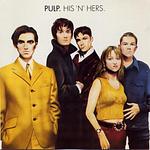
His 'n' Hers (1994) finds Pulp blending Britpop, glam and new wave influences with alternative and indie rock textures. Jarvis Cocker's conversational, observational lyrics about domestic life, desire and social awkwardness sit alongside melodic, often theatrical arrangements that employ piano, synths, strings and sharp guitar hooks. The record's mix of everyday detail and pop craft helped establish Pulp's public profile and set the stage for their later prominence within 1990s British guitar pop.
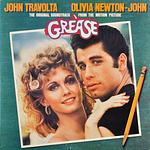
The 1978 soundtrack to the film Grease blends theatrical pop and rock and roll pastiche with late 1970s disco and pop production. Performed by the film cast and guest artists, it features character-driven vocals and polished studio arrangements on tracks such as 'You're the One That I Want', 'Summer Nights', 'Hopelessly Devoted to You', and Frankie Valli's 'Grease'. The album is notable for translating musical theatre material into radio-friendly pop while retaining doo-wop and Rock And Roll influences.
#254 — Liege & Lief by Fairport Convention
Liege & Lief (1969) by Fairport Convention is a landmark British folk rock album that blends traditional English folk songs with electric rock instrumentation, anchored by Sandy Denny's vocals and Richard Thompson's distinctive guitar work. The arrangements mix acoustic textures, fiddle-led melodies, and driving electric rhythms to create a muscular yet rooted sound that helped define the electric folk movement and steer British folk toward fuller band-oriented interpretations with country and rock influences.
#255 — Meddle by Pink Floyd
Meddle, released in 1971, finds Pink Floyd moving toward longer, cohesive compositions and textural experimentation. The album blends rock, progressive and psychedelic elements with spacious production, ambient soundscapes, acoustic passages and dynamic electric guitar work, and its side-long 'Echoes' serves as the centerpiece that showcases extended instrumental exploration and studio effects. Meddle is often regarded as a transitional record that bridges the band's earlier psychedelic experiments and the more structured concept albums that followed.
#256 — Kiss Me Kiss Me Kiss Me by The Cure
Kiss Me, Kiss Me, Kiss Me, released in 1987 by The Cure, is a sprawling double-album that blends alternative rock, new wave, synth-pop and electronic textures into a mix of bright, hook-driven songs and darker, atmospheric material. The record pairs melodic pop moments such as "Just Like Heaven" and "Why Can’t I Be You?" with moodier, more experimental tracks, using layered guitars, keyboards and varied rhythms to create contrasting emotional textures. Its eclectic sequencing and range of tones broadened the band’s stylistic palette and helped define their late 1980s sound.
#257 — Superunknown by Soundgarden
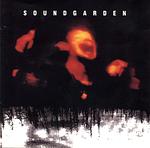
Superunknown (1994) is Soundgarden's fourth studio album that blends heavy alternative metal and grunge with melodic and psychedelic elements. The record is built around down-tuned, dense guitar riffs, varied time signatures and arrangements, and Chris Cornell's wide vocal range, shifting between raw intensity and melodic delivery. Its songs move from hard, riff-driven rock to more atmospheric and introspective pieces, reflecting a broadening of the band's sonic palette and experimentation.
#258 — Stars by Simply Red
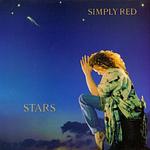
Stars, Simply Red's 1991 album, refines the band's blue-eyed soul into a polished collection of pop-soul songs that balance intimate ballads and rhythmic, horn-tinged uptempo numbers. Mick Hucknall's expressive tenor is central throughout, supported by smooth arrangements that use strings, brass and tasteful electronic touches. The record emphasizes romantic themes and sophisticated production, representing a consolidation of the band's accessible soul-pop sound at that stage of their career.
#259 — Lady Soul by Aretha Franklin
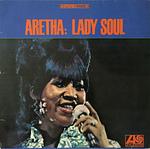
Lady Soul (1968) captures Aretha Franklin in the fertile late 1960s Atlantic period, showcasing her gospel-rooted, deeply expressive voice across material that blends soul, Southern soul, blues, and classic R&B. The record pairs her commanding vocals and piano with tight rhythm and horn arrangements, moving between punchy, groove-driven numbers and tender, intimate ballads. Its raw emotional intensity and authoritative phrasing helped define a model of deep soul singing that influenced many later vocalists.
#260 — Pyromania by Def Leppard
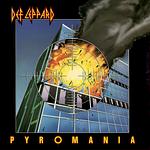
Pyromania, released in 1983 as Def Leppard's third studio album, presents a polished blend of hard rock, heavy metal and AOR under producer Robert John "Mutt" Lange. The record is built around tight guitar riffs, multilayered vocal harmonies and highly produced arrangements that emphasize melodic, radio-friendly choruses on songs such as "Photograph", "Rock of Ages" and "Foolin'". Its crisp, punchy production and stacked guitars are notable characteristics that helped define the band's commercial sound in the 1980s.
#261 — Mingus Ah Um by Charles Mingus
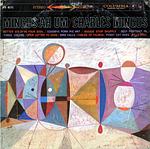
Mingus Ah Um (1959) is an album by Charles Mingus that blends hard bop drive, post-bop harmonic exploration, and rootsy blues and gospel elements. Mingus's compositions feature tight horn arrangements, strong melodic ideas, collective improvisation, and his commanding bass presence, yielding tracks that range from the elegiac "Goodbye Pork Pie Hat" to the satirical "Fables of Faubus" and the celebratory "Better Git It in Your Soul". The album is widely regarded as a landmark in modern jazz for its compositional ambition and emotional breadth.
#262 — The Velvet Underground by The Velvet Underground
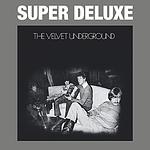
The Velvet Underground (1969) marks a turn toward quieter, more melodic arrangements that foreground Lou Reed's songwriting and introspective lyrics. Blending art rock and folk rock textures with restrained rock instrumentation, the album pares back the harsher experimental noise of earlier work in favor of cleaner production, intimate vocals, and lingering minor key melodies that still retain a proto-punk directness. Its sound is characterized by spare arrangements, close instrumental interplay, and a contemplative mood that expanded the band's sonic range.
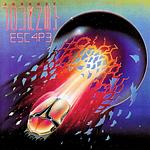
Escape, released in 1981 by Journey, is a polished arena rock album that blends hard rock energy with pop-oriented hooks. It highlights Steve Perry's emotive tenor, Neal Schon's guitar work, and Jonathan Cain's keyboard-driven songwriting, featuring radio-friendly ballads and anthemic choruses; notable tracks include Don't Stop Believin', Open Arms, and Who's Crying Now. The record exemplifies early 80s classic rock production and singalong arrangements that broadened the band's mainstream appeal.
#264 — Armed Forces by Elvis Costello & The Attractions
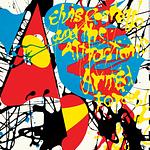
Armed Forces channels new wave energy into concise, hook-driven pop rock, pairing upbeat melodies with sharp, literate lyrics. The Attractions provide tight, punchy arrangements and prominent keyboards that give the songs a bright but restless sound, while Costello's songwriting balances personal and political themes with wry, pointed observations. The production is relatively polished and layered compared with his earliest work, producing songs that are immediate yet musically detailed.
#265 — Highway to Hell by AC/DC
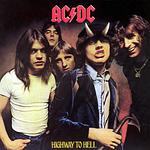
Highway to Hell, released in 1979, is an AC/DC album that blends hard rock and blues-rock into concise, riff-driven songs suited to large venues. The record pairs Angus Young's crunchy, energetic lead guitar with Malcolm Young's steady rhythm work and a punchy rhythm section, while Bon Scott delivers gritty, charismatic vocals; producer Mutt Lange brought cleaner, more focused production and an emphasis on vocal hooks and arrangements. The title track and other high-energy songs showcase the band's straightforward, anthem-ready approach, and it is the last studio album to feature Bon Scott before his death.
#266 — My Aim Is True by Elvis Costello
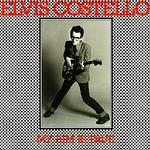
My Aim Is True is Elvis Costello's 1977 debut studio album that blends rock, new wave, pub rock, pop rock and country influences. The record pairs lean, guitar-driven arrangements with concise, literate songwriting, juxtaposing caustic wit and melodic hooks across raucous rockers and more reflective, country-tinged numbers. Recorded with a loose, energetic band feel, the album introduced Costello's distinctive vocal delivery and sharp lyrical voice, marking his emergence as a notable and eclectic songwriter in the late 1970s.
#267 — Mr. Tambourine Man by The Byrds
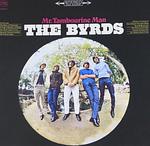
Mr. Tambourine Man, the Byrds' 1965 debut, blends folk songwriting with electric rock instrumentation to help define early folk rock. The record is built around jangly 12-string Rickenbacker guitar and close harmony vocals, opening with a rock arrangement of Bob Dylan's title track. It pairs covers of contemporary folk songs with concise originals by band members, notably Gene Clark, emphasizing bright, melody-driven songs with chiming guitar textures and pop sensibility.
#268 — Like a Virgin by Madonna
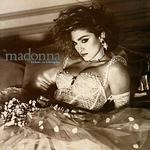
Like a Virgin, released in 1984, is Madonna's second studio album that refines her pop and dance-pop sound with strong synth-pop and club-oriented production. The record pairs catchy, upbeat melodies and electronic synthesizer textures with rhythmic, dancefloor-focused arrangements, and its lyrics and imagery foreground themes of sexuality, confidence, and personal reinvention. Musically it blends accessible pop hooks with electronic drum machines and glossy production, helping to cement Madonna's public persona and influence on mainstream dance-pop.
#269 — The Fat of the Land by The Prodigy
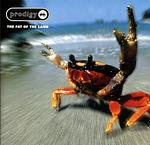
The Fat of the Land is The Prodigy's third studio album, released in 1997. It combines big beat and breakbeat rhythms with aggressive electronic production, heavy bass, distorted synths and a confrontational vocal style that draws on punk and MC traditions. The album is notable for its hard-hitting, club-oriented sound and for bringing a rock-inflected edge to late 1990s electronica.
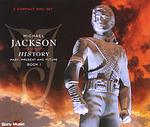
HIStory: Past, Present and Future, Book I (1995) is a double album that combines a disc of Michael Jackson's earlier hits with a disc of new material. Musically it blends pop, New Jack Swing, funk, dance-pop and pop rock, alternating between rhythm-driven uptempo tracks and expansive ballads. The new songs take a more confrontational and socially conscious tone than much of his earlier work, addressing media scrutiny, social issues and personal isolation, with notable tracks such as "Scream", "They Don't Care About Us", "Earth Song" and "You Are Not Alone". Production on the album emphasizes dense rhythms, layered vocals and dramatic arrangements that foreground both dance elements and larger-scale pop gestures.
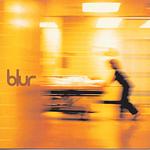
Blur (1997) marks a deliberate shift from the band’s earlier Britpop sound toward a rawer alternative and slacker rock approach, with more distorted guitars, tighter song structures, and lo-fi textures. The album balances raucous, compact tracks such as Song 2 with more introspective, melodic numbers like Beetlebum, and uses dynamic shifts and occasional electronic touches to broaden its sonic palette. This change in tone signaled the group’s willingness to move beyond Britpop conventions and helped expand their international profile.
#272 — The Holy Bible by Manic Street Preachers
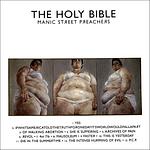
The Holy Bible, released in 1994, is a stark, confrontational album that blends alternative rock, post-punk and punk energy with hard rock intensity. The sound is angular and claustrophobic, featuring abrasive guitars, tense rhythms and a clinical production that foregrounds Richey Edwards and Nicky Wire's bleak, literate lyrics about politics, consumer culture, mental illness and historical violence. It is notable for its uncompromising tone and for being the last Manic Street Preachers album to include lyricist and rhythm guitarist Richey Edwards before his disappearance in 1995.
#273 — Tracy Chapman by Tracy Chapman
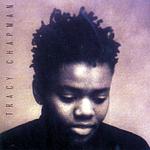
Tracy Chapman is the 1988 debut album by singer-songwriter Tracy Chapman, built around spare, acoustic-based arrangements that blend folk, rock and contemporary folk with subtle blues and soul touches. The sound is dominated by Chapman's clear, expressive voice and narrative songwriting, with intimate production that keeps the focus on lyrics about personal and social themes. Tracks such as "Fast Car" highlight the album's storytelling emphasis and melodic restraint. The record introduced Chapman as a notable voice in late 1980s folk-influenced rock and alternative folk.
#274 — Music for the Jilted Generation by The Prodigy
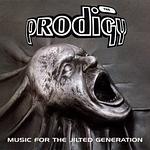
Music for the Jilted Generation, released in 1994, is The Prodigy’s second studio album, produced chiefly by Liam Howlett. It expands their breakbeat hardcore roots into a harder, more structured fusion of breakbeat, techno and early big beat, featuring propulsive breakbeats, distorted synth leads, heavy sampling and punk-inflected aggression. The record channels UK rave culture and a confrontational mood toward restrictions on dance events, alternating high-energy club tracks with darker instrumental passages and marking a more aggressive, album-focused approach to electronic music.
#275 — With The Beatles by The Beatles
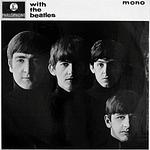
With The Beatles, the group's second UK studio album released in 1963, builds on their skiffle and early rock and roll roots by combining beat-driven pop rock, close vocal harmonies, and R&B-influenced covers with an increasing number of Lennon-McCartney originals. The performances are punchy and direct, anchored by driving rhythms and chiming electric guitars, and the record helped define the beat music sound of the early 1960s while documenting the band’s early songwriting development.
#276 — Version 2.0 by Garbage
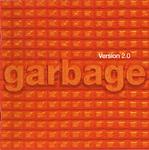
Version 2.0 is Garbage's 1998 second studio album, self-produced by the band and built around Shirley Manson's assertive vocals. It refines the group's blend of alternative rock and pop hooks with layered electronic beats, samples, dense production, and rock guitar, creating a glossy yet abrasive sound that bridges rock and dance influences. The record is notable for consolidating the band's electronica-tinged rock aesthetic and for its tightly arranged, hook-driven songs.
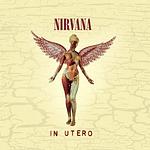
In Utero, released in 1993 by Nirvana, is a raw, abrasive alternative rock album that incorporates grunge, noise rock, and post-hardcore elements. Recorded with a deliberately less polished production, it foregrounds distorted guitars, strong dynamic contrasts, and Kurt Cobain's intense vocal delivery while still containing quieter, melodic passages. The songwriting blends confrontational imagery and personal themes with tuneful hooks, giving the record a deliberately rougher, more immediate sound compared with the band's previous studio work.
#278 — Dirt by Alice in Chains
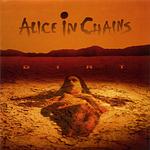
Dirt, released in 1992, is Alice in Chains' second studio album and a defining work in the grunge and alternative metal vein. It pairs down-tuned, sludgy guitar riffs and dense, brooding production with the distinct vocal interplay of Layne Staley and Jerry Cantrell. Lyrically the album deals with addiction, suffering, and mortality, and the songs move between aggressive, riff-driven tracks and slower, melancholic pieces. The record is widely regarded as one of the band’s most influential statements from the early 1990s rock scene.
#279 — Closer by Joy Division
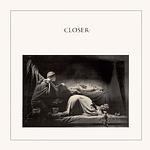
Closer is Joy Division's 1980 album that presents a stark, atmospheric take on post-punk with clear ties to new wave and early gothic rock. The record is characterized by Martin Hannett's spacious, reverb-heavy production, Peter Hook's melodic, high-register basslines, Bernard Sumner's angular guitars and synth textures, and Ian Curtis's deep, intense vocals paired with spare, often bleak lyrics. Overall it emphasizes mood, restraint, and a cold, cinematic ambience that proved influential on later alternative and gothic-leaning acts.
#280 — Violator by Depeche Mode
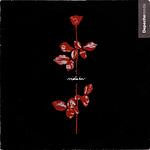
Violator is Depeche Mode's 1990 album that blends synth-pop and darker electronic textures with rock and alternative dance rhythms. Its sound pairs hook-driven melodies and brooding atmospheres with layered synthesizers, rhythmic guitar elements, and prominent beats, while Martin Gore's songwriting and Dave Gahan's vocals give the songs a more polished, song-focused character that broadened the band's musical palette and influence.
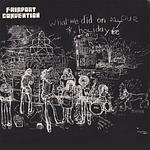
What We Did on Our Holidays (1969) finds Fairport Convention blending British folk with electric rock and blues influences, balancing acoustic ballads and fuller electric arrangements. The record features Sandy Denny's notable vocals alongside Richard Thompson's guitar work and songwriting, including the early appearance of "Meet on the Ledge", and combines original material with folk-derived covers to chart the band's move toward a distinctively roots-oriented folk rock sound.
#282 — Beggars Banquet by The Rolling Stones
Beggars Banquet (1968) by The Rolling Stones is a roots-oriented rock album that moves away from late 1960s psychedelia toward a rawer blend of blues rock, hard-driving electric rock, and country-tinged acoustic numbers, featuring spare production, prominent guitar and slide work, and lyrical material rooted in everyday and street-level themes, marking a consolidation of the band’s classic rock identity.
The Blanton-Webster Band is a compilation of Duke Ellington Orchestra recordings from the early 1940s that showcases a blend of swing, blues, and sophisticated orchestral arranging. The title highlights bassist Jimmy Blanton and tenor saxophonist Ben Webster, whose distinctive solos and tones are prominent, and the set emphasizes Ellington’s skill at writing for individual instrumental voices and varied textures. The music alternates driving big-band swing with intimate blues-inflected pieces and inventive ensemble color, and this era is often cited as a high point in Ellington’s band history.
#284 — Bad by Michael Jackson
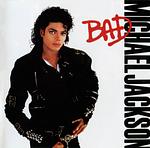
Bad, released in 1987, is Michael Jackson's seventh solo studio album, produced by Quincy Jones and Jackson. The record blends pop, dance-pop, pop rock, contemporary R&B, and pop soul with a tougher, more streetwise sound than its predecessor; it pairs kinetic uptempo tracks like the title song 'Bad', 'Smooth Criminal', 'The Way You Make Me Feel', and 'Dirty Diana' with introspective balladry such as 'Man in the Mirror'. Musically it emphasizes punchy rhythms, layered vocals, and a mix of synthesized and rock-oriented instrumentation, and it marked a visible evolution in Jackson's image and songwriting themes.
#285 — Catch a Fire by The Wailers
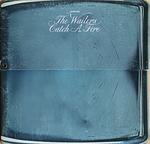
Catch a Fire, released by The Wailers in 1973, is a roots reggae album that blends traditional Jamaican rhythms with rock-influenced production and soulful vocals. Produced for Island Records by Chris Blackwell, the record features fuller arrangements and a cleaner mix that brought the group's Rastafarian-themed lyrics and dub-tinged grooves to a broader audience, while retaining the rhythmic emphasis and bass-driven pulse of reggae. Its sound marked a turning point in how reggae was presented internationally and remains a frequently referenced work in the genre.
#286 — Pretty Hate Machine by Nine Inch Nails
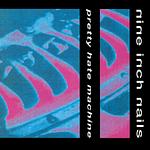
Pretty Hate Machine, Nine Inch Nails' 1989 debut, mixes industrial and EBM textures with alternative rock songcraft, pairing glossy and jagged synths, programmed rhythms, samples, and distorted guitars. Trent Reznor's often confessional and anguished lyrics about alienation and relationships sit within concise, hook-oriented arrangements. The record helped define a more accessible, electronic-tinged strand of industrial music that bridged underground electronics and alternative rock.
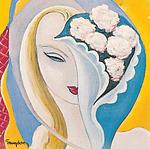
Layla and Other Assorted Love Songs is a 1970 album by Derek and the Dominos that blends blues rock and straight rock with moments of softer, acoustic balladry. Led by Eric Clapton and featuring notable slide guitar contributions from Duane Allman, the record is built around expressive, guitar-driven arrangements, mixing raw electric blues numbers with more intimate melodic songs. The title track contrasts a storming rock section with a quieter, piano-led coda, and the album is frequently cited for its emotional intensity and guitar interplay.
#288 — The Nightfly by Donald Fagen
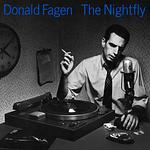
The Nightfly, Donald Fagen's 1982 solo debut, blends jazz-inflected pop, pop rock and soft rock with the polished, meticulous studio production associated with his work in Steely Dan. The album features tight horn and keyboard arrangements, sophisticated jazz chords and solos, and literate, nostalgic lyrics that evoke postwar late-night radio and small-town optimism. Produced by Gary Katz and built around a smooth, urbane sound, the record is often singled out for its attention to arrangement and sonic detail.
#289 — A Northern Soul by The Verve
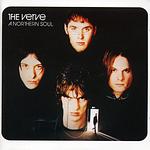
A Northern Soul is The Verve's second album, released in 1995. It blends Britpop songwriting with neo-psychedelic and shoegaze textures and expansive, spacey guitar work. The record is darker and more introspective than their debut, with layered guitar atmospheres and Richard Ashcroft's emotive vocals creating long, immersive arrangements. It is often regarded as a transitional release that tightened the band's songwriting while retaining their atmospheric ambition.
#290 — Fifth Dimension by The Byrds
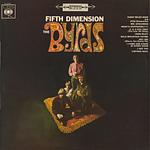
Fifth Dimension, released by the Byrds in 1966, pushes the band beyond their folk rock beginnings into a more experimental, psychedelic territory. The record pairs the group's signature chiming 12-string guitar and tight harmonies with modal and raga-tinged guitar lines, studio effects, and freer song structures, exemplified by "Eight Miles High." Tracks range from concise pop and Dylan interpretations to longer, more atmospheric pieces, and the album is notable as an early American move into psychedelic rock for the band.
#291 — Horses by Patti Smith
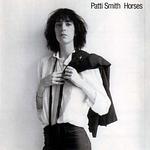
Horses, Patti Smith's 1975 debut, blends raw garage rock energy with art rock experimentation and proto-punk urgency. Produced by John Cale, the album pairs a spoken-word influenced vocal delivery and poetically charged lyrics with spare, driving arrangements built around guitar, piano, and drums. Its rough-edged production, confrontational performance style, and fusion of literary sensibility with rock idioms are often cited as influential on early punk and art punk movements, and the stark cover photograph by Robert Mapplethorpe complements the record's austere aesthetic.
#292 — Pretzel Logic by Steely Dan
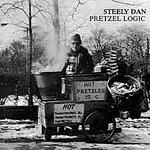
Pretzel Logic, Steely Dan's 1974 album, blends pop rock songcraft with jazz-influenced harmony and studio-polished arrangements. Donald Fagen's distinctive vocals and Walter Becker's elliptical, often sardonic lyrics sit atop tight rhythm parts, horn and keyboard textures, and concise, well-arranged tracks that mix radio-friendly tunes with jazz-tinged complexity. The album includes the well-known song "Rikki Don't Lose That Number" and is often cited as a clear example of the band's move toward meticulous studio production and jazz-pop fusion.
#293 — Bitches Brew by Miles Davis
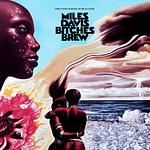
Bitches Brew is a 1970 Miles Davis album that marks his full embrace of electric instruments and the emerging jazz fusion idiom. The music blends loose, extended improvisation with rock and funk rhythms, dense, layered textures and a large ensemble featuring multiple electric keyboards, guitars and electric bass. Producer Teo Macero's studio editing reshaped long collective performances into suite-like tracks with a shifting, cinematic flow. The record is frequently cited as a pivotal work in the development of jazz fusion and avant-garde approaches to jazz.
#294 — Breakfast in America by Supertramp
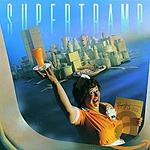
Breakfast in America is Supertramp's 1979 album that blends pop rock and progressive pop with polished production, prominent piano and Wurlitzer electric piano, saxophone flourishes, and layered vocal harmonies. The songs pair accessible melodic hooks with observational, sometimes wry lyrics, as heard on tracks like 'The Logical Song', 'Goodbye Stranger', 'Take the Long Way Home', and the title track. The record helped define the band's concise, radio-friendly approach while retaining art rock textures and careful arrangements.
#295 — Loaded by The Velvet Underground
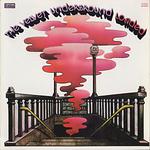
Loaded, released in 1970 by The Velvet Underground, moves toward a cleaner, more pop-oriented sound while retaining the band's art rock and garage roots. The record emphasizes hook-driven songwriting and melodic vocals on tracks such as "Sweet Jane" and "Rock and Roll", blending rock and folk-rock textures with concise, radio-friendly arrangements and clearer production compared with the group's earlier experimental work. The result is a more accessible, songwriter-focused entry in the Velvet Underground catalog that still carries their characteristic lyrical edge.
#296 — Maxinquaye by Tricky
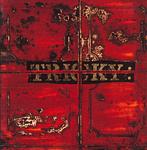
Maxinquaye is Tricky's 1995 solo debut, rooted in the Bristol trip hop sound and blending downtempo hip hop beats, dub textures, and dark, cinematic electronic production. Martina Topley-Bird's breathy, soulful vocals and Tricky's layered, sample-based arrangements create an intimate, unsettled mood that mixes blues, soul and experimental studio techniques. The album is often cited as a key record in trip hop and leftfield electronic music for its unconventional song structures and mood-driven approach.
#297 — Natty Dread by Bob Marley & The Wailers
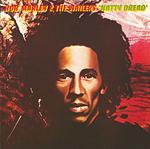
Natty Dread (1974) is a roots reggae album by Bob Marley & The Wailers that marks the group’s transition after the departures of Peter Tosh and Bunny Wailer. The sound emphasizes deep, syncopated bass and drums, interlocking guitar and organ rhythms, and Marley's characteristic vocals and songwriting; lyrical themes mix personal reflection, Rastafarian faith, and social commentary, with tracks such as No Woman, No Cry and Lively Up Yourself exemplifying the album’s intimate yet politically aware roots reggae style.
#298 — Get Happy!! by Elvis Costello & The Attractions
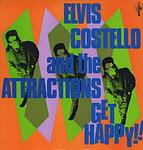
Get Happy!! (1980) by Elvis Costello & The Attractions shifts from the jagged new wave edge of earlier records toward a brisk, soul and R&B infused take on rock and roll, drawing on 1960s pop and Motown colors. The Attractions supply taut, punchy backing with prominent horn touches, driving rhythms, and sharp guitar, while Costello’s lyrics remain conversational and acerbic; the record mixes original compositions with stylistic nods to vintage soul, showing his willingness to adopt classic American R&B textures within a new wave framework.
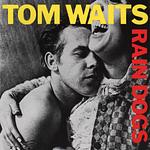
Rain Dogs, released in 1985, finds Tom Waits moving further from his earlier piano-based singer-songwriter style into a grittier, more experimental sound. The album mixes blues, rock, and Americana with off-kilter rhythms, found percussion, accordion and jagged guitar, providing a cinematic, streetwise backdrop for Waits's gravelly vocals and vivid narratives about urban outsiders. It follows Swordfishtrombones and further solidifies his turn toward theatrical, collage-like arrangements and genre-bending songwriting.
#300 — Some Girls by The Rolling Stones
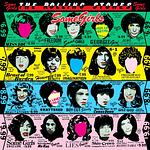
Some Girls is a late 1970s Rolling Stones album that blends the band’s rock and blues roots with touches of disco, punk attitude, and country-inflected songwriting. Produced under the Glimmer Twins name, it features leaner, guitar-driven arrangements, Mick Jagger’s direct vocals, and Keith Richards’ riff-based playing, yielding a rawer, more immediate sound. The record engages with contemporary musical currents of its era while remaining grounded in blues-rock fundamentals.