 The Greatest Music
Colin Larkin’s All Time Top 1000 Albums
Weight: 10%
How much this list influences our overall rankings. Higher weight means more reliable data.
Penalties Applied:
A book series created by Encyclopedia of Popular Music editor Colin Larkin (1st ed. 1994; later pocket/2nd ed. 1998; 3rd ed. 2000), presenting a ranked “top 1000” derived from a large, ongoing public poll—ballots gathered in record shops, universities, schools, and at the MIDEM trade show—rather than a critics’ ballot. The project grew across editions, with annotations for each album and shifting results as more votes came in.
#401 — Foo Fighters by Foo Fighters
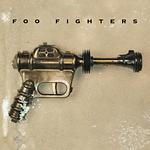
Foo Fighters is the 1995 debut album largely recorded by Dave Grohl after the end of Nirvana. It mixes grunge-tinged, guitar-driven rock with strong power pop melodies and concise, energetic songcraft, presented with a raw, lo-fi production that highlights Grohl's transition into a songwriter and the initial blueprint for Foo Fighters as a full band.
#402 — The Buddy Holly Story by Buddy Holly
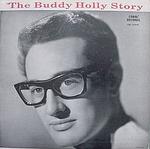
The Buddy Holly Story (1959) is a compilation album that collects many of Buddy Holly's late 1950s singles and recordings, showcasing his concise rock and roll and rockabilly approach. The tracks emphasize bright, rhythmic guitar, straightforward drums, and Holly's clear, slightly hiccuping vocal delivery, with songwriting and arrangements that blend pop accessibility with country and R&B influences. The album presents the essential musical traits that helped define Holly's sound and influence later rock artists.
#403 — Pretenders II by Pretenders
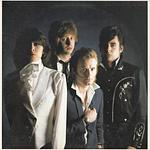
Pretenders II, released in 1981, tightens the band's blend of rock, new wave and post-punk into concise, melodic songs that pair chiming, punchy guitar work with Chrissie Hynde's cool, expressive vocals. The record emphasizes focused pop-rock hooks and layered guitar interplay, building on the debut's raw energy while leaning toward more polished arrangements and a balance of toughness and vulnerability in the songwriting.
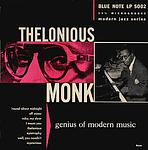
Genius of Modern Music, Volume 1 collects Thelonious Monk's early Blue Note recordings from the late 1940s and presents his formative contributions to bebop. The music centers on Monk's angular, percussive piano, unconventional harmonies, and distinctive rhythmic twists, with compact small-group performances of many of his original compositions that later entered the modern jazz repertoire. The set captures his blend of sharp dissonances, melodic hooks, and sly humor, offering a clear window into the development of his singular approach to composition and improvisation.
#405 — Saxophone Colossus by Sonny Rollins
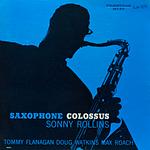
Saxophone Colossus (1957) is a hard bop album by tenor saxophonist Sonny Rollins that showcases his robust tone, melodic invention and extended improvisations. Backed by Tommy Flanagan on piano, Doug Watkins on bass and Max Roach on drums, Rollins blends bebop language, blues feeling and calypso-tinged melodies, most famously on "St. Thomas." The extended tune "Blue 7" is notable for its thematic development and conversational group interplay, and the record is widely regarded as a landmark in Rollins' career and in postwar jazz.
The Hangman’s Beautiful Daughter (1968) by The Incredible String Band mixes folk, psychedelic folk and rock into richly acoustic, often whimsical songs that draw on traditional British folk and non‑Western instruments. Robin Williamson and Mike Heron share lead vocals and play a wide range of unusual timbres, creating layered vocal harmonies and eclectic arrangements that move from short pastoral pieces to longer, improvisatory works such as "A Very Cellular Song." The album is notable for its experimental, mystical atmosphere, use of exotic instrumentation and a looseness that helped shape the late 1960s British psychedelic folk sound.
#407 — A Walk Across the Rooftops by The Blue Nile
A Walk Across the Rooftops is the Blue Nile's debut album, built around spare, atmospheric arrangements that fuse sophisti-pop polish with art pop restraint. The record pairs hushed, intimate vocals with shimmering synth textures, restrained rhythms, and understated piano and guitar lines to create a cinematic, melancholic mood. Its slow-moving songs emphasize space and production detail over overt hooks, and the album helped define the band's signature of meticulous studio craft and emotionally restrained songwriting.
#408 — My Own Prison by Creed
My Own Prison by Creed is an alternative rock album from the late 1990s that emphasizes guitar-driven, mid-tempo rock arrangements, a strong baritone lead vocal and earnest, introspective lyrics with spiritual overtones. Songs frequently employ quiet-to-loud dynamics and chorus-centered structures, pairing rough-edged guitar tones with memorable melodic hooks for a direct, anthemic sound.
#409 — …And Justice for All by Metallica
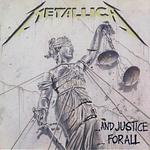
…And Justice for All is a 1988 Metallica album that pushes thrash metal toward longer, more progressive compositions, with intricate, angular riffs, frequent tempo shifts, and extended song lengths. The sound emphasizes precise, tight guitar work and complex arrangements alongside James Hetfield’s forceful vocals, and its production is notably dry and trebly with bass tones largely recessed. Lyrically and thematically the album often addresses systems of law and justice, reflecting a more ambitious, compositionally dense approach within the band’s heavy metal framework.
#410 — Zuma by Neil Young, Crazy Horse
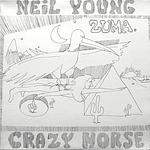
Zuma, released in 1975 by Neil Young with Crazy Horse, blends folk-rooted songwriting and raw electric rock, alternating spare acoustic numbers with loose, extended guitar jams. The record includes the slow-burning, atmospheric "Cortez the Killer" and highlights Crazy Horse's ragged, responsive backing alongside Young's expressive solos, yielding a mix of contemplative lyricism and distorted, improvisatory intensity. It stands as a distinctive entry in Young's mid-1970s work, balancing quieter songs with abrasive, feedback-soaked textures.
#411 — Atomic Basie by Count Basie
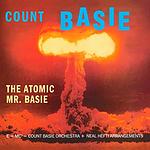
Atomic Basie, originally issued as The Atomic Mr. Basie and later reissued under various titles, is a late 1950s Count Basie big band album with arrangements and many compositions by Neal Hefti. The record features Basie's economical piano comping and a tight, punchy orchestra sound that shifts from driving, hard-swinging charts to more relaxed, blues‑tinged numbers, including the well known arrangement "Li'l Darlin'." It is notable for its crisp ensemble writing, bold brass hits, and a balance of high-energy swingers and laid-back grooves that helped define Basie's modern big band style.
#412 — Copperhead Road by Steve Earle
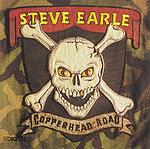
Copperhead Road, released in 1988, finds Steve Earle blending country, folk rock, and straight rock with a tougher, electric sound. The title track pairs a memorable hard-driving guitar riff with storytelling lyrics and exemplifies the album's mix of rock arrangements and roots instrumentation. Across the record Earle alternates acoustic narrative songs and louder, rock-oriented numbers, with gritty vocals and lyrical themes that range from small town life to war and the drug trade. Production foregrounds electric guitar and drums alongside traditional country instruments, giving the album a rootsy but more rock-focused tone than his earlier purely country work.
#413 — Fulfillingness' First Finale by Stevie Wonder
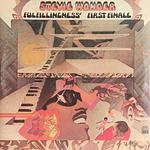
Fulfillingness’ First Finale (1974) finds Stevie Wonder refining the soulful, genre-blending approach he developed in the early 1970s. The album pairs intimate, introspective songwriting and social commentary with economical, groove-driven arrangements that draw on soul, funk, pop and occasional rock or disco rhythms. Wonder’s multi-instrumental production emphasizes keyboards and warm synth textures alongside melodic vocals and understated backing, giving the record a focused, contemplative character within his mid-1970s run of albums.
#414 — The Low End Theory by A Tribe Called Quest
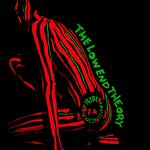
The Low End Theory is A Tribe Called Quest's 1991 album that crystallizes jazz rap by pairing bass-forward, jazz-sample-based production with classic boom bap rhythms and conversational, socially aware lyrics. Q-Tip's understated, melodic production and the dynamic interplay between Q-Tip and Phife Dawg create a warm, groove-oriented sound that emphasizes low frequencies, sparse beats, and lyrical chemistry.
#415 — Smiley Smile by The Beach Boys
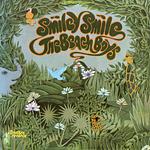
Smiley Smile (1967) finds The Beach Boys paring back their sound after the aborted Smile project, presenting a sparse, intimate take on psychedelic pop and baroque pop with experimental touches. It includes reworked Smile-era material such as "Heroes and Villains" and "Vegetables", and emphasizes close vocal harmonies, minimalist organ and piano textures, and short, fragmentary arrangements. The album's understated, home-studio atmosphere and unconventional song structures mark it as a distinctive, polarizing entry in the band's catalog and an early example of lo-fi experimental pop.
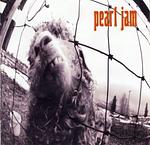
Vs., Pearl Jam's 1993 second studio album, moves away from the polished scope of their debut toward a rawer, more confrontational sound. Guitars are heavier and more abrasive, drawing on grunge, hard rock, blues, and punk influences, while songs alternate between acoustic balladry and aggressive rock. Eddie Vedder's lyrics range from introspective to confrontational, and tracks such as "Daughter" and "Rearviewmirror" highlight the album's dynamic shifts and band-centered arrangements.
#417 — Complete Savoy Sessions by Charlie Parker
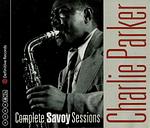
Complete Savoy Sessions (2004) collects Charlie Parker's studio recordings for Savoy Records from the mid 1940s, presenting his formative bebop work in small-group settings. The material highlights Parker's virtuosic alto saxophone lines, rapid tempos, and advanced harmonic approach, pairing concise head melodies with dense, inventive improvisation. The set documents the concentrated energy and interplay of early bebop and is useful for listeners studying Parker's phrasing and the era's move toward modern jazz.
#418 — Rolling Stones by The Rolling Stones
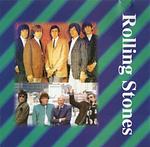
The Rolling Stones' early self-titled album presents a raw, blues-inflected rock sound built around covers of American rhythm and blues and rock and roll material, with prominent lead vocals, jagged guitars and harmonica textures; it introduced the band's R&B roots and energetic, live-in-studio feel that helped define their early identity.
#419 — Spirit of Eden by Talk Talk
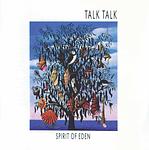
Spirit of Eden, released in 1988 by Talk Talk, marks the band's move away from polished pop toward sparse, atmospheric compositions that influenced post-rock and experimental rock. The record emphasizes space and texture, blending acoustic instruments, jazz-inflected improvisation, ambient soundscapes, and chamber-like orchestral touches with Mark Hollis's restrained vocals and deliberate use of silence. Arrangements unfold slowly and organically, favoring mood and timbral detail over conventional song structures, creating an intimate and unpredictable listening experience.
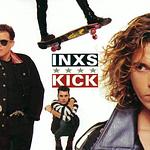
Kick, released in 1987 by INXS and produced by Chris Thomas, is a polished blend of rock, pop rock, alternative rock, pop and funk rock that foregrounds tight, danceable rhythms and Michael Hutchence's charismatic vocals. The record mixes groove-driven, funk-inflected tracks with melodic rock and atmospheric balladry, emphasizing strong hooks and a slick studio sheen that broadened the band's international profile.
#421 — There Goes Rhymin' Simon by Paul Simon
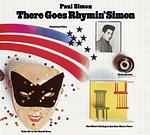
There Goes Rhymin' Simon, Paul Simon's 1973 solo album, blends his folk-rooted songwriting with pop rock production and touches of gospel and R&B. The record moves between upbeat, radio-friendly tracks such as "Kodachrome" and "Loves Me Like a Rock" and more reflective pieces like "American Tune", using layered instrumentation, horn and string arrangements, and notable backing vocals to expand Simon's acoustic base. The album is notable for its varied sonic textures and concise, lyrically focused songcraft.
#422 — Shoot Out the Lights by Richard & Linda Thompson
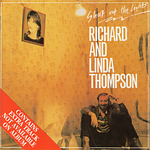
Shoot Out the Lights (1982) blends folk-rooted songwriting with stark rock arrangements, built around Richard Thompson's incisive electric guitar and Linda Thompson's expressive lead vocals and close harmonies. The album moves between intimate acoustic moments and propulsive, tension-filled rock, with lyrics that often explore domestic strain and emotional intensity. Its direct, immediate production and emotional clarity have made it a defining statement for the duo and their last studio album together before they stopped recording as a couple.
#423 — I Want You by Marvin Gaye
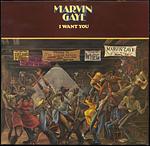
Marvin Gaye's 1976 album I Want You is a sultry, late 1970s R&B record that blends soul, funk, disco, and smooth soul through lush, intimate arrangements and breathy, sensual vocals. Co-produced with Leon Ware, the album foregrounds romantic and erotic themes with warm strings, understated horns, layered percussion, and smooth grooves that prioritize mood and atmosphere. The polished production and thematic focus on desire mark a stylistic shift from Gaye's earlier raw soul toward a more orchestrated, intimate sound.
#424 — The Healer by John Lee Hooker
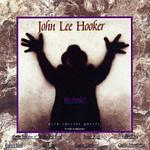
The Healer (1989) finds John Lee Hooker revisiting his signature raw, electric blues voice with fuller, rock-tinged arrangements that bridge Chicago-style amplified blues and contemporary blues rock. The record pairs Hooker’s hypnotic, rhythmic guitar and spoken-sung delivery with expanded production and guest instrumental textures, creating a blend of stripped-down blues grit and more polished rock-soul touches. As a late-career album, it helped reintroduce Hooker’s sound to newer listeners while retaining the primal, groove-driven feel central to his work.
#425 — Nebraska by Bruce Springsteen
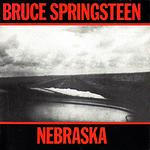
Nebraska is a stark, largely acoustic album recorded by Bruce Springsteen and released in 1982. Built from lo-fi four-track demos, it pares back the E Street Band sound to spare arrangements centered on voice, acoustic guitar and occasional harmonica or percussion, and presents dark, character-driven stories of crime, desperation and small-town America. The record represents a deliberate shift toward folk rock and Americana textures and emphasizes narrative songwriting and atmosphere over rock production.
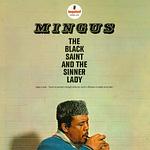
The Black Saint and the Sinner Lady (1963) is an extended suite by bassist-composer Charles Mingus that blends hard bop intensity, Third Stream orchestration and avant-garde jazz impulses. Mingus combines tightly arranged ensemble passages and chamber-like colors with improvisational solos, shifting between muscular brass statements, lyrical string-inflected textures and rhythms that recall Latin and flamenco influences. The album is notable for its ambitious compositional scope, dramatic contrasts and the way it foregrounds narrative and emotional development within a large-jazz-ensemble setting.
#427 — No More Heroes by The Stranglers
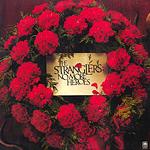
No More Heroes, the Stranglers' second studio album from 1977, channels punk rock urgency into a keyboard-forward, bass-heavy sound that incorporates elements of new wave, art punk and early post-punk. Dave Greenfield's organ lines and Jean-Jacques Burnel's prominent bass provide melodic counterpoint to Hugh Cornwell's caustic vocals, while the songs combine aggressive arrangements, pop-conscious hooks and literate, sardonic lyrics. The record is notable for widening punk's sonic palette and helped establish the band's distinctive blend of aggression and melodic sophistication.
#428 — A Saucerful of Secrets by Pink Floyd
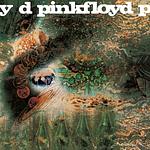
A Saucerful of Secrets, Pink Floyd's 1968 second studio album, captures the band's shift from Syd Barrett's concise psychedelic pop toward more atmospheric and experimental compositions; it blends psychedelic, early progressive and space rock elements, features the title instrumental suite and tracks such as "Set the Controls for the Heart of the Sun" and "Jugband Blues", and is the first album to include David Gilmour alongside Barrett as the group moved toward more textural, art rock writing.
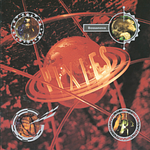
Bossanova (1990) finds the Pixies blending their signature loud-quiet dynamics and surreal songwriting with surf rock and spacey, reverb-heavy textures. The album pairs Black Francis's idiosyncratic vocals and cryptic lyrics with Joey Santiago's angular, surf-influenced guitar lines and Kim Deal's melodic bass and harmonies, yielding a more atmospheric and polished sound than some earlier recordings. It is notable for expanding the band’s sonic palette while retaining the energetic contrasts and offbeat sensibility that helped shape alternative and indie rock in the early 1990s.
#430 — Tim Hardin 2 by Tim Hardin
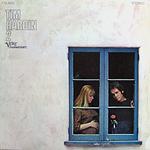
Tim Hardin 2 is a 1967 album that highlights Hardin's intimate, confessional songwriting delivered through fragile, emotive vocals and minimalist acoustic arrangements with occasional fuller instrumentation. The record blends folk and subtle rock textures and contains material that became widely covered by other artists, underscoring Hardin's influence on later singer-songwriters. Its mood mixes melancholy, tenderness, and melodic clarity rather than overt commercial production.
#431 — Veedon Fleece by Van Morrison

Veedon Fleece, released in 1974, is one of Van Morrison's most introspective records, blending folk and soft rock with Celtic and jazz inflections and soulful vocals. The album favors largely acoustic, pastoral arrangements and stream-of-consciousness lyrics that evoke travel, memory, and spiritual searching, with understated instrumentation such as acoustic guitar, piano, saxophone, and flute. Its quiet, reflective mood and lyrical density make it a deeply personal and atmospheric work from Morrison's early 1970s period.
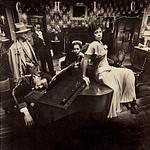
Risqué, released by Chic in 1979, is a polished disco album that blends funk and soul with tight, syncopated bass lines, Nile Rodgers' rhythmic guitar, and layered strings and horns. The record emphasizes danceable grooves and sophisticated arrangements, with songs built around rhythmic interplay and memorable melodic hooks. It is widely regarded as one of the group's definitive late 1970s recordings and includes the well known groove-centered track "Good Times."
#433 — Be Yourself Tonight by Eurythmics
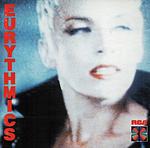
Be Yourself Tonight is a 1985 Eurythmics album that moves the duo away from purely synth-driven arrangements toward a more band-oriented, pop rock and soul-influenced sound. The record blends New Wave and synth-pop roots with R&B, rock and pop sensibilities, featuring prominent live guitar, horns and Annie Lennox's expressive, soul-inflected vocals; it also includes notable collaborations such as a duet with Aretha Franklin and harmonica by Stevie Wonder.
#434 — Maiden Voyage by Herbie Hancock
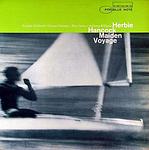
Maiden Voyage (1965) is a Herbie Hancock album built around modal compositions and a water-inspired concept, blending hard bop drive with impressionistic harmony and open, spacious textures. The five-track set features Hancock's lyrical, harmonically rich piano voicings supported by a rhythm section of Ron Carter and Tony Williams and brass and saxophone from Freddie Hubbard and George Coleman, with an emphasis on collective interplay, modal vamps, and shifting rhythmic colors. Notable for its evocative melodies and sophisticated harmonic palette, the album is a key post-bop/modal jazz statement from Hancock's Blue Note period.
#435 — Peter Green's Fleetwood Mac by Fleetwood Mac
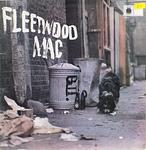
Peter Green’s Fleetwood Mac (1968) is a debut album rooted in British blues-rock and electric blues, showcasing Peter Green’s spare, expressive guitar work and hushed, soulful vocals alongside a solid rhythm section from John McVie and Mick Fleetwood. The recordings mix lean covers and original compositions delivered with a raw, live-in-studio feel, marked by slide and bottleneck textures and restrained production. It captures the group’s early, blues-focused sound and documents the formative phase of Fleetwood Mac before their later pop-oriented evolution.
#436 — Tragic Kingdom by No Doubt
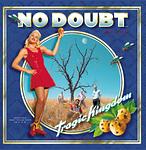
Tragic Kingdom, released in 1995, is No Doubt's third studio album that blends ska and ska punk rhythms with alternative rock, pop rock, and new wave influences. The record pairs upbeat horn and guitar-driven arrangements with candid, melodic songwriting and Gwen Stefani's expressive vocals, touching on themes of heartbreak, personal resilience, and California life. It became the band's mainstream breakthrough and is often noted for bringing ska-influenced pop rock into a wider public awareness.
#437 — Blind Faith by Blind Faith
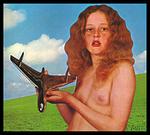
Blind Faith is the sole studio album by the 1969 supergroup Blind Faith, featuring Eric Clapton, Steve Winwood, Ginger Baker and Ric Grech. The music blends blues rock, classic rock and touches of psychedelia, moving between concise, melodic songs such as Winwood's acoustic 'Can't Find My Way Home' and Clapton's 'Presence of the Lord' and more expansive, jam-oriented pieces like 'Do What You Like.' The record is characterized by prominent blues-influenced guitar, soulful vocal harmonies and a mix of structured songwriting and exploratory instrumental passages.
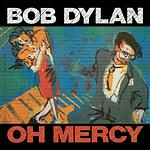
Oh Mercy, produced by Daniel Lanois and released in 1989, pairs Bob Dylan's literate, often enigmatic songwriting with Lanois's atmospheric production characterized by prominent reverb and ambient guitar textures. Musically it blends folk rock and blues-rooted elements with spare, moody arrangements that foreground acoustic guitar, slide, piano and subtle electric tones. The album's introspective, sometimes dark narratives and unified sonic palette represented a renewed focus in Dylan's late 1980s work.
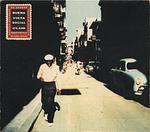
Buena Vista Social Club (1997) is a warm, acoustic collection rooted in son cubano, bolero, and Afro-Cuban jazz influences. Recorded with a group of veteran Cuban musicians and produced by Ry Cooder, it features tres and guitar, piano, soft horns, layered percussion, and intimate lead and ensemble vocals from singers such as Ibrahim Ferrer, Compay Segundo, Omara Portuondo, and others. The arrangements emphasize melody, conversational call-and-response phrasing, and nostalgic lyrical themes, and the album helped spark renewed international interest in traditional Cuban music.
#440 — Revenge by Eurythmics
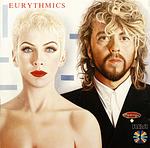
Revenge, released in 1986 by Eurythmics, shifts the duo toward a fuller, band-oriented sound while retaining their synth-pop and new wave roots. The production blends electronic textures with more prominent guitars, horns and rock-inflected arrangements, paired with Annie Lennox's powerful vocals and Dave Stewart's layered production; singles from the album include "When Tomorrow Comes", "Thorn in My Side" and "Missionary Man". The record is often noted for expanding their pop songwriting into grittier, more arena-ready territory without abandoning melodic synth sensibilities.
#441 — This Nation's Saving Grace by The Fall
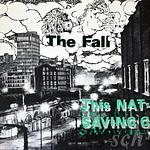
This Nation's Saving Grace, released in 1985 by The Fall, captures the band's post-punk approach with terse, driving rhythms, jagged guitar work and Mark E. Smith's caustic spoken-sung vocals. The addition of guitarist Brix Smith brought sharper melodic hooks that sit alongside repetitive, angular basslines and propulsive drum patterns, producing a leaner, more direct sound than some of their earlier records. The album stands as a key statement in the band's mid 1980s output, balancing abrasive textures with tighter songcraft.
#442 — Dressed to Kill by KISS
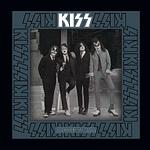
Dressed to Kill is KISS's 1975 third studio album, presenting a lean, hard rock take on the band's glam theatricality. The record emphasizes concise, guitar-driven songs with catchy, singalong choruses and a direct, energetic sound that helped define their live persona. Its mix of driving riffs, pop-oriented hooks, and showmanlike attitude connects classic rock and glam rock approaches and anticipates elements later picked up by glam metal bands.
#443 — For Everyman by Jackson Browne
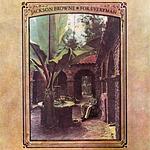
For Everyman, Jackson Browne's 1973 follow-up to his debut, blends folk rock and pop rock around a singer-songwriter perspective, with piano- and acoustic-guitar-led arrangements, warm harmony vocals, and fuller band production. The songs combine introspective, personal lyricism with occasional broader social reflection, moving from delicate ballads to more rhythm-driven tracks. The album helped consolidate Browne's presence in the early 1970s California singer-songwriter scene.
#444 — The Downward Spiral by Nine Inch Nails
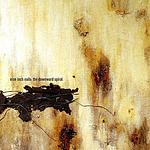
The Downward Spiral is Nine Inch Nails' 1994 album that fuses industrial, rock, and metal textures into a dark, largely conceptual sequence about personal collapse and alienation. Built from abrasive electronics, samples, programmed beats, and heavily processed guitars, the record moves between aggressive, rhythmic assaults and quieter, atmospheric passages, with layered production by Trent Reznor and Flood. Its arrangements emphasize texture, tension, and dynamic contrast, and it closes with a sparse, intimate track that contrasts the album's earlier intensity.
#445 — Club Classics Vol. One by Soul II Soul
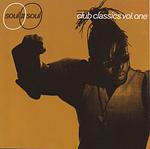
Club Classics Vol. One, released in 1989 by Soul II Soul, blends downtempo and club rhythms with soulful R&B vocals, acid jazz touches, and electronic production. The album pairs minimalist, dub-influenced beats and deep bass with prominent female lead vocals on singles such as 'Keep On Movin'' and 'Back to Life (However Do You Want Me)', creating a relaxed yet danceable atmosphere. Led by Jazzie B and the group's production team, it became a touchstone of the late 1980s British club sound, notable for fusing soul, reggae and electronic elements into a cohesive groove.
#446 — Fear of Music by Talking Heads
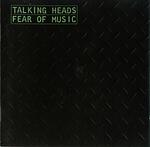
Fear of Music, released in 1979 and produced by Brian Eno, is a rhythmically driven album that blends New Wave and post-punk immediacy with art rock experimentation. The record foregrounds spare, propulsive grooves, angular guitars and David Byrne's tense, observational vocals, augmented by electronic textures and studio layering that nudged the band toward wider polyrhythmic and funk influences on subsequent recordings. Thematically the songs probe urban anxiety and fractured narrative perspectives, marking a pivotal step in the band's evolution.
#447 — Rastaman Vibration by Bob Marley & The Wailers
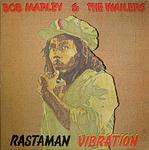
Rastaman Vibration (1976) by Bob Marley & The Wailers is a roots reggae album that pairs Rastafarian and political themes with tight, band-oriented arrangements. The sound emphasizes deep, syncopated bass and steady drums alongside skanking guitar, organ fills, and layered harmony vocals, yielding a more polished production than some earlier recordings. Tracks such as "War," which sets words from a Haile Selassie speech to music, and "Roots, Rock, Reggae" illustrate the album's mix of militant messaging and accessible grooves, marking an important moment in Marley's evolution as a global voice of reggae.
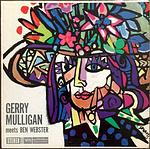
Recorded in 1959, this meeting pairs Gerry Mulligan's agile, melodic baritone with Ben Webster's warm, breathy tenor in a relaxed session that blends cool jazz poise with swing-era phrasing. The performances emphasize lyrical ballad playing, blues inflections, and conversational interplay between the two horns, supported by an understated rhythm section. The album is often cited for how it bridges Mulligan's West Coast cool approach and Webster's more muscular, soulful tenor sound, resulting in intimate, expressive duets.
#449 — Sunflower by The Beach Boys
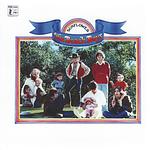
Sunflower, released in 1970, is a Beach Boys album that blends pop, pop rock, rock, and sunshine pop with rich vocal harmonies, layered arrangements, and broader contributions from multiple band members. The record moves away from predominantly surf themes toward more varied and sometimes introspective material, showcasing compositions and lead vocals from Brian Wilson alongside songs by Carl and Dennis Wilson, Al Jardine, and others, resulting in a diverse mix of tender ballads, upbeat pop, and textured studio production.
#450 — Paid in Full by Eric B. & Rakim
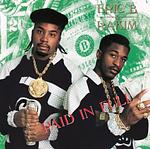
Paid in Full, released in 1987 by Eric B. & Rakim, is an East Coast hip hop album that pairs Rakim's measured, innovative MCing and internal rhyme patterns with Eric B.'s spare, sample-driven production and turntable work. The record blends hard-hitting drum loops, prominent scratching, and jazz and blues-inflected samples to create a moody, minimalist sound associated with hardcore and golden age hip hop. Its focus on lyrical complexity, rhythmic precision, and DJ technique helped shape the aesthetics of late 1980s hip hop.
#451 — The Genius Hits the Road by Ray Charles
The Genius Hits the Road is a concept album by Ray Charles that collects interpretations of songs about American places, featuring his rendition of "Georgia on My Mind." Musically it blends rhythm and blues, soul, and jazz with lush orchestral arrangements and pop sensibilities, showcasing Charles's expressive vocal phrasing and ability to move between genres. The album is organized around a travel theme, using its arrangements and song selections to create a cohesive mood rather than a set of unrelated singles.
#452 — Music From Big Pink by The Band
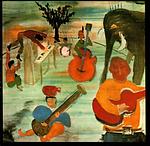
Music From Big Pink, released in 1968 by The Band, presents a warm, roots-based blend of rock, folk, country and Americana. The record emphasizes close ensemble vocals, piano and organ textures, and understated acoustic and electric guitar work, with narrative songwriting and roomy, organic arrangements. Emerging from the group’s work backing Bob Dylan, the album helped crystallize a roots rock approach and features songs such as "The Weight" and "Tears of Rage".
#453 — Showcase by Patsy Cline
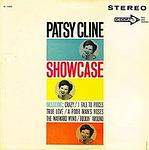
Showcase (1961) by Patsy Cline presents her blend of country and pop through the Nashville Sound, featuring polished arrangements and smoother rhythms that foreground Cline's rich, emotive contralto. Produced by Owen Bradley, the album pairs country instrumentation with string sections and background vocals to create a crossover-friendly sound that highlights Cline's phrasing and dramatic delivery, reflecting her early 1960s studio work and the era's move toward pop-oriented country production.
#454 — The Man and His Music by Sam Cooke
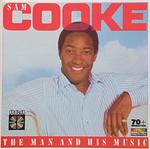
#455 — Arc of a Diver by Steve Winwood
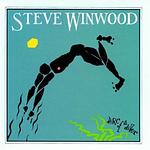
Arc of a Diver is a 1980 solo album by Steve Winwood that blends blue-eyed soul, pop rock, soft rock, and pop, built around Winwood's warm, expressive vocals and layered keyboard and synthesizer textures. Notable for Winwood performing most of the instruments himself through multitrack overdubbing, the record has a polished, introspective sound that emphasizes melodic hooks, soulful delivery, and a smooth contemporary production aesthetic.
#456 — I'm Alive by Jackson Browne
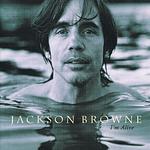
I'm Alive, released in 1993, finds Jackson Browne returning to a restrained, singer-songwriter approach that foregrounds personal, introspective lyrics rather than overt political commentary. Musically it blends rock, folk rock, and soft rock elements, with warm acoustic guitar, piano and subtly textured electric arrangements supporting layered vocal harmonies. The overall sound is mature and intimate, emphasizing melodic clarity and narrative songwriting.
#457 — These Days by Bon Jovi
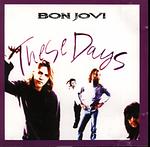
These Days finds Bon Jovi working within their arena rock and pop metal roots while adopting a darker, more introspective tone. The songs pair anthemic choruses and melodic hooks with moodier arrangements and acoustic textures, and the vocals and guitar work emphasize grit and emotional nuance over pure arena bombast. Overall the album represents a more mature, reflective approach to songwriting and production compared with the band’s earlier, high-energy records.
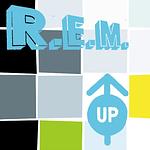
Up is R.E.M.'s first studio album after drummer Bill Berry left the band and represents a deliberate shift toward more electronic and downtempo textures. The record blends alternative rock and pop songwriting with ambient synths, drum machine elements, and moodier, atmospheric arrangements, while still including moments of melodic, piano-led balladry and more conventional rock instrumentation.
#459 — Be Here Now by Oasis
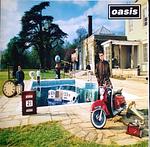
Be Here Now, Oasis's 1997 album, expands the band's Britpop roots into a louder, more maximalist sound that blends alternative rock, neo-psychedelia and hard rock elements. Tracks emphasize big, distorted guitar textures, dense studio layering, extended song structures and sweeping, anthem-style choruses, with Liam Gallagher's raw vocal delivery and Noel Gallagher's songwriting shaping a widescreen, sometimes indulgent production aesthetic. The record is noted for its heavy, immersive sound and for moving away from the leaner arrangements of the band's earlier work.
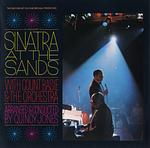
Sinatra at the Sands is a 1966 live album capturing Frank Sinatra backed by the Count Basie Orchestra with arrangements by Quincy Jones, recorded at the Sands Hotel in Las Vegas. The performance blends Sinatra's relaxed, conversational phrasing and stage patter with Basie's tight, swinging big band, moving between uptempo swingers and more intimate ballads. Extended horn charts, a propulsive rhythm section, and moments of solo interplay give the recording the feel of a lively 1960s Las Vegas nightclub set and highlight the musical chemistry between singer and band.
#462 — The Kick Inside by Kate Bush
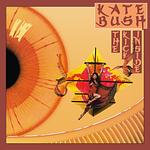
The Kick Inside is Kate Bush's 1978 debut album, blending art pop and art rock with theatrical, piano based arrangements and literate, often literary songwriting. Bush's wide vocal range and dramatic delivery are central, and the record pairs delicate acoustic textures and orchestral touches with inventive production to support narrative songs such as "Wuthering Heights". Produced by Andrew Powell, the album introduced her distinctive timbral and compositional approach and established her as an original voice in British pop.
#463 — Trouble Man by Marvin Gaye
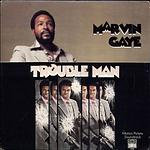
Trouble Man is Marvin Gaye's 1972 soundtrack album for the film of the same name, blending soul, funk, and jazz with cinematic arrangements and brooding grooves. Gaye wrote and produced the score, and the record alternates vocal and instrumental pieces that emphasize a darker, more filmic atmosphere, showcasing his baritone voice alongside jazz-inflected horns, strings, and funk rhythms. The title track serves as a central theme that ties the album's moody, soundtrack-oriented sound together.
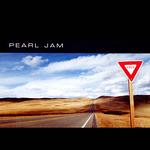
Yield, released in 1998, is Pearl Jam's fifth studio album. It blends the band's grunge roots with alternative rock and hard rock, emphasizing concise, melodic songs that alternate between acoustic textures and driving electric guitars. The record is generally characterized by a more reflective, measured tone and a focus on band-oriented arrangements rather than studio excess.
#465 — Waltz for Debby by Bill Evans Trio
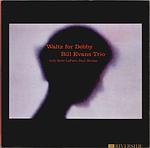
Recorded live at the Village Vanguard and issued in 1962, Waltz for Debby features the Bill Evans Trio with Scott LaFaro on bass and Paul Motian on drums. The album showcases Evans's lyrical, introspective piano within a cool jazz context, marked by close, conversational interplay, subtle dynamics, and sensitive reharmonizations of standards alongside originals, with the title waltz as a memorable melodic highlight. Its spare, nuanced sound and emphasis on interactive trio playing have made it an important reference for modern piano trio jazz.
#466 — Big Willie Style by Will Smith
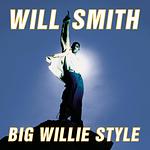
Big Willie Style is Will Smith's 1997 solo debut that blends pop rap and East Coast hip hop with R&B and pop sensibilities. The album pairs polished, sample-driven production and danceable grooves with light, family-friendly storytelling and radio-ready hooks, and includes singles such as 'Men in Black', 'Gettin' Jiggy wit It', and 'Just the Two of Us'.
#467 — African Herbsman by Bob Marley & The Wailers
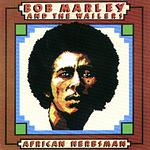
African Herbsman, issued in 1973, is a compilation of early Bob Marley and the Wailers recordings from their Jamaican period that showcases the group moving into roots reggae. The material emphasizes earthy, groove-driven rhythms, organ and horn textures, and the vocal interplay of Marley with Peter Tosh and Bunny Wailer, with several tracks linked to producer Lee "Scratch" Perry. The album serves as a document of their socially minded and spiritual songwriting in a rawer, Jamaica-centered production style that predates their later international releases.
#468 — Little Criminals by Randy Newman
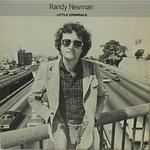
Little Criminals, released in 1977, showcases Randy Newman’s piano based, character driven songwriting set against tighter pop and rock arrangements. The record pairs sardonic humor and satirical vignettes with moments of melancholy, blending concise melodies, small group rock instrumentation, and occasional orchestral color. Known for the provocative single "Short People", the album balances witty, narrative lyrics with accessible musical settings and is often cited as a clear example of Newman’s gift for ironic, observational portraits.
#469 — Sailin' Shoes by Little Feat
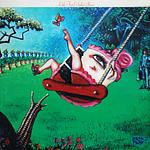
Sailin' Shoes (1972) is Little Feat's second studio album, presenting a loose, groove-driven blend of blues rock, country rock and New Orleans-influenced funk. Lowell George's slide guitar and laconic vocals sit alongside Bill Payne's piano and organ and Richie Hayward's rhythmic drumming, creating swampy, laid-back arrangements that balance raw bluesy passages with melodic songwriting. The record expanded the group's sound from their debut and helped establish the eclectic roots-rock direction they pursued on later albums.
#470 — My Funny Valentine by Miles Davis
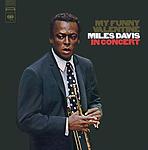
My Funny Valentine is a live Miles Davis album that captures his mid 1960s jazz and hard bop approach through a set of slow, lyrical performances. The music centers on Miles's muted, expressive trumpet and the group's close, conversational interplay, with spacious arrangements and introspective dynamics that move toward more modal and exploratory textures. The album is notable for its intimate balladry and understated improvisation, highlighting a transitional moment in Davis's sound.
#471 — Sixteen Stone by Bush
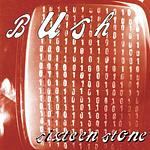
Sixteen Stone is Bush's 1994 debut studio album, rooted in grunge and post-grunge with heavy, riff-driven guitars and melodic, radio-oriented choruses. Gavin Rossdale's rough-edged vocals sit over layered guitar textures and quiet-to-loud dynamics, producing a sound that references Seattle grunge while favoring cleaner production and accessible hooks. The album played a notable role in shaping a British take on the 1990s post-grunge alternative rock sound.
#472 — Oliver! by Lionel Bart
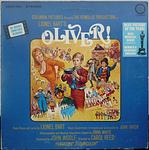
Oliver! (1968) is the soundtrack album to the film adaptation of Lionel Bart's stage musical, presenting his songs arranged for cinematic orchestra and performed by the film cast. The music blends classic show tune craft with British music hall inflections, pairing rousing ensemble numbers and character-driven ballads with bright orchestral and pop-oriented production typical of 1960s musical films, all serving a strong emphasis on melody and theatrical storytelling.
#474 — Goodbye Jumbo by World Party
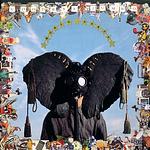
Goodbye Jumbo, World Party's 1990 album led by Karl Wallinger, blends classic rock, British pop, folk and psychedelia into melodic songs with dense, multi-layered arrangements. Wallinger wrote the material and played most of the instruments, producing a warm sound that references 1960s and 1970s influences while incorporating contemporary alternative rock sensibilities. The record includes tracks such as "Way Down Now" and "She's the One" and is often cited as a defining statement of World Party's early period.
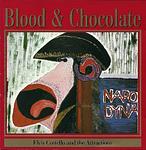
Blood & Chocolate finds Elvis Costello and the Attractions in a raw, volatile mode, returning to jagged, punchy rock and roll with a darker, more abrasive edge. The performances have a live-in-studio urgency, driven by sharp guitar, insistent bass and propulsive drums that frame Costello's intense, often confrontational lyrics. Lean production and a focus on band interplay give the album a direct, high-energy sound that contrasts with some of his more ornate 1980s recordings and emphasizes rock-based arrangements over studio gloss.
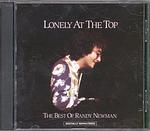
Lonely at the Top: The Best of Randy Newman (1987) is a compilation that gathers highlights of Randy Newman's songwriting from the 1960s through the 1980s. The album emphasizes his piano-led singer-songwriter approach, pairing concise melodies and orchestral touches with character-driven, often satirical lyrics. It presents a cross-section of his blend of American roots, pop, and film-score sensibilities and functions as an accessible overview of his distinctive narrative voice and compositional craft.
#477 — Milestones by Miles Davis
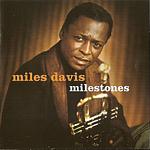
Milestones is most commonly associated with Miles Davis's 1958 album that bridges hard bop and the early development of modal jazz. The music combines hard bop's rhythmic drive and blues-based motifs with the introduction of modal frameworks, especially on the title composition, allowing longer, more scalar improvisations. The sessions feature a frontline of alto and tenor saxophones alongside Davis's trumpet, supported by piano, bass, and drums, producing concise ensemble arrangements and exploratory solos that point toward Davis's later modal work.
#478 — Midnight Love by Marvin Gaye
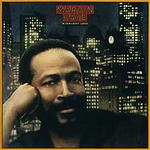
Midnight Love, released in 1982, is Marvin Gaye's final studio album issued during his lifetime and blends soul, funk, disco, and contemporary R&B into a sleek, sensual sound. The record features prominent synthesizers and drum machine patterns alongside Gaye's layered falsetto, modernizing his smooth soul approach while keeping warm, groove-oriented arrangements. Songs like "Sexual Healing" illustrate the album's late-night moodiness and intimate songwriting, balancing danceable rhythms with personal reflection.
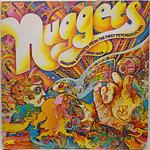
Nuggets: Original Artyfacts From the First Psychedelic Era, 1965–1968 is a 1972 compilation assembled by Lenny Kaye that collects mid 1960s garage rock and early psychedelic singles. The selections emphasize raw, guitar-driven arrangements, fuzz and organ textures, concise song structures and direct vocal delivery, moving between punchy three-minute rockers and more experimental psychedelic moments. The compilation presents a snapshot of regional US bands whose rough-hewn sound and studio oddities trace a line from amateur garage rock toward the broader psychedelic sensibilities of the late 1960s.
#480 — Body and Soul by Coleman Hawkins
#481 — Young Americans by David Bowie
#482 — Permanent Vacation by Aerosmith
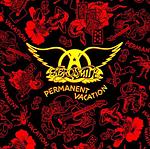
Permanent Vacation, released in 1987, finds Aerosmith blending their blues rock roots with a glossier, radio-friendly hard rock and arena rock sound. Produced by Bruce Fairbairn with songwriting collaborations that included Desmond Child, the album emphasizes polished 1980s production, prominent keyboards and horn accents, and hook-driven songs ranging from power ballads to upbeat rockers. The record helped revive the band's profile and steered their material toward a more pop-oriented, arena-ready approach.
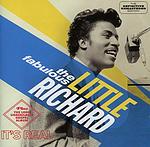
#483 — The Fabulous by Little Richard
#484 — Country Life by Roxy Music
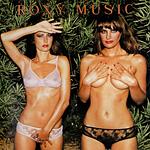
Country Life is the fourth studio album by Roxy Music, released in 1974. It blends art rock, glam rock, and pop rock with a more muscular, guitar-forward sound alongside Bryan Ferry's stylish vocals and literate lyrics. The arrangements combine glossy keyboards, saxophone and layered harmonies to create songs that balance sophistication and raw energy. The record is also notable for its bold, sexually suggestive sleeve that attracted controversy and for consolidating the band's move toward tighter, rock-oriented songwriting.
#485 — Heaven Up Here by Echo & the Bunnymen
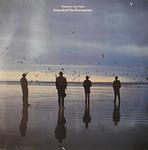
Heaven Up Here (1981) by Echo & the Bunnymen is a moody, atmospheric post-punk album that blends effects-drenched guitars, driving drums, and Ian McCulloch's resonant vocals to create dense, expansive songs. The production favors reverb and layered textures that give the music a cavernous, cinematic feel, sitting at the intersection of New Wave and alternative rock while retaining punk intensity. The record showcases the band moving toward richer, more textured arrangements and a darker, more brooding sound.
#486 — Kick Out the Jams by MC5
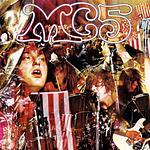
Kick Out the Jams is the 1969 debut live album by MC5, recorded at Detroit's Grande Ballroom. It captures the band's raw, high-energy fusion of garage rock and hard rock with extended, noisy jams and aggressive, shouted vocals that helped lay groundwork for proto-punk. The performances emphasize distorted guitars, driving rhythms, and a confrontational stage presence, making the record an influential snapshot of late 1960s underground rock.
#487 — Avalon Sunset by Van Morrison
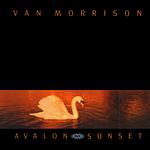
Avalon Sunset (1989) finds Van Morrison in a mellow, reflective mode that blends blue-eyed soul, folk rock, pop balladry, and light jazz touches. The album emphasizes pastoral and spiritual themes delivered through warm, intimate vocals and lush, restrained arrangements that foreground acoustic elements and gentle orchestration. Its quiet, contemplative sound and focus on love and faith mark it as a late-1980s record that favors subtlety and mood over rock energy.
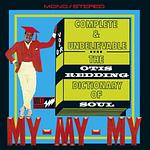
Complete & Unbelievable: The Otis Redding Dictionary of Soul (1966) captures Otis Redding's raw, emotive Southern soul voice across taut R&B arrangements and intimate balladry. The record blends deep soul intensity with tight, horn-driven Stax-style rhythm work, showcasing Redding's dynamic phrasing and emotional range. It is representative of his mid-1960s output and the sound of Southern soul in that era.
#489 — Keep the Faith by Bon Jovi
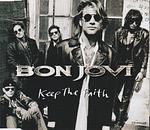
Keep the Faith, released in 1992, finds Bon Jovi moving beyond their 1980s glam-pop sound toward a grittier, more mature rock approach. The album blends hard rock energy with pop rock hooks, featuring tougher guitar tones, more band-centered arrangements, and lyrics that often address broader, more reflective themes. It retains accessible melodies while showing an expanded range of styles and moods that updated the group's sound for the early 1990s.
#490 — Sings Cole Porter by Ella Fitzgerald

Ella Fitzgerald Sings Cole Porter is a vocal jazz collection of Cole Porter standards from Fitzgerald's Songbook project, featuring her clear, agile phrasing, rhythmic swing, and melodic improvisation over lush orchestral arrangements by Buddy Bregman. The performances emphasize concise, expressive interpretations of Porter's tunes, demonstrating Fitzgerald's skill as an interpreter of the Great American Songbook and her ability to balance sophistication with accessible swing.
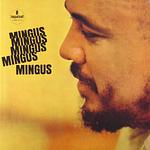
Mingus Mingus Mingus Mingus Mingus (1964) finds Charles Mingus revisiting and reworking earlier compositions into tightly arranged, high-energy ensemble settings. The music balances Mingus's forceful bass and bandleading with dense horn voicings, gospel and blues inflections, and moments of collective improvisation, yielding a sound that is both orchestral and raw. The repeated-title presentation underscores the album as a bold statement of Mingus's musical identity in the mid 1960s.
#492 — Sheer Heart Attack by Queen
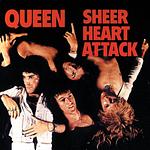
Sheer Heart Attack, Queen's third studio album released in 1974, consolidates the band's blend of hard rock, glam and progressive influences while incorporating heavier, metal-tinged guitar work and complex vocal harmonies. The record moves between punchy rockers, theatrical and vaudeville-tinged pop moments, and layered, harmony-rich arrangements that showcase Brian May's guitar textures and Freddie Mercury's wide-ranging voice; it contains the track "Killer Queen" and features songwriting contributions from all band members. Its energetic production and stylistic variety marked a clear step toward the more concise, anthemic songwriting the group would explore on later records.
#493 — Spice by Spice Girls
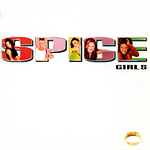
Spice is the 1996 debut album by the Spice Girls, built around glossy pop and dance-pop arrangements with synth textures and touches of electronic and hip hop production. The songs favor catchy hooks, strong choruses and prominent melody lines, with the five members taking turns on lead vocals and delivering characterful, personality-driven performances. Lyrical themes center on friendship, confidence and relationships, and the album's upbeat, radio-friendly sound helped shape the mainstream girl-group pop style of the late 1990s.
#494 — Waiting for the Sun by The Doors
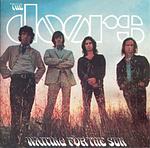
Waiting for the Sun, released in 1968 by The Doors, continues the band's organ- and guitar-driven blend of psychedelic rock, acid-tinged blues, and poetic lyricism. The album juxtaposes shorter, radio-friendly songs like "Hello, I Love You" with darker, more dramatic pieces such as "The Unknown Soldier", and features Ray Manzarek's prominent keyboards, Robby Krieger's guitar work, and Jim Morrison's theatrical vocals and poetic imagery. Musically it expands the group's palette with varied textures and arrangements while retaining the moody, cinematic atmosphere that defined their early sound.
#495 — I'm Your Man by Leonard Cohen
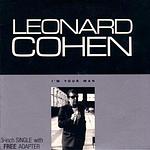
I’m Your Man is a 1988 Leonard Cohen album that updates his songwriting with synth-driven, drum machine and pop rock textures while retaining a strong folk and ballad sensibility. Cohen’s deep, conversational voice anchors songs that blend wry humor, romantic yearning and bleak, observational lyrics, presented in sparse, moody arrangements that emphasize atmosphere and narrative. The record marked a stylistic shift toward more modern production while keeping the lyrical focus that defines his work.
#496 — Kaya by Bob Marley & The Wailers
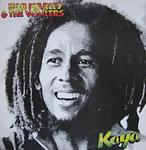
Kaya, released in 1978 by Bob Marley & The Wailers, is a mellow roots reggae album that emphasizes relaxed tempos, warm bass-forward production, and smooth vocal delivery. Its songs blend themes of love, peace, and marijuana with spiritual undertones, and the arrangements feature prominent rhythm guitar, rolling bass lines, subtle horn and keyboard textures. The overall atmosphere is intimate and laid-back, showcasing the band's knack for spacious grooves and melodic hooks while offering a softer counterpoint to some of Marley's more overtly political work.
#497 — Night and Day by Joe Jackson
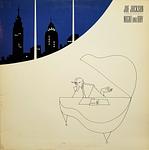
Night and Day (1982) by Joe Jackson is a piano-led album that shifts from his earlier new wave edge toward a more urbane pop sound infused with jazz and Latin rhythms. The arrangements highlight piano, brass, and subtle synths over tight grooves, while the lyrics often evoke New York City scenes and interpersonal tensions. The record is noted for its melodic songwriting and for blending sophisticated musical textures with accessible pop and rock elements.
#498 — Here, My Dear by Marvin Gaye
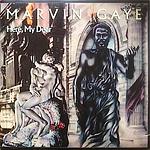
Here, My Dear is a 1978 Marvin Gaye album built around a highly personal, confessional concept that documents the emotional fallout of his divorce. Musically it works within smooth soul and classic soul frameworks while incorporating elements of funk, jazz influenced arrangements and lush orchestration, and it is distinguished by intimate vocals, spoken passages and candid lyrics that examine love, anger and reconciliation. The record is often noted for its directness and for presenting a pop soul album as a sustained personal statement.
#499 — Workers Playtime by Billy Bragg
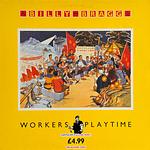
Workers Playtime is Billy Bragg's 1988 album that blends his folk punk roots with folk rock and indie pop sensibilities, favoring melodic, intimate songwriting over the rawer solo-electric approach of his earliest records. The sound mixes acoustic guitar and direct vocal delivery with modest band arrangements and subtle pop touches, producing a warm, conversational tone that balances personal reflections and social observation. The record is often noted for its concise songs and restrained production, highlighting Bragg's focus on melody and lyricism.
#500 — Songs of Love and Hate by Leonard Cohen
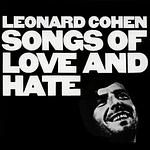
Songs of Love and Hate (1971) finds Leonard Cohen deepening his spare singer-songwriter approach into darker, more dramatic territory, pairing his low, conversational voice and meticulous lyrics with stark guitar lines and occasional orchestral touches that recall baroque pop. The album blends folk, rock and chamber-like instrumentation to explore themes of love, betrayal, death and spiritual yearning, producing a tense, intimate atmosphere that foregrounds Cohen's poetic storytelling. It is regarded as one of his important early records for its uncompromising tone and focus on lyric-driven songs.