 The Greatest Music
The 100 Best Albums of All Time
Weight: 50%
How much this list influences our overall rankings. Higher weight means more reliable data.
Penalties Applied:
Sounds, the influential UK weekly music paper (1970–1991), published an All-Time Top 100 Albums chart around 1985, reportedly distributed as a poster/insert—a format the paper was famous for. The list reads like an editorial canon of ‘modern’ rock and post-punk: readers later complained in the letters page about the paper’s critics putting The Clash at #1 and even ranking very recent releases like The Jesus and Mary Chain among the all-time picks.
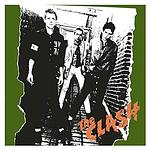
The Clash is the band's 1977 debut, a lean, hard-edged punk record that captures urgent, guitar-driven songs with politically charged lyrics. The album pairs fast, aggressive punk rock energy with traces of reggae and rockabilly influence, featuring punchy riffs, propulsive rhythms, and a raw, confrontational vocal style, and it helped define the sound of early UK punk.
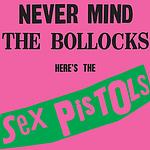
Never Mind the Bollocks, Here's the Sex Pistols is the Sex Pistols' only studio album, released in 1977. It condenses punk rock into short, abrasive tracks driven by distorted guitars, propulsive drums, and Johnny Rotten's sneering vocals, with blunt, confrontational lyrics aimed at social and political authority. The album is regarded as a defining work of the British punk movement and helped establish the raw, do-it-yourself aesthetic that influenced later punk and alternative bands.
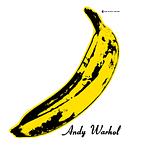
The Velvet Underground & Nico (1967) blends art rock, experimental and garage influences, pairing Lou Reed's stark songwriting and vocals with John Cale's abrasive viola and drone textures, Sterling Morrison's guitar and Maureen Tucker's spare percussion. Nico supplies detached lead vocals on a few tracks. The record mixes concise pop melodies with feedback, distortion and candid lyrics about urban life, sex and drug use, creating a raw, intimate sound that helped shape later art rock, punk and alternative music. Produced with Andy Warhol's involvement and notable for its banana cover, the album is distinguished by its experimental production and unconventional subject matter.
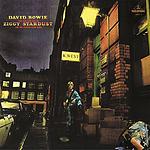
The Rise and Fall of Ziggy Stardust and the Spiders From Mars (1972) is a loose concept album in which David Bowie adopts the persona of Ziggy Stardust, an androgynous alien rock star. Musically it blends glam rock theatricality with straightforward rock and pop songwriting and elements of art rock, driven by Mick Ronson's guitar work and arrangements and a rhythm section that supports both crunchy rock numbers and quieter, melodic passages. The album is notable for its narrative focus, dramatic vocals, and cinematic arrangements that helped define Bowie's early 1970s sound and stage persona.
#5 — Horses by Patti Smith
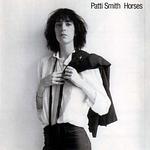
Horses, Patti Smith's 1975 debut, blends raw garage rock energy with art rock experimentation and proto-punk urgency. Produced by John Cale, the album pairs a spoken-word influenced vocal delivery and poetically charged lyrics with spare, driving arrangements built around guitar, piano, and drums. Its rough-edged production, confrontational performance style, and fusion of literary sensibility with rock idioms are often cited as influential on early punk and art punk movements, and the stark cover photograph by Robert Mapplethorpe complements the record's austere aesthetic.
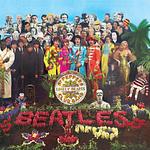
Sgt. Pepper's Lonely Hearts Club Band is a 1967 Beatles album that blends rock, psychedelic rock, baroque pop and pop with extensive studio experimentation. It features layered production, orchestral arrangements, unusual instrumentation and song sequencing that create a loose concept-album feel, and includes tracks such as "Lucy in the Sky with Diamonds", "Eleanor Rigby", "With a Little Help from My Friends" and "A Day in the Life". The album is often described as a milestone in popular music for its ambitious production and its expansion of pop and rock sounds.
#7 — Unknown Pleasures by Joy Division
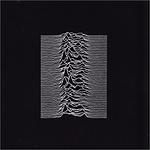
Unknown Pleasures, Joy Division's 1979 debut studio album, is a landmark of post-punk characterized by sparse, austere arrangements and distinctive production by Martin Hannett. The record pairs Peter Hook's high, melodic basslines and Bernard Sumner's angular guitar with Stephen Morris's precise, often metronomic drums under Ian Curtis's deep, restrained vocals and introspective lyrics, creating a cold, atmospheric sound that also fed into gothic and alternative rock developments. Its use of space, effects, and the iconic pulsar waveform cover have made it an enduring reference point for late 20th century underground rock.
#8 — Marquee Moon by Television
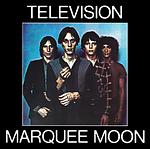
Marquee Moon is Television's 1977 debut album that blends art punk, new wave, post-punk, and art rock into a spare, guitar-driven sound. It features interlocking, melodic guitar lines from Tom Verlaine and Richard Lloyd, a taut rhythm section, and literate, elliptical lyrics, with the extended title track showcasing the band's improvisational interplay. The album's emphasis on texture and guitar interplay influenced later post-punk and indie rock approaches.
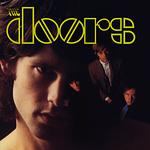
The Doors is the band's 1967 debut album that introduced their distinctive mix of psychedelic rock, blues rock, and acid-tinged atmospherics. Ray Manzarek's prominent electric organ and Jim Morrison's deep, poetic vocals shape a moody, nocturnal sound, while Robby Krieger's guitar and the rhythm section move between driving grooves and sparse blues. The record balances concise rock singles such as 'Break On Through' and 'Light My Fire' with extended, cinematic pieces like 'The End', blending improvisation, literary lyrics, and a darker, theater-influenced sensibility that helped define the band's early identity.
#10 — Electric Warrior by T. Rex
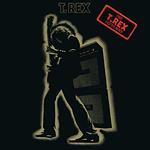
Electric Warrior, released in 1971 by T. Rex, marks Marc Bolan's shift from acoustic folk to a punchy, electric glam rock sound. The album pairs concise rock and roll rhythms and chiming, distorted guitar riffs with Bolan's distinctive vocal delivery and often surreal romantic lyrics. Arrangements emphasize tight grooves and memorable hooks, mixing elements of hard rock and classic rock and roll within a stylized glam aesthetic, and the record is widely regarded as a key statement of early 1970s British glam.
#11 — Closer by Joy Division
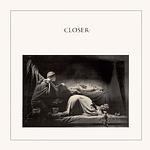
Closer is Joy Division's 1980 album that presents a stark, atmospheric take on post-punk with clear ties to new wave and early gothic rock. The record is characterized by Martin Hannett's spacious, reverb-heavy production, Peter Hook's melodic, high-register basslines, Bernard Sumner's angular guitars and synth textures, and Ian Curtis's deep, intense vocals paired with spare, often bleak lyrics. Overall it emphasizes mood, restraint, and a cold, cinematic ambience that proved influential on later alternative and gothic-leaning acts.
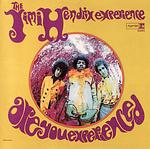
Are You Experienced is the debut album by the Jimi Hendrix Experience, released in 1967. It blends blues rock, psychedelic and acid rock with early hard rock, centered on Hendrix's inventive electric guitar playing and striking studio experimentation such as feedback, wah-wah textures, reversed tape effects, and layered overdubs. The record features concise originals and covers that range from fiery, riff-driven songs to atmospheric balladry, and is widely regarded as a landmark in guitar-led psychedelic rock.
#13 — Led Zeppelin II by Led Zeppelin
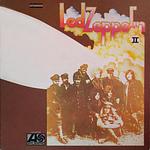
Led Zeppelin II, released in 1969, expands the band's debut into a heavier, riff-driven sound rooted in electric blues and early hard rock. The album emphasizes powerful blues-influenced guitar riffs, thunderous drums, and Robert Plant's high-register vocals, with studio production that uses bold panning, overdubs, and distortion to create dense, energetic arrangements. It blends reworkings of blues material with original compositions to showcase the group's fusion of traditional blues forms and a louder, more aggressive rock approach that helped shape subsequent hard rock and blues rock styles.
#14 — Born to Run by Bruce Springsteen
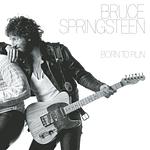
Born to Run (1975) blends rock, heartland rock, folk rock, piano-driven rock, and singer-songwriter storytelling into a sweeping, cinematic sound. Built around dense, Wall of Sound inspired arrangements with prominent saxophone and piano, the album pairs anthemic, propulsive tracks with intimate, narrative songs about escape, youthful restlessness, and working-class longing. It represented a major artistic leap for Springsteen and helped define the musical themes and larger-than-life production style he explored in later work.
#15 — What's Going On by Marvin Gaye
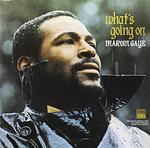
"What’s Going On" (1971) by Marvin Gaye is a cohesive, socially conscious soul album that blends Motown rhythm and smooth soul vocals with lush orchestral arrangements and jazz-influenced horns and strings. Gaye's intimate lead singing, layered background vocals, and subtle studio production create a reflective, spiritual atmosphere as the songs address themes such as war, urban poverty, policing, and environmental concerns. The result is a quieter, more contemplative direction for Motown sounds that broadened the expressive range of R&B.
#16 — "Heroes" by David Bowie
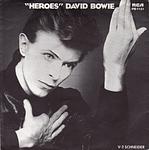
Heroes, released in 1977, is David Bowie’s album that blends art rock, electronic, ambient, art pop, and experimental rock. Recorded in West Berlin with producer Tony Visconti and frequent collaborator Brian Eno, the record pairs driving, guitar‑based songs with spare instrumental pieces built from layered synths and treated guitars, producing a stark and cinematic sound. The title track and several instrumentals emphasize atmospheric production and unconventional textures, making the album a central work from Bowie’s Berlin period that fuses pop songwriting with experimental electronics.
#17 — Remain in Light by Talking Heads
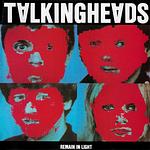
Remain in Light (1980) finds Talking Heads blending New Wave, post-punk, funk, and electronic textures through an experimental production approach with Brian Eno. The album foregrounds layered, polyrhythmic grooves influenced by West African rhythms, interlocking guitar and synth patterns, and funk-tinged bass to create dense, propulsive arrangements. David Byrne's vocal delivery moves between urgent and detached across fragmented, mantra-like lyrics, while studio techniques favor repetition, loops, and ambient sonics. The record is often noted for shifting the band's sound toward a more rhythmic, textural, and collaborative form of art rock.
#18 — Raw Power by Iggy and The Stooges
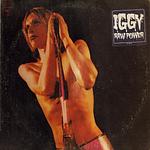
Raw Power, released in 1973 by Iggy and The Stooges, delivers a raw, aggressive blend of garage rock and hard rock that pointed toward punk. James Williamson's distorted, razor-edged guitar work and Iggy Pop's snarling, theatrical vocals drive short, propulsive songs that favor primal energy and lean arrangements. The album's abrasive tone, high volume, and emphasis on attitude over polish are often cited as influential on the emerging punk and later alternative scenes.
#19 — Forever Changes by Love
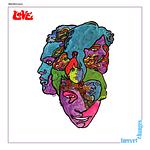
Forever Changes (1967) by Love blends folk rock, baroque pop, and subtle psychedelia into concise, orchestral-tinged songs. Arthur Lee's introspective and often unsettling lyrics sit against intricate acoustic guitar work and horn and string arrangements, creating a warm but melancholic chamber-pop sound that stands out in late 1960s American rock.
#20 — Highway 61 Revisited by Bob Dylan
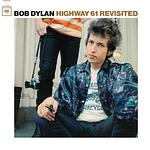
Highway 61 Revisited, released in 1965 by Bob Dylan, marks a decisive shift from acoustic folk toward a fuller electric rock and blues rock sound. The album combines conversational, often surreal lyrics with band arrangements that feature electric guitar, piano and organ, moving between propulsive, riff-driven tracks and slower, blues-inflected numbers. Its songs expand folk storytelling into longer, more free-associative forms and place literary, image-rich writing into a rock context, making the record a notable turning point in Dylan's work and 1960s popular music.
#21 — Lust for Life by Iggy Pop
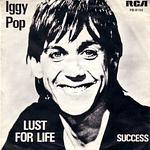
Recorded in 1977 with significant involvement from David Bowie, Lust for Life finds Iggy Pop channeling his punk and garage roots into more upbeat, driving rock songs. The album pairs Pop's raw, urgent vocals with punchy guitar riffs, steady rhythms and occasional synthesizer textures, yielding tracks such as "Lust for Life" and "The Passenger" that balance immediacy and melodic hooks. It is notable for its direct, energetic sound that bridged underground punk attitude with a broader rock palette.
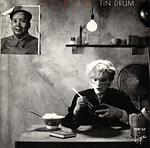
Tin Drum, released in 1981 by Japan, is a New Wave and art pop record built around spare electronic arrangements, stylized percussion, and East Asian musical references. David Sylvian's cool, restrained vocals sit against layered synths, metallic percussion patterns, and minimalist bass, with tracks such as "Ghosts" and "Visions of China" highlighting the album's focus on mood, texture, and non-Western influences. The record marked the band's shift toward a more experimental, atmospheric sound within electronic and art pop contexts.
#23 — For Your Pleasure by Roxy Music
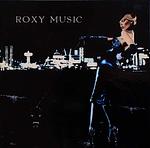
For Your Pleasure, Roxy Music's second studio album released in 1973, refines the band's art rock and glam approach with theatrical arrangements, sleek pop songwriting and abrasive experimental textures. Bryan Ferry's elegant, ironic vocals ride over Andy Mackay's saxophone, Phil Manzanera's guitar work and Brian Eno's synthesizer treatments, producing songs that range from seductive to unsettling, notably "Do the Strand" and "In Every Dream Home a Heartache". The album is the last to feature Eno and is often cited for combining glamour and avant garde production with a raw edge that points toward proto-punk and post-punk sounds.
#24 — Let's Get It On by Marvin Gaye
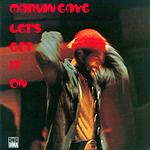
Let’s Get It On, released in 1973, is Marvin Gaye’s soulful, sensual album that emphasizes romantic and erotic themes through warm, intimate vocals and rich arrangements. Gaye produced and co-wrote much of the material, using layered harmonies, a breathy falsetto, and a blend of funk, pop soul, blues and gospel-inflected phrasing to create a smooth, seductive atmosphere. The album represents a shift toward more personal, adult subject matter within the Motown framework and helped shape the sound of later R&B and soul recordings.
#25 — Station to Station by David Bowie
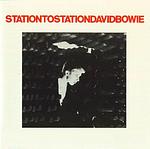
Station to Station, released by David Bowie in 1976, blends art rock, pop rock, alternative rock and blue-eyed soul into a lean, often chilly sound that connects his mid 1970s soul-funk experiments with the more electronic, experimental direction he pursued afterward. The record is anchored by the expansive, hypnotic title track with a motorik-like pulse, alongside tighter, soul-inflected songs featuring sharp guitar, driving bass and spare keyboards. It also introduces the Thin White Duke persona and explores themes of identity, travel and spiritual searching.
#26 — Aladdin Sane by David Bowie
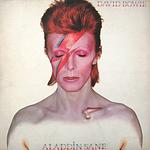
Aladdin Sane, released in 1973, finds David Bowie extending the theatrical glam of his Ziggy Stardust era into more experimental and American inflected territory. Musically it blends glam rock and art rock with hard rock and moments of cabaret and free jazz influenced piano, highlighted by Mick Ronson's guitar and Mike Garson's striking piano work. Tracks such as The Jean Genie, Panic in Detroit, the title track and a cover of Let's Spend the Night Together mix bluesy riffs, angular arrangements and lyrical reflections on fame, identity and American culture. The album is often heard as a more fractured, exploratory companion to its predecessor.
#27 — Young Americans by David Bowie
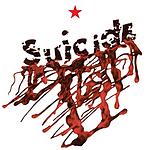
Suicide, the 1977 debut by the duo Suicide, pairs Martin Rev's sparse, repetitive synths and drum-machine patterns with Alan Vega's confrontational, often spoken or shouted vocals to create a stark, urban sound. The album's abrasive minimalism and unsettling narratives are exemplified by tracks such as "Ghost Rider" and the harrowing "Frankie Teardrop." Widely regarded as an influential work in No Wave, electropunk, minimal synth, and art punk, it helped shape later strands of industrial and electronic music.
#29 — My Aim Is True by Elvis Costello
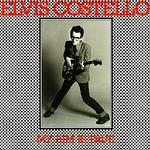
My Aim Is True is Elvis Costello's 1977 debut studio album that blends rock, new wave, pub rock, pop rock and country influences. The record pairs lean, guitar-driven arrangements with concise, literate songwriting, juxtaposing caustic wit and melodic hooks across raucous rockers and more reflective, country-tinged numbers. Recorded with a loose, energetic band feel, the album introduced Costello's distinctive vocal delivery and sharp lyrical voice, marking his emergence as a notable and eclectic songwriter in the late 1970s.
#30 — Ocean Rain by Echo & the Bunnymen
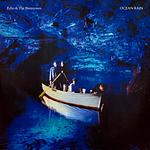
Ocean Rain is Echo & the Bunnymen's 1984 album that moves their post-punk foundation toward a more orchestral, cinematic sound, combining jangly guitars and indie rock rhythms with lush string arrangements and neo-psychedelic atmospheres. Ian McCulloch's resonant, melancholic vocals sit against reverb-heavy production and maritime imagery, creating a sweeping, nocturnal mood. The record is notable within their catalogue for its ambitious arrangements and strong melodic focus.
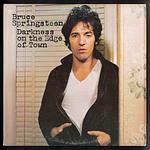
Darkness on the Edge of Town is Bruce Springsteen's 1978 album that adopts a leaner, grittier approach to heartland rock and singer-songwriter storytelling. The sound emphasizes direct, guitar-driven arrangements with piano accents and a more restrained, raw production than some earlier work. Lyrically the album focuses on working-class characters, moral struggle, loss and the pursuit of dignity, delivered in spare, atmospheric songs such as "Badlands" and "Racing in the Street". Its sober tone and narrative focus helped define Springsteen's signature blend of rock and character-driven songwriting.
#32 — New Boots and Panties!! by Ian Dury
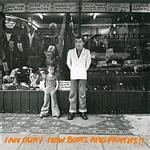
New Boots and Panties!!, released in 1977 by Ian Dury, blends pub rock, music hall, funk and nascent new wave with pop sensibilities. The album pairs tight, rhythm-driven arrangements with Dury's idiosyncratic spoken-sung delivery and characterful, often humorous lyrics that draw on working-class life and vivid storytelling. Its mix of cheeky humour, melodic hooks and varied styles helped establish Dury as a distinctive voice in the late 1970s British rock scene.
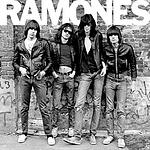
Ramones is the 1976 debut album by the Ramones. It delivers short, fast, stripped-down songs built on simple three-chord guitar figures, driving downbeat drumming, and a raw production that foregrounds catchy hooks and shouted vocals. Noted for its succinct songcraft and aggressive minimalism, the record is widely regarded as a foundational release in punk rock and helped establish the genre's aesthetic.
#34 — The Scream by Siouxsie and the Banshees
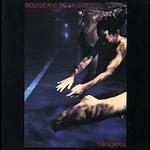
The Scream is the 1978 debut album by Siouxsie and the Banshees that presents a tense, spare post-punk sound marrying angular guitar textures, propulsive basslines and stark, tribal drumming with Siouxsie Sioux's dramatic, enigmatic vocals. Its songs favor jagged rhythms, eerie atmospheres and bold lyrical imagery, making the record an early touchstone for gothic rock and the darker edge of new wave.
#35 — Low by David Bowie
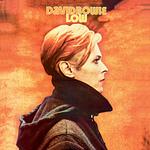
Low, released in 1977, finds David Bowie moving into a spare, electronic and ambient-influenced sound that began his Berlin-period work. Produced with Tony Visconti and featuring contributions from Brian Eno, the album splits between concise, experimental art pop and rock songs on the first side and largely instrumental, ambient and electronic pieces on the second side. Its textures combine synths, electronic treatments, fragmented vocal lines and minimalist arrangements, creating a cool, moody atmosphere that marked a notable stylistic shift in Bowie's career and influenced later blends of rock with ambient and electronic music.
#36 — Diamond Dogs by David Bowie
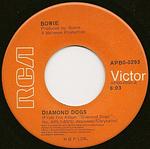
Diamond Dogs (1974) is a David Bowie album that blends glam rock and classic rock with a darker, theatrical tone, featuring raw, guitar-driven arrangements alongside moments of horn-tinged soul and funk that point toward his later stylistic shifts. The record has a loose conceptual thread of urban decay and dystopian imagery, and includes sprawling sequences such as the Sweet Thing suite and the anthemic single Rebel Rebel, marking a move away from his Ziggy Stardust stage persona toward a more fragmented, cinematic sound.
#37 — Transformer by Lou Reed
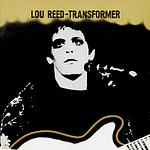
Transformer, released by Lou Reed in 1972, blends glam rock, art rock, and pop rock with a more polished production than his Velvet Underground work. Produced by David Bowie and Mick Ronson, the album pairs Reed's cool, narrative vocal style with melodic arrangements, strings, and distinctive guitar work. Songs such as "Walk on the Wild Side", "Perfect Day", and "Satellite of Love" present concise character-driven vignettes about New York life while adopting a more accessible, glam-influenced sound, making the record a key moment in Reed's solo career.
#38 — Pet Sounds by The Beach Boys
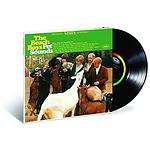
Pet Sounds is a 1966 studio album by The Beach Boys, largely written and produced by Brian Wilson. Musically it blends pop, baroque pop, psychedelic pop and rock with lush, chamber-pop influenced arrangements, inventive studio production and layered vocal harmonies. The record is notable for its introspective lyrics, unusual instrumentation and emphasis on studio experimentation that helped expand the sonic possibilities of pop music.
#39 — Physical Graffiti by Led Zeppelin
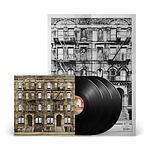
Physical Graffiti, released in 1975, is Led Zeppelin's double album that showcases a wide range of the band's styles, from hard rock and blues to folk-influenced acoustic pieces. The record combines heavy, riff-driven songs with layered production, expansive arrangements and intimate acoustic moments, highlighting Jimmy Page's production and guitar work, Robert Plant's vocals, John Paul Jones's multi-instrumental contributions and John Bonham's powerful drumming. Tracks such as Kashmir and Ten Years Gone illustrate the album's scale and textural variety while shorter bluesy and folk-derived numbers provide contrast, making it a broad statement of the band's musical range.
#40 — Beggars Banquet by The Rolling Stones
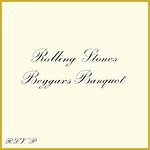
Beggars Banquet (1968) by The Rolling Stones is a roots-oriented rock album that moves away from late 1960s psychedelia toward a rawer blend of blues rock, hard-driving electric rock, and country-tinged acoustic numbers, featuring spare production, prominent guitar and slide work, and lyrical material rooted in everyday and street-level themes, marking a consolidation of the band’s classic rock identity.
#41 — The Stooges by The Stooges
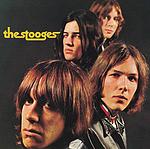
The Stooges, released in 1969, is the band’s raw debut marked by noisy, stripped-down garage rock and proto-punk aggression. It pairs repetitive, distorted guitar riffs and simple, driving rhythms with Iggy Pop’s snarling, theatrical vocals and a sparse production that emphasizes immediacy. Songs such as "I Wanna Be Your Dog", "No Fun", and "1969" capture the record’s confrontational, primal sound and its early influence on punk and harder-edged rock styles.
#42 — Exile on Main St. by The Rolling Stones
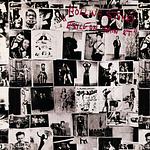
Exile on Main St. is a 1972 double album by The Rolling Stones that blends rock, blues rock, roots rock and country-inflected sounds into a loose, swampy collection of songs. Largely recorded at a villa in southern France with additional sessions in Los Angeles, the record features murky, layered production, horn and gospel-tinged backing vocals, and a raw, rootsy approach that mixes blues, country, soul and rock elements. Its sprawling sequencing and rough-edged sound mark it as a notable example of the band's early 1970s exploration of American roots music.
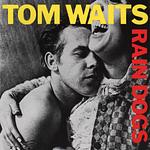
Rain Dogs, released in 1985, finds Tom Waits moving further from his earlier piano-based singer-songwriter style into a grittier, more experimental sound. The album mixes blues, rock, and Americana with off-kilter rhythms, found percussion, accordion and jagged guitar, providing a cinematic, streetwise backdrop for Waits's gravelly vocals and vivid narratives about urban outsiders. It follows Swordfishtrombones and further solidifies his turn toward theatrical, collage-like arrangements and genre-bending songwriting.
#44 — Psychocandy by The Jesus and Mary Chain
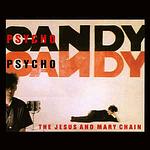
Psychocandy, the 1985 debut by The Jesus and Mary Chain, pairs 1960s pop melodies with heavy feedback, distortion, and reverb to create an early noise pop sound that helped shape later shoegaze and alternative rock. The songs often juxtapose simple, catchy hooks and a detached vocal style with dense, abrasive guitar textures and spare rhythmic backing, emphasizing atmosphere and texture over polish. Its raw production and striking contrasts between sweetness and noise made the record a distinctive influence within indie and alternative scenes.
#45 — Blonde on Blonde by Bob Dylan
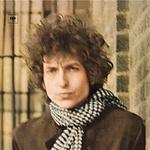
Blonde on Blonde (1966) is a sprawling double album by Bob Dylan that blends rock, folk, blues and country influences into full-band arrangements and more intimate acoustic moments. Its sound pairs loose, sometimes improvisational electric performances with dense, elliptical lyrics and distinctive vocal phrasing, moving between up-tempo rockers and long, meditative tracks. The album is notable for its ambitious scope and lyrical complexity, which helped shape popular music in the mid 1960s.
#46 — Entertainment! by Gang of Four
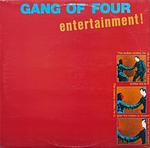
Entertainment!, the 1979 debut by Gang of Four, combines punk urgency with funk-influenced dance rhythms and art-punk angularity. The album is built on staccato, jagged guitar figures, propulsive, groove-driven bass and tight, rhythmic arrangements that favor economy and texture. Lyrically it offers direct, politically charged critiques of consumerism, interpersonal power and modern capitalism, delivered with a cool, detached vocal approach. The spare, abrasive sound and focus on rhythm and ideas helped define a strand of post-punk that fed into later dance-punk and alternative music.
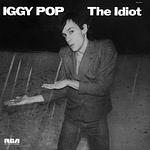
The Idiot, Iggy Pop's 1977 solo album produced and co-written in part by David Bowie, marks a shift from raw garage rock toward a darker, more measured sound that blends rock, art rock, punk energy, and early new wave elements. The record emphasizes sparse, mechanical rhythms, atmospheric synth and guitar textures, and subdued, brooding vocals, with songs like "Nightclubbing" and "China Girl" highlighting its minimalist arrangements and European electronic influences. The album is often seen as a stylistic pivot in Pop's career that contributed to the development of post-punk and new wave aesthetics.
#48 — Trans Europa Express by Kraftwerk
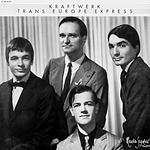
Trans-Europe Express, released in 1977 by Kraftwerk, is a landmark album of minimalist, machine-driven electronic music that helped shape late 1970s synth-based styles. It features steady, motorik-influenced rhythms, repetitive sequenced synthesizer lines, and vocoder-processed vocals that evoke themes of travel, technology, and modernity. The record's spare arrangements and emphasis on texture and groove marked a move toward fully electronic composition and influenced later electro, synth-pop, and experimental electronic artists.
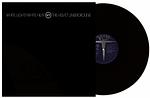
White Light/White Heat, The Velvet Underground's 1968 album, is a deliberately abrasive and experimental record that pushes the band's art rock and proto-punk tendencies into raw noise and improvisation. The production is rough and immediate, with John Cale's electric viola, distorted guitars, and Lou Reed's deadpan vocals combining on short, jagged songs and the sprawling, feedback-heavy centerpiece "Sister Ray". Lyrically the album confronts drug use, sexuality, and urban alienation with stark directness. Its abrasive sound and willingness to embrace distortion and free-form jams have made it an influential touchstone for later punk and noise rock developments.
#50 — Nebraska by Bruce Springsteen
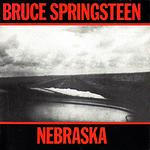
Nebraska is a stark, largely acoustic album recorded by Bruce Springsteen and released in 1982. Built from lo-fi four-track demos, it pares back the E Street Band sound to spare arrangements centered on voice, acoustic guitar and occasional harmonica or percussion, and presents dark, character-driven stories of crime, desperation and small-town America. The record represents a deliberate shift toward folk rock and Americana textures and emphasizes narrative songwriting and atmosphere over rock production.
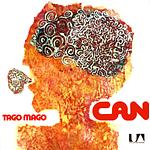
Tago Mago (1971) by Can is a key album in the krautrock and experimental rock canon that blends long-form improvisation, tape editing and early electronic textures into dense, hypnotic soundscapes. The record emphasizes repetitive, propulsive rhythms, spare organ and guitar motifs, and Damo Suzuki's improvisatory vocal contributions, producing a collage-like flow that moves between sprawling jams and shorter, fragmentary pieces. Its focus on studio experimentation, groove and atmosphere helped open rock toward more abstract and electronic approaches and has been widely cited as influential on later experimental and electronic artists.
#52 — Love It to Death by Alice Cooper
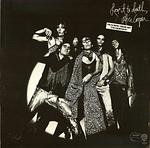
Love It to Death (1971) is Alice Cooper's album that moves the band toward a harder, guitar-driven sound blending hard rock, acid rock, glam and garage rock. Produced by Bob Ezrin and featuring the song "I'm Eighteen", the record pairs raw, riff-based arrangements and snarling vocals with a theatrical, often dark lyrical sensibility that helped define the group's shock-rock persona. Its relatively stripped production emphasizes punchy guitar and piano interplay and a direct, confrontational energy.
#53 — Give 'Em Enough Rope by The Clash
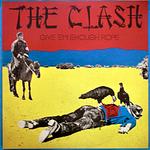
Give 'Em Enough Rope, released in 1978 by The Clash, is the band's second studio album and builds on their punk rock roots with tighter arrangements and more polished production. The record pursues a broader, more rock-oriented sound with heavier guitar work and melodic hooks while keeping politically charged and narrative lyrics. It is often noted for expanding the band's musical range beyond the raw immediacy of their debut without abandoning punk energy.
#54 — London Calling by The Clash
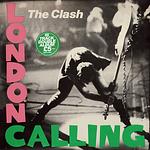
London Calling (1979) by The Clash is a double album that builds on the band’s punk roots while incorporating rockabilly, reggae, ska, new wave and straight rock. The record pairs punk’s urgency and raw guitar with melodic hooks, varied arrangements and occasional piano and horn touches, and features Joe Strummer’s often politically minded and observational lyrics. Its wide stylistic range and confrontational yet tuneful approach helped broaden the musical possibilities available to punk bands at the time.
#55 — Killer by Alice Cooper
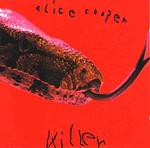
Killer is the fourth studio album by the Alice Cooper band, released in 1971. It features a raw hard rock sound that draws on glam and acid rock textures, propelled by gritty guitar riffs, driving drums, and Vincent Furnier's theatrical vocals and macabre lyrics. The album tightens the band's songwriting and production compared with earlier records and includes tracks such as "Under My Wheels", "Be My Lover", and "Dead Babies", illustrating the group's developing shock rock approach.
#56 — Ace of Spades by Motörhead
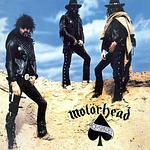
Ace of Spades, released by Motörhead in 1980, is a compact, high-energy rock album that crystallizes the band's blend of hard rock, punk attitude, and early speed metal. The record features short, aggressive songs driven by Lemmy Kilmister's gravelly vocals and heavily distorted, rhythmic bass, with fast tempos and raw production; the title track is its most enduring anthem. Its lean songwriting and relentless pace are often cited as influential on later speed and thrash metal bands.
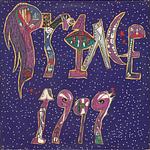
1999 is a synth-forward album that blends funk, pop, dance-pop, rock, and new wave into tightly arranged, danceable songs marked by punchy drum-machine grooves, layered synthesizers, rhythmic guitar work, and Prince's versatile vocals. The music pairs upbeat, club-ready production with darker lyrical themes about urgency and impending crisis, creating a tense party-at-the-end-of-the-world vibe. Its eclectic, genre-blurring approach helped expand Prince's sound and influenced the direction of early 1980s pop and dance music.
#58 — Eliminator by ZZ Top
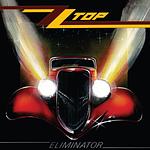
Eliminator, released in 1983 by ZZ Top, blends the band's Texas blues-rock roots with a sleeker, more synth- and groove-oriented production. The album pairs Billy Gibbons's gritty guitar riffs and vocals with tighter, more polished rhythms and synthesizer textures, producing radio-friendly, arena-ready songs such as "Gimme All Your Lovin'", "Sharp Dressed Man", and "Legs". Its streamlined sound and stylized music videos helped bring ZZ Top's aesthetic to a wider rock audience while retaining a strong blues foundation.
#59 — School's Out by Alice Cooper
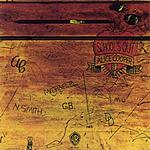
School's Out is Alice Cooper's 1972 album that blends hard rock and glam with art rock and garage rock touches, showcasing the band's theatrical, shock-rock persona. The music pairs crunchy guitar riffs and piano-driven arrangements with melodic hooks and occasional choral or orchestral accents, notably the children's chorus on the title track, creating a mix of raw energy and showmanship. The record is significant for consolidating Alice Cooper's stage-theatre approach to rock and for featuring a lead song that became central to the group's public image.
#60 — Too Much Too Soon by New York Dolls
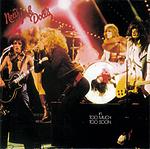
Too Much Too Soon, the New York Dolls' 1974 second album, doubles down on their raw blend of glam rock and proto-punk, trading some of the debut's studio sheen for a grittier, tougher sound rooted in rock and roll and rhythm and blues. The record emphasizes raunchy guitar work, jagged rhythms, and flamboyant vocal delivery, capturing the band's onstage swagger while leaning toward a harder rock edge that helped cement their reputation as a bridge between 1970s glam and the emerging punk movement.
#61 — Aftermath by The Rolling Stones
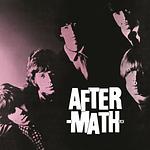
Aftermath (1966) marks the Rolling Stones' move from blues covers toward a fuller focus on original songwriting, notable as their first album comprised entirely of Jagger/Richards compositions. Musically it blends rock and blues roots with touches of folk, baroque and world-music colors, and it uses expanded instrumentation such as sitar and marimba to create distinctive textures. The record alternates riff-driven rock with quieter, more reflective moments and lyrics that probe domestic tensions and darker moods typical of the band's mid-1960s work.
#62 — Medicine Show by The Dream Syndicate
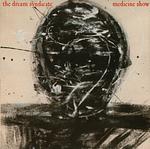
Medicine Show, The Dream Syndicate's 1984 follow-up to their debut, applies a louder, more expansive approach to their alternative rock and neo-psychedelic roots. Produced by Sandy Pearlman, the record emphasizes extended, feedback-laden guitar textures, a denser studio sound, and Steve Wynn's distinctive vocals, moving the band toward bigger arrangements and longer song structures than their earlier work.
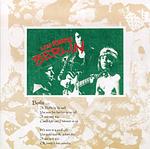
Berlin, Lou Reed's 1973 album produced by Bob Ezrin, is a dark, theatrical concept record that chronicles a troubled couple's descent into addiction, abuse, and despair. Musically it blends rock and art rock with glam and harder-edged moments, using orchestral arrangements, layered vocals, and dramatic dynamics to create a cinematic, unsettling atmosphere that contrasts with the more straightforward rock of his earlier solo work. The album's narrative focus, intense moods, and raw emotional delivery make it a distinctive and provocative work in Reed's catalogue.
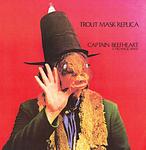
Trout Mask Replica (1969) by Captain Beefheart and His Magic Band is a dense, challenging record that fuses Delta blues foundations with avant-garde and free jazz approaches. Its arrangements feature jagged rhythms, abrupt tempo changes, dissonant horns, and raw, shouted vocals paired with surreal, collage-like lyrics, producing an abrasive and unpredictable sound. The album is often cited as a key work of experimental rock and proto-punk for its uncompromising structures and lasting influence on underground and alternative music.
#65 — The Smiths by The Smiths
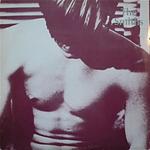
The Smiths' self-titled 1984 debut pairs Johnny Marr's chiming, jangly guitar figures and economical arrangements with Morrissey's literate, world-weary vocal delivery and wry, observational lyrics. The record blends bright, melodic guitar textures with melancholic themes, helping to crystallize a strand of British indie pop and alternative rock centered on concise songcraft and emotional ambiguity.
#66 — Fear of Music by Talking Heads
Fear of Music, released in 1979 and produced by Brian Eno, is a rhythmically driven album that blends New Wave and post-punk immediacy with art rock experimentation. The record foregrounds spare, propulsive grooves, angular guitars and David Byrne's tense, observational vocals, augmented by electronic textures and studio layering that nudged the band toward wider polyrhythmic and funk influences on subsequent recordings. Thematically the songs probe urban anxiety and fractured narrative perspectives, marking a pivotal step in the band's evolution.
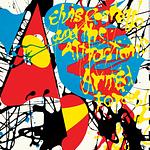
Armed Forces channels new wave energy into concise, hook-driven pop rock, pairing upbeat melodies with sharp, literate lyrics. The Attractions provide tight, punchy arrangements and prominent keyboards that give the songs a bright but restless sound, while Costello's songwriting balances personal and political themes with wry, pointed observations. The production is relatively polished and layered compared with his earliest work, producing songs that are immediate yet musically detailed.
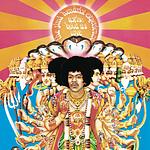
Axis: Bold as Love, released in 1967 by the Jimi Hendrix Experience, deepens the band's blend of blues rock and psychedelic experimentation with more studio-oriented textures and inventive guitar work. The album features layered and effect-driven electric guitar, melodic touches and quieter acoustic moments alongside driving rock passages, supported by the tight rhythm interplay of Mitch Mitchell and Noel Redding. It documents Hendrix moving beyond raw live energy into more varied songwriting and studio arrangements that explore mood, tone and sonic color.
#69 — Let It Bleed by The Rolling Stones
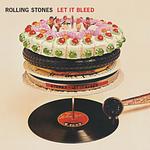
Let It Bleed is a 1969 Rolling Stones album that moves the band toward a rawer, roots-oriented sound blending blues rock, hard rock, country and gospel-tinged elements. The record balances loose, electric blues numbers with acoustic and country textures and longer, more expansive rock pieces, with songs such as "Gimme Shelter" and "You Can't Always Get What You Want" exemplifying its dramatic, often dark tone. Production favors a gritty, live-in-the-studio feel, and the songwriting reflects a more mature, unsettled mood compared with the group's earlier pop-oriented work.
#70 — Born in the U.S.A. by Bruce Springsteen
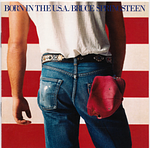
Born in the U.S.A. is Bruce Springsteen's 1984 album that blends heartland rock, pop rock, folk rock and AOR into a big, radio-ready sound. It pairs driving rock arrangements, bright synthesizer textures and prominent saxophone with anthemic, singalong choruses, while the lyrics continue Springsteen's focus on working-class life and the struggles of veterans, often juxtaposing upbeat music with stark storytelling. The overall effect is a muscular, accessible record that reinforced Springsteen's reputation for combining melodic rock with socially minded narratives.
#71 — Younger Than Yesterday by The Byrds
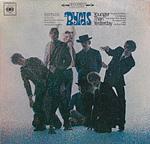
Younger Than Yesterday (1967) finds the Byrds expanding their folk rock roots into more varied pop and psychedelic territory. The record mixes the group's signature jangly 12-string guitar and tight vocal harmonies with more adventurous arrangements and songwriting, including notable tracks such as 'So You Want to Be a Rock 'n' Roll Star', 'My Back Pages', and 'Have You Seen Her Face'. Chris Hillman's songwriting contributions increased and David Crosby's experimental tendencies are audible on several songs, giving the album a balance of concise pop songs and psychedelic touches that pointed toward the band's later work.
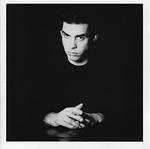
The Firstborn Is Dead is an early Nick Cave & the Bad Seeds album that shifts the band’s post-punk intensity into a raw, blues-rooted sound. It blends Delta blues references and Southern Gothic themes with punk blues and alternative rock textures, pairing Cave’s deep, narrative vocals with spare, often eerie arrangements featuring piano, guitar, and atmospherics. The album is notable for its fascination with American myth and imagery and for furthering the band’s exploration of blues traditions within a darker, cinematic songwriting approach.
#73 — Disraeli Gears by Cream
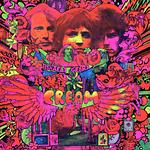
Disraeli Gears (1967) by Cream mixes blues rock and early hard rock with psychedelic touches, bringing more studio color and compact songcraft to the trio format. Eric Clapton's guitar tones and riff-driven playing sit alongside Jack Bruce's melodic bass and vocals and Ginger Baker's dynamic drumming, combining blues roots with psychedelic textures and tighter, radio-friendly arrangements that contrast with the band's longer live jams.
#74 — New York Dolls by New York Dolls
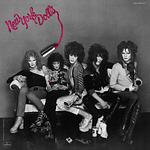
New York Dolls, the band's 1973 debut, delivers a raw, raucous fusion of glam theatrics and hard rock grit with clear proto-punk urgency. The record mixes distorted, riff-driven guitars and driving rhythms with sleazy, R&B-tinged rock and roll and theatrical, sneering vocals, producing a loose, streetwise sound that stood apart from more polished mainstream rock. Its rough-edged aesthetic and brash attitude is widely regarded as an important precursor to the punk movement and a touchstone for later punk and alternative artists.
#75 — Radios Appear by Radio Birdman
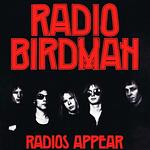
Radios Appear, released in 1977 by Radio Birdman, captures a raw, high-energy blend of punk attitude and hard rock muscle with clear roots in Detroit proto-punk. The album is built around abrasive, propulsive guitars, urgent rhythms, and a snarling vocal delivery, aiming to reproduce the intensity of the band's live shows in a studio setting. Its rough production and relentless momentum helped define an influential sound in the Australian underground rock scene and signaled a direct alternative to contemporary mainstream rock.
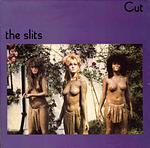
Cut, the 1979 debut by The Slits, blends post-punk immediacy with reggae and dub-influenced rhythms, pairing jagged, angular guitars and spare, propulsive bass with loose, improvisatory song structures. Ari Up's raw, expressive vocals and the band's off-kilter arrangements give the album a confrontational yet playful quality, while producer Dennis Bovell's use of echo and space brings a dub-informed production that foregrounds rhythm and texture. The result is an experimental, genre-melding record that helped expand the sonic possibilities of post-punk and art punk.
#77 — Live! by Bob Marley & The Wailers
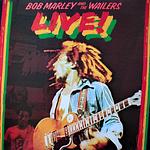
Live! is a 1975 concert album by Bob Marley & The Wailers that captures a London performance from their mid 1970s period. The record presents their roots reggae sound in a live context, with a driving rhythm section, melodic organ and guitar accents, and Marley's impassioned vocals backed by the I-Threes. It features extended, relaxed renditions of several songs from that era, including the live version of "No Woman No Cry," and conveys the communal energy and improvisational feel of their stage shows.
#78 — Natty Dread by Bob Marley & The Wailers
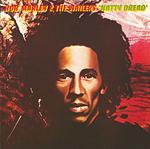
Natty Dread (1974) is a roots reggae album by Bob Marley & The Wailers that marks the group’s transition after the departures of Peter Tosh and Bunny Wailer. The sound emphasizes deep, syncopated bass and drums, interlocking guitar and organ rhythms, and Marley's characteristic vocals and songwriting; lyrical themes mix personal reflection, Rastafarian faith, and social commentary, with tracks such as No Woman, No Cry and Lively Up Yourself exemplifying the album’s intimate yet politically aware roots reggae style.
#79 — This Nation's Saving Grace by The Fall
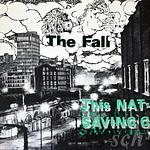
This Nation's Saving Grace, released in 1985 by The Fall, captures the band's post-punk approach with terse, driving rhythms, jagged guitar work and Mark E. Smith's caustic spoken-sung vocals. The addition of guitarist Brix Smith brought sharper melodic hooks that sit alongside repetitive, angular basslines and propulsive drum patterns, producing a leaner, more direct sound than some of their earlier records. The album stands as a key statement in the band's mid 1980s output, balancing abrasive textures with tighter songcraft.
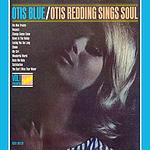
Otis Blue / Otis Redding Sings Soul (1965) captures Otis Redding at the height of his Stax period, blending deep soul, blues, and R&B with a raw Southern soul intensity. Backed by the Stax house musicians, including Booker T. & the M.G.'s and a tight horn section, the album pairs impassioned originals and contemporary covers, from heartfelt slow balladry to gritty up-tempo performances. Redding's rough-hewn, urgent vocals and dynamic arrangements give the record a live, immediate feel that helped define his sound and influenced soul music in the 1960s.
#81 — Dare by The Human League
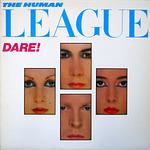
Released in 1981, Dare is The Human League's polished synthpop album that moved the band toward a more pop-oriented, vocal-led sound. Featuring crisp electronic percussion and layered synthesizers, it pairs Philip Oakey's baritone with the prominent female singers Susan Ann Sulley and Joanne Catherall to create hook-driven songs such as "Don't You Want Me". The record blends New Wave and New Romantic textures with dance-pop rhythms and straightforward pop songwriting, and is closely associated with the early 1980s mainstream synth-driven pop sound.
#82 — Setting Sons by The Jam
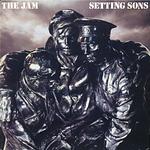
Setting Sons, released in 1979 by The Jam, finds Paul Weller consolidating the band’s mod revival and new wave impulses into concise, melodic rock. The album pairs punchy, guitar-driven arrangements and a tight rhythmic foundation from Bruce Foxton and Rick Buckler with lyrics that move between social observation and personal reflection, showing a more mature songwriting approach than earlier records. Its blend of pop and power pop hooks with sharp mod guitar tones helped define the band’s evolving sound.
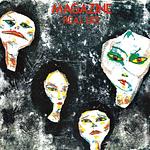
Real Life is Magazine's 1978 debut album that helped define early post-punk, pairing angular guitar and a tight, propulsive rhythm section with prominent, melodic keyboards and Howard Devoto's detached, literate vocal delivery. The record blends punk energy with art rock and new wave textures, favoring concise but sophisticated song structures, jagged rhythms, and a cool, studio-polished sound that marked a clear stylistic departure from straightforward punk approaches.
#84 — Astral Weeks by Van Morrison
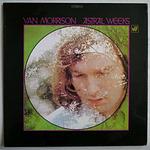
Astral Weeks, released in 1968, finds Van Morrison melding folk, jazz, blues and soul into a series of long, flowing songs built on loose, improvisational performances. The arrangements foreground acoustic guitar, upright bass and subtle percussion with occasional strings and woodwinds, producing a chamberfolk atmosphere that complements Morrison's stream-of-consciousness vocals and poetic lyrics. The album is often regarded as a distinctive, genre-blurring turning point in his work for its intimate, contemplative mood and unconventional song structures.
#85 — Strange Days by The Doors
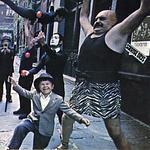
Strange Days is the Doors' second studio album from 1967, expanding their organ-driven rock into darker, more theatrical and psychedelic territory. The record blends blues rock roots with acid and psychedelic textures, featuring Jim Morrison's stagewise, poetic vocals over Ray Manzarek's swirling keyboards, Robby Krieger's lyrical guitar work, and rhythmic shifts that range from compact songs to extended, atmospheric pieces. Tracks such as "People Are Strange," "Love Me Two Times," and the sprawling "When the Music's Over" showcase the band's interest in mood, studio effects, and dramatic lyrical imagery, marking a deeper exploration of sound and concept compared with their debut.
#86 — All Mod Cons by The Jam
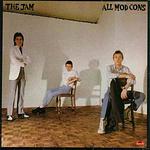
All Mod Cons is The Jam's 1978 album that crystallizes their blend of punchy rock, mod revival aesthetics, and melodic power pop. The record pairs Paul Weller's concise, socially aware songwriting with a tight three piece sound that balances punk-era urgency and 1960s mod influence, moving the band toward more developed melodies and arrangements. Notable for its economical production and tracks like "Down in the Tube Station at Midnight" and the wistful acoustic "English Rose", the album is often cited as a key moment in the Jam's transition from raw youth band to sharper, more focused songwriting voice.
#87 — Metal Box by Public Image Ltd
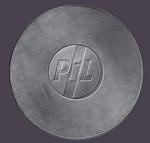
Metal Box, released in 1979 by Public Image Ltd, is a stark, experimental post-punk album that fuses deep dub-derived bass and studio effects with jagged guitar fragments and spare, often hypnotic song structures. Centered on Jah Wobble's low-end grooves, Keith Levene's metallic textures and John Lydon's idiosyncratic vocals, the record emphasizes space, repetition and abrasive ambient touches rather than conventional rock arrangements. Originally issued in a metal film canister, the album is notable for its unconventional production and packaging and for expanding the sonic possibilities of late 1970s post-punk.
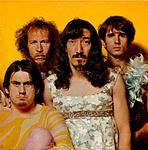
We’re Only in It for the Money (1968) by The Mothers of Invention is a satirical concept album led by Frank Zappa that critiques 1960s counterculture and pop music by using parody, sharp lyrics and collage techniques. Musically it blends rock foundations with orchestral touches, doo-wop pastiche, tape collage, musique concrète and studio-manipulated electronic effects, producing abrupt shifts, dissonant arrangements and a deliberately confrontational, experimental sound.
#89 — Generation X by Generation X
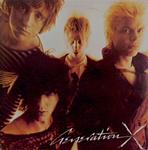
Generation X is the 1978 self-titled debut by the British band Generation X, presenting a blend of punk rock urgency and pop-minded hooks that pointed toward new wave. The album features short, guitar-driven songs with melodic choruses and Billy Idol's snarling vocal delivery, supported by driving bass lines and angular guitar work. Lyrically it centers on youth, rebellion, and urban life, and the record is often heard as an early example of punk moving toward more accessible songcraft while retaining a raw energy.
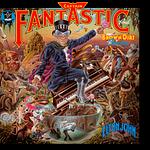
Captain Fantastic and the Brown Dirt Cowboy (1975) is an autobiographical concept album by Elton John with lyrics by Bernie Taupin. Musically it blends piano-led pop rock and soft rock with rich arrangements and orchestral touches, featuring narrative, reflective songwriting that traces the pair's early years in music and life. The record is noted for its cohesive theme and for showcasing Elton John's melodic piano work alongside Taupin's storytelling lyrics.
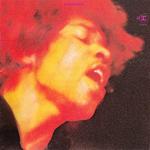
Electric Ladyland, the third studio album by The Jimi Hendrix Experience from 1968, expands Hendrix's palette into dense, studio-driven arrangements that blend blues rock, psychedelic textures, acid rock and hard rock. The record juxtaposes extended, improvisatory jams with concise blues and rock performances, using layered guitar overdubs, stereo effects and studio experimentation, and includes guest contributions that enrich the sound. Highlights include Hendrix's interpretations of "All Along the Watchtower" and the electrifying "Voodoo Child (Slight Return)", which showcase the album's mix of raw performance and studio craft.
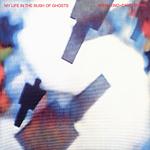
My Life in the Bush of Ghosts (1981) is a collaborative record by Brian Eno and David Byrne that melds art rock, ambient and experimental electronic approaches into a collage of found sounds, sampled voices and layered rhythms. The album pairs treated field recordings and looped vocal fragments with propulsive percussion and ambient studio processing to create oblique, cinematic soundscapes that reference global rhythmic sources without straightforward worldbeat imitation. It is notable for its early use of tape sampling and montage techniques to integrate spoken-word material and vocal improvisations into song-like structures, generating a persistent tension between pop forms and experimental collage.
#93 — Billion Dollar Babies by Alice Cooper
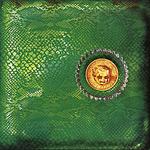
Billion Dollar Babies (1973) by Alice Cooper pairs hard rock and glam sensibilities with the band's theatrical shock-rock approach, produced by Bob Ezrin. The record balances punchy, guitar-driven rockers and more atmospheric, psychedelic-tinged passages, with lyrics that often satirize fame, excess, and American show business, reinforcing the band’s macabre stage persona and cinematic songcraft.
#94 — Even Serpents Shine by The Only Ones
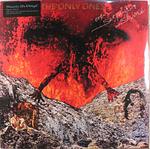
Even Serpents Shine is the Only Ones' 1979 second album that builds on their mix of punk rawness and melodic power pop, combining Peter Perrett's world-weary, literate songwriting and distinctive vocal delivery with John Perry's chiming and lead guitar work. The record balances punchy rockers and moodier, more reflective songs, showing a more textured and melodic approach than their earlier material while retaining an undercurrent of punk urgency.
#95 — The River by Bruce Springsteen
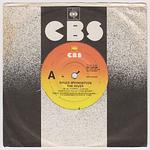
The River is a double album by Bruce Springsteen that blends heartland rock with folk and roots influences, alternating raucous, sax- and guitar-driven anthems with quieter, narrative ballads. Lyrically it centers on working-class life, love, and the burdens of adulthood, and the expanded arrangements showcase a wider emotional and sonic range for Springsteen and the E Street Band, making the album a key, expansive statement in his catalog.
#96 — Saturn Strip by Alan Vega
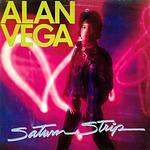
Saturn Strip is Alan Vega’s 1983 solo album that shifts his work toward a more polished synth-pop and rock sound while keeping the confrontational edge of his earlier material. The record pairs pulsing electronic rhythms and glossy synthesizer textures with concise, pop-leaning song structures, and Vega’s raw, detached vocal delivery gives the tracks a tense, nocturnal feel. Compared with his work in Suicide, this album emphasizes accessible melodies and sharper production without losing the album’s unsettling, urban atmosphere.
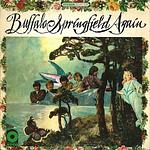
Buffalo Springfield Again, the group's 1967 second album, expands their folk rock foundation into elements of country rock and psychedelia. It pairs concise, socially aware songs like "For What It's Worth" with rougher electric tracks such as "Mr. Soul", country-tinged acoustic work like "Bluebird", and the orchestral pop of "Expecting to Fly". The record highlights the contrasting songwriting and guitar interplay of Stephen Stills and Neil Young, layered vocal harmonies, and varied arrangements that helped define late 1960s Los Angeles rock.
#98 — Movies by Holger Czukay
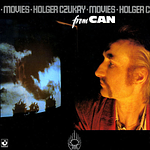
Movies, released in 1979, is Holger Czukay's solo record that blends electronic experimentation, art rock and krautrock into a series of short, collage-like pieces. The album emphasizes tape editing, found sounds and radio sampling alongside sparse rock rhythms, producing fragmented vignettes that move between ambient textures and rhythmic grooves. It illustrates Czukay's studio-as-instrument approach and his post-Can interest in sampling and sonic montage rather than conventional songcraft.
#99 — The Piper at the Gates of Dawn by Pink Floyd
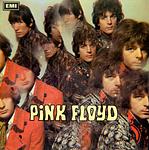
The Piper at the Gates of Dawn, Pink Floyd's 1967 debut, is a formative psychedelic rock record driven by Syd Barrett's idiosyncratic songwriting, playful lyrics, and inventive guitar work. Its sound combines whimsical melodies with experimental studio techniques, tape effects, prominent organ, and spacey guitar textures that point toward space rock and experimental rock. The album captures the band's early London psychedelia and Barrett's shaping influence on their initial musical direction before his departure.
#100 — Highway to Hell by AC/DC
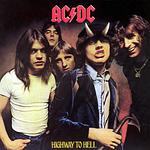
Highway to Hell, released in 1979, is an AC/DC album that blends hard rock and blues-rock into concise, riff-driven songs suited to large venues. The record pairs Angus Young's crunchy, energetic lead guitar with Malcolm Young's steady rhythm work and a punchy rhythm section, while Bon Scott delivers gritty, charismatic vocals; producer Mutt Lange brought cleaner, more focused production and an emphasis on vocal hooks and arrangements. The title track and other high-energy songs showcase the band's straightforward, anthem-ready approach, and it is the last studio album to feature Bon Scott before his death.