 The Greatest Music
The 200 Best Albums of the 1960s
Weight: 39%
How much this list influences our overall rankings. Higher weight means more reliable data.
Penalties Applied:
Pitchfork’s The 200 Best Albums of the 1960s (Aug. 22, 2017) is a staff-built ranking designed to capture the decade’s full musical upheaval—rock’s reinvention, the sophistication of Motown and soul, jazz’s rapid evolution, and the era’s expanding global and experimental frontiers (including early electronic and Tropicália). The list was compiled from votes by more than 50 Pitchfork staffers and contributors, and it favors albums that didn’t just define the ’60s, but rewired what popular music could be. At the top: The Velvet Underground & Nico, Pet Sounds, and A Love Supreme.
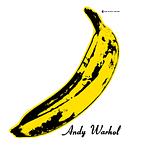
The Velvet Underground & Nico (1967) blends art rock, experimental and garage influences, pairing Lou Reed's stark songwriting and vocals with John Cale's abrasive viola and drone textures, Sterling Morrison's guitar and Maureen Tucker's spare percussion. Nico supplies detached lead vocals on a few tracks. The record mixes concise pop melodies with feedback, distortion and candid lyrics about urban life, sex and drug use, creating a raw, intimate sound that helped shape later art rock, punk and alternative music. Produced with Andy Warhol's involvement and notable for its banana cover, the album is distinguished by its experimental production and unconventional subject matter.
#2 — Pet Sounds by The Beach Boys
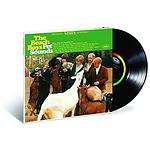
Pet Sounds is a 1966 studio album by The Beach Boys, largely written and produced by Brian Wilson. Musically it blends pop, baroque pop, psychedelic pop and rock with lush, chamber-pop influenced arrangements, inventive studio production and layered vocal harmonies. The record is notable for its introspective lyrics, unusual instrumentation and emphasis on studio experimentation that helped expand the sonic possibilities of pop music.
#3 — A Love Supreme by John Coltrane
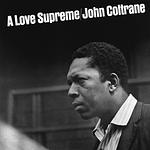
A Love Supreme is a four-part suite recorded by John Coltrane's classic quartet and released in 1965. The music combines modal and post-bop language with a devotional, intense approach, built around a persistent four-note motif and sustained improvisation that showcases Coltrane's tenor saxophone alongside McCoy Tyner's harmonically rich piano, Elvin Jones's propulsive drumming, and Jimmy Garrison's anchoring bass. The album is widely regarded as a defining statement of spiritual jazz and a turning point toward more exploratory, devotional directions in Coltrane's work.
#4 — The Beatles by The Beatles
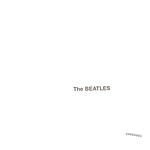
The Beatles, commonly known as the White Album, is a 1968 double album that captures the group's broad stylistic range across rock, pop, pop rock, experimental and hard rock. It moves between pared-back acoustic songs and concise pop tunes, heavier electric rockers and collage-like studio experiments, with a rawer, more immediate production and distinct individual songwriting voices. The minimalist white packaging complements the record's eclectic, personal character.
#5 — Wild Is the Wind by Nina Simone
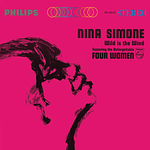
Wild Is the Wind, released in 1966 by Nina Simone, blends jazz and soul jazz with elements of folk and blues. The album centers on Simone's piano-led arrangements and distinctive, theatrical vocals, moving between intimate ballads and more rhythmically driven tracks. Sparse instrumental settings and occasional orchestral touches emphasize the emotional intensity of her interpretations, and the title song exemplifies the album's mix of restraint and dramatic expression that showcases Simone's genre-crossing artistry.
#6 — Blonde on Blonde by Bob Dylan
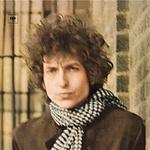
Blonde on Blonde (1966) is a sprawling double album by Bob Dylan that blends rock, folk, blues and country influences into full-band arrangements and more intimate acoustic moments. Its sound pairs loose, sometimes improvisational electric performances with dense, elliptical lyrics and distinctive vocal phrasing, moving between up-tempo rockers and long, meditative tracks. The album is notable for its ambitious scope and lyrical complexity, which helped shape popular music in the mid 1960s.
#7 — Live at the Apollo, 1962 by James Brown
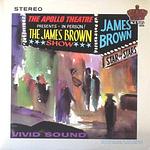
Live at the Apollo, 1962 captures James Brown's raw stage energy and tight band interplay, blending soul, deep soul, R&B and early funk elements. The recording emphasizes call-and-response vocals, punchy horn arrangements, driving rhythms and extended live passages that showcase Brown's showmanship and the band's rhythmic precision. The sound favors immediacy and dynamic range over studio polish, presenting immersive, intense performances typical of his concerts at the time.
#8 — Revolver by The Beatles
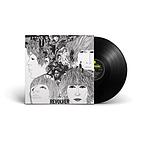
Revolver (1966) finds The Beatles shifting from straightforward pop toward more studio-focused, experimental songwriting and arrangements. Musically it blends rock and pop with psychedelic textures and elements drawn from classical and Indian music, featuring tight vocal harmonies, sharp electric guitar work, string arrangements on songs such as "Eleanor Rigby", George Harrison's sitar on "Love You To", and the tape-loop, drone-driven production of "Tomorrow Never Knows". The album is notable for its inventive studio techniques, varied song forms, and concise production that broadened the sonic palette of popular music recording.
#9 — In a Silent Way by Miles Davis
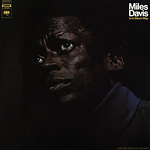
In a Silent Way, recorded and released in 1969, marks Miles Davis's shift toward electric instruments and extended, atmospheric forms. The music pairs Davis's muted, lyrical trumpet with electric piano, organ, and guitar over modal vamps and understated grooves, and the two long, seamlessly edited pieces were assembled in the studio to create a continuous, meditative flow. A loose ensemble including Wayne Shorter, Herbie Hancock, Chick Corea, Joe Zawinul, John McLaughlin, Dave Holland, and Tony Williams contributes sustained textures and restrained interplay, while producer Teo Macero's tape editing plays a clear role in the album's shape. The result is an understated, ambient-leaning statement often cited as an early landmark on the path toward jazz fusion and more open improvisational forms.
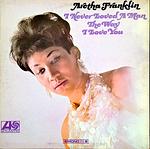
I Never Loved a Man the Way I Love You is Aretha Franklin's 1967 Atlantic breakthrough that crystallized her gospel-rooted, deeply soulful sound. Produced by Jerry Wexler and shaped by sessions at Muscle Shoals and in New York, the album blends Southern soul grooves, church-influenced vocals, and punchy horn and piano arrangements to create a raw, emotionally direct record. It includes the title track and her interpretation of Otis Redding's "Respect", and helped establish the vocal style and repertoire she became known for.
#11 — Songs of Leonard Cohen by Leonard Cohen
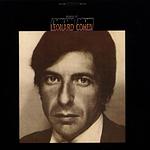
Songs of Leonard Cohen, released in 1967 as Cohen's debut album, introduces his deep, husky voice and literate songwriting within a folk-rooted framework. The record pairs spare acoustic arrangements with occasional chamber folk touches such as strings and restrained orchestration, supporting songs like "Suzanne", "So Long, Marianne", and "Sisters of Mercy". Its focus on poetic lyrics and themes of love, faith, and solitude, delivered in an intimate, understated sonic palette, established Cohen as a distinctive contemporary folk songwriter.
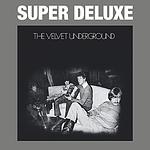
The Velvet Underground (1969) marks a turn toward quieter, more melodic arrangements that foreground Lou Reed's songwriting and introspective lyrics. Blending art rock and folk rock textures with restrained rock instrumentation, the album pares back the harsher experimental noise of earlier work in favor of cleaner production, intimate vocals, and lingering minor key melodies that still retain a proto-punk directness. Its sound is characterized by spare arrangements, close instrumental interplay, and a contemplative mood that expanded the band's sonic range.
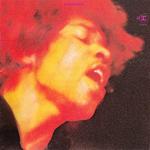
Electric Ladyland, the third studio album by The Jimi Hendrix Experience from 1968, expands Hendrix's palette into dense, studio-driven arrangements that blend blues rock, psychedelic textures, acid rock and hard rock. The record juxtaposes extended, improvisatory jams with concise blues and rock performances, using layered guitar overdubs, stereo effects and studio experimentation, and includes guest contributions that enrich the sound. Highlights include Hendrix's interpretations of "All Along the Watchtower" and the electrifying "Voodoo Child (Slight Return)", which showcase the album's mix of raw performance and studio craft.
#14 — Highway 61 Revisited by Bob Dylan
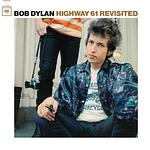
Highway 61 Revisited, released in 1965 by Bob Dylan, marks a decisive shift from acoustic folk toward a fuller electric rock and blues rock sound. The album combines conversational, often surreal lyrics with band arrangements that feature electric guitar, piano and organ, moving between propulsive, riff-driven tracks and slower, blues-inflected numbers. Its songs expand folk storytelling into longer, more free-associative forms and place literary, image-rich writing into a rock context, making the record a notable turning point in Dylan's work and 1960s popular music.
#15 — Out to Lunch! by Eric Dolphy
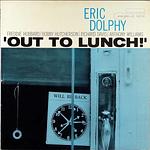
Out to Lunch! is Eric Dolphy's 1964 Blue Note album that pushes hard bop into avant-garde territory with tightly arranged yet adventurous compositions. Dolphy's alto saxophone, bass clarinet, and flute are heard against Freddie Hubbard's trumpet, Bobby Hutcherson's vibraphone, Richard Davis's bass, and Tony Williams's drums, and the music is notable for wide intervallic leaps, unconventional time feels, abrupt textural shifts, and a balance of written material and free improvisation. The record highlights Dolphy's distinctive timbres and exploratory approach to harmony and rhythm and is widely regarded as a defining example of 1960s exploratory jazz.
#16 — Abbey Road by The Beatles
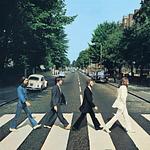
Abbey Road, recorded in 1969, finds the Beatles blending rock, pop, and traces of psychedelia into a polished, studio-focused sound marked by layered vocal harmonies, inventive arrangements, and early use of the Moog synthesizer. The album balances standalone tracks such as 'Come Together', 'Something', and 'Here Comes the Sun' with a continuous side two medley that stitches shorter pieces into a cohesive suite, reflecting the band's late-period emphasis on production and songcraft. Its warm production, melodic variety, and structural ambition make it a notable culminating statement in the Beatles' studio work.
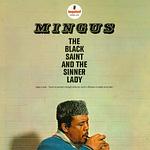
The Black Saint and the Sinner Lady (1963) is an extended suite by bassist-composer Charles Mingus that blends hard bop intensity, Third Stream orchestration and avant-garde jazz impulses. Mingus combines tightly arranged ensemble passages and chamber-like colors with improvisational solos, shifting between muscular brass statements, lyrical string-inflected textures and rhythms that recall Latin and flamenco influences. The album is notable for its ambitious compositional scope, dramatic contrasts and the way it foregrounds narrative and emotional development within a large-jazz-ensemble setting.
#18 — Let It Bleed by The Rolling Stones
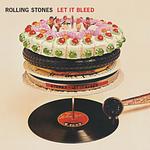
Let It Bleed is a 1969 Rolling Stones album that moves the band toward a rawer, roots-oriented sound blending blues rock, hard rock, country and gospel-tinged elements. The record balances loose, electric blues numbers with acoustic and country textures and longer, more expansive rock pieces, with songs such as "Gimme Shelter" and "You Can't Always Get What You Want" exemplifying its dramatic, often dark tone. Production favors a gritty, live-in-the-studio feel, and the songwriting reflects a more mature, unsettled mood compared with the group's earlier pop-oriented work.
#19 — Dusty in Memphis by Dusty Springfield
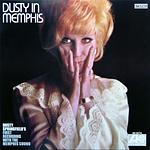
Dusty in Memphis, released in 1969, pairs Dusty Springfield's supple, emotive voice with Memphis-rooted soul arrangements to create a pop-soul record that leans into blue-eyed soul and classic Southern rhythm and blues. The album combines intimate, torch-like ballads and punchier soul grooves, using warm horn and string textures alongside a restrained rhythm section, and includes the single "Son of a Preacher Man." Its sound highlights Springfield's ability to move between pop phrasing and raw soul feeling, and it is often cited as a key example of cross-Atlantic soul-pop collaboration.
#20 — The Stooges by The Stooges
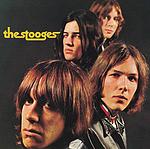
The Stooges, released in 1969, is the band’s raw debut marked by noisy, stripped-down garage rock and proto-punk aggression. It pairs repetitive, distorted guitar riffs and simple, driving rhythms with Iggy Pop’s snarling, theatrical vocals and a sparse production that emphasizes immediacy. Songs such as "I Wanna Be Your Dog", "No Fun", and "1969" capture the record’s confrontational, primal sound and its early influence on punk and harder-edged rock styles.
#21 — Pastel Blues by Nina Simone
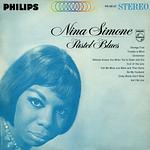
Pastel Blues, recorded and released in 1965, finds Nina Simone blending blues, jazz, vocal jazz and soul across a program that shifts between spare, piano-led ballads and raw, rhythmic performances. Simone's deep, expressive voice and distinctive piano work anchor the record, with arrangements that move from string-accompanied torch songs to percussion-driven takes on spiritual and folk material. The album is notable for its emotional intensity and for the extended, urgent rendition of "Sinnerman", while the title track and other selections underscore Simone's ability to reshape blues and jazz forms into dramatic, personal statements.
#22 — Where Did Our Love Go by The Supremes
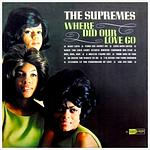
Where Did Our Love Go (1964) is an early Supremes album that showcases a polished Motown pop soul sound with roots in doo-wop and mainstream pop. The record highlights Diana Ross's light, conversational lead vocals supported by Mary Wilson and Florence Ballard's close harmonies, with tight arrangements, bright orchestration, and rhythmic drive typical of Motown production. Its mix of upbeat singles and smoother ballads helped shape the group's signature sound and illustrated the pop-oriented direction of 1960s soul music.
#23 — Hot Buttered Soul by Isaac Hayes
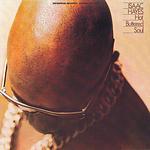
Hot Buttered Soul (1969) is Isaac Hayes's expansive soul album notable for its lengthy, slow-burning arrangements that blend orchestral strings, lush horn charts, deep funk rhythms and Hayes's baritone voice. It reworks pop and soul songs into extended, cinematic tracks with dramatic instrumental passages, warm electric piano and rhythmic grooves that emphasize mood and space over conventional single-length formats. The album broadened the palette and pacing of soul music, pointing toward elements of funk, jazz-funk and later orchestral dance styles while showcasing a more orchestral, album-oriented approach to R&B.
#24 — Astral Weeks by Van Morrison
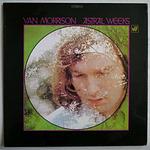
Astral Weeks, released in 1968, finds Van Morrison melding folk, jazz, blues and soul into a series of long, flowing songs built on loose, improvisational performances. The arrangements foreground acoustic guitar, upright bass and subtle percussion with occasional strings and woodwinds, producing a chamberfolk atmosphere that complements Morrison's stream-of-consciousness vocals and poetic lyrics. The album is often regarded as a distinctive, genre-blurring turning point in his work for its intimate, contemplative mood and unconventional song structures.
#25 — Stand! by Sly & the Family Stone
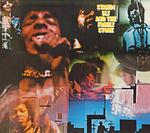
Stand! is a 1969 album by Sly & the Family Stone that fuses funk, soul and psychedelic rock into propulsive, rhythm-driven grooves and vibrant horn and keyboard textures. The band’s layered vocal harmonies, syncopated rhythms and pointed, inclusive lyrics balance danceable arrangements with experimental studio touches, reflecting a cross-genre approach that helped define their sound in the late 1960s.
White Light/White Heat, The Velvet Underground's 1968 album, is a deliberately abrasive and experimental record that pushes the band's art rock and proto-punk tendencies into raw noise and improvisation. The production is rough and immediate, with John Cale's electric viola, distorted guitars, and Lou Reed's deadpan vocals combining on short, jagged songs and the sprawling, feedback-heavy centerpiece "Sister Ray". Lyrically the album confronts drug use, sexuality, and urban alienation with stark directness. Its abrasive sound and willingness to embrace distortion and free-form jams have made it an influential touchstone for later punk and noise rock developments.
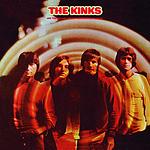
The Kinks Are the Village Green Preservation Society (1968) is a Ray Davies-led album that blends pop rock and baroque pop with touches of psychedelic pop, built around concise, character-driven songs about English small-town life and memory. Musically it favors acoustic guitar, piano, tight vocal harmonies, and occasional string or woodwind colors, creating a pastoral, intimate sound and a focus on vignettes rather than rock excess. Its emphasis on nostalgia, everyday characters, and chamber-pop arrangements marks a distinct turn in the Kinks' songwriting and has informed later British artists exploring similar themes.
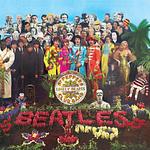
Sgt. Pepper's Lonely Hearts Club Band is a 1967 Beatles album that blends rock, psychedelic rock, baroque pop and pop with extensive studio experimentation. It features layered production, orchestral arrangements, unusual instrumentation and song sequencing that create a loose concept-album feel, and includes tracks such as "Lucy in the Sky with Diamonds", "Eleanor Rigby", "With a Little Help from My Friends" and "A Day in the Life". The album is often described as a milestone in popular music for its ambitious production and its expansion of pop and rock sounds.
#29 — Lady Soul by Aretha Franklin
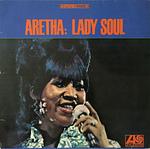
Lady Soul (1968) captures Aretha Franklin in the fertile late 1960s Atlantic period, showcasing her gospel-rooted, deeply expressive voice across material that blends soul, Southern soul, blues, and classic R&B. The record pairs her commanding vocals and piano with tight rhythm and horn arrangements, moving between punchy, groove-driven numbers and tender, intimate ballads. Its raw emotional intensity and authoritative phrasing helped define a model of deep soul singing that influenced many later vocalists.
#30 — Spiritual Unity by Albert Ayler Trio
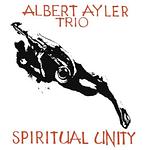
Spiritual Unity is a 1965 album by the Albert Ayler Trio that presents Ayler's raw, tenor saxophone-led improvisations supported by the elastic, time-free interplay of bassist Gary Peacock and drummer Sunny Murray. The music foregrounds simple, hymnlike or folk-derived motifs that are stretched into intense, collective improvisations with wide vibrato and a raw tonal edge rather than conventional harmony. Its sparse trio setting and uncompromising sound are often cited as an influential statement in the development of free jazz and avant garde saxophone playing.
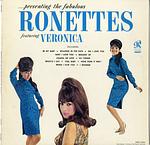
Presenting the Fabulous Ronettes Featuring Veronica, issued in 1964, collects the Ronettes' Phil Spector-produced recordings and showcases his Wall of Sound approach with dense orchestral arrangements and heavy use of echo on the rhythms. Ronnie Spector's emotive lead is supported by tight girl-group harmonies and Brill Building pop songwriting, blending elements of pop, pop rock, pop soul, and baroque pop. Tracks like "Be My Baby" exemplify the record's dramatic, large-scale pop production and memorable vocal hooks.
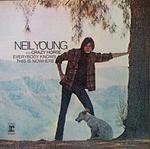
Everybody Knows This Is Nowhere (1969) is Neil Young's second studio album and his first with Crazy Horse. Musically it pairs Young's folk and country-rooted songwriting with raw, guitar-driven rock from Crazy Horse, featuring extended, distorted electric jams alongside quieter acoustic moments. The record helped establish recurring elements of Young's sound such as ragged, feedback-tinged guitar work and direct, often spare lyrics, and includes notable tracks like "Cinnamon Girl", "Down by the River", and "Cowgirl in the Sand".
#33 — Forever Changes by Love
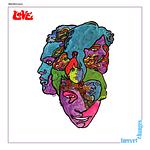
Forever Changes (1967) by Love blends folk rock, baroque pop, and subtle psychedelia into concise, orchestral-tinged songs. Arthur Lee's introspective and often unsettling lyrics sit against intricate acoustic guitar work and horn and string arrangements, creating a warm but melancholic chamber-pop sound that stands out in late 1960s American rock.
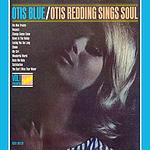
Otis Blue / Otis Redding Sings Soul (1965) captures Otis Redding at the height of his Stax period, blending deep soul, blues, and R&B with a raw Southern soul intensity. Backed by the Stax house musicians, including Booker T. & the M.G.'s and a tight horn section, the album pairs impassioned originals and contemporary covers, from heartfelt slow balladry to gritty up-tempo performances. Redding's rough-hewn, urgent vocals and dynamic arrangements give the record a live, immediate feel that helped define his sound and influenced soul music in the 1960s.
#35 — Beggars Banquet by The Rolling Stones
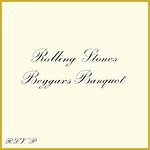
Beggars Banquet (1968) by The Rolling Stones is a roots-oriented rock album that moves away from late 1960s psychedelia toward a rawer blend of blues rock, hard-driving electric rock, and country-tinged acoustic numbers, featuring spare production, prominent guitar and slide work, and lyrical material rooted in everyday and street-level themes, marking a consolidation of the band’s classic rock identity.
#36 — Giant Steps by John Coltrane
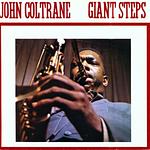
John Coltrane's 1960 album Giant Steps captures his move beyond hard bop into a modern post-bop and modal idiom, centered on the title composition's rapid harmonic cycle that came to be known as Coltrane changes. The record pairs technically demanding, high-speed improvisation with more lyrical material such as Naima, balancing dense chordal movement and moments of modal spaciousness. Its combination of harmonic experimentation and virtuosic ensemble playing marks a pivotal moment in Coltrane's artistic development and in the evolution of jazz harmony.
#37 — Led Zeppelin II by Led Zeppelin
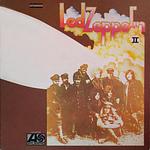
Led Zeppelin II, released in 1969, expands the band's debut into a heavier, riff-driven sound rooted in electric blues and early hard rock. The album emphasizes powerful blues-influenced guitar riffs, thunderous drums, and Robert Plant's high-register vocals, with studio production that uses bold panning, overdubs, and distortion to create dense, energetic arrangements. It blends reworkings of blues material with original compositions to showcase the group's fusion of traditional blues forms and a louder, more aggressive rock approach that helped shape subsequent hard rock and blues rock styles.
#38 — Bringing It All Back Home by Bob Dylan
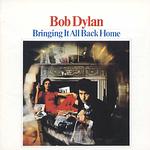
Bringing It All Back Home (1965) marks Bob Dylan's shift from solo acoustic folk toward electric folk rock, with one side backed by a full band and the other featuring solo acoustic performances. The record blends rock instrumentation and harmonica with poetic, often surreal lyrics on songs such as Subterranean Homesick Blues, Maggie's Farm and Mr. Tambourine Man, and is often cited as a pivotal step in his move toward rock-oriented songwriting.
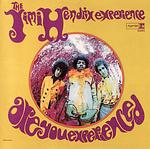
Are You Experienced is the debut album by the Jimi Hendrix Experience, released in 1967. It blends blues rock, psychedelic and acid rock with early hard rock, centered on Hendrix's inventive electric guitar playing and striking studio experimentation such as feedback, wah-wah textures, reversed tape effects, and layered overdubs. The record features concise originals and covers that range from fiery, riff-driven songs to atmospheric balladry, and is widely regarded as a landmark in guitar-led psychedelic rock.
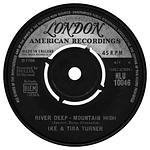
River Deep - Mountain High (1966) by Ike & Tina Turner is anchored by the Phil Spector produced title track, which showcases his Wall of Sound orchestration behind Tina Turner's intense, soulful vocals. The album mixes Brill Building style pop songwriting with raw soul and pop soul performances, supported by Ike Turner's tight, rhythmic band and punchy horn and rhythm arrangements. Overall it pairs dramatic studio production with the gritty energy of R&B and early funk influences, highlighting Tina Turner's commanding vocal presence.
#41 — In C by Terry Riley
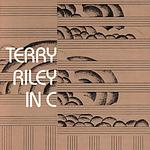
This album presents Terry Riley's seminal minimalist composition In C, built from 53 short melodic fragments in the key of C that performers repeat and overlap against a steady pulse. The resulting sound is rhythmic and meditative, with interlocking patterns and shifting harmonies emerging from ensemble interplay; because the score leaves tempo and repetition open, different performances vary in instrumentation and duration, giving the piece a process-driven, improvisatory feel. The work's open form and emphasis on gradual change have been influential in the development of minimalism and experimental classical music.
#42 — Chelsea Girl by Nico
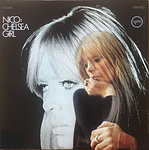
Chelsea Girl is Nico's 1967 debut solo album. It blends folk rock, baroque pop and art rock with lo-fi, chamber-like arrangements that often feature flutes, strings and acoustic guitar beneath her low, detached vocal. Much of the material came from contemporaries in the New York scene, producing a melancholic, cinematic mood that contrasts austere singing with ornate backing. The record stands as her first major statement after working with the Velvet Underground and Andy Warhol and is frequently noted for its unusual production and stark atmosphere.
#43 — Sketches of Spain by Miles Davis
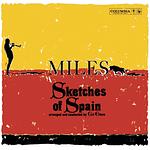
Sketches of Spain (1960) is a collaboration between trumpeter Miles Davis and arranger Gil Evans that blends jazz improvisation with orchestral arrangements and Spanish musical themes. It features a reworking of Joaquín Rodrigo's Concierto de Aranjuez alongside original pieces that draw on flamenco and folk motifs, using modal harmonic frameworks, muted and lyrical trumpet lines, and rich brass and woodwind textures. The album exemplifies Third Stream approaches and cool and modal jazz tendencies by integrating soloist spontaneity with carefully scored, atmospheric ensemble writing.
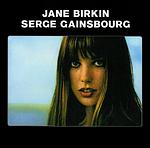
Jane Birkin & Serge Gainsbourg (1969) is a collaborative album that pairs Birkin's intimate, breathy vocal style with Gainsbourg's chanson-informed pop songwriting and baroque pop arrangements. The music mixes pop and rock elements with chamber-pop textures, often featuring string- and piano-led orchestration and pared-back, atmospheric production. The record is notable for its focus on intimate, sometimes provocative lyrics and for crystallizing the artistic partnership between Birkin and Gainsbourg.
#45 — Scott 4 by Scott Walker
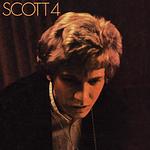
Scott 4, released in 1969, finds Scott Walker moving deeper into baroque pop and orchestral art pop with somber, literate songwriting and lush chamber-pop arrangements. The record foregrounds Walker's deep, expressive baritone against dense strings and brass while exploring introspective and enigmatic themes, representing a deliberate shift away from mainstream pop toward a darker, more idiosyncratic solo direction that anticipated his later experimental work.
#46 — Rubber Soul by The Beatles
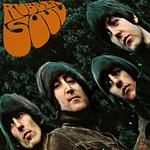
Rubber Soul (1965) finds The Beatles blending rock and pop with folk rock and British rhythm and blues influences, moving toward more acoustic textures, layered vocal harmonies, and varied instrumentation. The album emphasizes more introspective songwriting and features notable touches such as the sitar on Norwegian Wood, alongside tighter ensemble playing and increased studio experimentation. Its cohesive sound and stylistic breadth mark a shift toward album-focused artistry while retaining strong melodic hooks.
#47 — Odessey and Oracle by The Zombies
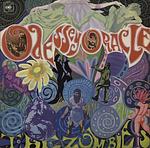
Odessey and Oracle, released in 1968 by The Zombies, is a compact album that blends baroque pop, rock, and psychedelic pop. It is characterized by ornate keyboard textures, close vocal harmonies, and melodically rich, reflective songwriting, combining chamber-pop arrangements with concise pop-rock hooks; notable tracks include "Time of the Season." The record is widely regarded for its sophisticated arrangements and bittersweet mood and has become a touchstone for listeners interested in 1960s baroque-influenced pop.
#48 — Monster Movie by Can
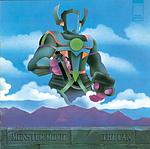
Monster Movie, released in 1969, is Can's debut album featuring vocalist Malcolm Mooney and the core lineup of Holger Czukay, Irmin Schmidt, Michael Karoli and Jaki Liebezeit. The record blends psychedelic rock and avant garde experimentation with long, improvisation-based grooves, repetitive, propulsive rhythms and tape-editing studio techniques, yielding a raw, hypnotic sound that helped shape early krautrock and the band's signature emphasis on texture and collective interplay.
#49 — Leader Of The Pack by The Shangri‐Las
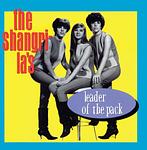
Leader of the Pack is an album by the Shangri-Las that showcases their tough, melodramatic brand of mid-1960s pop and pop rock. The songs emphasize narrative ballads and emotive, sometimes gritty vocal performances set against pop rock arrangements with occasional blues-tinged touches, giving the record a theatrical, streetwise sound that helped define the group's identity.
#50 — Kick Out the Jams by MC5
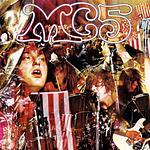
Kick Out the Jams is the 1969 debut live album by MC5, recorded at Detroit's Grande Ballroom. It captures the band's raw, high-energy fusion of garage rock and hard rock with extended, noisy jams and aggressive, shouted vocals that helped lay groundwork for proto-punk. The performances emphasize distorted guitars, driving rhythms, and a confrontational stage presence, making the record an influential snapshot of late 1960s underground rock.
#51 — Os Mutantes by Os Mutantes
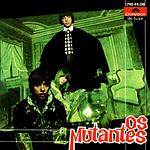
Os Mutantes (1968), the debut album by the Brazilian band Os Mutantes, is an early touchstone of Tropicália and Brazilian psychedelic rock that blends electric guitars and studio experimentation with local rhythms and melodic pop. The record is notable for its playful vocal harmonies, inventive arrangements, frequent use of effects and abrupt shifts in mood, combining traditional songcraft with avant garde touches. It introduced the band’s distinctive, eclectic sound and helped shape the aesthetic of late 1960s Brazilian rock.
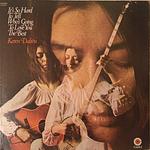
It's So Hard to Tell Who's Going to Love You the Best is Karen Dalton's 1969 debut, offering sparse, blues-inflected folk and country blues interpretations carried by her distinctive, haunting voice. The arrangements are intimate and acoustic, often centered on Dalton's guitar and banjo, and the performances emphasize plaintive phrasing and a raw emotional directness. The album reframes traditional and contemporary songs through a melancholy, bluesy lens and has long been appreciated for its unadorned, powerful mood.
#53 — Karma by Pharoah Sanders
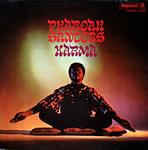
Karma, recorded by Pharoah Sanders in 1969, is a landmark of spiritual jazz that fuses avant-garde free-jazz energy with modal grooves, ritualized percussion, and devotional vocal elements. The album features the extended suite "The Creator Has a Master Plan", pairing Sanders's intense, overblown tenor lines with Leon Thomas's distinctive vocalizations and a spacious ensemble that moves between fiery free improvisation and meditative passages. Its sound emphasizes sustained tones, dense textures, and a questing, transcendental mood, and it is regarded as a key statement in the spiritual jazz movement.
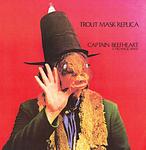
Trout Mask Replica (1969) by Captain Beefheart and His Magic Band is a dense, challenging record that fuses Delta blues foundations with avant-garde and free jazz approaches. Its arrangements feature jagged rhythms, abrupt tempo changes, dissonant horns, and raw, shouted vocals paired with surreal, collage-like lyrics, producing an abrasive and unpredictable sound. The album is often cited as a key work of experimental rock and proto-punk for its uncompromising structures and lasting influence on underground and alternative music.
#55 — The Freewheelin' Bob Dylan by Bob Dylan
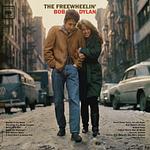
The Freewheelin' Bob Dylan, released in 1963 as Bob Dylan's second studio album, helped define his early voice in the 1960s folk revival. The record is built around sparse acoustic guitar and harmonica accompaniment and mixes traditional material with originals such as "Blowin' in the Wind", "A Hard Rain's a-Gonna Fall", "Masters of War", and "Don't Think Twice, It's All Right". Its songwriting foregrounds topical, poetic lyrics and draws on folk and blues influences within a contemporary folk framework.
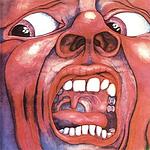
In the Court of the Crimson King is an early progressive rock album that blends heavy rock, jazz inflections, and classical textures into extended, dramatic compositions. The sound features Robert Fripp's angular guitar, Ian McDonald's Mellotron and woodwinds, and Greg Lake's resonant vocals, with tracks like "21st Century Schizoid Man" and the multi-part title piece emphasizing shifting time signatures, dense arrangements, and a dark, theatrical mood. The record is widely regarded as a foundational work in the development of progressive rock and is notable for its emphasis on atmosphere and compositional ambition.
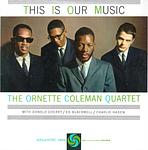
This Is Our Music (1961) captures Ornette Coleman's quartet developing the free jazz language through concise melodies and open, collective improvisation. The album juxtaposes singable themes with loose, harmolodic group interplay that foregrounds melodic freedom over conventional chord changes, and it balances lyricism and angular phrasing while the rhythm section supports shifting time feels rather than fixed harmonic progressions. Its sound is direct and immediate, emphasizing conversational exchanges between Coleman's alto and the ensemble and marking a significant moment in the early avant garde jazz movement.
#58 — At Folsom Prison by Johnny Cash
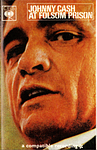
At Folsom Prison is a 1968 live album by Johnny Cash, recorded at Folsom State Prison. The performance features Cash's deep baritone and a spare backing band, blending traditional country, rockabilly and gritty country rock arrangements. The set presents hard-edged renditions of songs about crime, punishment and redemption, with direct audience interaction and ambient prison crowd sounds that give the recording an immediate, raw feel. The album helped reinforce Cash's outlaw persona and brought a tougher, more rock‑inflected sensibility into mainstream country.
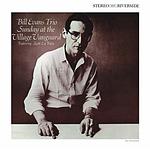
Sunday at the Village Vanguard is a live 1961 recording by the Bill Evans Trio, featuring Bill Evans on piano, Scott LaFaro on bass and Paul Motian on drums. The music blends cool jazz lyricism with post-bop harmonic depth and is distinguished by unusually conversational group interplay, close listening, and LaFaro's melodic, agile bass lines that often function as a counterpoint to Evans's piano. Captured in an intimate club setting and recorded shortly before LaFaro's death, the session is regarded as a landmark in the evolution of the modern jazz piano trio.
#60 — Live/Dead by Grateful Dead
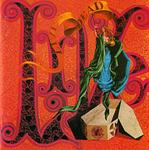
Live/Dead, released in 1969, is the Grateful Dead's first official live album and a landmark document of their late 1960s improvisational sound. It captures long, exploratory psychedelic rock performances that blend folk and blues roots with extended guitar and organ interplay, exemplified by sprawling renditions of "Dark Star" and the raucous "Turn On Your Lovelight." The record emphasizes live dynamics and improvisation over concise studio arrangements, showcasing the band’s approach to collective, real-time musical exploration.
#61 — Five Leaves Left by Nick Drake
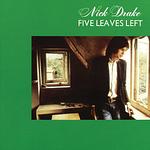
Five Leaves Left, Nick Drake's 1969 debut, pairs his intricate acoustic fingerpicking and hushed, melancholic vocals with restrained string and brass arrangements by Robert Kirby. The album blends English folk and chamber folk sensibilities with intimate singer-songwriter songwriting, emphasizing pastoral imagery, introspective lyrics, and subtle harmonic nuance. Its quiet, atmospheric production and focus on mood and texture helped establish it as an influential touchstone for later contemporary folk and British folk rock artists.
#62 — At Last! by Etta James
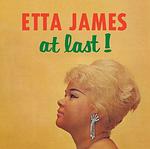
At Last! is Etta James's 1960 debut album that blends blues, R and B, and soul into a set of heartfelt ballads and more driving rhythm numbers. The record highlights her powerful, expressive voice across torch songs and Southern Soul-tinged performances, pairing intimate vocal delivery with orchestral and band arrangements. It includes the now closely associated rendition of the title track, and is often cited as a defining release in her early career.
#63 — New York Tendaberry by Laura Nyro
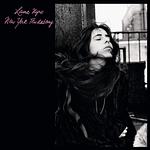
New York Tendaberry (1969) finds Laura Nyro deepening the piano-led, genre-blending approach of her earlier records, mixing folk rock, pop, soul, and jazz into a series of intimate, theatrical songs. The arrangements move between close-miked, raw piano-and-voice moments and richer orchestral or chamber textures, while Nyro's idiosyncratic harmonies, shifting rhythms, and impassioned vocal delivery create a moodier, more intense atmosphere. The album is regarded as a distinctive statement of her songwriting voice and compositional ambition.
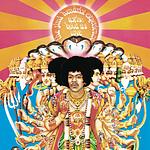
Axis: Bold as Love, released in 1967 by the Jimi Hendrix Experience, deepens the band's blend of blues rock and psychedelic experimentation with more studio-oriented textures and inventive guitar work. The album features layered and effect-driven electric guitar, melodic touches and quieter acoustic moments alongside driving rock passages, supported by the tight rhythm interplay of Mitch Mitchell and Noel Redding. It documents Hendrix moving beyond raw live energy into more varied songwriting and studio arrangements that explore mood, tone and sonic color.
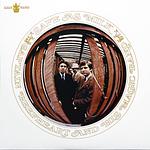
Safe as Milk is the 1967 debut album by Captain Beefheart and His Magic Band, combining blues-rooted songwriting with psychedelic textures and off-kilter, idiosyncratic vocals. The record pairs raw electric guitar and harmonica with unconventional arrangements and lyrical oddities, signaling a move away from straightforward blues rock toward more experimental, proto-alternative approaches that the group would develop further in later releases.
#66 — Illuminations by Buffy Sainte‐Marie
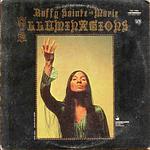
Illuminations (1969) finds Buffy Sainte-Marie blending folk and folk rock songwriting with avant-garde and electronic approaches, pairing her direct vocal delivery and acoustic elements with Moog synthesizer, tape effects, and unconventional arrangements. The album shifts between intimate, lyric-driven songs and dense, experimental soundscapes, emphasizing texture and atmosphere alongside melody. Its production and use of early electronic techniques mark it as a distinctive entry in late 1960s folk and experimental music.
#67 — Solo Monk by Thelonious Monk
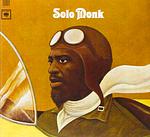
Solo Monk is a 1965 solo piano album by Thelonious Monk that showcases his distinctive, idiosyncratic approach to melody, harmony, and rhythm. Performed without accompaniment, the performances emphasize a percussive touch, unexpected dissonances, rhythmic displacement, and the use of space, offering concise reinterpretations of both standards and Monk compositions. The album functions as a clear document of his solo piano voice in the mid 1960s, highlighting his harmonic inventiveness and timing.
#68 — Bookends by Simon & Garfunkel
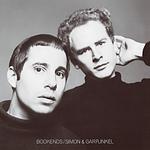
Bookends (1968) by Simon & Garfunkel blends acoustic folk foundations with pop and rock elements, centered on Paul Simon's songwriting and Art Garfunkel's high vocal harmonies. The album pairs short, vignette-style songs with fuller, orchestrated arrangements and includes a recurring Bookends theme that frames reflections on youth, memory, and aging. Production balances spare guitar and piano textures with subtle studio touches and occasional orchestral color, creating a mix of intimate folk moments and more polished pop-oriented tracks that helped define the duo's mature sound.
#69 — The Who Sell Out by The Who
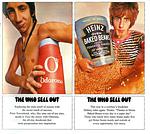
The Who Sell Out is a 1967 concept album by The Who that mimics a pirate radio broadcast, weaving short faux commercials and jingles into a sequence of songs that blend mod energy, pop rock hooks, psychedelic pop color, and art pop experimentation. Pete Townshend's songwriting and production provide a through line, with bold arrangements and studio touches supporting melodic tunes and moments of raw rock intensity, while Roger Daltrey's vocals and Keith Moon's dynamic drumming help anchor the performances. The record is often noted for its playful satire of consumer culture and its inventive use of pop forms within a unified, tongue in cheek concept.
#70 — Songs From a Room by Leonard Cohen
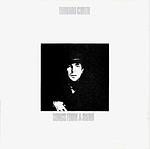
Songs From a Room, Leonard Cohen's 1969 second album, is a spare, intimate record that pares back production to foreground his low, conversational baritone and acoustic guitar. The arrangements mix folk and blues with occasional touches of orchestral color that suggest baroque pop while keeping a restrained, often stark sound. Lyrically it continues Cohen's literate, melancholic meditations on love, loss and faith, and the album features enduring performances of songs such as "Bird on the Wire" and a stark rendition of "The Partisan." The overall effect is reflective and atmospheric, emphasizing voice and phrasing over ornamentation.
#71 — Ain't That Good News by Sam Cooke
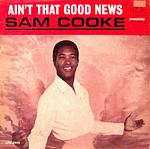
Ain't That Good News, released in 1964, showcases Sam Cooke's blend of gospel-rooted vocal delivery and polished pop soul production. The album moves between upbeat, gospel-inflected numbers and more introspective material, pairing energetic horns and rhythm sections with string arrangements and close vocal harmonies; Cooke's smooth, expressive lead voice unifies the set. Its mix of secular and spiritual themes and its emphasis on emotional directness illustrate the crossover sound that made Cooke a key figure in soul music.
#72 — Led Zeppelin by Led Zeppelin
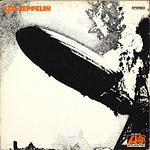
Led Zeppelin's 1969 debut is a raw, blues-rooted hard rock album that introduced the band's heavy, riff-driven sound. It combines electrified blues interpretations and original compositions with acoustic interludes, showcasing Jimmy Page's layered guitar production, Robert Plant's expressive vocals, John Paul Jones's versatile arrangements, and John Bonham's powerful drumming. The record's emphasis on distorted guitar tones, dynamic shifts and extended arrangements helped establish a blueprint for much of late 1960s and 1970s hard rock and early heavy metal.
#73 — Clouds by Joni Mitchell
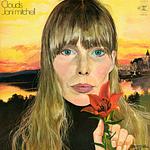
Clouds (1969) is Joni Mitchell's second album, blending folk, folk pop, and touches of folk rock in intimate arrangements centered on her acoustic guitar and voice, with occasional piano and subtle orchestral color. The songs are lyrically rich and introspective, exemplified by "Both Sides, Now" and "Chelsea Morning", and show her evolving harmonic and narrative approach as she moved from conventional folk into a more personal, contemporary folk-pop idiom.
The Transfiguration of Blind Joe Death is a 1965 solo guitar album by John Fahey that showcases his idiosyncratic fingerstyle approach, blending traditional folk and blues forms with ragtime, classical motifs and occasional avant garde touches. Fahey's spare, resonant acoustic tone, open tunings and extended instrumental pieces emphasize mood and narrative rather than conventional song structures, and the record is associated with his mythic persona and influence on progressive folk and the American primitive guitar tradition.
#75 — Sweet and Dandy by Toots & The Maytals
Sweet and Dandy (1968) by Toots & The Maytals pairs Toots Hibbert's gritty, gospel-tinged lead vocals with the tight rhythms of ska, the smoother tempos of rocksteady, and early reggae grooves. The record features punchy horn and organ lines, harmonized backing vocals, and a mix of upbeat dance numbers and more soulful, melodic songs that reflect the group's transition between Jamaican popular styles in the late 1960s.
#77 — Silver Apples by Silver Apples
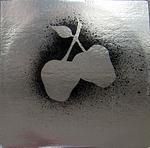
Silver Apples is the 1968 debut by the duo Silver Apples, built around Simeon's homemade oscillators and live drums. Its sound mixes raw electronic tones, repetitive percussive grooves, and haunting, chantlike vocals to produce a hypnotic, minimalist blend of electronic, psychedelic, and experimental rock. The album is notable as an early exploration of loop-based and oscillator-driven textures within a rock context.
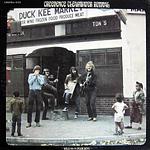
Willy and the Poor Boys (1969) presents Creedence Clearwater Revival's compact, roots-oriented rock, blending blues, country, and Southern-flavored swamp rhythms into concise, direct songs. John Fogerty's songwriting and vocals steer a tight band sound of churning guitars, rollicking piano, and steady rhythm that ranges from lively, singalong numbers like "Down on the Corner" to more pointed, socially minded tracks such as "Fortunate Son"; the record also mixes original tunes with folk and blues covers arranged in a stripped-down, live-feeling style that helped define CCR's Americana-tinged approach.
#79 — Caetano Veloso by Caetano Veloso
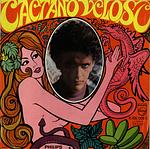
Caetano Veloso (1968) is an early solo statement that blends MPB and bossa nova with pop rock and psychedelic pop influences. The record moves between intimate acoustic textures and brighter electric arrangements, pairing Caetano's expressive, conversational vocals and poetic lyrics with melodic and rhythmic elements drawn from Brazilian popular traditions. It is commonly associated with the Tropicália moment for its deliberate mixing of local styles and international pop-psychedelic sounds.
#80 — Kontakte by Karlheinz Stockhausen
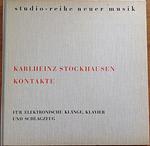
Kontakte is a 1958-60 work by Karlheinz Stockhausen that exists in both an electronic-only version and a version combining taped electronic sounds with live piano and percussion. The piece is notable for its meticulous tape editing and electronic synthesis, its focus on transforming timbre and rhythm, and its experiments in spatializing sound to create the impression of movement around the listener. Textures range from isolated percussive events to sustained electronic tones, and the composition exemplifies Stockhausen's mid-century interest in treating pitch, duration, dynamics, and timbre as integrated musical parameters.
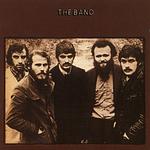
The Band (1969) is a roots-oriented album that blends rock, country, folk, and R&B into close ensemble performances and earthy, acoustic-leaning arrangements. Its character-driven storytelling, distinctive lead vocals from Levon Helm and Richard Manuel, concise songwriting from Robbie Robertson, and textured organ and sax work create a warm, timeless sound that helped shape roots rock and Americana.
#82 — Maiden Voyage by Herbie Hancock
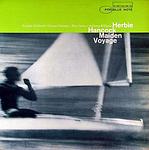
Maiden Voyage (1965) is a Herbie Hancock album built around modal compositions and a water-inspired concept, blending hard bop drive with impressionistic harmony and open, spacious textures. The five-track set features Hancock's lyrical, harmonically rich piano voicings supported by a rhythm section of Ron Carter and Tony Williams and brass and saxophone from Freddie Hubbard and George Coleman, with an emphasis on collective interplay, modal vamps, and shifting rhythmic colors. Notable for its evocative melodies and sophisticated harmonic palette, the album is a key post-bop/modal jazz statement from Hancock's Blue Note period.
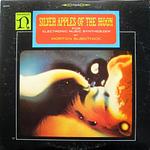
Silver Apples of the Moon (1967) by Morton Subotnick is a two-part electronic composition created on a Buchla modular synthesizer. Its sound emphasizes sculpted, abstract electronic timbres, shifting rhythmic impulses, and studio-shaped gestures rather than conventional melody, placing it at the intersection of electronic, experimental, and modern classical practice. Noted as an early work conceived specifically for the recorded medium, it is often cited for its influence on subsequent approaches to synthesis and studio composition.
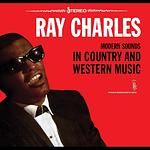
Modern Sounds in Country and Western Music (1962) finds Ray Charles reinterpreting country songs through a soul and big band lens, pairing gospel-inflected vocals with lush strings, brass, and rhythm arrangements. The record blends country songwriting with pop, jazz, and rhythm and blues elements to create a country soul sound that crosses traditional genre boundaries. Its notable characteristic is the fusion of straightforward country material with sophisticated orchestration and Charles's expressive delivery.
#85 — Sweetheart of the Rodeo by The Byrds
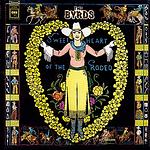
Sweetheart of the Rodeo is The Byrds' 1968 album that shifts the group's sound toward country rock, blending folk rock songwriting and rock rhythms with country instrumentation such as pedal steel and acoustic arrangements. Gram Parsons' involvement steered the record toward traditional country material and roots-flavored originals, delivered with close harmonies and a simpler, more direct production than the band's earlier psychedelic work, with songs like "Hickory Wind" exemplifying the album's tone. The record is widely regarded as an early and influential example of the country rock and Americana crossover.
#86 — United by Marvin Gaye, Tammi Terrell
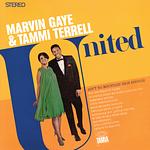
United is the 1967 duet album by Marvin Gaye and Tammi Terrell rooted in pop soul and Motown soul. The record features close vocal interplay between Gaye's smooth baritone and Terrell's bright lead, with arrangements that mix upbeat, rhythmic tracks and softer romantic ballads. The sound uses orchestral touches, tight backing vocals, and catchy hooks typical of mid 1960s Motown duets, and it helped define the duo's partnership in that era.
#87 — Nancy & Lee by Nancy Sinatra, Lee Hazlewood
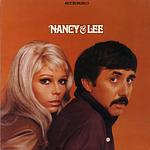
Nancy & Lee is a 1968 collaboration between Nancy Sinatra and Lee Hazlewood that blends baroque pop, easy listening, and touches of jazz into a cinematic late 1960s pop sound. The album contrasts Hazlewood's low, conversational baritone with Sinatra's breathy, intimate delivery over lush, often orchestral arrangements and spare, atmospheric production, producing duets that trade between sultry storytelling and melancholic detachment. Its distinctive vocal interplay and dramatic, lounge-tinged arrangements distinguish the record within both artists' catalogs.
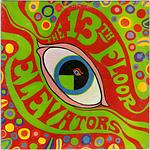
The Psychedelic Sounds of the 13th Floor Elevators is the 1966 debut by the Texas band 13th Floor Elevators. It mixes garage rock grit and fuzzy guitars with extended, acid-tinged arrangements, notable for Roky Erickson's raw vocals and the band's unusual electric jug that adds a distinctive, oscillating texture. The album is often cited as an early and influential example of American psychedelic rock, combining stripped-down energy with experimental studio touches.
#89 — Cloud Nine by The Temptations
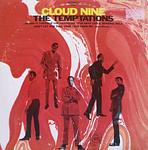
Cloud Nine (1969) marks The Temptations' move into psychedelic soul under producer Norman Whitfield, blending their vocal harmonies with funkier, more percussive arrangements and studio experimentation. The album emphasizes driving rhythms, wah-wah guitar textures, prominent bass and layered ensemble and lead vocals, steering the group away from the smoother Motown ballad sound toward grittier, socially aware and groove-oriented material.
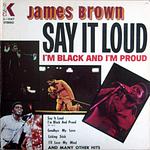
Say It Loud: I'm Black and I'm Proud (1969) is an album by James Brown that blends funk, soul, R&B and blues with deep funk grooves. The title track is a politically charged anthem reflecting Black pride and social consciousness of the late 1960s. Musically it features Brown's rhythmic focus, tight horn stabs, percussive guitar and call and response vocal phrasing, producing raw, danceable arrangements with a stripped-down emphasis on groove compared with his earlier soul records. The album is representative of Brown's transition into a harder-edged funk sound and the more confrontational musical stance he took in that period.
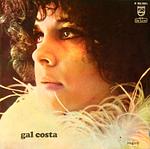
Gal Costa (1969) is a self-titled album that sits at the crossroads of MPB, Tropicália-era experimentation, and psychedelic rock. It pairs Gal Costa's flexible, expressive voice with arrangements that mix Brazilian rhythmic and melodic elements with electric instrumentation and studio effects, producing an adventurous, avant-garde sound that reflects the late 1960s push to expand popular music vocabulary in Brazil.
#93 — Song Cycle by Van Dyke Parks
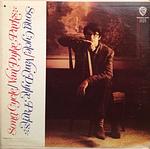
Song Cycle is Van Dyke Parks's 1968 solo album that blends baroque pop, folk rock and experimental pop with elaborate orchestral arrangements and unconventional song structures. Parks pairs pastoral, Americana-inflected lyrics and dense wordplay with instrumentations drawn from classical, music hall and ragtime traditions, creating a collage-like, often theatrical sound that pushes at pop conventions. The album is notable for its literate, eccentric approach and for the adventurous production that helped define an idiosyncratic strand of late 1960s baroque and experimental pop.
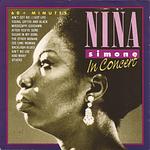
#94 — In Concert by Nina Simone
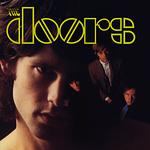
The Doors is the band's 1967 debut album that introduced their distinctive mix of psychedelic rock, blues rock, and acid-tinged atmospherics. Ray Manzarek's prominent electric organ and Jim Morrison's deep, poetic vocals shape a moody, nocturnal sound, while Robby Krieger's guitar and the rhythm section move between driving grooves and sparse blues. The record balances concise rock singles such as 'Break On Through' and 'Light My Fire' with extended, cinematic pieces like 'The End', blending improvisation, literary lyrics, and a darker, theater-influenced sensibility that helped define the band's early identity.
#96 — Howlin' Wolf by Howlin' Wolf
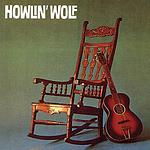
Howlin' Wolf is a self-titled album that captures the raw power of Chicago electric blues, centered on Howlin' Wolf's deep, guttural vocals and commanding presence. The recordings emphasize gritty, small-group arrangements with prominent electric guitar, harmonica, and a steady rhythm section, conveying a primal, unvarnished sound that influenced later rock and blues artists. As a document of his style, the album showcases his forceful delivery and the tense, driving grooves associated with mid 20th century Chicago blues.
#97 — Randy Newman by Randy Newman
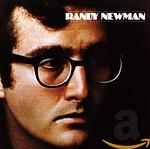
Randy Newman is the artist's self titled debut album, a piano centered singer songwriter record that pairs melancholic ballads and wry, character driven lyrics with lush orchestral pop arrangements. It introduces Newman’s blend of Americana and Tin Pan Alley melodic sensibility alongside ironic, narrative songwriting and helped establish the satirical character pieces he would return to throughout his career.
#98 — Aftermath by The Rolling Stones
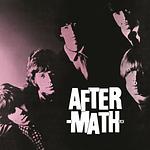
Aftermath (1966) marks the Rolling Stones' move from blues covers toward a fuller focus on original songwriting, notable as their first album comprised entirely of Jagger/Richards compositions. Musically it blends rock and blues roots with touches of folk, baroque and world-music colors, and it uses expanded instrumentation such as sitar and marimba to create distinctive textures. The record alternates riff-driven rock with quieter, more reflective moments and lyrics that probe domestic tensions and darker moods typical of the band's mid-1960s work.
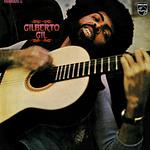
#99 — Gilberto Gil by Gilberto Gil
#100 — The Heliocentric Worlds of Sun Ra by Sun Ra
The Heliocentric Worlds of Sun Ra is an avant-garde jazz album that emphasizes free improvisation, dissonant horn textures and space-themed compositions. The recordings blend tightly arranged ensemble passages with open, often abrasive improvisation, prominent percussion and electronic keyboards to create dense, unpredictable soundscapes. It exemplifies Sun Ra's experimental direction and his exploration of cosmic themes within a jazz context.