 The Greatest Music
The 100 Best Albums of All Time
Weight: 90%
How much this list influences our overall rankings. Higher weight means more reliable data.
Penalties Applied:
Hot Press is a long-running Irish music and current affairs magazine (founded in 1977, based in Dublin). In its 1989 annual Hot Press Yearbook—an industry-focused “Who’s Who” directory—it published “The Top 100 Albums of All Time,” a canon-style ranking topped by U2’s The Joshua Tree and Bob Dylan’s Blood on the Tracks. Available references describe the list as being voted on by a panel of 95 Irish music business and media figures.
#1 — The Joshua Tree by U2
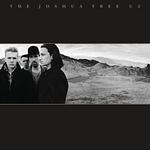
The Joshua Tree, released in 1987 by U2, refines the band’s post-punk roots into a widescreen rock sound that blends atmospheric, delay-heavy guitar work with blues, gospel and American roots influences. Produced by Brian Eno and Daniel Lanois, the album favors sparse, spacious arrangements that highlight The Edge’s chiming textures and Bono’s expressive vocals while exploring themes of faith, politics and the American landscape. Tracks move between spare balladry and driving, anthemic rock, and the record is noted for its cinematic production and lyrical focus on searching and spirituality.
#2 — Blood on the Tracks by Bob Dylan
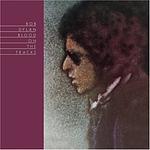
Blood on the Tracks, released in 1975, is an intimate, lyrically driven album that blends Dylan's folk rock roots with elements of blues and country rock. The songs are narrative and confessional, centering on relationships and emotional turmoil, delivered through spare acoustic arrangements with occasional fuller band backing. The record is characterized by direct, conversational vocals, rich storytelling, and a live, immediate studio feel that emphasizes songwriting and emotional clarity.
#3 — Sign "☮︎" the Times by Prince
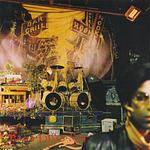
Sign o' the Times, released in 1987, is a sprawling double album by Prince that blends funk, contemporary R&B, pop rock, rock, and soul. The record moves between sparse electronic textures and drum machines and fuller guitar and horn arrangements, pairing intimate ballads with upbeat funk-pop tracks; it includes the title track "Sign o' the Times", "U Got the Look", "I Could Never Take the Place of Your Man", and "If I Was Your Girlfriend". Lyrically and sonically diverse, the album mixes personal themes about relationships with broader social commentary and represents a particularly experimental and wide-ranging phase in Prince's work.
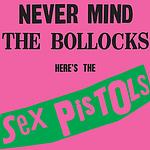
Never Mind the Bollocks, Here's the Sex Pistols is the Sex Pistols' only studio album, released in 1977. It condenses punk rock into short, abrasive tracks driven by distorted guitars, propulsive drums, and Johnny Rotten's sneering vocals, with blunt, confrontational lyrics aimed at social and political authority. The album is regarded as a defining work of the British punk movement and helped establish the raw, do-it-yourself aesthetic that influenced later punk and alternative bands.
#5 — The Beatles by The Beatles
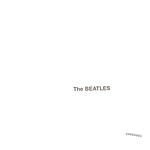
The Beatles, commonly known as the White Album, is a 1968 double album that captures the group's broad stylistic range across rock, pop, pop rock, experimental and hard rock. It moves between pared-back acoustic songs and concise pop tunes, heavier electric rockers and collage-like studio experiments, with a rawer, more immediate production and distinct individual songwriting voices. The minimalist white packaging complements the record's eclectic, personal character.
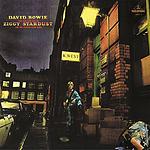
The Rise and Fall of Ziggy Stardust and the Spiders From Mars (1972) is a loose concept album in which David Bowie adopts the persona of Ziggy Stardust, an androgynous alien rock star. Musically it blends glam rock theatricality with straightforward rock and pop songwriting and elements of art rock, driven by Mick Ronson's guitar work and arrangements and a rhythm section that supports both crunchy rock numbers and quieter, melodic passages. The album is notable for its narrative focus, dramatic vocals, and cinematic arrangements that helped define Bowie's early 1970s sound and stage persona.
#7 — London Calling by The Clash
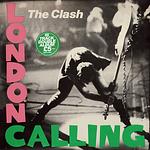
London Calling (1979) by The Clash is a double album that builds on the band’s punk roots while incorporating rockabilly, reggae, ska, new wave and straight rock. The record pairs punk’s urgency and raw guitar with melodic hooks, varied arrangements and occasional piano and horn touches, and features Joe Strummer’s often politically minded and observational lyrics. Its wide stylistic range and confrontational yet tuneful approach helped broaden the musical possibilities available to punk bands at the time.
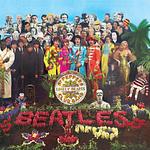
Sgt. Pepper's Lonely Hearts Club Band is a 1967 Beatles album that blends rock, psychedelic rock, baroque pop and pop with extensive studio experimentation. It features layered production, orchestral arrangements, unusual instrumentation and song sequencing that create a loose concept-album feel, and includes tracks such as "Lucy in the Sky with Diamonds", "Eleanor Rigby", "With a Little Help from My Friends" and "A Day in the Life". The album is often described as a milestone in popular music for its ambitious production and its expansion of pop and rock sounds.
#9 — Astral Weeks by Van Morrison
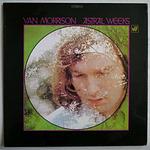
Astral Weeks, released in 1968, finds Van Morrison melding folk, jazz, blues and soul into a series of long, flowing songs built on loose, improvisational performances. The arrangements foreground acoustic guitar, upright bass and subtle percussion with occasional strings and woodwinds, producing a chamberfolk atmosphere that complements Morrison's stream-of-consciousness vocals and poetic lyrics. The album is often regarded as a distinctive, genre-blurring turning point in his work for its intimate, contemplative mood and unconventional song structures.
#10 — Revolver by The Beatles
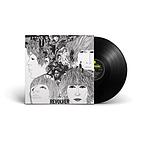
Revolver (1966) finds The Beatles shifting from straightforward pop toward more studio-focused, experimental songwriting and arrangements. Musically it blends rock and pop with psychedelic textures and elements drawn from classical and Indian music, featuring tight vocal harmonies, sharp electric guitar work, string arrangements on songs such as "Eleanor Rigby", George Harrison's sitar on "Love You To", and the tape-loop, drone-driven production of "Tomorrow Never Knows". The album is notable for its inventive studio techniques, varied song forms, and concise production that broadened the sonic palette of popular music recording.
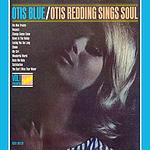
Otis Blue / Otis Redding Sings Soul (1965) captures Otis Redding at the height of his Stax period, blending deep soul, blues, and R&B with a raw Southern soul intensity. Backed by the Stax house musicians, including Booker T. & the M.G.'s and a tight horn section, the album pairs impassioned originals and contemporary covers, from heartfelt slow balladry to gritty up-tempo performances. Redding's rough-hewn, urgent vocals and dynamic arrangements give the record a live, immediate feel that helped define his sound and influenced soul music in the 1960s.
#12 — Remain in Light by Talking Heads
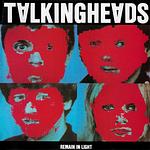
Remain in Light (1980) finds Talking Heads blending New Wave, post-punk, funk, and electronic textures through an experimental production approach with Brian Eno. The album foregrounds layered, polyrhythmic grooves influenced by West African rhythms, interlocking guitar and synth patterns, and funk-tinged bass to create dense, propulsive arrangements. David Byrne's vocal delivery moves between urgent and detached across fragmented, mantra-like lyrics, while studio techniques favor repetition, loops, and ambient sonics. The record is often noted for shifting the band's sound toward a more rhythmic, textural, and collaborative form of art rock.
#13 — This Is the Sea by The Waterboys
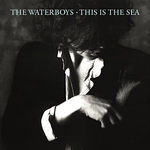
This Is the Sea, the Waterboys' third studio album from 1985, expands the band's post-punk and rock roots into a sweeping, anthemic style that blends folk rock and pop rock elements. Mike Scott's songwriting pairs vivid, often spiritual imagery with driving rhythms and large-scale arrangements, featuring layered guitars, brass and orchestral touches to create dramatic dynamics. The album is often seen as a high point of the band's early "big music" sound and a stylistic bridge toward their later exploration of traditional folk textures.
#14 — Graceland by Paul Simon
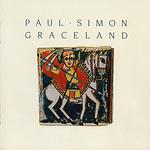
Graceland (1986) is a Paul Simon album that combines his singer-songwriter pop and folk sensibilities with South African musical styles, producing a worldbeat-influenced pop rock sound. Recorded with South African musicians and featuring vocal contributions from Ladysmith Black Mambazo, the record is marked by syncopated mbaqanga guitar lines, rich vocal harmonies, and a mix of acoustic songwriting and studio textures. Lyrically it blends personal storytelling with themes of travel, exile, and everyday observation, and its cross-cultural production is a notable example of Western popular music engaging directly with African musical traditions.
#15 — The Complete Sun Sessions by Elvis Presley
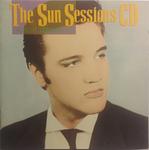
The Complete Sun Sessions compiles Elvis Presley’s 1954–1955 recordings for Sun Records, presenting his early rockabilly and rock and roll material in a raw, stripped-back trio setting. The tracks blend country, rhythm and blues, and blues influences, with lively acoustic and electric guitar, slap bass, and Presley’s energetic vocal delivery. The collection documents the formative recordings that helped establish his career and the emerging rockabilly sound.
#16 — Ghostown by The Radiators From Space
Ghostown by The Radiators From Space is a moody, slightly cinematic record that moves beyond raw punk into a mix of punk energy, power pop melodies, and art rock textures. The songs emphasize lyrical portraits of urban life and alienation, with more layered arrangements, keyboards and occasional orchestral touches supporting taut guitars and driving rhythms. The album is notable within the band’s catalog for its more ambitious, reflective songwriting and atmosphere while still retaining direct rock dynamics.
#17 — Pet Sounds by The Beach Boys
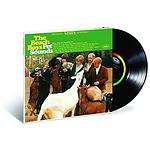
Pet Sounds is a 1966 studio album by The Beach Boys, largely written and produced by Brian Wilson. Musically it blends pop, baroque pop, psychedelic pop and rock with lush, chamber-pop influenced arrangements, inventive studio production and layered vocal harmonies. The record is notable for its introspective lyrics, unusual instrumentation and emphasis on studio experimentation that helped expand the sonic possibilities of pop music.
#18 — Marquee Moon by Television
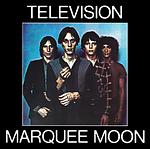
Marquee Moon is Television's 1977 debut album that blends art punk, new wave, post-punk, and art rock into a spare, guitar-driven sound. It features interlocking, melodic guitar lines from Tom Verlaine and Richard Lloyd, a taut rhythm section, and literate, elliptical lyrics, with the extended title track showcasing the band's improvisational interplay. The album's emphasis on texture and guitar interplay influenced later post-punk and indie rock approaches.
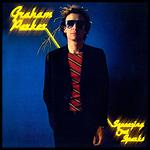
Released in 1979, Squeezing Out Sparks finds Graham Parker & The Rumour delivering a lean, guitar-driven record that blends pub rock directness with New Wave urgency and pop rock hooks. Produced by Jack Nitzsche, the album emphasizes stripped-back arrangements and tense, ringing guitars, foregrounding Parker's urgent vocal delivery and literate, often caustic lyrics about relationships and urban life. Its concise songs and muscular production mark a stylistic sharpening from the band's earlier work and make the album a notable statement in Parker's catalog.
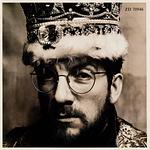
King of America is a 1986 Elvis Costello album that shifts from his earlier new wave sound toward a rootsy, Americana-informed approach, blending country rock, folk, pop rock, and classic rock and roll. Produced in collaboration with T Bone Burnett, the sessions used American session players and a loosely assembled backing group often called the Confederates, with some involvement from members of the Attractions, yielding stripped-back arrangements built around acoustic guitar, piano and organ and a more conversational vocal delivery. The record is notable for its emphasis on narrative, character-driven lyrics and for showing Costello exploring American musical traditions within his songwriting.
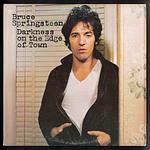
Darkness on the Edge of Town is Bruce Springsteen's 1978 album that adopts a leaner, grittier approach to heartland rock and singer-songwriter storytelling. The sound emphasizes direct, guitar-driven arrangements with piano accents and a more restrained, raw production than some earlier work. Lyrically the album focuses on working-class characters, moral struggle, loss and the pursuit of dignity, delivered in spare, atmospheric songs such as "Badlands" and "Racing in the Street". Its sober tone and narrative focus helped define Springsteen's signature blend of rock and character-driven songwriting.
#22 — Moondance by Van Morrison
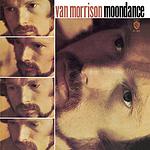
Moondance, released in 1970, blends folk rock, blue-eyed soul, and jazz into a warm, groove-oriented sound that emphasizes melodic songwriting and rhythmic swing. The arrangements lean on piano, saxophone, brushed drums, and acoustic guitar, providing a relaxed yet tightly played backdrop for Morrison's soulful phrasing and poetic lyrics. Several tracks pair romantic, imagery-rich writing with jazz-inflected rhythms and horn lines, giving the album a more structured and accessible feel compared with some of his earlier, more freeform work. The record is often noted for its effective fusion of genres and strong songwriting.
#23 — What's Going On by Marvin Gaye
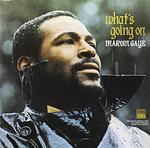
"What’s Going On" (1971) by Marvin Gaye is a cohesive, socially conscious soul album that blends Motown rhythm and smooth soul vocals with lush orchestral arrangements and jazz-influenced horns and strings. Gaye's intimate lead singing, layered background vocals, and subtle studio production create a reflective, spiritual atmosphere as the songs address themes such as war, urban poverty, policing, and environmental concerns. The result is a quieter, more contemplative direction for Motown sounds that broadened the expressive range of R&B.
#24 — Steve McQueen by Prefab Sprout
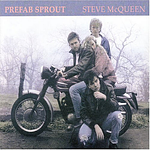
Steve McQueen is Prefab Sprout's 1985 album, produced by Thomas Dolby, that refines the band's blend of synth-pop, pop rock and sophisti-pop into a polished, literate form of chamber pop. Paddy McAloon's songwriting pairs wry, introspective lyrics with sophisticated chordal movement, warm melodies and smooth synth textures, while the production favors crisp, economical arrangements. The album is a clear example of mid 1980s sophisti-pop, notable for combining accessible hooks with musically intricate structures.
#25 — My Aim Is True by Elvis Costello
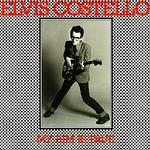
My Aim Is True is Elvis Costello's 1977 debut studio album that blends rock, new wave, pub rock, pop rock and country influences. The record pairs lean, guitar-driven arrangements with concise, literate songwriting, juxtaposing caustic wit and melodic hooks across raucous rockers and more reflective, country-tinged numbers. Recorded with a loose, energetic band feel, the album introduced Costello's distinctive vocal delivery and sharp lyrical voice, marking his emergence as a notable and eclectic songwriter in the late 1970s.
#26 — Purple Rain by Prince, The Revolution
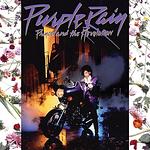
Purple Rain is a genre-blending album that mixes funk, pop, rock and contemporary R&B, combining driving dance tracks and intimate ballads with lush synthesizer textures and distinctive electric guitar work. Produced and largely written by Prince with his band The Revolution, the record balances concise pop hooks, extended guitar solos, and dramatic, cinematic arrangements that reflect its connection to the film of the same name. The album highlights Prince's range as a songwriter, producer, vocalist and guitarist, and it helped define his sound in the mid 1980s.
#27 — Blonde on Blonde by Bob Dylan
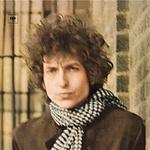
Blonde on Blonde (1966) is a sprawling double album by Bob Dylan that blends rock, folk, blues and country influences into full-band arrangements and more intimate acoustic moments. Its sound pairs loose, sometimes improvisational electric performances with dense, elliptical lyrics and distinctive vocal phrasing, moving between up-tempo rockers and long, meditative tracks. The album is notable for its ambitious scope and lyrical complexity, which helped shape popular music in the mid 1960s.
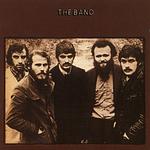
The Band (1969) is a roots-oriented album that blends rock, country, folk, and R&B into close ensemble performances and earthy, acoustic-leaning arrangements. Its character-driven storytelling, distinctive lead vocals from Levon Helm and Richard Manuel, concise songwriting from Robbie Robertson, and textured organ and sax work create a warm, timeless sound that helped shape roots rock and Americana.
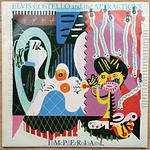
Imperial Bedroom, released in 1982 by Elvis Costello & The Attractions, is a studio album that shifts from the band’s earlier new wave edge toward richly arranged, baroque-influenced pop and rock. Produced by Geoff Emerick, the record features ornate chamber-pop arrangements, inventive studio touches, and complex songcraft, pairing intricate melodies with literate lyrics that examine personal and social themes. The album stands out in Costello’s catalog for its ambitious, texturally dense approach to pop songwriting.
#30 — The Queen Is Dead by The Smiths
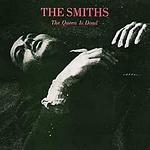
The Queen Is Dead (1986) by The Smiths pairs Johnny Marr's chiming, layered guitars and inventive arrangements with Morrissey's literate, sardonic vocals and lyrics, folding jangle pop and neo-acoustic textures into more muscular indie rock moments. The songs move between upbeat, melodic tracks and quieter, introspective pieces, highlighting tight songcraft, melodic basslines, and occasional fuller production that broadens the band's earlier, sparer sound. The album is frequently cited as a defining statement of the band's style and an important record in 1980s British indie music.
#31 — Abbey Road by The Beatles
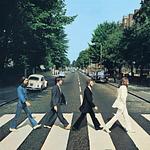
Abbey Road, recorded in 1969, finds the Beatles blending rock, pop, and traces of psychedelia into a polished, studio-focused sound marked by layered vocal harmonies, inventive arrangements, and early use of the Moog synthesizer. The album balances standalone tracks such as 'Come Together', 'Something', and 'Here Comes the Sun' with a continuous side two medley that stitches shorter pieces into a cohesive suite, reflecting the band's late-period emphasis on production and songcraft. Its warm production, melodic variety, and structural ambition make it a notable culminating statement in the Beatles' studio work.
#32 — Let's Get It On by Marvin Gaye
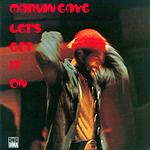
Let’s Get It On, released in 1973, is Marvin Gaye’s soulful, sensual album that emphasizes romantic and erotic themes through warm, intimate vocals and rich arrangements. Gaye produced and co-wrote much of the material, using layered harmonies, a breathy falsetto, and a blend of funk, pop soul, blues and gospel-inflected phrasing to create a smooth, seductive atmosphere. The album represents a shift toward more personal, adult subject matter within the Motown framework and helped shape the sound of later R&B and soul recordings.
#33 — New Boots and Panties!! by Ian Dury
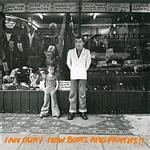
New Boots and Panties!!, released in 1977 by Ian Dury, blends pub rock, music hall, funk and nascent new wave with pop sensibilities. The album pairs tight, rhythm-driven arrangements with Dury's idiosyncratic spoken-sung delivery and characterful, often humorous lyrics that draw on working-class life and vivid storytelling. Its mix of cheeky humour, melodic hooks and varied styles helped establish Dury as a distinctive voice in the late 1970s British rock scene.
#34 — Highway 61 Revisited by Bob Dylan
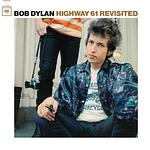
Highway 61 Revisited, released in 1965 by Bob Dylan, marks a decisive shift from acoustic folk toward a fuller electric rock and blues rock sound. The album combines conversational, often surreal lyrics with band arrangements that feature electric guitar, piano and organ, moving between propulsive, riff-driven tracks and slower, blues-inflected numbers. Its songs expand folk storytelling into longer, more free-associative forms and place literary, image-rich writing into a rock context, making the record a notable turning point in Dylan's work and 1960s popular music.
#35 — Exile on Main St. by The Rolling Stones
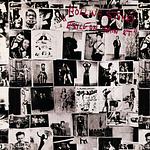
Exile on Main St. is a 1972 double album by The Rolling Stones that blends rock, blues rock, roots rock and country-inflected sounds into a loose, swampy collection of songs. Largely recorded at a villa in southern France with additional sessions in Los Angeles, the record features murky, layered production, horn and gospel-tinged backing vocals, and a raw, rootsy approach that mixes blues, country, soul and rock elements. Its sprawling sequencing and rough-edged sound mark it as a notable example of the band's early 1970s exploration of American roots music.
#36 — Grievous Angel by Gram Parsons
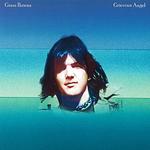
Grievous Angel is Gram Parsons's second solo album, released posthumously in 1974. It melds country, rock, and folk with spare acoustic arrangements, pedal steel and tasteful electric guitar, pairing Parsons's plaintive lead vocals with Emmylou Harris's close harmonies. The songs move between mournful ballads and more upbeat country rock numbers and dwell on themes of love, loss, travel and mortality. The record's blending of traditional country instrumentation with rock songwriting helped define the country rock sound and anticipated later Americana artists.
#37 — Blue by Joni Mitchell
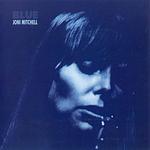
Blue, released in 1971, is Joni Mitchell's spare and intimate album that blends contemporary folk, folk rock, and singer-songwriter approaches. Its uncluttered arrangements, open-tuned guitar and piano, and candid, confessional lyrics explore love, longing, and self-examination; songs such as "A Case of You", "River", "Carey", and "California" balance folk intimacy with pop-minded melodies. The record is often cited as a defining work for later singer-songwriters and for its emotional directness.
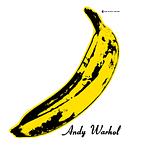
The Velvet Underground & Nico (1967) blends art rock, experimental and garage influences, pairing Lou Reed's stark songwriting and vocals with John Cale's abrasive viola and drone textures, Sterling Morrison's guitar and Maureen Tucker's spare percussion. Nico supplies detached lead vocals on a few tracks. The record mixes concise pop melodies with feedback, distortion and candid lyrics about urban life, sex and drug use, creating a raw, intimate sound that helped shape later art rock, punk and alternative music. Produced with Andy Warhol's involvement and notable for its banana cover, the album is distinguished by its experimental production and unconventional subject matter.
#39 — Roxy Music by Roxy Music
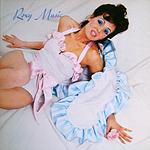
Roxy Music's 1972 self-titled debut blends glam rock's stylish theatricality with art rock experimentation, pairing Brian Ferry's suave vocals and pop songcraft with Brian Eno's electronic treatments and angular instrumental textures. The record juxtaposes concise, melodic tracks and cinematic arrangements with studio experimentation and art-school sensibilities, helping define the band's sleek aesthetic and an art-glam approach to rock.
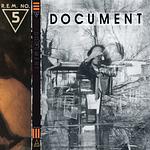
Document is R.E.M.'s 1987 album that moves their jangly, folk-tinged alternative rock toward a more direct, electric sound with tighter production by Scott Litt and the band. The record blends chiming guitars and melodic hooks with sharper, sometimes politically pointed lyrics, while retaining the group's signature vocal ambiguity and ringing guitar textures. Songs range from concise rockers to brisk, wordy tracks that emphasize rhythm and momentum, marking a step toward a more accessible, full-band sound.
#41 — Horses by Patti Smith
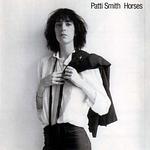
Horses, Patti Smith's 1975 debut, blends raw garage rock energy with art rock experimentation and proto-punk urgency. Produced by John Cale, the album pairs a spoken-word influenced vocal delivery and poetically charged lyrics with spare, driving arrangements built around guitar, piano, and drums. Its rough-edged production, confrontational performance style, and fusion of literary sensibility with rock idioms are often cited as influential on early punk and art punk movements, and the stark cover photograph by Robert Mapplethorpe complements the record's austere aesthetic.
#42 — Ride On by Christy Moore
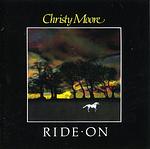
Ride On, released in 1984, is an Irish folk album by Christy Moore that features spare, song-focused arrangements and his direct, expressive vocals. The record blends contemporary and traditional material, with the plaintive title track anchoring a set that mixes personal storytelling and social themes. The sound emphasizes acoustic guitar and traditional textures, producing an intimate, emotionally direct take on Irish folk music and standing as a notable entry in Moore's catalogue.
#43 — Thriller by Michael Jackson
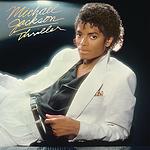
Thriller, released in 1982 and produced by Quincy Jones, is a pop and contemporary R&B album that blends dance-pop, disco, funk and rock elements. It is characterized by polished, cinematic production, tight rhythms, layered vocal harmonies and strong melodic hooks on tracks such as "Billie Jean", "Beat It" and "Thriller". Notable moments include Eddie Van Halen's guitar solo on "Beat It" and Vincent Price's spoken-word cameo on the title track. The record helped broaden Jackson's crossover appeal and played a significant role in shaping the era of high-concept music videos.
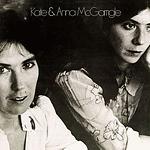
Kate and Anna McGarrigle is a warm, intimate folk album that showcases the sisters' close vocal harmonies, plainspoken songwriting, and a mix of English and French material. Arrangements favor acoustic guitar, piano, and light folk rock touches, blending traditional folk sensibilities with contemporary songcraft. The record introduced their conversational storytelling, bittersweet melodies, and bilingual repertoire that became a defining feature of their work.
#45 — Imagine by John Lennon
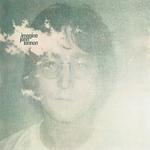
Imagine, released in 1971, is a John Lennon album that blends piano-led pop and rock with folk and rock and roll influences. The record moves between spare, introspective ballads and more direct rockers, often pairing simple arrangements with occasional orchestral touches and a focus on plainspoken, personal lyrics. The title track is a restrained, piano-centered piece that captures the album's themes of idealism and reflection, while other songs shift from confessional to satirical tones, showcasing Lennon's melodic songwriting and post-Beatles musical approach.
#46 — East Side Story by Squeeze
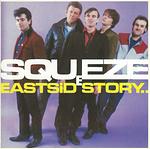
East Side Story is Squeeze's fourth studio album, released in 1981. It builds on the band's pop rock and new wave foundation by drawing on soul, country and classic rock influences, combining Glenn Tilbrook's melodic arrangements with Chris Difford's sharp, observational lyrics. The record features the single 'Tempted', with Paul Carrack on lead vocals, and helped broaden Squeeze's stylistic range while showcasing their songwriting craft.
#47 — The Dark Side of the Moon by Pink Floyd
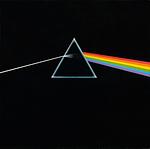
The Dark Side of the Moon is Pink Floyd's 1973 progressive rock album that blends rock, psychedelic and art rock elements into a continuous, concept-driven suite exploring themes such as time, money, mental strain and mortality. It is distinguished by its studio production and sound design, including layered synthesizers, tape effects and looping, prominent saxophone parts and an emotive wordless vocal performance on one track, with seamless transitions that emphasize atmosphere and textural detail across the record.
#48 — After the Gold Rush by Neil Young
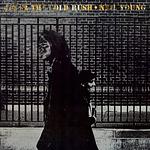
After the Gold Rush is a 1970 Neil Young album that blends folk, country, and rock into a mix of plaintive acoustic songs and raw electric passages. The record alternates spare piano and acoustic ballads with fuller guitar-driven tracks, and features Young's fragile, expressive vocals and direct songwriting about personal longing, social observation, and environmental unease. Its simple production and emotional clarity helped shape the sound of folk rock and country rock in the early 1970s.
#49 — L.A. Woman by The Doors
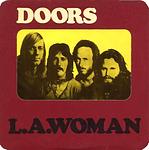
Released in 1971, L.A. Woman is the Doors' final studio album to feature Jim Morrison. The record moves toward a rawer, blues-based sound that blends blues rock and psychedelic textures, driven by Robby Krieger's guitars and Ray Manzarek's organ beneath Morrison's gritty vocal delivery. Recorded with engineer Bruce Botnick after producer Paul A. Rothchild left the sessions, the performances have a live-in-studio immediacy and include songs such as "L.A. Woman" and "Riders on the Storm." The album is notable for its loose grooves, urban lyrical themes, and a marked return to roots-oriented songwriting.
#50 — Soul Mining by The The
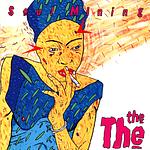
Soul Mining, released in 1983 by The The and driven by Matt Johnson's songwriting, blends post-punk edge with new wave and synth pop textures and an art pop sensibility. The record pairs literate, often brooding lyrics about personal and social unease with sparse, atmospheric arrangements that mix drum machines, jagged guitars, warm synth lines and piano. Tracks like "Uncertain Smile" and "This Is the Day" illustrate the album's tension between catchy melodies and introspective, sometimes dark themes, producing a moody, stylistically varied debut that established Johnson's distinctive voice.
#51 — Forever Changes by Love
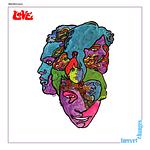
Forever Changes (1967) by Love blends folk rock, baroque pop, and subtle psychedelia into concise, orchestral-tinged songs. Arthur Lee's introspective and often unsettling lyrics sit against intricate acoustic guitar work and horn and string arrangements, creating a warm but melancholic chamber-pop sound that stands out in late 1960s American rock.
#52 — The River by Bruce Springsteen
The River is a double album by Bruce Springsteen that blends heartland rock with folk and roots influences, alternating raucous, sax- and guitar-driven anthems with quieter, narrative ballads. Lyrically it centers on working-class life, love, and the burdens of adulthood, and the expanded arrangements showcase a wider emotional and sonic range for Springsteen and the E Street Band, making the album a key, expansive statement in his catalog.
#53 — Avalon by Roxy Music
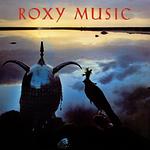
Avalon, released in 1982 by Roxy Music, pares the band’s art rock roots into a polished, atmospheric blend of sophisti-pop, soft rock, and pop rock. Bryan Ferry’s languid vocals float over shimmering synth textures, subtle guitar work, and tasteful saxophone, producing a romantic, late-night mood that emphasizes mood and production as much as songcraft. The record is notable for its sleek, restrained arrangements and for steering the group toward a smoother, more elegiac sound.
#54 — Chicken Skin Music by Ry Cooder
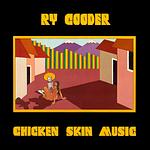
Chicken Skin Music (1976) finds Ry Cooder using his slide guitar and arranging skills to blend blues, roots rock, country and folk, often edged with Latin and border music influences. The album balances acoustic and electric textures and reworks traditional forms through Cooder's rhythmic, melodic sensibility. It is representative of his mid 1970s exploration of American vernacular music and cross-cultural connections.
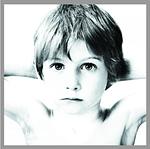
Boy is U2's 1980 debut album, produced by Steve Lillywhite. Rooted in post-punk and rock with early alternative sensibilities, it features The Edge's chiming, delay-heavy guitar textures, a propulsive rhythm section from Adam Clayton and Larry Mullen Jr., and Bono's urgent, youthful vocals. Lyrically it examines adolescence, innocence, and alienation, and tracks such as "I Will Follow" and "Out of Control" display the band's emerging anthemic sound.
#56 — Jailbreak by Thin Lizzy
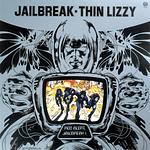
Jailbreak is Thin Lizzy's 1976 album that blends hard rock energy with melodic, pop-inflected songwriting, anchored by Phil Lynott's expressive vocals and bass. The record features the signature twin-lead guitar interplay of Scott Gorham and Brian Robertson, punchy riff-driven tracks and more narrative, hook-focused songs, including the well known "The Boys Are Back in Town" and the title track. Its concise arrangements and strong choruses highlight the band's move toward a more immediately recognizable sound within classic rock styles.
#57 — Hejira by Joni Mitchell
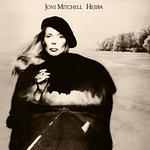
Hejira, released in 1976, finds Joni Mitchell moving further into jazz-influenced territory while retaining her folk songwriting. The album pairs poetic, travel-focused lyrics about movement and solitude with sparse, spacious arrangements that foreground her open-tuned guitar work and long, melodic fretless bass lines from Jaco Pastorius. Songs blend folk narrative, jazz harmonies, and loose, improvisational interplay to produce an introspective, nocturnal sound that points toward her later jazz explorations.
#58 — Born to Run by Bruce Springsteen
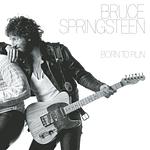
Born to Run (1975) blends rock, heartland rock, folk rock, piano-driven rock, and singer-songwriter storytelling into a sweeping, cinematic sound. Built around dense, Wall of Sound inspired arrangements with prominent saxophone and piano, the album pairs anthemic, propulsive tracks with intimate, narrative songs about escape, youthful restlessness, and working-class longing. It represented a major artistic leap for Springsteen and helped define the musical themes and larger-than-life production style he explored in later work.
#59 — Nightclubbing by Grace Jones
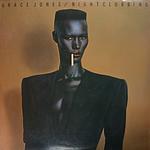
Nightclubbing (1981) sees Grace Jones merge disco, new wave, art pop, dub and funk into a cool, minimalist sound built on deep, dub-influenced bass, taut drum patterns and atmospheric synths. Her detached, theatrical vocal delivery shapes both original songs and reworked covers, giving the album a moody, cinematic club feel, with notable tracks including 'Pull Up to the Bumper' and 'I've Seen That Face Before (Libertango)'. The record helped define Jones's iconic persona and a darker, more experimental strand of pop aimed at the dancefloor.
#60 — The Pretender by Jackson Browne
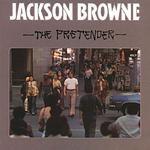
The Pretender is Jackson Browne's 1976 album that blends rock, pop rock, and folk rock with his signature singer-songwriter approach. Musically it pairs piano and acoustic guitar centered arrangements with fuller production and smooth harmonies, creating a polished soft rock sound that supports introspective, often melancholic lyrics about adulthood, compromise, and loss. The record represents a move toward more produced, radio-friendly arrangements while retaining Browne's focus on narrative, reflective songwriting.
#61 — Dare by The Human League
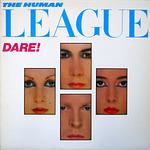
Released in 1981, Dare is The Human League's polished synthpop album that moved the band toward a more pop-oriented, vocal-led sound. Featuring crisp electronic percussion and layered synthesizers, it pairs Philip Oakey's baritone with the prominent female singers Susan Ann Sulley and Joanne Catherall to create hook-driven songs such as "Don't You Want Me". The record blends New Wave and New Romantic textures with dance-pop rhythms and straightforward pop songwriting, and is closely associated with the early 1980s mainstream synth-driven pop sound.
#62 — Leave Home by Ramones
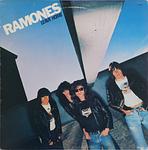
Leave Home, the Ramones second studio album from 1977, continues the band's fast, stripped-down punk-rock approach while introducing slightly fuller production and tighter arrangements compared with their debut. The songs are short and propulsive, built on simple power chords, driving drums and catchy, blunt melodies that merge raw punk energy with elements of early rock and roll and pop sensibility. Its concise songwriting and minimalist execution reinforce the Ramones aesthetic and helped solidify their place in the emerging punk scene.
#63 — Raw Power by Iggy and The Stooges
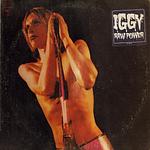
Raw Power, released in 1973 by Iggy and The Stooges, delivers a raw, aggressive blend of garage rock and hard rock that pointed toward punk. James Williamson's distorted, razor-edged guitar work and Iggy Pop's snarling, theatrical vocals drive short, propulsive songs that favor primal energy and lean arrangements. The album's abrasive tone, high volume, and emphasis on attitude over polish are often cited as influential on the emerging punk and later alternative scenes.
#64 — Swordfishtrombones by Tom Waits
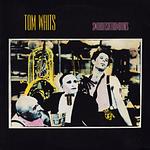
Swordfishtrombones (1983) is a Tom Waits album that marks a pronounced shift from his earlier piano-based, jazz and blues-tinged work toward a more experimental, percussive, and theatrical approach. The arrangements foreground unconventional percussion and found sounds alongside brass and woodwind textures, while Waits adopts a rougher, more expressive vocal style and surreal, character-driven storytelling. The record blends elements of blues, rock, and avant-garde experimentation and is regarded as a pivotal move into more adventurous, alternative rock and experimental territory for the artist.
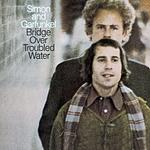
Bridge Over Troubled Water is the fifth and final studio album by Simon & Garfunkel, released in 1970. The record blends folk, folk rock, soft rock and pop, showcasing Paul Simon's songwriting and Art Garfunkel's high tenor and close harmonies. The title track features gospel-influenced piano, choral backing and expansive production, while songs like "The Boxer" and "Cecilia" range from intimate acoustic storytelling to rhythmically driven pop, making the album a stylistic culmination of the duo's collaborative sound.
#66 — The Lexicon of Love by ABC
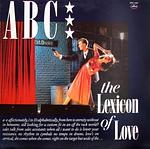
The Lexicon of Love, ABC's 1982 debut album, fuses pop, new wave and dance-pop with lush orchestral touches and sleek electronic production. The record pairs Martin Fry's theatrical, emotive vocals and romantic, sometimes sardonic lyrics with glossy synths, tight rhythm tracks and sweeping string arrangements, producing a cinematic, danceable sound that emphasizes studio polish and stylistic glamour. Its blend of orchestration and synth-based pop exemplifies a stylish strand of early 1980s British pop.
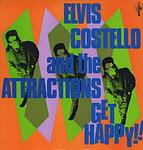
Get Happy!! (1980) by Elvis Costello & The Attractions shifts from the jagged new wave edge of earlier records toward a brisk, soul and R&B infused take on rock and roll, drawing on 1960s pop and Motown colors. The Attractions supply taut, punchy backing with prominent horn touches, driving rhythms, and sharp guitar, while Costello’s lyrics remain conversational and acerbic; the record mixes original compositions with stylistic nods to vintage soul, showing his willingness to adopt classic American R&B textures within a new wave framework.
#68 — Rock 'n' Roll by John Lennon
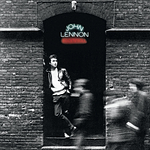
Rock 'n' Roll is John Lennon's 1975 album of cover versions of 1950s rock and roll and early rhythm and blues songs. Largely recorded in 1973 with producer Phil Spector and completed before its 1975 release, the record finds Lennon revisiting formative influences with loose, often raw arrangements that favor straightforward rock and roll energy over studio experimentation. The album functions as a personal tribute to the early pop and R and B classics that shaped his musical identity.
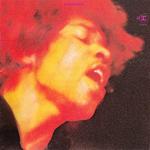
Electric Ladyland, the third studio album by The Jimi Hendrix Experience from 1968, expands Hendrix's palette into dense, studio-driven arrangements that blend blues rock, psychedelic textures, acid rock and hard rock. The record juxtaposes extended, improvisatory jams with concise blues and rock performances, using layered guitar overdubs, stereo effects and studio experimentation, and includes guest contributions that enrich the sound. Highlights include Hendrix's interpretations of "All Along the Watchtower" and the electrifying "Voodoo Child (Slight Return)", which showcase the album's mix of raw performance and studio craft.
#70 — Who's Next by The Who
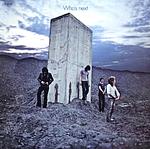
Who’s Next (1971) by The Who mixes hard rock power with art rock ambition, using prominent synthesizer textures alongside Pete Townshend's guitar work and Roger Daltrey's commanding vocals. Many songs grew out of Townshend’s abandoned Lifehouse project, condensed here into taut, arena-ready arrangements that range from driving rock anthems to introspective ballads. The album is notable for its muscular rhythm section, inventive production, and standout tracks such as "Baba O'Riley", "Won't Get Fooled Again", and "Behind Blue Eyes".
#71 — The Unforgettable Fire by U2
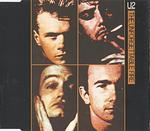
The Unforgettable Fire is U2's fourth studio album, released in 1984 and produced by Brian Eno and Daniel Lanois. The record moves the band away from straightforward post-punk toward more atmospheric, ambient-influenced soundscapes, with The Edge's textural guitar work, layered production, and Bono's impassioned vocals supporting songs that blend political themes and abstract lyrical imagery. The album expands the band's sonic palette and helped set the stage for their subsequent musical direction.
#72 — Sticky Fingers by The Rolling Stones
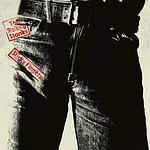
Sticky Fingers (1971) by the Rolling Stones blends rock, blues rock, hard rock, country rock, and rock and roll, alternating gritty electric numbers with quieter, country-influenced ballads. The record highlights the Jagger-Richards songwriting partnership and Keith Richards' guitar textures, and features tracks such as "Brown Sugar" and "Wild Horses." The album is also known for its Andy Warhol sleeve design and its turn toward a rawer, roots-oriented sound.
#73 — 461 Ocean Boulevard by Eric Clapton
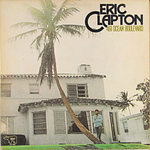
461 Ocean Boulevard is Eric Clapton's 1974 studio album that adopts a more relaxed, song-focused approach, blending blues rock, pop and occasional reggae touches. The record features warm, restrained guitar work and straightforward arrangements that favor melody and groove over flashy technique, with the reggae-tinged cover of Bob Marley’s "I Shot the Sheriff" standing out as a widely recognized example of its stylistic range. Overall the album emphasizes rootsy blues and accessible pop sensibilities and is associated with Clapton’s return to active recording during his recovery period.
#74 — Reggatta de Blanc by The Police
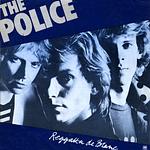
Reggatta de Blanc, released in 1979, is The Police's second studio album and consolidates their fusion of rock, reggae and new wave into concise, hook-driven songs. The record features bright, chiming guitar textures from Andy Summers, melodic bass and vocals from Sting, and propulsive, inventive drumming from Stewart Copeland, producing a tight, rhythmic sound that blends pop sensibility with offbeat reggae rhythms. It includes memorable tracks such as "Message in a Bottle" and "Walking on the Moon" and helped define the band’s signature approach to sparse arrangements and rhythmic complexity.
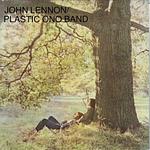
John Lennon/Plastic Ono Band (1970) is a stark, confessional solo album that pares arrangements down to bare acoustic and electric guitars, piano, bass and drums, putting Lennon's voice and direct lyrics at the forefront. The songs are raw and intimate, shaped by his engagement with primal therapy, and confront themes of identity, loss, faith and personal liberation with blunt, often painful imagery. Blending rock and folk with a singer-songwriter sensibility, the record is notable for its spare production and emotionally unguarded performances.
#76 — Little Criminals by Randy Newman
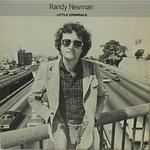
Little Criminals, released in 1977, showcases Randy Newman’s piano based, character driven songwriting set against tighter pop and rock arrangements. The record pairs sardonic humor and satirical vignettes with moments of melancholy, blending concise melodies, small group rock instrumentation, and occasional orchestral color. Known for the provocative single "Short People", the album balances witty, narrative lyrics with accessible musical settings and is often cited as a clear example of Newman’s gift for ironic, observational portraits.
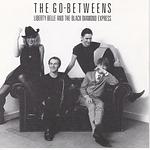
Liberty Belle and the Black Diamond Express, released in 1986 by The Go-Betweens, finds the band refining their blend of jangly indie rock and literate pop. The record emphasizes the interplay between Robert Forster and Grant McLennan's songwriting and vocals, pairing chiming guitars and melodic basslines with occasional keyboards and more polished arrangements than earlier records. Its songs combine concise pop hooks and melancholic, observational lyrics, balancing accessible melodies with art rock and new wave textures. The result is an album that broadened the band’s sonic palette while retaining their trademark emotional clarity.
#78 — Younger Than Yesterday by The Byrds
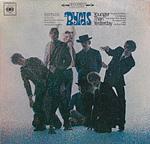
Younger Than Yesterday (1967) finds the Byrds expanding their folk rock roots into more varied pop and psychedelic territory. The record mixes the group's signature jangly 12-string guitar and tight vocal harmonies with more adventurous arrangements and songwriting, including notable tracks such as 'So You Want to Be a Rock 'n' Roll Star', 'My Back Pages', and 'Have You Seen Her Face'. Chris Hillman's songwriting contributions increased and David Crosby's experimental tendencies are audible on several songs, giving the album a balance of concise pop songs and psychedelic touches that pointed toward the band's later work.
#79 — Rumours by Fleetwood Mac
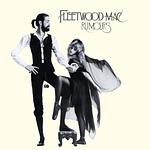
Rumours is a 1977 album by Fleetwood Mac that blends rock, pop rock, soft rock, blues and folk pop into a polished, radio-friendly sound. The record features layered vocal harmonies, melodic songwriting and a mix of acoustic and electric textures that foreground strong hooks and intimate arrangements. Many songs reflect interpersonal relationships and band tensions, giving the lyrics a candid, confessional feel, while the production emphasizes clarity and warmth. The album is widely cited as a defining example of late 1970s pop rock and a central release in Fleetwood Mac's catalog.
#80 — All Mod Cons by The Jam
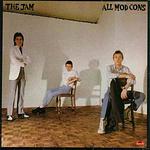
All Mod Cons is The Jam's 1978 album that crystallizes their blend of punchy rock, mod revival aesthetics, and melodic power pop. The record pairs Paul Weller's concise, socially aware songwriting with a tight three piece sound that balances punk-era urgency and 1960s mod influence, moving the band toward more developed melodies and arrangements. Notable for its economical production and tracks like "Down in the Tube Station at Midnight" and the wistful acoustic "English Rose", the album is often cited as a key moment in the Jam's transition from raw youth band to sharper, more focused songwriting voice.
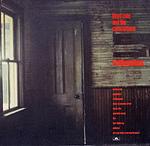
Rattlesnakes, the 1984 debut album by Lloyd Cole and the Commotions, pairs jangly, guitar-driven indie pop with polished soft rock touches and melodic keyboard and occasional string flourishes. The record is characterized by Cole's literate, conversational lyrics and sharp observational songwriting, framed by concise, hook-oriented arrangements that draw on 1960s pop sensibilities filtered through 1980s production. It established the band and its frontman as distinctive voices within the British indie pop and rock scene.
#82 — Countdown to Ecstasy by Steely Dan
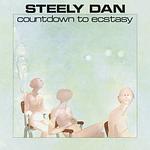
Countdown to Ecstasy, Steely Dan's 1973 album, furthers the band's blend of pop rock and jazz-influenced songwriting with tight arrangements, sophisticated chord changes, and literate, ironic lyrics. The sound pairs rock rhythms and guitar with jazz-pop and jazz-rock touches such as horn accents, piano work, and unexpected harmonic turns, and performances retain a more band-oriented energy than the later, more studio-controlled records. Songs like "Bodhisattva" and "My Old School" showcase the album's funky grooves and melodic complexity, making it an early example of Steely Dan's jazz-inflected pop sensibility.
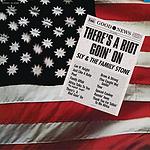
There’s a Riot Goin’ On, released in 1971 by Sly & the Family Stone, marks a turn from the band’s earlier upbeat crossover soul toward a darker, more inward form of funk and psychedelic soul. The record emphasizes slow, groove-centered rhythms, prominent bass, muted horns and layered, often murky production that creates an intimate, raw atmosphere. Its lyrics and tone convey disillusionment and reflection rather than the communal optimism of the 1960s, and the album’s emphasis on texture and mood helped shape later directions in deep funk and progressive soul.
#84 — Warren Zevon by Warren Zevon
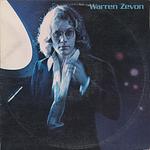
Warren Zevon's 1976 self-titled album is a lean, literate rock record that blends pop rock energy with country and folk inflections. Zevon's songwriting on the album emphasizes dark humor and sardonic character studies delivered over piano-driven arrangements and incisive guitar work. Issued as his major-label release, it helped establish his reputation as a distinctive storyteller with a wry, sometimes bleak lyrical voice.
#85 — Aftermath by The Rolling Stones
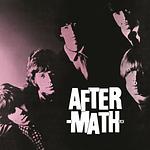
Aftermath (1966) marks the Rolling Stones' move from blues covers toward a fuller focus on original songwriting, notable as their first album comprised entirely of Jagger/Richards compositions. Musically it blends rock and blues roots with touches of folk, baroque and world-music colors, and it uses expanded instrumentation such as sitar and marimba to create distinctive textures. The record alternates riff-driven rock with quieter, more reflective moments and lyrics that probe domestic tensions and darker moods typical of the band's mid-1960s work.
#86 — From Elvis in Memphis by Elvis Presley
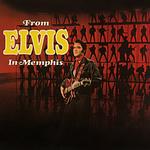
From Elvis in Memphis (1969) was recorded at American Sound Studio in Memphis with producer Chips Moman and moves away from Presley’s recent movie soundtrack work toward a tighter blend of country, pop and soul often labeled blue-eyed soul or country soul. The arrangements favor a muscular rhythm section, horns and gospel-tinged backing vocals, and the album includes the socially minded song "In the Ghetto" while showcasing a more mature, emotionally direct vocal approach that helped revitalize his studio output.
#87 — [Led Zeppelin IV] by Led Zeppelin
![[Led Zeppelin IV]](https://images.thegreatestmusic.org/yfyip7ss5dlcr6r39qje3hx89jrl)
Led Zeppelin IV, released in 1971, is a pivotal album in the band's catalogue that blends hard rock, blues, and folk elements. It alternates between acoustic, pastoral numbers and heavy electric songs, showcasing Jimmy Page's layered guitar work, Robert Plant's dynamic vocals, John Paul Jones's arranging and keyboard contributions, and John Bonham's powerful drumming. The album's mix of riff-driven rock, acoustic storytelling, and expansive production helped shape what became known as classic and arena rock sounds.
#88 — Parallel Lines by Blondie
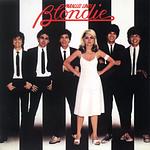
Parallel Lines, released in 1978 by Blondie, blends new wave, pop rock, and pop with polished production by Mike Chapman. The album mixes punk-derived energy with pop hooks and danceable rhythms, pairing crisp guitar lines and rhythmic bass with Deborah Harry's cool, charismatic vocal delivery. Standout tracks such as "Heart of Glass", "One Way or Another", and "Hanging on the Telephone" illustrate the band's crossover of rock and dance influences and their role in bringing new wave sounds into a mainstream pop context.
#89 — The Undertones by The Undertones
The Undertones' 1979 debut is a concise, guitar-driven record that pairs punk urgency with catchy pop melodies. Tracks are short and immediate, built from choppy power-chord rhythms, jangly lead lines, and Feargal Sharkey's distinctive youthful vocals, with lyrics focused on adolescent life and direct, unadorned hooks. The album emphasizes bright, energetic arrangements that bridge punk, new wave, and early pop punk sensibilities.
#90 — Mott by Mott the Hoople
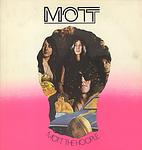
Mott, released in 1973, finds Mott the Hoople blending glam rock swagger with hard rock energy and classic rock songcraft. The album centers on Ian Hunter's distinctive vocals and piano, supported by punchy guitar riffs and anthemic choruses, leaning toward a more polished, glam-infused sound while keeping a gritty rock edge.
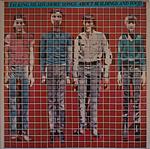
More Songs About Buildings and Food, produced by Brian Eno and released in 1978, expands Talking Heads' early new wave and art-punk approach with a stronger emphasis on tight rhythms and funk-influenced grooves. David Byrne's idiosyncratic, nervy vocals and angular guitar parts are anchored by interlocking bass and percussion, while Eno's production adds clarity and subtle studio texture. The album stands out for its rhythmic focus and danceable arrangements, pointing toward the band's later engagements with funk and worldbeat influences.
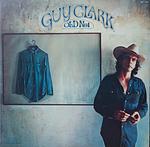
Old No. 1 is Guy Clark's 1975 debut album, built around spare, acoustic country and folk arrangements that put his plainspoken, narrative songwriting front and center. The record reflects Texas-rooted sensibilities and close, story-driven lyrics that became a hallmark of Clark's work, with several songs that helped define his reputation as a songwriter.
#93 — Tunnel of Love by Bruce Springsteen
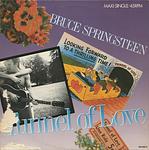
Tunnel of Love, released in 1987, finds Bruce Springsteen moving toward a more intimate, introspective sound that foregrounds adult themes of love, doubt, and marital strain. Musically it combines pop rock and rock with synth textures, drum machine elements, and restrained arrangements that create a moodier, more personal atmosphere than some of his earlier arena-oriented records. The songwriting is confessional and narrative, often centered on small moments and conflicted characters, with standout tracks like "Brilliant Disguise", "Tunnel of Love", and "One Step Up" illustrating the album's focus on relationship dynamics and emotional realism.
#94 — Station to Station by David Bowie
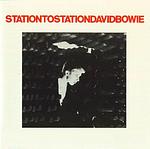
Station to Station, released by David Bowie in 1976, blends art rock, pop rock, alternative rock and blue-eyed soul into a lean, often chilly sound that connects his mid 1970s soul-funk experiments with the more electronic, experimental direction he pursued afterward. The record is anchored by the expansive, hypnotic title track with a motorik-like pulse, alongside tighter, soul-inflected songs featuring sharp guitar, driving bass and spare keyboards. It also introduces the Thin White Duke persona and explores themes of identity, travel and spiritual searching.
#95 — The Correct Use of Soap by Magazine
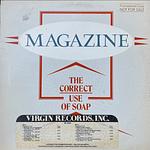
The Correct Use of Soap, Magazine's 1980 album, softens some of the band's earlier angular post-punk edge in favor of more melodic, keyboard-rich arrangements while retaining Howard Devoto's literate, detached vocals. The record pairs taut rhythmic grooves and chiming guitar with prominent organ and synthesizer textures, producing songs that balance art-rock ambition and pop accessibility and features the track "A Song from Under the Floorboards." It marks a move toward broader sonic variety within the band's new wave and post-punk framework.
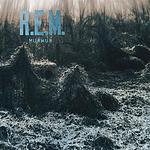
Murmur, R.E.M.'s 1983 debut, foregrounds the band's chiming, jangly guitars and Michael Stipe's distinctive, often obscured vocals. Produced by Mitch Easter and Don Dixon, the record mixes jangle pop, post-punk, and folk-rock elements into concise, atmospheric arrangements with cryptic lyrics, creating a moody alternative rock sound that became influential in early college rock scenes.
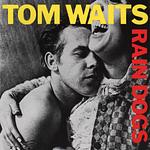
Rain Dogs, released in 1985, finds Tom Waits moving further from his earlier piano-based singer-songwriter style into a grittier, more experimental sound. The album mixes blues, rock, and Americana with off-kilter rhythms, found percussion, accordion and jagged guitar, providing a cinematic, streetwise backdrop for Waits's gravelly vocals and vivid narratives about urban outsiders. It follows Swordfishtrombones and further solidifies his turn toward theatrical, collage-like arrangements and genre-bending songwriting.
#98 — Too-Rye-Ay by Dexys Midnight Runners
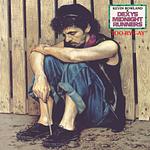
Too-Rye-Ay is the second studio album by Dexys Midnight Runners, released in 1982. It blends the group's blue-eyed soul and New Wave energy with folk rock touches, incorporating fiddle and Celtic-inflected arrangements alongside brass and driving rhythms. The record is notable for Kevin Rowland's raw, emotive vocals and a shift toward more exuberant, danceable pop-soul songs with a distinct folk flavor.
#99 — Dixie Chicken by Little Feat
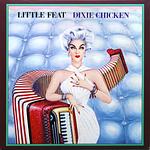
Dixie Chicken (1973) finds Little Feat refining a New Orleans influenced blend of rock, blues, country and funk, with Lowell George's laconic vocals and slide guitar working off Bill Payne's piano and organ. The title track and other cuts combine rollicking R&B grooves, swampy rhythms and tight rhythm section interplay, balancing concise songs with looser, jam-oriented passages. The record marked a shift toward groove based songwriting that became a defining element of Little Feat's sound and a notable touchstone in roots and southern rock circles.
#100 — Irish Heartbeat by Van Morrison, The Chieftains
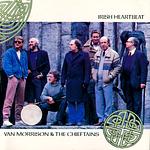
Irish Heartbeat is a 1988 collaborative album by Van Morrison and The Chieftains that blends Morrison's vocal interpretations with The Chieftains' traditional Irish instrumentation. The arrangements emphasize acoustic, folk-oriented textures such as fiddles, uilleann pipes, and bodhrán, creating an intimate, rootsy atmosphere grounded in Celtic and Irish folk traditions. The record pairs Morrison's songwriting and vocal delivery with time-honored melodies, offering stripped-back, reverent performances that foreground melody and traditional instrumentation.