 The Greatest Music
The 1000 Best Albums of All Time
Weight: 35%
How much this list influences our overall rankings. Higher weight means more reliable data.
Penalties Applied:
Fnac’s Les 1000 CD des disquaires de la Fnac (Dec 2008) is a collective, staff-driven canon: Fnac’s record-store specialists (“disquaires”) pooled their picks in a large internal vote to build a near “ideal” 1,000-album library, spanning major genres and highlighting certain titles as indispensables.
#801 — What a Wonderful World by Louis Armstrong
#802 — What Color Is Love by Terry Callier
What Color Is Love (1972) finds Terry Callier blending folk-rooted songwriting with soul, jazz, and orchestral arrangements in a mellow, introspective set produced and arranged by Charles Stepney. Callier's warm, conversational vocals and acoustic guitar sit alongside lush strings and horns, giving the album a meditative, slightly psychedelic soul atmosphere. Its fusion of genres and rich, spacious arrangements mark it as a distinctive and influential record from the early 1970s soul milieu.
#803 — A Hard Day's Night by The Beatles
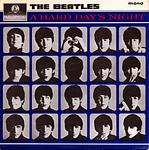
A Hard Day’s Night, the Beatles' 1964 soundtrack to their film of the same name, is built almost entirely from Lennon-McCartney compositions and crystallizes the group's early pop rock and beat sound. The record mixes concise, hook-driven songs and close vocal harmonies with jangly electric guitar textures, most famously the 12-string lead and the instantly recognizable opening chord of the title track. Songs range from driving rockers to melodic ballads and highlight punchy rhythmic interplay and melodic bass lines, marking a clear statement of the band’s songwriting focus during the early Beatles era.
#804 — American Idiot by Green Day

American Idiot is Green Day's 2004 concept album that blends punk rock, pop punk, and alternative rock with a more expansive, theatrical approach. It follows a loose narrative built around characters such as Jesus of Suburbia and uses politically charged lyrics to explore disillusionment, media saturation, and personal alienation, pairing anthem-like choruses with guitar-driven arrangements and occasional multi-part songs. The record broadened the band's sound through denser production and longer compositions while retaining their melodic hooks and punk energy.
Aṣa's 2007 self-titled debut is a singer-songwriter record that blends folk, soul and pop rock with acoustic guitar, warm piano and restrained percussion. Her husky, expressive voice delivers intimate and socially aware lyrics in English and Yoruba, moving between gentle ballads and midtempo grooves with touches of alternative and jazz-tinged arrangements. The album is notable for its melodic, pared-back production and for introducing Aṣa's thoughtful songwriting and vocal presence.
#806 — Audioslave by Audioslave
Audioslave's 2002 self-titled debut brings together Chris Cornell's emotive, grunge-rooted vocals and the propulsive, riff-driven backing of Rage Against the Machine's rhythm section, yielding a hard rock sound that blends alternative metal weight, post-grunge melody, and inventive guitar textures from Tom Morello. The record emphasizes heavy grooves, soaring choruses, and dynamic shifts across tracks such as 'Cochise', 'Like a Stone', and 'Show Me How to Live', highlighting a more melodic, straightforward rock approach than the members' previous bands.
#807 — The Blueprint by JAY‐Z
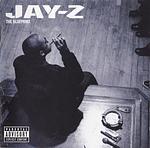
The Blueprint, released in 2001, is an East Coast hip hop album that blends hardcore rap with chipmunk soul and pop rap elements. Its sound emphasizes warm, pitched soul samples and relatively spare, hard-hitting drums, with production that foregrounds Jay-Z's lyricism as he moves between introspective storytelling and confident braggadocio. The record is often cited as a defining early 2000s hip hop album that helped popularize sample-driven, soulful production and raised the profile of several young producers.
#808 — Carnaval des agités by Bérurier Noir
#809 — Différences by Michel Berger
Différences, released in 1985, finds Michel Berger melding his chanson française songwriting with contemporary electronic and synth-pop textures. The album emphasizes polished keyboard and synth arrangements, pop-oriented rhythms, and melodic hooks that support Berger’s intimate, narrative lyricism, reflecting his move toward 1980s production aesthetics while retaining a singer-songwriter sensibility.
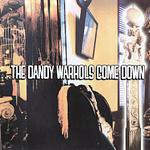
…The Dandy Warhols Come Down is the band’s second album, moving from a raw indie sound toward a more polished, pop-inflected form of alternative rock. It blends jangly guitars and layered synths with psychedelic textures and catchy hooks, emphasizing glossy production and melodic songwriting while helping to define the group’s neo-psychedelic, power pop identity.
Degüello, released in 1979, finds ZZ Top blending blues rock, Southern rock, and harder rock edges with gritty guitar riffs, Texas-rooted rhythms, and Billy Gibbons' distinctive vocals and slide work. The record mixes originals and covers, with songs such as "Cheap Sunglasses" and "I Thank You" emphasizing the trio's tight groove and bluesy swagger. With a rawer, more stripped-back production than the band's later 1980s records, Degüello is often viewed as a transitional album that maintains their roots while hinting at broader sonic directions to come.
#812 — J'ai dix ans by Alain Souchon
J'ai dix ans (1974) finds Alain Souchon working squarely in the chanson française and pop vein, pairing understated, conversational vocals with gentle, melodic arrangements. The songs blend wistful, observational lyrics and touches of wry humor with simple acoustic and piano-based accompaniments and restrained pop production, putting melody and storytelling at the forefront. The overall tone is intimate and reflective, often evoking youth, nostalgia and everyday scenes that are characteristic of Souchon's writing.
#813 — Ex-fan des sixties by Jane Birkin
Ex-fan des sixties (1978) is an album by Jane Birkin that highlights the title song written by Serge Gainsbourg. The record pairs Birkin's intimate, breathy vocal delivery with spare pop arrangements and subtle late-1970s electronic textures, melding French chanson sensibility with contemporary pop production to create a cool, reflective atmosphere. The title track stands out as a wry, nostalgic commentary on changing musical fashions.
#814 — Fisherman's Blues by The Waterboys
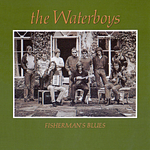
Fisherman's Blues, released in 1988 by The Waterboys, represents a deliberate shift from the band's earlier expansive rock toward a rootsy folk rock sound. Led by Mike Scott, the album foregrounds acoustic instrumentation and traditional influences, with fiddle and other folk textures interwoven with rock rhythms to produce a loose, earthy atmosphere. Its more collaborative, band-driven arrangements and embrace of Celtic and American folk elements helped redefine the group’s musical direction.
#815 — Le Fou Chantant by Charles Trenet
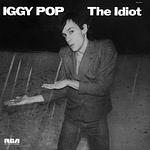
The Idiot, Iggy Pop's 1977 solo album produced and co-written in part by David Bowie, marks a shift from raw garage rock toward a darker, more measured sound that blends rock, art rock, punk energy, and early new wave elements. The record emphasizes sparse, mechanical rhythms, atmospheric synth and guitar textures, and subdued, brooding vocals, with songs like "Nightclubbing" and "China Girl" highlighting its minimalist arrangements and European electronic influences. The album is often seen as a stylistic pivot in Pop's career that contributed to the development of post-punk and new wave aesthetics.
#817 — In Search Of… by N*E*R*D
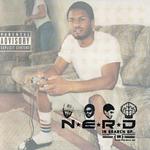
In Search Of... is N*E*R*D's 2001 debut from Pharrell Williams, Chad Hugo and Shay Haley, produced by The Neptunes. The record blends rock, hip hop, funk, contemporary R&B and electronic textures into guitar-driven, beat-forward songs that combine raw live energy with polished, angular production. Pharrell moves between rapping and melodic singing over tight, syncopated rhythms and distorted guitars, giving the album a genre-blurring, alternative R&B and rap rock sound that marked the group's early identity.
#818 — In the City by The Jam
In the City, The Jam's 1977 debut, presents the trio of Paul Weller, Bruce Foxton and Rick Buckler delivering concise, energetic songs that blend punk rock urgency with 1960s mod influences. The record emphasizes trebly, punchy guitars, driving bass and tight drumming, with Weller's sharp, socially observant lyrics and melodic sensibilities that nod to soul and British invasion pop. As an early statement from the band, it established their mod revival approach and set a clear template for their subsequent work.
#819 — Jailbreak by Thin Lizzy
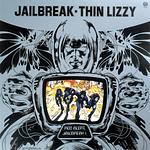
Jailbreak is Thin Lizzy's 1976 album that blends hard rock energy with melodic, pop-inflected songwriting, anchored by Phil Lynott's expressive vocals and bass. The record features the signature twin-lead guitar interplay of Scott Gorham and Brian Robertson, punchy riff-driven tracks and more narrative, hook-focused songs, including the well known "The Boys Are Back in Town" and the title track. Its concise arrangements and strong choruses highlight the band's move toward a more immediately recognizable sound within classic rock styles.
#820 — Justified by Justin Timberlake
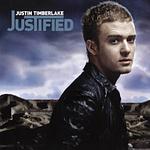
Justified, Justin Timberlake's 2002 solo debut, blends pop, contemporary R&B, dance-pop and hip hop influences as he moved away from his boy band past. The album features rhythm-forward production from The Neptunes and Timbaland, marked by syncopated beats, prominent falsetto vocals and a mix of uptempo grooves and midtempo ballads. Its sound emphasizes R&B textures and electronic flourishes while introducing a more mature, sensual persona for the artist.
#821 — The Libertines by The Libertines
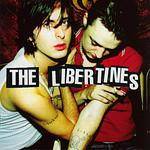
The Libertines is the band's 2004 self-titled album, presenting a ragged, communal take on indie rock with strong garage rock revival and punk rock energy. Musically it mixes jangly, urgent guitars and propulsive rhythms with raw, singalong choruses, anchored by the frayed, intertwining vocals and lyrics of Pete Doherty and Carl Barat that often address friendship, excess, and personal turmoil. The performances and arrangements emphasize immediacy and a loose, live-in-the-studio feel that became a defining element of the group's sound in the early 2000s UK indie scene.
#822 — Lo mejor de la vida by Compay Segundo
#823 — Mellow Gold by Beck
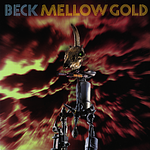
Mellow Gold is Beck's 1994 album that blends lo-fi alternative rock, anti-folk songwriting, and leftfield sample collage, combining acoustic guitars and ramshackle beats with hip-hop influenced loops and stray noise. The songs feature deadpan, stream-of-consciousness lyrics, a slacker aesthetic, and an experimental approach to production that juxtaposes home-recorded intimacy with found sounds and psychedelic touches. The record is notable for establishing Beck's eclectic, genre-blurring style and for bringing anti-folk and offbeat production techniques into a broader alternative rock context.
#824 — La Mémoire neuve by Dominique A
La Mémoire neuve (1995) finds Dominique A working within chanson française and pop through a sparer, more electric and introspective approach. The arrangements often emphasize minimalist guitar, ambient textures and restrained rhythms so the intimate, low-key vocals and elliptical, poetic lyrics sit front and center. The record presents a cooler, modern singer-songwriter take on French chanson that contrasts with more ornate traditions of the genre.
#825 — Passover by The Black Angels
Passover, released in 2006 by The Black Angels, is a dark, reverb-heavy psychedelic rock album that mixes 1960s garage textures with droning, stoner-tinged grooves. The record emphasizes fuzzy, hypnotic guitar lines, propulsive bass and repetitive rhythms, paired with echo-laden vocals and a moody, atmospheric production that foregrounds texture and tension. It established the band’s early sound and is often cited as a touchstone of the mid 2000s neo-psychedelia movement.
#827 — Psychedelic Jungle by The Cramps
Psychedelic Jungle is a 1981 album by The Cramps that fuses garage rock, punk energy and rockabilly with a lurid, reverb-heavy production. Lux Interior's snarling, theatrical vocals and Poison Ivy's twangy, echo-drenched guitar push macabre, B-movie themed lyrics and a mix of original songs and retro covers into a stripped-down, primal sound. The record highlights the band's campy horror aesthetic and raw, retro-minded approach that became influential in psychobilly and garage revival circles.
#828 — Roxy Music by Roxy Music
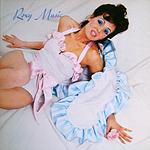
Roxy Music's 1972 self-titled debut blends glam rock's stylish theatricality with art rock experimentation, pairing Brian Ferry's suave vocals and pop songcraft with Brian Eno's electronic treatments and angular instrumental textures. The record juxtaposes concise, melodic tracks and cinematic arrangements with studio experimentation and art-school sensibilities, helping define the band's sleek aesthetic and an art-glam approach to rock.
#829 — Samedi soir à Beyrouth by Bernard Lavilliers
#830 — Tattoo by Rory Gallagher
Rory Gallagher's 1973 album Tattoo is a guitar-centered blues rock record that mixes fiery electric playing with more intimate acoustic moments, presented in a raw, immediate production style. The album highlights Gallagher's muscular lead and slide guitar work, tight band backing, and compact songwriting that draws on blues tradition while retaining a rock drive, making it a distinctive early statement in his solo output.
#831 — Timeless by Sérgio Mendes
Timeless, released in 2006 by Sérgio Mendes, blends traditional samba and bossa nova rhythms with contemporary hip-hop and pop production. The album reworks classic Brazilian tunes alongside new material, using samples, electronic textures, and guest vocalists to create a crossover sound that modernizes Mendes' orchestral arrangements while retaining samba's rhythmic drive.
#832 — Violent Femmes by Violent Femmes
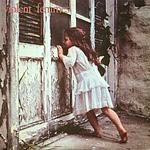
Violent Femmes is the 1983 self-titled debut by the Milwaukee trio Violent Femmes. The record pairs jangly acoustic guitar, minimal percussion and raw, often shouted vocals to fuse folk songcraft with punk attitude, producing terse, direct arrangements and confessional, sometimes abrasive lyrics. Songs such as "Blister in the Sun" and "Add It Up" showcase hooky melodies and urgent dynamics, and the album is frequently noted for its role in shaping early alternative, indie rock and folk punk sensibilities.
#833 — Yael Naim by Yael Naïm, David Donatien
Yael Naim (2007) is a warm, intimate record co-produced by Yael Naïm and David Donatien that blends indie folk, pop and balladry with touches of rock and world music. The arrangements are often sparse and chamber-pop in feel, centered on piano, acoustic guitar, light percussion and occasional strings, letting Naïm's hushed, expressive vocals in both English and French carry the melodies. The album mixes simple, memorable songs with subtle rhythmic and instrumental details, and includes the breezy track "New Soul," which brought the album wide exposure after being featured in an Apple commercial.
#834 — L'Africain by Tiken Jah Fakoly
L'Africain (2007) by Tiken Jah Fakoly is a roots reggae album that blends classic reggae rhythms with West African melodic and lyrical sensibilities. Fakoly sings primarily in French and sometimes in local languages, delivering politically charged lyrics that address post-colonial Africa, migration, and social justice. The music favors steady reggae backbeats, prominent bass lines and rhythmic guitar, with touches of African percussion and melodic coloration, all serving direct, message-driven songwriting. The album continues Fakoly's work as a socially engaged reggae artist rooted in Pan-African themes.
Angola 72 is an early solo album by Bonga that blends Angolan semba and Lusophone folk, built around sparse acoustic guitar, understated percussion, and his warm, resonant baritone. The songs feature melodic, often melancholic arrangements that evoke themes of homeland and longing, offering an intimate, roots-oriented sound representative of his influential role in Lusophone African popular music.
#836 — Baldamore by Hadouk Trio
Baldamore by Hadouk Trio (2007) continues the group's blend of contemporary jazz and world music, favoring acoustic textures, modal melodies, and understated improvisation. The album leans toward atmospheric, chamber-jazz arrangements that draw on North African and Middle Eastern sonorities alongside folk-inflected motifs, with spare rhythms and lyrical interplay shaping a contemplative mood. Overall it presents a subtle, textural approach that emphasizes timbre, melodic detail, and cross-cultural resonance.
#837 — B.R.M.C. by Black Rebel Motorcycle Club
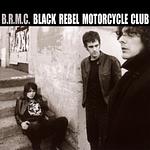
B.R.M.C., the 2001 debut by Black Rebel Motorcycle Club, presents a dark, garage-tinged rock sound built on fuzzed and reverbed guitars, brooding vocals, and hypnotic, repetitive riffs. The album moves between loud, distorted rockers and more restrained, acoustic-tinged moments, drawing on neo-psychedelia and indie rock textures to create a moody, minimalist atmosphere. It established the band’s core sonic identity within the early 2000s garage and alternative rock scene.
#838 — Blufunk Is a Fact! by Keziah Jones
Blufunk Is a Fact! is the 1992 debut album by Keziah Jones that introduces his self-styled blufunk fusion of blues, funk, soul and African rhythmic elements. The record is built around percussive, syncopated guitar playing, spare arrangements and a mix of sung and spoken vocal delivery, emphasizing groove and rhythmic phrasing while blending raw blues tonalities with urban funk sensibilities.
#839 — Caché derrière by Laurent Voulzy
#840 — Celebrate! by Kool & the Gang
Celebrate! (1980) finds Kool & the Gang blending their funk and soul roots with disco-era dance grooves and a more polished pop production, incorporating electronic percussion and synth accents alongside their trademark horns. The record emphasizes catchy, radio-friendly hooks and tight arrangements, notably including the song "Celebration", and marks a clear move toward a crossover sound while retaining elements of the band’s earlier funk and soul identity.
#841 — Coup d'blues by Paul Personne
#842 — Delicate Sound of Thunder by Pink Floyd
Delicate Sound of Thunder is a 1988 live album by Pink Floyd, captured on the band's 1987–88 tour supporting A Momentary Lapse of Reason. The recording presents expansive live interpretations of material from across their catalog, featuring atmospheric keyboards, layered production, and David Gilmour's prominent guitar work and vocal delivery. The album documents the band's large-scale, theatrical concert sound in the post-Roger Waters era, with extended instrumental passages and polished live arrangements.
Hubert-Félix Thiéfaine's 1981 album Dernières balises (avant mutation) pairs driving rock arrangements and early 1980s synth textures with his dense, literate lyrics. The record mixes angular guitar lines, atmospheric keyboards and taut rhythms with a vocal delivery that moves between spoken word and melodic phrasing, creating a moody, introspective atmosphere. The songs often explore surreal, existential and urban themes, reflecting his distinctive fusion of pop and rock with poetic songwriting.
#844 — Déshabillez‐moi by Juliette Gréco
#845 — Diwân by Rachid Taha
Diwân (1998) finds Rachid Taha revisiting North African musical roots through reinterpretations of traditional and popular Algerian songs, blending raï and chaabi influences with contemporary pop and rock arrangements. The album emphasizes Taha's raw, expressive vocals and a mix of acoustic North African textures and modern electric instrumentation, presenting a bridge between Algerian musical heritage and Western production styles.
#846 — Easter by Patti Smith Group
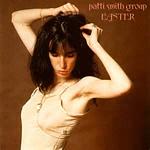
Easter, released in 1978 by the Patti Smith Group, blends Smith's art punk roots with fuller rock arrangements and elements of new wave and hard rock. The album pairs her poetic, often declamatory lyrics with more melodic song structures and cleaner production, most notably on "Because the Night", co-written with Bruce Springsteen, while retaining raw, confrontational tracks and spoken-word passages. It marks a moment where Smith's punk intensity intersects with broader rock accessibility without abandoning her literary approach.
#847 — Employment by Kaiser Chiefs
Employment, the 2005 debut by British band Kaiser Chiefs, is a brisk, hook-driven indie rock record rooted in post-punk revival and power pop. It pairs angular guitars and driving rhythms with catchy, anthemic choruses and observational, often witty lyrics, producing energetic, singalong tracks such as "I Predict a Riot", "Oh My God", and "Everyday I Love You Less and Less". The album's bright production and rhythmic urgency are characteristic of the mid-2000s British indie rock sound.
#848 — Face Value by Phil Collins
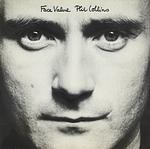
Face Value is Phil Collins' 1981 debut solo album that blends pop rock and soft rock with soul and R&B influences, built around spare, atmospheric production and personal lyrics drawn from his divorce. The record is best known for the moody song 'In the Air Tonight', which features Collins' signature gated drum sound and a slow, tension-filled arrangement; elsewhere the album moves between melodic ballads and horn-tinged pop, establishing the emotional and stylistic template for his solo work.
#849 — Las flores de la vida by Compay Segundo
#850 — "Folon"… The Past by Salif Keita
#851 — Goodbye Yellow Brick Road by Elton John
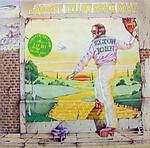
Goodbye Yellow Brick Road is Elton John’s 1973 double album that crystallizes his piano-led blend of pop rock, glam and soft rock into a varied, ambitious set. It moves between raucous rockers like "Saturday Night's Alright for Fighting" and intimate ballads such as "Candle in the Wind", featuring theatrical vocals, rich arrangements and melodic songwriting from his partnership with lyricist Bernie Taupin. The title track and "Bennie and the Jets" display studio experimentation alongside straightforward pop craft, making the record a defining release from his early 1970s period.
#852 — The Good Son by Nick Cave & the Bad Seeds
The Good Son, released in 1990 by Nick Cave & the Bad Seeds, marks a turn toward more melodic, piano- and string-driven songwriting while retaining the band's dark, cinematic sensibility. The album blends blues rock and alternative rock with elements of dark cabaret and art rock, featuring hushed, narrative ballads and sparse arrangements that foreground Cave's baritone and storytelling. Songs such as "The Ship Song" and "The Weeping Song" exemplify its mournful, reflective tone and use of gospel-tinged harmonies and chamber textures. The overall effect is a restrained, literary record that emphasizes melody and atmosphere over the rawer post-punk edge of earlier material.
#853 — Hyæna by Siouxsie and the Banshees
Hyæna, released in 1984 by Siouxsie and the Banshees, expands the band's post-punk and gothic rock roots into more ornate art pop and neo-psychedelic territory. The record pairs Siouxsie Sioux's dramatic, commanding vocals with atmospheric guitar textures, intricate rhythmic patterns, and denser arrangements that incorporate brass and layered production elements. Overall the album emphasizes mood and cinematic scope while retaining a sharp rhythmic drive and an experimental approach to songcraft.
#854 — In Between Dreams by Jack Johnson
In Between Dreams, released in 2005, showcases Jack Johnson's relaxed, acoustic-based approach to songwriting, blending elements of folk, pop and soft rock. The album features warm nylon-string guitar, understated percussion and intimate, mellow vocals, with lyrics that mix personal reflection and environmental and relational themes. Its stripped-back arrangements and easy listening tempos create a laid-back, beach-influenced atmosphere that exemplifies Johnson's signature sound.
#855 — It's a Wonderful Life by Sparklehorse
It's a Wonderful Life is Sparklehorse's 2001 album led by Mark Linkous, blending fragile, intimate songwriting with richer, more cinematic arrangements than earlier releases. The record mixes lo-fi indie rock textures and distorted guitars with occasional strings, horns, and found-sound elements to create a melancholic, dreamlike atmosphere. Songs shift between quiet acoustic moments and fuller, orchestrated pieces, with Linkous's hushed vocal delivery and a strong focus on mood and texture, reflecting a more expansive, collaborative production approach.
#856 — It's Only Rock 'n Roll by The Rolling Stones
It's Only Rock 'n Roll (1974) is a studio album by The Rolling Stones that blends the band's rock and British rhythm and blues roots with elements of blues rock, boogie rock and harder-edged rock. The record includes the title track "It's Only Rock 'n Roll (But I Like It)" and features prominent guitar work from Mick Taylor alongside contributions from Ronnie Wood as his involvement with the group increased. Musically it moves between gritty rockers, bluesy grooves and boogie-tinged numbers, reflecting a transitional period for the band in the mid 1970s.
#857 — Juju by Siouxsie and the Banshees
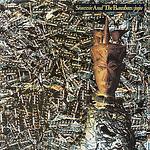
Juju, released in 1981 by Siouxsie and the Banshees, is a tense, atmospheric post-punk album with strong ties to early gothic rock. It pairs Siouxsie Sioux's commanding, stylized vocals with John McGeoch's inventive, angular guitar work and Budgie's propulsive, tom-driven rhythms to create a spare, textured sound; songs such as "Spellbound" capture the record's moody, claustrophobic energy. The album is often regarded as a defining statement in the band's catalog and an influential touchstone for post-punk and gothic guitar-based music.
#858 — Life After Death by The Notorious B.I.G.
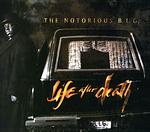
Life After Death is the second and final studio album by The Notorious B.I.G., released in 1997 shortly after his death. The double album blends East Coast hip hop and gangsta rap with pop-leaning hooks, pairing cinematic, sample-driven production and orchestral touches with vivid street narratives and braggadocio. It alternates gritty, hard-edged tracks and radio-friendly singles, emphasizes dense storytelling and mafioso-themed lyrics, and includes notable guest appearances that broaden its sonic palette, marking it as a defining work of 1990s New York rap.
#859 — The Marshall Mathers LP by Eminem
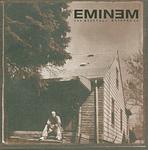
The Marshall Mathers LP (2000) is Eminem's raw, confrontational album that blends hardcore hip hop, horrorcore intensity, and pop-rap hooks. Production frequently uses sparse, eerie beats and layered samples to support tightly wound, rapid-fire delivery, allowing Eminem to shift between darkly comic Slim Shady sketches, confessional storytelling such as "Stan", and violently personal material about fame, family, and identity. The album helped define his public persona and intensified debates about lyrical boundaries by foregrounding provocative, autobiographical songwriting and abrasive satire.
#860 — A Momentary Lapse of Reason by Pink Floyd

A Momentary Lapse of Reason (1987) is Pink Floyd's first major studio release after Roger Waters' departure and reflects David Gilmour's leadership, featuring expansive, atmospheric soundscapes, prominent synthesizer textures, layered production and long instrumental passages alongside more conventional rock songs. The record blends progressive and art rock approaches with ambient moments and occasional orchestral touches, relying heavily on session musicians and studio production to create a spacious, cinematic sonic character.
#861 — Monkey Business by Black Eyed Peas
Monkey Business is the Black Eyed Peas' 2005 album that pushes the group further into mainstream pop and dance-pop while retaining hip hop and pop rap elements. The sound emphasizes polished, club-friendly production with electronic touches, prominent vocal processing, and catchy pop hooks; it pairs rapped verses from will.i.am, apl.de.ap, and Taboo with sung choruses led by Fergie. The record is notable for its pop-oriented songwriting and dancefloor-ready rhythms alongside the group's hip hop roots.
#862 — My Life by Mary J. Blige
My Life (1994) is Mary J. Blige's second studio album that deepened her fusion of contemporary R&B and hip hop soul, pairing sample-driven, downtempo production with gospel-tinged melodies and confessional lyrics about relationships and personal struggle. Blige's raw, emotive vocal delivery is foregrounded against warm, layered arrangements and streetwise rhythms, creating a moodier, more introspective sound than her debut and helping to define an influential 1990s R&B aesthetic focused on honest songwriting and vocal intensity.
#863 — Not on Top by Herman Dune
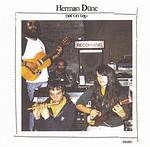
Not on Top, released in 2005 by Herman Dune, is an intimate, melodic album that blends anti-folk and folk rock with indie rock sensibilities. The record favors understated arrangements and a warm, weary vocal delivery, pairing concise, tuneful songs with lyrics that mix melancholy and wry observation. The overall sound emphasizes melody and narrative while retaining the band’s off-kilter, homespun charm.
#864 — Once Upon a Time by Simple Minds
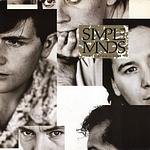
Once Upon a Time (1985) finds Simple Minds moving into anthemic, stadium-oriented rock that blends electronic and new wave textures with synth-pop hooks. The album features sweeping keyboards, layered guitars, driving rhythms, and Jim Kerr's expressive vocals, favoring big, polished arrangements and singalong choruses. Songs such as "Alive and Kicking" and "Sanctify Yourself" exemplify the record's glossy production and pop-rock immediacy, reflecting the band's mid 1980s emphasis on expansive, radio-friendly songwriting.
#865 — Our Love to Admire by Interpol
Our Love to Admire, released in 2007, is Interpol's third studio album and features production by Rich Costey. The record expands the band's post-punk revival approach with denser, more polished arrangements, reverb soaked guitars, pulsing rhythms, and Paul Banks's baritone vocals, moving toward a larger, more atmospheric sound on tracks such as 'The Heinrich Maneuver' and the closing 'Pioneer to the Falls'.
#866 — Paris 1987 by Camarón de la Isla, Tomatito
Paris 1987 is a live album released in 1999 that captures a 1987 Paris performance by singer Camarón de la Isla with guitarist Tomatito. The recording presents intimate, intense flamenco singing paired with Tomatito's sensitive, rhythmically precise and melodically inventive guitar work. The performances emphasize traditional flamenco forms delivered with spontaneous interplay and dynamic contrasts common to live flamenco, highlighting the close musical conversation between voice and guitar.
#867 — Percussions africaines pour la danse by Guem
Percussions africaines pour la danse is a 2002 album by Guem that centers on African percussion sounds aimed at dance contexts; the recordings emphasize rhythmic patterns, grooves, and percussive textures with instruments and rhythms taking the lead over melodic accompaniment.
#868 — Pièce montée des grands jours by Thomas Fersen
#869 — Première Consultation by Doc Gynéco
Première Consultation, Doc Gynéco's 1996 debut, blends French hip hop with G-funk and pop rap influences, pairing laid-back, synth-driven grooves and melodic hooks with a conversational, sing-song vocal delivery. The lyrics move between street-level observations and ironic, sometimes playful social commentary, giving the album a smooth, accessible sound that introduced his voice and style in the French rap scene.
#870 — Pull marine by Isabelle Adjani
#871 — Pure Ella by Ella Fitzgerald
#872 — Ritual de lo habitual by Jane's Addiction
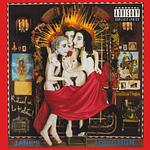
Ritual de lo habitual is Jane's Addiction's 1990 album that blends alternative rock and alternative metal guitar intensity with funk-inflected rhythms and dance-rock grooves, anchored by Perry Farrell's expressive vocals and Dave Navarro's angular guitar work. Tracks move from punchy, riff-driven songs like Ain't No Right and Been Caught Stealing to more atmospheric, melodic pieces such as Classic Girl, showing a mix of aggression, groove, and psychedelic textures. The album helped define the band's sound and influenced the early 1990s alternative scene through its adventurous arrangements and production.
#873 — Rock for Light by Bad Brains
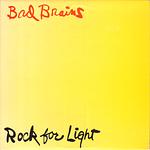
Rock for Light (1983) captures Bad Brains' intense blend of lightning-fast hardcore punk and reggae-inflected rhythms, pairing rapid, precise musicianship with abrupt tempo shifts and dub-leaning breaks. H.R.'s raw, high-register vocals ride over Dr. Know's sharp, technical guitar work and a rhythm section that alternates between breakneck punk and pocketed reggae grooves. The album's lean, urgent production and contrast between aggression and groove helped define the band's signature sound and influenced the crossover of punk and reggae in American hardcore.
#874 — Rumba argelina by Radio Tarifa
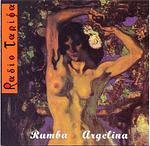
Rumba Argelina, released in 1993 by Radio Tarifa, is a folk-rooted album that blends Andalusian, North African and Iberian traditions with Latin and flamenco-inflected rhythms. The group favors acoustic textures, modal melodies and layered vocal lines to evoke medieval and Mediterranean sound worlds, moving between lively percussion-driven pieces and more spare, atmospheric tracks. The record foregrounds cross-cultural fusion and reworks historical folk sources into contemporary arrangements.
#875 — The Slim Shady LP by Eminem
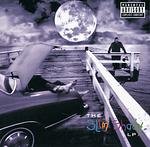
The Slim Shady LP (1999) is Eminem's major label breakthrough that introduces his Slim Shady persona, mixing dark, shock-driven humor and violent satirical storytelling with tightly wound rhyme schemes. Musically it blends hardcore hip hop and horrorcore themes with boom bap influenced, sample-forward production and polished, cinematic touches, using skits and sudden mood shifts to amplify its black comedy. The record is notable for its provocative lyricism, agile delivery, and theatrical approach that helped define Eminem's public voice.
#876 — The Smiths by The Smiths
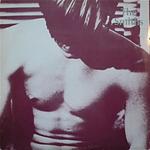
The Smiths' self-titled 1984 debut pairs Johnny Marr's chiming, jangly guitar figures and economical arrangements with Morrissey's literate, world-weary vocal delivery and wry, observational lyrics. The record blends bright, melodic guitar textures with melancholic themes, helping to crystallize a strand of British indie pop and alternative rock centered on concise songcraft and emotional ambiguity.
#877 — Talking Heads: 77 by Talking Heads
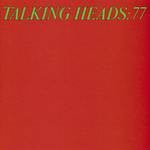
Talking Heads: 77 is the band's 1977 debut album that captures their early mix of art-school sensibility and punk energy. The record features angular, staccato guitar work, tight rhythmic interplay from the rhythm section, and David Byrne's literate, slightly nervous vocal delivery, blending spare rock arrangements with catchy, quirky melodies. With tracks such as "Psycho Killer," the album stands as an early example of New Wave and art punk and helped establish the distinctive sound the group developed on later records.
Released in 1967, Their Satanic Majesties Request finds the Rolling Stones embracing psychedelic experimentation, blending rock with psychedelic pop, baroque touches and studio-driven, experimental production. The record uses layered instrumentation, Mellotron and orchestral and brass colorings alongside more conventional rock arrangements, producing both whimsical pop moments like "She's a Rainbow" and spacey, effects-driven pieces such as "2000 Light Years from Home". The album represents a deliberate detour into late 1960s psychedelia before the band moved back toward a more roots-oriented sound.
#879 — Tumi and the Volume by Tumi and the Volume
Tumi and the Volume (2006) pairs Tumi Molekane's literate, socially conscious rap with a full live band sound that draws on jazz, soul and funk textures. The album is built around warm horns, keys and guitarist-driven grooves, favoring organic, groove-oriented arrangements over sample-based production, and foregrounds narrative lyricism and political observation within a South African hip hop context.
#880 — The Undertones by The Undertones
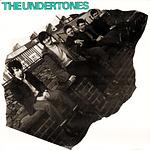
The Undertones' 1979 debut is a concise, guitar-driven record that pairs punk urgency with catchy pop melodies. Tracks are short and immediate, built from choppy power-chord rhythms, jangly lead lines, and Feargal Sharkey's distinctive youthful vocals, with lyrics focused on adolescent life and direct, unadorned hooks. The album emphasizes bright, energetic arrangements that bridge punk, new wave, and early pop punk sensibilities.
#881 — Version 2.0 by Garbage
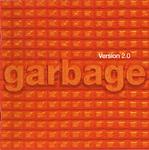
Version 2.0 is Garbage's 1998 second studio album, self-produced by the band and built around Shirley Manson's assertive vocals. It refines the group's blend of alternative rock and pop hooks with layered electronic beats, samples, dense production, and rock guitar, creating a glossy yet abrasive sound that bridges rock and dance influences. The record is notable for consolidating the band's electronica-tinged rock aesthetic and for its tightly arranged, hook-driven songs.
#882 — La Vie Théodore by Alain Souchon
La Vie Théodore (2005) by Alain Souchon is a chanson française album that emphasizes intimate, literate songwriting and a warm, conversational vocal delivery. The record leans toward restrained, melodic arrangements that foreground lyrics and mood, with an overall tone of reflection and gentle nostalgia, continuing Souchon's focus on everyday observations and personal insight.
#883 — VU by The Velvet Underground
VU, issued in the mid 1980s, collects previously unreleased outtakes and rarities from The Velvet Underground's late 1960s sessions. The album pairs the band's raw rock and roll energy with more polished, pop-leaning arrangements and their art rock and experimental impulses; songs range from concise, melody-driven pieces to rougher, atmospheric experiments, featuring Lou Reed's laconic vocal delivery and chiming guitars with organ textures. As a document of a transitional phase, VU highlights the interplay between accessible songwriting and the avant garde tendencies that shaped the band's sound.
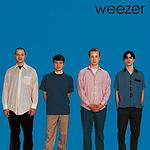
Weezer (1994), commonly known as the Blue Album, is the band's debut studio record. Produced by Ric Ocasek, it blends alternative rock and power pop with clean, guitar-driven arrangements, prominent melodic hooks, and introspective lyrics from Rivers Cuomo. Tracks such as "Undone (The Sweater Song)", "Buddy Holly", and "Say It Ain't So" mix crunchy guitars, singalong choruses, and occasional softer passages, creating an accessible yet angular sound that became associated with 1990s alternative and pop punk scenes.
#885 — Western sous la neige by Dionysos
Western sous la neige, released in 2002 by French band Dionysos, blends indie and alternative rock with folk and art rock elements. The album pairs theatrical, often surreal songwriting with energetic rock arrangements and quieter acoustic passages, featuring prominent violin and melodic vocal interplay that lend a whimsical, cinematic quality. It is a clear example of the band’s eclectic instrumentation and story-driven approach within early 2000s French rock.
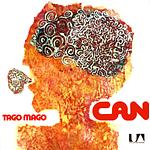
Tago Mago (1971) by Can is a key album in the krautrock and experimental rock canon that blends long-form improvisation, tape editing and early electronic textures into dense, hypnotic soundscapes. The record emphasizes repetitive, propulsive rhythms, spare organ and guitar motifs, and Damo Suzuki's improvisatory vocal contributions, producing a collage-like flow that moves between sprawling jams and shorter, fragmentary pieces. Its focus on studio experimentation, groove and atmosphere helped open rock toward more abstract and electronic approaches and has been widely cited as influential on later experimental and electronic artists.
#887 — Boots by Nancy Sinatra
Boots (1966) presents Nancy Sinatra singing in a cool, assertive style over arrangements that blend pop and pop rock with easy listening, baroque pop, and light jazz touches. Anchored by the song "These Boots Are Made for Walkin'", the album pairs brassy and string-laced orchestration with contemporary rhythmic backdrops to create a stylish, slightly cinematic 1960s pop sound. The record helped shape Sinatra's solo identity by combining fashionable production with a more modern, self-assured vocal persona.
#888 — White on Blonde by Texas
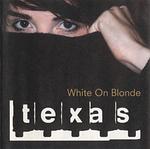
White on Blonde, Texas's 1997 album, moves the band toward a smoother, more polished sound that blends pop rock and alternative rock with downtempo and electronic textures. Sharleen Spiteri's warm, soulful vocals sit over grooving rhythms, atmospheric keyboards, and subtle electronic production, with songs that balance catchy hooks and reflective lyrics about relationships and mood. The record broadens the band's palette beyond guitar-based rock into more mood-driven arrangements while retaining a strong melodic focus.
#889 — Wincing the Night Away by The Shins
Wincing the Night Away is The Shins' 2007 album that expands their indie rock and folk-influenced sound into richer, more polished arrangements. James Mercer’s melodic, introspective songwriting is presented with fuller production, including chiming guitars, layered harmonies and prominent synth textures, producing concise pop-oriented songs with melancholic undertones. The record retains the band’s signature melodic clarity while exploring denser instrumentation and broader sonic textures.
#890 — Youth & Young Manhood by Kings of Leon
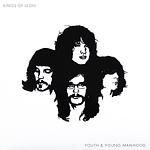
Youth & Young Manhood is Kings of Leon's 2003 debut studio album. It captures a raw, guitar-driven sound that mixes Southern rock grit with garage and indie rock energy. The production emphasizes reverb-heavy guitars, taut rhythms, and Caleb Followill's rough, urgent vocals, giving the songs a tense, immediate feel. The record introduced the band's early aesthetic of concise, riff-based tracks rooted in blues and country influences while projecting a youthful, restless intensity.
#891 — Xenophonia by Bojan Z
Abacab, a 1981 album by Genesis, marks the band moving further from their 1970s progressive complexity toward a tighter, more rhythmic and pop-oriented sound. The record emphasizes synthesizers, punchy drums, and concise song structures, blending art rock textures with pop rock accessibility while retaining occasional experimental and atmospheric passages. Its production and focus on groove and streamlined arrangements represent a clear stylistic shift in the band's catalog.
#893 — Amicalement Blues by Hubert-Félix Thiéfaine, Paul Personne
Amicalement Blues (2007) is a collaborative album by French singer-songwriter Hubert-Félix Thiéfaine and blues guitarist Paul Personne that blends blues-rooted guitar work with Thiéfaine's literate French songwriting and vocal delivery. The record pairs raw, expressive electric guitar and straightforward rhythms with melodic pop sensibilities, producing an intimate, guitar-forward sound that highlights the interplay between voice and instrument.
#894 — Amplified Heart by Everything but the Girl
Amplified Heart (1994) finds Everything but the Girl working in a restrained hybrid of acoustic balladry and subtle electronic production, pairing Tracey Thorn's intimate, plaintive vocals with Ben Watt's spare guitar and piano and understated synth textures. The record blends downtempo and synth-pop inflections with alternative rock sensibilities, favoring melancholic, melodic songs and minimal grooves. It includes the track "Missing", which later reached wider audiences through a dance remix, and the album is often remembered for its quiet, emotionally direct songwriting and clean, atmospheric production.
#895 — The Animals by The Animals
The Animals (1964) showcases the group's blues-rooted rock and R&B, anchored by Eric Burdon's raw, soulful vocals and Alan Price's prominent organ lines. The album favors gritty electric guitar, steady rhythm work, and interpretations of American blues and folk material, most notably their extended, dramatic reading of "The House of the Rising Sun." It presents a darker, urban take on blues within the British Invasion sound and emphasizes powerful, band-centered arrangements.
#896 — Band of Gypsies by Taraf de Haïdouks
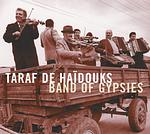
Band of Gypsies, recorded by Taraf de Haïdouks in 2001, showcases the Romanian Romani ensemble's energetic blend of lăutărească and Balkan folk, built around virtuosic fiddles, accordion and cimbalom with rhythmic accompaniment and expressive vocals. The album moves between plaintive ballads and fast dance tunes, highlighting close ensemble interplay, improvisatory solos and a raw acoustic sound that emphasizes traditional instrumental textures and communal performance energy.
Beyond the Missouri Sky (Short Stories) is a 1997 duo album by bassist Charlie Haden and guitarist Pat Metheny. The record consists of intimate instrumental duets that emphasize melody, space, and lyrical interplay, blending jazz improvisation with elements of folk and Americana. Its spare acoustic textures and reflective mood showcase the conversational chemistry between two seasoned players.
#898 — Blood on the Tracks by Bob Dylan
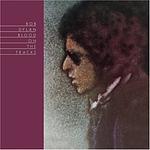
Blood on the Tracks, released in 1975, is an intimate, lyrically driven album that blends Dylan's folk rock roots with elements of blues and country rock. The songs are narrative and confessional, centering on relationships and emotional turmoil, delivered through spare acoustic arrangements with occasional fuller band backing. The record is characterized by direct, conversational vocals, rich storytelling, and a live, immediate studio feel that emphasizes songwriting and emotional clarity.
#899 — Cantaloupe Island by Herbie Hancock
#900 — Ferrat chante Aragon by Jean Ferrat
Ferrat chante Aragon presents Jean Ferrat interpreting the poems of Louis Aragon, delivered in his warm baritone within a French chanson-pop idiom that mixes acoustic, folk-tinged arrangements with fuller orchestral touches. The album foregrounds clear melodies and poetic lyrics, reflecting Ferrat's long engagement with Aragon's writing and his inclination toward socially aware themes. Musically it balances intimate guitar and piano settings with richer string or horn textures, keeping the focus on the words and vocal delivery.