 The Greatest Music
The 1000 Best Albums of All Time
Weight: 35%
How much this list influences our overall rankings. Higher weight means more reliable data.
Penalties Applied:
Fnac’s Les 1000 CD des disquaires de la Fnac (Dec 2008) is a collective, staff-driven canon: Fnac’s record-store specialists (“disquaires”) pooled their picks in a large internal vote to build a near “ideal” 1,000-album library, spanning major genres and highlighting certain titles as indispensables.
#901 — Ciranda by Márcio Faraco
#902 — Creature Shock Radio by Puppetmastaz
#903 — Dangerously in Love by Beyoncé
Dangerously in Love is Beyoncé's 2003 solo debut that moves her from group work into a contemporary R&B and pop sound with dance-pop and dancehall touches. The album balances energetic, horn-driven uptempo tracks and intimate ballads to showcase her vocal range and solo persona, and it includes the single "Crazy in Love" featuring Jay-Z. Production blends modern R&B rhythms with pop hooks and club-oriented beats, marking the musical direction she would continue to develop as a solo artist.
#904 — Diamonds & Rust by Joan Baez
Diamonds & Rust (1975) finds Joan Baez moving further into folk rock, combining her clear soprano and acoustic guitar work with fuller, electric arrangements and band backing. The album mixes Baez originals and contemporary covers, and the title track, widely interpreted as addressing Bob Dylan, became one of her most personal and enduring songs. Overall the record reflects a shift toward more contemporary singer songwriter material while retaining Baez's folk roots.
Krush is a 1994 album by DJ Krush that presents a moody, instrumental take on hip hop, drawing on trip hop, acid jazz and electronic influences. The music features sparse, sample-based arrangements, prominent turntable work and downtempo, cinematic beats that emphasize atmosphere and texture over vocal hooks.
#906 — Electric Chubbyland Volume One by Popa Chubby
#907 — ZZ Top's First Album by ZZ Top
ZZ Top's First Album captures the band's raw blues-rock roots with gritty, guitar-driven arrangements and steady boogie grooves from the trio of Billy Gibbons, Dusty Hill, and Frank Beard. The record blends traditional blues influences with hard-rock energy and Southern inflections, presented with rough-hewn production and a live, garage feel that emphasizes tight rhythm playing and a distinctive guitar tone. As their debut, it introduced the pared-down trio sound and blues-based aesthetic ZZ Top would continue to develop on subsequent records.
#908 — For Your Pleasure by Roxy Music
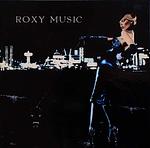
For Your Pleasure, Roxy Music's second studio album released in 1973, refines the band's art rock and glam approach with theatrical arrangements, sleek pop songwriting and abrasive experimental textures. Bryan Ferry's elegant, ironic vocals ride over Andy Mackay's saxophone, Phil Manzanera's guitar work and Brian Eno's synthesizer treatments, producing songs that range from seductive to unsettling, notably "Do the Strand" and "In Every Dream Home a Heartache". The album is the last to feature Eno and is often cited for combining glamour and avant garde production with a raw edge that points toward proto-punk and post-punk sounds.
#909 — Genesis by Busta Rhymes
Genesis is a 2001 hip hop album by Busta Rhymes that blends energetic East Coast hardcore rap with the polished, early 2000s mainstream production sound. The record highlights Busta's rapid-fire, animated delivery across both aggressive, hard-hitting tracks and more radio-friendly, club-oriented singles, pairing dense, percussion-driven beats with layered, cinematic arrangements to balance street-oriented intensity and commercial accessibility.
#910 — Ten Years After by Ten Years After
Ten Years After's 1967 self-titled debut presents the band's raw, guitar-driven take on British blues rock. The record foregrounds Alvin Lee's agile, concise guitar work and a punchy rhythm section, with organ textures adding harmonic depth. Songs move between blues-based arrangements and more uptempo rockers, delivered with a live-minded intensity and straightforward production typical of late 1960s blues rock. As an early statement from the group, it captures their fusion of American blues influences and British rock energy.
#911 — Gran Turismo by The Cardigans
Gran Turismo, released in 1998 by The Cardigans, moves the band toward a darker, more electronically tinged sound that blends pop rock, alternative rock, indie pop and downtempo atmospheres. With polished, layered production and subdued beats, the album pairs atmospheric synth textures and moody arrangements with Nina Persson's cool, intimate vocal delivery, creating a cinematic, melancholic tone that marked a clear stylistic shift from their earlier, lighter work.
#912 — The Great Escape by Blur
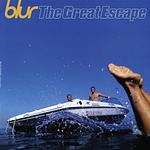
The Great Escape is Blur's 1995 album that extends the band's Britpop and indie rock palette into more expansive, often orchestral arrangements and neo-psychedelic textures. Musically it balances upbeat, hook-driven pop with jagged guitar and atmospheric touches, while lyrically turning satirical and sometimes melancholic toward modern British life and the costs of fame. The album is notable for its widescreen production and a mix of catchy melodies with darker undercurrents, reflecting the band's evolving ambitions within mid 1990s alternative rock.
#913 — How to Dismantle an Atomic Bomb by U2
How to Dismantle an Atomic Bomb finds U2 returning to guitar-driven, anthemic rock with a focus on strong melodies, layered electric guitar textures from the Edge, and Bono's distinctive, emotive vocals. The songs balance stadium-sized rockers and more reflective ballads, exploring personal and spiritual themes with direct, radio-friendly arrangements and polished production. It is often noted for its emphasis on songwriting craft and a more conventional rock sound compared with some of the band's more experimental work.
#914 — Illumination by Earth, Wind & Fire
Illumination, released in 2005 by Earth, Wind & Fire, blends the band's signature horn-driven arrangements and layered vocal harmonies with contemporary R&B, pop, disco and hip hop-influenced production. The album pairs classic instrumental touches such as brass and percussion with modern beats and guest contributions, presenting a polished, accessible update that links the group's funk and soul roots to 2000s production aesthetics.
#915 — In Step by Stevie Ray Vaughan and Double Trouble
In Step, released in 1989, captures a more composed and focused side of Stevie Ray Vaughan and Double Trouble's electric Texas blues. The album blends hard-driving blues rock numbers with reflective and melodic pieces, featuring Vaughan's searing guitar work, tighter band interplay, and an instrumental that reveals a softer, jazz-tinged touch. Production is cleaner than on earlier records and includes occasional keyboards and vocal arrangements that broaden the classic trio sound. Overall the record conveys a sense of renewal and musical maturity for Vaughan and his band.
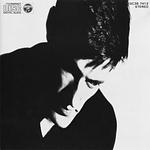
Low-Life (1985) by New Order blends post-punk songwriting with synth-driven dance production, pairing Bernard Sumner's cool, emotive vocals with Peter Hook's melodic, high-register basslines and Stephen Morris's precise drums and programming, while Gillian Gilbert contributes keyboard textures. The record balances rock instrumentation and electronic rhythms, moving between atmospheric instrumentals and concise, hook-driven songs, and marks a consolidation of the band's shift from post-punk roots toward a more club-oriented, electronic pop sound.
#917 — Marc & Robert by Les Rita Mitsouko
Marc & Robert, released in 1988 by Les Rita Mitsouko, blends electronic and rock elements within a synth-pop and alternative framework, featuring textured synth arrangements, funk-tinged rhythms and off-kilter song structures. The album showcases Catherine Ringer's theatrical vocals over eclectic, genre-mixing production, pairing accessible melodies with experimental touches and collaborations that push toward leftfield pop. Overall it presents a more polished, dance-oriented sound while retaining the duo's quirky, inventive approach.
#918 — Midi 20 by Grand Corps Malade
Midi 20, released in 2006 by Grand Corps Malade, pairs spoken-word and slam poetry with hip hop and pop-leaning arrangements, featuring measured, rhythmic recitations over sparse beats, piano, and understated instrumentation. The album emphasizes narrative and vocal delivery, exploring urban themes and personal reflection, and its intimate production helped introduce many listeners to contemporary French slam.
#919 — The Last Waltz by The Band
The Last Waltz is a live album and soundtrack to Martin Scorsese's concert film, documenting The Band's farewell performance at Winterland in 1976. Musically it distills the group's roots-based blend of folk rock, country rock, blues and classic rock, emphasizing warm ensemble vocal harmonies, organ and guitar interplay, and grounded rhythmic drive. The recording features collaborative performances with a range of guest artists and functions as a celebratory, career-defining capture of The Band's earthy, Americana-inflected sound.
#920 — La Note bleue by Claude Nougaro
Overtones (2007) by Just Jack mixes pop songwriting with hip hop rhythms, electronic production and touches of funk and rock. The record pairs talk-sung, conversational vocals and observational lyrics with catchy melodic choruses, upbeat grooves and polished electronic textures, moving between club-ready, sample-driven numbers and more reflective, acoustic-tinged songs. Overall it highlights Just Jack's knack for accessible hooks and witty storytelling within a crossover pop-electronic framework.
#922 — Laisse béton by Renaud
Promise is Sade's second studio album, released in 1985. It continues the band's blend of sophisti-pop, smooth soul, contemporary R&B and jazz-influenced pop, built around Sade Adu's restrained, emotive vocals, warm saxophone and mellow, spacious arrangements. Tracks such as 'The Sweetest Taboo', 'Is It a Crime?' and 'Never as Good as the First Time' exemplify the album's focus on romantic longing and polished, understated production.
#924 — Próxima estación: Esperanza by Manu Chao
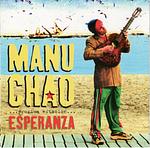
Próxima estación: Esperanza, released in 2001 by Manu Chao, blends reggae, ska, Latin rhythms and folk-pop into a loose, collage-like record built from short vignettes, repeated hooks and multilingual lyrics. The production favors rough, live-in-the-studio textures with acoustic guitar, accordion, brass punctuations and loose percussion, while samples and loops stitch tracks together. Lyrically it moves between personal phrases and street-level observations about travel, migration and urban life, often sung in Spanish, French and English, and songs such as "Me Gustas Tú" exemplify the album's catchy simplicity and global street-music sensibility.
#925 — Quelqu'un m'a dit by Carla Bruni
Quelqu'un m'a dit, Carla Bruni's 2002 debut, is a quietly intimate collection of French-language songs that blends chanson, folk, and pop. Bruni's breathy, conversational vocal delivery sits over sparse acoustic arrangements anchored by nylon-string guitar, gentle piano, and occasional strings, emphasizing lyric-driven, confessional melodies. The album's minimalist production and Parisian mood present a modern, understated take on classic French chanson and introduced Bruni as a singer-songwriter with a restrained, personal sound.
#926 — S.C.I.E.N.C.E. by Incubus
S.C.I.E.N.C.E. is Incubus's 1997 album that blends funk metal, alternative metal and alternative rock, combining heavy guitar riffs, slap bass grooves, turntable-driven textures and energetic, sometimes rap-inflected vocals. The record emphasizes eclectic arrangements and experimental interludes, mixing aggressive rock, funk rhythms and electronic touches to create a raw, genre-defying sound that contrasts with the band's later, more polished melodic work. It is notable for its adventurous production and for capturing the group's early fusion of styles.
#927 — Sea Change by Beck
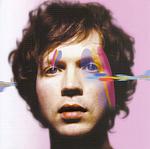
Sea Change, released in 2002 and produced by Nigel Godrich, is an introspective, largely acoustic album that emphasizes somber songwriting and understated arrangements. It blends elements of folk rock, alternative country, and chamber pop, using acoustic guitar, piano, string arrangements and restrained production to support Beck's subdued vocal delivery. The record marks a clear stylistic shift from his earlier sample-based, genre-mixing work and is noted for its intimate, melancholic atmosphere.
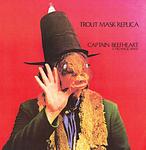
Trout Mask Replica (1969) by Captain Beefheart and His Magic Band is a dense, challenging record that fuses Delta blues foundations with avant-garde and free jazz approaches. Its arrangements feature jagged rhythms, abrupt tempo changes, dissonant horns, and raw, shouted vocals paired with surreal, collage-like lyrics, producing an abrasive and unpredictable sound. The album is often cited as a key work of experimental rock and proto-punk for its uncompromising structures and lasting influence on underground and alternative music.
#929 — Unbehagen by Nina Hagen Band
Unbehagen, released in 1979 by Nina Hagen Band, blends new wave and punk energy with eclectic touches of reggae and cabaret-influenced theatrics. The record highlights Hagen's wide vocal range and unpredictable, expressive delivery against angular guitar work, synth textures, and varied rhythms, with primarily German-language songs and occasional English lines. It helped cement her persona in the late 1970s German punk and new wave scene and is notable for its bold, theatrical approach to songwriting and performance.
#930 — Vacances prolongées by Les V.R.P.
#931 — Wakafrika by Manu Dibango
Wakafrika (1994) finds Manu Dibango marrying his signature saxophone-led Afro-jazz approach with contemporary electronic and electro production. The album emphasizes rhythmic African grooves and funk influences alongside programmed beats, synth textures, and occasional sampling, producing a danceable fusion that foregrounds melodic sax lines within modern club-oriented arrangements. It reflects Dibango's interest in bridging traditional African music with late 20th century electronic sounds.
#932 — White Chalk by PJ Harvey
White Chalk, released in 2007, marks a deliberate stylistic shift for PJ Harvey toward spare, piano-centered arrangements and a higher, spectral vocal delivery. The songs favor a bleak, intimate chamber folk and singer-songwriter sensibility over her earlier guitar-driven sound, using sparse accompaniment, subtle strings and restrained percussion to create a haunting, melancholic atmosphere. The album is notable for its minimalist textures and focus on mood and storytelling within an alternative and indie rock context.
#933 — Young Tree by Groundation
Young Tree is Groundation's 1999 debut that presents a roots reggae and dub-based sound, emphasizing deep, organic grooves and dub-leaning production. The album features soulful vocals and steady rhythmic foundations with warm instrumental layers and conscious lyrical themes, serving as an early statement of the band's approach to blending traditional reggae forms with expansive arrangements.
#934 — Zuma by Neil Young, Crazy Horse
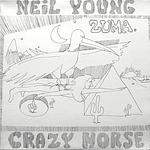
Zuma, released in 1975 by Neil Young with Crazy Horse, blends folk-rooted songwriting and raw electric rock, alternating spare acoustic numbers with loose, extended guitar jams. The record includes the slow-burning, atmospheric "Cortez the Killer" and highlights Crazy Horse's ragged, responsive backing alongside Young's expressive solos, yielding a mix of contemplative lyricism and distorted, improvisatory intensity. It stands as a distinctive entry in Young's mid-1970s work, balancing quieter songs with abrasive, feedback-soaked textures.
4, released in 1981 by Foreigner, blends arena rock and pop rock with hard rock elements and a more polished, synthesizer-forward production. The album balances driving, guitar-led tracks such as "Urgent", which features a prominent saxophone solo by Junior Walker, with atmospheric balladry like "Waiting for a Girl Like You", and is notable for Lou Gramm's vocals, Mick Jones's songwriting, and a radio-friendly, big-production sound that broadened the band's pop appeal.

Ænima, Tool's 1996 album, blends heavy riffing and alternative metal aggression with progressive rock complexity and art rock atmospherics. The record emphasizes polyrhythmic drumming, textured guitar effects and prominent bass lines, and features extended song structures that move between sparse, ambient passages and dense, heavy climaxes, while Maynard James Keenan's vocals shift from subdued spoken moments to powerful, emotive delivery. Lyrically it mixes introspective themes, confrontational imagery and dark humor, marking a move toward more layered, intricate compositions in the band's sound.
#937 — Afterburner by ZZ Top
Afterburner, released in 1985, finds ZZ Top extending the synth-heavy, polished production approach they explored on their earlier 1980s work, blending blues-rock and Texas boogie roots with prominent synthesizers, sequenced bass lines, and gated percussion. The album pairs Billy Gibbons' gritty guitar tone and drawling vocals with more pop-oriented arrangements and studio effects, producing both punchy rockers and slower ballads; tracks such as "Sleeping Bag", "Stages", and "Rough Boy" illustrate this mix of hard rock and blues foundation with contemporary 1980s production and MTV-era visual sensibilities. It is notable for its slick, electronic-tinged sound that modernizes the band's Southern rock and blues influences while keeping their core guitar identity intact.
Alice is a collection of songs written for a stage adaptation inspired by Lewis Carroll's Alice, presented in a restrained, theatrical style that blends art rock with cabaret and chamber-pop elements. Waits's gravelly vocals inhabit sparse piano, muted percussion, and atmospheric arrangements, creating a nocturnal, surreal mood that foregrounds storytelling and lyrical imagery rather than conventional rock dynamics. The album is notable for its intimate, stage-oriented arrangements and darkly poetic, character-driven songs.
#939 — Anthology by Barry White
Anthology (1994) is a compilation that highlights Barry White's signature blend of orchestral soul, R&B, and disco-tinged balladry, centered on his deep baritone and lush string arrangements. The selections emphasize romantic and sensual themes, with warm, prominent bass lines, layered vocal harmonies, and sweeping production that reflect the style White was best known for and his influence on 1970s soul and disco sounds.
#940 — Baby Alone in Babylone by Jane Birkin
Baby Alone in Babylone (1983) is a pop-oriented album by Jane Birkin that blends intimate, breathy vocal performances with arrangements drawing on French chanson and contemporary pop. The record emphasizes a restrained, often melancholic mood, foregrounding Birkin's soft, conversational singing over orchestral touches and subtle electronic textures to create a nocturnal, cinematic atmosphere. The album is part of her longstanding artistic collaboration with Serge Gainsbourg and showcases her ability to convey vulnerability and sophistication in understated settings.
#941 — Badmotorfinger by Soundgarden
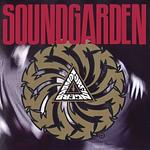
Badmotorfinger, Soundgarden's 1991 studio album, blends heavy metal heft with alternative rock and grunge sensibilities. The record is marked by thick, metallic guitar riffs, dense production, and frequent shifts in tempo and meter, anchored by Chris Cornell's powerful, wide-ranging vocals. Tracks move between sludgy, downtuned heaviness and more melodic passages, showcasing the band's mix of hard rock, metal, and alternative influences and helping to define their sound in the early 1990s.
Blowback is a 2001 album in which Tricky moves some of his trip hop roots toward a more rock and song-focused approach, blending electronic and downtempo textures with guitar-driven arrangements and conventional song structures. The record emphasizes collaborations with outside vocalists and adopts a cleaner, more polished production while retaining Tricky's trademark moody atmosphere and off-kilter rhythms, making it notable for its fusion of atmospheric production and rock-influenced songwriting.
Bob Dylan is the singer's 1962 debut album, presenting a spare, acoustic folk sound rooted in traditional folk and blues. The record mixes covers of standards with early original songs and highlights Dylan's direct vocal delivery and harmonica-accented guitar arrangements, reflecting his debt to the American folk tradition and figures like Woody Guthrie. As his first studio release, it documents his early acoustic style prior to his later move toward broader instrumentation and songwriting scope.
#944 — Burn My Eyes by Machine Head
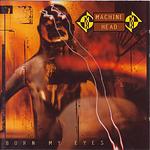
Burn My Eyes is Machine Head's 1994 debut that blends thrash aggression with groove oriented riffing, helping define a heavier, more rhythmic strand of 1990s metal. The sound is built on chunky, downtuned guitars, tight, percussive riffing and Robb Flynn's snarling, occasionally melodic vocals, with intense, confrontational songwriting exemplified by the opening track Davidian. Its raw, heavy approach and balance of speed and groove established the band's early identity and resonated with many metal listeners of the era.
#945 — Diamonds on the Inside by Ben Harper
Diamonds on the Inside (2003) finds Ben Harper working in a warm, acoustic-centered mode that blends folk rock, blues rock, and alternative sensibilities. The album emphasizes Harper's soulful vocals and slide guitar, with mellow arrangements that incorporate reggae-tinged rhythms and occasional world-music textures, producing a varied yet cohesive set of introspective and socially aware songs. The production favors organic instruments and intimate performances, making the record one of Harper's accessible, melodic offerings from the early 2000s.
#946 — Emotions by The Pretty Things
Emotions, released in 1967 by The Pretty Things, captures the band's move from raw R&B and freakbeat toward a more polished psychedelic pop and rock sound. The album pairs driving guitar rhythms and melodic vocal harmonies with occasional orchestral touches and studio-made textures, favoring concise songcraft while exploring psychedelic colors. It is often seen as a transitional record that anticipates the group's later, more ambitious psychedelic work.
#947 — Face to Face by The Kinks
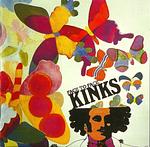
Face to Face (1966) finds The Kinks moving from their earlier raw R&B and garage sound toward a more studio‑oriented pop rock that incorporates baroque pop and mod influences with occasional psychedelic touches. Ray Davies' songwriting on the record leans into short character sketches and social observation, delivered with compact melodies, layered arrangements and a greater variety of instruments and textures than earlier releases. The album is often regarded as an important step in the band’s artistic development toward more polished, narrative songwriting.
#948 — Falling in Between by Toto
Falling in Between (2006) is a later-period Toto album that blends AOR polish and pop rock accessibility with touches of neo-progressive arrangement and soft rock balladry. The record pairs melodic, radio-friendly choruses with tighter rock riffs and occasional longer, instrumentally focused passages, showcasing the band's seasoned musicianship and layered studio production while retaining straightforward songcraft.
#949 — Finding Forever by Common
Finding Forever, released in 2007 by Common, continues his turn toward warm, sample-based soul production paired with introspective and socially conscious lyricism. Largely produced by Kanye West, the album blends classic soul samples, live instrumentation, and neo-soul textures to create a polished, melodic backdrop for Common's reflective delivery and political themes. It follows his earlier collaboration with Kanye and emphasizes mature, conversational songwriting over club-oriented material.
#950 — Floodland by The Sisters of Mercy
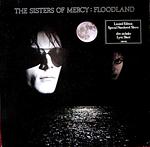
Floodland (1987) finds The Sisters of Mercy shifting toward a more synth-driven, atmospheric take on gothic rock, blending dark wave and dance-rock elements with prominent sequencers and the drum machine Doktor Avalanche. Andrew Eldritch's deep baritone is set against dense keyboards, echoing guitars and choir-like vocal overdubs on songs such as "This Corrosion", "Dominion/Mother Russia" and "Lucretia My Reflection". The album emphasizes spacious, cinematic arrangements and a brooding, nocturnal mood that helped define a strand of late 1980s dark alternative music.
#951 — Hybrid Theory by Linkin Park
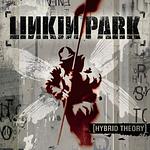
Hybrid Theory, Linkin Park's 2000 debut studio album, fuses nu metal and rap rock with alternative metal and electronic textures. The record juxtaposes Mike Shinoda's rapped verses with Chester Bennington's melodic singing and screams, supported by heavy guitar riffs, programmed beats, DJ scratches, and layered production to create a polished yet aggressive sound. Lyrically it focuses on themes of personal turmoil, alienation, and frustration, and the album became a prominent example of the nu metal and rap rock crossover in the early 2000s.
#952 — Isn't Anything by My Bloody Valentine
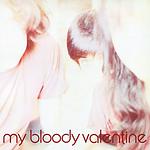
Isn’t Anything, My Bloody Valentine’s 1988 album, is an early landmark of shoegaze that blends noise pop and indie rock textures. The record emphasizes densely layered, tremolo-heavy guitars, fuzzy distortion and restrained, often buried vocals, creating a wash of sound where melody and feedback coexist. Its mix of shimmering atmospherics and abrasive noise points toward the band’s later work while helping define the shoegaze aesthetic.
#953 — Laugh? I Nearly Bought One! by Killing Joke
Love Gun, released in 1977, is KISS's sixth studio album and a concentrated example of their hard rock and glam rock approach, built around punchy, riff-driven songs, theatrical vocals and singalong choruses. The record emphasizes guitar-focused arrangements and concise songcraft, and includes Ace Frehley's lead vocal on "Shock Me" alongside contributions from Paul Stanley and Gene Simmons. Its sound reflects the band's arena-oriented classic rock style with elements that align with hard rock and early heavy metal.
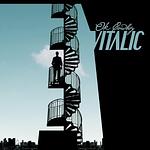
OK Cowboy is Vitalic's 2005 debut studio album that blends electro, electroclash, and electro house into a high-energy set built on distorted analog synth lines, punchy drum programming, and propulsive techno rhythms. It pairs aggressive, club-focused tracks such as "La Rock 01" with more melodic and vocal-led songs like "My Friend Dario" and "No More Sleep", presenting a raw, punk-tinged approach to French electronic production. The record is notable for its emphasis on vintage synth textures, repetitive hooks, and a muscular sound that became associated with mid-2000s French electro.
#956 — The Private Press by DJ Shadow
The Private Press is DJ Shadow's second studio album, released in 2002. It extends his sample based, instrumental approach by blending hip hop beats, downtempo grooves and electronic textures into dense, collage like tracks. The record emphasizes tighter, punchier rhythms and a broad sonic palette that draws on funk, soul and cinematic fragments, creating moody, texturally rich pieces that balance rhythmic drive with introspective atmosphere.
#957 — Relics by Pink Floyd
Relics is a 1971 Pink Floyd compilation that gathers early singles, B-sides and album tracks from the band’s late 1960s and early 1970s period. The collection highlights the contrast between Syd Barrett era psychedelic pop and whimsy and the more atmospheric, instrumental and experimental pieces that pointed toward the group’s later progressive and art rock work. Overall it presents a compact overview of Pink Floyd’s evolving sound during their formative years, mixing concise melodic songs with extended studio textures.
#958 — Songs From a Room by Leonard Cohen
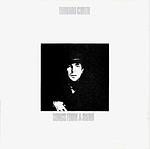
Songs From a Room, Leonard Cohen's 1969 second album, is a spare, intimate record that pares back production to foreground his low, conversational baritone and acoustic guitar. The arrangements mix folk and blues with occasional touches of orchestral color that suggest baroque pop while keeping a restrained, often stark sound. Lyrically it continues Cohen's literate, melancholic meditations on love, loss and faith, and the album features enduring performances of songs such as "Bird on the Wire" and a stark rendition of "The Partisan." The overall effect is reflective and atmospheric, emphasizing voice and phrasing over ornamentation.
#959 — One Nation Under a Groove by Funkadelic
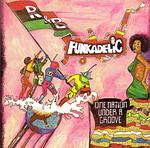
One Nation Under a Groove, released in 1978 by Funkadelic, fuses funk, rock and psychedelic soul into a cohesive P-Funk statement. The record pairs propulsive basslines and wah-drenched guitars with synth textures, layered vocal harmonies and a mixture of extended jams and concise, danceable songs. It is often cited as one of Funkadelic's most accessible albums and helped crystallize the loose, spacey, party-minded aesthetic associated with the P-Funk collective.
#960 — The Tipping Point by The Roots
The Tipping Point, released in 2004, finds The Roots applying their live-band approach to hip hop in a more streamlined, song-oriented mode. The record blends funk, soul and jazz-influenced textures with live drums and bass, pairing Black Thought's reflective and socially aware lyricism with tighter arrangements and accessible grooves. Guest vocalists and varied production add to a diverse sonic palette that balances alternative and conscious hip hop sensibilities while foregrounding the band's instrumental interplay.
#961 — Trouble by Ray LaMontagne
Trouble is Ray LaMontagne's debut album that introduced his husky, emotive vocal delivery paired with sparse, rootsy arrangements blending folk, soul, and Americana. The songs rely on acoustic guitar, piano and restrained backing to create an intimate, melancholic atmosphere, emphasizing simple but evocative songwriting and raw emotional expression.
#962 — Violator by Depeche Mode
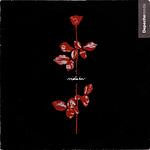
Violator is Depeche Mode's 1990 album that blends synth-pop and darker electronic textures with rock and alternative dance rhythms. Its sound pairs hook-driven melodies and brooding atmospheres with layered synthesizers, rhythmic guitar elements, and prominent beats, while Martin Gore's songwriting and Dave Gahan's vocals give the songs a more polished, song-focused character that broadened the band's musical palette and influence.
#963 — Oracular Spectacular by MGMT
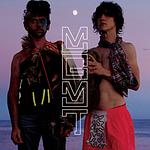
Oracular Spectacular, MGMT's 2007 major-label debut, fuses indie pop and indietronica with neo-psychedelic and alternative rock textures. The album pairs bright, synth-driven arrangements and danceable rhythms with surreal and sometimes melancholic lyrics, exemplified by tracks like "Time to Pretend", "Electric Feel", and "Kids". Its production balances retro synth sounds and modern indie sensibilities to create a hook-heavy but offbeat pop-psych aesthetic.
#964 — Hejira by Joni Mitchell
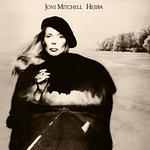
Hejira, released in 1976, finds Joni Mitchell moving further into jazz-influenced territory while retaining her folk songwriting. The album pairs poetic, travel-focused lyrics about movement and solitude with sparse, spacious arrangements that foreground her open-tuned guitar work and long, melodic fretless bass lines from Jaco Pastorius. Songs blend folk narrative, jazz harmonies, and loose, improvisational interplay to produce an introspective, nocturnal sound that points toward her later jazz explorations.
#965 — The Head on the Door by The Cure
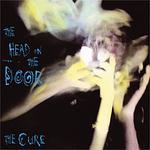
The Head on the Door (1985) showcases The Cure blending their gothic roots with pop and new wave influences to produce concise, melody-driven songs that range from upbeat, synth-tinged singles to darker, atmospheric tracks. Robert Smith's vocal melodies sit over layered guitars, keyboards and varied rhythms, and the record is notable for its stylistic variety, cleaner production and an expanded sonic palette that brought more accessible hooks into the band's moody sound.
#966 — Illinois by Sufjan Stevens
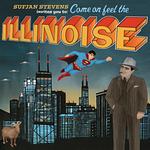
Illinois (2005) by Sufjan Stevens is an ambitious, chamber pop-inflected indie folk album that mixes delicate fingerpicked guitar and banjo with lush orchestral arrangements, brass and woodwinds, and layered vocals. The songs move between intimate, autobiographical moments and vivid, often historical storytelling about the state of Illinois and its figures, creating a cinematic, theatrical mood. Musically it blends baroque pop ornamentation, folk rock rhythms, and indie pop hooks, and is notable for its intricate arrangements, wide instrumental palette, and shifts in tone from quiet balladry to sweeping, exuberant passages. The record was presented as part of Stevens's proposed 50-state project and is often cited as a key work in his catalog.
#967 — Dreadlocks, the Time Is Now by The Gladiators
#968 — Baduizm by Erykah Badu
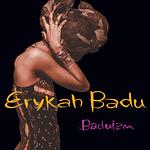
Baduizm is Erykah Badu's 1997 debut studio album that blends neo soul, jazz, hip hop and electronic textures into warm, groove-driven songs. Badu's smoky, conversational vocal delivery floats over sparse, syncopated rhythms, upright-bass warmth and languid keyboard and horn touches, with moments of spoken-word intimacy and loose jazz-influenced arrangements. The lyrics move between romantic, spiritual and introspective themes, and the record helped establish the aesthetic associated with the late 1990s neo soul movement.

Lift Yr. Skinny Fists Like Antennas to Heaven! is a sprawling, largely instrumental record by Godspeed You! Black Emperor that epitomizes post-rock's blend of orchestral textures and rock dynamics. Across four long movements it layers guitars, strings, horns, field recordings and tape loops to construct slow, cinematic builds that culminate in dense, cathartic climaxes and sudden, noisy eruptions. The music balances fragile, ambient interludes with massed ensemble sections and uses found sounds and spoken samples to add a documentary or political dimension. Its epic scope and emphasis on tension and release make it a frequently cited touchstone of experimental instrumental rock.
#970 — Mëkanïk Dëstruktïẁ Kömmandöh by Magma
Mëkanïk Dëstruktïẁ Kömmandöh (1973) is Magma's landmark long-form work that helped define the Zeuhl style. The album unfolds as an extended, ritualistic suite built on propulsive, motoric rhythms, dense choral arrangements sung in the band's constructed language Kobaïan, and a mixture of jazz-influenced improvisation, organ and brass textures, and rock power. Christian Vander's drumming and vocal leadership drive recurring motifs and dramatic dynamics, producing a theatrical, hypnotic sound that sits at the intersection of jazz, progressive rock and avant-garde composition.
#971 — Miami by The Gun Club
Miami is The Gun Club's 1982 second album, deepening the band's fusion of punk urgency and American roots music. Compared with their raw debut, it broadens arrangements with blues and rockabilly touches and noir-tinged melodies while preserving Jeffrey Lee Pierce's haunted vocals and confrontational edge. The record is marked by a gritty, atmospheric sound that helped define the group's distinctive take on blues rock and punk.
#972 — Tindersticks by Tindersticks
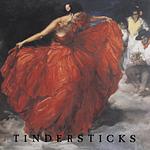
Tindersticks (1993) is the band's debut album built around Stuart Staples's deep, smoky baritone and a slow, chamber pop sound that blends rock instrumentation with string and horn arrangements. The songs emphasize cinematic, melancholic moods, sparse percussion, and elegiac piano and violin lines, creating a lounge-like, orchestral atmosphere that established the band's early aesthetic.
#973 — Night and Day by Joe Jackson
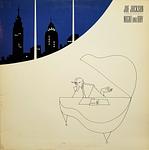
Night and Day (1982) by Joe Jackson is a piano-led album that shifts from his earlier new wave edge toward a more urbane pop sound infused with jazz and Latin rhythms. The arrangements highlight piano, brass, and subtle synths over tight grooves, while the lyrics often evoke New York City scenes and interpersonal tensions. The record is noted for its melodic songwriting and for blending sophisticated musical textures with accessible pop and rock elements.
#974 — The Argument by Fugazi
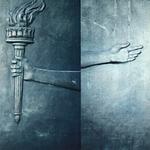
The Argument is Fugazi's 2001 album that channels the band's post-hardcore roots into denser, more textural songs that blend punk energy with measured, intricate arrangements. Guitar parts range from angular, dissonant riffs to shimmering, layered lines while the rhythm section alternates between propulsive grooves and restrained, almost dub-influenced pockets. Vocals are mostly conversational and urgent, used sparingly to heighten dynamics, and the record emphasizes muscular clarity and tight interplay across tracks. The album is often noted for its mature songwriting and a willingness to expand the band's sound without abandoning directness.
#975 — Sail Away by Randy Newman
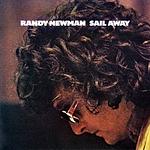
Sail Away is a 1972 Randy Newman album that pairs his piano-centered pop and rock with baroque pop and cabaret inflections. The songs use lush arrangements and piano-led motifs to frame Newman's character-driven, often ironic lyrics about American life, delivered with theatrical vocals and a blend of melancholy and dark humor. The record showcases his songwriting craft through melodic accessibility coupled with sharply observed storytelling.
#976 — Caught Up / Still Caught Up by Millie Jackson
Caught Up / Still Caught Up showcases Millie Jackson's frank, narrative-driven approach to soul and funk, combining moody ballads and punchy grooves with spoken-word interludes and emotionally direct lyrics about love, infidelity, and relationship fallout. The music blends Southern soul warmth and funk rhythms with theatrical storytelling, highlighting Jackson's raw, expressive vocals and conversational delivery that foreground character and drama as much as melody.
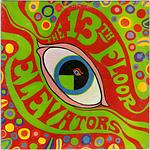
The Psychedelic Sounds of the 13th Floor Elevators is the 1966 debut by the Texas band 13th Floor Elevators. It mixes garage rock grit and fuzzy guitars with extended, acid-tinged arrangements, notable for Roky Erickson's raw vocals and the band's unusual electric jug that adds a distinctive, oscillating texture. The album is often cited as an early and influential example of American psychedelic rock, combining stripped-down energy with experimental studio touches.
#978 — Slanted and Enchanted by Pavement
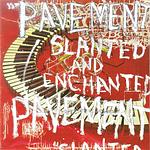
Slanted and Enchanted is Pavement's 1992 debut studio album. The record blends indie rock, alternative rock, lo-fi production and noise pop, characterized by Stephen Malkmus's laconic, often cryptic lyrics, a slack, conversational vocal delivery, jagged but melodic guitar interplay, loose rhythmic feel and a rough, home-recorded aesthetic that mixes tunefulness with distortion and off-kilter song structures. Its raw, DIY sound helped shape the early 1990s indie rock landscape and remains a touchstone for lo-fi guitar music.
#979 — Age Ain't Nothing but a Number by Aaliyah
Age Ain't Nothing but a Number is Aaliyah's 1994 debut, rooted in contemporary R&B and hip hop soul with strong hip hop influences. Produced largely by R. Kelly, the album pairs groove-based, often minimalist beats with layered, breathy vocals and smooth harmonies, moving between midtempo slow jams and more upbeat tracks. It introduced Aaliyah's understated, mature delivery and the blend of street-aware rhythms and silky R&B melodies that defined her early sound.

2001 is Dr. Dre's 1999 studio album, a glossy, hard-edged West Coast hip hop record that refines the G-funk palette with cinematic, bass-heavy production and crisp, layered beats. A follow-up to his early 1990s work, it features many guest vocalists and pairs gangsta rap themes with melodic synth lines, deep low end, and precise drum programming, reflecting Dre's emphasis on studio craftsmanship and a polished, larger-than-life sound.
#981 — Either/Or by Elliott Smith
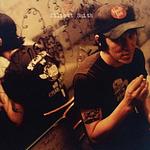
Either/Or (1997) finds Elliott Smith blending intimate acoustic folk with indie pop and rock touches. The songs feature fragile fingerpicked guitar, hushed multi-tracked vocals and concise, melancholic melodies, with slightly cleaner production and occasional electric instrumentation compared with his earlier lo-fi records. Its mix of spare arrangements and melodic songwriting helped define a quiet, confessional strand of 1990s indie folk.
#982 — Le Chat Bleu by Mink DeVille
Le Chat Bleu (1979) finds Mink DeVille expanding from raw barroom rock into a more polished, cosmopolitan sound that blends blues rock, rock and roll, pop and French chanson. Willy DeVille's husky, emotive vocals sit atop arrangements that use strings, horns and touches of accordion and Latin rhythm, creating a noirish, romantic atmosphere that contrasts with the group's earlier grittier work. The album emphasizes songcraft and cinematic textures, showing the band moving toward a more sophisticated, genre-mixing approach.
#983 — Chairs Missing by Wire
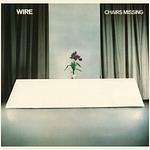
Chairs Missing, Wire's 1978 second album, moves away from the terse punk of their debut toward a more spacious, art punk and post-punk sound that incorporates early synth textures, angular guitar lines, and succinct but unconventional song structures. The record balances melodic moments, as on the delicate single "Outdoor Miner", with more experimental and dissonant passages, and is often noted for expanding the band's sonic palette into territory that intersected with new wave and experimental rock.
#984 — The Source by Ali Farka Touré
The Source (1992) by Ali Farka Touré blends traditional Malian musical idioms with elements of American blues, featuring modal, pentatonic guitar lines, sparse percussion, and Touré's resonant vocals. The sound is earthy and hypnotic, driven by repeating guitar motifs and rhythmic patterns that emphasize groove and space rather than dense arrangement. The album exemplifies Touré's synthesis of West African traditions and blues forms and illustrates the desert blues aesthetic associated with his work.
Antologia (2000) collects Madredeus' signature approach to modern Portuguese song, blending roots in fado and folk with ambient, new age-tinged arrangements. The material emphasizes Teresa Salgueiro's clear, plaintive voice supported by spare acoustic guitar, gentle string and keyboard textures, and restrained production that creates a melancholic, meditative atmosphere linking traditional melodies with a more contemporary, indie-leaning sensibility.
#986 — So What by Michel Petrucciani
#987 — Cabo Verde by Cesária Évora
Cabo Verde (1997) by Cesária Évora is a set of morna-rooted songs that foreground her warm, husky voice and a slow, melancholic melodic sensibility often associated with themes of longing and island life. The arrangements are generally spare and acoustic, using guitars, subtle percussion and occasional winds or strings to support the vocal lines, and the lyrics draw on Cape Verdean Creole traditions. The album is representative of her work popularizing morna beyond Cape Verde while retaining an intimate, understated sound.
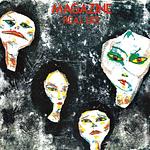
Real Life is Magazine's 1978 debut album that helped define early post-punk, pairing angular guitar and a tight, propulsive rhythm section with prominent, melodic keyboards and Howard Devoto's detached, literate vocal delivery. The record blends punk energy with art rock and new wave textures, favoring concise but sophisticated song structures, jagged rhythms, and a cool, studio-polished sound that marked a clear stylistic departure from straightforward punk approaches.
#989 — Younger Than Yesterday by The Byrds
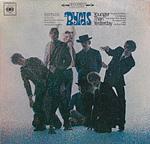
Younger Than Yesterday (1967) finds the Byrds expanding their folk rock roots into more varied pop and psychedelic territory. The record mixes the group's signature jangly 12-string guitar and tight vocal harmonies with more adventurous arrangements and songwriting, including notable tracks such as 'So You Want to Be a Rock 'n' Roll Star', 'My Back Pages', and 'Have You Seen Her Face'. Chris Hillman's songwriting contributions increased and David Crosby's experimental tendencies are audible on several songs, giving the album a balance of concise pop songs and psychedelic touches that pointed toward the band's later work.
Chaos and Creation in the Backyard (2005) finds Paul McCartney working with producer Nigel Godrich to foreground intimate, song-focused arrangements. The record blends melodic pop and soft rock with chamber-pop touches and restrained studio textures, featuring acoustic-based songs, piano-led ballads and occasional orchestral or atmospheric embellishments. Lyrically it leans toward reflective, personal themes and the production emphasizes clarity and detailed arrangements rather than bombast.
#991 — A Little Deeper by Ms. Dynamite
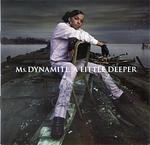
A Little Deeper is Ms. Dynamite's 2002 debut that blends contemporary R&B, UK garage, deep house and hip hop with electronic textures. The record combines melodic singing and rhythmic MCing over syncopated garage beats, bass-driven grooves and occasional reggae inflections, with lyrics that move between personal and socially aware themes. Production balances club-oriented electronic elements and fuller instrumentation, giving the album both dancefloor energy and reflective moments that helped establish Ms. Dynamite as a distinctive voice in early 2000s British urban music.
#992 — Sky Blue Sky by Wilco
Sky Blue Sky (2007) finds Wilco moving toward a quieter, more roots-oriented sound, trading some of the experimental textures of earlier records for warm, spacious arrangements and straightforward songcraft. The album emphasizes clean electric and acoustic guitars, piano, restrained rhythms, and Jeff Tweedy's reflective lyrics, with an overall pastoral, classic rock influenced tone and a focus on band interplay. Its pared-back production and direct songwriting mark a shift toward clarity and restraint in the band's catalog.
#993 — Go Seek Your Rights by The Mighty Diamonds
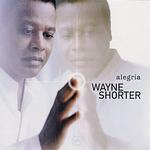
#994 — Alegría by Wayne Shorter
#995 — Legends of Rock n' Roll Series by Eddie Cochran
#996 — Pretty Woman by Roy Orbison
#997 — My Life in the Bush of Ghosts by Brian Eno, David Byrne
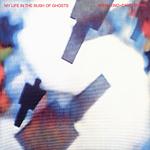
My Life in the Bush of Ghosts (1981) is a collaborative record by Brian Eno and David Byrne that melds art rock, ambient and experimental electronic approaches into a collage of found sounds, sampled voices and layered rhythms. The album pairs treated field recordings and looped vocal fragments with propulsive percussion and ambient studio processing to create oblique, cinematic soundscapes that reference global rhythmic sources without straightforward worldbeat imitation. It is notable for its early use of tape sampling and montage techniques to integrate spoken-word material and vocal improvisations into song-like structures, generating a persistent tension between pop forms and experimental collage.
#998 — I See a Darkness by Bonnie "Prince" Billy
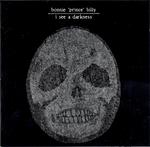
I See a Darkness (1999) by Bonnie "Prince" Billy is a spare, intimate collection that blends Americana, indie folk, country folk, and singer-songwriter traditions. Will Oldham's hushed, expressive vocals sit with minimal arrangements of acoustic guitar, piano and subtle organ and percussion to create a meditative, often melancholic atmosphere. The songs focus on plainspoken, evocative lyrics about mortality, faith and human connection, and the album is notable for its restrained production and emotional directness within Oldham's body of work.
#999 — Maverick a Strike by Finley Quaye
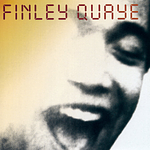
Finley Quaye's 1997 debut studio album Maverick a Strike blends reggae and dub foundations with contemporary electronica and pop sensibilities. The record uses reverberant dub production, warm basslines and skittering electronic beats beneath Quaye's relaxed, soulful vocals, yielding an eclectic, genre-blurring sound that stood out in the late 1990s British music landscape.
#1000 — Cripple Crow by Devendra Banhart
Cripple Crow, released in 2005, finds Devendra Banhart expanding his lo-fi folk approach into fuller, more eclectic territory, blending folk and folk rock with Latin and samba rhythms alongside touches of psychedelic and indie rock. The sound mixes delicate acoustic guitar and intimate vocals with richer, layered arrangements and varied instrumentation, creating a playful and eclectic record that broadened his palette beyond sparse home recordings. The album is often regarded as a more produced and accessible step in his catalog while retaining his idiosyncratic lyrical and vocal style.