 The Greatest Music
The 1000 Best Albums of All Time
Weight: 35%
How much this list influences our overall rankings. Higher weight means more reliable data.
Penalties Applied:
Fnac’s Les 1000 CD des disquaires de la Fnac (Dec 2008) is a collective, staff-driven canon: Fnac’s record-store specialists (“disquaires”) pooled their picks in a large internal vote to build a near “ideal” 1,000-album library, spanning major genres and highlighting certain titles as indispensables.
#501 — The Lamb Lies Down on Broadway by Genesis
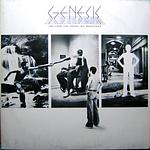
The Lamb Lies Down on Broadway (1974) is Genesis's sprawling double concept album and rock opera that follows the surreal urban odyssey of a young protagonist named Rael. Musically it blends progressive and symphonic prog with art rock theatricality, featuring extended compositions, shifting time signatures, rich keyboard textures, layered guitars and narrative vocals by Peter Gabriel. The record is notable for its ambitious storytelling, cinematic arrangements, and for being the band's last studio album with Gabriel as lead singer.
#502 — Liberation by The Divine Comedy
Liberation (1993) is an early Divine Comedy album led by Neil Hannon that shifts from jangly indie rock toward chamber pop and baroque pop textures. The songs pair literate, narrative lyrics and Hannon's distinct croon with prominent string and brass arrangements, theatrical art pop touches, and melodic indie pop structures, giving the record a refined, orchestral-tinged sound that points toward the project's later, more elaborate work.
#503 — Made in Heaven by Queen
Made in Heaven is Queen's thirteenth and final studio album, released in 1995 and completed after Freddie Mercury's death using his last vocal performances and additional material reworked by the surviving band members. The record blends rock and pop rock balladry with occasional hard rock energy, ambient textures and art rock flourishes, featuring layered production, orchestral touches and introspective, often poignant songwriting. Songs such as Too Much Love Will Kill You, Heaven for Everyone and Mother Love highlight the album's reflective tone and focus on melody and atmosphere.
#504 — La Montagne by Jean Ferrat
La Montagne (1964) by Jean Ferrat is an early album built around the title song, a direct and evocative chanson-pop ode to rural mountain life. Musically it blends chanson tradition with folk and accessible pop arrangements, featuring Ferrat's warm baritone voice, melodic accompaniment and orchestral touches that support lyrics rooted in pastoral imagery and social observation. The record helped define Ferrat's identity as a poetically minded singer-songwriter engaged with everyday people and landscapes.
#505 — Olé Coltrane by John Coltrane
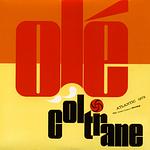
Olé Coltrane (1961) finds Coltrane working in extended modal forms that blend hard bop foundations with freer, avant-garde gestures and non-Western influences. The title track unfolds as a long, Spanish-tinged modal exploration that provides space for extended improvisation, while the remainder of the album alternates lyrical statements with more exploratory ensemble interplay. The record is notable as part of Coltrane's early 1960s move toward larger-scale, more adventurous approaches to harmony and collective improvisation.
#506 — Poèmes Rock by Charlélie Couture
#507 — The Serpent's Egg by Dead Can Dance
The Serpent's Egg is a 1988 Dead Can Dance album that deepens the band's shift away from guitar-based gothic rock toward a neoclassical, modern classical and ethereal sound. It blends orchestral and acoustic instrumentation with electronic textures and propulsive, ritualistic percussion to create a cinematic, otherworldly atmosphere. Vocals alternate between Brendan Perry's low, plaintive delivery and Lisa Gerrard's distinctive, often non-lexical singing, and the arrangements draw on medieval, folk, and world-music influences to produce a brooding, meditative record that helped define neoclassical dark wave and ethereal wave aesthetics.
#508 — The Song Remains the Same by Led Zeppelin
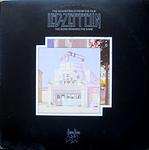
The Song Remains the Same is a 1976 live album and soundtrack to the concert film, documenting Led Zeppelin's performances at Madison Square Garden in July 1973. It captures the band's arena-era blend of hard rock, blues rock and acoustic passages, featuring extended live arrangements and improvisations of songs such as Rock and Roll, Stairway to Heaven, Dazed and Confused and Whole Lotta Love. The recording highlights Jimmy Page's electric and acoustic guitar work, Robert Plant's vocals, John Paul Jones's bass and keyboards, and John Bonham's powerful drumming, although several tracks were edited or received studio overdubs for the release. The album presents the scale of Led Zeppelin's stage show and their approach to live reinterpretation of studio material.
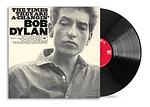
#509 — The Times They Are A-Changin' by Bob Dylan
#510 — Viva Bertaga by Bérurier Noir
#511 — Birdy Nam Nam by Birdy Nam Nam
Birdy Nam Nam's 2005 self-titled debut showcases the French turntablist group's fusion of electronic production, hip hop rhythms, instrumental textures and jazz-tinged sampling. The album foregrounds scratching and turntable techniques as compositional tools, creating layered, rhythmic pieces that blend DJ performance energy with studio polish. Its sound tends toward dense sample collages and complex grooves, emphasizing instrumental interplay over vocal-led songwriting.
Blackout (1982) by Scorpions blends hard rock and heavy metal with melodic hooks and polished production. The album features tight, riff-driven arrangements, soaring high-register vocals from Klaus Meine, and a mix of punchy rockers and a prominent power ballad, reflecting the band's move toward a heavier yet radio-friendly sound. With emphatic choruses, dual-guitar interplay from Rudolf Schenker and Matthias Jabs, and a taut rhythm section, Blackout is often cited as a defining record from the band's early 1980s period.
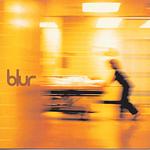
Blur (1997) marks a deliberate shift from the band’s earlier Britpop sound toward a rawer alternative and slacker rock approach, with more distorted guitars, tighter song structures, and lo-fi textures. The album balances raucous, compact tracks such as Song 2 with more introspective, melodic numbers like Beetlebum, and uses dynamic shifts and occasional electronic touches to broaden its sonic palette. This change in tone signaled the group’s willingness to move beyond Britpop conventions and helped expand their international profile.
#514 — Bowmboï by Rokia Traoré
#515 — Careless Love by Madeleine Peyroux
Careless Love is Madeleine Peyroux's 2004 album that blends jazz, blues, and folk-inflected pop with a vintage vocal jazz sensibility. Peyroux's intimate, smoky voice is front and center, supported by spare, acoustic-based arrangements that emphasize guitar, piano, subtle horns, and light rhythm. The record mixes reinterpretations of older material and contemporary compositions, balancing melancholic ballads and gently swinging numbers, and it consolidated Peyroux's reputation for understated, classic-sounding vocal jazz with a modern touch.
Cru (2004) finds Seu Jorge in a largely acoustic, understated mode, blending samba and MPB roots with folk-tinged arrangements and warm, conversational vocals. The album favors sparse production and intimate guitar work, highlighting songwriting and melodic simplicity while moving between gentle, melancholic moments and more rhythmically buoyant tracks. It is often noted for its minimalist approach that foregrounds Jorge's voice and Brazilian musical traditions in a contemporary, restrained setting.
#517 — The Definitive Ray Charles by Ray Charles
#518 — Dirt by Alice in Chains
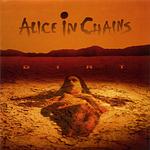
Dirt, released in 1992, is Alice in Chains' second studio album and a defining work in the grunge and alternative metal vein. It pairs down-tuned, sludgy guitar riffs and dense, brooding production with the distinct vocal interplay of Layne Staley and Jerry Cantrell. Lyrically the album deals with addiction, suffering, and mortality, and the songs move between aggressive, riff-driven tracks and slower, melancholic pieces. The record is widely regarded as one of the band’s most influential statements from the early 1990s rock scene.
#519 — Facts and Fictions by Asian Dub Foundation
Facts and Fictions, released in 1995 by Asian Dub Foundation, blends dub, electronic, breakbeat and hip hop into a dense, rhythm-forward sound. The album foregrounds heavy bass and syncopated breakbeats alongside electronic production and assertive vocal delivery, creating a tense, layered atmosphere that highlights the group's fusion of dancefloor energy and urban styles.
#520 — FutureSex/LoveSounds by Justin Timberlake
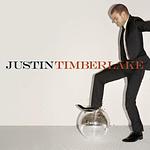
FutureSex/LoveSounds (2006) is Justin Timberlake's second solo album that blends pop and contemporary R&B with electronic and Europop influences. Produced largely with Timbaland and collaborators, it pairs propulsive, beat-driven tracks and synth-heavy arrangements with Timberlake's falsetto and intimate lyrical themes, moving between club-oriented songs and slower ballads. The production mixes funk, electronic textures, and classic R&B songwriting, representing a more experimental, modern sound in his solo output.
#521 — High Voltage by AC/DC
#522 — I'm Your Man by Leonard Cohen
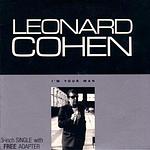
I’m Your Man is a 1988 Leonard Cohen album that updates his songwriting with synth-driven, drum machine and pop rock textures while retaining a strong folk and ballad sensibility. Cohen’s deep, conversational voice anchors songs that blend wry humor, romantic yearning and bleak, observational lyrics, presented in sparse, moody arrangements that emphasize atmosphere and narrative. The record marked a stylistic shift toward more modern production while keeping the lyrical focus that defines his work.
#523 — Legalize It by Peter Tosh
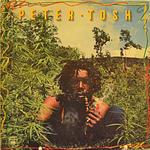
Legalize It is Peter Tosh's 1976 debut solo album after leaving the Wailers. Rooted in roots reggae, it features groove-driven rhythms, prominent bass and drums, offbeat guitar skanks, organ and horn touches, and Tosh's assertive baritone. Lyrically it mixes personal and political themes, most notably open advocacy for cannabis legalization on the title track. The record helped define Tosh's solo identity with a direct, uncompromising sound and socially conscious songwriting.
#524 — The Mandé Variations by Toumani Diabaté
The Mandé Variations (2008) is a largely solo kora album by Malian virtuoso Toumani Diabaté that explores Mandé musical traditions through a series of lyrical themes and improvisatory variations. The performances are spare and meditative, focusing on delicate plucked textures, subtle rhythmic interplay, and Diabaté's melodic inventiveness, giving the record an intimate, timeless feel that bridges traditional repertoire and personal expression.
#525 — La Mort d'Orion by Manset
La Mort d'Orion is an early Gérard Manset album that blends singer-songwriter pop and rock with orchestral and avant-garde touches. The songs emphasize poetic, often brooding lyrics and a restrained vocal delivery, set against atmospheric arrangements that mix acoustic, electric, and orchestral textures. The record favors cinematic mood and unconventional song structures over straightforward pop hooks, helping to define Manset's distinctive, introspective approach to French art-pop.
#526 — Mustango by Jean‐Louis Murat
Mustango, released in 1999 by Jean-Louis Murat, blends chanson francaise songwriting with pop rock and rock textures, favoring electric guitars, steady rhythms, and melodic hooks alongside Murat's intimate, often brooding vocal delivery. The album moves between concise pop-leaning songs and more atmospheric, guitar-driven tracks, highlighting a raw, earthy sound that balances lyric-driven composition with rock energy. Its tone is introspective and moody, anchored by Murat's distinctive phrasing and melodic sensibility.
#527 — One Hot Minute by Red Hot Chili Peppers
One Hot Minute, released in 1995, is the Red Hot Chili Peppers album featuring guitarist Dave Navarro and a noticeably darker, heavier, and more psychedelic sound while retaining the band's funk rock roots. The record mixes distorted, hard rock riffs and metal-tinged textures with funk-driven grooves and more introspective, melodic songs, emphasizing layered guitars, varied tempos, and an overall moodier tone that distinguishes it from the band’s earlier, more groove-centered work.
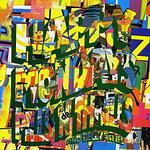
Pills ’n’ Thrills and Bellyaches (1990) captures Happy Mondays blending indie rock guitar and raw, conversational vocals with dancefloor elements drawn from house, funk and psychedelia. The album is groove-driven, featuring looping rhythms, prominent bass and percussion, samples and organ-like keyboards that create a hazy, party-oriented atmosphere. Its sound exemplifies the late Manchester crossover between alternative rock and club culture, emphasizing rhythm and texture over conventional songcraft.
#529 — Rattle and Hum by U2
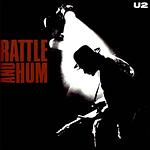
Rattle and Hum (1988) is a hybrid studio and live album made alongside U2's documentary film, combining concert recordings from the Joshua Tree tour with newly recorded material. The band leans into American roots sounds, incorporating blues, gospel, and soul influences alongside their arena rock and alternative sensibilities, resulting in both expansive anthems and more stripped, blues-inflected performances. The record captures a period of experimentation and outward-looking collaboration as U2 engaged directly with American musical traditions while expanding their sonic palette.
#530 — Reprise des négociations by Bénabar
Reprise des négociations (2005) finds Bénabar working in his signature chanson française mode while leaning into pop and pop rock arrangements. The album pairs conversational, observational lyrics and narrative storytelling with band-based production that balances acoustic instruments, piano and electric guitars, giving both intimate ballads and more upbeat, melodic tracks room to breathe. Overall it emphasizes lyrical detail and melodic hooks rather than studio experimentation.
#531 — School's Out by Alice Cooper
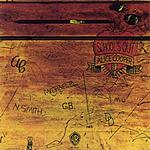
School's Out is Alice Cooper's 1972 album that blends hard rock and glam with art rock and garage rock touches, showcasing the band's theatrical, shock-rock persona. The music pairs crunchy guitar riffs and piano-driven arrangements with melodic hooks and occasional choral or orchestral accents, notably the children's chorus on the title track, creating a mix of raw energy and showmanship. The record is significant for consolidating Alice Cooper's stage-theatre approach to rock and for featuring a lead song that became central to the group's public image.
#532 — Soleil cherche futur by Hubert-Félix Thiéfaine
Soleil cherche futur is a 1982 album by French singer-songwriter Hubert-Félix Thiéfaine that mixes rock instrumentation with poetic, often cryptic lyrics. The sound draws on early 1980s rock and new wave textures, with electric guitars, synthesizers and a moody atmosphere that complements Thiéfaine's literate, half-spoken vocal delivery. The record sits within his early catalogue and illustrates his approach of combining chanson-style storytelling with darker rock arrangements.
#533 — Songs From the Big Chair by Tears for Fears
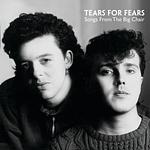
Songs from the Big Chair, Tears for Fears' 1985 second album, broadens their New Wave and synth-pop roots into a fuller pop rock and progressive pop sound. The record features polished, layered production with prominent synthesizer textures alongside guitars and other organic elements, and includes the well known songs "Shout" and "Everybody Wants to Rule the World." It balances strong pop songwriting and memorable hooks with introspective and sometimes darker lyrical themes, marking a stylistic expansion from their debut.
#534 — The Sophtware Slump by Grandaddy
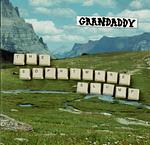
The Sophtware Slump is a 2000 Grandaddy album that mixes indie rock songwriting with electronic textures and lo-fi production. Jason Lytle's plaintive vocals sit over tremolo guitars, warm analog synths and machine-like beats as songs examine the tension between technology and rural life, producing a melancholic, cinematic atmosphere with moments of quiet humor and melodic clarity.
This 2005 compilation presents a broad survey of Gilberto Gil's music rooted in MPB, samba, bossa nova and other Latin rhythms. The selections showcase Gil's melodic songwriting, rhythmic guitar work and a mix of acoustic and electric arrangements that move between intimate ballads and buoyant samba grooves. As a condensed overview, the album highlights the stylistic range that has defined his contribution to modern Brazilian music.
#536 — Surfing With the Alien by Joe Satriani
Surfing With the Alien (1987) is an instrumental rock album by guitarist Joe Satriani that blends hard rock energy, blues-based phrasing, and progressive song structures. The record highlights Satriani's technical command and melodic focus on instrumental pieces such as the title track, Satch Boogie, and Always with Me, Always with You, using techniques like legato runs, tapping, tremolo arm work, and expressive phrasing over polished late 1980s rock production. The album helped establish Satriani's reputation within rock and guitar circles and is often cited as a defining example of virtuosic instrumental rock.
#537 — Tragic Kingdom by No Doubt
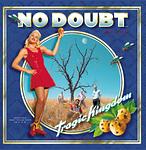
Tragic Kingdom, released in 1995, is No Doubt's third studio album that blends ska and ska punk rhythms with alternative rock, pop rock, and new wave influences. The record pairs upbeat horn and guitar-driven arrangements with candid, melodic songwriting and Gwen Stefani's expressive vocals, touching on themes of heartbreak, personal resilience, and California life. It became the band's mainstream breakthrough and is often noted for bringing ska-influenced pop rock into a wider public awareness.
#538 — A Funk Odyssey by Jamiroquai
A Funk Odyssey, released in 2001, finds Jamiroquai emphasizing disco and electronic dance-pop influences while retaining their funk and acid jazz foundations. The album is characterized by glossy production, prominent synth textures and steady four-on-the-floor rhythms, yielding groove-oriented, danceable tracks such as 'Little L' and 'Love Foolosophy' that blend vintage disco warmth with contemporary electronic polish.
#539 — …And Justice for All by Metallica
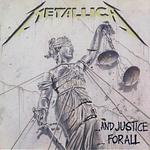
…And Justice for All is a 1988 Metallica album that pushes thrash metal toward longer, more progressive compositions, with intricate, angular riffs, frequent tempo shifts, and extended song lengths. The sound emphasizes precise, tight guitar work and complex arrangements alongside James Hetfield’s forceful vocals, and its production is notably dry and trebly with bass tones largely recessed. Lyrically and thematically the album often addresses systems of law and justice, reflecting a more ambitious, compositionally dense approach within the band’s heavy metal framework.
#540 — A Vava Inouva by Idir
Chanson pour l'Auvergnat / Les Sabots d'Hélène (1954) presents Georges Brassens in his early chanson française mode, led by spare acoustic-guitar accompaniment and his conversational baritone. The record highlights his literate, often wry lyricism and a mix of humor and tenderness, with intimate, song-focused arrangements that emphasize storytelling and everyday themes. These performances are representative of the straightforward, guitar-centered sound that marked Brassens's work in the 1950s.
#542 — Come Away With Me by Norah Jones
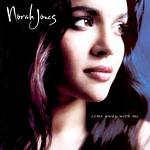
Come Away With Me is Norah Jones's 2002 debut album that blends contemporary jazz, blues, folk, and vocal jazz into a warm, understated sound. The record emphasizes piano-led, acoustic arrangements, gentle tempos, and Jones's intimate, smoky vocal delivery, with songs that mix jazz phrasing with country and folk influences. Its restrained production and easygoing mood introduced the accessible, genre-crossing style that became closely associated with her work.
#543 — Come On Die Young by Mogwai
Come On Die Young, released in 1999 by Scottish post-rock band Mogwai, presents a subdued and introspective approach that contrasts with their earlier, louder work. The album favors slow tempos, restrained dynamics, and sparse arrangements, using atmospheric guitar textures, subtle electronics, and extended instrumental passages to create a melancholic, spacious mood. Rather than frequent climactic explosions, it often relies on repetition, quiet piano touches, and washed-out distortion to build tension, and it is frequently cited as a key example of mood-driven, ambient-inflected post-rock.
#544 — Corps & armes by Étienne Daho
Devotional Songs (1992) presents qawwali performances led by Nusrat Fateh Ali Khan and his party, centered on Sufi devotional texts delivered in Nusrat's powerful, melismatic tenor. The arrangements pair extended vocal improvisations and dynamic crescendos with a chorus of call-and-response backing, harmonium, hand percussion and rhythmic clapping, emphasizing communal intensity and trance-like momentum. The album highlights the expressive range of traditional qawwali and Nusrat's capacity to convey devotional fervor through sustained vocal ornamentation and interplay with his ensemble.
#546 — Diamonds and Pearls by Prince, The New Power Generation
Diamonds and Pearls, released in 1991 by Prince and The New Power Generation, blends pop, R&B, funk and electronic elements into a band-centered sound that emphasizes groove and melodic hooks. The album mixes shimmering ballads and uptempo funk-pop with programmed beats, layered keyboards, prominent guitar, and vocal performances from Prince and his bandmates, including noticeable contributions from Rosie Gaines. Its polished production and eclectic arrangements marked a shift toward a fuller, ensemble approach in Prince's early 1990s work.
#547 — Hors‐saison by Francis Cabrel
#548 — Hounds of Love by Kate Bush
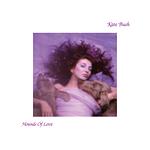
Hounds of Love, released in 1985, finds Kate Bush blending art pop, art rock and progressive pop with electronic production and theatrical songwriting. The album balances compact, synth-forward songs such as the title track and "Running Up That Hill" with a side-long narrative suite called "The Ninth Wave," which uses layered vocals, sound effects and shifting arrangements to depict a survivor adrift at sea. Production combines Fairlight sampling and electronic textures with traditional instruments, producing a mix of intimate balladry, dramatic climaxes and experimental touches. The record represents a consolidation of Bush's theatrical instincts into tightly crafted songs while maintaining ambitious, conceptual scope.
#549 — House of Pain by House of Pain
House of Pain is the 1992 debut album by the hip hop trio House of Pain. Rooted in East Coast and hardcore hip hop, it features sample-driven, beat-heavy production, prominent DJ work, and gritty, energetic vocal delivery; the record is best known for the high-energy single 'Jump Around' and for introducing the group's Irish-American imagery and raucous party-street sound.
#550 — Mi niña Lola by Concha Buika
Mi niña Lola (2006) finds Concha Buika blending flamenco-rooted vocal phrasing with jazz, bolero, and Afro-Latin rhythms, featuring raw, soulful delivery over arrangements that move from sparse guitar and piano to fuller percussion and brass textures. The album emphasizes her expressive timbre and rhythmic flexibility, shifting between intimate ballads and more groove-driven numbers, and helped introduce her distinctive voice to a broader international audience.
#552 — R.A.F.I. by Asian Dub Foundation
#553 — Raw Power by Iggy and The Stooges
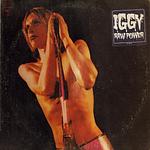
Raw Power, released in 1973 by Iggy and The Stooges, delivers a raw, aggressive blend of garage rock and hard rock that pointed toward punk. James Williamson's distorted, razor-edged guitar work and Iggy Pop's snarling, theatrical vocals drive short, propulsive songs that favor primal energy and lean arrangements. The album's abrasive tone, high volume, and emphasis on attitude over polish are often cited as influential on the emerging punk and later alternative scenes.
#554 — Saxophone Colossus by Sonny Rollins
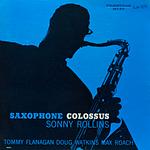
Saxophone Colossus (1957) is a hard bop album by tenor saxophonist Sonny Rollins that showcases his robust tone, melodic invention and extended improvisations. Backed by Tommy Flanagan on piano, Doug Watkins on bass and Max Roach on drums, Rollins blends bebop language, blues feeling and calypso-tinged melodies, most famously on "St. Thomas." The extended tune "Blue 7" is notable for its thematic development and conversational group interplay, and the record is widely regarded as a landmark in Rollins' career and in postwar jazz.
#555 — Siamese Dream by The Smashing Pumpkins
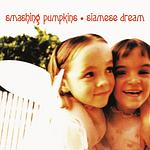
Siamese Dream, released in 1993 by The Smashing Pumpkins, blends alternative rock and grunge intensity with shoegaze and dream pop textures. The record is notable for dense, multi layered guitar overdubs, stark dynamic shifts between heavy, distorted passages and melodic, hook driven sections, and Billy Corgan's emotive, introspective vocals and lyrics. Songs such as "Cherub Rock," "Today," and "Disarm" illustrate its mix of aggressive guitar work and shimmering atmospherics, and the album is frequently regarded as a key release in early 1990s alternative rock.
#556 — Standing in the Way of Control by Gossip
Standing in the Way of Control (2006) by Gossip blends garage rock and dance-punk with disco and soul influences, anchored by Beth Ditto's powerful, gospel-tinged vocals. The band pairs jagged, rhythmic guitar and punchy drums with propulsive bass and danceable grooves to create direct, anthemic songs that emphasize immediacy and attitude. The title track is a standout and helped raise the band's profile.
#557 — Straight No Chaser by Thelonious Monk
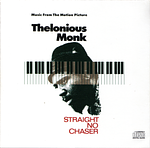
#558 — Super Trouper by ABBA
Super Trouper, released in 1980, is ABBA's late-period studio album that blends pop and disco with increasing electronic production. The record pairs glossy, danceable arrangements and layered vocal harmonies with more reflective ballads, highlighting concise melodies, synthesizer textures, and theatrical touches in the songwriting by Benny Andersson and Björn Ulvaeus. It is often noted for its polished studio sound and a move toward more introspective lyrical themes compared with the group's earlier work.
#559 — Thimar by Anouar Brahem, John Surman, Dave Holland
Thimar (1998) is an intimate trio album pairing Anouar Brahem's oud with John Surman's reeds and Dave Holland's double bass. The music blends Arabic modal melodies and ornamented oud lines with restrained jazz improvisation and chamber-like, spacious arrangements, emphasizing close interplay, subtle dynamics and lyrical phrasing.
Thirteen Tales From Urban Bohemia, the Dandy Warhols' third studio album released in 2000, blends alternative rock with neo-psychedelia, power pop and garage rock. The record pairs jangly, reverb-laden guitars and vintage organ and synth textures with relaxed, talk-sung vocals and ironic, pop-savvy lyrics, producing a polished yet laid-back sound. Tracks such as "Bohemian Like You" and "Not If You Were the Last Junkie on Earth" showcase its hook-driven, slightly satirical approach and mark a move toward more melodic, accessible arrangements compared with the band's earlier, rawer work.
#561 — Vespertine by Björk
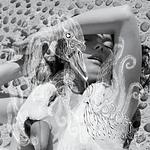
Vespertine, released in 2001 by Björk, is an intimate, inward-looking album that fuses electronic and art pop with ambient, folktronica and glitch elements. Its hushed vocals sit atop delicate microbeats, fragmented percussion and close-miked textures, balanced by warm acoustic touches like harp and chamber strings to create a domestic, wintry atmosphere. The production emphasizes small-scale sonic detail and intricate arrangements, rewarding attentive listening.
#562 — Yo vengo aquí by Compay Segundo
#563 — American Life by Madonna
American Life is an album by Madonna that leans into electronic and experimental pop, shaped largely by producer Mirwais Ahmadzaï. It blends synth-pop and house rhythms with sparse acoustic touches, glitchy beats and processed vocals, pairing minimalist electro textures with introspective, politically tinged songwriting. The production favors jittery loops, stuttering samples and vocoder-like effects, giving the record a cooler, more experimental dance-pop sound.
#564 — Black Market Music by Placebo
Black Market Music is Placebo's third studio album, released in 2000, that blends their alternative rock foundation with increased electronic and synth-pop textures and experimental arrangements. The record features brooding, guitar-driven songs layered with synthesizers and sampling, a more polished and cinematic production, and Brian Molko's distinctive, androgynous vocals addressing themes such as addiction, alienation, and urban disaffection. Tracks like "Taste in Men", "Special K", and "Slave to the Wage" exemplify the album's mix of aggressive rock energy and atmospheric electronics.
#565 — Buffalo Springfield by Buffalo Springfield
Buffalo Springfield is the band's 1966 debut that blends folk rock and country rock with psychedelic and classic rock touches. The record pairs acoustic and electric guitars with close vocal harmonies and concise, song-oriented arrangements, showcasing early songwriting and guitar work from Stephen Stills and Neil Young while reflecting the Los Angeles folk rock scene. Its mix of introspective folk ballads, rock drive, and occasional country inflections points toward musical directions that became more prominent in late 1960s American rock.
#566 — Diamond Dogs by David Bowie
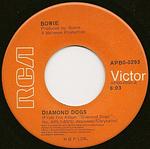
Diamond Dogs (1974) is a David Bowie album that blends glam rock and classic rock with a darker, theatrical tone, featuring raw, guitar-driven arrangements alongside moments of horn-tinged soul and funk that point toward his later stylistic shifts. The record has a loose conceptual thread of urban decay and dystopian imagery, and includes sprawling sequences such as the Sweet Thing suite and the anthemic single Rebel Rebel, marking a move away from his Ziggy Stardust stage persona toward a more fragmented, cinematic sound.
#567 — Eden by Étienne Daho
Eden, released in 1996 by French singer-songwriter Étienne Daho, moves his pop sensibility into a sleek electronic realm, blending synth-pop and dance-pop elements with melancholic ballads. The record foregrounds polished, atmospheric production with layered synthesizers, programmed rhythms, and restrained, intimate vocals, balancing uptempo tracks suited for dance settings with slower, contemplative songs. It represents a continuation of Daho's exploration of modern electronic textures within French pop and emphasizes a moodier, more cinematic sound compared with some of his earlier records.
#568 — Exit Planet Dust by The Chemical Brothers
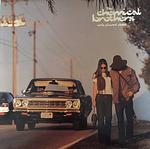
Exit Planet Dust is The Chemical Brothers' debut studio album, released in 1995, that helped establish their signature big beat approach of propulsive breakbeats, heavy bass, sample-driven textures and occasional downtempo interludes. Songs such as "Leave Home" and "Life Is Sweet" blend rock-tinged guitar fragments, hip hop style sampling and house and techno production to create both high-energy club tracks and more atmospheric pieces. The record is notable for crystallizing a mid-1990s strain of sample-heavy, club-oriented electronica that would influence contemporaries and later electronic artists.
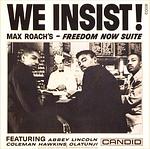
Max Roach's We Insist! Freedom Now Suite is a politically charged jazz suite that blends hard bop foundations with experimental and African-influenced percussion. Featuring vocalist Abbey Lincoln and a compact ensemble, the album presents extended compositions and vocal passages that confront themes of civil rights and African heritage. Musically it moves between driving, rhythmically intense sections rooted in modern jazz and more spare, expressive moments, and is notable for its direct engagement with social and political concerns.
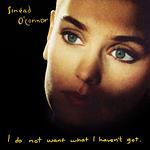
I Do Not Want What I Haven’t Got is Sinéad O'Connor's 1990 second studio album. It blends alternative rock, pop, and folk rock with O'Connor's raw, emotive vocals and largely sparse, intimate arrangements, and is widely associated with her cover of Prince's "Nothing Compares 2 U." The album's confessional lyrical tone and mix of acoustic textures and occasional fuller production helped bring O'Connor broad international attention and stands as a defining work of her early career.
#571 — Killers by Iron Maiden
Killers is Iron Maiden's second studio album, released in 1981. It is the last to feature vocalist Paul Di'Anno and the first to include guitarist Adrian Smith. Musically it channels the raw energy of the new wave of British heavy metal with punk-influenced vocals, leaner production, and a growing emphasis on twin-guitar harmonies and more elaborate song structures. Produced by Martin Birch, the record documents the band's transition from their initial raw sound toward the more melodic and expansive direction they pursued afterward.
#572 — Little Earthquakes by Tori Amos

Little Earthquakes is Tori Amos's debut solo album, built around piano-led arrangements and confessional songwriting that blends alternative rock, pop, and classical influences. The record moves between intimate, stripped-down moments and fuller band textures, showcasing Amos's dramatic vocal delivery and emotionally direct lyrics about personal trauma, relationships, and spiritual questioning, and it includes the stark a cappella piece "Me and a Gun". The album helped introduce her distinctive voice within early 1990s alternative music.
#573 — Métèque et mat by Akhenaton
Métèque et mat is Akhenaton's 1995 solo album that blends French hip hop with Mediterranean and Middle Eastern musical touches. The record uses warm, sample-based production and features introspective, literate lyrics that address identity, street life, and personal reflection, presenting Akhenaton's solo voice distinct from his work with IAM and contributing to a more poetic current in French rap.
No Wow, The Kills' 2005 second studio album, develops the duo's minimal, gritty garage rock into darker, more electronic territory. Sparse, lo-fi production pairs Alison Mosshart's raw, urgent vocals with Jamie Hince's clipped guitar and rhythm-machine pulses, creating a tense, hypnotic atmosphere that blends alternative and indie rock sensibilities with electro and electronic textures. The record emphasizes stripped-back arrangements, repetition, and a nocturnal mood that helped define the band's austere aesthetic.
#575 — Le Phare by Yann Tiersen
Le Phare, released in 1998 by Yann Tiersen, expands his chamber-minimalist approach into more varied arrangements that combine piano and accordion with subtle electronics, guitars, and string textures. The album balances spare modern classical motifs and minimalist repetition with accessible melodic hooks and occasional vocal passages, creating a cinematic, melancholic atmosphere that bridges classical, electronic, and pop influences.
#576 — Prisoner in the Street by Third World
#577 — A Saucerful of Secrets by Pink Floyd
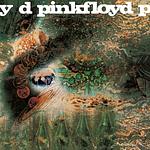
A Saucerful of Secrets, Pink Floyd's 1968 second studio album, captures the band's shift from Syd Barrett's concise psychedelic pop toward more atmospheric and experimental compositions; it blends psychedelic, early progressive and space rock elements, features the title instrumental suite and tracks such as "Set the Controls for the Heart of the Sun" and "Jugband Blues", and is the first album to include David Gilmour alongside Barrett as the group moved toward more textural, art rock writing.
#578 — Specialist in All Styles by Orchestra Baobab
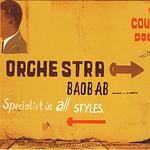
Specialist in All Styles (2002) documents Orchestra Baobab's return with a warm, refined blend of Afro-Cuban son, Latin and jazz influences layered with Senegalese mbalax rhythms. The album emphasizes smooth horn lines, interlocking guitars, congas and local percussion beneath melodic, often multilingual vocals, balancing the retro club sound of the group's 1970s heyday with cleaner modern production. It served to reintroduce the band to wider international audiences and showcases their cross-cultural rhythmic and melodic synthesis.
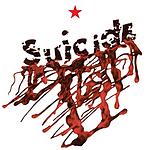
Suicide, the 1977 debut by the duo Suicide, pairs Martin Rev's sparse, repetitive synths and drum-machine patterns with Alan Vega's confrontational, often spoken or shouted vocals to create a stark, urban sound. The album's abrasive minimalism and unsettling narratives are exemplified by tracks such as "Ghost Rider" and the harrowing "Frankie Teardrop." Widely regarded as an influential work in No Wave, electropunk, minimal synth, and art punk, it helped shape later strands of industrial and electronic music.
#580 — Trash yéyé by Benjamin Biolay
Trash yéyé finds Benjamin Biolay blending chanson française lyricism with pop and chamber pop arrangements and occasional rock drive. The album pairs intimate, melancholic vocals and literate songwriting with lush strings, brass touches and atmospheric production that nods to 1960s yé-yé while keeping a contemporary, slightly rougher edge. Its cinematic arrangements and melodic pop structures underline Biolay's strengths as a composer and arranger within modern French pop.
#581 — Us by Peter Gabriel
Us, released in 1992, is Peter Gabriel's introspective album that blends art rock and pop rock with downtempo electronic textures, funk-inflected grooves, and world-music influenced rhythms. The songs pair layered, cinematic production and drum programming with organic instruments and prominent percussion to create a warm, textural sound. Lyrically the album is focused on personal relationships and inner life, with tracks like "Digging in the Dirt" and "Steam" illustrating its mix of emotional intimacy and experimental, rhythmic production.
#582 — Victim of Truth by Nneka
Victim of Truth is an early album by Nneka that blends R&B and soul with elements of hip hop and Afrobeat, featuring her smoky, expressive vocals over spare, guitar and percussion driven arrangements. The songs balance introspective personal themes with socially conscious lyrics, and the production tends toward a raw, intimate sound that foregrounds voice and message. As an initial statement it helped establish Nneka's reputation for combining melodic soul singing with pointed, reflective songwriting.
#583 — Adore by The Smashing Pumpkins
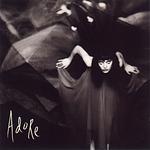
Adore, released in 1998 by The Smashing Pumpkins, is a subdued and experimental departure from the band’s earlier guitar-heavy sound. The record leans on electronic textures, drum programming, and hushed, orchestral arrangements alongside elements of dream pop and post-grunge, creating a sparse, melancholic and intimate atmosphere. Billy Corgan’s songwriting on the album centers on introspective and mournful themes, and the work is often cited for its bold stylistic shift within the band’s alternative rock trajectory.
#584 — Astral Weeks by Van Morrison
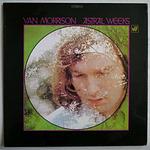
Astral Weeks, released in 1968, finds Van Morrison melding folk, jazz, blues and soul into a series of long, flowing songs built on loose, improvisational performances. The arrangements foreground acoustic guitar, upright bass and subtle percussion with occasional strings and woodwinds, producing a chamberfolk atmosphere that complements Morrison's stream-of-consciousness vocals and poetic lyrics. The album is often regarded as a distinctive, genre-blurring turning point in his work for its intimate, contemplative mood and unconventional song structures.
Bénabar (2001) is the self-titled album by French singer-songwriter Bénabar that blends pop and contemporary French chanson. The songs emphasize narrative, conversational lyrics that mix humor and everyday observation with moments of melancholy, delivered over acoustic-based arrangements and modest production that foregrounds melody and storytelling. It represents an early statement of his songwriting voice within the French pop-chanson landscape.
#586 — Combat Rock by The Clash
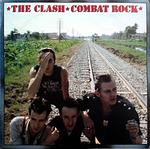
Combat Rock, released in 1982 by The Clash, blends the band's punk roots with new wave, dub, funk and pop rock elements. The album pairs concise, radio-friendly songs with longer, rhythm-driven tracks that use reggae and dub production techniques, prominent basslines, funk grooves and layered studio textures. Lyrically it balances political commentary and street-level storytelling, and the band experiments with more expansive arrangements than on earlier records. The result is a stylistic mix that broadened The Clash's sonic palette and showcased their willingness to fuse diverse influences.
#587 — Drums and Wires by XTC
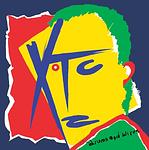
Drums and Wires is XTC's 1979 album that shifts the band toward a tighter, more rhythmically driven new wave and post-punk sound, with angular guitar work, prominent, inventive drumming, and concise song structures. Andy Partridge and Colin Moulding combine catchy pop hooks with quirky, observational lyrics, and tracks such as "Making Plans for Nigel" showcase the album's blend of melodic immediacy and offbeat character. Produced by Steve Lillywhite, with the expanded guitar textures from Dave Gregory, the record marks a clear move away from XTC's earlier abrasive style toward a more focused, eclectic pop-rock approach sometimes associated with Zolo sensibilities.
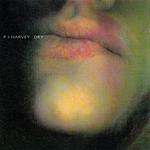
Dry is PJ Harvey's 1992 debut, a stark, raw indie rock record that blends abrasive, blues-tinged guitar work with spare, primal rhythms and urgent vocals. The songwriting is direct and confrontational, often exploring themes of gender, desire, and domestic tension, while the minimal arrangements emphasize texture and mood over polish. Its raw immediacy and distinctive vocal presence helped mark Harvey as an original voice in the early 1990s alternative rock landscape.
#589 — Elephunk by Black Eyed Peas
Elephunk, released in 2003, is the Black Eyed Peas album that marked a shift from their earlier underground hip hop toward a more pop-oriented, genre-blending sound combining hip hop, pop rap, funk, soul, and dance-pop. The record introduced Fergie as a full-time member and features polished, hook-driven production with melodic choruses, rap verses, and electronic and funk-inflected instrumentation. It includes notable collaborations and songs that emphasize crossover appeal while retaining elements of the group's earlier urban and soulful influences.
#590 — The Flying Club Cup by Beirut
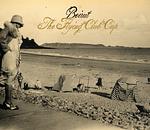
The Flying Club Cup, Beirut's 2007 album, expands Zach Condon's indie folk palette with arrangements that draw on French chanson and Balkan folk traditions, blending trumpet, accordion, brass and strings with ukulele-based songwriting. The record emphasizes wistful, cinematic melodies and pastoral, nostalgic themes delivered through chamber pop textures and vintage instrumentation. It represents a shift toward fuller orchestration and an international, old-world sound within Beirut's catalog.
#591 — Fuzzy by Grant Lee Buffalo
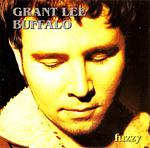
Fuzzy, released in 1993, is Grant Lee Buffalo's debut album that established the band's signature blend of acoustic-rooted Americana and atmospheric alternative rock. The record pairs plaintive, reverb-tinged vocals and acoustic guitar with organ swells, distorted electric textures, and propulsive rhythms to create wide, dramatic arrangements. Lyrically the songs favour literate, often enigmatic storytelling, and musically the album mixes folk and roots touchstones with the louder dynamics and textures of early 1990s indie rock. Fuzzy set a clear template that the band expanded on in subsequent releases.
#592 — Get a Grip by Aerosmith
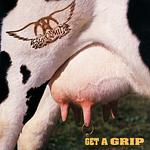
Get a Grip, released in 1993, finds Aerosmith sharpening their hard rock and blues rock foundation into a polished, arena-ready sound that also nods to alternative rock trends of the era. The album mixes riff-driven rockers with radio-oriented ballads, featuring prominent vocal performances, melodic guitar hooks, and layered production that balances grit and gloss. Its songs helped sustain the band's early 1990s commercial resurgence while retaining bluesy roots and classic rock dynamics.
#593 — Hopes and Fears by Keane
Hopes and Fears is Keane's 2004 debut studio album, built around piano-led arrangements, melodic hooks, and Tom Chaplin's emotive vocals. The band largely minimizes guitar in favor of piano, synth textures, and steady rhythms, producing songs that blend alternative rock, piano rock, and post-Britpop sensibilities with an indie pop accessibility. Its intimate yet expansive production and lyrical focus on longing and reflection established the core Keane sound and helped popularize piano-centered pop rock in the mid 2000s.
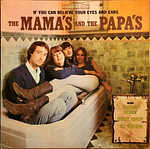
If You Can Believe Your Eyes and Ears, the 1966 debut by the Mamas & the Papas, blends folk roots with pop sensibilities and baroque pop touches. John Phillips' songwriting and the group's four-part vocal harmonies are central, pairing acoustic guitar and breezy folk textures with pop arrangements that include orchestral flourishes and piano accents. The album features the songs "California Dreamin'" and "Monday, Monday" and exemplifies the West Coast folk pop sound of the mid 1960s.
#595 — L'Inoubliable by Django Reinhardt
#596 — Live at Woodstock by Jimi Hendrix
Live at Woodstock is a live album documenting Jimi Hendrix's headline performance at the 1969 Woodstock Festival, released in 1999. The recording showcases his blend of rock, psychedelic rock, and blues rock through extended guitar improvisations, feedback and effects, and reworkings of familiar songs, including a distinctive electric interpretation of the US national anthem. The performance emphasizes Hendrix's experimental approach to tone and rhythm and his tendency toward long, improvisational jams in a large festival setting.
#597 — Melody A.M. by Röyksopp
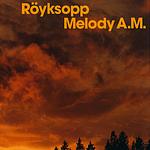
Melody A.M. is the 2001 debut album by Norwegian duo Röyksopp that pairs warm, melodic synth lines with downbeat rhythms and polished electronic production. The record blends downtempo and electronica textures with occasional trance-tinged rhythms and understated vocal moments, favoring cinematic atmospheres, crisp beats, and memorable melodic hooks that steered it toward a more accessible chillout sound without abandoning club influences.
#598 — Moffou by Salif Keita
Moffou, released in 2002 by Salif Keita, takes a warm, mostly acoustic approach that highlights traditional Mande melodies and rhythms. The arrangements are spare and intimate, with acoustic guitar, kora-like textures and subtle percussion supporting Keita’s expressive voice, creating a blend of folk-rooted instrumentation and contemporary production. The record is often heard as a turn toward his musical roots, emphasizing lyrical melody and restrained accompaniment rather than dense pop arrangements.
#599 — Monsters in Love by Dionysos
Monsters in Love is a 2005 album by French band Dionysos, led by Mathias Malzieu. It blends indie and alternative rock with chamber pop and folk influences, pairing theatrical, storytelling vocals and surreal, fairy tale inspired lyrics with lush, orchestral textures and dynamic rock arrangements. The record emphasizes cinematic, whimsical moods and a playful yet melancholic atmosphere, showcasing the band's taste for narrative-driven songs and varied instrumentation.
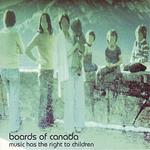
Music Has the Right to Children is Boards of Canada's 1998 debut studio album. It blends electronic, IDM, ambient, downtempo and experimental approaches, using warm analog synth tones, tape-like saturation and subtle warble, short melodic motifs and found-sound samples to create a nostalgic, pastoral atmosphere. Beats are often lo-fi and rhythmically spare, with arrangements that emphasize texture and mood over conventional song structure. The album is widely noted for shaping a distinctive, memory-tinged strain of late 1990s electronic music and has influenced many producers working with analogue warmth and sample-based collages.