 The Greatest Music
The 1000 Best Albums of All Time
Weight: 35%
How much this list influences our overall rankings. Higher weight means more reliable data.
Penalties Applied:
Fnac’s Les 1000 CD des disquaires de la Fnac (Dec 2008) is a collective, staff-driven canon: Fnac’s record-store specialists (“disquaires”) pooled their picks in a large internal vote to build a near “ideal” 1,000-album library, spanning major genres and highlighting certain titles as indispensables.
#701 — Concerto pour détraqués ! by Bérurier Noir
#702 — Dans Ma Bulle by Diam's
Dans Ma Bulle is a French-language hip hop and pop rap album by Diam's featuring polished, radio-friendly production, melodic hooks, and a balance of rapid rap delivery and sung choruses. The songs mix personal, introspective storytelling with social and political themes, using electronic and pop-tinged arrangements alongside traditional hip hop beats. The record is notable for its accessible songwriting and for presenting Diam's direct, emotive voice within contemporary francophone rap.
#703 — The Eminem Show by Eminem
The Eminem Show (2002) is a studio album by Eminem that blends hardcore hip hop intensity with pop rap hooks and rock-influenced production. It balances provocative, persona-driven tracks with more introspective and politically aware songs that address fame, family, censorship, and American society. Musically the record emphasizes tighter arrangements, guitar and orchestral samples alongside beat-driven hip hop, pairing confrontational lyricism with moments of vulnerability and broader thematic scope.
#704 — Entre dos aguas by Paco de Lucía
Forever Young, Gifted & Black: Songs of Freedom and Spirit is a 2006 compilation that groups Nina Simone recordings around themes of freedom, faith, and social conscience. The selections showcase her blend of soul, jazz, and vocal jazz, with piano-led arrangements, gospel-tinged phrasing, and blues-inflected intensity that underline her role as a deeply expressive interpreter and artist-activist. The collection emphasizes emotionally direct performances that pair lyrical urgency with sophisticated musical textures.
#706 — The Fragile by Nine Inch Nails
The Fragile, released in 1999 by Nine Inch Nails, is a sprawling two-disc album largely written and produced by Trent Reznor that blends industrial rock and industrial metal with alternative rock, dark ambient and electronic textures. It alternates abrasive, guitar-driven songs with extended instrumental passages and dense, layered production, emphasizing dynamic contrast, textural detail and introspective, often bleak moods. Known for its cinematic scope and seamless transitions, the record expands the band’s sound into more atmospheric and experimental territory.
Buena Vista Social Club presents Ibrahim Ferrer is a 1999 solo album that spotlights Ferrer’s warm, expressive vocals in classic Cuban forms such as bolero and son. The arrangements emphasize acoustic guitars, gentle percussion, horns and backing singers, producing a relaxed, nostalgic sound rooted in midcentury Cuban popular music. Emerging from the Buena Vista Social Club context, the record presents Ferrer as a solo interpreter of romantic and traditional repertoire.
#708 — In the Heat of the Night by Pat Benatar
Pat Benatar's 1979 album In the Heat of the Night blends hard rock and pop rock with new wave and AOR touches, featuring guitar-driven arrangements, punchy rhythms and polished late 1970s production. The record emphasizes Benatar's powerful, expressive vocals and melodic hooks, presenting a concise, radio-friendly rock sound that introduced her signature style to a wide audience.
I Oughtta Give You a Shot in the Head for Making Me Live in This Dump is Shivaree's 1999 debut, built around Ambrosia Parsley's smoky, theatrical vocals and a minimalist, noir-tinged backdrop. The arrangements blend soft rock with elements of lounge, country and cabaret, favoring spare guitars, organ textures and understated touches that create a cinematic, late-night mood. Lyrically the album pairs darkly comic and melancholic storytelling with accessible, melodic songwriting, establishing the band's mood-driven, genre-mixing identity.
#710 — The Kick Inside by Kate Bush
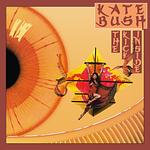
The Kick Inside is Kate Bush's 1978 debut album, blending art pop and art rock with theatrical, piano based arrangements and literate, often literary songwriting. Bush's wide vocal range and dramatic delivery are central, and the record pairs delicate acoustic textures and orchestral touches with inventive production to support narrative songs such as "Wuthering Heights". Produced by Andrew Powell, the album introduced her distinctive timbral and compositional approach and established her as an original voice in British pop.
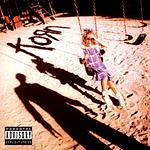
Korn is the 1994 self-titled debut album by the American band Korn, featuring down-tuned, syncopated guitar riffs, percussive, funk-influenced bass, and Jonathan Davis's anguished vocal delivery and vocal effects, including bagpipes on the track "Shoots and Ladders". Produced by Ross Robinson, the record blends heavy metal aggression with hip hop-influenced grooves and confessional lyrics about childhood trauma and alienation. The album is often cited as an early and influential release in the development of the nu metal and alternative metal styles.
#712 — Misplaced Childhood by Marillion
Misplaced Childhood is Marillion's 1985 concept album that helped define the neo-progressive rock sound by combining extended, suite-like songwriting with concise, melodic hooks. The record flows as a mostly continuous piece, blending atmospheric keyboards, sax and guitar textures, and theatrical, emotive vocals to explore themes of memory, lost innocence and failed relationships. Its polished production and accessible melodies give the material a pop sensibility while retaining progressive arrangements and instrumental passages.
#713 — Miss Perfumado by Cesária Évora
Miss Perfumado (1992) by Cesária Évora is a collection of morna songs that highlights her deep, husky voice and restrained, intimate arrangements. The album blends traditional Cape Verdean melodies and Portuguese-language lyrics expressing longing and nostalgia, anchored by the widely known track "Sodade". Instrumentation is typically spare and acoustic, supporting a mood of melancholy and reflective warmth. The record helped introduce Évora's interpretation of morna to international listeners and stands as a key recording in her repertoire.
#714 — Music for the Jilted Generation by The Prodigy
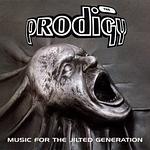
Music for the Jilted Generation, released in 1994, is The Prodigy’s second studio album, produced chiefly by Liam Howlett. It expands their breakbeat hardcore roots into a harder, more structured fusion of breakbeat, techno and early big beat, featuring propulsive breakbeats, distorted synth leads, heavy sampling and punk-inflected aggression. The record channels UK rave culture and a confrontational mood toward restrictions on dance events, alternating high-energy club tracks with darker instrumental passages and marking a more aggressive, album-focused approach to electronic music.
#715 — Oh Yeah by Charles Mingus
Charles Mingus's 1962 album Oh Yeah blends hard bop and post-bop jazz with strong blues and gospel inflections, showcasing Mingus's muscular ensemble writing, soulful soloing, and occasional spoken or sung vocals. The record emphasizes raw, propulsive grooves, collective interaction, and dramatic arrangements that alternate tight ensemble passages with extended improvisation, reflecting Mingus's interest in combining composition and spontaneous expression.
#716 — Ombre est lumière by IAM
#717 — Pour me comprendre by Michel Berger
#718 — RAM by Paul McCartney, Linda McCartney
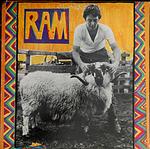
RAM, credited to Paul and Linda McCartney and released in 1971, blends melodic pop rock and art pop with occasional blues and classic rock touches. The record pairs pastoral, acoustic-based songs with richer studio arrangements and horn and orchestral colors, moving between intimate balladry and playful, multi-part pop suites. It is notable as an early statement of McCartney's post-Beatles musical direction and his experimentations with songcraft and arrangement.
#719 — Return to Cookie Mountain by TV on the Radio
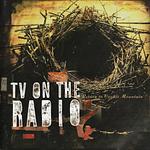
Return to Cookie Mountain (2006) expands TV on the Radio's blend of indie rock and experimental electronics into a dense, cinematic record that pairs angular guitars and driving rhythms with processed synths, brass textures and layered vocal harmonies. The music shifts between urgent, propulsive songs and slower, atmospheric passages, trading conventional rock structures for ambitious arrangements that draw on soul, downtempo and electronic influences. The album is often cited for its rich production and for crystallizing the band's distinctive, genre-blurring sound in the mid 2000s.
#720 — Rose Kennedy by Benjamin Biolay
Rose Kennedy, Benjamin Biolay's 2001 solo album, blends pop and chamber pop with downtempo electronic and lounge elements. The record pairs string-leaning arrangements and subtle orchestration with sparse beats and noir-tinged production, giving a nocturnal, cinematic backdrop to Biolay's intimate, understated vocals. Songs shift between chanson-influenced balladry and sleek electronic textures, showcasing a mood-driven songwriter-arranger approach that became central to his work.
#721 — Screamadelica by Primal Scream
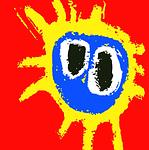
Screamadelica is Primal Scream's 1991 album that fused indie rock songwriting with acid house and dance production, blending distorted guitars and anthemic vocals with rhythmic grooves, samples, warm keyboards and extended club-friendly arrangements. The record helped bridge rock and electronic club culture by incorporating house rhythms, dub-like production, gospel-tinged backing vocals and psychedelic textures, producing an expansive, dance-oriented sound that emphasizes atmosphere and groove over conventional rock arrangements.
#722 — Nina Simone Sings the Blues by Nina Simone
Nina Simone Sings the Blues, issued in 1967, emphasizes Simone's blues side with piano-led arrangements that blend jazz improvisation, gospel-inflected phrasing, and soul-styled urgency. Performances move between spare, intimate settings and grittier small-group grooves, highlighting her expressive vocal delivery, dramatic dynamics, and rhythmic control. The collection underscores Simone's ability to bridge jazz and popular black musical traditions and presents blues material with a personal, genre-crossing intensity.
#723 — Steppenwolf by Steppenwolf
Steppenwolf is the band’s 1968 debut that blends hard rock, blues-rock, and late 1960s psychedelic touches into a gritty, guitar-driven sound anchored by John Kay’s raspy vocals. The album features the anthemic "Born to Be Wild," noted for the lyric "heavy metal thunder," and the darker, more atmospheric "The Pusher," pairing distorted riffs, organ flourishes, and blues-based songcraft to bridge acid rock and emerging hard rock styles. Its direct, road-focused themes and raw production helped establish the group’s signature sound and influenced later hard rock acts.
#724 — System of a Down by System of a Down
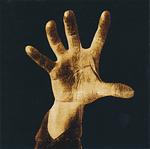
System of a Down's 1998 self-titled debut showcases the band's jagged blend of alternative metal and avant garde metal, pairing heavy, riff-driven passages with abrupt tempo shifts and unconventional song structures. Serj Tankian's dramatic vocal delivery and Daron Malakian's angular guitar work draw on metal, punk, and Armenian musical influences, producing compact songs that move quickly between aggression and quieter, eerie moments. The album introduced the group's experimental approach to songwriting and politically tinged lyrical themes.
#725 — Touche d'espoir by Assassin
Touche d'espoir (2000) by Assassin is a French hip hop album that continues the group's politically charged, socially conscious approach, pairing hard-edged, sample-driven beats with direct, confrontational lyricism. The record emphasizes street-level themes and critique of social issues, delivered with dense wordplay and an aggressive flow, and its sound leans toward raw boom bap textures rather than polished mainstream production.
#726 — Troubadour by J.J. Cale
Troubadour (1976) finds J.J. Cale refining his trademark laid-back Tulsa sound, blending blues, rock, and country influences into sparse, groove-driven arrangements marked by quiet vocals and economical guitar work. The album includes compositions like 'Cocaine' and 'Travelin' Light,' later recorded by Eric Clapton, and exemplifies Cale's emphasis on subtle rhythmic feel and understated production.
#727 — The Unforgettable Fire by U2
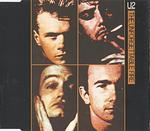
The Unforgettable Fire is U2's fourth studio album, released in 1984 and produced by Brian Eno and Daniel Lanois. The record moves the band away from straightforward post-punk toward more atmospheric, ambient-influenced soundscapes, with The Edge's textural guitar work, layered production, and Bono's impassioned vocals supporting songs that blend political themes and abstract lyrical imagery. The album expands the band's sonic palette and helped set the stage for their subsequent musical direction.
#728 — Vulgar Display of Power by Pantera
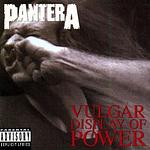
Vulgar Display of Power, released in 1992 by Pantera, is a landmark groove metal album that emphasizes heavy, palm-muted guitar riffs, syncopated mid-tempo rhythms, and Phil Anselmo's aggressive vocal delivery. Dimebag Darrell's sharp, metallic guitar tone and the tight rhythm section create a muscular, riff-driven sound that moves away from thrash speed toward a tougher, groove-centered approach, incorporating elements of heavy metal and alternative metal. The production is direct and punchy, foregrounding riff clarity and rhythmic impact, and the album is frequently referenced as a defining statement in 1990s heavy music.
#729 — Your New Favourite Band by The Hives
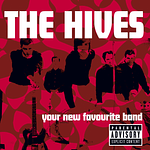
Your New Favourite Band is a 2001 compilation by Swedish rock band The Hives that assembles tracks from their earlier releases for an international audience. The album showcases their brisk, garage rock sound with strong punk and indie rock influences, featuring short, hook-driven songs built on sharp guitar riffs, urgent tempos, and Pelle Almqvist's snarling vocal delivery. Its lean production and tightly arranged tracks emphasize the band's energetic, confrontational style and introduced many listeners to their brand of early 2000s garage rock revival.
#730 — 5:55 by Charlotte Gainsbourg
5:55 is Charlotte Gainsbourg's 2006 album that marked her return to recording after a roughly two decade gap. The record blends her breathy, intimate vocal style with lush, often understated arrangements that mix orchestral touches and subtle electronic textures, sitting between indie pop, art pop, and chamber pop. Songs emphasize restrained melodies and layered production, yielding a hushed, melancholic atmosphere that contrasts with mainstream pop production while drawing on contemporary British and French indie sensibilities.
#731 — Ella at Duke's Place by Ella Fitzgerald, Duke Ellington
Ella at Duke's Place (1966) pairs Ella Fitzgerald with Duke Ellington and his orchestra in a set of Ellington-associated tunes and standards. The music blends Ellington's rich big band arrangements and orchestral colors with Fitzgerald's warm, agile vocal delivery and improvisational scat, moving between soulful ballad readings and lively swing numbers. The album emphasizes conversational interplay between singer and band and showcases the fusion of a leading jazz vocalist with Ellington's distinctive harmonic and textural approach.
#732 — Bird at St. Nick's by Charlie Parker
#733 — Blue Suede Shoes by Elvis Presley
#735 — The Contino Sessions by Death in Vegas
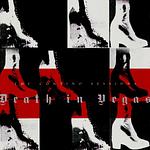
The Contino Sessions, Death in Vegas's 1999 second studio album, blends electronic production with rock instrumentation to create a dense, cinematic sound that draws on trip hop, psychedelia, dub, and alternative rock. The record emphasizes reverb-soaked guitars and driving beats layered with synth textures and atmospheric sampling, producing a dark, hypnotic mood that marked a move toward more rock-influenced arrangements compared with the band's earlier work.
#736 — The Dead 60s by The Dead 60s
The Dead 60s is the band's 2005 self-titled debut, blending dub and reggae rhythms with indie rock and punk energy. The sound emphasizes driving bass and percussion, guitar-based hooks, and studio dub-style production, producing danceable grooves with a gritty, urban edge. The album offers a contemporary take on reggae and post-punk textures within an indie rock framework.
#737 — Frank by Amy Winehouse
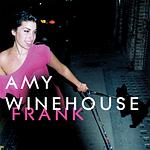
Frank is Amy Winehouse's 2003 debut album that blends jazz, soul, pop, acid jazz and blues into a contemporary, retro-informed sound. The record uses jazz-influenced arrangements and live instrumentation, with rhythms drawn from R&B and hip hop to support Winehouse's warm, expressive vocal delivery and candid, literate songwriting. Its intimate, conversational lyrics and sophisticated phrasing introduced her as a distinctive young artist who combined classic jazz vocal traditions with modern urban influences.
#738 — Fur and Gold by Bat for Lashes
Fur and Gold is the 2006 debut album by Bat for Lashes, led by Natasha Khan. It blends indie pop and artful rock with dream pop and folk-tinged textures, featuring reverb-drenched guitars, shimmering synths, orchestral touches, and Khan's theatrical, haunting vocals. The album is notable for its nocturnal, mythic lyrical themes and cinematic arrangements that established her signature atmospheric sound.
#739 — Glee by Bran Van 3000
Glee, the 1997 debut album by Canadian collective Bran Van 3000, is an eclectic collage of electronic, alternative dance, alternative rock, big beat and disco influences. The record mixes sample-based production with live instrumentation and a rotating cast of vocalists, creating a cinematic, party-ready atmosphere that moves between downtempo grooves, funky disco-tinged numbers and high-energy big beat tracks. Its genre-hopping arrangements, playful mood and layered production helped establish Bran Van 3000's identity as an experimental, cross-genre collective.
#740 — Icky Thump by The White Stripes
Icky Thump, the White Stripes' sixth and final studio album released in 2007, returns to a loud, guitar-driven form rooted in garage rock and blues while incorporating occasional experimental touches. The record emphasizes heavy riffs, distorted guitar textures, and stripped-down, punchy drumming that contrasts with the more piano- and marimba-centered sound of their previous album, highlighting Jack White's terse songwriting and Meg White's minimalist rhythms. Its raw energy, shifts in tone, and pointed lyrical moments make it a distinctive late entry in the band's catalog.
#741 — Imperial Pressure by Beat Assailant
#742 — Low by David Bowie
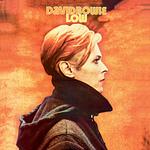
Low, released in 1977, finds David Bowie moving into a spare, electronic and ambient-influenced sound that began his Berlin-period work. Produced with Tony Visconti and featuring contributions from Brian Eno, the album splits between concise, experimental art pop and rock songs on the first side and largely instrumental, ambient and electronic pieces on the second side. Its textures combine synths, electronic treatments, fragmented vocal lines and minimalist arrangements, creating a cool, moody atmosphere that marked a notable stylistic shift in Bowie's career and influenced later blends of rock with ambient and electronic music.
#743 — The Magic of Boney M. by Boney M.
#744 — Le Métèque by Georges Moustaki
Le Métèque (1969) by Georges Moustaki is a pop-leaning record rooted in French chanson, marked by warm acoustic arrangements and Moustaki's smooth, conversational vocal style. The title track, which deals with themes of exile and cultural identity, reflects the album's blend of Mediterranean folk touches and urbane songwriting, with simple guitar-based accompaniment and lyrical focus on personal freedom and belonging. The record showcases Moustaki's poetic, humanist approach to popular song.
#745 — Ne me quitte pas by Nina Simone
#746 — No One Is Innocent by No One Is Innocent
#747 — Opéra Puccino by Oxmo Puccino
Opéra Puccino is Oxmo Puccino's 1998 debut solo album. It pairs hip hop production often colored by jazz and cinematic textures with the rapper's deep, measured delivery and literate, noir-tinged storytelling. The lyrics are largely introspective and character-driven, focusing on urban life and personal vignettes, while the arrangements favor sparse, atmospheric beats and melodic touches that distinguish its sound within late 1990s French rap. The album helped establish Oxmo Puccino's reputation as a poetic storyteller in the scene.
#748 — Paris Rockin' by Winston McAnuff
#749 — Positif by Jean-Jacques Goldman
Positif, released in 1984, finds Jean-Jacques Goldman working in a mid 1980s pop idiom with New Wave touches. The arrangements mix synthesizers and clean electric guitars with steady rhythms, alternating upbeat tracks and more reflective ballads. Goldman's songwriting emphasizes melodic hooks and direct, personal lyrics, presented in polished production typical of the era. The album is representative of his mid 1980s output and of contemporary French pop bridging acoustic songwriting and modern electronic textures.
#750 — Psychedelic Shack by The Temptations
Psychedelic Shack (1970) captures The Temptations deep dive into psychedelic soul with Norman Whitfield's thick, effect-heavy production layering funk grooves, wah-wah guitar, and dense studio textures beneath the group's harmonies. The record favors extended, groove-oriented arrangements and experimental touches alongside socially aware and escapist lyrical themes, and it highlights Dennis Edwards' grittier lead vocals within the ensemble. It represents the group's move away from their earlier pop-soul sound toward a darker, more psychedelic and rhythm-driven aesthetic.
#751 — Quality Control by Jurassic 5
Quality Control, released in 2000 by Jurassic 5, pairs sample-forward, boom-bap influenced production with prominent turntable work and tight, multi-MC vocal interplay. The album emphasizes harmonic group raps, call-and-response delivery, and lyrics that lean toward conscious and community-minded themes, set against crisp scratches and funk and soul samples. Its sound highlights an old-school aesthetic within alternative and underground hip hop while showcasing the DJ techniques and collaborative dynamics that define the group.
#752 — Regulate… G Funk Era by Warren G
Regulate... G Funk Era, Warren G's 1994 debut, pairs smooth G-funk production with laid-back West Coast rap, featuring melodic synthesizers, deep basslines, and funk-derived samples. Warren G's measured delivery and storytelling works alongside prominent guest vocals from Nate Dogg, yielding memorable hooks and a mix of radio-friendly tracks and street-centered lyrics. The album's relaxed grooves and polished production are characteristic of the G-funk strand of gangsta rap associated with West Coast hip hop in the mid 1990s.
#753 — Le Rêve ou la Vie by Ridan
#754 — Rocket to Russia by Ramones
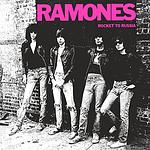
Rocket to Russia, the Ramones' third studio album from 1977, condenses their fast, stripped-down punk attack into short, melodic tracks that blend three-chord rock with pop hooks and surf-tinged guitar lines. The record emphasizes brisk tempos, raw guitar sound and concise, often playful lyrics that reference 1950s rock and roll while sharpening the band's ability to write instantly memorable choruses. Its lean production and economical songcraft helped shape the template for punk and early pop punk by balancing blunt energy with pop sensibility.
#755 — Songs the Lord Taught Us by The Cramps
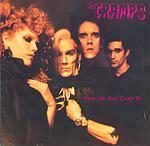
Songs the Lord Taught Us, the Cramps' 1980 debut, fuses 1950s rockabilly and rock and roll with punk attitude and garage rawness to help define the psychobilly aesthetic. Lux Interior's theatrical, snarling vocals sit atop Poison Ivy's reverb-heavy, twangy guitar lines and a terse, driving rhythm section, producing a loose, energetic sound that leans into B-movie horror and campy sexuality. The album's sparse, echo-laden production emphasizes a live, primitive feel and established the band's distinctive blend of retro roots and punk menace that influenced underground rock scenes.
#756 — Ssssh. by Ten Years After
Ssssh., released in 1969, is a guitar-driven blues-rock album by Ten Years After that highlights Alvin Lee's fast, fiery lead guitar and the band's tight rhythm interplay. The record blends blues foundations with late 1960s rock energy, featuring concise, riff-based songs and spirited instrumental breaks that emphasize guitar and organ textures. Its sound conveys the band’s raw, live intensity within studio arrangements, making it a clear example of their classic blues-rock approach.
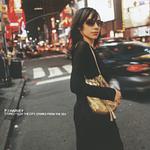
Stories From the City, Stories From the Sea is PJ Harvey's 2000 album that emphasizes brighter, more melodic arrangements while keeping her intense, concise songwriting. The record blends indie and alternative rock with art rock and folk influences, using chiming guitars, piano and atmospheric production to frame lyrics that often evoke urban life and intimate relationships. Compared with her earlier, rawer records, this album is notable for its clearer melodic focus and varied instrumental textures.
#758 — Sur le bout de la langue by Camille Bazbaz
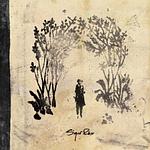
Thelonious Monk with John Coltrane (1961) pairs Monk's angular, percussive piano and distinctive compositions with Coltrane's emerging tenor voice. The album presents small-group jazz performances that balance Monk's sparse, dissonant harmony and idiosyncratic rhythms with Coltrane's exploratory lines, supported by a sympathetic rhythm section. It serves as a clear document of their late 1950s collaboration and illustrates both Monk's compositional approach and Coltrane's development as an improviser.
#761 — Les Années Orlando by Dalida
#762 — Q: Are We Not Men? A: We Are Devo! by DEVO
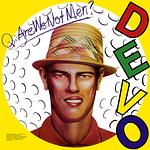
Q: Are We Not Men? A: We Are Devo! is Devo's 1978 debut album that fuses punk aggression with precise, mechanical rhythms, angular guitars, and synthesizer textures to produce a cold, ironic take on pop and rock. Tracks such as "Jocko Homo" and "Mongoloid" and their fractured cover of "(I Can't Get No) Satisfaction" feature staccato arrangements, off-kilter hooks, and satirical lyrics tied to the band's de-evolution concept. Produced by Brian Eno, the record crystallizes Devo's art punk and new wave approach and emphasizes performance art aesthetics and dark humor.
#763 — Around the Fur by Deftones
Around the Fur is Deftones' second studio album, building on a heavy, groove-oriented nu metal foundation while expanding into more atmospheric, textural territory. The record pairs downtuned, rhythmic guitar riffs and aggressive drumming with Chino Moreno's dynamic vocals that alternate between hushed melodies and intense screams, creating striking quiet-loud contrasts. Songs like "My Own Summer (Shove It)" and "Be Quiet and Drive (Far Away)" illustrate the band's blend of aggression and ambience that helped define their distinctive sound in late 1990s rock.
#764 — At the Montreux Jazz Festival by Bill Evans
#765 — The Back Room by Editors
The Back Room, Editors' 2005 debut, delivers a brooding post-punk revival sound that blends angular guitars, driving basslines and steady drums with dark, baritone vocals and atmospheric synth touches. The album emphasizes moody dynamics and melodic hooks, alternating tense, propulsive tracks with more expansive, anthemic moments, and helped establish the band within the mid-2000s indie and alternative rock scene.
#766 — Back to Bedlam by James Blunt
Back to Bedlam is James Blunt's 2004 debut album, rooted in acoustic-led pop rock and soft rock with elements of alternative and singer-songwriter balladry. The record blends intimate piano and acoustic guitar arrangements with restrained production to showcase Blunt's plaintive tenor and confessional lyrics about love, loss, and longing. It includes prominent ballads such as "You're Beautiful" and "Goodbye My Lover" and is notable for its melodic hooks, spare instrumentation, and emphasis on emotional storytelling.
#767 — Black Sabbath by Black Sabbath
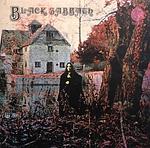
Black Sabbath is the band's 1970 debut that blends heavy blues rock and hard rock into a darker, riff-centered sound that helped define early heavy metal. The record features Tony Iommi's low, distorted guitar riffs, Geezer Butler's weighty bass, Bill Ward's forceful drumming, and Ozzy Osbourne's distinctive vocal style. Songs pair slow, ominous grooves with sharper, blues-based structures and lyrics that explore themes of fear, paranoia, and the supernatural, creating a heavy, unsettling atmosphere that influenced later metal and doom acts.
#768 — Bridge Over Troubled Water by Simon & Garfunkel
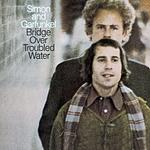
Bridge Over Troubled Water is the fifth and final studio album by Simon & Garfunkel, released in 1970. The record blends folk, folk rock, soft rock and pop, showcasing Paul Simon's songwriting and Art Garfunkel's high tenor and close harmonies. The title track features gospel-influenced piano, choral backing and expansive production, while songs like "The Boxer" and "Cecilia" range from intimate acoustic storytelling to rhythmically driven pop, making the album a stylistic culmination of the duo's collaborative sound.
#769 — Brotherhood by New Order
Brotherhood is New Order's 1986 album that balances their post-punk roots with a stronger emphasis on dance-oriented electronics and melodic synth-pop. The record pairs guitar-driven, band-based arrangements with sequenced rhythms and bright synth lines, illustrating the group's move toward more club-friendly textures while retaining songcraft and melodic hooks; it includes the well known single "Bizarre Love Triangle" and sits stylistically between Low-Life and the later, more overtly dance-focused Technique.
#770 — Cheyenne Autumn by Jean‐Louis Murat
#771 — Dig Your Own Hole by The Chemical Brothers
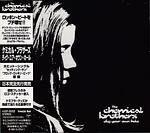
Dig Your Own Hole is the Chemical Brothers' 1997 second studio album and a defining example of the big beat sound of the late 1990s, blending heavy breakbeats, distorted basslines, and psychedelic sampling with rock-influenced rhythms. The record includes propulsive tracks like "Block Rockin' Beats" and "Setting Sun", the latter featuring Noel Gallagher, and is notable for its dense layering, dramatic buildups, and emphasis on groove and sonic impact over conventional pop song structures.
#772 — The Division Bell by Pink Floyd
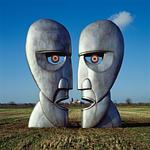
The Division Bell, Pink Floyd's 1994 studio album, presents late-period Pink Floyd in a melodic, atmospheric mode that blends progressive and art rock with psychedelic and arena-scale production. The music emphasizes layered, spacious guitar textures, synthesizer atmospheres, and extended instrumental passages, with David Gilmour's vocal and guitar work prominent alongside Richard Wright's keyboards and Nick Mason's steady drums. Lyrically the record often returns to themes of communication and isolation, and its polished, roomy arrangements favor mood and texture over experimental fragmentation. Overall it is a reflective, sonically ambitious entry in Pink Floyd's catalogue that pairs accessible melodies with cinematic soundscapes.
#773 — Don't Worry Be Happy by Bobby McFerrin
#774 — Entertainment! by Gang of Four
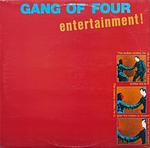
Entertainment!, the 1979 debut by Gang of Four, combines punk urgency with funk-influenced dance rhythms and art-punk angularity. The album is built on staccato, jagged guitar figures, propulsive, groove-driven bass and tight, rhythmic arrangements that favor economy and texture. Lyrically it offers direct, politically charged critiques of consumerism, interpersonal power and modern capitalism, delivered with a cool, detached vocal approach. The spare, abrasive sound and focus on rhythm and ideas helped define a strand of post-punk that fed into later dance-punk and alternative music.
#775 — The Fabulous Sidney Bechet by Sidney Bechet
#776 — Get Lifted by John Legend
Get Lifted is John Legend's 2004 debut album that blends contemporary R&B, neo soul, hip hop, and pop around piano-led arrangements and warm, expressive vocals. The songs move between intimate ballads and groove-oriented tracks that incorporate soul-sample production and hip hop influences, with themes focused largely on love, relationships, and personal reflection. The record introduced Legend as a singer-songwriter and pianist with a smooth, emotive delivery and helped establish his mainstream profile.
#777 — Goats Head Soup by The Rolling Stones
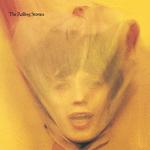
Goats Head Soup, released in 1973 by The Rolling Stones, finds the band in a moodier, more reflective mode that blends blues rock and classic rock with balladry and occasional harder-edged guitar work. The album includes the prominent ballad "Angie" alongside grittier, blues-based tracks, and is marked by Mick Jagger's expressive vocals, Keith Richards' textured guitar parts, and arrangements that add piano, strings, and slide guitar. Its overall atmosphere is more atmospheric and late-night in feel, extending the Stones' exploration of softer arrangements while retaining their rock and blues roots.
#778 — Houlala 2, la mission by Ludwig Von 88
#779 — Kaleidoscope by Kelis
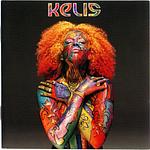
Kaleidoscope is Kelis's 1999 debut album, produced largely by Pharrell Williams and Chad Hugo of The Neptunes. It blends contemporary R&B and hip hop with sparse, syncopated beats, clipped synth textures, and bold, confrontational vocal performances, notably on the single "Caught Out There". The record showcases an off-kilter pop rap sensibility and helped introduce Kelis's distinctive voice alongside the Neptunes' emerging production style.
#780 — Lilith by Jean‐Louis Murat
Jean-Louis Murat's 2003 album Lilith blends chanson française songwriting with pop and rock textures, favoring spare, atmospheric arrangements that pair acoustic and electric guitars with subtle keyboards and restrained percussion. The album showcases Murat's intimate, often melancholic vocal delivery and poetic, sometimes mythic lyricism, producing a moody, contemplative sound that bridges folkish melody and rock dynamics while retaining French chanson sensibilities.
#781 — Lipopette Bar by Oxmo Puccino, The Jazzbastards
Lipopette Bar, released in 2006, is a collaboration between French rapper Oxmo Puccino and The Jazzbastards that blends hip hop lyricism with live jazz arrangements. The production favors warm horns, upright bass, brushed drums and smoky piano, creating a nocturnal, cinematic atmosphere that complements Oxmo's measured, storytelling delivery. The album emphasizes mood and narrative, with improvisatory jazz textures woven into hip hop rhythms and spoken-word phrasing.
#782 — Living Room by Paris Combo
Living Room captures Paris Combo's retro-modern blend of chanson française, jazz, pop and subtle rock influences, pairing smoky lead vocals with playful, vintage-tinged arrangements. The album favors intimate, cinematic textures shaped by accordion, brass, acoustic guitars and light percussion, creating a lounge-friendly atmosphere that highlights the group's nods to swing, cabaret and world music rhythms. Overall it presents a polished yet slightly nostalgic sound that helped define Paris Combo's signature approach to reworking classic French song forms for contemporary listeners.
#783 — Mer de noms by A Perfect Circle
Mer de Noms is A Perfect Circle's 2000 debut album, blending alternative rock and metal with atmospheric, guitar-driven arrangements and melodic, expressive vocals by Maynard James Keenan. The record emphasizes dynamic contrasts between heavy riffs and quieter, textural passages, featuring layered production and memorable melodic hooks that balance aggression with introspective moods. Largely shaped by guitarist Billy Howerdel's compositions and Keenan's vocal presence, the album established the band's distinctive sound apart from Keenan's other projects.
#784 — Miss E …So Addictive by Missy Elliott
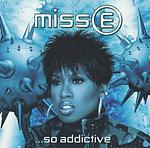
Miss E ... So Addictive is Missy Elliott's 2001 album that blends hip hop, contemporary R&B, hip house, and pop rap with forward-looking production. Built around Timbaland's percussive, syncopated beats and Missy's playful, rhythmic delivery, the record mixes club-ready uptempo tracks, experimental electronic textures, and occasional softer R&B balladry, incorporating global rhythmic touches and unconventional instrumentation. The album is marked by inventive beat programming, vocal effects, catchy hooks, and a willingness to push pop-rap boundaries while keeping a strong dancefloor focus.
#785 — Muddy Waters by Redman
Muddy Waters, Redman's 1996 album, blends hardcore East Coast hip hop with loose, funk-sampled production anchored by Erick Sermon, pairing gritty, bass-heavy beats with Redman's playful, aggressive lyricism and comic braggadocio. The record emphasizes rugged grooves, punchy sampling and DJ scratches while balancing party-ready tracks and raw street-oriented rhymes, and it helped solidify Redman's reputation for charismatic delivery and funk-inflected hip hop in the mid 1990s.
#786 — My New Orleans by Harry Connick, Jr.
Released in 1999, No Angel is Dido's debut album that blends downtempo pop, dream pop, electronic and folktronica elements. The record pairs her soft, intimate vocal delivery with warm acoustic guitar, subtle electronic beats and restrained, atmospheric production largely shaped with her brother Rollo Armstrong, creating a chilled, melancholic sound. Songs such as "Here with Me" and "Thank You" showcase the album's spare arrangements and confessional lyricism, and the overall aesthetic helped popularize a subdued, downtempo approach within late 1990s pop.
#788 — Le Nouveau Monde by William Sheller
#789 — O by Damien Rice
O is Damien Rice's 2002 debut album. Rooted in folk and indie folk, it favors sparse, acoustic arrangements that foreground Rice's intimate, emotive vocals alongside cello, violin and restrained percussion. Several tracks build from hushed beginnings to layered climaxes and include backing vocals by Lisa Hannigan. Lyrically the album centers on love, longing and heartbreak, delivered with directness and raw emotional intensity.
#790 — Original Pirate Material by The Streets
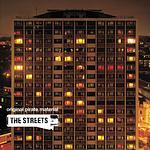
Original Pirate Material, the 2002 debut album by The Streets (Mike Skinner), blends UK garage rhythms, house and electronic textures with hip hop sensibilities. The record pairs sparse, syncopated beats and basslines with Skinner's conversational, often spoken-word vocal delivery, delivering observational narratives about everyday life in Britain. Production favors lo-fi immediacy and stripped arrangements that foreground lyrics and atmosphere, drawing on garage and house grooves and electronic touches to create a distinctive urban sound.
#791 — Part Two by Kora Jazz Trio
#792 — Piece by Piece by Katie Melua
Piece by Piece, Katie Melua's 2005 second studio album produced by Mike Batt, blends jazz-pop and acoustic pop with orchestral string arrangements and folk-tinged songwriting. Melua's warm, restrained vocal delivery sits over polished arrangements that emphasize acoustic guitar, piano and strings, with lyrical themes of love, memory and personal observation; the album includes the single "Nine Million Bicycles". The record continues the intimate, jazz-inflected pop style of her debut while expanding its orchestral textures and melodic pop songwriting.
#793 — Rio Grande by Eddy Mitchell
#794 — Room on Fire by The Strokes
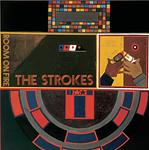
Room on Fire, The Strokes' 2003 second album, continues their stripped-back garage rock and post-punk revival sound with concise, hook-driven songs and interlocking, rhythmic guitars. Julian Casablancas' detached vocal delivery sits over tight, propulsive rhythms and relatively crisp production that refines the looser textures of their debut while retaining angular melodies and concise songcraft. The record favors short, punchy arrangements and memorable guitar lines, with tracks such as "Reptilia" and "12:51" illustrating its melodic focus and band-centered interplay.
#795 — Sang pour sang by Johnny Hallyday
Sang pour sang is a 1999 rock-oriented studio album by Johnny Hallyday that leans on contemporary electric arrangements and his trademark expressive vocals. The record features significant songwriting and production input from his son David Hallyday, giving it a personal tone and polished, late-1990s rock sound. Musically it mixes guitar-driven anthems with melodic ballads, balancing punchy riffs and studio sheen with more intimate, introspective moments.
#796 — Sans Domicile Fixe by Bratsch
Recorded in 1958, Something Else!!!! The Music of Ornette Coleman captures Coleman's early move away from hard bop toward freer, more open forms of jazz. The album foregrounds melody-driven improvisation and collective interplay over fixed chord changes, featuring a spare, elastic rhythmic feel and a distinctive, raw alto sax voice that emphasizes contour and phrasing. Its direct, sometimes folklike themes and flexible approach to harmony and time make the record an early statement of the directions that would come to be associated with free jazz and post-bop.
Texas Flood is the 1983 debut studio album by Stevie Ray Vaughan and Double Trouble. Rooted in Texas blues and electric blues, the record combines fiery blues-rock arrangements with covers of classic blues songs and Vaughan originals, highlighting his powerful Stratocaster tone and expressive, technically deft guitar playing. The trio's tight rhythm work and live-in-studio feel give the album a raw, club-like energy, and it is often cited as an important early-1980s blues-rock release that helped introduce Vaughan to a wider audience.
#799 — Think Tank by Blur
Think Tank, released in 2003, is Blur's seventh studio album and a marked stylistic shift from their earlier Britpop work toward a more experimental blend of alternative rock, electronic and art rock with indie rock elements. The sound emphasizes synths, drum programming and ambient and world music textures alongside more restrained guitar, producing a sparser, more atmospheric and introspective feel. The record was shaped in part by guitarist Graham Coxon's reduced involvement during the sessions, which contributed to its different tonal palette.
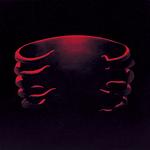
Undertow is Tool's 1993 debut full-length album that helped define the band's early sound. The music mixes alternative metal and progressive metal with alternative rock and grunge-influenced textures, featuring heavy, down-tuned guitar work, layered atmospheric production, complex drumming and polyrhythms, and emotive vocals from Maynard James Keenan. Songs often shift between abrasive aggression and quieter, unsettling passages, and the record, with Paul D'Amour on bass and Danny Carey on drums, emphasizes tension, dynamics, and dense sonic textures.