 The Greatest Music
The 1000 Best Albums of All Time
Weight: 35%
How much this list influences our overall rankings. Higher weight means more reliable data.
Penalties Applied:
Fnac’s Les 1000 CD des disquaires de la Fnac (Dec 2008) is a collective, staff-driven canon: Fnac’s record-store specialists (“disquaires”) pooled their picks in a large internal vote to build a near “ideal” 1,000-album library, spanning major genres and highlighting certain titles as indispensables.
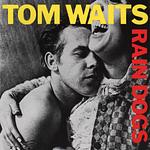
Rain Dogs, released in 1985, finds Tom Waits moving further from his earlier piano-based singer-songwriter style into a grittier, more experimental sound. The album mixes blues, rock, and Americana with off-kilter rhythms, found percussion, accordion and jagged guitar, providing a cinematic, streetwise backdrop for Waits's gravelly vocals and vivid narratives about urban outsiders. It follows Swordfishtrombones and further solidifies his turn toward theatrical, collage-like arrangements and genre-bending songwriting.
R. by R. Kelly is a sprawling 1998 release that blends contemporary R and B with hip hop, pop and occasional rock-tinged textures, moving between intimate slow jams, gospel-tinged anthems and more uptempo, rap-influenced numbers. The album highlights R. Kelly's multi-layered vocal production and songwriting range, with arrangements that mix electronic and live instrumentation and lyrical themes that range from personal relationships to spirituality. Its stylistic variety and ambitious production give the record a wide stylistic reach within late 1990s urban popular music.
#603 — Tokyo Tapes by Scorpions
Tokyo Tapes is a live double album recorded in Tokyo in 1978 that captures Scorpions' late 1970s hard rock and early heavy metal sound. The performances emphasize driving rhythms, prominent guitar solos and melodic vocal lines, alternating between heavier, riff-based songs and more melodic, extended live passages. The recording presents the band in a raw, energetic concert setting and documents their stage-focused sound during a transitional period in their catalog.
#604 — Le Tourbillon by Jeanne Moreau
#605 — Vauxhall and I by Morrissey
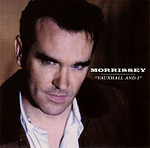
Vauxhall and I is Morrissey's 1994 solo album that moves toward a more restrained, melodic sound, blending indie pop and alternative rock with chamber pop touches and understated guitar and string arrangements. The songs are introspective and literate, mixing melancholic wit and personal themes; notable tracks include "The More You Ignore Me, the Closer I Get" and "Now My Heart Is Full", and the album emphasizes melody and emotional nuance over the rawer rock of some earlier work.
#606 — Antichrist Superstar by Marilyn Manson
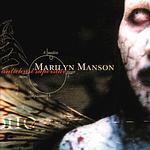
Antichrist Superstar (1996) is Marilyn Manson's confrontational, concept-driven record that blends industrial metal and alternative rock textures. The album centers on abrasive guitar riffs, heavy programmed percussion, samples and theatrical, often snarling vocals to create a harsh, mechanized soundscape, and it presents a dark narrative exploring power, nihilism and social alienation. Musically and stylistically it marks a shift toward a heavier, more aggressive aesthetic in the band's catalog and in contemporary industrial and alternative rock scenes.

Antics (2004) is Interpol's second album, extending their post-punk revival approach with taut, bass-led arrangements, staccato guitars, and Paul Banks's baritone vocals. Compared with their debut it features tighter, more concise songwriting and cleaner production that emphasizes rhythmic drive and sharper melodic hooks on tracks such as 'Slow Hands', 'Evil', and 'C'mere'. The record reinforced the band's presence within indie rock and post-punk revival circles by refining the moody, angular sound they had become known for.
The Art of the Trio, Volume 1 (1997) documents Brad Mehldau's developing piano trio voice, with lyrical, introspective piano-led interpretations that blend jazz standards and modern repertoire with original motifs. The music emphasizes close interaction among piano, bass and drums, extended improvisation, contrapuntal lines and classical-harmonic influences, balancing swinging rhythms with meditative, rubato passages. As an early trio record it presents the hallmarks of Mehldau's narrative approach to improvisation and group interplay.
#609 — Attica Blues by Archie Shepp
Attica Blues is a 1972 album by saxophonist Archie Shepp that fuses avant-garde jazz with soul jazz and blues-rooted grooves. The music combines free-improv passages and arranged horn charts with evocative vocal elements and touches of gospel and R and B to engage with themes of social protest and the Attica prison uprising. The contrast between fiery, dissonant improvisation and more structured, melody-driven sections gives the album both political urgency and emotional directness.
#610 — Auguri by Dominique A
Auguri, released in 2001, finds Dominique A blending chanson française lyricism with fuller indie rock and pop rock arrangements. The album pairs his understated, introspective vocals and concise, literate songwriting with electric guitars, rhythmic drive and occasional electronic textures, creating a brooding yet melodic sound. Auguri is notable for its shift toward more robust band-oriented production while retaining the intimate, poetic feel of his earlier work.
#611 — Ballads by John Coltrane Quartet
Ballads, recorded by the John Coltrane Quartet and released in 1963, presents a set of standard ballads played with restrained, lyrical intensity. Coltrane on tenor is accompanied by McCoy Tyner on piano, Jimmy Garrison on bass, and Elvin Jones on drums, and the group emphasizes warm tone, spacious harmonies, gentle tempos, and long-breathed melodic statements rather than the more fiery or experimental approaches heard elsewhere in Coltrane's work. The album is notable for its focus on nuance and intimate interplay, with performances such as "My One and Only Love" highlighting Coltrane's tenor sound and his rapport with Tyner.
#612 — Les Barbares by Bernard Lavilliers
#613 — Closing Time by Tom Waits
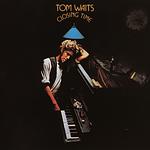
Closing Time is Tom Waits's 1973 debut, a collection of intimate, piano-led songs that blend folk, blues and jazz influences into smoky, late-night balladry. Waits's younger, mellower voice and literate, narrative lyrics evoke small-time characters and domestic scenes, supported by spare arrangements and subtle jazz touches that create a warm, melancholic atmosphere and established the idiosyncratic songwriting persona he would develop further in later records.
#614 — Coup de gueule by Tiken Jah Fakoly
Coup de gueule, released in 2004 by Ivorian reggae artist Tiken Jah Fakoly, applies roots-reggae rhythms and horn and percussion arrangements to politically charged, socially conscious lyrics. The album continues Fakoly's focus on West African issues, delivered in French and indigenous languages, blending traditional African rhythmic elements with classic reggae grooves. Its direct, outspoken tone emphasizes commentary on governance and social conditions.
#615 — Darklands by The Jesus and Mary Chain
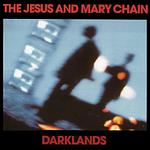
Darklands, released in 1987 by The Jesus and Mary Chain, tempers the abrasive noise-pop of their debut into a more restrained, melodic sound, with chiming, reverb-soaked guitars, minimalist rhythms, and hushed, melancholic vocals. The album emphasizes clearer songcraft and moodier atmospheres, situating it within alternative rock, indie rock, and post-punk styles while favoring texture and melody over feedback-driven noise.
#616 — D'un papillon à une étoile by Véronique Sanson
A 1972 release by Michel Fugain and his ensemble Le Big Bazar, Fais comme l'oiseau / Leda Leda displays their brand of French pop built around collective vocals, catchy melodic hooks, and arrangements that mix orchestral touches and brass with steady pop rhythms. The record emphasizes singalong choruses and theatrical ensemble singing, delivering an upbeat, convivial sound that became characteristic of Fugain's early 1970s work.
#618 — Fifth Dimension by The Byrds
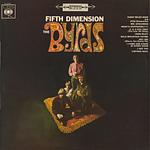
Fifth Dimension, released by the Byrds in 1966, pushes the band beyond their folk rock beginnings into a more experimental, psychedelic territory. The record pairs the group's signature chiming 12-string guitar and tight harmonies with modal and raga-tinged guitar lines, studio effects, and freer song structures, exemplified by "Eight Miles High." Tracks range from concise pop and Dylan interpretations to longer, more atmospheric pieces, and the album is notable as an early American move into psychedelic rock for the band.
#619 — Guigui by Michel Jonasz
#620 — King Bee by Muddy Waters
King Bee (1981) finds Muddy Waters in late-career form, delivering electric Chicago blues rooted in Delta tradition. The record blends his raw, authoritative vocals and harmonica with driving electric guitar and a solid rhythm section, at times incorporating rock-leaning textures while remaining grounded in traditional blues structures. Overall it presents a direct, gritty statement of Waters' enduring style and influence on amplified blues.
#621 — LCD Soundsystem by LCD Soundsystem
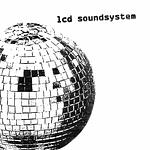
LCD Soundsystem's self-titled 2005 debut blends electronic production, dance-punk energy and indie sensibility into extended, groove-oriented songs. James Murphy combines programmed beats, live instrumentation and motorik-leaning rhythms to create tracks that alternate between dancefloor dynamics and spoken-word, deadpan vocal delivery, with standout cuts such as "Losing My Edge" and "Daft Punk Is Playing at My House". The album emphasizes layered arrangements and witty, referential lyrics, marrying club-ready grooves with art-pop experimentation.
#622 — Magical Mystery Tour by The Beatles
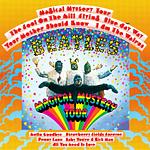
Magical Mystery Tour is a 1967 Beatles release originally tied to their television film, combining bright, concise pop songs with more experimental, studio-based psychedelia. The record moves between catchy, orchestrated melodies and trippy production techniques such as tape effects, layered vocals, and orchestral color, yielding a mix of whimsical, singalong moments and surreal, collage-like passages. As a soundtrack-minded project, it showcases the band deepening their late 1960s studio experimentation and playful approach to songcraft.
#623 — Marche à l'ombre by Renaud
Marche à l'ombre (1980) is an album by French singer-songwriter Renaud that mixes chanson and pop with rock-tinged arrangements. It showcases his conversational vocal delivery and colloquial slang, pairing observational, often sardonic lyrics about everyday life and social issues with mostly straightforward, band-oriented backings. The record reflects the streetwise, socially conscious persona that defines much of Renaud's work from that era.
#624 — La Marmaille nue by Mano Solo
La Marmaille nue (1993) by Mano Solo blends the intimate lyricism of chanson française with gritty alternative rock and blues-tinged melodies. Solo's raw, emotive voice delivers personal and socially aware lyrics over lean arrangements that balance acoustic intimacy with rock energy, producing a direct and sometimes rough-edged sound that became characteristic of his work. The album presents a fusion of traditional French songwriting and underground musical influences, with an emphasis on emotional honesty and expressive performance.
#625 — Les Mots Bleus by Christophe
Les Mots Bleus (1974) by Christophe is a moody, melodic French pop album that blends easy listening sensibilities with orchestral pop and light pop rock elements. The title track and other songs favor intimate, melancholic vocals over lush arrangements and early synthesizer textures, creating a dreamy, introspective atmosphere. The record represents a turn toward more atmospheric, arrangement-focused production in Christophe's work and includes contributions from Jean-Michel Jarre.
#626 — Nuages by Django Reinhardt
#627 — Pop Satori by Étienne Daho
Pop Satori (1986) captures Étienne Daho's mid 1980s synthesis of synth pop and French pop, combining polished electronic arrangements with melodic songwriting and a cool, urbane vocal delivery. The album emphasizes glossy synthesizer textures alongside pop rock guitar touches, producing a sleek, atmospheric sound that helped define Daho's signature style in that era. It is representative of his work marrying chanson sensibilities with contemporary electronic production.
#628 — Songs in A Minor by Alicia Keys
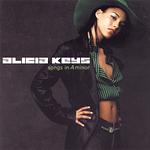
Songs in A Minor is Alicia Keys' 2001 debut album that blends her classical piano training with contemporary R&B, neo soul and hip hop influences. It features piano-driven arrangements, warm, expressive vocals, and a mix of intimate ballads and more rhythmic tracks that incorporate jazz, gospel and electronic textures. The album established her piano-centered songwriting and musicianship within early 2000s R&B contexts.
#629 — Space Oddity by David Bowie
Space Oddity (1969) is an early David Bowie album that blends folk-tinged songwriting with psychedelic and art pop arrangements, anchored by the space-themed title track that introduces the character Major Tom. The record juxtaposes intimate acoustic numbers with fuller, more experimental instrumentation and orchestral and electronic textures, showing Bowie moving toward more narrative-driven and theatrical material. Its sound captures a transitional moment between singer-songwriter traditions and the more stylized work Bowie would develop in the 1970s.
#630 — Supernatural by Santana
Supernatural, released in 1999, pairs Carlos Santana's distinctive, sustain-rich guitar and Latin percussion with contemporary pop and rock production. The album blends Latin rock, blues-tinged rock, and touches of hard rock and R&B through collaborations with guest vocalists and songwriters, yielding melodic, radio-friendly arrangements that emphasize Santana's guitar tone over polished grooves. It is widely regarded as a major late-career release that reintroduced Santana's sound to late-1990s popular music through high-profile partnerships.
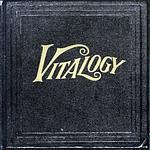
Vitalogy, Pearl Jam's 1994 third album, finds the band moving away from the more polished sound of their earlier records toward a rawer, more experimental approach. Musically it blends grunge and alternative rock with pronounced punk and garage rock influences, pairing terse, aggressive tracks with slower, acoustic and blues-tinged moments. Production often feels stripped and urgent, with jagged guitar textures and unconventional song structures supporting Eddie Vedder's gritty, impassioned vocals and lyrics that address fame, mortality, and artistic control. The album's rough edges and willingness to take risks make it a distinctive, challenging entry in the band's catalog.
18 is Moby's 2002 album that mixes downtempo electronica, ambient techno and pop, pairing atmospheric instrumental pieces with more upbeat, song-based tracks. Compared with his previous work, it leans more on original instrumentation and sweeping string-like arrangements alongside dense synth textures and programmed beats, and includes recognizable singles such as "We Are All Made of Stars" and "Extreme Ways". The record balances contemplative ambient moments with accessible pop-electronic production, making it both introspective and rhythmically direct.
#633 — The Art of Rebellion by Suicidal Tendencies
The Art of Rebellion finds Suicidal Tendencies moving toward a more melodic, alternative metal sound while retaining elements of their hardcore, thrash, and funk metal roots. Songs often favor cleaner production, midtempo grooves, and expanded arrangements that emphasize melodic vocals and hooks alongside heavier riffing. The album is notable for broadening the band’s sonic palette and taking a less purely aggressive approach than earlier records.
Pierre Akendengué and Hughes de Courson's Lambarena: Bach to Africa is a cross-cultural project that blends J.S. Bach's baroque melodies with African vocal and rhythmic textures. The arrangements place familiar melodic lines into settings with choral singing, acoustic guitars, light percussion and traditional timbres, yielding a gentle, meditative classical crossover sound that foregrounds dialogue between European baroque forms and African musical traditions.
#635 — Birth of the Cool by Miles Davis
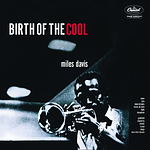
Birth of the Cool is a 1957 compilation of Miles Davis sessions from 1949 to 1950 that helped define a cooler, more arranged alternative to bebop. Using a nine-piece ensemble with instruments like French horn and tuba and arrangements by Gil Evans, Gerry Mulligan, and John Lewis, the music emphasizes warm tone colors, contrapuntal ensemble writing, relaxed tempos, and lyrical, muted trumpet lines. The album is regarded as an important early document of cool jazz and an influential move toward a chamber-influenced, arrangement-driven approach in modern jazz.
#636 — Canned Heat by Canned Heat
#637 — Carnets de bord by Bernard Lavilliers
Carnets de bord (2004) finds Bernard Lavilliers working within folk, reggae, and rock textures to create a travelogue-like set of songs. His gravelly baritone carries narrative, often globe-trotting lyrics and social observation, while the arrangements blend acoustic and electric guitars, rhythmic grooves, percussion, and occasional brass or Latin inflections to produce an atmospheric mix of chanson and world-influenced rock.
#638 — Chocolate City by Parliament
Chocolate City, released in 1975 by Parliament, is a P-Funk era album that blends deep funk grooves, layered vocal harmonies, horn-driven arrangements and psychedelic production under George Clinton's direction. The title track pairs upbeat, danceable rhythms with pointed social commentary about black urban life, while the record as a whole expands the Parliament-Funkadelic sound with prominent bass, rhythmic guitar, clavinet and early synthesizer textures, contributing to the group's conceptual, Afrocentric themes.
#639 — Deadringer by RJD2
Deadringer is the 2002 debut studio album by RJD2, built from sample-based instrumental hip hop that blends downtempo, electronic textures and turntablism. The record uses cinematic arrangements and melodic looped samples drawn from soul, funk and soundtrack sources, with layered percussion and occasional live instrumentation to create a collage-like, filmic atmosphere that prioritizes groove and mood over vocals. Its production is marked by careful sample layering, strong melodic hooks and a sense of pacing that helped make it a notable example of early 2000s instrumental beat music.
#640 — Eliminator by ZZ Top

Eliminator, released in 1983 by ZZ Top, blends the band's Texas blues-rock roots with a sleeker, more synth- and groove-oriented production. The album pairs Billy Gibbons's gritty guitar riffs and vocals with tighter, more polished rhythms and synthesizer textures, producing radio-friendly, arena-ready songs such as "Gimme All Your Lovin'", "Sharp Dressed Man", and "Legs". Its streamlined sound and stylized music videos helped bring ZZ Top's aesthetic to a wider rock audience while retaining a strong blues foundation.
#641 — Gulag Orkestar by Beirut
Gulag Orkestar is an album by Beirut that blends indie folk and folk rock with pronounced Eastern European and Balkan influences, marked by lo-fi textures, prominent brass and accordion arrangements, plaintive trumpet lines and understated, nostalgic vocals, producing a cinematic, wistful sound that became central to the band's identity.
Kasabian's 2004 self-titled debut blends indie rock grit with electronic textures and neo-psychedelic touches, pairing driving, riff-based guitars with layered synths and hypnotic, danceable rhythms. The album emphasizes propulsive grooves and chant-like, anthemic vocal hooks, creating a raw yet club-ready sound that became a defining template for the band's early work.
#643 — Last Splash by The Breeders
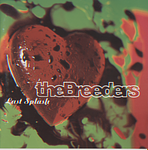
Last Splash, released in 1993 by The Breeders, is an alternative rock album that blends concise pop songwriting with noisy, guitar-driven textures and playful, off-kilter arrangements. Kim Deal's deadpan vocals and catchy hooks sit alongside tight rhythm parts and bursts of distortion, producing a mix of melodic accessibility and raw, lo-fi grit; it includes the distinctive single "Cannonball" and other tracks that highlight the band's use of surf-tinged riffs, vocal harmonies, and loose, improvisational moments. The record is often cited for its role in shaping the sound and attitude of early 1990s alternative rock.
#644 — Live in Hamburg by Esbjörn Svensson Trio
#645 — Love Bites by Buzzcocks
Love Bites (1978) by Buzzcocks channels punk energy into short, hook-driven songs that emphasize bright, trebly guitars and catchy melodies. The material blends raw urgency with pop songcraft and emotionally direct lyrics about love and desire, illustrating the band's role in moving punk toward more melodic pop punk and new wave textures.
#646 — Madar by Jan Garbarek, Anouar Brahem, Ustad Shaukat Hussain
Madar is a contemplative collaboration between Jan Garbarek, oud player Anouar Brahem, and tabla player Ustad Shaukat Hussain that blends Nordic jazz sensibilities with Middle Eastern melodic and rhythmic elements. Garbarek's clear, lyrical saxophone lines interact with Brahem's modal oud phrases and Hussain's nuanced tabla rhythms, producing sparse, chamberlike soundscapes that emphasize space, melody, and subtle interplay. The album is noted for its quiet intensity and cross-cultural improvisation within an ECM-style aesthetic.
#647 — My Generation by The Who
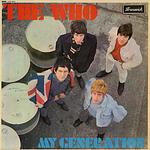
My Generation, The Who's 1965 debut album, delivers a raw, high-energy mix of mod rock, garage rock, beat music, and R&B-influenced songs. The record highlights Pete Townshend's early power chord guitar work, Keith Moon's explosive drumming, John Entwistle's prominent bass lines, and Roger Daltrey's assertive vocals, balancing originals with covers. The title track is notable for its stuttering vocal hook and defiant youth perspective, and the album as a whole captures the band's live intensity and the attitude of the mid 1960s mod scene.
Noise, released in 2004 by Archive, continues the band's fusion of trip hop, alternative rock, art rock and electronic elements. The album is built around brooding, cinematic arrangements that blend dense electronic textures with live rock instrumentation, often unfolding in extended, mood-driven songs anchored by emotive vocals. Production favors atmosphere and dynamic contrast, shifting between restrained ambient passages and more urgent, guitar-forward sections, resulting in a dark, introspective record within the band's evolving sound.
Now, released in 2001, finds Maxwell refining his neo soul sound with a cleaner pop sensibility; the album pairs his smooth, often falsetto vocal delivery with polished, groove-oriented production and romantic, introspective songwriting. It balances intimate slow jams and midtempo tracks, emphasizing warmth and sophistication in the arrangements and consolidating Maxwell's presence as a prominent voice in contemporary soul.
#650 — Out to Lunch! by Eric Dolphy
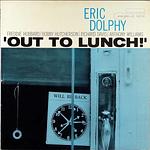
Out to Lunch! is Eric Dolphy's 1964 Blue Note album that pushes hard bop into avant-garde territory with tightly arranged yet adventurous compositions. Dolphy's alto saxophone, bass clarinet, and flute are heard against Freddie Hubbard's trumpet, Bobby Hutcherson's vibraphone, Richard Davis's bass, and Tony Williams's drums, and the music is notable for wide intervallic leaps, unconventional time feels, abrupt textural shifts, and a balance of written material and free improvisation. The record highlights Dolphy's distinctive timbres and exploratory approach to harmony and rhythm and is widely regarded as a defining example of 1960s exploratory jazz.
The Plague That Makes Your Booty Move... It's the Infectious Grooves (1991) is the debut album from Infectious Grooves, a funk metal side project led by Suicidal Tendencies vocalist Mike Muir. The album mixes heavy metal and punk intensity with funk rhythms and prominent slap bass, pairing groove-oriented guitar riffs with playful spoken interludes and tongue-in-cheek lyrics. Its sound emphasizes danceable grooves and muscular riffing, illustrating the crossover between metal and funk that characterized much of the early 1990s funk metal scene.
#652 — Rust Never Sleeps by Neil Young, Crazy Horse
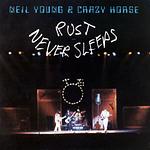
Rust Never Sleeps, credited to Neil Young with Crazy Horse and released in 1979, mixes acoustic folk rock songs with searing electric rock performed with Crazy Horse. The album contrasts quiet, introspective solo pieces and loud, distorted guitar workouts, exploring themes of aging, rock and roll, and cultural change, and it highlights Young's movement between delicate melodies and raw, feedback-heavy textures. The combination of folk, country-tinged numbers and hard rock passages creates a dramatic dynamic between intimacy and explosive live energy.
#653 — Sketches of Spain by Miles Davis
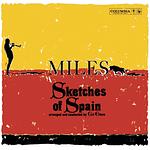
Sketches of Spain (1960) is a collaboration between trumpeter Miles Davis and arranger Gil Evans that blends jazz improvisation with orchestral arrangements and Spanish musical themes. It features a reworking of Joaquín Rodrigo's Concierto de Aranjuez alongside original pieces that draw on flamenco and folk motifs, using modal harmonic frameworks, muted and lyrical trumpet lines, and rich brass and woodwind textures. The album exemplifies Third Stream approaches and cool and modal jazz tendencies by integrating soloist spontaneity with carefully scored, atmospheric ensemble writing.
#655 — Straight Outta Compton by N.W.A
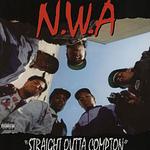
Straight Outta Compton, released in 1988 by N.W.A, is a landmark gangsta rap album that helped define West Coast hip hop. The record pairs hard, drum-machine driven beats and funk-derived sampling with blunt, confrontational lyrics about street life, policing, and urban tension. Production from Dr. Dre and DJ Yella emphasizes heavy bass, tight drum programming, and stark arrangements, while vocal performances from Ice Cube, Eazy-E, MC Ren, and others combine narrative storytelling and abrasive delivery. The album is notable for its raw sonic aesthetic and its role in bringing gangsta rap into wider public attention.
#656 — Tanto tempo by Bebel Gilberto
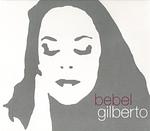
Tanto Tempo, released in 2000 by Bebel Gilberto, blends classic bossa nova and samba songwriting with downtempo electronic and lounge production to create a warm, intimate sound characterized by soft, breathy vocals, gentle acoustic guitar, subtle percussion, and ambient electronic textures. The album presents a modern, chilled-out take on Brazilian music that broadened exposure for bossa nova among lounge and downtempo audiences and helped establish Gilberto as a prominent voice in contemporary Latin-influenced pop.
#657 — Trouble Man by Marvin Gaye
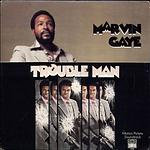
Trouble Man is Marvin Gaye's 1972 soundtrack album for the film of the same name, blending soul, funk, and jazz with cinematic arrangements and brooding grooves. Gaye wrote and produced the score, and the record alternates vocal and instrumental pieces that emphasize a darker, more filmic atmosphere, showcasing his baritone voice alongside jazz-inflected horns, strings, and funk rhythms. The title track serves as a central theme that ties the album's moody, soundtrack-oriented sound together.
#658 — La Valse à mille temps by Jacques Brel
La Valse à mille temps is a 1960 album by Belgian chansonnier Jacques Brel. It presents Brel's intense, theatrical vocal delivery set against piano and orchestral accompaniment, exemplifying the French-language chanson tradition with literate, emotionally direct lyrics. The title track centers on a brisk, restless waltz motif, and the album as a whole balances dramatic storytelling with quieter, intimate moments, reflecting a mature stage in Brel's development as a songwriter and performer.
#659 — Variations sur le même t'aime by Vanessa Paradis
Variations sur le même t'aime (1990) is Vanessa Paradis' second studio album that moves her sound toward a more mature pop with rock inflections, pairing catchy melodic hooks with electric and acoustic guitar textures and relatively polished production. The title plays on the French phrase "Variations sur le même thème" and the record showcases Paradis' intimate, breathy vocal delivery across songs that mix straightforward pop sensibilities with slightly edgier rock-tinged arrangements.
#660 — West Side Story by Leonard Bernstein, Stephen Sondheim
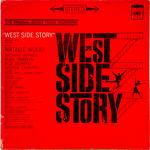
West Side Story, with music by Leonard Bernstein and lyrics by Stephen Sondheim, presents a theatrical score that blends Broadway musical theatre with jazz-inflected rhythms, Latin percussion and classical orchestral writing. The album features urgent, syncopated dance sequences alongside lyrical, dramatic songs that showcase complex harmonies, vivid orchestration and a strong sense of rhythmic drive and tension. Its sound occupies a space between musical theatre, jazz and Latin-tinged popular orchestration, notable for its emotional range and dramatic momentum.
#662 — 23 by Blonde Redhead
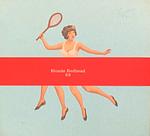
23, released in 2007, finds Blonde Redhead blending indie rock with dream pop, shoegaze and restrained electronic textures. The record is built around intimate, often hushed vocals, layered guitars and synth atmospheres, with occasional string arrangements that give several tracks a cinematic, melancholic feel. Songs emphasize mood and texture over straightforward rock dynamics, marking a move toward more polished, melodic and expansive arrangements in the band’s catalogue.
#663 — Amassakoul by Tinariwen
Amassakoul captures Tinariwen’s signature desert blues sound, with interlocking electric guitars, steady rhythmic grooves, and call-and-response vocals sung in Tamasheq. The album blends traditional Tuareg melodic patterns and lyrical themes of exile, nomadic life, and social struggle with trance-like, blues-inflected guitar work, creating a hypnotic, intimate atmosphere. It is often cited as an important record in bringing Tuareg desert blues and guitar-driven Saharan music to wider international audiences.
#664 — Authentik by Suprême NTM
Authentik, released in 1991 by Suprême NTM, is an early hardcore hip hop record that helped shape a raw, confrontational strand of French rap. The album pairs aggressive, shouted delivery from JoeyStarr and Kool Shen with stripped-down, sample-based production that leans on funk and soul textures and hard, punchy drums. Lyrically it addresses street life, social tensions, identity, and defiance, delivered with urgent intensity that marked a tougher, more politically aware direction in France's hip hop scene.
#665 — Babacar by France Gall
Babacar is a 1987 album by France Gall that blends pop, rock and synth-pop elements typical of late 1980s French pop. Produced and largely written by Michel Berger, the record pairs synth-driven arrangements and programmed rhythms with intimate ballads and strong melodic hooks. Lyrically it moves between personal, reflective themes and more upbeat numbers, and it features the well-known song "Ella, elle l'a". The album reflects a mature phase in Gall's work and her ongoing artistic collaboration with Berger.
#666 — The Brand New Heavies by The Brand New Heavies
The Brand New Heavies' 1990 self-titled album is a key early example of the UK acid jazz sound, pairing deep funk grooves and jazz-funk horn and organ textures with soulful vocal phrasing and dance-ready rhythms. Built around live instrumentation and tight, groove-focused arrangements, the record draws on 1970s funk and soul while incorporating contemporary production elements associated with hip hop and electronic dance music. The overall sound is warm and rhythmically driven, and it helped define how jazz-inflected funk was presented in club and crossover settings.
#667 — Chris Isaak by Chris Isaak
#668 — Close to the Edge by Yes
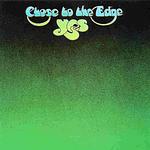
Close to the Edge (1972) is a landmark progressive rock album by Yes that features expansive, suite-like compositions, intricate instrumental interplay, and layered vocal harmonies. The record blends classical and jazz-influenced arrangements with virtuosic guitar, bass, keyboard, and percussion work, and showcases long-form songs that move through multiple contrasting sections. Its sound emphasizes dramatic dynamics, complex time signatures, and detailed production, making it a defining example of early 1970s progressive and art rock.
#670 — Gitans by Thierry « Titi » Robin
Gitans, recorded by French musician Thierry "Titi" Robin in 1993, blends flamenco phrasing with Mediterranean and Latin folk colors to create a warm, acoustic soundscape. The music emphasizes rhythmic, percussive guitar work and melodic lines that draw on Romani and North African inflections, with an improvisatory, ensemble feel that balances driving grooves and lyrical instrumental passages.
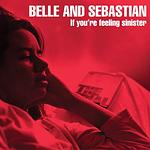
If You're Feeling Sinister, released in 1996 by Belle and Sebastian, presents a quiet, literate take on indie pop that mixes chamber folk textures with twee pop melodies and occasional rock rhythms. Stuart Murdoch's observational, character-driven lyrics sit alongside delicate arrangements of strings, piano, guitar, and subtle brass, producing an intimate, low-key sound that balances wistfulness and wry humor. The album crystallized the band's early aesthetic of gentle dynamics and orchestral touches and played a notable role in shaping the sound of British indie pop in the 1990s.
#672 — IV by Cypress Hill
IV, Cypress Hill's 1998 fourth studio album, extends the group's West Coast alternative hip hop aesthetic with darker, harder-edged production and rock-influenced textures. B-Real's distinctive high-register delivery and Sen Dog's gruffer interjections sit over dense, bass-forward beats and layered samples, while the arrangements lean toward more aggressive, abrasive sonics that push the group's sound into a heavier, genre-mixing direction. The record is notable for its focus on raw energy and experimentation within Cypress Hill's established hip hop framework.
#673 — Kékéland by Brigitte Fontaine
Kékéland is a 2001 album in which Brigitte Fontaine blends her avant-garde chanson roots with more accessible pop and rock textures, incorporating touches of reggae and offbeat rhythms. The songs pair her idiosyncratic, often surreal lyrics with eclectic arrangements that move between intimate acoustic passages and more rhythm-driven, electric tracks. The result is an album that balances experimental tendencies with straightforward songcraft, showcasing Fontaine's distinctive voice across a varied musical palette.
#674 — The Look of Love by Diana Krall
The Look of Love (2001) finds Diana Krall interpreting a set of jazz standards and romantic pop tunes with her warm, intimate vocals and understated piano, supported by lush orchestral arrangements and subtle Latin-tinged rhythms; the album emphasizes slow, atmospheric ballads and sophisticated, cinematic textures that expand her small-group jazz sound into a more orchestral, mood-driven setting.
#675 — Louis and the Good Book by Louis Armstrong
Louis and the Good Book (1958) finds Louis Armstrong applying his distinctive gravelly singing and lyrical trumpet to a selection of gospel and spiritual songs. The arrangements blend Dixieland and swing jazz with elements of traditional pop, giving sacred material a relaxed, melodic, and improvisatory treatment. The album highlights Armstrong's gift for interpreting spiritual repertoire through jazz phrasing and rhythmic feel while retaining an accessible, warm sound.
#676 — Marc Lavoine by Marc Lavoine
Marc Lavoine is the singer's 1985 self-titled debut, blending chanson française songwriting with 1980s electronic and synth-pop production. The album pairs Lavoine's conversational, slightly husky vocal delivery with polished synth textures and pop arrangements, balancing intimate, literary lyrics with melodic hooks typical of mid-1980s French pop. Its sound helped establish Lavoine's persona as a suave, romantic chanteur and set the stylistic tone he would return to in later work.
#677 — New Gold Dream (81‐82‐83‐84) by Simple Minds
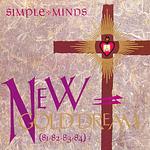
New Gold Dream (81-82-83-84) is Simple Minds' 1982 album that crystallizes their move toward a more polished, synth-driven sound rooted in New Wave and New Romantic styles. The record features shimmering synthesizer textures, clean guitar lines, taut bass and drum patterns, and Jim Kerr's emotive vocals, creating an atmospheric pop sound that balances mood and melody. Production emphasizes clarity and layered arrangements, with songs built from repeating motifs and gradual builds that showcase the band shifting from post-punk rawness to a more ornate synth-pop approach.
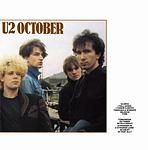
October, U2's 1981 second album, refines the band's post-punk foundation into a spare, atmospheric sound that touches on ambient and arena rock textures. The Edge's chiming, delay-drenched guitar and Bono's urgent vocals are paired with driving drums and often restrained bass, while organ and hymnlike arrangements give several songs a contemplative, spiritual quality. The record is notable for its succinct song structures and an overall austere mood that emphasizes lyrical searching and youthful intensity.
#679 — Robbers & Cowards by Cold War Kids
Robbers & Cowards, Cold War Kids' 2006 debut studio album, pairs raw, piano- and organ-driven indie rock with blues-tinged vocals and tight, punchy rhythms. The songs feature narrative, often morally charged lyrics delivered in an urgent baritone, with sparse arrangements and a slightly lo-fi production that emphasize emotional immediacy; tracks such as "Hang Me Up to Dry" and "We Used to Vacation" illustrate the album's mix of indie, alternative and art rock sensibilities. The record introduced the band's distinctive sound and helped establish them on the indie rock scene.
#680 — Sam & Dave by Sam & Dave
#681 — Scary Monsters… and Super Creeps by David Bowie
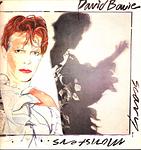
Scary Monsters... and Super Creeps is a 1980 David Bowie album that blends art rock with new wave, post-punk and pop rock, pairing theatrical songwriting with sharper, more polished production. The record mixes synth-inflected pop and jagged, guitar-driven tracks, revisits characters from his earlier work while adopting more concise song structures, and is often viewed as closing Bowie’s experimental 1970s period while pointing toward his 1980s sound.
#682 — Spirit by Earth, Wind & Fire
Spirit, released in 1976 by Earth, Wind & Fire, continues the band's fusion of soul, funk, pop, disco and jazz-inflected arrangements. The album features the group's signature horn lines, layered vocal harmonies led by Maurice White and Philip Bailey's distinctive falsetto, and a polished, dance-friendly production that balances upbeat grooves with reflective, spiritual themes. It represents a period of stylistic refinement that helped define the band's sound in the mid 1970s.
#683 — Still by Joy Division
Still (1981) is a posthumous compilation by Joy Division that assembles studio leftovers and live recordings, presenting the band's stark, brooding post-punk sound. The album contrasts atmospheric, stripped-down studio fragments with raw live performances, highlighting Ian Curtis's low, urgent vocal delivery, Peter Hook's melodic basslines, Bernard Sumner's angular guitars and emerging synth textures, and Stephen Morris's precise, propulsive drumming. As a document issued after the band's end, it captures both their experimental edge and qualities that influenced later gothic, indie rock, and new wave acts.
#684 — Strangeways, Here We Come by The Smiths
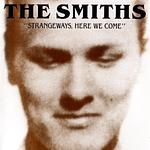
Strangeways, Here We Come is The Smiths' fourth and final studio album, released in 1987. Musically it retains the band's jangle pop and indie rock roots while moving toward more polished and textured arrangements, with Johnny Marr's chiming guitar work set against fuller orchestration and studio layering. Lyrically Morrissey's dry wit and melancholy are prominent, and the record closes the band's studio output with songs such as "Girlfriend in a Coma" and "Last Night I Dreamt That Somebody Loved Me" that blend pop hooks with darker themes.
Nuevo Tango: Hora Zero (1986) by Astor Piazzolla y su Quinteto Tango Nuevo presents Piazzolla's mature nuevo tango sound, blending traditional tango rhythms with jazz-inflected harmonies and classical counterpoint. Centered on Piazzolla's bandoneon with violin, piano, electric guitar and double bass, the album features tightly arranged, rhythmically driven pieces that leave space for improvisatory phrasing and intense interplay among the instruments. The music is characterized by dramatic dynamic contrasts, complex syncopations and melodic lines that combine lyrical expressiveness with a forceful rhythmic pulse, illustrating Piazzolla's late-period refinement of the tango-jazz hybrid.
#686 — Tant de belles choses by Françoise Hardy
#687 — …tout corps vivant branché sur le secteur étant appelé à s'émouvoir… by Hubert-Félix Thiéfaine
Hubert-Félix Thiéfaine's 1978 album ...tout corps vivant branché sur le secteur étant appelé à s'émouvoir... is an early record that blends art rock and folk-inflected songwriting, alternating moody, introspective ballads with more driven, country rock and folk rock textures. The music pairs literate, often surreal lyrics with spare acoustic passages, electric guitar accents and atmospheric arrangements, presenting a dark but melodic sound that helped define Thiéfaine's idiosyncratic approach to French chanson and rock. Overall the album feels intimate and exploratory, focusing on narrative lyricism and mood rather than polished pop conventions.
#688 — Un poquito quema'o by Sergent Garcia
Un poquito quema'o (1999) by Sergent Garcia blends Latin salsa and rumba rhythms with reggae and ragga influences, producing upbeat, dance-oriented tracks built around lively percussion, brass accents, and rhythmic vocal delivery. The album highlights the artist's cross-cultural fusion approach, marrying Caribbean rhythmic traditions with contemporary urban production to create a vibrant, party-ready sound.
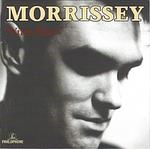
Viva Hate is Morrissey’s 1988 solo debut, produced by Stephen Street. It moves from his work with The Smiths toward a sparser, more orchestral pop sound while keeping jangly guitar textures and strong melodic hooks. The album blends alternative and indie rock with elements of jangle pop and dance-rock, pairing Morrissey’s literate, melancholic lyrics and distinctive vocal delivery with concise arrangements and occasional string parts. Songs like Suedehead and Everyday Is Like Sunday illustrate the record’s combination of wistful introspection and pop clarity, and helped define his early solo identity.
#690 — Whiter Shade of Pale by Procol Harum
#691 — Worldwide Underground by Erykah Badu
Worldwide Underground (2003) is Erykah Badu's third studio album. It takes a loose, jam-oriented approach to neo-soul, blending soul, contemporary R&B, and hip hop through extended grooves, live instrumentation, spoken-word passages, and improvisational arrangements. The record emphasizes mood, rhythm, and free-form structure over tight pop songcraft, making it a more experimental, club-leaning entry in Badu's catalog.
Zooropa (1993) finds U2 pushing further into electronic and experimental territory, blending alternative rock with ambient textures, dance rhythms, and industrial-influenced sounds. The album emphasizes studio experimentation and effects to create expansive, often surreal soundscapes that frame lyrics about technology, media, and urban alienation. It represents a deliberate shift from the band's earlier arena rock approach and is commonly cited as part of U2's 1990s reinvention and embrace of contemporary electronic influences.
Baiser, released in 1997, is Miossec's follow-up to his debut and continues his mix of pop rock and French chanson. The album features his raw, conversational vocal delivery and candid, literary lyrics over predominantly guitar-driven, often spare arrangements that foreground the emotional directness of the songs. It reinforces the intimate, melancholic tone and underscored Miossec's reputation as an incisive songwriter in the French rock landscape.
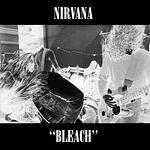
Bleach is Nirvana's 1989 debut album, recorded with producer Jack Endino at Reciprocal Recording in Seattle and released on Sub Pop. The record has a raw, heavy sound defined by thick, distorted guitars, strong bass presence, and gritty low fidelity production that draws on punk, sludge metal, and noise rock while helping define the early grunge and alternative rock aesthetic. Kurt Cobain's songs alternate between abrasive, riff-driven tracks and more melodic moments, presenting the band in a blunt, uncompromising early form.
#695 — Blue by Joni Mitchell
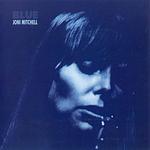
Blue, released in 1971, is Joni Mitchell's spare and intimate album that blends contemporary folk, folk rock, and singer-songwriter approaches. Its uncluttered arrangements, open-tuned guitar and piano, and candid, confessional lyrics explore love, longing, and self-examination; songs such as "A Case of You", "River", "Carey", and "California" balance folk intimacy with pop-minded melodies. The record is often cited as a defining work for later singer-songwriters and for its emotional directness.
#696 — Bright Size Life by Pat Metheny
Bright Size Life is Pat Metheny's 1976 debut album that blends jazz, jazz fusion, and contemporary jazz around Metheny's lyrical electric-guitar voice. The record features close interplay with bassist Jaco Pastorius and drummer Bob Moses and emphasizes spacious, atmospheric production, fluid improvisation, and songlike compositions that balance folk-influenced melodies with modern jazz harmony, helping establish Metheny's early aesthetic.
#697 — Caravan by Art Blakey & The Jazz Messengers
Caravan (1962) by Art Blakey & The Jazz Messengers presents the group’s hard bop approach with driving, percussion-forward rhythms, blues-rooted themes and tight horn arrangements. The record emphasizes propulsive, swinging ensemble playing alongside spirited soloing, mixing energetic uptempo numbers with more lyrical moments. It reflects the Jazz Messengers’ role as a workshop for improvisers and a clear example of the early 1960s hard bop sound.
#698 — The Cheap Show by Anaïs
Clap Your Hands Say Yeah is the self-titled 2005 debut by the indie rock band Clap Your Hands Say Yeah. The album mixes jangly, angular guitar work and punchy rhythm sections with Alec Ounsworth's distinctive, slightly nasal vocals, pairing pop-minded hooks with lo-fi, idiosyncratic arrangements and occasional unconventional song structures. Its DIY production and early internet-driven buzz made it a notable example of independent online promotion in the mid 2000s indie scene.