 The Greatest Music
The 1000 Best Albums of All Time
Weight: 35%
How much this list influences our overall rankings. Higher weight means more reliable data.
Penalties Applied:
Fnac’s Les 1000 CD des disquaires de la Fnac (Dec 2008) is a collective, staff-driven canon: Fnac’s record-store specialists (“disquaires”) pooled their picks in a large internal vote to build a near “ideal” 1,000-album library, spanning major genres and highlighting certain titles as indispensables.
#401 — The Dawn by Erik Truffaz
The Dawn (1998) finds Erik Truffaz blending his lyrical trumpet with electronic textures and restrained grooves, placing improvisation over ambient soundscapes and subtle beats. The album emphasizes mood and space, using repetition and sparse arrangements to create a contemplative, groove-minded approach to modern jazz that bridges acoustic phrasing and club-influenced rhythms. It is representative of Truffaz's early exploration of jazz fused with electronic production and a nocturnal, cinematic atmosphere.
#402 — Engelberg by Stephan Eicher
Engelberg, released in 1991 by Swiss singer-songwriter Stephan Eicher, blends chanson française songwriting with pop rock and electronic textures. The album pairs French-language vocals with a mix of acoustic instruments and synthesized arrangements, creating a polished yet intimate sound; it includes the well-known single "Déjeuner en paix" and exemplifies Eicher's early 1990s fusion of melodic pop and atmospheric production.
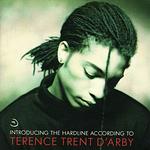
Introducing the Hardline According to Terence Trent D’Arby is a 1987 debut that fuses contemporary R&B, funk, blues and dance-rock with a strong soul and gospel underpinning. The record highlights D’Arby’s wide vocal range and expressive delivery, alternating between punchy, groove-driven numbers and intimate ballads, and pairs classic soul phrasing with 1980s pop-rock production touches. It served as a striking introduction to his persona and stylistic range, balancing retro influences with a modern, rhythmic sheen.
#404 — The K&D Sessions™ by Kruder & Dorfmeister
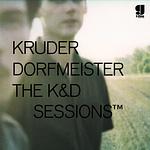
The K&D Sessions, released by Kruder & Dorfmeister in 1998, is a two-disc mix of their slow, extended downtempo remixes and edits that blend electronica, trip hop and dub influences. The sound emphasizes deep, dubby basslines, spacious production, lush textural layers and prominent use of reverb and delay to create a cinematic, late-night atmosphere. The record became a touchstone for the chillout and downtempo scenes by showcasing remixing as a way to craft mood and extended listening experiences rather than just dancefloor tracks.
#405 — Let's Get It On by Marvin Gaye
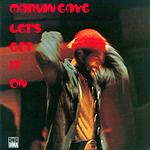
Let’s Get It On, released in 1973, is Marvin Gaye’s soulful, sensual album that emphasizes romantic and erotic themes through warm, intimate vocals and rich arrangements. Gaye produced and co-wrote much of the material, using layered harmonies, a breathy falsetto, and a blend of funk, pop soul, blues and gospel-inflected phrasing to create a smooth, seductive atmosphere. The album represents a shift toward more personal, adult subject matter within the Motown framework and helped shape the sound of later R&B and soul recordings.
#406 — The Madcap Laughs by Syd Barrett
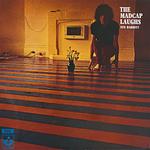
Syd Barrett's 1970 debut solo album, The Madcap Laughs, captures his intimate, unpolished songwriting after leaving Pink Floyd. The record blends folk rock and psychedelic elements with sparse, often fragile arrangements and experimental studio moments, emphasizing acoustic guitar, loose rhythms and eccentric melodic turns. Barrett's lyricism moves between whimsical and melancholic, and the album is notable for its raw, improvisational feel and personal immediacy.
#407 — Murder Ballads by Nick Cave & the Bad Seeds
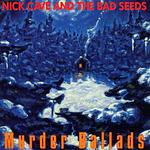
Murder Ballads is a 1996 concept album by Nick Cave and the Bad Seeds built around dark narrative songs about murder and its aftermath. Musically it blends folk and blues traditions with gothic rock and post-punk textures, moving between sparse, acoustic arrangements and fuller, string-tinged and piano-driven settings; Cave's deep, theatrical vocal delivery foregrounds prose-like storytelling. The record includes duets with Kylie Minogue and PJ Harvey and is notable for its bleak, atmospheric approach to traditional balladry.
#408 — O Gringo by Bernard Lavilliers
#409 — Turn On the Bright Lights by Interpol
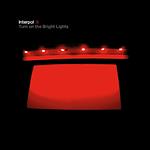
Turn On the Bright Lights is Interpol's 2002 debut album, rooted in post-punk revival and indie rock. It pairs taut, angular guitar interplay and prominent melodic bass with precise, restrained drums and Paul Banks's cool baritone, creating a moody, nocturnal atmosphere. The production leaves plenty of space and reverb, giving songs a tense, cinematic quality across tracks like Obstacle 1, PDA and NYC. The album is often cited as a defining statement of the band's early sound and of the early 2000s post-punk revival.
#410 — Smash by The Offspring
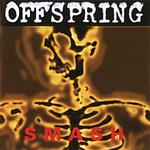
Smash, released in 1994 by The Offspring, blends fast, melodic punk rock with heavier guitar tones and concise song structures, drawing on punk and hardcore energy while incorporating alternative rock and hard rock elements. The record features punchy, palm-muted riffs, driving drumming and catchy, singalong choruses paired with a raw, direct vocal delivery, giving it a grittier production compared with many mainstream rock records of the time. Its combination of accessible melodies and punk attitude made it an influential touchstone for 1990s punk-influenced rock bands.
#411 — Specials by The Specials
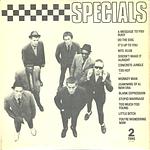
The Specials is the 1979 debut album by The Specials that melds Jamaican ska and reggae rhythms with the energy of punk and new wave within the 2 Tone aesthetic. Musically it pairs propulsive offbeat guitar and punchy horn lines with spare, direct production, and lyrics that address social concerns such as racial tension and youth culture while retaining a strong danceable feel. The album is considered a defining release of the British 2 Tone ska revival and helped bring that sound to a broader audience.
#412 — Use Your Illusion I by Guns N' Roses
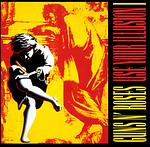
Use Your Illusion I, released in 1991 by Guns N' Roses, expands the band's sound beyond their earlier raw hard rock, mixing arena-sized rock and heavy metal intensity with bluesy touches and occasional balladry. The album is marked by longer, more elaborate arrangements, prominent piano and orchestral elements, and a contrast between aggressive guitar-driven tracks and quieter acoustic passages. It represents a move toward more ambitious, varied songwriting and production for the band.
#414 — L'Aventurier by Indochine
L'Aventurier, Indochine's 1982 debut, captures early French new wave with synth-pop textures, pop-rock guitar accents and driving electronic rhythms. Nicola Sirkis's expressive vocals and narrative lyrics, most notably on the title track which draws on the Bob Morane adventure novels, give the record a cinematic, youthful feel while foregrounding catchy synth hooks. The album established the band's signature blend of melodic pop and atmospheric electronics within the French 1980s scene.
#415 — Confessions on a Dance Floor by Madonna
Confessions on a Dance Floor (2005) is a club-focused pop album that blends dance-pop, disco, electronic and Euro house elements into a largely continuous, DJ-style sequence. Produced largely with Stuart Price, it emphasizes four-on-the-floor rhythms, layered synth textures and disco-era touches while retaining concise pop songwriting, with tracks built for the dancefloor and nods to retro club culture, including a prominent sample of an ABBA melody on the lead single. The album is notable for its cohesive flow and for reasserting Madonna’s engagement with contemporary dance music and nightclub aesthetics.
#416 — Different Class by Pulp
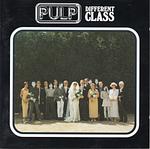
Different Class is Pulp's mid 1990s album that blends Britpop immediacy with art rock and glam influences, pairing catchy, theatrical arrangements with literate, observational lyrics about class, relationships, and everyday absurdities. Jarvis Cocker's conversational vocal delivery and character-driven storytelling sit alongside driving rock rhythms, occasional orchestral touches, and pop hooks; songs such as "Common People" and "Disco 2000" exemplify its mix of social satire and singable melodies. The record is often noted for its sharp songwriting and dramatic presentation within the broader Britpop and indie rock context.
#417 — Disraeli Gears by Cream
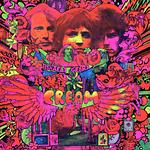
Disraeli Gears (1967) by Cream mixes blues rock and early hard rock with psychedelic touches, bringing more studio color and compact songcraft to the trio format. Eric Clapton's guitar tones and riff-driven playing sit alongside Jack Bruce's melodic bass and vocals and Ginger Baker's dynamic drumming, combining blues roots with psychedelic textures and tighter, radio-friendly arrangements that contrast with the band's longer live jams.
#418 — Essence ordinaire by Zebda
Essence ordinaire, released in 1998 by French band Zebda, blends rock, pop, reggae and electronic textures with roots in French chanson and Mediterranean and Caribbean rhythms. The album pairs energetic, horn-rich arrangements and danceable grooves with socially minded lyrics in French that address immigration, identity and working-class life, moving between upbeat anthems and more reflective moments. The band's eclectic production combines live instrumentation and programmed elements to create a vibrant, community-rooted sound.
#419 — Mamagubida by Tryo
#420 — The Miseducation of Lauryn Hill by Lauryn Hill
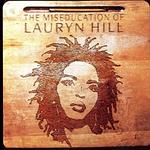
The Miseducation of Lauryn Hill blends R and B, neo soul and hip hop, combining sung vocals and expressive rapping over warm, organic production that mixes live instrumentation, soulful samples and hip hop rhythms. Lauryn Hill’s songwriting is direct and personal, exploring themes of love, motherhood, spirituality and selfhood, and the album features standout songs that showcase its mix of melodic hooks and lyrical intensity. Its fusion of contemporary R and B sensibility with alternative hip hop textures helped shape the sound of early 2000s neo soul and influenced many artists who followed.
#421 — No Need to Argue by The Cranberries
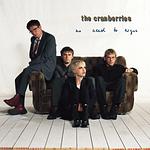
No Need to Argue is the Cranberries' 1994 album that expands their blend of melodic alternative rock and pop rock into both intimate acoustic ballads and more electrically charged songs. Dolores O'Riordan's distinctive, keening voice and direct lyrical delivery anchor material that moves between quiet, folk-tinged arrangements and heavier, distorted tracks such as "Zombie", giving the record a contrast of vulnerability and confrontation. The overall sound emphasizes chiming guitars, layered harmonies and simple rhythmic foundations, with occasional atmospheric touches that broaden the band's rock palette.
#422 — Répression by Trust
Répression, released in 1980 by French band Trust, is a hard rock and heavy metal record that pairs raw, punk-tinged energy with metallic riffing and aggressive vocals. Bernard Bonvoisin's politically charged French lyrics and Norbert Krief's sharp guitar work drive a sound that blends rock, metal, and punk influences; tracks such as "Antisocial" exemplify the album's direct, confrontational style and its appeal beyond the French scene. The record helped define Trust's early identity and is notable for its muscular arrangements and outspoken lyrical themes.
#423 — River Deep - Mountain High by Ike & Tina Turner
River Deep - Mountain High (1966) by Ike & Tina Turner is anchored by the Phil Spector produced title track, which showcases his Wall of Sound orchestration behind Tina Turner's intense, soulful vocals. The album mixes Brill Building style pop songwriting with raw soul and pop soul performances, supported by Ike Turner's tight, rhythmic band and punchy horn and rhythm arrangements. Overall it pairs dramatic studio production with the gritty energy of R&B and early funk influences, highlighting Tina Turner's commanding vocal presence.
#424 — Le Temps des Gitans / Kuduz by Goran Bregović
Le Temps des Gitans / Kuduz (1988) is a soundtrack album by Goran Bregović that blends Balkan folk and Romani musical elements with orchestral and brass arrangements to create a cinematic, often mournful yet exuberant sound. The music emphasizes accordion, brass, strings and driving rhythms, weaving traditional modal melodies and folk motifs into dramatic cues that support the films' narratives. The album exemplifies Bregović's late 1980s approach of fusing raw folk sources with polished studio orchestration to evoke both intimate moments and larger-than-life pageantry.
#425 — You Are Free by Cat Power
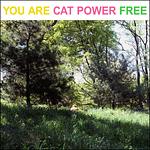
You Are Free is a 2003 album by Cat Power that blends sparse, intimate songwriting with moments of fuller band arrangement, sitting at the intersection of indie rock, folk, and blues. The record is notable for Chan Marshall's hushed, expressive vocals and candid, often melancholic lyrics, trading the lo-fi austerity of some earlier work for a slightly broader sonic palette while retaining a restrained, introspective mood.
#426 — Avril by Laurent Voulzy
Avril, released in 2001 by Laurent Voulzy, is a studio album that blends French pop and chanson with lush, melodic arrangements. The record features Voulzy's smooth, intimate vocals over layered instrumentation that combines acoustic textures and orchestral touches, producing a warm, nostalgic atmosphere. Lyrically it leans toward reflective and romantic themes in the chanson française tradition, while the production emphasizes melodic hooks and polished sonic details.
#427 — The Best of Aretha Franklin by Aretha Franklin
The Best of Aretha Franklin (1973) is a compilation that showcases Aretha Franklin's commanding R&B and soul performances, emphasizing her gospel-rooted vocal intensity and expressive phrasing. The collection balances stirring uptempo soul numbers with intimate ballads, backed by piano, organ, horn arrangements, and tight rhythm sections that support her dynamic delivery, and it functions as a concise overview of her stylistic range and influence in soul and R&B.
Boire, released in 1995, is the debut album by French singer-songwriter Miossec. The record introduces his raw, intimate vocal delivery and literate, often melancholic lyrics set to spare arrangements that blend elements of pop, rock and French chanson. Songs emphasize direct, conversational phrasing and restrained instrumentation, creating a nocturnal, confessional atmosphere that helped establish Miossec as a distinctive voice in contemporary French songwriting.
#429 — Du ciment sous les plaines by Noir Désir
Du ciment sous les plaines is a 1991 album by French band Noir Désir that develops their blend of alternative rock, punk and hard rock into a raw, guitar-driven sound. The record pairs gritty, riff-led arrangements with Bertrand Cantat's intense, expressive vocals and poetic French lyrics, shifting between brooding, atmospheric passages and more direct, high-energy rockers. Its rough-edged production and socially aware lyrical themes helped define the band’s distinct place in the French rock scene.
#430 — Feast of Wire by Calexico
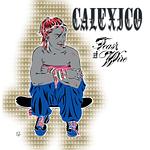
Feast of Wire (2003) finds Calexico deepening the band’s borderlands blend of rock, folk rock, alternative and Americana by folding in mariachi-tinged horns, accordion, pedal steel and string arrangements to create cinematic, desert-tinged textures. Songs move between sparse, intimate folk and fuller, orchestral moments, balancing roots instrumentation with subtle studio detail. The album helped define Calexico’s signature sound of evocative, travel-worn atmospheres and cross-cultural orchestration.
#431 — In the Flat Field by Bauhaus
In the Flat Field, Bauhaus's 1980 debut album, presents a stark, angular take on post-punk that helped crystallize gothic rock. The record pairs Peter Murphy's dramatic, low-register vocals with Daniel Ash's jagged, effects-heavy guitar, David J's melodic bass work and propulsive drumming to create a cold, theatrical atmosphere. Songs favor minimal production and tense arrangements, moving between brooding passages and taut, rhythmic bursts, and the album is widely regarded as an early blueprint for the gothic rock sound.
#432 — Mingus Ah Um by Charles Mingus
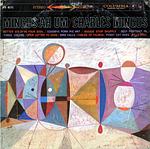
Mingus Ah Um (1959) is an album by Charles Mingus that blends hard bop drive, post-bop harmonic exploration, and rootsy blues and gospel elements. Mingus's compositions feature tight horn arrangements, strong melodic ideas, collective improvisation, and his commanding bass presence, yielding tracks that range from the elegiac "Goodbye Pork Pie Hat" to the satirical "Fables of Faubus" and the celebratory "Better Git It in Your Soul". The album is widely regarded as a landmark in modern jazz for its compositional ambition and emotional breadth.
Mutter is a dense, polished industrial metal album that blends heavy guitar riffs and machine-like rhythms with electronic textures and orchestral touches, anchored by Till Lindemann's deep, theatrical vocals. The songs move between aggressive, riff-driven tracks and more melodic, atmospheric arrangements with anthemic choruses and cinematic production, while lyrics frequently probe dark themes such as family, identity, and control. The record marked a broadened sound for the band and remains a central release in their catalog.
#434 — Pauline Croze by Pauline Croze
Pauline Croze's self-titled album presents a restrained, acoustic-leaning take on modern chanson and pop, centered on her warm, breathy voice and intimate songwriting. Arrangements favor nylon-string guitar, subtle percussion, and light bass and strings, producing an organic, close-up sound that mixes folk and jazzy touches with classic French chanson sensibilities. The songs are often melancholic and introspective but maintain clear melodic hooks and accessible pop structures, giving the record an understated, lyrical atmosphere.
#435 — Paul's Boutique by Beastie Boys
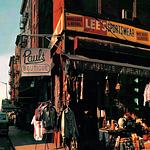
Paul's Boutique, released in 1989 by the Beastie Boys, pairs dense, sample-driven production with the group's rapid-fire, often tongue-in-cheek rapping. Produced mainly by the Dust Brothers, the album constructs collage-like tracks from layered loops and abrupt sample juxtapositions drawn from funk, soul, rock and other sources, creating a plunderphonics aesthetic and an experimental approach to East Coast hip hop. The lyrics alternate between playful braggadocio and offbeat cultural references, while the production emphasizes texture, unexpected rhythms and studio experimentation that marked a clear departure from the group's earlier party-rap sound.
#436 — Phrenology by The Roots
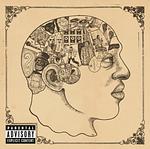
Phrenology, released in 2002 by The Roots, is an exploratory hip hop record that expands the group's jazz-rap and alternative hip hop foundations into rock- and electronic-tinged textures. Built around live instrumentation, the album mixes complex rhythms, dense sampling and distorted guitars with socially conscious and introspective lyrics, examining identity, culture and the music business. It is notable for its adventurous production and genre-blurring approach while maintaining the band's emphasis on musicianship within an East Coast and conscious hip hop context.
#437 — Porgy & Bess by Ella Fitzgerald, Louis Armstrong
A 1957 collaboration in which Ella Fitzgerald and Louis Armstrong interpret songs from George Gershwin's Porgy and Bess in a jazz and vocal-pop setting, with orchestral arrangements by Russell Garcia. The album pairs Fitzgerald's clear, agile phrasing and occasional scat with Armstrong's warm, gravelly voice and lyrical trumpet work, framing the opera material through jazz rhythms, melodic reinterpretation, and conversational duets that highlight the contrast and chemistry between two prominent jazz artists.
#438 — Giant Steps by John Coltrane
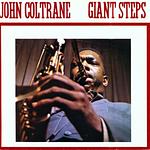
John Coltrane's 1960 album Giant Steps captures his move beyond hard bop into a modern post-bop and modal idiom, centered on the title composition's rapid harmonic cycle that came to be known as Coltrane changes. The record pairs technically demanding, high-speed improvisation with more lyrical material such as Naima, balancing dense chordal movement and moments of modal spaciousness. Its combination of harmonic experimentation and virtuosic ensemble playing marks a pivotal moment in Coltrane's artistic development and in the evolution of jazz harmony.
#439 — Dangerous by Michael Jackson
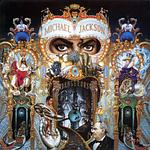
Dangerous, released in 1991, finds Michael Jackson blending pop, new jack swing, contemporary R and B, rock, and dance-pop. The album uses punchy, groove-driven production and layered vocal arrangements typical of new jack swing alongside Jackson's pop songwriting, mixing uptempo dance tracks with more introspective, socially aware songs and occasional rock-inflected guitar. Collaborations with contemporary producers and a greater emphasis on percussive rhythms and urban textures give the record a darker, more modern sound compared with some of his earlier work.
#440 — Deserter's Songs by Mercury Rev
Deserter's Songs is Mercury Rev's 1998 album that moves away from the band's earlier noisy, experimental roots toward a more orchestral, dreamlike sound. It combines lush string and horn arrangements with elements of dream pop, indie rock, and baroque pop, supported by Dave Fridmann's spacious production and Jonathan Donahue's fragile, emotive vocals. The record is marked by pastoral, melancholic melodies and a theatrical, cinematic atmosphere that reshaped the band's aesthetic and introduced a more melodic, song-oriented approach.
#441 — Divinidylle by Vanessa Paradis
Divinidylle (2007) is an album by Vanessa Paradis that blends pop and pop rock with folk and singer-songwriter elements. It pairs Paradis's intimate, breathy vocals with acoustic guitars, subtle electric textures, and tasteful arrangements that move between upbeat, melodic songs and quieter, introspective moments. The title track anchors the record and the album reflects a turn toward a more organic, mature sound in her discography.
#442 — Horses by Patti Smith
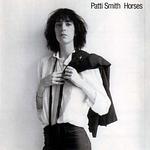
Horses, Patti Smith's 1975 debut, blends raw garage rock energy with art rock experimentation and proto-punk urgency. Produced by John Cale, the album pairs a spoken-word influenced vocal delivery and poetically charged lyrics with spare, driving arrangements built around guitar, piano, and drums. Its rough-edged production, confrontational performance style, and fusion of literary sensibility with rock idioms are often cited as influential on early punk and art punk movements, and the stark cover photograph by Robert Mapplethorpe complements the record's austere aesthetic.
#443 — Hot Rats by Frank Zappa
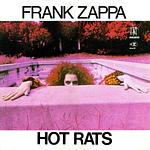
Hot Rats, released in 1969, is a largely instrumental Frank Zappa album that blends rock, jazz, and early fusion through extended compositions, tight arrangements, and studio overdubbing. The record emphasizes improvisation and virtuosic solos, with guitar and violin prominently featured alongside layered melodies like Peaches en Regalia. It represents a clear move away from Zappa's earlier vocal satire toward ensemble interplay and studio experimentation within a jazz rock context.
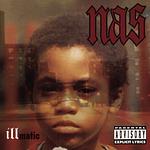
Illmatic, Nas's 1994 debut, is a compact, lyrically dense hip hop record rooted in East Coast boom bap. Nas's intricate internal rhymes and vivid street narratives ride sparse, sample-driven production from producers such as DJ Premier, Pete Rock, Large Professor, Q-Tip, and L.E.S., with hard drums, jazz and soul samples, and clear, focused arrangements. Its concentrated running time and emphasis on storytelling and craft helped define a blueprint for later East Coast and conscious hip hop artists.
#445 — Lust for Life by Iggy Pop
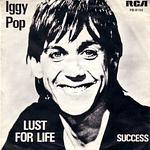
Recorded in 1977 with significant involvement from David Bowie, Lust for Life finds Iggy Pop channeling his punk and garage roots into more upbeat, driving rock songs. The album pairs Pop's raw, urgent vocals with punchy guitar riffs, steady rhythms and occasional synthesizer textures, yielding tracks such as "Lust for Life" and "The Passenger" that balance immediacy and melodic hooks. It is notable for its direct, energetic sound that bridged underground punk attitude with a broader rock palette.
#446 — Money Jungle by Duke Ellington, Charles Mingus, Max Roach
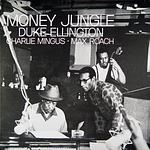
Money Jungle (1962) is a piano-bass-drums trio record pairing Duke Ellington with Charles Mingus and Max Roach. The music blends Ellington's harmonic and melodic sensibility with Mingus's muscular, sometimes confrontational bass and Roach's precise, propulsive drumming, yielding a lean, often intense approach to post-bop and modern jazz. The session favors sparse trio textures, strong rhythmic interplay, and a range of moods from blues-tinged introspection to angular, percussive drive, illustrating a meeting of a veteran composer-pianist with younger modernist players.
#447 — My Friends All Died in a Plane Crash by Cocoon
My Friends All Died in a Plane Crash (2007) is the debut album by French indie folk duo Cocoon. It centers on gentle acoustic arrangements, intimate vocal delivery and close harmonies, blending folk and indie pop with light indie rock touches. The material favors simple, pastoral melodies and understated percussion, creating a quietly melancholic yet warm atmosphere that defined the band's early sound.
#448 — Origin of Symmetry by Muse
Origin of Symmetry, Muse's 2001 album, expands their sound into heavier, more theatrical territory by blending alternative rock with progressive structures and space rock textures. Matt Bellamy's high, vibrato-laden vocals and the interplay of piano and distorted guitar create strong dynamic contrasts, with songs that move between propulsive riffs, sweeping melodies, and experimental arrangements influenced by classical and electronic elements. The record's ambitious songwriting, abrupt mood shifts, and dramatic production helped define the band's early identity.
#449 — Parade by Prince, The Revolution
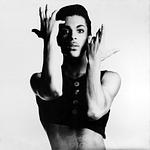
Parade, the 1986 soundtrack to Prince's film Under the Cherry Moon, blends funk, contemporary R&B, pop and the Minneapolis sound with neo-psychedelic and cinematic touches. The album pairs minimalist, rhythm-driven tracks such as "Kiss" with lush orchestration, horn and string arrangements and atmospheric production, producing a more restrained, chamber pop and lounge-inflected mood compared with Prince's earlier rock-leaning work. As a soundtrack it emphasizes texture and mood and represents an experimental, eclectic moment in Prince's mid-1980s output.
#450 — Plantation Lullabies by Meshell Ndegeocello
Plantation Lullabies is Meshell Ndegeocello's 1993 debut album, a bass-forward fusion of soul, contemporary R&B, hip hop, jazz and electronic textures. Its arrangements combine funk-influenced grooves, prominent electric and acoustic bass work, programmed beats and spare production, while the lyrics address race, sexuality and personal identity in a direct, sometimes confrontational voice. The record is noted for its genre-blurring approach and emotionally candid performances that established Ndegeocello's distinct musical identity.
#451 — Rouge by Fredericks Goldman Jones
Rouge, released in 1993 by Fredericks Goldman Jones, is a French pop rock album that highlights Jean-Jacques Goldman’s songwriting alongside the vocal presence of Carole Fredericks and the guitar work of Michael Jones. The music blends acoustic and electric guitars with polished studio arrangements, moving between intimate ballads and more driving rock-tinged tracks, and emphasizes strong vocal harmonies and memorable melodies. Sung in French, the songs focus on personal and observational themes, with a warm, soulful pop rock sound typical of early 1990s French popular music.
#452 — The Seeds of Love by Tears for Fears
The Seeds of Love is Tears for Fears' 1989 album that expands their pop rock base into lush, art pop and sophisti-pop territory with strong touches of progressive and psychedelic pop. The record blends richly orchestrated arrangements, layered vocal harmonies, vintage keyboards and live instruments to create a warm, organic sound and expansive song structures. Notable elements include Beatles-influenced songwriting, soul-inflected balladry and collaborations such as the duet on "Woman in Chains", with the title-track exemplifying the album's elaborate, album-oriented production.
#453 — Tea for the Tillerman by Cat Stevens
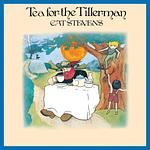
Tea for the Tillerman, released in 1970, is Cat Stevens's fourth studio album and a key example of early 1970s singer-songwriter folk rock. The album features spare, acoustic-based arrangements, gentle piano touches and understated production that put Stevens's warm voice and introspective, often socially conscious lyrics at the forefront. Songs such as "Wild World", "Father and Son" and "Where Do the Children Play?" blend folk, pop and rock elements with simple, memorable melodies, helping to define Stevens's intimate, reflective style.
#454 — To Bring You My Love by PJ Harvey
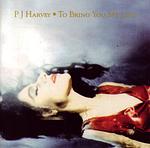
To Bring You My Love is PJ Harvey's 1995 record that shifts from her earlier raw trio sound toward a darker, more cinematic approach blending alternative rock with blues and folk influences. The songs pair intense, intimate vocals with organ, distorted guitar, sparse percussion and occasional string textures to create brooding, atmospheric arrangements. Lyrically it explores desire, religion and mortality, and the album marked a notable stylistic evolution in her work.
#455 — … Toujours by Serge Reggiani
#456 — Toys in the Attic by Aerosmith
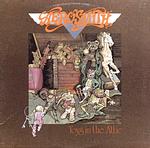
Toys in the Attic, released in 1975, is Aerosmith's third studio album and marked a turning point in the band's sound. It blends hard rock and blues rock with punchy, riff-driven arrangements, driving rhythms, and Steven Tyler's wide-ranging vocals. The record includes songs such as "Sweet Emotion" and "Walk This Way" that showcase Joe Perry's guitar hooks, tight band interplay, and a mix of swaggering rockers and groove-oriented tracks. Production favors a direct, live-in-the-room energy that helped define Aerosmith's classic rock identity.
#457 — Tubular Bells by Mike Oldfield
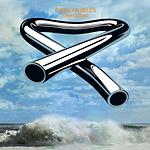
Tubular Bells (1973) is Mike Oldfield's debut album, presented as two extended instrumental suites that blend progressive rock, folk rock and early electronic textures. Oldfield overdubbed many instruments to create interweaving melodic motifs anchored by the distinctive tubular bells theme, moving between delicate acoustic guitar passages, electric guitar, keyboards, synthesizers and varied percussion. Its side-long structures, shifting moods and emphasis on atmosphere and studio layering helped establish an instrumental approach associated with early New Age and art rock while highlighting Oldfield's multi-instrumental arranging techniques.
#458 — Tutu by Miles Davis
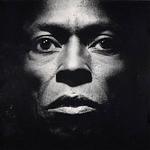
Tutu is a 1986 studio album by Miles Davis produced and largely composed by Marcus Miller. It blends Davis's muted trumpet with electronic production, synthesizers, sequenced bass and programmed drums to create a sleek, atmospheric sound that draws on funk, R&B and electro while retaining a jazz sensibility. The album emphasizes mood, texture and tight arrangements over extended improvisation and is a defining example of Davis's 1980s fusion period.
#459 — Ultra Moderne Solitude by Alain Souchon
Ultra Moderne Solitude (1988) finds Alain Souchon working within chanson française tempered by late 1980s pop production, pairing his intimate, conversational vocal delivery and observational, often melancholic lyrics with melodic arrangements that blend acoustic instruments and subtle synthesizer textures. The record emphasizes accessible songcraft and reflective storytelling, presenting everyday themes in a gentle, melodic pop-chanson idiom.
#460 — Under a Blood Red Sky by U2
Under a Blood Red Sky is a 1983 live album by U2 that captures the band’s early post-punk and alternative rock sound. Recorded during the War tour with performances that include the Red Rocks Amphitheatre set, it showcases Bono’s impassioned vocals, The Edge’s chiming, delay-drenched guitar textures, and the band’s shift toward larger, anthemic arrangements in concert. The recording is valued for its raw intensity and for helping to define U2’s reputation as a powerful live act.
#461 — All Eyez on Me by 2Pac
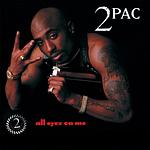
All Eyez on Me is a 1996 double album by 2Pac that showcases West Coast gangsta rap and G-Funk influences, blending hard-hitting street anthems with more melodic and reflective tracks. Recorded after his signing to Death Row Records, the album features sample-driven, synth-forward production and a mix of aggressive bravado and personal vulnerability, addressing themes of survival, loyalty, and fame. Its breadth and varied moods highlight 2Pac's versatility within mid-1990s hip hop.
#462 — A Mouthful by The Dø
A Mouthful is the 2008 debut album by The Dø, the Franco-Finnish duo led by singer Olivia Merilahti and multi-instrumentalist Dan Levy. The record blends folk, rock, indie rock and pop elements, pairing intimate, folk-tinged songwriting with punchy pop hooks, diverse instrumentation and playful production touches. Merilahti's expressive vocals and the album's mix of acoustic textures, rhythmic drive and occasional electronic accents establish the eclectic sound that defines the band.
#463 — Bad by Michael Jackson
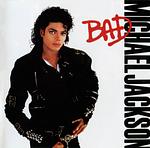
Bad, released in 1987, is Michael Jackson's seventh solo studio album, produced by Quincy Jones and Jackson. The record blends pop, dance-pop, pop rock, contemporary R&B, and pop soul with a tougher, more streetwise sound than its predecessor; it pairs kinetic uptempo tracks like the title song 'Bad', 'Smooth Criminal', 'The Way You Make Me Feel', and 'Dirty Diana' with introspective balladry such as 'Man in the Mirror'. Musically it emphasizes punchy rhythms, layered vocals, and a mix of synthesized and rock-oriented instrumentation, and it marked a visible evolution in Jackson's image and songwriting themes.
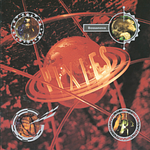
Bossanova (1990) finds the Pixies blending their signature loud-quiet dynamics and surreal songwriting with surf rock and spacey, reverb-heavy textures. The album pairs Black Francis's idiosyncratic vocals and cryptic lyrics with Joey Santiago's angular, surf-influenced guitar lines and Kim Deal's melodic bass and harmonies, yielding a more atmospheric and polished sound than some earlier recordings. It is notable for expanding the band’s sonic palette while retaining the energetic contrasts and offbeat sensibility that helped shape alternative and indie rock in the early 1990s.
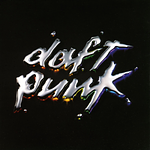
Discovery is Daft Punk's second studio album, released in 2001. It blends French house and electronic dance with disco, synthpop, and progressive house influences, emphasizing melodic songwriting, bright synth textures, and filter-heavy sampling. The duo made prominent use of vocoders and vocal manipulation on tracks like "One More Time" and "Harder, Better, Faster, Stronger", balancing dancefloor grooves with pop structures. The album was presented as a cohesive, concept-driven work and later served as the soundtrack for the animated film Interstella 5555.
#466 — L'Homicide volontaire by Assassin
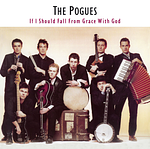
If I Should Fall From Grace With God is a 1988 album that crystallizes The Pogues' blend of Irish folk instrumentation and punk rawness, mixing lively reels and raucous punk-tinged numbers with mournful ballads and narrative songs. Shane MacGowan's rough-edged, sing-speaking delivery drives lyrics about love, exile, drinking, and street life while accordion, fiddle, tin whistle, and banjo anchor the arrangements. The record also features the well known duet "Fairytale of New York" with Kirsty MacColl and is noted for its vivid storytelling and a balance between rowdy energy and melancholic tenderness.
Keren Ann's 2007 self-titled album presents her intimate, understated songwriting with a blend of pop, chanson, folk and blues influences. The arrangements are generally spare and atmospheric, often centered on acoustic guitar and piano with subtle string and electronic touches, while her soft, breathy vocals lend a melancholic, introspective tone. The record continues her bilingual approach, mixing French and English, and emphasizes quiet, melodic ballads that focus on mood and lyricism rather than grand production.
#469 — Kill 'Em All by Metallica
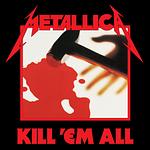
Kill ’Em All, Metallica's 1983 debut, is a raw and aggressive record that crystallized the early thrash metal sound. It combines breakneck tempos, palm-muted downpicked riffs, and sparse production that emphasizes intensity over polish, shifting between speed-metal assaults and heavy metal grooves. The album's direct, riff-driven approach helped establish the band's early identity and influenced the emerging extreme metal scene.
#470 — Labcabincalifornia by The Pharcyde
Labcabincalifornia is The Pharcyde's second album, released in 1995, that shifts from the debut's rambunctious tone toward a more subdued, soulful approach. The record blends sample-based hip hop with jazz and soul textures and features production contributions from Jay Dee (J Dilla), which help give many tracks a loose, swung feel. Lyrically the group mixes introspection and streetwise commentary with moments of humor, and the album is known for its warm arrangements and standout tracks such as "Runnin'" and "Drop".
#471 — Lady Sings the Blues by Billie Holiday
Lady Sings the Blues is a jazz vocal album that showcases Billie Holiday's blues-inflected phrasing and intimate, emotionally direct storytelling. With generally sparse, small-group arrangements the record foregrounds her expressive tone and nuanced timing, conveying themes of sorrow, resilience, and personal reflection. The album's title and mood are closely associated with Holiday's later-career persona and autobiographical work, giving it a confessional, late-period quality.
The Look of Love: The Burt Bacharach Collection (2001) presents the composer’s signature blend of sophisticated pop and easy listening, marked by jazz-inflected harmonies, elegant string and horn arrangements, and subtle rhythmic shifts. It highlights the baroque pop and blue-eyed soul textures associated with Bacharach’s Brill Building era songs, emphasizing melodic craft, unexpected chord progressions, and refined orchestration that foregrounds both melody and mood. The collection functions as an accessible overview of Bacharach’s work as a songwriter and arranger rather than a single-era concept album.
#473 — La Mamma by Charles Aznavour
La Mamma (1963) finds Charles Aznavour working in a blend of Chanson Française and pop, anchored by the title song, a poignant, narrative ballad delivered with his characteristic expressive vocal style. The album emphasizes intimate storytelling and melodic hooks, supported by tasteful orchestral-pop arrangements that frame the emotional directness of the lyrics. It reflects Aznavour's early 1960s approach to songwriting and interpretation, combining theatrical nuance with accessible pop sensibility.
#474 — American IV: The Man Comes Around by Johnny Cash
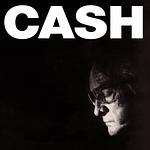
American IV: The Man Comes Around (2002), produced by Rick Rubin, is the fourth installment in Johnny Cash's American recordings. The album pairs stripped-down, mostly acoustic arrangements with Cash's deep, weathered voice, blending country, rock, and Americana influences. It features the original title track "The Man Comes Around" and a stark cover of Nine Inch Nails' "Hurt", and emphasizes themes of mortality, faith, and reflection. The record is often seen as a powerful late-career statement that highlights Cash's interpretive strengths and intimate, spare production.
#475 — Mother's Milk by Red Hot Chili Peppers
Mother's Milk (1989) is the Red Hot Chili Peppers' fourth studio album and the first to feature guitarist John Frusciante and drummer Chad Smith. It combines the band's funk foundations with harder rock and dance-rock elements, featuring tighter song structures, more melodic vocals, and heavier guitar textures than earlier records. Produced with a more polished sound, the record mixes original material and a notable cover of Stevie Wonder's "Higher Ground", marking a transitional step toward the broader, more song-oriented approach the band would continue to develop.
#476 — Nina Hagen Band by Nina Hagen Band
Nina Hagen Band is the 1978 debut by Nina Hagen and her group, combining punk energy and new wave synth textures with theatrical, operatic vocal performances. The album mixes German and English lyrics and pairs raw, stripped-down rock arrangements with moments of synth-pop and cabaret-tinged eccentricity, helping to crystallize the early Neue Deutsche Welle sound while showcasing Hagen's wide vocal range and confrontational persona.
#477 — La Notte, la Notte... by Étienne Daho
#478 — Now's the Time by Charlie Parker
#479 — Patchanka by Mano Negra
Patchanka is an early Mano Negra album that fuses punk rock energy with ska, reggae, Latin and other world-music influences, presented with a raw, streetwise production. The record features driving rhythms, raucous guitars and brass accents alongside multilingual vocals, creating a patchwork sound that became central to the band’s identity and pointed toward Manu Chao’s later solo explorations.
#480 — Public Image by Public Image Ltd
Public Image is the 1978 debut album by Public Image Ltd. Its sound merges post-punk, art punk, and New Wave with dub and experimental rock influences, featuring Jah Wobble's heavy, propulsive bass and Keith Levene's metallic, angular guitar textures under John Lydon's confrontational vocals. The record departs from punk's straightforward attack toward fragmented song structures and studio experimentation, and is often cited as a key early post-punk statement.
Music of India (Three Classical Ragas) is a 1956 recording by sitarist Ravi Shankar presenting three extended Hindustani classical ragas. The album features Shankar's lyrical sitar playing supported by traditional drone and rhythmic accompaniment, unfolding through meditative alap sections and later rhythmic, improvisatory passages that emphasize tala-based interplay. As an early international recording, it documents Shankar's approach to raga performance and played a part in introducing core elements of Hindustani classical music to wider audiences.
#482 — Shotter's Nation by Babyshambles
Shotter's Nation, Babyshambles' 2007 studio album, presents a tighter, more polished take on the band's ragged indie rock, blending garage and folk influences with melodic pop hooks. With production input from Mick Jones, the record pairs Pete Doherty's confessional, often romantic lyrics with fuller band arrangements and cleaner production than earlier recordings, balancing loose, chaotic energy with more structured songwriting. Tracks shift between jangly acoustic passages, raw rockers, and brief psychedelic touches, reflecting a move toward a more cohesive, collaborative band sound.
#483 — Songs for Distingué Lovers by Billie Holiday
Songs for Distingué Lovers (1958) presents Billie Holiday in intimate jazz and swing settings that emphasize her late-career, more hushed vocal approach. The arrangements are generally spare and supportive, allowing her phrasing, timing, and conversational delivery to shape the emotional contours of familiar standards. The album is characterized by a melancholic, nuanced mood and close interplay between voice and instrumentalists, highlighting Holiday's talent for distilling songs to their expressive core.
#484 — St. Elsewhere by Gnarls Barkley
St. Elsewhere is the 2006 debut album by Gnarls Barkley, the collaboration between singer CeeLo Green and producer Danger Mouse. It blends alternative hip hop, soul, pop and electronic elements, pairing cinematic, sample-rich production with CeeLo's expressive vocals. The record mixes retro soul and psychedelic touches with experimental beats and orchestral flourishes, anchored by the breakout single "Crazy", and is notable for its genre-blurring sound and bold production choices.
#485 — Third by Soft Machine
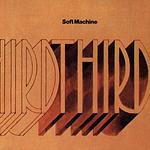
Third is a 1970 double LP by Soft Machine characterized by four extended, side-length pieces that move away from conventional song structures toward extended instrumental exploration. The music blends jazz improvisation and harmonic complexity with progressive and psychedelic textures, featuring organ, saxophone, bass and drums and occasional vocals within loosely composed suites. The album is often cited as a key moment in the band's shift into jazz-rock and experimental progressive territory and reflects the exploratory spirit of the Canterbury scene.
Totem, released in 2007, finds Zazie working in a pop and pop rock idiom with alternative rock touches, combining guitar-driven arrangements, rhythmic programming and polished production. The songs mix upbeat, radio-friendly melodies with more introspective ballads, and her lyrics continue to favor wordplay and observational themes. Overall the album leans toward a rock-inflected pop sound that emphasizes melodic hooks and layered vocal arrangements.
#487 — You're Under Arrest by Serge Gainsbourg
You're Under Arrest is a late 1980s Serge Gainsbourg album that blends synth-driven electronic and pop production with touches of baroque pop and rock. The record pairs 1980s synth textures and drum-machine rhythms with orchestral flourishes and melodic arrangements, while Gainsbourg's trademark spoken-sung vocal delivery and ironic, conversational lyricism remain central. The result is a compact, stylistically modern outing that reflects his adaptation to contemporary electronic sounds while keeping the melodic and lyrical idiosyncrasies of his earlier work.
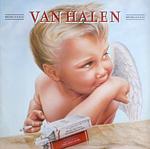
1984 is a Van Halen album that blends the band's hard rock and heavy guitar work with a stronger emphasis on synthesizers and pop-oriented hooks, pushing toward an arena rock and AOR sound. Eddie Van Halen's guitar virtuosity, including his tapping technique, remains a central element, while keyboard-driven tracks like "Jump" contrast with guitar-heavy songs such as "Panama" and "Hot for Teacher" to create a balance of aggressive riffs and melodic choruses. The production is polished and focused on tight, high-energy arrangements, and the record is the last studio album to feature David Lee Roth before his departure from the band.
#489 — ACME by The Jon Spencer Blues Explosion
ACME, released in 1998 by The Jon Spencer Blues Explosion, blends blues rock, indie rock, and raw rock energy into a noisy, groove-driven set. The album pairs distorted guitars and urgent vocals with kinetic rhythms and occasional studio experimentation, reflecting the band's habit of fusing classic blues motifs with punk attitude and modern production touches. It represents a slightly more studio-refined, genre-bending phase in the group's catalog while retaining their visceral live-in-the-studio feel.
#490 — À la faveur de l'automne by Tété
À la faveur de l'automne, from 2003, presents Tété's acoustic singer-songwriter approach within a pop framework. The album foregrounds warm fingerpicked guitar, understated rhythmic touches, and intimate French vocals, blending folk and blues inflections with light pop arrangements. Songs favor poetic, reflective lyrics and sparse, organic production that highlights guitar and voice. The title track exemplifies the record's melancholic yet accessible tone and helped establish Tété as a distinctive voice in early 2000s French pop and folk-tinged songwriting.
#491 — L'Autre Bout du monde by Emily Loizeau
L'Autre Bout du monde, released in 2006 by Emily Loizeau, is a piano-centered singer-songwriter record that blends folk, indie and pop sensibilities with French-language, literary songwriting. The arrangements move between sparse piano-and-guitar settings and fuller band textures, and Loizeau's clear, expressive vocals and theatrical phrasing give the songs a warm, melancholic intimacy with moments of brightness.
#492 — Black and Blue by The Rolling Stones
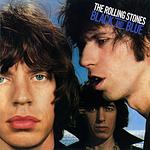
Black and Blue (1976) finds The Rolling Stones stretching beyond their blues foundation into funk, soul, reggae and hard rock while retaining their classic rock core. Recorded during a period of lineup change as the band auditioned replacement guitarists, the album features contributions from multiple players including Ronnie Wood and mixes muscular riffing and grooves on tracks such as "Hot Stuff" with softer, soul-tinged balladry like "Fool to Cry." The overall sound is eclectic and transitional, reflecting the band's mid 1970s exploration of new rhythmic and stylistic directions.
#493 — Cure for Pain by Morphine
Cure for Pain is built around Morphine's low, sax-and-bass-driven trio sound that blends alternative and indie rock with jazz and blues influences. Mark Sandman's spare, baritone vocals and two-string slide bass, Dana Colley's prominent baritone saxophone lines, and restrained, groove-focused drumming create a smoky, intimate atmosphere that became central to the band's distinctive, minimalist approach to rock.
#494 — Famille nombreuse by Les Négresses Vertes
Famille nombreuse (1991) finds Les Négresses Vertes drawing on their trademark mix of alternative and folk rock, blending propulsive electric guitars and drum patterns with acoustic textures, accordion and brass, and rhythmic touches from Mediterranean and North African traditions. Sung in French with lively, collective vocals, the album favors a street-music, celebratory energy that balances raw rock drive with melodic folk and pop sensibilities, highlighting the band’s eclectic approach to genre fusion.
#495 — Foo Fighters by Foo Fighters
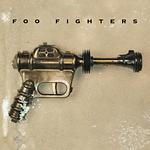
Foo Fighters is the 1995 debut album largely recorded by Dave Grohl after the end of Nirvana. It mixes grunge-tinged, guitar-driven rock with strong power pop melodies and concise, energetic songcraft, presented with a raw, lo-fi production that highlights Grohl's transition into a songwriter and the initial blueprint for Foo Fighters as a full band.
#496 — Gibraltar by Abd al Malik
Abd al Malik's 2006 album Gibraltar is a French-language record that blends hip hop, slam poetry and jazz-influenced arrangements. The music foregrounds spoken word and literary lyrics, pairing rap and slam delivery with acoustic and jazz textures and occasional sung passages. The material focuses on themes of identity, faith and social reflection, delivered in a reflective, intimate manner.
Il était une fois dans l'Ouest is Ennio Morricone's soundtrack for the film Once Upon a Time in the West, released around 1969. The score is atmospheric and theme-driven, blending orchestral writing with folk elements and unconventional sounds, anchored by a recurring, haunting harmonica motif and expressive wordless female vocals alongside plaintive brass and guitar textures. Morricone uses distinctive leitmotifs for characters and moments, creating a cinematic soundscape that became a defining example of the Spaghetti Western musical style.
#498 — In Concert by Janis Joplin
In Concert (1972) is a posthumous live album by Janis Joplin that captures her performances with different backing bands. The recordings foreground her raw, soul-tinged blues rock vocals and intense stage presence, moving from stripped-down blues to more driving rock arrangements and showcasing improvisation and emotional immediacy in a concert setting.
#499 — Jazzmatazz, Volume 1 by Guru
Jazzmatazz, Volume 1 is Guru's 1993 project that deliberately blends hip hop and jazz by pairing his cool, measured rap delivery with live jazz instrumentation and relaxed, jazz-inflected production. The record mixes programmed beats and samples with trumpet, saxophone, and keyboard textures to create a mellow, atmospheric sound that helped define the jazz rap approach of the early 1990s and demonstrated a direct collaboration between hip hop and working jazz musicians.