 The Greatest Music
1001 Albums You Must Hear Before You Die (2005)
Weight: 60%
How much this list influences our overall rankings. Higher weight means more reliable data.
Penalties Applied:
1001 Albums You Must Hear Before You Die is a long-running reference book series (first published 2005; revised in 2010, 2013, 2016, 2018, and 2021) edited by Robert Dimery. It’s an editorial anthology, not a ranked poll: each entry is a short critic-written essay, sequenced roughly chronologically from the 1950s onward, with compilations/most film soundtracks excluded. Later editions swap in newer releases (e.g., the 2021 edition closes with Jazmine Sullivan’s Heaux Tales), so the title “1001” is a rolling canon rather than a fixed list across editions.

Atomizer (1986) by Big Black is a stark, abrasive album that blends post-hardcore, noise rock, and post-punk elements with industrial and electronic touches. Steve Albini's jagged, metallic guitar and confrontational vocal delivery are paired with drum-machine rhythms and a raw, unpolished production, creating a cold, intense atmosphere and lyrics that confront urban decay and violence. The record is widely regarded as influential within underground indie and noise rock circles.
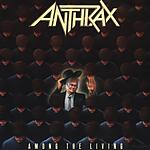
Among the Living is Anthrax's 1987 album that helped define their take on American thrash metal, combining fast, palm-muted riffing and tight, chugging rhythms with melodic vocal hooks from Joey Belladonna and precise, driving drumming. The record balances speed metal intensity and punk energy with memorable choruses and dual guitar work, and songs such as "I Am the Law" and "Caught in a Mosh" highlight the band's blend of aggressive musicianship and accessible songwriting. It is widely regarded as a key release in 1980s thrash for its cohesion and distinctive sound.
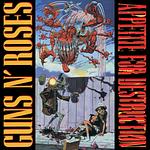
Appetite for Destruction, released in 1987 by Guns N' Roses, is a raw, guitar-driven hard rock album that blends hard rock, punk attitude and heavy metal energy. The sound pairs Axl Rose's high, gritty vocals with blues-influenced riffs and incisive lead work from Slash, supported by a tight, propulsive rhythm section, and the songs move between aggressive, fast-paced tracks and more melodic, emotionally direct material. The record includes standout tracks such as "Welcome to the Jungle", "Sweet Child o' Mine" and "Paradise City" and is noted for its unpolished, streetwise approach that contrasted with much of the era's glam metal production.
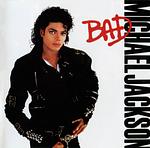
Bad, released in 1987, is Michael Jackson's seventh solo studio album, produced by Quincy Jones and Jackson. The record blends pop, dance-pop, pop rock, contemporary R&B, and pop soul with a tougher, more streetwise sound than its predecessor; it pairs kinetic uptempo tracks like the title song 'Bad', 'Smooth Criminal', 'The Way You Make Me Feel', and 'Dirty Diana' with introspective balladry such as 'Man in the Mirror'. Musically it emphasizes punchy rhythms, layered vocals, and a mix of synthesized and rock-oriented instrumentation, and it marked a visible evolution in Jackson's image and songwriting themes.
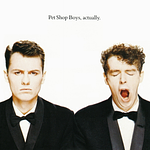
Actually, released in 1987 by Pet Shop Boys, is a polished synth-pop album that blends electronic dance-pop rhythms with literate, often wry songwriting. The production features bright synthesizer lines, programmed beats and occasional orchestral touches, creating a tension between upbeat arrangements and Neil Tennant's detached, melancholic vocal delivery; notable tracks include the dramatic "It's a Sin" and the duet with Dusty Springfield, "What Have I Done to Deserve This?", and the record highlights the duo's knack for marrying pop melodies with ironic, introspective themes.
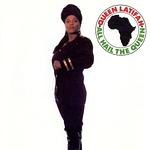
All Hail the Queen is Queen Latifah's 1989 debut album. Musically rooted in late 1980s hip hop, it blends hard-hitting beats and sampling with electronic and house-tinged production while showcasing Latifah's confident, rhythmic delivery. Lyrically the album emphasizes female empowerment, Afrocentric themes and social commentary, and it includes the notable collaboration "Ladies First" with British rapper Monie Love. The record established Latifah as a prominent female voice in hip hop and helped broaden representations of women in the genre.
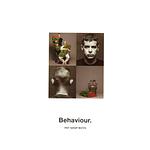
Behaviour is Pet Shop Boys' 1990 album that takes a more melancholic and introspective approach to synth-pop, blending warm analog synth textures, restrained electronic rhythms and hints of deep house influence into lush, atmospheric arrangements. The songwriting focuses on reflective, mature themes delivered in Neil Tennant's detached vocal style, and the production favors subtle, sophisticated soundscapes rather than overtly upbeat pop, giving the record a contemplative, club-adjacent mood.
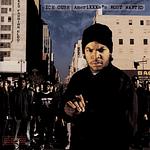
AmeriKKKa's Most Wanted is Ice Cube's 1990 solo debut that pairs aggressive, confrontational gangsta rap lyricism with dense, sample-heavy production drawing on East Coast bomb squad techniques and West Coast funk influences. The songs mix blunt street narratives and political commentary about race and policing with abrasive beats, layered horns, and spare funk grooves, creating a raw, uncompromising sound that became a touchstone for hardcore West Coast hip hop in the early 1990s.
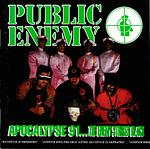
Apocalypse 91… The Enemy Strikes Black is Public Enemy's fourth studio album, issued in 1991, that continues the group's combination of hard-hitting East Coast hip hop and politically conscious rap. Produced largely by the Bomb Squad, the record uses dense, layered sample collages and aggressive beats to support Chuck D's commanding delivery and Flavor Flav's contrasting hype vocals. Lyrically it focuses on race, social injustice, media and consumer culture, and its confrontational sound and protest-oriented themes reinforced Public Enemy's role in politically engaged hip hop.
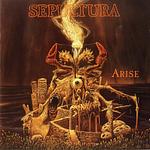
Arise is Sepultura's 1991 studio album that refines the band's blend of thrash and death metal, combining fast, aggressive riffing and harsh vocals with tighter, more polished production. Recorded with producer Scott Burns at Morrisound Studios, the sound emphasizes precise guitar work, heavy, propulsive drumming and darker, more atmospheric passages that point toward the groove and experimental elements the band explored afterward. The record is notable for its intensity and for advancing Sepultura's sound within early 1990s extreme metal.
Achtung Baby by U2
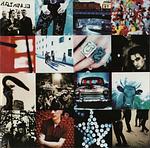
Achtung Baby is a 1991 U2 album that marked a deliberate reinvention of the band's sound, incorporating alternative rock, dance-rock and electronic textures into their songwriting. The record features dense, layered production, distorted and processed guitar tones, punchy rhythms and studio-driven effects that give it a darker, more angular and club-ready feel, while the lyrics explore themes of love, identity and personal and political tension. Its sonic experimentation and emphasis on rhythm and atmosphere set it apart from the band's earlier, more anthemic work.
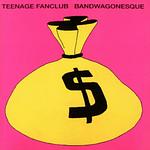
Bandwagonesque, released in 1991 by Teenage Fanclub, refines their blend of indie rock, jangle pop and power pop into a warm, melody-driven album. The record foregrounds chiming guitars, layered three-part harmonies and concise, hook-forward songwriting that draws on classic pop influences while keeping an alternative rock edge. Its guitar-centric sound and emphasis on tuneful arrangements helped define the band’s identity in the early 1990s indie scene.
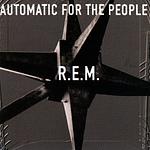
Automatic for the People, R.E.M.'s 1992 album, moves the band toward a more acoustic, reflective sound that blends alternative rock and jangle pop with orchestral strings and piano-based arrangements. The record is characterized by restrained, melancholic tempos and introspective lyrics that address themes of mortality, memory, and loss; tracks such as "Nightswimming", "Everybody Hurts", and "Man on the Moon" showcase its plaintive, melodic focus. Production is spare and atmospheric, putting emphasis on Michael Stipe's vocal delivery and the songs' emotional clarity while retaining elements of the band's melodic guitar work.
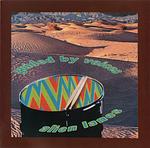
Alien Lanes (1995) by Guided by Voices is a lo-fi indie rock album built from short, immediate songs recorded with a rough, home-studio aesthetic. Robert Pollard's compact, hook-driven songwriting and cryptic, image-rich lyrics appear across many brief tracks, producing a collage-like flow that moves between fuzzed garage rock, melodic pop and fragmentary acoustic sketches. The album is frequently cited in discussions of mid-1990s lo-fi indie rock for its raw production, prolific songwriting and influence on later indie acts.
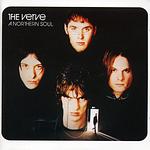
A Northern Soul is The Verve's second album, released in 1995. It blends Britpop songwriting with neo-psychedelic and shoegaze textures and expansive, spacey guitar work. The record is darker and more introspective than their debut, with layered guitar atmospheres and Richard Ashcroft's emotive vocals creating long, immersive arrangements. It is often regarded as a transitional release that tightened the band's songwriting while retaining their atmospheric ambition.

Beautiful Freak is the 1996 debut studio album by Eels, the project of singer-songwriter Mark Oliver Everett. It blends alternative rock, indie pop, and chamber-tinged arrangements, pairing lo-fi guitars and electronic beats with occasional strings and quirky samples. The songs move between wry, often darkly comic lyrics and melancholic melodies, and tracks like "Novocaine for the Soul" and "Susan's House" helped introduce E's intimate, offbeat songwriting voice.
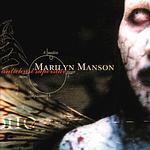
Antichrist Superstar (1996) is Marilyn Manson's confrontational, concept-driven record that blends industrial metal and alternative rock textures. The album centers on abrasive guitar riffs, heavy programmed percussion, samples and theatrical, often snarling vocals to create a harsh, mechanized soundscape, and it presents a dark narrative exploring power, nihilism and social alienation. Musically and stylistically it marks a shift toward a heavier, more aggressive aesthetic in the band's catalog and in contemporary industrial and alternative rock scenes.
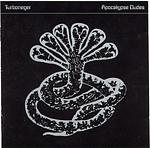
Apocalypse Dudes, released in 1998 by Norwegian band Turbonegro, blends punk rock urgency with hard rock and glam metal influences, pairing distorted guitars and tight, hook-driven songwriting with a more polished production than their earlier records. Darkly witty lyrics and chantable choruses fuse sleazy glam and aggressive punk energy, and songs such as "All My Friends Are Dead" and "Get It On" show the album's mix of snarling attitude and classic rock melodies. The record is widely seen as a pivotal release in the band's development and their signature sound.
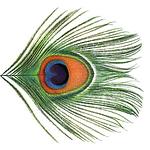
Apple Venus, Volume 1 is XTC's 1999 album that foregrounds chamber pop and art pop aesthetics, moving away from a guitar-driven sound toward lush acoustic arrangements and orchestral textures. The songs emphasize pastoral melodies, intricate string and woodwind parts, and baroque-influenced touches that give the record a chamber folk atmosphere while retaining clear pop songcraft. It was released as the first part of a two-volume project, with the companion volume taking a more electric, rock-oriented approach.
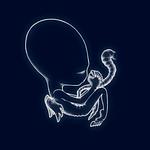
Ágætis byrjun, released in 1999, is Sigur Rós's second studio album and is built around long, slow-building compositions that mix post-rock atmospherics with ambient textures, chamber pop arrangements, and experimental touches. The record features Jónsi Birgisson's high, reverb-soaked falsetto, bowed and heavily processed guitars, subtle percussion and string parts, and a cinematic sense of space that moves between sparse quiet and sweeping crescendos. It is widely regarded as the work that established the band's distinctive, ethereal sound and brought that more orchestral strand of post-rock to a broader audience.
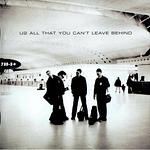
All That You Can't Leave Behind, released in 2000, finds U2 returning to a more melodic, song-focused rock sound after their experimental work in the 1990s. The album blends rock, pop rock and soft rock with atmospheric electronic textures and The Edge's echo and delay guitar, pairing arena-scale arrangements with intimate ballads and a renewed emphasis on concise songcraft and Bono's emotive vocals. Produced with Brian Eno and Daniel Lanois, it is notable for its restrained production and a balance between anthemic moments and quieter, reflective songs.
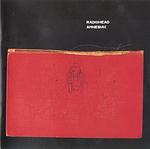
Amnesiac (2001) finds Radiohead building on the experimental turn of its prior work, blending electronic textures, jazz-influenced rhythms, and art rock arrangements with occasional return to guitar-driven songs. The record moves between intimate piano pieces and fragmented, collage-like soundscapes, with Thom Yorke's distinctive vocals and oblique lyrics anchoring unconventional song structures. The production emphasizes atmosphere and dislocation, creating a moody, sometimes unsettling listening experience that highlights the band's willingness to push rock into more experimental territory.
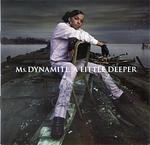
A Little Deeper is Ms. Dynamite's 2002 debut that blends contemporary R&B, UK garage, deep house and hip hop with electronic textures. The record combines melodic singing and rhythmic MCing over syncopated garage beats, bass-driven grooves and occasional reggae inflections, with lyrics that move between personal and socially aware themes. Production balances club-oriented electronic elements and fuller instrumentation, giving the album both dancefloor energy and reflective moments that helped establish Ms. Dynamite as a distinctive voice in early 2000s British urban music.
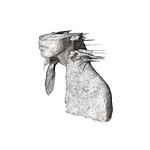
A Rush of Blood to the Head, Coldplay's 2002 second album, expands the band's sound from their debut with piano-driven ballads and more prominent guitar textures, balancing intimate, melancholic songwriting with larger, arena-scaled arrangements. Tracks such as "Clocks", "The Scientist", and "In My Place" emphasize spare piano motifs, ringing guitars, and melodic, emotive vocals that foreground atmosphere and directness. The record helped define the band's style within early 2000s post-Britpop and piano rock and marked a clear step toward more mature, anthemic songwriting.
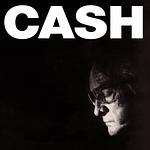
American IV: The Man Comes Around (2002), produced by Rick Rubin, is the fourth installment in Johnny Cash's American recordings. The album pairs stripped-down, mostly acoustic arrangements with Cash's deep, weathered voice, blending country, rock, and Americana influences. It features the original title track "The Man Comes Around" and a stark cover of Nine Inch Nails' "Hurt", and emphasizes themes of mortality, faith, and reflection. The record is often seen as a powerful late-career statement that highlights Cash's interpretive strengths and intimate, spare production.
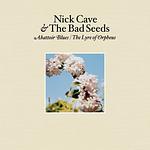
Abattoir Blues / The Lyre of Orpheus is a 2004 double album that divides into a louder, band-driven side and a quieter, more orchestral side. The Abattoir Blues half emphasizes gritty blues-rock and driving rhythms with piano, organ and guitars supporting Nick Cave's intense baritone, while The Lyre of Orpheus leans toward chamber textures and string arrangements that foreground storytelling and mythic, often dark lyrical themes. Across both discs the Bad Seeds and longtime collaborator Warren Ellis blend gothic atmosphere, narrative songwriting and shifts between urgency and restraint, making the record notable for its contrasts in mood and arrangement.
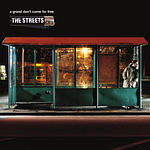
A Grand Don't Come for Free is a 2004 concept album by The Streets, the project of Mike Skinner. Built around a continuous narrative about relationships, money and everyday life, it blends UK garage, hip hop, electronic and breakbeat elements with sparse, sample-based production and conversational, diaristic vocal delivery. The record alternates skittering garage rhythms and club-influenced beats with more plaintive, piano-led moments, and is notable for its strong focus on storytelling and character-driven songs such as "Dry Your Eyes" and "Blinded by the Lights".
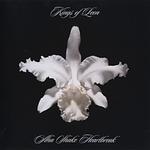
Aha Shake Heartbreak is a 2004 album by Kings of Leon that channels alternative and indie rock through a Southern rock and blues-tinged lens, emphasizing raw, guitar-driven arrangements and concise, energetic songs. The sound mixes reverb-drenched riffs and rhythmic urgency with often high-register, gritty vocals, creating a tense, atmospheric feel that balances garage-influenced roughness with melodic hooks. It is notable for capturing the band’s early style, where compact, punchy tracks and a dusty Southern atmosphere shape its character.

Arular, M.I.A.'s 2005 debut studio album, blends electronic, hip hop, breakbeat and dance influences into a lo-fi, collage-like sound that mixes jagged beats, rattling percussion, ragga vocal bursts and hooky synth lines. The record pairs global samples and cut-up production with politically charged and personal lyrics delivered in a confrontational sing-rap style, establishing the DIY aesthetic and genre-blurring approach that came to define her early work.
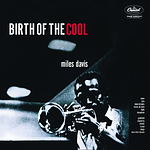
Birth of the Cool is a 1957 compilation of Miles Davis sessions from 1949 to 1950 that helped define a cooler, more arranged alternative to bebop. Using a nine-piece ensemble with instruments like French horn and tuba and arrangements by Gil Evans, Gerry Mulligan, and John Lewis, the music emphasizes warm tone colors, contrapuntal ensemble writing, relaxed tempos, and lyrical, muted trumpet lines. The album is regarded as an important early document of cool jazz and an influential move toward a chamber-influenced, arrangement-driven approach in modern jazz.
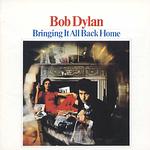
Bringing It All Back Home (1965) marks Bob Dylan's shift from solo acoustic folk toward electric folk rock, with one side backed by a full band and the other featuring solo acoustic performances. The record blends rock instrumentation and harmonica with poetic, often surreal lyrics on songs such as Subterranean Homesick Blues, Maggie's Farm and Mr. Tambourine Man, and is often cited as a pivotal step in his move toward rock-oriented songwriting.
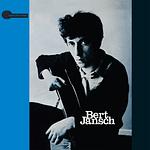
Bert Jansch's 1965 self-titled debut showcases his intimate acoustic guitar work and understated vocals rooted in British folk and blues traditions. The record emphasizes solo fingerstyle arrangements and a blend of traditional songs and Jansch originals, marked by intricate picking, modal inflections, and a spare, melancholic sound. Its minimal production and distinctive guitar technique helped establish Jansch as a central figure in the 1960s British folk revival and a lasting influence on folk guitarists.

Blonde on Blonde (1966) is a sprawling double album by Bob Dylan that blends rock, folk, blues and country influences into full-band arrangements and more intimate acoustic moments. Its sound pairs loose, sometimes improvisational electric performances with dense, elliptical lyrics and distinctive vocal phrasing, moving between up-tempo rockers and long, meditative tracks. The album is notable for its ambitious scope and lyrical complexity, which helped shape popular music in the mid 1960s.
Black Monk Time, recorded in 1966 by The Monks, is a stripped-down, confrontational album that blends garage rock energy with spare, repetitive rhythms, abrasive organ and guitar textures, and shouted vocals. Its tight, staccato arrangements and minimalist production create an unsettling, almost ritualistic sound that anticipated punk directness while touching on experimental approaches later associated with krautrock and underground electronic-leaning acts. The record stands out as a provocative, unconventional statement from mid 1960s rock.
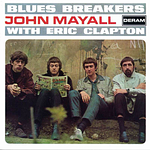
Blues Breakers With Eric Clapton (1966) by John Mayall & the Bluesbreakers is a defining British blues album that blends electric interpretations of American blues material with Mayall originals and band arrangements. The record highlights Eric Clapton's forceful, sustained guitar work and a raw, overdriven tone alongside Mayall's vocals, piano and harmonica, anchored by tight rhythm playing. Its sound captures the mid 1960s UK blues revival and helped articulate a bridge between traditional blues and the emerging blues rock style.
Chelsea Girl by Nico
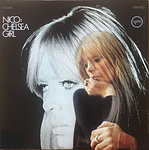
Chelsea Girl is Nico's 1967 debut solo album. It blends folk rock, baroque pop and art rock with lo-fi, chamber-like arrangements that often feature flutes, strings and acoustic guitar beneath her low, detached vocal. Much of the material came from contemporaries in the New York scene, producing a melancholic, cinematic mood that contrasts austere singing with ornate backing. The record stands as her first major statement after working with the Velvet Underground and Andy Warhol and is frequently noted for its unusual production and stark atmosphere.
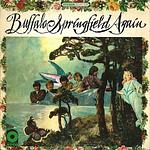
Buffalo Springfield Again, the group's 1967 second album, expands their folk rock foundation into elements of country rock and psychedelia. It pairs concise, socially aware songs like "For What It's Worth" with rougher electric tracks such as "Mr. Soul", country-tinged acoustic work like "Bluebird", and the orchestral pop of "Expecting to Fly". The record highlights the contrasting songwriting and guitar interplay of Stephen Stills and Neil Young, layered vocal harmonies, and varied arrangements that helped define late 1960s Los Angeles rock.
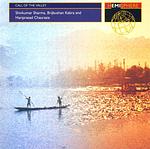
Call of the Valley (1968) is an instrumental Hindustani classical concept album featuring Shivkumar Sharma on santoor, Hariprasad Chaurasia on bansuri flute, and Brij Bhushan Kabra on slide guitar. Framed as a loose suite that evokes a day in the Kashmir Valley, it moves through a sequence of ragas and melodic improvisations in a chamber-like setting, with lyrical interplay among the three lead instruments and measured percussion support. The arrangements emphasize melodic clarity and accessible textures rather than extended concert-form exposition, and the record is frequently noted for helping introduce Indian classical sounds to wider international audiences.
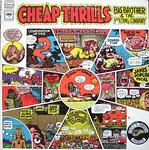
Cheap Thrills (1968) captures Big Brother & the Holding Company's raw, high-energy blend of blues-rooted rock and psychedelic experimentation, anchored by Janis Joplin's powerful, emotive vocals. The album emphasizes gritty guitar work, loose but driving rhythms, and an immediate, live-in-the-studio feel, with extended vocal phrasing and a rough-edged sonic intensity that reflects the late 1960s San Francisco psychedelic and blues-rock environment.
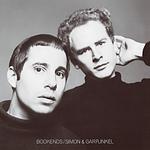
Bookends (1968) by Simon & Garfunkel blends acoustic folk foundations with pop and rock elements, centered on Paul Simon's songwriting and Art Garfunkel's high vocal harmonies. The album pairs short, vignette-style songs with fuller, orchestrated arrangements and includes a recurring Bookends theme that frames reflections on youth, memory, and aging. Production balances spare guitar and piano textures with subtle studio touches and occasional orchestral color, creating a mix of intimate folk moments and more polished pop-oriented tracks that helped define the duo's mature sound.
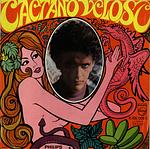
Caetano Veloso (1968) is an early solo statement that blends MPB and bossa nova with pop rock and psychedelic pop influences. The record moves between intimate acoustic textures and brighter electric arrangements, pairing Caetano's expressive, conversational vocals and poetic lyrics with melodic and rhythmic elements drawn from Brazilian popular traditions. It is commonly associated with the Tropicália moment for its deliberate mixing of local styles and international pop-psychedelic sounds.
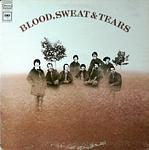
The self-titled Blood, Sweat & Tears album blends rock, blues-rooted rhythms, blue-eyed soul singing and jazz-rock horn arrangements, with prominent brass charts and a mix of concise songs and exploratory passages. Its sound emphasizes tightly arranged horns and soulful lead vocals layered over rock and jazz textures, helping to bring jazz-influenced orchestration into a popular rock and soul setting.
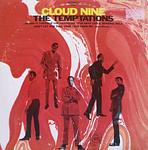
Cloud Nine (1969) marks The Temptations' move into psychedelic soul under producer Norman Whitfield, blending their vocal harmonies with funkier, more percussive arrangements and studio experimentation. The album emphasizes driving rhythms, wah-wah guitar textures, prominent bass and layered ensemble and lead vocals, steering the group away from the smoother Motown ballad sound toward grittier, socially aware and groove-oriented material.
Chicago Transit Authority, Chicago's 1969 debut, introduces the band's signature fusion of rock and jazz centered on a powerful brass section. The record balances concise pop-rock songs with extended instrumental passages and complex horn arrangements, showcasing tight interplay between guitar, keyboards, bass, drums, and brass while emphasizing both melodic hooks and improvisatory moments. As an early statement of the group's sound, it established the horn-driven approach that defined much of their subsequent work.
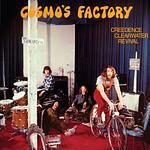
Cosmo's Factory is a 1970 album by Creedence Clearwater Revival that showcases the band's concise, roots-based rock, blending blues, country, rockabilly and Southern-influenced grooves. Centered on John Fogerty's gritty vocals and tight, riff-driven arrangements, the record pairs punchy originals with a notable extended cover, delivering a raw, direct sound and an accessible take on Americana and classic rock styles.
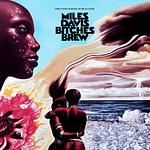
Bitches Brew is a 1970 Miles Davis album that marks his full embrace of electric instruments and the emerging jazz fusion idiom. The music blends loose, extended improvisation with rock and funk rhythms, dense, layered textures and a large ensemble featuring multiple electric keyboards, guitars and electric bass. Producer Teo Macero's studio editing reshaped long collective performances into suite-like tracks with a shifting, cinematic flow. The record is frequently cited as a pivotal work in the development of jazz fusion and avant-garde approaches to jazz.
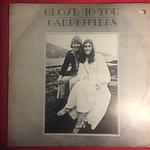
Close to You is the 1970 album by the Carpenters that helped define their polished soft pop sound, featuring Karen Carpenter's warm, resonant lead vocals and Richard Carpenter's precise, orchestral arrangements. The record blends lush strings, gentle piano and restrained percussion with close vocal harmonies, drawing on pop, soft rock and country pop influences; it includes well known tracks such as "(They Long to Be) Close to You" and "We've Only Just Begun." The overall aesthetic is smooth, melody-driven and finely arranged, representative of the duo's early easy listening pop style.
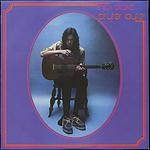
Bryter Layter, Nick Drake's second studio album released in 1971, blends his delicate fingerpicked acoustic guitar and hushed vocals with chamber pop and jazz-tinged arrangements. Robert Kirby's string and brass charts and Joe Boyd's restrained production frame the songs with orchestral touches, creating an intimate, pastoral sound that expands on Drake's earlier work and emphasizes melancholic, introspective songwriting.
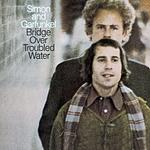
Bridge Over Troubled Water is the fifth and final studio album by Simon & Garfunkel, released in 1970. The record blends folk, folk rock, soft rock and pop, showcasing Paul Simon's songwriting and Art Garfunkel's high tenor and close harmonies. The title track features gospel-influenced piano, choral backing and expansive production, while songs like "The Boxer" and "Cecilia" range from intimate acoustic storytelling to rhythmically driven pop, making the album a stylistic culmination of the duo's collaborative sound.

Coat of Many Colors (1971) is a country album that highlights Dolly Parton's songwriting and storytelling, anchored by the autobiographical title track about poverty and maternal love. The record pairs roots-oriented arrangements such as acoustic guitar, fiddle, and steel guitar with touches of gospel and traditional country, putting Parton's clear, expressive voice and compact narrative songs at the forefront. Its intimate production and everyday-detail lyrics make it an important early statement of Parton's solo artistry.
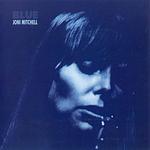
Blue, released in 1971, is Joni Mitchell's spare and intimate album that blends contemporary folk, folk rock, and singer-songwriter approaches. Its uncluttered arrangements, open-tuned guitar and piano, and candid, confessional lyrics explore love, longing, and self-examination; songs such as "A Case of You", "River", "Carey", and "California" balance folk intimacy with pop-minded melodies. The record is often cited as a defining work for later singer-songwriters and for its emotional directness.
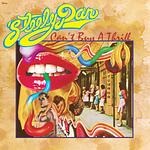
Can't Buy a Thrill is Steely Dan's 1972 debut album that introduced Donald Fagen and Walter Becker's blend of pop rock and jazz-inflected songwriting. It pairs catchy, radio-friendly rhythms with sophisticated harmonic arrangements, polished studio production, and literate, often ironic lyrics, and features early singles 'Do It Again' and 'Reelin' in the Years'. The album's use of session musicians and tight vocal harmonies points toward the studio-centered approach the duo would develop on later records.
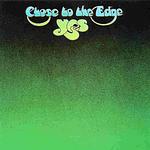
Close to the Edge (1972) is a landmark progressive rock album by Yes that features expansive, suite-like compositions, intricate instrumental interplay, and layered vocal harmonies. The record blends classical and jazz-influenced arrangements with virtuosic guitar, bass, keyboard, and percussion work, and showcases long-form songs that move through multiple contrasting sections. Its sound emphasizes dramatic dynamics, complex time signatures, and detailed production, making it a defining example of early 1970s progressive and art rock.
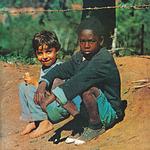
Clube da Esquina is a 1972 album by Milton Nascimento and Lô Borges closely associated with the Clube da Esquina movement in Brazil. It blends MPB with folk rock, psychedelic and jazz-tinged elements, featuring acoustic guitars, rich vocal harmonies and occasional orchestral and atmospheric textures. The songs move between intimate balladry and more expansive, experimental arrangements, creating a pastoral yet adventurous sound that has been influential in Brazilian popular music.
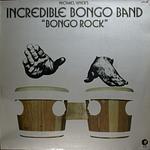
Bongo Rock (1973) by the Incredible Bongo Band is an instrumental, percussion-forward record that mixes funk grooves with rock and surf-tinged guitar lines and early disco textures. The arrangements put bongos, congas and prominent drum breaks at the center, creating rhythmic, groove-based tracks with extended break sections that were influential for DJs and sampling in later popular music. The overall sound emphasizes tight, danceable rhythms and a lively, percussive aesthetic rather than vocal-driven songs.
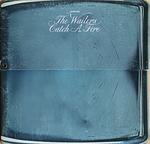
Catch a Fire, released by The Wailers in 1973, is a roots reggae album that blends traditional Jamaican rhythms with rock-influenced production and soulful vocals. Produced for Island Records by Chris Blackwell, the record features fuller arrangements and a cleaner mix that brought the group's Rastafarian-themed lyrics and dub-tinged grooves to a broader audience, while retaining the rhythmic emphasis and bass-driven pulse of reggae. Its sound marked a turning point in how reggae was presented internationally and remains a frequently referenced work in the genre.
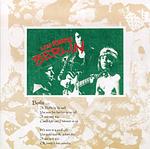
Berlin, Lou Reed's 1973 album produced by Bob Ezrin, is a dark, theatrical concept record that chronicles a troubled couple's descent into addiction, abuse, and despair. Musically it blends rock and art rock with glam and harder-edged moments, using orchestral arrangements, layered vocals, and dramatic dynamics to create a cinematic, unsettling atmosphere that contrasts with the more straightforward rock of his earlier solo work. The album's narrative focus, intense moods, and raw emotional delivery make it a distinctive and provocative work in Reed's catalogue.
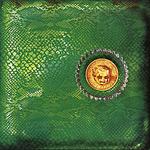
Billion Dollar Babies (1973) by Alice Cooper pairs hard rock and glam sensibilities with the band's theatrical shock-rock approach, produced by Bob Ezrin. The record balances punchy, guitar-driven rockers and more atmospheric, psychedelic-tinged passages, with lyrics that often satirize fame, excess, and American show business, reinforcing the band’s macabre stage persona and cinematic songcraft.
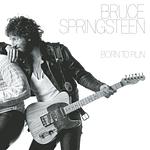
Born to Run (1975) blends rock, heartland rock, folk rock, piano-driven rock, and singer-songwriter storytelling into a sweeping, cinematic sound. Built around dense, Wall of Sound inspired arrangements with prominent saxophone and piano, the album pairs anthemic, propulsive tracks with intimate, narrative songs about escape, youthful restlessness, and working-class longing. It represented a major artistic leap for Springsteen and helped define the musical themes and larger-than-life production style he explored in later work.
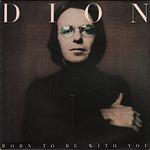
Born to Be With You is a 1975 album by Dion produced by Phil Spector that pairs Dion's mature, introspective vocals and songwriting with Spector's echo-heavy, orchestral production. The record mixes baroque pop and country pop elements with rock and subtle progressive textures, using strings, choirs, and spacious reverb to create a melancholic, atmospheric sound. It marks a distinct, late-career stylistic shift from Dion's earlier doo-wop and rock work and is notable for its restrained, emotionally direct arrangements.
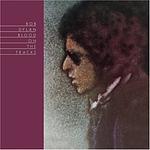
Blood on the Tracks, released in 1975, is an intimate, lyrically driven album that blends Dylan's folk rock roots with elements of blues and country rock. The songs are narrative and confessional, centering on relationships and emotional turmoil, delivered through spare acoustic arrangements with occasional fuller band backing. The record is characterized by direct, conversational vocals, rich storytelling, and a live, immediate studio feel that emphasizes songwriting and emotional clarity.
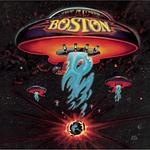
Boston is the band's 1976 self-titled debut, anchored by Tom Scholz's meticulous studio production and Brad Delp's high, harmony-rich vocals. Musically it blends hard rock guitar riffs and punchy AOR songcraft with arena-sized choruses, featuring layered, multi-tracked guitars, prominent keyboards, and tight vocal harmonies. The album's polished, radio-friendly sound became a reference point for mid 1970s arena rock and AOR.
C'est Chic by Chic
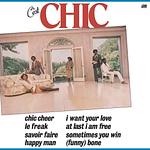
C'est Chic, released in 1978 by Chic, presents the band's polished blend of disco and funk centered on Nile Rodgers' rhythmic guitar and Bernard Edwards' melodic bass. The album, written and produced by Rodgers and Edwards, features tight, syncopated grooves, layered strings and horns, and multi-part vocals, with standout tracks such as "Le Freak" and "I Want Your Love." Its sophisticated arrangements and studio sheen helped define Chic's signature sound and influenced later dance and R&B production.
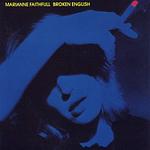
Broken English (1979) presents Marianne Faithfull with a markedly darker, world-weary vocal presence set against a mix of art pop, art rock, new wave and rock arrangements. The record favors synth textures, driving rhythms and spare, sometimes angular instrumentation that underscore lyrics ranging from personal reflection to sharper social observations. Its stark sound and direct delivery signaled a clear stylistic shift from her earlier work and is often regarded as a transformative moment in her career.
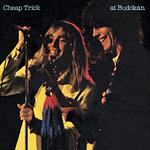
Cheap Trick at Budokan is a 1978 live album recorded at Tokyo's Nippon Budokan that captures the band's mix of power pop, pop rock, and hard rock in a loud, immediate live setting. The performances emphasize concise, melody-driven songs and punchy guitar work, with energetic crowd interaction and spirited renditions of album tracks and covers. The record is notable for presenting the band's hook-focused songwriting in a raw concert context and for expanding their international profile.
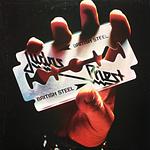
British Steel, released in 1980 by Judas Priest, is a lean, hard-driving heavy metal album that emphasizes concise songwriting, punchy guitar riffs, and high-register vocals from Rob Halford. The record foregrounds twin-guitar harmonies and a cleaner, more direct production, moving toward shorter, anthem-oriented tracks such as "Breaking the Law" and "Living After Midnight". Its combination of melodic hooks and metal aggression helped crystallize a more accessible strain of heavy metal within the band's catalog and influenced later acts in the genre.
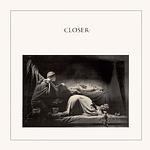
Closer is Joy Division's 1980 album that presents a stark, atmospheric take on post-punk with clear ties to new wave and early gothic rock. The record is characterized by Martin Hannett's spacious, reverb-heavy production, Peter Hook's melodic, high-register basslines, Bernard Sumner's angular guitars and synth textures, and Ian Curtis's deep, intense vocals paired with spare, often bleak lyrics. Overall it emphasizes mood, restraint, and a cold, cinematic ambience that proved influential on later alternative and gothic-leaning acts.
Black Metal by Venom
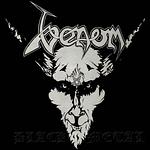
Black Metal, released in 1982 by Venom, is a raw, aggressive heavy metal album that blends speed metal and punk energy into a deliberately lo-fi, abrasive sound. The music centers on simple, driving riffs, fast tempos, and snarling, raspy vocals, with lyrical themes drawn from the occult and Satanic imagery to create a menacing atmosphere. Its rough production and uncompromising aesthetic emphasized attitude over technical polish, and the record is widely cited as an early and influential touchstone for later extreme metal scenes, particularly what became known as black metal.
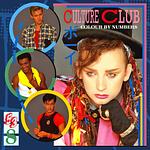
Colour by Numbers, released in 1983 by Culture Club, blends bright 1980s pop and new wave with New Romantic stylings, prominent synth textures and horn arrangements, and touches of reggae and Motown-influenced soul. Boy George's distinctive, soulful lead vocals and the band's concise, hook-driven songwriting produce melodic, radio-friendly tracks such as "Karma Chameleon" and "Church of the Poison Mind". The polished production and colorful arrangements helped establish Culture Club as a major pop presence in the early 1980s.
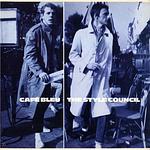
Café Bleu, the Style Council's 1984 debut studio album, moves Paul Weller's post-Jam songwriting into sophisti-pop territory with strong jazz, lounge and downtempo influences. Mick Talbot's keyboards and the record's use of sax, brass and subtle electronic textures create a polished, roomy sound that mixes instrumental passages with compact soulful pop songs. The album represents a deliberate shift toward a more urbane, relaxed musical palette and sophisticated arrangements.
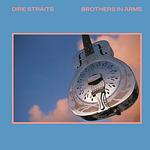
Brothers in Arms, Dire Straits' fifth studio album released in 1985, expands the band's rock and blues roots into a polished, cinematic sound centered on Mark Knopfler's fingerpicked guitar and restrained vocals. The record blends atmospheric synthesizer textures and spacious production with concise pop songwriting and extended instrumental passages, exemplified by the title track's plaintive guitar solos and the propulsive, riff-driven "Money for Nothing," which features a guest backing vocal by Sting. Its clear, dynamic production and mix of pop, classic rock and blues influences made it a defining work in the band's catalog while retaining elements of heartland rock.
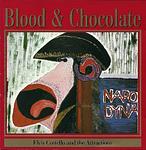
Blood & Chocolate finds Elvis Costello and the Attractions in a raw, volatile mode, returning to jagged, punchy rock and roll with a darker, more abrasive edge. The performances have a live-in-studio urgency, driven by sharp guitar, insistent bass and propulsive drums that frame Costello's intense, often confrontational lyrics. Lean production and a focus on band interplay give the album a direct, high-energy sound that contrasts with some of his more ornate 1980s recordings and emphasizes rock-based arrangements over studio gloss.
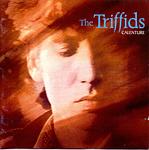
Calenture, released in 1987 by Australian band The Triffids, finds the group moving from their earlier spare, rootsy sound toward a more polished, cinematic rock and pop palette. David McComb's evocative, melancholic vocals and narrative lyrics sit against fuller arrangements that blend electric and acoustic guitars, keyboards and occasional strings, producing a brooding, widescreen atmosphere and recurring themes of longing and displacement. The album includes the ballad "Bury Me Deep in Love" and is often noted for its denser production and emotionally resonant songs compared with the band’s earlier records.
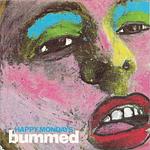
Released in 1988, Bummed is an early Happy Mondays album that blends indie rock guitar and punk tinged songwriting with acid house and funk derived rhythms, producing long, groove centered tracks anchored by rolling basslines and loose, freewheeling vocals from Shaun Ryder. The record emphasizes danceable beats, psychedelic and dub tinged textures, and a hazy party to club atmosphere that helped shape the Madchester sound and the fusion of rock and club culture.
Bug by Dinosaur Jr.
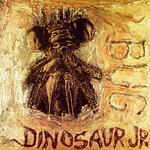
Bug, released in 1988 by Dinosaur Jr., crystallizes the band's blend of alternative and indie rock with heavy noise rock textures and pop-minded songwriting. The album pairs loud, heavily distorted guitars and extended, melodic solos with hushed, introspective vocals and a mix of abrasive feedback and simple hooks, moving between noise pop immediacy and grungier dynamics. Its raw production and emphasis on guitar tone helped define the group's signature sound and position them between 1980s underground noise rock and the alternative rock that followed.
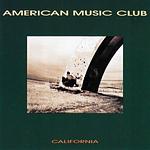
California is an introspective, melancholic alternative rock album built around Mark Eitzel's confessional lyrics and distinctive, plaintive vocals. The arrangements are spare and deliberate, blending slow-tempo rock with touches of folk and country through atmospheric guitars, subtle pedal steel, and restrained rhythms. The overall mood is intimate and elegiac, emphasizing emotional nuance and songwriting craft while solidifying the band's late 1980s sound.
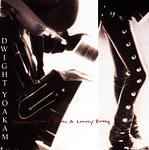
Buenas Noches From a Lonely Room (1988) finds Dwight Yoakam blending traditional country and Bakersfield electric twang with rock-tinged rhythms, anchored by Pete Anderson's Telecaster-driven arrangements and Yoakam's distinctive high-register vocals. The record moves between upbeat, honky-tonk informed numbers and darker, mournful ballads, and is notable for the collaboration with Buck Owens on "Streets of Bakersfield" and the somber "I Sang Dixie", illustrating Yoakam's fusion of classic country forms with a contemporary edge.
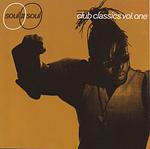
Club Classics Vol. One, released in 1989 by Soul II Soul, blends downtempo and club rhythms with soulful R&B vocals, acid jazz touches, and electronic production. The album pairs minimalist, dub-influenced beats and deep bass with prominent female lead vocals on singles such as 'Keep On Movin'' and 'Back to Life (However Do You Want Me)', creating a relaxed yet danceable atmosphere. Led by Jazzie B and the group's production team, it became a touchstone of the late 1980s British club sound, notable for fusing soul, reggae and electronic elements into a cohesive groove.
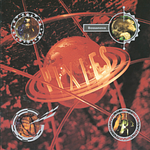
Bossanova (1990) finds the Pixies blending their signature loud-quiet dynamics and surreal songwriting with surf rock and spacey, reverb-heavy textures. The album pairs Black Francis's idiosyncratic vocals and cryptic lyrics with Joey Santiago's angular, surf-influenced guitar lines and Kim Deal's melodic bass and harmonies, yielding a more atmospheric and polished sound than some earlier recordings. It is notable for expanding the band’s sonic palette while retaining the energetic contrasts and offbeat sensibility that helped shape alternative and indie rock in the early 1990s.
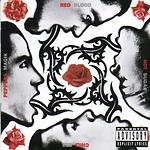
Blood Sugar Sex Magik, released in 1991 by Red Hot Chili Peppers, blends funk-driven grooves and raw rock with more melodic and introspective songwriting. Produced by Rick Rubin and featuring John Frusciante's chiming guitar lines and Flea's prominent slap bass, the album juxtaposes high-energy funk-rock tracks with quieter, personal songs, notably "Give It Away" and "Under the Bridge". Its cleaner, stripped-back production and emphasis on dynamics helped broaden the band's sound and influence on alternative rock and funk rock in the 1990s.
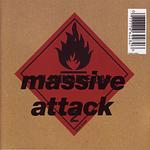
Blue Lines, Massive Attack's 1991 debut, blends hip hop rhythms, dub production, soul-influenced vocals and atmospheric electronic textures to help define the trip hop sound. The record pairs slow, heavy grooves and deep bass with lush string arrangements and distinctive guest vocals from Shara Nelson and Horace Andy, producing moody, cinematic tracks such as Unfinished Sympathy and Safe From Harm. Its fusion of sampled and live instrumentation, downtempo pacing, and a shadowy, club-informed aesthetic made it a touchstone for the Bristol scene and later alternative electronic music.
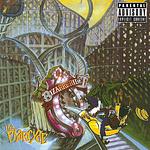
Bizarre Ride II the Pharcyde is a 1992 debut that pairs playful, offbeat group raps with sample-driven beats rooted in jazz and soul. The album mixes loose boom bap rhythms, quirky skits, and conversational storytelling to create an alternative West Coast hip hop sound that contrasts with the harder gangsta rap of its era. Its inventive flows, melodic hooks, and mix of humor and introspection helped establish the Pharcyde as a distinctive voice in 1990s alternative hip hop.
Copper Blue by Sugar
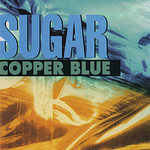
Copper Blue is Sugar's 1992 debut led by Bob Mould after his time with Hüsker Dü. The album fuses alternative rock and power-pop with loud, layered guitars, crisp production, and strong, hook-driven songwriting; abrasive textures sit alongside melodic choruses. Tracks such as "If I Can't Change Your Mind" and "Helpless" exemplify the record's combination of urgency and tunefulness, and it is commonly noted as a key statement in Mould's post-Hüsker Dü work.
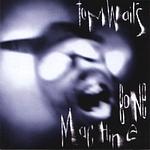
Bone Machine, released in 1992, finds Tom Waits delivering a raw, percussive take on blues-inflected rock and experimental soundscapes. The album pairs his gravelly, theatrical vocals with stripped-down, often industrial rhythms and unconventional textures to create a bleak, rough-hewn atmosphere centered on themes of mortality, decay, and human fragility. It stands as one of his darker, more abrasive works and continues his exploration of avant-garde arrangements within a rock and blues context.
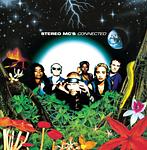
Connected, released in 1992 by Stereo MCs, blends acid jazz, downtempo grooves, hip hop rhythms, breakbeats, and dance-oriented production into a polished, sample-driven sound. Rob Birch's vocals and Nick Hallam's production pair tight programmed beats, funk-leaning basslines, and catchy hooks; songs like "Connected" and "Step It Up" balance club-ready rhythms with accessible songcraft. The album served as the band's commercial breakthrough and is notable for bridging underground rhythmic textures with pop sensibilities.
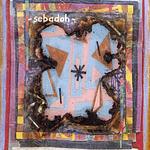
Bubble and Scrape (1993) finds Sebadoh balancing intimate, lo-fi acoustic songwriting with jagged, noisy electric textures while showcasing the distinct voices of Lou Barlow, Eric Gaffney, and Jason Loewenstein. The album mixes melodic, introspective songs with rougher, experimental noise-pop and slacker rock elements, moving between homespun folk influences and abrasive indie rock arrangements. Its sound is characterized by casual production, close vocal interplay, and a persistent tension between tunefulness and distortion.
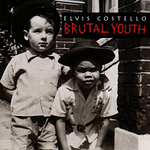
Brutal Youth, released in 1994, finds Elvis Costello returning to a guitar-driven rock and roll approach with concise, melody-focused songs and punchy arrangements. Many tracks feature the Attractions, adding taut rhythms and ringing guitars that sit alongside quieter, more reflective numbers, while Costello’s literate, often mordant lyrics mix personal observation and social commentary. The record balances the raw energy of his earlier rock work with some contemporary alternative rock sensibilities and emphasizes live band interplay over studio ornamentation.
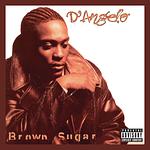
Brown Sugar, D'Angelo's 1995 debut, blends contemporary R&B, soul, funk and hip hop-soul into warm, groove-driven songs characterized by laid-back, expressive vocals and prominent live instrumentation. The album pairs intimate, romantic songwriting with retro-soul production touches and loose, organic grooves that helped position D'Angelo as a central figure in the 1990s neo-soul movement.
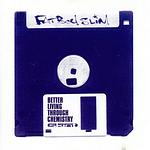
Better Living Through Chemistry (1996) is Fatboy Slim's debut studio album under that name, built around sample-driven big beat and breakbeat production. The record combines heavy break loops, funk and house elements, acid-tinged synth tones and playful vocal snippets to create an energetic, dancefloor-oriented sound that emphasizes rhythm and groove. It established the sample-heavy, DJ-centric approach Norman Cook continued to develop as Fatboy Slim and is often cited as an early example of the mid 1990s big beat style.
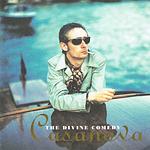
Casanova, released in 1996 by The Divine Comedy, blends baroque pop and chamber pop with Britpop-era songcraft, pairing Neil Hannon's literate, theatrical vocals with lush orchestral arrangements including strings, brass and piano. The album mixes romantic and wryly comic lyrical themes with melodic, lounge-tinged touches that sit alongside indie rock sensibilities, creating a polished, cinematic sound distinct from straightforward guitar bands of the period.
Being There by Wilco
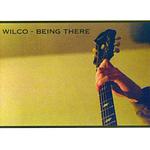
Being There, Wilco's 1996 double album, blends alternative rock, alt country and Americana across a wide stylistic range, shifting between intimate acoustic songs and more electric, noisy rock arrangements. Jeff Tweedy's songwriting pairs plainspoken, observational lyrics with melodic hooks, while the production often favors a homespun, slightly lo-fi aesthetic that allows experiments in texture and dynamics. The album captures the band moving beyond its rootsy beginnings toward a more eclectic, exploratory sound.
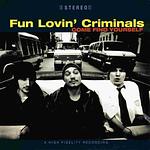
Come Find Yourself, the 1996 debut by Fun Lovin' Criminals, blends hip hop beats, lounge jazz, rock and pop hooks into a cinematic urban sound. Songs pair rapped verses and smoky crooning with funk basslines, twangy guitars and film-sample touches to create a playful, noir-tinged atmosphere. The album introduced the band's genre-mixing, storytelling approach and became their signature style.
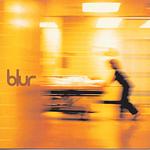
Blur (1997) marks a deliberate shift from the band’s earlier Britpop sound toward a rawer alternative and slacker rock approach, with more distorted guitars, tighter song structures, and lo-fi textures. The album balances raucous, compact tracks such as Song 2 with more introspective, melodic numbers like Beetlebum, and uses dynamic shifts and occasional electronic touches to broaden its sonic palette. This change in tone signaled the group’s willingness to move beyond Britpop conventions and helped expand their international profile.
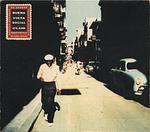
Buena Vista Social Club (1997) is a warm, acoustic collection rooted in son cubano, bolero, and Afro-Cuban jazz influences. Recorded with a group of veteran Cuban musicians and produced by Ry Cooder, it features tres and guitar, piano, soft horns, layered percussion, and intimate lead and ensemble vocals from singers such as Ibrahim Ferrer, Compay Segundo, Omara Portuondo, and others. The arrangements emphasize melody, conversational call-and-response phrasing, and nostalgic lyrical themes, and the album helped spark renewed international interest in traditional Cuban music.
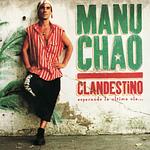
Clandestino is Manu Chao's 1998 solo album, a spare, lo-fi blend of folk, reggae, Latin rhythms and downtempo electronic touches. Songs use multilingual lyrics, repetitive loops, acoustic guitar and subtle dub-style production to create a road-worn, improvisatory sound that foregrounds themes of migration, border crossings and life on the margins. The record helped define Manu Chao's solo aesthetic after his work with Mano Negra and is often cited for its genre-blending, globalized pop sensibility.
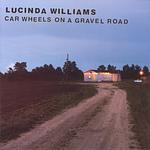
Car Wheels on a Gravel Road (1998) finds Lucinda Williams blending country, folk, blues and rock into a rootsy singer-songwriter statement. The record pairs spare, gritty arrangements—twangy electric guitar, slide, organ and tight percussion—with Williams's weathered, conversational vocals and plainspoken, often confessional lyrics. Tracks shift between slow-burning ballads and up-tempo roots rock, evoking southern landscapes and intimate relationship themes, and the album is commonly cited as a defining work in contemporary Americana.
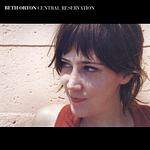
Central Reservation, released in 1999, pairs Beth Orton's intimate, folky songwriting and worn acoustic guitar with subtle electronic and downtempo textures, creating a warm, introspective sound that sits between folk and electronica. Orton's husky, emotive vocals and spare arrangements emphasize mood and melody, with production that balances organic instruments and programmed beats. The album is often noted for its role in the late 1990s crossover between folk traditions and electronic music.
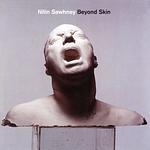
Beyond Skin (1999) is Nitin Sawhney's album that blends downtempo electronica with South Asian instrumentation and orchestral textures, pairing ambient production and programmed beats with acoustic elements like tabla, strings and guitar. The music balances melodic, cinematic arrangements and rhythmic complexity, incorporating vocal passages and spoken-word touches that probe themes of identity, migration and multicultural experience. The record marked a clear statement of Sawhney's approach to bridging Asian and Western musical traditions through thoughtful, genre-blurring compositions.
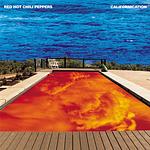
Californication, released in 1999, marked the return of guitarist John Frusciante and a shift toward more melodic, textured songwriting. The record blends the band's funk roots with alternative rock and more restrained, atmospheric arrangements, pairing introspective lyrics about fame, addiction, and life in California with clean guitar lines, melodic bass, and rhythmic grooves. Its mix of radio-friendly melodies and darker lyrical themes helped define the band's sound as they moved into the 2000s.
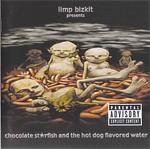
Chocolate Starfish and the Hot Dog Flavored Water is Limp Bizkit's 2000 album that combines nu metal's heavy, down-tuned guitar riffs and groove-focused rhythms with hip hop elements such as rap vocal delivery, turntable work, and sampled textures. The sound juxtaposes aggressive, shouted vocals and rap verses with melodic hooks, creating a loud, polished rap rock and alternative metal hybrid that was characteristic of the era. Its brash attitude, emphasis on rhythm and groove, and crossover of metal and hip hop elements make it a prominent example of late 1990s and early 2000s nu metal.