 The Greatest Music
1001 Albums You Must Hear Before You Die (2005)
Weight: 60%
How much this list influences our overall rankings. Higher weight means more reliable data.
Penalties Applied:
1001 Albums You Must Hear Before You Die is a long-running reference book series (first published 2005; revised in 2010, 2013, 2016, 2018, and 2021) edited by Robert Dimery. It’s an editorial anthology, not a ranked poll: each entry is a short critic-written essay, sequenced roughly chronologically from the 1950s onward, with compilations/most film soundtracks excluded. Later editions swap in newer releases (e.g., the 2021 edition closes with Jazmine Sullivan’s Heaux Tales), so the title “1001” is a rolling canon rather than a fixed list across editions.
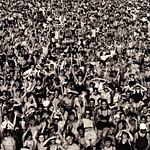
Listen Without Prejudice, Volume 1 is George Michael's 1990 second solo album, marking a shift from the glossy pop of his debut toward more introspective, singer songwriter material. The record blends pop and downtempo sensibilities with soulful balladry and occasional rock and electronic touches, favoring sparse acoustic textures, layered vocals, and cinematic string arrangements. Lyrically it leans toward personal and social themes, and the overall sound emphasizes songwriting and mood over glossy dance production while still including some upbeat, dance oriented moments.
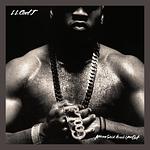
Mama Said Knock You Out (1990) finds LL Cool J blending hard-hitting, sample-driven hip hop production with pop-rap and R&B-tinged tracks. The album pairs aggressive, battle-ready vocals and punchy boom bap beats on songs like the title track with smoother, romantic singles, highlighting a broader vocal range and a tougher, more confrontational persona. It is notable for its dense, sample-forward sound and for reasserting LL Cool J's presence within early 1990s hip hop.
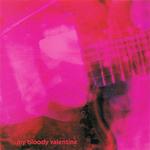
Loveless (1991) by My Bloody Valentine is a defining shoegaze album built from densely layered, heavily processed guitars, submerged vocals, and a washed, immersive sonic texture. Kevin Shields's use of a distinctive glide guitar technique, tremolo, pitch bending, and thick reverb produces a dreamy but noisy pop sound that influenced many subsequent dream pop and alternative rock acts.
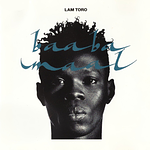
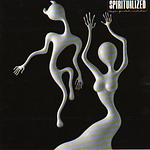
Lazer Guided Melodies, Spiritualized's 1992 debut, expands on the space rock and dream pop textures associated with Spacemen 3 into slow, immersive arrangements. The record layers sustained guitar drones, washed-out production, and restrained vocals with orchestral touches and gospel-tinged harmonies to create a cinematic, hypnotic atmosphere that emphasizes repetition and mood over conventional song structures.

Little Earthquakes is Tori Amos's debut solo album, built around piano-led arrangements and confessional songwriting that blends alternative rock, pop, and classical influences. The record moves between intimate, stripped-down moments and fuller band textures, showcasing Amos's dramatic vocal delivery and emotionally direct lyrics about personal trauma, relationships, and spiritual questioning, and it includes the stark a cappella piece "Me and a Gun". The album helped introduce her distinctive voice within early 1990s alternative music.
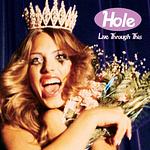
Live Through This, released in 1994 by Hole, blends grunge, punk, and alternative rock with raw, guitar-driven arrangements and strong melodic hooks. Courtney Love's vocals move between snarling aggression and vulnerable melody, anchored by lyrics that confront gender, identity, and personal trauma. The album pairs abrasive textures with pop-influenced songcraft, forming a defining statement for the band within 1990s alternative rock.
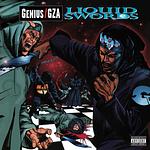
Liquid Swords, released in 1995 by GZA/Genius, is a focused East Coast hip hop record rooted in boom bap and hardcore styles. Produced largely by RZA, it pairs stark, cinematic beats built from dusty samples and eerie textures with GZA's dense, chess and martial arts-inflected lyricism and intricate internal rhymes. The album is notable for its tight production, sharp storytelling, and its place within the mid 1990s Wu-Tang era of New York hip hop.
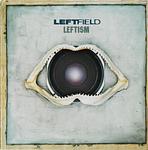
Leftism, Leftfield's 1995 album, blends progressive house and electronica with dub, breakbeat and downtempo textures. Its production emphasizes layered rhythms, deep bass and atmospheric studio detail, alternating propulsive, club-oriented tracks with more melodic and ambient pieces and featuring several guest vocalists. The record is notable for treating a dance-oriented album as a wide-ranging listening experience that bridges the club and home contexts.
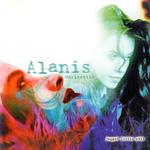
Jagged Little Pill, released in 1995 by Alanis Morissette, is an alternative rock album that blends post-grunge edge with pop rock hooks and candid singer-songwriter lyrics. Produced with Glen Ballard, the record mixes acoustic and distorted electric guitars, driving rhythms, and direct, emotionally charged vocals that move between quiet intimacy and cathartic release. Its plainspoken, confessional writing paired with memorable melodies marks a stylistic shift toward a more rock-oriented, expressive sound for Morissette.
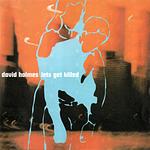
Let’s Get Killed is a 1997 album by Northern Irish DJ and producer David Holmes. It blends downtempo, breakbeat, trip hop and techno textures into sample-based grooves with sparse instrumentation and cinematic touches. Holmes used field recordings and street voices captured in New York to give the tracks a gritty, filmic atmosphere that balances club-ready rhythms with moody, soundtrack-like arrangements, and helped establish his reputation for cinematic electronic production.
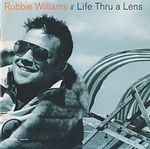
Life Thru a Lens is Robbie Williams' 1997 debut solo album that marked his shift from boy band pop to a pop rock and Britpop influenced sound. The record mixes upbeat, guitar-driven numbers and polished pop songs with softer ballads, and includes tracks such as "Let Me Entertain You" and "Angels" that showcase both theatrical, swaggering performances and more introspective songwriting. It established a solo identity built on catchy melodies, candid lyrics, and a blend of rock and pop textures.
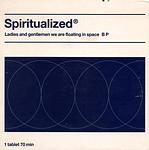
Ladies and Gentlemen We Are Floating in Space is Spiritualized's 1997 album largely shaped by frontman Jason Pierce. It blends space rock and neo-psychedelia with lush orchestral arrangements, gospel-tinged backing vocals, and passages of guitar feedback and sustained drones, creating a contrast between warm pop melodies and noise-inflected textures. The production favors reverberant, cinematic soundscapes and recurring motifs of longing and dissolution, yielding a densely arranged, atmospheric exploration of love, loss, and transcendence.
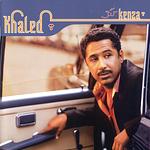
Kenza, released in 1999 by Algerian raï singer Khaled, blends traditional raï vocal delivery with contemporary pop and world-music production. The album pairs Arabic melodic phrasing and North African rhythmic elements with Western instrumentation and modern studio arrangements, producing a melodic, often romantic sound that bridges folk and pop contexts. It represents a continuation of Khaled's work presenting raï in cross-cultural, internationally accessible settings.
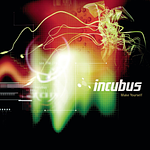
Make Yourself is Incubus's 1999 album that moves the band from funk-metal roots toward a more melodic alternative rock sound, mixing heavier guitar-driven songs with acoustic and electronic textures. The record features dynamic arrangements that range from aggressive, riff-based tracks to quieter, introspective moments, with distinctive vocals and turntable/electronic elements woven into the instrumentation. Songs such as Pardon Me, Stellar, and the acoustic driven Drive illustrate the album's blend of energy and melody and its role in broadening the band's musical palette.
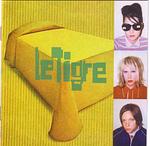
Le Tigre's 1999 self-titled debut blends punk attitude with electronic beats and new wave textures, pairing looped synths, samples, and chant-like vocals with short, direct songs that foreground feminist and political themes. The album's lo-fi, danceable production brings indie rock and electro elements into a compact, DIY sound that helped position the band at the intersection of punk, dance, and new wave influences.
Lost Souls by Doves
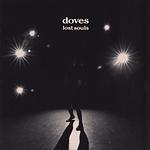
Lost Souls, the 2000 debut album by English band Doves, blends indie rock songwriting with dream pop atmospheres and post-Britpop sensibilities. The record is built from layered, reverb-heavy guitars, warm bass and restrained electronic touches, creating spacious, melancholic arrangements that often swell into expansive, melodic climaxes. Its mood-driven production and emphasis on texture and melody helped define the band’s signature sound of introspective, cinematic rock.
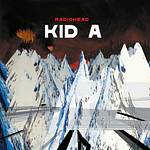
Kid A, released in 2000 by Radiohead, marked a deliberate move away from the band's earlier guitar-driven sound toward electronic, ambient, and experimental rock. The record mixes synthesizers, programmed rhythms, manipulated guitars, and orchestral colors to produce abstract song structures and chilly textures, with Thom Yorke's voice often treated as another instrumental layer. Its focus on atmosphere, fragmentation, and themes of alienation and technological unease broadened the band's sonic palette and influenced many artists in alternative and art rock.
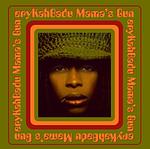
Mama’s Gun, released in 2000, is Erykah Badu's second studio album and a key record in the neo soul movement. It combines jazz-inflected harmonies, downtempo grooves and hip hop rhythms with warm, live instrumentation and intimate, spacious production. Badu's expressive, conversational vocals and candid, personal lyrics give the album a raw, soulful feel, while the arrangements emphasize organic textures and rhythmic subtlety. The result is a deepening of the fusion between jazz, contemporary R&B and hip hop that marked late 1990s and early 2000s soul.
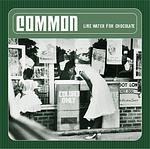
Like Water for Chocolate, released in 2000, pairs Common's socially aware, introspective lyricism with warm, sample-based production that draws on jazz, soul, and neo-soul textures. The album features loose, head-nodding drum programming, melodic basslines and touches of live instrumentation alongside layered vocal hooks, reflecting the influence of producers and collaborators from the late 1990s Soulquarians scene. Musically adventurous for its time, it broadened Common's sonic palette by blending street-level hip hop with romantic and spiritual themes while keeping a strong focus on lyrical substance.
La revancha del tango is Gotan Project's 2001 debut, pairing traditional tango instruments such as bandoneon and piano with electronic production, downtempo grooves and house-influenced beats. The record blends melancholic tango melodies and occasional vintage samples with looped rhythms and club-ready textures, creating a cinematic, modern take on tango that helped introduce the style to broader electronic music audiences.
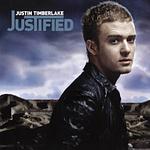
Justified, Justin Timberlake's 2002 solo debut, blends pop, contemporary R&B, dance-pop and hip hop influences as he moved away from his boy band past. The album features rhythm-forward production from The Neptunes and Timbaland, marked by syncopated beats, prominent falsetto vocals and a mix of uptempo grooves and midtempo ballads. Its sound emphasizes R&B textures and electronic flourishes while introducing a more mature, sensual persona for the artist.
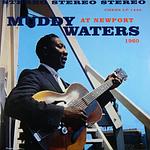
Muddy Waters at Newport 1960 is a live recording of Muddy Waters' performance at the 1960 Newport Jazz Festival that captures his electric Chicago blues in a festival setting. The set emphasizes amplified guitar and harmonica, a driving rhythm section, and raw, direct arrangements that highlight the power and immediacy of urban blues. The recording is notable for presenting Chicago blues to a broader festival audience and for conveying the onstage energy that influenced later blues and rock performers.
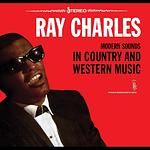
Modern Sounds in Country and Western Music (1962) finds Ray Charles reinterpreting country songs through a soul and big band lens, pairing gospel-inflected vocals with lush strings, brass, and rhythm arrangements. The record blends country songwriting with pop, jazz, and rhythm and blues elements to create a country soul sound that crosses traditional genre boundaries. Its notable characteristic is the fusion of straightforward country material with sophisticated orchestration and Charles's expressive delivery.
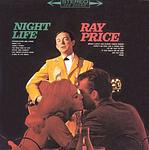
Night Life (1963) by Ray Price is a country album that showcases Price's warm, resonant baritone and a shift toward smoother Nashville-style arrangements while retaining honky-tonk sensibilities. The record centers on the moody title track "Night Life", written by Willie Nelson, and mixes torchlike, late-night themes with polished production and traditional country instrumentation. It exemplifies Price's move in the early 1960s toward a more sophisticated, countrypolitan sound without abandoning his roots.
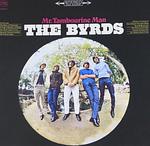
Mr. Tambourine Man, the Byrds' 1965 debut, blends folk songwriting with electric rock instrumentation to help define early folk rock. The record is built around jangly 12-string Rickenbacker guitar and close harmony vocals, opening with a rock arrangement of Bob Dylan's title track. It pairs covers of contemporary folk songs with concise originals by band members, notably Gene Clark, emphasizing bright, melody-driven songs with chiming guitar textures and pop sensibility.
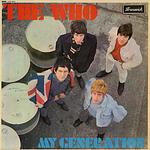
My Generation, The Who's 1965 debut album, delivers a raw, high-energy mix of mod rock, garage rock, beat music, and R&B-influenced songs. The record highlights Pete Townshend's early power chord guitar work, Keith Moon's explosive drumming, John Entwistle's prominent bass lines, and Roger Daltrey's assertive vocals, balancing originals with covers. The title track is notable for its stuttering vocal hook and defiant youth perspective, and the album as a whole captures the band's live intensity and the attitude of the mid 1960s mod scene.
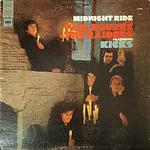
Midnight Ride (1966) by Paul Revere and the Raiders blends pop rock and classic rock with garage rock energy. The album includes the gritty, guitar-driven single "Kicks" and features Mark Lindsay's prominent lead vocals, organ textures and punchy arrangements that pushed the group toward a tougher, more rock-oriented sound compared with their earlier pop material.
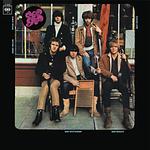
Moby Grape is the band's 1967 debut, blending rock, folk rock and psychedelic rock with touches of country and blues. The album is notable for its concise, song-oriented approach, three-guitar interplay and shared lead vocals among band members, producing tight harmonies and varied textures across tracks like "Hey Grandma," "Omaha" and "8:05." Its sound mixes punchy electric rock with melodic acoustic moments and compact arrangements rather than extended jams.
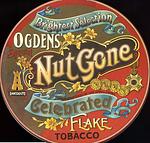
Ogdens' Nut Gone Flake is a 1968 Small Faces album that mixes psychedelic rock and pop with the group's mod R and B roots, combining tight vocal harmonies, piano and organ textures, acoustic guitars and playful studio effects. The record is notable for its whimsical, British music hall and vaudeville touches and for a side-long story sequence commonly called Happiness Stan, featuring spoken contributions from comedian Stanley Unwin. Its distinctive circular packaging echoed a tobacco tin and the album showcases the band experimenting with concise pop songs alongside more adventurous, cinematic arrangements.
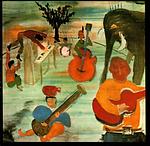
Music From Big Pink, released in 1968 by The Band, presents a warm, roots-based blend of rock, folk, country and Americana. The record emphasizes close ensemble vocals, piano and organ textures, and understated acoustic and electric guitar work, with narrative songwriting and roomy, organic arrangements. Emerging from the group’s work backing Bob Dylan, the album helped crystallize a roots rock approach and features songs such as "The Weight" and "Tears of Rage".
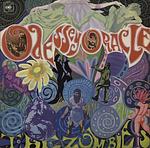
Odessey and Oracle, released in 1968 by The Zombies, is a compact album that blends baroque pop, rock, and psychedelic pop. It is characterized by ornate keyboard textures, close vocal harmonies, and melodically rich, reflective songwriting, combining chamber-pop arrangements with concise pop-rock hooks; notable tracks include "Time of the Season." The record is widely regarded for its sophisticated arrangements and bittersweet mood and has become a touchstone for listeners interested in 1960s baroque-influenced pop.
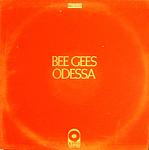
Odessa, released in 1969, is a dramatic, orchestral double album in which the Bee Gees blend baroque pop, psychedelic touches, and pop rock into lush, atmospheric arrangements. The record is anchored by the title suite, a sprawling maritime-themed epic, and alternates ornate string and brass textures with intimate piano ballads and more rhythmic rock numbers, highlighting complex vocal harmonies and theatrical songwriting. Its production emphasizes cinematic orchestration and studio color, making it one of the group's most ambitious late-1960s efforts.
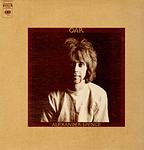
Oar, released in 1969, is the lone solo album by Alexander "Skip" Spence. It combines folk rock and psychedelic folk with a sparse, often lo-fi rock backdrop, largely recorded by Spence alone during a turbulent period. The sound is intimate and raw, centered on acoustic guitar with occasional electric guitar, organ and harmonica, and features surreal, stream-of-consciousness lyrics and loose song structures that move between lullaby, blues and free-form psychedelia. Its stark production and emotional directness have made it a distinctive record for listeners and musicians drawn to outsider and lo-fi approaches.
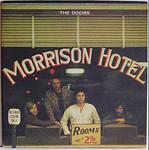
Morrison Hotel (1970) finds The Doors returning to a rawer, blues-rooted sound, favoring organ and piano driven grooves, smoky barroom atmospheres, and tighter, riff-based arrangements. Jim Morrison's baritone and enigmatic lyrics are foregrounded and supported by Ray Manzarek's keyboards, Robby Krieger's guitar work, and John Densmore's rhythmic subtlety, resulting in a direct blend of blues rock, psychedelic textures, and classic rock energy that contrasts with some of the band's more ornate earlier recordings.
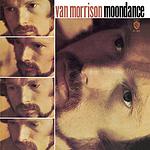
Moondance, released in 1970, blends folk rock, blue-eyed soul, and jazz into a warm, groove-oriented sound that emphasizes melodic songwriting and rhythmic swing. The arrangements lean on piano, saxophone, brushed drums, and acoustic guitar, providing a relaxed yet tightly played backdrop for Morrison's soulful phrasing and poetic lyrics. Several tracks pair romantic, imagery-rich writing with jazz-inflected rhythms and horn lines, giving the album a more structured and accessible feel compared with some of his earlier, more freeform work. The record is often noted for its effective fusion of genres and strong songwriting.
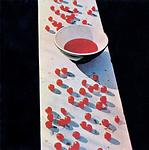
McCartney is Paul McCartney's 1970 debut solo album, recorded and produced largely by McCartney with him playing most of the instruments and Linda McCartney supplying backing vocals. The album combines spare acoustic songs, piano-led pop rock, loose rockers and short experimental interludes, with the piano ballad "Maybe I'm Amazed" as a notable centerpiece. Its intimate, homemade production and small-scale arrangements contrast with his work in his previous band and helped define his early solo direction.
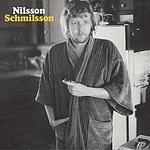
Nilsson Schmilsson, released in 1971, finds Harry Nilsson balancing melodic pop and rock with baroque pop ornamentation and piano-led arrangements. Produced by Richard Perry, the album moves between sweeping ballads and punchy pop-rock numbers while retaining Nilsson's penchant for offbeat humor and dramatic vocal phrasing; it features both memorable covers and strong originals that showcase his vocal range and songwriting craft. The record broadened Nilsson's mainstream visibility and is noted for its inventive arrangements and blend of polished studio production with quirky lyrical character.
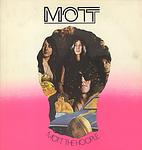
Mott, released in 1973, finds Mott the Hoople blending glam rock swagger with hard rock energy and classic rock songcraft. The album centers on Ian Hunter's distinctive vocals and piano, supported by punchy guitar riffs and anthemic choruses, leaning toward a more polished, glam-infused sound while keeping a gritty rock edge.
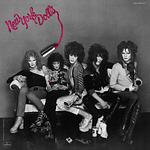
New York Dolls, the band's 1973 debut, delivers a raw, raucous fusion of glam theatrics and hard rock grit with clear proto-punk urgency. The record mixes distorted, riff-driven guitars and driving rhythms with sleazy, R&B-tinged rock and roll and theatrical, sneering vocals, producing a loose, streetwise sound that stood apart from more polished mainstream rock. Its rough-edged aesthetic and brash attitude is widely regarded as an important precursor to the punk movement and a touchstone for later punk and alternative artists.
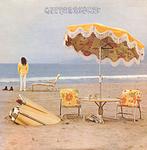
On the Beach (1974) finds Neil Young moving away from the polished sound of his earlier work into a rawer, darker set of songs that blend rock, country rock, pop rock and singer-songwriter intimacy. The arrangements range from spare acoustic passages to ragged electric textures, with plaintive vocals and pedal steel accents creating a persistent mood of disillusionment and melancholy. Lyrically it touches on personal loss, social unease and a weary outlook, and the record is often regarded as one of Young's more uncompromising and emotionally direct works from the 1970s.
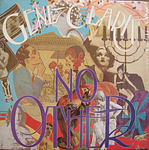
No Other, released in 1974 by Gene Clark, is a richly arranged album that blends country rock and folk rock with expansive, cinematic production. The songs pair Clark's introspective, often melancholic songwriting with layered strings, vocal harmonies, and occasional synth textures, producing a baroque, atmospheric sound that departs from his earlier, more stripped-back work. The album is regarded as one of his most ambitious solo statements and is notable for its emotional intensity and ornate arrangements.
Natty Dread (1974) is a roots reggae album by Bob Marley & The Wailers that marks the group’s transition after the departures of Peter Tosh and Bunny Wailer. The sound emphasizes deep, syncopated bass and drums, interlocking guitar and organ rhythms, and Marley's characteristic vocals and songwriting; lyrical themes mix personal reflection, Rastafarian faith, and social commentary, with tracks such as No Woman, No Cry and Lively Up Yourself exemplifying the album’s intimate yet politically aware roots reggae style.
Neu! '75, the third album by German krautrock group Neu!, released in 1975, is notable for its split between the band’s trademark motorik, rhythm-driven grooves and a set of rawer, more electronic and abrasive tracks. The record contrasts metronomic, repetitive rhythms, textured guitars and synth treatments with looser, more aggressive songs that emphasize noise, studio experimentation and a proto-punk attitude. That juxtaposition expanded the group’s sonic range and helped point the path from krautrock toward later electronic, post-punk and experimental scenes.
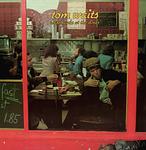
Nighthawks at the Diner (1975) captures Tom Waits in a late-night, clublike setting where jazz and piano blues inform his singer-songwriter storytelling. Performed live in a studio arranged to evoke a small diner or lounge, the album pairs piano-led combos with spoken monologues and barroom character sketches, emphasizing mood, narrative, and a smoky, intimate atmosphere that marks his early cabaret and jazz-influenced period.
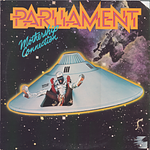
Mothership Connection (1975) by Parliament is a landmark P-Funk album that blends deep funk grooves, psychedelic soul textures, and a space-themed concept. Produced by George Clinton, it emphasizes churning bass, layered horn and synth arrangements, call-and-response vocals, and theatrical studio effects, building the band’s science-fiction mythology around the mothership idea and songs like the title track and "Give Up the Funk." The overall sound foregrounds extended grooves, strong rhythmic drive, and a playful, larger-than-life production style that helped define the P-Funk aesthetic.
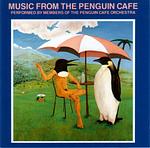
Music From the Penguin Cafe (1976) by Penguin Cafe Orchestra presents instrumental pieces by Simon Jeffes that blend chamber folk, contemporary classical minimalism, light jazz inflections and ambient new age touches. The arrangements use small acoustic ensembles of guitar, violin, piano and sparse percussion alongside quirky timbres, favoring lyrical motifs, repeating patterns and a gentle, pastoral mood. The album serves as an early statement of the group's idiosyncratic, genre-crossing approach to chamber music outside traditional classical settings.
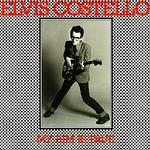
My Aim Is True is Elvis Costello's 1977 debut studio album that blends rock, new wave, pub rock, pop rock and country influences. The record pairs lean, guitar-driven arrangements with concise, literate songwriting, juxtaposing caustic wit and melodic hooks across raucous rockers and more reflective, country-tinged numbers. Recorded with a loose, energetic band feel, the album introduced Costello's distinctive vocal delivery and sharp lyrical voice, marking his emergence as a notable and eclectic songwriter in the late 1970s.
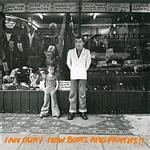
New Boots and Panties!!, released in 1977 by Ian Dury, blends pub rock, music hall, funk and nascent new wave with pop sensibilities. The album pairs tight, rhythm-driven arrangements with Dury's idiosyncratic spoken-sung delivery and characterful, often humorous lyrics that draw on working-class life and vivid storytelling. Its mix of cheeky humour, melodic hooks and varied styles helped establish Dury as a distinctive voice in the late 1970s British rock scene.
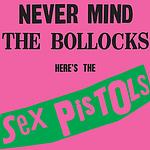
Never Mind the Bollocks, Here's the Sex Pistols is the Sex Pistols' only studio album, released in 1977. It condenses punk rock into short, abrasive tracks driven by distorted guitars, propulsive drums, and Johnny Rotten's sneering vocals, with blunt, confrontational lyrics aimed at social and political authority. The album is regarded as a defining work of the British punk movement and helped establish the raw, do-it-yourself aesthetic that influenced later punk and alternative bands.
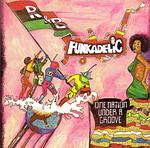
One Nation Under a Groove, released in 1978 by Funkadelic, fuses funk, rock and psychedelic soul into a cohesive P-Funk statement. The record pairs propulsive basslines and wah-drenched guitars with synth textures, layered vocal harmonies and a mixture of extended jams and concise, danceable songs. It is often cited as one of Funkadelic's most accessible albums and helped crystallize the loose, spacey, party-minded aesthetic associated with the P-Funk collective.
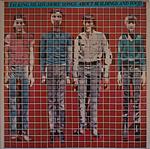
More Songs About Buildings and Food, produced by Brian Eno and released in 1978, expands Talking Heads' early new wave and art-punk approach with a stronger emphasis on tight rhythms and funk-influenced grooves. David Byrne's idiosyncratic, nervy vocals and angular guitar parts are anchored by interlocking bass and percussion, while Eno's production adds clarity and subtle studio texture. The album stands out for its rhythmic focus and danceable arrangements, pointing toward the band's later engagements with funk and worldbeat influences.
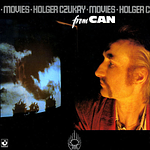
Movies, released in 1979, is Holger Czukay's solo record that blends electronic experimentation, art rock and krautrock into a series of short, collage-like pieces. The album emphasizes tape editing, found sounds and radio sampling alongside sparse rock rhythms, producing fragmented vignettes that move between ambient textures and rhythmic grooves. It illustrates Czukay's studio-as-instrument approach and his post-Can interest in sampling and sonic montage rather than conventional songcraft.
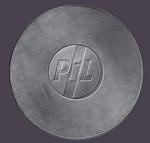
Metal Box, released in 1979 by Public Image Ltd, is a stark, experimental post-punk album that fuses deep dub-derived bass and studio effects with jagged guitar fragments and spare, often hypnotic song structures. Centered on Jah Wobble's low-end grooves, Keith Levene's metallic textures and John Lydon's idiosyncratic vocals, the record emphasizes space, repetition and abrasive ambient touches rather than conventional rock arrangements. Originally issued in a metal film canister, the album is notable for its unconventional production and packaging and for expanding the sonic possibilities of late 1970s post-punk.
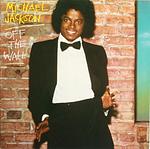
Off the Wall (1979) finds Michael Jackson moving from child star to mature solo artist with a polished blend of disco, pop, contemporary R&B and funk. Produced by Quincy Jones, the album pairs buoyant dance grooves and tight funk rhythms with smooth balladry, featuring slick horn and string arrangements, layered backing vocals and confident lead performances. Its emphasis on sophisticated production, dancefloor songs and crossover R&B sensibility helped redefine Jackson's sound and shaped his direction on later projects.
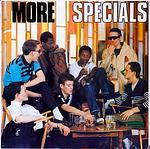
More Specials, released in 1980, is the Specials second album that expands the group's 2 Tone ska foundation into darker and more varied territory. The record blends offbeat ska rhythms with pop, post-punk and lounge touches, favoring subdued arrangements, prominent keyboards and a moodier lyrical focus than their debut. It is often noted for showing the band experimenting beyond dancefloor ska toward broader sonic textures and more introspective themes.
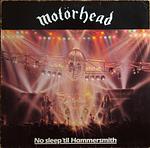
No Sleep 'Til Hammersmith is Motörhead's 1981 live album that captures the trio's aggressive, high-energy fusion of hard rock, heavy metal, and punk-influenced tempos. The record highlights Lemmy's gravelly vocals and prominent bass, fast and gritty guitar work from Eddie Clarke, and driving drums, presenting raw, no-frills performances of staples like 'Ace of Spades' and 'Overkill'. Its live, unpolished sound emphasizes speed and concert intensity over studio refinement, offering a direct document of the band's onstage power in that period.
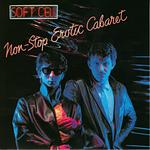
Non-Stop Erotic Cabaret is Soft Cell's 1981 debut album that blends new wave, synthpop and electro-disco with stark electronic arrangements and drum machine rhythms. Marc Almond's theatrical, noir-tinged vocals sit over Dave Ball's sparse analog synth textures to create a club-oriented yet intimate sound, alternating between sleazy, cabaret-inspired storytelling and melancholic pop melodies. The record includes their cover of "Tainted Love" and emphasizes themes of nightlife, desire and urban alienation delivered with a mixture of camp and melancholy.
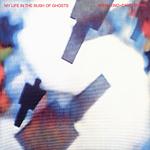
My Life in the Bush of Ghosts (1981) is a collaborative record by Brian Eno and David Byrne that melds art rock, ambient and experimental electronic approaches into a collage of found sounds, sampled voices and layered rhythms. The album pairs treated field recordings and looped vocal fragments with propulsive percussion and ambient studio processing to create oblique, cinematic soundscapes that reference global rhythmic sources without straightforward worldbeat imitation. It is notable for its early use of tape sampling and montage techniques to integrate spoken-word material and vocal improvisations into song-like structures, generating a persistent tension between pop forms and experimental collage.
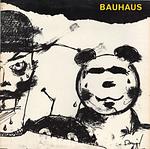
Mask is Bauhaus's second studio album, released in 1981, that builds on their gothic rock roots while broadening into darker art rock and post-punk textures. Peter Murphy's theatrical baritone sits over angular guitar lines, driving rhythms, and shadowy production, giving the record a moody, cinematic feel. The band explores varied dynamics and melodic hooks while preserving the cold, atmospheric aesthetic that helped define early 1980s gothic rock.
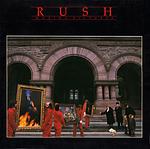
Moving Pictures, by Rush, marks a point where the band tightened its progressive instincts into more concise, song-oriented arrangements while retaining technical complexity. The trio blends hard rock guitar, precise, dynamic drumming and melodic bass with a greater use of synthesizers and studio textures, producing both punchy rockers and atmospheric instrumentals. The record balances shorter, memorable tracks with longer narrative pieces, featuring intricate time signatures, tight ensemble playing and a polished production that highlights the group's musicianship and evolving songwriting approach.
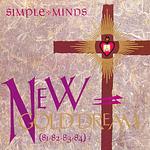
New Gold Dream (81-82-83-84) is Simple Minds' 1982 album that crystallizes their move toward a more polished, synth-driven sound rooted in New Wave and New Romantic styles. The record features shimmering synthesizer textures, clean guitar lines, taut bass and drum patterns, and Jim Kerr's emotive vocals, creating an atmospheric pop sound that balances mood and melody. Production emphasizes clarity and layered arrangements, with songs built from repeating motifs and gradual builds that showcase the band shifting from post-punk rawness to a more ornate synth-pop approach.
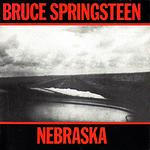
Nebraska is a stark, largely acoustic album recorded by Bruce Springsteen and released in 1982. Built from lo-fi four-track demos, it pares back the E Street Band sound to spare arrangements centered on voice, acoustic guitar and occasional harmonica or percussion, and presents dark, character-driven stories of crime, desperation and small-town America. The record represents a deliberate shift toward folk rock and Americana textures and emphasizes narrative songwriting and atmosphere over rock production.
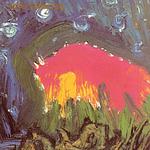
Meat Puppets II, released in 1984, marks a shift from the band's hardcore roots toward an idiosyncratic blend of country, folk, psychedelic and punk influences. The album pairs acoustic textures and melodic songwriting by Curt Kirkwood with loose, ramshackle production, mixing quieter, reflective songs with more raucous electric rockers. Its wide stylistic range and offbeat arrangements helped broaden the sound of underground rock and contributed to the development of alternative rock.
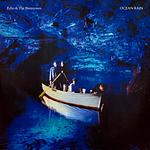
Ocean Rain is Echo & the Bunnymen's 1984 album that moves their post-punk foundation toward a more orchestral, cinematic sound, combining jangly guitars and indie rock rhythms with lush string arrangements and neo-psychedelic atmospheres. Ian McCulloch's resonant, melancholic vocals sit against reverb-heavy production and maritime imagery, creating a sweeping, nocturnal mood. The record is notable within their catalogue for its ambitious arrangements and strong melodic focus.
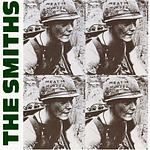
Meat Is Murder is The Smiths' second studio album, released in 1985. It pairs Johnny Marr's chiming, layered guitar work and more forceful rock arrangements with Morrissey's literate, often confrontational lyrics, moving the band toward more overtly political and social themes, including animal rights on the title track. Musically it sits at the intersection of indie pop, jangle pop, indie rock and post-punk, combining melodic hooks with darker, sharper textures than their debut.
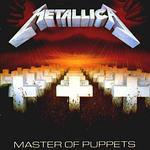
Master of Puppets (1986) is Metallica's third studio album and a landmark of thrash metal, blending aggressive, fast-paced riffs and palm-muted gallops with extended song structures and melodic guitar solos. The record pairs relentless speed and tight rhythmic precision with moments of dynamic contrast and instrumental complexity, showing progressive tendencies in longer arrangements. Lyrically it touches on themes of control and manipulation, and the production delivers a clearer, heavier sound compared with the band's earlier releases.
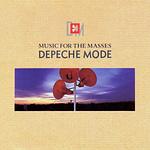
Music for the Masses (1987) presents Depeche Mode in a darker, more expansive synth-based mode, blending electronic and synth-pop textures with rock-tinged rhythms and occasional guitar color. The record features dense, atmospheric synth layers, pulsing sequenced basslines, and emotionally charged vocals, moving between propulsive, anthemic tracks and quieter, more intimate or instrumental moments. Its production and arrangements broadened the band's sonic palette and helped establish several songs as enduring elements of their live repertoire.
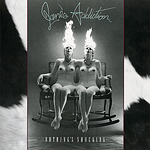
Nothing's Shocking (1988) captures Jane's Addiction's blend of alternative rock, hard rock, alternative metal and pop sensibilities, pairing heavy, riff-driven arrangements with melodic, often psychedelic songwriting. Perry Farrell's expressive, theatrical vocals sit atop Dave Navarro's layered, angular guitar work and a propulsive rhythm section from Eric Avery and Stephen Perkins, creating a dynamic contrast between abrasive, high-energy tracks and quieter, acoustic moments. The album is often cited as an influential touchstone in late 1980s alternative rock for its genre-crossing approach and uncompromising live-oriented sound.
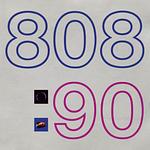
Ninety is 808 State's 1989 album from their early period, blending techno, acid house, and house with melodic and ambient textures. The record mixes squelchy 303-style basslines and machine-driven rhythms with lush synth pads and occasional saxophone-led melodies, balancing club-oriented energy and more atmospheric moments. It reflects the late 1980s UK rave and electronic scene and showcases the group's interest in marrying dancefloor drive with experimental production.
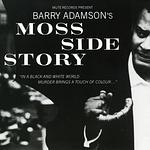
Moss Side Story is a 1989 concept album by Barry Adamson that works like a soundtrack to an imagined crime movie, drawing on film noir tropes and urban storytelling. Musically it blends jazz-tinged motifs and cinematic strings with electronic rhythms, samples and darker, industrial-tinged textures, placing it at the intersection of leftfield electronica and modern classical pastiche. The album marked a clear turn in Adamson's solo work toward moody, narrative-driven compositions that evoke cinematic scenes more than conventional pop songs.
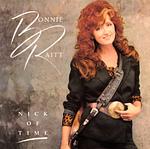
Nick of Time (1989) finds Bonnie Raitt delivering a blend of blues rock, pop rock, and Americana with a warm, rootsy production by Don Was. The album mixes spare piano-led ballads and soulful slow songs with upbeat blues-rock and slide-guitar numbers, highlighting Raitt's expressive vocals and tasteful guitar work. Standout tracks include the reflective title song, her intimate reading of "I Can't Make You Love Me", and a cover of John Hiatt's "Thing Called Love", all of which emphasize a mature, emotionally direct approach.
Nowhere, Ride's 1990 debut album, is a key record in the shoegaze movement that blends dense, reverb-soaked guitars and layered effects with bright melodic hooks and restrained vocals. The album pairs walls of distorted, shimmering guitar with concise song structures to create immersive, atmospheric tracks such as "Vapour Trail". Its mix of fuzzed textures, chiming arpeggios and distant-sounding vocals exemplifies the early 1990s British shoegaze aesthetic and helped define the band's sound.
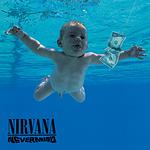
Nevermind, released in 1991 by Nirvana, is a grunge and alternative rock album that blends punk rawness with pop-minded songwriting, characterized by loud-quiet-loud dynamics, distorted guitars, and Kurt Cobain's raw, melodic vocal delivery and introspective lyrics about alienation and personal struggle. Produced by Butch Vig, the record pairs cleaner studio production with a sense of urgency and abrasive textures, and its accessible hooks alongside heavy instrumentation helped bring alternative rock aesthetics to a much wider audience.
O.G. Original Gangster is Ice-T's 1991 album that crystallizes his West Coast gangsta rap approach, pairing hard, funk-inflected beats and crisp drum programming with a direct, conversational vocal delivery. The music leans toward dense sampling and heavy low end, while the lyrics mix street-level narratives, autobiographical persona, and pointed social commentary about urban life and policing. The record is regarded as a key entry in hardcore hip hop for broadening the genre's lyrical and narrative range beyond simple bravado.
Metallica, commonly known as the Black Album, released in 1991, marks the band's shift from the faster thrash of their earlier records toward a heavier, more streamlined heavy metal and hard rock sound. The songs are generally shorter and more riff- and groove-oriented, with punchy, polished production by Bob Rock and greater emphasis on melody and atmosphere alongside aggressive guitar work. It features well known tracks such as Enter Sandman, Nothing Else Matters, Sad but True, and The Unforgiven that exemplify the album's balance of accessibility and metallic intensity.
New Wave, the 1993 debut album by The Auteurs, features Luke Haines's sharp, literate songwriting set to concise, guitar-based arrangements that blend melodic pop, indie rock, and alternative rock. The record pairs acerbic, observational lyrics with tight, hook-focused compositions and textured arrangements, reflecting early 1990s British indie sensibilities that prefigured elements of Britpop.
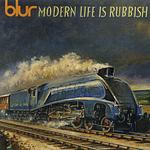
Modern Life Is Rubbish, Blur's 1993 album, marks a clear shift toward British guitar-pop and a focus on contemporary British life. The record blends jangly indie rock and power pop hooks with touches of neo-psychedelia and occasional orchestral color, pairing catchy melodies with observational, often ironic lyrics. It moved the band away from the dance and shoegaze influences of their debut and helped shape the emerging Britpop aesthetic.
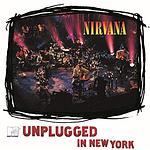
MTV Unplugged in New York is a live acoustic album by Nirvana recorded for the MTV Unplugged series that reframes the band's grunge sound with sparse, intimate arrangements rooted in folk rock and acoustic rock. The performances emphasize hushed dynamics and raw vocal delivery, with the core trio supported by an additional guitarist and a cellist, creating a darker, more melancholic texture than their electric studio work. The set mixes reworked band originals with covers, underscoring Nirvana's ties to alternative and folk influences while highlighting a quieter, more vulnerable side of their music.
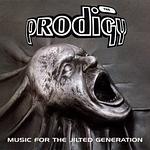
Music for the Jilted Generation, released in 1994, is The Prodigy’s second studio album, produced chiefly by Liam Howlett. It expands their breakbeat hardcore roots into a harder, more structured fusion of breakbeat, techno and early big beat, featuring propulsive breakbeats, distorted synth leads, heavy sampling and punk-inflected aggression. The record channels UK rave culture and a confrontational mood toward restrictions on dance events, alternating high-energy club tracks with darker instrumental passages and marking a more aggressive, album-focused approach to electronic music.
Maxinquaye by Tricky
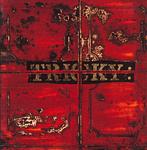
Maxinquaye is Tricky's 1995 solo debut, rooted in the Bristol trip hop sound and blending downtempo hip hop beats, dub textures, and dark, cinematic electronic production. Martina Topley-Bird's breathy, soulful vocals and Tricky's layered, sample-based arrangements create an intimate, unsettled mood that mixes blues, soul and experimental studio techniques. The album is often cited as a key record in trip hop and leftfield electronic music for its unconventional song structures and mood-driven approach.
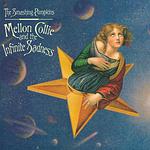
Mellon Collie and the Infinite Sadness is a sprawling 1995 double album by The Smashing Pumpkins that blends alternative rock, grunge, hard rock and dream pop textures. It juxtaposes loud, guitar-driven anthems and heavy distortion with delicate piano, strings and layered vocals, showcasing Billy Corgan's densely produced arrangements and dramatic shifts in dynamics. The record moves between aggressive, riff-based songs and more reflective, orchestral or acoustic passages, creating a wide-ranging, cinematic soundscape that broadened the band's musical palette.
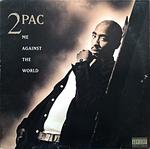
Me Against the World is a 1995 album by 2Pac that blends West Coast gangsta rap and G-funk sonics with introspective, conscious hip hop lyricism. The record pairs street narratives and defiant posturing with vulnerable reflections on mortality, family, and legal struggles, a tone reinforced by moody, melodic production and layered hooks. Recorded and released while 2Pac was incarcerated, its themes of isolation and resilience are prominent across tracks such as "Dear Mama" and "So Many Tears". The album is often regarded as a peak of his more personal work and a significant statement in 1990s West Coast hip hop.
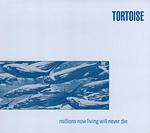
Millions Now Living Will Never Die, released in 1996 by Tortoise, is a predominantly instrumental post-rock album that blends electronic textures, dub-influenced grooves, jazz touches, and experimental rock approaches. The band constructs layered, studio-shaped arrangements built from interlocking percussion, bass, guitar, and electronics, favoring space, repetition, and subtle rhythmic shifts. The record features extended compositions, most notably the near-twenty-minute centerpiece "Djed", and is commonly cited as an example of the era's exploratory, genre-blurring take on rock instrumentation.
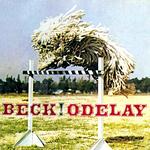
Odelay, released in 1996 by Beck, mixes alternative rock, electronic and downtempo grooves with folk, hip hop beats and psychedelic touches. Produced with the Dust Brothers, the album is built around sample based, collage-like production, skittering drum loops, and skewed arrangements that sit alongside more acoustic singer-songwriter moments, all topped by Beck's playful, surreal lyrics and idiosyncratic vocal delivery. Its eclectic, genre-blending sound became a defining element of Beck's mid 1990s work.
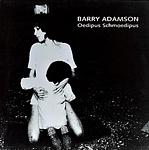
Oedipus Schmoedipus, released in 1996, finds Barry Adamson melding post-punk roots with acid jazz, electronic and leftfield approaches to produce moody, cinematic instrumentals and occasional vocal pieces. The album emphasizes noir atmospheres through brooding basslines, spare beats, string and brass flourishes and textured sample work, creating the feel of an imaginary film soundtrack. It represents a move toward more overtly experimental, soundtrack-oriented composition in Adamson's solo work and is notable for its atmospheric storytelling and genre-blurring production.
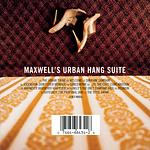
Maxwell’s Urban Hang Suite, released in 1996, is a debut album that helped define the neo soul aesthetic by blending contemporary R&B with classic soul and jazz influences. The record features intimate, slow-burning arrangements, warm live instrumentation, and Maxwell's expressive falsetto across a sequence of songs that move like a suite exploring romance and sensuality. Its emphasis on mood, sophisticated chord progressions, and organic production marked a shift from more polished 1990s R&B toward a warmer, more analog sound.
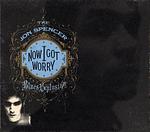
Now I Got Worry (1996) finds The Jon Spencer Blues Explosion blending raw punk energy with classic blues riffs and garage rock grit, often filtered through noisy, lo-fi textures and off-kilter song structures. The album juxtaposes propulsive rhythms and distorted guitar with occasional melodic hooks, moving between hard-driving rockers and more experimental, noise-tinged passages. It captures the band’s tendency to fuse traditional blues tropes with indie rock and noise pop aesthetics, presenting a restless, rough-edged sound centered on Jon Spencer’s snarling vocals and primal grooves.
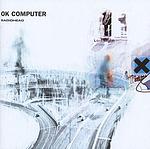
OK Computer is Radiohead's 1997 album that expands their alternative rock roots into art rock and electronic-influenced territory, pairing layered guitars and dense textures with electronic touches and Thom Yorke's expressive vocals. The record emphasizes atmospheric arrangements, unconventional song structures, and lyrics concerned with alienation, technology, and modern life, marking a turning point toward a more experimental and expansive sound for the band.
Finley Quaye's 1997 debut studio album Maverick a Strike blends reggae and dub foundations with contemporary electronica and pop sensibilities. The record uses reverberant dub production, warm basslines and skittering electronic beats beneath Quaye's relaxed, soulful vocals, yielding an eclectic, genre-blurring sound that stood out in the late 1990s British music landscape.
New Forms, released in 1997 by Roni Size/Reprazent, is a landmark drum and bass album that blends tight, syncopated breakbeats and deep sub-bass with elements of jazz, funk, and electronica. The recordings emphasize live instrumentation and MC vocals alongside studio production, producing a dynamic, club-ready yet musically intricate sound often associated with the jazzstep strand of drum and bass. Its layered arrangements and crisp production helped showcase the genre's rhythmic complexity to a wider audience.
Mermaid Avenue is a 1998 collaboration between singer-songwriter Billy Bragg and the band Wilco that sets previously unrecorded Woody Guthrie lyrics to new music. The album mixes acoustic folk and roots songwriting with alternative rock and alt-country textures, combining Bragg's direct, literate vocal delivery with Wilco's layered, occasionally experimental arrangements. It foregrounds storytelling and Americana influences while updating Guthrie's material for a contemporary band setting, and it prompted further collaborative work drawing from Guthrie's archives.
Moon Safari by Air
Moon Safari is a 1998 album by French duo Air that blends downtempo electronic production with ambient pop and chillout aesthetics. It foregrounds warm analog synths, soft drum programming, melodic basslines and airy vocals to create a relaxed, cinematic atmosphere. Tracks like Sexy Boy and All I Need pair minimalist arrangements with vintage keyboard textures and gentle female lead vocals, and the album is noted for its restrained, retro‑futuristic mood that influenced late 1990s downtempo and chillout styles.
OK by Talvin Singh
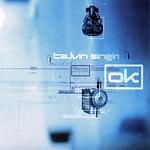
OK, released in 1998 by British producer Talvin Singh, fuses Indian classical instrumentation, notably tabla, with electronic styles including breakbeat, drum and bass, jungle and ambient. The album pairs intricate, syncopated rhythms and bass-driven production with atmospheric textures, modal melodies and occasional vocal elements, creating a cinematic, studio-crafted sound that was influential within the late 1990s Asian Underground movement in UK electronic music.
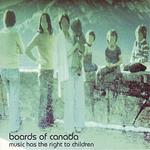
Music Has the Right to Children is Boards of Canada's 1998 debut studio album. It blends electronic, IDM, ambient, downtempo and experimental approaches, using warm analog synth tones, tape-like saturation and subtle warble, short melodic motifs and found-sound samples to create a nostalgic, pastoral atmosphere. Beats are often lo-fi and rhythmically spare, with arrangements that emphasize texture and mood over conventional song structure. The album is widely noted for shaping a distinctive, memory-tinged strain of late 1990s electronic music and has influenced many producers working with analogue warmth and sample-based collages.
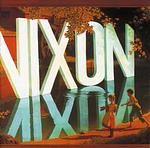
Nixon is a 2000 Lambchop album that foregrounds chamber pop aesthetics, pairing Kurt Wagner's intimate, low-register vocals with lush, carefully arranged instrumentation. The songs blend elements of country, soul, and lounge with strings, horns, and subtle electronic touches, unfolding at languid tempos and emphasizing texture and mood over conventional rock dynamics. The record marks a move from the band's earlier loose alt country approach toward more orchestrated, cinematic arrangements and occupies a central place in their catalog.
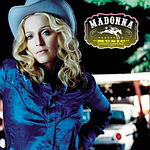
Music (2000) blends pop, dance-pop, house, synth-pop and disco influences into a clean, electronically driven sound that emphasizes club rhythms and textured production. The title track features vocoder-processed vocals and propulsive beats, while songs such as Don't Tell Me mix acoustic guitar touches with sparse, glitchy electronic arrangements. The record marked a renewed focus on dance-oriented and experimental electronic production in Madonna's work while retaining concise pop songwriting.
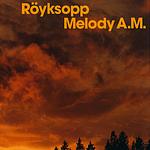
Melody A.M. is the 2001 debut album by Norwegian duo Röyksopp that pairs warm, melodic synth lines with downbeat rhythms and polished electronic production. The record blends downtempo and electronica textures with occasional trance-tinged rhythms and understated vocal moments, favoring cinematic atmospheres, crisp beats, and memorable melodic hooks that steered it toward a more accessible chillout sound without abandoning club influences.
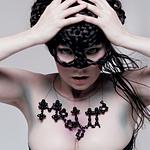
Medúlla is Björk's 2004 album that foregrounds the human voice as its primary instrument, assembling choral arrangements, solo singing, beatboxing and vocal percussion processed with effects to create dense, often raw textures. The record shifts between intimate, fragile moments and aggressive, percussive pieces, blending experimental and pop sensibilities while largely minimizing traditional electronic instrumentation. Its emphasis on vocal layering and elemental vocal techniques gives the album a stark, primitive quality that marks it as a distinctive, exploratory entry in her catalog.
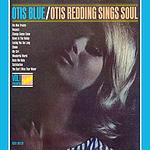
Otis Blue / Otis Redding Sings Soul (1965) captures Otis Redding at the height of his Stax period, blending deep soul, blues, and R&B with a raw Southern soul intensity. Backed by the Stax house musicians, including Booker T. & the M.G.'s and a tight horn section, the album pairs impassioned originals and contemporary covers, from heartfelt slow balladry to gritty up-tempo performances. Redding's rough-hewn, urgent vocals and dynamic arrangements give the record a live, immediate feel that helped define his sound and influenced soul music in the 1960s.