 The Greatest Music
1001 Albums You Must Hear Before You Die (2005)
Weight: 60%
How much this list influences our overall rankings. Higher weight means more reliable data.
Penalties Applied:
1001 Albums You Must Hear Before You Die is a long-running reference book series (first published 2005; revised in 2010, 2013, 2016, 2018, and 2021) edited by Robert Dimery. It’s an editorial anthology, not a ranked poll: each entry is a short critic-written essay, sequenced roughly chronologically from the 1950s onward, with compilations/most film soundtracks excluded. Later editions swap in newer releases (e.g., the 2021 edition closes with Jazmine Sullivan’s Heaux Tales), so the title “1001” is a rolling canon rather than a fixed list across editions.
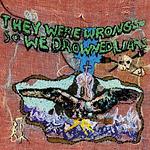
They Were Wrong, So We Drowned (2004) is a deliberately abrasive, ritualistic record in which Liars shifted from their earlier angular rock toward a collage of electronic noise, pounding tribal percussion, and fragmented folk motifs. The album foregrounds repetitive, trance-inducing rhythms, distorted textures and strained, often shouted vocals, with lo-fi production and found-sound elements that create an unsettling, ceremonial atmosphere. Its uncompromising focus on texture and repetition marked a pronounced redefinition of the band's sound within experimental rock and noise.
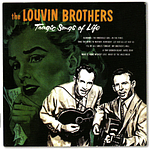
Tragic Songs of Life (1956) by the Louvin Brothers is a somber country and bluegrass collection built around the duo's close sibling harmonies and spare acoustic backing. The album emphasizes plaintive, high-lonesome vocals over guitar, mandolin and fiddle textures, focusing on themes of heartbreak, sin and death. Its austere arrangements and intense vocal interplay make it a distinctive example of midcentury country rooted in traditional and gospel-influenced sounds.
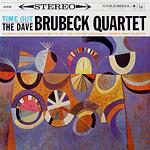
Time Out, recorded by the Dave Brubeck Quartet and released in 1959, is a landmark jazz album that experiments with unusual time signatures while maintaining a cool jazz sensibility. The music features Paul Desmond's lyrical alto saxophone, Brubeck's percussive piano harmonies, and the tight rhythmic interplay of Joe Morello and Eugene Wright. Standout pieces such as Desmond's "Take Five" in 5/4 and Brubeck's "Blue Rondo à la Turk," which moves between 9/8 and 4/4, highlight the album's rhythmic invention alongside memorable melodies. The record blends cool jazz tone with rhythmic exploration and helped broaden the rhythmic vocabulary of small group jazz.
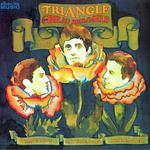
Triangle, released in 1967, finds The Beau Brummels moving beyond their earlier pop and rock singles into a subtler blend of folk rock and pop with baroque pop and country-tinged touches. Ron Elliott's songwriting and Sal Valentino's vocals emphasize introspective, melodic songs supported by close harmonies, acoustic textures, and occasional orchestral or psychedelic studio colors, presenting a more atmospheric and exploratory sound than their mid 1960s work.
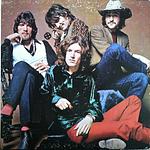
Traffic (1968) captures the early sound of Steve Winwood, Jim Capaldi, Chris Wood and Dave Mason as they blend rock, blues, folk and psychedelic textures with nascent progressive tendencies. The album features organ- and flute-driven arrangements, warm vocal harmonies and a mix of compact songs and more exploratory instrumental passages that point toward the band’s later jazz- and groove-influenced work. It stands as a document of Traffic’s transitional phase, balancing pop songwriting with adventurous instrumentation and mood-driven experimentation.
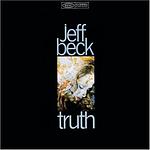
Truth, the 1968 debut by the Jeff Beck Group, pairs Jeff Beck's electric, improvisational guitar work with Rod Stewart's raw, blues-inflected vocals and a driving British blues rhythm section. The album mixes leaned-down blues covers and originals into a heavier, riff-driven sound that helped move blues rock toward early hard rock, and it includes the instrumental "Beck's Bolero", recorded with guest musicians including Jimmy Page. Overall Truth is distinguished by its dense guitar tones, searing solos, and a gritty approach to blues that marked a decisive shift from the more pop-oriented rock of the era.
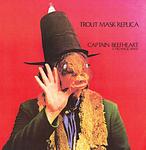
Trout Mask Replica (1969) by Captain Beefheart and His Magic Band is a dense, challenging record that fuses Delta blues foundations with avant-garde and free jazz approaches. Its arrangements feature jagged rhythms, abrupt tempo changes, dissonant horns, and raw, shouted vocals paired with surreal, collage-like lyrics, producing an abrasive and unpredictable sound. The album is often cited as a key work of experimental rock and proto-punk for its uncompromising structures and lasting influence on underground and alternative music.

Tommy is a 1969 rock opera album by The Who that presents a largely continuous narrative about a boy described as deaf, dumb, and blind who later becomes a pinball champion and a messianic figure. Musically it blends hard rock guitar, driving rhythms, and melodic pop hooks with theatrical arrangements and recurring motifs, highlighting Pete Townshend's ambitious songwriting and the band's energetic performances. Its extended song cycles and focus on long-form storytelling helped popularize the concept album format in rock.
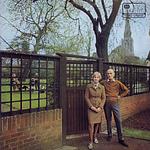
Unhalfbricking, released in 1969 by Fairport Convention, captures the band moving from Anglo-American folk rock toward a distinct British folk sensibility. The album pairs electric rock instrumentation with acoustic and traditional inflections and features prominent contributions from Sandy Denny's vocals and Richard Thompson's songwriting and guitar work. It includes an early studio recording of Denny's Who Knows Where the Time Goes? and helped point the group toward the more traditional material they explored on subsequent recordings.
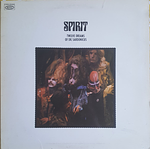
Twelve Dreams of Dr. Sardonicus, released in 1970 by Spirit, blends psychedelic rock, art rock, blues and folk influences into a moody, atmospheric album. It pairs layered vocal harmonies, organ and horn colors, and acoustic and electric guitar interplay with introspective lyrics and ambitious arrangements, and includes the track 'Nature's Way'. The result is one of the band's most distinctive recordings, notable for its textural variety and compositional focus.
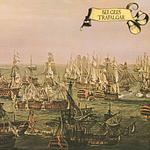
Trafalgar (1971) finds the Bee Gees working in melancholic, orchestral pop, with an emphasis on balladry and close three part harmonies framed by string arrangements and gentle rock rhythm sections. Barry Gibb's plaintive lead vocals and the group's layered vocal writing are foregrounded on tracks such as "How Can You Mend a Broken Heart," and the production leans toward baroque pop and soft rock textures rather than their earlier beat oriented material or later disco work. The album is characterized by a somber mood, polished arrangements and a focus on adult oriented songwriting.
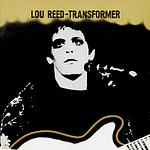
Transformer, released by Lou Reed in 1972, blends glam rock, art rock, and pop rock with a more polished production than his Velvet Underground work. Produced by David Bowie and Mick Ronson, the album pairs Reed's cool, narrative vocal style with melodic arrangements, strings, and distinctive guitar work. Songs such as "Walk on the Wild Side", "Perfect Day", and "Satellite of Love" present concise character-driven vignettes about New York life while adopting a more accessible, glam-influenced sound, making the record a key moment in Reed's solo career.
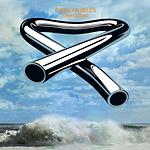
Tubular Bells (1973) is Mike Oldfield's debut album, presented as two extended instrumental suites that blend progressive rock, folk rock and early electronic textures. Oldfield overdubbed many instruments to create interweaving melodic motifs anchored by the distinctive tubular bells theme, moving between delicate acoustic guitar passages, electric guitar, keyboards, synthesizers and varied percussion. Its side-long structures, shifting moods and emphasis on atmosphere and studio layering helped establish an instrumental approach associated with early New Age and art rock while highlighting Oldfield's multi-instrumental arranging techniques.
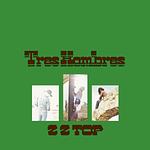
Tres Hombres is ZZ Top's 1973 album that crystallized the band's stripped-down Texas blues rock approach. It blends raw blues-rock riffing, boogie grooves, and Southern rock swagger, driven by Billy Gibbons's guitar tone, Dusty Hill's bass and vocals, and Frank Beard's tight drumming, with production by Bill Ham that keeps the sound direct and spare. Tracks such as 'La Grange' exemplify the album's terse, groove-centered approach while songs like 'Waitin' for the Bus' and 'Jesus Just Left Chicago' underscore its blues roots and storytelling.
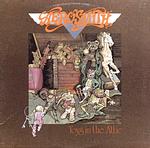
Toys in the Attic, released in 1975, is Aerosmith's third studio album and marked a turning point in the band's sound. It blends hard rock and blues rock with punchy, riff-driven arrangements, driving rhythms, and Steven Tyler's wide-ranging vocals. The record includes songs such as "Sweet Emotion" and "Walk This Way" that showcase Joe Perry's guitar hooks, tight band interplay, and a mix of swaggering rockers and groove-oriented tracks. Production favors a direct, live-in-the-room energy that helped define Aerosmith's classic rock identity.
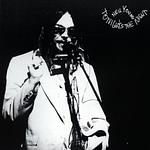
Tonight's the Night (1975) is a raw, emotionally charged album by Neil Young, recorded in informal sessions following the deaths of close friends. It blends country rock, blues rock, and hard-edged rock with ragged, loose performances, spare piano and guitar textures, and weary, intimate vocals. The album's rough production and persistent themes of grief and disillusionment mark a deliberate move away from polished studio work and give it a dark, candid character within Young's 1970s output.
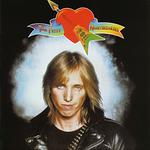
Tom Petty and the Heartbreakers is the band's 1976 debut and a concise introduction to their blend of jangly, guitar-driven rock and straight-ahead pop songwriting. Produced by Denny Cordell, the album pairs chiming guitar textures and economical arrangements with Petty's direct vocal delivery; songs such as "Breakdown" and "American Girl" exemplify its mix of rock, heartland sensibility, and classic pop-rock hooks. Its lean band sound and emphasis on melody helped define the group's early identity.
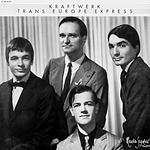
Trans-Europe Express, released in 1977 by Kraftwerk, is a landmark album of minimalist, machine-driven electronic music that helped shape late 1970s synth-based styles. It features steady, motorik-influenced rhythms, repetitive sequenced synthesizer lines, and vocoder-processed vocals that evoke themes of travel, technology, and modernity. The record's spare arrangements and emphasis on texture and groove marked a move toward fully electronic composition and influenced later electro, synth-pop, and experimental electronic artists.
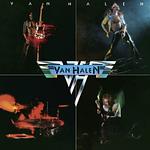
Van Halen's 1978 self-titled debut introduced the band's high-energy hard rock and arena-ready sound, anchored by Eddie Van Halen's inventive guitar work and David Lee Roth's flamboyant vocals. The record blends punchy riffs, pop-influenced hooks and a tight rhythm section, and includes the instrumental "Eruption" that showcased two-handed tapping alongside a cover of the Kinks' "You Really Got Me." Its raw production and emphasis on guitar virtuosity made it a touchstone for late 1970s hard rock and many guitar-centric rock acts that followed.
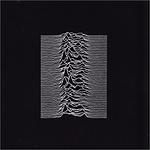
Unknown Pleasures, Joy Division's 1979 debut studio album, is a landmark of post-punk characterized by sparse, austere arrangements and distinctive production by Martin Hannett. The record pairs Peter Hook's high, melodic basslines and Bernard Sumner's angular guitar with Stephen Morris's precise, often metronomic drums under Ian Curtis's deep, restrained vocals and introspective lyrics, creating a cold, atmospheric sound that also fed into gothic and alternative rock developments. Its use of space, effects, and the iconic pulsar waveform cover have made it an enduring reference point for late 20th century underground rock.
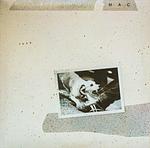
Tusk is Fleetwood Mac's 1979 album that pushed the band into more experimental territory after their earlier pop rock success. It blends rock and pop rock with art rock textures, country inflections, and dreamlike atmospheres, featuring rawer production, unconventional arrangements, and prominent percussion on the title track. The record is notable for its willingness to embrace looser song structures and studio experimentation while retaining the band's vocal harmonies. Overall it is an adventurous and eclectic entry in the band's catalog.
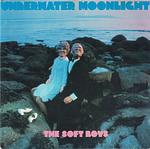
Underwater Moonlight, released in 1980 by The Soft Boys, blends 1960s psychedelia with post-punk urgency and jangly pop sensibilities. Robyn Hitchcock's eccentric, literate vocals and lyrics sit atop chiming guitar lines, bright melodic hooks, and concise arrangements, with songs such as "I Wanna Destroy You" and "Kingdom of Love" showcasing the mix of whimsy and drive. The album is often cited as an early touchstone for jangle pop and alternative rock that influenced later indie and college rock bands.
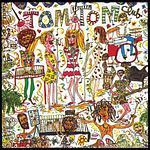
Tom Tom Club's 1981 self-titled debut, led by Talking Heads rhythm section Tina Weymouth and Chris Frantz with collaborators, mixes New Wave and pop with funk, dub and dance-rock to create bright, groove-driven songs. The album emphasizes rhythm, prominent bass and percussion, playful vocal hooks and studio collage techniques, giving several tracks a quirky, danceable feel. Its pop-art sensibility and rhythmic focus helped define the group's identity apart from their work in Talking Heads.
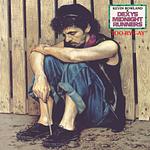
Too-Rye-Ay is the second studio album by Dexys Midnight Runners, released in 1982. It blends the group's blue-eyed soul and New Wave energy with folk rock touches, incorporating fiddle and Celtic-inflected arrangements alongside brass and driving rhythms. The record is notable for Kevin Rowland's raw, emotive vocals and a shift toward more exuberant, danceable pop-soul songs with a distinct folk flavor.
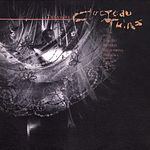
Treasure (1984) by Cocteau Twins is a dense, atmospheric record built around Elizabeth Fraser's high, often wordless vocal lines and Robin Guthrie's heavily reverbed, chorus-drenched guitar textures. Arrangements emphasize layered guitars, shimmering production, and restrained rhythmic elements, producing a blurred, dreamlike sound that helped shape later dream pop, ethereal wave, and shoegaze approaches. The album marks a clear move toward more textural, vocal-led compositions and is noted for its distinctive sonic palette.
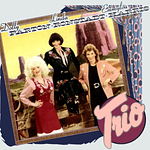
Trio is a 1987 collaborative album by Dolly Parton, Linda Ronstadt, and Emmylou Harris that blends country, country rock, and folk rock with touches of pop and acoustic roots. The record emphasizes close three-part harmonies and restrained, roots-oriented arrangements that foreground vocals while supporting them with guitars, mandolin, and light rhythm work. The project is notable as a meeting of three distinctive voices and styles, resulting in a cohesive set of interpretations that highlight traditional songwriting and vocal interplay.
Truth and Soul is Fishbone's 1988 full-length that fuses ska, funk, punk and rock into a horn-driven, high-energy sound. The album pairs tight funk grooves and offbeat ska rhythms with aggressive guitar and punk intensity, often shifting styles and tempos within songs, and features socially conscious lyrics delivered with urgent vocals and prominent brass arrangements. Its eclectic, live-in-the-studio feel highlights the band's taste for genre-blending and kinetic performances.
Tracy Chapman is the 1988 debut album by singer-songwriter Tracy Chapman, built around spare, acoustic-based arrangements that blend folk, rock and contemporary folk with subtle blues and soul touches. The sound is dominated by Chapman's clear, expressive voice and narrative songwriting, with intimate production that keeps the focus on lyrics about personal and social themes. Tracks such as "Fast Car" highlight the album's storytelling emphasis and melodic restraint. The record introduced Chapman as a notable voice in late 1980s folk-influenced rock and alternative folk.

Tuesday Night Music Club is Sheryl Crow's 1993 debut studio album, recorded with a loose collective of musicians who called themselves the Tuesday Night Music Club. The record blends alternative rock, pop rock, country rock and Americana through rootsy, guitar-driven arrangements, warm acoustic textures and accessible, narrative songwriting, featuring tracks such as "All I Wanna Do", "Leaving Las Vegas" and "Strong Enough". The album introduced Crow's mix of singer-songwriter storytelling and rock-pop craft and established the sonic template she would continue to explore.
Venus Luxure No. 1 Baby, released in 1993 by Girls Against Boys, pairs post-hardcore intensity with propulsive, groove-oriented rhythms. The band’s sound on the album is built around low-register vocals, interlocking guitars, and a prominent twin-bass low end that gives songs a dense, driving pulse; noisy, angular textures and steady, danceable beats bridge punk aggression and indie-rock moodiness. The record is often regarded as a defining early statement for the group, capturing both abrasive and accessible elements in a compact, rhythm-forward form.
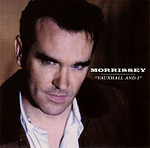
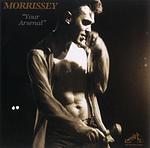
Vauxhall and I is Morrissey's 1994 solo album that moves toward a more restrained, melodic sound, blending indie pop and alternative rock with chamber pop touches and understated guitar and string arrangements. The songs are introspective and literate, mixing melancholic wit and personal themes; notable tracks include "The More You Ignore Me, the Closer I Get" and "Now My Heart Is Full", and the album emphasizes melody and emotional nuance over the rawer rock of some earlier work.
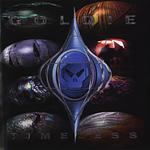
Timeless is Goldie’s 1995 debut album that helped define drum and bass by combining cinematic orchestral textures, downtempo and ambient passages, and dense, chopped breakbeats with deep sub-bass. Tracks such as "Inner City Life" pair soulful, melancholic vocals and string-like arrangements with syncopated jungle rhythms, while the title track unfolds as an extended, atmospheric piece that blends rhythmically intense sections with ambient and melodic interludes. The album is widely regarded as a landmark in the development of a more melodic and cinematic strand of drum and bass and jungle.

Vanishing Point, released in 1997 by Primal Scream, moves the band toward a darker, more atmospheric fusion of rock and electronic styles. The album emphasizes extended, hypnotic grooves, motorik-influenced rhythms, dub-style space and echoing production, and layered synth and guitar textures, favoring mood and repetition over conventional pop structures. Its sound blends alternative rock, electronica and alternative dance elements into a spacious, cinematic and exploratory record that marked a deliberate shift from more overtly dance-oriented work.
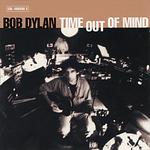
Time Out of Mind, released in 1997, finds Bob Dylan returning to a moody, blues- and folk-rooted sound with atmospheric, reverb-heavy production by Daniel Lanois. The songs are often slow-burning and midtempo, with shadowy arrangements and a weathered vocal delivery that foreground themes of aging, loss and memory. Tracks such as "Not Dark Yet" and "Love Sick" exemplify the album's spare, haunted atmosphere and its blend of classic rock, blues rock and folk rock elements, making it a notable late-career statement in Dylan's catalogue.
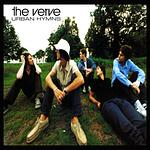
Urban Hymns is The Verve's 1997 album that blends alternative rock and Britpop with neo-psychedelic textures, notable for lush string arrangements, Nick McCabe's layered, atmospheric guitars, and Richard Ashcroft's emotive, introspective songwriting. The record contains expansive, melodic tracks such as "Bitter Sweet Symphony", which features a prominent orchestral sample, along with quieter ballads like "The Drugs Don't Work" and "Lucky Man", balancing grand, symphonic moments with subdued, reflective pieces.
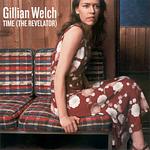
Time (The Revelator) is Gillian Welch’s 2001 album, produced and performed with longtime collaborator David Rawlings. The record uses spare, acoustic arrangements centered on Welch’s songwriting and Rawlings’s guitar and harmony vocals, blending folk, Appalachian and country-rooted elements with a contemporary alternative country sensibility. The songs are often stark and narrative-driven, exploring themes of loss and memory, and the intimate, uncluttered production keeps focus on voice, guitar, and traditional instrumentation.
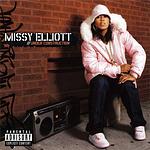
Under Construction (2002) by Missy Elliott blends hip hop, R&B, alternative hip hop and hip hop soul with forward-thinking, rhythm-driven production largely shaped by Timbaland and Missy herself. The album pairs inventive, syncopated beats and vocal effects with throwback samples and themes that acknowledge old-school hip hop while remaining sonically modern. Songs such as "Work It" mix playful wordplay and studio trickery with strong melodic hooks, and the record as a whole emphasizes groove, texture, and a bold production approach within Missy Elliott's catalog.

Celebrity Skin is Hole's third studio album, released in 1998. It foregrounds a more polished, pop-inflected form of alternative rock compared with the band's earlier, rawer grunge sound, featuring glossy production by Michael Beinhorn, hook-driven guitar work and melodic, radio-friendly arrangements on tracks such as the title song and "Malibu". Lyrically the record touches on fame, identity and relationships while maintaining an abrasive edge in its guitar tones and Courtney Love's vocal delivery.
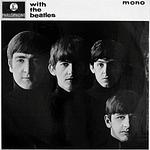
With The Beatles, the group's second UK studio album released in 1963, builds on their skiffle and early rock and roll roots by combining beat-driven pop rock, close vocal harmonies, and R&B-influenced covers with an increasing number of Lennon-McCartney originals. The performances are punchy and direct, anchored by driving rhythms and chiming electric guitars, and the record helped define the beat music sound of the early 1960s while documenting the band’s early songwriting development.
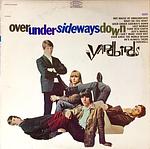
Yardbirds, the band's 1966 self-titled album often referred to as Roger the Engineer, finds the group moving beyond R&B covers into a mix of blues rock, garage rock and early psychedelic experimentation. The record emphasizes inventive guitar textures, punchy rhythms and tighter original songwriting, capturing a transitional phase in the Yardbirds' sound where raw blues roots meet studio-minded, psychedelic-tinged arrangements.
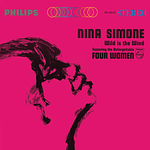
Wild Is the Wind, released in 1966 by Nina Simone, blends jazz and soul jazz with elements of folk and blues. The album centers on Simone's piano-led arrangements and distinctive, theatrical vocals, moving between intimate ballads and more rhythmically driven tracks. Sparse instrumental settings and occasional orchestral touches emphasize the emotional intensity of her interpretations, and the title song exemplifies the album's mix of restraint and dramatic expression that showcases Simone's genre-crossing artistry.
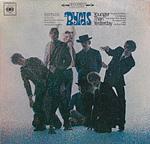
Younger Than Yesterday (1967) finds the Byrds expanding their folk rock roots into more varied pop and psychedelic territory. The record mixes the group's signature jangly 12-string guitar and tight vocal harmonies with more adventurous arrangements and songwriting, including notable tracks such as 'So You Want to Be a Rock 'n' Roll Star', 'My Back Pages', and 'Have You Seen Her Face'. Chris Hillman's songwriting contributions increased and David Crosby's experimental tendencies are audible on several songs, giving the album a balance of concise pop songs and psychedelic touches that pointed toward the band's later work.
White Light/White Heat, The Velvet Underground's 1968 album, is a deliberately abrasive and experimental record that pushes the band's art rock and proto-punk tendencies into raw noise and improvisation. The production is rough and immediate, with John Cale's electric viola, distorted guitars, and Lou Reed's deadpan vocals combining on short, jagged songs and the sprawling, feedback-heavy centerpiece "Sister Ray". Lyrically the album confronts drug use, sexuality, and urban alienation with stark directness. Its abrasive sound and willingness to embrace distortion and free-form jams have made it an influential touchstone for later punk and noise rock developments.
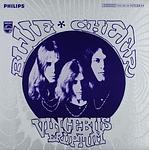
Vincebus Eruptum, Blue Cheer's 1968 debut, is a raw, heavy blend of acid rock, blues rock and proto-metal built around dense fuzz guitar, booming bass and loose, pounding drums. The recordings have a live, unpolished feel with extended noisy jams and a confrontational sound; their sludgy, high-volume cover of "Summertime Blues" is a standout example of the album's approach. Its emphasis on distortion, volume and minimal production is often regarded as an early template for heavier strands of rock and psychedelic music.
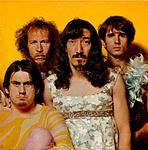
We’re Only in It for the Money (1968) by The Mothers of Invention is a satirical concept album led by Frank Zappa that critiques 1960s counterculture and pop music by using parody, sharp lyrics and collage techniques. Musically it blends rock foundations with orchestral touches, doo-wop pastiche, tape collage, musique concrète and studio-manipulated electronic effects, producing abrupt shifts, dissonant arrangements and a deliberately confrontational, experimental sound.
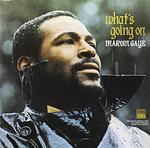
"What’s Going On" (1971) by Marvin Gaye is a cohesive, socially conscious soul album that blends Motown rhythm and smooth soul vocals with lush orchestral arrangements and jazz-influenced horns and strings. Gaye's intimate lead singing, layered background vocals, and subtle studio production create a reflective, spiritual atmosphere as the songs address themes such as war, urban poverty, policing, and environmental concerns. The result is a quieter, more contemplative direction for Motown sounds that broadened the expressive range of R&B.
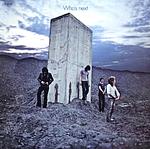
Who’s Next (1971) by The Who mixes hard rock power with art rock ambition, using prominent synthesizer textures alongside Pete Townshend's guitar work and Roger Daltrey's commanding vocals. Many songs grew out of Townshend’s abandoned Lifehouse project, condensed here into taut, arena-ready arrangements that range from driving rock anthems to introspective ballads. The album is notable for its muscular rhythm section, inventive production, and standout tracks such as "Baba O'Riley", "Won't Get Fooled Again", and "Behind Blue Eyes".
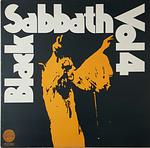
Vol. 4 (1972) finds Black Sabbath broadening their sound beyond the raw, riff-driven doom of their earliest records, pairing heavy, groove-laden tracks like "Supernaut" and "Snowblind" with more experimental textures and a piano-led ballad, "Changes." The record balances slow, weighty riffs and faster hard rock passages while incorporating keyboards, acoustic elements, and varied arrangements that expand the band’s sonic palette. Its mix of dense heaviness and melodic contrast marks a notable point in the group's early development within heavy metal and hard rock.
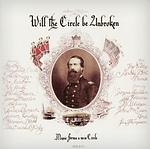
Will the Circle Be Unbroken (1972) by the Nitty Gritty Dirt Band is a largely acoustic project that pairs the band's country rock background with veteran country, bluegrass, and folk musicians. The album focuses on traditional songs and instrumental pieces with prominent banjo, fiddle, acoustic guitar, upright bass, and close vocal harmonies, and is notable for bridging generations of players and helping renew interest in American roots music.
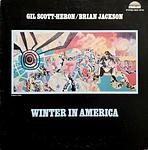
Winter in America is a 1974 album by Gil Scott-Heron and Brian Jackson that blends jazz-funk, soul jazz, soul and spoken word, pairing Scott-Heron's direct, often spoken-sung delivery with Jackson's warm electric piano, flute and groove-focused arrangements. The music moves between mellow, melancholic passages and tight, rhythmic grooves, providing an understated backdrop for lyrics that address social and political concerns in a poetic, conversational voice. The record is notable for its spare, soulful instrumentation and for the way it integrates spoken-word performance with jazz and funk textures.
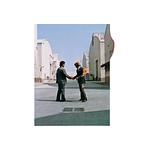
Wish You Were Here, released in 1975 by Pink Floyd, is a progressive and art rock album that blends long-form compositions, atmospheric studio production, and expressive guitar-led melodies. It is built around the multi-part suite "Shine On You Crazy Diamond", acts as a tribute to former member Syd Barrett, and contains songs like "Have a Cigar" and "Welcome to the Machine" that question the music industry. The record alternates between spacious synthesizer textures and warm electric guitar passages, favoring mood, soundscapes, and extended instrumental sections over concise pop arrangements.
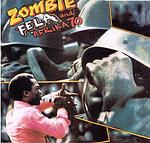
Zombie (1976) by Fela Kuti and Africa 70 is a landmark Afrobeat record built on extended, groove-driven tracks that fuse West African rhythms with jazz-influenced horn arrangements. The title track is a lengthy, rhythmically insistent piece that satirizes the Nigerian military through biting vocals and call-and-response chanting, while the band sustains layered percussion, propulsive bass, interlocking guitars, and bold brass lines. The album exemplifies Fela's mix of improvisatory jazz elements, repetitive trance-like grooves, and explicit political commentary.
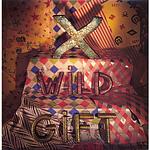
Wild Gift, released in 1981 by the Los Angeles band X, blends punk ferocity with classic rock and roll songcraft, pairing taut, driving guitars and rhythm with the distinctive interlocking vocals of John Doe and Exene Cervenka. The album balances short, urgent tracks with melodic hooks and occasional rockabilly inflections, presenting a direct, energetic sound that underlines the group's emphasis on songwriting as much as attitude.
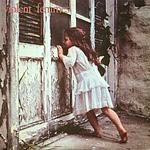
Violent Femmes is the 1983 self-titled debut by the Milwaukee trio Violent Femmes. The record pairs jangly acoustic guitar, minimal percussion and raw, often shouted vocals to fuse folk songcraft with punk attitude, producing terse, direct arrangements and confessional, sometimes abrasive lyrics. Songs such as "Blister in the Sun" and "Add It Up" showcase hooky melodies and urgent dynamics, and the album is frequently noted for its role in shaping early alternative, indie rock and folk punk sensibilities.

War, produced by Steve Lillywhite and released in 1983, moves U2 toward a more direct, anthemic rock sound rooted in post-punk energy. The album emphasizes driving, martial rhythms, delay-heavy chiming guitar and Bono's impassioned vocals, combining urgent political and social themes with pop rock melodies and occasional electronic textures. Its relatively stripped production and singalong choruses helped define a broader, stadium-ready approach for the band.
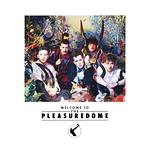
Welcome to the Pleasuredome, the 1984 debut album by Frankie Goes to Hollywood, is a maximalist synth-pop and alternative dance record produced by Trevor Horn. It pairs glossy electronic production and dance-pop rhythms with theatrical arrangements, extended mixes and cinematic touches, and features the singles "Relax", "Two Tribes" and "The Power of Love". The album is notable for its bold, often provocative lyrics and camp-inflected presentation, representing a high-production, synth-driven strand of 1980s pop and electronic music.

Water From an Ancient Well (1986) by Abdullah Ibrahim is a jazz album that reflects Ibrahim's fusion of South African musical roots with jazz improvisation, often presenting lyrical, hymn-like themes and a contemplative, spacious sense of melody and harmony. The music tends to emphasize pastoral and folk-inflected motifs, restrained rhythms, and gradual, narrative development, illustrating Ibrahim's approach of blending tradition, church and Cape Malay influences with modern jazz sensibilities.
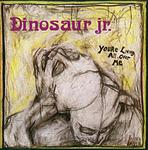
You're Living All Over Me, Dinosaur Jr.'s 1987 second album, pairs loud, distorted guitar work and extended solos with melodic hooks and J Mascis's laconic, high-register vocals. The record blends indie rock and hard rock textures, combining feedback and noise with concise songwriting and a rough, immediate production that retains a live feel. Its juxtaposition of tunefulness and guitar excess is frequently cited as an early touchstone for American alternative rock.
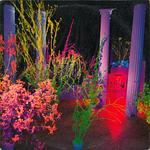
Warehouse: Songs and Stories is a 1987 double album by Hüsker Dü that expands the band's hardcore roots into a fuller, more melodic alternative rock sound. The record balances distorted, high-energy guitars and punk urgency with tuneful hooks and more complex song structures, featuring the contrasting songwriting and vocals of Bob Mould and Grant Hart. Its denser, layered arrangements and wider stylistic range, from fast, abrasive tracks to reflective, melodic songs, illustrate the band's role in bridging hardcore punk and the developing alternative rock scene.
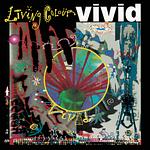
Vivid is the 1988 debut album by Living Colour that blends hard rock and heavy metal power with funk rhythms and alternative textures, often punctuated by jazz-informed guitar work. Vernon Reid's angular, virtuosic guitar and a tight rhythm section create a sound that alternates between heavy, riff-driven songs and more melodic or experimental passages, while Corey Glover's vocals and the lyrics address social and political themes. The record helped define the band's genre-crossing approach and includes the well known track "Cult of Personality".
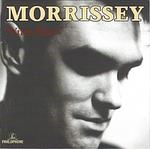
Viva Hate is Morrissey’s 1988 solo debut, produced by Stephen Street. It moves from his work with The Smiths toward a sparser, more orchestral pop sound while keeping jangly guitar textures and strong melodic hooks. The album blends alternative and indie rock with elements of jangle pop and dance-rock, pairing Morrissey’s literate, melancholic lyrics and distinctive vocal delivery with concise arrangements and occasional string parts. Songs like Suedehead and Everyday Is Like Sunday illustrate the record’s combination of wistful introspection and pop clarity, and helped define his early solo identity.
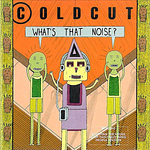
What’s That Noise? is Coldcut’s 1989 debut album that mixes house, breakbeat, alternative hip hop and downtempo through a sample-driven, cut-up production style. It moves between club-focused, rhythm-forward tracks and more chilled, textural pieces, using scratching, layered loops and sudden edits to create a collage-like sound. The record links dancefloor energy with hip hop sampling and early electronic experimentation, and its eclectic approach helped point toward the downtempo and trip-hop directions that followed in the early 1990s.
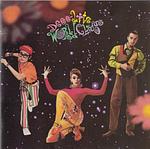
World Clique is the 1990 debut album by Deee-Lite that blends house, pop, dance-pop and electronic styles into a vibrant, sample-forward sound. The record pairs club-ready beats and bright synthesizer lines with funk-infused bass and playful, psychedelic textures, and its breakout single "Groove Is in the Heart" showcases the group's mix of disco and funk samples alongside guest contributions from Bootsy Collins and Q-Tip. Overall the album foregrounds dancefloor energy, colorful arrangements, and a playful, retro-futurist aesthetic.
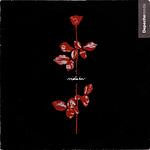
Violator is Depeche Mode's 1990 album that blends synth-pop and darker electronic textures with rock and alternative dance rhythms. Its sound pairs hook-driven melodies and brooding atmospheres with layered synthesizers, rhythmic guitar elements, and prominent beats, while Martin Gore's songwriting and Dave Gahan's vocals give the songs a more polished, song-focused character that broadened the band's musical palette and influence.
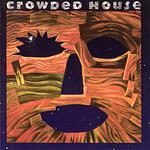
Woodface, released in 1991 by Crowded House, blends pop rock and alternative rock with melodic, piano-led arrangements and close vocal harmonies. The album moves between satirical, upbeat tracks like "Chocolate Cake" and intimate ballads such as "Fall at Your Feet", and includes memorable, melody-driven songs like "Weather with You" and "Four Seasons in One Day". It is marked by the songwriting collaboration between Neil Finn and his brother Tim Finn, which broadened the band's harmonic and lyrical range and produced a polished, textured studio sound.
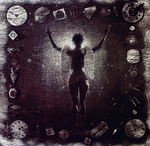
ΚΕΦΑΛΗΞΘ, commonly referred to as Psalm 69, is Ministry's 1992 album that blends industrial production and sampling with heavy metal and thrash-influenced guitars. The record pairs aggressive, distorted riffs and programmed beats with dense layers of samples, noise and Al Jourgensen's confrontational vocals, producing a raw, mechanized sound and politically charged lyrical themes. It is frequently cited as a prominent example of industrial metal from the early 1990s.
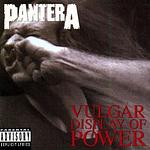
Vulgar Display of Power, released in 1992 by Pantera, is a landmark groove metal album that emphasizes heavy, palm-muted guitar riffs, syncopated mid-tempo rhythms, and Phil Anselmo's aggressive vocal delivery. Dimebag Darrell's sharp, metallic guitar tone and the tight rhythm section create a muscular, riff-driven sound that moves away from thrash speed toward a tougher, groove-centered approach, incorporating elements of heavy metal and alternative metal. The production is direct and punchy, foregrounding riff clarity and rhythmic impact, and the album is frequently referenced as a defining statement in 1990s heavy music.
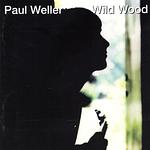
Wild Wood, released in 1993, is Paul Weller's second solo album and a consolidation of his post-Jam musical direction. It blends acoustic folk, soul-inflected vocals and warm electric guitar textures with reflective, pastoral songwriting, producing a relaxed but focused sound. The arrangements mix organic instruments with subtle studio touches, and the record is often noted for its melodic, roots-oriented approach that helped define Weller's early solo identity.
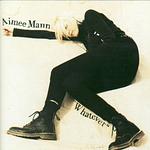
Whatever is Aimee Mann's 1993 solo debut, presenting a literate, melancholic singer-songwriter approach within an alternative and pop rock framework. The songs pair precise, often wry lyrics about relationships and self-reflection with restrained, melodic arrangements that mix acoustic and electric textures, creating an intimate but polished sound. The album helped establish Mann's reputation for thoughtful, craft-focused songwriting in indie and pop rock circles.
Very is a 1993 Pet Shop Boys album built around bright, layered synth-pop and dance-pop production with house and techno-influenced rhythms. The sound is more overtly club-oriented and exuberant than some of their earlier work, featuring glossy electronic arrangements, prominent melodies, and the duo's characteristic blend of wry, emotionally sharp lyrics that touch on love and identity. The record is often noted for its polished, maximalist pop approach while maintaining the melodic and lyrical sensibilities of Neil Tennant and Chris Lowe.
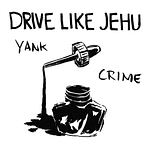
Yank Crime, released in 1994 by Drive Like Jehu, is a seminal post-hardcore record that fuses jagged, interlocking guitar lines with the angular rhythms of math rock and a raw, urgent vocal delivery. Tracks frequently unfold in extended, dynamic structures that balance dissonant noise and tight rhythmic precision, featuring sudden shifts in tempo and intensity. The album's abrasive textures, complex arrangements, and live-band immediacy have been cited as influential on later strands of emo and indie rock.
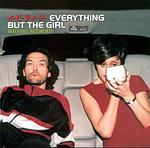
Walking Wounded, released in 1996 by Everything but the Girl, marks the duo's move toward electronic production, blending synth-pop textures with trip hop and drum and bass influenced rhythms. Tracey Thorn's intimate, understated vocals sit over Ben Watt's atmospheric programming and electronic arrangements, producing songs that balance personal lyricism with club-friendly beats. The record represents a clear shift from the pair's earlier acoustic and jazz-tinged work toward a more electronic, contemporary sound.
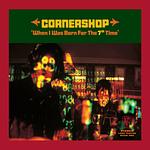
When I Was Born for the 7th Time is Cornershop's 1997 album that blends indie rock and Britpop songwriting with electronic production, big beat rhythms and downtempo grooves. The record layers South Asian instrumentation and samples with distorted guitars, horn arrangements and looped beats, creating music that alternates between propulsive, danceable tracks and more reflective moments. Its cross-cultural sound and eclectic arrangements highlight themes of identity and multicultural life in 1990s UK alternative music.
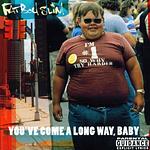
You’ve Come a Long Way, Baby is a 1998 Fatboy Slim album that epitomizes the big beat sound with punchy breakbeats, heavy use of samples, and playful, dancefloor-focused production. Songs mix acid-tinged synths, funky loops, and cut-up vocal hooks to create a lively, theatrical electronic record that moves between high-energy club tracks and more melodic, beat-driven moments. The album played a major role in bringing big beat and sample-based dance music into broader public awareness and helped define Fatboy Slim's signature DJ-producer approach.

White Ladder, released in 1998 by David Gray, blends intimate singer-songwriter songwriting and piano with electronic production elements such as drum loops and warm synth textures. The album pairs plaintive, conversational vocals and melancholic, confessional lyrics with simple but affecting arrangements that sit between folk, indie rock, and pop. Featuring the well known song "Babylon", White Ladder helped broaden Gray's audience and is frequently noted for its role in popularizing a folk-electronica crossover sound in the late 1990s.
Welcome to the Afterfuture (2000) by Mike Ladd blends hip hop rhythms with electronic, illbient and experimental textures, foregrounding spoken word delivery over layered, often murky production. The record uses collage-like sampling, glitchy electronics and dub-style space to create a dystopian, cinematic atmosphere, pairing politically aware lyrical material with unconventional song structures and sound design. It stands as a distinctive example of underground hip hop from its era that explores the intersections of rap, ambient and experimental electronic music.
Vespertine by Björk
Vespertine, released in 2001 by Björk, is an intimate, inward-looking album that fuses electronic and art pop with ambient, folktronica and glitch elements. Its hushed vocals sit atop delicate microbeats, fragmented percussion and close-miked textures, balanced by warm acoustic touches like harp and chamber strings to create a domestic, wintry atmosphere. The production emphasizes small-scale sonic detail and intricate arrangements, rewarding attentive listening.
White Blood Cells, released in 2001, is the third album by The White Stripes and emphasizes a raw, lo-fi sound centered on Jack White's guitar and vocals and Meg White's spare, elemental drumming. The record blends blues rock, garage rock revival, punk blues and alternative rock, alternating between terse, high-energy rockers and slower, blues-tinged songs; tracks commonly cited from the album include "Fell in Love with a Girl," "Dead Leaves and the Dirty Ground," and "Hotel Yorba." Its stripped-down production and stark arrangements were influential in bringing wider attention to the duo and to the garage rock revival of the early 2000s.

Yankee Hotel Foxtrot (2002) finds Wilco moving beyond their alt-country foundations toward a more experimental, studio-focused sound, pairing Jeff Tweedy's introspective, often ambiguous lyrics with layered guitar textures, tape manipulation, and subtle electronic touches. The record balances songcraft and sonic adventurousness, alternating intimate ballads with noisy, atmospheric passages and marking a notable shift in the band's approach to production and arrangement.
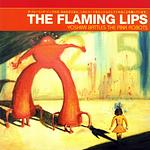
Yoshimi Battles the Pink Robots is a 2002 album by The Flaming Lips that blends neo-psychedelia, psychedelic pop, electronic textures and alternative rock into a loosely narrated concept about a character named Yoshimi and her fight with pink robots. The music pairs intimate, often plaintive vocals with shimmering synths, drum machine patterns and orchestral touches, moving between upbeat, melodic pop and slower, downtempo passages, and features songs such as "Yoshimi Battles the Pink Robots Part 1" and "Do You Realize??".
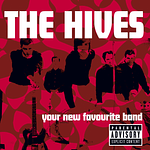
Your New Favourite Band is a 2001 compilation by Swedish rock band The Hives that assembles tracks from their earlier releases for an international audience. The album showcases their brisk, garage rock sound with strong punk and indie rock influences, featuring short, hook-driven songs built on sharp guitar riffs, urgent tempos, and Pelle Almqvist's snarling vocal delivery. Its lean production and tightly arranged tracks emphasize the band's energetic, confrontational style and introduced many listeners to their brand of early 2000s garage rock revival.
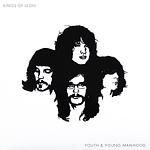
Youth & Young Manhood is Kings of Leon's 2003 debut studio album. It captures a raw, guitar-driven sound that mixes Southern rock grit with garage and indie rock energy. The production emphasizes reverb-heavy guitars, taut rhythms, and Caleb Followill's rough, urgent vocals, giving the songs a tense, immediate feel. The record introduced the band's early aesthetic of concise, riff-based tracks rooted in blues and country influences while projecting a youthful, restless intensity.
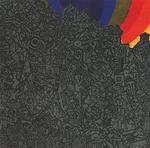
Wonderful Rainbow, released in 2003 by Providence duo Lightning Bolt, emphasizes relentless, high-volume bass and frenetic drumming to create a dense, chaotic wall of sound that blends noise rock, math rock rhythmic complexity, and a brutal prog sense of intensity. Vocals are shouted and often submerged in distortion, and the raw, immediate production preserves a live, abrasive energy while allowing longer, more developed compositions that foreground tight polyrhythms and extreme dynamics. The album is widely cited in underground noise rock circles as a clear statement of the band’s uncompromising, signature sound.
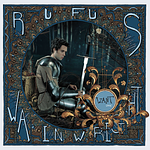
Want One is Rufus Wainwright's 2003 album that blends pop rock and chamber pop into ornate, piano-led songs characterized by theatrical vocal delivery and rich orchestral arrangements. The record pairs intimate, confessional lyricism with baroque touches and diverse instrumentation, from sweeping strings and brass to piano and subtle rock rhythms, heard on tracks like "Cigarettes and Chocolate Milk" and "I Don't Know What It Is". As the first of his Want recordings, it showcases ambitious, theatrical songwriting and elaborate production.
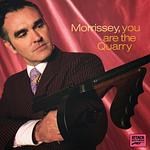
You Are the Quarry, released in 2004, finds Morrissey returning with a direct, guitar-driven sound that blends alternative rock and indie sensibilities with touches of glam and classic pop. Produced by Jerry Finn, the record pairs punchy, melodic arrangements with Morrissey's literate, often confrontational lyrics and a vivid vocal delivery, ranging from urgent anthems to more reflective ballads. The album is notable for reestablishing Morrissey's solo presence in the 2000s and for its concise songcraft and memorable hooks.
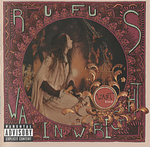
Want Two, released in 2004 as a companion to Want One, expands Rufus Wainwright's baroque pop and chamber pop palette with ornate orchestration, piano-driven songwriting and theatrical arrangements. The album balances intimate, confessional ballads with grand, sometimes sardonic showpieces, blending pop rock elements and classical textures while highlighting Wainwright's operatic vocal delivery and literate, often personal lyrics.
Who Killed...... The Zutons is the 2004 debut album by Liverpool band The Zutons. The record blends indie rock, indie pop and psychedelic pop with a loose, saxophone- and organ-tinged sound, driven by Dave McCabe's idiosyncratic vocals and punchy, often wry lyrics. Songs move between upbeat, groove-oriented numbers and more reflective moments, with Abi Harding's saxophone and the band's rhythmic interplay giving the album a distinctive, slightly eccentric character within the mid-2000s UK indie scene.
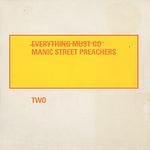
Everything Must Go (1996) is an album by Manic Street Preachers that marked a shift toward a more melodic, anthemic alternative rock sound following the disappearance of lyricist Richey Edwards. The record pairs sweeping guitars and occasional orchestral touches with politically charged and personal lyrics, featuring songs such as A Design for Life, Everything Must Go, and Kevin Carter, and represents a clear stylistic turning point for the band.
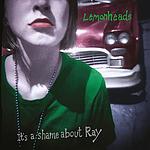
It’s a Shame About Ray (1992) by The Lemonheads is an alternative rock album built around concise, melodic songwriting, jangly electric guitars and occasional acoustic textures, anchored by Evan Dando’s laconic, expressive vocals. The record balances punk-influenced immediacy with pop hooks and introspective, wry lyrics, presenting a compact, accessible sound that became closely associated with the band’s early 1990s output.
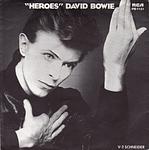
Heroes, released in 1977, is David Bowie’s album that blends art rock, electronic, ambient, art pop, and experimental rock. Recorded in West Berlin with producer Tony Visconti and frequent collaborator Brian Eno, the record pairs driving, guitar‑based songs with spare instrumental pieces built from layered synths and treated guitars, producing a stark and cinematic sound. The title track and several instrumentals emphasize atmospheric production and unconventional textures, making the album a central work from Bowie’s Berlin period that fuses pop songwriting with experimental electronics.
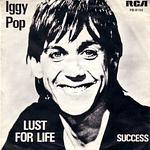
Recorded in 1977 with significant involvement from David Bowie, Lust for Life finds Iggy Pop channeling his punk and garage roots into more upbeat, driving rock songs. The album pairs Pop's raw, urgent vocals with punchy guitar riffs, steady rhythms and occasional synthesizer textures, yielding tracks such as "Lust for Life" and "The Passenger" that balance immediacy and melodic hooks. It is notable for its direct, energetic sound that bridged underground punk attitude with a broader rock palette.
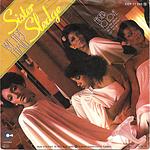
We Are Family is a 1979 album by Sister Sledge produced with Nile Rodgers and Bernard Edwards. It blends disco and pop with funk-rooted rhythms, featuring Chic-style guitar and bass patterns, danceable grooves, lush string arrangements, and close sibling vocal harmonies. The material ranges from upbeat dance anthems to mid-tempo pop grooves and foregrounds themes of togetherness and celebration, making it a notable example of late 1970s disco-pop crossover.
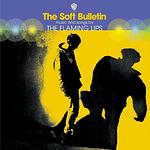
The Soft Bulletin is a 1999 album by The Flaming Lips that shifts the band toward richly arranged, orchestral-leaning experimental pop while retaining indie rock and noise textures. The sound emphasizes layered harmonies, sweeping strings and horns, warm analog synths and meticulous studio production, combining intimate balladry with expansive, psychedelic arrangements. Lyrically the album balances existential themes and tender moments, and it is considered a pivotal record in the band's move toward more ambitious, studio-focused compositions.
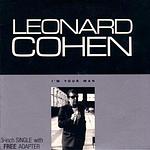
I’m Your Man is a 1988 Leonard Cohen album that updates his songwriting with synth-driven, drum machine and pop rock textures while retaining a strong folk and ballad sensibility. Cohen’s deep, conversational voice anchors songs that blend wry humor, romantic yearning and bleak, observational lyrics, presented in sparse, moody arrangements that emphasize atmosphere and narrative. The record marked a stylistic shift toward more modern production while keeping the lyrical focus that defines his work.
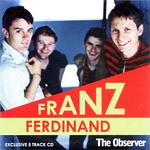
Franz Ferdinand's self-titled debut is a compact, danceable indie rock record built on angular guitar riffs, tight, propulsive rhythms and concise, hook-driven songwriting. It blends post-punk revival and art rock influences with a keen sense of groove and dynamics, pairing witty, observational lyrics with sharp arrangements that prioritize immediacy and rhythm. The album is often cited for bringing a kinetic, club-friendly edge to early 2000s indie rock.
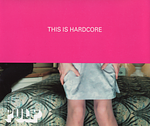
This Is Hardcore finds Pulp shifting into darker, more cinematic territory than their mid 1990s work, blending electronic textures with rock and alternative sensibilities and layered string and horn arrangements. The production emphasizes mood and theatre, with experimental touches and dense, often noir-tinged soundscapes that sit beneath Jarvis Cocker's more introspective and world-weary lyrics about fame, desire, aging and disillusionment. The album reads as a deliberate, mature counterpoint to the band's earlier, more exuberant pop moments while retaining strong melodic instincts.
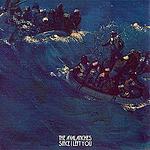
Since I Left You by The Avalanches is a debut album built from a dense collage of sampled sounds, creating a seamless, continuous flow of upbeat, nostalgic dance music. Its palette blends disco, funk, soul, electronic textures and found sounds into short vignettes and transitions that emphasize melody and atmosphere over conventional song forms. The result is a highly produced, sample-driven listening experience with intricate layering and a mixtape-like sequencing that foregrounds mood and texture.
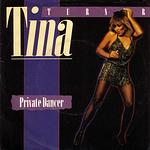
Private Dancer, released in 1984, is a solo album that blends pop rock, pop soul and ballad-driven material with the polished production typical of the 1980s. It highlights Tina Turner’s gritty, expressive voice across uptempo, rock-inflected tracks and slower, dramatic ballads, pairing electric guitar and synth textures with accessible pop arrangements. The record marked a major reemergence of Turner as a solo artist and is noted for its strong vocal performances and crossover pop and rock sensibility.