 The Greatest Music
1001 Albums You Must Hear Before You Die (2005)
Weight: 60%
How much this list influences our overall rankings. Higher weight means more reliable data.
Penalties Applied:
1001 Albums You Must Hear Before You Die is a long-running reference book series (first published 2005; revised in 2010, 2013, 2016, 2018, and 2021) edited by Robert Dimery. It’s an editorial anthology, not a ranked poll: each entry is a short critic-written essay, sequenced roughly chronologically from the 1950s onward, with compilations/most film soundtracks excluded. Later editions swap in newer releases (e.g., the 2021 edition closes with Jazmine Sullivan’s Heaux Tales), so the title “1001” is a rolling canon rather than a fixed list across editions.
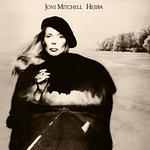
Hejira, released in 1976, finds Joni Mitchell moving further into jazz-influenced territory while retaining her folk songwriting. The album pairs poetic, travel-focused lyrics about movement and solitude with sparse, spacious arrangements that foreground her open-tuned guitar work and long, melodic fretless bass lines from Jaco Pastorius. Songs blend folk narrative, jazz harmonies, and loose, improvisational interplay to produce an introspective, nocturnal sound that points toward her later jazz explorations.
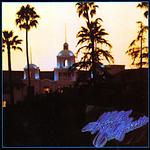
Hotel California is the Eagles album that blends their country rock roots with a more polished rock sound, featuring layered vocal harmonies, polished production, and prominent electric guitar interplay. The record is anchored by the atmospheric title track with its extended guitar coda and cinematic, evocative lyrics, alongside other tracks that mix soft rock and pop rock sensibilities with darker lyrical themes about excess and disillusionment. The overall sound marks a shift toward a richer, more rock-oriented palette while retaining melodic songwriting and close harmonies.
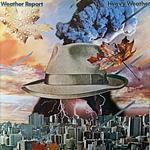
Heavy Weather (1977) by Weather Report is a jazz fusion album led by keyboardist Joe Zawinul and saxophonist Wayne Shorter with the recent addition of bassist Jaco Pastorius. It blends improvisational jazz with funk and rock-influenced rhythms, prominent electric keyboards and synthesizers, and melodic compositions such as the well-known track "Birdland". The record is notable for Jaco Pastorius's lyrical fretless bass work and Zawinul's layered synth textures, and it remains a key reference in late 1970s fusion.
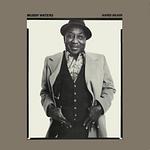
Hard Again, produced by Johnny Winter and recorded in 1977, finds Muddy Waters in a raw, electric Chicago blues mode with a live-in-the-studio energy. The album foregrounds his gravelly vocals and driving electric guitar work over prominent piano and harmonica and a tight rhythm section, leaning on classic blues forms delivered with muscular, contemporary production. It is regarded as a strong late-period statement that brought renewed vigor to his recorded output.
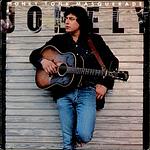
Honky Tonk Masquerade, Joe Ely's 1978 album, blends honky tonk and country rock with a distinct Texas sensibility rooted in progressive and outlaw country. The record pairs driving, electric guitar-led arrangements and upbeat barroom numbers with more reflective, story-driven songs, showcasing Ely's weathered vocal delivery and terse, literary songwriting drawn from the Lubbock/Texas scene. Its fusion of rock energy and country tradition helped further establish Ely as a distinctive performer who straddled honky tonk and roots rock.
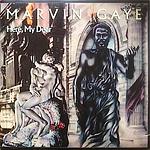
Here, My Dear is a 1978 Marvin Gaye album built around a highly personal, confessional concept that documents the emotional fallout of his divorce. Musically it works within smooth soul and classic soul frameworks while incorporating elements of funk, jazz influenced arrangements and lush orchestration, and it is distinguished by intimate vocals, spoken passages and candid lyrics that examine love, anger and reconciliation. The record is often noted for its directness and for presenting a pop soul album as a sustained personal statement.
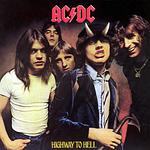
Highway to Hell, released in 1979, is an AC/DC album that blends hard rock and blues-rock into concise, riff-driven songs suited to large venues. The record pairs Angus Young's crunchy, energetic lead guitar with Malcolm Young's steady rhythm work and a punchy rhythm section, while Bon Scott delivers gritty, charismatic vocals; producer Mutt Lange brought cleaner, more focused production and an emphasis on vocal hooks and arrangements. The title track and other high-energy songs showcase the band's straightforward, anthem-ready approach, and it is the last studio album to feature Bon Scott before his death.
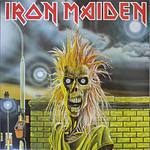
Iron Maiden's self-titled 1980 debut captures the raw, aggressive energy of the New Wave of British Heavy Metal with a lean, fast-paced sound driven by Steve Harris's urgent bass lines, twin-guitar riffs, and Paul Di'Anno's gritty vocals. The album combines punk-tinged intensity with more intricate arrangements on tracks such as "Phantom of the Opera" while also featuring anthemic, direct songs like "Running Free" and the title track "Iron Maiden". It established many of the band's musical hallmarks, including galloping rhythms, sharp riffing, and a focus on dark or narrative lyrical themes, that they would develop in later records.
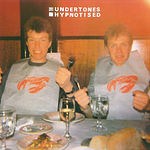
Hypnotised, released in 1980 by The Undertones, blends the band’s punk rock energy with concise, melodic songwriting and a new wave gloss. The songs emphasize upbeat, guitar-driven arrangements, tight rhythms and Feargal Sharkey’s distinctive lead vocals, pairing punk tempos with pop hooks and lyrics about adolescence and everyday life. The album continues the group’s move toward sharper melodies and cleaner production while retaining the immediacy and brevity associated with punk-influenced pop punk.
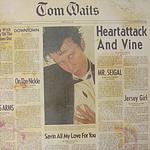
Heartattack and Vine (1980) finds Tom Waits moving from his earlier piano-based jazz and lounge style toward grittier, rock and blues inflected arrangements. The album pairs his gravelly, theatrical vocals with narrative songs about seedy urban characters, mixing rough-edged electric guitars and roots textures with occasional melodic balladry such as "Jersey Girl". It is often heard as a transitional record that points toward the more experimental production and sonic risk taking of his subsequent work.
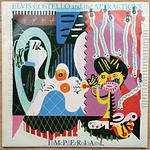
Imperial Bedroom, released in 1982 by Elvis Costello & The Attractions, is a studio album that shifts from the band’s earlier new wave edge toward richly arranged, baroque-influenced pop and rock. Produced by Geoff Emerick, the record features ornate chamber-pop arrangements, inventive studio touches, and complex songcraft, pairing intricate melodies with literate lyrics that examine personal and social themes. The album stands out in Costello’s catalog for its ambitious, texturally dense approach to pop songwriting.
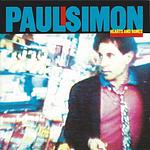
Hearts and Bones is a 1983 Paul Simon album that mixes pop and pop rock with singer-songwriter intimacy and art pop textures, with occasional folk pop touches. The songs are primarily introspective and relationship-focused, delivered through literate, conversational lyrics and melodic structures; the arrangements combine acoustic guitar, keyboards and layered studio production with subtle rhythmic variations. The result is a reflective, tightly composed record that emphasizes songwriting and personal detail over overt commercial polish.
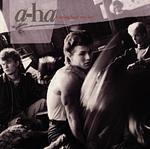
Hunting High and Low (1985) is the debut album by Norwegian band a-ha that fuses synth-pop and new wave production with pop rock and dance-rock elements. It pairs bright, layered synthesizers and rhythmic guitars with Morten Harket's wide-ranging, emotive voice, moving between upbeat, hook-driven tracks and more atmospheric, melancholic ballads. The album is notable for its strong melodic focus and for the single "Take On Me," which became widely recognized in part because of its innovative rotoscoped music video.
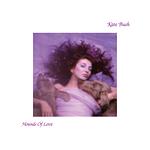
Hounds of Love, released in 1985, finds Kate Bush blending art pop, art rock and progressive pop with electronic production and theatrical songwriting. The album balances compact, synth-forward songs such as the title track and "Running Up That Hill" with a side-long narrative suite called "The Ninth Wave," which uses layered vocals, sound effects and shifting arrangements to depict a survivor adrift at sea. Production combines Fairlight sampling and electronic textures with traditional instruments, producing a mix of intimate balladry, dramatic climaxes and experimental touches. The record represents a consolidation of Bush's theatrical instincts into tightly crafted songs while maintaining ambitious, conceptual scope.
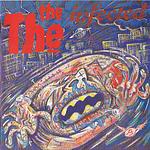
Infected is the 1986 album by The The, led by songwriter and vocalist Matt Johnson. It blends new wave and alternative rock with electronic textures and popcraft, featuring dense, cinematic arrangements, moody atmospherics, and prominent brass and bass elements underpinning Johnson's emotive baritone. The lyrics focus on social and political themes, giving the record a brooding, urgent tone that marked The The's mid 1980s sound.
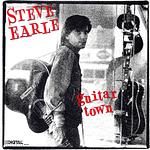
Guitar Town, Steve Earle's 1986 debut studio album, blends country rock and straight-ahead rock with twangy electric guitar, tight rhythms, and concise, narrative songwriting. The record draws on rockabilly and roots-country textures while focusing on working-class characters, highways and small-town restlessness, showcasing the roadwise melodic and lyrical style that became central to Earle's music.
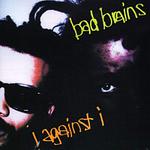
I Against I is a 1986 album by Bad Brains that expands their hardcore punk foundation into heavier, more varied territory, blending aggressive guitar-driven rock with reggae and dub-influenced passages. The record emphasizes dynamic contrasts, heavier low-end grooves and occasional slower tempos alongside bursts of speed and the band's distinctive vocal intensity, illustrating a tighter, more diverse songwriting approach. Its cross-genre sound is often cited as influential on later alternative metal and punk-adjacent bands.
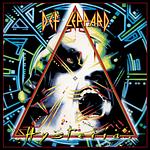
Hysteria, released in 1987 by Def Leppard, blends hard rock and glam metal with AOR and arena rock sensibilities, characterized by highly polished, multilayered production, dense vocal harmonies, and tightly arranged, hook-driven songs. Produced over an extended period with a meticulous focus on multitracked guitars, vocal overdubs, and processed drum sounds, the album emphasizes big choruses and radio-friendly arrangements that move between driving rockers and widescreen ballads. Its sound marked a shift toward a glossy, stadium-ready aesthetic while retaining the band's hard rock roots.
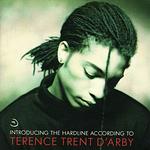
Introducing the Hardline According to Terence Trent D’Arby is a 1987 debut that fuses contemporary R&B, funk, blues and dance-rock with a strong soul and gospel underpinning. The record highlights D’Arby’s wide vocal range and expressive delivery, alternating between punchy, groove-driven numbers and intimate ballads, and pairs classic soul phrasing with 1980s pop-rock production touches. It served as a striking introduction to his persona and stylistic range, balancing retro influences with a modern, rhythmic sheen.
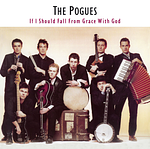
If I Should Fall From Grace With God is a 1988 album that crystallizes The Pogues' blend of Irish folk instrumentation and punk rawness, mixing lively reels and raucous punk-tinged numbers with mournful ballads and narrative songs. Shane MacGowan's rough-edged, sing-speaking delivery drives lyrics about love, exile, drinking, and street life while accordion, fiddle, tin whistle, and banjo anchor the arrangements. The record also features the well known duet "Fairytale of New York" with Kirsty MacColl and is noted for its vivid storytelling and a balance between rowdy energy and melancholic tenderness.
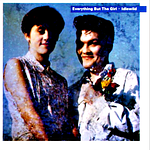
Idlewild, released in 1988 by Everything but the Girl, blends synth-pop and sophisti-pop textures with elements of alternative rock and downtempo electronic production. Tracey Thorn's intimate, understated vocals sit against Ben Watt's crisp arrangements of synthesizers, programmed drums, and occasional acoustic touches, creating a melancholic but polished sound. The album marks a move toward more electronic and atmospheric production that the duo would develop further in the following years.
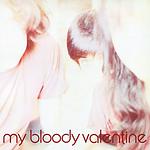
Isn’t Anything, My Bloody Valentine’s 1988 album, is an early landmark of shoegaze that blends noise pop and indie rock textures. The record emphasizes densely layered, tremolo-heavy guitars, fuzzy distortion and restrained, often buried vocals, creating a wash of sound where melody and feedback coexist. Its mix of shimmering atmospherics and abrasive noise points toward the band’s later work while helping define the shoegaze aesthetic.
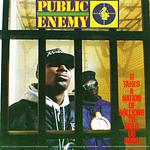
It Takes a Nation of Millions to Hold Us Back is Public Enemy's 1988 album that pairs confrontational, politically driven lyricism with dense, abrasive production. The Bomb Squad's layered, collage-like use of samples, sirens and jagged beats creates a thick, chaotic soundscape that underpins Chuck D's authoritative social commentary and Flavor Flav's rhythmic interjections. The album emphasizes themes of racial injustice, institutional power and media critique while expanding hip hop's sonic and rhetorical possibilities, influencing the development of East Coast, political and hardcore hip hop styles.
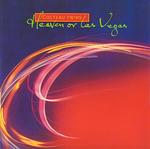
Heaven or Las Vegas (1990) finds Cocteau Twins applying their hallmark reverb-soaked guitars and Elizabeth Fraser's otherworldly vocals to more direct, melodic song structures. The album pairs shimmering guitar and warm synth layers with a restrained, slow-tempo pulse, producing lush, atmospheric tracks that sit between dream pop, ethereal wave, downtempo and shoegaze while emphasizing clearer vocal lines and accessible melodies.
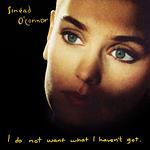
I Do Not Want What I Haven’t Got is Sinéad O'Connor's 1990 second studio album. It blends alternative rock, pop, and folk rock with O'Connor's raw, emotive vocals and largely sparse, intimate arrangements, and is widely associated with her cover of Prince's "Nothing Compares 2 U." The album's confessional lyrical tone and mix of acoustic textures and occasional fuller production helped bring O'Connor broad international attention and stands as a defining work of her early career.
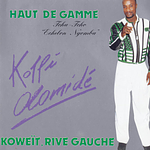
Haut De Gamme – Koweit, Rive Gauche is a 1992 album by Congolese singer Koffi Olomidé that exemplifies soukous dance music of the period. The record features guitar-driven rhythms, interlocking percussion and smooth vocal harmonies in Lingala, with Koffi's lead vocals fronting extended, dance-oriented arrangements. Its sound blends Congolese rumba influences with polished studio production typical of his early 1990s work, highlighting both upbeat dance numbers and mid-tempo grooves supported by ensemble playing.
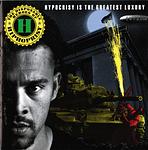
Hypocrisy Is the Greatest Luxury is the 1992 debut album by The Disposable Heroes of Hiphoprisy. It pairs Michael Franti's pointed spoken-word and vocal delivery with hard-hitting hip hop beats and electronic and industrial textures, built from samples, abrasive sounds, and dense programming. The album focuses on media critique and social commentary, exemplified by the single "Television, the Drug of the Nation", and is notable for merging punk and industrial sonics with alternative hip hop approaches to create a confrontational, documentary-like sound.
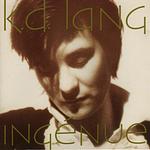
Ingenue (1992) marks k.d. lang moving from her earlier country roots toward a more pop-oriented, torch-tinged sound, pairing her smoky, expressive voice with lush, spacious arrangements that blend pop, pop rock, and subtle country inflections. Collaborations with multi-instrumentalist Ben Mink contribute to the album's chamber-pop textures and restrained instrumental detail, and the set includes the notable song "Constant Craving." The record is distinguished by its intimate vocal phrasing and sophisticated production that emphasize mood and atmosphere over rock aggression.
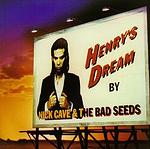
Henry's Dream (1992) finds Nick Cave & the Bad Seeds in a tougher, more rock-driven register, blending post-punk and alternative rock energy with gothic country and punk blues touches. The album emphasizes raw, immediate production, propulsive drums and driving guitars while Cave's baritone and narrative, often bleak lyrics give the songs a tense, urgent quality. Overall it reads as a muscular, live-sounding statement that shifted the band's sound away from the quieter, more melodic moments of the prior period and toward a harder-edged approach.
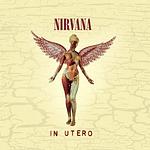
In Utero, released in 1993 by Nirvana, is a raw, abrasive alternative rock album that incorporates grunge, noise rock, and post-hardcore elements. Recorded with a deliberately less polished production, it foregrounds distorted guitars, strong dynamic contrasts, and Kurt Cobain's intense vocal delivery while still containing quieter, melodic passages. The songwriting blends confrontational imagery and personal themes with tuneful hooks, giving the record a deliberately rougher, more immediate sound compared with the band's previous studio work.
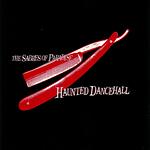
Haunted Dancehall, released in 1994 by The Sabres of Paradise, is a leftfield electronic album that blends downtempo grooves, dub production techniques and fractured techno rhythms. Led by Andrew Weatherall with collaborators Jagz Kooner and Gary Burns, the record emphasizes deep bass, sparse percussion, eerie atmospheres and found-sound samples, shifting between tense, cinematic instrumental pieces and beat-driven tracks. Its production favors layered textures, echo and reverb, creating a smoky, otherworldly club-to-composition feel that sits between ambient and dancefloor sensibilities.
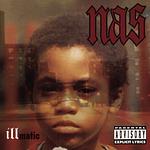
Illmatic, Nas's 1994 debut, is a compact, lyrically dense hip hop record rooted in East Coast boom bap. Nas's intricate internal rhymes and vivid street narratives ride sparse, sample-driven production from producers such as DJ Premier, Pete Rock, Large Professor, Q-Tip, and L.E.S., with hard drums, jazz and soul samples, and clear, focused arrangements. Its concentrated running time and emphasis on storytelling and craft helped define a blueprint for later East Coast and conscious hip hop artists.
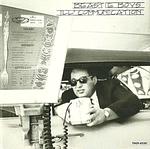
Ill Communication is a 1994 album by the Beastie Boys that blends hip hop with hardcore punk, jazz-funk and rock influences, featuring a mix of sample-based beats, live drums and guitar-driven arrangements. The record moves between aggressive, guitar-forward cuts and groove-oriented, horn and flute-tinged tracks, with songs like "Sabotage", "Sure Shot", "Get It Together" and "Root Down" illustrating the group’s genre-blurring approach and interest in both DJ culture and live-band textures. The overall sound is raw and eclectic, emphasizing a more organic, energetic production style.
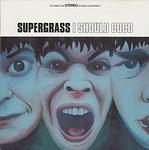
I Should Coco, Supergrass's 1995 debut, is a brisk, exuberant album that blends Britpop melody with power pop immediacy and garage punk energy. The songs are short and hook-driven, with chiming guitars, driving drums and a raw, live feel that emphasizes youthful exuberance and cheeky lyrics. Its high-energy, guitar-forward sound and singalong choruses helped define the band's identity within the 1990s British alternative scene.
Homework is Daft Punk's 1997 debut studio album that blends electronic, house, French house, tech house, and deep house influences into a raw, sample-driven dance record. The sound is built around repetitive grooves, syncopated rhythms, gritty basslines, analog synth textures and occasional vocoder-processed vocals, favoring stripped-back, club-oriented arrangements. Tracks such as "Da Funk" and "Around the World" exemplify its mix of funk-inflected beats and minimalist production, and the album is often cited for helping bring French house aesthetics to a wider audience.
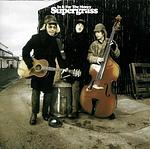
In It for the Money (1997) is Supergrass's second album, expanding their Britpop and indie rock foundations with sharper songwriting, punchy power pop hooks and a more studio-minded, psychedelic-tinged approach. The record blends energetic, guitar-driven tracks with richer arrangements and occasional keyboard and orchestral touches, showing greater production ambition and lyrical nuance while retaining the band's direct, melodic sensibility.
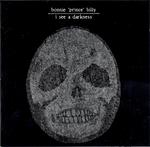
I See a Darkness (1999) by Bonnie "Prince" Billy is a spare, intimate collection that blends Americana, indie folk, country folk, and singer-songwriter traditions. Will Oldham's hushed, expressive vocals sit with minimal arrangements of acoustic guitar, piano and subtle organ and percussion to create a meditative, often melancholic atmosphere. The songs focus on plainspoken, evocative lyrics about mortality, faith and human connection, and the album is notable for its restrained production and emotional directness within Oldham's body of work.
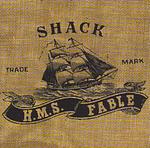
H.M.S. Fable (1999) by Shack is a melodic British rock album that blends jangly, Beatles-influenced pop with baroque touches and introspective songwriting. The record pairs concise, hook-driven songs with layered guitars, piano and organ to create a warm, melancholic atmosphere, and it is notable in the band’s catalogue for its strong songwriting and cohesive sound.
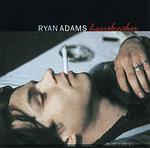
Heartbreaker, Ryan Adams' 2000 solo debut, blends alternative country, Americana and rock into a largely acoustic, singer-songwriter record. Sparse arrangements of guitar, piano and occasional electric textures support confessional, melancholic lyrics and a raw, demo-like production that foregrounds voice and songcraft. The album marks Adams' move from band frontman to solo artist and helped establish his reputation for emotionally direct, country-tinged rock songwriting.
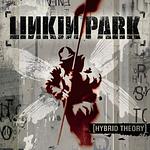
Hybrid Theory, Linkin Park's 2000 debut studio album, fuses nu metal and rap rock with alternative metal and electronic textures. The record juxtaposes Mike Shinoda's rapped verses with Chester Bennington's melodic singing and screams, supported by heavy guitar riffs, programmed beats, DJ scratches, and layered production to create a polished yet aggressive sound. Lyrically it focuses on themes of personal turmoil, alienation, and frustration, and the album became a prominent example of the nu metal and rap rock crossover in the early 2000s.
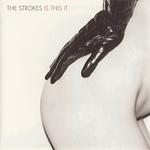
Is This It is the 2001 debut album by The Strokes, characterized by concise, guitar-driven songs that helped define the early 2000s garage rock revival. The record pairs jangly, riff-focused arrangements and tight rhythmic interplay with Julian Casablancas's detached, deadpan vocal delivery, and a lo-fi, immediate production that favors atmosphere over polish. Songwriting on the album emphasizes melodic hooks and sparse textures across compact tracks, and its aesthetic had a noticeable influence on subsequent indie and alternative rock acts.
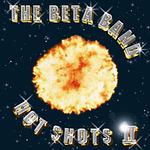
Hot Shots II, released in 2001 by the Beta Band, expands their blend of electronic textures, folk-tinged songwriting and indie rock energy into a more cohesive, song-focused album. The record pairs pastoral acoustic melodies and plaintive vocals with sample-based beats, layered production and occasional psych pop flourishes, balancing experimental collage techniques with accessible arrangements.
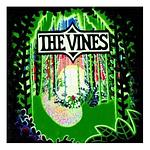
Highly Evolved is the debut studio album by Australian rock band The Vines, released in 2002. It pairs driving, guitar-led alternative rock and post-grunge grit with concise pop hooks and a punk-infused urgency, frequently moving between restrained, melodic verses and loud, explosive choruses. The record's raw garage-rock edge, occasional psychedelic touches and ragged vocal delivery characterize the band’s early sound and their presence in the early 2000s alternative rock landscape.
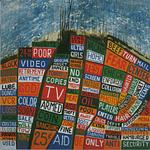
Hail to the Thief, Radiohead's sixth studio album released in 2003 and produced by Nigel Godrich, blends alternative and art rock with electronic textures. It pairs guitar-driven songs and more conventional structures with dense electronic production and experimental touches, ranging from rhythmically intense, distorted tracks to quieter, piano-led moments, and contains lyrics that often touch on political and existential unease of the early 2000s. The record ties together threads from OK Computer and Kid A while reintroducing more direct rock elements, with Thom Yorke's voice and layered arrangements prominent throughout.
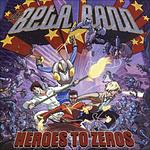
Heroes to Zeros, released in 2004, is the Beta Band's third studio album and their final release before the group split. It continues the band's mix of leftfield electronic textures and indie rock songwriting, pairing downtempo grooves and layered synth and sample-based production with more direct, song-focused arrangements than some earlier work. The record balances experimental, psychedelic textures and warm acoustic elements, often featuring restrained vocals and harmonies and a melancholic, introspective tone that broadens the band's sonic palette while retaining their off-kilter sensibility.
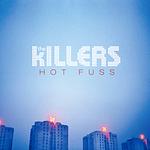
Hot Fuss is The Killers' 2004 debut studio album that blends post-punk revival and new wave influences with alternative and indie rock elements. The sound combines bright, 1980s-style synthesizer textures and driving basslines with urgent, anthemic guitar parts and Brandon Flowers' theatrical vocals, yielding energetic, danceable rock songs built around strong hooks and lyrical themes of jealousy and longing. Several tracks on the record became signature songs for the band and the album is often associated with the mid 2000s resurgence of synth-tinged rock.
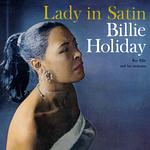
Lady in Satin (1958) presents Billie Holiday in a late-career, emotionally raw mode, her fragile, weathered voice set against lush orchestral arrangements by Ray Ellis that emphasize strings and melancholic textures. The record focuses on torch songs and standards delivered with intimate phrasing and a sense of vulnerability, the contrast between Holiday's worn timbre and the polished orchestral backdrop creating a haunting, poignant atmosphere. It is widely regarded as a powerful and affecting artistic statement from her later years.
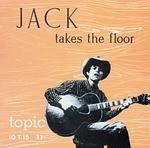
Jack Takes the Floor (1958) by Ramblin' Jack Elliott is a spare acoustic folk album that showcases Elliott's relaxed, conversational singing, fingerpicked guitar and occasional harmonica. The repertoire draws on traditional ballads, country blues and cowboy songs presented in a storyteller's style rooted in the influence of Woody Guthrie. The record exemplifies Elliott's role in the 1950s American folk revival, emphasizing informal performance and songcraft rather than studio polish.
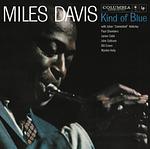
Kind of Blue is a 1959 album by Miles Davis that helped define modal jazz with a spare, lyrical approach that emphasizes modes and scales rather than dense chord progressions. Recorded with a sextet including John Coltrane, Cannonball Adderley, Bill Evans, Paul Chambers, and Jimmy Cobb, the music is spacious and understated, featuring extended improvisation on pieces such as "So What" and "All Blues" and blending elements of cool jazz, hard bop, and post-bop. Its subdued tone, focus on melody, and subtle group interplay make it widely regarded as a landmark in modern jazz.
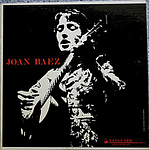
Joan Baez is the 1960 debut album by Joan Baez, made up largely of traditional folk songs delivered with her clear soprano and spare acoustic guitar accompaniment. The recordings emphasize intimate, unadorned interpretations of ballads and socially aware folk material, highlighting Baez's precise phrasing and tonal clarity. The album is an early, influential document of the American folk revival and helped establish Baez as a prominent voice in that movement.
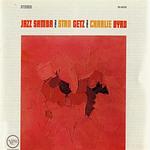
Jazz Samba (1962) pairs tenor saxophonist Stan Getz with guitarist Charlie Byrd in a set that blends bossa nova rhythms with jazz improvisation. The album features relaxed samba grooves, nylon-string guitar textures, light percussion, and Getz's warm, lyrical tone, presenting Brazilian song forms through a cool jazz sensibility. It is widely regarded as a landmark recording that helped introduce bossa nova to American jazz listeners.
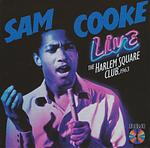
Live at the Harlem Square Club, 1963, recorded in 1963 and released in 1985, captures Sam Cooke in a raw, electric live setting where his voice leans into gospel-rooted soul rather than the polished pop of his studio work. The performance is driven by tight R&B arrangements, a spirited backing band, and energetic call-and-response with the crowd, highlighting Cooke's dynamic phrasing and emotional intensity. The recording is notable for its immediacy and the contrast it reveals between his live persona and his smoother studio image.
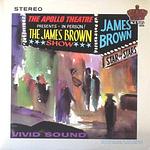
Live at the Apollo, 1962 captures James Brown's raw stage energy and tight band interplay, blending soul, deep soul, R&B and early funk elements. The recording emphasizes call-and-response vocals, punchy horn arrangements, driving rhythms and extended live passages that showcase Brown's showmanship and the band's rhythmic precision. The sound favors immediacy and dynamic range over studio polish, presenting immersive, intense performances typical of his concerts at the time.
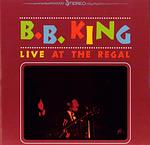
Live at the Regal, recorded at the Regal Theatre in Chicago and released in 1965, captures B.B. King's electric Chicago blues in a live club setting. The album showcases his warm, expressive vocals and economical yet powerful guitar solos backed by a tight band, with strong call-and-response moments and a vivid sense of audience interaction. It is widely regarded as a landmark live blues recording that highlights King's stage presence and the immediacy of urban electric blues.
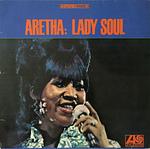
Lady Soul (1968) captures Aretha Franklin in the fertile late 1960s Atlantic period, showcasing her gospel-rooted, deeply expressive voice across material that blends soul, Southern soul, blues, and classic R&B. The record pairs her commanding vocals and piano with tight rhythm and horn arrangements, moving between punchy, groove-driven numbers and tender, intimate ballads. Its raw emotional intensity and authoritative phrasing helped define a model of deep soul singing that influenced many later vocalists.
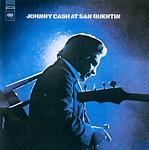
Johnny Cash at San Quentin is a 1969 live album recorded at San Quentin State Prison that captures Cash and his backing band, the Tennessee Three, in a raw, direct performance. The record features raucous audience interaction, spoken banter, and live versions of songs including "San Quentin" and the live debut of "A Boy Named Sue." Musically it blends country, country rock, and gospel influences with gritty electric guitar, driving rhythms, and Cash's deep baritone, and it helped define his public persona as a performer who connected strongly with incarcerated audiences.
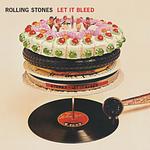
Let It Bleed is a 1969 Rolling Stones album that moves the band toward a rawer, roots-oriented sound blending blues rock, hard rock, country and gospel-tinged elements. The record balances loose, electric blues numbers with acoustic and country textures and longer, more expansive rock pieces, with songs such as "Gimme Shelter" and "You Can't Always Get What You Want" exemplifying its dramatic, often dark tone. Production favors a gritty, live-in-the-studio feel, and the songwriting reflects a more mature, unsettled mood compared with the group's earlier pop-oriented work.
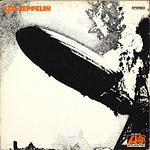
Led Zeppelin's 1969 debut is a raw, blues-rooted hard rock album that introduced the band's heavy, riff-driven sound. It combines electrified blues interpretations and original compositions with acoustic interludes, showcasing Jimmy Page's layered guitar production, Robert Plant's expressive vocals, John Paul Jones's versatile arrangements, and John Bonham's powerful drumming. The record's emphasis on distorted guitar tones, dynamic shifts and extended arrangements helped establish a blueprint for much of late 1960s and 1970s hard rock and early heavy metal.
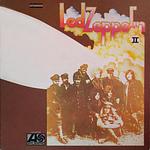
Led Zeppelin II, released in 1969, expands the band's debut into a heavier, riff-driven sound rooted in electric blues and early hard rock. The album emphasizes powerful blues-influenced guitar riffs, thunderous drums, and Robert Plant's high-register vocals, with studio production that uses bold panning, overdubs, and distortion to create dense, energetic arrangements. It blends reworkings of blues material with original compositions to showcase the group's fusion of traditional blues forms and a louder, more aggressive rock approach that helped shape subsequent hard rock and blues rock styles.
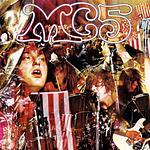
Kick Out the Jams is the 1969 debut live album by MC5, recorded at Detroit's Grande Ballroom. It captures the band's raw, high-energy fusion of garage rock and hard rock with extended, noisy jams and aggressive, shouted vocals that helped lay groundwork for proto-punk. The performances emphasize distorted guitars, driving rhythms, and a confrontational stage presence, making the record an influential snapshot of late 1960s underground rock.
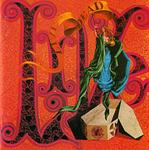
Live/Dead, released in 1969, is the Grateful Dead's first official live album and a landmark document of their late 1960s improvisational sound. It captures long, exploratory psychedelic rock performances that blend folk and blues roots with extended guitar and organ interplay, exemplified by sprawling renditions of "Dark Star" and the raucous "Turn On Your Lovelight." The record emphasizes live dynamics and improvisation over concise studio arrangements, showcasing the band’s approach to collective, real-time musical exploration.
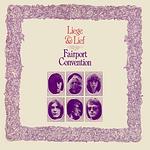
Liege & Lief (1969) by Fairport Convention is a landmark British folk rock album that blends traditional English folk songs with electric rock instrumentation, anchored by Sandy Denny's vocals and Richard Thompson's distinctive guitar work. The arrangements mix acoustic textures, fiddle-led melodies, and driving electric rhythms to create a muscular yet rooted sound that helped define the electric folk movement and steer British folk toward fuller band-oriented interpretations with country and rock influences.
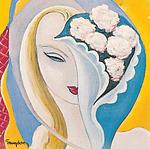
Layla and Other Assorted Love Songs is a 1970 album by Derek and the Dominos that blends blues rock and straight rock with moments of softer, acoustic balladry. Led by Eric Clapton and featuring notable slide guitar contributions from Duane Allman, the record is built around expressive, guitar-driven arrangements, mixing raw electric blues numbers with more intimate melodic songs. The title track contrasts a storming rock section with a quieter, piano-led coda, and the album is frequently cited for its emotional intensity and guitar interplay.
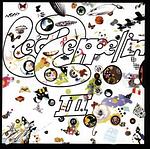
Led Zeppelin III, released in 1970, finds the band moving beyond the hard blues rock of their early records by integrating acoustic instrumentation and folk textures alongside heavier electric songs. The album juxtaposes powerful, riff-driven tracks such as the opening 'Immigrant Song' with pastoral, acoustic pieces and tender balladry, revealing a greater emphasis on dynamics, arrangement and melodic nuance. It is notable for its contrast between raw rock energy and more intimate, folk-influenced songwriting, expanding the group’s sonic range within a single record.
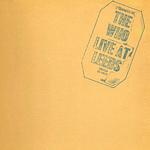
Recorded at Leeds University in 1970, Live at Leeds captures The Who in a loud, raw live set that emphasizes hard rock and blues-rock intensity alongside the band's classic rock songwriting. The album features extended, high-energy performances, muscular guitar work from Pete Townshend, forceful vocals from Roger Daltrey, dynamic bass from John Entwistle, and frenetic drumming by Keith Moon, with a stripped-down, immediate sound that influenced subsequent live rock recordings.
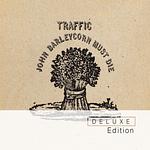
John Barleycorn Must Die (1970) finds Traffic blending folk rock and progressive approaches with blues and jazz colors. The title track is a long, pastoral reading of the traditional ballad built around acoustic guitar and flute, while instrumental pieces such as "Glad" highlight Steve Winwood's organ and piano work over loose, jazz-tinged rhythms. The album emphasizes rootsy, spacious arrangements and multi-instrumental textures, with Winwood's vocals and keyboards supported by Chris Wood's woodwinds and Jim Capaldi's percussion.
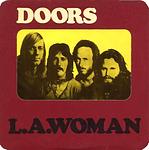
Released in 1971, L.A. Woman is the Doors' final studio album to feature Jim Morrison. The record moves toward a rawer, blues-based sound that blends blues rock and psychedelic textures, driven by Robby Krieger's guitars and Ray Manzarek's organ beneath Morrison's gritty vocal delivery. Recorded with engineer Bruce Botnick after producer Paul A. Rothchild left the sessions, the performances have a live-in-studio immediacy and include songs such as "L.A. Woman" and "Riders on the Storm." The album is notable for its loose grooves, urban lyrical themes, and a marked return to roots-oriented songwriting.
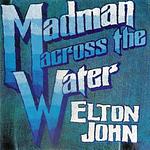
Madman Across the Water is a piano-centered album that expands Elton John's sound with lush, orchestral arrangements and a darker, more cinematic mood than his earlier work. Bernie Taupin's narrative lyrics and John's melodic piano playing blend rock, soft rock and baroque pop elements with folk rock inflections on songs such as Tiny Dancer and Levon. The record emphasizes sweeping string and horn arrangements and marks a move toward more ambitious, arrangement-driven songwriting.
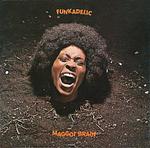
Maggot Brain (1971) by Funkadelic blends deep funk grooves with psychedelic and hard rock textures, anchored by George Clinton's production and Eddie Hazel's emotive guitar work. The album features the side-long title track, an extended, searing guitar improvisation over sparse backing that conveys a melancholy and cosmic intensity, while other songs shift between raw, guitar-driven rock and rhythmically dense funk with layered vocals, wah-wah guitar and distorted tones. It represents a key moment in the development of P-Funk's more experimental, rock-infused side and highlights the group's appetite for studio experimentation and improvisation.
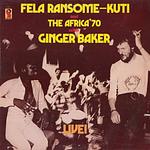
Live! (1971) captures an onstage collaboration between Fela Kuti and his Africa 70 band with guest drummer Ginger Baker. The music blends Afrobeat's extended grooves, layered percussion and interlocking horn lines with elements of funk and jazz, featuring long rhythmic vamps, call and response vocals, and improvisational passages that highlight Baker's rock and jazz influenced drumming against Africa 70's tight ensemble. The performance is notable for illustrating how Afrobeat's polyrhythmic approach could intersect with Western drum styles and for exposing the band to a broader international audience.
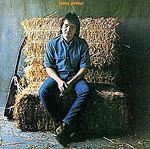
John Prine is the singer-songwriter's 1971 debut album, a spare, acoustic-rooted set that blends folk, country, and rock influences. It features plainspoken, observant lyrics and dry humor on early classics such as "Hello in There", "Sam Stone", "Angel from Montgomery", and "Paradise", with fingerpicked guitar and subtle accompaniment that foreground the storytelling. The album helped establish Prine's reputation for narrative songwriting and distinctive vocal delivery within contemporary folk and Americana traditions.
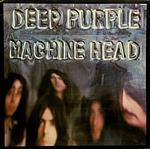
Machine Head, released in 1972 by Deep Purple, is a landmark hard rock album built around heavy, riff-driven songs, a prominent Hammond organ, and aggressive, blues-rooted guitar and vocals. It includes the riff-driven 'Smoke on the Water' and balances concise, hard-hitting tracks with extended jams that showcase Ritchie Blackmore's guitar, Jon Lord's organ textures, Ian Gillan's commanding voice, and a tight rhythm section. The album's raw sound and blend of blues, classical-tinged organ lines, and amplified guitar helped shape early heavy metal and arena rock styles.
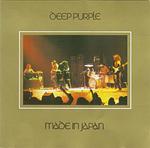
Made in Japan is a 1972 live album by Deep Purple documenting performances from their 1972 Japanese tour with the Mark II lineup. The recording captures the band's hard rock and early heavy metal sound in extended, improvisational live takes, featuring prominent organ and guitar interplay, driving rhythm work, and Ian Gillan's powerful vocals. Notable for long versions of songs such as "Highway Star", "Child in Time", and "Space Truckin'", the album highlights the band's live dynamics, extended solos, and the arena-ready sound associated with early 1970s classic rock.
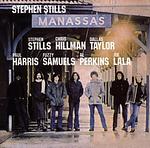
Manassas is the 1972 double album from the band Manassas, led by Stephen Stills. The record moves fluidly through classic rock, folk rock, blues rock and country rock, with touches of Latin and bluegrass, pairing electric rockers with acoustic ballads and country-tinged jams. It emphasizes ensemble playing, layered vocal harmonies and varied instrumentation, including prominent slide and pedal steel textures, and serves as a showcase for Stills' eclectic songwriting and the group's tight musicianship.
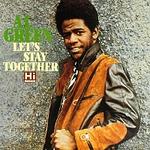
Let’s Stay Together (1972) finds Al Green delivering intimate, gospel-tinged soul marked by his distinctive falsetto, warm midtempo grooves, and spare, tasteful arrangements. Anchored in the Hi Records sound, the album blends smooth and Southern soul with pop sensibilities while retaining clear gospel inflections in the vocal delivery. The title track captures the record’s romantic, restrained mood and exemplifies the tone that became central to Green’s early 1970s work.
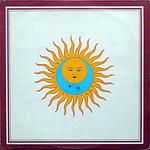
King Crimson's 1973 album Larks' Tongues in Aspic showcases a renewed lineup and a move toward a more experimental, heavier sound. It blends composed progressive pieces with free improvisation, prominent violin and bowed textures, angular electric guitar, complex interlocking rhythms, and unconventional percussion, shifting between aggressive electric passages and quieter, atmospheric interludes. The album introduced recurring motifs in the Larks' Tongues pieces and marks a defining moment in the band's avant-prog phase of the early 1970s.
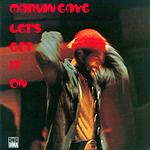
Let’s Get It On, released in 1973, is Marvin Gaye’s soulful, sensual album that emphasizes romantic and erotic themes through warm, intimate vocals and rich arrangements. Gaye produced and co-wrote much of the material, using layered harmonies, a breathy falsetto, and a blend of funk, pop soul, blues and gospel-inflected phrasing to create a smooth, seductive atmosphere. The album represents a shift toward more personal, adult subject matter within the Motown framework and helped shape the sound of later R&B and soul recordings.
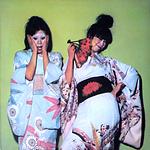
Kimono My House (1974) pairs glam rock energy with art pop and progressive pop ambitions, featuring Ron Mael's angular, piano-led arrangements and Russell Mael's theatrical, vibrato-rich vocals. The songs blend concise pop hooks with eccentric, literate lyrics and dramatic orchestral touches, creating abrupt shifts in mood and a distinctive, witty sound exemplified by "This Town Ain't Big Enough for Both of Us" and "Amateur Hour". The album is widely regarded as the record that established Sparks' idiosyncratic fusion of glam and art rock and brought them broader attention in the 1970s.
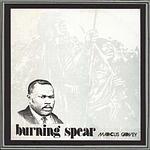
Marcus Garvey is a 1975 roots reggae album by Burning Spear that channels Rastafarian thought and Pan-African themes through direct, militant lyrics. Its sound favors deep, repetitive bass and drum patterns, spare organ and horn accents, and Burning Spear's commanding, chant-like vocals, producing a solemn, hypnotic atmosphere. The album is regarded as a landmark of 1970s roots reggae for its focused message and austere production.
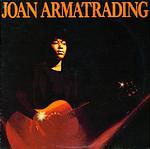
Joan Armatrading (1976) is a studio album that blends folk and contemporary folk with pop and rock elements, showcasing Armatrading's distinctive, soulful voice and direct, personal songwriting. The arrangements balance acoustic guitar-driven intimacy with fuller band textures and subtle soul and pop touches, resulting in concise, emotionally focused songs about relationships and self-reliance. Compared with her earlier work, the record leans toward more polished production while keeping the lyrical clarity and melodic emphasis of her folk roots.
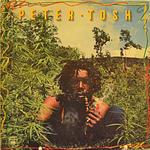
Legalize It is Peter Tosh's 1976 debut solo album after leaving the Wailers. Rooted in roots reggae, it features groove-driven rhythms, prominent bass and drums, offbeat guitar skanks, organ and horn touches, and Tosh's assertive baritone. Lyrically it mixes personal and political themes, most notably open advocacy for cannabis legalization on the title track. The record helped define Tosh's solo identity with a direct, uncompromising sound and socially conscious songwriting.
Low by David Bowie
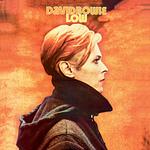
Low, released in 1977, finds David Bowie moving into a spare, electronic and ambient-influenced sound that began his Berlin-period work. Produced with Tony Visconti and featuring contributions from Brian Eno, the album splits between concise, experimental art pop and rock songs on the first side and largely instrumental, ambient and electronic pieces on the second side. Its textures combine synths, electronic treatments, fragmented vocal lines and minimalist arrangements, creating a cool, moody atmosphere that marked a notable stylistic shift in Bowie's career and influenced later blends of rock with ambient and electronic music.
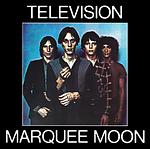
Marquee Moon is Television's 1977 debut album that blends art punk, new wave, post-punk, and art rock into a spare, guitar-driven sound. It features interlocking, melodic guitar lines from Tom Verlaine and Richard Lloyd, a taut rhythm section, and literate, elliptical lyrics, with the extended title track showcasing the band's improvisational interplay. The album's emphasis on texture and guitar interplay influenced later post-punk and indie rock approaches.
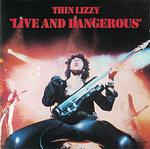
Live and Dangerous (1978) is Thin Lizzy's live album that captures the band's hard rock and blues-rooted sound in a concert setting. It highlights Phil Lynott's vocal presence and songwriting alongside tight, harmonized twin-guitar lines, punchy rhythm work, and a mix of concise songs and extended live arrangements that emphasize improvisation and crowd interaction. The record serves as a document of the band's late 1970s onstage sound, blending blues rock and classic rock textures with energetic, guitar-driven performances.
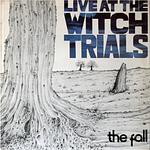
Live at the Witch Trials (1979) is The Fall's debut studio album; despite its title it is not a live recording. The record presents a raw, angular post-punk sound characterized by jagged guitars, driving bass and drums, and Mark E. Smith's talk-sung, often caustic vocal delivery and cryptic lyrics. Its spare, rough production and repetitive grooves emphasize tension over polish, introducing many of the stylistic traits that came to define the band's output and helping to position the group within post-punk and early indie rock currents.
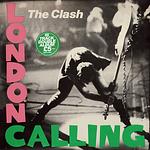
London Calling (1979) by The Clash is a double album that builds on the band’s punk roots while incorporating rockabilly, reggae, ska, new wave and straight rock. The record pairs punk’s urgency and raw guitar with melodic hooks, varied arrangements and occasional piano and horn touches, and features Joe Strummer’s often politically minded and observational lyrics. Its wide stylistic range and confrontational yet tuneful approach helped broaden the musical possibilities available to punk bands at the time.
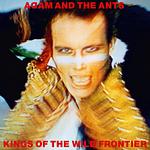
Kings of the Wild Frontier, released in 1980 by Adam and the Ants, blends punk energy with New Wave and New Romantic stylings and is marked by theatrical, ant-themed imagery and concise pop songwriting. The record is built around propulsive, Burundi-inspired drumming and a dual-drummer approach that gives the tracks a tribal, danceable pulse, while angular guitars, driving basslines, and theatrical vocals bridge post-punk edginess and accessible hooks. The album helped define the band’s signature sound by combining rhythmic intensity with melodic immediacy.
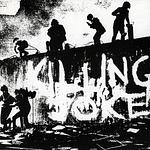
Killing Joke's 1980 self-titled debut blends jagged post-punk guitars, primal drumming, and cold electronic textures to create a dark, propulsive sound that bridges punk energy and emerging industrial electronics. Jaz Coleman's urgent vocals and Geordie Walker's metallic, angular guitar work give the record a confrontational atmosphere, while repetitive rhythms and stark production emphasize tension and trance-like momentum. The album is often cited for helping to shape the aesthetics of post-punk and industrial rock and for establishing the band's abrasive, apocalyptic themes.
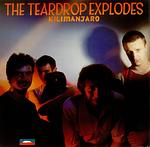
Kilimanjaro, the 1980 debut album by The Teardrop Explodes, blends new wave and post-punk energy with a clear 1960s psychedelic sensibility filtered through concise pop songwriting. The record pairs bright, hook-driven melodies and Julian Cope's dramatic vocals with ornate keyboards, occasional brass touches, and propulsive rhythms, producing tracks that move between urgent pop-rock and dreamier, psychedelic passages. Its mix of catchy singles like "Reward" and more ambitious arrangements helped define the band's distinctive voice in the early 1980s British indie and new wave circles.
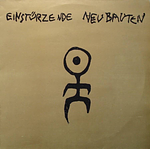
Kollaps, released in 1981 by Einstürzende Neubauten, is an early industrial record that foregrounds abrasive noise, metallic percussion and raw rock energy. The group deploys custom-built instruments, scrap metal, power tools and found objects to shape mechanical rhythms and percussive textures beneath Blixa Bargeld's stark, often shouted vocals, creating a confrontational and experimental sound. Its lo-fi production and emphasis on timbre and rhythm over conventional melody helped define a strand of German industrial and noise-influenced rock in the early 1980s.
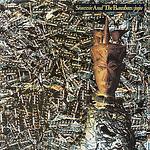
Juju, released in 1981 by Siouxsie and the Banshees, is a tense, atmospheric post-punk album with strong ties to early gothic rock. It pairs Siouxsie Sioux's commanding, stylized vocals with John McGeoch's inventive, angular guitar work and Budgie's propulsive, tom-driven rhythms to create a spare, textured sound; songs such as "Spellbound" capture the record's moody, claustrophobic energy. The album is often regarded as a defining statement in the band's catalog and an influential touchstone for post-punk and gothic guitar-based music.
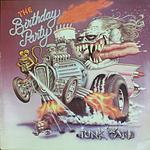
Junkyard, released in 1982 as The Birthday Party's second and final studio album, captures the band at its most confrontational and unpolished. The record fuses post-punk angularity with blues and rockabilly edges, driven by Nick Cave's snarling vocals and Rowland S. Howard's jagged, feedback-rich guitar, while Nick Launay's production emphasizes a claustrophobic, noisy atmosphere. Its abrasive arrangements, dark lyrical imagery, and raw intensity mark it as a key document of the darker, more experimental side of early alternative and post-punk music.
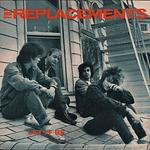
Let It Be, released in 1984 by The Replacements, blends raw garage rock and post-punk energy with melodic power pop and indie sensibilities. The album alternates raucous, loose performances and more reflective, melodic songs, showcasing Paul Westerberg's confessional songwriting on tracks such as I Will Dare, Bastards of Young and Androgynous. Its mix of rough-edged guitars, direct vocals and hooky melodies helped define a rough-hewn alternative rock sound that influenced many bands in the indie and college-rock scenes.
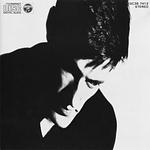
Low-Life (1985) by New Order blends post-punk songwriting with synth-driven dance production, pairing Bernard Sumner's cool, emotive vocals with Peter Hook's melodic, high-register basslines and Stephen Morris's precise drums and programming, while Gillian Gilbert contributes keyboard textures. The record balances rock instrumentation and electronic rhythms, moving between atmospheric instrumentals and concise, hook-driven songs, and marks a consolidation of the band's shift from post-punk roots toward a more club-oriented, electronic pop sound.
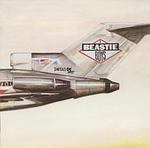
Licensed to Ill is the 1986 debut studio album by the Beastie Boys that fuses East Coast hip hop and rap rock. Produced by Rick Rubin, it pairs hard-hitting sampled beats and prominent rock guitar hooks with brash, party-oriented rhymes delivered by the trio. The record emphasizes dense sample collages, stripped-down drum patterns, and a punk-inflected, irreverent attitude, and is often noted for expanding the sonic possibilities of late 1980s hip hop by bringing rock textures into a rap framework.
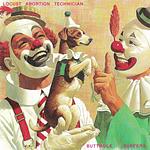
Locust Abortion Technician, released in 1987 by Butthole Surfers, pushes the band's sound into densely abrasive and hallucinatory territory, blending psychedelic punk, noise rock and experimental electronic textures. The album juxtaposes heavy, distorted guitar riffs and driving rhythms with tape manipulation, samples, and spoken-word fragments to produce a disorienting, collage-like listening experience. Tracks move between extended brooding grooves and short chaotic bursts, showcasing the group's interest in subverting rock conventions and integrating avant-garde production techniques into a raw, visceral context.
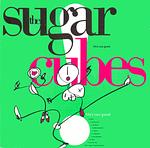
Life's Too Good is the 1988 debut album by Icelandic band The Sugarcubes. It blends alternative rock and indie pop with leftfield electronic textures, pairing jagged guitars and off-kilter rhythms with brass and synth accents and Björk's idiosyncratic vocals. The album mixes playful, surreal lyrics and unconventional song structures with moments of raw rock energy, and served to introduce the group's distinctive, artful sound and Björk's voice to a wider audience.
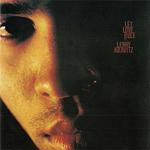
Let Love Rule, Lenny Kravitz's 1989 debut, blends rock, neo-psychedelia, pop rock, classic rock and funk rock with clear 1960s and 1970s soul and funk influences. The album is built around warm, vintage-flavored production, prominent guitar work, retro grooves and touches of organ and horns, with direct songs about love and personal resilience. It introduced Kravitz's throwback aesthetic and his role as a multi-instrumentalist and producer.
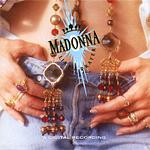
Like a Prayer, released in 1989, finds Madonna moving toward more personal songwriting and a broader sonic palette, blending pop and dance-pop with synth-pop, electronic production and pop rock elements. The title track uses a gospel choir and organ to inject spiritual textures, while other songs combine synthesizers and drum machines with live guitars, horns and soulful backing vocals. The album is characterized by its juxtaposition of secular and religious imagery and a more mature, varied sound than her earlier work.
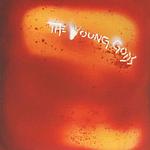
L’eau rouge (1989) by The Young Gods blends industrial harshness, electronic textures, and rock energy through dense, sampler-driven arrangements and forceful, rhythmic percussion. The record foregrounds looped, often metallic samples and layered soundscapes with Franz Treichler's intense vocal delivery, shifting between abrasive, propulsive tracks and more atmospheric, textural passages. Its focus on sampling as a primary instrumental voice gives the album a raw, cinematic quality that helped define the band's distinctive approach to industrial and electronic rock.