 The Greatest Music
1001 Albums You Must Hear Before You Die (2005)
Weight: 60%
How much this list influences our overall rankings. Higher weight means more reliable data.
Penalties Applied:
1001 Albums You Must Hear Before You Die is a long-running reference book series (first published 2005; revised in 2010, 2013, 2016, 2018, and 2021) edited by Robert Dimery. It’s an editorial anthology, not a ranked poll: each entry is a short critic-written essay, sequenced roughly chronologically from the 1950s onward, with compilations/most film soundtracks excluded. Later editions swap in newer releases (e.g., the 2021 edition closes with Jazmine Sullivan’s Heaux Tales), so the title “1001” is a rolling canon rather than a fixed list across editions.
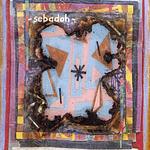
Bubble and Scrape (1993) finds Sebadoh balancing intimate, lo-fi acoustic songwriting with jagged, noisy electric textures while showcasing the distinct voices of Lou Barlow, Eric Gaffney, and Jason Loewenstein. The album mixes melodic, introspective songs with rougher, experimental noise-pop and slacker rock elements, moving between homespun folk influences and abrasive indie rock arrangements. Its sound is characterized by casual production, close vocal interplay, and a persistent tension between tunefulness and distortion.
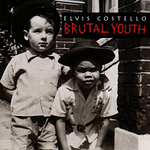
Brutal Youth, released in 1994, finds Elvis Costello returning to a guitar-driven rock and roll approach with concise, melody-focused songs and punchy arrangements. Many tracks feature the Attractions, adding taut rhythms and ringing guitars that sit alongside quieter, more reflective numbers, while Costello’s literate, often mordant lyrics mix personal observation and social commentary. The record balances the raw energy of his earlier rock work with some contemporary alternative rock sensibilities and emphasizes live band interplay over studio ornamentation.
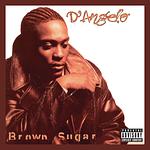
Brown Sugar, D'Angelo's 1995 debut, blends contemporary R&B, soul, funk and hip hop-soul into warm, groove-driven songs characterized by laid-back, expressive vocals and prominent live instrumentation. The album pairs intimate, romantic songwriting with retro-soul production touches and loose, organic grooves that helped position D'Angelo as a central figure in the 1990s neo-soul movement.
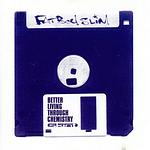
Better Living Through Chemistry (1996) is Fatboy Slim's debut studio album under that name, built around sample-driven big beat and breakbeat production. The record combines heavy break loops, funk and house elements, acid-tinged synth tones and playful vocal snippets to create an energetic, dancefloor-oriented sound that emphasizes rhythm and groove. It established the sample-heavy, DJ-centric approach Norman Cook continued to develop as Fatboy Slim and is often cited as an early example of the mid 1990s big beat style.
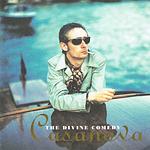
Casanova, released in 1996 by The Divine Comedy, blends baroque pop and chamber pop with Britpop-era songcraft, pairing Neil Hannon's literate, theatrical vocals with lush orchestral arrangements including strings, brass and piano. The album mixes romantic and wryly comic lyrical themes with melodic, lounge-tinged touches that sit alongside indie rock sensibilities, creating a polished, cinematic sound distinct from straightforward guitar bands of the period.
Being There by Wilco
Being There, Wilco's 1996 double album, blends alternative rock, alt country and Americana across a wide stylistic range, shifting between intimate acoustic songs and more electric, noisy rock arrangements. Jeff Tweedy's songwriting pairs plainspoken, observational lyrics with melodic hooks, while the production often favors a homespun, slightly lo-fi aesthetic that allows experiments in texture and dynamics. The album captures the band moving beyond its rootsy beginnings toward a more eclectic, exploratory sound.
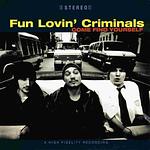
Come Find Yourself, the 1996 debut by Fun Lovin' Criminals, blends hip hop beats, lounge jazz, rock and pop hooks into a cinematic urban sound. Songs pair rapped verses and smoky crooning with funk basslines, twangy guitars and film-sample touches to create a playful, noir-tinged atmosphere. The album introduced the band's genre-mixing, storytelling approach and became their signature style.
Blur (1997) marks a deliberate shift from the band’s earlier Britpop sound toward a rawer alternative and slacker rock approach, with more distorted guitars, tighter song structures, and lo-fi textures. The album balances raucous, compact tracks such as Song 2 with more introspective, melodic numbers like Beetlebum, and uses dynamic shifts and occasional electronic touches to broaden its sonic palette. This change in tone signaled the group’s willingness to move beyond Britpop conventions and helped expand their international profile.
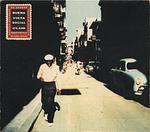
Buena Vista Social Club (1997) is a warm, acoustic collection rooted in son cubano, bolero, and Afro-Cuban jazz influences. Recorded with a group of veteran Cuban musicians and produced by Ry Cooder, it features tres and guitar, piano, soft horns, layered percussion, and intimate lead and ensemble vocals from singers such as Ibrahim Ferrer, Compay Segundo, Omara Portuondo, and others. The arrangements emphasize melody, conversational call-and-response phrasing, and nostalgic lyrical themes, and the album helped spark renewed international interest in traditional Cuban music.
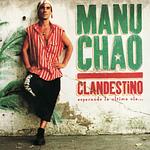
Clandestino is Manu Chao's 1998 solo album, a spare, lo-fi blend of folk, reggae, Latin rhythms and downtempo electronic touches. Songs use multilingual lyrics, repetitive loops, acoustic guitar and subtle dub-style production to create a road-worn, improvisatory sound that foregrounds themes of migration, border crossings and life on the margins. The record helped define Manu Chao's solo aesthetic after his work with Mano Negra and is often cited for its genre-blending, globalized pop sensibility.
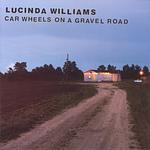
Car Wheels on a Gravel Road (1998) finds Lucinda Williams blending country, folk, blues and rock into a rootsy singer-songwriter statement. The record pairs spare, gritty arrangements—twangy electric guitar, slide, organ and tight percussion—with Williams's weathered, conversational vocals and plainspoken, often confessional lyrics. Tracks shift between slow-burning ballads and up-tempo roots rock, evoking southern landscapes and intimate relationship themes, and the album is commonly cited as a defining work in contemporary Americana.
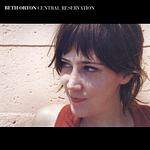
Central Reservation, released in 1999, pairs Beth Orton's intimate, folky songwriting and worn acoustic guitar with subtle electronic and downtempo textures, creating a warm, introspective sound that sits between folk and electronica. Orton's husky, emotive vocals and spare arrangements emphasize mood and melody, with production that balances organic instruments and programmed beats. The album is often noted for its role in the late 1990s crossover between folk traditions and electronic music.
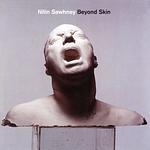
Beyond Skin (1999) is Nitin Sawhney's album that blends downtempo electronica with South Asian instrumentation and orchestral textures, pairing ambient production and programmed beats with acoustic elements like tabla, strings and guitar. The music balances melodic, cinematic arrangements and rhythmic complexity, incorporating vocal passages and spoken-word touches that probe themes of identity, migration and multicultural experience. The record marked a clear statement of Sawhney's approach to bridging Asian and Western musical traditions through thoughtful, genre-blurring compositions.
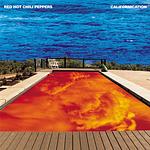
Californication, released in 1999, marked the return of guitarist John Frusciante and a shift toward more melodic, textured songwriting. The record blends the band's funk roots with alternative rock and more restrained, atmospheric arrangements, pairing introspective lyrics about fame, addiction, and life in California with clean guitar lines, melodic bass, and rhythmic grooves. Its mix of radio-friendly melodies and darker lyrical themes helped define the band's sound as they moved into the 2000s.
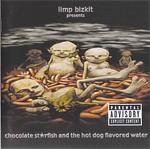
Chocolate Starfish and the Hot Dog Flavored Water is Limp Bizkit's 2000 album that combines nu metal's heavy, down-tuned guitar riffs and groove-focused rhythms with hip hop elements such as rap vocal delivery, turntable work, and sampled textures. The sound juxtaposes aggressive, shouted vocals and rap verses with melodic hooks, creating a loud, polished rap rock and alternative metal hybrid that was characteristic of the era. Its brash attitude, emphasis on rhythm and groove, and crossover of metal and hip hop elements make it a prominent example of late 1990s and early 2000s nu metal.
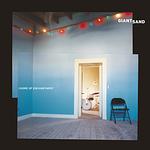
Chore of Enchantment is a 1999 album by Giant Sand, the long-running project led by Howe Gelb. It blends alternative rock and Americana with loose, improvisatory arrangements, combining desert-tinged folk and country-tinged melodies with occasional psychedelic or experimental touches. The record emphasizes mood and atmosphere through spacious production and understated vocals, creating a languid, sun-baked sound that stands out for its balance of songcraft and adventurous textures.

Bright Flight, released in 2001 by Silver Jews, centers on David Berman's literate, wry, and often melancholy songwriting, pairing conversational lyrics with spare, country-tinged indie rock arrangements. The album favors reflective, acoustic textures and understated electric guitar work, creating an intimate, pastoral mood that blends folk, country, and lo-fi rock sensibilities while keeping narrative and voice at the forefront.
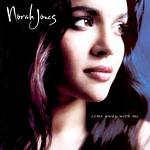
Come Away With Me is Norah Jones's 2002 debut album that blends contemporary jazz, blues, folk, and vocal jazz into a warm, understated sound. The record emphasizes piano-led, acoustic arrangements, gentle tempos, and Jones's intimate, smoky vocal delivery, with songs that mix jazz phrasing with country and folk influences. Its restrained production and easygoing mood introduced the accessible, genre-crossing style that became closely associated with her work.
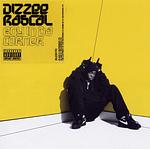
Boy in da Corner, Dizzee Rascal's 2003 debut, crystallizes early grime with raw, spare electronic production, jittery garage- and jungle-influenced rhythms, and rapid, confrontational MCing. The record blends grime, hip hop, and electronic elements, featuring largely DIY production and stark, urban lyrical perspectives that emphasize street life and youthful frustration. Its lo-fi beats, jagged bass lines, and urgent vocal delivery made it a defining example of the emerging UK grime sound.
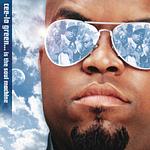
Cee-Lo Green... Is the Soul Machine (2004) is a solo album that blends downtempo grooves, electronic textures, hip hop rhythms, and neo soul vocalism. The record pairs vintage soul-influenced singing with contemporary beats and atmospheric production, moving between intimate balladry and more beat-driven tracks, and highlights CeeLo's flexibility as both a singer and rapper. It occupies a transitional place in his catalog, exploring eclectic arrangements and genre fusion that foreshadowed later creative directions.
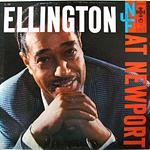
Ellington at Newport is a 1956 live recording of Duke Ellington and His Orchestra from the Newport Jazz Festival that captures the orchestra's big band sound, swinging ensemble charts, blues-inflected themes, and extended soloing. The set is especially remembered for the electrifying live performance of "Diminuendo and Crescendo in Blue," featuring an extended tenor sax solo by Paul Gonsalves, and it highlights the blend of tightly arranged passages and high-energy improvisation. The album is often cited as a moment that brought renewed public attention to Ellington's orchestra in the mid 1950s.
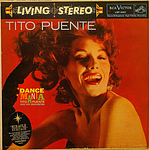
Dance Mania, recorded by Tito Puente and his orchestra in 1958, is a high-energy Latin dance album that mixes mambo, chachachá, bolero, and guaguancó. Its sound centers on timbales-led percussion and driving congas, with piano montunos and bold brass and reed arrangements that alternate punchy instrumental dance numbers with more lyrical bolero moments. The record showcases Puente's big-band approach to Afro-Cuban rhythms and the vibrant club-oriented feel of mid-century Latin dance orchestras.
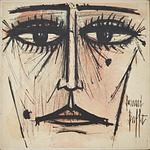
Ella Fitzgerald Sings the George and Ira Gershwin Song Book (1959) pairs Fitzgerald's clear, agile vocals with Nelson Riddle's polished orchestral arrangements to present a broad selection of Gershwin standards. The performances blend swing-based rhythmic drive and vocal jazz phrasing with moments of cool-jazz restraint, emphasizing her precise diction, lyrical phrasing, and tasteful improvisation. As one entry in her Song Book series, the album focuses on interpreting the Great American Songbook through orchestral settings that support rather than overpower the singer.
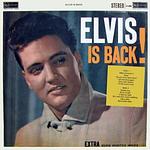
Elvis Is Back! is Elvis Presley’s 1960 studio album marking his return to recording after military service. The record mixes rock and roll, rhythm and blues, pop ballads and country-tinged numbers, with Presley showing a fuller, more controlled vocal approach and a broader stylistic range than on his earliest records. Backed by seasoned session musicians and cleaner studio production, the album balances uptempo rockers and intimate ballads while retaining elements of his rockabilly roots.
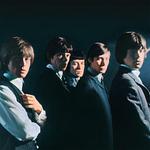
England's Newest Hit Makers is the Rolling Stones' 1964 American debut compilation that collects the group's early blues and R&B covers alongside some original compositions. The record highlights a raw, guitar-driven sound with Mick Jagger's distinctive vocals and Keith Richards' rhythmic playing, reflecting the British blues revival and the band's early blend of blues rock and pop-rock sensibilities. Its loose, live-in-studio energy and focus on gritty covers and straightforward originals helped define the Stones' formative sound for US listeners.
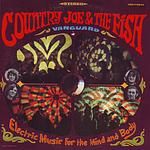
Electric Music for the Mind and Body, the 1967 debut by Country Joe and the Fish, blends folk rock songwriting with West Coast psychedelic textures. The record pairs acoustic and chiming electric guitars with organ, fuzzed tones and studio effects, moving between concise songs and extended instrumental passages. Lyrically it mixes surreal, poetic imagery with topical hints common to the era, and musically it exemplifies the exploratory, improvisatory side of mid 1960s San Francisco psychedelia.
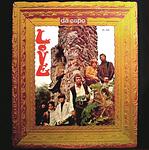
Da Capo, Love's 1966 album led by Arthur Lee, extends the group's folk-rock base into baroque pop and early psychedelia by pairing concise, melody-driven songs and chamber-pop arrangements with moments of distortion, organ and studio experimentation. The record balances delicate string and vocal textures against more adventurous, improvisatory passages, producing a varied sound that illustrates Love's distinctive approach to West Coast rock in the mid 1960s.
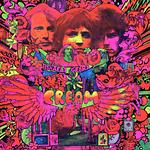
Disraeli Gears (1967) by Cream mixes blues rock and early hard rock with psychedelic touches, bringing more studio color and compact songcraft to the trio format. Eric Clapton's guitar tones and riff-driven playing sit alongside Jack Bruce's melodic bass and vocals and Ginger Baker's dynamic drumming, combining blues roots with psychedelic textures and tighter, radio-friendly arrangements that contrast with the band's longer live jams.
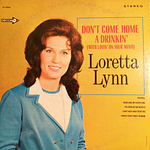
Don’t Come Home a Drinkin’ (with Lovin’ on Your Mind), released in 1967 and produced by Owen Bradley, is rooted in traditional country and honky tonk with touches of the Nashville sound. The title track and other songs showcase Loretta Lynn’s forthright, working class perspective and direct domestic storytelling, delivered over twangy steel, fiddle, piano and studio arrangements that keep her vocals front and center. The album is notable for its candid lyrical voice and for consolidating Lynn’s image as an assertive female presence in country music.
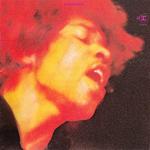
Electric Ladyland, the third studio album by The Jimi Hendrix Experience from 1968, expands Hendrix's palette into dense, studio-driven arrangements that blend blues rock, psychedelic textures, acid rock and hard rock. The record juxtaposes extended, improvisatory jams with concise blues and rock performances, using layered guitar overdubs, stereo effects and studio experimentation, and includes guest contributions that enrich the sound. Highlights include Hendrix's interpretations of "All Along the Watchtower" and the electrifying "Voodoo Child (Slight Return)", which showcase the album's mix of raw performance and studio craft.
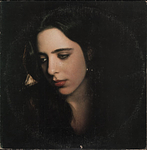
Laura Nyro's 1968 album Eli and the Thirteenth Confession blends pop, soul, jazz, gospel and folk into piano-driven, dramatic songs that foreground her intense, emotive vocals and distinctive songwriting. The arrangements pair warm horns, choral backing and varied rhythms with lyrical narratives that move between intimate confession and exuberant celebration. The record helped establish Nyro as a singular composer whose compositions were often interpreted by other artists and is notable for its adventurous fusion of catchy melodies and theatrical, sophisticated harmonies.
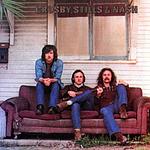
Crosby, Stills & Nash (1969) is the debut album by the trio, characterized by close three-part vocal harmonies, intertwining acoustic and electric guitars, and a blend of folk, rock and pop sensibilities. The record mixes tightly arranged harmony songs and more expansive, improvisatory moments, with tracks like "Suite: Judy Blue Eyes" and "Marrakesh Express" highlighting intricate vocal arrangements and guitar interplay. Lyrics move between personal reflection and broader late 1960s cultural references, and the album is often cited for helping to define the singer-songwriter and folk rock sound that followed.
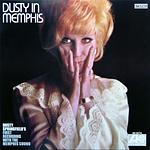
Dusty in Memphis, released in 1969, pairs Dusty Springfield's supple, emotive voice with Memphis-rooted soul arrangements to create a pop-soul record that leans into blue-eyed soul and classic Southern rhythm and blues. The album combines intimate, torch-like ballads and punchier soul grooves, using warm horn and string textures alongside a restrained rhythm section, and includes the single "Son of a Preacher Man." Its sound highlights Springfield's ability to move between pop phrasing and raw soul feeling, and it is often cited as a key example of cross-Atlantic soul-pop collaboration.
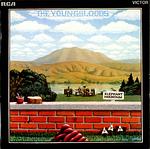
Elephant Mountain, released in 1969 by The Youngbloods, finds the band leaning more into a rock-oriented approach while retaining folk rock songwriting and vocal harmonies. The album features a denser, electric sound with layered arrangements and late 1960s psychedelic touches; the moody, image-rich song "Darkness, Darkness" is a notable track from the record. Overall it is often heard as a more sonically ambitious and band-focused statement compared with their earlier, more acoustic material.
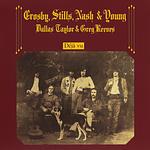
Déjà Vu is Crosby, Stills, Nash & Young's 1970 album that broadened the trio's harmony-driven folk rock by adding Neil Young's rawer voice and guitar work. It mixes acoustic and electric textures across folk, country rock, and rock, with close vocal harmonies, layered guitar interplay, and a balance of intimate singer-songwriter pieces and more forceful electric moments. Songwriting contributions from all four members give the record a varied yet cohesive sound that helped define a strand of early 1970s American rock.
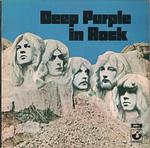
Deep Purple in Rock (1970) marks the arrival of the Mark II lineup and a decisive shift toward a heavier, riff-driven sound that helped define hard rock and early heavy metal. The album pairs aggressive, guitar-led tracks with prominent Hammond organ and dynamic, high-register vocals, ranging from concise rockers like Speed King to the extended, dramatic centerpiece Child in Time. Its raw power, muscular arrangements, and emphasis on lengthy instrumental passages established a template the band and peers would develop further in the 1970s.
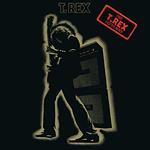
Electric Warrior, released in 1971 by T. Rex, marks Marc Bolan's shift from acoustic folk to a punchy, electric glam rock sound. The album pairs concise rock and roll rhythms and chiming, distorted guitar riffs with Bolan's distinctive vocal delivery and often surreal romantic lyrics. Arrangements emphasize tight grooves and memorable hooks, mixing elements of hard rock and classic rock and roll within a stylized glam aesthetic, and the record is widely regarded as a key statement of early 1970s British glam.
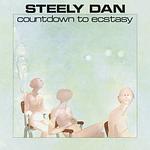
Countdown to Ecstasy, Steely Dan's 1973 album, furthers the band's blend of pop rock and jazz-influenced songwriting with tight arrangements, sophisticated chord changes, and literate, ironic lyrics. The sound pairs rock rhythms and guitar with jazz-pop and jazz-rock touches such as horn accents, piano work, and unexpected harmonic turns, and performances retain a more band-oriented energy than the later, more studio-controlled records. Songs like "Bodhisattva" and "My Old School" showcase the album's funky grooves and melodic complexity, making it an early example of Steely Dan's jazz-inflected pop sensibility.
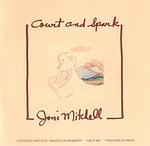
Court and Spark (1974) finds Joni Mitchell expanding her folk roots into a richer pop sound infused with jazz-influenced harmonies and sophisticated arrangements. The album blends acoustic songwriting with electric instrumentation and subtle horn and string touches, featuring well known songs such as "Help Me" and "Free Man in Paris". Its production balances intimate vocals and accessible melodies with complex chord choices and rhythmic nuance, marking a notable stylistic shift in Mitchell's catalog.
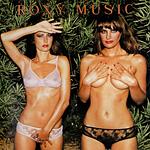
Country Life is the fourth studio album by Roxy Music, released in 1974. It blends art rock, glam rock, and pop rock with a more muscular, guitar-forward sound alongside Bryan Ferry's stylish vocals and literate lyrics. The arrangements combine glossy keyboards, saxophone and layered harmonies to create songs that balance sophistication and raw energy. The record is also notable for its bold, sexually suggestive sleeve that attracted controversy and for consolidating the band's move toward tighter, rock-oriented songwriting.
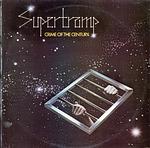
Crime of the Century, released in 1974 by Supertramp, is an art rock and progressive rock album that crystallized the band's piano-driven, theatrical sound. It balances dramatic, cinematic arrangements and prominent saxophone and keyboard textures with concise pop songwriting and contrasting lead vocals, producing an introspective, moody atmosphere. The record is widely regarded as the release that established Supertramp's signature blend of melodic hooks and progressive ambition, with recurring lyrical themes of alienation and confinement conveyed through vivid musical dynamics.
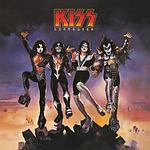
Destroyer (1976) finds KISS expanding from their raw, riff-driven hard rock roots into more ambitious studio territory with producer Bob Ezrin. The album blends glam rock swagger and heavy, arena-ready guitar work with layered production, orchestral arrangements and theatrical touches, most notably on the string-backed ballad "Beth" and the dramatic rocker "Detroit Rock City". It emphasizes tighter arrangements, vocal hooks and studio experimentation that broadened the band’s sound beyond straightforward live-style recordings.
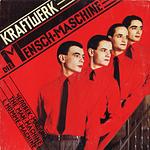
Die Mensch·Maschine (1978) is a Kraftwerk album that refines the group's minimalist, machine-like approach into a polished blend of electronic, synth-pop and electro sounds rooted in the Krautrock scene. It emphasizes precise drum-machine rhythms, repetitive arpeggiated synthesizer lines and vocoder-processed vocals to explore themes of technology and human interaction with machines. The arrangements balance simple pop songcraft with austere electronic textures, and several tracks from the record became particularly well known.
Elis by Elis Regina
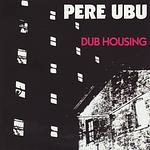
Dub Housing, Pere Ubu's 1978 album, expands the band's art punk approach into darker, more fragmented territory. Angular guitar and a taut rhythm sectionlock with Allen Ravenstine's scrunched analog synths and tape-echo treatments while David Thomas's staccato, idiosyncratic vocals push lyrics into oblique, theatrical territory. The record emphasizes repetition, space, and abrasive textures, blending experimental rock, post-punk, and new wave elements into a distinctive sound that helped define the band's challenging, unconventional approach.
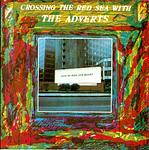
Crossing the Red Sea With The Adverts is the 1978 debut album from British punk band The Adverts, presenting short, urgent songs built on raw guitar, propulsive rhythms, and direct, literate vocals from T.V. Smith. The record blends punk's aggression with strong melodic hooks and concise songwriting, giving it a sharper pop sensibility than some contemporaries while retaining an abrasive edge. It is commonly noted for its clarity of purpose and for capturing the energy and attitude of the UK punk scene in a compact, focused set of songs.
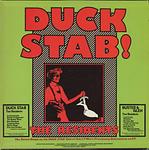
Duck Stab / Buster & Glen (1978) compresses The Residents' avant garde impulses into short, tightly constructed songs that combine abrasive electronics, dissonant horns, carnival keyboards, and clipped, theatrical vocals. The record pairs surreal, often darkly absurd lyrics with pop song frameworks, shifting between unsettling textures and catchy, off-kilter melodies, and it uses lo-fi tape manipulation and abrupt arrangements to create a deliberately disorienting effect. The result leans more toward concise, song-based material than some of their earlier, longer-form work while retaining the band's enigmatic, experimental character.
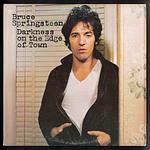
Darkness on the Edge of Town is Bruce Springsteen's 1978 album that adopts a leaner, grittier approach to heartland rock and singer-songwriter storytelling. The sound emphasizes direct, guitar-driven arrangements with piano accents and a more restrained, raw production than some earlier work. Lyrically the album focuses on working-class characters, moral struggle, loss and the pursuit of dignity, delivered in spare, atmospheric songs such as "Badlands" and "Racing in the Street". Its sober tone and narrative focus helped define Springsteen's signature blend of rock and character-driven songwriting.
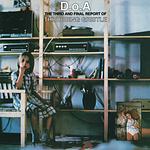
D.o.A. The Third and Final Report (1978) by Throbbing Gristle is a raw, uncompromising record that mixes abrasive electronic textures, tape manipulation and jagged, often minimal rhythms with confrontational vocal delivery. The music emphasizes unsettling atmospheres, noise-based sound design and unconventional song forms rather than traditional melodies, reflecting the band's performance-art sensibility and interest in pushing rock and electronic practices into darker, more challenging territory. The album is frequently cited as an early, formative work in the development of industrial and experimental rock approaches.
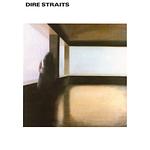
Dire Straits is the 1978 debut album by Dire Straits, built around Mark Knopfler's economical fingerpicked guitar and literate, observational lyrics. The record mixes rock, roots rock, blues rock and country-tinged arrangements with relatively spare production that highlights tight rhythm playing and clean guitar tones, and includes tracks such as "Sultans of Swing" that showcase the band's blend of groove and storytelling.
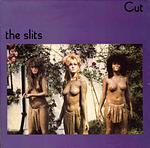
Cut, the 1979 debut by The Slits, blends post-punk immediacy with reggae and dub-influenced rhythms, pairing jagged, angular guitars and spare, propulsive bass with loose, improvisatory song structures. Ari Up's raw, expressive vocals and the band's off-kilter arrangements give the album a confrontational yet playful quality, while producer Dennis Bovell's use of echo and space brings a dub-informed production that foregrounds rhythm and texture. The result is an experimental, genre-melding record that helped expand the sonic possibilities of post-punk and art punk.
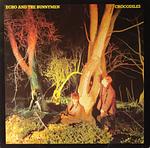
Crocodiles, Echo & the Bunnymen's 1980 debut, captures the band's early post-punk and new wave approach with moody, reverb-heavy guitars, taut rhythms, and Ian McCulloch's distinctive vocals. The album is marked by concise, atmospheric songs that blend jangly and angular guitar textures with dark, cinematic moods. It established the core sonic traits that the band would develop in subsequent records and remains a key early example of British post-punk.
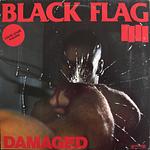
Damaged, released in 1981, is Black Flag's first full-length album and a touchstone of American hardcore punk. The record pairs Greg Ginn's jagged, dissonant guitar work and propulsive, stop-start rhythms with Henry Rollins' confrontational, shouted vocals, moving between short bursts of speed and slower, grinding passages. Its raw production and lyrics about alienation and anger helped shape a harsher, more abrasive strain of punk in the early 1980s.
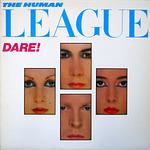
Released in 1981, Dare is The Human League's polished synthpop album that moved the band toward a more pop-oriented, vocal-led sound. Featuring crisp electronic percussion and layered synthesizers, it pairs Philip Oakey's baritone with the prominent female singers Susan Ann Sulley and Joanne Catherall to create hook-driven songs such as "Don't You Want Me". The record blends New Wave and New Romantic textures with dance-pop rhythms and straightforward pop songwriting, and is closely associated with the early 1980s mainstream synth-driven pop sound.
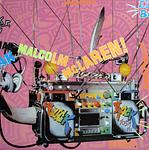
Duck Rock is Malcolm McLaren's 1983 album that blends early hip hop elements and DJ turntablism with downtempo, new wave and pop production, while drawing on African and Caribbean rhythms and sample-based sound collage. The record features cut-up production, scratching and chant-like hooks on tracks such as "Buffalo Gals" and "Double Dutch", and is often cited for bringing international rhythmic textures into a pop/new wave context.
Eliminator by ZZ Top
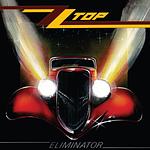
Eliminator, released in 1983 by ZZ Top, blends the band's Texas blues-rock roots with a sleeker, more synth- and groove-oriented production. The album pairs Billy Gibbons's gritty guitar riffs and vocals with tighter, more polished rhythms and synthesizer textures, producing radio-friendly, arena-ready songs such as "Gimme All Your Lovin'", "Sharp Dressed Man", and "Legs". Its streamlined sound and stylized music videos helped bring ZZ Top's aesthetic to a wider rock audience while retaining a strong blues foundation.
Diamond Life by Sade
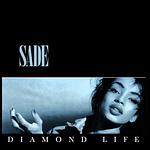
Diamond Life is Sade's 1984 debut album that blends smooth soul, sophisti-pop, pop and downtempo, built around Sade Adu's cool, intimate vocal delivery. The record is noted for its polished, jazz-tinged arrangements, warm bass and sax lines, restrained percussion and an overall mellow, nocturnal mood that foregrounds melody and atmosphere. Songs such as "Smooth Operator" and "Your Love Is King" exemplify the album's refined, adult-oriented sound that helped define a sophisticated pop-soul aesthetic in the 1980s.
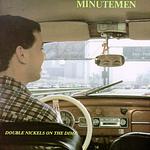
Double Nickels on the Dime is a sprawling 1984 double album by Minutemen that condenses their punk and hardcore roots into brief, tightly written songs while incorporating funk, jazz, and experimental rock touches. The trio's clipped, conversational vocals, angular guitar and prominent, melodic bass drive rapid shifts in tempo and texture across a dense tracklist, with lyrics that alternate between political observation and personal reflection. Its DIY production and eclectic approach broadened the palette of American underground rock and influenced many artists in alternative and post-punk circles.
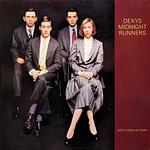
Don't Stand Me Down is Dexys Midnight Runners' 1985 album that turns away from their earlier upbeat, horn-driven soul-pop toward a more experimental and introspective sound. It blends New Wave and blue-eyed soul with progressive pop structures and spoken-word elements, favoring long, mood-driven arrangements, prominent string textures, and Kevin Rowland's intimate, conversational vocal delivery, making the record a deliberate stylistic departure for the band.
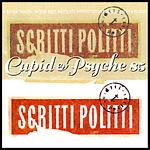
Cupid & Psyche 85 is Scritti Politti's 1985 album that marks the band's move from post-punk toward a polished, studio-oriented pop sound. Led by Green Gartside's smooth, soulful vocals and literate lyricism, the record blends synth-pop and electronic production with dance-rock rhythms and blue-eyed soul influences, using meticulous arrangements and layered synthesizers to create a glossy, groove-oriented aesthetic often associated with sophisti-pop. The album is notable for its emphasis on high production values and the fusion of R&B-inflected songwriting with contemporary electronic textures.
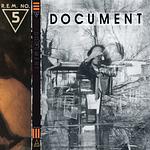
Document is R.E.M.'s 1987 album that moves their jangly, folk-tinged alternative rock toward a more direct, electric sound with tighter production by Scott Litt and the band. The record blends chiming guitars and melodic hooks with sharper, sometimes politically pointed lyrics, while retaining the group's signature vocal ambiguity and ringing guitar textures. Songs range from concise rockers to brisk, wordy tracks that emphasize rhythm and momentum, marking a step toward a more accessible, full-band sound.
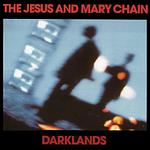
Darklands, released in 1987 by The Jesus and Mary Chain, tempers the abrasive noise-pop of their debut into a more restrained, melodic sound, with chiming, reverb-soaked guitars, minimalist rhythms, and hushed, melancholic vocals. The album emphasizes clearer songcraft and moodier atmospheres, situating it within alternative rock, indie rock, and post-punk styles while favoring texture and melody over feedback-driven noise.
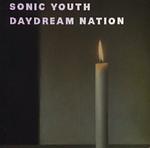
Daydream Nation (1988) by Sonic Youth blends noisy, experimental textures with melodic songcraft, moving between abrasive, dissonant guitar attack and extended, atmospheric passages. The band uses alternate tunings, feedback and layered guitars to create dense, shifting soundscapes while maintaining memorable hooks on tracks like Teen Age Riot and Silver Rocket. The album is frequently cited as an important bridge between no wave noise experiments and the emergence of alternative and indie rock in the late 1980s.

Djam Leelii (1989) is a spare, acoustic album by Senegalese singer Baaba Maal and guitarist Mansour Seck that blends Pulaar vocal traditions with folk and blues-inflected guitar work. The record centers on intimate vocal duets and acoustic string textures, with understated rhythms and melodic lines drawn from West African song forms while touching on country blues and folk influences. Its quiet arrangements put Maal's expressive tenor voice and Seck's fingerpicked guitar at the forefront, making the album an accessible, roots-oriented entry point to Maal's work and a notable recording in cross-cultural folk and world music contexts.
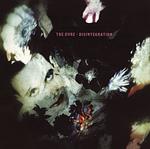
Disintegration is a 1989 album by The Cure known for its dense, atmospheric sound that blends gothic rock, post-punk and new wave influences. The record emphasizes long, immersive arrangements with layered guitars, sweeping synthesizers, and reverberant production that foregrounds Robert Smith's melancholy vocal delivery and introspective lyrics about loss, memory, and existential longing. Songs such as "Pictures of You", "Lovesong", and "Lullaby" balance pop sensibility with brooding textures, making the album a defining moment in the band's move toward more expansive, mood-driven songwriting.
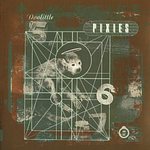
Doolittle, released in 1989 by Pixies and produced by Gil Norton, blends raw, angular guitar work with quiet-loud-quiet dynamics, concise pop hooks, and surreal, often darkly humorous lyrics. Black Francis's abrasive vocals and songwriting are balanced by Kim Deal's melodic bass and backing vocals, producing tracks that range from the abrasive "Debaser" to the more melodic "Here Comes Your Man" and the enigmatic "Monkey Gone to Heaven." The album's jagged arrangements and dynamic contrasts are frequently cited as an influence on early 1990s alternative and grunge bands.
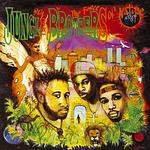
Done by the Forces of Nature is the Jungle Brothers second album, blending hip hop foundations with jazz-inflected sampling, house and electronic-leaning breaks, and rhythmic, layered percussion. The sound balances upbeat, danceable grooves and dense sample collages with Afrocentric and socially conscious lyrics, reflecting the loose collective approach associated with the Native Tongues scene. Its production emphasizes warm, organic textures and open song structures that helped broaden the palette of late 1980s hip hop.
En-Tact, released in 1990 by The Shamen, shifts the band's sound toward club-oriented electronic music, drawing on acid house, techno and alternative dance. The album pairs propulsive house and techno rhythms with shimmering synthesizer textures, samples and layered vocals, reflecting the era's rave and dancefloor aesthetics while retaining traces of the group's earlier psychedelic leanings. Overall it reads as a transitional, dance-focused record that broadened The Shamen's palette within early 1990s electronic music.
Released in 1991, Cypress Hill is the group's debut album rooted in West Coast hip hop and boom bap with dark, sample-driven production by DJ Muggs. The record contrasts B-Real's high, nasal delivery with Sen Dog's deeper, gruffer vocals over dusty drums, spare funk-tinged basslines, and psychedelic, marijuana-centered lyrics. Its mix of gangsta and alternative hip hop textures, along with Latin-inflected energy and moody, cinematic beats, established the group's distinctive sonic identity in early 1990s hip hop.
Dirty by Sonic Youth
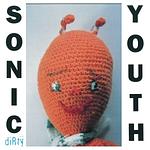
Dirty is Sonic Youth's 1992 album that blends the band's noise rock and experimental guitar work with tighter, more direct song structures drawn from alternative rock and grunge. Produced by Butch Vig, the record pairs abrasive, feedback-laden textures and alternate tunings with concise, hard-edged songs like "100%" and "Sugar Kane", making it a high-energy, polished entry in the band's major-label period that still emphasizes dissonance and sonic experimentation.
Dirt, released in 1992, is Alice in Chains' second studio album and a defining work in the grunge and alternative metal vein. It pairs down-tuned, sludgy guitar riffs and dense, brooding production with the distinct vocal interplay of Layne Staley and Jerry Cantrell. Lyrically the album deals with addiction, suffering, and mortality, and the songs move between aggressive, riff-driven tracks and slower, melancholic pieces. The record is widely regarded as one of the band’s most influential statements from the early 1990s rock scene.
Devotional Songs (1992) presents qawwali performances led by Nusrat Fateh Ali Khan and his party, centered on Sufi devotional texts delivered in Nusrat's powerful, melismatic tenor. The arrangements pair extended vocal improvisations and dynamic crescendos with a chorus of call-and-response backing, harmonium, hand percussion and rhythmic clapping, emphasizing communal intensity and trance-like momentum. The album highlights the expressive range of traditional qawwali and Nusrat's capacity to convey devotional fervor through sustained vocal ornamentation and interplay with his ensemble.
Dry is PJ Harvey's 1992 debut, a stark, raw indie rock record that blends abrasive, blues-tinged guitar work with spare, primal rhythms and urgent vocals. The songwriting is direct and confrontational, often exploring themes of gender, desire, and domestic tension, while the minimal arrangements emphasize texture and mood over polish. Its raw immediacy and distinctive vocal presence helped mark Harvey as an original voice in the early 1990s alternative rock landscape.
Emergency on Planet Earth, Jamiroquai's 1993 debut, blends acid jazz, funk, electronic touches and jazz-funk with clear 1970s soul influences. The music centers on groove-driven bass, punchy horns and electric keyboard textures, anchored by Jay Kay's distinctive vocals, and pairs danceable arrangements with socially conscious lyrics about the environment and urban life. The album established the band's signature retro-funk sound within the early 1990s acid jazz movement.
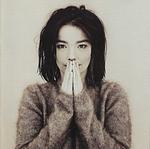
Debut is Björk's 1993 solo album that blends electronic and art pop with house, dance pop, and downtempo influences. It pairs her intimate, distinctive vocals with club-derived beats, off-kilter rhythms, and arrangements that mix electronic textures with acoustic instruments and strings, creating a warm, exploratory sound that moved away from her earlier band work. The record introduced Björk as a solo artist and set a template for her adventurous approach to songwriting and production, balancing pop accessibility with experimental sonics.
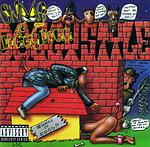
Released in 1993, Doggystyle is Snoop Dogg's debut solo album that epitomizes the West Coast G-funk sound of the early 1990s. Largely produced by Dr. Dre and collaborators, the record pairs slow, funk-derived grooves, melodic synth leads, and heavy bass with layered vocal hooks, creating a relaxed instrumental backdrop for Snoop's languid drawl and street-centered storytelling that balances party tracks with darker narratives. The album's production style and Snoop's persona helped shape the sonic identity of West Coast gangsta rap during that era.
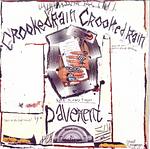
Crooked Rain, Crooked Rain (1994) by Pavement blends slacker-era indie rock with sharper songcraft and clearer production than the band’s earlier lo-fi recordings. The album pairs chiming, guitar-driven arrangements and offhand, oblique lyrics with melodic hooks and a relaxed, conversational vocal delivery, moving between hazy, noisy textures and more straightforward pop-leaning songs. Its mix of casual irony and tunefulness is a defining example of 1990s indie and alternative rock aesthetics.
Dummy by Portishead
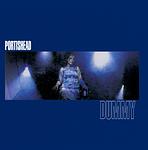
Dummy, released in 1994, is Portishead's debut album that helped define the trip hop aesthetic by combining slow, hip hop influenced beats with jazz-tinged arrangements and moody electronic textures. Beth Gibbons' intimate, theatrical vocals sit against dusty samples, turntable scratches, reverb-heavy production and slippery guitar lines, creating a cinematic, noir atmosphere. The record mixes downtempo electronic approaches with elements of acid jazz and dark jazz to produce a sparse, emotionally intense sound.
CrazySexyCool by TLC
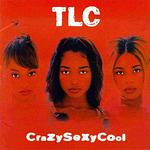
CrazySexyCool is TLC's 1994 album that blends contemporary R&B, hip hop, new jack swing and pop into a smooth, groove-driven sound marked by layered vocal harmonies and alternating sung and spoken parts. The record balances sultry slow jams and midtempo tracks, pairing intimate, vulnerable lyrics about relationships and desire with confident, assertive moments, and features warm basslines, crisp beats and atmospheric keyboard and sample-based textures that became influential in 1990s R&B production.
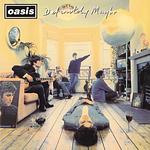
Definitely Maybe is the 1994 debut studio album by Oasis. It presents a loud, guitar-driven take on Britpop and alternative rock, pairing catchy, melodic hooks with dense, fuzzed guitar textures and touches of neo-psychedelia and shoegaze. Noel Gallagher's songwriting emphasizes direct, anthemic choruses and everyday themes while Liam Gallagher's distinctive vocal delivery and a raw, immediate production give the record a swaggering, live feel. The result is a concise collection of bold, high-energy rock songs that established the band's characteristic sound.
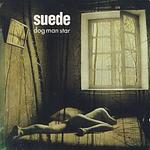
Dog Man Star is Suede's 1994 second album that pushes the band's Britpop roots toward a darker, more theatrical mix of glam rock and art rock. The record emphasizes sweeping orchestral arrangements, dramatic, literate songwriting from Brett Anderson, and Bernard Butler's ornate, expressive guitar work, producing a cinematic, melancholic atmosphere across longer, more expansive songs. Its ambitious production and brooding tone mark a deliberate departure from the more immediate sound of their debut and helped define the band's early artistic identity.
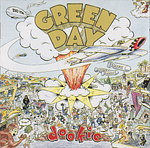
Dookie, released in 1994 by Green Day, is a defining pop punk record that blends punk rock urgency with strong melodic hooks and concise songcraft. The trio's fast, power-chord guitars, brisk tempos, and punchy arrangements are anchored by Billie Joe Armstrong's distinctive vocals, Mike Dirnt's driving bass, and Tré Cool's propulsive drumming. Lyrically the album addresses suburban ennui, anxiety, and youthful frustration with a mix of wit and urgency, and the cleaner studio production by the band and producer Rob Cavallo made the sound more polished while retaining a raw immediacy.
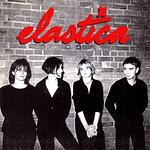
Elastica is the 1995 self-titled debut by the British band Elastica. It blends Britpop and indie rock with terse, hook-driven songs built around sharp, staccato guitar lines and a punk-influenced energy, while new wave and post-punk textures inform its spare arrangements. Fronted by Justine Frischmann's cool, direct vocals, the album is notable for its concise songcraft and immediate sound that became a touchstone of mid 1990s British alternative rock.
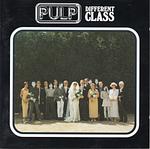
Different Class is Pulp's mid 1990s album that blends Britpop immediacy with art rock and glam influences, pairing catchy, theatrical arrangements with literate, observational lyrics about class, relationships, and everyday absurdities. Jarvis Cocker's conversational vocal delivery and character-driven storytelling sit alongside driving rock rhythms, occasional orchestral touches, and pop hooks; songs such as "Common People" and "Disco 2000" exemplify its mix of social satire and singable melodies. The record is often noted for its sharp songwriting and dramatic presentation within the broader Britpop and indie rock context.
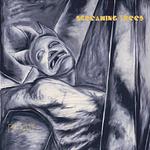
Dust (1996) finds Screaming Trees blending grunge's distorted guitar heft with classic hard rock riffs and a pronounced psychedelic sensibility, anchored by Mark Lanegan's deep, smoky vocals. The album mixes big, riff-driven tracks with more textured, melancholic arrangements that use organ, acoustic touches, and layered guitar to create a darker, more expansive sound than the band had often shown earlier. It is commonly viewed as a mature, late-period statement that pushes beyond straightforward grunge into moodier, more atmospheric rock.
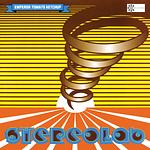
Emperor Tomato Ketchup, released in 1996, refines Stereolab's blend of indie rock, art pop, electronic and experimental textures into a cleaner, more synth-forward sound. The album pairs motorik rhythms and layered vintage synths with warm, understated vocals and pop-minded melodies, folding repetitive, minimalist grooves into richly arranged songs that nod to Krautrock and lounge influences. It is often seen as a pivotal entry in the band's catalog for bringing catchy songcraft and electronic experimentation into close balance.
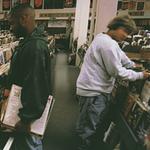
Endtroducing....., released in 1996 by DJ Shadow (Joshua Davis), is an instrumental hip hop album built almost entirely from sampled material. Its sound combines downtempo beats, cinematic textures, scratches and found sounds into moody, collage-like tracks that sit at the intersection of trip hop, electronic and hip hop production. The album is widely regarded as a landmark in sample-based and instrumental hip hop for its dense layering and immersive sequencing.
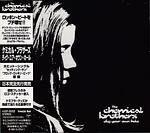
Dig Your Own Hole is the Chemical Brothers' 1997 second studio album and a defining example of the big beat sound of the late 1990s, blending heavy breakbeats, distorted basslines, and psychedelic sampling with rock-influenced rhythms. The record includes propulsive tracks like "Block Rockin' Beats" and "Setting Sun", the latter featuring Noel Gallagher, and is notable for its dense layering, dramatic buildups, and emphasis on groove and sonic impact over conventional pop song structures.
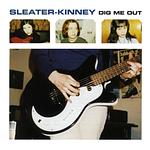
Dig Me Out, released in 1997, is Sleater-Kinney's third studio album and presents a lean, propulsive blend of indie rock and punk rooted in the riot grrrl movement. It foregrounds interlocking, abrasive guitar parts and urgent, emotive vocals from Corin Tucker and Carrie Brownstein, anchored by Janet Weiss's punchy drumming. The songs pair raw energy with sharper melodic hooks and direct, personal lyrics, marking a consolidation of the band's sound and an influential moment in late 1990s indie and punk circles.
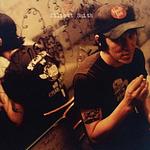
Either/Or (1997) finds Elliott Smith blending intimate acoustic folk with indie pop and rock touches. The songs feature fragile fingerpicked guitar, hushed multi-tracked vocals and concise, melancholic melodies, with slightly cleaner production and occasional electric instrumentation compared with his earlier lo-fi records. Its mix of spare arrangements and melodic songwriting helped define a quiet, confessional strand of 1990s indie folk.
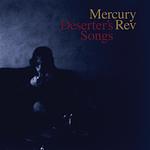
Deserter's Songs is Mercury Rev's 1998 album that moves away from the band's earlier noisy, experimental roots toward a more orchestral, dreamlike sound. It combines lush string and horn arrangements with elements of dream pop, indie rock, and baroque pop, supported by Dave Fridmann's spacious production and Jonathan Donahue's fragile, emotive vocals. The record is marked by pastoral, melancholic melodies and a theatrical, cinematic atmosphere that reshaped the band's aesthetic and introduced a more melodic, song-oriented approach.
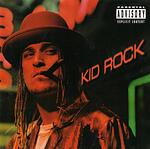
Devil Without a Cause is Kid Rock's 1998 album that mixes hard rock, rap rock, Southern rock and country-tinged songwriting into a genre-blending, high-energy sound. It pairs heavy guitar riffs, hip hop beats and DJ scratching with aggressive, often shouted vocals, while also featuring quieter, melodic moments such as the ballad Only God Knows Why. The album consolidates his rap rock and Southern rock influences into a more focused rock format and helped define the hybrid style he became known for.
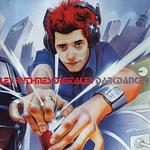
Darkdancer (1999) by Les Rythmes Digitales, the alias of producer Stuart Price, blends retro synth-pop and disco influences with house and electronica, featuring bright synth hooks, punchy basslines, and polished, dance-oriented production. The album emphasizes sleek, nostalgic textures and groove-driven arrangements that balance club-ready rhythms with pop songwriting, and it served as an early showcase for Price's production approach and taste for vintage-inspired electronic sounds.
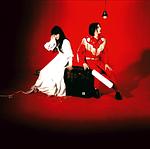
Elephant, released in 2003 by The White Stripes, is a stark guitar and drums album that blends garage rock revival energy with blues-rooted riffs and punk-tinged directness. The duo's minimal arrangements foreground Jack White's raw guitar tone and Meg White's propulsive, sometimes primitive drumming, producing a punchy, analog influenced sound that moves between thunderous rockers and spare bluesy numbers. It features the riff-driven track "Seven Nation Army" and is often cited as a defining release of the early 2000s garage rock revival.
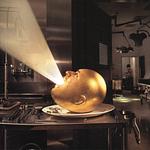
De-Loused in the Comatorium is The Mars Volta's 2003 debut full-length and a loose concept album centered on the coma and imagined death of a fictional character. Musically it fuses post-hardcore urgency, progressive rock complexity, and experimental psychedelic textures, featuring sprawling song structures, abrupt tempo and mood shifts, virtuosic and angular guitar and keyboard work, and Cedric Bixler-Zavala's distinctive high-register vocals. The record is marked by dense, cinematic arrangements and an emphasis on improvisatory, often frenetic instrumental passages that move between punk-derived intensity and expansive, abstract soundscapes.
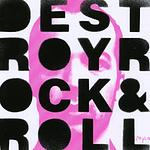
Destroy Rock & Roll is the 2004 debut album by Scottish producer Mylo. It blends house, electronica and downtempo elements into a sample-driven, pop-minded approach to dance music, pairing upbeat, disco-tinged rhythms and melodic synth hooks with quieter, moodier interludes. The production emphasizes bright, accessible arrangements and prominent use of vocal and musical samples, making the record a recognizable example of mid-2000s electronic music that straddled club styles and mainstream pop sensibilities.
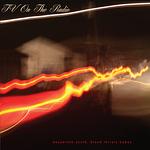
Desperate Youth, Blood Thirsty Babes is TV on the Radio's 2004 full-length that blends indie rock, experimental and art rock with post-rock atmospheres and noise pop textures. The songs layer soulful, often high-register harmonies over jagged guitar fragments, propulsive electronic rhythms and dense, textural production, alternating succinct songcraft with exploratory, atmospheric passages. It established the band’s early signature of combining soul-inflected vocals and rhythm with artful, experimental arrangements.
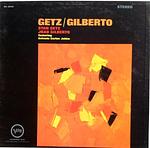
Getz/Gilberto is a 1964 collaboration that blends Brazilian bossa nova with American cool jazz, pairing Stan Getz's warm, lyrical tenor sax with João Gilberto's understated nylon-string guitar and intimate vocal style, and featuring Antônio Carlos Jobim's piano and compositions. The arrangements favor relaxed tempos, subtle samba-derived rhythms, and refined harmonic sophistication, producing an airy, mellow sound with memorable melodic lines. The album is known for helping bring bossa nova's aesthetic to a wider international audience and for influencing subsequent jazz and popular music approaches to Brazilian repertoire.
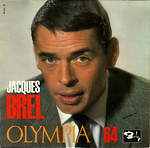
Enregistrement public à l’Olympia 1964 captures Jacques Brel in a live Paris Olympia performance, presenting his chanson à texte with theatrical, emotionally intense delivery. The recordings emphasize Brel's storytelling and vocal expressiveness, backed by orchestral and popular arrangements typical of his 1960s work, and include audible audience interaction that underscores the performative nature of his songs. The album stands as a document of Brel's stage persona and of live French chanson from that period.
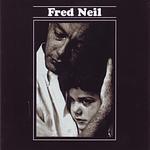
Fred Neil (1967) is a spare, mood-driven folk album that mixes acoustic folk and folk rock with touches of blues and rock and roll. Neil's deep, resonant baritone and relaxed, roomy arrangements put focus on introspective, often melancholic songwriting, with mostly acoustic instrumentation and subtle electric accents. The record reflects the intimate, contemplative strand of 1960s folk and helped shape a more soulful, low-key approach to singer songwriter performance.