 The Greatest Music
The 1000 Best Albums of All Time
Weight: 35%
How much this list influences our overall rankings. Higher weight means more reliable data.
Penalties Applied:
Fnac’s Les 1000 CD des disquaires de la Fnac (Dec 2008) is a collective, staff-driven canon: Fnac’s record-store specialists (“disquaires”) pooled their picks in a large internal vote to build a near “ideal” 1,000-album library, spanning major genres and highlighting certain titles as indispensables.
#101 — Louise attaque by Louise Attaque
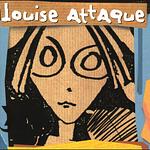
Louise attaque is the self-titled 1997 debut album by French band Louise Attaque. Musically it blends acoustic-rooted rock with prominent violin lines, driving rhythms and French-language lyrics that draw on chanson and folk-punk influences. The arrangements pair punchy acoustic guitar and urgent, rhythmic playing with melodic violin, giving the songs a rustic yet immediate sound. Its direct songwriting and distinctive instrumentation made it a notable release in the French rock scene of the late 1990s.
#102 — A Love Supreme by John Coltrane
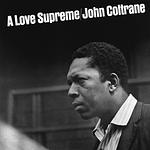
A Love Supreme is a four-part suite recorded by John Coltrane's classic quartet and released in 1965. The music combines modal and post-bop language with a devotional, intense approach, built around a persistent four-note motif and sustained improvisation that showcases Coltrane's tenor saxophone alongside McCoy Tyner's harmonically rich piano, Elvin Jones's propulsive drumming, and Jimmy Garrison's anchoring bass. The album is widely regarded as a defining statement of spiritual jazz and a turning point toward more exploratory, devotional directions in Coltrane's work.
#103 — 3 Feet High and Rising by De La Soul
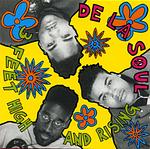
3 Feet High and Rising is De La Soul's 1989 debut album, produced largely by Prince Paul. Its sound blends playful, conversational rapping with sample-heavy, collage-like production that draws on funk, soul, and jazz influences, using short skits and inventive transitions to create a cohesive, offbeat flow. The album is an early touchstone of alternative hip hop and jazz rap, notable for its laid-back, eccentric approach to lyricism and production.
#104 — Osez Joséphine by Alain Bashung
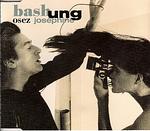
Osez Joséphine is a 1991 album by Alain Bashung that mixes pop, pop rock and rock with blues and Americana inflections. The record features atmospheric, often sparse arrangements, prominent electric guitar textures and Bashung's characteristic, smoky vocal delivery, pairing succinct melodic hooks with moody, roots-tinged instrumentation. The album is notable for widening his sonic palette and for its enigmatic, literate songwriting.
#105 — Sounds of Silence by Simon & Garfunkel
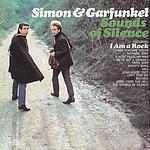
Sounds of Silence (1966) is Simon & Garfunkel's second studio album, blending acoustic folk arrangements with emerging folk rock and pop rock elements. The record showcases Paul Simon's introspective songwriting and the duo's close vocal harmonies, with tracks that range from spare acoustic pieces to fuller studio arrangements featuring electric guitar and rhythm instruments. It includes enduring songs such as "The Sound of Silence", "I Am a Rock", and "Homeward Bound", and marks the pair's shift from pure folk toward a more polished, radio-friendly folk pop sound.
#106 — Exile on Main St. by The Rolling Stones
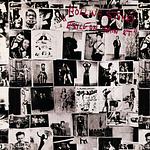
Exile on Main St. is a 1972 double album by The Rolling Stones that blends rock, blues rock, roots rock and country-inflected sounds into a loose, swampy collection of songs. Largely recorded at a villa in southern France with additional sessions in Los Angeles, the record features murky, layered production, horn and gospel-tinged backing vocals, and a raw, rootsy approach that mixes blues, country, soul and rock elements. Its sprawling sequencing and rough-edged sound mark it as a notable example of the band's early 1970s exploration of American roots music.
#107 — Made in Japan by Deep Purple
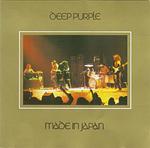
Made in Japan is a 1972 live album by Deep Purple documenting performances from their 1972 Japanese tour with the Mark II lineup. The recording captures the band's hard rock and early heavy metal sound in extended, improvisational live takes, featuring prominent organ and guitar interplay, driving rhythm work, and Ian Gillan's powerful vocals. Notable for long versions of songs such as "Highway Star", "Child in Time", and "Space Truckin'", the album highlights the band's live dynamics, extended solos, and the arena-ready sound associated with early 1970s classic rock.
#108 — Appetite for Destruction by Guns N' Roses
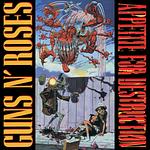
Appetite for Destruction, released in 1987 by Guns N' Roses, is a raw, guitar-driven hard rock album that blends hard rock, punk attitude and heavy metal energy. The sound pairs Axl Rose's high, gritty vocals with blues-influenced riffs and incisive lead work from Slash, supported by a tight, propulsive rhythm section, and the songs move between aggressive, fast-paced tracks and more melodic, emotionally direct material. The record includes standout tracks such as "Welcome to the Jungle", "Sweet Child o' Mine" and "Paradise City" and is noted for its unpolished, streetwise approach that contrasted with much of the era's glam metal production.
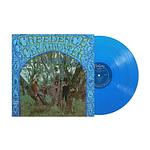
Creedence Clearwater Revival is the band's 1968 debut album, presenting their early roots- and swamp-influenced rock. The record features concise, guitar-driven songs anchored by John Fogerty's gritty vocals and economical arrangements, blending elements of blues, country, and rock with a direct, earthy sound. Though recorded in California, the music draws on Southern-inflected rhythms and imagery, establishing the taut, no-frills style that became the group's signature on later records.
#110 — Pornography by The Cure
Pornography, released in 1982 by The Cure, is a dark, intense album that pushed the band into brooding, atmospheric territory tied to gothic rock and post-punk. It is marked by dense textures, guitars drenched in reverb, prominent bass and propulsive drums, and bleak, introspective lyrics that create an oppressive, claustrophobic mood across extended, immersive tracks. The record represented a shift to a more monochromatic, intense aesthetic and has been influential on subsequent gothic and alternative music.
#111 — Fun House by The Stooges
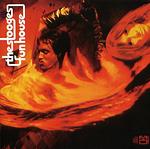
Fun House, released in 1970 by The Stooges, is a raw and abrasive record that helped define proto-punk and garage rock. The album pairs Iggy Pop's urgent, confrontational vocals with Ron Asheton's distorted, loose guitar and a driving rhythm section, while Steve Mackay's freewheeling saxophone adds a chaotic, improvisational live feel. Its stripped-down arrangements, high-energy performances, and abrasive sound capture a direct, confrontational intensity that influenced later punk and hard rock bands.
#112 — In Rainbows by Radiohead
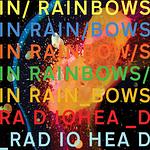
In Rainbows, released in 2007, finds Radiohead blending electronic textures and art rock ambition with more immediate, song-oriented writing and warm, intimate production. The record balances kinetic rhythms and layered guitars with subtle electronics, lush strings and Thom Yorke's restrained, emotive vocals, producing songs that range from propulsive and rhythmic to sparse and atmospheric. The arrangements emphasize texture and dynamic contrast, and the album's release used an unconventional digital pay-what-you-want approach that drew attention to distribution as well as the music.
#113 — La revancha del tango by Gotan Project
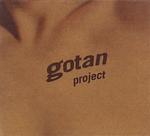
La revancha del tango is Gotan Project's 2001 debut, pairing traditional tango instruments such as bandoneon and piano with electronic production, downtempo grooves and house-influenced beats. The record blends melancholic tango melodies and occasional vintage samples with looped rhythms and club-ready textures, creating a cinematic, modern take on tango that helped introduce the style to broader electronic music audiences.
#114 — Unplugged by Eric Clapton
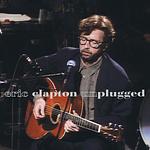
Unplugged is a 1992 live acoustic album by Eric Clapton recorded for MTV's Unplugged series. The set presents pared down acoustic arrangements of Clapton's songs and blues standards, marked by restrained, intimate vocals and warm, melodic guitar work. It features the poignant ballad "Tears in Heaven" and an acoustic reinterpretation of "Layla," and emphasizes Clapton's blues and classic rock roots through simple, direct soloing and rootsy accompaniment.
#115 — Forever Changes by Love
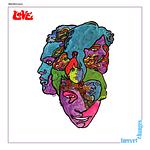
Forever Changes (1967) by Love blends folk rock, baroque pop, and subtle psychedelia into concise, orchestral-tinged songs. Arthur Lee's introspective and often unsettling lyrics sit against intricate acoustic guitar work and horn and string arrangements, creating a warm but melancholic chamber-pop sound that stands out in late 1960s American rock.
#116 — Paris sous les bombes by Suprême NTM
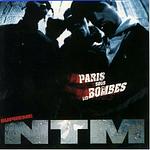
Paris sous les bombes (1995) by Suprême NTM pairs hard, boom bap rhythms and funk-influenced samples with abrasive, hardcore hip hop delivery and DJ scratches. The album foregrounds urgent, confrontational vocals and street-level storytelling, combining dense, drum-driven production with touches of acid jazz texture. It is notable for its stark social and political commentary on life in Paris and the suburbs, and for projecting a raw, militant sound that shaped its place in French hip hop.
#117 — Purple Rain by Prince, The Revolution
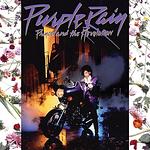
Purple Rain is a genre-blending album that mixes funk, pop, rock and contemporary R&B, combining driving dance tracks and intimate ballads with lush synthesizer textures and distinctive electric guitar work. Produced and largely written by Prince with his band The Revolution, the record balances concise pop hooks, extended guitar solos, and dramatic, cinematic arrangements that reflect its connection to the film of the same name. The album highlights Prince's range as a songwriter, producer, vocalist and guitarist, and it helped define his sound in the mid 1980s.
#118 — Puta's Fever by Mano Negra
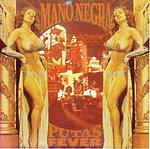
Puta's Fever (1989) by Mano Negra is a high-energy, genre-blending album that mixes punk urgency with Latin rhythms, ska bounce, rock guitar and folk influences, often sung in French and Spanish. The sound is raw and propulsive, with short, punchy tracks, horn touches and eclectic instrumentation that create a festive but gritty atmosphere. The record is notable for consolidating Mano Negra's multicultural fusion approach and pointing toward the looser, global pop direction associated with Manu Chao's subsequent work.
#119 — Qui de nous deux by ‐M‐
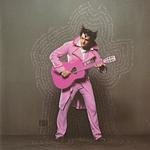
Qui de nous deux is a 2003 album by Matthieu Chedid under his stage persona -M-, combining chanson francaise lyricism with pop and rock arrangements. The record pairs intimate, often playful songwriting with inventive guitar work, textured production, and a theatrical vocal delivery that emphasizes character and mood. It is notable for deepening the -M- persona and blending traditional French songcraft with contemporary pop and rock sounds.
#120 — Revolver by The Beatles
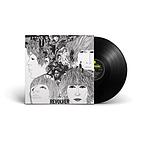
Revolver (1966) finds The Beatles shifting from straightforward pop toward more studio-focused, experimental songwriting and arrangements. Musically it blends rock and pop with psychedelic textures and elements drawn from classical and Indian music, featuring tight vocal harmonies, sharp electric guitar work, string arrangements on songs such as "Eleanor Rigby", George Harrison's sitar on "Love You To", and the tape-loop, drone-driven production of "Tomorrow Never Knows". The album is notable for its inventive studio techniques, varied song forms, and concise production that broadened the sonic palette of popular music recording.
#121 — Exodus by Bob Marley & The Wailers
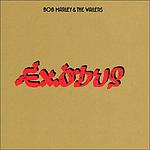
Exodus (1977) by Bob Marley & The Wailers is a landmark roots reggae album that pairs bass-driven, skanking rhythms with warm lead vocals and close backing harmonies. Its songs range from spiritual and politically charged lyrics to intimate love songs, carried by spare, dub-influenced arrangements, organ fills, and steady, groove-oriented production. Recorded while Marley was based in London, the record is often cited for combining militant themes and uplifting melodies into a concise, cohesive set of tracks.
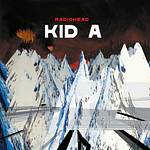
Kid A, released in 2000 by Radiohead, marked a deliberate move away from the band's earlier guitar-driven sound toward electronic, ambient, and experimental rock. The record mixes synthesizers, programmed rhythms, manipulated guitars, and orchestral colors to produce abstract song structures and chilly textures, with Thom Yorke's voice often treated as another instrumental layer. Its focus on atmosphere, fragmentation, and themes of alienation and technological unease broadened the band's sonic palette and influenced many artists in alternative and art rock.
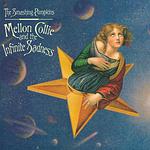
Mellon Collie and the Infinite Sadness is a sprawling 1995 double album by The Smashing Pumpkins that blends alternative rock, grunge, hard rock and dream pop textures. It juxtaposes loud, guitar-driven anthems and heavy distortion with delicate piano, strings and layered vocals, showcasing Billy Corgan's densely produced arrangements and dramatic shifts in dynamics. The record moves between aggressive, riff-based songs and more reflective, orchestral or acoustic passages, creating a wide-ranging, cinematic soundscape that broadened the band's musical palette.
#124 — Sympathique by Pink Martini
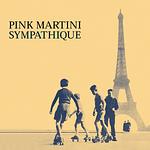
Sympathique is Pink Martini's 1997 debut that blends indie pop, jazz, and lounge with orchestral and global music influences. Led by China Forbes's vocals and Thomas Lauderdale's arrangements, the album mixes cinematic strings and horns with Latin, cabaret, and chanson flavors and features multilingual songs including the signature title track "Sympathique (Je ne veux pas travailler)". The record established the band's cosmopolitan, retro-tinged sound and café-friendly mood.
#125 — You've Come a Long Way, Baby by Fatboy Slim
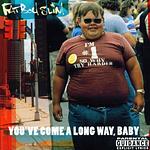
You’ve Come a Long Way, Baby is a 1998 Fatboy Slim album that epitomizes the big beat sound with punchy breakbeats, heavy use of samples, and playful, dancefloor-focused production. Songs mix acid-tinged synths, funky loops, and cut-up vocal hooks to create a lively, theatrical electronic record that moves between high-energy club tracks and more melodic, beat-driven moments. The album played a major role in bringing big beat and sample-based dance music into broader public awareness and helped define Fatboy Slim's signature DJ-producer approach.
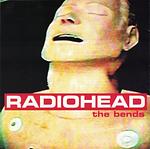
The Bends finds Radiohead expanding from their debut into more expansive, guitar-driven alternative rock that mixes melodic Britpop touches with darker, introspective lyrics and atmospheric, occasionally psychedelic textures. Thom Yorke's emotive voice and falsetto sit atop layered guitar arrangements and dynamic contrasts between loud, anthemic tracks and quieter, intimate moments. Songs such as "Fake Plastic Trees", "High and Dry", "Just", and "Street Spirit (Fade Out)" illustrate the album's blend of strong melodies and emerging experimental tendencies that the band would develop further on later records.
#127 — Samedi soir sur la Terre by Francis Cabrel
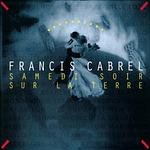
Samedi soir sur la Terre (1994) by Francis Cabrel is a collection of acoustic-leaning chanson and pop ballads that emphasize intimate storytelling and melodic, guitar-driven arrangements. The album pairs Cabrel’s warm, husky voice with folk-tinged instrumentation and restrained production that foregrounds the lyrics, blending personal reflection and everyday imagery in a gentle, melodic style typical of his work in the 1990s. It includes the title track and is characterized by its focus on songwriting and understated musical textures.
#128 — Sex Machine by James Brown
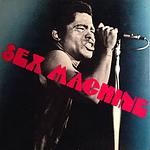
Sex Machine, released in 1970, is a landmark funk album by James Brown that foregrounds rhythm and groove within a soul and R&B framework. Backed by a tight band, the record emphasizes repetitive vamps, punchy horn hits, syncopated rhythms, and Brown's commanding vocal delivery and call-and-response interplay, creating a raw, immediate sound built for dance and live performance. Its pared-down arrangements and focus on interlocking rhythmic patterns helped crystallize the aesthetics of early 1970s funk.
#129 — Catch a Fire by The Wailers
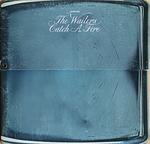
Catch a Fire, released by The Wailers in 1973, is a roots reggae album that blends traditional Jamaican rhythms with rock-influenced production and soulful vocals. Produced for Island Records by Chris Blackwell, the record features fuller arrangements and a cleaner mix that brought the group's Rastafarian-themed lyrics and dub-tinged grooves to a broader audience, while retaining the rhythmic emphasis and bass-driven pulse of reggae. Its sound marked a turning point in how reggae was presented internationally and remains a frequently referenced work in the genre.
#130 — Electric Warrior by T. Rex
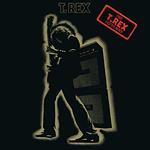
Electric Warrior, released in 1971 by T. Rex, marks Marc Bolan's shift from acoustic folk to a punchy, electric glam rock sound. The album pairs concise rock and roll rhythms and chiming, distorted guitar riffs with Bolan's distinctive vocal delivery and often surreal romantic lyrics. Arrangements emphasize tight grooves and memorable hooks, mixing elements of hard rock and classic rock and roll within a stylized glam aesthetic, and the record is widely regarded as a key statement of early 1970s British glam.
#131 — Les Marquises by Jacques Brel
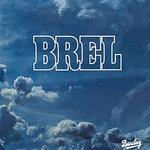
Les Marquises is Jacques Brel's final studio album, released in 1977. Rooted in chanson and cabaret traditions, the record has a reflective, often elegiac tone as Brel addresses themes of mortality, exile, and memory. The arrangements range from sparse and intimate to fuller orchestral backing, always foregrounding Brel's expressive, theatrical vocals. The title track and other songs give the album a mood of travel and farewell that serves as a poignant closing statement to his recording career.
#132 — The Piper at the Gates of Dawn by Pink Floyd
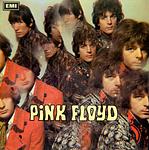
The Piper at the Gates of Dawn, Pink Floyd's 1967 debut, is a formative psychedelic rock record driven by Syd Barrett's idiosyncratic songwriting, playful lyrics, and inventive guitar work. Its sound combines whimsical melodies with experimental studio techniques, tape effects, prominent organ, and spacey guitar textures that point toward space rock and experimental rock. The album captures the band's early London psychedelia and Barrett's shaping influence on their initial musical direction before his departure.
#133 — The Queen Is Dead by The Smiths
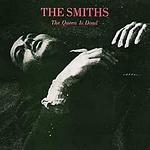
The Queen Is Dead (1986) by The Smiths pairs Johnny Marr's chiming, layered guitars and inventive arrangements with Morrissey's literate, sardonic vocals and lyrics, folding jangle pop and neo-acoustic textures into more muscular indie rock moments. The songs move between upbeat, melodic tracks and quieter, introspective pieces, highlighting tight songcraft, melodic basslines, and occasional fuller production that broadens the band's earlier, sparer sound. The album is frequently cited as a defining statement of the band's style and an important record in 1980s British indie music.
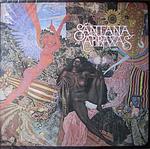
Abraxas, released in 1970 by Santana, blends rock with Afro-Latin rhythms and psychedelic textures. Carlos Santana's sustained, lyrical guitar lines ride over a rhythm section rich in congas, timbales and other Latin percussion, while organ and soulful vocals bring blues and jazz inflections. The album mixes reinterpretations and originals, from danceable Latin grooves to mellow instrumental passages like "Samba Pa Ti", and is notable for its fusion of improvisational rock energy with Latin musical forms.
#135 — Curtis by Curtis Mayfield
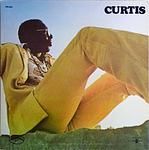
Curtis, Curtis Mayfield’s 1970 solo debut, moves from his work with The Impressions into a personal blend of soul, funk, and orchestral pop. The record pairs Mayfield’s light, expressive falsetto and rhythmic guitar with lush string and horn arrangements and more direct, socially aware songwriting, ranging from intimate ballads like The Makings of You to the driving optimism of Move On Up. Its mix of gospel-influenced vocals, groove-oriented rhythm sections, and thoughtful lyricism helped define the sound Mayfield would continue to develop in his solo career.
#136 — Franz Ferdinand by Franz Ferdinand
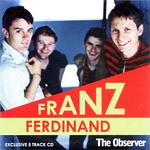
Franz Ferdinand's self-titled debut is a compact, danceable indie rock record built on angular guitar riffs, tight, propulsive rhythms and concise, hook-driven songwriting. It blends post-punk revival and art rock influences with a keen sense of groove and dynamics, pairing witty, observational lyrics with sharp arrangements that prioritize immediacy and rhythm. The album is often cited for bringing a kinetic, club-friendly edge to early 2000s indie rock.
#137 — Paranoid by Black Sabbath
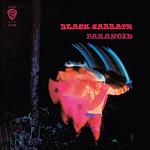
Paranoid, released in 1970 by Black Sabbath, is a compact, riff-driven album that blends blues rock foundations with darker, slower textures that helped shape heavy metal and doom metal. Tony Iommi's distorted, downtuned guitar work, Geezer Butler's driving bass, Bill Ward's dynamic drumming, and Ozzy Osbourne's distinct vocal delivery power concise tracks like "Paranoid", "War Pigs", and "Iron Man", emphasizing heavy tones, memorable riffs, and ominous lyrical themes.
#138 — Planet Claire by The B‐52s
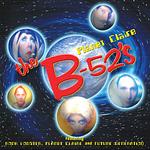
#139 — Ray of Light by Madonna
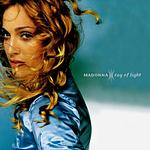
Ray of Light, released in 1998, finds Madonna moving into electronic and dance-pop territory with production heavily shaped by William Orbit. The album blends club-ready beats and synth-driven hooks with ambient and downtempo textures, pairing pulsing rhythms and layered electronic arrangements with more reflective, spiritual lyrical themes. Madonna's vocal delivery ranges from breathy to urgent, and the record balances uptempo dance tracks and slower, atmospheric songs to create a cohesive pop-electronic sound.
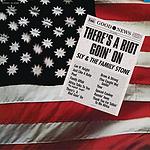
There’s a Riot Goin’ On, released in 1971 by Sly & the Family Stone, marks a turn from the band’s earlier upbeat crossover soul toward a darker, more inward form of funk and psychedelic soul. The record emphasizes slow, groove-centered rhythms, prominent bass, muted horns and layered, often murky production that creates an intimate, raw atmosphere. Its lyrics and tone convey disillusionment and reflection rather than the communal optimism of the 1960s, and the album’s emphasis on texture and mood helped shape later directions in deep funk and progressive soul.
#141 — Things Fall Apart by The Roots
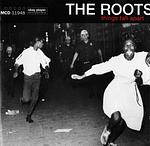
Things Fall Apart, released in 1999 by The Roots, blends live-band hip hop with jazz, soul, and alternative influences. The album foregrounds live instrumentation, layered percussion, and horn and keyboard textures to support socially conscious and introspective lyrics from Black Thought and Malik B. Songs move between gritty, groove-driven tracks and more neo-soul-tinged moments featuring prominent guest vocalists, marking a decisive shift toward a fuller, band-oriented sound within late 1990s hip hop.
#142 — Time Out by The Dave Brubeck Quartet
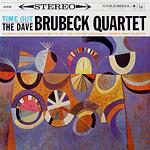
Time Out, recorded by the Dave Brubeck Quartet and released in 1959, is a landmark jazz album that experiments with unusual time signatures while maintaining a cool jazz sensibility. The music features Paul Desmond's lyrical alto saxophone, Brubeck's percussive piano harmonies, and the tight rhythmic interplay of Joe Morello and Eugene Wright. Standout pieces such as Desmond's "Take Five" in 5/4 and Brubeck's "Blue Rondo à la Turk," which moves between 9/8 and 4/4, highlight the album's rhythmic invention alongside memorable melodies. The record blends cool jazz tone with rhythmic exploration and helped broaden the rhythmic vocabulary of small group jazz.
#143 — Doggystyle by Snoop Dogg
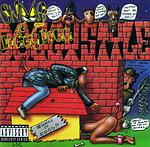
Released in 1993, Doggystyle is Snoop Dogg's debut solo album that epitomizes the West Coast G-funk sound of the early 1990s. Largely produced by Dr. Dre and collaborators, the record pairs slow, funk-derived grooves, melodic synth leads, and heavy bass with layered vocal hooks, creating a relaxed instrumental backdrop for Snoop's languid drawl and street-centered storytelling that balances party tracks with darker narratives. The album's production style and Snoop's persona helped shape the sonic identity of West Coast gangsta rap during that era.
#144 — Initials B.B. by Serge Gainsbourg
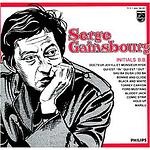
Initials B.B. (1968) finds Serge Gainsbourg moving from traditional chanson toward pop rock and baroque pop, pairing his sly, provocative lyrics with lush, cinematic arrangements of strings and brass. The title track is an homage to Brigitte Bardot and the album includes the duet "Bonnie and Clyde" with her, illustrating the record's mix of smoky vocal delivery, orchestral flourishes, and rock-influenced rhythms. It captures a late 1960s phase in Gainsbourg's work that foregrounds theatrical production and a deliberately provocative persona.
#145 — Rita Mitsouko by Les Rita Mitsouko
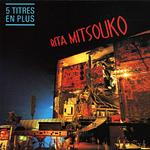
Rita Mitsouko, the 1984 debut album by French duo Les Rita Mitsouko, blends rock, new wave, synth-pop and electronic pop rock with theatrical vocals, angular guitar lines and eclectic arrangements. The record mixes danceable rhythms, quirky synth textures and cabaret-tinged melodies and includes the single "Marcia Baïla", which brought the band wider recognition and helped define their eccentric sound. It established Catherine Ringer and Fred Chichin as a distinctive presence in 1980s French pop and alternative music.
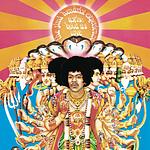
Axis: Bold as Love, released in 1967 by the Jimi Hendrix Experience, deepens the band's blend of blues rock and psychedelic experimentation with more studio-oriented textures and inventive guitar work. The album features layered and effect-driven electric guitar, melodic touches and quieter acoustic moments alongside driving rock passages, supported by the tight rhythm interplay of Mitch Mitchell and Noel Redding. It documents Hendrix moving beyond raw live energy into more varied songwriting and studio arrangements that explore mood, tone and sonic color.
#147 — Mistral gagnant by Renaud
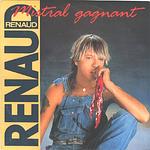
Mistral gagnant (1985) by Renaud is a French chanson/pop album that mixes acoustic, folk-tinged arrangements with direct, conversational lyrics. The title track is a spare, nostalgic ballad addressed to his daughter, and the record balances tender, melodic tunes with sharper social and political commentary delivered in Renaud's warm, rueful vocal style. Instrumentation favors guitars, accordion, and light orchestration, keeping the focus on storytelling and melodic clarity.
#148 — Off the Wall by Michael Jackson
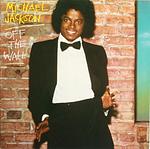
Off the Wall (1979) finds Michael Jackson moving from child star to mature solo artist with a polished blend of disco, pop, contemporary R&B and funk. Produced by Quincy Jones, the album pairs buoyant dance grooves and tight funk rhythms with smooth balladry, featuring slick horn and string arrangements, layered backing vocals and confident lead performances. Its emphasis on sophisticated production, dancefloor songs and crossover R&B sensibility helped redefine Jackson's sound and shaped his direction on later projects.
#149 — Out of Time by R.E.M.
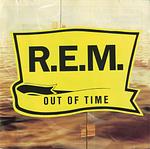
Out of Time (1991) finds R.E.M. moving toward a more acoustic and orchestrated sound, blending jangly guitars and pop melodies with folk and ambient textures. The album features prominent mandolin and string arrangements alongside layered vocals and clean, song-focused production, showing the band expanding their instrumentation and pop sensibility. It is a pivotal record in their catalog for its accessible arrangements and stylistic range.
#150 — Protection by Massive Attack
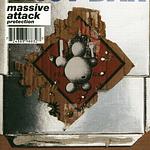
Protection (1994) is Massive Attack's second album, extending their trip hop approach with slow, dub-influenced grooves, lush electronic textures, and an emphasis on mood and atmosphere over upfront beats. Guest vocalists including Tracey Thorn and longtime collaborator Horace Andy add warm, melancholic tones, while layered production blends elements of dub, downtempo, and electronic music to produce cinematic, immersive arrangements associated with 1990s trip hop.
#151 — Remain in Light by Talking Heads
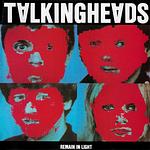
Remain in Light (1980) finds Talking Heads blending New Wave, post-punk, funk, and electronic textures through an experimental production approach with Brian Eno. The album foregrounds layered, polyrhythmic grooves influenced by West African rhythms, interlocking guitar and synth patterns, and funk-tinged bass to create dense, propulsive arrangements. David Byrne's vocal delivery moves between urgent and detached across fragmented, mantra-like lyrics, while studio techniques favor repetition, loops, and ambient sonics. The record is often noted for shifting the band's sound toward a more rhythmic, textural, and collaborative form of art rock.
#152 — Synchronicity Concert by The Police
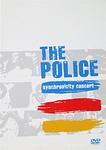
#153 — Animals by Pink Floyd
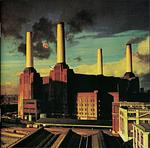
Animals is a 1977 concept album by Pink Floyd that applies a stark, guitar-forward approach to progressive and art rock, blending hard rock riffs, ambient studio textures, and extended instrumental passages. The music is organized around long, structurally adventurous tracks with brief acoustic bookends, while the lyrics, primarily by Roger Waters, deliver a cynical social and political critique loosely inspired by George Orwell's Animal Farm. The production emphasizes aggressive guitar tones, brooding keyboards, and layered sound effects, giving the record a darker, more confrontational edge compared with the band's earlier atmospherics.
#154 — As Heard on Radio Soulwax, Part 1 by 2manydjs
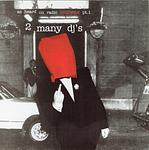
As Heard on Radio Soulwax, Part 1 is a 2002 mix album by Belgian duo 2manydjs that stitches rapid-fire edits and mashups of electronic, house and breakbeat material with rock and pop sources into a continuous, dance-oriented set. The album is notable for its cut-and-paste approach, abrupt transitions and genre-blurring combinations, showcasing the duo's inventive DJing and sample-based reworking of familiar tracks.
#155 — Beautiful Freak by EELS
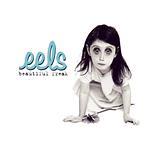
Beautiful Freak is the 1996 debut studio album by Eels, the project of singer-songwriter Mark Oliver Everett. It blends alternative rock, indie pop, and chamber-tinged arrangements, pairing lo-fi guitars and electronic beats with occasional strings and quirky samples. The songs move between wry, often darkly comic lyrics and melancholic melodies, and tracks like "Novocaine for the Soul" and "Susan's House" helped introduce E's intimate, offbeat songwriting voice.
#156 — Black Celebration by Depeche Mode
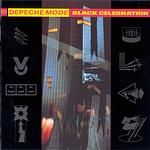
Black Celebration, released in 1986, finds Depeche Mode steering their synth-pop foundations toward a darker, more atmospheric sound that incorporates elements of electronic, industrial and dark wave. The album emphasizes layered synthesizer textures, tense rhythms and brooding lyrical themes, producing a dense, nocturnal mood that marked a shift in the band’s aesthetic and shaped the sonic direction they developed on subsequent records.
#157 — Definitely Maybe by Oasis
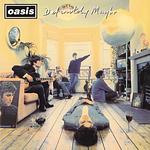
Definitely Maybe is the 1994 debut studio album by Oasis. It presents a loud, guitar-driven take on Britpop and alternative rock, pairing catchy, melodic hooks with dense, fuzzed guitar textures and touches of neo-psychedelia and shoegaze. Noel Gallagher's songwriting emphasizes direct, anthemic choruses and everyday themes while Liam Gallagher's distinctive vocal delivery and a raw, immediate production give the record a swaggering, live feel. The result is a concise collection of bold, high-energy rock songs that established the band's characteristic sound.
#158 — The Dream of the Blue Turtles by Sting
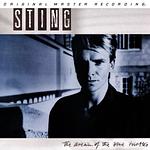
The Dream of the Blue Turtles, Sting's 1985 solo debut after leaving The Police, moves away from straight pop rock toward a jazz-tinged pop sound, featuring prominent contributions from jazz players Branford Marsalis, Kenny Kirkland, Omar Hakim, and Darryl Jones. The album blends pop rock, soft rock and new wave sensibilities with improvisational horn and keyboard arrangements, pairing polished production with literate and sometimes political lyrics on songs such as "Russians" and mood pieces like "Moon Over Bourbon Street". Its sound marked a clear stylistic shift for Sting, emphasizing ensemble playing and jazz-influenced rhythms within a mainstream pop framework.
#159 — One Step Beyond… by Madness
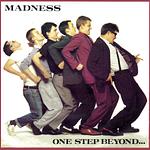
One Step Beyond… is the 1979 debut album by Madness that blends upbeat ska rhythms with British pop and a theatrical sensibility. The record features choppy upstroke guitar, punchy horn arrangements, and the distinctive vocal delivery of Suggs, pairing exuberant, danceable tracks with wry, observational lyrics about everyday life. Opening with a cover of Prince Buster's instrumental title track, the album helped define the ska-pop sound associated with the late 1970s 2 Tone scene and established Madness's mix of humor and melancholy.
#160 — Songs for the Deaf by Queens of the Stone Age
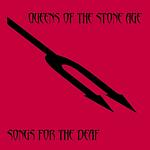
Songs for the Deaf (2002) finds Queens of the Stone Age refining their mix of stoner rock, alternative rock and hard rock into a lean, driving record built on propulsive rhythms, dense guitar riffs and Josh Homme's dry, sardonic vocals. The album balances heavy, riff-focused tracks with melodic hooks and varied dynamics, and features notable guest contributions from Dave Grohl on drums and Mark Lanegan on vocals. Its sequencing and themes evoke a restless, road-oriented atmosphere that helped define the band's sound going forward.
#161 — Ascenseur pour l'échafaud by Miles Davis
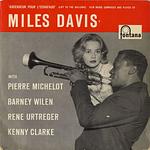
Ascenseur pour l'échafaud is Miles Davis's 1958 soundtrack for Louis Malle's film, recorded in Paris with Barney Wilen, René Urtreger, Pierre Michelot, and Kenny Clarke. The music is spare, nocturnal, and largely improvised, combining cool jazz phrasing and blues-inflected lines with early modal touches to create a cinematic, melancholic atmosphere. Davis's muted trumpet delivers lyrical, haunting motifs over understated rhythmic support, producing a tense, intimate sound often associated with crime jazz and film scores. The session is notable for its in-the-moment composition and for foreshadowing the modal textures Davis explored in later work.
#162 — Broken English by Marianne Faithfull
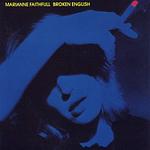
Broken English (1979) presents Marianne Faithfull with a markedly darker, world-weary vocal presence set against a mix of art pop, art rock, new wave and rock arrangements. The record favors synth textures, driving rhythms and spare, sometimes angular instrumentation that underscore lyrics ranging from personal reflection to sharper social observations. Its stark sound and direct delivery signaled a clear stylistic shift from her earlier work and is often regarded as a transformative moment in her career.
#163 — Pieces of a Man by Gil Scott‐Heron
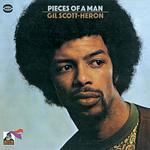
Pieces of a Man (1971) finds Gil Scott-Heron blending jazz, soul, and spoken-word poetry over spare, groove-based arrangements. The album pairs intimate piano and jazz ensemble playing with direct, socially conscious lyrics on tracks such as "The Revolution Will Not Be Televised" and "Home Is Where the Hatred Is", and helped bridge spoken-word performance and contemporary soul, anticipating later developments in hip-hop and spoken-word scenes.
#164 — Band of Gypsys by Jimi Hendrix
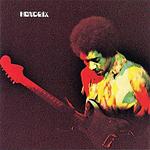
Band of Gypsys is a 1970 live album by Jimi Hendrix, recorded at the Fillmore East on New Year's Eve 1969 and New Year's Day 1970 with bassist Billy Cox and drummer Buddy Miles. The performances emphasize a rawer, groove-oriented approach that blends rock, blues rock, psychedelic textures and funk-leaning rhythms, featuring extended improvisation and reworked versions of Hendrix material, notably the long, evocative "Machine Gun". The trio's tighter, more rhythmic interplay and Buddy Miles' vocal presence distinguish the sound from the Experience and document Hendrix's musical direction during that period.
#165 — La Femme chocolat by Olivia Ruiz
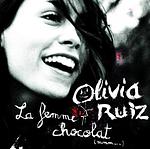
La Femme chocolat is Olivia Ruiz's second studio album, released in 2005. The record mixes chanson française songwriting with pop and ballad sensibilities, pairing Ruiz's theatrical, expressive vocals with playful arrangements and a variety of acoustic and rhythmic textures. Songs move between intimate, narrative ballads and more uptempo, danceable numbers, with touches of Latin and cabaret-flavored instrumentation that give the album a colorful, story-driven character.
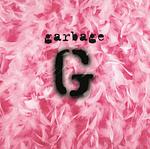
Garbage is the 1995 debut album by Garbage, produced by the band with Butch Vig. It melds alternative rock and pop with electronic textures and alternative dance rhythms, featuring dense, sample-informed production, distorted guitars and Shirley Manson's distinctive vocals. The material pairs catchy hooks with noisy, layered sonics and lyrical tones of irony and angst, establishing the band's polished yet abrasive sound in the mid 1990s.
#167 — Loveless by My Bloody Valentine
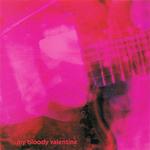
Loveless (1991) by My Bloody Valentine is a defining shoegaze album built from densely layered, heavily processed guitars, submerged vocals, and a washed, immersive sonic texture. Kevin Shields's use of a distinctive glide guitar technique, tremolo, pitch bending, and thick reverb produces a dreamy but noisy pop sound that influenced many subsequent dream pop and alternative rock acts.
#168 — Shaft: Music From the Soundtrack by Isaac Hayes
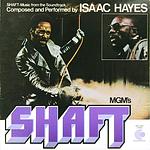
Isaac Hayes' 1971 soundtrack for Shaft blends deep soul and gritty funk with jazz and orchestral textures, pairing a tight rhythm section and wah-wah guitar with lush string and horn arrangements. The title track features Hayes' resonant baritone and a memorable riff that helped define the sound of early 1970s film soul and influenced later funk, soul jazz, and hip-hop sampling; the album mixes instrumental cues and vocal performances to create a cinematic, groove-driven atmosphere.
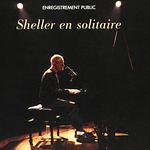
#169 — Sheller en solitaire by William Sheller
#170 — Steve McQueen by Prefab Sprout
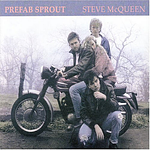
Steve McQueen is Prefab Sprout's 1985 album, produced by Thomas Dolby, that refines the band's blend of synth-pop, pop rock and sophisti-pop into a polished, literate form of chamber pop. Paddy McAloon's songwriting pairs wry, introspective lyrics with sophisticated chordal movement, warm melodies and smooth synth textures, while the production favors crisp, economical arrangements. The album is a clear example of mid 1980s sophisti-pop, notable for combining accessible hooks with musically intricate structures.
#171 — Surrender by The Chemical Brothers
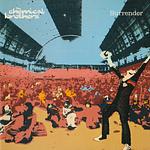
Surrender, released in 1999 by The Chemical Brothers, blends big beat and house with progressive electronic textures, anchored by punchy breakbeats, melodic synth lines, and psychedelic studio production. The album includes singles such as "Hey Boy Hey Girl", "Let Forever Be", and "Out of Control" and is notable for incorporating more song-based structures and guest vocalists into the duo's sample-driven club sound. Its layered arrangements and mix of club-ready rhythms with experimental touches show a widening of their electronic palette while retaining dancefloor focus.
#172 — Disintegration by The Cure
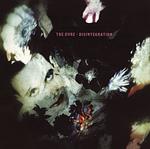
Disintegration is a 1989 album by The Cure known for its dense, atmospheric sound that blends gothic rock, post-punk and new wave influences. The record emphasizes long, immersive arrangements with layered guitars, sweeping synthesizers, and reverberant production that foregrounds Robert Smith's melancholy vocal delivery and introspective lyrics about loss, memory, and existential longing. Songs such as "Pictures of You", "Lovesong", and "Lullaby" balance pop sensibility with brooding textures, making the album a defining moment in the band's move toward more expansive, mood-driven songwriting.
#173 — A Rush of Blood to the Head by Coldplay
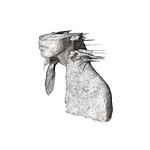
A Rush of Blood to the Head, Coldplay's 2002 second album, expands the band's sound from their debut with piano-driven ballads and more prominent guitar textures, balancing intimate, melancholic songwriting with larger, arena-scaled arrangements. Tracks such as "Clocks", "The Scientist", and "In My Place" emphasize spare piano motifs, ringing guitars, and melodic, emotive vocals that foreground atmosphere and directness. The record helped define the band's style within early 2000s post-Britpop and piano rock and marked a clear step toward more mature, anthemic songwriting.
#174 — Chambre avec vue by Henri Salvador
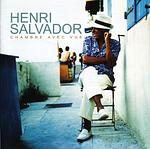
Chambre avec vue (2000) finds Henri Salvador blending jazz and pop in a relaxed, intimate mode. The album emphasizes his warm, laid-back vocal delivery over light swing rhythms, acoustic guitars, and tasteful brass and woodwind touches, with colors drawn from chanson and bossa nova. Arrangements favor melody and atmosphere, giving the record a sophisticated, easygoing mood consistent with Salvador's late-career work.
#175 — Decksandrumsandrockandroll by Propellerheads
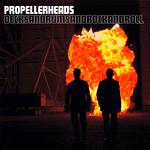
Decksandrumsandrockandroll is the 1998 debut album by Propellerheads, rooted in big beat and breakbeat with heavy electronic production and DJ techniques. It blends punchy breakbeats and sample collage with live instrumentation, funk and cinematic touches, producing a glossy, high-energy sound; notable tracks include the instrumental "Spybreak!" and the collaboration with Shirley Bassey, "History Repeating". The album is often cited as a distinctive example of late 1990s big beat and electronic breakbeat production.
#176 — A Kind of Magic by Queen
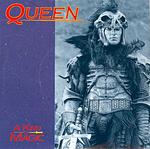
A Kind of Magic, released in 1986 by Queen, blends hard rock and pop rock with a cinematic, synth-tinged production that reflects the band's mid 1980s sound. The record pairs anthemic, guitar-driven rockers with lush balladry and layered vocal harmonies, showcasing Freddie Mercury's theatrical lead vocals alongside Brian May's recognizable guitar work. Several tracks were written for or used in the film Highlander, giving parts of the album a soundtrack-like, dramatic quality. Overall it documents Queen working with contemporary production approaches while retaining their melodic and theatrical rock identity.
#177 — Love on the Beat by Serge Gainsbourg
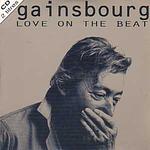
Love on the Beat presents Serge Gainsbourg working in an electronic-leaning pop and rock style that incorporates funk rhythms and synth-driven textures. The arrangements emphasize groove and atmosphere over orchestral chanson, and the lyrics retain Gainsbourg's provocative and playful tone. Overall it reads as a late-period, stylized experiment in contemporary electronic pop and rock production.
#178 — Mama Said by Lenny Kravitz
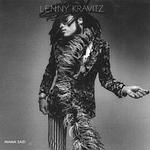
Mama Said is Lenny Kravitz's 1991 second studio album, merging rock, soft rock, soul, neo-psychedelia and occasional electronic textures. The record moves between acoustic-driven ballads and raw rockers, with warm, retro-leaning production that references 1960s and 1970s sounds. Kravitz's songwriting here is more polished and inward-looking than on his debut, emphasizing melody, vintage instrumentation and a balance of intimate vocals and fuller rock arrangements.
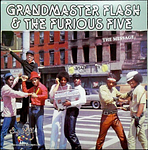
The Message, issued by Grandmaster Flash and the Furious Five in 1982, blends electro-tinged funk, early hip hop beats, and pop-leaning songcraft with stark, street-level storytelling. The title track pairs a minimalist, drum machine driven groove and spare synth textures with Melle Mel's urgent vocal delivery and DJ embellishments, shifting emphasis from party rhymes to social realism and narrative detail. As a record it collects danceable, rhythm-forward tracks that foreground mood and lyrical content, and it is often cited for steering parts of hip hop toward more explicitly observational and political subject matter.
#180 — Moon Safari by Air
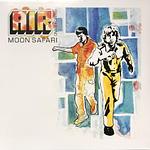
Moon Safari is a 1998 album by French duo Air that blends downtempo electronic production with ambient pop and chillout aesthetics. It foregrounds warm analog synths, soft drum programming, melodic basslines and airy vocals to create a relaxed, cinematic atmosphere. Tracks like Sexy Boy and All I Need pair minimalist arrangements with vintage keyboard textures and gentle female lead vocals, and the album is noted for its restrained, retro‑futuristic mood that influenced late 1990s downtempo and chillout styles.
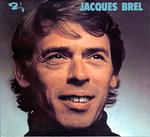
#181 — Ne me quitte pas by Jacques Brel
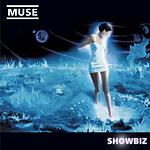
Showbiz is Muse's 1999 debut album that establishes their early sound of dramatic, guitar-driven alternative rock with art rock sensibilities. It mixes aggressive riffs and big dynamic shifts with prominent piano and emotive, often falsetto, vocals, and leans toward themes of alienation and introspection. The production is relatively raw compared with the band's later work, highlighting a trio interplay that alternates between hard-hitting rock and quieter ballad moments.
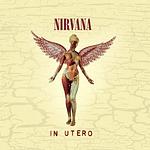
In Utero, released in 1993 by Nirvana, is a raw, abrasive alternative rock album that incorporates grunge, noise rock, and post-hardcore elements. Recorded with a deliberately less polished production, it foregrounds distorted guitars, strong dynamic contrasts, and Kurt Cobain's intense vocal delivery while still containing quieter, melodic passages. The songwriting blends confrontational imagery and personal themes with tuneful hooks, giving the record a deliberately rougher, more immediate sound compared with the band's previous studio work.
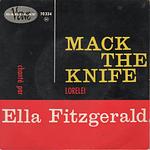
#184 — Mack the Knife by Ella Fitzgerald
#185 — (What's the Story) Morning Glory? by Oasis
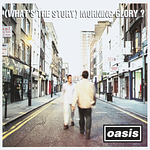
(What’s the Story) Morning Glory? is Oasis's 1995 album that crystallizes the band's take on Britpop and arena-sized alternative rock. Built around Noel Gallagher's melodic songwriting and Liam Gallagher's distinctive vocals, the record balances acoustic-driven ballads and loud, guitar-heavy anthems with layered production and singalong choruses. Its polished yet swaggering sound and emphasis on memorable hooks made it a defining release of the mid 1990s British rock scene.
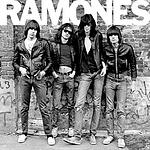
Ramones is the 1976 debut album by the Ramones. It delivers short, fast, stripped-down songs built on simple three-chord guitar figures, driving downbeat drumming, and a raw production that foregrounds catchy hooks and shouted vocals. Noted for its succinct songcraft and aggressive minimalism, the record is widely regarded as a foundational release in punk rock and helped establish the genre's aesthetic.
#187 — Rumours by Fleetwood Mac
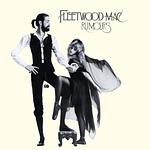
Rumours is a 1977 album by Fleetwood Mac that blends rock, pop rock, soft rock, blues and folk pop into a polished, radio-friendly sound. The record features layered vocal harmonies, melodic songwriting and a mix of acoustic and electric textures that foreground strong hooks and intimate arrangements. Many songs reflect interpersonal relationships and band tensions, giving the lyrics a candid, confessional feel, while the production emphasizes clarity and warmth. The album is widely cited as a defining example of late 1970s pop rock and a central release in Fleetwood Mac's catalog.
#188 — Strange Days by The Doors
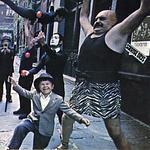
Strange Days is the Doors' second studio album from 1967, expanding their organ-driven rock into darker, more theatrical and psychedelic territory. The record blends blues rock roots with acid and psychedelic textures, featuring Jim Morrison's stagewise, poetic vocals over Ray Manzarek's swirling keyboards, Robby Krieger's lyrical guitar work, and rhythmic shifts that range from compact songs to extended, atmospheric pieces. Tracks such as "People Are Strange," "Love Me Two Times," and the sprawling "When the Music's Over" showcase the band's interest in mood, studio effects, and dramatic lyrical imagery, marking a deeper exploration of sound and concept compared with their debut.
#189 — Tracy Chapman by Tracy Chapman
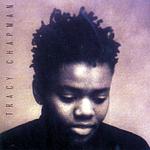
Tracy Chapman is the 1988 debut album by singer-songwriter Tracy Chapman, built around spare, acoustic-based arrangements that blend folk, rock and contemporary folk with subtle blues and soul touches. The sound is dominated by Chapman's clear, expressive voice and narrative songwriting, with intimate production that keeps the focus on lyrics about personal and social themes. Tracks such as "Fast Car" highlight the album's storytelling emphasis and melodic restraint. The record introduced Chapman as a notable voice in late 1980s folk-influenced rock and alternative folk.
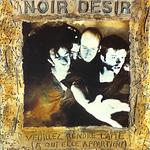
Veuillez rendre l'âme (à qui elle appartient) is a 1989 album by French rock band Noir Désir that pairs raw, guitar-driven arrangements with post-punk energy and French-language lyrics delivered in Bertrand Cantat's intense, gravelly voice. The record emphasizes urgent riffs, moody atmospheres, and dynamic contrasts between restrained passages and explosive outbursts, reflecting the band's early alternative rock sound and a lyrical focus that blends personal and social themes.
#191 — Aladdin Sane by David Bowie
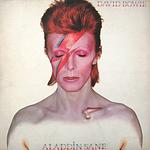
Aladdin Sane, released in 1973, finds David Bowie extending the theatrical glam of his Ziggy Stardust era into more experimental and American inflected territory. Musically it blends glam rock and art rock with hard rock and moments of cabaret and free jazz influenced piano, highlighted by Mick Ronson's guitar and Mike Garson's striking piano work. Tracks such as The Jean Genie, Panic in Detroit, the title track and a cover of Let's Spend the Night Together mix bluesy riffs, angular arrangements and lyrical reflections on fame, identity and American culture. The album is often heard as a more fractured, exploratory companion to its predecessor.
#192 — Let It Be by The Beatles
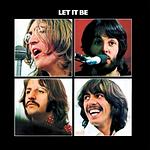
Let It Be (1970) is the Beatles' final studio album release, assembled from 1969 sessions and issued after the group had effectively broken up. The record mixes rock, pop rock, beat music and blues influences, pairing a back-to-basics, live-in-studio feel on several tracks with more produced, orchestral and gospel-tinged arrangements on others. Its varied production approaches and close ties to the documentary film give the album a raw, documentary quality within the Beatles catalogue.
#193 — Roseland NYC Live by Portishead
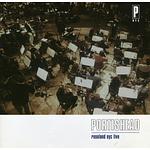
Roseland NYC Live is a 1998 live album by Portishead, recorded at the Roseland Ballroom in New York. It presents the band's trip hop and downtempo material in a theatrical live setting, with live instrumentation and string arrangements that broaden the studio electronics into a darker, more cinematic sound. Beth Gibbons' intense vocals are at the forefront, supported by sparse beats, atmospheric textures and dramatic arrangements that emphasize how the group's studio-oriented production translates into a live performance.
Sigur Rós' 2002 album ( ) is an atmospheric, largely instrumental record that blends post-rock dynamics with ambient textures and understated electronic and rock elements. Composed of eight untitled tracks that feature Jónsi's high-register voice and non-lexical vocalizations, bowed guitar and spacious arrangements, it alternates sparse, intimate passages with slow-building, orchestral swells to create a meditative, cinematic mood. The album marked a move toward more abstract, textural songwriting in the band's catalog and is often noted for its use of silence, space and emotional intensity.
#195 — Suprême NTM by Suprême NTM
Suprême NTM (1998) is the self-titled album by French hip hop duo Suprême NTM. It pairs raw, aggressive vocal delivery and socially charged lyrics about urban life with harder-edged beats and more polished production touches, blending hardcore rap energy with occasional melodic moments. The record marked a mature phase in the duo's sound and is frequently referenced in discussions of influential French hip hop releases.
Zen (1995) by Zazie is an art pop/pop/pop rock album marked by literate, often playful French lyrics and concise melodic songwriting. The arrangements blend acoustic and electric instruments with occasional electronic textures, balancing catchy pop hooks and rock-tinged energy while leaving room for vocal phrasing and phrasing-driven delivery. The record helped consolidate Zazie’s profile in 1990s French pop and showcases her focus on wordplay and tightly constructed songs.
#197 — Artificial Animals Riding on Neverland by AaRON
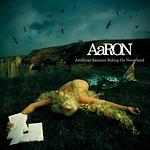
Artificial Animals Riding on Neverland is the 2007 debut album by French duo AaRON. The record blends melancholic piano-driven pop with atmospheric electronic textures and occasional rock dynamics, pairing intimate, introspective lyrics with lush arrangements and restrained rhythms. Its moody, cinematic sound established the duo's signature mix of organic instrumentation and subtle synths, with an emphasis on melody and emotional delivery.
#198 — Automatic for the People by R.E.M.
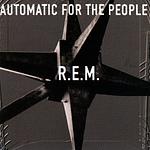
Automatic for the People, R.E.M.'s 1992 album, moves the band toward a more acoustic, reflective sound that blends alternative rock and jangle pop with orchestral strings and piano-based arrangements. The record is characterized by restrained, melancholic tempos and introspective lyrics that address themes of mortality, memory, and loss; tracks such as "Nightswimming", "Everybody Hurts", and "Man on the Moon" showcase its plaintive, melodic focus. Production is spare and atmospheric, putting emphasis on Michael Stipe's vocal delivery and the songs' emotional clarity while retaining elements of the band's melodic guitar work.
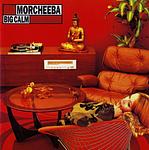
Big Calm, Morcheeba's 1998 album, blends trip hop, downtempo, electronic and pop elements into a mellow, groove-driven sound. The record emphasizes warm, spacious production, relaxed hip hop derived beats, smooth basslines and acoustic touches, anchored by Skye Edwards' intimate, husky vocals. Arrangements favor subtle sampling and atmospheric textures over aggression, producing a laid-back, cinematic mood that exemplifies Morcheeba's accessible take on late 1990s trip hop.
#200 — Diesel and Dust by Midnight Oil
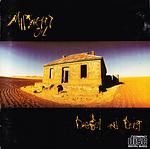
Diesel and Dust (1987) is an album by Australian rock band Midnight Oil that pairs driving, guitar-led rock and alternative-pop arrangements with a strong rhythmic pulse. Peter Garrett's urgent vocals and the band's muscular, percussive playing carry songs that confront Australian political and social issues, especially Indigenous land rights and environmental concerns, in direct, anthemic forms exemplified by tracks like "Beds Are Burning" and "The Dead Heart". The record foregrounds activism within concise, radio-friendly rock songs while retaining moments of atmospheric restraint.