 The Greatest Music
The 1000 Best Albums of All Time
Weight: 35%
How much this list influences our overall rankings. Higher weight means more reliable data.
Penalties Applied:
Fnac’s Les 1000 CD des disquaires de la Fnac (Dec 2008) is a collective, staff-driven canon: Fnac’s record-store specialists (“disquaires”) pooled their picks in a large internal vote to build a near “ideal” 1,000-album library, spanning major genres and highlighting certain titles as indispensables.
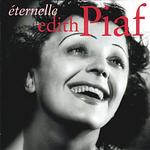
#201 — Éternelle by Édith Piaf
#202 — The Fat of the Land by The Prodigy
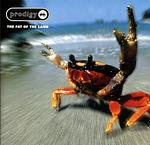
The Fat of the Land is The Prodigy's third studio album, released in 1997. It combines big beat and breakbeat rhythms with aggressive electronic production, heavy bass, distorted synths and a confrontational vocal style that draws on punk and MC traditions. The album is notable for its hard-hitting, club-oriented sound and for bringing a rock-inflected edge to late 1990s electronica.
#203 — Is This It by The Strokes
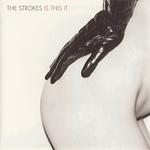
Is This It is the 2001 debut album by The Strokes, characterized by concise, guitar-driven songs that helped define the early 2000s garage rock revival. The record pairs jangly, riff-focused arrangements and tight rhythmic interplay with Julian Casablancas's detached, deadpan vocal delivery, and a lo-fi, immediate production that favors atmosphere over polish. Songwriting on the album emphasizes melodic hooks and sparse textures across compact tracks, and its aesthetic had a noticeable influence on subsequent indie and alternative rock acts.
#204 — Let It Bleed by The Rolling Stones
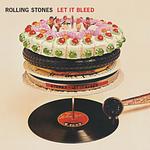
Let It Bleed is a 1969 Rolling Stones album that moves the band toward a rawer, roots-oriented sound blending blues rock, hard rock, country and gospel-tinged elements. The record balances loose, electric blues numbers with acoustic and country textures and longer, more expansive rock pieces, with songs such as "Gimme Shelter" and "You Can't Always Get What You Want" exemplifying its dramatic, often dark tone. Production favors a gritty, live-in-the-studio feel, and the songwriting reflects a more mature, unsettled mood compared with the group's earlier pop-oriented work.
#205 — Let's Stay Together by Al Green
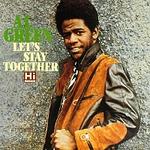
Let’s Stay Together (1972) finds Al Green delivering intimate, gospel-tinged soul marked by his distinctive falsetto, warm midtempo grooves, and spare, tasteful arrangements. Anchored in the Hi Records sound, the album blends smooth and Southern soul with pop sensibilities while retaining clear gospel inflections in the vocal delivery. The title track captures the record’s romantic, restrained mood and exemplifies the tone that became central to Green’s early 1970s work.
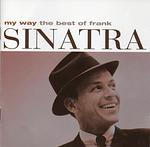
This 1997 compilation collects many of Frank Sinatra's best-known recordings, emphasizing jazz-inflected standards, easy listening ballads, swinging uptempo numbers, and big band arrangements. The selections showcase Sinatra's conversational phrasing, clear tonal control, and interpretive focus, often supported by orchestral and big band backings that range from intimate ballad settings to lively swing. It functions as an accessible overview of his signature vocal style and popular-jazz repertoire.
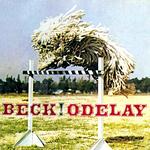
Odelay, released in 1996 by Beck, mixes alternative rock, electronic and downtempo grooves with folk, hip hop beats and psychedelic touches. Produced with the Dust Brothers, the album is built around sample based, collage-like production, skittering drum loops, and skewed arrangements that sit alongside more acoustic singer-songwriter moments, all topped by Beck's playful, surreal lyrics and idiosyncratic vocal delivery. Its eclectic, genre-blending sound became a defining element of Beck's mid 1990s work.
#208 — Portishead by Portishead
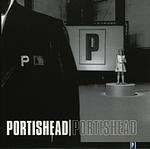
Portishead, released in 1997, is the band’s second album and deepens the moody, cinematic trip hop and downtempo approach they helped define. Beth Gibbons' intimate, often mournful vocals sit against layered samples, turntable textures, and live instrumentation, producing a claustrophobic, noirish atmosphere. The record blends electronic production, alternative rock textures, and touches of acid jazz, relying on space, distortion, and sparse arrangements to create tense, emotionally charged songs.
#209 — Radio‐Aktivität by Kraftwerk
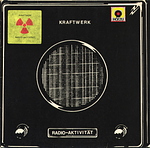
Radio-Activity, released in 1975 by Kraftwerk, is a minimalist concept album built around themes of radio transmission and nuclear radiation. The music pairs krautrock-influenced, motorik rhythms with sparse synth textures, early use of vocoder-treated voices and electronic percussion, and simple, repetitive melodic motifs. Lyrics alternate between German and English and the record incorporates radio and found-sound elements to underline its concept, marking a move toward the colder, more systematic electronic style that would characterize Kraftwerk's later work.
#210 — Sauver l'amour by Daniel Balavoine
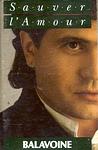
Sauver l'amour, released in 1985 by Daniel Balavoine, blends synth-pop and electronic textures with pop rock arrangements, featuring prominent synthesizers, driving rhythms, guitars, and his characteristic emotive vocals. The songs combine personal and socially conscious French-language lyrics with anthemic choruses and more intimate moments, reflecting the polished mid-1980s production aesthetic. The album is one of Balavoine's late-career works, recorded shortly before his death in early 1986.
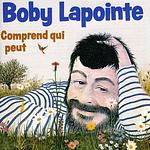
#211 — Comprend qui peut by Boby Lapointe
#212 — Felt Mountain by Goldfrapp
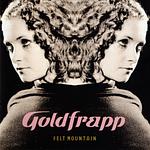
Felt Mountain is Goldfrapp's 2000 debut that blends trip hop, downtempo electronic and art pop into a cinematic, nocturnal sound. Alison Goldfrapp's breathy, sometimes theatrical vocals float over sparse beats, analogue synth textures and sweeping string arrangements, creating a mix of ambient pop atmospheres, cabaret-tinged torch songs and noirish mood pieces. The record is often cited for its strong sense of atmosphere and for introducing the duo's distinctive combination of electronic production and orchestral touches.
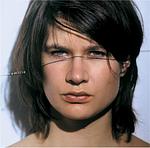
Le Fil (2005) by Camille blends chanson française songwriting with electronic, downtempo and experimental production, using her voice as a primary instrument through close-miked delivery, percussive mouth sounds and layered harmonies. The album is built around a conceptual "thread" in the form of a sustained tonal drone that runs through many tracks, creating a unifying backdrop for shifts between intimate, speech-like vocals, playful rhythmic passages and sparse, minimalist textures.
#214 — Lady Soul by Aretha Franklin
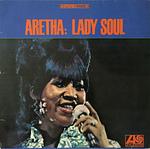
Lady Soul (1968) captures Aretha Franklin in the fertile late 1960s Atlantic period, showcasing her gospel-rooted, deeply expressive voice across material that blends soul, Southern soul, blues, and classic R&B. The record pairs her commanding vocals and piano with tight rhythm and horn arrangements, moving between punchy, groove-driven numbers and tender, intimate ballads. Its raw emotional intensity and authoritative phrasing helped define a model of deep soul singing that influenced many later vocalists.
#215 — Master of Puppets by Metallica
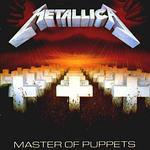
Master of Puppets (1986) is Metallica's third studio album and a landmark of thrash metal, blending aggressive, fast-paced riffs and palm-muted gallops with extended song structures and melodic guitar solos. The record pairs relentless speed and tight rhythmic precision with moments of dynamic contrast and instrumental complexity, showing progressive tendencies in longer arrangements. Lyrically it touches on themes of control and manipulation, and the production delivers a clearer, heavier sound compared with the band's earlier releases.
#216 — Maxime Le Forestier by Maxime Le Forestier
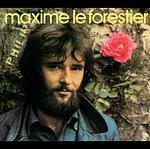
Maxime Le Forestier's 1972 self-titled debut applies French chanson traditions to a folk-pop palette, with intimate acoustic arrangements, warm conversational vocals and reflective, travel-tinged lyrics. The record emphasizes melodic songwriting and storytelling, pairing simple guitar-based accompaniment with occasional subtle orchestral touches and restrained rhythmic variety to create a gentle, introspective sound.
#217 — Rock Bottom by Robert Wyatt
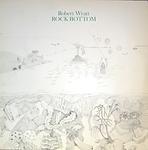
Rock Bottom is Robert Wyatt's 1974 solo album that crystallizes his move toward a spare, intimate form of art rock rooted in the Canterbury scene and avant-garde jazz. Recorded after the accident that left him unable to continue as a drummer, the record centers on Wyatt's distinctive, fragile vocals and melodic keyboard work framed by brass, saxophone colors and subtle studio textures. Songs unfold in loose, free flowing structures with surreal, elliptical lyrics and shifts between melancholy, whimsy and quiet intensity, blending jazz inflections, pastoral folk elements and experimental arrangement choices. The album established Wyatt's singular voice as a solo artist and remains a touchstone of 1970s British art rock.
#218 — Silent Alarm by Bloc Party
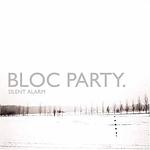
Silent Alarm, Bloc Party's 2005 debut, features angular, staccato guitar lines, propulsive bass and drums, and a blend of indie rock, post-punk revival and dance-punk rhythms. Kele Okereke's vocals deliver urgent yet controlled melodies over layered guitar textures and syncopated grooves, with songs that balance frenetic energy and concise hooks. The record is notable for its tight arrangements, interplay between guitars and rhythm section, and a rhythmic drive that helped define its sound within mid 2000s alternative rock.
#219 — The Virgin Suicides by Air
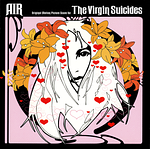
Air's 2000 soundtrack for Sofia Coppola's film The Virgin Suicides is a largely instrumental, mood-driven record that blends warm analogue synths, restrained beats, piano and string motifs to create a melancholic, cinematic atmosphere. Moving between ambient, downtempo and ambient pop textures, the album favors sparse arrangements and reverb-soaked melodies and includes the vocal track "Playground Love," reinforcing Air's reputation for quiet, filmic electronica.
#220 — Deep Purple in Rock by Deep Purple
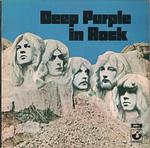
Deep Purple in Rock (1970) marks the arrival of the Mark II lineup and a decisive shift toward a heavier, riff-driven sound that helped define hard rock and early heavy metal. The album pairs aggressive, guitar-led tracks with prominent Hammond organ and dynamic, high-register vocals, ranging from concise rockers like Speed King to the extended, dramatic centerpiece Child in Time. Its raw power, muscular arrangements, and emphasis on lengthy instrumental passages established a template the band and peers would develop further in the 1970s.
#221 — Nino Ferrer by Nino Ferrer
#222 — Sheik Yerbouti by Frank Zappa
Sheik Yerbouti, released in 1979, combines live concert material with extensive studio overdubs and edits to create a mix of rock, art rock, progressive arrangements, and comedy rock. The album highlights Zappa's virtuosic guitar work and tight ensemble playing alongside satirical and often explicit lyrical humor, with stylistic pastiches ranging from rock to disco parody in songs such as "Dancin' Fool" and provocative pieces like "Bobby Brown" and "Jewish Princess". Its abrupt shifts in style and heavy studio manipulation illustrate Zappa's compositional approach and penchant for musical and social satire.
#223 — Welcome to the Cruel World by Ben Harper
Welcome to the Cruel World is Ben Harper's 1994 debut studio album that introduces his blend of folk rock, alternative rock, and blues. The record emphasizes acoustic and lap steel guitar textures, spare production, and Harper's soulful, intimate vocals paired with personal and socially aware lyrics. It established the roots-oriented, genre-crossing sound that shaped his early career.
Zombie (1976) by Fela Kuti and Africa 70 is a landmark Afrobeat record built on extended, groove-driven tracks that fuse West African rhythms with jazz-influenced horn arrangements. The title track is a lengthy, rhythmically insistent piece that satirizes the Nigerian military through biting vocals and call-and-response chanting, while the band sustains layered percussion, propulsive bass, interlocking guitars, and bold brass lines. The album exemplifies Fela's mix of improvisatory jazz elements, repetitive trance-like grooves, and explicit political commentary.
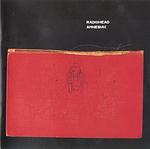
Amnesiac (2001) finds Radiohead building on the experimental turn of its prior work, blending electronic textures, jazz-influenced rhythms, and art rock arrangements with occasional return to guitar-driven songs. The record moves between intimate piano pieces and fragmented, collage-like soundscapes, with Thom Yorke's distinctive vocals and oblique lyrics anchoring unconventional song structures. The production emphasizes atmosphere and dislocation, creating a moody, sometimes unsettling listening experience that highlights the band's willingness to push rock into more experimental territory.
#226 — Au ras des pâquerettes by Alain Souchon
Au ras des pâquerettes, released in 1999, finds Alain Souchon working in his established chanson française and pop vein, pairing conversational, often wry lyrics with warm, melodic arrangements. The album favors acoustic textures and restrained production that foreground Souchon’s intimate vocal delivery and observational storytelling, balancing gentle humor and melancholy. It continues the singer-songwriter approach he is known for, emphasizing everyday detail and reflective perspectives rather than dramatic stylistic shifts.
#227 — C'est déjà ça by Alain Souchon
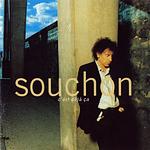
C'est déjà ça is a 1993 album by Alain Souchon that blends French pop and chanson, anchored by melodic, radio-friendly arrangements and introspective, observational lyrics. The record includes the single "Foule sentimentale" and moves between intimate ballads and midtempo pop songs, with warm acoustic guitar, piano and understated production that put emphasis on Souchon’s vocal phrasing and songwriting voice.
#228 — Déjà vu by Crosby, Stills, Nash & Young
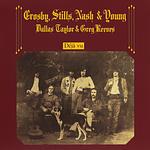
Déjà Vu is Crosby, Stills, Nash & Young's 1970 album that broadened the trio's harmony-driven folk rock by adding Neil Young's rawer voice and guitar work. It mixes acoustic and electric textures across folk, country rock, and rock, with close vocal harmonies, layered guitar interplay, and a balance of intimate singer-songwriter pieces and more forceful electric moments. Songwriting contributions from all four members give the record a varied yet cohesive sound that helped define a strand of early 1970s American rock.
#229 — Emergency on Planet Earth by Jamiroquai
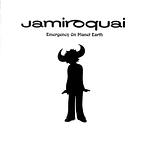
Emergency on Planet Earth, Jamiroquai's 1993 debut, blends acid jazz, funk, electronic touches and jazz-funk with clear 1970s soul influences. The music centers on groove-driven bass, punchy horns and electric keyboard textures, anchored by Jay Kay's distinctive vocals, and pairs danceable arrangements with socially conscious lyrics about the environment and urban life. The album established the band's signature retro-funk sound within the early 1990s acid jazz movement.
#230 — Fashion Nugget by CAKE
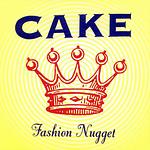
Fashion Nugget is Cake's 1996 second studio album that blends alternative rock with elements of funk, blues, and indie rock, featuring John McCrea's deadpan, talk-sung vocals, spare guitar work, and prominent trumpet parts. The record pairs rhythmic, groove-oriented arrangements and wry, ironic lyrics with a mix of original tracks like "The Distance" and a distinctive cover of "I Will Survive," showcasing the band's eclectic, genre-mixing approach and concise, hook-driven songwriting.
#231 — Five Leaves Left by Nick Drake
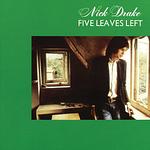
Five Leaves Left, Nick Drake's 1969 debut, pairs his intricate acoustic fingerpicking and hushed, melancholic vocals with restrained string and brass arrangements by Robert Kirby. The album blends English folk and chamber folk sensibilities with intimate singer-songwriter songwriting, emphasizing pastoral imagery, introspective lyrics, and subtle harmonic nuance. Its quiet, atmospheric production and focus on mood and texture helped establish it as an influential touchstone for later contemporary folk and British folk rock artists.
#232 — I Am a Bird Now by ANOHNI and the Johnsons
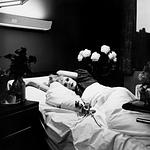
I Am a Bird Now (2005) by ANOHNI and the Johnsons is an intimate chamber pop and art pop album that mixes piano, strings and sparse acoustic instrumentation with ANOHNI's distinctive, high, emotive vocals. The songs draw on art rock and singer-songwriter approaches, often unfolding from quiet, confessional moments into larger, orchestral passages, and address themes of gender, identity, longing and mortality. The record's theatrical yet restrained arrangements and personal lyricism helped define the artist's sound and broadened their audience.
#233 — Life in Cartoon Motion by MIKA
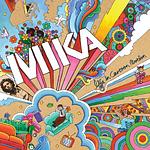
Life in Cartoon Motion is Mika's 2007 debut studio album that blends pop, pop rock, dance-pop and chamber pop with theatrical flair. It features piano-driven melodies, bright, orchestral touches and a prominent falsetto vocal style, balancing buoyant, hook-oriented songs with more introspective ballads; the record introduced Mika's colorful, melodramatic pop persona and playful arrangements, with standout tracks including "Grace Kelly" and "Love Today".
#234 — Hard Groove by The RH Factor
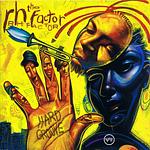
Hard Groove is Roy Hargrove's RH Factor project that blends post-bop trumpet-led improvisation with hip hop and funk rhythms and neo-soul textures. The album emphasizes electric keyboards, tight grooves, and contemporary production while retaining jazz improvisational language, presenting a deliberate crossover of jazz sensibility into R&B and groove-based forms. Its sound highlights Hargrove's lyrical trumpet work set against programmed beats and soulful arrangements, marking a move toward more groove-oriented, genre-blending jazz in the early 2000s.
#235 — Tourist by St Germain
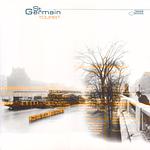
Tourist, released in 2000 by St Germain (Ludovic Navarre), blends deep house and electronic production with acid jazz and downtempo textures, using warm, looped jazz motifs and restrained grooves. The album emphasizes laid-back, groove-driven beats alongside mellow horn and piano colors, presenting a polished fusion of dancefloor pulse and lounge-like atmosphere that helped bring jazz-inflected sounds into mainstream electronic contexts.
#236 — Ella and Louis by Ella Fitzgerald, Louis Armstrong
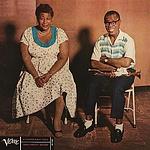
Ella and Louis (1956) pairs Ella Fitzgerald and Louis Armstrong on a relaxed set of jazz duets drawn largely from the standards repertoire. The record highlights the contrast between Fitzgerald's clear, agile phrasing and Armstrong's gravelly, expressive voice and warm trumpet contributions, with a small jazz ensemble providing tasteful, understated backing. The album mixes swinging uptempo numbers and intimate ballads and is often cited for the natural chemistry and conversational interplay between the two vocalists.
#237 — Papa Was a Rolling Stone by The Temptations
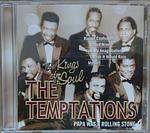
#238 — So Tonight That I Might See by Mazzy Star

So Tonight That I Might See, Mazzy Star's 1993 album, centers on Hope Sandoval's hushed, smoky vocals and David Roback's rich reverb and languid guitar textures. The music blends dream pop, psychedelic folk, and shoegaze elements into slow, atmospheric arrangements with sparse percussion, warm organ, and melancholic melodies, creating a hazy and intimate mood. The album helped define the band's signature sound and is often cited as a touchstone of 1990s dream pop and alternative atmospheres.
#239 — Surfer Rosa by Pixies
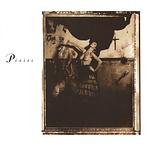
Surfer Rosa, released in 1988 by the Pixies, is a raw, abrasive alternative rock album produced by Steve Albini. It juxtaposes quiet, melodic verses with sudden, explosive choruses, showcasing Black Francis's urgent vocals, jagged guitar textures, and Kim Deal's propulsive bass and backing vocals, with her lead on "Gigantic". The songwriting pairs surreal, sometimes unsettling lyrical imagery with tight, punchy arrangements, and the stark, live-feeling production helped shape the loud-quiet-loud dynamics that became prominent in 1990s alternative and indie rock.
#240 — Travelling Without Moving by Jamiroquai
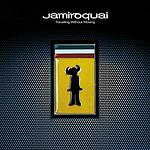
Travelling Without Moving is Jamiroquai's 1996 album that blends acid jazz foundations with funk, disco, and contemporary electronic production. The record emphasizes tight, danceable grooves, prominent bass and keyboard lines, and polished studio arrangements, with tracks like "Virtual Insanity" and "Cosmic Girl" showcasing the band's mix of retro funk influence and modern pop production. The album pairs club-friendly rhythms with accessible songwriting while keeping the group's acid jazz and funk roots evident.
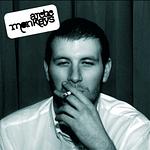
Whatever People Say I Am, That's What I'm Not is the 2006 debut album by Arctic Monkeys. It delivers energetic, guitar-driven indie rock with garage rock revival and post-punk revival influences, marked by brisk tempos, tight arrangements, and Alex Turner's observational, conversational lyrics about youth and nightlife. The production is immediate and raw, emphasizing punchy riffs and driving rhythms, and the record played a key role in defining mid-2000s British indie rock while emerging alongside early internet buzz around the band.
#242 — The Blues Brothers by Blues Brothers
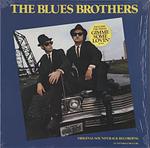
The Blues Brothers is the soundtrack to the 1980 film, combining soul, blues, rock and pop into forceful, R&B-driven performances. Led by the film’s protagonists and backed by a tight band of seasoned R&B players, the album features energetic covers of classic blues and soul numbers and showcases horn-driven arrangements and live-in-studio immediacy. It also includes guest appearances by artists such as Aretha Franklin, Ray Charles, James Brown and Cab Calloway, reflecting the record’s focus on roots R&B and theatrical showmanship.
#243 — Help! by The Beatles
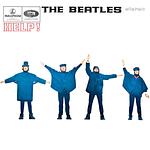
Help! is the Beatles' 1965 album that also served as the soundtrack to their film and marks a move from straightforward beat pop toward more varied, sometimes more introspective songwriting. It mixes rock, pop rock and folk rock elements with tight vocal harmonies, prominent acoustic textures and occasional orchestral arrangement, presenting both upbeat rockers and quieter, lyrically reflective pieces. The record documents the group's growing musical ambition and experimentation while retaining the melodic immediacy of their earlier work.
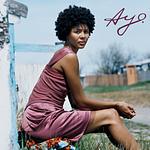
Joyful, Ayọ's 2006 debut album, pairs her warm, intimate voice with sparse, acoustic-based arrangements that blend soul, neo soul, folk, pop and reggae influences. The record emphasizes acoustic guitar, gentle percussion and understated keyboard or horn touches, favoring organic production that keeps songs direct and melodic. Its cross-genre palette highlights Ayọ's songwriting and distinctive vocal timbre, setting a clear stylistic foundation for her subsequent recordings.
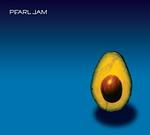
Pearl Jam is the band's ninth studio album, released in 2006 and commonly identified by its self-titled cover. The record emphasizes direct, guitar-driven rock with concise song structures and a raw, live-in-the-studio feel, drawing on alternative rock, grunge, hard rock and garage rock influences. Vocal delivery moves between urgent rasp and melodic phrasing while lyrics address political anger, mortality and personal reflection, and songs like "World Wide Suicide" and "Life Wasted" showcase the album's punchy, immediate approach compared with some of the band’s more sprawling efforts.
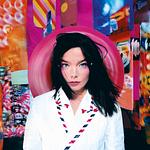
Post, released in 1995, is Björk's second solo album that builds on an electronic and art pop foundation with strong elements of trip hop, alternative dance, and pop. The record mixes punchy, sample-driven beats and industrial textures with sweeping strings and brass, moving between aggressive, rhythm-forward songs like 'Army of Me' and more introspective, melodic pieces such as 'Hyperballad' and 'Possibly Maybe', and it includes the theatrical cover 'It's Oh So Quiet'. Björk's distinctive vocal delivery and adventurous arrangements give the album a wide stylistic range and an experimental pop sensibility.
#247 — Trans Europa Express by Kraftwerk
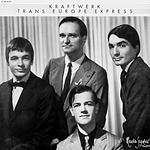
Trans-Europe Express, released in 1977 by Kraftwerk, is a landmark album of minimalist, machine-driven electronic music that helped shape late 1970s synth-based styles. It features steady, motorik-influenced rhythms, repetitive sequenced synthesizer lines, and vocoder-processed vocals that evoke themes of travel, technology, and modernity. The record's spare arrangements and emphasis on texture and groove marked a move toward fully electronic composition and influenced later electro, synth-pop, and experimental electronic artists.
#248 — Urban Hymns by The Verve
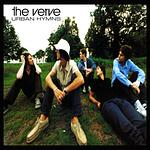
Urban Hymns is The Verve's 1997 album that blends alternative rock and Britpop with neo-psychedelic textures, notable for lush string arrangements, Nick McCabe's layered, atmospheric guitars, and Richard Ashcroft's emotive, introspective songwriting. The record contains expansive, melodic tracks such as "Bitter Sweet Symphony", which features a prominent orchestral sample, along with quieter ballads like "The Drugs Don't Work" and "Lucky Man", balancing grand, symphonic moments with subdued, reflective pieces.
#249 — You Really Got Me by The Kinks
#250 — Blue Camel by Rabih Abou‐Khalil
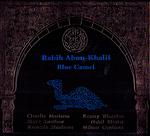
Blue Camel (1992) by Rabih Abou-Khalil pairs his oud-based compositions with jazz ensemble instrumentation, blending Arabic melodic modes and folk-inflected themes with improvisational jazz textures and measured rhythmic complexity. The album foregrounds lyrical, modal melodies and cross-cultural interplay, creating a chamberlike yet dynamic sound that bridges Middle Eastern folk elements and modern jazz approaches.
#251 — Music of My Mind by Stevie Wonder
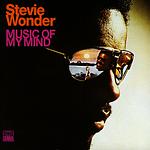
Music of My Mind (1972) marks a transition to more personal and experimental work by Stevie Wonder. The record blends soul, funk, R&B, pop, and rock with prominent synthesizer textures, layered vocals, and multi-instrumental arrangements, and features close collaboration with Malcolm Cecil and Robert Margouleff on the album's electronic sound. Tracks move between intimate ballads and groove-driven funk, and the album is regarded as the beginning of Wonder's creative peak in the early 1970s.
#252 — After the Gold Rush by Neil Young
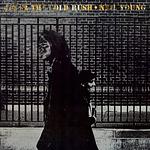
After the Gold Rush is a 1970 Neil Young album that blends folk, country, and rock into a mix of plaintive acoustic songs and raw electric passages. The record alternates spare piano and acoustic ballads with fuller guitar-driven tracks, and features Young's fragile, expressive vocals and direct songwriting about personal longing, social observation, and environmental unease. Its simple production and emotional clarity helped shape the sound of folk rock and country rock in the early 1970s.
#253 — The Chronic by Dr. Dre
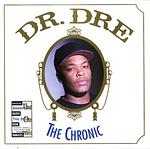
The Chronic is Dr. Dre's 1992 album that crystallized the G-Funk strand of West Coast gangsta rap, built around low, rolling basslines, melodic synth leads, crisp drum programming, and funk-derived grooves and samples. Dre's production favors smooth, layered textures and cinematic pacing, with memorable vocal performances and guest appearances that underscore its street-focused narratives. The album is commonly cited as a defining statement of early 1990s West Coast hip hop and helped popularize the G-Funk sound.
#254 — Marcus Garvey by Burning Spear
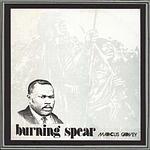
Marcus Garvey is a 1975 roots reggae album by Burning Spear that channels Rastafarian thought and Pan-African themes through direct, militant lyrics. Its sound favors deep, repetitive bass and drum patterns, spare organ and horn accents, and Burning Spear's commanding, chant-like vocals, producing a solemn, hypnotic atmosphere. The album is regarded as a landmark of 1970s roots reggae for its focused message and austere production.
#255 — Robots après tout by Katerine
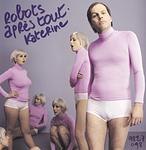
Robots après tout (2005) finds Katerine leaning into electronic and synth-pop textures, pairing minimalist, often looped beats and cool, detached vocal delivery with playful and surreal lyrics. The arrangements favor analog and digital synths, rhythmic repetition and occasional robotic vocal processing, producing a quirky, experimental pop sound that blends intimacy and ironic detachment.
#256 — Somethin' Else by Cannonball Adderley
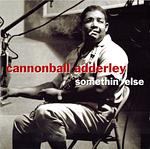
Somethin' Else is a compact hard bop session built around Cannonball Adderley's warm, blues-inflected alto and his interplay with Miles Davis on trumpet. The record features a tight quintet with tasteful piano comping, sturdy bass and driving drums, balancing relaxed, lyrical melodies with propulsive swing and succinct improvisations; its sound foregrounds melodic clarity and conversational soloing, with notable takes including the title track and a memorable rendition of "Autumn Leaves."
#257 — Substance 1987 by New Order
Substance 1987 is a 1987 compilation album by New Order that collects the band's singles and extended mixes from the early to mid 1980s. It documents their move from post-punk toward a synth-driven, dance-oriented sound, combining melodic synth hooks, propulsive drum machine grooves and prominent basslines with Bernard Sumner's cool vocal delivery. The release pairs single edits with longer 12 inch versions, offering both a concise singles overview and a set of club-focused mixes that illustrate the band's crossover between alternative and dance music.
#258 — Californication by Red Hot Chili Peppers
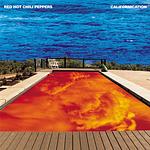
Californication, released in 1999, marked the return of guitarist John Frusciante and a shift toward more melodic, textured songwriting. The record blends the band's funk roots with alternative rock and more restrained, atmospheric arrangements, pairing introspective lyrics about fame, addiction, and life in California with clean guitar lines, melodic bass, and rhythmic grooves. Its mix of radio-friendly melodies and darker lyrical themes helped define the band's sound as they moved into the 2000s.
#259 — Stand! by Sly & the Family Stone
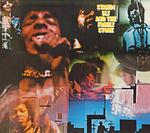
Stand! is a 1969 album by Sly & the Family Stone that fuses funk, soul and psychedelic rock into propulsive, rhythm-driven grooves and vibrant horn and keyboard textures. The band’s layered vocal harmonies, syncopated rhythms and pointed, inclusive lyrics balance danceable arrangements with experimental studio touches, reflecting a cross-genre approach that helped define their sound in the late 1960s.
#260 — Aqualung by Jethro Tull
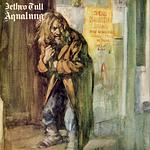
Released in 1971, Aqualung blends acoustic folk textures and pastoral flute with heavier guitar riffs and progressive arrangements, moving between intimate acoustic passages and loud, riff-driven rock. Lyrically the album mixes character sketches of outsiders with broader reflections on religion and social hypocrisy, and its sound showcases Ian Anderson's flute and vocal delivery alongside electric guitar and organ. Tracks such as the title song and Locomotive Breath exemplify the record's juxtaposition of folk-derived melodies and aggressive rock energy, and the album is widely regarded as a defining early example of Jethro Tull's fusion of folk, hard rock, and progressive elements.
#261 — Born in the U.S.A. by Bruce Springsteen
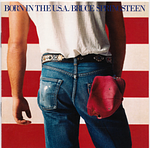
Born in the U.S.A. is Bruce Springsteen's 1984 album that blends heartland rock, pop rock, folk rock and AOR into a big, radio-ready sound. It pairs driving rock arrangements, bright synthesizer textures and prominent saxophone with anthemic, singalong choruses, while the lyrics continue Springsteen's focus on working-class life and the struggles of veterans, often juxtaposing upbeat music with stark storytelling. The overall effect is a muscular, accessible record that reinforced Springsteen's reputation for combining melodic rock with socially minded narratives.
#262 — Hope & Sorrow by Wax Tailor
Hope & Sorrow is a 2007 album by Wax Tailor that furthers his cinematic downtempo approach, combining sample-based electronic production with hip hop rhythms, orchestral touches and moody, vintage-inspired atmosphere. The record emphasizes filmic soundscapes and guest vocalists, leaning into melancholic, groove-oriented arrangements that bridge trip hop sensibilities and modern electronic production.
#263 — Lady in Satin by Billie Holiday
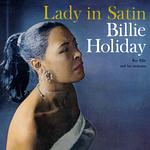
Lady in Satin (1958) presents Billie Holiday in a late-career, emotionally raw mode, her fragile, weathered voice set against lush orchestral arrangements by Ray Ellis that emphasize strings and melancholic textures. The record focuses on torch songs and standards delivered with intimate phrasing and a sense of vulnerability, the contrast between Holiday's worn timbre and the polished orchestral backdrop creating a haunting, poignant atmosphere. It is widely regarded as a powerful and affecting artistic statement from her later years.
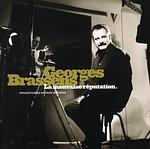
#264 — La Mauvaise Réputation by Georges Brassens
#265 — Who Can You Trust? by Morcheeba
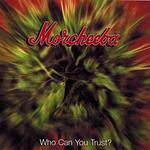
Who Can You Trust? is Morcheeba's 1996 debut album that blends trip hop, downtempo and electronic production with pop and rock inflections. Skye Edwards' mellow, soulful vocals float over relaxed hip hop-influenced beats, warm basslines and bluesy guitar textures, while the Godfrey brothers favor organic samples and cinematic arrangements. The record is an early example of 1990s British trip hop that introduced Morcheeba's accessible, soulful take on the genre.
#266 — Ainsi soit je… by Mylène Farmer
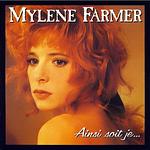
Ainsi soit je... is Mylène Farmer's 1988 album that consolidates her synth-pop and electronic pop sound with a dark, lyrical sensibility. It pairs melancholic ballads with atmospheric synthesizer arrangements and theatrical vocals, featuring introspective, literary lyrics and the distinctive artistic partnership with composer-producer Laurent Boutonnat, and helped define her moody, image-driven presence in French pop music.
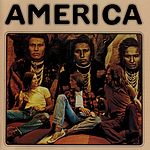
America is the self-titled 1971 debut by the folk-rock trio America. The album emphasizes acoustic arrangements, close three-part vocal harmonies, and a warm, pastoral sound that blends folk, pop, and soft rock elements. Tracks such as A Horse with No Name and I Need You showcase the group's melodic guitar work, mellow vocals, and introspective lyrics, establishing the laid-back style associated with their early recordings.
#268 — Amour Anarchie Vol.1 by Léo Ferré
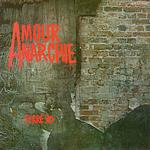
Amour Anarchie Vol.1 (1970) by Léo Ferré is an album that showcases his mature approach to French chanson, pairing poetic, often intimate lyrics with arrangements that move between sparse accompaniment and fuller orchestral textures. The material balances tender meditations on love with sharper, rebellious impulses linked to his anarchist outlook, all conveyed through Ferré's expressive, theatrical vocals and a tension between subtle nuance and dramatic intensity.
#269 — Diamond Life by Sade
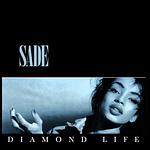
Diamond Life is Sade's 1984 debut album that blends smooth soul, sophisti-pop, pop and downtempo, built around Sade Adu's cool, intimate vocal delivery. The record is noted for its polished, jazz-tinged arrangements, warm bass and sax lines, restrained percussion and an overall mellow, nocturnal mood that foregrounds melody and atmosphere. Songs such as "Smooth Operator" and "Your Love Is King" exemplify the album's refined, adult-oriented sound that helped define a sophisticated pop-soul aesthetic in the 1980s.
#270 — Du jazz dans le ravin by Serge Gainsbourg
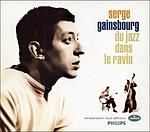
#271 — The Greatest by Cat Power
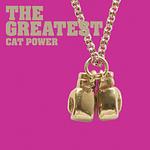
The Greatest, released in 2006 by Cat Power (Chan Marshall), shifts from her earlier spare arrangements to a warmer, full-band sound that blends indie rock with country rock, blues and soul influences. Recorded with experienced session players in a Memphis-centered style, the album pairs Marshall's smoky, intimate vocals with languid grooves, warm organ and restrained guitar to emphasize mood and concise songcraft. It is notable for its relaxed, soulful atmosphere and a more assured vocal presence compared with her earlier work.
#272 — King of Bongo by Mano Negra
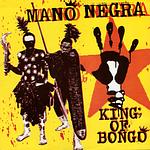
King of Bongo, released in 1991 by Mano Negra, mixes punk rock energy with strong Latin, Caribbean, reggae, ska, and world music influences, delivered in a raw, collage-like production. The album features multilingual vocals, driving guitars, prominent percussion and brass textures, and a loose, road-trip feel that highlights the band’s penchant for genre blending and live-oriented arrangements. It stands as one of Mano Negra’s more adventurous records in terms of stylistic variety and high-energy performances.
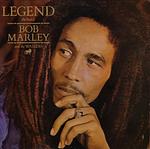
Legend: The Best of Bob Marley and The Wailers, released in 1984, is a compilation that brings together many of Bob Marley’s well known songs spanning reggae, roots reggae, reggae-pop and styles rooted in rocksteady and ska. The album showcases Marley's warm, expressive voice and songwriting over bass-led, syncopated rhythms, with arrangements ranging from acoustic, intimate ballads to upbeat, horn-accented grooves, and recurring themes of love, unity, resistance and spirituality. As a single-disc overview, it highlights the musical textures and melodies that became closely associated with Marley and The Wailers.
Londinium (1996) is Archive's debut album that frames trip hop rhythms and downtempo electronics within a cinematic, often orchestral sound palette. The music balances programmed beats and sampling with live instrumentation such as strings, guitars and piano, and features moody, layered vocals and extended, evolving arrangements that emphasize atmosphere over traditional verse-chorus forms. The album introduced Archive's blend of dark, melancholic textures and progressive song structures that the band would continue to explore in later work.
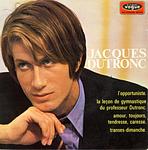
#275 — L'Opportuniste by Jacques Dutronc
#276 — Parallel Lines by Blondie
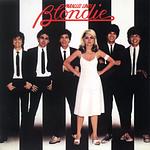
Parallel Lines, released in 1978 by Blondie, blends new wave, pop rock, and pop with polished production by Mike Chapman. The album mixes punk-derived energy with pop hooks and danceable rhythms, pairing crisp guitar lines and rhythmic bass with Deborah Harry's cool, charismatic vocal delivery. Standout tracks such as "Heart of Glass", "One Way or Another", and "Hanging on the Telephone" illustrate the band's crossover of rock and dance influences and their role in bringing new wave sounds into a mainstream pop context.
#277 — Sleeping With Ghosts by Placebo
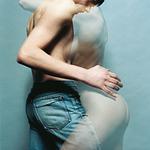
Sleeping With Ghosts (2003) is Placebo's fourth studio album that refines their alternative rock approach into a moodier, more intimate record. It pairs Brian Molko's distinctive, emotive vocals with distorted guitars, atmospheric synths and occasional acoustic passages to blend indie and pop rock elements. The songs focus on themes of relationships, identity and vulnerability, with arrangements that emphasize melody and emotional tension.
#278 — Without You I'm Nothing by Placebo
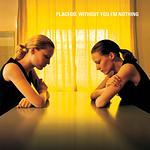
Without You I’m Nothing is Placebo’s second studio album, presenting a darker, more polished take on alternative rock that mixes glam and post-punk influences. The record is built around jagged, distorted guitars, taut rhythms, and Brian Molko’s androgynous, emotive vocals, with lyrics that probe desire, alienation, and fragile relationships. Tracks such as "Pure Morning" and "Every You Every Me" illustrate the band’s ear for concise, hook-driven songs alongside moodier, textural pieces, and the album helped define Placebo’s sonic identity in the late 1990s.
#279 — 1993... J'appuie sur la gâchette by Suprême NTM
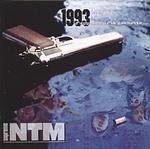
1993... J'appuie sur la gâchette is an early 1990s album by Suprême NTM that exemplifies French hardcore hip hop, pairing aggressive, shouted delivery with dense, sample-driven beats and turntable work. The lyrics focus on street life and social tensions, delivered with raw energy and confrontational directness. Musically it blends boom bap rhythms with funk and rock samples and lean production that foregrounds the duo's vocal intensity.
#280 — Au cœur de la nuit by Téléphone
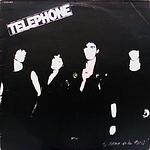
Au cœur de la nuit, released in 1980 by French band Téléphone, is a guitar-driven rock album that blends pop sensibility with raw rock energy. The songs feature melodic hooks, punchy rhythms and prominent electric guitar work, with French-language lyrics that mix personal themes and observations of urban life. The record helped solidify Téléphone’s reputation in the French rock scene and showcases the band’s knack for concise, anthemic songwriting and energetic performances.
#281 — A Night at the Opera by Queen
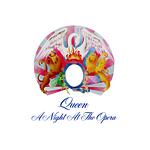
A Night at the Opera (1975) showcases Queen's theatrical, genre-blending approach, combining hard rock energy, glam flamboyance, art rock ambition, and baroque pop ornamentation. The record features dense multi-tracked vocal harmonies and layered studio production, with arrangements ranging from piano-led balladry to the operatic suite of Bohemian Rhapsody and the expansive The Prophet's Song, illustrating the band's appetite for dramatic shifts in form and texture. Brian May's distinctive guitar tone, Freddie Mercury's wide-ranging vocals, and John Deacon's melodic bass work underpin an album notable for its eclectic sequencing and studio craftsmanship, and it marked a creative high point in the band's early period.
#282 — Come to Daddy by Aphex Twin
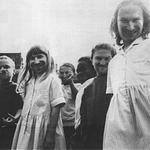
Come to Daddy is a 1997 EP by Aphex Twin that channels abrasive, experimental electronic textures into compact, intense pieces. It blends IDM sensibilities with breakbeat and drill and bass rhythms, pairing jittery, highly processed drum programming and distorted synths with eerie melodic fragments and manipulated vocal samples; the title track in particular is notable for its confrontational, industrial-tinged sound. The release marked a darker, more aggressive turn in Richard D. James's work and is often remembered for its unsettling sonic contrasts and the striking music video associated with the lead single.
#283 — Crime of the Century by Supertramp
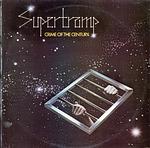
Crime of the Century, released in 1974 by Supertramp, is an art rock and progressive rock album that crystallized the band's piano-driven, theatrical sound. It balances dramatic, cinematic arrangements and prominent saxophone and keyboard textures with concise pop songwriting and contrasting lead vocals, producing an introspective, moody atmosphere. The record is widely regarded as the release that established Supertramp's signature blend of melodic hooks and progressive ambition, with recurring lyrical themes of alienation and confinement conveyed through vivid musical dynamics.
#284 — Le Déserteur by Boris Vian
#285 — Dirty by Sonic Youth
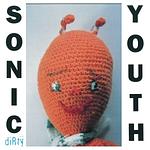
Dirty is Sonic Youth's 1992 album that blends the band's noise rock and experimental guitar work with tighter, more direct song structures drawn from alternative rock and grunge. Produced by Butch Vig, the record pairs abrasive, feedback-laden textures and alternate tunings with concise, hard-edged songs like "100%" and "Sugar Kane", making it a high-energy, polished entry in the band's major-label period that still emphasizes dissonance and sonic experimentation.
#286 — The Downward Spiral by Nine Inch Nails
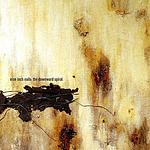
The Downward Spiral is Nine Inch Nails' 1994 album that fuses industrial, rock, and metal textures into a dark, largely conceptual sequence about personal collapse and alienation. Built from abrasive electronics, samples, programmed beats, and heavily processed guitars, the record moves between aggressive, rhythmic assaults and quieter, atmospheric passages, with layered production by Trent Reznor and Flood. Its arrangements emphasize texture, tension, and dynamic contrast, and it closes with a sparse, intimate track that contrasts the album's earlier intensity.
#287 — Goo by Sonic Youth
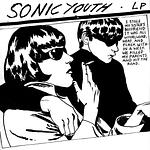
Goo (1990) finds Sonic Youth moving their underground noise and experimental guitar work into more song-focused arrangements following their move to a major label. The album blends dissonant, alternate-tuned guitars, dense feedback and textural noise with clearer melodic hooks and shorter song forms, evident on tracks like "Kool Thing" and "Dirty Boots". Kim Gordon's vocal presence and the interlocking guitars of Thurston Moore and Lee Ranaldo give the record a gritty, art rock edge while retaining the band's experimental impulses.
#288 — Highway 61 Revisited by Bob Dylan
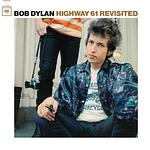
Highway 61 Revisited, released in 1965 by Bob Dylan, marks a decisive shift from acoustic folk toward a fuller electric rock and blues rock sound. The album combines conversational, often surreal lyrics with band arrangements that feature electric guitar, piano and organ, moving between propulsive, riff-driven tracks and slower, blues-inflected numbers. Its songs expand folk storytelling into longer, more free-associative forms and place literary, image-rich writing into a rock context, making the record a notable turning point in Dylan's work and 1960s popular music.
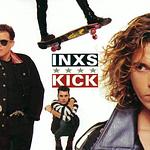
Kick, released in 1987 by INXS and produced by Chris Thomas, is a polished blend of rock, pop rock, alternative rock, pop and funk rock that foregrounds tight, danceable rhythms and Michael Hutchence's charismatic vocals. The record mixes groove-driven, funk-inflected tracks with melodic rock and atmospheric balladry, emphasizing strong hooks and a slick studio sheen that broadened the band's international profile.
#291 — Let Love Rule by Lenny Kravitz
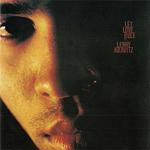
Let Love Rule, Lenny Kravitz's 1989 debut, blends rock, neo-psychedelia, pop rock, classic rock and funk rock with clear 1960s and 1970s soul and funk influences. The album is built around warm, vintage-flavored production, prominent guitar work, retro grooves and touches of organ and horns, with direct songs about love and personal resilience. It introduced Kravitz's throwback aesthetic and his role as a multi-instrumentalist and producer.
#292 — Like a Virgin by Madonna
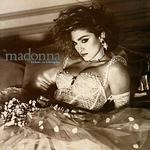
Like a Virgin, released in 1984, is Madonna's second studio album that refines her pop and dance-pop sound with strong synth-pop and club-oriented production. The record pairs catchy, upbeat melodies and electronic synthesizer textures with rhythmic, dancefloor-focused arrangements, and its lyrics and imagery foreground themes of sexuality, confidence, and personal reinvention. Musically it blends accessible pop hooks with electronic drum machines and glossy production, helping to cement Madonna's public persona and influence on mainstream dance-pop.
#293 — Maxinquaye by Tricky
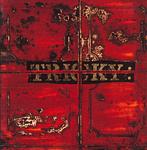
Maxinquaye is Tricky's 1995 solo debut, rooted in the Bristol trip hop sound and blending downtempo hip hop beats, dub textures, and dark, cinematic electronic production. Martina Topley-Bird's breathy, soulful vocals and Tricky's layered, sample-based arrangements create an intimate, unsettled mood that mixes blues, soul and experimental studio techniques. The album is often cited as a key record in trip hop and leftfield electronic music for its unconventional song structures and mood-driven approach.
#294 — News of the World by Queen
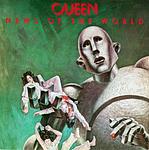
News of the World, released in 1977 by Queen, moves toward a more direct, guitar-driven sound that blends hard rock and glam with pop sensibility and arena-ready anthems. The album pairs stomping, audience-focused rockers with melodic ballads and occasional experimental textures, featuring layered vocal harmonies and Brian May’s distinctive guitar tone. Its mix of punchy, singalong songs and quieter, more introspective moments helped shape the band’s stadium-oriented style in the late 1970s.
#295 — New York Dolls by New York Dolls
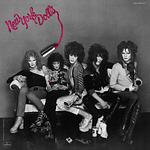
New York Dolls, the band's 1973 debut, delivers a raw, raucous fusion of glam theatrics and hard rock grit with clear proto-punk urgency. The record mixes distorted, riff-driven guitars and driving rhythms with sleazy, R&B-tinged rock and roll and theatrical, sneering vocals, producing a loose, streetwise sound that stood apart from more polished mainstream rock. Its rough-edged aesthetic and brash attitude is widely regarded as an important precursor to the punk movement and a touchstone for later punk and alternative artists.
#296 — Pretenders by Pretenders
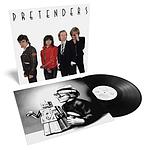
Pretenders is the 1979 debut album by Pretenders that blends new wave urgency with rock and pop sensibilities, pairing chiming, economical guitar work and a propulsive rhythm section with Chrissie Hynde's cool, emotionally direct vocals. The songs range from concise, hook-driven pop to taut post-punk rock, and the production keeps the band sound immediate and uncluttered. The record established the group's distinctive mix of melody and attitude and helped define a transitional sound between punk, post-punk, and mainstream rock.
#297 — Sarbacane by Francis Cabrel
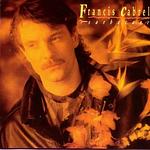
Sarbacane blends chanson française with folk rock and pop, featuring warm acoustic guitar arrangements, intimate storytelling and melodic hooks. The album uses spare, organic instrumentation, with acoustic guitars, subtle electric textures and light rhythmic backing that support Cabrel's clear, narrative vocal delivery and poetic lyrics. It reflects his focus on literate songwriting and accessible melodies within a relaxed, roots-influenced production.
#298 — Speakerboxxx / The Love Below by OutKast
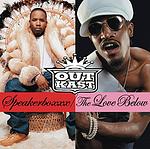
Speakerboxxx / The Love Below is OutKast's 2003 double album presented as two solo discs: Speakerboxxx showcases Big Boi's take on Southern hip hop, funk and pop rap with punchy beats and braggadocio, while The Love Below features André 3000's more melodic, genre-bending explorations in contemporary R&B, funk, jazz and pop with sung vocals and experimental arrangements. The paired records highlight the duo's contrasting artistic voices and a willingness to expand hip hop's sonic palette.
#299 — Superfly by Curtis Mayfield
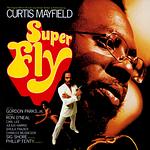
Curtis Mayfield's 1972 Superfly is a soundtrack album that blends soul, funk, Chicago soul, and R&B into a cinematic, groove-driven sound. Mayfield's distinctive falsetto and understated guitar work ride on deep funk rhythms, prominent bass, wah-wah guitar textures, and lush string arrangements, while lyrics offer a socially conscious perspective on urban life and the drug trade. The record balances warm melodic hooks with atmospheric production to create a laid-back but urgent mood tied closely to the film's themes.
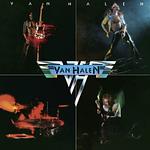
Van Halen's 1978 self-titled debut introduced the band's high-energy hard rock and arena-ready sound, anchored by Eddie Van Halen's inventive guitar work and David Lee Roth's flamboyant vocals. The record blends punchy riffs, pop-influenced hooks and a tight rhythm section, and includes the instrumental "Eruption" that showcased two-handed tapping alongside a cover of the Kinks' "You Really Got Me." Its raw production and emphasis on guitar virtuosity made it a touchstone for late 1970s hard rock and many guitar-centric rock acts that followed.