 The Greatest Music
The 100 Best Albums of All Time
Weight: 15%
How much this list influences our overall rankings. Higher weight means more reliable data.
Penalties Applied:
Epoca (Italy) – The 100 Best Albums of All Time (1988) is a ranked “all-time” albums list published in 1988 by Epoca, a major Italian weekly news and culture magazine from Arnoldo Mondadori Editore (often compared to Life). The list is presented in order of preference as a single ranked Top 100. Publicly available transcriptions preserve the rankings, but do not include voter credits or methodology, so the number and names of contributors are not currently documented.
#1 — Let It Be by The Beatles
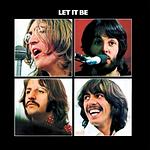
Let It Be (1970) is the Beatles' final studio album release, assembled from 1969 sessions and issued after the group had effectively broken up. The record mixes rock, pop rock, beat music and blues influences, pairing a back-to-basics, live-in-studio feel on several tracks with more produced, orchestral and gospel-tinged arrangements on others. Its varied production approaches and close ties to the documentary film give the album a raw, documentary quality within the Beatles catalogue.
#2 — Emozioni by Lucio Battisti
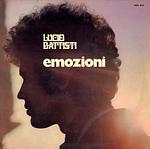
Emozioni, released in 1970 by Lucio Battisti, showcases his songwriting partnership with lyricist Mogol and blends pop, pop rock and soft rock into warm, melodic arrangements. The record pairs intimate vocal delivery with a mix of acoustic and electric instrumentation and restrained orchestral touches, moving between buoyant, radio friendly numbers and reflective ballads. Its melodic focus and lyrical introspection mark it as an important early statement in Battisti's catalog and in Italian singer songwriter pop of that period.
#3 — The Dark Side of the Moon by Pink Floyd
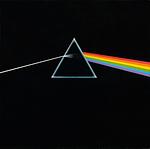
The Dark Side of the Moon is Pink Floyd's 1973 progressive rock album that blends rock, psychedelic and art rock elements into a continuous, concept-driven suite exploring themes such as time, money, mental strain and mortality. It is distinguished by its studio production and sound design, including layered synthesizers, tape effects and looping, prominent saxophone parts and an emotive wordless vocal performance on one track, with seamless transitions that emphasize atmosphere and textural detail across the record.
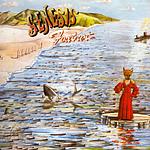
Foxtrot is a 1972 Genesis album from the Peter Gabriel era that exemplifies early British progressive rock, combining symphonic keyboard textures, intricate time-signature shifts, and theatrical, story-driven vocals. The band balances sprawling compositions, most notably the multi-part suite "Supper's Ready", with shorter, more direct rock pieces, showcasing Mellotron and organ-dominated arrangements, layered guitars, and dynamic contrasts between quiet passages and full-band climaxes. The album highlights Genesis's emphasis on ambitious arrangements and narrative lyricism within progressive and art rock contexts.
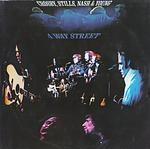
4 Way Street is a 1971 live double album by Crosby, Stills, Nash & Young that captures the group's mix of acoustic folk harmonies and electric rock performances. The record contrasts intimate acoustic sets with fuller electric numbers, showcasing close three and four-part vocal blending, solo spots from the individual singer-songwriters, and the group's tendency to move between folk-derived arrangements and more driving rock textures. It is often heard as a document of the band’s live dynamics during that period.
#6 — Let It Bleed by The Rolling Stones
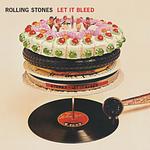
Let It Bleed is a 1969 Rolling Stones album that moves the band toward a rawer, roots-oriented sound blending blues rock, hard rock, country and gospel-tinged elements. The record balances loose, electric blues numbers with acoustic and country textures and longer, more expansive rock pieces, with songs such as "Gimme Shelter" and "You Can't Always Get What You Want" exemplifying its dramatic, often dark tone. Production favors a gritty, live-in-the-studio feel, and the songwriting reflects a more mature, unsettled mood compared with the group's earlier pop-oriented work.
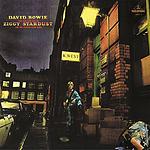
The Rise and Fall of Ziggy Stardust and the Spiders From Mars (1972) is a loose concept album in which David Bowie adopts the persona of Ziggy Stardust, an androgynous alien rock star. Musically it blends glam rock theatricality with straightforward rock and pop songwriting and elements of art rock, driven by Mick Ronson's guitar work and arrangements and a rhythm section that supports both crunchy rock numbers and quieter, melodic passages. The album is notable for its narrative focus, dramatic vocals, and cinematic arrangements that helped define Bowie's early 1970s sound and stage persona.
#8 — Born to Run by Bruce Springsteen
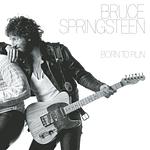
Born to Run (1975) blends rock, heartland rock, folk rock, piano-driven rock, and singer-songwriter storytelling into a sweeping, cinematic sound. Built around dense, Wall of Sound inspired arrangements with prominent saxophone and piano, the album pairs anthemic, propulsive tracks with intimate, narrative songs about escape, youthful restlessness, and working-class longing. It represented a major artistic leap for Springsteen and helped define the musical themes and larger-than-life production style he explored in later work.
#9 — The Dream of the Blue Turtles by Sting
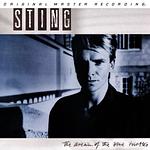
The Dream of the Blue Turtles, Sting's 1985 solo debut after leaving The Police, moves away from straight pop rock toward a jazz-tinged pop sound, featuring prominent contributions from jazz players Branford Marsalis, Kenny Kirkland, Omar Hakim, and Darryl Jones. The album blends pop rock, soft rock and new wave sensibilities with improvisational horn and keyboard arrangements, pairing polished production with literate and sometimes political lyrics on songs such as "Russians" and mood pieces like "Moon Over Bourbon Street". Its sound marked a clear stylistic shift for Sting, emphasizing ensemble playing and jazz-influenced rhythms within a mainstream pop framework.
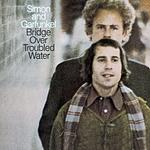
Bridge Over Troubled Water is the fifth and final studio album by Simon & Garfunkel, released in 1970. The record blends folk, folk rock, soft rock and pop, showcasing Paul Simon's songwriting and Art Garfunkel's high tenor and close harmonies. The title track features gospel-influenced piano, choral backing and expansive production, while songs like "The Boxer" and "Cecilia" range from intimate acoustic storytelling to rhythmically driven pop, making the album a stylistic culmination of the duo's collaborative sound.
#11 — Exodus by Bob Marley & The Wailers
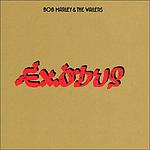
Exodus (1977) by Bob Marley & The Wailers is a landmark roots reggae album that pairs bass-driven, skanking rhythms with warm lead vocals and close backing harmonies. Its songs range from spiritual and politically charged lyrics to intimate love songs, carried by spare, dub-influenced arrangements, organ fills, and steady, groove-oriented production. Recorded while Marley was based in London, the record is often cited for combining militant themes and uplifting melodies into a concise, cohesive set of tracks.
#12 — Radici by Francesco Guccini
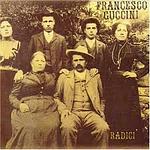
Radici, released in 1972 by Francesco Guccini, is an album that blends folk rock, pop and rock elements with literate, narrative songwriting. The arrangements mix acoustic guitar-driven balladry and occasional fuller rock textures under Guccini's resonant, conversational vocal style, and the lyrics focus on memory, family origins, migration and wider social history. The record marked a maturation of his approach within the Italian cantautore tradition and is noted for its storytelling focus and thematic emphasis on roots.
#13 — Led Zeppelin II by Led Zeppelin
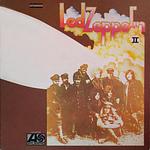
Led Zeppelin II, released in 1969, expands the band's debut into a heavier, riff-driven sound rooted in electric blues and early hard rock. The album emphasizes powerful blues-influenced guitar riffs, thunderous drums, and Robert Plant's high-register vocals, with studio production that uses bold panning, overdubs, and distortion to create dense, energetic arrangements. It blends reworkings of blues material with original compositions to showcase the group's fusion of traditional blues forms and a louder, more aggressive rock approach that helped shape subsequent hard rock and blues rock styles.
#14 — Harvest by Neil Young
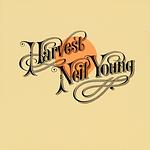
Harvest, released in 1972, blends acoustic folk songwriting with country rock and mellow rock arrangements. The album pairs spare guitar and harmonica with prominent pedal steel, piano and occasional string arrangements, and features Young's plaintive voice and reflective lyrics on themes of solitude, aging and relationships. Tracks such as Heart of Gold and Old Man sit alongside more expansive, orchestral-tinged pieces, creating a varied but cohesive record that helped define Young's early 1970s sound and his presence in folk rock and country rock.
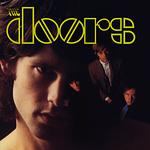
The Doors is the band's 1967 debut album that introduced their distinctive mix of psychedelic rock, blues rock, and acid-tinged atmospherics. Ray Manzarek's prominent electric organ and Jim Morrison's deep, poetic vocals shape a moody, nocturnal sound, while Robby Krieger's guitar and the rhythm section move between driving grooves and sparse blues. The record balances concise rock singles such as 'Break On Through' and 'Light My Fire' with extended, cinematic pieces like 'The End', blending improvisation, literary lyrics, and a darker, theater-influenced sensibility that helped define the band's early identity.
#16 — Sign "☮︎" the Times by Prince
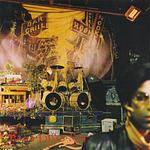
Sign o' the Times, released in 1987, is a sprawling double album by Prince that blends funk, contemporary R&B, pop rock, rock, and soul. The record moves between sparse electronic textures and drum machines and fuller guitar and horn arrangements, pairing intimate ballads with upbeat funk-pop tracks; it includes the title track "Sign o' the Times", "U Got the Look", "I Could Never Take the Place of Your Man", and "If I Was Your Girlfriend". Lyrically and sonically diverse, the album mixes personal themes about relationships with broader social commentary and represents a particularly experimental and wide-ranging phase in Prince's work.
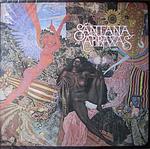
Abraxas, released in 1970 by Santana, blends rock with Afro-Latin rhythms and psychedelic textures. Carlos Santana's sustained, lyrical guitar lines ride over a rhythm section rich in congas, timbales and other Latin percussion, while organ and soulful vocals bring blues and jazz inflections. The album mixes reinterpretations and originals, from danceable Latin grooves to mellow instrumental passages like "Samba Pa Ti", and is notable for its fusion of improvisational rock energy with Latin musical forms.
#18 — Woodstock by Various Artists
Woodstock is a live compilation album of performances recorded at the 1969 Woodstock Festival in Bethel, New York. It captures a wide range of styles from late 1960s popular music, including rock, folk, blues, soul, and psychedelic sounds, with raw, unpolished live performances, extended jams, stage announcements, and crowd ambience. As a document of a major counterculture festival, the album conveys the energy and communal atmosphere of the event and features performers such as Jimi Hendrix, Janis Joplin, The Who, Santana, and Crosby, Stills, Nash and Young.
#19 — The Blues Brothers by Blues Brothers
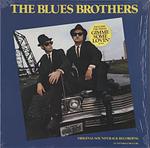
The Blues Brothers is the soundtrack to the 1980 film, combining soul, blues, rock and pop into forceful, R&B-driven performances. Led by the film’s protagonists and backed by a tight band of seasoned R&B players, the album features energetic covers of classic blues and soul numbers and showcases horn-driven arrangements and live-in-studio immediacy. It also includes guest appearances by artists such as Aretha Franklin, Ray Charles, James Brown and Cab Calloway, reflecting the record’s focus on roots R&B and theatrical showmanship.
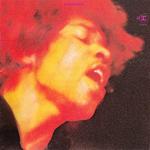
Electric Ladyland, the third studio album by The Jimi Hendrix Experience from 1968, expands Hendrix's palette into dense, studio-driven arrangements that blend blues rock, psychedelic textures, acid rock and hard rock. The record juxtaposes extended, improvisatory jams with concise blues and rock performances, using layered guitar overdubs, stereo effects and studio experimentation, and includes guest contributions that enrich the sound. Highlights include Hendrix's interpretations of "All Along the Watchtower" and the electrifying "Voodoo Child (Slight Return)", which showcase the album's mix of raw performance and studio craft.
#21 — The Unforgettable Fire by U2
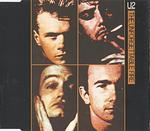
The Unforgettable Fire is U2's fourth studio album, released in 1984 and produced by Brian Eno and Daniel Lanois. The record moves the band away from straightforward post-punk toward more atmospheric, ambient-influenced soundscapes, with The Edge's textural guitar work, layered production, and Bono's impassioned vocals supporting songs that blend political themes and abstract lyrical imagery. The album expands the band's sonic palette and helped set the stage for their subsequent musical direction.
#22 — Remain in Light by Talking Heads
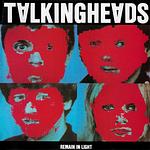
Remain in Light (1980) finds Talking Heads blending New Wave, post-punk, funk, and electronic textures through an experimental production approach with Brian Eno. The album foregrounds layered, polyrhythmic grooves influenced by West African rhythms, interlocking guitar and synth patterns, and funk-tinged bass to create dense, propulsive arrangements. David Byrne's vocal delivery moves between urgent and detached across fragmented, mantra-like lyrics, while studio techniques favor repetition, loops, and ambient sonics. The record is often noted for shifting the band's sound toward a more rhythmic, textural, and collaborative form of art rock.
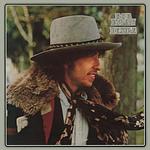
Desire (1976) finds Bob Dylan moving his folk-rock songwriting into a larger, more theatrical sound, pairing long, narrative songs with lively ensemble arrangements that draw on rock, blues, and a gypsy-tinged folk sensibility. The record features prominent violin from Scarlet Rivera and notable female harmony vocals from Emmylou Harris, and many tracks were co-written with Jacques Levy; it balances topical, storytelling pieces like "Hurricane" and "Joey" with more personal songs such as "Sara."
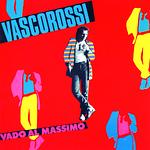
#24 — Vado al massimo by Vasco Rossi
#25 — John Barleycorn Must Die by Traffic
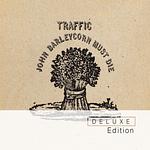
John Barleycorn Must Die (1970) finds Traffic blending folk rock and progressive approaches with blues and jazz colors. The title track is a long, pastoral reading of the traditional ballad built around acoustic guitar and flute, while instrumental pieces such as "Glad" highlight Steve Winwood's organ and piano work over loose, jazz-tinged rhythms. The album emphasizes rootsy, spacious arrangements and multi-instrumental textures, with Winwood's vocals and keyboards supported by Chris Wood's woodwinds and Jim Capaldi's percussion.
#26 — Vol. 3 by Fabrizio De André
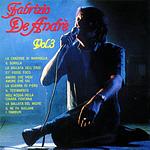
Vol. 3 (1968) is an early album by Italian singer-songwriter Fabrizio De André that continues his focus on narrative ballads and literary lyricism. Musically it blends acoustic folk and pop-rock arrangements with occasional classical and medieval-tinged melodic touches, yielding intimate, character-driven songs that bridge traditional ballad forms and contemporary popular sounds.
#27 — Synchronicity by The Police
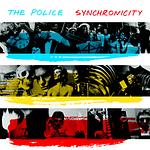
Synchronicity, released in 1983, is the Police's fifth studio album and represents a culmination of their move from lean new wave and reggae-inflected rock toward a more polished pop rock sound with layered production and increased use of synthesizers. Sting's songwriting on the record leans toward introspective and sometimes dark themes, and the band balances spare rhythmic foundations with richer melodic and textural elements. The album includes prominent tracks such as "Every Breath You Take", "King of Pain", "Wrapped Around Your Finger", and "Synchronicity II", and is frequently viewed as the high point of the group's studio work.
#28 — Patriots by Franco Battiato
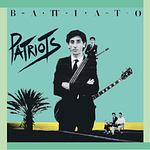
#29 — Aqualung by Jethro Tull
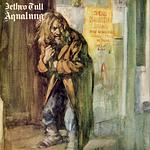
Released in 1971, Aqualung blends acoustic folk textures and pastoral flute with heavier guitar riffs and progressive arrangements, moving between intimate acoustic passages and loud, riff-driven rock. Lyrically the album mixes character sketches of outsiders with broader reflections on religion and social hypocrisy, and its sound showcases Ian Anderson's flute and vocal delivery alongside electric guitar and organ. Tracks such as the title song and Locomotive Breath exemplify the record's juxtaposition of folk-derived melodies and aggressive rock energy, and the album is widely regarded as a defining early example of Jethro Tull's fusion of folk, hard rock, and progressive elements.
#30 — Rimmel by Francesco De Gregori

Rimmel is a 1975 album by Italian singer-songwriter Francesco De Gregori that blends cantautorato songwriting with pop and rock arrangements. The record features poetic, image-driven lyrics and melodic, often melancholic tunes delivered with acoustic guitar, piano and restrained electric instrumentation, creating an intimate but sonically varied sound. The album is an important early work in De Gregori's catalog and established many of the lyrical and musical traits he continued to develop in later releases.
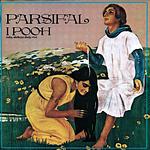
Parsifal (1973) by Italian band Pooh blends pop songwriting with progressive and symphonic rock textures, featuring extended arrangements, orchestral touches, layered vocal harmonies and Italian lyrics. The album marks a turn toward more ambitious, album-oriented material for the group, pairing melodic hooks with lush production and moments of dramatic, progressive instrumentation. It is often cited as a key record in Pooh's 1970s output for its richer, more orchestral sound.
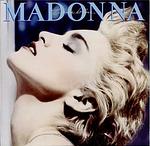
True Blue, Madonna's third studio album released in 1986, blends upbeat dance-pop and synth-pop with ballads and Latin-tinged arrangements. Produced largely with Patrick Leonard and Stephen Bray, the record pairs hook-driven, club-friendly tracks with more introspective songs and personal lyrical themes such as relationships, pregnancy, and vulnerability. The result is a polished, varied pop album that expanded Madonna's musical range beyond her earlier dance-floor focus.
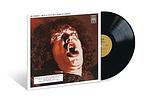
With a Little Help From My Friends is Joe Cocker's 1969 debut studio album that blends blues, rock, and soul into raw, gospel-tinged arrangements. The record is best known for Cocker's gritty, emotional reinterpretation of the Beatles title track and includes other distinctive covers such as Traffic's "Feelin' Alright?" and Leon Russell's "Delta Lady". The performances emphasize impassioned vocals, big-band style arrangements and a loose rock-soul feel that helped establish Cocker's reputation as a powerful interpretive singer.
#34 — Hotel California by Eagles
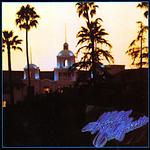
Hotel California is the Eagles album that blends their country rock roots with a more polished rock sound, featuring layered vocal harmonies, polished production, and prominent electric guitar interplay. The record is anchored by the atmospheric title track with its extended guitar coda and cinematic, evocative lyrics, alongside other tracks that mix soft rock and pop rock sensibilities with darker lyrical themes about excess and disillusionment. The overall sound marks a shift toward a richer, more rock-oriented palette while retaining melodic songwriting and close harmonies.
#35 — Horses by Patti Smith
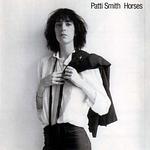
Horses, Patti Smith's 1975 debut, blends raw garage rock energy with art rock experimentation and proto-punk urgency. Produced by John Cale, the album pairs a spoken-word influenced vocal delivery and poetically charged lyrics with spare, driving arrangements built around guitar, piano, and drums. Its rough-edged production, confrontational performance style, and fusion of literary sensibility with rock idioms are often cited as influential on early punk and art punk movements, and the stark cover photograph by Robert Mapplethorpe complements the record's austere aesthetic.
#36 — Tarkus by Emerson, Lake & Palmer
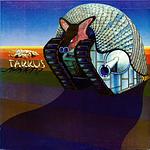
Tarkus, released in 1971 by Emerson, Lake & Palmer, is a classic progressive rock album built around a side-long title suite that blends classically influenced motifs, jazz harmonies, and heavy rock passages. The record showcases Keith Emerson's virtuosic keyboards, including prominent Hammond organ and early Moog synthesizer textures, Greg Lake's melodic vocals and guitar and bass work, and Carl Palmer's dynamic, precise drumming. Its mix of extended instrumental movements and shorter song-based tracks such as Lucky Man creates a dramatic, theatrical sound that exemplifies early 1970s art rock and progressive approaches to composition. The cover features a distinctive mechanical armadillo-like creature that became closely associated with the album's concept.
#38 — Machine Head by Deep Purple
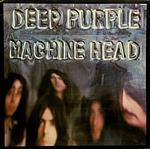
Machine Head, released in 1972 by Deep Purple, is a landmark hard rock album built around heavy, riff-driven songs, a prominent Hammond organ, and aggressive, blues-rooted guitar and vocals. It includes the riff-driven 'Smoke on the Water' and balances concise, hard-hitting tracks with extended jams that showcase Ritchie Blackmore's guitar, Jon Lord's organ textures, Ian Gillan's commanding voice, and a tight rhythm section. The album's raw sound and blend of blues, classical-tinged organ lines, and amplified guitar helped shape early heavy metal and arena rock styles.
#39 — Il signor G by Giorgio Gaber
#40 — Abbey Road by The Beatles
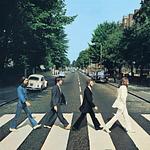
Abbey Road, recorded in 1969, finds the Beatles blending rock, pop, and traces of psychedelia into a polished, studio-focused sound marked by layered vocal harmonies, inventive arrangements, and early use of the Moog synthesizer. The album balances standalone tracks such as 'Come Together', 'Something', and 'Here Comes the Sun' with a continuous side two medley that stitches shorter pieces into a cohesive suite, reflecting the band's late-period emphasis on production and songcraft. Its warm production, melodic variety, and structural ambition make it a notable culminating statement in the Beatles' studio work.
#41 — Imagine by John Lennon
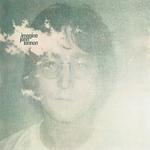
Imagine, released in 1971, is a John Lennon album that blends piano-led pop and rock with folk and rock and roll influences. The record moves between spare, introspective ballads and more direct rockers, often pairing simple arrangements with occasional orchestral touches and a focus on plainspoken, personal lyrics. The title track is a restrained, piano-centered piece that captures the album's themes of idealism and reflection, while other songs shift from confessional to satirical tones, showcasing Lennon's melodic songwriting and post-Beatles musical approach.
#42 — Transformer by Lou Reed
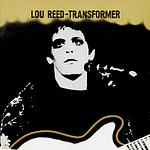
Transformer, released by Lou Reed in 1972, blends glam rock, art rock, and pop rock with a more polished production than his Velvet Underground work. Produced by David Bowie and Mick Ronson, the album pairs Reed's cool, narrative vocal style with melodic arrangements, strings, and distinctive guitar work. Songs such as "Walk on the Wild Side", "Perfect Day", and "Satellite of Love" present concise character-driven vignettes about New York life while adopting a more accessible, glam-influenced sound, making the record a key moment in Reed's solo career.
#43 — Born in the U.S.A. by Bruce Springsteen
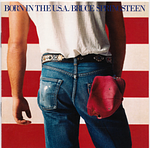
Born in the U.S.A. is Bruce Springsteen's 1984 album that blends heartland rock, pop rock, folk rock and AOR into a big, radio-ready sound. It pairs driving rock arrangements, bright synthesizer textures and prominent saxophone with anthemic, singalong choruses, while the lyrics continue Springsteen's focus on working-class life and the struggles of veterans, often juxtaposing upbeat music with stark storytelling. The overall effect is a muscular, accessible record that reinforced Springsteen's reputation for combining melodic rock with socially minded narratives.
#44 — So by Peter Gabriel
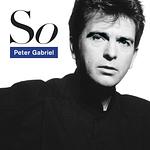
Peter Gabriel's 1986 album So blends art rock and pop rock with electronic and world music influences, combining concise, radio-friendly songcraft with layered, atmospheric production. Notable tracks include the horn-driven, funk-tinged "Sledgehammer" and the duet "Don't Give Up" with Kate Bush; the album emphasizes rhythmic textures, synthesizer atmospheres, and studio polish while retaining Gabriel's experimental sensibility.
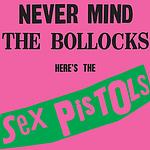
Never Mind the Bollocks, Here's the Sex Pistols is the Sex Pistols' only studio album, released in 1977. It condenses punk rock into short, abrasive tracks driven by distorted guitars, propulsive drums, and Johnny Rotten's sneering vocals, with blunt, confrontational lyrics aimed at social and political authority. The album is regarded as a defining work of the British punk movement and helped establish the raw, do-it-yourself aesthetic that influenced later punk and alternative bands.
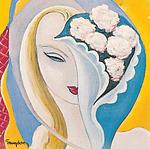
Layla and Other Assorted Love Songs is a 1970 album by Derek and the Dominos that blends blues rock and straight rock with moments of softer, acoustic balladry. Led by Eric Clapton and featuring notable slide guitar contributions from Duane Allman, the record is built around expressive, guitar-driven arrangements, mixing raw electric blues numbers with more intimate melodic songs. The title track contrasts a storming rock section with a quieter, piano-led coda, and the album is frequently cited for its emotional intensity and guitar interplay.
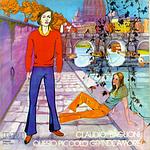
Questo piccolo grande amore (1972) is an early Claudio Baglioni album built around melodic, romantic pop with pop rock touches. The arrangements combine acoustic guitar, piano and orchestral elements to support intimate, narrative lyrics, and the title track is a prominent love ballad that helped define Baglioni's musical persona. The record is often regarded as a landmark in Italian singer-songwriter pop and set the template for many of his later melodic and lyrical concerns.
#48 — Hot Rats by Frank Zappa
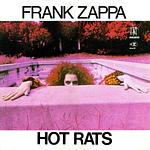
Hot Rats, released in 1969, is a largely instrumental Frank Zappa album that blends rock, jazz, and early fusion through extended compositions, tight arrangements, and studio overdubbing. The record emphasizes improvisation and virtuosic solos, with guitar and violin prominently featured alongside layered melodies like Peaches en Regalia. It represents a clear move away from Zappa's earlier vocal satire toward ensemble interplay and studio experimentation within a jazz rock context.
#49 — Blue Valentine by Tom Waits
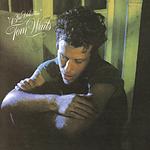
Blue Valentine (1978) finds Tom Waits deepening a late-night noir aesthetic, blending blues, rock and jazz-inflected arrangements into a smoky, cinematic set of songs. The album pairs his huskier, world-weary vocals with piano, brass and textured percussion to create a melancholic bar-room atmosphere that bridges his earlier singer-songwriter work and the more experimental, theatrical direction he pursued later. Notable for its evocative moods and careful arrangements, it stands as a distinctive entry in his catalog.
#50 — Bitches Brew by Miles Davis
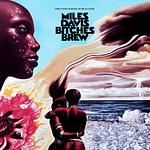
Bitches Brew is a 1970 Miles Davis album that marks his full embrace of electric instruments and the emerging jazz fusion idiom. The music blends loose, extended improvisation with rock and funk rhythms, dense, layered textures and a large ensemble featuring multiple electric keyboards, guitars and electric bass. Producer Teo Macero's studio editing reshaped long collective performances into suite-like tracks with a shifting, cinematic flow. The record is frequently cited as a pivotal work in the development of jazz fusion and avant-garde approaches to jazz.
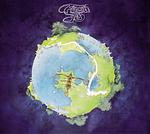
Fragile, released by Yes in 1971, is a progressive rock album that blends expansive group compositions with short solo showcases for individual band members. The music balances symphonic keyboard textures, intricate acoustic and electric guitar work, prominent melodic bass lines, and complex rhythmic shifts, moving between lush, melodic passages and more energetic rock segments. It includes enduring tracks such as "Roundabout" and "Heart of the Sunrise" and marked the arrival of Rick Wakeman's elaborate keyboard contributions to the band's evolving sound.
#52 — Un gelato al limon by Paolo Conte
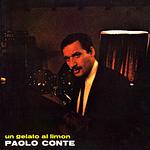
Un gelato al limon, released in 1979, presents Paolo Conte's distinctive blend of jazz, tango, and chanson influences delivered in his gravelly baritone with cinematic, small-ensemble arrangements. The album favors smoky piano, muted brass and clarinet textures and understated percussion, creating vignette-like songs that evoke urban nightlife, bittersweet narratives and a wry, sophisticated atmosphere.
#53 — Lucio Dalla by Lucio Dalla
Lucio Dalla's 1979 self-titled album blends melodic pop songwriting with experimental rock touches, pairing theatrical, character-driven lyrics with varied, studio-driven arrangements. The sound mixes piano and woodwind colors with subtle electronic and jazz-influenced textures, producing an urban, cinematic atmosphere that broadened Dalla's musical palette and approach to popular Italian song.
#54 — Tea for the Tillerman by Cat Stevens
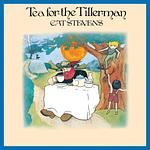
Tea for the Tillerman, released in 1970, is Cat Stevens's fourth studio album and a key example of early 1970s singer-songwriter folk rock. The album features spare, acoustic-based arrangements, gentle piano touches and understated production that put Stevens's warm voice and introspective, often socially conscious lyrics at the forefront. Songs such as "Wild World", "Father and Son" and "Where Do the Children Play?" blend folk, pop and rock elements with simple, memorable melodies, helping to define Stevens's intimate, reflective style.
#55 — Umanamente uomo: il sogno by Lucio Battisti
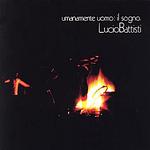
Umanamente uomo: il sogno (1972) continues Lucio Battisti's partnership with lyricist Mogol and presents a blend of pop rock and soft rock marked by melodic songwriting and atmospheric arrangements. The album moves between introspective ballads and more rhythm-driven tracks, combining electric guitar, piano and layered keyboards or strings to create a warm, sometimes dreamlike sound. It is commonly regarded as part of Battisti's early mature period, when he was refining a more personal and expressive approach within Italian pop and rock.
#56 — Atom Heart Mother by Pink Floyd
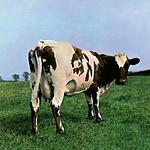
Atom Heart Mother (1970) finds Pink Floyd moving beyond late 1960s psychedelia into longer, more orchestral and experimental territory. The centerpiece is the extended title suite, developed with composer Ron Geesin and built around brass, choir and orchestral textures alongside the band’s electric and acoustic guitars, keyboards and studio effects, while the B-side includes shorter tracks that range from pastoral ballads to tape-collage experiments. The record is an early example of the group’s shift toward progressive and art rock approaches, emphasizing atmosphere, extended composition and studio experimentation.
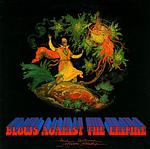
Blows Against the Empire is a 1970 concept album by Paul Kantner credited to Paul Kantner/Jefferson Starship that blends psychedelic, acid and folk rock into a loose, narrative soundscape. Musically it mixes acoustic and electric textures, layered vocal harmonies and atmospheric passages to support a science fiction story about stealing a starship to escape a troubled Earth. The record was assembled with collaborators from the San Francisco rock scene and is notable for its communal, collage-like production and for being an early use of the Jefferson Starship name.
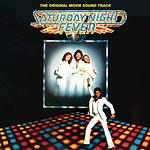
A landmark 1977 film soundtrack that captures the polished, groove-driven sound of late 1970s disco and dance music. It centers on contributions from the Bee Gees alongside songs from other contemporary disco, funk, and pop artists, mixing driving four-on-the-floor rhythms, prominent basslines, lush string and orchestral touches, and falsetto vocal harmonies with a few slower ballad moments. The album is notable for presenting a cohesive dance-oriented sound that helped define popular perceptions of disco and nightclub culture in that era.
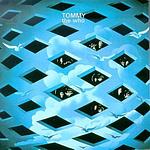
Tommy is a 1969 rock opera album by The Who that presents a largely continuous narrative about a boy described as deaf, dumb, and blind who later becomes a pinball champion and a messianic figure. Musically it blends hard rock guitar, driving rhythms, and melodic pop hooks with theatrical arrangements and recurring motifs, highlighting Pete Townshend's ambitious songwriting and the band's energetic performances. Its extended song cycles and focus on long-form storytelling helped popularize the concept album format in rock.
#60 — Pearl by Janis Joplin
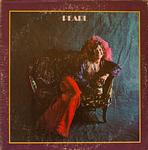
Pearl, released after Janis Joplin's death in 1971, is her final studio album and blends blues rock, soul, country-tinged rock and acoustic blues elements. Backed by the Full Tilt Boogie Band and produced by Paul Rothchild, the record pairs raw, emotive vocals with fuller, more polished production than her earlier work. Songs such as "Me and Bobby McGee" and "Mercedes Benz" showcase her storytelling and improvisational intensity, while rockers like "Move Over" and slower blues numbers underline a mix of power and vulnerability. The album serves as a document of Joplin's late-career sound.
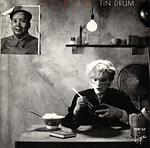
Tin Drum, released in 1981 by Japan, is a New Wave and art pop record built around spare electronic arrangements, stylized percussion, and East Asian musical references. David Sylvian's cool, restrained vocals sit against layered synths, metallic percussion patterns, and minimalist bass, with tracks such as "Ghosts" and "Visions of China" highlighting the album's focus on mood, texture, and non-Western influences. The record marked the band's shift toward a more experimental, atmospheric sound within electronic and art pop contexts.
#62 — Goodbye Yellow Brick Road by Elton John
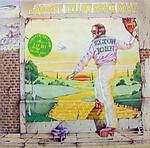
Goodbye Yellow Brick Road is Elton John’s 1973 double album that crystallizes his piano-led blend of pop rock, glam and soft rock into a varied, ambitious set. It moves between raucous rockers like "Saturday Night's Alright for Fighting" and intimate ballads such as "Candle in the Wind", featuring theatrical vocals, rich arrangements and melodic songwriting from his partnership with lyricist Bernie Taupin. The title track and "Bennie and the Jets" display studio experimentation alongside straightforward pop craft, making the record a defining release from his early 1970s period.
#63 — Songs of Leonard Cohen by Leonard Cohen
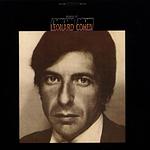
Songs of Leonard Cohen, released in 1967 as Cohen's debut album, introduces his deep, husky voice and literate songwriting within a folk-rooted framework. The record pairs spare acoustic arrangements with occasional chamber folk touches such as strings and restrained orchestration, supporting songs like "Suzanne", "So Long, Marianne", and "Sisters of Mercy". Its focus on poetic lyrics and themes of love, faith, and solitude, delivered in an intimate, understated sonic palette, established Cohen as a distinctive contemporary folk songwriter.
#64 — Running On Empty by Jackson Browne
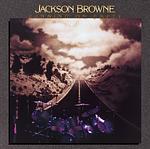
Running On Empty is a 1977 live concept album that documents Jackson Browne and his band on the road, with recordings made in concert, on tour buses, and in hotel rooms. Musically it blends piano-led rock and folk rock with soft rock and singer-songwriter intimacy, balancing full-band performances and quieter, observational songs about life on tour. The record is notable for its live immediacy and for including the title track and the extended medley "The Load-Out/Stay," which underline the album's focus on the rhythms and routines of touring musicians.
#65 — We Are the World by USA for Africa, Various Artists
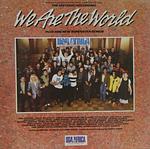
We Are the World is a 1985 collaborative recording credited to USA for Africa and Various Artists that draws on rock, pop, soul, electronic, and pop rock. The material emphasizes anthem-like, choir-style vocal arrangements and layered mid-1980s production, combining synth textures and electric guitars with pop and soul phrasing to create a communal, large-ensemble sound.
#66 — Talking Book by Stevie Wonder
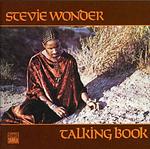
Talking Book, released in 1972, is a key album by Stevie Wonder that blends soul, funk, R&B and pop with a warm, studio-crafted sound. The record features prominent use of keyboards and synthesizers, including clavinet and Moog textures, and showcases Wonder's multi-instrumental performance and self-production. It balances intimate ballads and tight, groove-driven tracks, including well-known songs such as "Superstition" and "You Are the Sunshine of My Life", and represents a shift toward more personal, innovative arrangements in his early 1970s work.
#67 — Thriller by Michael Jackson
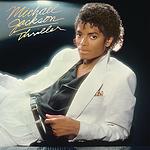
Thriller, released in 1982 and produced by Quincy Jones, is a pop and contemporary R&B album that blends dance-pop, disco, funk and rock elements. It is characterized by polished, cinematic production, tight rhythms, layered vocal harmonies and strong melodic hooks on tracks such as "Billie Jean", "Beat It" and "Thriller". Notable moments include Eddie Van Halen's guitar solo on "Beat It" and Vincent Price's spoken-word cameo on the title track. The record helped broaden Jackson's crossover appeal and played a significant role in shaping the era of high-concept music videos.
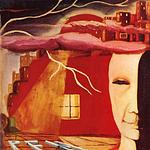
Storia di un minuto (1972) is Premiata Forneria Marconi's early album that fuses progressive and art rock with Italian melodic songwriting. The music pairs symphonic keyboard textures and Mellotron with acoustic and electric guitars, flute and violin accents, and precise, compact arrangements that balance instrumental virtuosity and concise songcraft, exemplified by tracks like "Impressioni di settembre." The record presents a blend of classical and folk influences within a rock framework and helped establish PFM's profile in the Italian progressive scene.
#69 — Quelli che... by Enzo Jannacci
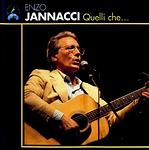
#70 — Zerolandia by Renato Zero
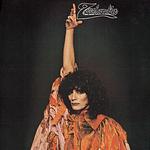
Zerolandia, released in 1978 by Italian singer Renato Zero, mixes disco and electronic touches with pop, pop rock and rock arrangements; the album pairs danceable rhythms and late 1970s synth textures with theatrical, expressive vocals and a dramatic, stage-oriented sensibility, reinforcing the flamboyant persona Zero presented in his performances and recordings.
#71 — Making Movies by Dire Straits
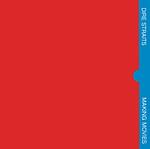
Making Movies, released in 1980, finds Dire Straits moving toward more ambitious, cinematic rock that blends blues and country-tinged touches with pop rock accessibility. The record foregrounds Mark Knopfler's economical fingerpicked guitar and narrative lyricism, and songs such as "Romeo and Juliet" and "Tunnel of Love" showcase longer arrangements, richer keyboard textures, and a focus on storytelling. The album marked a shift toward denser production and more expansive song forms in the band's development.
#72 — Unknown Pleasures by Joy Division
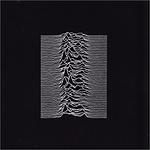
Unknown Pleasures, Joy Division's 1979 debut studio album, is a landmark of post-punk characterized by sparse, austere arrangements and distinctive production by Martin Hannett. The record pairs Peter Hook's high, melodic basslines and Bernard Sumner's angular guitar with Stephen Morris's precise, often metronomic drums under Ian Curtis's deep, restrained vocals and introspective lyrics, creating a cold, atmospheric sound that also fed into gothic and alternative rock developments. Its use of space, effects, and the iconic pulsar waveform cover have made it an enduring reference point for late 20th century underground rock.
#73 — Seven and the Ragged Tiger by Duran Duran
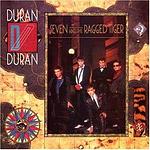
Seven and the Ragged Tiger is Duran Duran's third studio album, released in 1983. It continues the band's New Romantic and New Wave blend with slick pop rock and sophisti-pop arrangements, featuring prominent synth textures, driving basslines, and danceable rhythms. The record includes the singles "Union of the Snake", "New Moon on Monday", and "The Reflex", and showcases a polished, cinematic studio sound that emphasizes hooks and rhythmic sheen while expanding the band's pop and electronic palette.
#74 — Phaedra by Tangerine Dream
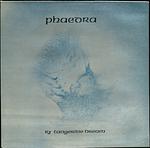
Phaedra (1974) by Tangerine Dream is a landmark of the Berlin School of electronic music, recorded by the trio of Edgar Froese, Christopher Franke, and Peter Baumann. The album centers on pulsed sequencer patterns and slowly unfolding, layered synthesizer textures, presenting long-form, atmospheric pieces that blend ambient minimalism with experimental art rock sensibilities. Its shift to sequencer-led arrangements helped crystallize the group's signature sound and influenced later developments in ambient and electronic music.
#75 — The Queen Is Dead by The Smiths
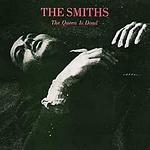
The Queen Is Dead (1986) by The Smiths pairs Johnny Marr's chiming, layered guitars and inventive arrangements with Morrissey's literate, sardonic vocals and lyrics, folding jangle pop and neo-acoustic textures into more muscular indie rock moments. The songs move between upbeat, melodic tracks and quieter, introspective pieces, highlighting tight songcraft, melodic basslines, and occasional fuller production that broadens the band's earlier, sparer sound. The album is frequently cited as a defining statement of the band's style and an important record in 1980s British indie music.
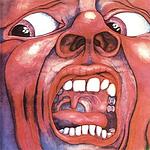
In the Court of the Crimson King is an early progressive rock album that blends heavy rock, jazz inflections, and classical textures into extended, dramatic compositions. The sound features Robert Fripp's angular guitar, Ian McDonald's Mellotron and woodwinds, and Greg Lake's resonant vocals, with tracks like "21st Century Schizoid Man" and the multi-part title piece emphasizing shifting time signatures, dense arrangements, and a dark, theatrical mood. The record is widely regarded as a foundational work in the development of progressive rock and is notable for its emphasis on atmosphere and compositional ambition.
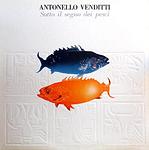
Antonello Venditti's 1978 album Sotto il segno dei pesci occupies the Italian pop and pop rock area, featuring piano-led melodies, a mix of acoustic and electric instrumentation, and orchestral touches that create a warm, melodic sound. Venditti sings in Italian with lyrics that combine personal and urban imagery, delivered with emotive phrasing and accessible choruses, and the record is noted for its move toward a more polished pop-rock production within his late 1970s work.
#78 — Tubular Bells by Mike Oldfield
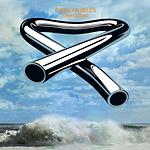
Tubular Bells (1973) is Mike Oldfield's debut album, presented as two extended instrumental suites that blend progressive rock, folk rock and early electronic textures. Oldfield overdubbed many instruments to create interweaving melodic motifs anchored by the distinctive tubular bells theme, moving between delicate acoustic guitar passages, electric guitar, keyboards, synthesizers and varied percussion. Its side-long structures, shifting moods and emphasis on atmosphere and studio layering helped establish an instrumental approach associated with early New Age and art rock while highlighting Oldfield's multi-instrumental arranging techniques.
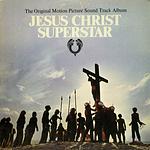
Jesus Christ Superstar: The Original Motion Picture Sound Track Album is the 1973 film soundtrack of the rock opera by Andrew Lloyd Webber and Tim Rice. The album adapts the stage work into a 1970s rock-inflected film sound, combining theatrical song structures with electric guitars, pop-rock arrangements and gospel-tinged vocal harmonies. Lead performances by Ted Neeley, Carl Anderson and Yvonne Elliman emphasize dramatic, front-and-center vocals while Lloyd Webber’s melodic motifs and Rice’s narrative lyrics preserve the operatic framework in a contemporary rock production.
#80 — Band on the Run by Wings
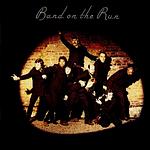
Band on the Run is a 1973 album by Wings, led by Paul McCartney, that blends rock, pop rock and soft rock with accessible pop songwriting. It moves between driving rockers such as "Jet" and the multi-part title suite, and quieter melodic ballads, featuring layered harmonies, concise hooks and varied arrangements that include acoustic textures and orchestral touches. The record is often cited as a defining statement of McCartney's post-Beatles work, showcasing his gift for melody and compact, studio-focused production.
#81 — Senza orario senza bandiera by New Trolls
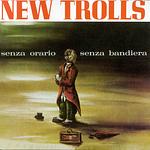
Senza orario senza bandiera is a 1968 album by Italian band New Trolls that blends balladry, folk rock and pop with early progressive rock touches. The record features melodic Italian vocals, acoustic and electric guitar textures, organ and string-inflected arrangements that point toward the more elaborate symphonic style the group explored later. Overall it reads as a transitional work combining straightforward pop and folk influences with emerging progressive ambitions.
#82 — Return to Forever by Chick Corea
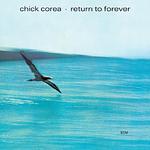
Return to Forever (1972) is a self-titled album by Chick Corea that established the ensemble known as Return to Forever. It blends jazz fusion and Latin jazz, pairing Corea's electric piano with lyrical melodies, Brazilian and Afro-Latin rhythms, and prominent contributions from vocalist Flora Purim, percussionist Airto Moreira, saxophonist and flautist Joe Farrell, and bassist Stanley Clarke. The record highlights a warm, melodic approach to early 1970s fusion, balancing composed themes with improvisation and strong rhythmic drive.
#83 — Burattino senza fili by Edoardo Bennato
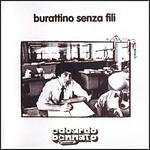
Burattino senza fili, released in 1977 by Edoardo Bennato, is a concept album that draws on Pinocchio imagery to frame a series of folk-tinged pop rock and rock and roll songs. Bennato combines acoustic guitars, electric riffs, piano and harmonica with theatrical vocal delivery to create playful melodies that carry sharper themes about freedom, control and social conformity. The record is often noted within his catalog for its narrative unity and the way it mixes accessible tunes with a satirical, storyteller sensibility.
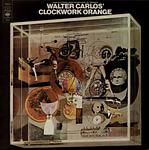
Walter Carlos' Clockwork Orange is Wendy Carlos's electronic reinterpretation of music associated with Stanley Kubrick's film A Clockwork Orange, issued under the name Walter Carlos. The album blends Moog synthesizer sonorities and studio processing with arrangements of classical repertoire and original thematic material, creating a cold, mechanical yet often lyrical sound world that reframes familiar melodies in an electronic context. It is frequently cited as an early and influential example of synthesizer-based film music and of adapting classical pieces through electronic instrumentation.
#85 — Green River by Creedence Clearwater Revival
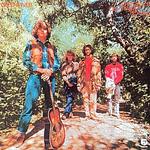
Green River is a 1969 album by Creedence Clearwater Revival that crystallizes the band's compact, roots-oriented rock sound, blending blues rock, folk and country influences into tight, punchy songs. Led by John Fogerty's direct songwriting, raw guitar tones and swampy rhythmic grooves, the record emphasizes concise arrangements, clear melodies and vivid Americana imagery despite the group's California origins. The album balances upbeat rockers with more reflective, story-driven tracks and is often cited as a defining example of the band's signature style.
#86 — Graceland by Paul Simon
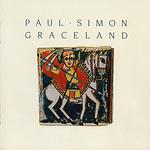
Graceland (1986) is a Paul Simon album that combines his singer-songwriter pop and folk sensibilities with South African musical styles, producing a worldbeat-influenced pop rock sound. Recorded with South African musicians and featuring vocal contributions from Ladysmith Black Mambazo, the record is marked by syncopated mbaqanga guitar lines, rich vocal harmonies, and a mix of acoustic songwriting and studio textures. Lyrically it blends personal storytelling with themes of travel, exile, and everyday observation, and its cross-cultural production is a notable example of Western popular music engaging directly with African musical traditions.
#87 — Atlantic Crossing by Rod Stewart
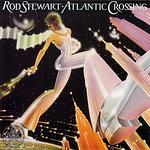
Atlantic Crossing (1975) finds Rod Stewart moving toward a more polished pop and soft rock sound, with smoother arrangements and radio-friendly songcraft that contrasted with his earlier rawer folk, blues and glam-influenced work. Recorded after his shift in recording base to the United States and produced by Tom Dowd, the album emphasizes fuller production, keyboards and string touches alongside Stewart's distinctive raspy vocals, and is often regarded as a turning point toward a mainstream pop-rock direction in his solo career.
#88 — Big Science by Laurie Anderson
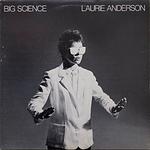
Big Science is Laurie Anderson's 1982 debut studio album, blending experimental electronic textures, art pop songcraft and performance art into spare, narrative pieces. Anderson pairs deadpan spoken-word delivery and processed vocals with minimal synths, loops and found sounds to explore themes of communication, technology and everyday oddities. The collection translates her stage work into intimate studio recordings, and is widely remembered for the eerie, insistent centerpiece "O Superman," which exemplifies the album's mix of humor, pathos and conceptual minimalism.
#89 — Vai mo' by Pino Daniele
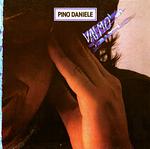
Vai mo' (1981) finds Pino Daniele working at the intersection of funk, jazz, pop, and rock, combining groove-driven rhythms and warm horn and rhythm-section arrangements with his distinctive guitar phrasing and expressive, often Neapolitan-inflected vocals. The album continues his early-career approach of blending American roots styles with Italian songwriting, emphasizing rhythm, melodic hooks, and a relaxed but sophisticated sonic palette that helped define his sound in the early 1980s.
#90 — A Rainbow in Curved Air by Terry Riley
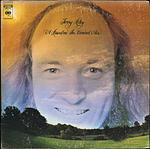
A Rainbow in Curved Air (1969) by Terry Riley is an extended minimalist-electronic work built from repeating keyboard patterns and layered overdubs that produce shimmering, hypnotic textures. Riley stacks cyclical motifs and tape-delay-like effects to create continuous, slowly evolving soundscapes that blur the line between melody and rhythm, situating the music between experimental minimalism and early ambient electronic practice. The album is often cited for its timbral exploration and long-form, meditative approach, which helped shape subsequent developments in ambient and progressive electronic music.
#91 — Blue by Joni Mitchell
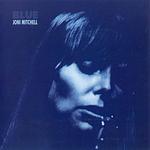
Blue, released in 1971, is Joni Mitchell's spare and intimate album that blends contemporary folk, folk rock, and singer-songwriter approaches. Its uncluttered arrangements, open-tuned guitar and piano, and candid, confessional lyrics explore love, longing, and self-examination; songs such as "A Case of You", "River", "Carey", and "California" balance folk intimacy with pop-minded melodies. The record is often cited as a defining work for later singer-songwriters and for its emotional directness.
#92 — Sandinista! by The Clash
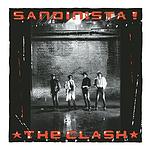
Sandinista! is The Clash's sprawling 1980 project that pushes the band beyond straight punk into a wide mix of dub, reggae, funk, early hip hop, pop rock, and experimental studio work. The record pairs political and social lyrics with extended dub mixes, instrumental passages and genre-hopping arrangements, reflecting a deliberate move toward sonic variety and studio experimentation. Its loose, sometimes rough production and eclectic song styles mark it as an ambitious, genre-blurring statement from a band stretching the boundaries of punk.
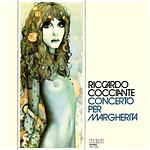
Concerto per Margherita (1976) finds Riccardo Cocciante working in melodic pop and soft rock territory, built around piano-led arrangements, sweeping strings and expressive vocal delivery. The record emphasizes romantic balladry with moments of fuller rock instrumentation and dramatic crescendos. Its title track, "Margherita", stands out as a focal point and the album is often associated with Cocciante's signature lyrical, orchestral pop style.
#94 — Private Dancer by Tina Turner
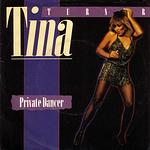
Private Dancer, released in 1984, is a solo album that blends pop rock, pop soul and ballad-driven material with the polished production typical of the 1980s. It highlights Tina Turner’s gritty, expressive voice across uptempo, rock-inflected tracks and slower, dramatic ballads, pairing electric guitar and synth textures with accessible pop arrangements. The record marked a major reemergence of Turner as a solo artist and is noted for its strong vocal performances and crossover pop and rock sensibility.
#95 — For Your Pleasure by Roxy Music
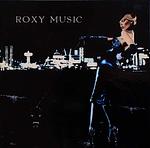
For Your Pleasure, Roxy Music's second studio album released in 1973, refines the band's art rock and glam approach with theatrical arrangements, sleek pop songwriting and abrasive experimental textures. Bryan Ferry's elegant, ironic vocals ride over Andy Mackay's saxophone, Phil Manzanera's guitar work and Brian Eno's synthesizer treatments, producing songs that range from seductive to unsettling, notably "Do the Strand" and "In Every Dream Home a Heartache". The album is the last to feature Eno and is often cited for combining glamour and avant garde production with a raw edge that points toward proto-punk and post-punk sounds.
#96 — Uomo di pezza by Le Orme
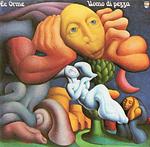
Uomo di pezza (1972) by Le Orme is a symphonic progressive rock album that blends melodic Italian songwriting with lush organ and mellotron textures. The record emphasizes atmospheric arrangements, dramatic keyboards and emotive vocals, showing a move toward the fuller orchestral sound the band developed on their subsequent albums. It is commonly placed within Le Orme's classic early 1970s period of Italian progressive rock.
#97 — Alla fiera dell'est by Angelo Branduardi
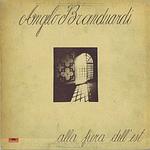
Angelo Branduardi's 1976 album Alla fiera dell'est blends folk rock and pop with strong early music and medieval influences, yielding a pastoral, chamber folk sound. Arrangements pair acoustic guitar and violin with lute, flute and restrained electric touches, while the songs lean on traditional and poetic motifs. The record showcases Branduardi's melodic, narrative songwriting and helped define his signature fusion of singer-songwriter sensibility and historical textures.
#98 — Puzzle by Gianna Nannini
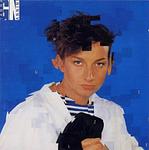
Puzzle (1984) finds Gianna Nannini delivering a rock-oriented collection characterized by her raw, raspy vocal delivery, driving electric guitars, and prominent keyboard and synth textures typical of mid 1980s production. The songs balance gritty rock energy with melodic hooks and introspective lyrics, showcasing a mix of piano-led balladry and more uptempo, guitar-centered arrangements. The album is representative of Nannini's 1980s output and of her development as a prominent figure in Italian rock.
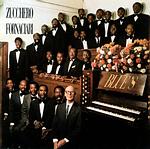
#100 — Bad Girls by Donna Summer

Bad Girls, released in 1979 by Donna Summer, blends late 1970s disco with emerging electronic dance textures to create a polished, dancefloor-focused sound. The album features driving grooves, prominent bass and percussion, layered vocals and synthesizer accents, with production from Giorgio Moroder and Pete Bellotte that pairs tight, radio-friendly song structures with moments of extended groove. Its mix of lush orchestration and electro-disco elements helped shape the transition from orchestral disco toward more synth-driven dance music.