 The Greatest Music
The 100 Albums of the 80s
Weight: 1%
How much this list influences our overall rankings. Higher weight means more reliable data.
Penalties Applied:
This is a ranked, end-of-decade canon that leans heavily toward the decade’s post-punk / new wave / art-pop / indie core, while still giving major space to era-defining funk/pop and hip-hop.
#1 — Sign "☮︎" the Times by Prince
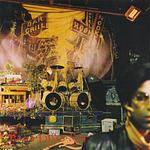
Sign o' the Times, released in 1987, is a sprawling double album by Prince that blends funk, contemporary R&B, pop rock, rock, and soul. The record moves between sparse electronic textures and drum machines and fuller guitar and horn arrangements, pairing intimate ballads with upbeat funk-pop tracks; it includes the title track "Sign o' the Times", "U Got the Look", "I Could Never Take the Place of Your Man", and "If I Was Your Girlfriend". Lyrically and sonically diverse, the album mixes personal themes about relationships with broader social commentary and represents a particularly experimental and wide-ranging phase in Prince's work.
#2 — Purple Rain by Prince, The Revolution
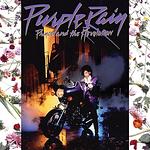
Purple Rain is a genre-blending album that mixes funk, pop, rock and contemporary R&B, combining driving dance tracks and intimate ballads with lush synthesizer textures and distinctive electric guitar work. Produced and largely written by Prince with his band The Revolution, the record balances concise pop hooks, extended guitar solos, and dramatic, cinematic arrangements that reflect its connection to the film of the same name. The album highlights Prince's range as a songwriter, producer, vocalist and guitarist, and it helped define his sound in the mid 1980s.
#3 — Remain in Light by Talking Heads
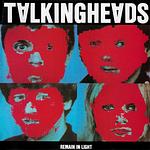
Remain in Light (1980) finds Talking Heads blending New Wave, post-punk, funk, and electronic textures through an experimental production approach with Brian Eno. The album foregrounds layered, polyrhythmic grooves influenced by West African rhythms, interlocking guitar and synth patterns, and funk-tinged bass to create dense, propulsive arrangements. David Byrne's vocal delivery moves between urgent and detached across fragmented, mantra-like lyrics, while studio techniques favor repetition, loops, and ambient sonics. The record is often noted for shifting the band's sound toward a more rhythmic, textural, and collaborative form of art rock.
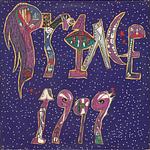
1999 is a synth-forward album that blends funk, pop, dance-pop, rock, and new wave into tightly arranged, danceable songs marked by punchy drum-machine grooves, layered synthesizers, rhythmic guitar work, and Prince's versatile vocals. The music pairs upbeat, club-ready production with darker lyrical themes about urgency and impending crisis, creating a tense party-at-the-end-of-the-world vibe. Its eclectic, genre-blurring approach helped expand Prince's sound and influenced the direction of early 1980s pop and dance music.
#5 — Rapture by Anita Baker
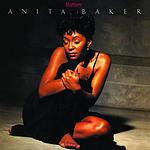
Rapture is Anita Baker's 1986 album that blends R&B and soul with strong jazz and smooth jazz influences, presented in a polished adult contemporary style. The record is built around Baker's warm, husky contralto and intimate phrasing, with lush arrangements, soft grooves, understated jazz harmonies and romantic lyrical themes. Several standout ballads and midtempo tracks exemplify the album's quiet storm sensibility and helped define Anita Baker's signature sound in the mid 1980s.
#6 — The Joshua Tree by U2
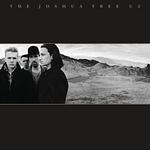
The Joshua Tree, released in 1987 by U2, refines the band’s post-punk roots into a widescreen rock sound that blends atmospheric, delay-heavy guitar work with blues, gospel and American roots influences. Produced by Brian Eno and Daniel Lanois, the album favors sparse, spacious arrangements that highlight The Edge’s chiming textures and Bono’s expressive vocals while exploring themes of faith, politics and the American landscape. Tracks move between spare balladry and driving, anthemic rock, and the record is noted for its cinematic production and lyrical focus on searching and spirituality.
#7 — Sandinista! by The Clash
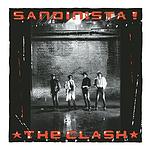
Sandinista! is The Clash's sprawling 1980 project that pushes the band beyond straight punk into a wide mix of dub, reggae, funk, early hip hop, pop rock, and experimental studio work. The record pairs political and social lyrics with extended dub mixes, instrumental passages and genre-hopping arrangements, reflecting a deliberate move toward sonic variety and studio experimentation. Its loose, sometimes rough production and eclectic song styles mark it as an ambitious, genre-blurring statement from a band stretching the boundaries of punk.
#8 — Swordfishtrombones by Tom Waits
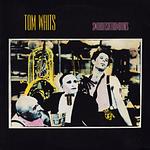
Swordfishtrombones (1983) is a Tom Waits album that marks a pronounced shift from his earlier piano-based, jazz and blues-tinged work toward a more experimental, percussive, and theatrical approach. The arrangements foreground unconventional percussion and found sounds alongside brass and woodwind textures, while Waits adopts a rougher, more expressive vocal style and surreal, character-driven storytelling. The record blends elements of blues, rock, and avant-garde experimentation and is regarded as a pivotal move into more adventurous, alternative rock and experimental territory for the artist.
#9 — The Nightfly by Donald Fagen
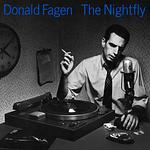
The Nightfly, Donald Fagen's 1982 solo debut, blends jazz-inflected pop, pop rock and soft rock with the polished, meticulous studio production associated with his work in Steely Dan. The album features tight horn and keyboard arrangements, sophisticated jazz chords and solos, and literate, nostalgic lyrics that evoke postwar late-night radio and small-town optimism. Produced by Gary Katz and built around a smooth, urbane sound, the record is often singled out for its attention to arrangement and sonic detail.
#10 — Tutu by Miles Davis
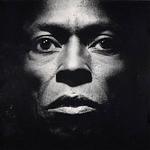
Tutu is a 1986 studio album by Miles Davis produced and largely composed by Marcus Miller. It blends Davis's muted trumpet with electronic production, synthesizers, sequenced bass and programmed drums to create a sleek, atmospheric sound that draws on funk, R&B and electro while retaining a jazz sensibility. The album emphasizes mood, texture and tight arrangements over extended improvisation and is a defining example of Davis's 1980s fusion period.
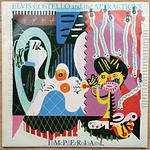
Imperial Bedroom, released in 1982 by Elvis Costello & The Attractions, is a studio album that shifts from the band’s earlier new wave edge toward richly arranged, baroque-influenced pop and rock. Produced by Geoff Emerick, the record features ornate chamber-pop arrangements, inventive studio touches, and complex songcraft, pairing intricate melodies with literate lyrics that examine personal and social themes. The album stands out in Costello’s catalog for its ambitious, texturally dense approach to pop songwriting.
#12 — Thriller by Michael Jackson
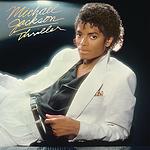
Thriller, released in 1982 and produced by Quincy Jones, is a pop and contemporary R&B album that blends dance-pop, disco, funk and rock elements. It is characterized by polished, cinematic production, tight rhythms, layered vocal harmonies and strong melodic hooks on tracks such as "Billie Jean", "Beat It" and "Thriller". Notable moments include Eddie Van Halen's guitar solo on "Beat It" and Vincent Price's spoken-word cameo on the title track. The record helped broaden Jackson's crossover appeal and played a significant role in shaping the era of high-concept music videos.
#13 — So by Peter Gabriel
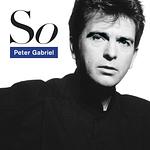
Peter Gabriel's 1986 album So blends art rock and pop rock with electronic and world music influences, combining concise, radio-friendly songcraft with layered, atmospheric production. Notable tracks include the horn-driven, funk-tinged "Sledgehammer" and the duet "Don't Give Up" with Kate Bush; the album emphasizes rhythmic textures, synthesizer atmospheres, and studio polish while retaining Gabriel's experimental sensibility.
#14 — Brilliant Trees by David Sylvian
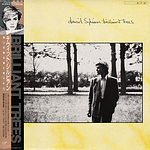
Brilliant Trees, David Sylvian's 1984 debut solo album after the breakup of Japan, marks a shift from band-oriented art pop toward a more introspective, atmospheric sound. The record combines hushed, spacious arrangements with ambient textures, subtle jazz inflections and world music touches, favouring extended, meditative compositions and meticulous production that foreground mood and collaboration over conventional pop hooks.
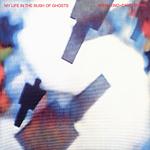
My Life in the Bush of Ghosts (1981) is a collaborative record by Brian Eno and David Byrne that melds art rock, ambient and experimental electronic approaches into a collage of found sounds, sampled voices and layered rhythms. The album pairs treated field recordings and looped vocal fragments with propulsive percussion and ambient studio processing to create oblique, cinematic soundscapes that reference global rhythmic sources without straightforward worldbeat imitation. It is notable for its early use of tape sampling and montage techniques to integrate spoken-word material and vocal improvisations into song-like structures, generating a persistent tension between pop forms and experimental collage.
#16 — Closer by Joy Division
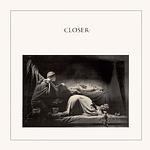
Closer is Joy Division's 1980 album that presents a stark, atmospheric take on post-punk with clear ties to new wave and early gothic rock. The record is characterized by Martin Hannett's spacious, reverb-heavy production, Peter Hook's melodic, high-register basslines, Bernard Sumner's angular guitars and synth textures, and Ian Curtis's deep, intense vocals paired with spare, often bleak lyrics. Overall it emphasizes mood, restraint, and a cold, cinematic ambience that proved influential on later alternative and gothic-leaning acts.
#17 — Love Wars by Womack & Womack
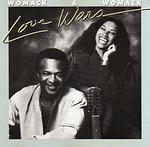
Love Wars is a 1983 album by Womack & Womack that showcases the vocal partnership of Cecil and Linda Womack in a set of intimate, songwriting-focused soul and R&B. The record blends close harmonies and conversational duet delivery with early 1980s production touches such as subtle synthesizers and tight rhythmic arrangements, moving between mellow ballads and more groove-oriented tracks. Lyrics focus on personal themes of love and conflict, and the album is notable for its strong songwriting and the emotional clarity of the performances.
#18 — Nero a metà by Pino Daniele
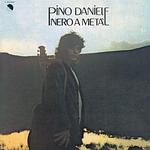
Nero a metà (1980) blends blues, blues rock, jazz, pop and pop rock with Neapolitan phrasing and urban lyrical themes. Daniele's warm, blues-tinged guitar and husky vocals are set against horn arrangements, funk-tinged rhythms and melodic pop hooks, yielding a groove-driven sound that balances improvisatory jazz touches with accessible songcraft. The album is often cited as a defining statement in his career that solidified his signature fusion of Italian song tradition and Anglo-American roots styles.
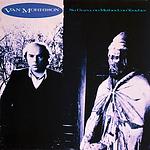
No Guru, No Method, No Teacher (1986) finds Van Morrison in a quiet, reflective mode that blends folk rock, Celtic-inflected melodies, and elements of blue-eyed soul and jazz rock. The album emphasizes meditative lyrics about spirituality and nature, wrapped in mostly acoustic arrangements with warm vocal delivery and restrained instrumental touches that nod to jazz and soul traditions. Its tone is intimate and contemplative, reflecting Morrison's ongoing interest in spiritual exploration and roots-oriented songcraft.
#20 — Pirates by Rickie Lee Jones
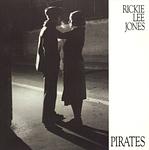
Pirates is Rickie Lee Jones's second studio album, released in 1981, that builds on her singer-songwriter and jazz-pop roots with more elaborate, cinematic arrangements and a moodier, introspective tone. The record blends jazz-inflected piano and brass with pop and rock textures, layered production, and narrative lyrics that explore relationships and personal change, showcasing her conversational vocal delivery and emphasis on storytelling. The overall sound is more ambitious and texturally rich than her debut, with an emphasis on atmosphere and emotional detail.
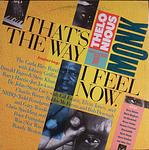

War, produced by Steve Lillywhite and released in 1983, moves U2 toward a more direct, anthemic rock sound rooted in post-punk energy. The album emphasizes driving, martial rhythms, delay-heavy chiming guitar and Bono's impassioned vocals, combining urgent political and social themes with pop rock melodies and occasional electronic textures. Its relatively stripped production and singalong choruses helped define a broader, stadium-ready approach for the band.
#23 — Old Rottenhat by Robert Wyatt
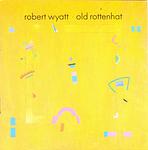
Old Rottenhat (1985) is a mostly solo Robert Wyatt album that pairs his fragile, idiosyncratic vocals with spare arrangements built from keyboards, drum machines, and occasional acoustic touches. The songs blend art rock and electronic textures with melodic, jazz-tinged and progressive influences, moving between melancholic balladry and wry, politically aware observation. The restrained production and intimate performances emphasize mood and lyricism, fitting Wyatt's distinctive post-1970s solo approach within alternative pop and experimental rock contexts.
#24 — The Dream of the Blue Turtles by Sting
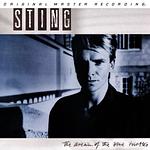
The Dream of the Blue Turtles, Sting's 1985 solo debut after leaving The Police, moves away from straight pop rock toward a jazz-tinged pop sound, featuring prominent contributions from jazz players Branford Marsalis, Kenny Kirkland, Omar Hakim, and Darryl Jones. The album blends pop rock, soft rock and new wave sensibilities with improvisational horn and keyboard arrangements, pairing polished production with literate and sometimes political lyrics on songs such as "Russians" and mood pieces like "Moon Over Bourbon Street". Its sound marked a clear stylistic shift for Sting, emphasizing ensemble playing and jazz-influenced rhythms within a mainstream pop framework.
#25 — Aguaplano by Paolo Conte
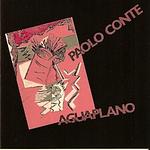
Aguaplano (1988) finds Paolo Conte operating between ballad and pop, using his characteristic gravelly baritone and piano-centered arrangements. The record blends jazz and chanson influences with light Latin and swing touches, favoring cinematic, narrative songs and elegant, retro-inflected orchestration. Overall it emphasizes mood, storytelling, and refined instrumental color rather than contemporary pop production.
#27 — The Unforgettable Fire by U2
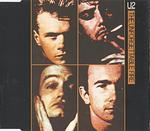
The Unforgettable Fire is U2's fourth studio album, released in 1984 and produced by Brian Eno and Daniel Lanois. The record moves the band away from straightforward post-punk toward more atmospheric, ambient-influenced soundscapes, with The Edge's textural guitar work, layered production, and Bono's impassioned vocals supporting songs that blend political themes and abstract lyrical imagery. The album expands the band's sonic palette and helped set the stage for their subsequent musical direction.
#28 — 'Round Midnight by Various Artists
#29 — The Queen Is Dead by The Smiths
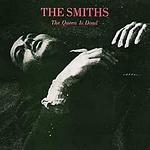
The Queen Is Dead (1986) by The Smiths pairs Johnny Marr's chiming, layered guitars and inventive arrangements with Morrissey's literate, sardonic vocals and lyrics, folding jangle pop and neo-acoustic textures into more muscular indie rock moments. The songs move between upbeat, melodic tracks and quieter, introspective pieces, highlighting tight songcraft, melodic basslines, and occasional fuller production that broadens the band's earlier, sparer sound. The album is frequently cited as a defining statement of the band's style and an important record in 1980s British indie music.
#30 — The Poet II by Bobby Womack
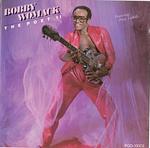
The Poet II (1984) is an R&B and soul album by Bobby Womack that continues his intimate, confessional songwriting while incorporating mid-1980s production touches. Womack’s warm, gritty baritone and gospel-rooted phrasing remain central, paired with polished arrangements that blend keyboards and drum programming with traditional soul instrumentation. The result is a set of romantic and reflective songs that bridge classic soul sensibilities with contemporary R&B sounds of the 1980s.
#31 — Hounds of Love by Kate Bush
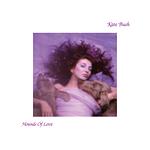
Hounds of Love, released in 1985, finds Kate Bush blending art pop, art rock and progressive pop with electronic production and theatrical songwriting. The album balances compact, synth-forward songs such as the title track and "Running Up That Hill" with a side-long narrative suite called "The Ninth Wave," which uses layered vocals, sound effects and shifting arrangements to depict a survivor adrift at sea. Production combines Fairlight sampling and electronic textures with traditional instruments, producing a mix of intimate balladry, dramatic climaxes and experimental touches. The record represents a consolidation of Bush's theatrical instincts into tightly crafted songs while maintaining ambitious, conceptual scope.
#32 — Avalon by Roxy Music
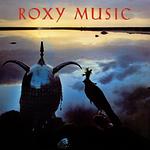
Avalon, released in 1982 by Roxy Music, pares the band’s art rock roots into a polished, atmospheric blend of sophisti-pop, soft rock, and pop rock. Bryan Ferry’s languid vocals float over shimmering synth textures, subtle guitar work, and tasteful saxophone, producing a romantic, late-night mood that emphasizes mood and production as much as songcraft. The record is notable for its sleek, restrained arrangements and for steering the group toward a smoother, more elegiac sound.
#33 — Tracy Chapman by Tracy Chapman
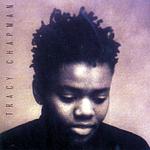
Tracy Chapman is the 1988 debut album by singer-songwriter Tracy Chapman, built around spare, acoustic-based arrangements that blend folk, rock and contemporary folk with subtle blues and soul touches. The sound is dominated by Chapman's clear, expressive voice and narrative songwriting, with intimate production that keeps the focus on lyrics about personal and social themes. Tracks such as "Fast Car" highlight the album's storytelling emphasis and melodic restraint. The record introduced Chapman as a notable voice in late 1980s folk-influenced rock and alternative folk.
#34 — London 0 Hull 4 by The Housemartins
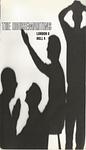
London 0 Hull 4 is the debut album by British indie pop band The Housemartins. The record combines jangly, guitar-driven pop with clear soul and gospel influences, featuring tight a cappella harmonies alongside bright, concise arrangements; its lyrics pair witty observations with left-leaning social commentary. The overall sound highlights melodic hooks and terse guitar work and showcases the early band lineup that included bassist Norman Cook.
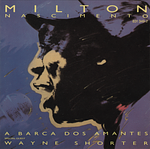
#35 — A barca dos amantes by Milton Nascimento
#36 — Night and Day by Joe Jackson
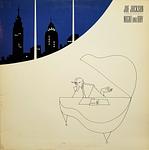
Night and Day (1982) by Joe Jackson is a piano-led album that shifts from his earlier new wave edge toward a more urbane pop sound infused with jazz and Latin rhythms. The arrangements highlight piano, brass, and subtle synths over tight grooves, while the lyrics often evoke New York City scenes and interpersonal tensions. The record is noted for its melodic songwriting and for blending sophisticated musical textures with accessible pop and rock elements.
#37 — Raising Hell by Run‐D.M.C.
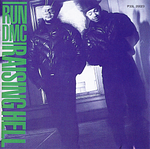
Raising Hell, released in 1986 by Run-D.M.C., is a defining East Coast hip hop record that helped popularize a tougher, stripped-down sound centered on hard drum-machine beats, sparse sampling, and incisive vocal delivery with prominent turntable work. The album blends hardcore hip hop and electro influences with rock textures, most famously on the collaboration with Aerosmith on "Walk This Way," which pairs a live rock riff with rap verses. Production favors raw energy and minimal ornamentation, and the record is often noted for broadening hip hop's audience and stylistic possibilities.
#38 — Stompin' at the Savoy: Live by Rufus, Chaka Khan
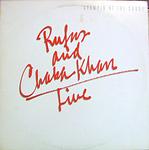
Stompin' at the Savoy: Live is a 1983 live album by Rufus with Chaka Khan that presents the group’s funk and contemporary R&B repertoire in a concert setting. The recordings emphasize live arrangements and rhythmic grooves, capturing the energy of the band and the interaction between lead vocals and the ensemble, with moments that foreground both dance-oriented funk and soulful R&B performance.
#39 — Synchronicity by The Police
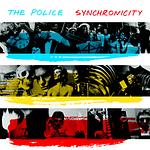
Synchronicity, released in 1983, is the Police's fifth studio album and represents a culmination of their move from lean new wave and reggae-inflected rock toward a more polished pop rock sound with layered production and increased use of synthesizers. Sting's songwriting on the record leans toward introspective and sometimes dark themes, and the band balances spare rhythmic foundations with richer melodic and textural elements. The album includes prominent tracks such as "Every Breath You Take", "King of Pain", "Wrapped Around Your Finger", and "Synchronicity II", and is frequently viewed as the high point of the group's studio work.
#40 — New Gold Dream (81‐82‐83‐84) by Simple Minds
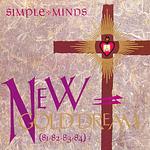
New Gold Dream (81-82-83-84) is Simple Minds' 1982 album that crystallizes their move toward a more polished, synth-driven sound rooted in New Wave and New Romantic styles. The record features shimmering synthesizer textures, clean guitar lines, taut bass and drum patterns, and Jim Kerr's emotive vocals, creating an atmospheric pop sound that balances mood and melody. Production emphasizes clarity and layered arrangements, with songs built from repeating motifs and gradual builds that showcase the band shifting from post-punk rawness to a more ornate synth-pop approach.
#41 — Robbie Robertson by Robbie Robertson
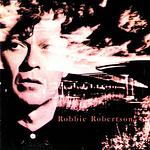
Robbie Robertson is the 1987 solo debut by Robbie Robertson that shifts from his earlier ensemble work toward a more produced, atmospheric form of rock. The album blends pop rock and folk rock songwriting with layered, cinematic arrangements and moody studio textures, emphasizing narrative lyrics and evocative imagery. Its sound pairs acoustic and electric guitars with subtle rhythmic and ambient elements, presenting a polished backdrop for Robertson's storytelling vocal style.
#42 — Double Fantasy by John Lennon, Yoko Ono
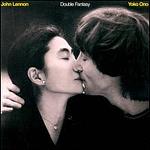
Double Fantasy is a 1980 album by John Lennon and Yoko Ono that marked Lennon’s return to recording after a multi-year break and was the last album released during his lifetime. The record alternates between Lennon and Ono songs, pairing Lennon's concise pop rock and occasional blues-tinged numbers with Ono's art pop and experimental pieces, creating a conversational, domestic atmosphere centered on themes of love, family, and everyday life. Arrangements are generally warm and accessible, emphasizing melody and restrained rock instrumentation alongside occasional avant-garde touches.
#43 — Eden by Everything but the Girl
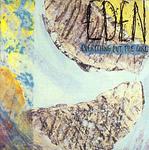
Eden (1984) is the debut album by Everything but the Girl that blends soft pop with bossa nova and jazz-tinged arrangements, centered on Tracey Thorn's intimate vocal delivery and Ben Watt's understated guitar and production. The record favors mellow tempos, gentle rhythms, and subtle horn and percussion touches, creating a smooth, lounge-inflected sound that bridges pop and adult contemporary. As an early statement from the duo, it highlights their acoustic and jazz-pop roots before their later exploration of fuller band and electronic textures.
#44 — Café Bleu by The Style Council
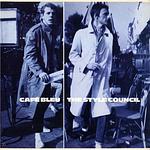
Café Bleu, the Style Council's 1984 debut studio album, moves Paul Weller's post-Jam songwriting into sophisti-pop territory with strong jazz, lounge and downtempo influences. Mick Talbot's keyboards and the record's use of sax, brass and subtle electronic textures create a polished, roomy sound that mixes instrumental passages with compact soulful pop songs. The album represents a deliberate shift toward a more urbane, relaxed musical palette and sophisticated arrangements.
#45 — Private Dancer by Tina Turner
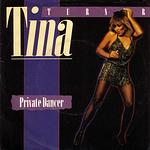
Private Dancer, released in 1984, is a solo album that blends pop rock, pop soul and ballad-driven material with the polished production typical of the 1980s. It highlights Tina Turner’s gritty, expressive voice across uptempo, rock-inflected tracks and slower, dramatic ballads, pairing electric guitar and synth textures with accessible pop arrangements. The record marked a major reemergence of Turner as a solo artist and is noted for its strong vocal performances and crossover pop and rock sensibility.
#46 — Revenge by Eurythmics
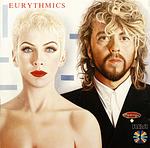
Revenge, released in 1986 by Eurythmics, shifts the duo toward a fuller, band-oriented sound while retaining their synth-pop and new wave roots. The production blends electronic textures with more prominent guitars, horns and rock-inflected arrangements, paired with Annie Lennox's powerful vocals and Dave Stewart's layered production; singles from the album include "When Tomorrow Comes", "Thorn in My Side" and "Missionary Man". The record is often noted for expanding their pop songwriting into grittier, more arena-ready territory without abandoning melodic synth sensibilities.
#47 — La pianta del tè by Ivano Fossati
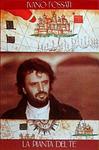
La pianta del tè, released in 1988 by Italian singer-songwriter Ivano Fossati, is an Italian-language album that blends pop and rock songwriting with refined arrangements and touches of folk, jazz and world music. Fossati's poetic lyrics and expressive voice drive atmospheric, often introspective songs that balance acoustic warmth and subtle electronic textures, producing a mature, song-centered record that highlights his interest in melodic craft and genre blending.
#48 — Graceland by Paul Simon
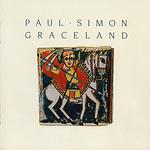
Graceland (1986) is a Paul Simon album that combines his singer-songwriter pop and folk sensibilities with South African musical styles, producing a worldbeat-influenced pop rock sound. Recorded with South African musicians and featuring vocal contributions from Ladysmith Black Mambazo, the record is marked by syncopated mbaqanga guitar lines, rich vocal harmonies, and a mix of acoustic songwriting and studio textures. Lyrically it blends personal storytelling with themes of travel, exile, and everyday observation, and its cross-cultural production is a notable example of Western popular music engaging directly with African musical traditions.
#49 — Dalla by Lucio Dalla
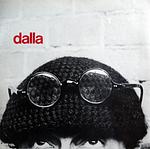
#50 — Steve McQueen by Prefab Sprout
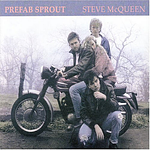
Steve McQueen is Prefab Sprout's 1985 album, produced by Thomas Dolby, that refines the band's blend of synth-pop, pop rock and sophisti-pop into a polished, literate form of chamber pop. Paddy McAloon's songwriting pairs wry, introspective lyrics with sophisticated chordal movement, warm melodies and smooth synth textures, while the production favors crisp, economical arrangements. The album is a clear example of mid 1980s sophisti-pop, notable for combining accessible hooks with musically intricate structures.
#51 — Aretha by Aretha Franklin
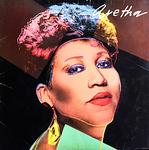
#52 — The Shouting Stage by Joan Armatrading
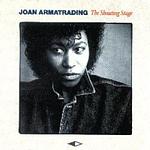
The Shouting Stage is a 1988 album by Joan Armatrading that blends rock and pop rock with her singer songwriter approach, featuring guitar driven arrangements, thoughtful and often introspective lyrics, and her distinctive, expressive vocals. The record maintains a late 1980s production sheen while keeping a strong focus on songwriting and emotional nuance, moving through varied tempos and moods across its tracks.
#53 — Warm Leatherette by Grace Jones
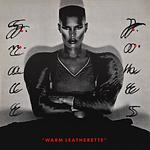
Warm Leatherette, released in 1980 by Grace Jones, marks a stylistic shift from her earlier disco material toward a leaner new wave and art pop sound with strong reggae rhythmic influence. The record emphasizes sparse, rhythmic arrangements and synth textures under Jones's cool, commanding vocal delivery, and reinterprets contemporary rock and post-punk material through a danceable, atmospheric lens. It is widely seen as a key step in establishing her darker, more avant garde persona and the musical direction she pursued in the early 1980s.
#54 — Julia Fordham by Julia Fordham
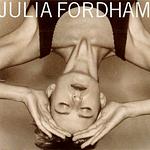
Julia Fordham's 1988 self-titled debut blends intimate ballad songwriting with downtempo pop arrangements, combining warm, expressive vocals with gentle electronic textures and acoustic instrumentation. Several tracks use subtle Latin rhythmic touches alongside piano and guitar, giving the album a relaxed, sophisticated mood. The record introduced Fordham's lyric-focused style and melodic sense, balancing pop accessibility with a mature, understated sound.
#55 — Oil on Canvas by Japan
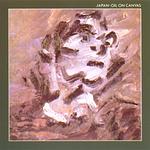
Oil on Canvas is a 1983 live album by Japan that documents the band's late-period art pop and art rock approach. It features atmospheric, cinematic arrangements built from shimmering synthesizers, restrained percussion, Mick Karn's melodic fretless bass, and David Sylvian's cool, emotive vocals. The performances highlight the group's move toward textured electronic and new wave aesthetics with a melancholic, elegant mood, making the album a concise statement of their mature sound.
#56 — Robbery by Teena Marie
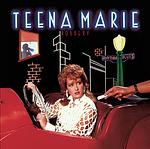
Robbery, released in 1983, finds Teena Marie continuing to blend contemporary R&B, soul, quiet storm balladry, and disco-inflected grooves. Her warm, expressive vocals move between intimate slow jams and more uptempo, funk-tinged tracks, with arrangements that emphasize smooth melodies, layered backing vocals, and polished early 1980s production. The album highlights her strengths as a singer and songwriter within the R&B and quiet storm traditions.
#57 — Heartbeat City by The Cars
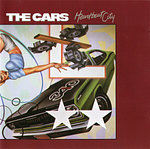
Heartbeat City is The Cars' 1984 album produced by Robert John "Mutt" Lange that moves the band toward a sleek pop rock and new wave sound with prominent electronic textures and polished AOR-style melodies. The songs pair tight guitar lines and bright synthesizers with Ric Ocasek's detached vocal delivery, yielding hook-driven, radio-friendly arrangements that blend rock punch with studio sheen.
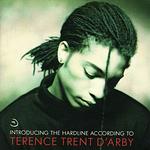
Introducing the Hardline According to Terence Trent D’Arby is a 1987 debut that fuses contemporary R&B, funk, blues and dance-rock with a strong soul and gospel underpinning. The record highlights D’Arby’s wide vocal range and expressive delivery, alternating between punchy, groove-driven numbers and intimate ballads, and pairs classic soul phrasing with 1980s pop-rock production touches. It served as a striking introduction to his persona and stylistic range, balancing retro influences with a modern, rhythmic sheen.
#59 — Diamond Life by Sade
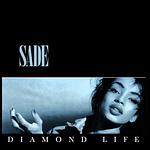
Diamond Life is Sade's 1984 debut album that blends smooth soul, sophisti-pop, pop and downtempo, built around Sade Adu's cool, intimate vocal delivery. The record is noted for its polished, jazz-tinged arrangements, warm bass and sax lines, restrained percussion and an overall mellow, nocturnal mood that foregrounds melody and atmosphere. Songs such as "Smooth Operator" and "Your Love Is King" exemplify the album's refined, adult-oriented sound that helped define a sophisticated pop-soul aesthetic in the 1980s.
#60 — Dreamgirls by Henry Krieger
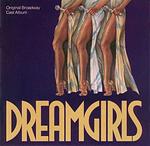
#61 — Body and Soul by Joe Jackson
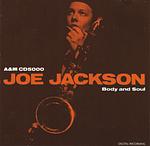
Body and Soul, released in 1984 by Joe Jackson, is a jazz-tinged pop album that moves further from his earlier new wave sound toward sophisticated jazz pop and Latin jazz textures. The arrangements foreground piano alongside brass and woodwind lines and groove-oriented rhythms, giving several tracks a lounge and Latin feel while keeping concise pop song structures. The record emphasizes polished production and musicianship, reflecting Jackson's interest in blending pop songwriting with jazz-derived arrangements.
#62 — Born in the U.S.A. by Bruce Springsteen
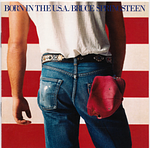
Born in the U.S.A. is Bruce Springsteen's 1984 album that blends heartland rock, pop rock, folk rock and AOR into a big, radio-ready sound. It pairs driving rock arrangements, bright synthesizer textures and prominent saxophone with anthemic, singalong choruses, while the lyrics continue Springsteen's focus on working-class life and the struggles of veterans, often juxtaposing upbeat music with stark storytelling. The overall effect is a muscular, accessible record that reinforced Springsteen's reputation for combining melodic rock with socially minded narratives.
#63 — Crêuza de mä by Fabrizio De André
Crêuza de mä, released in 1984, is an album by Fabrizio De André sung largely in the Genoese dialect and steeped in Mediterranean sonorities. In collaboration with Mauro Pagani, De André mixes folk, rock and world music elements, using traditional instruments and sparse, atmospheric arrangements to evoke seafaring life, ports and migratory routes. The record emphasizes mood, regional language and rhythmic textures over conventional pop song forms, and is often regarded as a distinctive, experimental entry in his catalog.
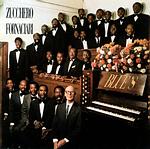
#65 — Bollicine by Vasco Rossi
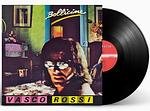
#66 — La voce del padrone by Franco Battiato
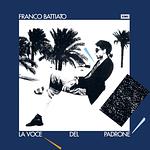
La voce del padrone, released in 1981, is Franco Battiato's synth-pop and art pop album that blends electronic arrangements with pop and rock elements. It pairs concise, hook-driven songs with literate, often enigmatic lyrics and a modern production aesthetic; tracks such as "Centro di gravità permanente" exemplify its mix of catchy melodies and intellectual references. The record marked a move toward more accessible sounds for Battiato and helped bring his music to a wider Italian audience.
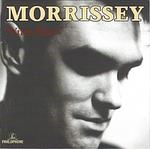
Viva Hate is Morrissey’s 1988 solo debut, produced by Stephen Street. It moves from his work with The Smiths toward a sparser, more orchestral pop sound while keeping jangly guitar textures and strong melodic hooks. The album blends alternative and indie rock with elements of jangle pop and dance-rock, pairing Morrissey’s literate, melancholic lyrics and distinctive vocal delivery with concise arrangements and occasional string parts. Songs like Suedehead and Everyday Is Like Sunday illustrate the record’s combination of wistful introspection and pop clarity, and helped define his early solo identity.
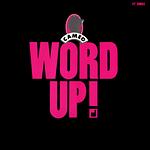
Word Up! (1986) by Cameo blends funk foundations with electro and electronic production, featuring punchy synth bass, drum machine grooves, and streamlined, groove-focused arrangements. The title track became the group's signature song, highlighting Larry Blackmon's distinctive vocal delivery and rhythmic exclamations, while the album as a whole emphasizes a sleeker, more polished pop-funk sound informed by 1980s electronic textures.
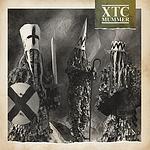
Mummer is XTC's 1983 album that emphasizes pastoral, chamber pop textures within the band's art pop and new wave framework. The songs favor acoustic guitars, layered vocal harmonies, and restrained arrangements with keyboards and subtle orchestral touches, producing a softer, more reflective sound than some of the band's earlier rockier work. Andy Partridge and Colin Moulding's songwriting alternates between whimsical and introspective tones, making the record a transitional, studio-focused effort that showcases the band's interest in melodic sophistication and coloristic production.
#70 — Face Value by Phil Collins
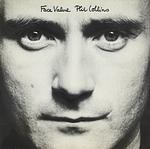
Face Value is Phil Collins' 1981 debut solo album that blends pop rock and soft rock with soul and R&B influences, built around spare, atmospheric production and personal lyrics drawn from his divorce. The record is best known for the moody song 'In the Air Tonight', which features Collins' signature gated drum sound and a slow, tension-filled arrangement; elsewhere the album moves between melodic ballads and horn-tinged pop, establishing the emotional and stylistic template for his solo work.
#71 — Let's Dance by David Bowie
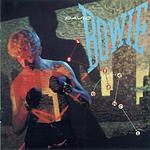
Let’s Dance (1983) finds David Bowie embracing a glossy, dance-oriented sound produced by Nile Rodgers, blending New Wave and pop rock with art rock sensibilities and dance-pop rhythms. The record emphasizes tight, percussive grooves, bright synth textures and punchy guitar work from Stevie Ray Vaughan, pairing streamlined, radio-friendly arrangements with Bowie’s distinctive vocals and lyrical quirks. It represents a deliberate move toward mainstream pop and dance styles in his catalogue and includes reworked material from earlier collaborations.
#72 — Learning to Crawl by Pretenders
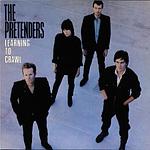
Learning to Crawl (1984) is the Pretenders' third studio album, blending rock, new wave and pop with melodic guitar work and a mix of upbeat tracks and introspective ballads. It includes the songs "Back on the Chain Gang" and "2000 Miles" and showcases Chrissie Hynde's direct, expressive vocals, crisp guitar textures, and concise, hook-driven songwriting. The album marked a regrouping of the band and presents a polished but emotionally immediate sound that bridges the group's punk-influenced roots with a more radio-friendly new wave and pop rock approach.
#73 — Like a Virgin by Madonna
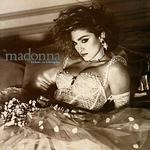
Like a Virgin, released in 1984, is Madonna's second studio album that refines her pop and dance-pop sound with strong synth-pop and club-oriented production. The record pairs catchy, upbeat melodies and electronic synthesizer textures with rhythmic, dancefloor-focused arrangements, and its lyrics and imagery foreground themes of sexuality, confidence, and personal reinvention. Musically it blends accessible pop hooks with electronic drum machines and glossy production, helping to cement Madonna's public persona and influence on mainstream dance-pop.
#74 — The Drum Is Everything by Carmel
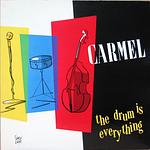
The Drum Is Everything (1984) is an early album by British band Carmel that showcases Carmel McCourt's emotive, jazz-tinged vocal delivery over rhythm-forward arrangements. The material blends jazz, soul, pop and rock elements, with groove-oriented percussion and bass underpinning compact pop-song structures and occasional jazz-inflected harmonies. The overall sound emphasizes mood, vocal expression and rhythmic drive rather than heavy production flourishes.
#75 — Working Nights by Working Week
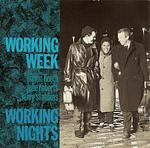
#76 — Winner in You by Patti LaBelle
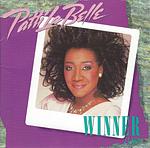
Winner in You (1986) by Patti LaBelle is an R&B and soul album that blends polished mid-1980s pop-soul production with emotive, gospel-rooted vocals. The record pairs lush arrangements, synthesizer and string textures with a mix of slow-burning ballads and uptempo R&B songs that showcase LaBelle's powerful, expressive delivery. It includes notable collaborations such as the duet "On My Own" and exemplifies a crossover-oriented solo direction in her 1980s work.
#77 — She's So Unusual by Cyndi Lauper
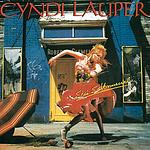
She's So Unusual is Cyndi Lauper's 1983 solo debut that blends new wave, synth-pop and pop rock into a vibrant, theatrical pop record. It pairs playful, idiosyncratic vocals with bright synthesizer textures and jangly guitar, balancing upbeat, singalong songs with more intimate ballads. The album is notable for establishing Lauper's distinctive pop persona and for bringing a quirky, expressive sensibility to mainstream 1980s pop music.
#78 — People by Hothouse Flowers
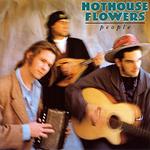
People, the 1988 debut by Irish band Hothouse Flowers, blends rock and blues rock with soul, gospel and folk influences, pairing piano-driven arrangements and rhythmic guitar with impassioned lead vocals and rich backing harmonies. The record conveys a live, organic energy, moving between uptempo R&B-tinged numbers and slower, reflective ballads, and is notable for its fusion of rootsy grooves with Celtic-tinged touches.
#79 — It'll End in Tears by This Mortal Coil
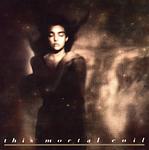
It'll End in Tears, released in 1984, is the first album by This Mortal Coil, a studio project assembled and produced by 4AD founder Ivo Watts-Russell. The record reinterprets songs with shimmering, reverb-rich arrangements and sparse, orchestral textures that helped define ethereal wave and dream pop, combining ghostly vocals, layered guitars and electronic atmospheres with a melancholic, cinematic mood. It features guest performances from artists on the 4AD roster and includes a prominent cover of Tim Buckley’s "Song to the Siren" sung by Elizabeth Fraser.
#80 — Picture Book by Simply Red
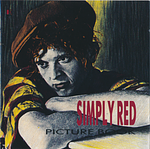
Picture Book is the 1985 debut album by British band Simply Red that introduced Mick Hucknall's soulful tenor over a mix of blue-eyed soul, pop and sophisti-pop arrangements. The record pairs introspective ballads with groove-oriented uptempo tracks, featuring warm horn lines, smooth keyboards and production that blends soul, jazz and pop influences. Its sound established the group's early identity and situated them within the mid-1980s sophisti-pop movement.
#81 — Private Eyes by Daryl Hall & John Oates
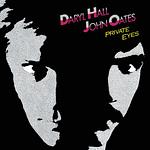
Private Eyes (1981) by Daryl Hall & John Oates is a polished pop rock album that blends catchy pop songwriting with R&B influenced vocal harmonies and soulful grooves. The record features tight, hook-driven arrangements, layered vocals and glossy early 1980s production with prominent keyboards and rhythmic backings, balancing uptempo tracks with more measured grooves. It helped define the duo's mainstream sound and contains several songs that remained central to their repertoire.
#82 — Boys and Girls by Bryan Ferry
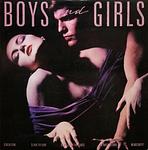
Boys and Girls (1985) is a Bryan Ferry solo album that blends pop, pop rock, sophisti-pop and art pop into a sleek, polished set of songs. The sound emphasizes glossy production, layered keyboards and brass or saxophone accents beneath Ferry's urbane, detached vocal delivery, producing romantic, atmospheric arrangements with a refined, cinematic sheen. The record represents his move into a sophisticated 1980s adult pop style while retaining artful touches from his earlier work.
#83 — Kiss Me Kiss Me Kiss Me by The Cure
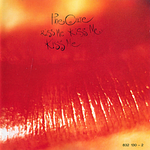
Kiss Me, Kiss Me, Kiss Me, released in 1987 by The Cure, is a sprawling double-album that blends alternative rock, new wave, synth-pop and electronic textures into a mix of bright, hook-driven songs and darker, atmospheric material. The record pairs melodic pop moments such as "Just Like Heaven" and "Why Can’t I Be You?" with moodier, more experimental tracks, using layered guitars, keyboards and varied rhythms to create contrasting emotional textures. Its eclectic sequencing and range of tones broadened the band’s stylistic palette and helped define their late 1980s sound.
#84 — Home of the Brave by Laurie Anderson
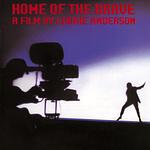
Home of the Brave (1986) is the soundtrack to Laurie Anderson's concert film, presenting a selection of her stage pieces that blend spoken-word narration, electronic textures, synth-based rhythms, and chamberlike touches such as violin. The album sits at the intersection of art rock, avant-garde pop and experimental electronic music, emphasizing theatrical performance, voice-as-instrument techniques, and tightly arranged soundscapes.
#85 — Sun City by Artists United Against Apartheid
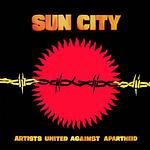
Sun City is a 1985 anti-apartheid project organized and produced by Steven Van Zandt under the name Artists United Against Apartheid. The title track and accompanying material bring together rock, blues, blues rock, contemporary jazz and electro influences along with elements of early hip hop, pairing driving rock and funk rhythms with brass, synthesizer textures and group vocals. The record is notable as a politically explicit collaboration that assembled a broad cross section of musicians around a single protest message, blending accessible pop rock forms with bluesy and jazz-inflected arrangements.
#86 — It's Your Night by James Ingram
#87 — No Parlez by Paul Young
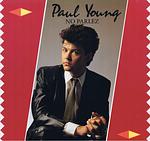
No Parlez is Paul Young's 1983 debut album that blends pop, rock, blue-eyed soul, electronic and new wave influences. The record showcases Young's emotive, soulful tenor over polished, synth-forward arrangements with brass and percussion touches, pairing original material and reinterpretations of soul and pop songs, most notably his cover of "Wherever I Lay My Hat (That's My Home)". The overall sound emphasizes clean, radio-friendly textures and a crossover between soul vocalism and contemporary 1980s electronic pop.
#88 — Bodies and Souls by The Manhattan Transfer
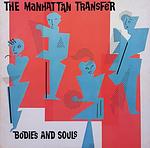
Bodies and Souls is a 1983 album by The Manhattan Transfer that blends the quartet's precise vocal harmonies with contemporary jazz textures and funk-influenced rhythms. The record leans into 1980s production touches such as electric keyboards and layered percussion while retaining sophisticated jazz voicings and close ensemble phrasing. It showcases the group's versatility in moving between mellow balladry, up-tempo funk grooves, and polished vocal arrangements that emphasize tight blending and rhythmic interplay.
#89 — Faith by George Michael
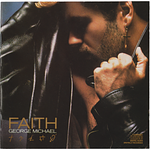
Faith is George Michael's 1987 solo debut, blending pop, dance-pop, dance-rock and pop rock with soul and R&B influences. The album pairs tight, groove-oriented production and layered synths with prominent guitar work and polished vocal arrangements, moving between upbeat dance tracks and more intimate ballads. Lyrically it covers love, desire, identity and the pressures of fame, and it represents a stylistic shift from his work with Wham! toward a more mature singer-songwriter and producer persona.
#90 — Nona by Nona Hendryx
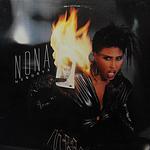
Nona (1983) is a solo album by Nona Hendryx that blends disco-derived dance rhythms with early 1980s electronic and synth-pop textures. The songs pair Hendryx's powerful, expressive vocals with synth-driven arrangements, drum-machine grooves, and funk-informed rhythms, reflecting her move from soul and funk into more modern, dance-oriented production. The record showcases her willingness to experiment with contemporary electronic sounds while retaining an R&B sensibility.
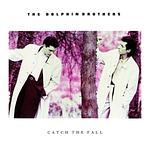
#91 — Catch the Fall by The Dolphin Brothers
#92 — Album by Public Image Ltd

Album, released by Public Image Ltd in the mid 1980s, blends the band's post-punk and experimental roots with more pronounced new wave and electronic elements. The record pairs John Lydon's distinctive vocals with taut, groove-oriented bass and drum patterns, layered synths and studio effects, and relatively compact song structures that emphasize melody alongside abrasive textures. It is frequently associated with the song "Rise" and represents a stylistic move toward a cleaner, more produced sound within the band's alternative and experimental repertoire.
#93 — The Age of Consent by Bronski Beat
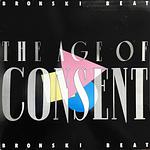
The Age of Consent is Bronski Beat's debut album characterized by bright, synth-driven arrangements, pulsing drum-machine beats and Jimmy Somerville's distinct high tenor. Musically it blends synth-pop, dance-pop and Hi-NRG energy with touches of sophisticated electronic pop, pairing club-ready rhythms with introspective, candid lyrics about alienation and gay identity; the song "Smalltown Boy" is a prominent example of that contrast between dancefloor immediacy and emotional weight. The production emphasizes shimmering synth lines and clear, danceable grooves while keeping the vocal melodies front and center.
#95 — Alf by Alison Moyet
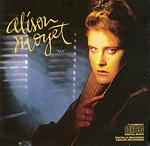
Alf is Alison Moyet's 1984 solo debut, blending pop, pop rock, blue-eyed soul and electronic elements. Produced by Steve Jolley and Tony Swain, the record pairs Moyet's deep, soulful contralto with glossy 1980s synthesizer arrangements and dance-oriented rhythms on several tracks, while also including slower, emotive ballads. The album marked her move from the synth-pop duo Yazoo to a solo career and showcases the contrast between her soulful voice and contemporary electronic pop production.
#96 — Upstairs at Eric's by Yazoo
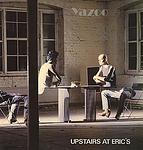
Upstairs at Eric's (1982) by Yazoo is a synth-pop album that pairs Vince Clarke's economical analog synthesizer arrangements with Alison Moyet's rich, blues-inflected voice. Rooted in new wave, dance-pop and alternative dance rhythms, the record mixes spare electronic textures, catchy melodies and club-friendly beats, with highlights including "Only You" and "Don't Go." Named for the studio where it was recorded and produced by Clarke with Eric Radcliffe, the album is notable for how it blends soulful vocals with early 1980s electronic production.
#97 — Colour by Numbers by Culture Club
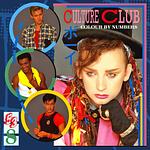
Colour by Numbers, released in 1983 by Culture Club, blends bright 1980s pop and new wave with New Romantic stylings, prominent synth textures and horn arrangements, and touches of reggae and Motown-influenced soul. Boy George's distinctive, soulful lead vocals and the band's concise, hook-driven songwriting produce melodic, radio-friendly tracks such as "Karma Chameleon" and "Church of the Poison Mind". The polished production and colorful arrangements helped establish Culture Club as a major pop presence in the early 1980s.
#98 — Traslocando by Loredana Bertè
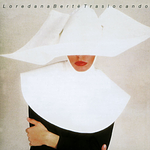
Traslocando (1982) is an album by Italian singer Loredana Bertè that blends pop rock, pop and soft rock. The record pairs her gritty, expressive vocal delivery with melodic hooks and arrangements typical of early 1980s Italian pop rock, featuring electric guitar and keyboard-driven production. It exemplifies Bertè's mix of rock attitude and accessible pop songwriting within her early 1980s output.
#99 — Alchemy: Dire Straits Live by Dire Straits
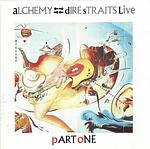
Alchemy: Dire Straits Live is a 1984 live album that captures the band’s early 1980s concert sound, presenting atmospheric, often extended arrangements that put Mark Knopfler’s expressive fingerstyle guitar and storytelling songs at the forefront. The performances emphasize dynamics and band interplay, moving between quiet, intimate passages and larger, dramatic climaxes, and showcase the group’s blend of classic rock and pop sensibilities in a live setting.
#100 — Civilized Man by Joe Cocker
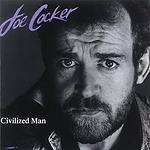
Civilized Man, released in 1984, finds Joe Cocker blending his blues-rock and soul-rooted vocal style with mid-1980s pop rock production. The album pairs his gritty, emotive singing with polished arrangements and contemporary studio sounds, emphasizing keyboards and radio-friendly textures while retaining elements of blues and soft rock. It represents a period in Cocker's career where he adapted his interpretive approach to a more modern sonic palette.